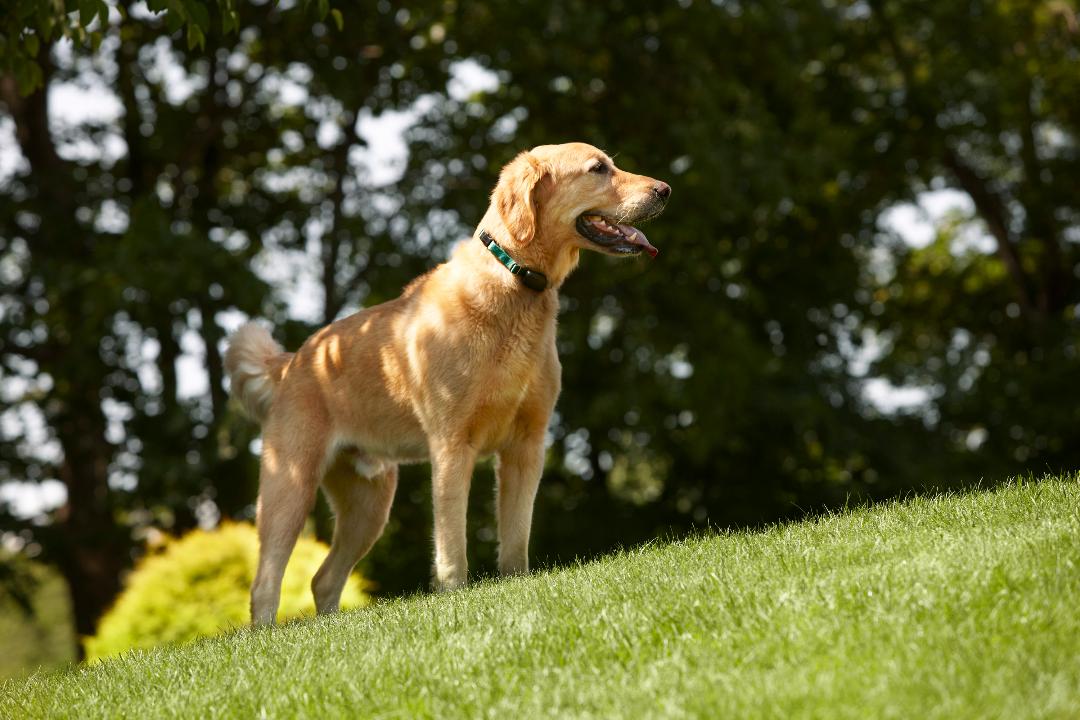
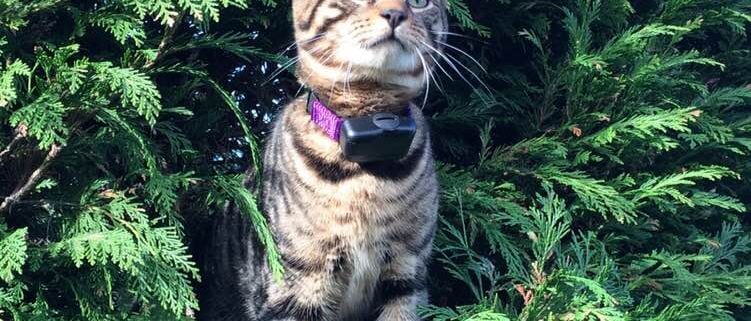
Westie wearing small electronic dog fence collar

How to Make a Dog Friendly Garden for your New Dog 

How to Make a Dog Friendly Garden for your New Dog

Welcoming a new dog to your home means creating a safe outdoor environment they can enjoy. Creating a dog friendly garden is important for both safety as well as forming part of your dog’s daily exercise and well-being.From setting up secure fencing to choosing pet-safe plants, here are essential tips for dog-proofing your garden and ensuring your new friend stays safe.

  1. Why Garden Safety Matters for New Dog Owners

Your dog’s garden experience is a key part of their new life with you. A safe, dog-friendly garden keeps your pet happy, healthy, and out of trouble.

1.1 Common Concerns for Dog Owners

New dog owners often worry about:

  • Escaping: Dogs love to explore, so keeping them secure is crucial.
  • Hazardous Plants and Chemicals: Some plants and garden products are dangerous for dogs.
  • Boundaries and Training: Setting boundaries in the yard can prevent accidents and help your dog understand their play area.
Dog friendly garden

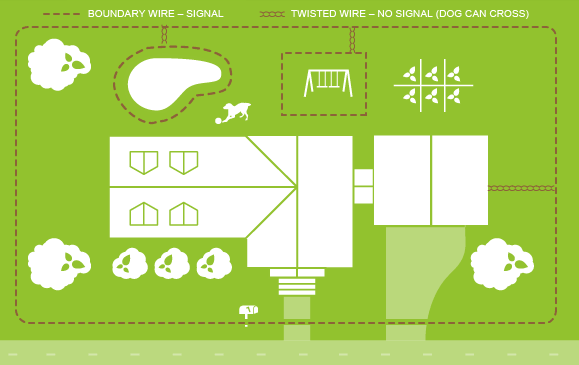
Dog friendly garden with electronic fence.

  1. Setting Up Secure Fencing to Prevent Escapes

Fencing is one of the most effective ways to keep your dog safe and within the boundaries of your garden. Here are some popular options for dog-proofing your garden:

2.1 Types of Fencing for Dogs

  • Wire Fencing: Relatively easy to install and maintain but may not suit every garden aesthetic.
  • Traditional Wooden or Vinyl Fencing: Solid and durable, with different height options for small or large dogs. Expensive, especially for large gardens and requires maintenance.
  • Electronic Dog Fences: A popular choice for dog owners who want to keep their view unobstructed. Electronic fences create an invisible boundary and offer a customisable way to contain your pet and are very cost effective, particularly for large gardens or properties.

 2.2 Creating a Dig-Proof Boundary

If your dog loves to dig, try these strategies:

  • Buried Fence Bases: Bury the bottom of your fence a few inches below ground.
  • Digging Deterrents: Consider landscaping with rocks or gravel around the base of your fence.
  • Installing an electronic dog fence as pets are unable to dig underneath it.
  1. Dog-Friendly Landscaping and Pet-Safe Plants

Dogs love exploring new scents and textures, and the plants you choose can make a big difference in their safety.

3.1 Choosing Pet-Safe Plants

Some plants are toxic to dogs. Here are some safe, dog-friendly options:

  • Sunflowers: Hardy and beautiful, they’re non-toxic for dogs.
  • Lavender: Safe, fragrant, and naturally insect-repellent.
  • Basil and Mint: Great sensory options for dogs that like to sniff and explore.

3.2 Avoiding Hazardous Plants

Common garden plants that are toxic for dogs include lilies, ivy, and foxglove. Research any new plants before adding them to your garden to keep it dog-safe.

  1. Creating a Dog-Friendly Play Area

Designating a space in the garden for play keeps your dog entertained and helps prevent destructive behaviour elsewhere in the garden. With an electronic dog fence owners with larger gardens can create zones to keep pets out of areas or away from hazardous plants. Learn how you can create different zones with electronic dog fences here.

Play zone for dog friendly garden

Dog friendly play zone

4.1 Dedicated Dog Play Zones

  • Ground Cover Options: Use soft ground cover such as mulch, artificial grass, or dog-safe gravel. These materials are paw-friendly and easy to maintain.
  • Toys and Agility Equipment: Adding durable toys, tunnels, or agility gear gives your dog mental and physical exercise in a safe setting.

4.2 Adding a Digging Zone

If your dog loves to dig, consider creating a designated digging spot in their play area. Fill a sandbox or a corner of the garden with sand or dirt and encourage your dog to dig there.

  1. Training Your Dog to Stay Within Garden Boundaries

Teaching your dog where they can and can’t go in the garden can be useful to assist in preventing escapes and accidents.

5.1 Boundary Training Basics

Positive reinforcement can go a long way in helping your dog learn boundaries.

  • Start with a Lead: Walk your dog around the garden boundaries to familiarise them with the limits.
  • Reward Safe Behaviours: Use treats and praise to reinforce staying within their designated space.
  • Use a Professional Trainer: Hire a Professional Dog Fence trainer to install and train your dog to the hidden dog fence.

5.2 Reinforcing Boundaries with Technology

For dogs who love to roam, an electronic dog fence can help reinforce these boundaries. These fences provide an invisible barrier that cues your dog to stay within the limits you’ve set. The new generation of dog fences have Smart Phone Technology which enables you to stay connected with your dog 24/7.

  1. Garden Safety Hazards to Watch Out For

Making your garden dog-safe involves understanding and eliminating common hazards.

6.1 Avoiding Toxic Chemicals and Fertilisers

Choose pet-safe fertilisers and garden products to protect your dog from toxic substances. Organic fertilisers are a good choice, and many companies now offer pet-safe options.

6.2 Keeping Sharp Tools and Objects Secure

Store all gardening tools and sharp objects in a shed or secure area. Dogs can be curious, and tools left out could lead to cuts or other injuries.

  1. Extra Tips for a Comfortable Dog-Friendly Garden

Small touches can make your garden more comfortable and enjoyable for your dog.

7.1 Adding Shade and Water

Provide a shaded area where your dog can rest, especially during hot months. Set up a water station to keep them hydrated while they play outside.

7.2 Planting a Sensory Garden for Dogs

Dogs experience the world through their noses, so consider planting herbs and flowers that dogs enjoy sniffing, such as chamomile and thyme. These plants are safe for dogs and stimulate their senses.

Cat in bird bath to create a pet friendly garden

Bath time for cats!

  1. The Freedom of a Secure and Dog-Friendly Garden

Creating a secure and dog-friendly garden is all about blending beauty with functionality. From choosing the right fencing to adding dog-safe plants and training, you can make your garden a safe, enjoyable space for your new friend.

Creating a safe, enjoyable garden for your new dog doesn’t have to be complicated. By setting up secure boundaries, choosing dog-friendly plants, and designating play areas, you can turn your garden into a haven for your pet/s. Start building a garden both you and your dogs and cats will love. Why not explore the benefits of electronic dog fences today? By securing your boundaries, choosing dog-friendly plants, and designating play areas, you can turn your garden into a haven for your pets. An electronic dog fence is a perfect solution to give your dog or cat the freedom to roam while staying safely within your garden, farm, woods or estate! Start building a safe area both you and your dog will love—explore the benefits of electronic dog fences today! Call us for a quick no obligation quote on 01628 476475 or email info@dogfence.co.uk. Whatsapp:07917 034256

Simply the Best – No Getting Around It!DogFence.co.uk

Dog fencing for large properties using an electronic dog fence.

Dog Fencing for Large Properties

Dog Fencing for Large Properties

What are the options for dog fencing on large properties? It goes without saying that most large properties are rural so when it comes to dog fencing for large properties what are the options? Rural living often comes with wide-open spaces, picturesque landscapes, and—more often than not—an abundance of curious, adventurous pets. While large properties offer dogs the freedom to roam, they also pose unique challenges for containment and safety. Traditional fences may not always be practical or affordable, especially for larger estates. This is where electronic dog fencing becomes a highly effective solution for rural homeowners. Below, we explore the key benefits of electronic dog fences and why they are the ideal choice for securing pets on large, rural properties.

1. Ideal for Dog Fencing for Large Properties

Dog fencing for large properties

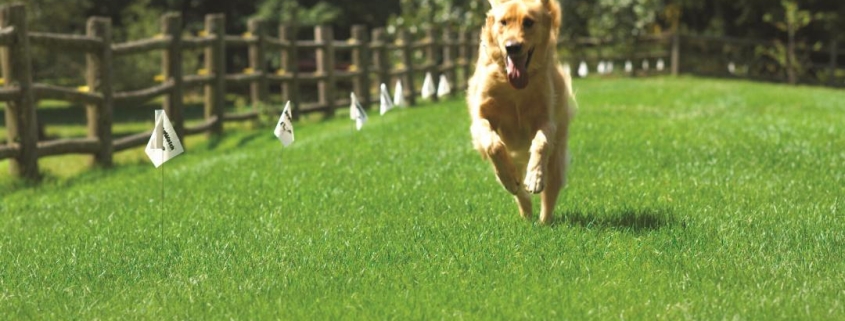
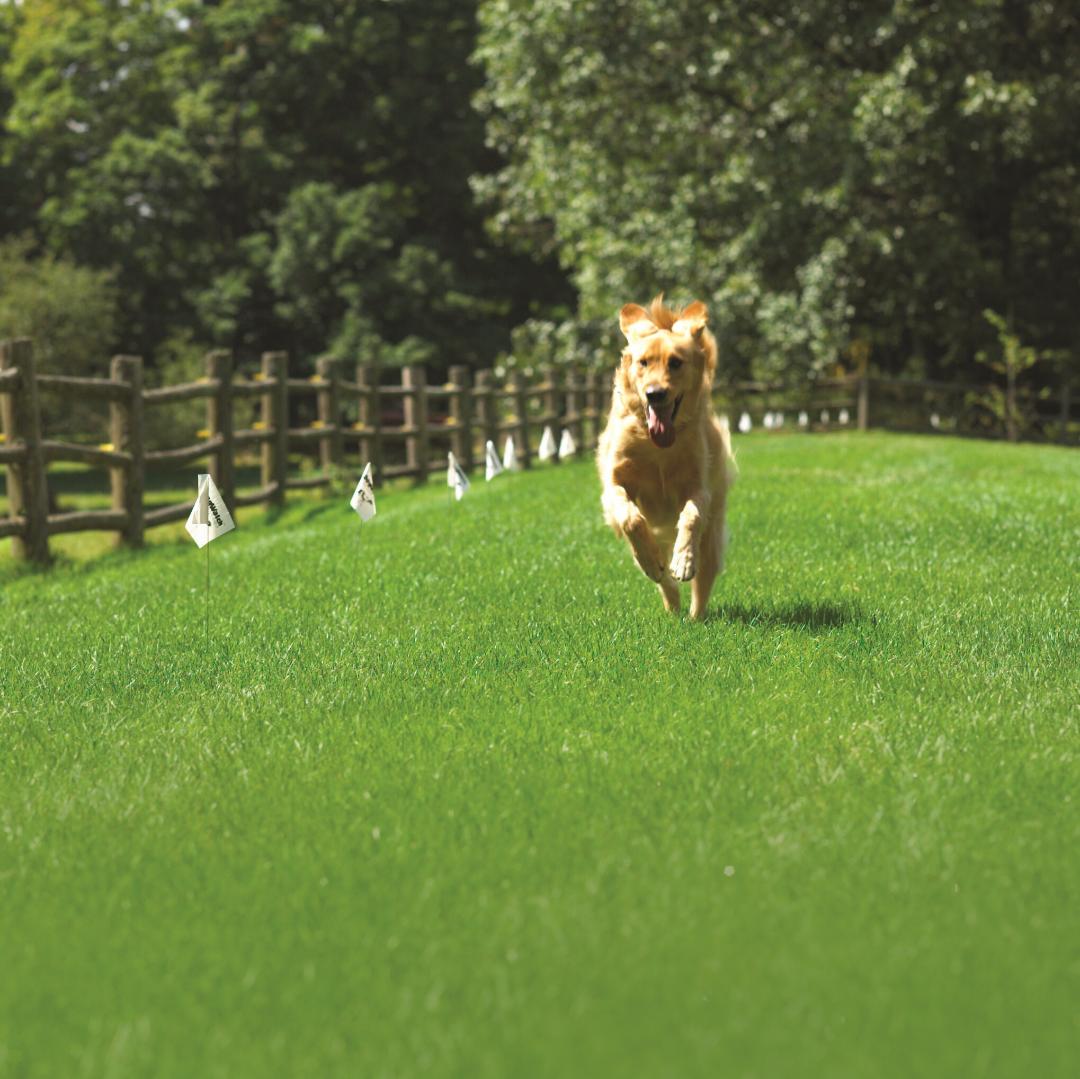
Training flags marking the boundary for the electronic dog fencing

One of the main challenges of rural properties is the sheer size of the land. Installing traditional fencing over several acres can be extremely costly and time-consuming. Electronic dog fences are designed to cover large areas—up to hundreds of acres—without the need for heavy materials or invasive installation methods. Whether you have a garden, paddock, or expansive farmland, an electronic dog fence can easily be installed around the perimeter of your property, providing your dog the freedom to roam within a safe boundary. A DogFence our systems can cover up to 350 acres and we have a proven track record in safely installing fencing for dogs and cats on large rural properties.

2. Flexible Installation for Uneven Terrains

Many rural properties feature varied terrains, including hills, rivers, wooded areas, and open fields. Traditional fences often struggle with these types of landscapes, as they require extensive leveling, materials, and maintenance. Electronic fencing for dogs, on the other hand, offers a flexible solution. The underground wire can be laid around virtually any boundary—across rivers, up hills, and through forests—without disturbing the natural beauty of the land.

Many rural properties feature varied terrains, including hills, rivers, wooded areas, and open fields. Traditional fences often struggle with these types of landscapes, as they require extensive leveling, materials, and maintenance. Electronic fencing for dogs, on the other hand, offers a flexible solution. The underground wire can be laid around virtually any boundary—across rivers, up hills, and through forests—without disturbing the natural beauty of the land.

3. Non-Intrusive and Aesthetic

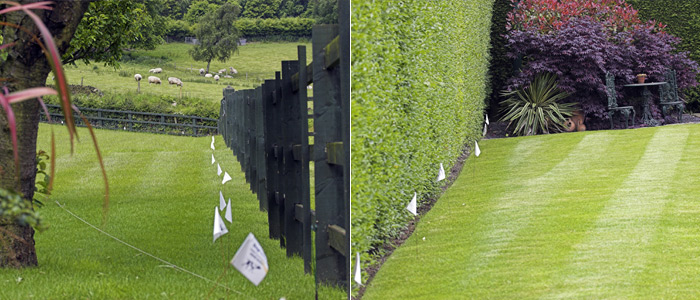
Rural homeowners often prefer to maintain the open and natural look of their land. Traditional fences can obstruct views, require constant upkeep, and be visually unappealing. An electronic dog fence is virtually invisible once installed, allowing you to preserve the beauty of your rural landscape while still keeping your dog safely contained. Without physical barriers, your property retains its open feel while offering a practical solution to dog containment.

4. Affordable Compared to Traditional Dog Fencing

Traditional fences, especially for larger properties, can cost 10 of thousands of pounds in materials and labour. On top of that, maintaining a traditional fence can be time-consuming and expensive, particularly when you factor in damage from weather, wildlife, or general wear and tear. Electronic dog fences provide an affordable alternative, with installation costs that are often a fraction of the price of traditional fencing. The long-term maintenance is also minimal, as there’s no physical structure to worry about repairing.

5. Enhanced Pet Safety

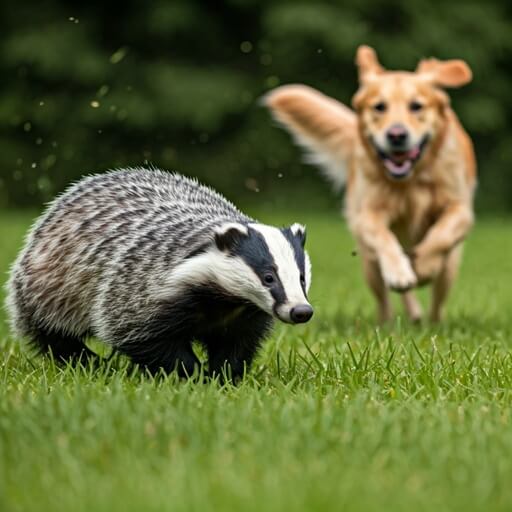
Living in a rural area means more freedom for your pets, but it also introduces additional risks. Open roads, wildlife, and nearby livestock are all potential hazards for a wandering dog. An electronic dog fence provides peace of mind by keeping your dog within a designated area. The fence creates a secure, invisible boundary that your dog will learn to respect, reducing the risk of them running into dangerous situations, such as chasing wildlife or straying onto roads.

6. Dog Fencing for Large Properties that Works for Multi-Pet Households

If you have multiple pets, an electronic fence is a flexible option for creating boundaries for all of them. Whether you have dogs, cats, or other animals, electronic fencing systems can be adjusted for different pets and their individual needs. This adaptability makes it ideal for rural properties where pets have different behaviors and exercise needs. You can even create different zones within your property to keep certain pets contained in specific areas while allowing others to roam freely. If your land includes open fields, hedgerows or post-and-rail boundaries, read our guide on dog proof fencing for rural properties for more detailed advice.

7. Easy Maintenance and Long-Term DurabilityCat fencing for rural properties

Unlike traditional fences that can degrade over time, electronic dog fences require very little maintenance. Once installed, they are virtually maintenance-free, except for periodic checks of the transmitter and collar batteries. There’s no need to worry about rust, weather damage, the buried wire has a life expectancy of 10 – 15 years. This makes electronic dog fences a highly durable and long-lasting option for rural homeowners.

Conclusion

For rural homeowners with large properties, uneven terrains, and a desire to maintain the natural beauty of their land, an electronic dog fence is an excellent choice. It offers a practical, cost-effective, and unobtrusive way to keep pets safe and secure within a designated boundary. With flexible installation options, minimal maintenance, and enhanced safety features, it’s easy to see why more rural homeowners are choosing electronic dog fences as their go-to containment solution.

By investing in an electronic dog fence, you’ll not only ensure your pet’s safety but also protect the beauty and integrity of your rural property.

Labrador's are great escape artist dogs

How to Stop Your Escape Artist Dog from Causing Local Chaos!

How to Stop Your Escape Artist Dog Getting into Trouble: A Real-Life Tale of Mischief and Meat Theft

This article is about how to stop your escape artist dog getting into trouble and  is based on a real event but the names have been changed to save an embarrassment!

Meet Max, a lovable Labrador with a nose for adventure—and apparently, a nose for prime cuts of finest Roast Beef. Max’s owner (let’s call him Steve) was getting a little fed up with plugging the holes in the garden hedge. Max was a regular escapee with a nose for a local snack, rubbish bins, cow pooh! or food the neighbours put out for the wildlife, you name it he ate it!  Little did Steve know, his dog had turned escaping into an art form. Max wasn’t just slipping out to explore the neighbourhood. Oh no, Max had bigger ambitions. He had his eyes set on the local pub kitchen.

Steve’s story started like any other evening. He let Max out for a bit of fresh air, assuming he’d stay in the garden, having spent another morning plugging the gaps! But as the day went, so did Steve’s hopes of a calm relaxing Sunday, reading The Times, and enjoying the late summer sun. Max had Houdini-ed his way out once again. But where did this master escape artist head? Straight down the lane and through the rear door of the local pub where the smell of roasting meat lured him like a moth to a flame.

Now, it’s one thing for your dog to wander off; it’s quite another for him to stroll into a busy pub kitchen, nose twitching with delight as the chef preps a busy Sunday meals. But Max was not one to turn down an opportunity. As the chef turned his back for just a moment, Max seized the day—or, more accurately, the roast lamb. He made a quick dash for freedom, juicy meat in tow.

Escape artist dog stole leg of lamb from the side

Image courtesy of: Image by 冰融 奉 from Pixabay

Needless to say, the pub landlord was livid. Not only had Max stolen dinner, but he also sabotaged the days menu and a very profitable Sunday’s takings. The cost? Well, the customer didn’t just pay for the lamb—oh no! Steve ended up covering the cost of every meal they couldn’t serve that night. That’s a lot of Sunday roasts.

So, how does one stop a crafty canine from turning into the neighbourhood’s most notorious pub burglar? Let’s be real, teaching Max the error of his ways with a stern “No!” wasn’t going to cut it. This was a dog with a plan. Steve needed a better solution. That’s where we come in.

Keeping Max Home: The Ultimate Solution for Escape Artists

If you’re the proud owner of a dog like Max, we’ve got just the thing for you: The DogFence Invisible Boundary. This isn’t your average garden fence. No digging, no jumping, no climbing—just a simple, reliable way to keep your dog safe and sound at home (and out of the pub).

Here’s how it works:

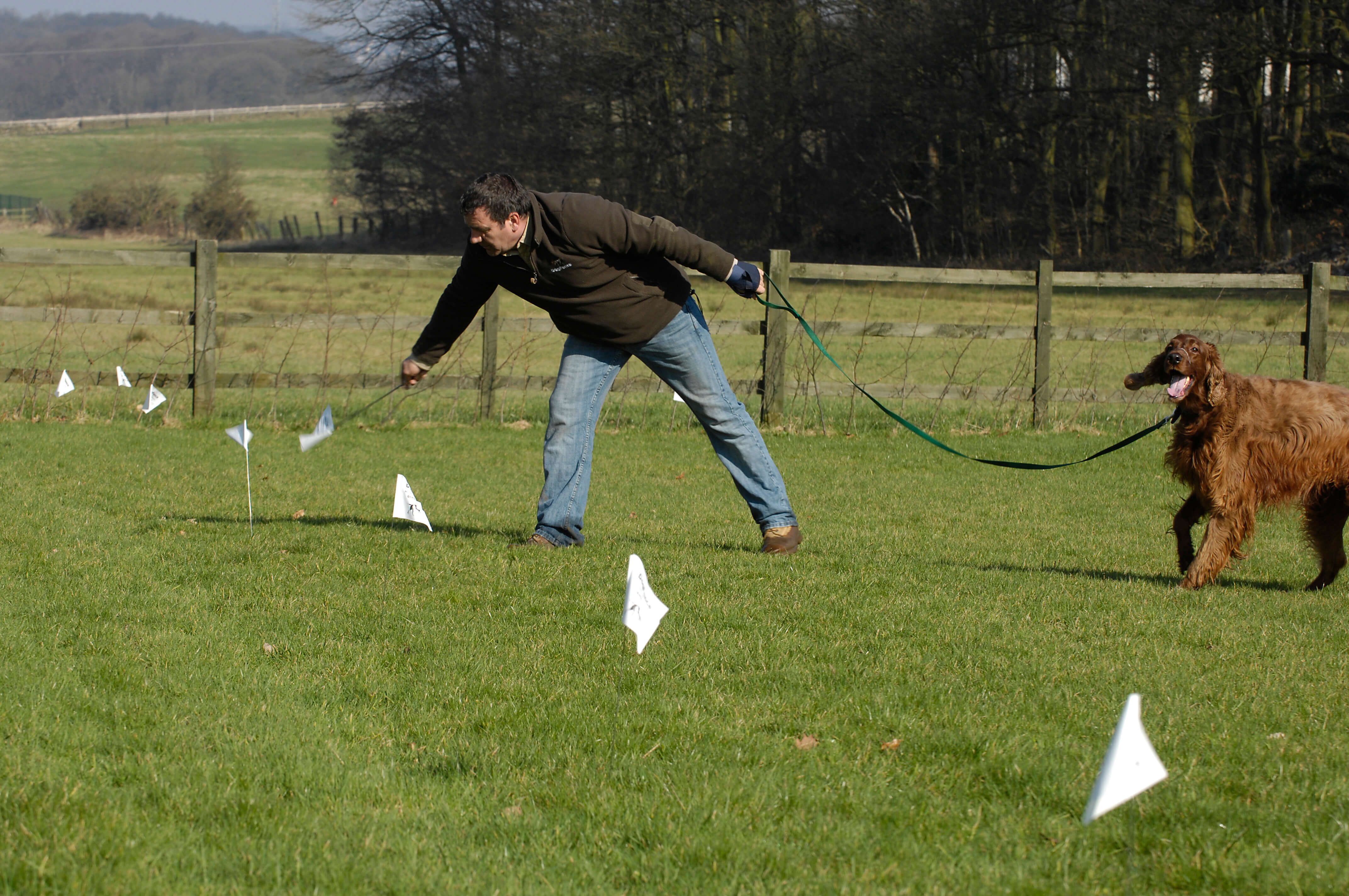
  1. Invisible Boundary: The DogFence system creates an invisible boundary around your property. Although Max won’t see it, he’ll exactly where it is due to the onsite training we will give him. As soon as he tries to leave the designated area, he’ll get an audible reminder followed by a low level stimulus (same as tens machine). To help him in the early days, the boundary will be marked by white marking flags to give him a visual of where the invisible boundary is located.
  2. Customised Zones: Have a big garden? A small garden? No problem. Our system can be tailored to fit any size property (up to 350 acres on most terrains). Even if Max is eyeing that back gate or the fence corner that’s “just low enough,” the DogFence will have him covered.

Max’s New Life

So what happened to Max after his infamous pub heist? Steve had had enough of the escape artistry and called in the professionals (that’s us!). We installed a DogFence around his property, and after just a few days of training, Max’s career as a culinary thief came to an abrupt end. Now, instead of running down the lane to scavenge lamb chops, Max stays safely at home, gnawing on a much more acceptable bone.

As for the pub? Let’s just say Max isn’t exactly welcome in their kitchen anymore.

Stop the Great Escape Artist!

If your dog thinks he’s the next James Bond, plotting escapes that leave you pulling your hair out (and leave local pubs missing their meals), it might be time for a solution that really works. With DogFence, you can stop the escapes, keep your dog safe, and avoid awkward conversations with the local landlord about missing food.

And while we can’t guarantee your dog won’t have grand ambitions, we can promise they won’t make it past your garden gate (yes we actually guarantee to keep your dog at home, provided you follow the correct steps).


And that, is how you stop an escape artist dog from living a life of crime. Want to keep your pooch home? Let’s talk about getting them their very own DogFence. We’ve got a feeling Max would approve! Call us today on 01628476475 or email us info@dogfence.co.uk

The names of the dog, owner and pub have been changed to save embarrassment but the above is a true story!


Dog sitting safely inside hedge boundary in English garden demonstrating dog proof garden setup

How to Dog Proof Your Garden Properly (UK Guide)

How to Dog Proof Your Garden

Top Tips for a Safe & Secure Outdoor Space

How to dog proof your garden properly starts with identifying risks — from escape points to toxic plants and boredom-related damage.

As dog owners, we all want our pets to enjoy outdoor freedom safely. But without the right precautions, gardens can quickly become areas of risk — whether that’s escaping, digging, chewing plants, or damaging borders.

In this guide, we’ll explore practical ways to dog proof your garden while keeping it attractive and functional.

If your dog is actively trying to escape, you may also want to read our complete guide on why dogs escape and how to stop them for good.

Dog sitting safely inside hedge boundary in English garden demonstrating dog proof garden setup


1. Secure Your Garden Boundaries

The first step to dog proof your garden is ensuring your boundaries are secure.

Check for:

  • Loose fence panels
  • Gaps between posts
  • Weak gate hinges
  • Gaps under fencing
  • Open driveways

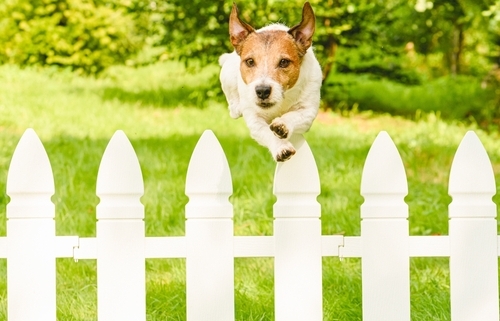
For most medium to large breeds, fencing should be at least 6ft high.

If your dog is digging under fencing, see our guide on how to stop dog digging under fence

If you live in the countryside with livestock nearby, you may find our rural-specific guide on how to dog proof a rural garden in the UK more relevant.

checklist sign showing ways to dog proof your garden including fencing plant safety and digging prevention


2. Prevent Digging & Garden Damage

Dogs dig for many reasons:

  • Boredom
  • Cooling down
  • Hunting
  • Attempting to escape

To reduce digging:

  • Increase daily exercise
  • Provide enrichment toys
  • Create shaded rest areas
  • Reinforce fence bases if necessary

Understanding why your dog digs is key to solving it long term.


3. Remove Hazardous Plants & Chemicals

To properly dog proof your garden, consider plant safety.

Common toxic garden plants include:

  • Foxglove
  • Yew
  • Azaleas
  • Rhododendrons
  • Daffodil bulbs

Fertilisers, slug pellets and weed killers also pose risks.

For official guidance on toxic plants for pets, the PDSA provides helpful information.


4. Create Safe Zones for Play & Rest

A well-designed garden reduces destructive behaviour.

Consider:

  • Shaded areas
  • Water access
  • Defined pathways
  • Designated digging areas
  • Clear boundaries

A mentally stimulated dog is far less likely to test fencing or destroy borders.


5. Consider Containment for Extra Peace of Mind

For properties with open driveways or boundary concerns, additional containment may be worth considering.

A professionally installed electronic dog fence system can create a defined perimeter without altering your garden’s appearance.

Learn more in our guide on how electronic dog fences work.


Final Thoughts: Creating a Dog Safe Garden

To dog proof your garden effectively, combine:

  • Secure boundaries
  • Behaviour understanding
  • Plant safety
  • Enrichment

At DogFence, we’ve helped thousands of UK pet owners create safer outdoor spaces for their dogs and cats.

If you’d like tailored advice for your property, contact our team for a free, no-obligation consultation.

Ready to Dog Proof Your Garden Properly?

If you’re looking to dog proof your garden and prevent escape, digging or boundary problems, we can help you create a safe, secure outdoor space tailored to your property.

Call us on
01628 476475
|
Message us on WhatsApp
|
Request a Free Quote Online

Active dogs safely contained by a robust dog fence on vast, uneven ground in a beautiful, hilly landscape."

How to stop the dog escaping from the garden

Want to learn how to keep your dog in your garden?

Is your dog getting out more than you?  Dog owners often search for solutions on to how to stop the dog escaping from the garden. Why, because; responsible dog owners know that having a securely fenced garden is a non-negotiable must for just about any dog. Dogs are inveterate explorers, and for some, the garden is just not a big enough or interesting enough place to stay. If escape is in your dog’s DNA, the first thing to remember is that these dogs are really just natural adventurers. And remember, too, that in a good number of cases, it’s as much about what you’re doing inside as it is about what’s happening outside when the dog makes a break for it.

Your dog might wander off because they feel lonesome. Even if there’s a lot of open space, all your dog might really want is your companionship. Or, they could just be seeking out a new buddy. Then there’s the territorial type. These dogs might roam around the outside of the property because they’ve sensed some possible intrusion and are just doing what they think is best to defend their home. And let’s not forget about those adventurous, “What if…?” dogs that have just discovered the other side of a fence. Whether it be a newfound friend, a secret stash of grub, an inviting body of water, or an ephemeral scent leading to the wild, these dogs are not afraid to explore a little bit beyond the hard boundaries of the property line.dog fencing options

Make the garden a happy place for your dog. The garden should be a sanctuary—safe and secure, a sunlit and shaded space for the dog to lounge in, and a haven. You should also spend time in the garden with your dog when possible, engaging in play and training games that will keep your pup interested and busy.

Even if you have a securely fenced-in garden, it is essential to walk your dog daily, and to do so with great enthusiasm. The nature of the exercise and the environment used during the walk are both important. You need to make every effort to use both physical and mental tactics to tire your dog out, using a fenced garden as a starter. Walk your dog every day and really if possible twice a day and try to vary your walk to keep your dog energetic and enthusiastic.

What fencing options are there to stop the dog escaping garden?

There are of course many types of fencing for dogs and cats. If it’s just the rear garden you might want to try a traditional fence but these can work out costly depending on the size and terrain of the garden. If you have a dog or cat that climbs then you can install roller topper on top of the fencing. These long, metal bars are installed to the top of a fence, and when a pet attempts to use it to gain some sort of grip to pull itself over, it rolls, like a rolling pin but if you’ve got a digger then your options can be even more costly!

The solution to a digger would be create a substantial barrier that even the most persistent digger cannot circumvent by pouring a concrete into the ground and running pour it along the edge of the fence. These solutions are rather hammer to crack a nut and create quite aelectronic dog fence disturbance to your perimeter boundary.

Dog runs are effective people may think that they have to keep their dogs in a run in order to keep them safe and give them fresh air but surely this is akin to how we keep prisoners? Not only are they very costly to give your dog a small area of freedom, they are extremely unsightly. Your dog can and should have freedom to enjoy life in the garden, even if you’re not there with them. An electronic dog fence is solution that give both dogs and cats freedom and safety.

What is an electronic dog fence?

An electronic dog fence, also known as an invisible or wireless dog fence, is a containment system designed to keep pets within a designated area without the need for traditional physical barriers like wooden or chain-link fences. Instead of constructing a visible fence, the electronic system creates an invisible boundary that, when crossed by the dog, triggers a warning or correction signal, ensuring that the dog remains within the specified perimeter. This innovative solution is popular among pet owners who want to maintain an open view of their landscape, avoid the cost of traditional fencing, or live in areas where building physical fences may not be feasible.

How Does an Electronic Dog Fence Work?

electronic dog fence

An electronic dog fence system generally consists of three main components:

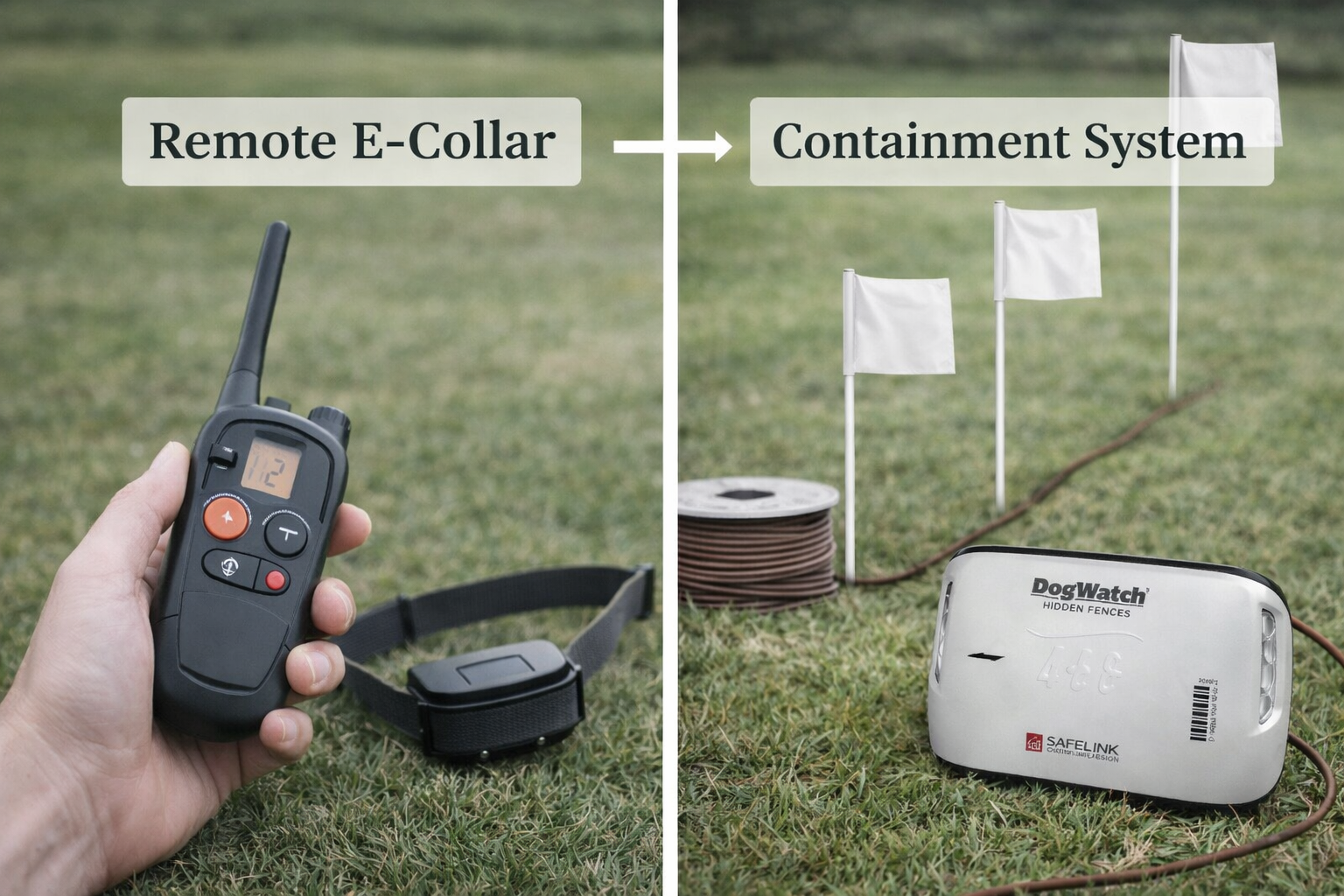
Transmitter: This device is responsible for creating the boundary. It can either be installed indoors or outdoors, depending on the type of system, and transmits a radio signal to establish the boundary line. The coverage area can vary, with some systems covering small yards or gardens, and others spanning several acres.

Boundary wire: A boundary wire is buried around the perimeter of the property (up to 350 acres), which can be customised to fit any shape or size of the garden or property. This wire creates the boundary signal that is picked up by the dog’s receiver collar. These systems offer more flexibility in shaping the boundary. The wire carries a harmless radio signal (it an underground aerial).

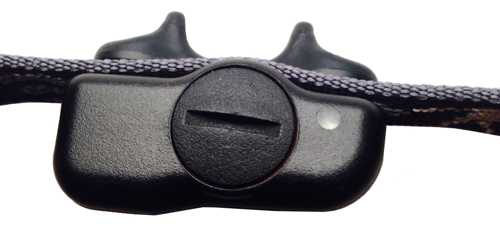
Receiver Collar: The dog wears a special collar equipped with a receiver. When the dog approaches the boundary, the collar picks up a warning signal transmitted by the underground wires or wireless system.

Boundary Markers: Physical flags are often used during the initial training phase to help the dog or cat visually understand where the boundary lies.

Will an electronic dog fence stop the dog from escaping from the garden? Yes, they are highly effective and when installed by DogFence UK, the owner even receives a guarantee.

If you want to learn more about how we can keep your dogs and cats safe contact us or call us today 01628 476475

How to keep my dog in my garden

How to keep your dog in your garden

7 Effective Ways to Keep Your Dog Safely Contained in Your Garden

Want to learn how to keep your dog in your garden? Your garden should be a haven for your dog—a place where they can roam, play, and relax. But sometimes, dogs have a tendency to wander, putting their safety at risk. If you’re wondering how to keep your dog in the garden without them escaping, here are five effective ways to ensure they stay secure and happy.dog proof the garden to stop dog digging

1. Install a Dog Fence for Security

The most effective method to keep your dog in the garden is to install a dog fence.  These fences come in various types, from traditional physical barriers to invisible dog fences, which offer a discreet way to ensure your dog stays within boundaries. For reliable, advanced solutions, visit DogFence.co.uk for high-tech invisible fencing systems designed for dogs of all sizes.

2. Use Training Techniques

Training your dog to respect boundaries is key to garden safety. Start by teaching them to stay within a specific area. Combine this with positive reinforcement techniques, ensuring they associate staying in the garden with rewards.

3. Create Physical Boundaries

For smaller gardens, consider using garden planters, shrubs, or hedges to create a natural boundary. These serve as a visual cue for your dog and add to the aesthetics of your garden.

4. Make the Garden Exciting

Dogs can become escape artists when they are bored. Keep them entertained with toys, obstacles, and plenty of shaded areas. The more engaging the garden is, the less likely they are to look for a way out.

5. Supervise Your Dog

While fencing and training are great solutions, nothing beats supervision. When you’re in the garden, keep an eye on your dog to ensure they are safe and not attempting to dig under fences or find a way out. So why choose a hidden, electric, invisible or electronic dog fence over a traditional fence? The answer is simple ……… because they cover the entire perimeter including the drive and other open areas. So if you are looking for a safe, affordable and reliable solution why not investigate an electronic dog fence?

6. Invest in a Reliable Containment System

The first step in dog-proofing your garden is to invest in a reliable dog fence. If you want to avoid physical barriers, consider the quality of the system, as with all products sadly you get what you pay for! It is important to look at the quality the system and size and weight of the collars. Our DogFence collars are the smallest lightest and most reliable worldwide and come backed up with a lifetime warranty and containment promise.

7. Regularly Check for Gaps or Escape Routes

If you’re using a physical and not an invisible fence then it’s important to regularly check your garden for potential escape routes. Dogs can be clever, and even a small gap may become an escape route. Regular maintenance will prevent accidents and ensure your dog stays within the safety of the garden.

More about Invisible dog fences to keep your dog in your garden


  • Aesthetic Appeal: No need for physical barriers that disrupt the look of your garden.
  • Flexibility: Invisible fences can be installed around any garden shape or size, offering more flexibility than traditional fencing.
  • Training Support: The systems are safe and harmless and through our training programme helps them learn the boundaries quickly with ease.

Why Invisible Dog Fences Are Ideal for Gardens

Invisible dog fences are particularly useful in maintaining the beauty of your garden while ensuring your dog stays safe. They also work well with irregularly shaped gardens or large areas where a traditional fence might be impractical. With DogFence.co.uk, you can customise the system to fit the exact layout of your outdoor space.invisible dog fences give dogs freedom

How to Install an Invisible Dog Fence

Installation is straightforward. You or a professional can install the fence underground or above ground, depending on your preference. For the best results, it’s recommended to consult with our experts at DogFence.co.uk for a seamless setup.

By using a combination of these tips, you’ll create a safe, enjoyable garden space for your dog. For advanced containment systems, DogFence.co.uk offers industry-leading invisible fences that guarantee peace of mind. Call us today for more info or a free quote 01628 476475


Wifi dog fence or geo dog fence

Why Geo Dog Fencing Isn’t Better Than In-Ground Wired Options


Why Geo Dog Fencing Isn’t Better Than In-Ground Wired Options

Geo Dog Fencing, the new buzz word! When it comes to keeping our canine and feline friends safe within our property boundaries, dog owners have two popular options: geo (GPS-based) dog fencing and traditional in-ground wired dog fencing. While geo dog fencing seems like a high-tech, convenient solution, it still has several limitations that prevent it from being a better option compared to the reliable, tried-and-true in-ground wired systems. Below are some key reasons why geo dog fencing isn’t superior to in-ground wired options:

1. Accuracy and Reliability

One of the main drawbacks of geo dog fencing is its reliance on GPS signals to establish boundaries. While GPS technology is advanced, it isn’t foolproof. Geo fences can be less accurate due to signal interference caused by various factors, such as tall buildings, dense tree coverage, or adverse weather conditions. These signal disruptions can cause the virtual boundary to shift, potentially confusing your dog or failing to keep them within the intended area. In contrast, in-ground wired systems use a buried wire to establish a physical boundary that doesn’t shift or move, ensuring consistent and accurate containment.

2. Response Time of Geo Dog Fencing

Geo dog fencing often suffers from delayed response times due to its dependence on satellite signals. This will affect not just the response time as the pet enters the zone but also when the pet retreats.  There can be a lag between the moment your pet crosses the virtual boundary and when the collar receives the signal to activate. If the collar picks up too slowly the pet will run through and conversely if your dog or cat enters and immediately retreats from the zone, the collar should also shut down; this is not the case with satellite based systems.  This delay could allow your dog to wander too far beyond the safe zone before realising they’ve crossed the boundary, increasing the risk of escape. Our in-ground wired systems provide immediate feedback as the dog approaches the boundary, which effectively prevents dogs from crossing and reinforces their training.

3. Battery Life and Maintenance

GPS-based collars generally require more power than collars used with in-ground wired systems. This means geo fencing collars need frequent recharging or battery replacement. If a collar runs out of battery while your dog is outside, the containment system becomes ineffective, leaving your dog vulnerable. In-ground wired collars, on the other hand, typically have longer-lasting batteries and are more efficient since they only activate when the dog approaches the wire. This makes them more reliable for continuous use with less frequent maintenance.

4. Collar Size and Durability

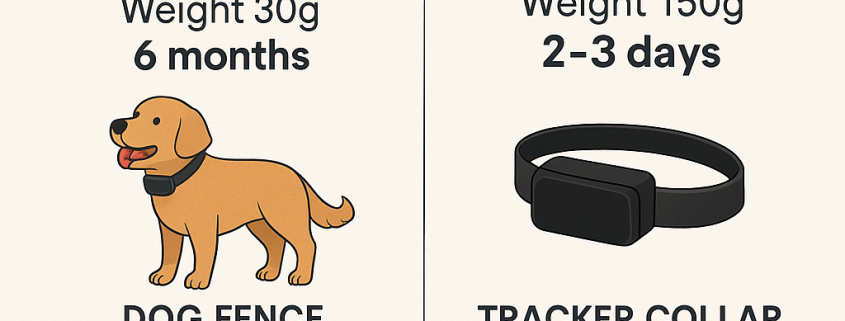
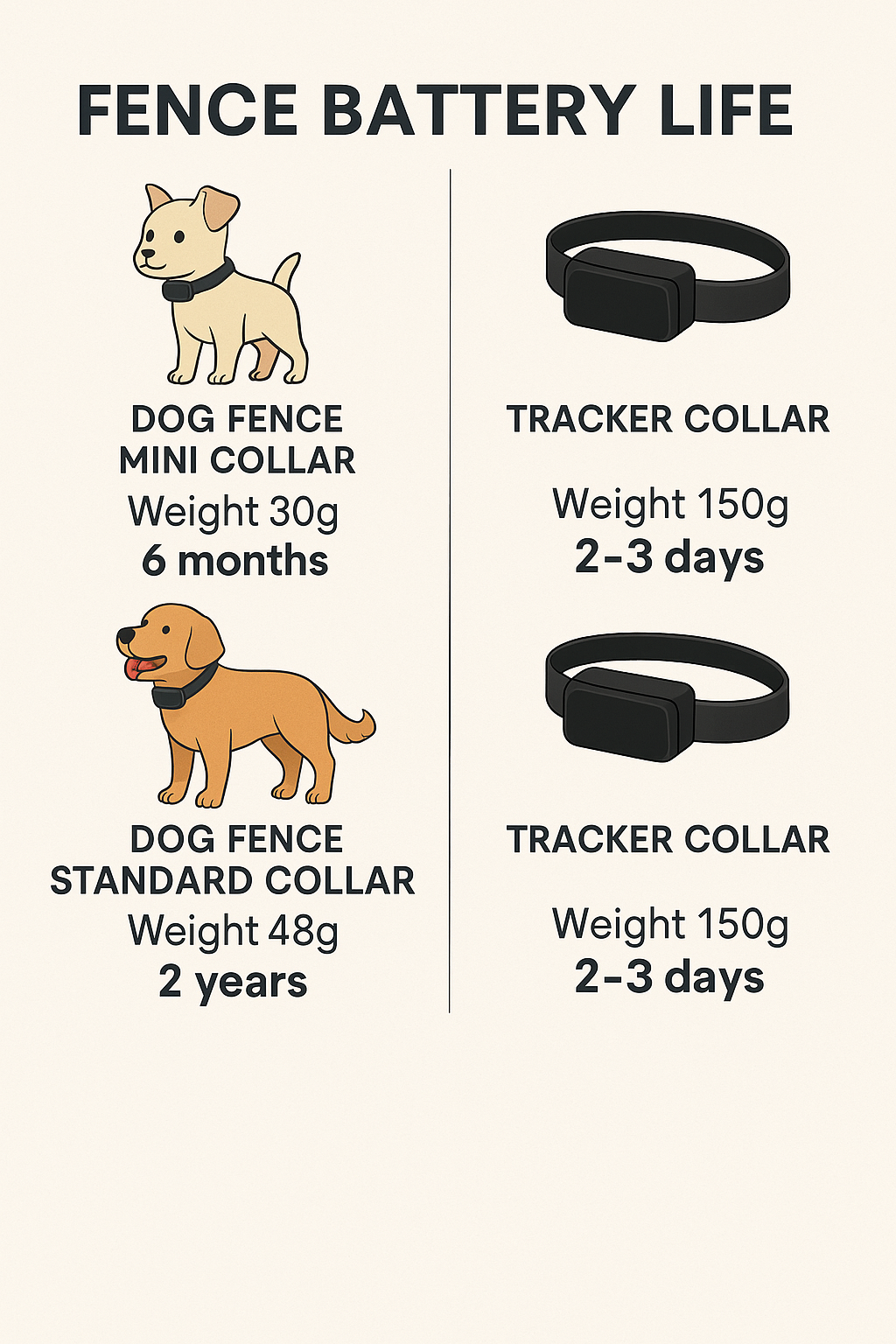
Our DogWatch collars are not only the smallest and lightest worldwide among standard wired systems but also significantly lighter and less bulky than Geo collars. While our lightweight collar weighs less than 40g, including the battery, a typical Geo collar weighs around 227g. The average battery life on our mini collar = 6 months and on our standard collar = 2 years, whereas the run time on a Geo Collar = 36 hours (8 hours tracking). The extra weight of a Geo collar is due to the hardware required to connect with orbital satellites, making it inherently larger and heavier. In terms of warranty, Geo collars come with a one-year warranty that doesn’t cover accidental damage. In contrast, our DogWatch collars come with a lifetime warranty, even covering damage from dog chews


5. Boundary Customisation and Size

Our DogWatch wired systems offer unparalleled flexibility in defining boundaries. You can customise the layout to include specific areas like gardens, pools, or flower beds, keeping your dog away from dangerous or restricted zones within your property. You can also define the boundaries in irregular shapes that fit your properties exact layout. Geo fencing, while flexible to a point, often struggles with defining complex or irregular boundary shapes accurately. This limitation can be problematic for homeowners with unique property layouts.

6. Training and Learning

Dogs learn best with consistent and predictable cues. With geo dog fencing, the potential inaccuracies and delays can confuse a pet during training, making it harder for them to understand where they can and cannot go. In contrast, our wired fences provide clear, consistent feedback when a pet approaches the boundary, making training more straightforward. The defined physical boundaries of in-ground systems help pets learn and remember their limits more effectively, reducing the risk of boundary violations over time.

At the time of publishing this article the in ground dog fence option offers the best solution to pet safety, consistency and reliability. As technology progresses we may, in time, see other options built into all types of dog fencing and indeed the boundary wire maybe a thing of the past?

If you would to learn more about our system why not call us for a quick free consultation. We are able to estimate and draw your boundary without the need for a site visit using our land survey software. Call today on 01628 476475 or info@dogfence.co.uk. www.dogfence.co.uk.


Dog Fences are all the Same, Correct?

Why Not All Hidden Dog Fences are the Same


westie dog with dog fence collar

Westie with R12m

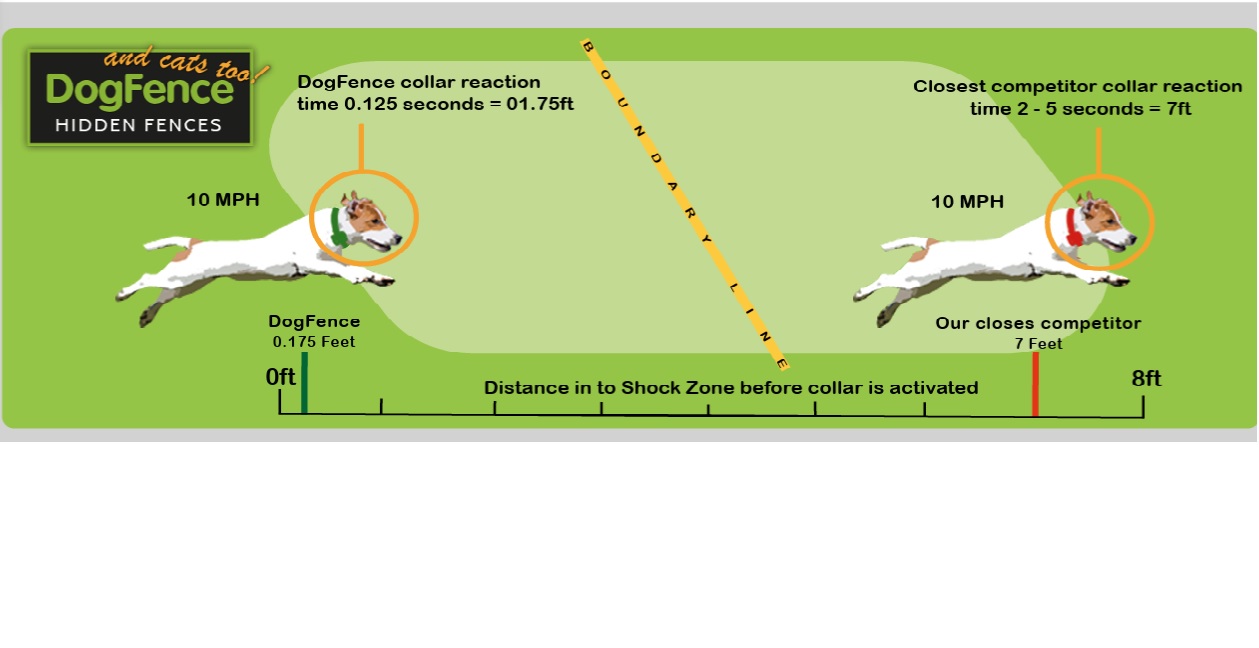
When it comes to hidden dog fences, it’s easy to assume they’re all the same – but that’s only partially true. While it’s accurate that most systems involve a receiver collar and an avoidance zone, saying they’re all alike is like saying all cars or computers are the same. The real question is, would you purchase a car or computer today that relies on 40-year-old technology and hasn’t been updated? Most of us recognize that safety, reliability, and durability have evolved significantly over the past four decades. The same goes for dog fences.

The safety of your beloved pets, choosing the right hidden fence system is a crucial decision. While there are many options available, not all are created equal. At DogFence Ltd we have been approached by many of the major manufacturers over the years to sell and install their systems but we chose to become DogWatch Dealers and have remained DogWatch Dealers for several major reasons: Safety, Technology, Reliability and Durability. Our Hidden Fences stand out as a premium product, offering superior quality, reliability, and peace of mind. Here’s why our customers choose to invest in a DogWatch system for their canine family members.

1. Heavy-Duty Boundary Wire: Built to Last

One of the key components of any hidden fence system is the boundary wire. With DogWatch fences, you will be supplied with a heavy-duty, high-quality wire that’s designed to withstand the elements and the test of time.

Why is this important? A sturdy boundary wire reduces the risk of breaks, which can disrupt the system and cause confusion for your pet. When the boundary wire fails, so does the consistency of the signal, leading to potential safety risks. Imagine your dog wandering beyond the boundary because the signal was compromised due to a break in a cheaper, thinner wire. With DogWatch, you minimize this risk, ensuring that the boundary remains secure and your pet stays safe.

2. Long Battery Life: More Uptime, Less Worry

Another critical factor to consider is the battery life of the receiver collar. Many cheaper alternatives on the market may only offer a few weeks of battery life before needing replacement. This frequent battery turnover not only becomes costly but also increases the risk of your pet wandering off if the battery dies unexpectedly.

DogWatch collars, on the other hand, boast an impressive battery life of up to two years. This extended battery life ensures that your pet is consistently protected without the constant worry of battery failure. After all, when the battery runs out, so can your dog.

3. No Dead Spots: The Power of Three Antennas

Consistency in signal reception is crucial for any hidden fence system. DogWatch receiver collars are the only ones on the market that feature three small antennas. This innovative design ensures that there are no dead spots in the receiver’s coverage, providing continuous and consistent signal reception. With no interruptions in signal, your dog learns and respects the boundaries more effectively, leading to better overall training and safety.

4. Lightweight and Durable: Perfect for All Pets

DogWatch collars are not only reliable but also designed with your pet’s comfort in mind. We offer lightweight and durable collars, making them suitable for dogs of all sizes, as well as cats. This versatility means you don’t have to compromise on quality or comfort, regardless of your pet’s size. Whether you have a playful Labrador or a curious cat, there is a DogWatch collar to fit comfortably while being tough enough to withstand the rough-and-tumble nature of pet play.indoor fence

5. Lifetime Warranty: A Commitment to Quality

At DogWatch, we understand that dogs can be dogs – they love to run, jump, and play, sometimes a bit too boisterously! That’s why we offer a genuine lifetime warranty on our products. This warranty reflects our confidence in the durability and quality of our hidden fence systems.

Conclusion: DogWatch is the Smarter, Long-Term Investment

While DogWatch Hidden Fences may come with a higher price tag, the low running costs, durability and warranty make it the smarter and long-term cheaper option for safe pet containment. With high-quality, durable components, a superior design that ensures consistent performance, and the peace of mind that comes with a long-lasting battery and lifetime warranty, DogWatch is the ultimate choice for pet owners who prioritize safety and reliability. When it comes to your pet’s well-being, don’t settle for less. Choose DogWatch – because your pet deserves nothing but the best.

Getting to Know Your Rescue Dog

Getting to Know Your Rescue Dog

Adopting a rescue dog is an incredibly rewarding experience, but it also comes with its own set of challenges and adjustments. Getting to know your rescue dog in the first few weeks are crucial for building a strong bond and ensuring your new friend feels safe and secure in their new environment. Here are some essential tips to help you navigate this exciting period.

Creating a Safe Space

Your rescue dog may feel overwhelmed or anxious in their new surroundings. Designate a quiet, cosy area where they can retreat and relax. This space should include a comfortable bed, some toys, and access to water. Allow your dog to explore their new home at their own pace, and avoid overwhelming them with too much stimulation right away.

Establishing a Routine

Dogs thrive on routine, and having a consistent schedule helps them feel more secure. Set regular times for feeding, walks, and playtime. This not only helps your dog adjust to their new home but also establishes your role as their caregiver and leader. A predictable routine will reduce anxiety and help your dog settle in more quickly.

Building Trust

Patience is key when it comes to building trust with your rescue dog. They may have had negative experiences in the past, so it’s important to approach them with kindness and understanding. Use positive reinforcement techniques, such as treats and praise, to reward good behavior and create positive associations. Avoid punishment, as this can damage the trust you’re working to build.

Socialisation

While it’s important to give your rescue dog time to adjust, socialization is also crucial for their well-being. Gradually introduce them to new people, places, and other animals. Start with controlled, positive experiences and gradually increase exposure as your dog becomes more comfortable. This will help them develop confidence and reduce fearfulness.

Keeping the Garden Secure

A secure garden is essential for your rescue dog’s safety and well-being. Here are some steps to ensure your outdoor space is dog-friendly:

Check the Fencing

Inspect your garden fencing for any gaps, holes, or weak spots that your dog could escape through. Repair any damage and ensure thdog fencing optionse fence is tall enough to prevent jumping. Maybe consider installing an electronic dog fence as this will cover weak and vulnerable areas without spending thousands on new fencing or gates. If you’re resurrecting an old using a dog fence, make sure it’s properly installed and that you are aware of the timescales and how to train your new friend. DogFence offer a repair and training service on most brands of pet fencing.


Remove Hazards

Clear the garden of any toxic plants, sharp objects, or small items that your dog could swallow. Ensure that any garden tools or chemicals are stored safely out of reach.

Create a Safe Play Area

Designate a specific area for your dog to play and explore. You can set up a section with toys, tunnels, and other enrichment items to keep them entertained. Providing shade and fresh water will also ensure they stay comfortable during outdoor playtime.

Supervised Time Outdoors

Initially, always supervise your dog when they’re in the garden. This helps you monitor their behaviour and intervene if they try to escape or get into anything they shouldn’t. As they become more familiar with the garden and you’re confident in its security, you can gradually increase their unsupervised time outdoors.

Introducing Your New Dog to Existing Dogs and Cats

Introducing your rescue dog to existing pets requires careful planning and patience to ensure a smooth transition. Start with a neutral meeting place, such as a park or a quiet street, to prevent territorial behaviour. Allow the dogs to sniff and observe each other from a distance, gradually reducing the space between them if they show positive or neutral behaviour. For cats, keep the initial interactions brief and controlled, using a leash or a pet gate. Provide separate spaces for each pet to retreat to, ensuring they can escape if they feel overwhelmed. Monitor all interactions closely and intervene if any signs of aggression or stress arise. Gradual, positive introductions will help foster a harmonious relationship between your rescue dog and your existing pets.

Introducing Your Rescue Dog to Young Children

When introducing your rescue dog to young children, it’s crucial to ensure the experience is positive and safe for both parties. Start by educating your children on how to approach and interact with the new dog. Teach them to be calm, gentle, and to avoid sudden movements or loud noises. Allow the dog to approach the child at their own pace, rewarding them with treats and praise for calm behavior. Always supervise interactions between your dog and young children, intervening if either shows signs of discomfort or anxiety. Encourage your children to participate in caring for the dog, such as helping with feeding or grooming, to build a bond. With patience and careful supervision, your rescue dog and your children can develop a loving and respectful relationship.

Understanding Their Past

Your rescue dog may come with some emotional baggage. Understanding their history, if possible, can help you address specific behavioural issues or anxieties. Be patient and give them time to adjust. If needed, consider consulting a professional dog trainer or behaviourist for guidance.

Health and Vet Visits

Schedule a vet visit within the first week of bringing your rescue dog home. This ensures they’re healthy and up-to-date on vaccinations. Discuss any concerns you have with the vet and get recommendations for diet, exercise, and any necessary treatments.

Training and Obedience

Start basic training as soon as your dog is comfortable. Focus on commands like sit, stay, and come. Use positive reinforcement and keep training sessions short and fun. Consistent training helps your dog understand expectations and builds a strong bond between you.

Patience and LoveDog kissing mans nose

Above all, remember that patience and love are the most important tools in helping your rescue dog adjust. Each dog is unique and will adapt at their own pace. Celebrate small victories and cherish the journey of getting to know your new best friend.

By following these tips, you’ll create a safe, loving environment where your rescue dog can thrive. The first few weeks may have their challenges, but the reward of a happy, healthy, and well-adjusted dog is well worth the effort. Enjoy the process of building a lifelong bond with your new furry family member!

If you would like to speak to us about how we can keep your new friend safe within your boundary call us today for a chat and a free quote 01628 476475 or info@dogfence.co.uk

Rhodesian ridgeback trying to escape so he needs a dog fence!

Dog Fence Installation: DIY vs. Hiring a Professional

Dog Fence Installation: DIY vs Hiring a Professional

DIY vs Professional Dog Fence Installation – What’s Right for You? DIY vs professional dog fence installation is a common dilemma for dog owners who want reliable containment without unnecessary cost. In this guide, we compare both options to help you decide what’s right for your property and your pet. Dog fence installation is one of the most important stages in setting up a safe and reliable electronic containment system. Whether you are considering a DIY kit or professional dog fence installation, the way the system is installed directly affects performance, safety and long-term reliability.

Many problems attributed to dog fences are not caused by the technology itself, but by incorrect installation, poor cable placement or inadequate training.


What Is Involved in Installing a Dog Fence?

The Installation typically involves:

  • Planning the boundary layout
  • Burying or securing the boundary wire
  • Programming the receiver collar
  • Setting appropriate correction levels
  • Training the dog to understand the boundary

When done correctly, the buried boundary system creates a consistent invisible perimeter that your dog learns to respect.

If you’re still exploring how these systems work before deciding on installation, our guide to an electric fence for dogs explains how modern containment technology operates in practice.

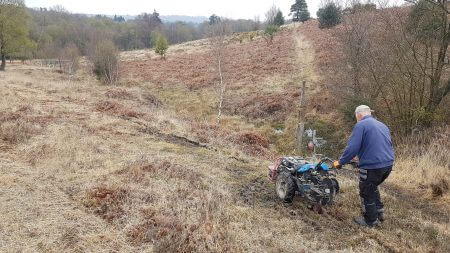
dog fence installation trenching machine cutting boundary wire channel

Cutting a narrow trench for a buried dog fence boundary wire during installation.


DIY vs Professional Dog Fence Installation: Key Differences

Some homeowners choose DIY dog fence installation kits. When comparing DIY vs professional dog fence installation, the main differences come down to cost, expertise and long-term reliability.

Pros of DIY Installation

  • Lower upfront cost
  • Flexibility to install at your own pace
  • Suitable for simple, flat garden layouts

Cons of DIY Installation

  • Incorrect wire depth or placement
  • Lighter cable used instead of professional-grade wire
  • Poor driveway crossings
  • Incorrect collar programming
  • Inadequate training support

Many DIY installations fail not because the system is flawed, but because the boundary wire is not installed securely or consistently.

Improper dog fence installation can lead to signal breaks, inconsistent correction zones and confusion for the dog.


Professional Dog Fence Installation: What’s Different?

When a dog fence is installed professionally is should include:

  • Property survey and boundary planning
  • Correct driveway and pathway crossings
  • Heavy-duty boundary cable
  • Lightning protection
  • Bespoke collar programming
  • Structured training sessions

A professionally installed electronic containment system is designed to last for years with minimal disruption.

If you’re weighing up welfare concerns as part of your decision, it can also help to read our article on the controversy surrounding dog fences and whether they are cruel or necessary.


Can Dog Fence Wires Cross a Driveway?

Yes.

One of the most common concerns about dog fence installation is whether the boundary wire can cross driveways.

Professional installers can:

  • Cut a narrow channel in concrete or tarmac
  • Seal the cable safely below the surface
  • Run cable beneath block paving
  • Protect wiring against long-term wear

Correct driveway crossing is one of the biggest differences between DIY and professional dog fence installation.


Is Professional Dog Fence Installation Safer?

A Professional installation itself does not determine whether a system is humane — but correct installation plays a major role in safe operation.

Poor installation can cause:

  • Inconsistent correction zones
  • Delayed warning tones
  • Signal gaps
  • Dog confusion

When a dog fence is fitted out, the system delivers a predictable, programmable boundary that most dogs quickly understand.

If you are still deciding whether electronic containment systems are suitable for your pet, our evidence-led guide on whether electric dog fences are cruel or kind may help clarify the welfare and training considerations.


How Long Does it Take to Install a Dog Fence?

For an average suburban garden, professional dog fence installation is often completed in a day.

Larger rural properties may take longer depending on:

  • Boundary length
  • Terrain
  • Driveway crossings
  • Woodland or uneven ground

Once installation is complete, structured training begins immediately.


Should You Choose DIY or Professional Installation?

Installing a DogFence is not just about burying a wire — it is about creating a reliable training boundary. Not sure whether to choose DIY or professional dog fence installation?

DIY installation may be suitable if:

  • Your property is small and simple
  • You are confident with cable routing
  • You understand programming and training principles

Professional installation may be better if:

  • Your dog has a strong escape drive
  • Your property has driveways, slopes or complex boundaries
  • You want long-term reliability
  • You prefer guided training support

At DogFence Ltd, we have completed dog fence installation projects across England — from compact urban gardens to large rural estates.

Correct installation helps ensure the containment system functions consistently, predictably and safely.

professional dog fence installation consultation with owner and trained dog in garden

Considering an Electric Fence for Dogs?

Whether you choose DIY or professional installation, we’ll help you decide if an electric fence for dogs is the right solution for your property and your pet.

Call us on
01628 476475
|
Message us on WhatsApp
|
Request a Free Quote Online