Dog Fencing for Active Breeds how to stop a jack russell jumping a fence

How to Build and Install a Secure Dog Fence: A Complete Guide

Why Build a Secure Dog Fence?

A secure dog fence protects your pet from hazards while keeping them safely contained in your garden. Whether you’re considering a traditional fence or advanced electronic fencing, the right choice depends on your dog’s behaviour, size, and your garden’s layout.

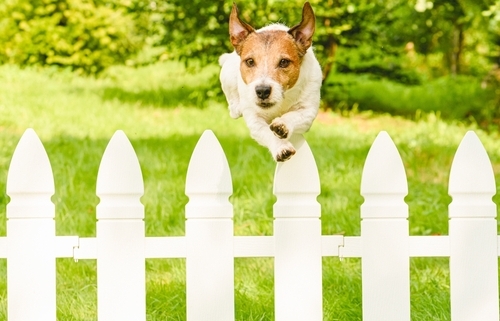
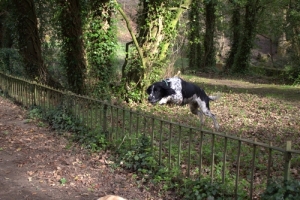
dog jumping over a fence that is not a secure dog fence

And I’m off to explore the neighbourhood!

Types of Dog Fences and Installation Methods

1. Wooden Dog Fences

Wooden fences are a classic option that provide privacy and durability.

How to Install a Wooden Dog Fence:

  1. Measure Your Garden: Determine the perimeter and mark the fence line.
  2. Dig Post Holes: Place holes 6-8 feet apart and 2 feet deep for stability.
  3. Set Posts in Concrete: Use quick-drying concrete to secure each post.
  4. Attach Panels: Nail or screw wooden panels to the posts.
  5. Install a Gate: Add a sturdy gate with a latch to allow access.

Secure Dog Fence for Approximate Cost for a ½-Acre Garden:

  • Materials: £2,000–£4,000
  • Professional Installation: £1,500–£3,000

Cons:

  • •Dogs can dig under or jump over if the fence isn’t high or deep enough.
  • •Requires regular maintenance like sealing or painting to prevent rot.

2. Chain Link Dog Fences

Chain link fences are more affordable and durable but lack aesthetic appeal. Some areas will prohibit the installation of these fences.

How to Install a Chain Link Dog Fence:

  1. Measure and Mark: Outline the area to be fenced.
  2. Install Corner Posts: Set the corner posts in concrete for stability.
  3. Stretch the Mesh: Attach chain link fabric to the posts and stretch it tightly.
  4. Add a Top Rail: Secure the top rail to reinforce the fence.
  5. Install a Gate: Use a chain link gate with a secure latch.

Approximate Cost for a ½-Acre Garden:

  • Materials: £1,500–£3,500
  • Professional Installation: £1,500–£2,500

Cons:

3. Electronic Dog Fences

Invisible or electronic fences create a boundary using a transmitter, buried wire and a collar worn by your dog. Although these create an invisible boundary for dog or cat they are highly successful provided the pet is correctly trained to use the electronic fence.

freedom fence for dogs

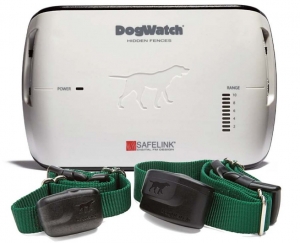
An electronic dog fence with a choice of collars for all breeds of dogs or cats

How to Install an Electronic Dog Fence:

  • Professional Installation: Hire an expert like Dog Fence UK to ensure a reliable and effective setup.
  • Cost for ½ Acre: £1200–£2,500, depending on the system.

Self-Installation:

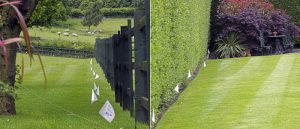
  1. Plan the Layout: Use flags to mark the containment area.
  2. Bury the Wire: Dig a shallow trench along the marked area and lay the wire.
  3. Connect the Transmitter: Place the transmitter indoors and connect it to the boundary wire.
  4. Test the System: Use the test collar to check the boundaries.
  5. Train Your Dog: Introduce your dog to the boundary using positive reinforcement.

Tips for Self-Installing an Dog Electronic Fence:

  • Avoid interference from underground utilities or metal objects.
  • Place flags to visually mark the boundary during training.
  • Ensure the collar is properly fitted and comfortable.
  • Approximate Cost for a ½-Acre Garden:
  • DIY Materials: £450–£700
  • Professional Installation: £800–£2,500

Cons:

  • Requires training for your dog to understand boundaries.
  • Not suitable for dogs with an aggressive nature.

Key Considerations When Building a Secure Dog Fence

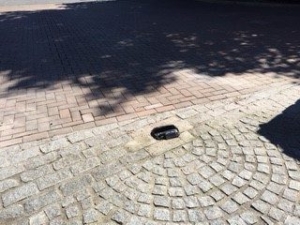
Gates Are Essential. If you are installing a traditional fence then it is important to ensure that any open spaces are secure. Electric gates are an option but due to the time taken to open and close and the high costs involved these may not be 100% effective. Similarly, traditional gates may not be secure due to their design or due to human error (being left open!). Electronic dog fences cover 100% of the boundary and can be buried under driveways quite easily. There will little disturbance to the driveway and any cuts will blend in and become a faint scar over time, dog fence cables are safe to drive over on domestic and agricultural properties.

A block paved driveway with a secure electronic dog fence

Can you spot the dog fence cable?

Approximate Cost for Dog Secure Gates:

  • Wooden Gate: £200–£2000
  • Chain Link Gate: £200–£550
  • Electronic Dog Fence (Gat) Add-Ons: £0.00
  • Electric gates – £1500 – £5000

Dogs are natural escape artists. Consider the following to enhance security:

  • Prevent Jumping: Use fences at least 6 feet tall for large or agile dogs where possible.
  • Deter Digging: Bury the bottom of the fence or use a digging barrier like hardware mesh.
  • Stop Chewing: Choose materials resistant to chewing, such as metal or vinyl.

Conclusion

Building a secure dog fence takes careful planning, the right materials, and attention to your dog’s behaviour. Whether you opt for a traditional wooden or chain link fence or choose an advanced electronic solution, the key is ensuring it suits your dog’s needs and your budget.

For professional assistance with invisible and electronic fencing, watch a little more here: https://www.youtube.com/watch?v=4KNSj6nrfik. Our expert team can help you create a safe and secure boundary for your pet, giving you peace of mind and your dog the freedom to roam safely.

Protect your dog today with a secure, well-built fence tailored to your garden and your pet’s needs! Call us for help and advice call: 01628 476475


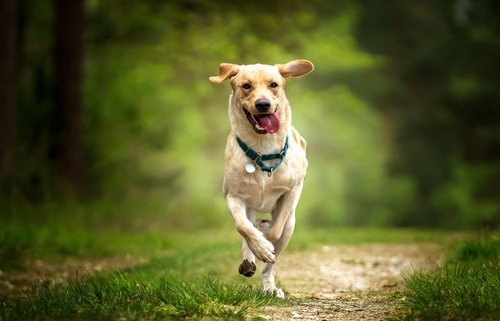
How to stop my dog running away - max the lab running off

How Do I Stop My Dog Running Away?

How Do I Stop My Dog Running Away?

How do I stop my dog running away? Start by working out why your dog is escaping, secure the weak points around your garden and combine a reliable boundary with appropriate training, exercise and mental stimulation. Dogs may run away because of prey drive, boredom, fear, mating instincts or simply because they have discovered an easy escape route.

For some dogs, repairing fences and improving recall is enough. For determined escape artists that jump, dig, squeeze through gaps or bolt through gates and driveways, a more consistent containment solution may be needed.
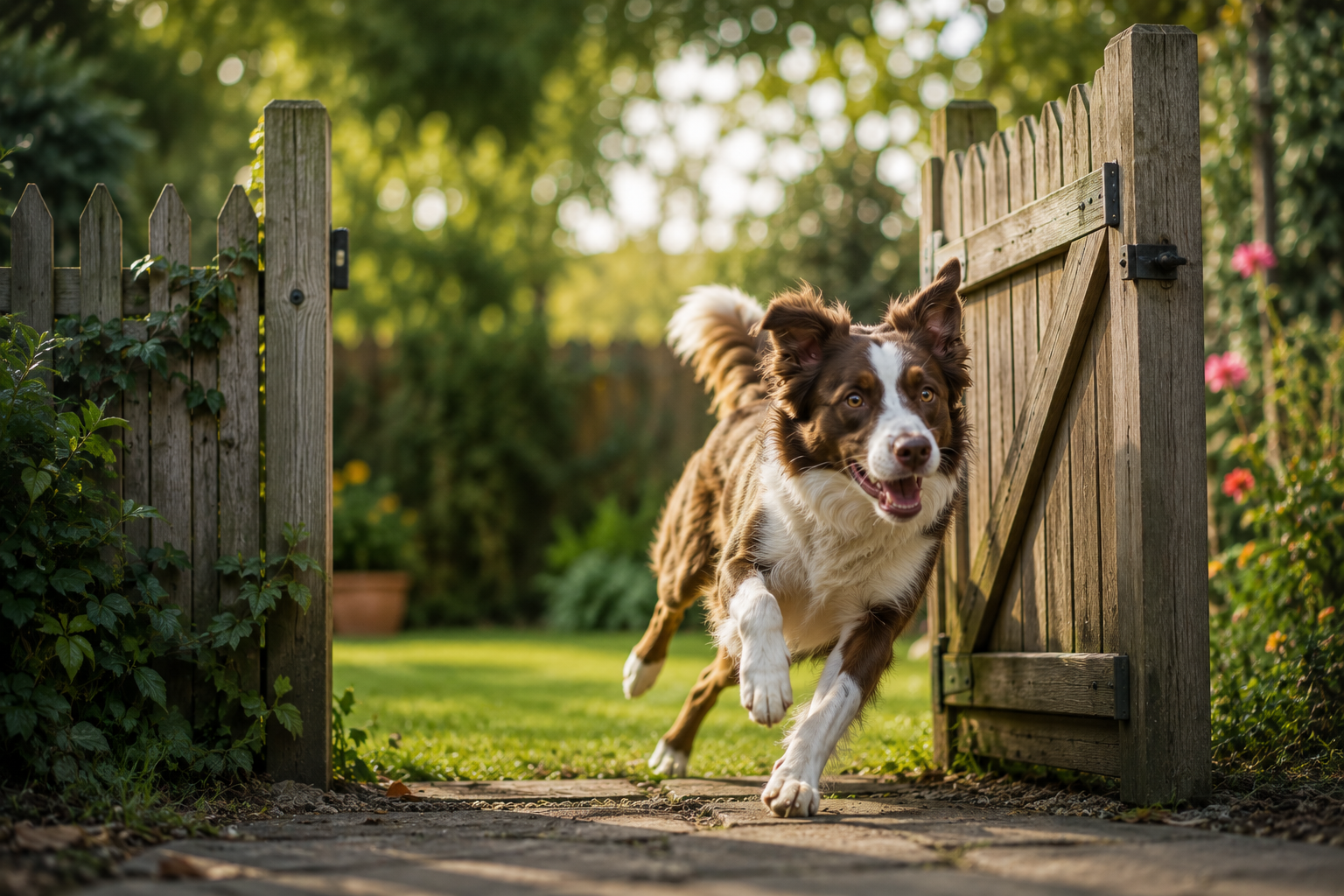
Dog running away through an open garden gate

Quick Answer: How to Stop a Dog Escaping

If your dog keeps escaping, work through these steps:

    • Identify what is triggering the escape behaviour.
  • Check fences, gates, hedges and boundaries for weak points.
  • Prevent digging underneath or climbing over physical fencing.
  • Increase exercise, enrichment and mental stimulation.
  • Work on recall and boundary training.
  • Remove easy escape opportunities such as open gates and gaps.
  • Consider a dedicated dog containment system if conventional fencing is not working.

The best solution usually combines management, training and a secure boundary. Fixing only one part of the problem can leave a determined dog free to find another escape route.

Why Does My Dog Keep Running Away?

Before you can stop repeated escapes, it helps to understand what is motivating your dog. Different causes need slightly different solutions.

Prey Drive, Wildlife and Interesting Scents

For many dogs, the temptation on the other side of the boundary is simply more exciting than staying in the garden. Rabbits, deer, foxes, livestock, neighbouring dogs and interesting scent trails can trigger an instinctive chase response.

Terriers, spaniels, hounds and many working breeds can be particularly persistent once something catches their attention. A dog may ignore excellent recall when their prey drive takes over.

If scents and wildlife are a major trigger, you may also find our guide to how to dog proof your garden useful.

Boredom and Lack of Stimulation

A dog left with too little exercise or mental stimulation may start creating their own entertainment. Digging, climbing, testing fence panels and searching for gaps can all become rewarding activities.

Young dogs and highly intelligent breeds are especially good at discovering weaknesses around a property. More exercise, scent work, structured play and enrichment can substantially reduce escape attempts caused by boredom.

Fear, Fireworks and Sudden Noise

Not every escape is driven by curiosity. Some dogs run because they are frightened.

Fireworks, thunderstorms, gunshots, construction noise or unfamiliar activity can trigger a flight response. A dog that normally respects the garden boundary may suddenly try to climb, dig or force their way out when panicked.

If your dog only escapes during particular events or seasons, addressing the underlying fear is just as important as securing the boundary.

Roaming and Mating Instincts

Hormonal behaviour can make some dogs extremely determined to roam. An unneutered dog may travel surprising distances if they detect another dog in season.

If this is a recurring problem, read our guide to stopping a dog escaping when in season.

My Dog Keeps Escaping the Garden – What Should I Check First?

Walk around the entire boundary and look at it from your dog’s point of view.

  • Are there gaps underneath fencing?
  • Are any panels loose or damaged?
  • Can your dog squeeze between a gate and fence post?
  • Are bins, sheds or garden furniture being used as climbing aids?
  • Can your dog jump the existing fence?
  • Does an electric or automatic gate create an open escape route?
  • Can your dog push through hedging?

A determined dog often needs only one weak point. Fixing obvious gaps is therefore an important first step.

If digging is the main problem, see our guide to fencing for dogs that dig or escape.
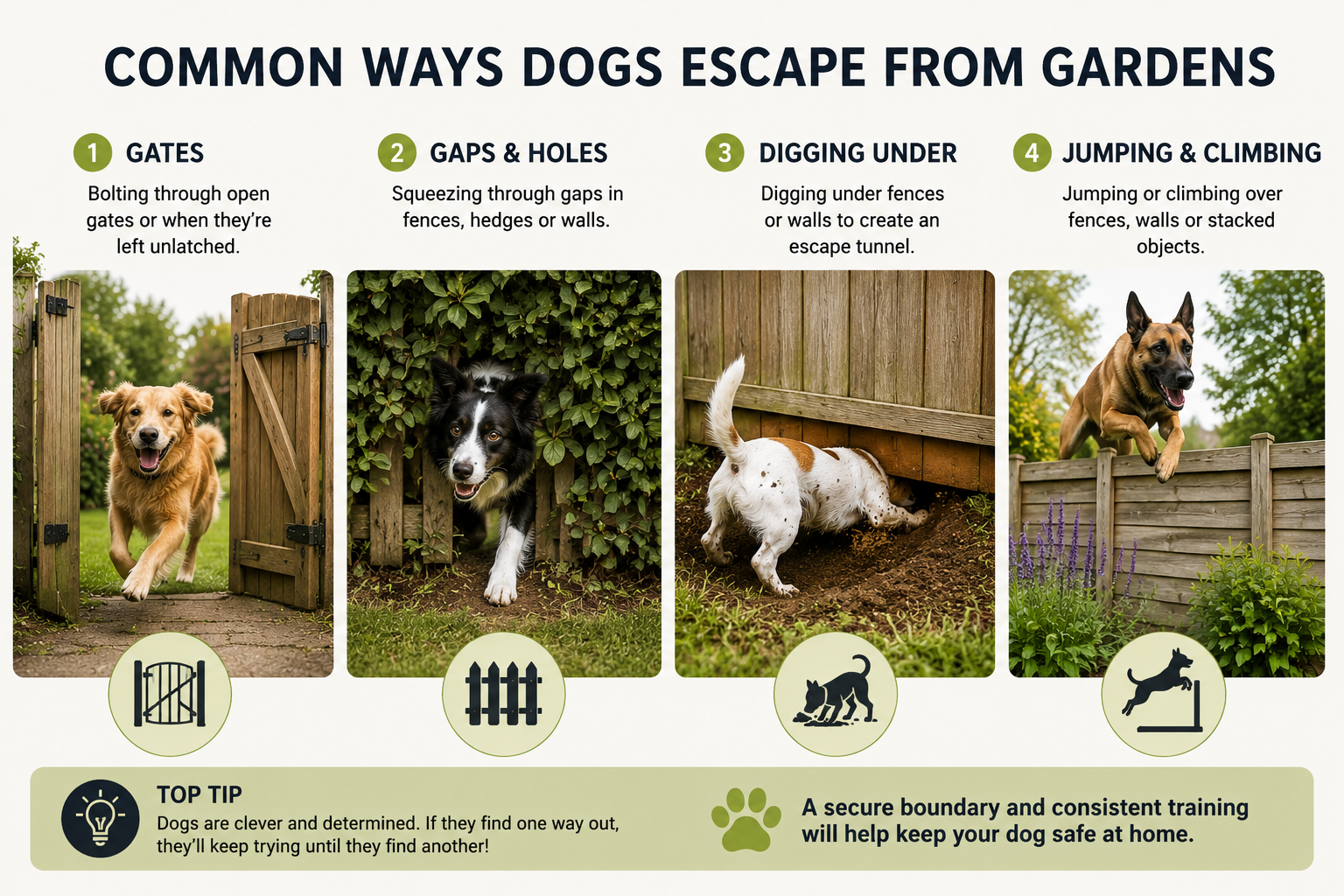
Common ways dogs escape from gardens including gates, gaps, digging and jumping fences

Stop Dog Escaping Garden Boundaries: Practical Solutions

1. Increase Exercise and Mental Stimulation

A physically and mentally satisfied dog is generally less motivated to go looking for entertainment elsewhere.

Daily walks, scent games, training sessions, puzzle feeders and interactive play can all help reduce escape behaviour caused by boredom or excess energy.

2. Secure Fences and Gates

Repair damaged fencing, close gaps and make sure gates latch securely. Dogs that dig may need the base of a physical fence reinforced, while dogs that jump may require a higher or differently designed boundary.

You can also read our guide on how high a dog fence should be.

3. Train a Reliable Recall

Recall training remains important even when you have a secure garden.

  • Begin in a low-distraction environment.
  • Reward your dog generously for returning.
  • Never punish a delayed return.
  • Increase distractions gradually.

Recall provides another layer of safety, but for a persistent escape artist it should not be relied upon as the only form of containment.

4. Identify the Trigger

Keep a note of when escapes happen. Is it when wildlife appears? When your dog is alone? During fireworks? When a gate opens?

Finding the pattern often makes the solution much clearer.

Dog Running Away Through Gates and Driveways

Open driveways and entrances are particularly difficult because they cannot always be secured with a permanent physical barrier.

Dogs may learn that the gate opening, a delivery arriving or somebody driving away creates a brief opportunity to bolt. Even a dog that normally stays close can be tempted by another dog, wildlife or activity across the road.

A containment boundary can be designed across driveways, gates and other access points without preventing people or vehicles from entering and leaving the property.

Dog Keeps Running Away Even After Training?

If you have improved recall, increased exercise and secured obvious weaknesses but your dog still escapes, it may be time to look at the boundary itself.

Some dogs become extremely skilled at defeating conventional fencing. They climb, jump, dig, squeeze through gaps or simply wait until somebody opens a gate.

In these cases, the problem may not be a lack of training. The physical boundary may simply be giving the dog too many opportunities.

Escape Proof Fence for Dogs: What Are the Options?

No physical fence is completely escape proof for every dog. Tall fencing may stop a jumper but still allow a determined digger underneath. Solid fencing may prevent squeezing through gaps but can be unsuitable for open rural properties, long boundaries, driveways or attractive gardens where owners do not want high fencing.

The right solution depends on:

  • your dog’s size, breed and temperament;
  • how your dog currently escapes;
  • the size and layout of your property;
  • whether you have gates or open driveways;
  • whether conventional fencing is practical or permitted.

Dog Fence for Dogs That Escape

If traditional fencing, gates and training have not solved the problem, a dedicated dog fence for dogs that escape can create a consistent boundary around the property.

DogFence uses a discreet boundary wire together with a lightweight receiver collar and structured training. Your dog learns where the safe boundary lies while still being able to enjoy the garden freely.

The boundary can be designed around:

  • gardens and lawns;
  • hedges and woodland;
  • open driveways;
  • electric gates;
  • large or rural properties;
  • areas where conventional fencing is difficult or undesirable.

DogFence systems can also accommodate multiple pets, including dogs and cats, with individual receiver settings for each animal.
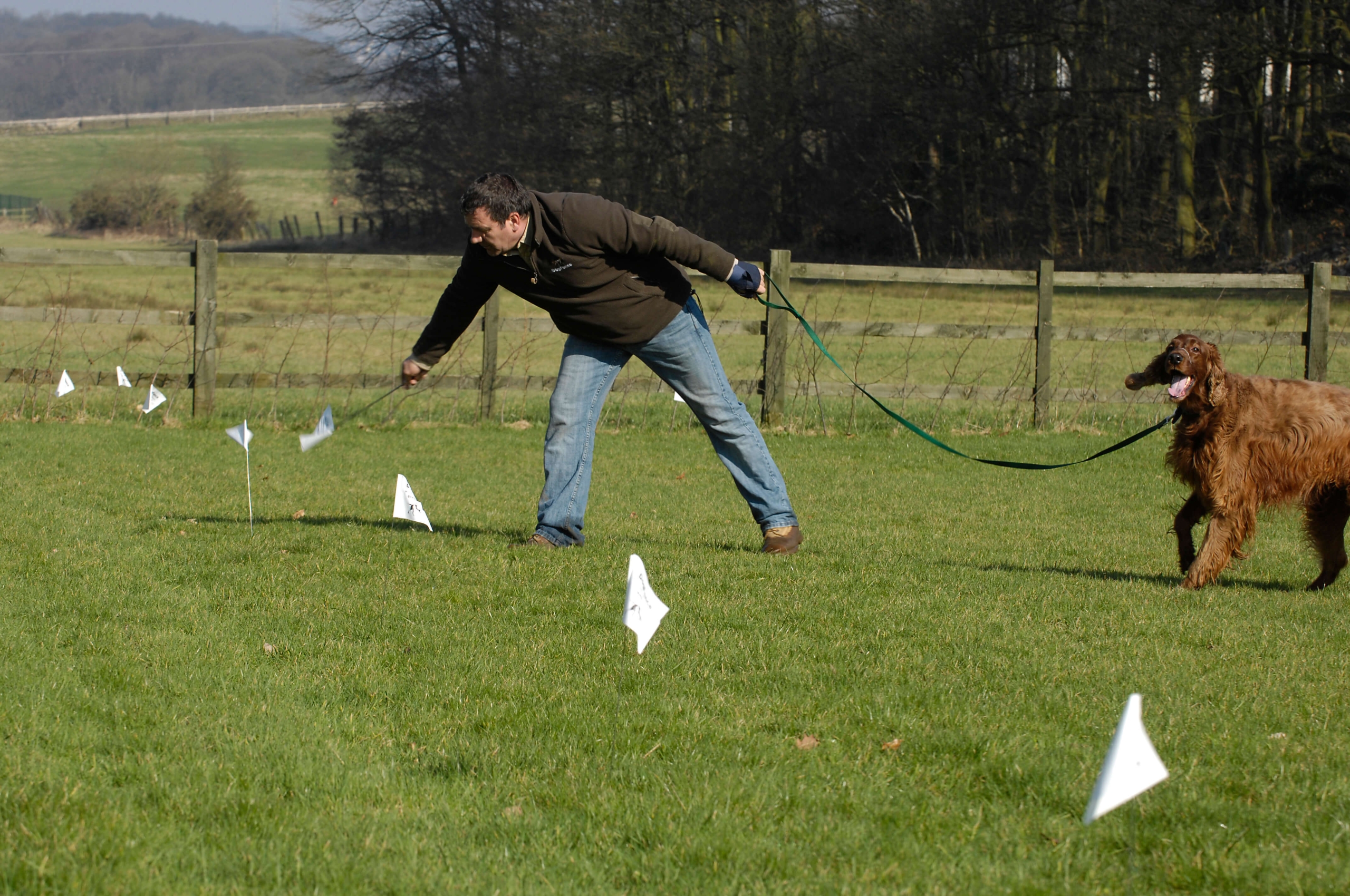
DogFence training session teaching a dog to recognise hidden fence boundary flags

A Real Escape Artist: Max’s Story

Max, a lively Labrador from Hampshire, developed a habit of escaping from his garden. His owners repeatedly blocked holes and reinforced panels, but each time Max discovered another route out.

His motivation was food. Max had discovered the local pub garden and the generous supply of snacks available there.

For a while his owners knew where he was going, but one day Max ran across a busy road during one of his excursions and narrowly avoided being hit by a car. He was eventually picked up and taken to a local vet.

That close call changed everything.

His owners installed a professionally designed DogFence and Max was trained to recognise his new boundary. His unsupervised trips to the pub stopped — and as an unexpected bonus, without the extra chips and treats, Max lost 3kg too.

Max is a good example of why continually repairing individual escape points does not always solve the underlying problem. Some dogs simply move on and find the next weak spot.

How to Stop a Dog Escaping Without Building Higher Fences

If you do not want to surround your property with taller fencing, or if fencing is impractical because of the layout, a hidden dog fence provides another option.

The aim is not simply to create another physical obstacle. Instead, the dog is taught to recognise a consistent boundary around the area in which they are free to roam.

This can be particularly useful on larger properties, rural homes, landscaped gardens and properties with open entrances.

Find out more about how DogFence can help stop your dog escaping.
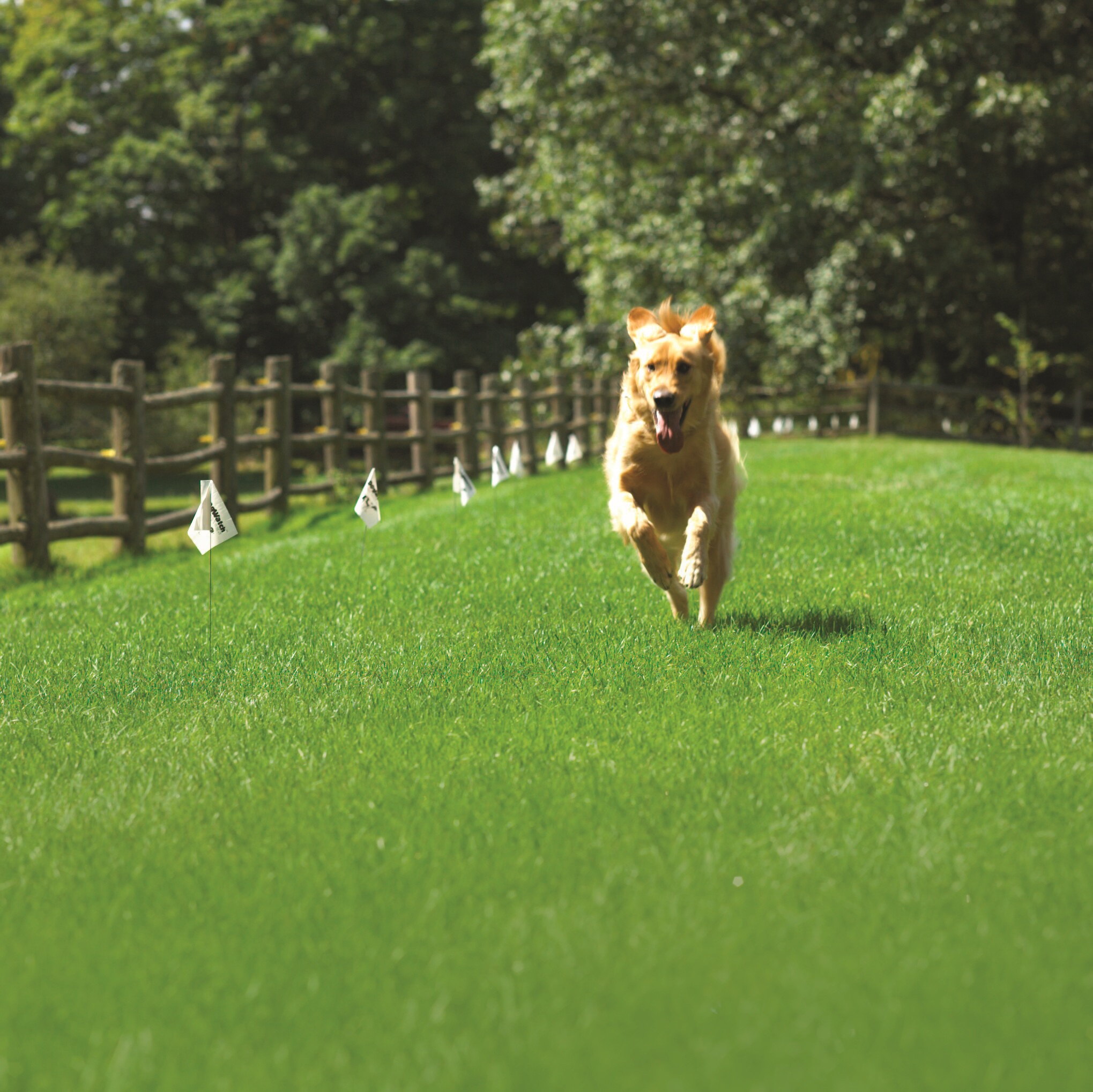
How do I stop my dog running away? Retriever running alongside a DogFence boundary marked with training flags

After gentle, consistent training, dogs gain confidence and freedom — safely contained within their DogFence boundary.

Frequently Asked Questions About Dogs Running Away

Why does my dog keep escaping from the garden?

Common causes include prey drive, boredom, fear, mating instincts, lack of exercise and discovering an easy escape route. Identifying the trigger will help you decide whether the priority is training, environmental management, physical repairs or improved containment.

How can I stop my dog digging under the fence?

Start by identifying why your dog is digging and reinforce obvious weak points. Determined diggers may simply move to another part of the boundary, so a containment system can be useful where repeatedly reinforcing fencing has failed.

How can I stop my dog jumping the fence?

Remove nearby objects that can be used as launch points and assess whether the fence is high enough for your dog’s size and athletic ability. Dogs capable of repeatedly clearing conventional fencing may benefit from an alternative boundary system.

Will a DogFence stop my dog escaping?

A correctly installed system combined with appropriate training is designed to teach your dog to remain within the selected boundary. The system can work across gates, driveways, hedges and areas where traditional fencing may have weak points.

Can a DogFence be used for more than one dog?

Yes. One boundary can be used for multiple pets. Each dog has their own receiver collar, which can be individually adjusted. DogFence can also be used for cats of different sizes, breeds and ages.

Can I install a DogFence myself?

Yes. DIY DogFence systems are available, or you can choose professional installation and training by our experienced team.

Can I take my DogFence with me if I move?

Yes. The main DogFence equipment can be taken to your new home. A new boundary wire can then be installed to suit the new property and your dog can be retrained to recognise the new boundary.

Related Guides for Dogs That Escape

If your dog has a particular escape technique, these guides may help:


Still Asking “How Do I Stop My Dog Running Away?”

If your dog keeps escaping, you do not have to choose between keeping them shut indoors and constantly worrying about where they have gone.

DogFence has been helping owners keep dogs safely at home since 2003. Whether your dog jumps fences, digs underneath them, squeezes through gaps or bolts through an open driveway, we can help you create a boundary designed around your dog and your property.

Give your dog the freedom to enjoy the garden — without the constant worry of them escaping.

How Do I Stop My Dog Running Away?

If you’re asking “how do I stop my dog running away?”, talk to our experienced team. We’ll help you understand how your dog is escaping and recommend the best way to secure your garden — tailored to your dog and your property.

Get expert advice on securing your garden and preventing escape

Call us on
01628 476475
|
Message us on WhatsApp
|
Request a Free Quote Online



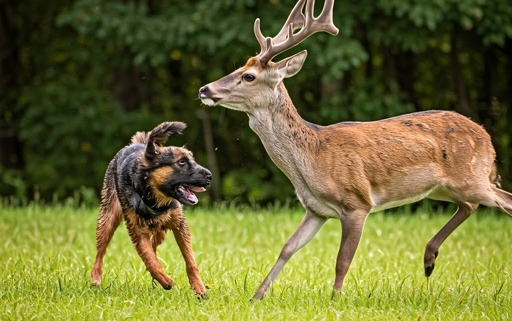
Affordable fencing to stop dog chasing deer

The impact of Pet Ownership on Wildlife

Rising Wildlife Interactions and the Need for Reliable Pet Fencing

If you are a rural pet owner then you have probably researched the options for affordable pet fencing in rural terrain. As human activities continue to alter natural habitats, wildlife and domestic animals are crossing paths more frequently. For pet owners, particularly those in rural or suburban areas, this trend raises concerns about the safety of their beloved dogs and cats. Encounters with wild animals such as foxes, badgers, deer, and even birds of prey can pose risks for pets, ranging from minor injuries to serious threats. At DogFence Ltd, we’re dedicated to providing reliable and affordable pet fencing solutions that help pet owners protect their pets from these encounters by keeping them safely contained within designated areas.

Why Wildlife Encounters Are Increasing

Several factors are contributing to a rise in wildlife interactions:

  • Habitat Loss and Urban Expansion: As natural habitats shrink, animals are forced into closer proximity to residential areas in search of food, shelter, and space.
  • Seasonal Changes and Migration: Changes in climate patterns are affecting animal migration routes and seasonal behaviours, bringing wild animals into new territories where they might interact with pets.
  • Human Activity and Food Sources: Animals are drawn to easy food sources, including pet food left outside, compost, and waste bins, which often attract wildlife to residential properties.

For pet owners, these interactions are a growing concern, especially for those with dogs and cats that spend significant time outdoors. While wild animals generally avoid humans, a curious pet may inadvertently provoke an encounter that could lead to injuries or the transmission of diseases and parasites.

How to Keep Your Pets Safe from Wildlife Encounters

The good news is there are effective ways to manage and reduce the risk of wildlife encounters for pets. Here are some tips:

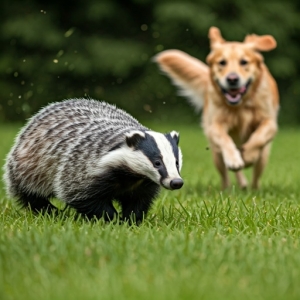
Badger being chased by dpg

Badgers may look cute and cuddly but can cause significant injury to dogs when threatened.

  • Secure Pet Food and Waste: Keep pet food indoors and secure rubbish bins to avoid attracting wildlife. This reduces the likelihood of wild animals venturing onto your property.
  • Maintain Property Boundaries: Use fences or natural boundaries to create a clear distinction between your property and potential wildlife habitats. This can discourage wildlife from wandering into areas where your pets roam.
  • Supervise Pets When Possible: When letting pets outside, especially at dawn or dusk when wildlife is most active, consider supervising them to ensure they stay within a safe area.
  • Invest in Reliable and Affordable Pet Fencing: One of the most effective ways to keep pets safe is to install a containment system that keeps them within a secure area while still allowing them to enjoy the outdoors. DogFence’ s electronic containment systems provide a reliable, invisible boundary that pets learn to recognise, keeping them safely within a designated zone and reducing the likelihood of encounters with wildlife.

How DogFence Helps Keep Pets Safe and Protects Wildlife

Our pet containment systems offer peace of mind for pet owners, especially in rural and wildlife-prone areas. Here’s how:

Affordable Pet Fencing: Reliable, Aesthetic, Flexible,  Safe:

  • Reliable Boundary Control: With DogFence, pets learn to stay within the boundaries you set, providing freedom to roam without the risk of wandering into areas where wildlife may be present.
  • Minimal Visual Impact: Our containment solutions are invisible yet effective, meaning you won’t need to disrupt the natural beauty of your property with a physical fence. Pets are safely contained, and the open look of your landscape remains intact.
  • Customisable Zones: The containment area can be tailored to the specific layout of your property, ensuring that pets have plenty of space while staying well within safe limits. This feature is particularly valuable for properties with irregular terrain, wooded areas, or proximity to fields and wildlife habitats.
  • Proactive Training and Support: At DogFence, we provide guidance on training pets to understand and respect their boundaries. This training ensures that pets feel comfortable within their containment area and can play safely without wandering beyond secure limits.

The Impact of Pet Ownership on Wildlife in Rural Areas

While pets bring joy and companionship, pet ownership in rural and suburban areas can have unintended consequences for local wildlife. Domestic animals, especially cats and dogs, may instinctively hunt, chase, or disturb wildlife, even if they’re well-fed and cared for. This behaviour can disrupt local ecosystems and harm vulnerable animal populations, making it crucial for pet owners to consider how to minimise their pets’ impact on surrounding wildlife.

Cats and Songbirds

Cats are natural hunters, and even well-fed domestic cats retain strong hunting instincts. Studies have shown that outdoor cats significantly contribute to the decline of songbird populations and other small wildlife. According to the Royal Society for the Protection of Birds (RSPB), cats in the UK are estimated to kill millions of birds each year. Birds that nest on or near the ground, like robins and skylarks, are particularly vulnerable, especially during the spring and summer breeding seasons. Indeed many are calling for “an end to cats being able to roam freely”  Cat owners struggle more than dog owners to source reliable, affordable pet fencing solutions that will adapt to rural terrains. Our Cat Fence systems can over up to 350 acres and can be installed on any terrain. Indeed, our largest UK containment fence was installed to keep the owners cat safe in their extensive grounds. Learn more about our Cat Fence Systems.

Affordable cat fencing protects songbirds

Preventing cats from roaming saves the lives of both cats and local wildlife.

Dogs and Ground-Nesting Animals

Dogs can also unintentionally disturb wildlife, particularly ground-nesting animals such as hares, hedgehogs, and certain bird species. For example:

  • Nesting Birds: Dogs that roam freely in fields or woodland areas may inadvertently destroy nests, disturb eggs, or frighten parent birds away, leaving their young vulnerable.
  • Small Mammals: Dogs may chase or catch small mammals like rabbits, voles, or even hedgehogs, sometimes resulting in injury or death.

In addition to physical harm, the scent and sounds of dogs can deter certain wildlife species from settling in an area, disrupting local ecosystems. For instance, ground-nesting birds may avoid nesting in areas where dogs frequently roam, impacting their breeding success.

How Affordable Pet Fencing Helps Reduce Pet Impact on Wildlife

DogFence’ s containment systems provide a reliable and affordable solution for pet owners who want to protect their pets while also minimising their impact on local wildlife. By keeping pets securely within designated boundaries, our containment systems help prevent cats and dogs from straying into wildlife-rich areas, reducing the likelihood of disturbing or harming local species.

  1. Secure Boundaries for Cats and Dogs: With DogFence, you can set up specific containment zones on your property, allowing your pets the freedom to roam safely within defined areas without reaching sensitive wildlife habitats.
  2. Flexible Boundary Options: Our systems are customisable, meaning you can establish boundaries around specific sections of your property, such as keeping pets closer to the home and away from wildlife-dense areas like fields, hedgerows, or woodlands.
  3. Peace of Mind for Pet Owners and Wildlife Lovers: DogFence’ s containment solutions offer a way to enjoy both pet ownership and environmental stewardship. By keeping pets safely within the confines of your property, you’re helping to preserve the local wildlife and its habitats while allowing your pets a secure, enjoyable outdoor experience.
  4. Affordable Pet Fencing: An electronic containment fence is not just unobtrusive and flexible but it is also a more economical way to safely and effectively give dogs and cats freedom.

Final Thoughts 

The rising interaction between pets and wildlife is a complex issue that requires a thoughtful balance of pet safety and environmental conservation. By using a pet containment solution like DogFence, pet owners can take a proactive approach to protect both their pets and the local wildlife they love. Our systems allow pets to roam freely within safe boundaries while ensuring they do not inadvertently harm local ecosystems, creating a win-win situation for pets, pet owners, and the natural world.

If you would like to learn more about how one of our pet containment systems could work for you why not contact us for an informal chat. We can bring up an update to image of your property and it’s boundaries and look at options for safely containing your pets and giving your peace of mind at an affordable cost. Learn more here.

Call today on: Tel: 01628476475

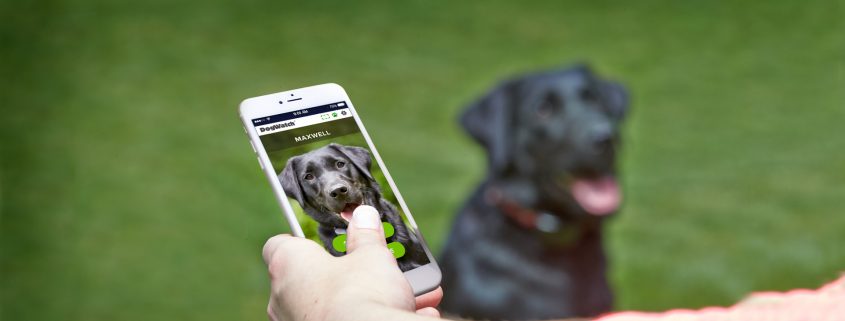
the new dog fence smart fence app

Wireless and GPS Dog Fences vs Hidden Fences | DogFence UK

Is a GPS Dog Fence the Way Forward for Pet Containment?

A quick Google search brings up a myriad of choices for electronic dog fences. But is a GPS dog fence an easy and safe way to stop your dog escaping from the garden? The buzz word on the street maybe “GPS dog fence” and when it comes to keeping our pets safe, technology is continually offering innovative solutions. GPS dog fences are one such idea that seems promising at first glance. Using satellite tracking to create an invisible boundary for your pet sounds like the perfect combination of high-tech convenience and reliability. Easy and quick to install and relatively cheap compared to the more traditional dog fencing options. However, the truth is that GPS dog fences have significant limitations that make them far less effective than traditional pet containment systems. Let’s explore why GPS dog fences fall short and what alternatives might work better.

The Appeal of the GPS Dog Fence

One of the main attractions of GPS dog fences is their portability. Unlike physical or buried-wire fences, GPS boundaries can be set up anywhere there is satellite reception. This flexibility allows pet owners to create virtual fences around any space – whether at home, a campsite, or at a second home.

GPS dog fences can often allow for large boundary areas, and some models even come with smartphone apps to monitor your pet’s location in real-time (akin to the industry beating DogWatch Smart Fence System). The concept is undeniably appealing: a boundary-less containment solution with freedom for your dog to roam without the need for visible structures or a buried wire.

The Reality of GPS Dog Fences: Common Issues and Limitations

While the idea of a GPS dog fence is compelling, real-world usage has revealed significant limitations that can compromise both effectiveness and pet safety. Here are some of the most notable challenges:

  1. Inconsistent Boundaries

GPS dog fence signals are prone to interference from buildings, trees, and even weather conditions. This can cause the boundary to “drift,” meaning the actual area covered by the fence may shift unpredictably. For a dog, this can lead to confusion as the boundary changes location, sometimes making it impossible for the pet to know where the safe zone starts and ends. In areas where there is interference it may even create a “dead” zone which allows the dog to run out of the boundary.

  1. Speed – Delayed Responses

Unlike the top wired Systems (DogWatch, Invisible Fence)  that react instantly, GPS dog fences can experience delays in signal transmission. If a dog crosses the boundary, it may take a few seconds for the collar to respond, which is enough time for the pet to run into danger. This delay reduces the overall reliability of the containment, especially in high-risk situations like close proximity to busy roads.

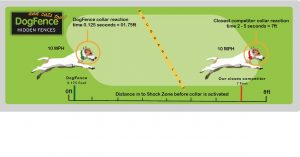
Currently DogWatch Hidden Fences offer the fastest reacting collars both on start up (dog running towards the fence) and shut down (dog stops and turns back). At less than 1 second, other brands can be 10 times slower and GPS fences slower still. The diagram below demonstrates the difference the time makes; which of course has a huge consideration for safety and welfare:

freedom fence and dog fence collar reaction times illustrated with 2 dogs running at 10mph

Collar reaction times for DogWatch Collars Supplied by DogFence UK

  1. Battery Limitations

GPS dog fences require power, usually from a battery in the dog’s collar. Battery life varies by model, but frequent charging is almost always required. For many pet owners, this is an inconvenience, but worse, a battery failure could result in your dog wandering off without any boundary protection. Again the current industry leader in terms of battery life is DogWatch, who offer a 2 year battery life on their standard weight collars (smaller and lighter than GPS collars) and a 6 month battery life on their mini collars (smallest lightest worldwide).

  1. Accuracy Concerns

Even with the best GPS technology, accuracy can vary. While some high-quality GPS devices are accurate within a few feet, cheaper models may only provide location accuracy within 15-25 feet or more. For boundary purposes, this inaccuracy can lead to unwanted breaches. In densely wooded or urban areas, accuracy issues become even more pronounced, making GPS systems unreliable. Similarly this is misleading to the pet and can cause confusion. Consistency is paramount in all aspects of dog training, and invisible dog fences are no exception. To ensure both safety and fairness, the boundaries and reinforcement need to be maintained continuously—every day, all year round.

  1. Limited Compatibility for Different Terrains and Properties

GPS dog fences struggle to function well in areas with dense foliage, hills, or other obstructions. If you live on a property with trees, hills, or a lot of other obstacles, a GPS fence is likely to have frequent errors. With a Professionally installed DogFence the wire any terrain can be catered for and the size of the property can be up to 350 acres. DogFence UK are the authorised installers for DogWatch Hidden Fences and have been professionally installing wired systems for over 20 years. At this point in time DogFence Ltd will not offer a GPS System as the safety and welfare of the dog would be comprised.

Comparing GPS Fences to Traditional Dog Containment Solutions

GPS dog fences may have some potential, but they fall short compared to traditional containment systems at this present time. Buried-wire electric fences provide consistent boundaries without the risk of signal interference, making them more reliable for most properties.

For dog owners who prioritize reliability and consistency, a physical or buried-wire electric fence is a more effective choice than GPS. Although GPS technology will continue to improve, for now, it cannot offer the security and dependability of a physical or buried boundary.

When (and If) GPS Fences Could Be Right for You

GPS dog fences may work for certain scenarios, such as large, open areas with minimal interference. For those who frequently travel with pets, the portability of a GPS dog fence can be an advantage. However, for day-to-day use around the home, especially in rural or hilly properties, a GPS dog fence is often impractical.

Frequently Asked Questions about GPS dog fences

Can a GPS dog fence work reliably in the UK?

No, the UK is country with a dense landscape — dense trees, buildings, and uneven terrain often interfere with GPS signals, causing drift of up to 1–3 m. This can lead to unpredictable corrections and safety risks. Hidden-wire systems offer stable, precise boundaries instead.

Are wireless dog fences suitable for small or irregularly-shaped gardens?

No. Wireless fences create fixed circular zones, which don’t suit narrow, irregular, or corner-heavy UK gardens (squares and rectangles). Signals can also become inconsistent near buildings and slopes.

Do GPS dog fence collars work for small dogs or cats?

Most GPS and wireless collars are heavy and bulky, making them unsuitable for smaller dogs and cats. Hidden-wire collars are lighter, more comfortable, and have better battery life.

Do GPS or wireless fences come with professional support and training?

Usually not. GPS and wireless systems are typically DIY with little to no professional support. Hidden-wire systems often include expert installation and tailored pet training.

Are wireless or GPS dog fences CE-approved and safe?

Many GPS and wireless fences lack CE approval and verified safety standards. Hidden-wire systems are usually CE-approved and comply with strict safety requirements.

Which is more accurate: GPS/wireless or hidden wire?

Hidden-wire systems provide exact, consistent boundaries with no drift, offering superior accuracy. GPS and wireless systems often have signal fluctuations and lower reliability.

Final Thoughts: Choosing the Best Solution for Your Pet’s Safety

While GPS dog fences sound appealing in theory, their limitations often make them impractical. For most dog owners, traditional pet containment systems provide a more reliable and safe solution. Whether you choose a physical fence, buried-wire, or wireless containment system, the key is ensuring that your pet remains safe and secure.

GPS technology is evolving, and perhaps in the future, GPS dog fences will become a viable alternative. Until then, tried-and-true containment systems offer the peace of mind that every pet owner needs.

By understanding the pros and cons of GPS dog fences, pet owners can make informed choices that best meet their pets’ needs and ensure their safety. While GPS containment might have potential, reliability and accuracy remain critical factors that other containment solutions handle better today.

If you would like to discuss the pros and cons of both GPS and Wired systems why not call us today for a chat. Our 20 + years experience in the field makes us the UK’s leading experts on pet containment solutions. Call today on 01628 476475 or email info@dogfence.co.uk.

https://dogfence.co.uk/

Westie wearing small electronic dog fence collar

How to Make a Dog Friendly Garden for your New Dog 

How to Make a Dog Friendly Garden for your New Dog

Welcoming a new dog to your home means creating a safe outdoor environment they can enjoy. Creating a dog friendly garden is important for both safety as well as forming part of your dog’s daily exercise and well-being.From setting up secure fencing to choosing pet-safe plants, here are essential tips for dog-proofing your garden and ensuring your new friend stays safe.

  1. Why Garden Safety Matters for New Dog Owners

Your dog’s garden experience is a key part of their new life with you. A safe, dog-friendly garden keeps your pet happy, healthy, and out of trouble.

1.1 Common Concerns for Dog Owners

New dog owners often worry about:

  • Escaping: Dogs love to explore, so keeping them secure is crucial.
  • Hazardous Plants and Chemicals: Some plants and garden products are dangerous for dogs.
  • Boundaries and Training: Setting boundaries in the yard can prevent accidents and help your dog understand their play area.
Dog friendly garden

Dog friendly garden with electronic fence.

  1. Setting Up Secure Fencing to Prevent Escapes

Fencing is one of the most effective ways to keep your dog safe and within the boundaries of your garden. Here are some popular options for dog-proofing your garden:

2.1 Types of Fencing for Dogs

  • Wire Fencing: Relatively easy to install and maintain but may not suit every garden aesthetic.
  • Traditional Wooden or Vinyl Fencing: Solid and durable, with different height options for small or large dogs. Expensive, especially for large gardens and requires maintenance.
  • Electronic Dog Fences: A popular choice for dog owners who want to keep their view unobstructed. Electronic fences create an invisible boundary and offer a customisable way to contain your pet and are very cost effective, particularly for large gardens or properties.

 2.2 Creating a Dig-Proof Boundary

If your dog loves to dig, try these strategies:

  • Buried Fence Bases: Bury the bottom of your fence a few inches below ground.
  • Digging Deterrents: Consider landscaping with rocks or gravel around the base of your fence.
  • Installing an electronic dog fence as pets are unable to dig underneath it.
  1. Dog-Friendly Landscaping and Pet-Safe Plants

Dogs love exploring new scents and textures, and the plants you choose can make a big difference in their safety.

3.1 Choosing Pet-Safe Plants

Some plants are toxic to dogs. Here are some safe, dog-friendly options:

  • Sunflowers: Hardy and beautiful, they’re non-toxic for dogs.
  • Lavender: Safe, fragrant, and naturally insect-repellent.
  • Basil and Mint: Great sensory options for dogs that like to sniff and explore.

3.2 Avoiding Hazardous Plants

Common garden plants that are toxic for dogs include lilies, ivy, and foxglove. Research any new plants before adding them to your garden to keep it dog-safe.

  1. Creating a Dog-Friendly Play Area

Designating a space in the garden for play keeps your dog entertained and helps prevent destructive behaviour elsewhere in the garden. With an electronic dog fence owners with larger gardens can create zones to keep pets out of areas or away from hazardous plants. Learn how you can create different zones with electronic dog fences here.

Play zone for dog friendly garden

Dog friendly play zone

4.1 Dedicated Dog Play Zones

  • Ground Cover Options: Use soft ground cover such as mulch, artificial grass, or dog-safe gravel. These materials are paw-friendly and easy to maintain.
  • Toys and Agility Equipment: Adding durable toys, tunnels, or agility gear gives your dog mental and physical exercise in a safe setting.

4.2 Adding a Digging Zone

If your dog loves to dig, consider creating a designated digging spot in their play area. Fill a sandbox or a corner of the garden with sand or dirt and encourage your dog to dig there.

  1. Training Your Dog to Stay Within Garden Boundaries

Teaching your dog where they can and can’t go in the garden can be useful to assist in preventing escapes and accidents.

5.1 Boundary Training Basics

Positive reinforcement can go a long way in helping your dog learn boundaries.

  • Start with a Lead: Walk your dog around the garden boundaries to familiarise them with the limits.
  • Reward Safe Behaviours: Use treats and praise to reinforce staying within their designated space.
  • Use a Professional Trainer: Hire a Professional Dog Fence trainer to install and train your dog to the hidden dog fence.

5.2 Reinforcing Boundaries with Technology

For dogs who love to roam, an electronic dog fence can help reinforce these boundaries. These fences provide an invisible barrier that cues your dog to stay within the limits you’ve set. The new generation of dog fences have Smart Phone Technology which enables you to stay connected with your dog 24/7.

  1. Garden Safety Hazards to Watch Out For

Making your garden dog-safe involves understanding and eliminating common hazards.

6.1 Avoiding Toxic Chemicals and Fertilisers

Choose pet-safe fertilisers and garden products to protect your dog from toxic substances. Organic fertilisers are a good choice, and many companies now offer pet-safe options.

6.2 Keeping Sharp Tools and Objects Secure

Store all gardening tools and sharp objects in a shed or secure area. Dogs can be curious, and tools left out could lead to cuts or other injuries.

  1. Extra Tips for a Comfortable Dog-Friendly Garden

Small touches can make your garden more comfortable and enjoyable for your dog.

7.1 Adding Shade and Water

Provide a shaded area where your dog can rest, especially during hot months. Set up a water station to keep them hydrated while they play outside.

7.2 Planting a Sensory Garden for Dogs

Dogs experience the world through their noses, so consider planting herbs and flowers that dogs enjoy sniffing, such as chamomile and thyme. These plants are safe for dogs and stimulate their senses.

Cat in bird bath to create a pet friendly garden

Bath time for cats!

  1. The Freedom of a Secure and Dog-Friendly Garden

Creating a secure and dog-friendly garden is all about blending beauty with functionality. From choosing the right fencing to adding dog-safe plants and training, you can make your garden a safe, enjoyable space for your new friend.

Creating a safe, enjoyable garden for your new dog doesn’t have to be complicated. By setting up secure boundaries, choosing dog-friendly plants, and designating play areas, you can turn your garden into a haven for your pet/s. Start building a garden both you and your dogs and cats will love. Why not explore the benefits of electronic dog fences today? By securing your boundaries, choosing dog-friendly plants, and designating play areas, you can turn your garden into a haven for your pets. An electronic dog fence is a perfect solution to give your dog or cat the freedom to roam while staying safely within your garden, farm, woods or estate! Start building a safe area both you and your dog will love—explore the benefits of electronic dog fences today! Call us for a quick no obligation quote on 01628 476475 or email info@dogfence.co.uk. Whatsapp:07917 034256

Simply the Best – No Getting Around It!DogFence.co.uk

Dog fencing for large properties using an electronic dog fence.

Dog Fencing for Large Properties

Dog Fencing for Large Properties

What are the options for dog fencing on large properties? It goes without saying that most large properties are rural so when it comes to dog fencing for large properties what are the options? Rural living often comes with wide-open spaces, picturesque landscapes, and—more often than not—an abundance of curious, adventurous pets. While large properties offer dogs the freedom to roam, they also pose unique challenges for containment and safety. Traditional fences may not always be practical or affordable, especially for larger estates. This is where electronic dog fencing becomes a highly effective solution for rural homeowners. Below, we explore the key benefits of electronic dog fences and why they are the ideal choice for securing pets on large, rural properties.

1. Ideal for Dog Fencing for Large Properties

Dog fencing for large properties

Training flags marking the boundary for the electronic dog fencing

One of the main challenges of rural properties is the sheer size of the land. Installing traditional fencing over several acres can be extremely costly and time-consuming. Electronic dog fences are designed to cover large areas—up to hundreds of acres—without the need for heavy materials or invasive installation methods. Whether you have a garden, paddock, or expansive farmland, an electronic dog fence can easily be installed around the perimeter of your property, providing your dog the freedom to roam within a safe boundary. A DogFence our systems can cover up to 350 acres and we have a proven track record in safely installing fencing for dogs and cats on large rural properties.

2. Flexible Installation for Uneven Terrains

Many rural properties feature varied terrains, including hills, rivers, wooded areas, and open fields. Traditional fences often struggle with these types of landscapes, as they require extensive leveling, materials, and maintenance. Electronic fencing for dogs, on the other hand, offers a flexible solution. The underground wire can be laid around virtually any boundary—across rivers, up hills, and through forests—without disturbing the natural beauty of the land.

Many rural properties feature varied terrains, including hills, rivers, wooded areas, and open fields. Traditional fences often struggle with these types of landscapes, as they require extensive leveling, materials, and maintenance. Electronic fencing for dogs, on the other hand, offers a flexible solution. The underground wire can be laid around virtually any boundary—across rivers, up hills, and through forests—without disturbing the natural beauty of the land.

3. Non-Intrusive and Aesthetic

Rural homeowners often prefer to maintain the open and natural look of their land. Traditional fences can obstruct views, require constant upkeep, and be visually unappealing. An electronic dog fence is virtually invisible once installed, allowing you to preserve the beauty of your rural landscape while still keeping your dog safely contained. Without physical barriers, your property retains its open feel while offering a practical solution to dog containment.

4. Affordable Compared to Traditional Dog Fencing

Traditional fences, especially for larger properties, can cost 10 of thousands of pounds in materials and labour. On top of that, maintaining a traditional fence can be time-consuming and expensive, particularly when you factor in damage from weather, wildlife, or general wear and tear. Electronic dog fences provide an affordable alternative, with installation costs that are often a fraction of the price of traditional fencing. The long-term maintenance is also minimal, as there’s no physical structure to worry about repairing.

5. Enhanced Pet Safety

Living in a rural area means more freedom for your pets, but it also introduces additional risks. Open roads, wildlife, and nearby livestock are all potential hazards for a wandering dog. An electronic dog fence provides peace of mind by keeping your dog within a designated area. The fence creates a secure, invisible boundary that your dog will learn to respect, reducing the risk of them running into dangerous situations, such as chasing wildlife or straying onto roads.

6. Dog Fencing for Large Properties that Works for Multi-Pet Households

If you have multiple pets, an electronic fence is a flexible option for creating boundaries for all of them. Whether you have dogs, cats, or other animals, electronic fencing systems can be adjusted for different pets and their individual needs. This adaptability makes it ideal for rural properties where pets have different behaviors and exercise needs. You can even create different zones within your property to keep certain pets contained in specific areas while allowing others to roam freely. If your land includes open fields, hedgerows or post-and-rail boundaries, read our guide on dog proof fencing for rural properties for more detailed advice.

7. Easy Maintenance and Long-Term DurabilityCat fencing for rural properties

Unlike traditional fences that can degrade over time, electronic dog fences require very little maintenance. Once installed, they are virtually maintenance-free, except for periodic checks of the transmitter and collar batteries. There’s no need to worry about rust, weather damage, the buried wire has a life expectancy of 10 – 15 years. This makes electronic dog fences a highly durable and long-lasting option for rural homeowners.

Conclusion

For rural homeowners with large properties, uneven terrains, and a desire to maintain the natural beauty of their land, an electronic dog fence is an excellent choice. It offers a practical, cost-effective, and unobtrusive way to keep pets safe and secure within a designated boundary. With flexible installation options, minimal maintenance, and enhanced safety features, it’s easy to see why more rural homeowners are choosing electronic dog fences as their go-to containment solution.

By investing in an electronic dog fence, you’ll not only ensure your pet’s safety but also protect the beauty and integrity of your rural property.

Labrador's are great escape artist dogs

How to Stop Your Escape Artist Dog from Causing Local Chaos!

How to Stop Your Escape Artist Dog Getting into Trouble: A Real-Life Tale of Mischief and Meat Theft

This article is about how to stop your escape artist dog getting into trouble and  is based on a real event but the names have been changed to save an embarrassment!

Meet Max, a lovable Labrador with a nose for adventure—and apparently, a nose for prime cuts of finest Roast Beef. Max’s owner (let’s call him Steve) was getting a little fed up with plugging the holes in the garden hedge. Max was a regular escapee with a nose for a local snack, rubbish bins, cow pooh! or food the neighbours put out for the wildlife, you name it he ate it!  Little did Steve know, his dog had turned escaping into an art form. Max wasn’t just slipping out to explore the neighbourhood. Oh no, Max had bigger ambitions. He had his eyes set on the local pub kitchen.

Steve’s story started like any other evening. He let Max out for a bit of fresh air, assuming he’d stay in the garden, having spent another morning plugging the gaps! But as the day went, so did Steve’s hopes of a calm relaxing Sunday, reading The Times, and enjoying the late summer sun. Max had Houdini-ed his way out once again. But where did this master escape artist head? Straight down the lane and through the rear door of the local pub where the smell of roasting meat lured him like a moth to a flame.

Now, it’s one thing for your dog to wander off; it’s quite another for him to stroll into a busy pub kitchen, nose twitching with delight as the chef preps a busy Sunday meals. But Max was not one to turn down an opportunity. As the chef turned his back for just a moment, Max seized the day—or, more accurately, the roast lamb. He made a quick dash for freedom, juicy meat in tow.

Escape artist dog stole leg of lamb from the side

Image courtesy of: Image by 冰融 奉 from Pixabay

Needless to say, the pub landlord was livid. Not only had Max stolen dinner, but he also sabotaged the days menu and a very profitable Sunday’s takings. The cost? Well, the customer didn’t just pay for the lamb—oh no! Steve ended up covering the cost of every meal they couldn’t serve that night. That’s a lot of Sunday roasts.

So, how does one stop a crafty canine from turning into the neighbourhood’s most notorious pub burglar? Let’s be real, teaching Max the error of his ways with a stern “No!” wasn’t going to cut it. This was a dog with a plan. Steve needed a better solution. That’s where we come in.

Keeping Max Home: The Ultimate Solution for Escape Artists

If you’re the proud owner of a dog like Max, we’ve got just the thing for you: The DogFence Invisible Boundary. This isn’t your average garden fence. No digging, no jumping, no climbing—just a simple, reliable way to keep your dog safe and sound at home (and out of the pub).

Here’s how it works:

  1. Invisible Boundary: The DogFence system creates an invisible boundary around your property. Although Max won’t see it, he’ll exactly where it is due to the onsite training we will give him. As soon as he tries to leave the designated area, he’ll get an audible reminder followed by a low level stimulus (same as tens machine). To help him in the early days, the boundary will be marked by white marking flags to give him a visual of where the invisible boundary is located.
  2. Customised Zones: Have a big garden? A small garden? No problem. Our system can be tailored to fit any size property (up to 350 acres on most terrains). Even if Max is eyeing that back gate or the fence corner that’s “just low enough,” the DogFence will have him covered.

Max’s New Life

So what happened to Max after his infamous pub heist? Steve had had enough of the escape artistry and called in the professionals (that’s us!). We installed a DogFence around his property, and after just a few days of training, Max’s career as a culinary thief came to an abrupt end. Now, instead of running down the lane to scavenge lamb chops, Max stays safely at home, gnawing on a much more acceptable bone.

As for the pub? Let’s just say Max isn’t exactly welcome in their kitchen anymore.

Stop the Great Escape Artist!

If your dog thinks he’s the next James Bond, plotting escapes that leave you pulling your hair out (and leave local pubs missing their meals), it might be time for a solution that really works. With DogFence, you can stop the escapes, keep your dog safe, and avoid awkward conversations with the local landlord about missing food.

And while we can’t guarantee your dog won’t have grand ambitions, we can promise they won’t make it past your garden gate (yes we actually guarantee to keep your dog at home, provided you follow the correct steps).


And that, is how you stop an escape artist dog from living a life of crime. Want to keep your pooch home? Let’s talk about getting them their very own DogFence. We’ve got a feeling Max would approve! Call us today on 01628476475 or email us info@dogfence.co.uk

The names of the dog, owner and pub have been changed to save embarrassment but the above is a true story!


Dog relaxing safely in the garden

How to Dog Proof Your Garden Properly (UK Guide)

How to Dog Proof Your Garden Properly (UK Guide)

Dog proofing your garden means preventing escape routes, securing gates and boundaries, removing hazards and creating a safe space where your dog can enjoy freedom outdoors.

The right solution depends largely on your dog. Some dogs jump fences, some dig underneath them, some squeeze through tiny gaps in hedges and others wait for the moment a gate or driveway is left open.

At DogFence, we’ve been helping UK owners keep dogs safely contained in their gardens since 2003. In this guide, we’ll look at practical ways to dog proof a garden, including improving existing fencing, dealing with common escape routes and using a hidden dog fence when conventional boundaries aren’t enough.

If escaping is already a problem, start with our complete guide on how to stop your dog escaping from the garden.

DogFence installer assessing a rural garden boundary fence with a customer and dog

1. Work Out How Your Dog Is Escaping

Before spending money changing your garden, work out exactly where the problem is.

Walk around the entire boundary and look at it from your dog’s point of view. Common escape routes include:

  • Gaps underneath fences and gates
  • Loose or damaged fence panels
  • Holes in hedges
  • Low walls and fences that can be jumped
  • Objects positioned near fences that can be used as a launch point
  • Open driveways
  • Gates that don’t close or latch securely
  • Areas where a determined dog has started digging

Different escape methods need different solutions. A taller fence may help a jumper, for example, but it won’t solve a problem at an open driveway.

2. Dog Proof Existing Fences, Walls and Hedges

Start with any physical boundaries you already have.

Repair damaged panels, close gaps, check gate latches and make sure there are no weak areas where your dog can squeeze through. Dense hedges can look secure to us while containing surprisingly large gaps at dog level.

If your dog jumps, avoid placing bins, garden furniture or other objects beside the fence that could give them extra height.

For dogs that regularly jump or climb, read our guide on how to stop a dog jumping the garden fence.

If digging is the problem, you may need to reinforce the bottom of the physical fence as well as address why your dog is digging. Our guide to stopping dogs digging under fences looks at this problem in more detail.

3. Consider a Hidden Dog Fence for Persistent Escape Problems

Sometimes making a physical fence higher or stronger still doesn’t solve the problem. This is particularly true with determined escape artists, large gardens, hedged boundaries and properties with open entrances.

A DogFence hidden dog fence creates a boundary around the area in which you want your dog to remain.

A professionally installed system uses a boundary wire installed discreetly around the property. The wire communicates with a small receiver collar worn by your dog. As your dog approaches the boundary, the collar gives an audible warning. Your dog is then professionally trained to recognise and respect that boundary.

The important part is that the system isn’t simply installed and your dog left to work it out. Training is a fundamental part of how DogFence works.

You can read a full explanation of the system on our How DogFence Works page.

The DogFence system uses a buried boundary wire, training flags and a receiver collar to create a safe, clearly defined area for your dog.

Diagram showing DogFence buried boundary wire, training flags, transmitter and dog wearing receiver collar

The DogFence system uses a buried boundary wire, training flags and a receiver collar to create a safe, clearly defined area for your dog.

Why use a hidden fence if you already have a physical fence?

Because the two can work extremely well together.

Your existing fence, wall or hedge remains your visible boundary, while the hidden fence creates an additional trained boundary before your dog reaches it.

This can be particularly useful for dogs that:

  • Jump over conventional fencing
  • Dig underneath fencing
  • Push through hedges
  • Squeeze through gaps
  • Rush gates or open entrances
  • Have repeatedly found ways around previous attempts at dog proofing

For owners who don’t already have physical fencing, a hidden system can also provide containment without surrounding the property with new panels, wire mesh or high fencing.

Learn more about our professionally installed dog fence systems.

4. Dog Proof Open Driveways and Gates

Open driveways are one of the more difficult parts of a garden to dog proof with conventional fencing.

You may not want a physical gate, and in some locations a gate may be inconvenient or unsuitable. Even where gates are installed, there is always the possibility of somebody leaving one open.

A hidden dog fence boundary can cross a driveway, allowing the dog’s trained boundary to continue across the entrance without blocking access for people or vehicles.

This can also be incorporated into a wider boundary around the rest of the garden.

If you have an open driveway or electric gates, talk to us about the layout before installation so that the boundary can be designed appropriately for the property. See how to stop a dog running out of an open driveway or electric gate for more detail.

Dog walking out through open electric gates onto a driveway

A curious Westie walking through open electric gates — a common situation where dogs wander out of driveways when gates open for visitors.

Not sure which approach fits your garden? We’ll assess your property and dog’s specific escape pattern for free.

Request a Free Quote →

5. Create No-Go Zones Within Your Garden

Dog proofing isn’t only about keeping your dog inside the garden. Sometimes you also need to keep them out of particular parts of it.

Depending on the property and layout, internal DogFence boundaries can be used to create exclusion or “no-go” areas around places such as:

  • Flower beds
  • Vegetable gardens
  • Ponds
  • Swimming pools
  • Compost areas
  • Children’s play areas
  • Other areas that aren’t suitable for your dog

This allows your dog to enjoy a larger part of the garden without necessarily having access to everything in it.

Aerial diagram of DogFence external boundary loop and internal no-go zone around a swimming pool

6. Remove Dangerous Plants and Garden Hazards

A secure boundary is only one part of creating a dog-safe garden.

Check the plants and products your dog can access. Some common garden plants can be harmful to dogs, including:

  • Foxglove
  • Yew
  • Azaleas
  • Rhododendrons
  • Daffodil bulbs

Garden chemicals, fertilisers, slug products, compost and other substances can also present risks.

We’ve put together a separate guide to toxic plants for dogs in the UK if you’d like to check your garden in more detail.

7. Give Your Dog Enough Exercise and Enrichment

Not every escape attempt is caused by inadequate fencing.

Dogs may dig, climb or look for a way out because they are bored, frustrated or interested in something beyond the garden.

Regular walks, play, training, scent games and other forms of enrichment can make the garden a much more interesting place to be.

Provide shade and fresh water and, if your dog enjoys digging, you could consider giving them an appropriate area where digging is allowed.

Behaviour and physical containment work best together. A secure garden doesn’t replace exercise and stimulation, but exercise alone won’t necessarily stop a determined escape artist.

8. Dog Proof Large and Rural Gardens

Large gardens and rural properties can present very different challenges from a small enclosed garden.

Boundaries may include hedges, woodland, fields, streams, post-and-rail fencing, long driveways and areas adjoining livestock.

Installing conventional dog-proof fencing around the entire perimeter can therefore be difficult, expensive or undesirable.

A wired hidden fence can follow an irregular boundary and cover much larger areas without changing the appearance of the landscape.

For countryside properties, see our dedicated Dog Proof Fencing for Rural Properties (UK Guide).

Secure rural garden boundary fence with livestock in adjoining field

Secure rural containment helps prevent livestock worrying incidents and protects dogs from legal and physical risk.

What Is the Best Way to Dog Proof a Garden?

There isn’t one answer that suits every dog or every property.

For a dog that doesn’t try particularly hard to escape, repairing gaps, improving gates and making an existing fence secure may be all that’s required.

For a dog that jumps or digs, you may need to modify the physical boundary or introduce an additional containment boundary.

For open driveways, hedged gardens, large properties or persistent escape artists, a professionally installed hidden dog fence can provide a practical alternative or addition to conventional fencing.

Often the most effective solution is a combination: good physical garden security, appropriate exercise and enrichment, plus a professionally designed containment system where additional security is needed.

Frequently Asked Questions About Dog Proofing a Garden

How can I stop my dog escaping from my garden?

First identify how your dog is getting out. Check for gaps, digging points, low fencing, weak gates and open entrances. The right solution depends on whether your dog is jumping, digging, squeezing through gaps or escaping through a driveway. For persistent escape problems, a hidden dog fence can provide an additional trained boundary.

How do I dog proof a garden for a dog that jumps fences?

Remove objects beside the fence that your dog can climb on, check whether the existing boundary is sufficiently secure and consider whether increasing the physical barrier is practical. A hidden fence can also establish a boundary before the dog reaches the physical fence.

How do I stop my dog digging underneath the fence?

Reinforce vulnerable areas at ground level and consider what is motivating the digging. If the digging is specifically an escape behaviour, a hidden boundary positioned inside the physical fence can help teach the dog not to approach the escape point.

How can I dog proof an open driveway?

A physical gate is one option, but a hidden dog fence can create a trained boundary across an open driveway without preventing vehicle access. The boundary wire is installed across the driveway as part of the wider garden layout.

Can a hidden dog fence work with my existing fence or hedge?

Yes. Many DogFence installations are used alongside existing fences, walls and hedges. The physical boundary remains in place while the hidden system creates an additional trained boundary for the dog.

Can I keep my dog away from a pond or flower beds?

Yes. Depending on the garden layout, a hidden fence can be designed with internal exclusion zones to prevent access to particular areas while allowing your dog freedom elsewhere in the garden.

Will a hidden dog fence spoil the appearance of my garden?

No visible perimeter fence is created by the DogFence system. The boundary wire is installed discreetly, making it particularly useful where owners want to retain open views, hedges or the existing appearance of a garden.

Ready to Make Your Garden Secure?

A genuinely dog-proof garden addresses the individual dog as well as the boundary — but you don’t need to work it out alone. Tell us about your dog, your garden and how they’re getting out, and our team can help you decide whether a hidden fence is appropriate and how the boundary could work in your particular space.

DogFence UK — giving dogs freedom and owners peace of mind since 2003.

Get Your Free DogFence Quote →

Call: 01628 476475  |  WhatsApp: 07917 034256

More Dog-Proofing Advice

Every dog and garden is different. If you’re dealing with a particular escape route or problem area, these DogFence guides will help:

For a complete explanation of the system itself, visit How DogFence Works.

Diagrams showing boundary wire layouts are illustrative and AI-generated to demonstrate how the system typically works. Other images are stock or example photography and may not depict actual DogFence customers or installations.

Border Collie looking over a garden gate – how to stop a dog escaping from the garden

How to stop the dog escaping from the garden

Is your dog escaping from the garden? Whether they are jumping the fence, digging underneath it, squeezing through gaps or making a dash through an open gate, an escaping dog can be frightening — particularly if you live near a road, livestock or other hazards.

The good news is that there are several ways to stop a dog escaping from the garden. The best solution depends on why your dog is escaping, your garden layout and how determined your dog is.

In this guide, we look at the most common reasons dogs escape, practical ways to secure your garden and when a hidden dog fence may provide a safer and more practical solution.

Border Collie looking over a garden gate – how to stop a dog escaping from the garden

Why Does My Dog Keep Escaping from the Garden?

Dogs escape for many different reasons. Understanding what is motivating your dog is an important first step because simply making a fence higher may not solve the underlying problem.

Common reasons include:

  • Prey drive – squirrels, rabbits, livestock or other animals can be irresistible to some dogs.
  • Boredom – an under-stimulated dog may go looking for something more interesting.
  • Other dogs – particularly if there is another dog nearby.
  • Separation or companionship – some dogs escape because they want to find their owner or company.
  • Territorial behaviour – a dog may patrol or try to reach something outside its property.
  • Natural curiosity – some dogs are simply determined explorers.
  • An open gate or driveway – sometimes the escape route is simply too easy.

Once a dog has successfully escaped once, they may also remember the route and try it again. That’s why it is worth addressing an escape problem as early as possible.

How to Stop a Dog Escaping from the Garden

There isn’t one solution that works for every dog or every property. Start by working out how your dog is getting out and then tackle that particular escape route.

1. Check Your Garden for Gaps and Weak Points

Walk around the entire boundary of your garden and look at it from your dog’s point of view.

Check for gaps beneath gates, loose fence panels, holes in hedges, damaged wire fencing and places where bins, furniture or raised ground could give your dog an unexpected launch pad.

Remember that a gap that looks far too small to you may be surprisingly inviting to a determined dog.

2. Stop Your Dog Jumping the Fence

Some dogs are extraordinary jumpers. Others learn to climb using horizontal rails, trellis or nearby objects.

Increasing fence height can help, but the appropriate solution will depend on your dog and the existing boundary. Moving objects away from the fence and removing potential footholds can also make a considerable difference.

If jumping is your particular problem, read our dedicated guide on how to stop a dog jumping the fence.

Dog jumping over a wooden garden fence in a residential garden

3. Prevent Your Dog Digging Under the Fence

For some dogs, going over the fence is far too much effort when they can simply go underneath it.

Regularly check the base of your boundary for signs of digging. Depending on the property, owners sometimes extend fencing below ground level or install a physical barrier at the base of the fence.

For a persistent digger, however, repeatedly reinforcing a long boundary can become expensive and disruptive — particularly on larger properties.

If digging is your dog’s main escape route, read our complete guide to how to stop a dog digging under the fence, including why dogs dig at boundaries and the different ways to prevent it.

4. Secure Gates and Open Driveways

Gates are one of the most obvious escape points. Check that gates close securely and that your dog cannot push underneath them, squeeze through them or learn how to open a latch.

Open driveways can be more difficult. Traditional driveway gates may not always be practical, particularly where vehicles are regularly entering and leaving the property.

Our guide to keeping dogs safe around open driveways and electric gates explains some of the options available.

Dog walking out through open electric gates onto a driveway

A curious Westie walking through open electric gates — a common situation where dogs wander out of driveways when gates open for visitors.

5. Give Your Dog Plenty of Exercise and Mental Stimulation

A secure garden is important, but it isn’t a replacement for walks, exercise, training and interaction with you.

Try varying your walks, incorporating sniffing and training games, and giving your dog interesting things to do at home. Spending time playing and training together in the garden can also help make the garden somewhere your dog actively wants to be.

For a dog that is escaping through boredom, addressing the reason for the behaviour alongside securing the boundary is particularly important.

6. Consider Traditional Dog-Proof Fencing

For a relatively small garden, conventional fencing may be the simplest answer. A secure physical fence can work very well provided it is sufficiently high, has no gaps and cannot easily be climbed or dug underneath.

However, traditional fencing can become considerably more expensive on large gardens, rural properties, woodland or uneven terrain. It may also be unsuitable where owners want to retain hedges, views or an open driveway.

7. Consider a Hidden Dog Fence for Persistent Escape Artists

When physical fencing isn’t practical — or when a dog repeatedly jumps, climbs or digs beneath an existing boundary — a professionally installed hidden dog fence can provide another option.

A DogFence system uses a discreet boundary wire installed around the area in which you want your dog to remain. The wire carries a coded FM radio signal which communicates with a lightweight receiver collar worn by your dog.

As your dog approaches the boundary, the collar first gives an audible warning. During training, your dog learns that the beep means they should turn back towards their safe area.

You can see the complete process in our guide to how the DogFence system works.

Can an Electronic Dog Fence Stop a Dog Escaping?

For many dogs, yes. The important distinction is that the system should not simply be fitted and a dog expected to understand it.

Training is a crucial part of successful containment.

DogFence combines the physical installation of the boundary with a structured training programme so that the dog learns where its safe area ends and how to respond to the audible warning.

This can make an electronic boundary particularly useful for dogs that:

  • jump traditional fences;
  • dig underneath fences;
  • escape through hedges;
  • run through open driveways;
  • live on large or unusually shaped properties; or
  • need to be kept away from particular areas within a garden.

Our professional dog fence systems can be configured for everything from relatively small gardens to large rural properties.

DogFence trainer teaching a dog to recognise the hidden fence boundary using training flags

How Does a Hidden Dog Fence Work?

The principle is straightforward. A boundary wire is installed around your chosen safe area and connected to a transmitter. The wire acts as an aerial, carrying the coded FM signal around the boundary.

Your dog wears a waterproof receiver collar. As the dog approaches the boundary, the collar detects the signal and gives an audible warning. If the dog continues towards the boundary, the collar provides a brief, adjustable static impulse.

Temporary training flags give the dog a visual indication of the boundary while they are learning.

The major advantage of a wired system is that the boundary can be designed around the actual shape of your property. It can follow hedges and existing fences, cross driveways and create exclusion areas around places such as ponds, swimming pools or flowerbeds.

For diagrams and examples, visit How the DogFence Works.

How a hidden dog fence works showing the buried boundary wire, training flags, receiver collar and transmitter

The DogFence system uses a buried boundary wire, training flags and a receiver collar to create a safe, clearly defined area for your dog.

What About Large Gardens and Rural Properties?

Large gardens are where conventional dog-proof fencing can become particularly challenging. Long boundaries, hedges, woodland, slopes and driveways can make installing a physical fence expensive or impractical.

A wired boundary can follow the shape of the property rather than relying on a fixed circular wireless or GPS boundary.

DogFence has been helping UK owners contain dogs and cats since 2003, with installations ranging from ordinary domestic gardens to very large rural properties.

What If My Dog Is a Serious Escape Artist?

Some dogs are considerably more determined than others. Breed, age, prey drive, previous escape behaviour and temperament can all affect the way a dog responds to a boundary.

This is one reason we don’t believe there should be a one-size-fits-all approach.

With a professionally installed DogFence system, the layout and training can be tailored to the individual dog and property. Our team installs the system and shows both the dog and owner how to use it correctly.

Read more about professional DogFence installation and pet training.

Frequently Asked Questions About Dogs Escaping Gardens

Why does my dog keep escaping from the garden?

Dogs may escape because of prey drive, boredom, curiosity, other animals, companionship, territorial behaviour or because they have discovered an easy escape route. Identifying both the motivation and the physical escape point will help you choose the right solution.

How do I stop my dog digging under the fence?

Check the boundary frequently and reinforce vulnerable areas at ground level. For persistent diggers, owners may need to extend a physical barrier below ground or consider a containment system that does not rely solely on the dog being physically unable to dig beneath the fence.

How do I stop my dog jumping over the fence?

Remove objects that provide a launch point and check whether the existing fence is sufficiently high and difficult to climb. If increasing the physical fence isn’t practical, an electronic boundary can provide an additional containment option.

Can a dog fence work across an open driveway?

Yes. A professionally installed wired DogFence boundary can cross a driveway, allowing vehicles and people to enter normally while maintaining the dog’s trained boundary.

Will a hidden dog fence work if I already have a physical fence?

Yes. Many DogFence installations are used alongside existing fencing or hedges. The electronic boundary provides an additional trained boundary for dogs that have learned to jump, climb, squeeze through or dig beneath a physical fence.

Can the system keep my dog away from areas inside the garden?

Yes. In addition to the main perimeter, a system can be designed with exclusion or “no-go” zones around selected areas such as ponds, swimming pools, flowerbeds, vegetable gardens or other places you don’t want your dog to enter.

Is an electronic dog fence suitable for every dog?

No containment solution should automatically be assumed to suit every dog. The dog’s health, temperament, age, behaviour and property should be considered. If you’re unsure, speak to us about your dog and garden and we can advise whether DogFence is an appropriate option.

Need Help Stopping Your Dog Escaping?

If you’ve repaired the fence, blocked the gaps and your dog is still finding a way out, you don’t have to keep turning your garden into Fort Knox.

Tell us about your dog, your garden and exactly how they’re escaping. With more than 20,000 pets contained and over 23 years’ experience, we’ll help you work out whether a DogFence system is the right solution for your property.

Your Dog Has Found a Way Out.
We’ll Help You Put an End to It.

Jumping, digging, squeezing through hedges or making a dash for the driveway?
Tell us how your dog escapes and we’ll help you find a safer way to keep them home.

🌐
Get Your Free DogFence Quote

|

📞
Call 01628 476475


✉️
Email DogFence

|

💬
WhatsApp Us

DogFence UK — giving dogs freedom and owners peace of mind since 2003.

How to keep my dog in my garden

How to keep your dog in your garden

7 Effective Ways to Keep Your Dog Safely Contained in Your Garden

Want to learn how to keep your dog in your garden? Your garden should be a haven for your dog—a place where they can roam, play, and relax. But sometimes, dogs have a tendency to wander, putting their safety at risk. If you’re wondering how to keep your dog in the garden without them escaping, here are five effective ways to ensure they stay secure and happy.dog proof the garden to stop dog digging

1. Install a Dog Fence for Security

The most effective method to keep your dog in the garden is to install a dog fence.  These fences come in various types, from traditional physical barriers to invisible dog fences, which offer a discreet way to ensure your dog stays within boundaries. For reliable, advanced solutions, visit DogFence.co.uk for high-tech invisible fencing systems designed for dogs of all sizes.

2. Use Training Techniques

Training your dog to respect boundaries is key to garden safety. Start by teaching them to stay within a specific area. Combine this with positive reinforcement techniques, ensuring they associate staying in the garden with rewards.

3. Create Physical Boundaries

For smaller gardens, consider using garden planters, shrubs, or hedges to create a natural boundary. These serve as a visual cue for your dog and add to the aesthetics of your garden.

4. Make the Garden Exciting

Dogs can become escape artists when they are bored. Keep them entertained with toys, obstacles, and plenty of shaded areas. The more engaging the garden is, the less likely they are to look for a way out.

5. Supervise Your Dog

While fencing and training are great solutions, nothing beats supervision. When you’re in the garden, keep an eye on your dog to ensure they are safe and not attempting to dig under fences or find a way out. So why choose a hidden, electric, invisible or electronic dog fence over a traditional fence? The answer is simple ……… because they cover the entire perimeter including the drive and other open areas. So if you are looking for a safe, affordable and reliable solution why not investigate an electronic dog fence?

6. Invest in a Reliable Containment System

The first step in dog-proofing your garden is to invest in a reliable dog fence. If you want to avoid physical barriers, consider the quality of the system, as with all products sadly you get what you pay for! It is important to look at the quality the system and size and weight of the collars. Our DogFence collars are the smallest lightest and most reliable worldwide and come backed up with a lifetime warranty and containment promise.

7. Regularly Check for Gaps or Escape Routes

If you’re using a physical and not an invisible fence then it’s important to regularly check your garden for potential escape routes. Dogs can be clever, and even a small gap may become an escape route. Regular maintenance will prevent accidents and ensure your dog stays within the safety of the garden.

More about Invisible dog fences to keep your dog in your garden


  • Aesthetic Appeal: No need for physical barriers that disrupt the look of your garden.
  • Flexibility: Invisible fences can be installed around any garden shape or size, offering more flexibility than traditional fencing.
  • Training Support: The systems are safe and harmless and through our training programme helps them learn the boundaries quickly with ease.

Why Invisible Dog Fences Are Ideal for Gardens

Invisible dog fences are particularly useful in maintaining the beauty of your garden while ensuring your dog stays safe. They also work well with irregularly shaped gardens or large areas where a traditional fence might be impractical. With DogFence.co.uk, you can customise the system to fit the exact layout of your outdoor space.invisible dog fences give dogs freedom

How to Install an Invisible Dog Fence

Installation is straightforward. You or a professional can install the fence underground or above ground, depending on your preference. For the best results, it’s recommended to consult with our experts at DogFence.co.uk for a seamless setup.

By using a combination of these tips, you’ll create a safe, enjoyable garden space for your dog. For advanced containment systems, DogFence.co.uk offers industry-leading invisible fences that guarantee peace of mind. Call us today for more info or a free quote 01628 476475