Tag Archive for: invisible dog fence

Dog safely enjoying garden freedom with invisible dog fence system

Are Dog Fence Collars Safe? What Owners Should Know

Are Dog Fence Collars Safe for Dogs? A Complete Expert Guide

Are dog fence collars safe is one of the most common questions dog owners ask when researching an invisible dog fence. With so much conflicting information online, it’s natural to want straightforward, fact-based reassurance. The truth is that dog fence collars are safe when used correctly, professionally installed, and fitted properly. At DogFence Ltd, we have safely contained more than 20,000 dogs and cats, and our system has been independently tested by the UK Government, confirming there are no adverse effects when used as intended.

This guide explains how the collar works, why the technology is safe, and how correct fitting ensures comfort, humane training, and long-term reliability.
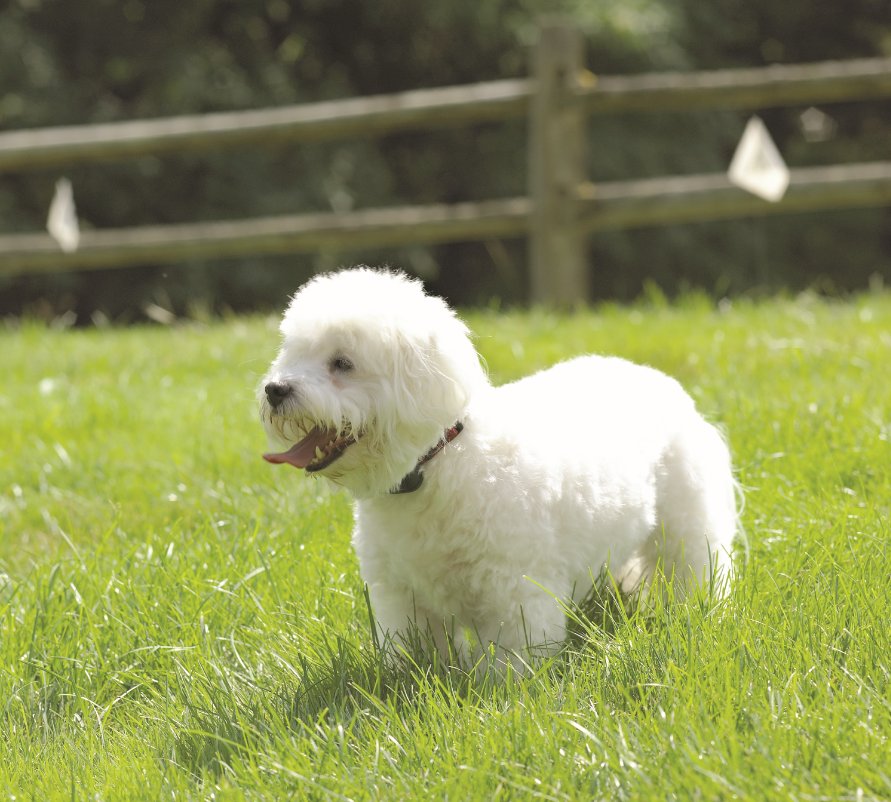
Small dog wearing a safe dog fence collar enjoying the garden during gentle boundary training

Gentle DogFence training helps even small or sensitive dogs enjoy their garden safely and confidently


Are Dog Fence Collars Safe? (The Short Answer)

Yes — dog fence collars are safe. They use a gentle, momentary static sensation that feels similar to a light TENS machine pulse rather than a “shock”. It is not painful, not harmful, and the training process is designed to be calm, controlled, and dog-friendly.

Scientific research — including multiple Government studies and DEFRA-funded research from Newcastle University (Cooper et al.) — shows that properly used electronic containment collars:

  • Do not cause physical harm
  • Do not create long-term stress
  • Do not cause behavioural problems
  • Are not associated with anxiety or fear when used correctly

In fact, many owners report calmer, happier dogs because they can enjoy safe outdoor freedom without constant supervision. Our How It Works page explains more about why invisible fencing is both safe and effective.


How Do Dog Fence Collars Work?

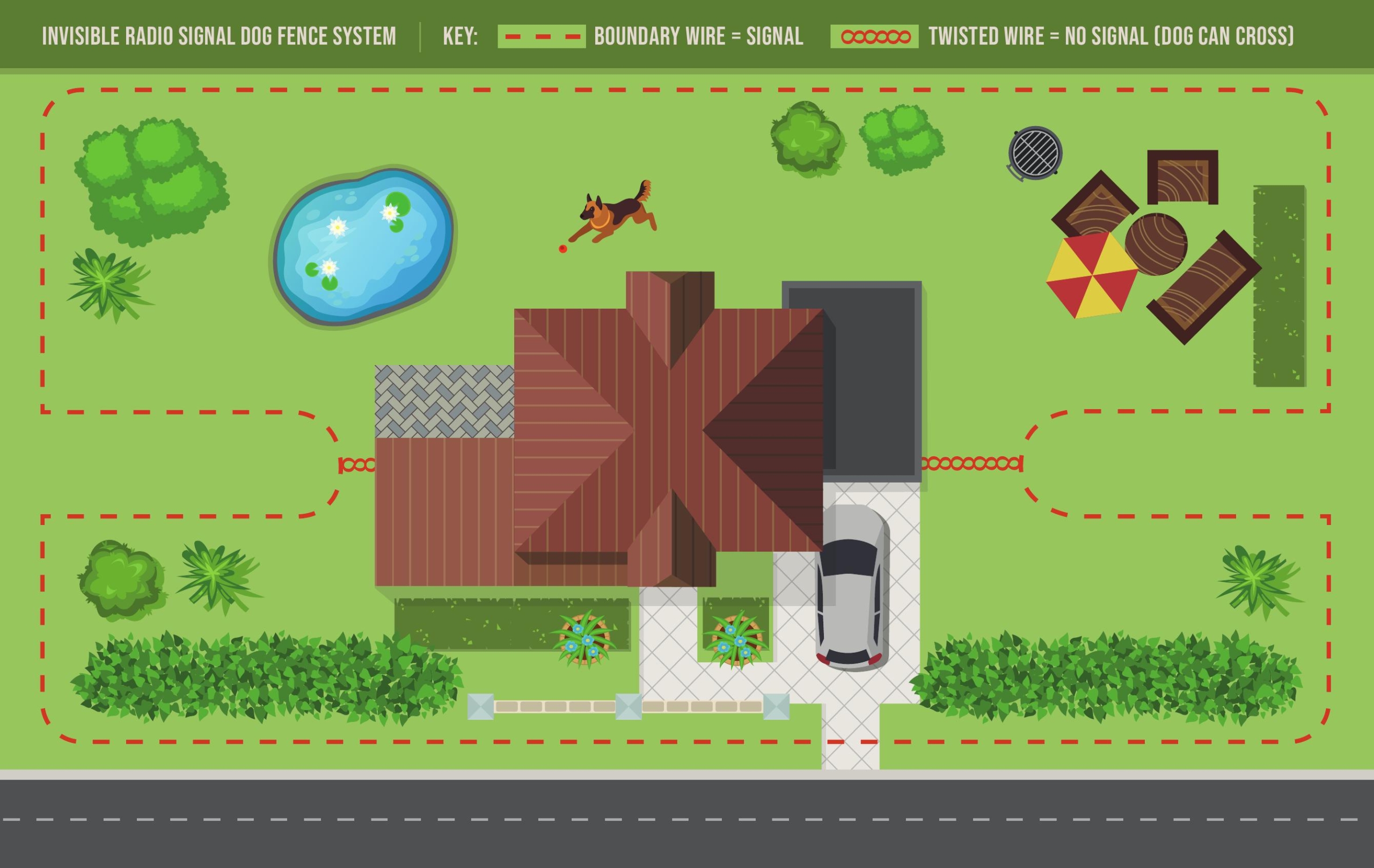
A dog fence collar works together with a boundary wire and a small transmitter unit, which is usually installed in a garage, shed, or outbuilding. The transmitter sends a coded FM radio signal through the buried wire, creating a precise, stable boundary around your garden.

When your dog approaches the boundary during training, the collar responds in a predictable sequence:

  1. Warning beep – alerts the dog that they are nearing the boundary.
  2. Gentle static sensation – similar to a light TENS pulse, and only if they continue forward.
  3. Retreat behaviour – with training, your dog learns to step back to turn off the warning.

This combination of sound + mild sensation teaches your dog to retreat calmly and consistently. The goal is not to “correct” the dog repeatedly — it is to teach them where the safe area is. Most dogs learn this within a few training sessions.

More detail on the technology is available on our How It Works page.


Why Dog Fence Collars Are Safe (Backed by Independent Research)

The question “are dog fence collars safe?” has been thoroughly examined by scientists, veterinarians, and behaviour specialists. DEFRA-funded research, including the well-known Cooper et al. study, concluded that electronic containment systems:

  • did not increase long-term cortisol (stress hormone) levels
  • did not cause behavioural signs of distress
  • were used successfully without negative welfare impact

The Government’s own summary confirmed the same findings. When used correctly, dog fence collars are safe, humane, and effective.


Modern Safety Features Built Into Our Collars

Our collars use advanced DogWatch FM technology, which is specifically designed for safety, reliability, and fast response. This ensures clean communication between the collar and boundary wire without interference or false activations — issues more commonly seen with AM or GPS-based systems.

Key safety features include:

  • Soft-start training levels for timid or sensitive dogs
  • 15-second safety shut-off to prevent continuous activation
  • Anti-linger mode to avoid unnecessary corrections
  • Fail-safe radio encoding to prevent interference
  • Waterproof and robust collar casings

This combination ensures the system remains humane, predictable, and safe for long-term use.


Contact Posts: Why Proper Fit Matters for Safety

As with a TENS machine used for humans, the gentle static sensation needs light contact with the skin. The rounded stainless-steel contact posts on the collar simply ensure this connection — they may look like prongs but they sit comfortably when the collar is fitted correctly— they are smooth and rounded probes and designed simply to reach through the coat so the collar can communicate correctly.
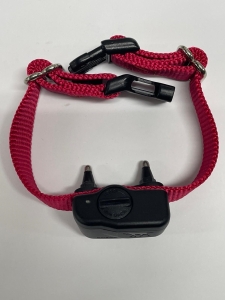
Dog fence collar with stainless steel contact posts showing the safe, comfortable fit for pets

The DogFence collar uses rounded stainless steel contact posts to provide safe, consistent skin contact for gentle boundary training

The probe length is chosen to suit your dog’s coat type:

  • Short-coated dogs use standard contacts
  • Long-coated dogs may need slightly longer contacts so they reach the skin

When the collar is fitted correctly and snugly, the contact is consistent, comfortable, and does not cause rubbing. A well-fitted collar also means the training level can be set lower, because the signal is clearer and more reliable.

Smooth Comfort Contacts for short-coated or smooth-coated dogs

We also offer Smooth Comfort Contacts — conductive plastic probes designed to look softer and more discreet. They deliver the same gentle training sensation but offer a more aesthetically pleasing option for owners of smooth-coated breeds. We can advise whether your dog is suitable during your installation or consultation.
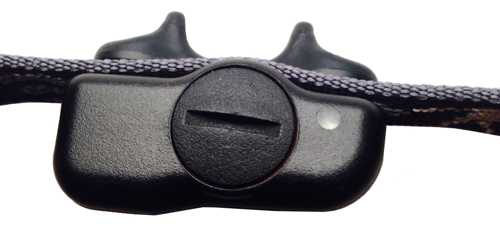
Smooth Comfort Contacts for short-coated dogs demonstrating how safe dog fence collars are when fitted correctly

Smooth Comfort Contacts provide gentle, reliable skin contact, helping to ensure dog fence collars are safe and effective for pets


Why Professional Installation Makes Dog Fence Collars Safer

The safety of a dog fence collar depends heavily on the quality of the installation, the layout design, and the training. That’s why DogFence Ltd provides:

  • On-site boundary surveys
  • Professional training tailored to your dog’s personality
  • Correct collar fitting guidance
  • Support for nervous or sensitive dogs
  • Follow-up assistance whenever required
  • Our exclusive Containment Guarantee

This ensures your dog learns calmly, confidently, and safely. More information is available on our Professional Installation page.


The Benefits of Using a Dog Fence Collar

Because dog fence collars are safe and humane, they offer significant real-world advantages:

  • Prevents escapes and road accidents
  • Stops livestock chasing
  • Allows safe off-lead freedom
  • Works where traditional fences fail
  • Ideal for large, awkward, or open gardens
  • More accurate and reliable than GPS collars

Most importantly, dogs gain the freedom to enjoy their garden while staying safely within your boundary.


Ready to Keep Your Dog Safe?

Keep Your Dog Safe With a Trusted DogFence System

Call us on
01628 476475
|
Chat to us on WhatsApp
|
Request a Free Quote Online


owner gently training anxious dog with invisible dog fence in garden

Can Anxious Dogs Use an Invisible Dog Fence? | by DogFence Ltd

Can Anxious Dogs Use an Invisible Dog Fence?

Can anxious dogs use an invisible dog fence? Absolutely — when introduced with gentle, structured training, an invisible fence can help anxious dogs feel calm, confident, and secure outdoors. At DogFence Ltd, we specialise in training that builds trust, using our humane FM-based containment system to guide rather than startle your pet.
owner gently training anxious dog with invisible dog fence in garden

Calm, positive training helps anxious dogs feel safe and confident when learning their invisible fence boundary.

Understanding Anxiety in Dogs

Just like people, dogs can experience anxiety for many reasons — new environments, loud noises, separation, or a lack of clear boundaries. When asking yourself, can anxious dogs use an invisible dog fence safely, it’s important to remember that the success lies in calm, consistent training that gives your dog a sense of predictability and security.

At DogFence Ltd, we’ve worked with thousands of sensitive and anxious dogs across the UK. Our approach focuses on clear communication, trust, and repetition — the key ingredients for helping anxious pets feel calm and in control.

How an Invisible Dog Fence Works for Anxious Dogs

An invisible dog fence, sometimes called a hidden or wireless containment system, uses a boundary wire carrying a harmless FM radio signal. Your dog wears a lightweight collar that picks up the signal and emits a warning beep as they approach the boundary. If they continue forward, the collar delivers a brief, mild static pulse — similar to a light static tap — to remind them to step back into the safe area.

The goal is not punishment but communication. With careful training, anxious dogs learn to associate the warning beep with retreating to safety, giving them clear, reliable feedback every time.

Gentle Training: The Key to Success

When people ask, can anxious dogs use an invisible dog fence without feeling frightened, our answer is yes — provided the training is slow, positive, and supportive. Our installers use a calm, step-by-step method that introduces the boundary gradually using training flags, voice cues, and praise. Sessions are short to prevent overstimulation and ensure every experience builds confidence.

If your dog tends to be nervous, read our related post Are Electric Fences OK for Nervous Dogs? to learn how similar gentle principles help sensitive pets adjust safely.

happy golden retriever walking calmly after invisible dog fence training

Gentle invisible dog fence training helps dogs build confidence and enjoy safe freedom outdoors.

Behavioural Benefits for Anxious Dogs

Invisible dog fences provide more than containment — they offer structure and clarity. When anxious dogs understand exactly where their boundaries are, their anxiety often decreases. Over time, this clear structure helps them relax, explore, and play confidently within the safe zone.

We’ve seen countless examples of anxious rescue dogs that initially feared open spaces, but with patient DogFence training, began to enjoy their gardens freely and calmly. Predictability builds trust, and trust reduces anxiety.

Safety and Welfare Recognition

DogFence systems are DEFRA-tested and recognised as safe and humane when used correctly. Our FM-based technology ensures there are no false activations, unlike cheaper AM systems. Every collar is individually programmed to your dog’s size and temperament, and the correction shuts off automatically after 15 seconds for complete peace of mind.

Even for anxious or sensitive dogs, this system provides consistent feedback without fear or confusion — a key factor in responsible, welfare-friendly training.

Can Anxious Dogs Use an Invisible Dog fence Outdoors?

So, can anxious dogs use an invisible dog fence? Absolutely. With gentle introduction and calm reinforcement, the fence becomes a reassuring guide rather than a source of worry. The result is a happier, more confident dog who understands their boundaries and enjoys outdoor freedom safely.

If you’d like advice on whether an invisible dog fence is suitable for your pet, visit our Dog Fence FAQ page or speak with our experienced team — we’re always happy to help.

calm dog resting confidently in garden after invisible dog fence training

After gentle training, anxious dogs relax and feel secure within their invisible dog fence boundary.

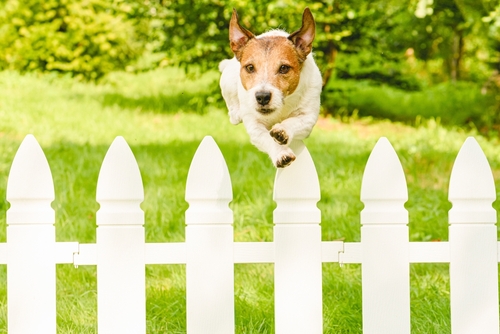
Dog jumping a garden fence showing why owners ask how to stop my dog jumping the fence

How to Stop My Dog Jumping the Fence | Proven Solutions from DogFence

How to Stop Your Dog Jumping the Fence: Practical Solutions That Work

If your dog keeps jumping the garden fence, the best solution is to work out why they are escaping, remove anything that makes the fence easy to jump or climb, and create a secure boundary they cannot repeatedly test.

Some dogs can be stopped by improving the existing fence, removing launch points and reducing whatever is tempting them on the other side. But determined escape artists may continue to jump, climb or simply find another weak point.

At DogFence, we have been helping UK dog owners contain persistent escape artists since 2003. One option for dogs that repeatedly challenge a physical fence is to create a hidden trained boundary inside the existing garden boundary, so the dog learns not to approach the fence in the first place.

If jumping is only one of the ways your dog escapes, start with our complete guide to how to stop your dog escaping from the garden.

Why Do Dogs Jump Garden Fences?

Dogs jump fences for many different reasons. Understanding what is motivating your dog can make it much easier to choose the right solution.

Common reasons include:

  • Wildlife and prey drive – squirrels, rabbits, deer, cats and livestock can be powerful triggers.
  • Other dogs – your dog may be trying to investigate or reach another dog nearby.
  • People or activity outside the garden – footpaths, roads and neighbouring gardens can create excitement.
  • Boredom – an under-stimulated dog may start looking for entertainment elsewhere.
  • Separation-related behaviour – some dogs attempt to escape to follow their owner.
  • Learned behaviour – once a dog discovers that jumping the fence works, they may repeat it.

This is why simply adding another foot to the fence does not always solve the problem.

How Can I Stop My Dog Jumping the Fence?

There isn’t one solution that works for every dog or every garden. The best approach is usually to look at both the physical boundary and the dog’s behaviour.

1. Check the Whole Garden Boundary

Walk around the garden and look at the fence from your dog’s point of view.

Check for:

  • low sections of fencing
  • broken or loose panels
  • raised ground next to the fence
  • horizontal rails that can be climbed
  • gaps between fences, hedges and gates
  • bins, benches, planters or furniture that can be used as launch points

Don’t just inspect the place where your dog escaped last time. Once one route is blocked, a determined dog may simply look for another.

For a complete garden check, see our guide to how to dog proof your garden properly.

2. Remove Anything Your Dog Can Use to Gain Height

A dog that cannot clear a fence from ground level may manage it surprisingly easily with the help of a raised flower bed, retaining wall, storage box, bench or other garden object.

Move anything climbable away from the boundary wherever possible.

3. Reduce What Your Dog Can See Beyond the Fence

Sometimes the fence itself isn’t the attraction – it’s what’s happening on the other side.

If your dog becomes excited by passing dogs, people, livestock or wildlife, reducing their view may help. Depending on the garden, this could include solid fence panels, screening or suitable planting.

It won’t stop every determined escape artist, but removing the trigger can significantly reduce repeated fence-running and jumping behaviour.

4. Make Sure Your Dog Has Enough Exercise and Enrichment

Physical exercise and mental stimulation can reduce escape behaviour caused by boredom.

Scent games, food puzzles, retrieving games, training sessions and regular walks can all help make the garden less of a launching pad for adventures elsewhere.

However, if your dog already has a history of escaping, enrichment should be used alongside secure containment, not instead of it.

5. Improve the Physical Fence — or Add a Trained Hidden Boundary

Depending on the dog and the property, you could consider:

  • increasing fence height
  • adding suitable trellis
  • using inward-facing extensions
  • installing fence rollers
  • replacing climbable fencing with smoother panels

These solutions work well for some dogs. For persistent jumpers, however, continually raising the physical barrier can get expensive and still won’t address other escape routes such as digging or an open driveway.

Where a dog keeps testing the physical fence regardless of height, a professionally installed hidden dog fence gives you another option: instead of relying on the fence itself, it creates a trained boundary before the dog ever reaches it. The DogFence system uses a boundary wire carrying a coded FM radio signal; the dog wears a small receiver collar, and temporary training flags mark the boundary during the initial training period. As the dog approaches, the collar gives an audible warning and, if they continue, a brief adjustable training impulse — so with consistent training the dog learns to turn away well before the fence line.

See our illustrated guide to how a hidden DogFence system works.

DogFence trainer using temporary training flags to teach a dog where a hidden fence boundary is located
Temporary training flags help the dog see and learn the position of the hidden boundary.

Can a Dog Jump a 6ft Fence?

Yes. Some dogs can jump or climb a six-foot fence.

Whether they can do it depends on their size, breed, athletic ability, age, fitness, the type of fence and – importantly – how motivated they are to reach whatever is on the other side.

A dog may also appear to have jumped six feet when they have actually used a horizontal rail, raised ground or an object beside the fence to gain extra height.

We’ve covered this particular problem in more detail here: Can a Dog Jump a 6ft Fence?

Not sure a physical fence alone will solve it? We can assess your garden and dog’s specific escape pattern for free.

Request a Free Quote →

Can I Use a Hidden Dog Fence With My Existing Fence or Hedge?

Yes. In many gardens the hidden boundary works alongside an existing physical fence, wall or hedge.

This can be particularly useful where the existing boundary is perfectly adequate for privacy or appearance but isn’t enough to contain a determined dog.

It can also avoid the need to replace an attractive hedge, post-and-rail fence or other boundary simply because your dog has discovered how to get over it.

What If My Dog Jumps AND Digs Under the Fence?

Some dogs don’t limit themselves to one escape technique. If jumping becomes difficult, they may start digging underneath instead.

A trained hidden boundary can help because it does not depend on whether the dog tries to go over or under the physical fence – the dog learns to remain away from the boundary itself.

For more specific advice, read our guide to stopping dogs digging and escaping under fencing.

What About Open Driveways and Gates?

This is another reason simply making the garden fence higher may not solve the whole escape problem.

A garden may have six-foot fencing around three sides but still have an open driveway, automatic gates or another entrance where a physical barrier is impractical.

A hidden boundary can cross these areas without requiring another visible gate or fence.

See how to stop a dog running out of an open driveway or electric gate.

How Is a DogFence Installed?

For a professional installation, we first assess the property and agree with you where the safe boundary should run.

The boundary wire is then installed around the chosen area and connected to the transmitter. Temporary training flags are positioned along the boundary so your dog has a clear visual reference during the initial training period.

Our installer introduces your dog to the system and shows you how to continue the short reinforcement sessions afterwards.

Because the wire follows the chosen boundary, the system can be designed around gardens that would be difficult to contain with a simple circular wireless or GPS boundary.

Find out more about our professionally installed DogFence systems.

What Boundary Layouts Can Be Used?

The layout depends on your property and where you want your dog to have access.

Common designs include:

  • Full perimeter – secures the complete garden or property boundary.
  • Single boundary or driveway protection – useful where there is one particular escape route.
  • Banana or pinch loops – useful for certain semi-detached properties or where access between front and rear gardens needs to be controlled.
  • Internal exclusion zones – keep dogs away from ponds, pools, flower beds, vegetable gardens or other areas.
Diagram of a pinch-loop hidden dog fence layout used to control access between front and rear garden
A pinch-loop layout is one of several ways a hidden boundary can be designed around a property.

Frequently Asked Questions About Dogs Jumping Fences

How do I stop my dog jumping over the garden fence?

Check the entire boundary, remove objects your dog can use as launch points, reduce visual triggers, provide sufficient exercise and enrichment, and improve weak or low sections of fencing. If your dog repeatedly challenges the physical fence, a trained hidden boundary inside it is another option.

Why has my dog suddenly started jumping the fence?

Look for something that has changed. A new dog nearby, wildlife, livestock, people using a neighbouring path, changes in routine or increased boredom can all give a dog a new reason to investigate the other side of the fence.

Will making my fence higher stop my dog escaping?

It may do, particularly if fence height is the only problem. However, determined dogs may climb, dig, use nearby objects for extra height or find another weak point in the boundary.

Can training stop a dog jumping the fence?

Training can be extremely useful, particularly when combined with a secure boundary. If a dog has a strong drive to escape, training alone should not be relied upon as the only form of containment.

Can a hidden dog fence work with a wooden fence?

Yes. A hidden boundary can normally be installed inside an existing wooden fence so the dog learns to remain away from the physical boundary.

Can a hidden dog fence work with hedges?

Yes. Because the containment boundary is created by the buried wire rather than the hedge itself, it can be useful where hedges have gaps or are difficult to make completely dog-proof.

Can a hidden dog fence stop a dog digging as well as jumping?

It can help with both escape behaviours because the dog is trained to respect the boundary before reaching the physical fence, rather than the system relying on the height or base of that fence.

Can a hidden dog fence cross a driveway?

Yes. The boundary can be designed to cross a driveway, making it particularly useful for properties where installing a conventional physical gate would be difficult or undesirable.

More Advice for Escape-Artist Dogs

If your dog is determined to find a way out of the garden, these guides cover the other common escape routes and solutions:

Ready to Stop Your Dog Jumping the Fence?

If your dog keeps jumping, climbing, digging or finding another way out of the garden, we can help you create a boundary designed around your property and your dog.

DogFence has been installing professionally designed hidden pet containment systems across the UK since 2003.

Call us: 01628 476475
WhatsApp: 07917 034256

Request a Free Quote →

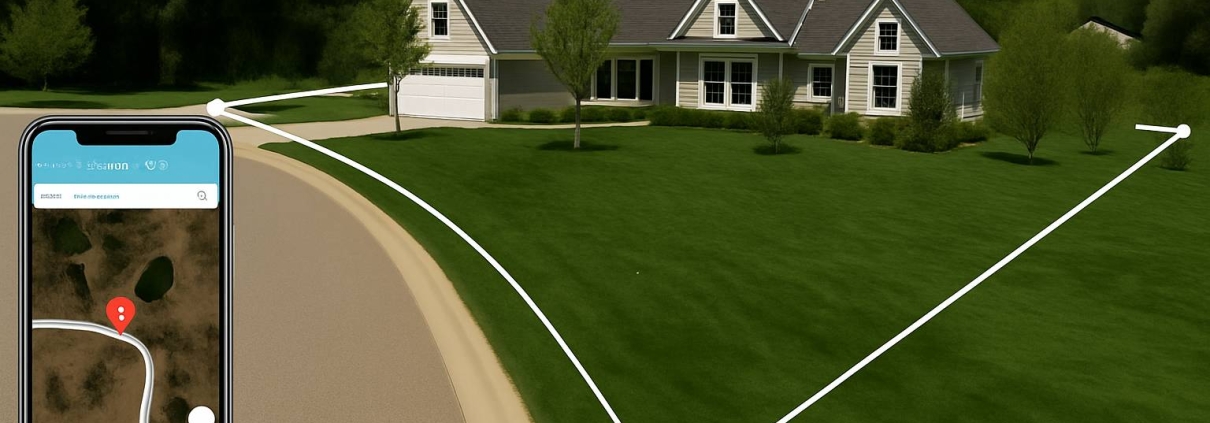
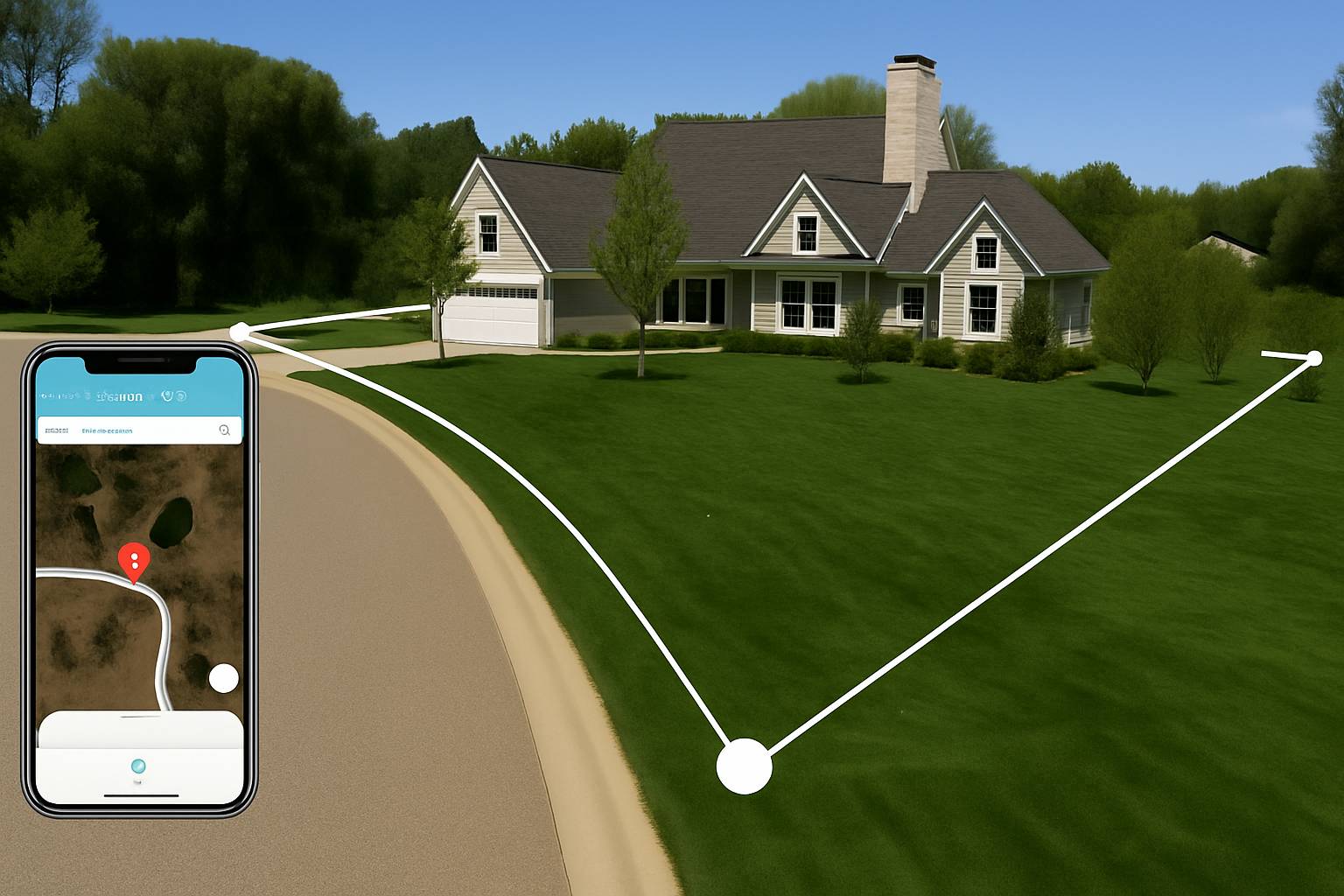
GPS dog fence boundary shown around house with smartphone app display

How GPS Dog Fences Work (Not Always Reliable)

How GPS Dog Fences Work (And Why They’re Not Always Reliable)

Keeping dogs safe at home is every owner’s priority and using a GPS fence promises convenience. Owners are curious about how GPS dog fences work and whether they can reliably keep pets safe. For many, the idea of a wireless, boundary-free containment system sounds appealing. That’s where GPS dog fences come in — marketed as high-tech, cable-free solutions to keep pets within a safe area. But while the concept sounds convenient, the reality is more complicated.

In this guide, we’ll explain how GPS dog fences work, uncover their limitations, and show why professionally installed wired fences remain the gold standard for pet safety.

What Is a GPS Dog Fence?

A GPS dog fence (sometimes called a satellite dog fence) uses signals from satellites orbiting the Earth to mark an invisible boundary around your property. Instead of burying a wire, you create a virtual perimeter on an app or handheld device.

Your dog wears a special receiver collar programmed to recognise that perimeter. When your dog approaches or crosses the invisible boundary, the collar triggers:

  • Warning beep or vibration as the first alert

  • Static correction if your dog continues past the warning zone

On paper, it’s simple: no digging, no wires, and flexibility to set boundaries wherever you like.

GPS dog fence boundary around a house shown with white lines and smartphone app display

Illustration of how a GPS dog fence sets a virtual boundary around a home — showing how containment zones are marked via a smartphone app


How GPS Dog Fences Work: The Technology

GPS fences rely on:

  • Satellites: Usually at least 20–30 satellites are orbiting above, feeding positional data.

  • Receiver collar: Detects signals and calculates your dog’s location.

  • App or base unit: Lets you define a virtual boundary.

When the collar detects your dog nearing the limit of this zone, it issues a correction signal.

Key Features of GPS Fences

  • Adjustable boundaries up to hundreds of acres

  • Easy to set up via app or handheld unit

  • Portable — can be moved to new properties or travel locations

Signal Drift: The Hidden Risk

Understanding how GPS dog fences work helps explain why signal drift occurs.

GPS fences rely on satellites to calculate your dog’s position, but that data is never 100% precise. Even small atmospheric changes, trees, or buildings can cause the collar to misread where the boundary lies. This shifting of the invisible line is called signal drift — and it’s the main reason dogs may receive corrections in the wrong place, or worse, escape when the boundary “moves” outside the property. In contrast, a wired fence provides a fixed boundary, delivering a clear and consistent message every time. GPS drift, however, creates confusion — and often outright failure — because the signal does not stay aligned with your actual garden.


remain the gold standard for pet safety.


Why GPS Dog Fences Aren’t Always Reliable

While the technology sounds futuristic, it comes with serious drawbacks.

1. Signal Drift and Inaccuracy

GPS is accurate on average to within 1–3 metres — but that’s a big margin when you’re trying to stop a dog at the edge of your garden.

  • On cloudy days, or under trees, accuracy can drop even further.

  • This means boundaries “move” — one day the safe zone ends at your hedge, the next it could extend into the road.

2. Lag and Response Time

It takes time for the collar to calculate position from multiple satellites. That delay can mean your dog steps outside the safe area before the correction triggers.

3. No Defined Boundary

Unlike a wired dog fence that follows the natural outline of your garden, GPS boundaries are “virtual”. Dogs can’t see or sense where the edge is, which makes training harder and increases the risk of mistakes.

4. Firmware and Battery Issues

  • Firmware updates can reset or disrupt boundaries.

  • Collars need frequent recharging — sometimes every 12–24 hours. If you forget, your pet is unprotected.

5. Unsuitable for Small Gardens

Most GPS fences need a minimum boundary size (often ½ acre or more). For smaller properties, accuracy problems mean they simply don’t work.


Real-World Risks for Pet Owners

Owners often report:

  • Dogs escaping because the signal “moved” into the road.

  • Collars not triggering when the battery drained unexpectedly.

  • Overcorrection when the dog was inside the safe area but the GPS drifted.

  • No training support as most GPS Systems are online purchases.

These risks explain why DEFRA recognises professionally installed wired containment fences as safe and compliant under UK law, while GPS systems have no such recognition.

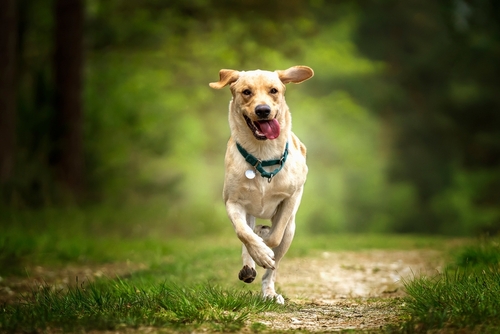
Dog running out of the garden because a GPS dog fence failed to keep the boundary

GPS dog fences can fail — this dog has run beyond the boundary due to signal drift


GPS vs Wired Dog Fences: The Crucial Differences

FeatureGPS Dog FenceWired Dog Fence (DogFence Ltd)
Accuracy1–3m variation, can driftPrecise boundary to the inch
Boundary SizeLarge properties onlyWorks from small gardens upwards
ReliabilityAffected by weather, trees, firmwareConsistent, unaffected by conditions
TrainingHarder (no visible markers)Clear training with flags + natural boundaries
PowerNeeds frequent chargingLong battery life (up to 2 years)
Safety RecognitionNot recognised by DEFRADEFRA-recognised, compliant with UK law

For a deeper breakdown, see our full guide on GPS vs Wired Dog Fence systems.


Why Wired Systems Are Safer

At DogFence Ltd, we install DogWatch® Hidden Fences — wired systems that are:

  • 100% accurate with no drift

  • Customisable to follow your garden’s natural layout

  • Safe for small or large properties

  • Recognised by DEFRA as compliant when installed professionally

  • Backed by a lifetime warranty and containment promise

For more detail, read our dog fence safety tips to understand how training and system design keep pets secure.

Dog enjoying freedom inside a wired dog fence, professionally installed with training support

A professionally installed wired dog fence gives dogs safe freedom — with training and expert support included


Should You Trust a GPS Dog Fence?

If you live on hundreds of acres of open farmland and don’t mind occasional inaccuracies, a GPS dog fence may be a convenience tool.

But for most pet owners — especially those with smaller gardens, nearby roads, or escape-artist dogs — the risks outweigh the benefits.

That’s why thousands of UK dog and cat owners choose DogFence Ltd for a wired system they can rely on.


Call to Action

Call us on 01628 476475
Message us on WhatsApp
Request a Free Quote Online

Take the guesswork out of pet safety — compare GPS vs wired systems today and give your pet freedom with peace of mind.

Dog running freely and safely in open garden with no visible fencing

Why Replace a Garden Fence with an Invisible Fence (5 Reasons)

5 Reasons Dog Owners Replace Their Garden Fence with an Invisible Fence

Is your dog a master escape artist? If they keep digging, jumping, or chewing through panels, it might be time to replace your garden fence with an invisible fence a safer and more reliable solution that preserves your view and keeps your dog secure. Traditional fencing often looks secure, but many owners find it’s no match for a determined dog. Here’s why traditional fencing isn’t enough for escape-artist dogs

Traditional fencing often looks secure, but many owners find it’s no match for a determined dog. That’s why more people are making the switch to invisible dog fences every year.

Dog escaping through a broken wooden garden fence

Traditional fencing often fails. This is why so many owners choose to replace their garden fence with an invisible fence for reliable containment.

1. Dogs Outsmart Traditional Fencing

Dogs are clever and resourceful. Some learn to dig under wooden panels, others chew their way through gaps, and some agile breeds can leap over fences that seem impossibly high. Physical barriers can become an invitation for a determined dog to test its limits. An invisible dog fence works differently. Instead of relying on a physical barrier, it uses a radio signal to create a secure boundary. With a simple and effective training system, your dog learns to respect this boundary, so there’s nothing to jump over or tunnel beneath. You can also read how a dog fence works and why it’s safer than panels for more detail.

2. It’s More Cost-Effective Than Traditional Fencing

The costs of traditional fencing can quickly add up. From fixing broken panels to installing taller fences or building elaborate containment zones, the expense can be significant—and that’s before you consider replacing an entire fence. An invisible dog fence is not only more affordable upfront, but it’s also maintenance-free once installed. Our DIY or professionally installed options provide a long-term, cost-effective solution that saves you from the ongoing cycle of repairs and replacements.

3. Maintain Your Garden’s Look and Feel

For many, one of the biggest reasons to switch to an invisible fence is aesthetics. Whether you’ve carefully landscaped your garden or simply enjoy the feeling of open space, traditional fences can block views and detract from your property’s appearance. Our underground dog fences are completely hidden, leaving your garden—and your view—intact. You get a beautiful, open space without compromising your dog’s safety.

Happy dog enjoying garden with no visible fence — why owners replace garden fence with an invisible fence

No panels, no posts, no problem. Replacing your garden fence with an invisible fence means total freedom for your dog and uninterrupted views for you

4. Why Replacing Your Garden Fence with an Invisible Fence Offers Total Flexibility

Traditional fencing can be tricky on properties with uneven ground or unique layouts. With an invisible fence, you get complete freedom to customise your dog’s boundaries. Whether you live in a rented cottage or simply want to keep your dog out of specific areas like flowerbeds, ponds, or vegetable patches, you can create custom “no-go zones” with ease. We also offer portable indoor units to keep your dog off furniture or from going up and down stairs.

5. Enjoy Reliable Containment with Built-In Safety

When properly installed and with the right training, invisible fences are incredibly effective. We use digital FM systems that are safer and more reliable than older AM or GPS-based systems. With lightning-fast reaction times and built-in safety features like anti-linger shutoff, these systems provide a consistent and dependable boundary. The collars are also waterproof and chew-proof, giving you peace of mind that your dog is always safe and secure.

Ready to Replace Your Fence?

Don’t spend thousands of pounds on new fencing that still might not contain your dog. Talk to the UK’s leading experts in pet containment and discover how our invisible fence systems can provide safe, reliable freedom for your dog—and peace of mind for you. According to Checkatrade’s fencing guide, replacing a garden fence can cost thousands—without solving escape issues. Find a cheaper and more effective alternative by contacting DogFence Ltd.

Invisible dog fences are a proven, safe, and effective way to give your pet freedom while keeping them securely within your property. Whether you choose a professional installation or a DIY kit, the right system will offer peace of mind, protect your garden, and allow your dog to enjoy their space without the risk of escape.

Ready to make the switch?
Call us on 01628 476475 to discuss your needs.
Message us on WhatsApp for quick answers.
Request a free quote online today and find the perfect containment solution for your dog or cat.

"Two dogs safely enjoying the garden thanks to invisible fencing

Traditional Fencing Fails for Escape-Artist Dogs | DogFence UK

Why Traditional Fencing Isn’t Enough for Escape-Artist Dogs

Is your dog finding clever ways to escape your garden? You’re not alone. Many pet owners discover that traditional fencing simply can’t contain escape-artist dogs. Many owners start researching alternatives to garden fencing after repeated escape attempts make it clear that panels and hedges aren’t enough. Whether it’s digging, climbing, or squeezing through gaps, some dogs will always find a way out — which is why many owners replace their garden fence with an invisible fence.

In this guide, we’ll explore the common reasons traditional fences fail and introduce how a dog fence works and why it’s safer than panels, a more reliable solution that gives your dog freedom without the stress.

Escape-artist dog jumping over traditional garden fence

Traditional fencing often isn’t enough for escape-artist dogs—many learn to leap right over it.

Why Do Escape-Artist Dogs Slip Through Traditional Fences?

Most traditional garden fences were designed to mark boundaries—not to keep a determined dog safely inside. Dogs with high prey drive, separation anxiety, or just a strong curiosity can easily break free. Many pet owners only realise the extent of traditional fencing problems when their dog starts digging, climbing, or squeezing through gaps in the boundary. Common weaknesses include:

The Problem with Traditional Fences

Common weaknesses in standard fencing include:

  • Gaps: Small spaces under or between fence panels are an open invitation for a curious dog.
  • Low Heights: An agile dog can easily clear a standard fence, no matter how sturdy it seems.
  • Climbable Surfaces: Wire mesh, chain link, or horizontal slats provide a perfect ladder for a climber.
  • Chewable Materials: Wooden panels and pickets are no match for a dog determined to gnaw its way to freedom.

Some breeds are natural escape artists—Collies, Spaniels, Huskies, and Terriers top the list. For these smart, active dogs, relying on a physical barrier is a constant battle you’re likely to lose that’s why invisible fencing is a smarter solution.

The Vicious Cycle of Repairs and Upgrades

Homeowners often try patching weak spots, adding trellis toppers, or reinforcing the bottom of the fence with concrete. But dogs are quick to adapt. A new escape route is only a matter of time. What’s worse, reinforcing physical fencing is costly—and doesn’t solve the underlying behaviour or provide training. A dog escaping garden boundaries is rarely random — it’s usually the result of predictable behaviours like digging, jumping, or chasing wildlife.

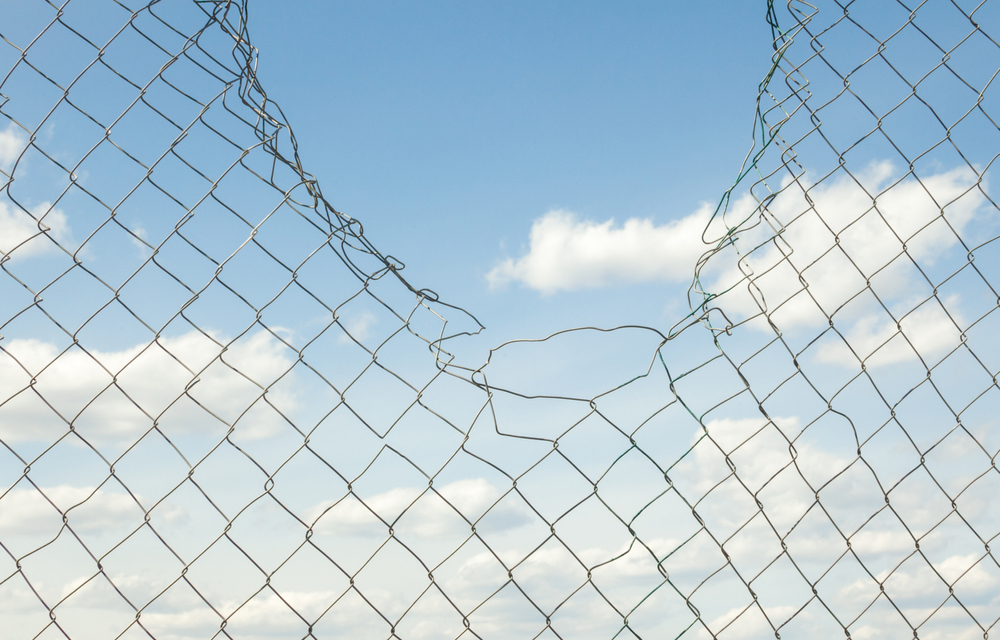
Broken wire fence highlighting the failure of traditional fencing for escape-artist dogs

This broken wire fence is a classic example of why traditional fencing can’t contain escape-artist dogs.

As our customers often tell us, they’ve spent thousands on traditional fencing before finally choosing an invisible fence system that just works.

  • Costly and Ineffective: You can spend thousands reinforcing your existing fence, but it won’t address the root cause: your dog’s drive to escape.
  • No Training: A physical fence provides no training. Your dog doesn’t learn to respect the boundary—they only learn how to beat the system.

Many of our customers tell us they spent a fortune on traditional fencing before finally choosing an invisible fence system that solved the problem permanently.

Why Invisible Fencing Is a Better Solution to stop your dog escaping the garden

Modern alternatives to garden fencing, such as wired electronic systems, provide reliable containment without altering the look of your property. Unlike traditional fences, an invisible dog fence isn’t a physical barrier—it’s a smart, reliable containment system that your dog learns to respect.

  • Unclaimable: There’s nothing to climb, chew, or dig through.
  • Undiggable: – boundaries are defined electronically, not physically
  • Consistent Training: A structured training process teaches your dog to respect the boundary, creating a lifelong habit.
  • Customisable: Create “no-go zones” around gates, ponds, or flowerbeds.
  • Safe: Our advanced FM digital systems offer fast reaction times, built-in safety features, and collars that are waterproof with a long battery life.
  • Reliable and consistent — dogs learn to respect the boundary through gentle, structured training

If your dog keeps escaping, it’s likely due to traditional fencing problems that physical barriers alone simply can’t solve. Our FM digital system offers fast reaction times and built-in safety features, including a 15-second timeout, waterproof collars, and programmable settings for different breeds and temperaments.

Real Solutions for Real Escape Artists

We’ve helped thousands of customers who were at their wits’ end. Dogs escaping onto roads, into neighbouring gardens, or even chasing livestock. An invisible fence doesn’t just contain—it trains, protects, and offers long-term peace of mind. Don’t let an ugly, ineffective fence ruin your garden’s beautiful views. According to the Blue Cross advice on dog-proofing gardens escape prevention is essential to your dog’s safety. Nothing is more stressful than a dog escaping garden fences and running towards roads or neighbouring properties.

The best alternatives to garden fencing don’t just block escape routes — they teach your dog to respect clear, consistent boundaries. Our invisible fence systems keep your dog secure while preserving the look and feel of your outdoor space. Read more in our blog: How a Dog Fence Works (and Why It’s Safer Than Panels.) 

Customer testimonial praising DogFence UK for 5 years of reliable service

Give Your Pet Freedom — Without the Stress

Unlike tall wooden fencing or unsightly mesh, an invisible dog fence keeps your pet safely contained while preserving the look and feel of your garden.

Whether you choose a DIY kit or a professionally installed system with long-term warranty support, there’s a solution designed to suit your property, your dog, and your budget.

If your dog has outsmarted traditional fencing, it may be time to consider a smarter, more reliable approach to containment.

Ready to Keep Your Pet Safe?

Call us on
01628 476475
|
Message us on WhatsApp
|
Request a Free Quote Online
comparison of wired, wireless and GPS dog fences for UK gardens

Why traditional and GPS dog fences fail

Why Traditional and GPS Dog Fences Fail — The Truth Every Pet Owner Needs to Know

Keeping our dogs and cats safe at home is every pet owner’s top priority — but why traditional and GPS dog fences fail is a critical truth many people overlook. While these solutions seem like convenient or familiar options, they often provide a false sense of security and can lead to heartbreaking consequences. In this guide, we’ll break down exactly why traditional and GPS dog fences fail, the hidden dangers behind them, and what truly works to keep your beloved pet safe and happy.


Why Traditional and GPS Dog Fences Fail: The Hidden Truth

Traditional fencing and hedging

Traditional fencing might seem like an obvious choice, but it isn’t escape-proof. Dogs can dig under or jump over even the sturdiest fence, and cats are famous for scaling almost any barrier with ease. Hedges can hide gaps at the base, especially where wildlife has created tunnels, creating a false sense of security.

Moreover, repairs can become costly and stressful, especially after multiple escape attempts.

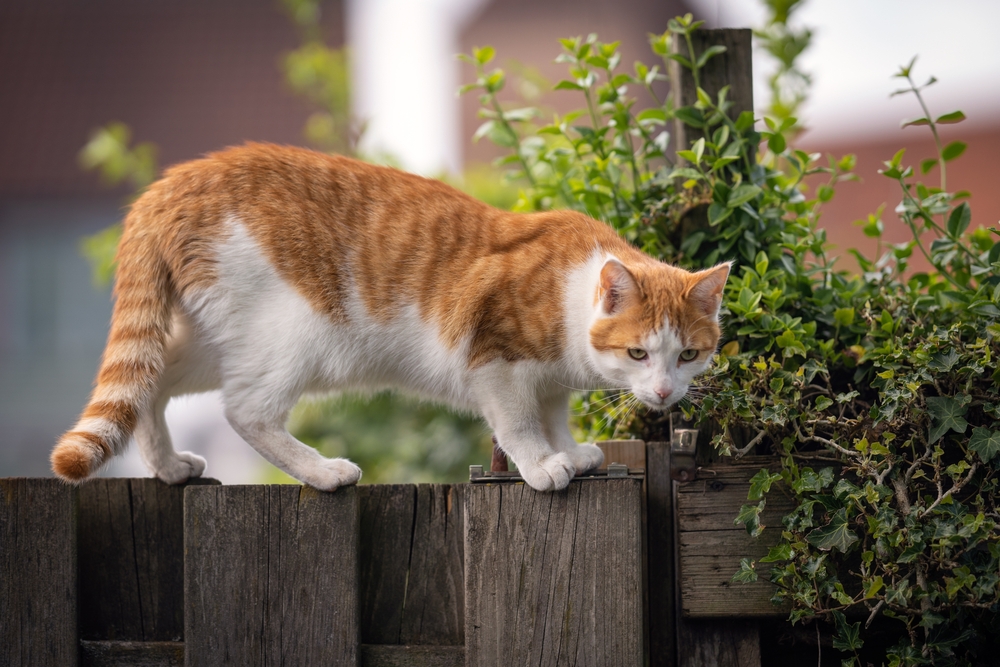
Cat escaping over fence showing why traditional and GPS dog fences fail to keep pets safe

Cats can easily scale traditional fences and GPS collars are heavy and inaccurate.


Why wireless dog fences disappoint

Wireless dog fences promise a quick, easy installation without digging. However, they rely on a circular boundary, which rarely suits the shape of UK gardens. Interference from trees, hedges, walls, and slopes can create unreliable or inconsistent boundaries.

Many dogs simply run through these zones when excited or scared. Once your dog crosses the line, they may not return due to the correction they receive on re-entry.


GPS dog fences and tracker collars: The critical misunderstanding

It’s crucial to understand the difference between tracking and containment.

GPS dog fences and GPS tracker collars do not stop your pet from leaving; they only show you where your pet has gone after they’ve escaped. Signal delays and coverage gaps can make these systems unreliable, especially in wooded or rural areas.

A heartbreaking real-world example:

“I bought a GPS collar hoping it would keep my cat safe. One night, the tracker took me to a road where I found her injured and had to put her to sleep. It didn’t prevent her from getting there.” — Story shared on East Dulwich Forum.

This tragic story highlights exactly why traditional and GPS dog fences fail when you need them most.


The risks of inadequate containment

When containment fails, the consequences can be severe:

  • Traffic accidents

  • Attacks on livestock or wildlife

  • Theft or loss

  • Stressful recovery attempts

  • Possible legal liabilities for owners


Why Wired Dog Fences Work: Proven, Reliable, and Safe

Wired electronic dog fences stand out because they offer consistent boundary signals, long battery life, and professional setup with expert training. Unlike GPS or wireless systems, they are not affected by trees, slopes, or interference, ensuring reliable containment in any garden. Our wired systems are also DEFRA tested and approved for safety and welfare. With our professional installation and training service, your pet learns clear, safe boundaries quickly and happily.

Why Choose a Wired Dog Fence?

  • 100% Consistent — no confusion for your pet
  • Long battery life
  • Keeps pets safe in their garden
  • Protects livestock and wildlife
  • Pets stay safe and enjoy freedom
  • Reduces stress for the owner
  • Lifetime warranty for peace of mind


How different containment options compare

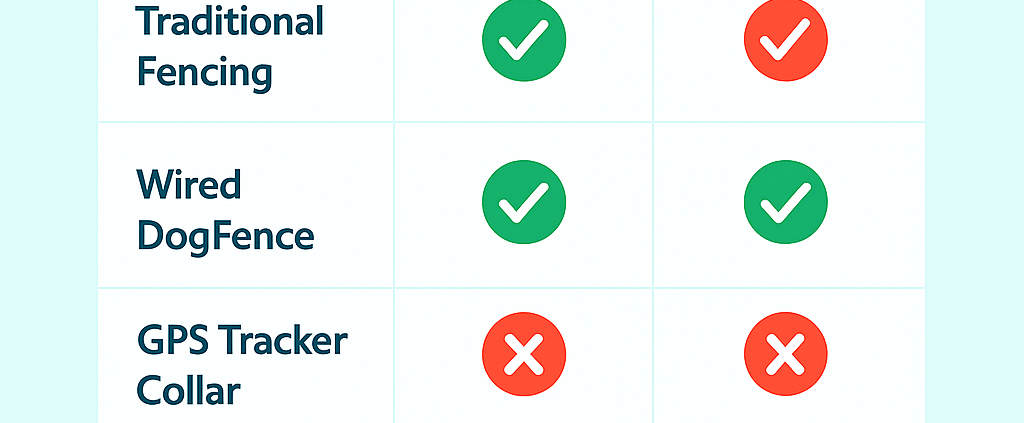
To help visualise why traditional and GPS dog fences fail, we created this simple, clear infographic comparing popular options. You can also read more in detail on our GPS and wireless dog fence comparison page.

Comparison chart showing why traditional and GPS dog fences fail and why wired dog fences are effective for pet containment

See why traditional and GPS dog fences fail compared to the proven effectiveness of wired dog fences for pet safety


Why a DEFRA-tested wired dog fence is the safe choice

A professionally installed, wired electronic dog fence — like our DogFence system — offers:

✅ DEFRA approval, guaranteeing compliance with animal welfare standards.
✅ Effective containment for both dogs and cats.
✅ Adaptable to any garden shape, terrain, or landscaping.
✅ Reliable training with clear boundaries your pet understands.
✅ Peace of mind for you and freedom for your pet.


What our customers say

“This system has transformed our lives. Our spaniel Molly used to jump the fence constantly. We tried reinforcing it and even bought a GPS collar, but nothing worked. With DogFence, she now enjoys the garden safely, and we have total peace of mind.” — Verified Google Review


Call us today to find out what really works

The evidence is clear: why traditional and GPS dog fences fail comes down to one fact — they don’t truly contain your pet before danger strikes.

If you want reliable, proven protection, a DEFRA-tested wired dog fence is the safest and most humane solution.


Request a free quote today or
call us now on 01628 476475.

Your pet deserves the very best.


Dog wearing a hidden fence collar enjoying freedom in a secure UK garden, with training flags marking the boundary – illustrating dog fence cost UK value and effectiveness

Electronic Dog Fence Training Troubleshooting | DogFence UK

Overcoming Common Training Challenges with Your Electronic Dog Fence: An In-Depth Guide

At DogFence we know that training most dogs to confidently respect an electronic containment system is usually a smooth process, offering  freedom and safety. However, like any training endeavour, if you encounter a few bumps with electronic dog fence training along the way, don’t worry! Many common challenges have straightforward, actionable solutions. This guide will help you understand, troubleshoot, and effectively resolve these issues, ensuring your furry friend thrives within their new, secure boundaries.

A dog in training on a DogFence electronic dog fence systems

Training the dog using the training flags

Understanding the Basics of electronic dog fence training: Patience and Consistency are Non-Negotiable

Before diving into specific issues, it’s crucial to remember that successful electronic fence training hinges on two fundamental pillars: patience and consistency. Every dog is an individual and learns at their own pace. If you’ve been consistent with your initial training steps as outlined in your DogFence handbook, understanding the root cause behind a setback is the first and most critical step towards resolution. Rushing the process or being inconsistent can create confusion and undo progress.

Hitting a Snag: Common Training Problems and In-Depth Solutions

Even with the best intentions and diligent initial training, dogs can sometimes misunderstand the boundaries or react unexpectedly. Here’s how to address the most frequent and frustrating issues, along with detailed solutions:

Problem 1: My Dog Runs Through the Boundary!

This is perhaps the most common and concerning issue for any owner. It usually stems from one of three core reasons: a lack of understanding, overwhelming distraction, or a system issue.

1.1. Inconsistent Correction or Boundary Awareness

  • The Problem: This is always a training issue. Your dog might not have fully grasped that the warning tone always precedes the impulse correction, or they haven’t firmly associated the tone and correction with the physical training flags. They might simply be testing the boundary’s limits and need further training. It could be that the collar is too lose, check the collar fit.
  • The Solution: Back to Basics with Purpose: Go back to the very first stages of training. Re-establish short, highly supervised training sessions (5-10 minutes, 3-5 times a day). Walk your dog on a non-retractable lead (about 6-foot) directly to the boundary flags. As soon as they hear the warning tone, immediately and consistently guide them back into the safe zone, using a firm but calm “Careful!” command. Praise them lavishly only when they are back in the safe zone. Ensure the correction level is appropriate for your dog’s temperament and the collar fit is correct. For long-coated dogs ensure that the correct sized contact posts have been fitted (very important for thick-coated breeds like Huskies or Old English Sheepdogs).
    • Actionable Tip: Reduce distractions during these “back to basics” sessions. Start in the quietest part of your garden before re-introducing any tempting elements. Use high-value treats to reward successful retreats from the boundary.
    • Common Mistake: Owners often move too quickly past the flag training stage, assuming the dog understands after a few successful repetitions. Dogs need many repetitions in various scenarios to truly generalise the boundary concept.

1.2. Over-Excitement or High Drive Overpowering the Correction

  • The Problem: A compelling external distraction – a squirrel, a neighbourhood cat, a child’s ball, or even a passing cyclist – can create such a strong impulse that your dog’s focus becomes singular, causing them to “run through” the boundary, temporarily overriding or ignoring the static correction. This is common in breeds with high prey drive or strong chase instincts.
  • The Solution: Proofing Under Distraction: This requires specific “proofing” training.
    • Controlled Distractions: Begin by introducing controlled distractions while on a long training lead (e.g., 20-30ft) within the safe zone, slowly moving closer to the boundary. Have a helper walk a bike or throw a ball outside the boundary while you work on strong recall and “leave it” commands inside.
    • Increasing Correction (Carefully): You may need to slightly increase the correction level (one step at a time) to ensure it effectively breaks your dog’s concentration when they approach the boundary during high-distraction scenarios. The goal is to interrupt the impulse, not to cause fear or pain. Observe your dog’s reaction closely – a slight head turn, ear flick, or momentary stop is usually enough.
    • Further Reading: For more in-depth guidance on initial training steps and proofing techniques, visit our comprehensive Dog Fence Touble page which outlines the fundamental techniques for various dog types.

1.3. Low Battery or Collar Malfunction

  • The Problem: The collar might not be delivering a consistent correction (or any correction at all) due to a low battery, a loose fit, dirty contact points, or an internal issue with the receiver. Your dog might be receiving an inconsistent signal or no signal at all, leading them to believe the fence isn’t “on.”
  • The Solution: System Check & Maintenance:
    • Battery Check: Always check the battery status of your dog’s collar receiver immediately. Replace batteries regularly (even if they seem to be working).
    • Fit & Contacts: Ensure the collar is snug enough for the contact points to touch your dog’s skin, but not so tight as to cause discomfort. Inspect the contact points for dirt, corrosion, or damage and clean them with rubbing alcohol or a soft cloth. Ensure you are using the correct length of contact points for your dog’s coat type.
    • Field Test: Use the system’s test light/tool (provided with your system) to walk the boundary yourself and ensure the collar is beeping and correcting as it should.
  • Expert Tip: If you’ve checked the battery, fit, and contact points, and the system still isn’t functioning correctly, refer to your DogFence system’s manual for specific troubleshooting, or contact DogFence UK customer support. We’re here to help diagnose and resolve any equipment issues.


Problem 2: My Dog is Scared of the Garden/Fence Area!

Occasionally, a dog might become overly apprehensive after initial training, refusing to enter the garden or sticking only to areas far from the boundary, even within the safe zone. This is easily overcome and is not a long term negative association.

2.1. Incorrect Correction Level

  • The Problem: The correction level might have been set too high during initial training. This can create a fear of the boundary or even the entire garden. Always start on the lowest level.
  • The Solution: Reduce & Rebuild Confidence: Immediately reduce the correction level to the lowest effective setting. The aim is to get your dog’s attention, not to cause fear or trauma. Observe your dog’s subtle reactions – a slight head turn, ear flick, or momentary stop is usually enough.
  • Actionable Tip: If your dog shows signs of severe stress (tucked tail, shaking, excessive panting, urinating), stop training immediately. Give them a break, reduce the level, and consider working with a professional dog behaviourist or trainer.

2.2. Fear of the Boundary due to the Electronic dog fence Training Flags

  • The Problem:  The dog sees the flags and is scared to go in the garden! The Training Flags are doing their job. Your dog goes into the garden and see the flags and naturally associates them with the garden itself. He heeds to learn to understand that these are only at the boundary and that the remaining area of the garden is a safe place. The flags are there to help him learn the “invisible boundary”.
  • The Solution: Rebuild Positive Associations & Fun:
    • Play & Praise: Rebuild positive associations by taking your dog on a lead into the garden without the collar active initially. Play games, offer high-value treats, engage in joyful praise, and make the garden a fun, rewarding, and safe place to be. Do this repeatedly, moving closer to the boundary only when your dog is relaxed. If you roll a ball, roll it back towards the house and not into the boundary.
    • Short, Sweet Sessions: If you reintroduce the collar, make sessions extremely short and positive. End on a high note with abundant praise and treats whenever your dog correctly retreats from the boundary or simply enjoys being in the safe zone.
    • Feed your dog outside: If your dog is scared to go outside feed him outside, initially just outside the door and allow him to make the decision to go outside. Do not pull or drag him, let him do the work and this will help reinforce the garden as a safe place. If you are concerned call us and one of helpful team will talk you through the process.
    • Book a Professional Training Visit: Call us today and arrange a Professional assessment and training visit for your property and dog. We will check the placement of both your boundary cable, training flags and carry out the training with your and your dog (charge dependant on location and size of boundary). Call today for quote.
  • Garden boundary marked with dog fence training flags

    Visible boundary for the pet with flags.

Problem 3: My Dog is Barking Excessively at the Boundary!

  • The Problem: Your dog might be frustrated by the boundary, barking at things outside it they can see but not reach, or barking in an attempt to alleviate the correction.
  • The Solution:
    • “Quiet” Command: Practise a “Quiet” command within the safe zone, rewarding calm behaviour.
    • Distraction Management: If they are barking at external stimuli, try to reduce visibility (e.g., temporary screening along that section of the fence) or work on desensitisation training.
    • Review Correction Level: Ensure the correction is not too low (leading to frustration) or too high (leading to anxiety-induced barking).

Benefits of Overcoming These Challenges: Why It Matters So Much

Successfully navigating these training challenges ensures your electronic dog fence truly becomes a cornerstone of your pet’s safety and well-being.

  • Unparalleled Freedom: Your dog gains the freedom to roam and play safely within your property, enjoying fresh air and exercise without being tied up or confined to a small kennel.
  • Your Peace of Mind: You gain the confidence that your dog is secure, preventing costly escapes, potential injuries from traffic, or distressing incidents like worrying livestock (a significant concern in rural UK).
  • Stronger Bond: A well-trained dog is a happier dog, and successful training deepens the trust and understanding between you and your pet.
  • Protection of Your Investment: Proper use and maintenance of your DogFence system ensures its longevity and effectiveness, protecting your initial investment.
Dog Safe with Dog Fence

Freedom and Safety with an electronic dog fence


How DogFence UK Systems Aid in Training Success

While generic “invisible fence” systems might exist, DogFence UK prides itself on professional-grade technology designed with real-world scenarios and varying dog temperaments in mind. Our systems typically feature:

  • Multiple, Adjustable Correction Levels: Allowing precise calibration for your dog’s sensitivity and drive, which is crucial for troubleshooting.
  • Dedicated Training Support: We provide comprehensive guides and expert advice, recognising that the technology is only as good as the training behind it.
  • Reliable Components: Our robust collars and transmitters are built for consistent performance, minimising failures that could undermine training.
  • Lifetime Equipment Guarantees: Reflecting our confidence in the durability and reliability that supports long-term training success.
    • Ready to invest in a reliable solution? View our full range of DogFence systems and find the perfect fit for your home and dog.

Frequently Asked Questions (FAQs) About Electronic Dog Fence Training

Q1: How long does it typically take to train a dog to an electronic fence?

A1: Most dogs understand the basics within 1-2 weeks of consistent training sessions (5-10 minutes, 3-5 times daily). However, achieving true “proofing” under distraction can take several weeks, depending on the dog’s temperament and your consistency.

Q2: Can I use an electronic fence on a very young puppy?

A2: It’s generally recommended to wait until a puppy is at least 4-6 months old, depending on their maturity and comprehension. They need to be old enough to understand cause and effect and adhere to basic verbal commands. Call DogFence first and we are happy to advise.

Q3: What if my dog seems completely unfazed by the correction?

A3: First, check the battery and collar fit. Ensure the contact points are making good contact with the skin. If it’s a thick-coated dog, you might need longer contact points. Then, gradually increase the correction level one step at a time, observing your dog’s reaction for the lowest effective setting. Some dogs are very stubborn or have high pain thresholds.

Q4: My dog got through once, will they keep doing it?

A4: Not necessarily. A single “run through” means your training needs reinforcement. Go back to basics, increase consistency, and potentially proof under distraction more intensely. It’s an opportunity to strengthen their understanding, not a sign of failure.

Q5: What if my dog ignores the warning tone?

A5: This usually means they haven’t learned to associate the tone with the flags and the correction. Go back to the initial flag training phase. Every time they hear the tone and experience the corretion, immediately guide them back into the safe zone, followed by the “careful” command.


When to Seek Professional Help

If you’ve diligently applied these troubleshooting tips, been consistent with your electronic dog fence training, and are still facing significant or persistent challenges, please don’t hesitate to reach out. Your DogFence UK team is always ready to offer personalised advice, system checks, or connect you with professional trainers who specialise in electronic fence integration. Sometimes, a fresh pair of eyes or a professional trainer’s guidance can make all the difference in achieving long-term success and peace of mind.


Don’t let training hurdles stand in the way of your dog’s freedom and safety. Need personalised advice or ready to upgrade your system?

Call us today on 01628 476475 or Request a Free Quote!


Dog running freely and safely in open garden with no visible fencing

How Electronic Dog Fences Can Save Lives

{
“@context”: “https://schema.org”,
“@type”: “LocalBusiness”,
“name”: “DogFence Ltd”,
“url”: “https://dogfence.co.uk”,
“logo”: “https://dogfence.co.uk/logo.png”,
“image”: “https://dogfence.co.uk/dog-fence-image.jpg”,
“description”: “Invisible dog fence installation in the UK. We specialize in electronic pet fences to keep your dog safe while preserving the beauty of your property.”,
“address”: {
“@type”: “PostalAddress”,
“streetAddress”: “DogFence Ltd, Marlow, Buckinghamshire”,
“addressLocality”: “Marlow”,
“addressRegion”: “Buckinghamshire”,
“postalCode”: “SL7 2DF”,
“addressCountry”: “GB”
},
“telephone”: “+44-1628-476475”,
“sameAs”: [
“https://www.facebook.com/DogFenceLtd”,
“https://twitter.com/DogFenceLtd”,
“https://www.instagram.com/DogFenceLtd”
],
“areaServed”: “England”,
“serviceType”: “Invisible Dog Fence Installation, Dog Containment Systems, Electronic Pet Fences”,
“priceRange”: “££”,
“contactPoint”: {
“@type”: “ContactPoint”,
“telephone”: “+44-1628-476475”,
“contactType”: “Customer Service”,
“areaServed”: “GB”,
“availableLanguage”: “English”
},
“sameAs”: “https://dogfence.co.uk”
}

A comparison of physical and electronic dog fences to help pet owners choose the best fencing solution for safety and security.

“Comparing physical and electronic dog fences to help you choose the right solution for your pet’s safety.”

Comparing Physical and Electronic Dog Fences: Which is Right for Your Pet?

Ensuring your dog’s safety is one of the most important responsibilities as a pet owner. A primary concern for any owner is choosing the right type of fence—should it be a traditional physical dog fence or perhaps the modern electronic dog fence (also known as a containment system)? Whether you’ve just welcomed a lively pup into your family or you’re seeking a more effective way to secure an older dog, selecting the right fencing solution can be a game-changer.

In this article, we explore the key differences between traditional physical dog fences and modern electronic dog fences. By examining the advantages, drawbacks, and suitability of each, you’ll be well-equipped to decide what’s best for your canine friend and your home.

Physical Dog Fences: The Tried and Tested Option

Advantages of Physical Fences

  • Visual Boundary: A physical fence clearly marks the edge of your property, serving as a visual cue for your dog and a deterrent for would-be trespassers.
  • Multipurpose Use: Beyond keeping pets contained, physical fences also provide privacy, enhance security, and prevent wildlife from entering your garden.
  • Durability: With materials like steel or composite wood, physical fences are built to last if properly maintained.

Drawbacks of Physical Fences

  • High Costs: Installing a fence can cost £25–£300 per metre, depending on materials and design. Larger properties can face significant expenses.
  • Maintenance: Wooden fences require painting, sealing, and repairs over time, while metal fences may rust and need treatment.
  • Escape Risks: Determined dogs can dig beneath or jump over traditional fences. Agile breeds such as Border Collies or Jack Russells are known escape artists.
  • Gate Weaknesses: Installing dog-proof gates can be expensive, and gates can be left open, creating weak points.

Who Benefits Most from Physical Fences?

  • Homeowners seeking privacy or additional security.
  • Urban or suburban properties where aesthetic appeal is a priority.
  • Dogs less inclined to escape or dig.

Electronic Dog Fences: The Innovative Alternative

Advantages of Electronic Dog Fences

  • Preserves Your View: For those with countryside or scenic properties, electronic fences maintain the natural beauty of your surroundings without imposing physical barriers.
  • Adaptable Design: Unlike physical fences, which can be restricted by terrain or property layout, electronic fences can cover irregularly shaped areas such as ponds, gardens, or wooded areas.
  • Cost-Effective: At £6–£10 per metre, including installation, electronic fences are a more affordable option for larger properties.
  • Customised Training: Systems like those offered by DogFence.co.uk come with tailored training programs to help your dog understand the boundaries without stress or discomfort.
  • No Gates Required: Electronic fences can cover driveways, removing the need for expensive gates, which may be left open.
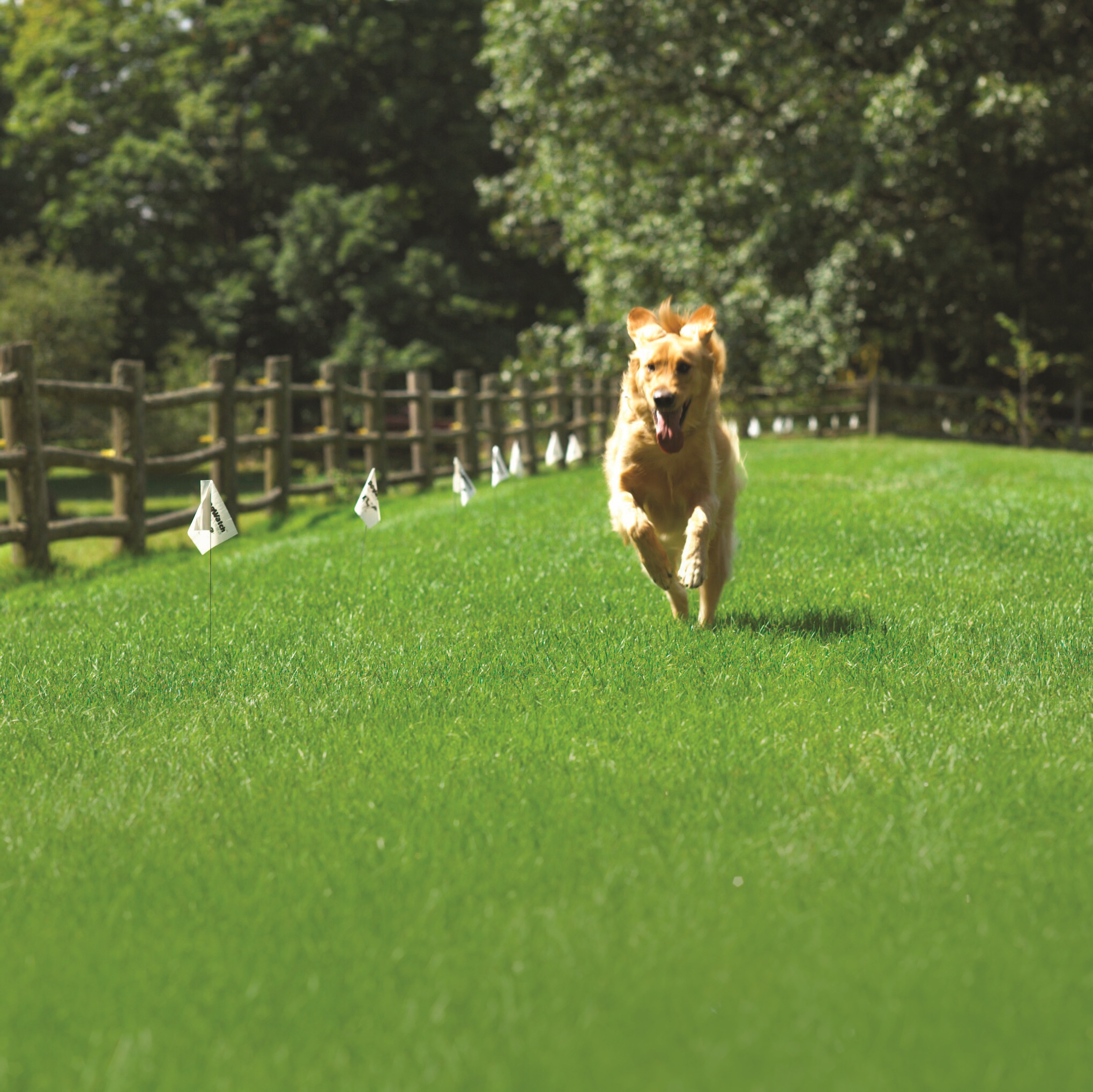
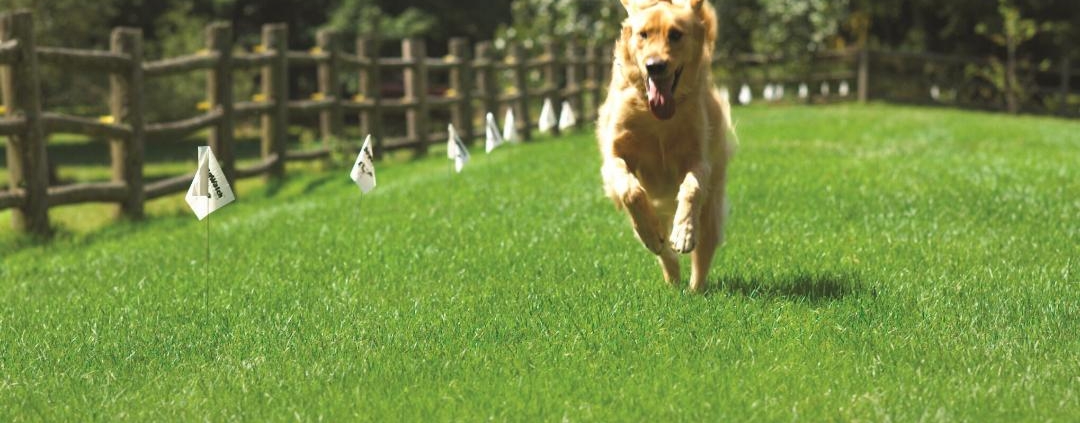
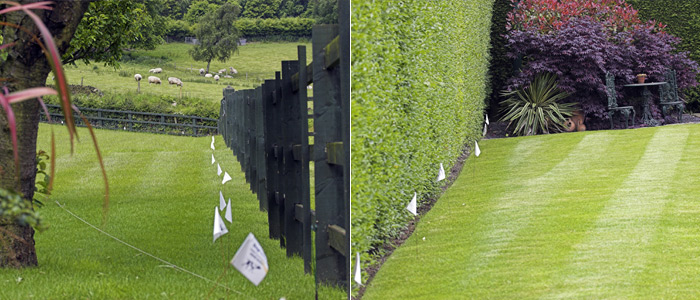
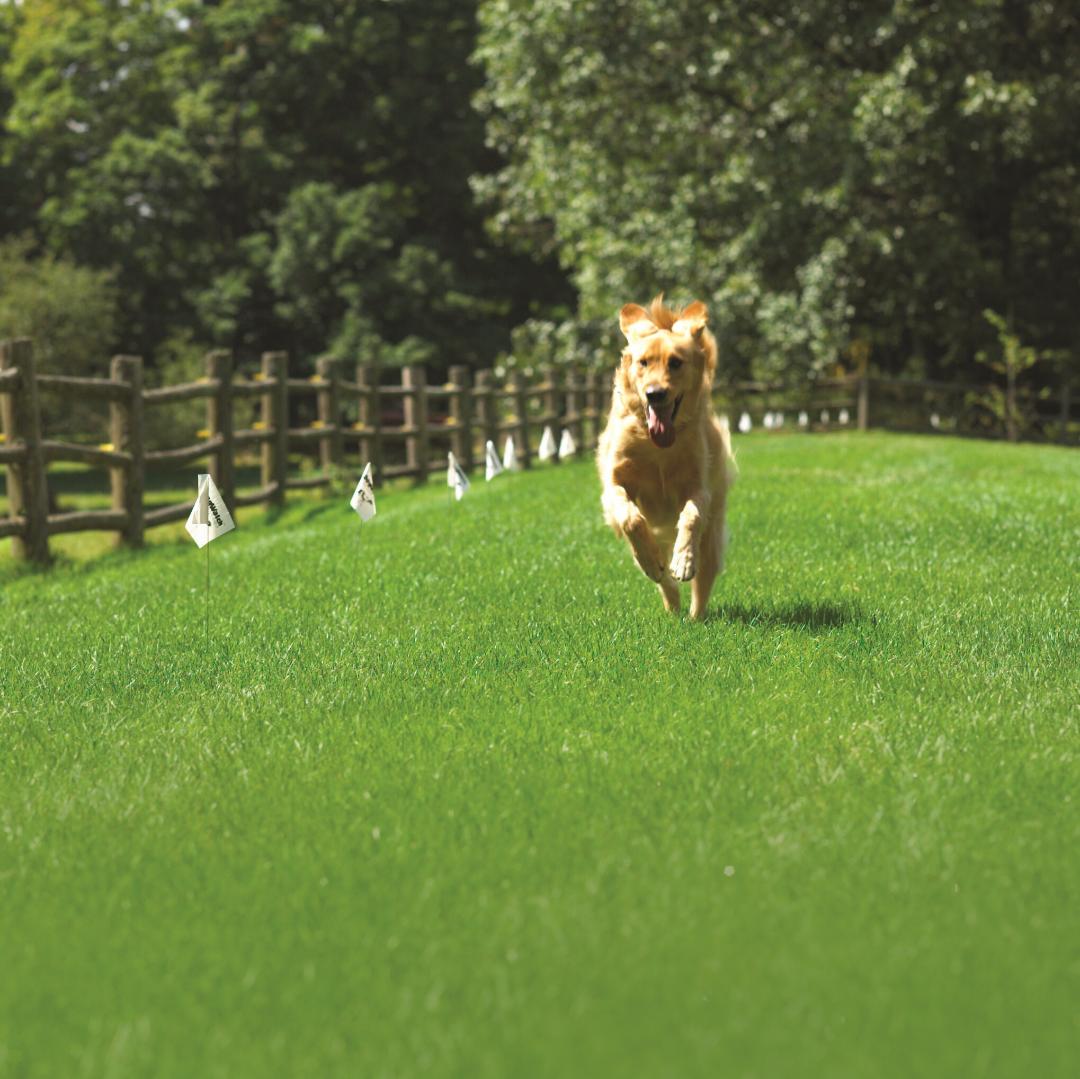
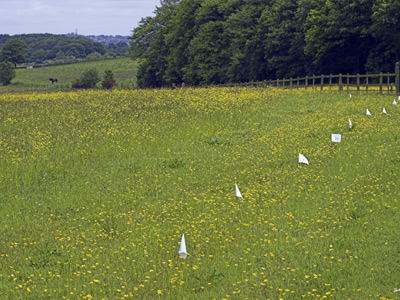
Invisible dog fence flags are installed around the boundary

Max boundary size is 350 acres.

Drawbacks of Electronic Dog Fences

  • No Physical Barrier: While they are effective at keeping your dog inside, they won’t prevent other animals or intruders from entering your property.
  • Dependence on Technology: As with anything electronic the system requires some maintenance, ie, checking collar batteries and ensuring the transmitter is functioning correctly. Easily facilitated as part of a weekly or monthly routine,
  • Training Commitment: Success with an electronic dog fence depends on proper training. Pet owners must be willing to invest time in helping their dog adjust to the new system. That is why at DogFence Ltd we offer onsite training for you and your dog together with our containment promise.

Who Benefits Most from Electronic Fences?

  • Rural properties with larger grounds (1/2 acre or more).
  • Dogs prone to jumping over or digging under traditional fences.
  • Owners prioritising unobstructed views or flexibility in boundary placement.
  • Homes near livestock or main roads.
  • Owners who have existing physical fencing but need added dog-proof containment.

Comparing Costs: Traditional vs. Electronic Fencing

  • Traditional Fencing: £25–£300 per metre, depending on material and design.
  • Electronic Fencing: £6–£10 per metre, covering large areas affordably and effectively.

For larger properties, electronic fences offer a practical and budget-friendly solution, saving thousands of pounds in upfront costs while ensuring your dog’s safety.

Installation Times: Traditional vs. Electronic Dog Fences

The installation time for a dog-proof fence can vary significantly depending on the type of fence you choose. For traditional physical fencing, a 5-acre site typically requires substantial preparation, including leveling the ground, digging post holes, and securely fixing materials like wood or chain link. This process can take 1–2 weeks or more, depending on terrain, weather conditions, and design complexity.

In contrast, an electronic dog fence can cover up to 10 acres in a single day, including professional installation and boundary training setup. The process is streamlined and minimally invasive, making it a fast and efficient solution for pet owners who want to ensure their dog’s safety without weeks of disruption.

Did You Know?

The Facts About Dog Containment

  • Over 85% of pet owners report feeling more confident about their dog’s safety after installing an electronic containment system.
  • Studies show that dogs trained with modern electronic fences adapt to their boundaries within 2–4 weeks when training is implemented correctly.
  • Traditional fences can cost up to £200 per metre for premium materials, whereas electronic fences cover larger areas at a fraction of the cost.

How DogFence.co.uk Can Help

At DogFence.co.uk, we specialise in bespoke electronic containment systems designed to suit every property and pet. With over 20 years of experience, we provide:

  • Customised consultations to assess your property and dog’s needs.
  • Expert installation by certified professionals.
  • Ongoing support and training to ensure the system works effectively.

Want to find out which fence is right for you? Call us or request a free quote today!


Dog giving a high five

Dog Fence Customer Reviews – Real Life Success Stories

Customer Success Stories: Real Experiences with DogFence UK

Real life Dog Fence customer reviews. DogFence Ltd have been recognised as the UK’s leading installer of hidden containment fences for many years. We have consulted with leading animal behaviourists and Researchers at DEFRA. But why not hear from satisfied customers about how DogFence UK has transformed their pet’s safety and freedom?At DogFence UK, we don’t just provide containment systems—we provide a solution that’s cheaper, more effective, and safer than traditional fencing. With over 20 years of experience, we’ve helped thousands of pets enjoy freedom while staying safe. But beyond the practical benefits, there’s a more significant story: protecting pets from the risks of escape and the dangers of roads.

Dog giving a high five

High Five to DogFence

UK Pet Safety Statistics: The Reality of the Risks

Did you know that around 250,000 dogs go missing every year in the UK, and one in five dogs will escape their home at some point? That’s a staggering number, and the risk of your dog running into busy roads, getting lost, or encountering other dangers is real.

When it comes to cats, the statistics are just as concerning. Over 60,000 cats are killed on the roads every year in the UK. With their natural curiosity, many cats wander into areas where they’re vulnerable to accidents. Traditional fencing might not be an option for cats, but a containment system is the perfect solution to keep your pets safe and secure in your garden.

Customer Success Story 1: Rosie, The Runaway Border Collie

Before: Rosie, a lively Border Collie from Surrey, used to escape regularly and chase cars down the nearby lane, putting her life in danger.

After: The Thompsons installed a DogFence UK system, and now Rosie can roam freely in the garden without fear of running into traffic.

“It’s transformed our lives. Rosie is safe, and we’re no longer constantly stressed. I wish we’d done it sooner!” – Mrs. Thompson, Surrey

Customer Success Story 2: Molly the Spaniel, Keeping Livestock Safe

Before: The Martins faced a terrible situation when Molly, their Spaniel, escaped their property and killed several lambs. The local farmers were concerned, and Molly’s safety was at risk.

After: A DogFence system was installed, and Molly now enjoys full freedom in the garden while staying away from dangerous areas.

“The peace of mind we now have is priceless. Molly hasn’t left the garden once since we installed the system.” – Mr. Martin, Wiltshire

Customer Success Story 3: A Safe Garden for Cats

Before: The Parker family’s three cats were constantly escaping their garden and wandering into the road. They were worried about accidents, especially with busy traffic nearby.

After: With a tailored DogFence system for cats, they now keep their beloved felines within the safety of their garden.

“I didn’t know these systems worked for cats, but they do—and brilliantly. We’re so relieved to have a safe space for our cats to roam.” – Mrs. Parker, Oxfordshire

Black and white cat in garden

Safe and Free in the Garden – Cat Fence

️ Why Choose DogFence UK Over Traditional Fencing?

  • Cost-Effective: Traditional fencing can cost thousands of pounds to install, especially for larger properties. DogFence UK’s systems are often more affordable and can be tailored to your specific needs.
  • Driveway Coverage: Traditional fences often leave driveways unprotected, a major vulnerability for pets. Our systems cover driveways and other areas that are at risk, ensuring your pets are kept safe no matter where they roam.
  • Invisible & Discreet: Unlike bulky fences, our systems are invisible—no obstructed views, no noisy barking at the fence, and your landscape remains beautiful.
  • Effective for Cats: Traditional fences don’t work for cats, but our specialized systems can be customized to safely contain your cats within your garden’s boundaries.

Research on Containment Fences from FelineFriends.org

FelineFriends.org, a well-regarded organisation focused on feline welfare, recently published a study showing how electronic containment fences are not only more effective but also safer for pets than traditional fences. The research found that containment systems reduce road accidents by up to 80% for dogs and cats—highlighting their ability to keep pets safe from the deadly dangers of busy roads.

How Does the Dog Fence Work?

DogFence UK’s system provides a reliable and effective solution to keep your pets safe within your property. Here’s how it works:

1. The Transmitter Box

A small transmitter box is installed into your garage, utility room or somewhere easily accessible. The transmitter is about the size of a standard double socket and is similar to radio, albeit a little more high tech!

1. The Boundary Wire

A flexible, buried wire creates an invisible boundary around your garden or specific area and starts and finishes at the transmitter box. This wire can be installed along fences, walls, or driveways, ensuring that your pet stays safely contained. The transmitter sends a coded radio signal down through the boundary wire, the wire acts as an aerial.

2. The Collar

Your pet wears a lightweight, waterproof collar that is designed to “receive” the signal from the boundary wire if the pet enters that area (a distance is pre-set on the transmitter i.e 4ft). The collar emits a warning sound when your pet approaches the boundary line. If your pet continues to move closer, the collar will emit a harmless static correction to remind them to stay within the safe zone.

3. Customisable Settings

The system allows you to adjust the range of the boundary and the intensity of the stimulation (the stimulation is the same used in a tens machine or abdominal exercise belt), ensuring that it suits your pet’s personality and training needs.

4. A Safe, Effective Solution

Unlike traditional fences, which can be costly and difficult to maintain, the DogFence UK system is easy to install and maintain, offering a long-lasting, reliable solution to keep your pet safe without disrupting your landscape or view. Our electronic fences are approximately 80% cheaper than traditional fencing options.

From small suburban gardens to large rural properties, DogFence UK has provided solutions for every kind of home. Our systems are installed discreetly, allowing pets to enjoy their outdoor space without compromising safety.

⭐ What Our Customers Say

We’re proud of our high customer satisfaction rate, with many of our clients leaving 5-star reviews. Here are just a few:

“Unbelievable service and a great product. I recommend DogFence to everyone.” – Mrs. Blackwood, Kent

“Finally, a solution that works. My dog hasn’t left the garden once since installation.” – Mr. Taylor, Sussex

✅ Ready to Secure Your Pet’s Freedom? Get a Quote here

Give your pet the freedom they deserve—and the safety you need with DogFence UK.

Call us today for a free consultation and quote:

01628 476475

www.dogfence.co.uk

**#DogFenceUKReviews #PetContainmentSuccess #DogSafety #HappyPetsHappyOwners #InvisibleFenceAlternative #PetFreedomUK**