Tag Archive for: DogFence UK

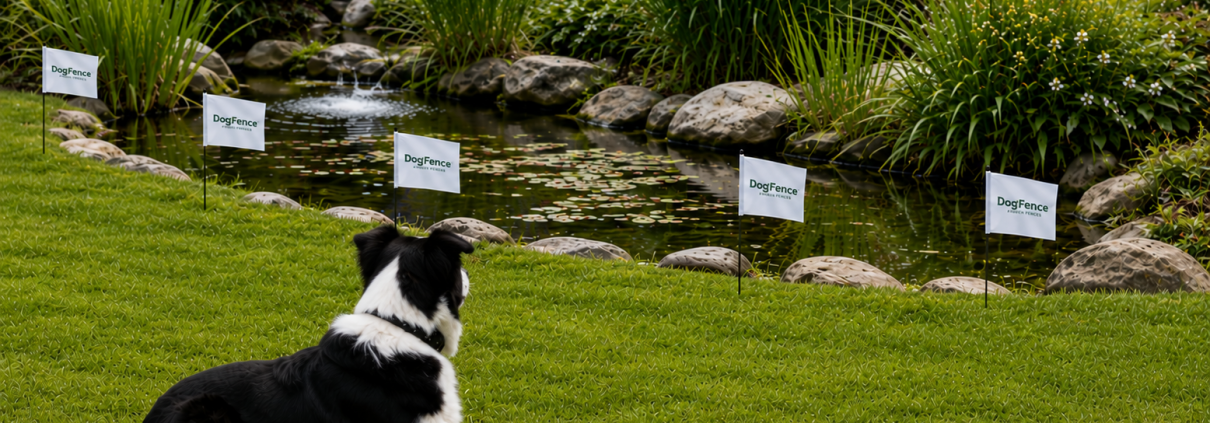
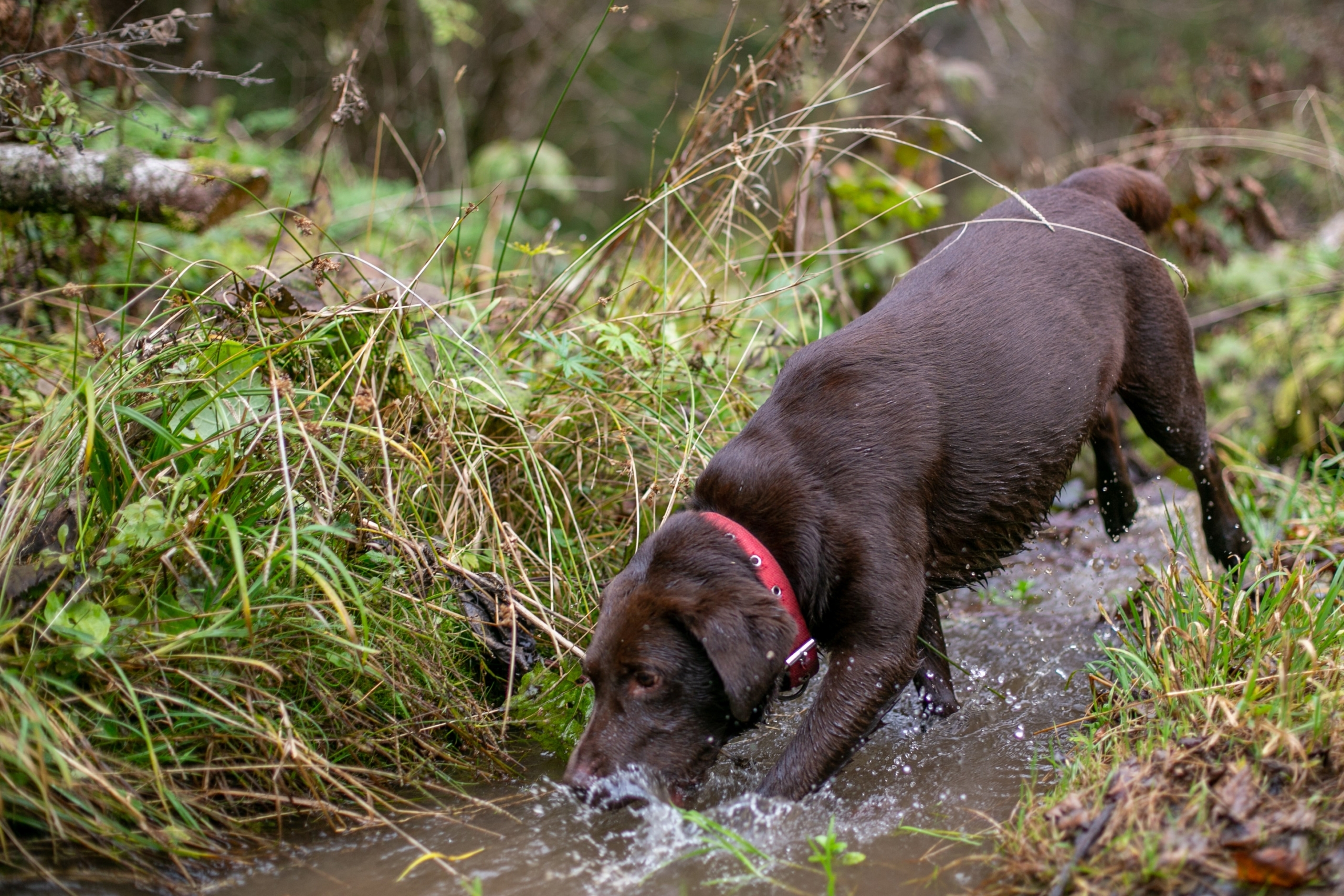
Invisible dog fence with a stream in a rural UK garden

Invisible Dog Fence Around Trees, Streams & Woodland | DogFence UK

Can an Invisible Dog Fence Be Installed Around Trees, Streams and Woodland?

An invisible dog fence around trees, streams and woodland can usually be professionally installed without spoiling the look of your garden. Hidden dog fences, underground dog fences and electronic dog fence systems are designed to work with natural landscapes, including mature trees, wooded areas, ponds, streams, sloping ground and large rural gardens.

If you have a garden that is difficult to fence traditionally, an invisible dog fence may be one of the most practical ways to keep your dog safely contained while preserving the natural appearance of your property. Rather than relying on visible fence panels, posts or gates, the system uses a discreet boundary wire and structured training to teach your dog where they can and cannot go.

At DogFence, we have been helping UK dog owners keep pets safely contained since 2003. Our systems are particularly useful for country homes, woodland gardens, large properties, paddocks and homes where traditional fencing would be expensive, unattractive or difficult to install.

Invisible dog fence installed around trees and woodland in a UK garden

Why an Invisible Dog Fence Works Well Around Trees, Streams and Woodland

One of the biggest advantages of an invisible dog fence is flexibility. A traditional fence usually needs straight runs, posts, level ground and physical access for installation. A hidden dog fence is different because the boundary can follow the natural shape of your property.

This makes invisible dog fencing suitable for many gardens with:

  • Mature trees
  • Woodland paths
  • Streams and ponds
  • Sloping lawns
  • Banks and ditches
  • Large rural gardens
  • Paddocks and open land
  • Orchards and natural landscaping

Because the boundary wire is usually buried just below the surface, the finished result is discreet. Your garden still looks like your garden, but your dog learns a clear, safe boundary.

If you are new to this type of system, you may find our guide to how the DogFence system works helpful before deciding whether it is right for your property.

Can an Invisible Dog Fence Go Around Trees?

Yes, an invisible dog fence can usually go around trees. In many gardens, trees are not a problem at all. The boundary wire can be routed carefully around wooded areas, through natural paths or along existing garden edges without the need to remove trees or install visible fencing.

During a professional installation, care is taken to avoid major roots where possible. The route of the underground dog fence can be adjusted to suit the natural features of the garden, meaning mature trees can often remain completely undisturbed.

This is especially useful for owners who want their dogs to enjoy woodland areas safely. Instead of fencing off the trees, an invisible dog fence can include the woodland within the safe containment area, giving your dog space to explore while helping to stop them wandering beyond your boundary.

Can an Underground Dog Fence Cross Streams or Wet Ground?

In many cases, yes. An underground dog fence can often cross shallow streams, damp ground and other natural wet areas using suitable installation techniques. Water itself is not usually the deciding factor; the important point is choosing the right route and installation method for the property.

Every garden is different. A small stream in a rural garden may be simple to work with, while deeper water, moving banks or very boggy areas may need a more considered approach. That is why a professional survey is so valuable. It allows the installer to assess the safest and most reliable route for the boundary wire.

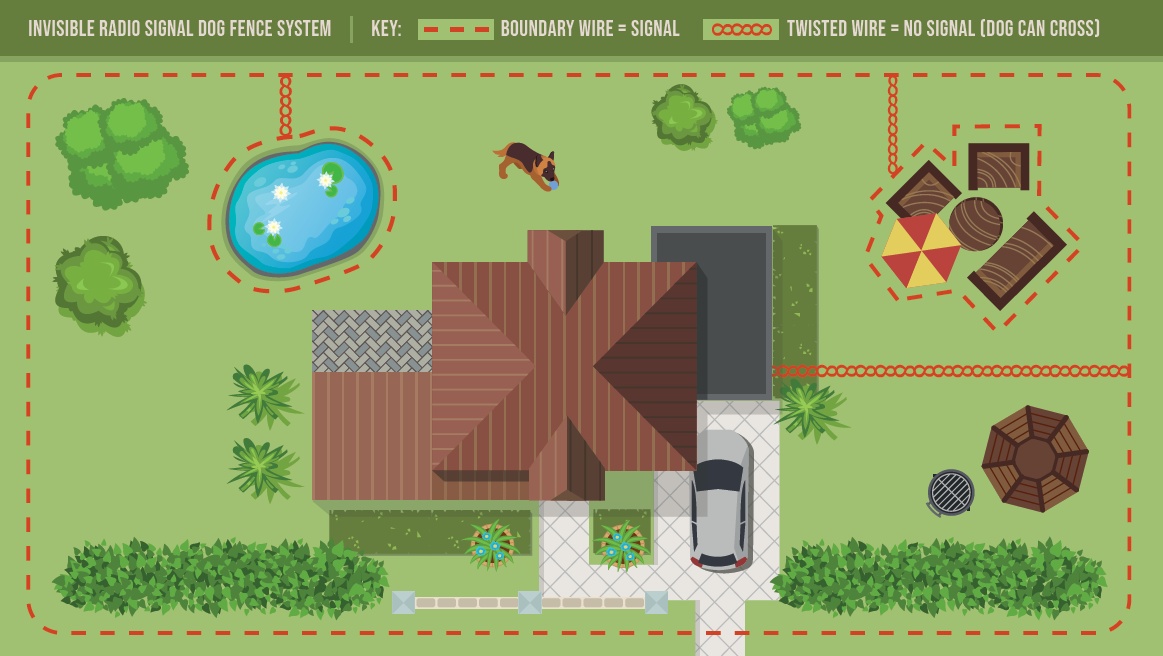
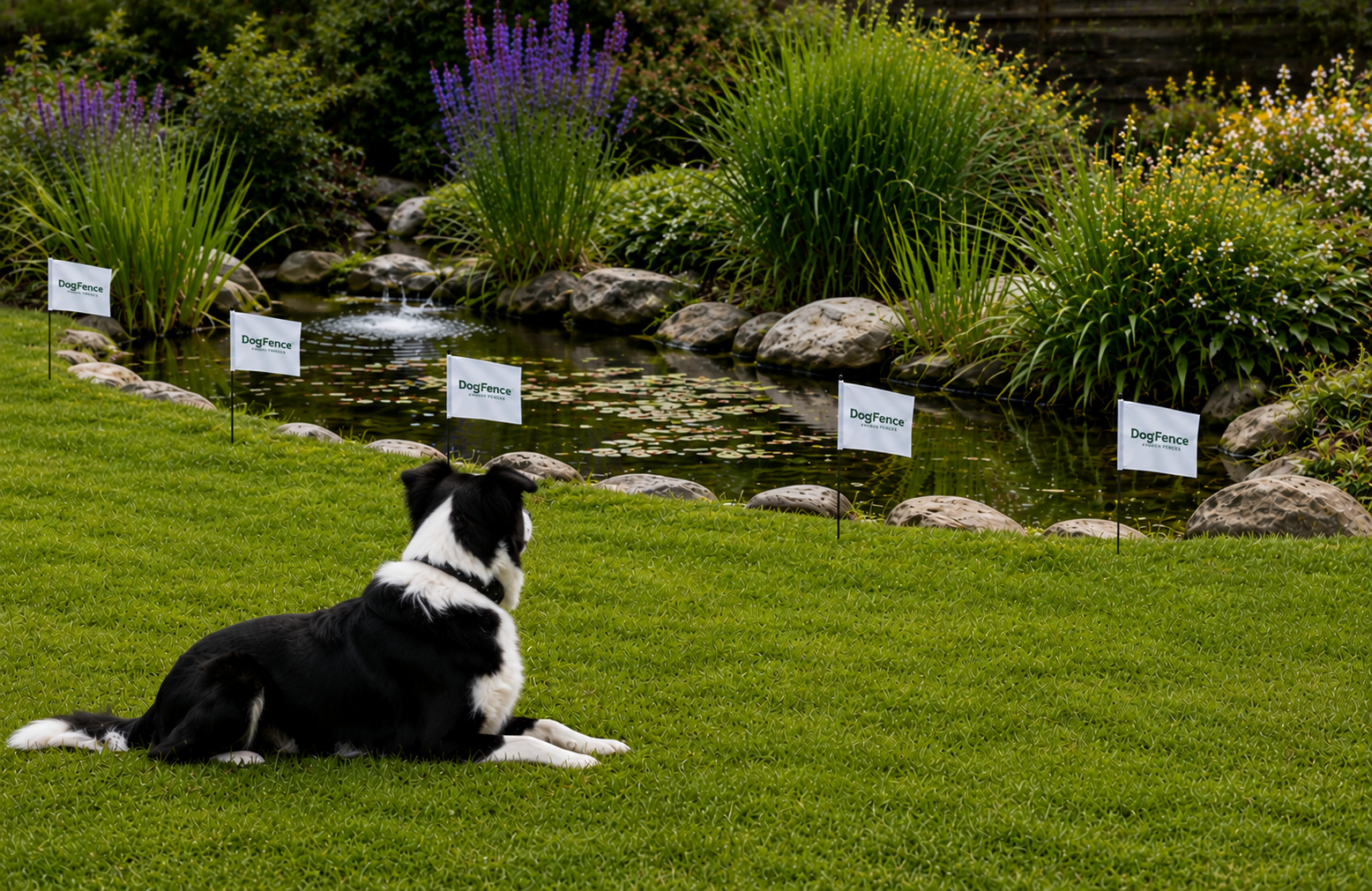
For properties with ponds, lakes or streams, the system can also be used to create internal avoidance zones. This means your dog can enjoy the garden but be trained to stay away from water hazards if needed.

Invisible dog fence with a stream in a rural UK garden

Dog Fence can be used to exclude dogs from streams or even run through small streams

Invisible Dog Fences for Woodland Gardens and Rural Properties

Woodland gardens and rural properties are often difficult and expensive to secure with traditional fencing. They may have uneven ground, dense planting, natural boundaries, wildlife corridors or planning considerations that make visible fencing less attractive.

An invisible dog fence for woodland gives owners a way to create a safe dog containment area without changing the character of the landscape. The boundary can often follow paths, hedgerows, tree lines or the edge of a property, depending on the layout.

This is one reason hidden dog fences are popular for:

  • Country houses
  • Large gardens
  • Homes with woodland
  • Rural estates
  • Properties near fields or livestock
  • Gardens where visible fencing would spoil the view

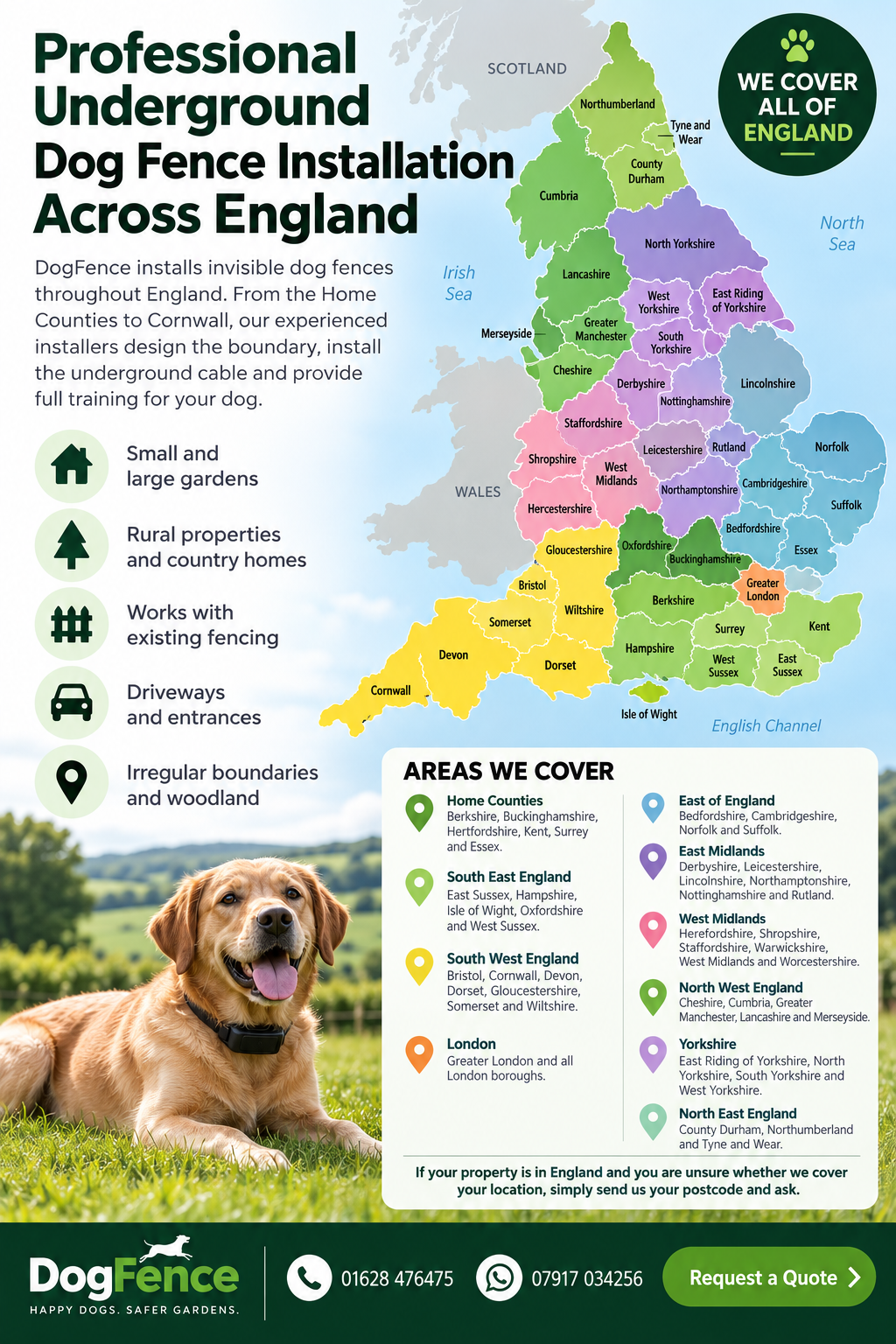
For larger or more complex properties, professional design is important. You can read more about our professional dog fence installation service and how we install systems across England.

Do Invisible Dog Fences Work on Slopes, Banks and Uneven Ground?

Yes. Sloping ground and uneven gardens are normally well suited to invisible dog fencing. Unlike timber fencing or metal panels, a hidden dog fence does not need the land to be level. The wire can follow the contours of the garden and can often be installed around awkward features that would make traditional fencing more difficult.

This makes an electronic dog fence a practical solution for gardens with:

  • Hills and banks
  • Ditches and dips
  • Raised lawns
  • Woodland paths
  • Terraced garden areas
  • Uneven rural boundaries

If you are comparing your options, our guide to installing dog fences on uneven ground, slopes and woodland gives more detail on why hidden fencing can be useful for challenging gardens.

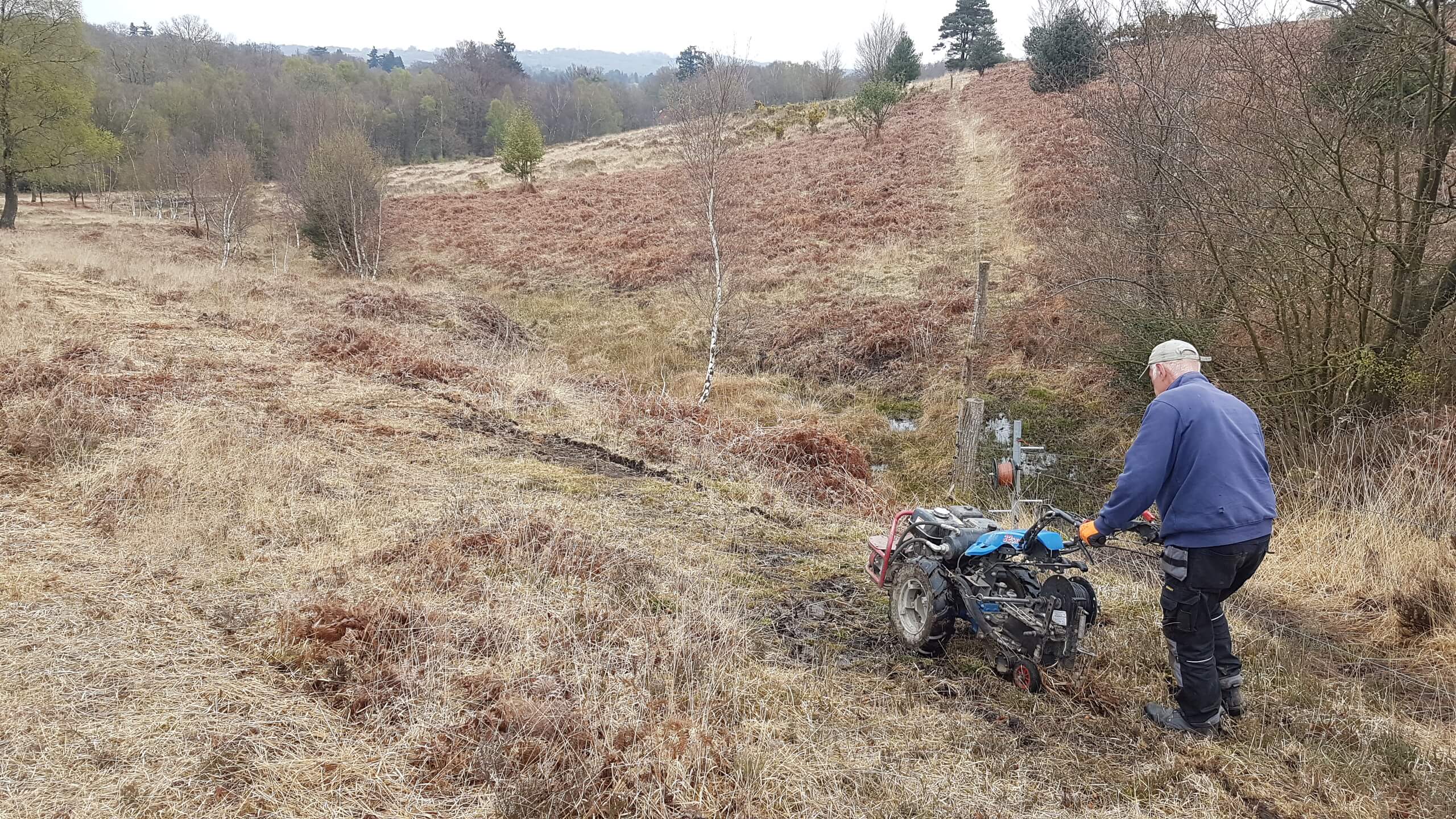
dog fence installer using his trencher on heavy terrain in the Ashdown Forest

Dog Fences can be installed on even ground and slopes

Can an Invisible Dog Fence Protect Ponds, Streams, Flower Beds and Driveways?

Yes. An invisible dog fence does not only have to run around the outer edge of a garden. It can also be designed to keep dogs away from specific areas inside the property.

These internal avoidance zones are useful around:

  • Streams
  • Garden ponds
  • Swimming pools
  • Flower beds
  • Vegetable gardens
  • Children’s play areas
  • Open driveways
  • Electric gates

This allows your dog to enjoy more freedom while helping reduce the risk of accidents. For owners worried about dogs bolting through gates or driveways, our guide on keeping dogs safe around open driveways and electric gates explains how boundary training can help in high-risk areas.

Why Hidden Dog Fences Are Often Better Than Traditional Fencing in Natural Gardens

Traditional fencing can work well in some gardens, but it is not always the best solution for natural or rural properties. Timber fencing can be expensive over long distances, may need ongoing maintenance and can alter the appearance of the garden. It can also be difficult to install through woodland or around streams.

A hidden dog fence keeps the landscape open. There are no large panels blocking the view, no need to fence off attractive areas and no obvious change to the style of the property.

For owners of rural homes, this can be a major advantage. You can keep the natural look of the garden while still creating a reliable dog containment system. If appearance is one of your concerns, our article on how to secure your dog without ruining your garden’s curb appeal may also be useful.

How Professional Installation Helps on Complex Properties

Although some simple gardens may be suitable for DIY installation, more complex properties usually benefit from professional design and installation. Trees, streams, banks, driveways, outbuildings and multiple garden zones all need to be planned carefully.

A professional DogFence installation considers:

  • The safest boundary route
  • Where your dog naturally runs or explores
  • Access points, gates and driveways
  • Natural hazards such as water or drops
  • How to avoid major tree roots
  • Whether internal exclusion zones are needed
  • The correct training approach for your dog

Training is just as important as the equipment. Dogs need to understand the boundary calmly and consistently. Our guide to training your dog to an electronic fence the right way explains why correct training makes such a difference.

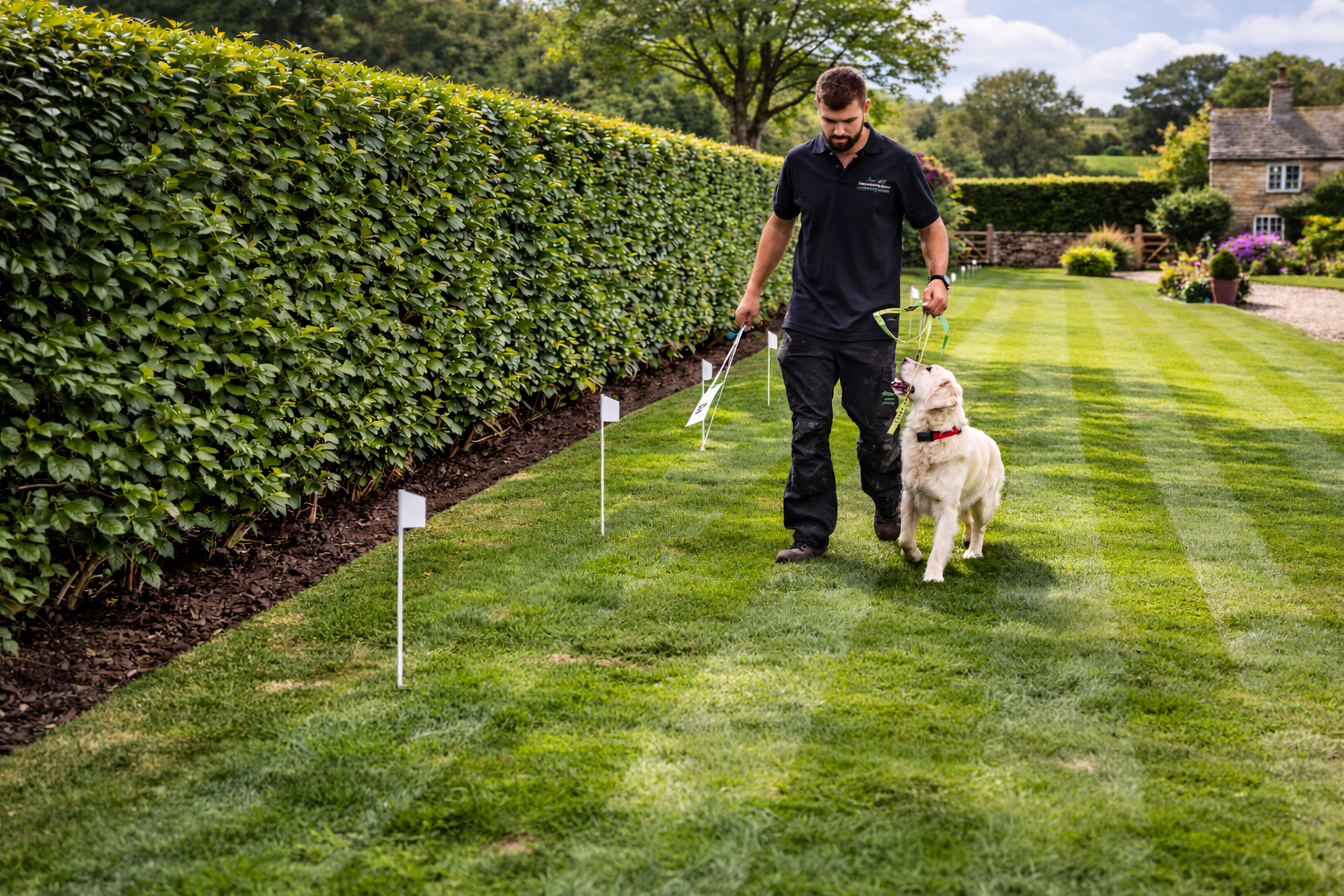
Young dog in training to invisible dog fence

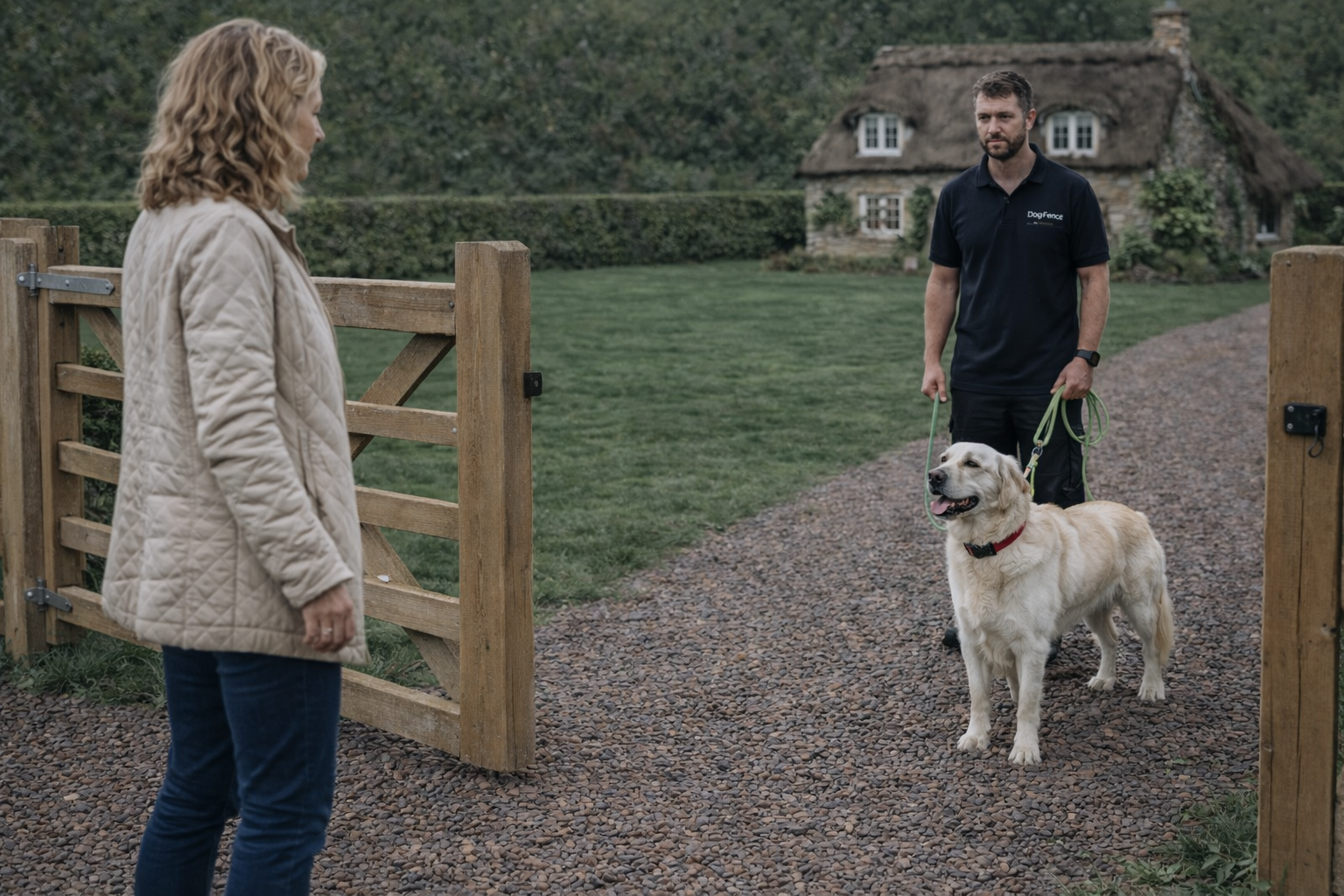
When we install your dog fence we also train your dog as part of our service

Is an Invisible Dog Fence Safe and Humane?

When used responsibly, professionally installed and supported with proper training, invisible dog fences are designed to help keep dogs safe within their home environment. The aim is not to frighten the dog, but to teach a clear boundary using a warning tone first, followed by a brief static correction only if the dog continues towards the boundary.

Most dogs quickly learn to respond to the warning tone and avoid the boundary. The system should always be introduced gradually and carefully, with guidance suited to the individual dog.

If welfare is a concern, you can read our full guide: Are Invisible Dog Fences Humane? Safety, Welfare and UK Law. For wider independent advice on responsible dog ownership and welfare, you can also visit the RSPCA dog care advice.

Frequently Asked Questions About Invisible Dog Fences Around Trees, Streams and Woodland

Can an invisible dog fence be installed in woodland?

Yes. An invisible dog fence can usually be installed in woodland because the boundary wire can follow natural paths, tree lines and existing garden edges. This allows dogs to enjoy wooded areas while remaining safely contained.

Can an invisible dog fence go around trees?

Yes. Trees are normally easy to work around. The boundary wire can be routed carefully to avoid major roots while still creating a reliable hidden dog fence around the garden.

Will tree roots damage the dog fence wire?

Tree roots do not usually damage the wire when the system is installed correctly. A professional installer will choose a route that avoids unnecessary disturbance to major roots and protects the long-term reliability of the boundary.

Can an underground dog fence cross a stream?

In many cases, yes. An underground dog fence can often cross shallow streams or damp areas using suitable installation methods. The best approach depends on the depth, banks and overall layout of the property.

Can an invisible dog fence keep my dog away from a pond?

Yes. Internal avoidance zones can be created around ponds, streams, swimming pools or other water features to help train your dog to stay away from those areas.

Does uneven ground affect an invisible dog fence?

No. Uneven ground, slopes and banks do not normally affect how an invisible dog fence works. The boundary wire can usually follow the natural contours of the land.

Is an invisible dog fence suitable for large gardens?

Yes. Invisible dog fences are often particularly suitable for large gardens, rural properties and country homes where traditional fencing would be expensive, impractical or visually intrusive.

Can I install an invisible dog fence myself in woodland?

Some practical owners can install simple systems themselves, but woodland, streams and uneven ground usually benefit from professional planning. If you are considering DIY, our self-installing dog fence guide explains what is involved.

Will an invisible dog fence spoil the look of my garden?

No. Once installed, the boundary is discreet and usually hidden from view. This is one of the main reasons owners choose hidden dog fencing for landscaped gardens, woodland and rural properties.

Why Choose DogFence for Woodland and Rural Dog Containment?

DogFence has been supplying and installing professional hidden dog fence systems across the UK since 2003. Our systems are designed for real homes, real gardens and real dogs, including properties with trees, streams, slopes, woodland and complex boundaries.

We can help you decide whether your property is suitable, where the boundary should run and whether any internal avoidance zones would be helpful. We also provide training guidance so your dog learns the system safely and confidently.

If you are looking for an invisible dog fence around trees, a hidden dog fence for woodland or an underground dog fence for a rural property, DogFence can help design a solution around your garden.

Ready to find out what is possible? Visit our professional installation page, read our Dog Fence FAQs, or contact DogFence for friendly advice.

Related Reading

“`html

🌳 Think Your Garden Is Too Difficult?

Trees. Woodland. Streams. Slopes.
We’ve installed invisible dog fences in all of them.

Talk to our experts before you rule it out.

“`

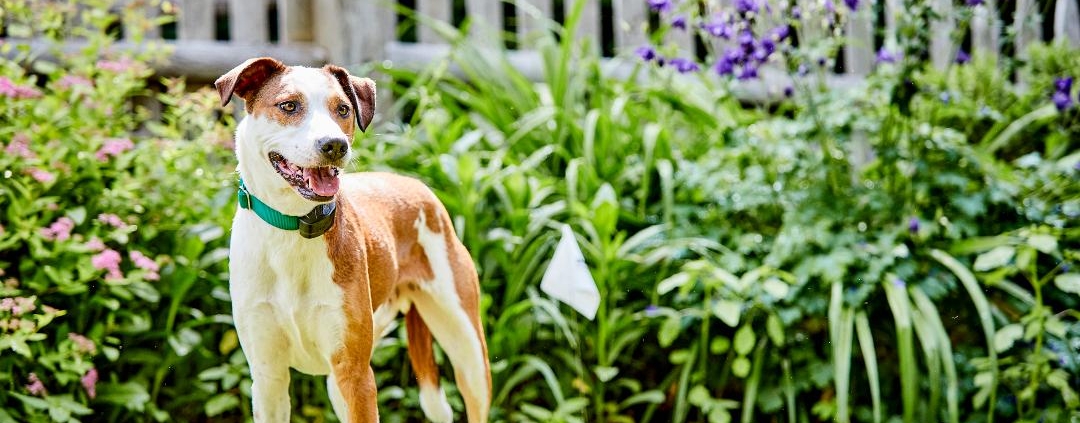
Dog safely enjoying garden freedom with invisible dog fence system

Invisible Dog Fence Maintenance & Safety Checks | DogFence

Invisible Dog Fence Maintenance & Safety Checks: How to Keep Your System Reliable

You’ve invested in an invisible dog fence, but are you keeping up with the invisible dog fence maintenance checks that are essential to keep your system running safely and effectively

gives your pet freedom while keeping them safe, but like any system, safety depends on correct use, training, and maintenance. Whether you’re considering an invisible fence or already using one, these safety tips will help you get the most out of your system — and keep your pet secure for years to come. While this guide focuses on dog fence safety tips, many of the same principles apply to cat fence safety too, ensuring both dogs and cats can enjoy secure freedom outdoors


1. Choose the Right System for Your Dog

Not all fences are created equal, and safety varies hugely depending on the system you choose.

  • GPS dog fences can drift, leaving dangerous gaps (see our guide on how GPS dog fences work).
  • Cheap online kits may look tempting, but they often use thin wire that breaks easily, unreliable collars with short battery life, and offer no training or support. Many owners find they fail within months.
  • Professionally installed wired systems, like DogFence, are accurate to the inch, DEFRA-recognised for safety, and backed by expert installation, training, and ongoing support.

For small gardens, or if you live near roads, a wired fence installed by DogFence Ltd is the safest and most reliable choice.


2. Check Collar Fit and Comfort

  • The collar should fit snugly but not tightly — you should be able to slide one finger under it.
  • Regularly check for rubbing, especially on smaller dogs or cats.
  • Avoid leaving the collar on for 24 hours straight — remove it at night if your pet is indoors.

Watch how to fit the DogFence collar correctly for a safe, comfortable fit: Trainer fitting invisible dog fence collar on dog during safety demonstration


3. Monitor Battery Life

A flat collar battery = no protection.

  • Set a reminder to check batteries monthly.
  • At DogFence Ltd, our collars last up to 2 years (industry leading).
  • Watch out for GPS collars that need charging every 12–24 hours — easy to forget, leaving your pet unprotected.

Join our battery renewal programme – sent out at the correct interval for your collar.  


4. Why Regular Invisible Dog Fence Maintenance Boundary Walks are important

A quick walk around your garden can reveal:

  • Broken wires (rare, but can happen if digging).
  • Flag gaps if you’ve removed them too soon.
  • Unusual pet behaviour near the line, signalling a possible fault.

5. Buy the Correct Dog Fence Cable

Why cable thickness matters for invisible dog fence maintenance:

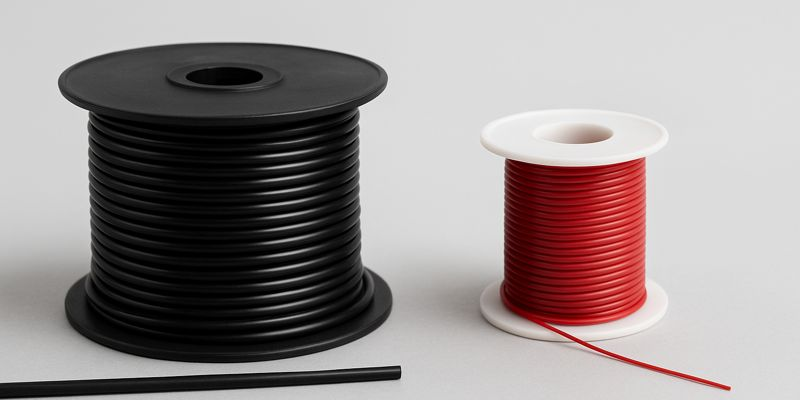
Cheap online systems often use thin 0.25 mm cable, which is easily damaged by weather, gardening tools, or even pets chewing. This type of cable is not designed for direct burial and frequently breaks down within months.

By contrast, DogFence uses heavy-duty 2.5 mm boundary cable, engineered for durability and long-term performance. It is specifically designed for direct burial, ensuring your fence remains reliable year after year.

Comparison of heavy-duty 2.5mm black dog fence cable and thin 0.25mm red cable showing durability difference

DogFence uses 2.5mm heavy-duty boundary cable designed for direct burial, unlike cheap systems with fragile 0.25mm wire


6. Use Natural Barriers Where Possible

As part of good invisible dog fence maintenance, it’s important to think about how your boundary works with the natural layout of your garden. Electronic dog fences are most effective when they complement the natural features of your property rather than compete with them. Combining visual, physical, and sensory boundaries helps your pet learn faster and stay confident within their safe zone.

Hedges, walls, fences, or paths act as clear visual markers that naturally reinforce your dog’s training. When the electronic boundary aligns with these familiar features, your pet can more easily associate the warning tone with a physical landmark — reducing confusion and improving reliability.

Placing the wire slightly inside these natural boundaries also gives your pet a clear “turn back” area, helping to prevent accidental corrections and keeping the containment both safe and humane.

For the best results:

  • Run the wire slightly inside existing features such as hedgerows, flowerbeds, or paths. This creates a clear “buffer zone” that prevents dogs from reaching the physical edge and reinforces the learning line.
  • Avoid placing the boundary too close to dense shrubs or walls that may trap the signal or limit your dog’s ability to turn back comfortably.
  • Blend with existing landscaping: The wire can be buried just below soil level, laid neatly along paths, or fixed discreetly to fence lines to remain invisible yet consistent.
  • Add small loops around areas you’d like to protect (ponds, veg patches, or children’s play zones). These serve as “no-go zones” and integrate naturally into your garden layout.

This balance of natural and electronic boundaries ensures your pet respects both the training and the physical cues of the environment — creating a safe, reliable, and aesthetically pleasing containment solution. Read more about it works here:


7. Keep Children Informed

Explain to children that the collar is a safety tool — not a punishment.
This builds confidence and ensures they don’t interfere with training.


8. Know the Law

Electronic containment fences are DEFRA-recognised and remain legal for use in England, Scotland and Wales, provided they’re installed and used responsibly. When fitted by trained professionals and paired with welfare-led training, these systems fully comply with current UK animal-welfare standards.

When the Government reviewed the use of remote training collars, handheld shock devices were restricted, but DogFence Ltd and other experts were invited by DEFRA to demonstrate how containment fences differ. Our input helped secure their official exemption, as the system is preventative and educational, not punitive — the warning tone teaches pets to stop long before any correction occurs.

To stay compliant and protect your pet’s welfare:

  • Ensure professional installation or follow manufacturer instructions precisely, using approved cable and surge protection.
  • Use structured, reward-based training so pets understand the safe area without confusion or fear.
  • Set adjustable correction levels appropriately for each pet’s size, coat and temperament.
  • Carry out regular safety checks to confirm collar fit, cable integrity and signal strength.

Used correctly, a dog fence is a humane, reliable and legally compliant way to prevent roaming and road accidents.
Learn more in our guide: Are dog fences legal in the UK


FAQs About Dog Fence Safety

Q: Is an invisible fence cruel?
No — when installed and used properly, it’s a safe training tool. Our Professional collars have in built safety settings to ensure that your pet is not over corrected, and training prevents most dogs from ever receiving more than warning beep after the initial training.

Q: What if my power goes out?
DogFence systems have the option for a battery back-up on our Performance and Smart Fences.   If your wire is broken the alarm will sound and with our Smart Fence you can receive live notifications to your phone.

Q: Can cats use a dog fence?
Yes — thousands of UK cats are safely contained, and cat fence safety is just as important as dogs.”

Q: How old should my pet be?
Most dogs and cats can start training at 4–6 months old, once they’re confident and responsive.

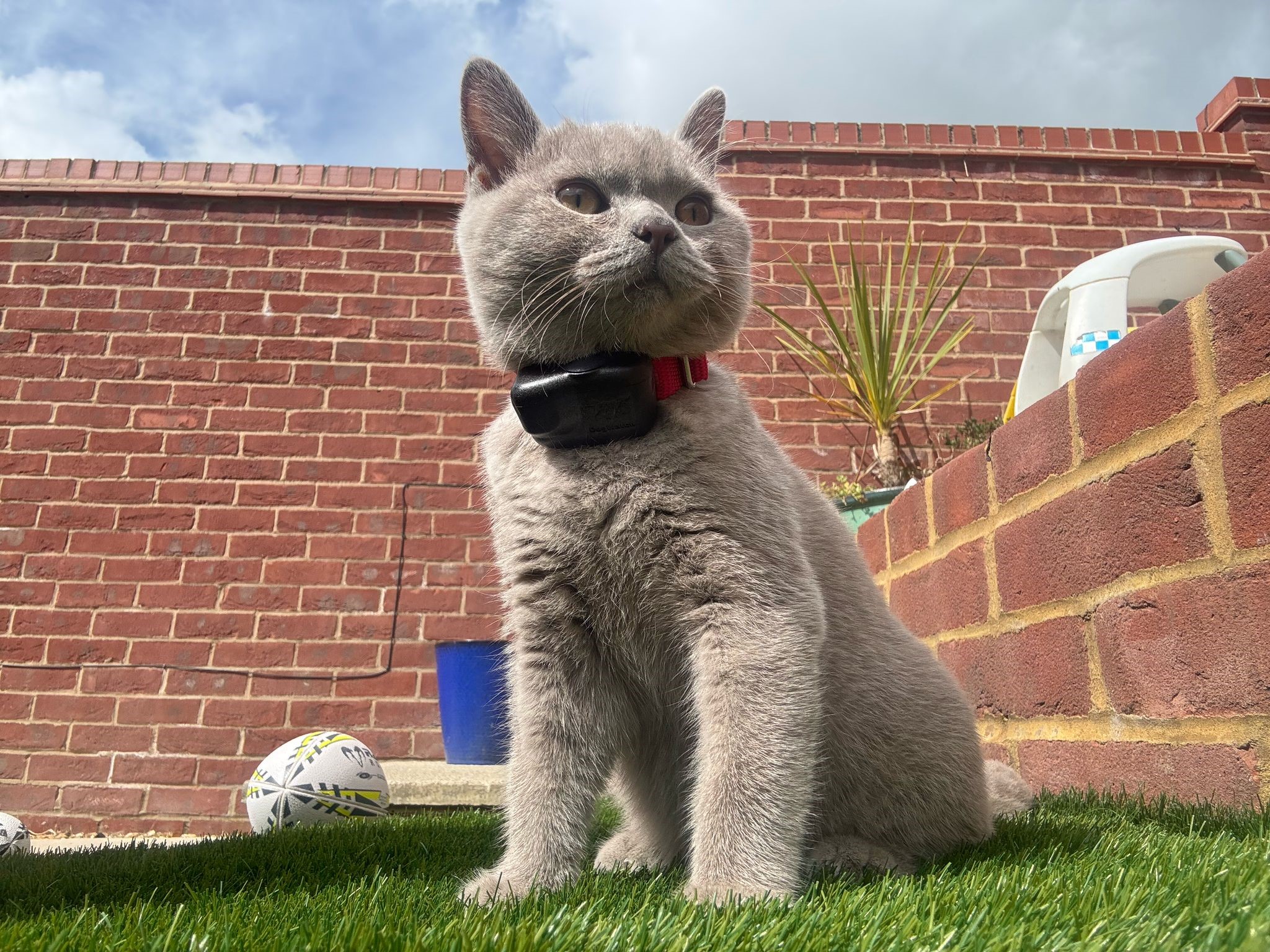
5-month-old kitten safely enjoying garden freedom with DogFence cat fence collar

Leno, 5 months old, loving the freedom of his CatFence system.

Regular invisible dog fence maintenance isn’t just about keeping your system in good working order — it’s about protecting your pets and giving them freedom with confidence. Whether you’re safeguarding an adventurous dog or a curious cat, simple routine checks and welfare-led training ensure their safety every day. With proper upkeep and responsible use, your DogFence system will continue to provide a safe, secure, and reliable boundary that gives your pets the independence they love — and you the peace of mind you deserve.


Ready to Keep Your Pet Safe?

Call us on 01628 476475


Cheap DIY dog fence idea using wooden pallets to create a safe garden boundary

Cheap Dog Fence Ideas for Safe, Cost-Effective Containment

Cheap Dog Fence Ideas for Dogs: What You Need to Know Before You Buy

Updated July 2025

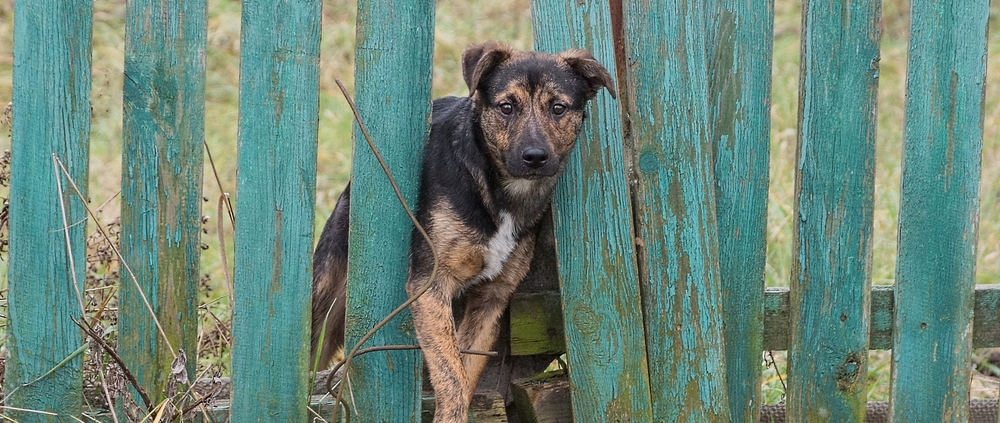
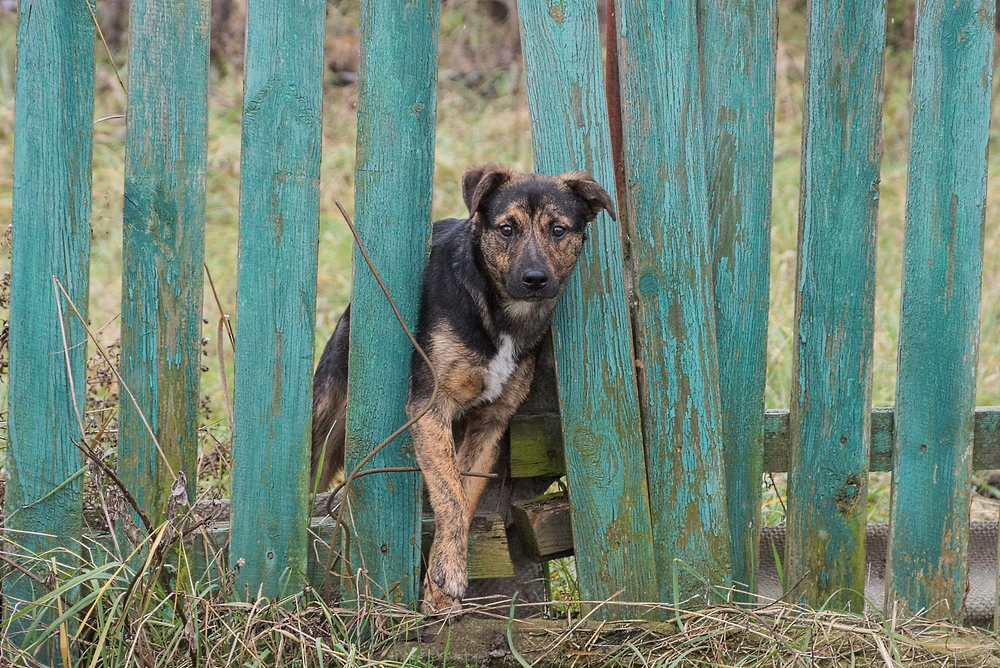
Dog escaping through broken fence — common risk with cheap dog fence ideas in UK gardens

This is what a cheap fence can lead to — a determined dog and an escape route

Looking for cheap dog fence ideas? You’re not alone. Pet owners across the UK are searching for budget-friendly solutions to keep their dogs safe and contained. But not all fencing options are created equal — and some “cheap” fences could cost you more in the long run.

Let’s explore the pros and cons of common cheap dog fence ideas, and how DogFence offers a cost-effective, long-term alternative trusted by over 20,000 UK pets.

Sagging chicken wire dog fence — example of a cheap garden fencing option that fails over time

Cheap wire fences may seem like a quick fix, but they often sag, rust, and fail to keep dogs safely contained.”

The Most Common Cheap Dog Fence Ideas (and Why They Often Fail)

1. Chicken Wire or Garden Mesh

Affordable and easy to find, chicken wire fences seem like a quick fix. But for many breeds, they’re no match for determined diggers or chewers. Over time, the wire can sag, break, or corrode, making it unreliable. Does not cover the driveway.

2. Chain Link Fencing

Strong and secure — but not cheap. Installing chain link fencing can cost thousands depending on your property size. It’s also not always escape-proof for agile or climbing dogs and can be an eyesore in a landscaped garden. Gates are still required at extra cost.

3. Close-Boarded or Panel Fencing

These timber fences are popular in the UK but expensive to install and maintain. Persistent dogs can still dig under or find weak spots, and wood can warp or rot over time, especially in wet climates. The driveway and in some areas the front of the property will need aesthetically pleasing fencing.

4. DIY “Invisible” Fences from Online Marketplaces

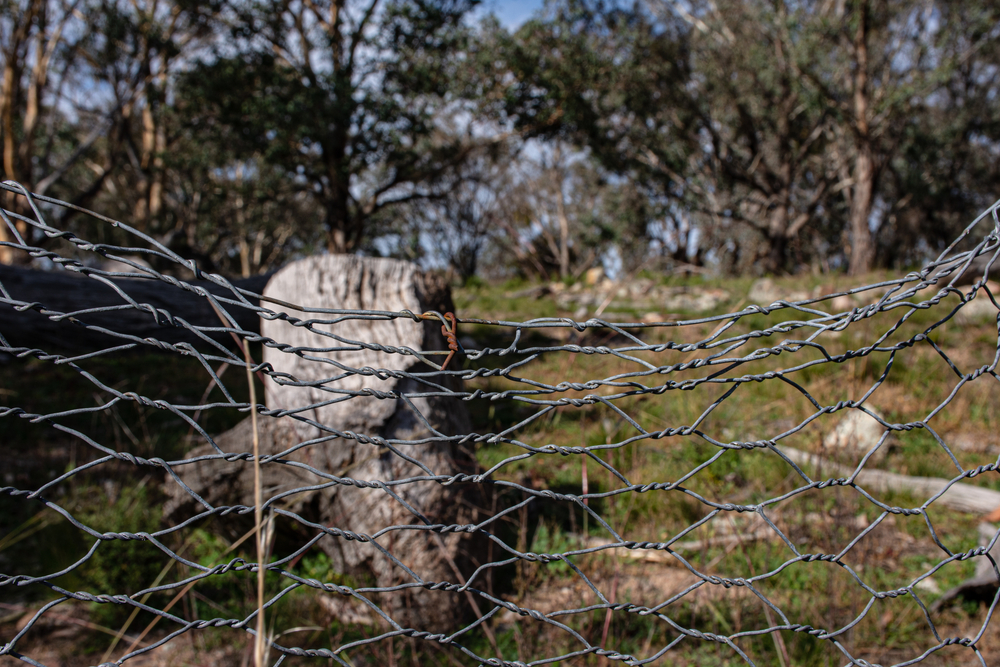
Some budget dog fences found online are little more than toys. One customer even sent us a photo of their so-called DIY dog fence: the wire looked like cotton, and the flags were the size of cocktail sticks. Great for a mouse — not for a dog! DIY dog fences will cover the driveway but the cable is extremely thin and prone to breakage so buried installation is difficult.

Thin dog fence wire and tiny training flags — not suitable for burial or effective containment

Thin wire and tiny flags like these aren’t designed for long-term use — they’re easily damaged and offer poor visibility during training.

A Smarter Long-Term Solution: DogFence Hidden Fence Systems

DogFence isn’t the cheapest option upfront — but when you factor in reliability, longevity, and effectiveness, it’s up to 80% cheaper than chain link or wooden fencing. And unlike bargain-bin systems, it works.

Here’s why:

  • ✅ DEFRA-Tested and Approved
    Our system has been independently tested and meets UK welfare standards. You can trust it to be safe, effective, and humane.
  • ✅ Robust, Dog-Proof Receiver Collars
    Our collars are:

    • Waterproof to 10ft in salt and fresh water
    • Covered against dog chews
    • Lightweight and custom-programmable (not one-size-fits-all)
    • Equipped with the longest battery life in the industry – because when the battery runs out, so does the dog.
  • ✅ Built-In Pet Safety Features
    • Auto Shut-Off: If your dog gets stuck in the warning zone, the collar stops correcting after 15 seconds.
    • Auto Re-Start: The collar resumes as soon as your pet is safe again.
    • Anti-Linger: Prevents battery drain by giving a quick correction if your dog lingers too long in the warning zone.
  • ✅ Reliable Hardware Built to Last
    • Heavy-duty boundary cable (included even in DIY kits)
    • Full-size, visible training flags 18″ – 24ft tall.
    • Professional installation option includes onsite training
    • Lightning protection
    • Containment promise (dogs only)
    • Lifetime warranty on Pro Install systems
    • 2–4 year warranties on DIY kits

See how our hidden fence works →

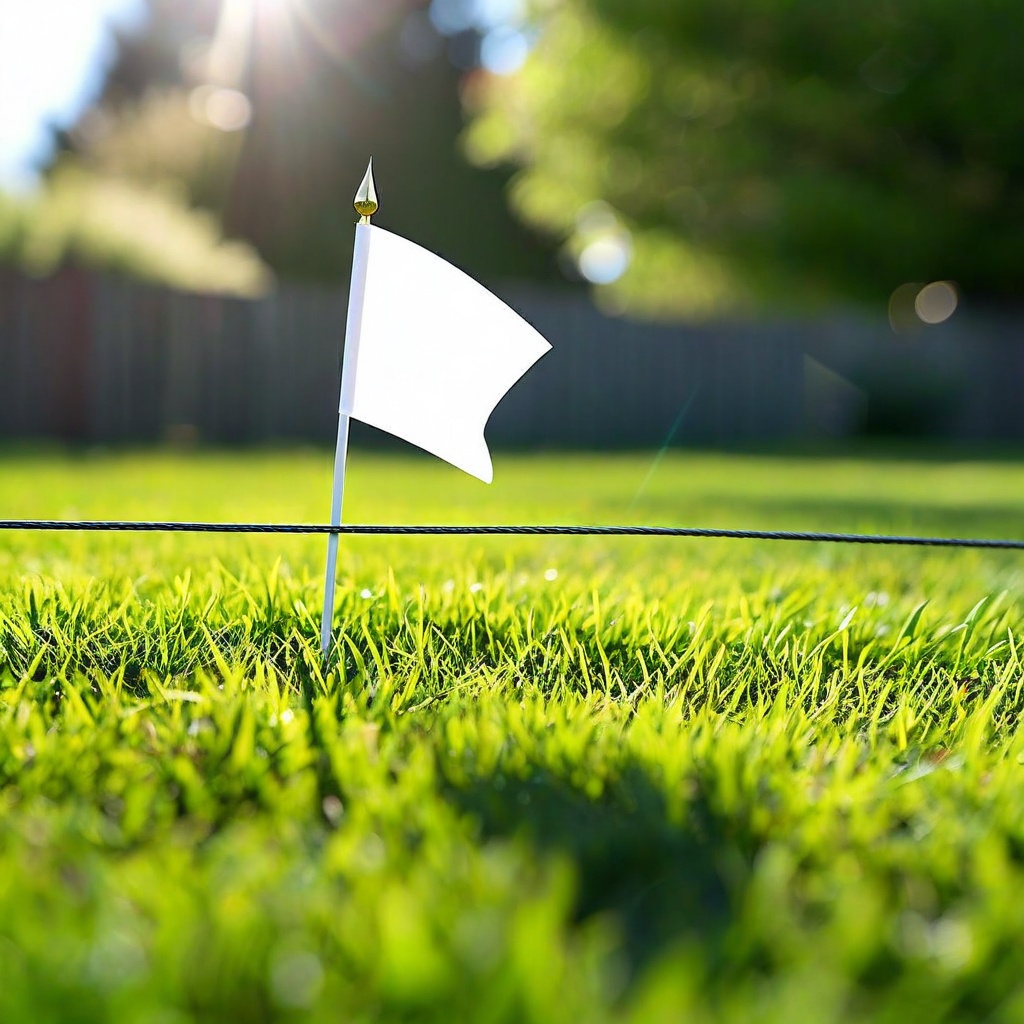
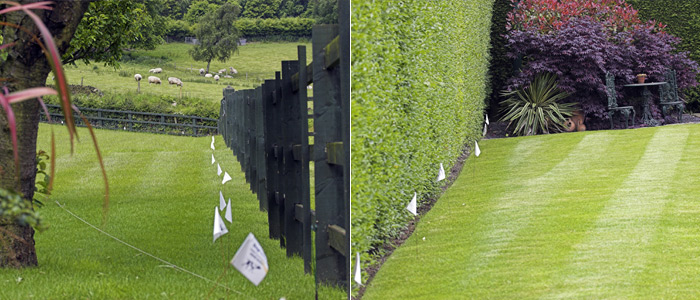
2ft DogFence training flags and heavy-grade buried cable — safe, visible containment for pets

Our 2ft training flags and heavy-duty buried cable create a visible, secure boundary that keeps your pet safely contained.

What Does “Cheap” Really Cost You?

Cutting corners on fencing can lead to:

  • Repeated repairs or replacements
  • Dogs escaping (with risks to traffic, livestock, and safety)
  • Inconsistent containment = confused, untrained dogs
  • Higher costs over time

DogFence is designed to be a one-time investment that protects your pet and your peace of mind for years to come.

Compare the Costs

Fence Type Approx. Cost Maintenance Long-Term Reliability
Chicken Wire Fence £100–£300 High Low
Close-Boarded Fence £2,000+ Moderate Moderate
Chain Link Fence £2,000–£4,000 Low Moderate
Cheap DIY Electronic Fence £50–£200 High Low
DogFence DIY Kit From £450 Low High
DogFence Pro Install From £1,200 Very Low Highest (Lifetime Warranty)

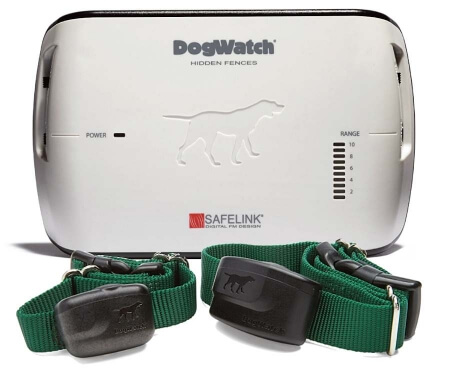
High-quality DogFence system with lightweight dog fence collars — better alternative to cheap dog fence ideas

Our DogFence system includes two compact, lightweight collars — with battery lives of 6 months to over 2 years and full accidental damage cover.

Cheap Dog Fence Ideas Are Everywhere. Quality Ones Aren’t.

DogFence offers both DIY and professionally installed systems that balance quality, safety, and cost-effectiveness. We’re not the cheapest — and there’s a reason for that. Our systems are designed to work reliably for years, offering a smarter, safer solution that keeps your pets secure without compromising their freedom.

Just look at the result:
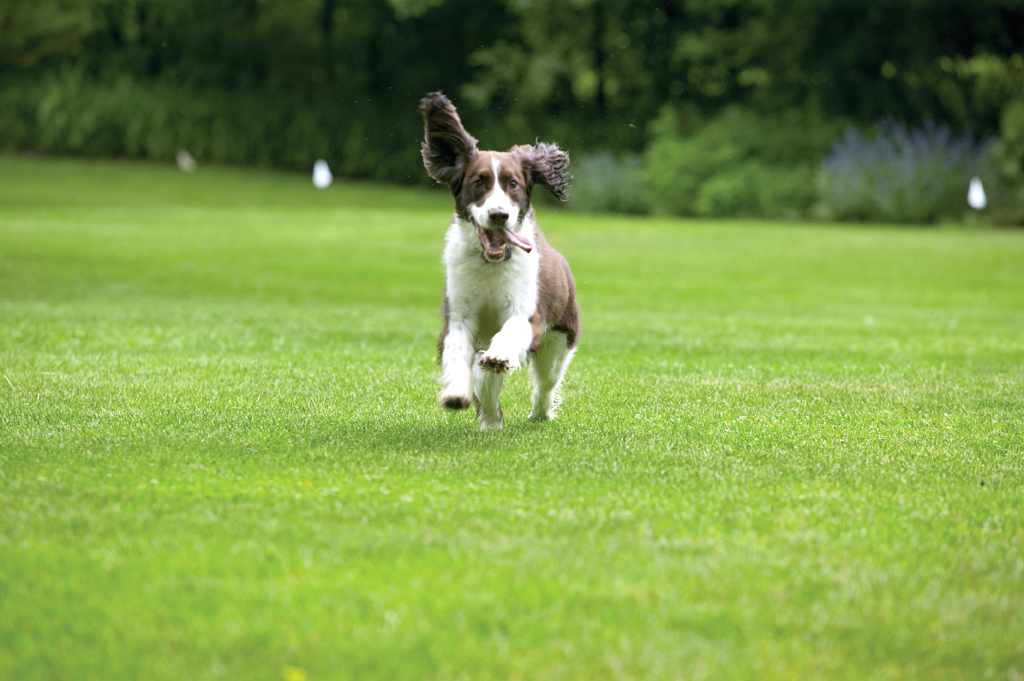
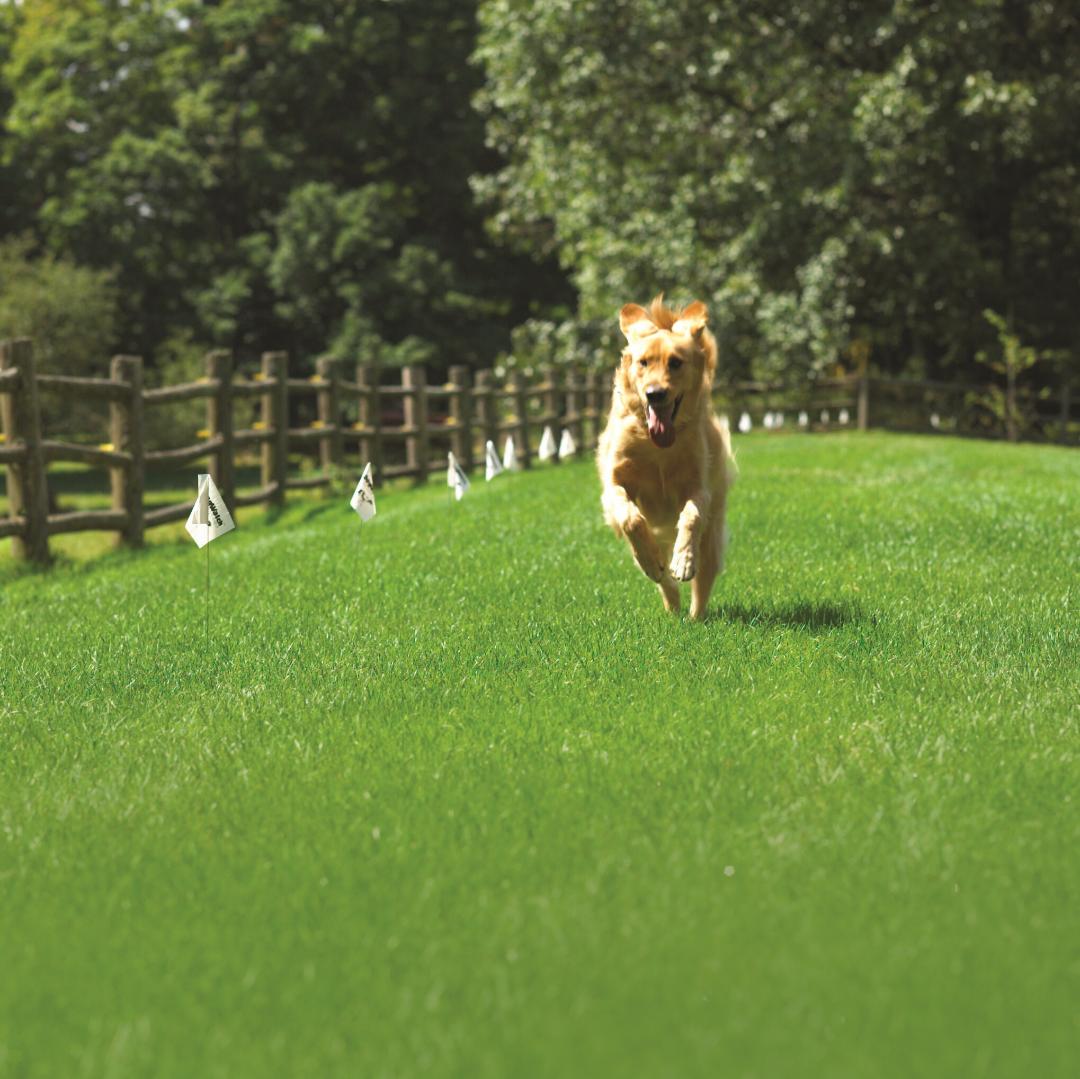
A happy, confident dog running freely and safely in the garden — no ugly fences, no risky escapes, and no constant supervision. With DogFence, you get more than just containment — you give your pet the freedom they deserve, with the safety you need.

Happy dog running safely in garden protected by DogFence hidden fence system

Freedom and safety combined — this happy dog is running free thanks to a DogFence hidden fence

Need Help Choosing the Right Option?

Whether you’re exploring cheap dog fence ideas or planning your garden for the long-term, we’re here to help. Our expert team will guide you to the safest and most practical solution for your dog — and your budget.

Looking for more inspiration on how to keep your dog secure and your garden looking great? Don’t miss our expert guide on the best dog fence designs for UK gardens — packed with practical ideas and design tips that go beyond just price.

Ready to Keep Your Pet Safe?

Call us on
01628 476475
|
Message us on WhatsApp
|
Request a Free Quote Online

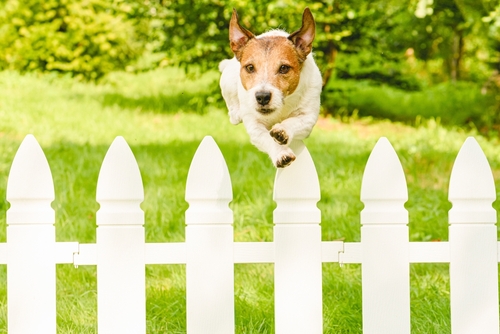
Dog Fencing for Active Breeds how to stop a jack russell jumping a fence

Dog Fencing for Active Breeds | Keep High-Energy Dogs Safe

Dog Fencing for Active Breeds: How to Keep High-Energy Dogs Safe

If you own a high-energy dog – think Cocker Spaniel, Jack Russell Terriers, Wire-Haired Dachshund or working breeds like Labradors and Springers – you’ll know their zest for life often comes with an equally strong desire to explore. Finding suitable dog fencing for active breeds can feel impossible.  Traditional fencing  is a real challenge, especially for dogs who love to run, jump or dig or have a high prey drive.

That’s why many owners ask:
“What’s the best dog fencing for active breeds?”

The good news is — with the right system and training, you absolutely can keep your high-energy companion safe at home.

Understanding the High-Energy Dog’s Mindset

High-energy breeds thrive on activity, mental stimulation, and often possess a strong prey drive. A passing squirrel, a rabbit scent, or even a distant sound can trigger an instinctual chase. Energetic dogs like Labradors often thrive with invisible containment—it’s the reason our Labrador Dog Fence story resonates.”

This powerful impulse is exactly what an electronic fence system must be able to interrupt – gently, but firmly and consistently – to keep your dog safe and secure within the garden. There is no room for error or unreliability with a highly prey-driven dog.

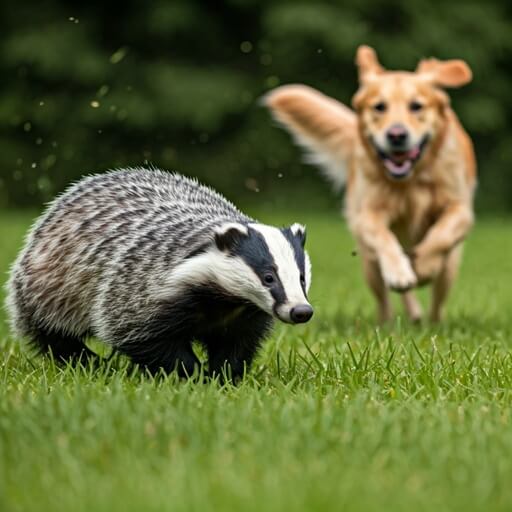
High-energy dog with strong prey drive chasing a badger — example of why dog fencing for active breeds is important

“Why dog fencing for active breeds matters — high-energy dogs with strong prey drive can easily chase wildlife like badgers without proper containment.”

Key Considerations for High-Energy Breeds

The basic principles of electronic dog fence training apply to all breeds but there are some important factors to focus on when working with a more energetic or driven dog:

1. Robust Adjustable Correction Levels for Highly Active Dogs

The challenge: A focused, high-drive dog may simply “run through” a “one size fits all” correction if fixated on a distraction.

The solution: Choose an electronic dog fence system with a wide range of adjustable correction levels. You may need a slightly higher setting for a strong-willed or excitable dog to effectively break their concentration as they approach the boundary.

Remember: The aim is never to cause distress, but simply to get their attention. It’s not about the “size” of the correction matching the “size” of the dog; it’s about the personality and the system’s ability to interrupt a dog’s train of thought. We’ve seen tiny Tea Cup Yorkies respond to a level 4 correction while two large Rottweilers trained perfectly on a very low level 2. This perfectly illustrates that it’s not about brute force, but tailored feedback.

Training tip: Start low, monitor your dog’s response, and increase only if necessary. A small head turn or ear flick is often enough to signal success.

Learn more about how electronic dog fences work

2. Comprehensive and Consistent Training is Essential

The challenge: Intelligent, high-energy dogs can quickly learn patterns and test boundaries if training is inconsistent.

The solution: Follow the recommended DogFence training protocol diligently:

  • Short, regular sessions
  • Use of training flags
  • Positive reinforcement
  • Gradual introduction of distractions

High-energy breeds often benefit from more repetitions in a variety of scenarios to fully grasp the concept of staying within the boundary.

Read our DogFence training guides

3. Meet Their Physical & Mental Stimulation Needs

The challenge: An electronic fence prevents escapes, but it doesn’t fulfil a high-energy dog’s need for exercise and stimulation. Without this, dogs may become bored, frustrated, or even destructive.

The solution: Make sure your dog receives:

  • Daily walks and runs outside of the fence area
  • Playtime, interactive games, and training
  • Activities like agility or puzzle toys

A mentally and physically satisfied dog is far less likely to seek escape.

See the PDSA guide to meeting your dog’s exercise needs

4. How to Choose Dog Fencing for Active Breeds?

The challenge: Cheap or poorly designed systems can easily fail when tested by a determined, fast-moving dog. Consistency is the key. An intelligent and highly motivated dog who “challenges the boundary” must always receive the same message. If the “fence” is unreliable this will ultimately lead to more challenges and a “breakout”.

The solution: Invest in a high-quality, professional-grade electronic dog fence – like those supplied and installed by DogFence UK. Our systems are trusted by thousands of owners of high-drive breeds.

What makes our dog fence collars different?

Our collars differ significantly from many others. It’s not just the static level that changes; with higher settings, the pulses per second increase, making the impulse feel different and more effective at breaking concentration. Think of it like someone gently but persistently tapping you on the head while you’re deeply absorbed in a task – it forces you to momentarily forget where you are and re-focus. This unique pulse modulation is designed specifically to interrupt the dog’s focus, even on a high-prey drive.

Can a highly active dog “out-run” a dog fence?

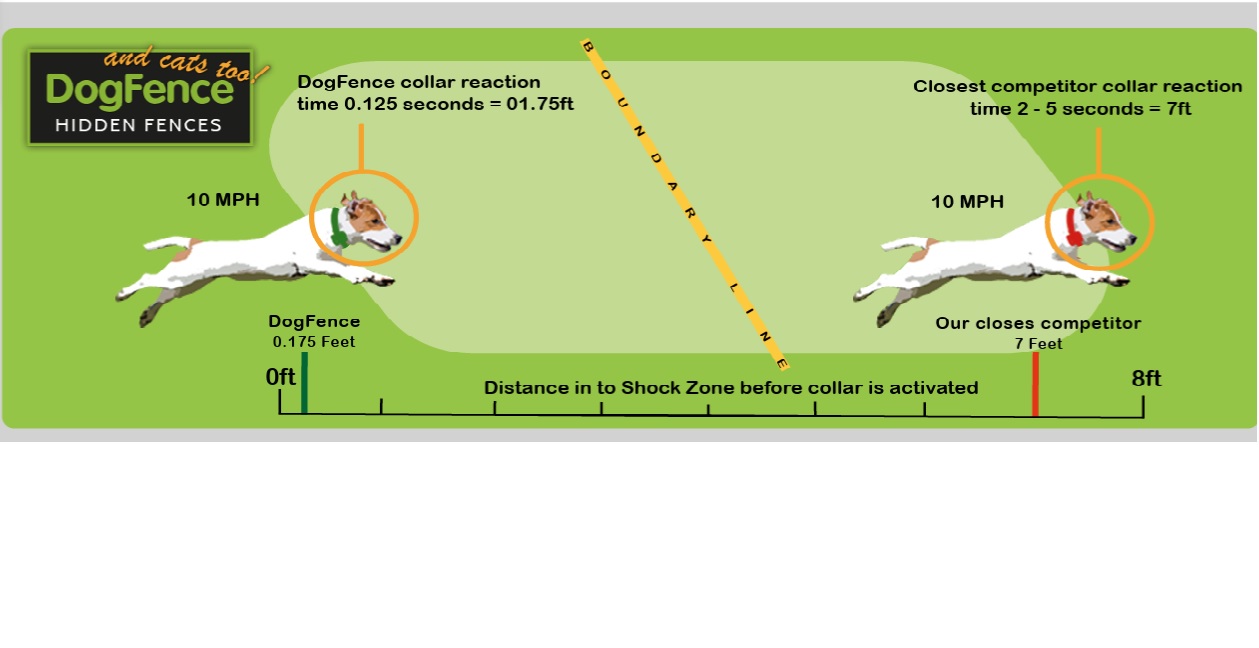
Furthermore, our fence system is designed to be quicker than the dog. When considering dog fencing for active breeds owners need to understand about collar reaction times. Our technology is up to 10 times faster than many other electronic dog fences on the market, especially slower GPS and wireless systems. This speed is critical because a fast, determined dog can often outrun and “break through” a slower system before the correction is properly delivered. With DogFence UK, your dog cannot outrun our system.

There’s also the crucial “flip side”: the dog needs to be correctly rewarded for doing the “right thing.” Our system features an incredibly fast shut-down time – less than a second – once the dog stops and retreats from the boundary. This immediate cessation of the correction is vital for positive reinforcement. In contrast, many DIY, GPS, and wireless systems have a significant “response hang-on time” of 2–5 seconds, meaning the collar is still correcting even though the dog has already retreated, making a difference of 7 – 10ft. This can cause confusion and undermine the training. Our rapid shut-down ensures your dog quickly learns that retreating makes the stimulus stop, reinforcing the correct behaviour instantly.

“Faster collar reaction time helps prevent escape — DogFence UK system vs slower competitor electronic dog fences.”

“Faster collar reaction time helps prevent escape — DogFence UK system vs slower competitor electronic dog fences.”

Our systems are trusted thanks to:

  • Strong, consistent signal
  • Durable heavy-grade wire
  • Robust and durable receiver collars – warranted against dog chews
  • Industry-leading battery life – because when the battery runs out, guess who else runs out?
  • Collar options designed for both large and small high-energy breeds

Compare our electronic dog fence systems

Success Stories: Dog Fencing for Active Breeds Thriving with DogFence

Many owners of high-energy breeds report excellent success with our systems. An electronic dog fence provides a safe environment where these dogs can burn off steam, explore their garden freely, and remain safely contained – with no risk of digging under or jumping over a physical fence.

You’ll find many happy owners of:

  • Border Collies
  • Spaniels
  • Labradors
  • Pointers
  • Salukis
  • Border Terriers
  • Cockapoos

But don’t just take our word for it.

Here’s what some of our customers, facing unique challenges with their active breeds, have to say:

“Exceptional Containment in a Challenging Rural Environment!”

“I bought this dog fence for my Whippet x Saluki because I moved to a rural area on the Orkney Islands and my house is surrounded by sheep and cows. My neighbour has over 200 chickens which are free to roam in his garden, but I was worried the fence system would not be as good as it is. Although my dog has a sweet nature when it comes to other animals if it moves she thinks it is her right to hunt it, and being a whippet she is extremely fast. Installing the fence was easy to do, and the dog trained in a week. The dog has not been able to get out of our land which is 1 acre. I cannot recommend this system highly enough; the dog can run freely on our land and the animals in the neighbouring fields are safe. I would be only too happy to talk to anyone who is thinking of buying a dog fence but may be wary that it might not work as well as it does. Also when I have rung you to talk about something, I get through to a real person, not an option menu, which is a nice change. 10 out of 10 for the product and service.”

Neil Hannant – Orkney Islands

“Complete Peace of Mind with My Working Cocker!”

“I had a DogFence containment fence installed back in March of this year and have waited until now to see how effective it was. Now I write to express my complete satisfaction with the system. Quickly and efficiently installed around an acre of ground and the dogs trained so effectively that they refused for a couple of days to go into the garden but eventually they carefully ventured out and after a few days were content to stay well inside the fence. I thought we may have a problem with the dogs chasing the deer that come into the garden, however, they have respected the fence and are content to stay within the boundary. With a working cocker, that is saying something! And it gives me complete peace of mind. My thanks to you all for a friendly, efficient, and economical service.”
David Holt – Southampton

See more customer testimonials

Is an Electronic Fence Right for Your High-Energy Dog?

If you’re the proud owner of a lively, energetic breed and you’re struggling with traditional fencing, we can help.

At DogFence UK, we have more than 22 years’ experience successfully training and containing all types of dogs – including the most athletic and determined escape artists.

Our expert team will guide you in choosing the right system, professionally install it for maximum safety, and provide full training for you and your dog.

Get in touch today to find out how we can help!

Call us on 01628 476475
WhatsApp us on 07917 034256
Email us: info@dogfence.co.uk
Request a personalised quote online

Ready to Give Your Dog More Freedom?

Whether you’re dealing with a determined Border Collie, a clever Jack Russell or an energetic Labrador, an electronic dog fence could be the perfect solution.

Call 01628 476475 now
Or message us on WhatsApp – we’ll be happy to advise.