Tag Archive for: secure garden for dogs

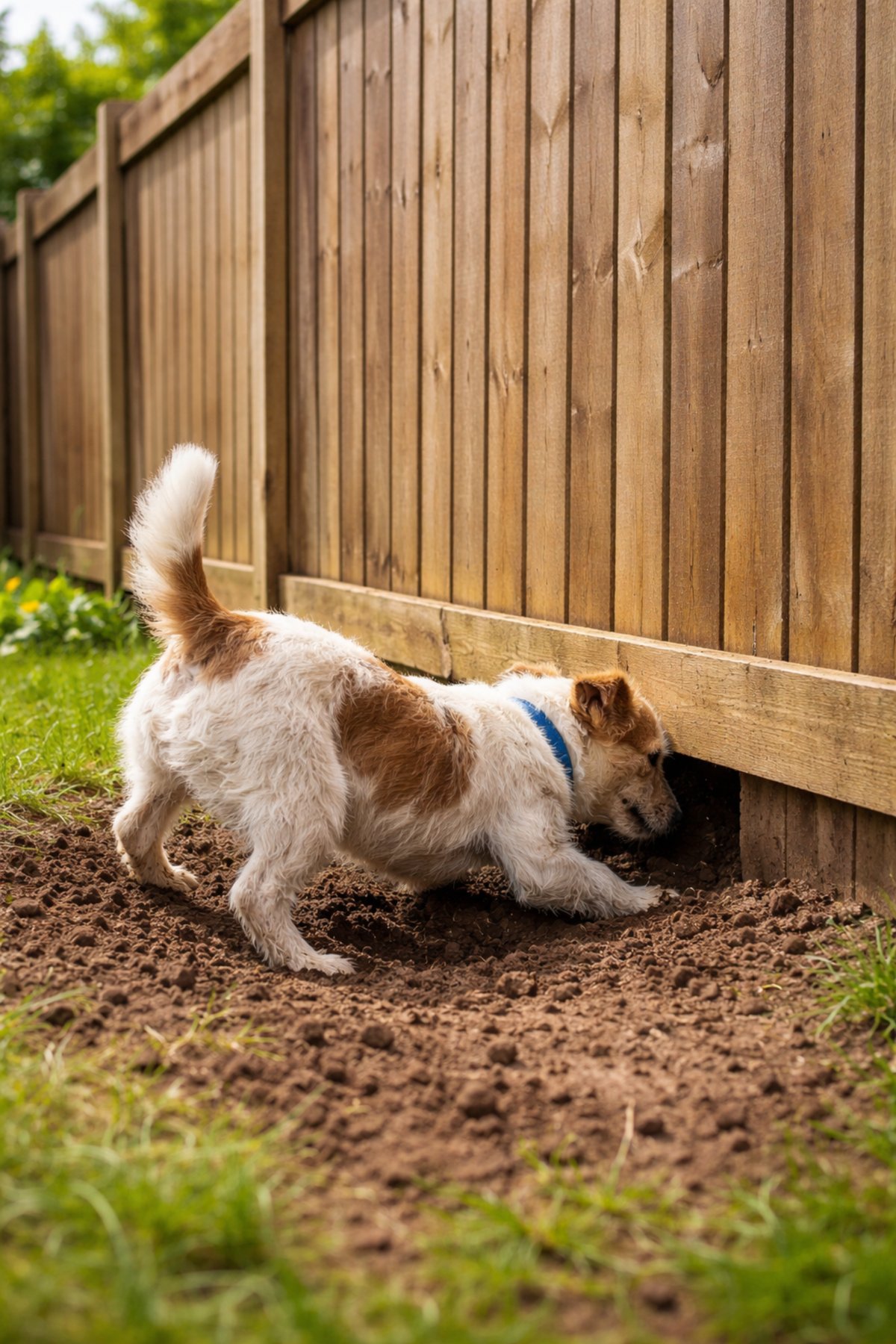
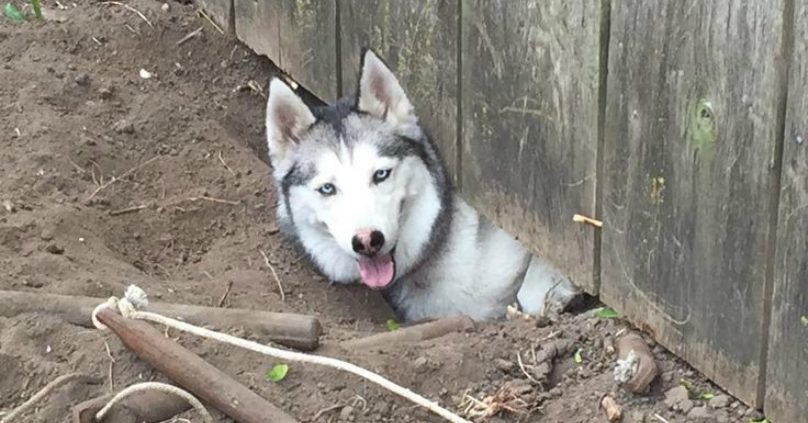
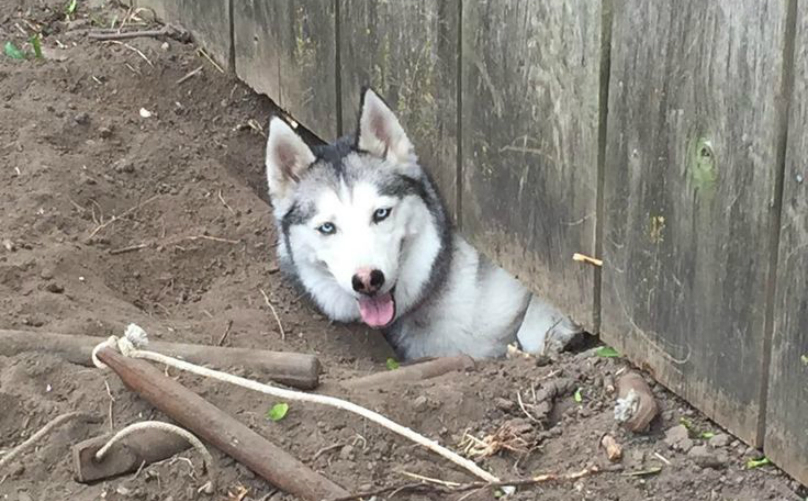
dog digging under fence

How to Stop Dog Digging Under Fence (UK Guide)

How to Stop Dog Digging Under Fence (UK Guide)

Stop dog digging under fence behaviour quickly and it can save you from a much bigger escape problem later.

dog digging under fence in UK garden

Dog digging under a garden fence — a common cause of escape in UK homes.

If your dog has started tunnelling along the boundary, it’s rarely random. In most cases, digging at the fence line means your dog is trying to get out. What begins as one small hole can quickly turn into repeated attempts at escaping under the fence — especially once they realise it works.

Before you can prevent dog digging out for good, you need to understand what’s driving it. If you’re unsure what motivates escape behaviour, read our guide on How Do I Stop My Dog Running Away (for good) here.

Whether your dog is digging along the fence to get out or has already managed to escape once, the real solution begins with understanding what’s driving the behaviour.

For many UK owners — particularly those with larger or rural properties — creating a truly secure garden for digging dog breeds requires more than just filling in the hole.


Why Is My Dog Digging Under the Fence?

When you need to stop dog digging under fence behaviour, the first step is identifying the motivation.

Fence-line digging almost always has a purpose.


Digging to Escape the Garden

If your dog is consistently digging along the boundary, this is classic dog digging to escape garden behaviour.

Common triggers include:

  • Wildlife beyond the fence (deer, rabbits, squirrels)
  • Livestock in neighbouring fields
  • Other dogs nearby
  • Public footpaths
  • Separation anxiety (the RSPCA offers helpful guidance on recognising and managing anxiety-related behaviours).

Then link “RSPCA offers helpful guidance” to:
https://www.rspca.org.uk/adviceandwelfare/pets/dogs/behaviour

Once a dog succeeds at escaping under a fence, the behaviour becomes reinforced. Freedom becomes the reward.


Breed Instinct (Terriers & Working Dogs)

Some breeds are naturally wired to dig.

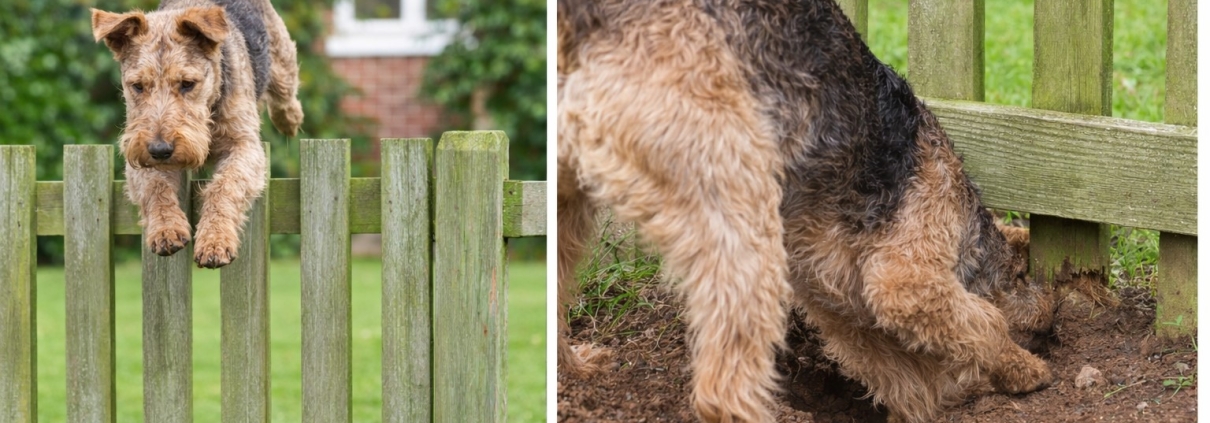
Terriers, for example, were bred to hunt prey underground. For these dogs, digging isn’t disobedience — it’s instinct.

dog digging under fence in garden trying to escape

A dog attempting to dig under a garden fence — a common early sign of escape-driven behaviour.

If you have a determined digging breed, standard fencing alone may not be enough to prevent dog digging out long term.


Digging to Stay Cool in Summer

In warmer weather, some dogs dig shallow pits to lie in cooler soil.

These holes are usually:

  • Away from the boundary
  • In shaded areas
  • Not tunnel-shaped

If your goal is to stop dog digging under fence, but the holes are central in the garden, temperature may be the real cause.


Boredom and Excess Energy

Young, intelligent or high-drive dogs may dig simply because it’s stimulating.

Without:

  • Structured walks
  • Mental enrichment
  • Training interaction
  • Scent work

Digging becomes self-rewarding entertainment.

However, boredom digging rarely focuses repeatedly on the fence line — persistent boundary digging usually indicates escape motivation.


How to Stop Dog Digging Under Fence

Now let’s look at practical ways to prevent dog digging out and restore control of your boundary.


Increase Exercise and Mental Stimulation

A tired dog is far less motivated to test boundaries.

Consider:

  • Daily structured walks (not just garden access)
  • Short training sessions
  • Puzzle feeders
  • Rotating toys
  • Scent games

This helps reduce boredom-driven digging but may not fully stop dog digging under fence if escape is the primary motivation.


Improve Shade and Cooling Options

If your dog is digging to regulate temperature:

  • Provide shaded shelter
  • Ensure constant fresh water
  • Use a heavy-duty paddling pool
  • Avoid inflatable pools (easily punctured)

When comfort improves, digging often reduces.


Reinforce the Base of Your Fence

Traditional methods to prevent dog digging out include:

  • Burying chicken wire
  • Installing gravel boards
  • Digging trench footings
  • L-shaped underground barriers

These approaches can work in smaller gardens. However, in larger rural properties, reinforcing every metre of boundary can be costly and disruptive.

Some determined dogs will simply move along the fence line until they find a weaker point. Before investing in higher panels or reinforcements, it’s important to understand why dogs escape gardens — because escape behaviour is usually driven by motivation, not just opportunity.


Address Hormonal or Seasonal Escape Behaviour

Male dogs may become highly motivated to dig if they detect a nearby female in season. Female dogs may also attempt to leave the garden during this period.

While neutering may reduce some drive, it is not a guaranteed way to stop dog digging under fence behaviour if the underlying motivation remains strong.

During these periods, creating a truly secure garden for digging dog breeds becomes especially important.


Will Burying Wire or Concrete Stop a Dog Escaping Under Fence Panels?

Sometimes — but not always.

If the desire to leave the property remains strong, dogs may continue testing different sections.

Blocking one hole may simply shift the problem further down the boundary.

To genuinely stop dog digging under fence, the reward for escaping must disappear.


The Most Reliable Way to Stop Dog Escaping Under Fence

When digging is driven by escape motivation, behaviour usually changes when the dog clearly understands where the boundary lies.

A professionally installed pet containment system creates a consistent perimeter around the entire property — including weak points, hedges, gates and uneven ground.

When introduced with calm, structured training, most dogs quickly learn the boundary and stop attempting to dig under it.

For properties with:

  • Post-and-rail fencing
  • Hedge boundaries
  • Large rural perimeters
  • Sloping or uneven terrain

This approach often provides more reliable long-term prevention than repeated physical reinforcement alone.


When Should You Be Concerned?

If your dog has already succeeded in escaping under fence panels once, the risk increases significantly.

Escaping dogs face:

  • Road traffic
  • Livestock incidents
  • Getting lost
  • Legal liability

Fence-line digging is often an early warning sign that your current setup is not secure enough.


Final Thoughts: How to Stop Dog Digging Under Fence for Good

To stop dog digging under fence permanently, you must address both:

  1. The reason your dog wants to leave
  2. The weakness in the boundary

Digging is communication.

Your dog may be saying:

  • I’m bored
  • I’m anxious
  • I’m too hot
  • I want what’s on the other side

When you understand the motivation and secure the full perimeter — not just the hole — most dogs stop trying to escape.

And your garden — and peace of mind — can finally recover. If you’re looking for broader guidance on how to stop a dog running away, see our complete guide here.

Over the past two decades, we’ve seen that when the full boundary is clearly defined and properly introduced, digging behaviour almost always settles. Rather than constantly repairing panels or burying wire, a professionally installed containment system can addresses the root cause — removing the reward for escape and restoring safety to the entire property.

Tired of Repairing Fence Holes?

If your dog keeps digging under the fence, let’s secure your boundary properly and stop escape attempts for good.

Call us on
01628 476475
|
Message us on WhatsApp
|
Request a Free Quote Online
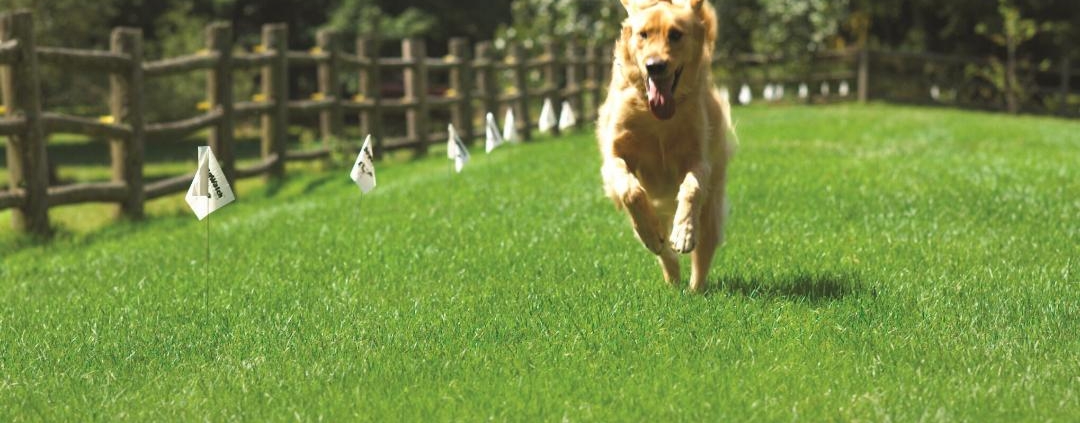
Dog wearing a hidden fence collar enjoying freedom in a secure UK garden, with training flags marking the boundary – illustrating dog fence cost UK value and effectiveness

Dog Fence Cost UK: DIY & Professional Hidden Fence Prices Compared

Dog Fence Cost UK: A Practical Guide to Hidden Fence Pricing & Value

Updated February 2026

If you’re researching the best way to secure your garden, this Dog Fence Buying Guide UK will help you compare systems, understand costs, and choose the right containment solution for your property. Across England, more and more dog owners are searching for reliable ways to prevent their dog running away — without building ever-higher fences or turning their garden into a fortress.

Many pet owners want to keep their dogs safely contained without compromising their garden’s appearance — or spending thousands on traditional fencing. Traditional timber or close-board fencing in the UK typically costs £110–£120 per metre installed, meaning an average garden can easily exceed £2,500–£3,000 — and far more for large rural properties.

In this guide, we break down:

  • DIY dog fence costs
  • Professional installation prices
  • What you’re really paying for
  • How hidden fence prices compare to traditional fencing and GPS systems

Dog Fence Cost UK: What You Might Pay

When people talk about the cost of wired electronic containment system, they’re usually referring to a wired radio fence using a boundary cable, a transmitter, and a receiver collar worn by the pet. In the UK, the total cost can vary depending on whether you install it yourself or professional installation.

DIY Dog Fence Kits (From £299–£800+)

DIY systems offer a more budget-friendly entry point. DIY dog fence cost UK options are typically more affordable upfront, making them popular for straightforward gardens and confident installers.

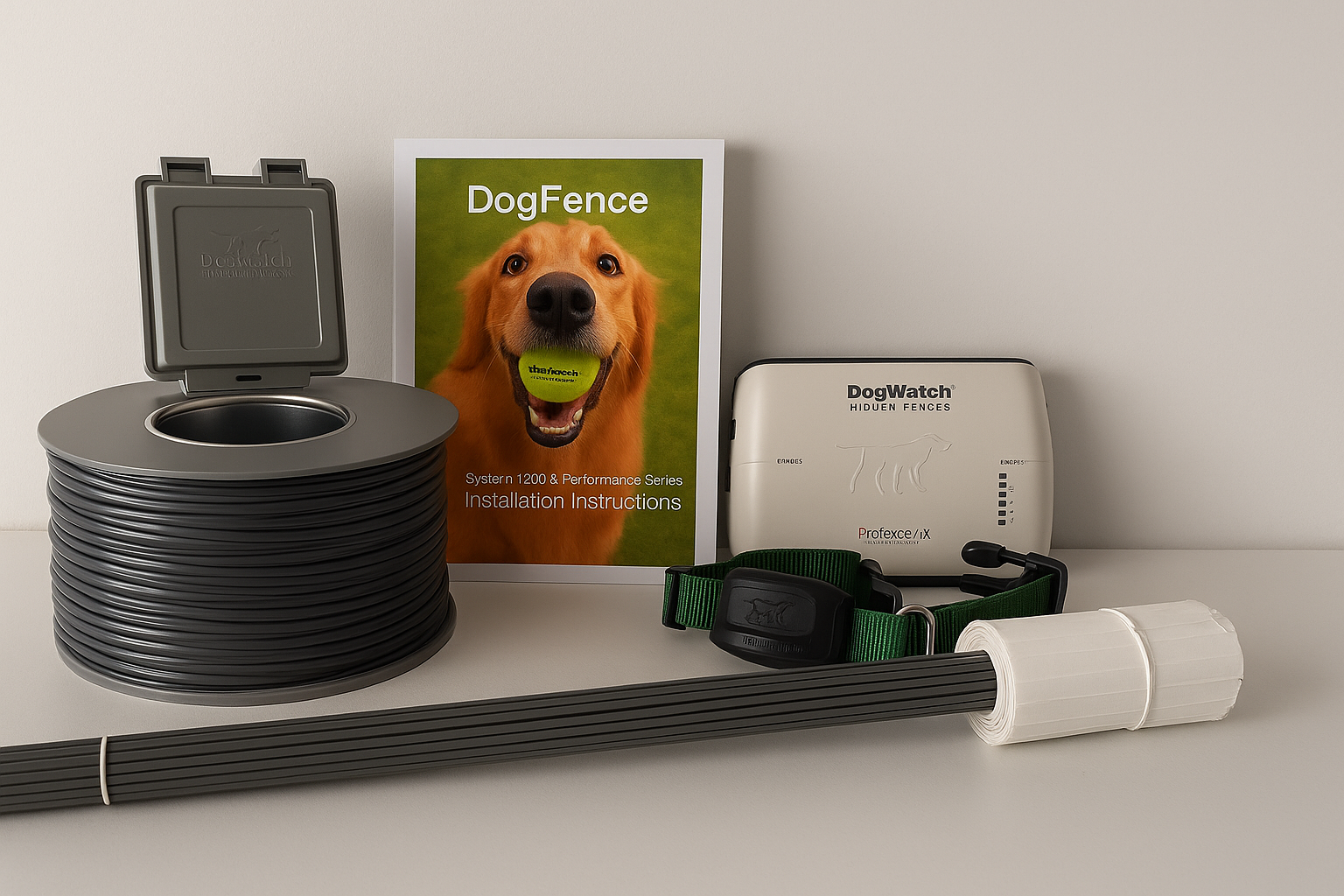
Most mid-range UK kits start from £299, and typically include:

  • Lightweight programmable receiver collar
  • Boundary wire (often up to 100m, expandable)
  • Training flags
  • Transmitter and power adapter
  • Installation instructions or video guidance

Our DIY kits use:

  • Robust, heavy-grade cable
  • Weatherproof components
  • Built-in safety features including auto shut-off
  • 2–4 year warranties depending on model

⚠ A Word of Caution About Ultra-Cheap Kits

Very cheap systems (often under £50 online) may include:

  • Extremely thin cable that breaks during installation
  • Weak or inconsistent collars
  • Poor battery life
  • No lightning protection
  • No correction shut-off safety feature
  • Minimal training guidance

These systems can quickly become a false economy — especially if a pet escapes or becomes confused due to inconsistent correction. When comparing electronic dog fence cost options, it’s important to look beyond the headline price and consider cable quality, collar technology and long-term reliability.


Professionally Installed Hidden Dog Fences (£1200–£2500+)

Professional dog fence installation UK services are ideal for larger rural properties or for owners who want structured training and long-term support. Professional installation typically ranges between £1,200 and £2500, depending on:

  • Garden size
  • Layout complexity
  • Number of pets

This usually includes:

  • Full boundary survey
  • Cable installation (buried or discreetly secured)
  • Custom collar programming
  • Structured pet training session
  • Support for multi-pet households
  • Extended or lifetime warranties on selected systems

For reactive dogs, rural properties, or complex gardens, professional installation often delivers greater peace of mind.

“You came and fitted our setup in February and it is amazing and worth every single penny. From two naughty ‘we will escape’ pets, we now have total peace of mind.”


Dog Fence Cost UK vs Traditional Fencing

Hidden dog fence prices vary depending on garden size, installation complexity and whether you choose a DIY kit or professional setup.

Fence Type Approx. Cost (UK)
Timber or Close board Fence £6,000–£12,000
Metal or Picket Fence £10,000+
Wireless GPS Dog Fence £700–£1,800
DIY Hidden Dog Fence Kit £299–£800
Pro Hidden Dog Fence £1200–£12000
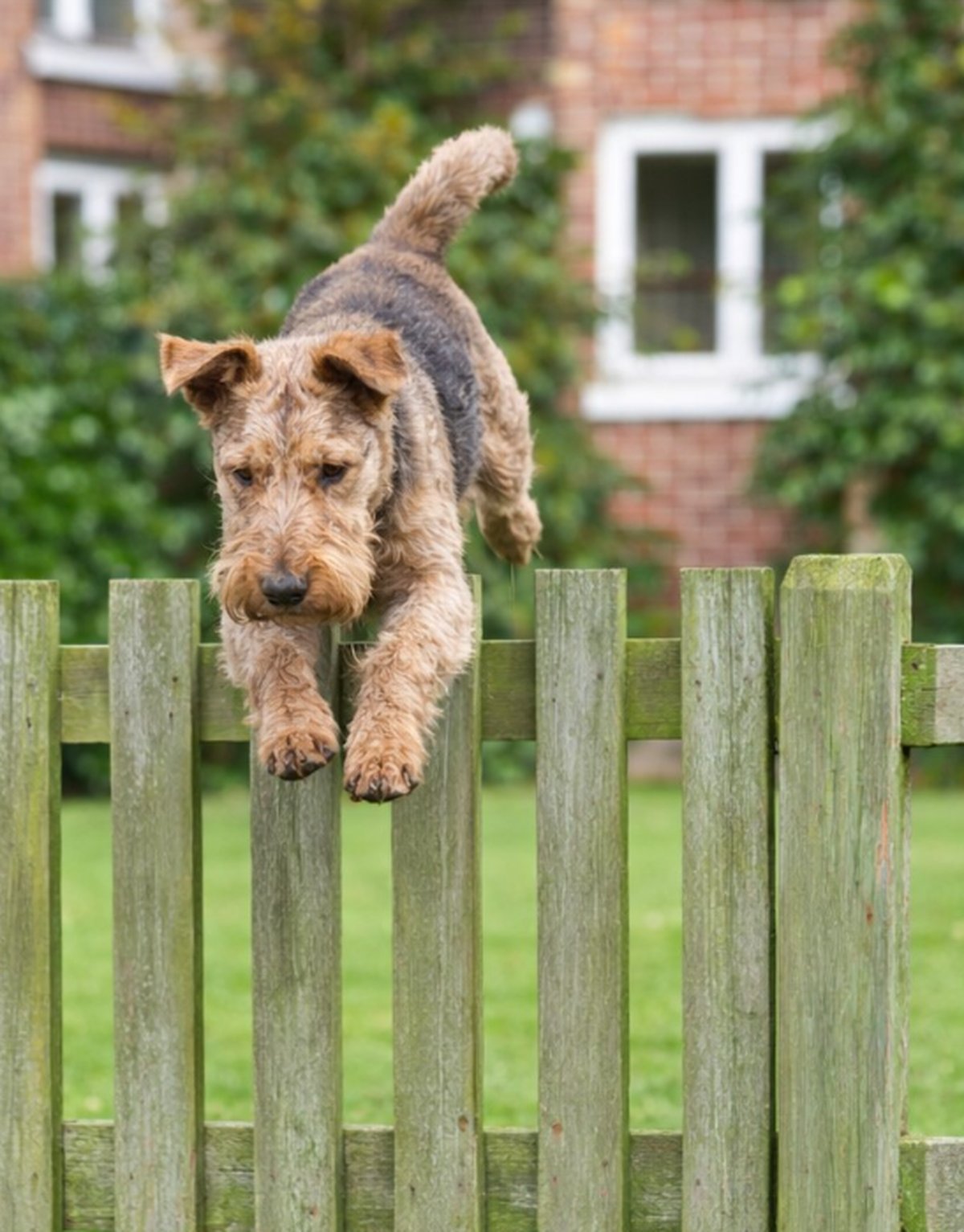
  • Your dog jumps
  • Your dog digs
  • You need multiple gates
  • Landscaping adjustments are required

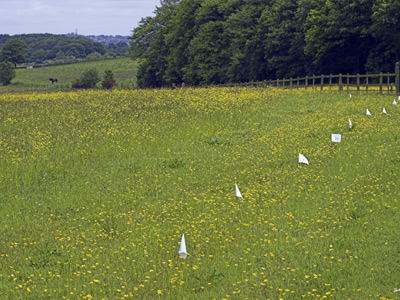
A hidden dog fence avoids visual barriers and can be installed across large areas at a fraction of the cost. Here’s an example of a Professional hidden dog fence installation after cable burial.

Boundary training flags marking the layout of a Professional hidden dog fence during installation.


Are There Ongoing Costs?

Wired electronic fences have minimal ongoing costs:

  • Replacement batteries (every few months depending on usage)
  • Occasional collar strap replacement
  • Rare cable repair if physically damaged

Unlike many GPS systems, wired containment has no monthly subscription fees.


Is a Hidden Dog Fence Worth the Investment?

When considering dog fence cost UK, think long-term value.

Benefits often include:

  • No repeated garden repair from digging
  • Reduced escape risk
  • No visual impact on your property
  • Lower long-term cost compared to high fencing
  • Less daily supervision stress

Even mid-range DIY systems can last many years when correctly installed and maintained.

“Finally a company that does what they say — the installer arrived on time and the service from start to finish has been impressive.”


Choosing Between DIY Dog Fence Cost or Professional Installation

Ask yourself:

  • Are you confident installing boundary wire?
  • Is your garden large or complex?
  • Is your dog reactive or highly driven?
  • Do you want structured training support?

DIY suits straightforward gardens and confident owners.

Professional installation suits larger properties, complex layouts and escape-prone dogs. Many owners choose a DIY dog fence when they feel confident laying the boundary wire and following the structured training process.

Professional dog fence installer discussing hidden fence installation options with a UK customer

Professional hidden dog fence installation consultation in a UK garden


Want to Understand How It Works?

Hidden dog fences operate using a radio signal transmitted through a boundary cable.

If you’re new to the concept, read our guide on how electronic dog fences work.


Ready to Explore Your Dog Fence Options?

If you’re comparing electronic dog fence cost options or want clarity on hidden dog fence prices for your specific garden, we’re here to help.

Every property — and every dog — is different. A quick conversation can help you understand whether a DIY system or professional installation will give you the best long-term value and peace of mind.

No hard sell — just honest advice based on over 20 years of real-world experience helping UK dog owners keep their pets safe.

If you’re comparing electronic dog fence cost options or want clarity on hidden dog fence prices for your garden, we’re here to help. Every property (and every dog) is different — a quick chat can help you choose the right system for long-term value and peace of mind.

Want to Get a Free Quote or Consultation ?

Call us on
01628 476475
|
Message us on WhatsApp
|
Request a Free Quote Online
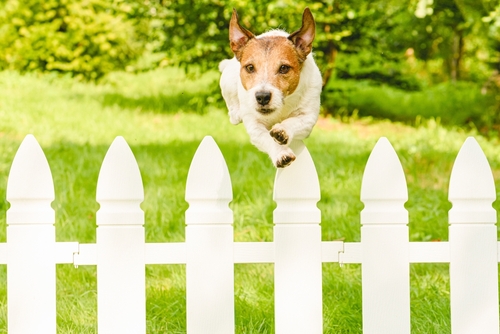
Dog Fencing for Active Breeds how to stop a jack russell jumping a fence

Dog Fencing for Active Breeds | Keep High-Energy Dogs Safe | DogFence UK

Dog Fencing for Active Breeds: How to Keep High-Energy Dogs Safe

If you own a high-energy dog – think Cocker Spaniel, Jack Russell Terriers, Wire-Haired Dachshund or working breeds like Labradors and Springers – you’ll know their zest for life often comes with an equally strong desire to explore. Finding suitable dog fencing for active breeds can feel impossible.  Traditional fencing  is a real challenge, especially for dogs who love to run, jump or dig or have a high prey drive.

That’s why many owners ask:
“What’s the best dog fencing for active breeds?”

The good news is — with the right system and training, you absolutely can keep your high-energy companion safe at home.

Understanding the High-Energy Dog’s Mindset

High-energy breeds thrive on activity, mental stimulation, and often possess a strong prey drive. A passing squirrel, a rabbit scent, or even a distant sound can trigger an instinctual chase. Energetic dogs like Labradors often thrive with invisible containment—it’s the reason our Labrador Dog Fence story resonates.”

This powerful impulse is exactly what an electronic fence system must be able to interrupt – gently, but firmly and consistently – to keep your dog safe and secure within the garden. There is no room for error or unreliability with a highly prey-driven dog.

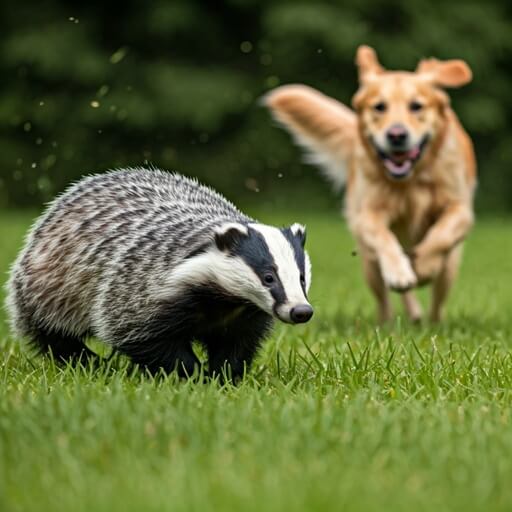
High-energy dog with strong prey drive chasing a badger — example of why dog fencing for active breeds is important

“Why dog fencing for active breeds matters — high-energy dogs with strong prey drive can easily chase wildlife like badgers without proper containment.”

Key Considerations for High-Energy Breeds

The basic principles of electronic dog fence training apply to all breeds but there are some important factors to focus on when working with a more energetic or driven dog:

1. Robust Adjustable Correction Levels for Highly Active Dogs

The challenge: A focused, high-drive dog may simply “run through” a “one size fits all” correction if fixated on a distraction.

The solution: Choose an electronic dog fence system with a wide range of adjustable correction levels. You may need a slightly higher setting for a strong-willed or excitable dog to effectively break their concentration as they approach the boundary.

Remember: The aim is never to cause distress, but simply to get their attention. It’s not about the “size” of the correction matching the “size” of the dog; it’s about the personality and the system’s ability to interrupt a dog’s train of thought. We’ve seen tiny Tea Cup Yorkies respond to a level 4 correction while two large Rottweilers trained perfectly on a very low level 2. This perfectly illustrates that it’s not about brute force, but tailored feedback.

Training tip: Start low, monitor your dog’s response, and increase only if necessary. A small head turn or ear flick is often enough to signal success.

Learn more about how electronic dog fences work

2. Comprehensive and Consistent Training is Essential

The challenge: Intelligent, high-energy dogs can quickly learn patterns and test boundaries if training is inconsistent.

The solution: Follow the recommended DogFence training protocol diligently:

  • Short, regular sessions
  • Use of training flags
  • Positive reinforcement
  • Gradual introduction of distractions

High-energy breeds often benefit from more repetitions in a variety of scenarios to fully grasp the concept of staying within the boundary.

Read our DogFence training guides

3. Meet Their Physical & Mental Stimulation Needs

The challenge: An electronic fence prevents escapes, but it doesn’t fulfil a high-energy dog’s need for exercise and stimulation. Without this, dogs may become bored, frustrated, or even destructive.

The solution: Make sure your dog receives:

  • Daily walks and runs outside of the fence area
  • Playtime, interactive games, and training
  • Activities like agility or puzzle toys

A mentally and physically satisfied dog is far less likely to seek escape.

See the PDSA guide to meeting your dog’s exercise needs

4. How to Choose Dog Fencing for Active Breeds?

The challenge: Cheap or poorly designed systems can easily fail when tested by a determined, fast-moving dog. Consistency is the key. An intelligent and highly motivated dog who “challenges the boundary” must always receive the same message. If the “fence” is unreliable this will ultimately lead to more challenges and a “breakout”.

The solution: Invest in a high-quality, professional-grade electronic dog fence – like those supplied and installed by DogFence UK. Our systems are trusted by thousands of owners of high-drive breeds.

What makes our dog fence collars different?

Our collars differ significantly from many others. It’s not just the static level that changes; with higher settings, the pulses per second increase, making the impulse feel different and more effective at breaking concentration. Think of it like someone gently but persistently tapping you on the head while you’re deeply absorbed in a task – it forces you to momentarily forget where you are and re-focus. This unique pulse modulation is designed specifically to interrupt the dog’s focus, even on a high-prey drive.

Can a highly active dog “out-run” a dog fence?

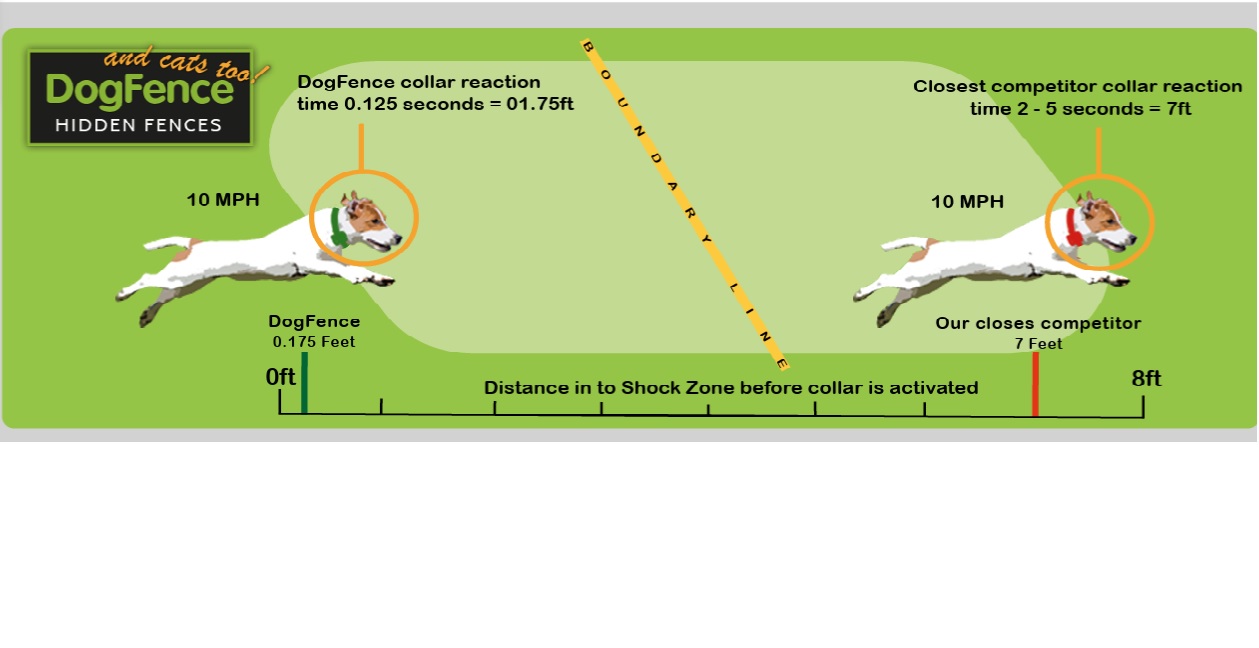
Furthermore, our fence system is designed to be quicker than the dog. When considering dog fencing for active breeds owners need to understand about collar reaction times. Our technology is up to 10 times faster than many other electronic dog fences on the market, especially slower GPS and wireless systems. This speed is critical because a fast, determined dog can often outrun and “break through” a slower system before the correction is properly delivered. With DogFence UK, your dog cannot outrun our system.

There’s also the crucial “flip side”: the dog needs to be correctly rewarded for doing the “right thing.” Our system features an incredibly fast shut-down time – less than a second – once the dog stops and retreats from the boundary. This immediate cessation of the correction is vital for positive reinforcement. In contrast, many DIY, GPS, and wireless systems have a significant “response hang-on time” of 2–5 seconds, meaning the collar is still correcting even though the dog has already retreated, making a difference of 7 – 10ft. This can cause confusion and undermine the training. Our rapid shut-down ensures your dog quickly learns that retreating makes the stimulus stop, reinforcing the correct behaviour instantly.

“Faster collar reaction time helps prevent escape — DogFence UK system vs slower competitor electronic dog fences.”

“Faster collar reaction time helps prevent escape — DogFence UK system vs slower competitor electronic dog fences.”

Our systems are trusted thanks to:

  • Strong, consistent signal
  • Durable heavy-grade wire
  • Robust and durable receiver collars – warranted against dog chews
  • Industry-leading battery life – because when the battery runs out, guess who else runs out?
  • Collar options designed for both large and small high-energy breeds

Compare our electronic dog fence systems

Success Stories: Dog Fencing for Active Breeds Thriving with DogFence

Many owners of high-energy breeds report excellent success with our systems. An electronic dog fence provides a safe environment where these dogs can burn off steam, explore their garden freely, and remain safely contained – with no risk of digging under or jumping over a physical fence.

You’ll find many happy owners of:

  • Border Collies
  • Spaniels
  • Labradors
  • Pointers
  • Salukis
  • Border Terriers
  • Cockapoos

But don’t just take our word for it.

Here’s what some of our customers, facing unique challenges with their active breeds, have to say:

“Exceptional Containment in a Challenging Rural Environment!”

“I bought this dog fence for my Whippet x Saluki because I moved to a rural area on the Orkney Islands and my house is surrounded by sheep and cows. My neighbour has over 200 chickens which are free to roam in his garden, but I was worried the fence system would not be as good as it is. Although my dog has a sweet nature when it comes to other animals if it moves she thinks it is her right to hunt it, and being a whippet she is extremely fast. Installing the fence was easy to do, and the dog trained in a week. The dog has not been able to get out of our land which is 1 acre. I cannot recommend this system highly enough; the dog can run freely on our land and the animals in the neighbouring fields are safe. I would be only too happy to talk to anyone who is thinking of buying a dog fence but may be wary that it might not work as well as it does. Also when I have rung you to talk about something, I get through to a real person, not an option menu, which is a nice change. 10 out of 10 for the product and service.”

Neil Hannant – Orkney Islands

“Complete Peace of Mind with My Working Cocker!”

“I had a DogFence containment fence installed back in March of this year and have waited until now to see how effective it was. Now I write to express my complete satisfaction with the system. Quickly and efficiently installed around an acre of ground and the dogs trained so effectively that they refused for a couple of days to go into the garden but eventually they carefully ventured out and after a few days were content to stay well inside the fence. I thought we may have a problem with the dogs chasing the deer that come into the garden, however, they have respected the fence and are content to stay within the boundary. With a working cocker, that is saying something! And it gives me complete peace of mind. My thanks to you all for a friendly, efficient, and economical service.”
David Holt – Southampton

See more customer testimonials

Is an Electronic Fence Right for Your High-Energy Dog?

If you’re the proud owner of a lively, energetic breed and you’re struggling with traditional fencing, we can help.

At DogFence UK, we have more than 22 years’ experience successfully training and containing all types of dogs – including the most athletic and determined escape artists.

Our expert team will guide you in choosing the right system, professionally install it for maximum safety, and provide full training for you and your dog.

Get in touch today to find out how we can help!

Call us on 01628 476475
WhatsApp us on 07917 034256
Email us: info@dogfence.co.uk
Request a personalised quote online

Ready to Give Your Dog More Freedom?

Whether you’re dealing with a determined Border Collie, a clever Jack Russell or an energetic Labrador, an electronic dog fence could be the perfect solution.

Call 01628 476475 now
Or message us on WhatsApp – we’ll be happy to advise.


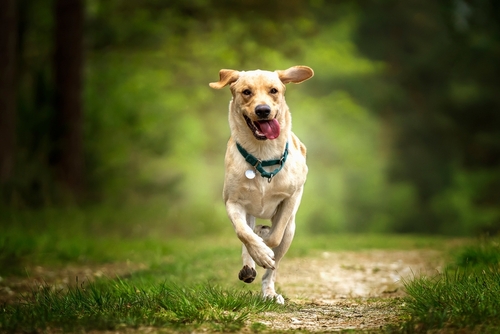
How to stop my dog running away - max the lab running off

/how-to-stop-my-dog-running-away-a-complete-guide/

How Do I Stop My Dog Running Away?

Quick Answer: How to Stop a Dog Escaping From the Garden

To stop a dog escaping from the garden:

  • Identify what is triggering the escape (prey drive, boredom, fear, or mating behaviour)
  • Secure weak fencing, panels, gates, and gaps
  • Reinforce the base of fences to prevent digging
  • Remove climb aids such as bins or garden furniture near boundaries
  • Increase daily exercise and mental stimulation
  • Train reliable recall and boundary awareness
  • Install a defined containment system for open or rural properties

Stopping escape behaviour requires both training and a physically secure boundary. Addressing only one side of the problem rarely works long term.

To stop your dog escaping from the garden, you need two things working together: a secure boundary and training that reduces the urge to roam. Start by fixing weak points in fencing and gates, then identify what’s driving the escape (prey drive, boredom, fear, or mating instincts), and strengthen recall and calm outdoor habits.

If you’re not sure what’s triggering your dog’s escape behaviour, read our guide on Why Dogs Escape Gardens to pinpoint the cause before you choose a solution.

Below are the most common causes we see across UK households — especially in rural and semi-rural homes

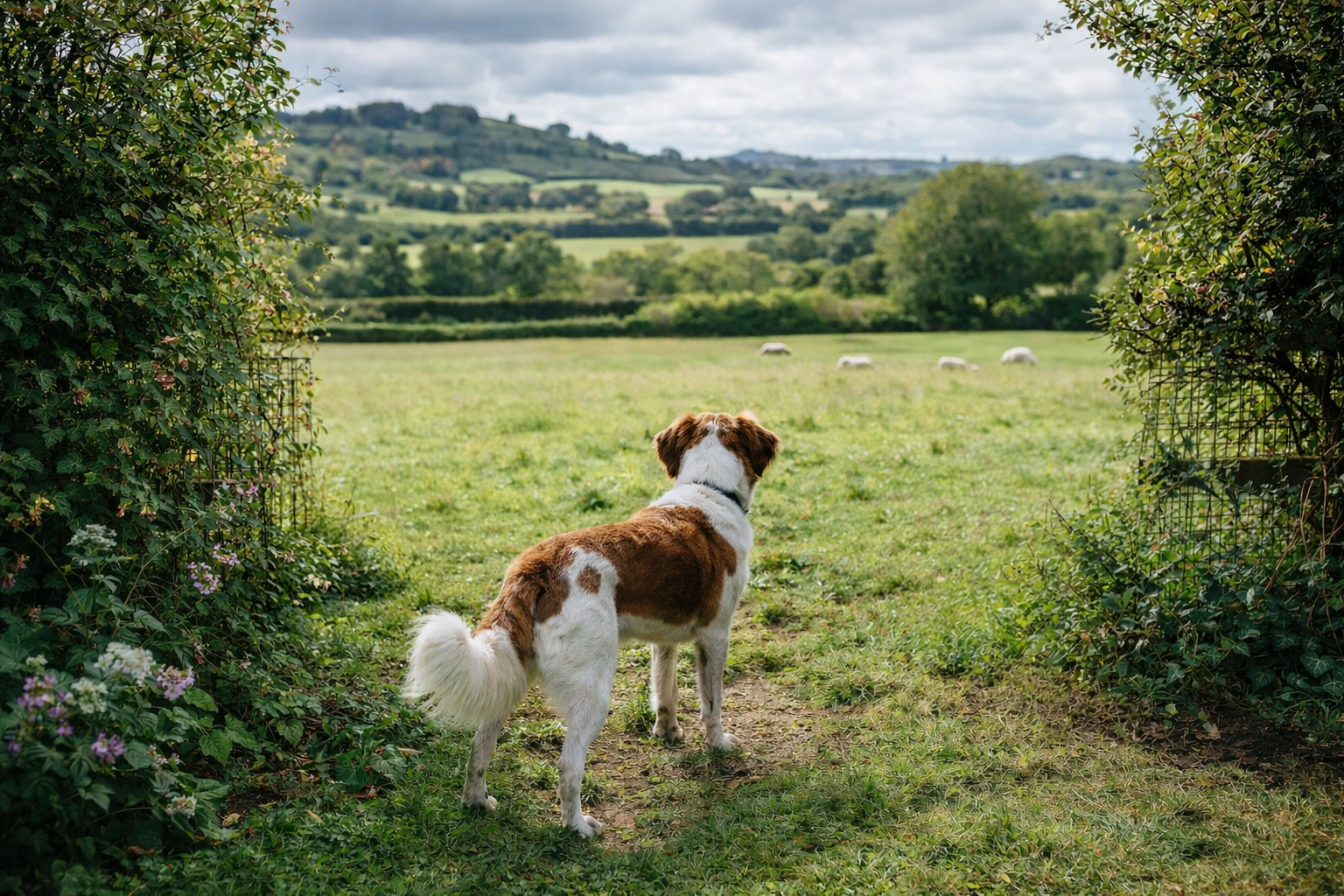
Dog standing at open garden boundary looking out over rural countryside in the UK


Why Dogs Run Away: The Most Common Causes

Curiosity, Scents & Prey Drive

A dog’s nose is thousands of times more powerful than ours. A single scent trail — fox, deer, rabbit, livestock, or even another dog — can override training in seconds.

In rural gardens, open countryside, or properties backing onto fields, scent and movement are powerful triggers. High prey-drive breeds (like terriers, spaniels and working breeds) are especially prone to chasing behaviour once they catch an interesting smell.

If your dog is escaping to “follow something,” physical security becomes just as important as training.

If your dog is driven by scent or wildlife, you can find practical advice in our guide on how to dog proof your garden.

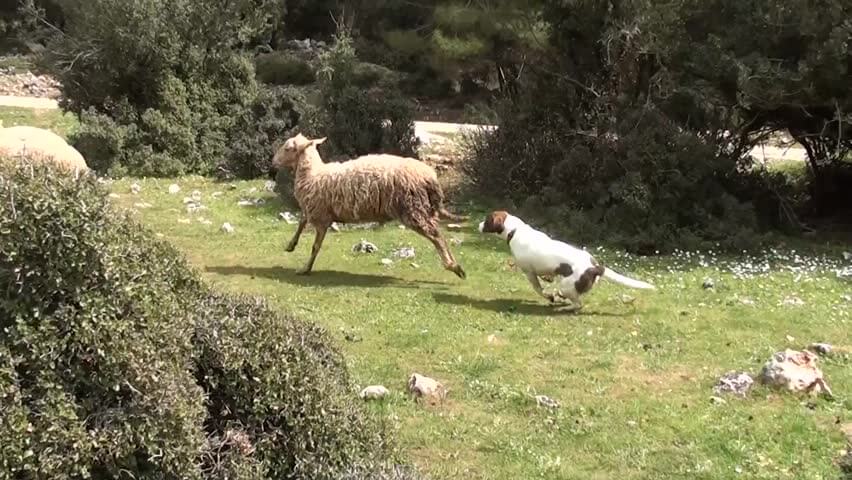
Dog chasing sheep across rural field illustrating livestock risk


Fear, Anxiety & Sudden Loud Noises

Not all escapes are about excitement. Some are about panic.

Fireworks, gunshots, thunderstorms, construction noise or even unfamiliar visitors can trigger a flight response. When a dog feels unsafe, they look for an exit — and if they find one, they may bolt.

This is particularly common around Bonfire Night and New Year in the UK. Dogs that are normally settled may suddenly attempt to climb, dig, or force their way through fencing when frightened.

An anxious escape often looks frantic rather than calculated.


Boredom & Lack of Mental Stimulation

Dogs that are under-exercised or mentally unstimulated will often create their own entertainment.

If your dog spends long periods alone in the garden without enrichment, they may start exploring weaknesses in fencing, digging under boundaries, or jumping up at panels simply out of frustration.

Intelligent breeds and younger dogs are especially prone to this behaviour. For them, escape is not rebellion — it’s stimulation.

If your dog is testing boundaries by jumping or climbing, you may need to reassess your fencing height. Our guide on how high a fence should be for a dog explains what works for different breeds.


Roaming Instincts & Mating Drives

Unneutered dogs are naturally motivated to roam, particularly when a female dog nearby is in season. The scent can travel surprising distances, and even well-trained dogs may attempt to escape to investigate. For seasonal escape behaviour, see our advice on how to stop a dog escaping when in season.

This behaviour tends to be persistent and determined rather than impulsive.

If your dog escapes repeatedly at certain times of year, hormonal influence may be playing a role.


How to Stop a Dog Escaping From the Garden

Why Preventing Escape Is So Important

A dog running away isn’t just frustrating — it can be life-threatening.

Loose dogs risk traffic accidents, livestock incidents, injury, or becoming lost. In rural areas, a single escape can have devastating consequences. Even normally calm dogs can bolt if something outside the boundary becomes more compelling than staying inside.

Under UK law, owners are responsible for keeping their dogs under control in public spaces, and failure to do so can result in prosecution and significant fines.

But beyond legal responsibility, preventing escape is about peace of mind.

If you want to understand why dogs suddenly dig, climb, squeeze through gaps, or jump surprisingly high, read our detailed guide on Why Dogs Escape Gardens (And How to Stop a Dog Running Away).

Keeping your dog safe while allowing freedom in your own garden is responsible ownership — not restriction. It’s about creating a secure boundary that gives your dog clarity and confidence.


Why This Works


Quick Checklist: How to Stop a Dog Running Away

These steps explain how to stop a dog running away safely and effectively in most UK homes.

  • Identify the trigger behind the escape behaviour
  • Secure weak fencing or gate points
  • Increase exercise and mental stimulation
  • Train consistent recall
  • Remove climb aids and digging opportunities
  • Consider professional containment for complex properties

Stopping escape behaviour requires both training and secure boundaries.


Real-Life Example: Max’s Story

Max, a lively Labrador from Hampshire, developed a habit of escaping from his garden. His owners repeatedly blocked holes and reinforced panels, but he always found another way out.

Food was his motivation. Max had discovered the local pub garden — and the generous snacks that came with it.

One day, during one of his usual excursions, he ran into a busy road and narrowly avoided being hit by a car. He was picked up and taken to a local vet. His owner later said, “I thought I’d never see him again.”

Although they had previously known where Max was heading, that close call changed everything.

After researching containment options, they installed a professionally designed electronic dog fence. Max was trained to understand his boundary, and the escape behaviour stopped.

An unexpected bonus? Without access to leftover chips and pub treats, Max lost 3kg and is healthier than ever.

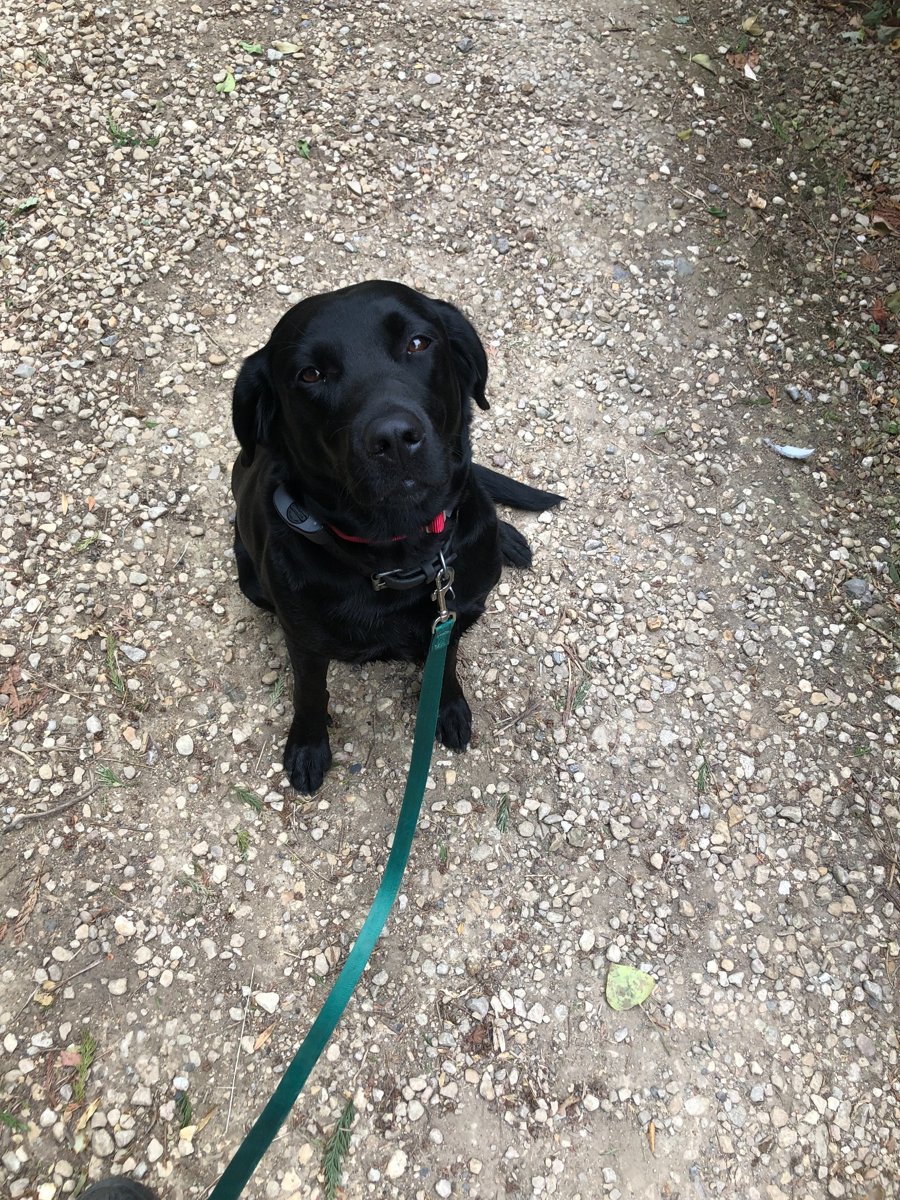
Black Labrador sitting safely inside secure garden boundary


How to Stop a Dog Running Away: Practical Step-by-Step Solutions

Preventing escape requires a combination of management, training, and — in some cases — physical containment.

Here are the most effective approaches.


1. Provide Adequate Exercise & Mental Stimulation

Many escape attempts are driven by boredom or excess energy.

Daily walks, structured play, scent work, puzzle feeders, and social interaction can dramatically reduce the desire to roam. A mentally fulfilled dog is far less likely to test boundaries.


2. Secure Your Garden Properly

Check your perimeter carefully:

  • Inspect fencing for gaps, loose panels, or weak points.
  • Reinforce the base of fencing if your dog is prone to digging.
  • Ensure gates close securely — self-closing hinges can help.

If your dog is digging along fence lines or finding weak spots, you may find our guide on fencing for dogs that dig or escape helpful

For more guidance, see our article on how to dog proof your garden.

Dog fence boundary with training flags installed in UK garden

Nothing to see here! A fine example of the best dog fence designs in a countryside setting.


3. Train a Reliable Recall

Recall training is essential — even if you have secure fencing.

  • Start indoors or in low-distraction environments.
  • Reward heavily for returning.
  • Never punish delayed responses.
  • Gradually increase difficulty.

A solid recall won’t replace containment, but it adds an important safety layer.


4. Identify & Manage Triggers

Does your dog escape during fireworks? When wildlife passes? When left alone?

  • Noise-sensitive dogs may benefit from desensitisation training.
  • Dogs with separation anxiety may need structured independence training.
  • In some cases, working with a qualified behaviourist is invaluable.


5. Consider Neutering (Where Appropriate)

Unneutered dogs are often more motivated to roam, particularly during mating seasons. While neutering is not a universal solution, it can significantly reduce hormone-driven escape attempts.


6. Install a Containment System for Open or Rural Properties

For larger gardens, rural homes, or properties with driveways and open access points, traditional fencing may not be practical or sufficient.

A professionally installed electronic dog fence system can provide consistent, reliable containment without altering the appearance of your garden:

  • Works across varied terrain
  • Can secure driveways and open boundaries
  • Is tailored to your dog’s temperament
  • Provides consistent boundary clarity

When professionally installed and paired with structured training, modern electronic containment systems provide predictable, consistent boundary clarity that most dogs quickly understand.

If you’d like to understand more about how these systems work, read our guide on Are Invisible Dog Fences Safe?

If your dog’s escape behaviour is persistent or seasonal, understanding the underlying motivation is critical.

Electronic dog fence system installed on rural UK property


Frequently Asked Questions

How long does it take for a dog to learn their boundary?

Most dogs understand their new boundary within one week of consistent training. Clear markers and repetition are key.


What happens if a dog crosses the boundary?

Modern systems provide a warning tone before any correction. Proper training ensures most dogs respond to the tone alone and do not test the boundary again.


Will an electronic fence hurt my dog?

When professionally set up and correctly used, systems use controlled, adjustable correction levels suited to your dog’s size and temperament. The aim is communication — not punishment.


Is the system portable if I move?

Yes. Systems can be reinstalled and adjusted for a new property.


Can I install it myself?

Some homeowners choose DIY installation packages. Professional installation ensures optimal placement and tailored training support.


Does it work for cats?

Yes — electronic containment systems can also be used safely and effectively for cats when fitted with the appropriate lightweight receiver collar and supported by structured training.

If you’re specifically looking to protect your cat from roaming or road risks, you can learn more about our CatFence containment systems and how they work.


What Our Customers Say

“This company are top rank… The installer trained our dog beautifully and we’ve never had another escape. Superlatives fail me.”

— Edward T., Cornwall


Conclusion: Prevention Is Better Than Panic

Learning how to stop a dog running away isn’t about restriction — it’s about safety, clarity, and responsible ownership.

By understanding your dog’s motivation, strengthening your boundaries, and using the right tools for your property, you can give your dog freedom without fear.

If you’d like tailored advice for your property and your pet, speak to our team for a no-obligation free quote or tailored advice.

Worried About Your Dog Running Away?

Get expert advice on securing your garden and preventing escape — tailored to your dog and your property.

Call us on
01628 476475
|
Message us on WhatsApp
|
Request a Free Quote Online

Related Guides on Preventing Dog Escape

Different dogs escape in different ways. Explore these in-depth guides for specific situations:


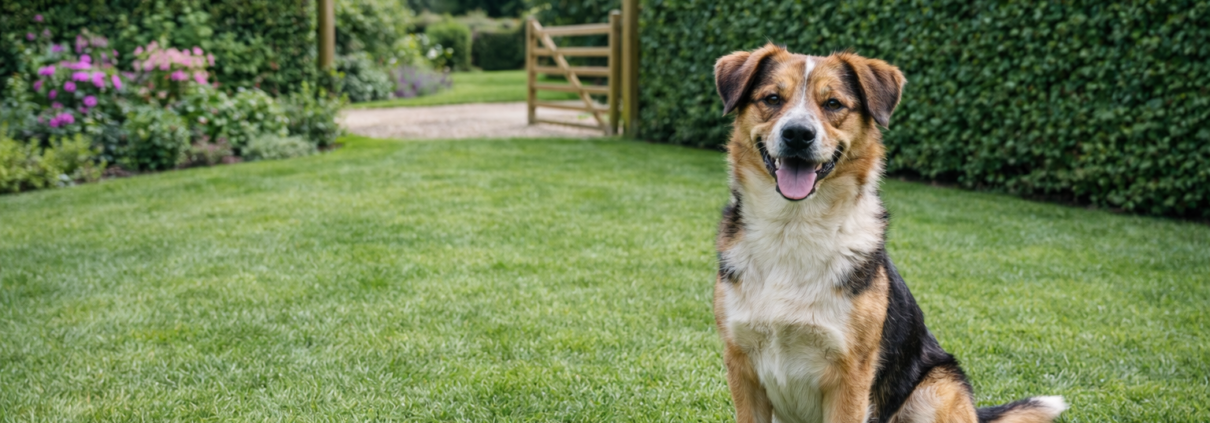
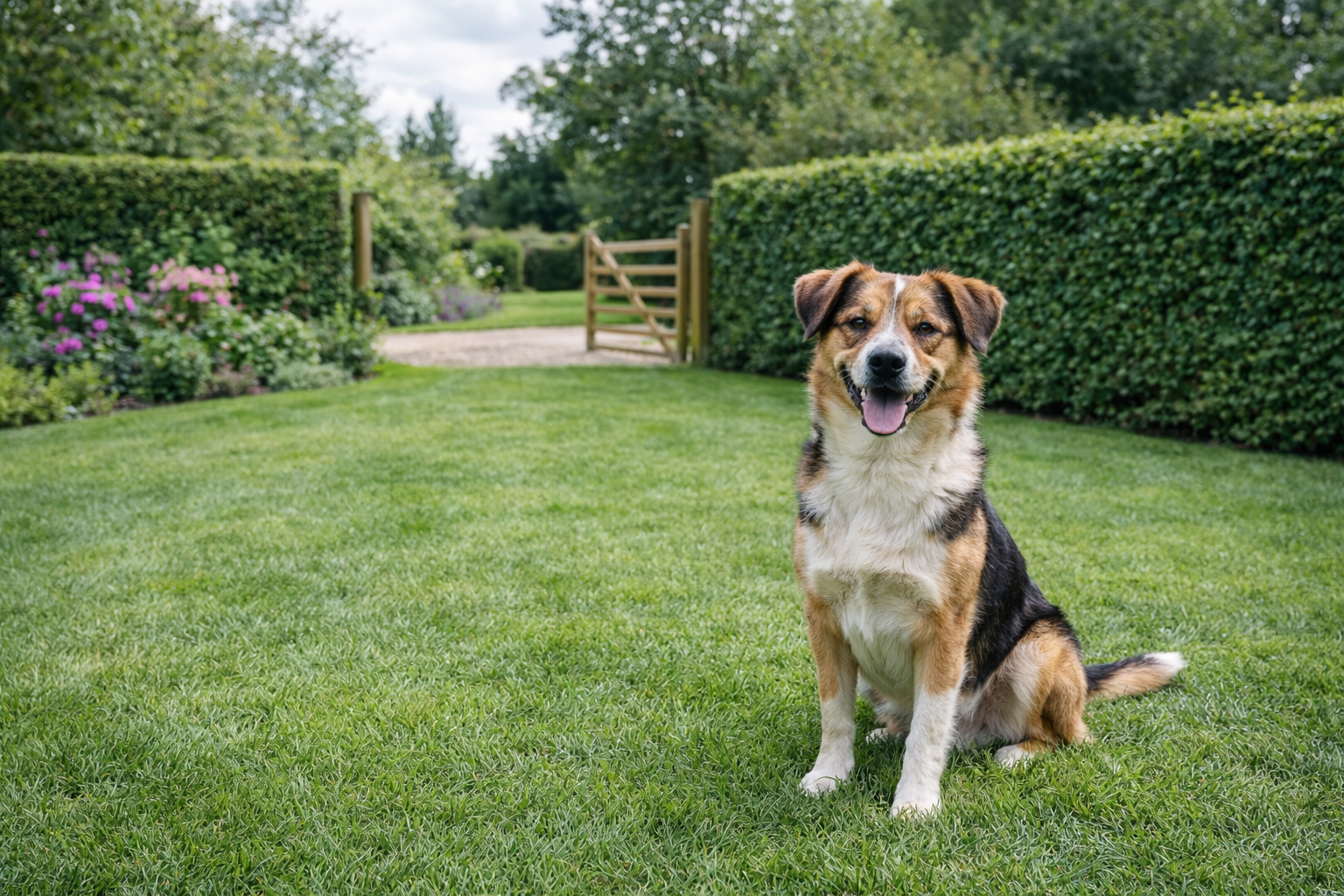
Dog sitting safely inside hedge boundary in English garden demonstrating dog proof garden setup

How to Dog Proof Your Garden Properly (UK Guide)

How to Dog Proof Your Garden

Top Tips for a Safe & Secure Outdoor Space

How to dog proof your garden properly starts with identifying risks — from escape points to toxic plants and boredom-related damage.

As dog owners, we all want our pets to enjoy outdoor freedom safely. But without the right precautions, gardens can quickly become areas of risk — whether that’s escaping, digging, chewing plants, or damaging borders.

In this guide, we’ll explore practical ways to dog proof your garden while keeping it attractive and functional.

If your dog is actively trying to escape, you may also want to read our complete guide on why dogs escape and how to stop them for good.

Dog sitting safely inside hedge boundary in English garden demonstrating dog proof garden setup


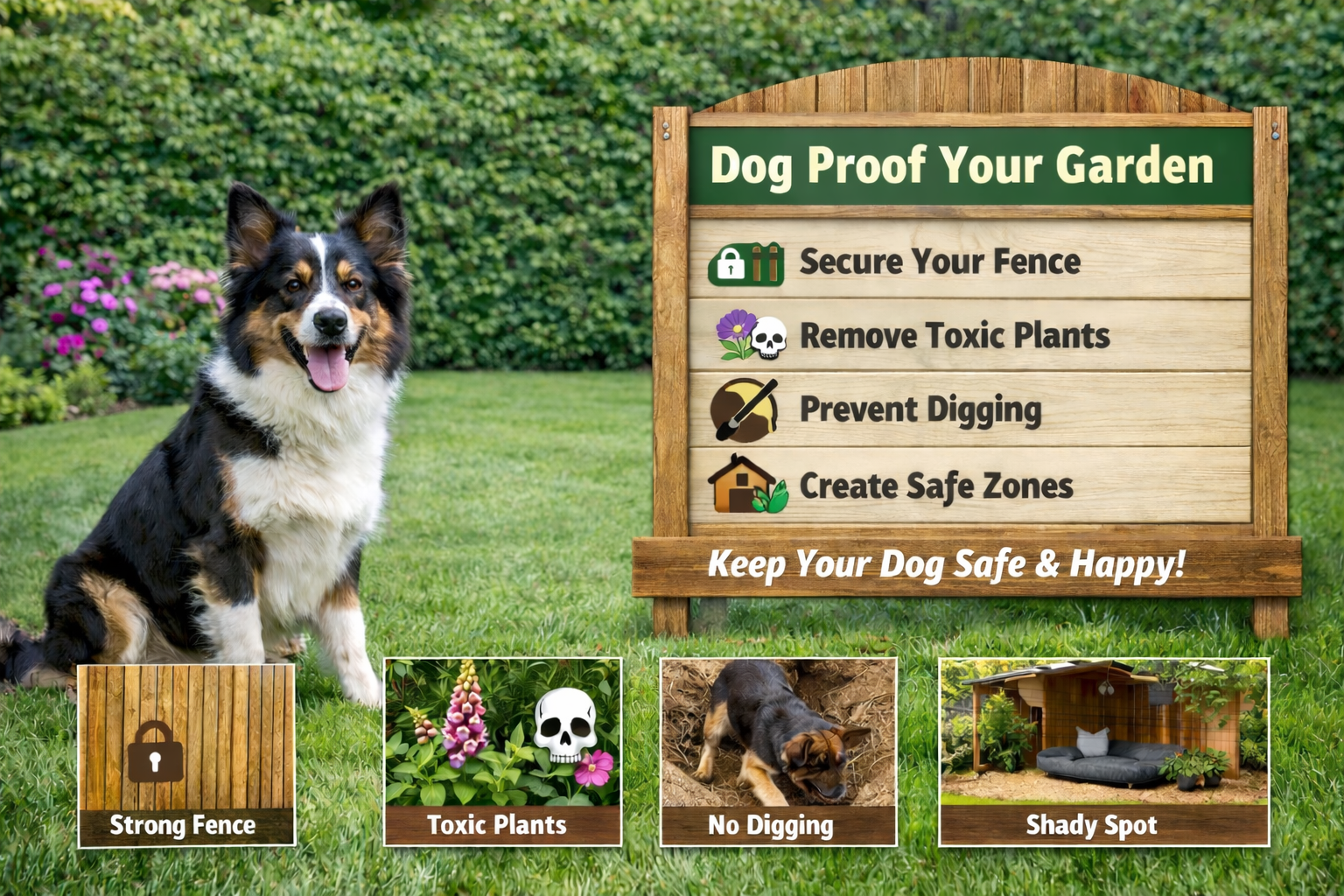
1. Secure Your Garden Boundaries

The first step to dog proof your garden is ensuring your boundaries are secure.

Check for:

  • Loose fence panels
  • Gaps between posts
  • Weak gate hinges
  • Gaps under fencing
  • Open driveways

For most medium to large breeds, fencing should be at least 6ft high.

If your dog is digging under fencing, see our guide on how to stop dog digging under fence

If you live in the countryside with livestock nearby, you may find our rural-specific guide on how to dog proof a rural garden in the UK more relevant.

checklist sign showing ways to dog proof your garden including fencing plant safety and digging prevention


2. Prevent Digging & Garden Damage

Dogs dig for many reasons:

  • Boredom
  • Cooling down
  • Hunting
  • Attempting to escape

To reduce digging:

  • Increase daily exercise
  • Provide enrichment toys
  • Create shaded rest areas
  • Reinforce fence bases if necessary

Understanding why your dog digs is key to solving it long term.


3. Remove Hazardous Plants & Chemicals

To properly dog proof your garden, consider plant safety.

Common toxic garden plants include:

  • Foxglove
  • Yew
  • Azaleas
  • Rhododendrons
  • Daffodil bulbs

Fertilisers, slug pellets and weed killers also pose risks.

For official guidance on toxic plants for pets, the PDSA provides helpful information here:
https://www.pdsa.org.uk/pet-help-and-advice/looking-after-your-pet/poisoning/toxic-plants


4. Create Safe Zones for Play & Rest

A well-designed garden reduces destructive behaviour.

Consider:

  • Shaded areas
  • Water access
  • Defined pathways
  • Designated digging areas
  • Clear boundaries

A mentally stimulated dog is far less likely to test fencing or destroy borders.


5. Consider Containment for Extra Peace of Mind

For properties with open driveways or boundary concerns, additional containment may be worth considering.

A professionally installed electronic dog fence system can create a defined perimeter without altering your garden’s appearance.

Learn more in our guide on how electronic dog fences work.


Final Thoughts: Creating a Dog Safe Garden

To dog proof your garden effectively, combine:

  • Secure boundaries
  • Behaviour understanding
  • Plant safety
  • Enrichment

At DogFence, we’ve helped thousands of UK pet owners create safer outdoor spaces for their dogs and cats.

If you’d like tailored advice for your property, contact our team for a free, no-obligation consultation.

Ready to Dog Proof Your Garden Properly?

If you’re looking to dog proof your garden and prevent escape, digging or boundary problems, we can help you create a safe, secure outdoor space tailored to your property.

Call us on
01628 476475
|
Message us on WhatsApp
|
Request a Free Quote Online