Tag Archive for: dog fence installation

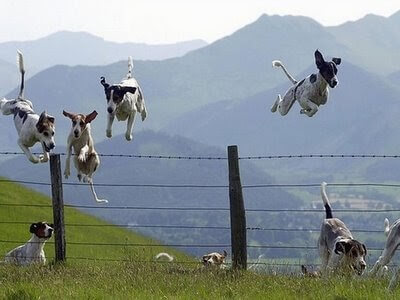
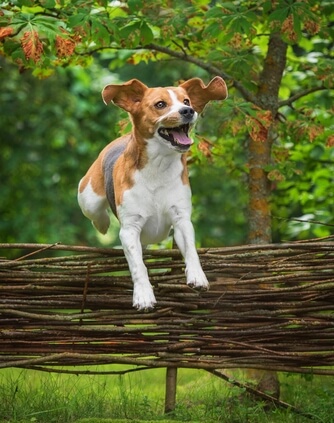
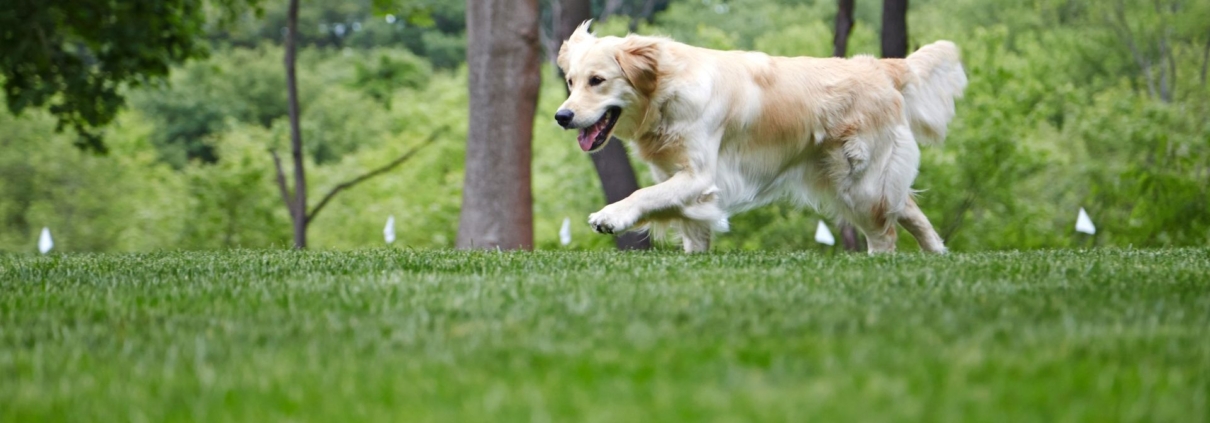
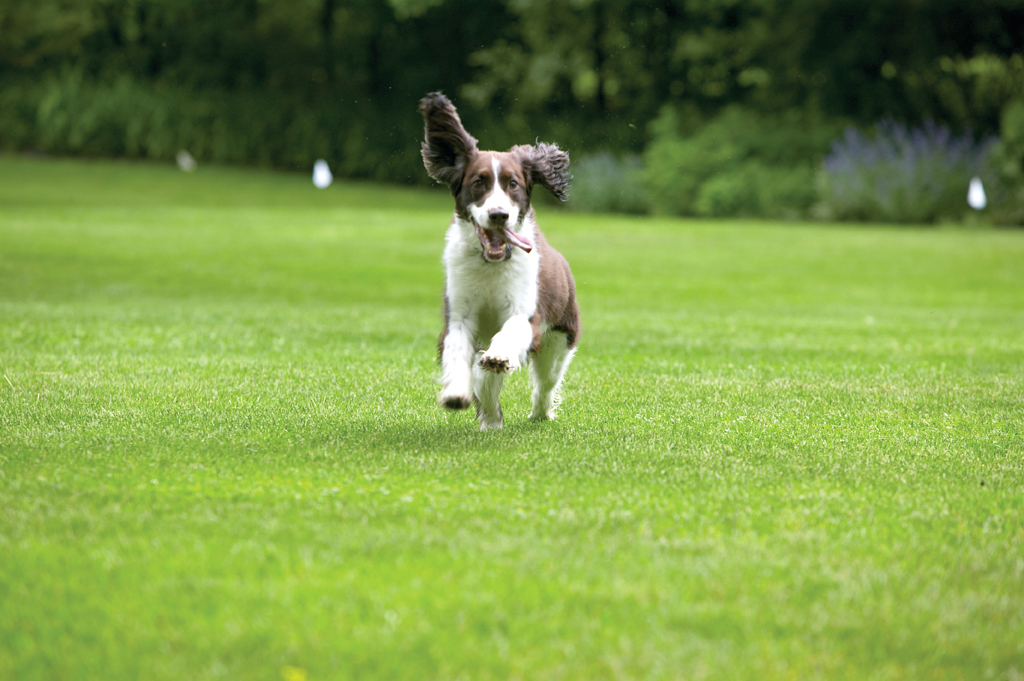
Dog running freely inside a wired or wireless dog fence boundary

Can I Self-Install a Wireless or Wired Dog Fence? | DogFence

Can I Self-Install a Wireless or Wired Dog Fence??

Yes, you can self-install both wired and wireless dog fences, but the installation process and the type of boundary they create are very different. A self-install wired dog fence uses a boundary wire that can be positioned to follow the shape of your garden, while a wireless dog fence generally creates a boundary using a central transmitter or, in the case of GPS systems, satellite positioning.

Choosing between a self-install wired dog fence, wireless dog fence or GPS dog fence depends on your garden layout, the size of the area you want to contain and, importantly, your dog. A system that is quick and easy to install is not necessarily the system that will provide the most suitable or reliable boundary for your property.

At DogFence, we have specialised in pet containment since 2003 and offer both self-install dog fence systems and professional installation with dog training. In this guide, we compare wired, wireless and GPS options, explain what is involved in installing them yourself, and help you understand which type of dog fence may be most suitable for your dog and garden.

Can I install a dog fence myself?

Yes. A wired electronic dog fence can be self-installed if you are comfortable planning the boundary, positioning the transmitter, laying the boundary wire, testing the system and following a structured dog training programme.

A typical DIY dog fence installation involves:

  • planning the safe area and boundary layout;
  • choosing a suitable position for the transmitter;
  • laying or burying the boundary wire around the property;
  • crossing driveways, paths or gateways where necessary;
  • creating any required exclusion or no-go zones;
  • connecting and testing the system;
  • setting up and correctly fitting the receiver collar;
  • placing temporary training flags along the boundary; and
  • training your dog to understand and respect the new boundary.

The physical installation is only part of the process. Training is fundamental to successful dog containment.

If you are considering doing the installation yourself, read our self-installing dog fence guide before you begin.

How does a DIY dog fence work?

With a wired hidden dog fence, a discreet boundary wire is installed around the area where your dog is allowed to roam. The wire carries a coded radio signal from a transmitter.

Your dog wears a lightweight receiver collar. As your dog approaches the boundary, the collar gives an audible warning. During training, your dog learns that the warning means they should turn back towards their safe area.

If you are new to electronic pet containment, our How the DogFence Works guide explains the boundary wire, receiver collar, warning zone and training process in more detail.

Watch: How does a DogFence work?

Before deciding between a self-install dog fence and professional installation, it helps to understand exactly how the system creates a safe boundary.

VIDEO: How the DogFence Works

Is a wireless dog fence easier to install yourself?

Usually, yes. A traditional wireless dog fence generally requires less physical installation because there is no boundary wire to lay. A transmitter creates a signal around a central point, which can make setup relatively quick.

However, easier installation does not automatically mean a wireless dog fence is the best solution for your property.

Wireless systems generally create a predetermined or circular containment area. That may work for some simple, open properties but can be restrictive where a garden is irregularly shaped or contains buildings, driveways, ponds, landscaping or areas your dog needs to avoid.

A wired dog fence allows the boundary to follow the actual shape of the property and can also create internal exclusion zones.

For a detailed comparison, read GPS & Wireless Dog Fences vs Hidden Fences and our article Wireless Dog Fence – The Truth: Do They Work?.

DIY wired dog fence vs wireless dog fence installation

The main difference is control over the boundary.
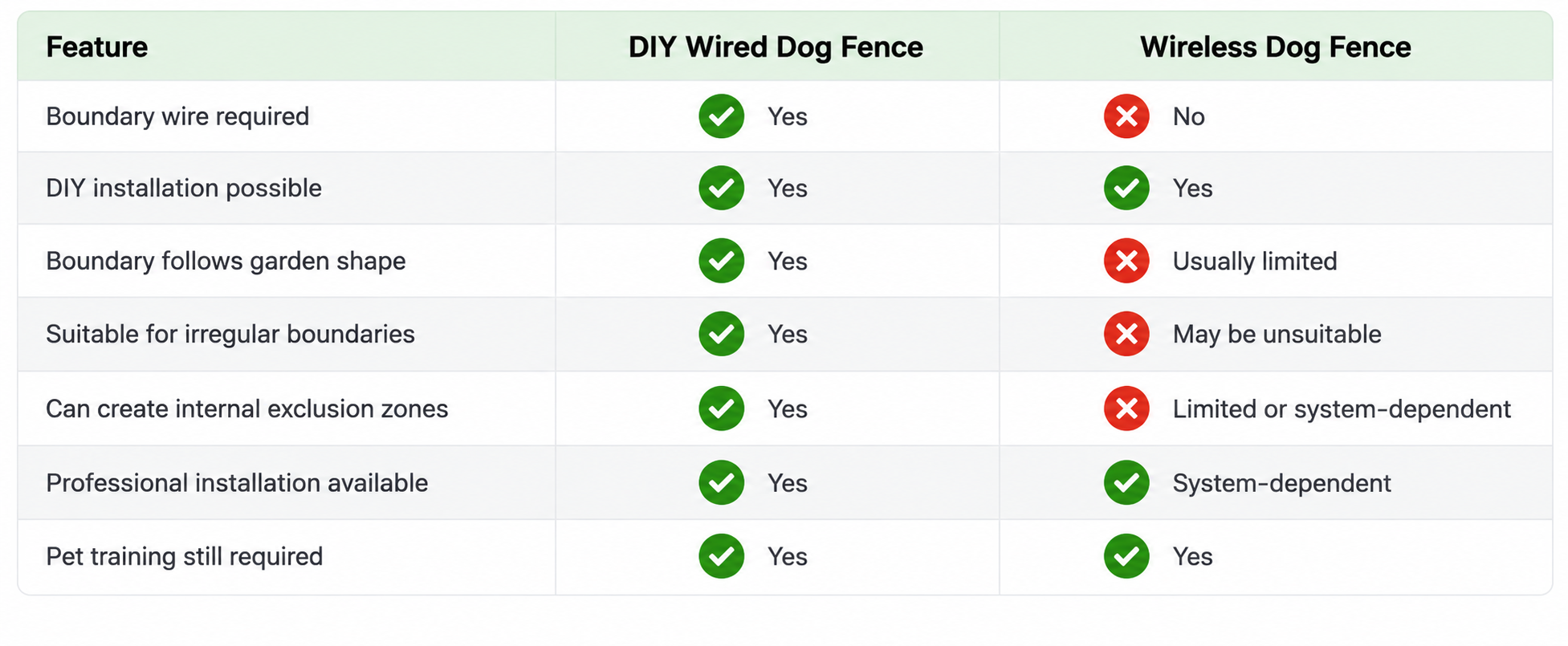
DIY wired dog fence vs wireless dog fence comparison showing installation and boundary features

This is why choosing a dog fence based purely on which one is easiest to install can be a mistake. The priority should be creating a consistent, appropriate boundary for your dog and property.

What are the advantages of a self-install dog fence?

For the right owner and property, a self-install dog fence has several advantages:

  • Lower installation cost: you provide the labour yourself.
  • Flexibility: you can carry out the work at a time that suits you.
  • Good for straightforward layouts: a simple garden can make DIY installation relatively manageable.
  • You know where the wire is: because you planned and installed the boundary yourself.

For a practical owner who is prepared to follow the installation and training instructions carefully, DIY dog fence installation can therefore be a perfectly viable option.

When is professional dog fence installation worth it?

Professional dog fence installation is particularly useful when the property or the dog’s requirements make the job more complicated.

You may prefer professional installation if:

  • you have a large or unusually shaped garden;
  • the boundary crosses several driveways or hard surfaces;
  • you need multiple exclusion zones;
  • your property includes woodland, slopes or difficult terrain;
  • you have several dogs;
  • your dog is an experienced escape artist;
  • you are unsure about choosing or fitting the correct receiver collar;
  • you don’t want to install and troubleshoot the boundary yourself; or
  • you would prefer an experienced trainer to introduce your dog to the system.

With a professionally installed DogFence system, the boundary is designed around the individual property, the equipment is installed and tested, and your dog’s initial training is carried out with you.
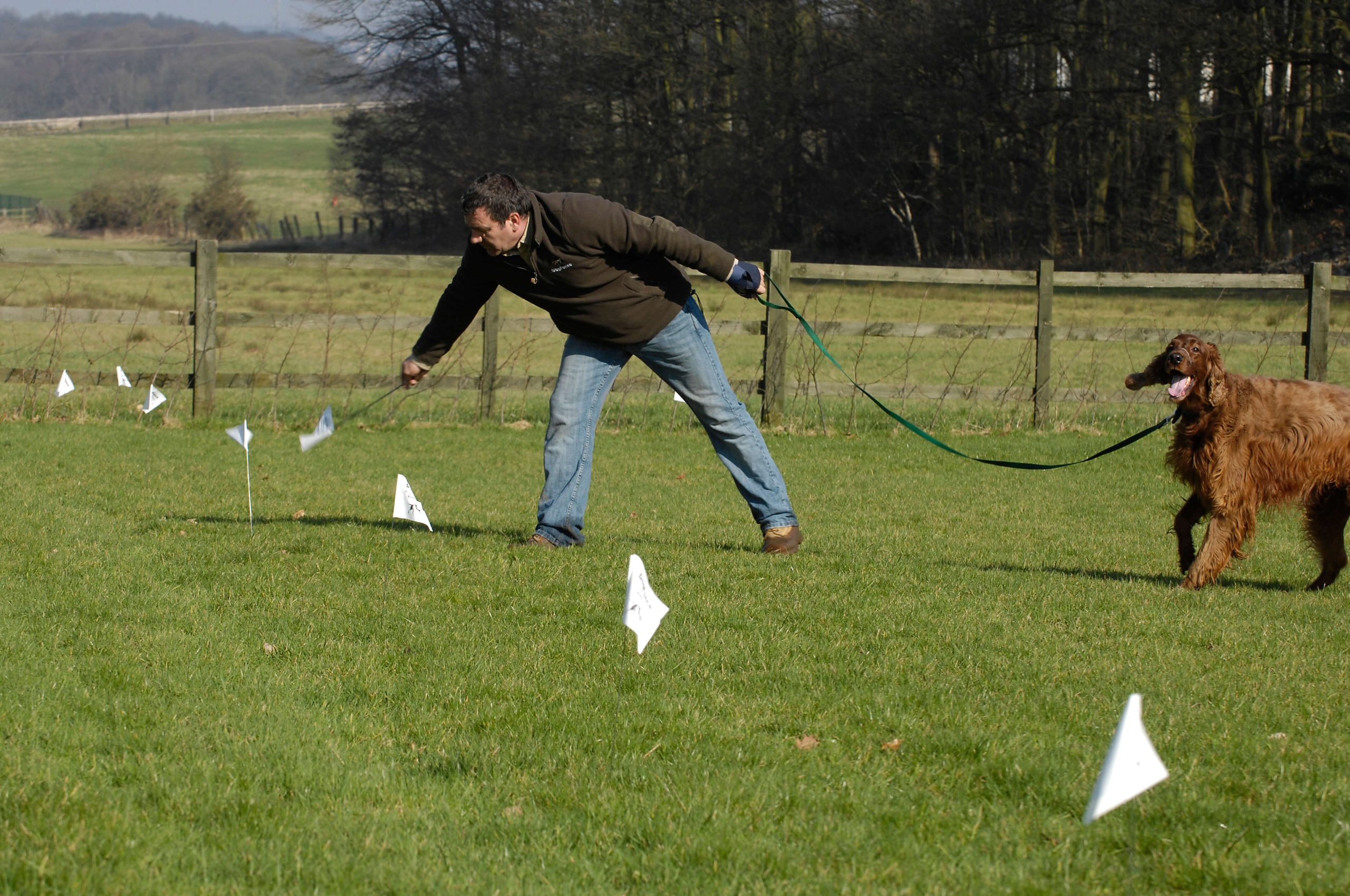
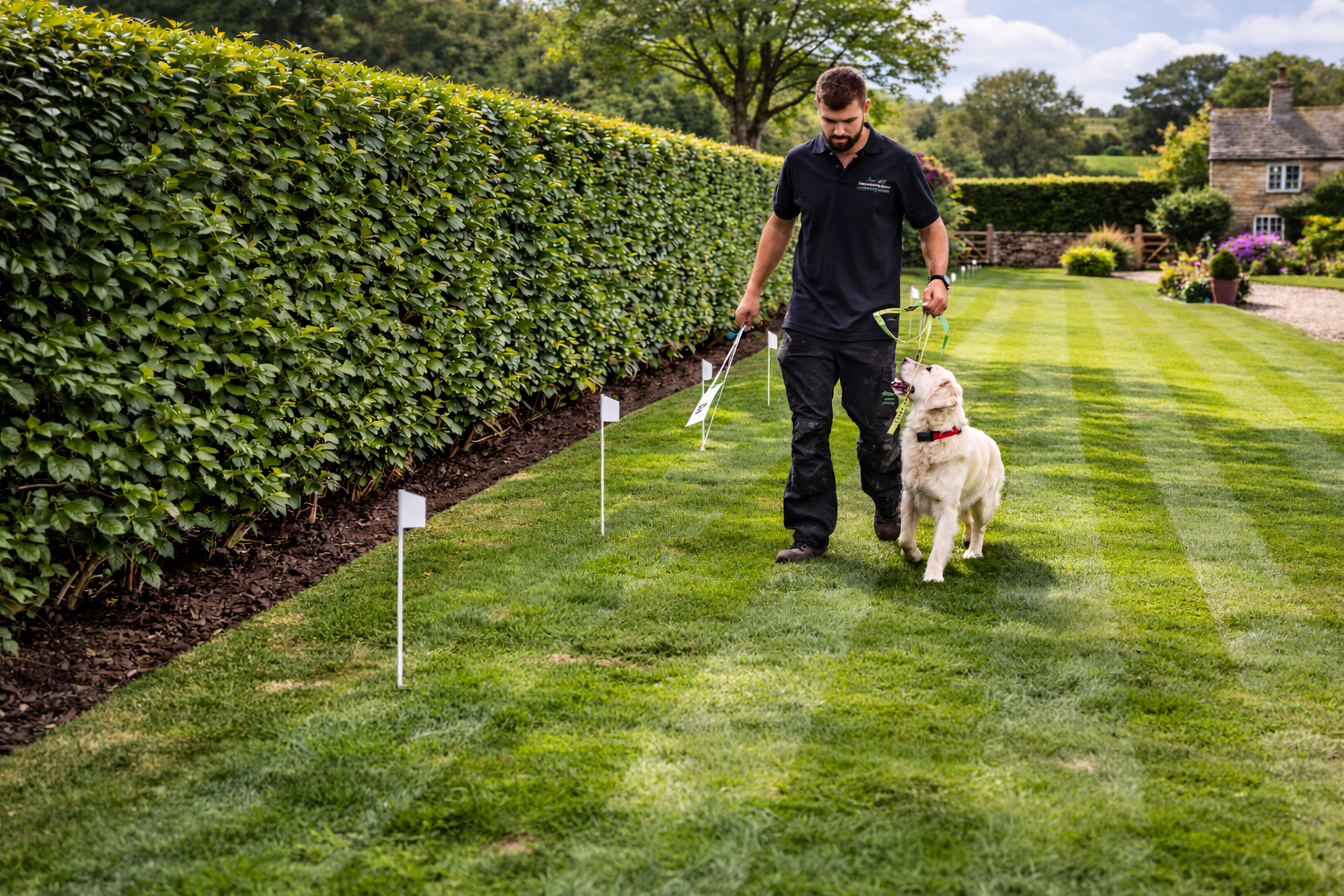
Professional dog fence training with dog learning the flagged boundary

Professional dog fence training helps your dog learn to recognise the warning tone and retreat safely from the flagged boundary.

Is professional training important with a hidden dog fence?

Training is one of the most important parts of any electronic dog fence, whether the system has been professionally installed or fitted by the owner.

A dog does not automatically understand an invisible boundary. Temporary training flags make the boundary visible while the dog learns to associate the location with the audible warning from the receiver collar.

Training should be gradual, consistent and appropriate for the individual dog. The objective is for the dog to hear the warning and confidently retreat back into the safe area.

Our professional installations include personalised pet training. You can read more about the process in our professional hidden fence training guide and our guide to training your dog to an electronic fence.

Can I install the fence myself and still train my dog myself?

Yes. Owners choosing a suitable self-install system can carry out both the installation and training themselves, provided they follow the manufacturer’s instructions and do not rush the training process.

Consistency matters more than speed. Short, calm training sessions allow your dog to understand where the boundary is and what the warning tone means.

If your dog appears confused, anxious or is repeatedly challenging the boundary, stop and seek advice rather than simply increasing the collar setting.

How difficult is underground dog fence installation?

The difficulty of underground dog fence installation depends heavily on the property.

A relatively small lawn with soft ground and a straightforward perimeter can be considerably easier to self-install than a large rural property with long driveways, walls, gates, woodland and multiple areas that need protecting.

The boundary wire does not necessarily need to be deeply buried. Its purpose is to carry the radio signal and define the boundary, so installation should follow the requirements of the particular system and the conditions of the property.

Planning the route correctly before starting is important. A poorly planned boundary can create unnecessary installation work and may not provide the containment area you actually need.

Should I choose DIY or professional dog fence installation?

There isn’t one answer that is right for every owner.

DIY dog fence installation may suit you if your property is reasonably straightforward, you are comfortable carrying out the installation and you have the time and confidence to train your dog correctly.

Professional dog fence installation may be preferable if your property is large or complicated, your dog has challenging escape behaviour, or you simply want the reassurance of having the system designed, installed, tested and introduced to your dog by an experienced specialist.

Most importantly, don’t choose solely on the basis of installation convenience. The best dog fence is the one that provides a reliable boundary appropriate for your particular dog and your particular garden.
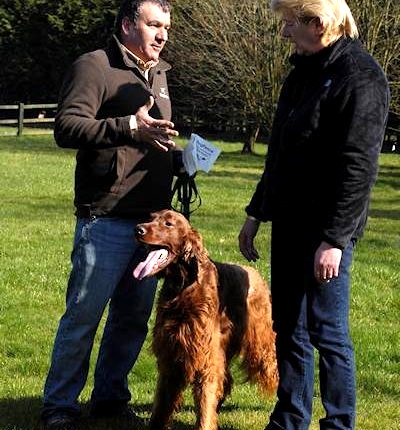
Installer giving dog fence safety tips to a customer

A DogFence trainer giving the owner practical training advice while introducing their dog to the flagged boundary

Frequently Asked Questions About DIY Dog Fence Installation

Can I install an electronic dog fence myself?

Yes. Some electronic dog fences are designed for self-installation. A wired system requires you to plan and install the boundary wire, connect and test the transmitter and receiver collar, place training flags and then train your dog to understand the boundary.

Do I need an electrician to install a dog fence?

Not normally for a standard self-install dog fence system, provided you have a suitable power supply and follow the manufacturer’s installation instructions. More complicated electrical work should always be carried out by an appropriately qualified person.

Does an underground dog fence wire have to be buried?

Not always. Depending on the system and location, boundary wire can sometimes be secured at ground level or incorporated into existing features. Burying it can help protect the cable from gardening, mowing and other accidental damage.

Is a wired or wireless dog fence better for an irregular garden?

A wired dog fence generally offers greater control over the shape of the boundary because the wire can follow the actual perimeter of the garden and create specific exclusion zones. Traditional wireless systems are usually more restricted in the shape of the containment area they can create.

Can I install a dog fence around a large property?

Yes. Wired electronic dog fences can be used for large and rural properties, but the greater the area and the more complicated the terrain, the more valuable professional boundary planning and installation may become.

Do dogs still need training after DIY installation?

Absolutely. Installing the equipment does not teach the dog where the boundary is. Structured boundary training is an essential part of both DIY and professionally installed electronic dog fence systems.

Not sure whether to self-install or have your DogFence professionally installed?

Dog running freely inside a self-installed wired dog fence boundary

A correctly installed and trained DogFence gives dogs the freedom to enjoy their garden safely within their boundary.


Tell us about your dog, your garden and what you’re trying to achieve. With more than 20 years’ experience in pet containment, we’ll tell you whether we think a DogFence is suitable – and we’ll tell you if we don’t.

📞 Call us on 01628 476475
💬 Chat to us on WhatsApp

GET MY FREE QUOTE

No pressure. No one-size-fits-all solution. Just experienced advice about the safest way to give your dog more freedom.

This article is intended as general information about dog containment and does not replace individual advice about your dog, property or training requirements. Some content has been prepared with the assistance of AI and reviewed and edited by DogFence Ltd based on our experience of pet containment systems in the UK.
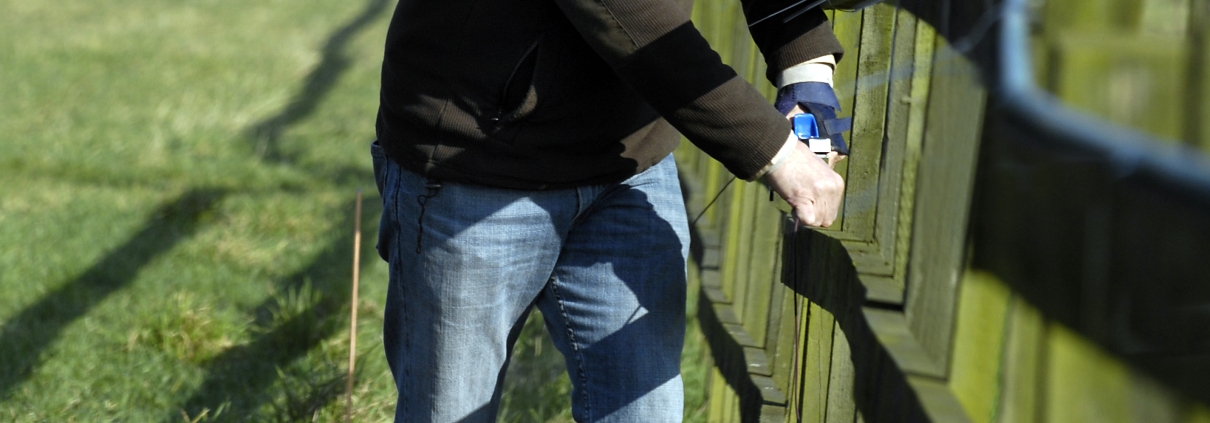
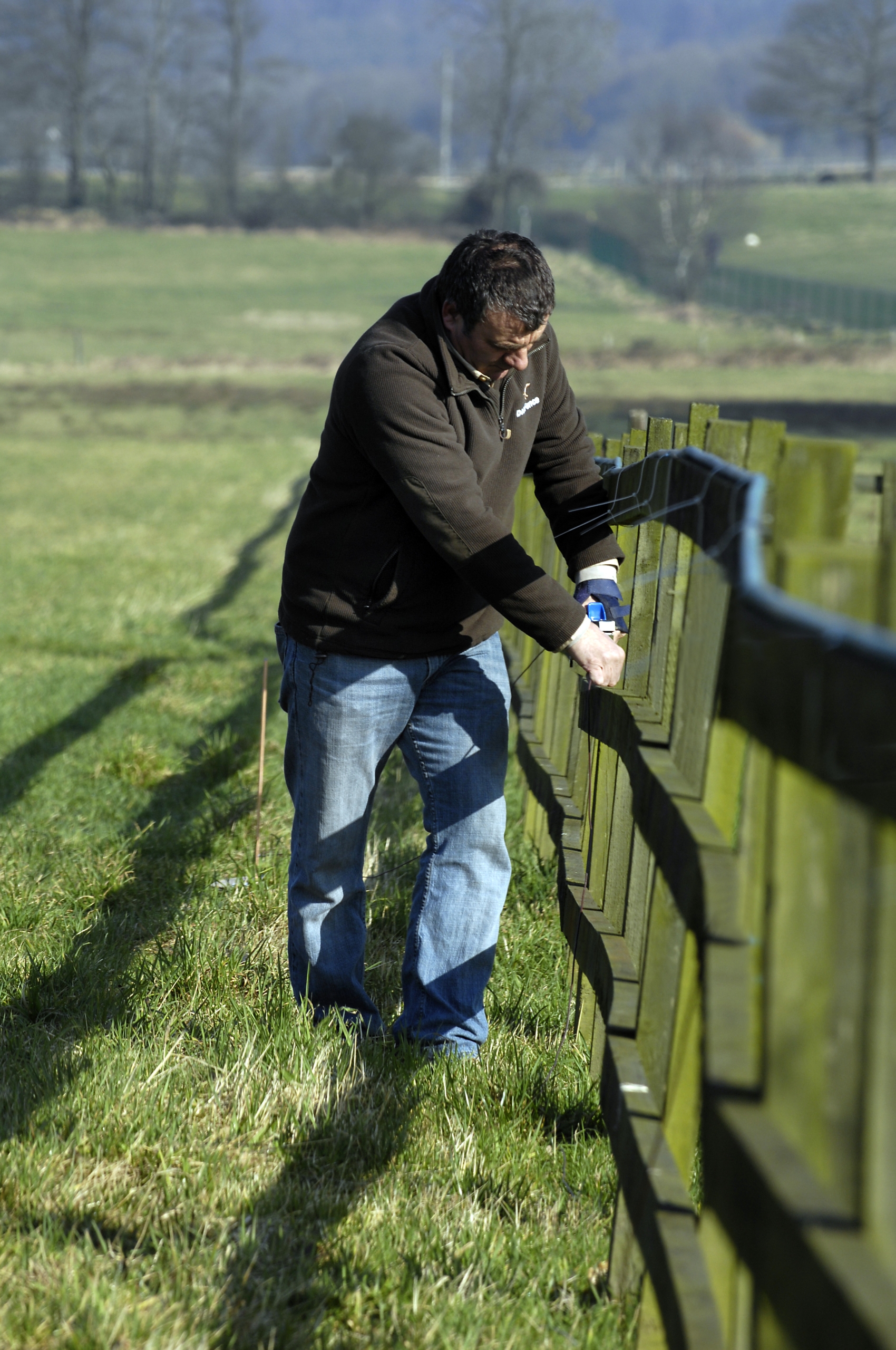
 

Invisible DogFence installed alongside an existing garden fence

Can an Invisible Dog Fence Work With an Existing Fence?

Can an Invisible Dog Fence Work With an Existing Fence?

Yes. An invisible dog fence can work alongside an existing wooden fence, hedge, wall, post-and-rail fence, stock fence or other physical boundary. In fact, combining an existing fence with a professionally installed hidden dog fence can be particularly useful for dogs that jump over fences, dig underneath them, squeeze through gaps or push through hedges.

The physical fence remains in place, while the hidden dog fence creates a consistent electronic boundary that your dog is trained to recognise and respect.

This means you do not necessarily have to replace an existing fence simply because your dog has discovered a way over, under or through it.

DogFence installation alongside an existing garden fence

A DogFence hidden boundary can be installed alongside existing fencing, hedges, walls and other physical boundaries.

How Does an Invisible Dog Fence Work With a Physical Fence?

A professionally installed invisible dog fence uses a boundary wire to define the area in which your dog can safely roam. Your dog wears a small receiver collar that responds as they approach the trained boundary.

The boundary wire can often be installed alongside an existing fence, hedge or wall, creating a consistent containment boundary around the property.

During training, temporary flags help your dog learn where that boundary is located. The dog learns to respond to the receiver’s warning and turn back towards the safe area.

If you are new to electronic containment, our How a DogFence Works page explains the system in more detail.

Why Use an Invisible Dog Fence If I Already Have a Fence?

Because a physical fence is only effective while your dog cannot find a way around it.

Dogs can be remarkably inventive escape artists. Common problems include:

  • digging underneath fence panels
  • jumping or climbing over fencing
  • squeezing through gaps
  • pushing through hedges
  • escaping through gates
  • running through an open driveway
  • finding damaged or weak sections of fencing

An invisible dog fence approaches the problem differently. Instead of relying entirely on the height, strength or construction of the physical fence, it creates a trained boundary that the dog learns not to cross.


Can an Invisible Dog Fence Stop a Dog Digging Under an Existing Fence?

It can be particularly useful for dogs that repeatedly dig underneath physical fencing.

Reinforcing the bottom of a fence can help, but determined dogs sometimes simply move along the boundary and begin digging somewhere else.

A hidden dog fence creates a boundary around the containment area rather than relying on the fence panel itself. The dog is trained to turn away from that boundary before reaching the point where they would normally start digging or attempting to escape.

If digging is your particular problem, read our complete guide to how to stop a dog digging under a fence.

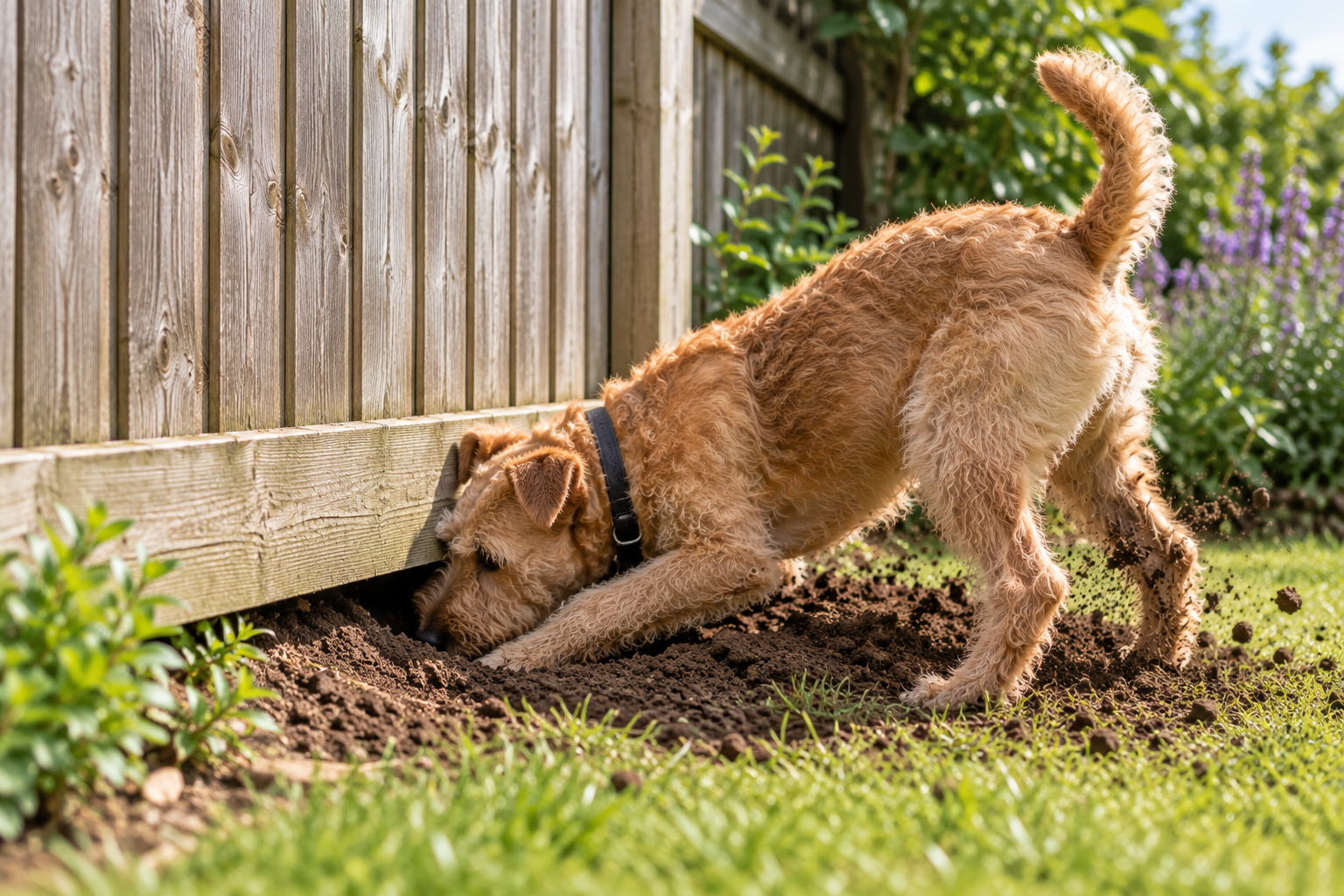
Dog digging under an existing garden fence

Dogs that dig under existing fencing can be difficult to contain. A hidden DogFence creates a trained boundary before the dog reaches the physical fence.

Can It Stop a Dog Jumping Over an Existing Fence?

For dogs that jump or climb, simply making a fence higher is not always the answer. Some dogs learn to use horizontal rails, bins, garden furniture or other objects as launching points.

A hidden dog fence can create a trained boundary before the dog reaches the physical fence, helping prevent the dog from approaching it closely enough to attempt the jump.

For persistent jumpers, see our guide on how to stop a dog jumping a fence.

Will Metal or Stock Fencing Interfere With a DogFence?

No. One of the advantages of the DogFence system is that its signal is not affected by metal or stock fencing.

This means a DogFence can be installed alongside existing metal fencing, wire mesh or stock fencing without the fencing interfering with the containment signal.

This can be particularly useful on rural properties, farms and larger gardens where stock fencing is already in place. Rather than replacing an existing boundary, the DogFence can work alongside it to provide an additional trained containment boundary for your dog.

It also means owners with a mixture of boundary types — for example hedges, wooden fencing, post-and-rail and stock fencing — can potentially create one consistent DogFence boundary around the property.

Can an Invisible Fence Work With a Hedge?

Yes. Hidden dog fences can work particularly well alongside hedges.

A mature hedge may look completely secure to us but contain surprisingly large gaps at dog level. Dogs may push underneath branches, squeeze through gaps or create their own routes through the hedge.

Because the electronic boundary does not depend on the hedge being completely impenetrable, it can provide a consistent containment line alongside it. The DogFence cable can be buried just in front of the hedge or threaded through the hedge, either way the boundary will be secured.

DogFence training alongside an existing garden hedge

A hidden DogFence can work alongside an existing hedge, creating a consistent trained boundary even where a dog could find gaps or push through the hedge.

Can a Hidden Dog Fence Work With Post-and-Rail Fencing?

Yes. Post-and-rail fencing is common on rural properties and larger gardens, but the gaps between the rails obviously do not physically contain many dogs.

A hidden dog fence can be installed alongside the existing boundary so owners can retain the appearance of post-and-rail fencing while creating a trained containment area for their dog.

What About Gates and Open Driveways?

This is one area where combining physical fencing with a hidden boundary can be especially useful.

You may have excellent fencing around most of the garden but still need an entrance for cars, deliveries and visitors. A gate may also occasionally be left open.

A properly designed hidden dog fence can continue the dog’s trained boundary across entrances and driveways without preventing vehicles or people from passing through.

For a broader look at securing different types of garden boundaries, see our guide to how to dog proof your garden.

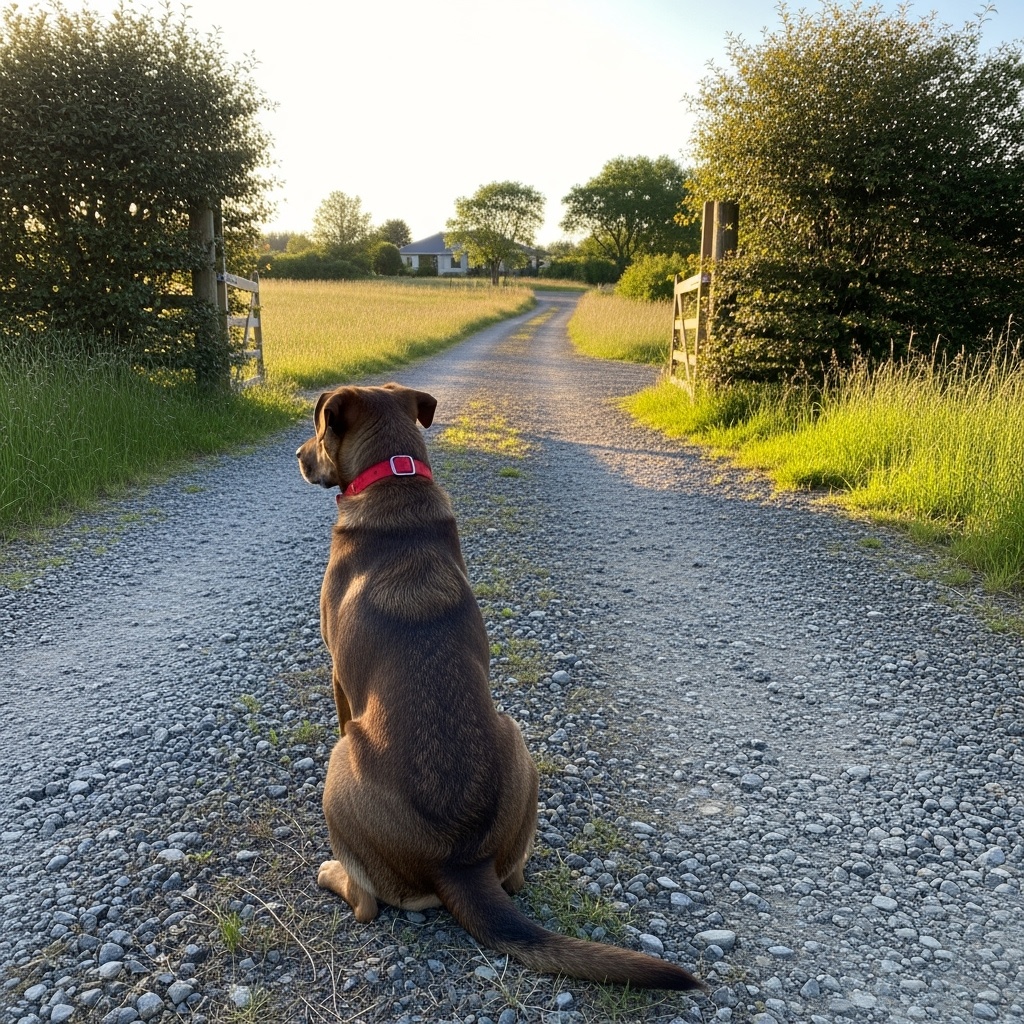
Hidden dog fence boundary across an open driveway

A hidden DogFence boundary can continue across an open driveway or gateway, helping contain a dog without restricting access for cars, deliveries or visitors.

Does the Existing Fence Need to Be Removed?

No. In most cases there is no reason to remove a suitable existing fence simply because a hidden dog fence is being installed.

The two systems perform different jobs and can complement one another.

The existing fence provides a visible and physical boundary. The hidden fence provides a consistent trained boundary that does not depend on the dog being physically unable to climb, jump, dig or squeeze through the existing structure.

Is the Existing Fence Electrified?

No. An invisible dog fence does not turn your existing garden fence into an electric fence.

The boundary wire carries a radio signal which is detected by the receiver worn by the dog. The physical fence, hedge or wall itself is not electrified.

The UK Government has previously distinguished invisible containment systems from hand-held remote-controlled electronic training collars and has emphasised the importance of professional setup and appropriate training. Read the Government’s published guidance on electronic containment systems here.

Is an Invisible Dog Fence Suitable for Every Existing Fence?

Every property is different.

The existing boundary, garden layout, driveway, gates, terrain and the individual dog’s behaviour all need to be considered when designing the containment area.

Likewise, electronic containment is not appropriate for every dog or every situation. We explain this in more detail in When an Invisible Dog Fence Is Not Suitable.

So, Can an Invisible Dog Fence Work With an Existing Fence?

Yes. An invisible dog fence can be installed alongside many existing fences, walls and hedges. The physical boundary can remain in place while the hidden dog fence creates an additional trained boundary for the dog.

This combination can be particularly useful when a dog has learned to:

  • dig underneath fencing
  • jump or climb over it
  • squeeze through gaps
  • push through hedges
  • escape through gates or entrances

The important factors are correct boundary design, appropriate receiver setup and, most importantly, structured training so the dog understands exactly where its safe area ends.

Frequently Asked Questions

Can you install an invisible dog fence next to a wooden fence?

Yes. A hidden dog fence can often be installed alongside an existing wooden fence so the physical fence remains in place while the dog learns an additional trained boundary.

Can an invisible dog fence be used with a hedge?

Yes. This can be particularly useful where a hedge contains gaps or where a dog has learned to push through or underneath it.

Will a hidden dog fence stop my dog digging under my fence?

A hidden dog fence can help contain dogs that escape by digging because the dog is trained to respect the containment boundary rather than relying solely on the physical fence being impossible to dig underneath.

Can an invisible fence stop a dog jumping a physical fence?

It can provide an additional trained boundary before the dog reaches the physical fence. Correct system design and training are particularly important for dogs with established jumping or climbing behaviour.

Do I have to remove my existing garden fence?

No. Existing fencing, hedges and walls can normally remain in place. A hidden dog fence can complement rather than replace a physical boundary.

Can an invisible dog fence cross a driveway?

Yes. A professionally designed wired boundary can incorporate driveways and entrances, allowing the dog’s containment boundary to continue without physically blocking vehicle access. The cable can be installed into a tarmac drive with a thin slot, laid into a gravel drive or run between the expansion joints on a block paved drive.

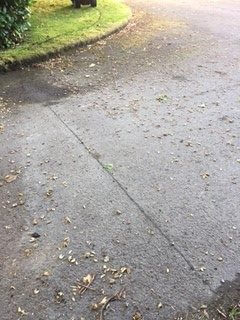
DogFence boundary wire installed across a tarmac driveway

Where a DogFence boundary crosses a tarmac driveway, a narrow cut can be made in the surface for the boundary wire and then sealed after installation. And I like that you’ve added the sentence about block paving above it too. It mak

ALREADY HAVE A FENCE BUT YOUR DOG STILL ESCAPES?

If your dog jumps your fence, digs underneath it, pushes through a hedge or finds every possible weak point, you may not need to replace your existing boundary.

Tell us about your dog, your existing fencing and your garden layout. DogFence has been installing hidden dog containment systems in the UK since 2003, and we’ll explain whether a hidden boundary could work alongside what you already have.

📞 Call us on 01628 476475

💬 Chat to us on WhatsApp

CAN DOGFENCE WORK WITH MY EXISTING FENCE?

No pressure. Just experienced advice about the best way to make your existing garden boundary safer for your dog.

Active dogs safely contained by a robust dog fence on vast, uneven ground in a beautiful, hilly landscape."

Installing Dog Fences on Uneven Ground: Expert Guide

Navigating Tricky Terrains: Installing Dog Fences on Uneven Ground, and Wooded Areas

Imagine this: You’re a proud dog owner, and your furry friend loves to zoom around the garden. But your outdoor space isn’t a perfectly flat, open lawn. It has charming slopes, ancient trees, and maybe even some uneven patches. You want to give your dog freedom, but safely contain them, and a standard dog fence installation just won’t cut it. That’s where expertise in installing dog fences on uneven ground, challenging slopes, and through wooded areas becomes absolutely essential.

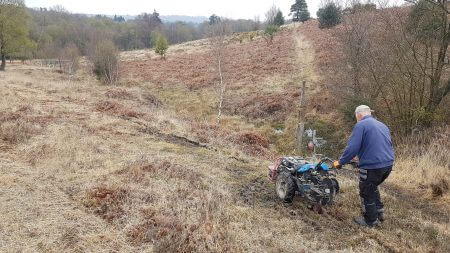
A professional installing a dog fence on uneven ground, burying the boundary wire in a vast, sloped, and natural landscape."

No terrain is too expansive or challenging for our experts. We specialise in installing dog fences on uneven ground, ensuring precise and reliable containment even across vast, natural landscapes like this

Successfully installing dog fences on uneven ground, challenging slopes, and through wooded areas requires specialised knowledge and techniques. Without the right approach, you risk creating escape routes, undermining the fence’s effectiveness, and even damaging your property. But don’t worry – effective pet containment is achievable, even in the trickiest of terrains.

At DogFence, we’ve mastered the art of bespoke dog fence installations, ensuring your dog’s safety and your peace of mind, no matter how unique your garden.


The Unique Challenges of Tricky Terrain for Dog Fences

Before diving into solutions, it’s crucial to understand why installing dog fences on uneven ground and landscapes poses a problem:

1. Uneven Ground and Hills: The Gap Creators

Bumps, dips, and small hills are common in many UK gardens.

  • The Problem: When a fence is installed straight across uneven terrain, it creates gaps underneath, especially in dips. These gaps are an open invitation for a determined dog to dig their way out or simply squeeze through. Even a small undulation can become a weak point in your dog containment system.

    Dog Fence professional installing a dog fence on uneven ground, burying the cable with a trencher on a hillside."

    “Steep, tricky slope made easy! We ensure precise dog fence installation, creating secure boundaries on even the most uneven ground.”

2. Slopes and Inclines: Gravity’s Escape Route

Gentle slopes or steep inclines can add character to your garden but complexity to your fence.

  • The Problem: Installing dog fences straight up or down a slope can lead to either large gaps at the bottom (if the fence follows a level line) or an unsightly, difficult-to-maintain “stair-step” effect with physical fences. For invisible dog fences, maintaining a consistent signal depth on a steep slope can be a challenge. Dogs can also use the incline to gain momentum for jumping.

3. Wooded and Brush Areas: Obstacles and Interference

Trees, dense bushes, and thick undergrowth can define a boundary, but they’re not always fence-friendly.

  • The Problem:
    • Physical Fences: Roots can obstruct post holes, branches need constant trimming, and dense foliage can make installation incredibly difficult and labour-intensive.
    • Wireless Dog Fences: Dense trees and heavy foliage can significantly interfere with the radio signal of wireless pet containment systems, creating “dead spots” or unreliable boundaries.
    • Wired Electronic Fences: While more robust, navigating complex root systems and ensuring the wire is buried at a consistent depth can be a painstaking process, particularly when installing dog fences in wooded areas.

Tailored Solutions for Installing a Dog Fence on Uneven Ground

The good news is that with the right expertise, every challenge has a solution and DogFence have the knowledge, equipment and correctly trained staff for installing fog fences on uneven ground.

A. Conquering Uneven Ground and Hills

For physical fences, the key is to adapt the fence to the ground’s contours:

  • “Stepping” the Fence: This involves installing fence panels in sections, with each section dropped down slightly to follow the general slope of the ground, creating a “stair-step” appearance. This minimises gaps but requires careful planning for aesthetics.
  • “Racking” the Fence: For some fence types, panels can be manufactured to be flexible, allowing them to follow the ground’s undulations more smoothly without stepping. This creates a cleaner look.
  • Bottom Gap Solutions: For both physical and electronic fences, addressing potential gaps is vital when installing dog fences on uneven ground.
    • Burying the Wire/Fence Line: For invisible dog fences, the boundary wire is buried at a consistent depth, even across small undulations. For physical fences, burying the bottom edge or adding a “skirt” of mesh can prevent digging.
    • Strategic Landscaping: Adding a low border, rocks, or dense planting along the fence line can naturally fill small gaps and deter digging.

B. Mastering Slopes and Inclines

Slopes require a nuanced approach depending on their severity and your chosen fence type.

  • Following the Contour: For gradual slopes, physical fences can often be installed by following the natural ground line, ensuring no gaps appear underneath. This works best when the fence material is flexible.
  • Terracing/Levelling: For very steep slopes, significant landscaping might involve creating flat terraces, allowing for standard fence sections on each level. This is a more extensive and costly solution but can create usable garden space.
  • Reinforced Post Installation: On slopes, fence posts may need to be deeper and more securely anchored to prevent shifting over time due to gravity and erosion.

It’s not just installing dog fences that poses a challenge on inclines; managing and planting on steep garden slopes can be tricky for any homeowner. For comprehensive guidance on gardening on steep banks and slopes, you can find valuable information on the Royal Horticultural Society (RHS) website.

C. Navigating Wooded and Brush Areas

These areas demand careful preparation, especially for our DogFence electronic dog fence.

  • Strategic Clearing: Before any installation, the fence path must be cleared of dense brush, small trees, and major roots. This is critical for both visual appeal of physical fences and consistent signal for electronic ones.
  • Wired Electronic Fences: These are often the best choice for wooded areas as the signal is transmitted directly through the buried wire, making it less susceptible to interference from foliage than wireless systems. Our experts are adept at carefully burying the wire around large roots and trees while maintaining integrity for effective dog fence installation in wooded areas.
  • Consider Physical Barriers for Added Security: In very dense wooded areas, a combination of an electronic fence for containment and a physical barrier (even a simple mesh fence) to deter wildlife or provide visual boundaries can be an ideal solution.

Check out our Professional Installation Page for further details of how we can “fence” your property even with uneven terrain.


Choosing the Right Dog Fence Type for Your Tricky Terrain

The best dog fence for your garden depends on a combination of your terrain, your dog’s behaviour, and your aesthetic preferences.

  • Wired Invisible Dog Fences:
    • Pros: Highly adaptable to varied terrain; wire can be carefully routed around obstacles like trees and buried consistently on slopes and uneven ground. Minimal visual impact.
    • Cons: Requires professional burial and installation for optimal performance in complex areas.
  • Wireless Dog Fences:
    • Pros: Easy to set up if your garden is relatively flat and open.
    • Cons: Not recommended for wooded areas or gardens with significant slopes/unevenness as the signal can be easily disrupted by trees, hills, or even large buildings, leading to unreliable containment.
  • Physical Fences (Mesh, Wood, Chain Link):
    • Pros: Provide a visible barrier and can be very secure. Can be adapted through stepping or racking.
    • Cons: Can be very labour-intensive and costly to install dog fences on uneven ground or challenging terrains, often requiring significant ground work. May be aesthetically intrusive.

Why Professional Installation is the Smart Choice for Tricky Terrains

While DIY might seem appealing, installing dog fences on uneven ground and challenging terrain is where professional expertise truly shines.

  • Precise Planning: Our specialists will survey your garden, identifying all potential challenges and designing a fence layout that works with your landscape, not against it.
  • Expert Techniques: We use proven methods like precise wire burial, custom fence fabrication, and strategic planning to ensure a seamless and secure installation, even around ancient oak trees or steep banks.
  • Reliability: We guarantee consistent signal strength for electronic fences and gap-free security for physical barriers, giving you confidence in your dog’s safety.
  • Long-Term Durability: Proper installation prevents future problems like wire exposure, fence collapse, or escape points, saving you time and money in the long run.

Why not get a quote and let us take the stress away for keeping your dog safe?


Our Customer’s Success Story: From Woodland Woes to Happy Walks

“ The experience at Dogfence was no less than life changing. I can’t recommend this excellent system more highly. It stopped our beautiful little working cocker from fleeing across the countryside and gave her our woods to make her own, while giving us the security of knowing she has never – not once – in 14 months ventured across the signal. It has given complete peace of mind and the aftercare is equally exceptional. ”

— Mr May 


Frequently Asked Questions (FAQs) About Installing Dog Fences on Uneven Ground

Q1: Can an invisible dog fence really work on a sloped garden? A1: Yes, absolutely! Wired invisible dog fences are highly effective on slopes. The key is professional installation, ensuring the boundary wire is buried at a consistent depth along the contour of the slope. This maintains a reliable signal across the entire area. Wireless systems are generally not recommended for sloped or uneven terrain due to signal inconsistencies.

Q2: Will tree roots interfere with a buried electronic dog fence wire? A2: Large tree roots can make wire burial challenging. However, experienced installers can expertly navigate around them, ensuring the wire remains intact and buried at the correct depth. Sometimes, the wire might need to be carefully run over roots in a protective conduit, but this is done with care to maintain signal integrity and prevent damage.

Q3: How do you prevent dogs from digging under a fence on uneven ground? A3: For physical fences on uneven ground, techniques include “stepping” the fence to follow the terrain more closely, burying the bottom edge of the fence, or installing a mesh “skirt” along the base. For both physical and electronic fences, strategic landscaping with rocks or dense planting can also deter digging.

Q4: Is it more expensive to installing a dog fence on uneven ground? A4: Installation on uneven ground can sometimes incur additional costs due to the increased labour and specialised techniques required for precise wire burial, post installation, or ground preparation. However, investing in a professional installation for complex landscapes ensures reliability and longevity, preventing costly issues down the line.

Q5: What’s the best type of dog fence for heavily wooded areas? A5: A wired electronic dog fence system is typically the best choice for heavily wooded areas. Unlike wireless systems that can suffer signal interference from dense foliage, wired systems transmit the signal directly through a buried wire, providing consistent and reliable containment despite the trees.


Don’t Let Your Landscape Limit Your Dog’s Freedom

If you’re looking for a reliable dog fence system that works on all types of terrain, explore our DogFence electronic dog fence for complete peace of mind.

Your garden, no matter how unique its contours, shouldn’t limit your dog’s ability to safely explore and play. At DogFence, we specialise in transforming challenging outdoor spaces into secure and joyful havens for your pet.

Ready to secure your garden, no matter how challenging the terrain? Don’t let uneven ground, slopes, or wooded areas limit your dog’s freedom.

Contact the experts at DogFence today for a free, no-obligation consultation and virtual site survey. We’ll help you find the perfect containment solution tailored to your unique property.

Call us today on: 01628 476475

Contact us today for a free, no-obligation consultation and site survey! Contact us today for a chat about how we can “fence” your property both safely and economically. See our range of fences here:

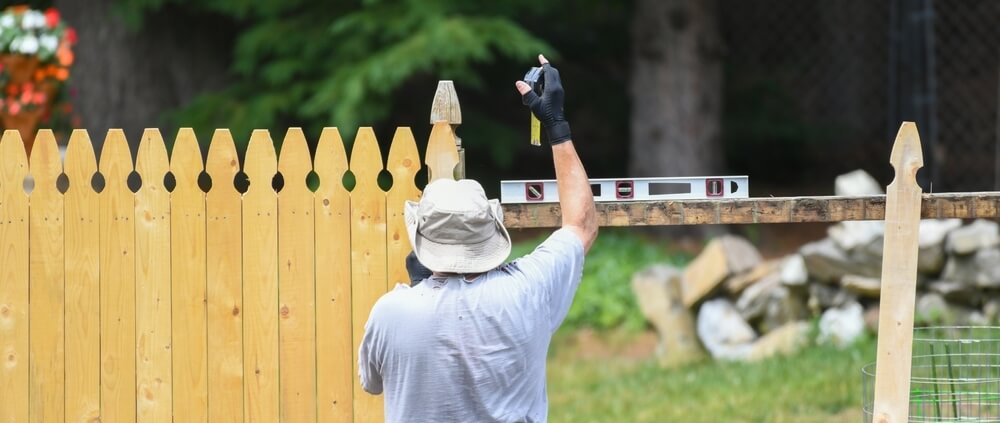
Man installing a physical dog fence

Physical vs Electronic Dog Fences: Which Is Right?

Comparing Physical and Electronic Dog Fences: Which is Right for Your Pet?

Ensuring your dog’s safety is a paramount responsibility for any pet owner. One critical decision revolves around containment: should you opt for traditional physical dog fences or embrace modern electronic dog fences? Whether you’ve just welcomed a lively pup into your family or are seeking a better way to keep an older dog secure, choosing the right fencing solution can be transformative.

Physical Dog Fences: The Tried and Tested Option

Advantages of Physical Fences

  • Visual Boundary: Clearly marks the edge of your property, serving as a visual cue for your dog and a deterrent for trespassers.
  • Multipurpose Use: Provides privacy, enhances security, and prevents wildlife from entering your garden.
  • Durability: High-quality materials like steel or composite wood can stand the test of time with proper maintenance.

Drawbacks of Physical Fences

  • High Costs: Installation can cost £25–£300 per metre, depending on materials and design.
  • Maintenance: Wooden fences require painting and sealing; metal fences may rust and need treatment.
  • Escape Risks: Determined dogs can dig beneath or jump over traditional fences.
  • Gate Weaknesses: Gates can be expensive, difficult to secure, and may be left open, creating weak points.

Who Benefits Most from Physical Fences?

  • Homeowners seeking privacy or additional security.
  • Urban or suburban properties where aesthetic appeal is a priority.
  • Dogs less inclined to escape or dig.

Cost Breakdown for Traditional Fencing Options

  • High Wooden Fencing: £40–£100 per metre, plus installation.
  • Chain-Link Fencing: £25–£50 per metre; cost-effective but less attractive.
  • Stone Walls: £100–£300 per metre; durable but costly.
  • Dig-Proof Fencing: £50–£80 per metre; includes buried mesh or concrete footer.

Electronic Dog Fences: The Innovative Alternative

Advantages of Electronic Dog Fences

  • Preserves Your View: Maintains the natural beauty of your surroundings without imposing physical barriers.
  • Adaptable Design: Can cover irregularly shaped areas, including ponds, gardens, or wooded areas.
  • Cost-Effective: Priced at £6–£10 per metre, including installation; budget-friendly for larger properties.
  • Customised Training: Modern systems like those offered by DogFence.co.uk come with tailored training programmes to ensure dogs understand boundaries without stress.
  • No Gates Required: Covers driveways, eliminating the need for expensive gates that can be left open.

Drawbacks of Electronic Dog Fences

  • No Physical Barrier: While effective at keeping your dog in, electronic fences won’t prevent other animals or intruders from entering your property.
  • Dependence on Technology: Requires ongoing maintenance, including checking the collar battery and ensuring the transmitter functions correctly.
  • Training Commitment: Success relies on proper training; pet owners must invest time in helping their dog adjust to the new system.

Who Benefits Most from Electronic Fences?

  • Rural properties with larger grounds (½ acre or more).
  • Dogs prone to jumping over or digging under traditional fences.
  • Owners prioritising unobstructed views or flexibility in boundary placement.
  • Owners living near livestock or main roads.
  • Owners who have physical fencing but need added dog-proof fencing.

Comparing Costs: Traditional vs. Electronic Fencing

Traditional Fencing: £25–£300 per metre, depending on material and design.

Electronic Fencing: £6–£10 per metre, covering large areas affordably and effectively.

For larger properties, electronic fences offer a practical and budget-friendly solution, saving thousands in upfront costs while ensuring your dog’s safety.

Installation Times: Traditional Fencing vs. Electronic Dog Fences

Traditional Physical Fencing: A 5-acre site typically requires substantial preparation, including leveling ground, digging post holes, and securely fixing materials like wood or chain link. This process can take 1–2 weeks or more, depending on terrain, weather conditions, and design complexity.

Electronic Dog Fences: Can cover up to 10 acres in a single day, including professional installation and boundary training setup. The process is streamlined and minimally invasive, making it a fast and efficient solution for pet owners.

Choosing an electronic dog fence not only saves time but also reduces the hassle and labour involved in securing your property.

Did You Know? The Facts About Dog Containment

  • Over 85% of pet owners report feeling more confident about their dog’s safety after installing an electronic containment system.
  • Studies show that dogs trained with modern electronic fences adapt to their boundaries within 2–4 weeks when training is implemented correctly.
  • Traditional fences can cost up to £200 per metre for premium materials, whereas electronic fences cover larger areas at a fraction of the cost.

How DogFence.co.uk Can Help

At DogFence.co.uk, we specialise in bespoke electronic containment systems designed to suit every property and pet. With over two decades of experience, we provide:

  • Customised consultations to determine the best solution for your needs.
  • Professional installation to ensure seamless operation.
  • Comprehensive training programmes to help your dog understand and adapt to their new boundaries.

With our systems, you’ll join thousands of pet owners across the UK who trust DogFence.co.uk to keep their dogs safe while preserving the beauty and integrity of their properties.

Supporting Responsible Dog Ownership

It’s important to note that some organisations, like the RSPCA, oppose the use of electronic dog fences. However, groups such as the Association of Responsible Dog Owners (ARDO) advocate for the responsible use of electronic training aids, including containment systems. ARDO’s mission is to educate and support dog owners in making informed decisions that ensure the safety and well-being of their pets.

Take the Next Step Towards Peace of Mind

Choosing the right fence isn’t just about practicality—it’s about safeguarding the bond between you and your pet. Let us help you find the perfect solution.

Ready to Protect Your Dog?

At DogFence Ltd, we’ve helped thousands of pet owners across the UK find safe, humane, and cost-effective containment solutions for their dogs and cats.Call us today to receive a quote:

Or request a quote online.


dog fencing options

Affordable dog fencing – what are the options?

Affordable dog fencing

When it comes to affordable dog fencing there aren’t many options as fencing is actually quite expensive.  As with everything you get what you pay for and it depends on whether you want to get your hands dirty. Naturally, these fencing options are based on how large an area you need to fence. The landscape that you need to fence. And also the breed of the dog that requires the dog fencing!

Dog fencing for small areas

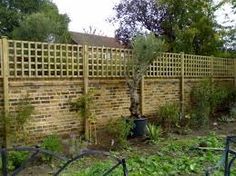
If you are looking to fence a small back garden then it is likely that you already have a fence or wall but it isn’t meeting your needs. Watch your dog and see if he is using something to climb up and scrabble over or is he climbing or digging. Consider installing trellis above your fence. This can be bought from any good DIY store and is relatively quick to install. If you have a digger add a concrete footer below your fence by pouring concrete along the edge of the fence and sinking the bottom of the fence into the concrete before it dries.  This is naturally a labour intensive job but should do the trick!

dog fencing using trellis on wall

Trellis placed on top of wall

If you are not sure where he is getting out then one of our DIY dog fences is going to be the cheapest way forward. These fences are under £250.00 and will cover a small urban garden. If you compare the price of re-fencing a complete rear garden versus adding an electronic dog fence the dog fence will win on price all day long!

For small gardens with low fences, you may be able to upgrade your fence to a close board fence. These fences start at around £38.00 per metre fully installed. You will need to check that you can install a fence of this height before ripping out the old fence.

Rural gardens and small paddocks

It goes without saying that dog fencing for rural areas can be a headache. Not only are you trying to stop your dog going out but the local wildlife is busy pushing its way in. If you have an issue with rabbits and small dogs then this could be a good option for you but it is not the cheapest! Rabbit fencing starts at approx £130.00 per 50m without installation! If you are covering a 1-acre site this will cost in the region of £690.00 just for the galvanised mesh without any posts of labour. Also unless it is extremely well-installed rabbit fencing can be damaged by larger mammals such as Badgers, Muntjack and larger Deer.

dog fencing for rabbits

Rabbit fence used as dog fencing

If you have hedges or areas with no existing fences then the cheapest form of fencing will be either a stock fence or an electronic dog fence. If you have horses or livestock then you will need to look at stock fencing options. Of course, if it is only a dog or a cat that needs containing then an electronic dog fence is by far the cheapest option.

Our DIY dog fence can be expanded up to an acre for an additional £100.00 and a Professionally Installed dog fence will cost in the region of £1000.00 depending on the location and number of dogs. This would work out more cost-effective than the galvanized or stock fencing and would also protect the driveways. Installing gates can also be very costly and of course, this relies on people shutting the gate when they come or go! Our Professionally installed fences have a lifetime warranty on the hardware and a containment promise for the dog.

Large estates and difficult terrains

If it aesthetics then Estate fencing is most certainly the winner but you will need deep pockets to install this timeless classic! At around £80.00 per 2m panel + installation, it will very soon add up, especially on the large country estate! Again, you will need to think about gates and this type of fencing is not dog secure. Other popular types of fencing are post and rail with stock fencing below or chain link fencing. Chain link fencing is probably the cheapest starting from around £2500 for 1 acre + installation. Whereas if you are looking at fencing 10 acres using our Performance Series on a 10-acre site the cost would be circa £1800.00 including installation & training.

dog fencing used as estate fencing

Estate fencing

Riverbanks and Undulating Terrain

If your property goes down to the river you may be able to install a small picket fence. These will not stop all dogs as they tend to only be a 90 cm – 100cm high. Prices for Picket fencing start at around £12.00 per metre plus installation.  Alternatively, you can use our dog fence to run along the boundary. This will keep your dog out of the river without disrupting the view. If you have very undulating terrain then you will probably need to install a stock fence but there would be a hefty surge-charge to install this! Again, an invisible fence can be installed for a fraction of the cost.  The trencher used to install the invisible dog fence is extremely adaptable and be operated in both steep and undulating terrain. Images of the dog fence trencher can be seen on our installation & training page.

dog fencing by river using picket fence

Picket fence along river bank


Dog Fencing price summary

Based on an acre (and excluding gates)

    • Electronic dog fence (1 dog fully installed – covers gateways as well) – from £3.50 per metre installed.
    • Stock Fencing (no gates) – from £7.00 per metre installed
    • Rabbit Fencing (no gates) – from £8.00 per metre installed
    • Stock Fencing with post and rail (no gates) – from £12.00 per metre
    • Picket fencing (no gate) – from £20.00 per metre
    • Close board fence (no gate) – from £35.00 per metre installed
    • Estate fencing (no gate) from £40.00 per metre installed

Prices have been based on submissions from Companies in Berkshire (2019). Prices are based on properties in the local area and are a guide.

If you have been searching for dog fencing options then read our testimonials on our Trust Pilot reviews. If you would like more information or prices call us today on 03450 623623 or complete our quote form.


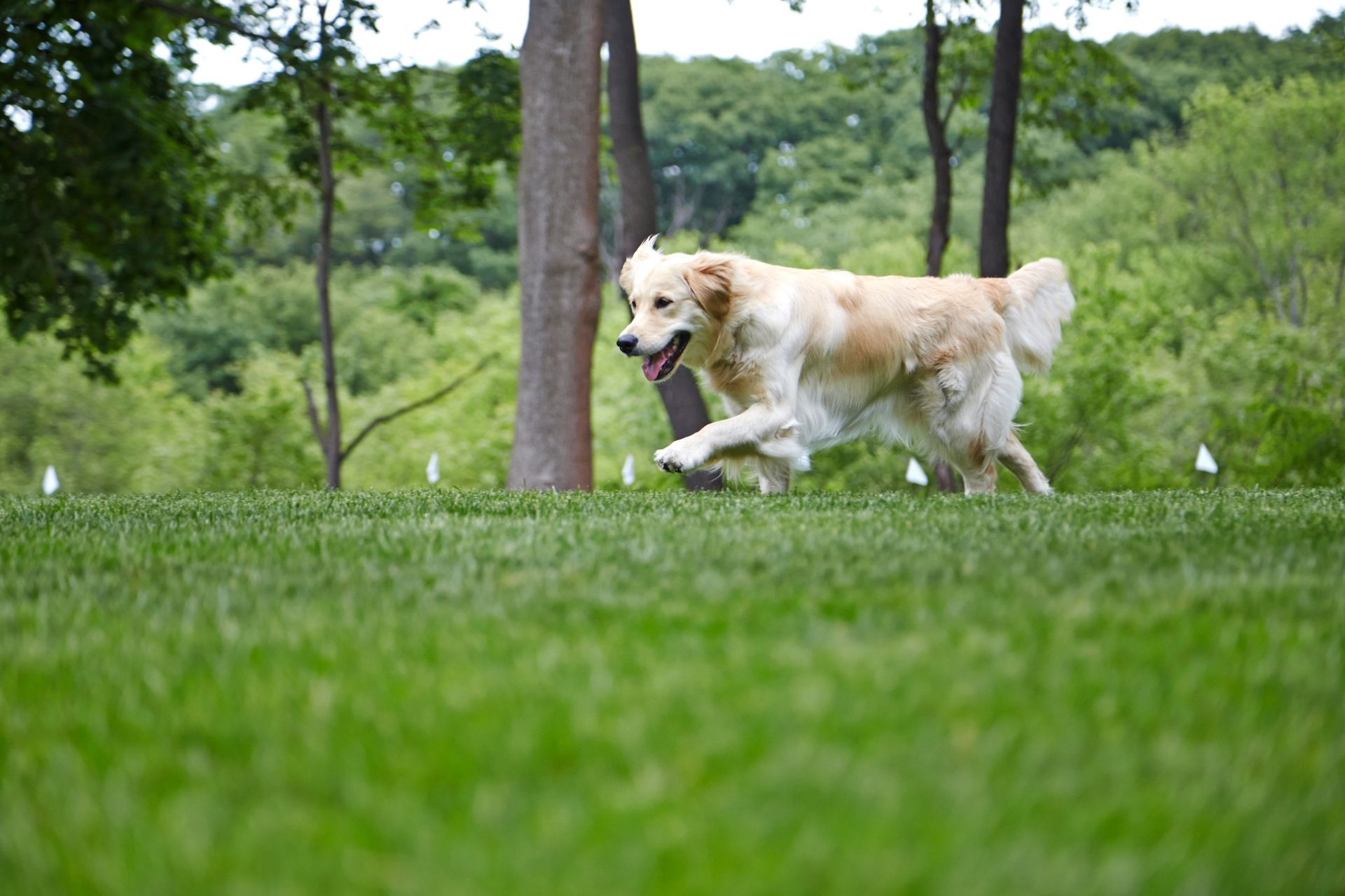
Golden retriever trained to electric fence for dogs boundary in UK garden

Electric fence for dogs. What You Need To Know!

Electric Fence for Dogs: What It Really Means in the UK

An electric fence for dogs is an electronic containment system that uses a buried boundary wire and a receiver collar to create a safe, invisible perimeter. It does not electrify fencing panels or deliver a live electric current, in fact an electric fence for dogs is a commonly used term for what is actually an electronic containment system for dogs. Despite the name, an electric fencing for dogs does not electrify physical fencing or send a live current through your garden. Instead, it uses a buried radio boundary wire and a lightweight receiver collar to create a safe, invisible perimeter. For this reason they are often referred to as underground dog fences.

In the UK, most modern systems described as an electric fencing for dogs are professionally installed electronic dog containment systems designed to keep pets safely at home while preserving freedom in the garden.

Golden retriever trained to electric fence for dogs boundary in UK garden


What Is a Pet Containment System and How Does It Work?

An electric fence for dogs works by transmitting a low-level radio signal through a boundary wire installed around the perimeter of your property.

Your dog wears a small computer receiver collar. As they approach the boundary:

  • The collar emits a warning tone.
  • If the dog continues forward, a brief, programmable static impulse is delivered.
  • The correction stops immediately once the dog returns to the safe zone.

Although many people search for an “electric fence for dogs,” these systems are electronic rather than agricultural electric fencing. Our guide to electric fence systems for dogs explains how modern containment technology works in practice.


Is an Electric Fence for Dogs Actually Electric?

No.

The term electric fence for dogs is misleading. These systems do not electrify fencing panels, gates or the ground. There is no exposed live wire and no risk to children or other animals touching the boundary. The “fence” is an invisible underground dog fence.

They use a contained radio signal combined with static correction technology — similar in sensation to everyday static discharge.

If you are concerned about welfare, we explore the evidence and research in depth in our guide to whether electric dog fences are cruel or kind, as well as in our wider discussion on the controversy surrounding dog fences and whether they are cruel or harmful


Boundary Wire System vs Traditional Fencing

A boundary wire system for dogs is often chosen when traditional fencing fails.

Common scenarios include:

  • Dogs jumping 6ft panels
  • Digging under boundaries
  • Escaping through damaged fencing
  • Rural properties where physical fencing is impractical
  • Planning restrictions preventing tall panels

Unlike visible fencing, an invisible dog fence system creates a psychological boundary rather than a physical one.

This means dogs are trained not to approach the perimeter at all.


Can an Underground Dog Fence Be Installed on Any Property?

In most cases, yes.

A professionally installed underground dog fence for dogs can:

  • Cross driveways
  • Run under patios and pathways
  • Follow complex boundary shapes
  • Cover large rural estates
  • Navigate wooded areas

If you are unsure whether professional installation is required, you may find our comparison of dog fence installation: DIY vs hiring a professional helpful.

Professional installation ensures correct cable placement, precise programming and tailored training suited to your individual pet.

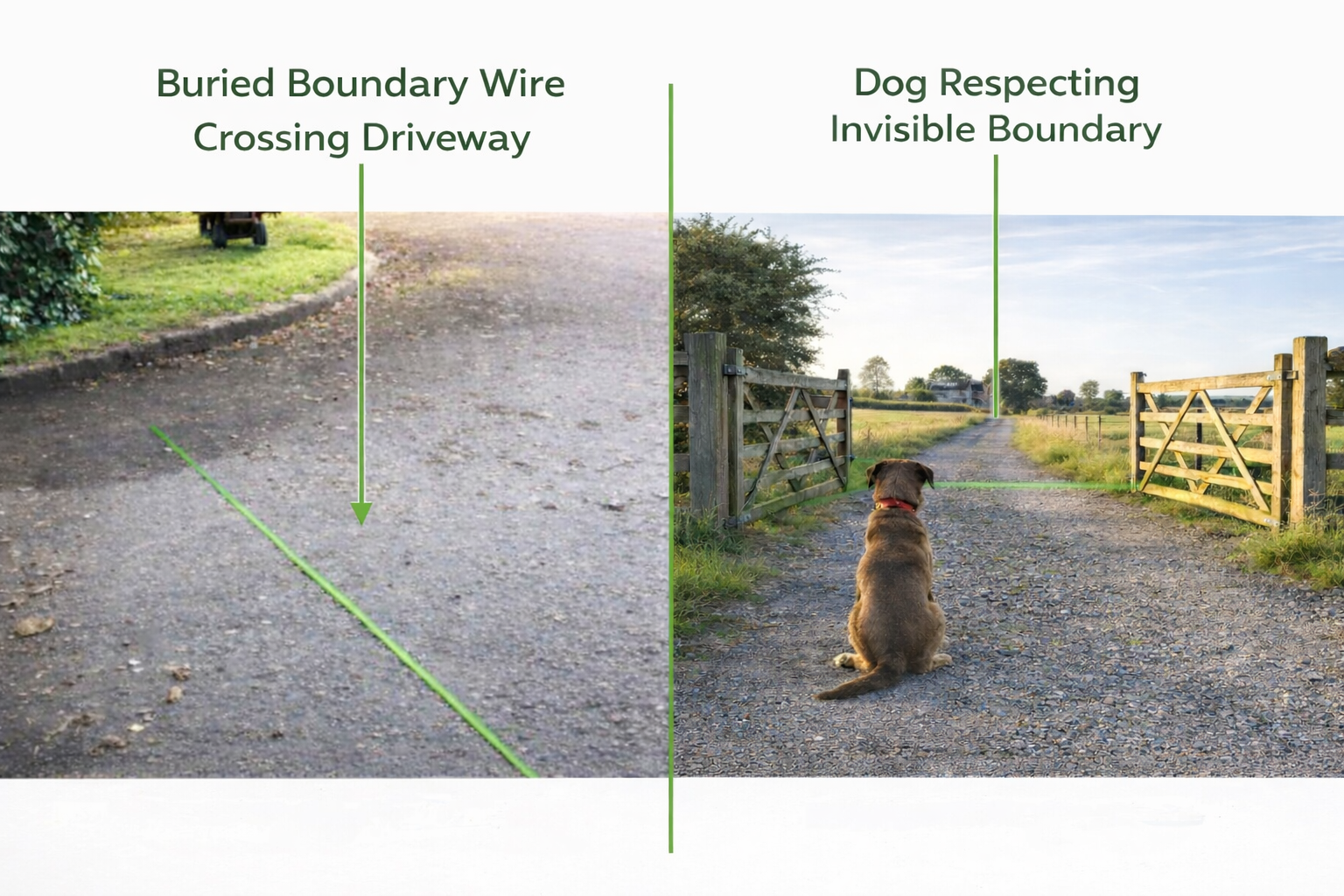
electric fence for dogs buried boundary wire crossing driveway with trained dog sitting inside open gate

Buried boundary wire crossing a driveway and a trained dog calmly respecting the invisible boundary — even with the gate open.


Is an Invisible Dog Fence Safe?

When installed correctly and used responsibly, an electric fence for dogs is designed for safety and containment — not punishment.

Modern systems include:

  • Adjustable static levels
  • Warning tone before correction
  • Automatic safety shut-off
  • Waterproof receiver collars
  • Tailored training for each pet

Because the term “electric fence” is often misunderstood, questions about safety frequently arise. If you’re exploring the welfare discussion in more depth, our guide on whether electric dog fences are cruel or kind examines the research and practical evidence.


Frequently Asked Questions About an Electric Fence for Dogs

Do electric fences for dogs give a shock?

No. They deliver a brief static impulse only if a dog ignores the warning tone.


Do Invisible Fences for dogs hurt?

When properly installed and programmed, the sensation is mild and momentary. Most dogs learn to respond to the warning tone alone.


Are electronic fences for dogs legal in the UK?

Yes. Electronic dog containment systems are legal in England when used responsibly.


Will a hidden dog fence stop my dog jumping over a fence?

Yes. Because the boundary is psychological rather than physical, dogs are trained not to approach the perimeter at all.


Is a Dog Containment System Right for You?

A containment fence for dogs may be suitable if:

  • Traditional fencing has failed
  • Your dog repeatedly escapes
  • You live in a rural area with livestock nearby
  • You want safety without visual barriers

At DogFence Ltd, we have been installing containment solutions for dogs across England — from small suburban gardens to 350-acre estates.

Our goal is simple: keeping pets safe while preserving their natural freedom at home.

Thinking About Safe Dog Fence Solutions?

Speak to a UK specialist in safe, humane electronic pet containment systems.

Call us on
01628 476475
|
Message us on WhatsApp
|
Request a Free Quote Online

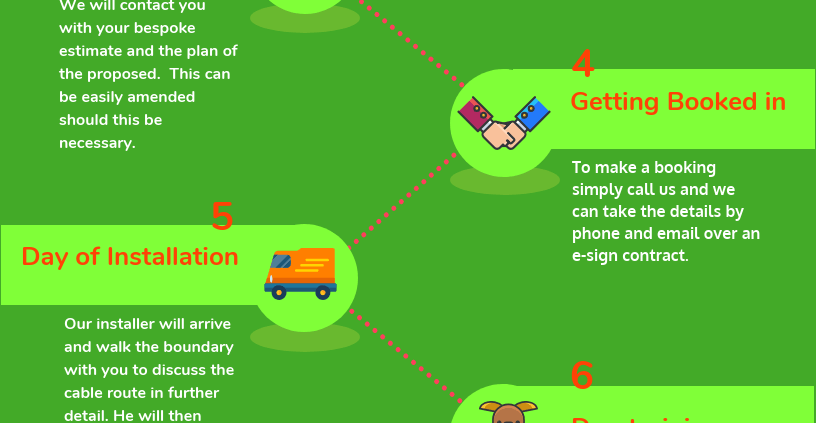
electronic dog fence installation info graphic

Electronic dog fence – FAQ’s for new customers

So you found our electronic dog fence online and made an enquiry. We don’t need to visit your property to give you an estimate. Using our online mapping tool, similar to google earth, we can locate your property and measure out your boundary. Our office team will usually try to contact you as well to chat through your questions and discuss any areas of the property that might need extra attention.

Booking a dog fence installation

Booking your dog fence installation is simple. Our team will have sent over an estimate with the proposed boundary image. They will have also discussed the different systems with you, Pro Fence 1200, Performance Series and Smart Fence. Once you have agreed on a date and the system they will take some further information about your dog. A deposit is paid to secure the dog fence installation date and a confirmation of the booking will be sent over. Our office team and Dog Fence Installers are here for every step of the journey to answer your questions regarding our electronic dog fences and support you as you transition to giving your pet a happier, safer life.

Dog fence day

As a general rule, we commence the dog fence Installation will commence circa 07.30am! Interestingly this is to avoid rush-hour traffic and maximize daylight during the winter months. Our Installer will walk the boundary with your to fine-tune the electronic dog fence route. Once this has been agreed we should not need your attention again until we commence the dog fence training.

Our unique trenching equipment will bury the cable directly into the ground. We endeavour to bury boundary cables but if the terrain or an area is not suitable we can install cable above ground. Of course, the installation duration will vary depending on the size and the terrain but as a general rule, we will be ready to train your dog in the afternoon.

Electronic dog fence training

Now for the magic! We will not hook your dog up to the mains, we will not hurt your dog, we will train your dog using a recognised protocol. Actually, the training is very subtle and for some dogs, the scariest part is the temporary training flags. These little “flag” aliens can be quite scary to some dogs and others will play or stalk them. As with people, all dogs are different as we will treat them as individuals.  The flags are a vital part of the training and will give the dog a visual for the electronic dog fence boundary.

Don’t worry! Your Installer will look after your pet, he will involve you in the training and you will be amazed at how quick and simple the training is. All our Installers are trained to offer the full Dog Fence Installation & Training program. They will find the level suitable for your pet and work to ensure that he or she understands the fence.

Hopefully, he will answer all your questions but if you forget anything or you have a query you can call the office after the installation. The notes from the day will be electronically uploaded so we can access the training info and answer your questions.

Does the electronic dog fence come with a guarantee?

Absolutely! DogFence offers the most comprehensive guarantee worldwide. Our lifetime hardware warranty covers the transmitter & computer collar for life and even extends to dog chews. But more importantly, we offer a Containment Promise on professionally installed, outdoor systems.

Should your system break down for any reason you can also schedule a service appointment and one of our engineers will test or repair your entire fence or train any new pets that you may have acquired.

Is there any ongoing maintenance for the fence?

Naturally, it is important to check the fence from time to time. At DogFence we recommend testing the electronic fence monthly. This would include checking the battery and collar fit and takes less than 5 minutes. The electronic dog fence collars will alert you when you require a battery. After the dog fence installation, you will be invited to sign up to our battery program. If you decide to purchase batteries on an ad-hoc basis that’s fine.  But it is important to remember that when the battery runs out the pet can run out! Other than the battery and checking the collar fit there is no ongoing maintenance required.

How often do I replace the battery in my dog’s Computer Collar?

Of course, we all lead busy lives but once you see the red flashing light on your electronic dog fence collar you need to take action. The schedule for the battery changes is as follows:

  • R12m & R7m (mini) collars – every 6 months
  • R12 & R9 (standard collars – every 18 – 24 months

The green status light will change from a steady flash every forty seconds to a rapid flash every 10 seconds. At this point, you have approx 2 weeks to change the battery.

Where can I buy Batteries?

DogFence offers a few different options for customers to replace batteries.

  • You can call us
  • You can purchase online
  • Sign up for the battery programme

How often should I remove the electronic collar?

VVIP – the collar needs to be removed every day! Leaving the collar on the dog can cause a skin irritation. We strongly recommend that you remove the collar for a minimum of 6 hours every day but we recommend 8 hours. On the day of the dog fence installation, you will be given all this information again together with a continuation sheet to assist you in the early days’ post installation.

If you would like to know more about our electronic dog fence please call us. We can chat to you and pop together an estimate for the dog fence installation – 03450 623623 or info@dogfence.co.uk.


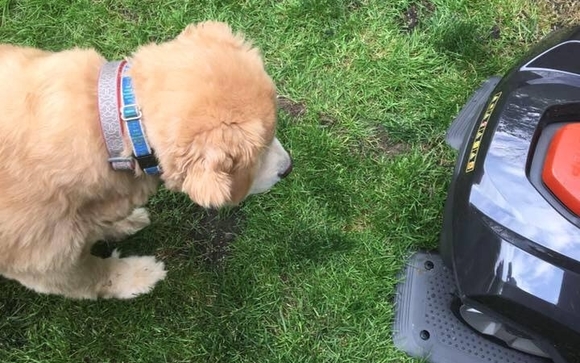
robotic mower and dog fence with dog wearing dog collar

Dog Fences and Robotic Lawn Mowers working together

Will a Robot Lawn Mower Interfere With My Dog Fence?

Yes, some robot lawn mowers and electronic dog fences can interfere with each other – but with the right system and the correct installation, a robotic lawn mower and DogFence can work successfully in the same garden.

Both systems can use boundary wires installed around the garden, so understandably many dog owners ask us whether adding a robotic mower will affect their dog fence – or whether installing a DogFence will cause problems with an existing robotic mower.

The good news is that the DogWatch system used by DogFence operates using a digital FM radio signal rather than the AM signal commonly used by many electronic pet containment systems. This makes it far less susceptible to electrical interference and gives us much greater flexibility when designing an installation around a robotic mower.

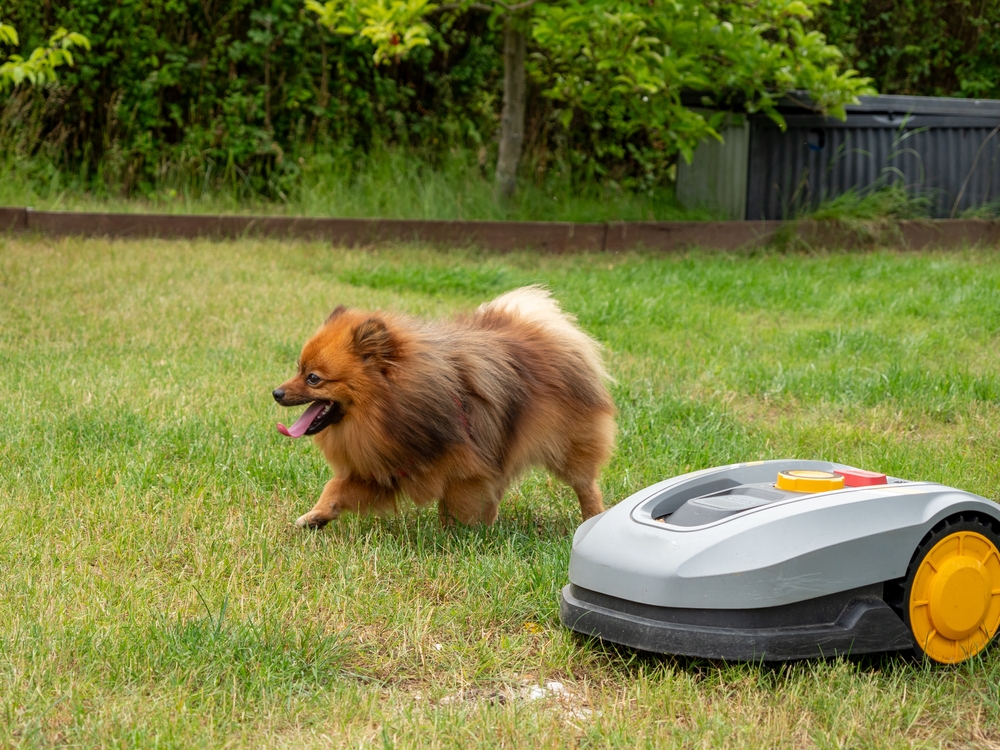
Dog in garden with robotic lawn mower and DogFence

Robotic Lawn Mowers and Dog Fences: At a Glance

  • Can a robotic mower and DogFence work together? Yes, in many gardens they can.
  • Can the boundary wires interfere? They can if the systems or layout are incompatible.
  • Should the two wires cross? No. We recommend that the boundary wires are never crossed.
  • Can DogFence change frequency? Yes. Our system can operate on either a 4kHz or 8kHz FM frequency.
  • Should everything be tested before the wires are buried? Absolutely. Testing the two systems together before final installation can identify any potential interference.

Why Do Robotic Lawn Mowers and Dog Fences Interfere With Each Other?

Many robotic lawn mowers and electronic dog fences work in a similar way: a cable is installed around the required area and carries a radio signal.

In the case of a robotic mower, the signal tells the mower where the edge of its cutting area is. With a hidden dog fence, the boundary wire communicates with the receiver collar worn by the dog.

Problems can occur when two systems using similar signals are installed close together. One system may detect the signal generated by the other, potentially causing interference or confusing the robotic mower.

This is one of the reasons the type of dog fence system you choose is important if you also have – or are planning to buy – a robotic lawn mower.

Can a DogFence and a Robot Lawn Mower Work Together?

Yes. We have successfully installed DogFence systems in many gardens where robotic lawn mowers are also being used.

Our professional DogFence system uses DogWatch digital FM technology, which is much less susceptible to electrical noise than traditional AM-based pet containment systems.

This means that, with sensible wire positioning and testing, it is often possible for both systems to operate within the same garden.

Every property is different, however. The size of the garden, mower model, position of the mower boundary wire and proposed DogFence layout can all affect the best installation method.

Why Is the DogWatch FM Signal Different?

Many electronic dog fences use an AM radio signal. AM signals can be more vulnerable to electrical interference from other equipment and nearby signal wires.

The DogWatch hidden fence system supplied by DogFence uses a low-frequency digital FM signal.

Our system can operate on either 4kHz or 8kHz, and the frequency can be changed if necessary. This gives us another way of resolving potential compatibility issues if a robotic mower is detecting the DogFence signal.

It is one of the reasons DogFence can be particularly useful for properties where several electronic garden systems need to work alongside each other.

What Happens If There Is Interference Between a Robotic Mower and a Dog Fence?

With our DogFence FM system, it is very unusual for a robotic mower to cause loss of signal or false activation of the dog’s receiver collar.

If interference does occur, our experience is that it is more likely to affect the robotic mower, which may detect the DogFence signal as though it were part of its own boundary.

Fortunately, there are several ways we can usually address this.

  • Adjust the distance between the two boundary wires.
  • Position the DogFence wire outside the robotic mower’s cutting loop where practical.
  • Change the DogFence between its 4kHz and 8kHz FM frequencies.
  • Alter part of the boundary layout if necessary.
  • Test both systems thoroughly before permanently burying the cable.

The exact solution will depend on the mower, the size and shape of the garden and the required DogFence boundary.

How Should a Dog Fence Be Installed With a Robotic Lawn Mower?

The most important thing is to consider both systems together rather than installing one boundary without thinking about the other.

As a general guide:

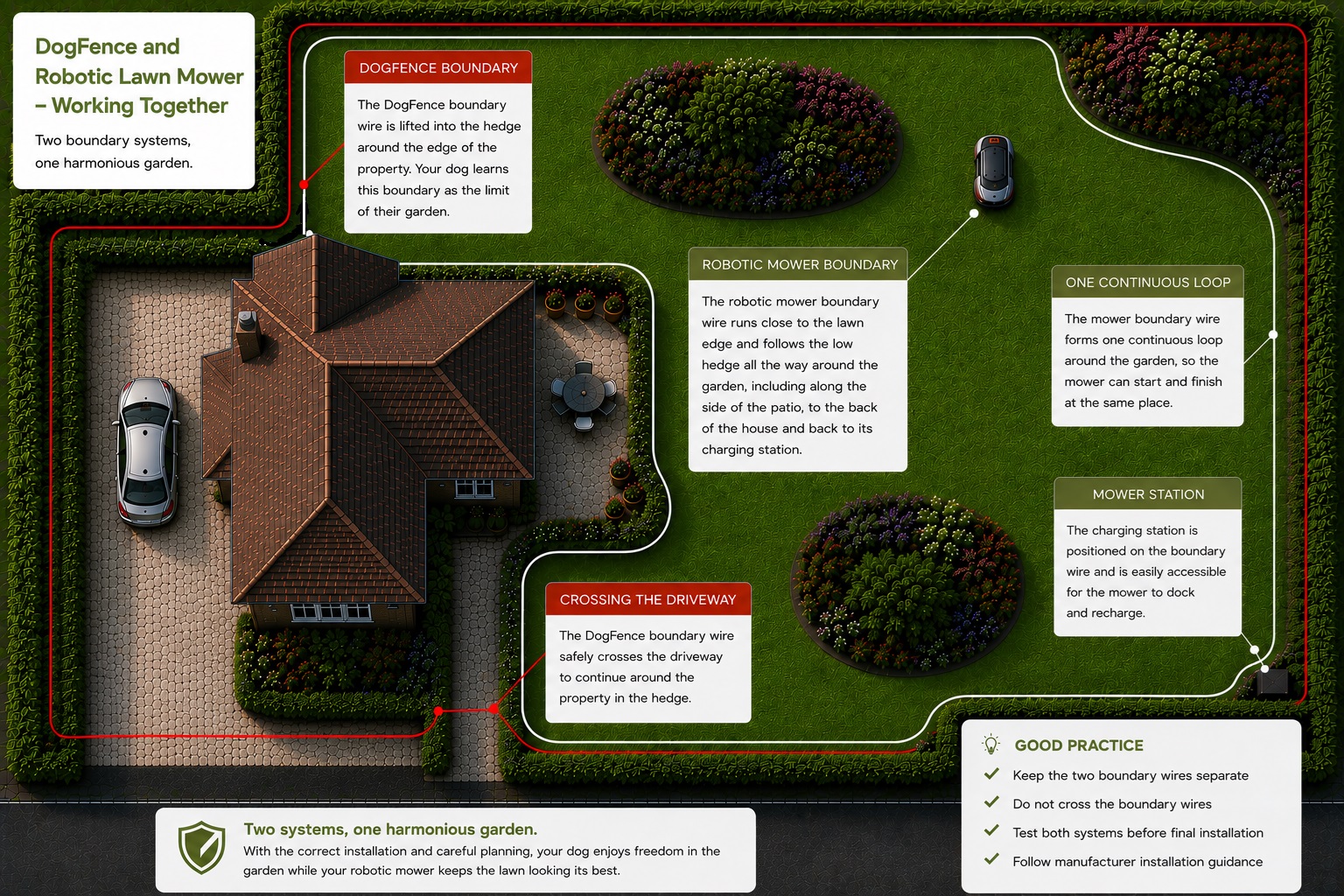
  1. Never cross the two boundary wires.
  2. Keep separation between the DogFence cable and mower cable where possible.
  3. Position the DogFence wire outside the robotic mower loop where the garden layout allows.
  4. Use the programmable DogFence frequency to fine-tune compatibility if required.
  5. Test both systems before the cables are permanently buried.

There is no single layout that suits every property, which is why our installations are individually designed.

If the DogFence boundary needs to cross a hard surface such as a drive, you can also read our guide to how the dog fence wire crosses a driveway.

DogFence and robotic lawn mower boundary wires installed separately to help prevent signal interference

The DogFence and robotic mower boundary wires should be positioned with enough separation between them. If the wires are too close together, the robotic mower may try to read the DogFence signal as its own boundary, causing interference.

How Far Apart Should the Robot Mower and DogFence Wires Be?

There is no universal distance that will suit every mower and every garden.

As a starting point, keeping the wires separated is preferable, but the distance required can vary depending on the robotic mower’s signal strength, model and the way the garden is laid out.

Larger-capacity robotic mowers can sometimes generate or respond to stronger boundary signals, so a layout that works perfectly with one mower may need adjusting for another.

This is why we recommend testing the complete setup before permanently burying both boundary wires rather than relying on a fixed measurement alone.

Which Robotic Lawn Mowers Work With DogFence?

Over the years, we have successfully used DogFence systems alongside a number of well-known robotic lawn mower brands.

We have had particularly good results with robotic mowers including:

  • Husqvarna Automower
  • Robomow
  • Selected Stihl iMow models

However, robotic lawn mower technology changes regularly and manufacturers introduce new models and boundary systems, so compatibility should always be assessed for the particular mower being used rather than assuming every model from a manufacturer will behave in exactly the same way.

If you are considering a mower, you can view the current ranges from Husqvarna and AutoLawns.

If you already have a robotic mower, simply tell us the make and model when you contact us and we can take it into account when planning your DogFence installation.

Can I Add a Robotic Lawn Mower If I Already Have a DogFence?

Yes, in many cases.

If your DogFence is already installed and you are considering buying a robotic lawn mower, it is worth checking the proposed mower layout before its boundary cable is permanently installed.

Ideally, tell the robotic mower installer that an electronic DogFence boundary is already present and show them where the cable runs.

If there is a compatibility issue once the mower is installed, we may also be able to adjust the DogFence frequency or advise on the boundary layout.

Can I Install a DogFence If I Already Have a Robot Lawn Mower?

Yes. Having an existing robot mower does not automatically prevent you from having a DogFence installed.

When designing the system, we can take the existing mower boundary into consideration and plan the DogFence cable accordingly.

Where possible, knowing exactly where the robotic mower cable runs is extremely helpful. We can then design and test the DogFence boundary before completing the installation.

Will My Robot Mower Affect My Dog’s DogFence Collar?

With a correctly installed DogFence FM system, the robotic mower should not cause random activation of your dog’s receiver collar.

The collar is designed to respond to the DogFence boundary signal rather than the mower’s boundary.

As with every installation, however, the complete system is tested to make sure the boundary is operating correctly before your dog begins their training.

Can My DogFence Also Create No-Go Zones Around the Garden?

Yes. A DogFence does much more than simply keep your dog within the outside boundary of your property.

Internal boundary loops can also be incorporated into many installations to create discreet areas that your dog learns not to enter.

This means you can give your dog freedom across most of the garden while protecting particular areas such as ponds, vegetable gardens, compost heaps or poultry areas.

Read our full guide to creating a no-go zone with a hidden dog fence to see how internal exclusion areas can work.

Protecting a Vegetable Garden

If your robotic mower already has its own designated lawn area, you may also want to keep your dog away from raised beds, vegetable patches or a greenhouse.

Find out how to keep your dog out of your vegetable garden.

Keeping Dogs Away From Ponds and Swimming Pools

A DogFence internal loop can also be designed around a pond or swimming pool while leaving the rest of the lawn available for your dog.

Read our guide to keeping dogs away from ponds and swimming pools.

Keeping Dogs Away From Compost

If your dog likes investigating compost heaps or bins, these can also form part of an exclusion area.

Find out why dogs should be kept away from compost heaps and bins.

Keeping Dogs Away From Chickens and Poultry

We can also create internal boundaries around chicken runs or dedicated poultry areas, allowing your dog to enjoy the garden without having unrestricted access to your birds.

Read our guide to how to keep your dog away from chickens.

Frequently Asked Questions About Dog Fences and Robotic Lawn Mowers

Do robotic lawn mowers interfere with electronic dog fences?

They can. Both systems may use signal-carrying boundary wires, and certain combinations of equipment can interfere with one another. Choosing a suitable dog fence system and planning the two cable routes carefully can greatly reduce the risk.

Can DogFence work with a Husqvarna Automower?

We have successfully installed DogFence systems alongside Husqvarna Automowers. Because models and technology change, however, we recommend checking the specific mower and garden layout rather than assuming compatibility based solely on the brand.

Can I cross the DogFence wire over the robotic mower wire?

No. We recommend that the two boundary wires are not crossed. The installation should be designed so that the two systems have separate cable routes.

Can the DogFence frequency be changed?

Yes. DogFence’s DogWatch FM system can operate on either a 4kHz or 8kHz frequency. Changing frequency can sometimes help resolve interference with other garden equipment.

Should I install the dog fence or robotic mower first?

Either can be installed first, but ideally the location of both boundaries should be considered before the second system is permanently installed. If one system is already in place, let us know where its cable runs so we can design around it.

Will a robotic mower make my dog’s collar activate?

A correctly installed DogFence FM system should not cause the receiver collar to activate in response to the robotic mower. We test the system during installation to make sure the dog’s boundary is operating correctly.

Can you install a DogFence in a garden that already has a robotic mower?

Yes. We regularly design DogFence installations around existing garden features and equipment. Tell us which robotic mower you have and, where possible, where its boundary cable is installed.

Keep the Perfect Lawn – and Give Your Dog the Freedom of the Garden

You shouldn’t have to choose between a robotic lawn mower and a DogFence. With the right system and a carefully planned installation, both can work together – giving you a beautifully maintained lawn while helping to keep your dog safely within their garden.

Whether you already have a robotic mower, are thinking of buying one or need a DogFence designed around an existing mower boundary, our experienced team can recommend the best layout for your property.

Your dog gets the freedom. Your robotic mower gets the lawn. You get peace of mind.

Ready to Use a DogFence With Your Robotic Lawn Mower?

Talk to our experienced team about your garden, your dog and your robotic mower and we’ll help you plan a DogFence installation designed to allow both systems to work together.

Contact us today for a free, no-obligation quote.

Call us on
01628 476475

Message us on WhatsApp
|
Request a Free Quote

Some images in this guide may have been created using AI to illustrate typical garden situations and possible DogFence layouts. They are for illustrative purposes only and do not represent specific customer installations unless stated otherwise. Every DogFence installation is individually designed to suit the property, garden layout and dog’s requirements.