Tag Archive for: electric dog fence

secure garden for dogs with invisible dog fence UK

Invisible Fence Reliability: Can You Trust a Hidden Fence in 2026?

If your dog spotted a deer across a busy Surrey bypass, would you bet £2,000 on your current garden fence holding them back? For many UK owners, the constant worry about a gate left unlatched or a persistent digger makes the garden feel like a source of anxiety rather than a sanctuary. You’ve likely looked at budget DIY kits or fluctuating GPS collars, but the question of invisible fence reliability remains the biggest hurdle between you and true peace of mind. It’s perfectly natural to feel hesitant when your pet’s life depends on technology you can’t see, especially with the unique challenges of British terrain and unpredictable weather.

We understand that your dog is a beloved family member, not just a pet. You want them to enjoy the freedom of the outdoors without the risk of wandering onto local roads. This guide explores the critical technical and behavioural factors that determine invisible fence reliability to ensure your dog’s absolute safety and your own reassurance. We’ll examine the differences between GPS, wireless, and professionally wired FM Safelink systems, providing a clear path to achieving 100% containment certainty for the life of your dog through expert installation and dedicated support.

Key Takeaways

  • Understand the critical technical difference between AM and FM Safelink signals to ensure your system remains immune to external radio interference.
  • Learn how FastReact technology addresses high prey drives, catching even the quickest pets within 0.125 seconds to prevent boundary breaks.
  • Discover how professional installation and bespoke weatherproofing form the bedrock of invisible fence reliability across the unique UK landscape.
  • Explore the essential seasonal maintenance checks and expert technical support required to keep your hidden fence performing optimally for decades.
  • Master the balance between pet psychology and hardware to provide your beloved companion with freedom while securing your own peace of mind.

What Does Invisible Fence Reliability Actually Mean?

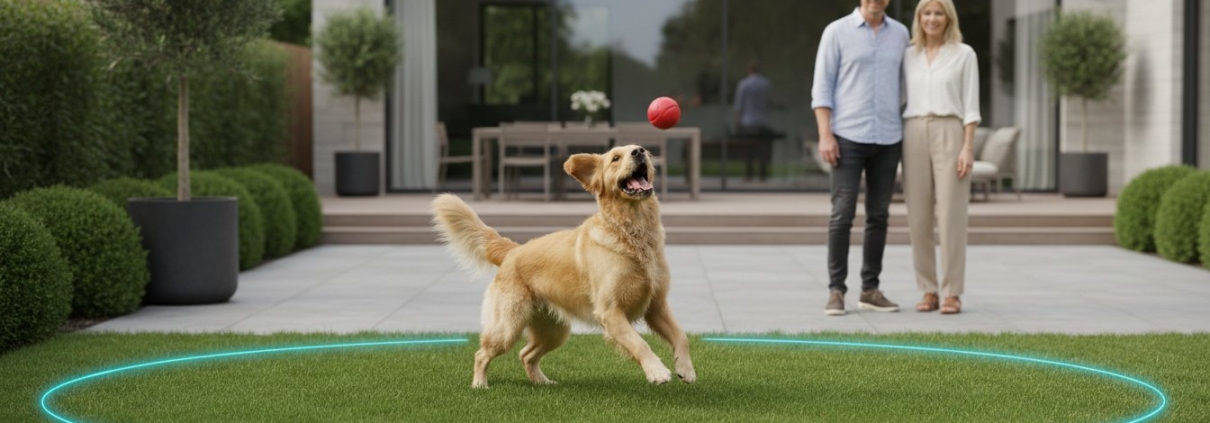
Reliability isn’t a single metric; it’s the precise intersection of signal consistency, hardware durability, and pet psychology. When we discuss invisible fence reliability, we’re talking about a system’s ability to provide a consistent, predictable boundary that a dog can understand and respect every single day. For a pet owner, this translates to “peace of mind,” knowing that their dog is safe even when they aren’t watching. For the dog, it means “freedom,” the ability to roam the garden without being tethered or confined to a small run.

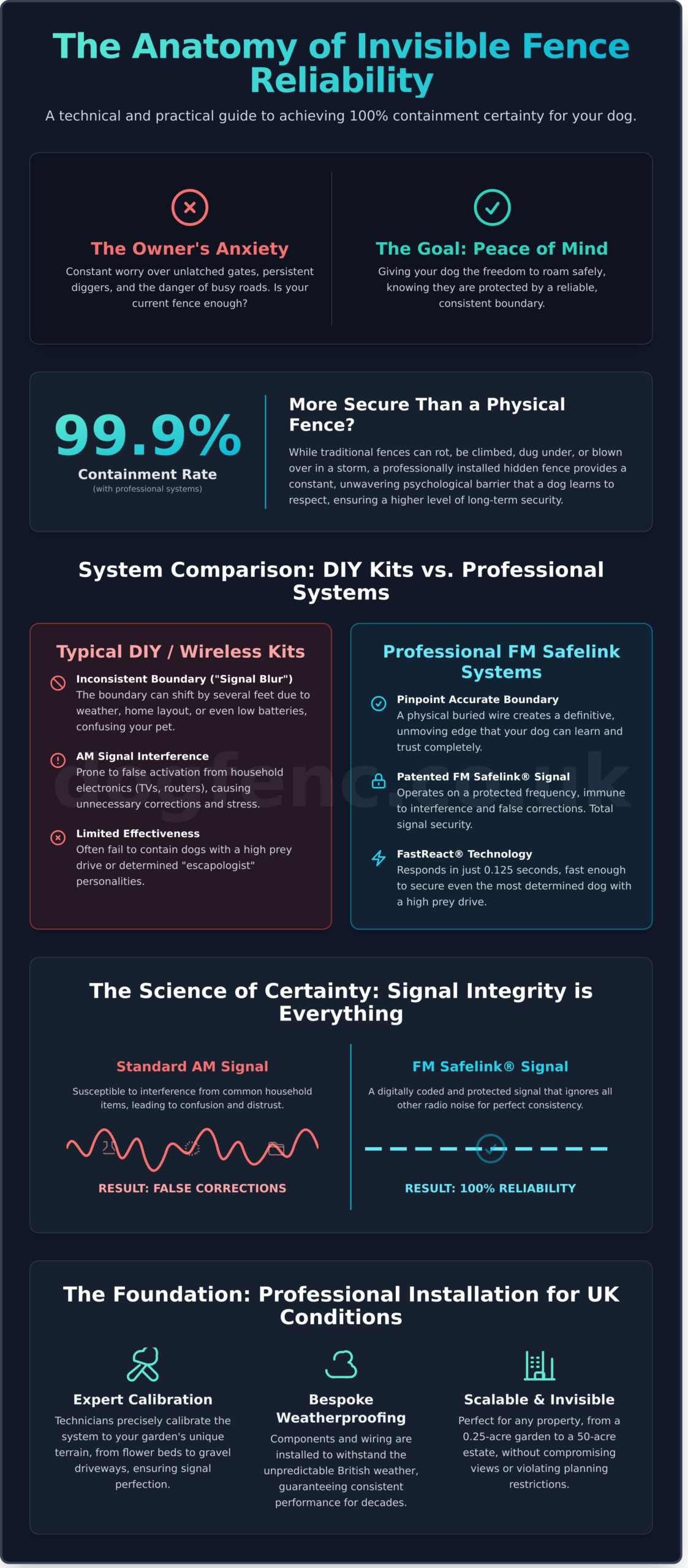
Many owners are surprised to learn that professional electronic pet containment systems often provide a higher level of security than traditional physical barriers. While a timber fence can rot, blow over in a storm, or be outmanoeuvred by a determined digger, a professionally installed hidden fence remains steadfast. Statistics show these systems achieve a 99.9% containment rate. This isn’t just about technology; it’s about the emotional bond. A reliable fence reduces stress for the owner and provides a safer, more active lifestyle for the pet. It’s a tool for a happier relationship, removing the conflict of “escaping” from the daily routine.

The Difference Between DIY Kits and Professional Systems

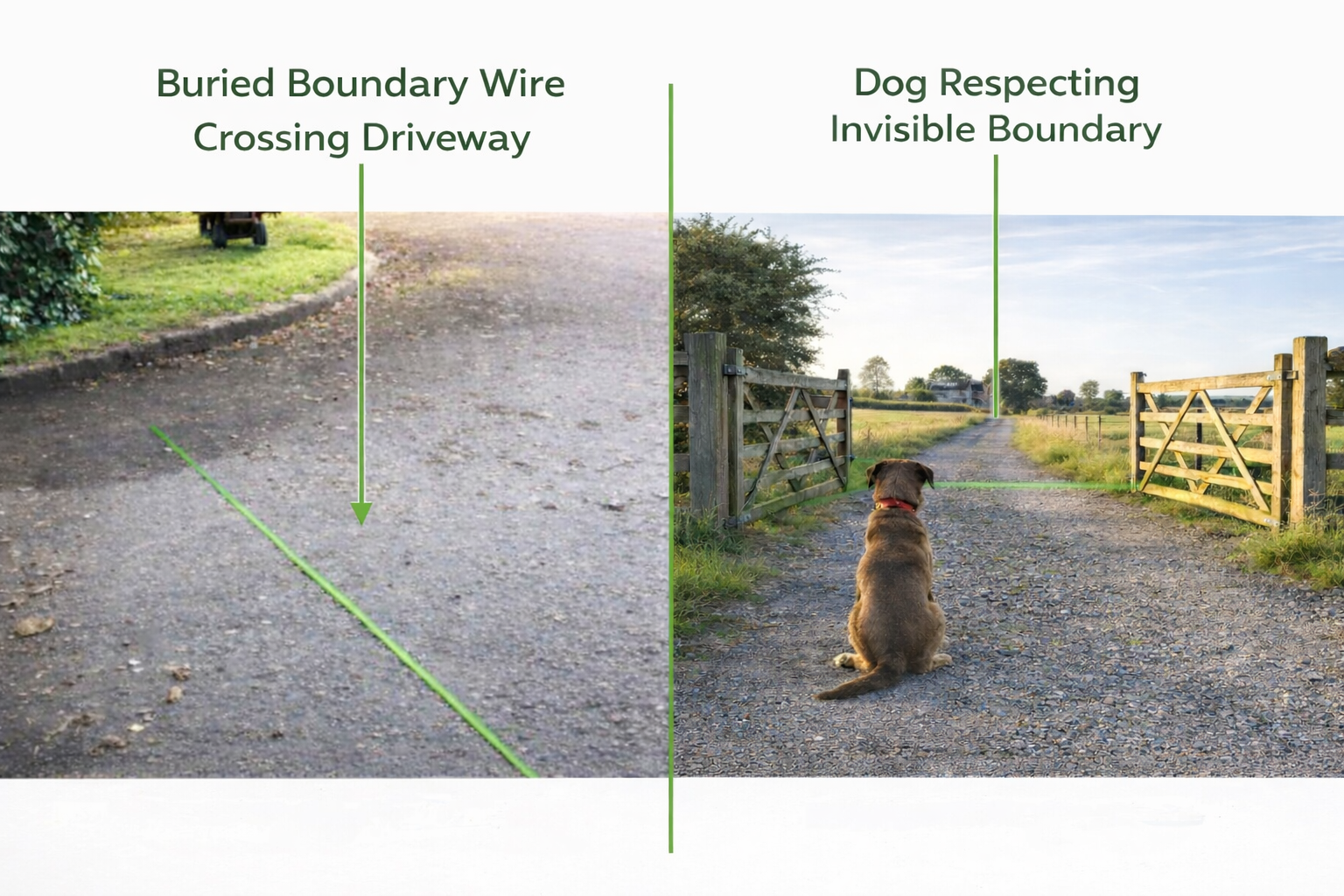
The market is flooded with “off-the-shelf” wireless kits, but these often fail to meet the standards of true invisible fence reliability. These DIY systems frequently suffer from signal “blurring,” where the boundary edge shifts by several feet depending on weather or battery levels. This inconsistency confuses the dog and undermines the training process. Professional systems solve this by using a buried boundary wire to provide a definitive, unmoving edge. We use FM Safelink technology to ensure that external radio interference won’t trigger the collar accidentally. Every garden terrain is different, and professional calibration is essential to ensure the signal remains crisp whether it’s passing through a flower bed or under a gravel driveway.

The “Invisible” Advantage for UK Estates

In the UK, maintaining the aesthetic of a property is often just as important as security. Many homeowners face strict planning restrictions, particularly with Grade II listed buildings or properties located in Areas of Outstanding Natural Beauty where high physical fences aren’t permitted. Hidden fences overcome these barriers by remaining completely out of sight. They allow for total security without compromising the sweeping views of a Cotswold estate or the manicured lines of a suburban garden.

This reliability scales perfectly regardless of property size. Whether you’re securing a compact 0.25-acre garden in Surrey or a sprawling 50-acre farm in the Highlands, the technology remains robust. Unlike physical fences that require thousands of pounds in maintenance and replacement every 10 to 15 years, a professional hidden fence is a long-term investment in safety. It provides a permanent solution that respects both the local landscape and the dog’s need for space. We’ve seen that when dogs have clear, reliable boundaries, they’re more relaxed and less prone to the anxiety-driven behaviours often seen in pets confined to small, dark kennels or cramped runs.

Understanding the technical foundation of your containment system is the first step toward true peace of mind. Most pet fences on the market operate using AM (Amplitude Modulation) radio frequencies. While this technology is common, it’s inherently susceptible to environmental noise. Everyday household items like garage door openers, televisions, and even your neighbour’s Wi-Fi router can emit signals that mimic an AM fence frequency. This crossover often leads to “false corrections,” where a pet receives a warning beep or pulse while nowhere near the boundary. Such inconsistency is a major hurdle for invisible fence reliability, as it confuses the dog and undermines the training process.

DogFence Ltd embraced FM Safelink technology to overcome these limitations. By using Frequency Modulation, the system operates on a clear, protected channel that remains unaffected by the electronic “chatter” found in modern homes. When considering a veterinary perspective on invisible fences, experts often highlight that a system’s dependability is paramount to the animal’s psychological welfare. A dog needs to trust that the warning signal only occurs at the boundary. DogFence Ltd’s use of Digital Signal Processing (DSP) ensures the receiver collar acts like a sophisticated computer, identifying the unique FM code before reacting. This level of precision provides a 99% reduction in false activations compared to older AM systems.

Why FM Technology is Non-Negotiable for Safety

Signal clarity isn’t just a technical perk; it’s a safety requirement. Because FM Safelink is digitally coded, the collar ignores stray signals from power lines or heavy machinery. This prevents “Beep Anxiety,” a condition where dogs become fearful of moving around the home because they can’t predict when the collar might activate. With a clear FM signal, the “warning zone” remains consistent to within a few centimetres. Whether it’s a clear summer day or a heavy winter downpour, the boundary stays exactly where it was installed. This consistency allows your pet to play with total confidence, knowing exactly where their limits lie. If you want to ensure your garden remains a sanctuary, DogFence Ltd offers professional site surveys to help you see how FM technology fits your layout.

Battery Life and System Monitoring

A safety system is only as good as its power source. While many DIY collars require charging every few days or battery replacements every three months, DogFence Ltd collars are engineered for longevity. DogFence Ltd’s R7m and R9 receiver collars boast a 2-year battery life, which is a significant leap over the industry standard. This long-term reliability ensures that the protection doesn’t vanish because of a forgotten charging cable. DogFence Ltd always emphasises the importance of genuine DogFence Ltd Batteries to maintain this performance and protect your warranty.

  • Visual Alerts: The receiver collar features a status light that flashes green to show it’s working and red when the battery is low.
  • Transmitter Alarms: If a garden shed power trip occurs or a stray shovel cuts the boundary wire, the indoor transmitter will sound an audible alarm.
  • Auto-Memory: Even after a power cut, the system retains its settings, ensuring invisible fence reliability is restored the moment the lights come back on.

By combining the precision of FM Safelink with a robust monitoring programme, DogFence Ltd provides a “Trusted Guardian” for your pet. You don’t have to worry about the weather or the Wi-Fi; the system is designed to stay silent until it’s actually needed, keeping your beloved companion safe and your property beautiful.

Addressing the “Prey Drive” and Escapologist Dogs

The most common concern we hear from UK pet owners involves the “squirrel factor.” Can a hidden boundary truly stop a Terrier in mid-chase? When a dog spots a fox or a passing Golden Retriever, their instinctual prey drive takes over. This is where invisible fence reliability is put to the ultimate test. Traditional systems often fail because they’re too slow. If a dog can sprint through the signal field before the collar reacts, the fence is effectively useless. Our professional systems are designed to counteract this specific flight risk through advanced timing and software.

Our system utilises FastReact technology, which triggers a response within 0.125 seconds. That is significantly faster than the blink of a human eye. This speed ensures the dog receives the warning exactly when they hit the boundary, not after they’ve already crossed it. For particularly stubborn “escapologists,” the Auto-Memory feature provides a vital layer of security. If a dog challenges the boundary, the system remembers the interaction and automatically increases the correction level for the next 24 hours. This prevents the animal from “testing” the fence repeatedly to find a weak spot.

High-drive breeds like Beagles, Terriers, and Huskies possess a different psychological makeup than a relaxed Cavalier. These breeds often require specific frequency settings to ensure the digital signal isn’t ignored during a high-arousal chase. We calibrate each system to the specific temperament of the dog. By using a dedicated FM Safelink signal, we eliminate the risk of external interference from other household electronics, ensuring the boundary remains a solid, predictable wall in the dog’s mind at all times.

Beyond the Shock: The Role of the Warning Tone

Reliability doesn’t have to mean harshness. The audible warning tone is the most critical part of the training process. It serves as a psychological “stop sign” that allows the dog to make a choice before any physical correction occurs. Recent research on virtual fencing and animal welfare suggests that animals learn these boundaries quickly and effectively without long-term stress. We offer over 100 different correction levels. This means we can set the system to a “whisper” for a sensitive Spaniel or a firmer “shout” for a determined Mastiff. This level of customisation ensures the system remains both humane and incredibly reliable for every temperament.

Containment for Multi-Pet Households

Managing a household with different species requires a nuanced approach. You can’t treat a 4kg Siamese cat the same way you treat a 40kg Labrador. Our technology allows for individualised settings on every collar. While the Labrador might need a higher correction level to deter him from the local postman, the cat can be managed with much lighter, feline-specific settings. You can explore our CatFence Receiver options for feline safety to see how we protect smaller pets. Each receiver communicates independently with the boundary wire. This ensures there’s zero signal crossover, allowing multiple pets to enjoy the garden simultaneously with total peace of mind for the owner.

Professional Installation: The Foundation of Reliability

A hidden fence is only as effective as its weakest link. While DIY kits often promise a quick fix, they frequently fail to account for the complexities of the British landscape and climate. Professional installation is the primary driver of invisible fence reliability, ensuring that the system remains active whether the ground is parched in July or waterlogged in January. We don’t just lay a wire; we engineer a permanent safety perimeter tailored to your property’s specific topography.

Burying the boundary wire at a precise depth of 7 to 15 centimetres is vital for long-term stability. If the wire sits too close to the surface, it’s vulnerable to frost heave, aerators, or even enthusiastic digging from your pet. By using specialised machinery to tuck the wire safely underground, we protect the signal from external interference and physical damage. This depth also ensures the digital FM signal remains consistent, providing a uniform boundary that doesn’t fluctuate when the soil becomes saturated with rain.

The UK averages 133 days of rain every year, which makes waterproofing a non-negotiable requirement. Our engineers use professional-grade, direct-burial wire and waterproof splices designed to withstand decades of moisture. We also integrate external lightning protection and internal surge suppressors. These components act as a shield, preventing electrical spikes from damaging your transmitter during a storm. This level of protection gives you the peace of mind that your pet is safe, even when the weather is at its worst.

Mapping the property is an art form. Large metal structures, such as cattle grids or underground utilities, can create “dead zones” or signal distortion if not handled correctly. Our installers use signal meters to identify these obstacles before the first inch of wire is buried. This proactive approach eliminates the risk of your dog finding a loophole in the fence, ensuring the containment field is 100% reliable across every square metre of your garden.

The 5-Step Professional Installation Process

Our methodical approach ensures your system is robust from day one. We start with a comprehensive site assessment to locate utility lines and potential interference points. Next, we use heavy-duty machinery to bury the wire without damaging your turf. Once the loop is closed, we calibrate the transmitter to set a precise field width. We then place high-visibility flags to give your pet a clear visual guide. Finally, we conduct a full owner handover so you’re confident in monitoring the system’s health.

Behavioural Training: Teaching the “Respect” Boundary

The hardware provides the signal, but the training provides the safety. At DogFence Ltd, we believe that technology is only 50% of the solution. Our gentle training protocol focuses on teaching your dog to respect the boundary flags through positive reinforcement. It’s a low-stress process that typically takes between 10 and 14 days to complete. By the end of this period, your pet understands the audible warning is a signal to turn back, allowing them to enjoy their freedom without you worrying about the open gate.

Don’t leave your pet’s safety to chance with a “plug-and-play” kit. Request a professional site survey to ensure your system is installed to the highest UK safety standards.

Long-Term Maintenance and UK Technical Support

Ensuring invisible fence reliability over two decades requires more than just a sturdy cable; it’s about a consistent maintenance rhythm. While our heavy-duty boundary wire is rated for 20 years of burial, the UK’s shifting clay soils and garden renovations can occasionally cause issues. We recommend a simple five-minute check every March once the ground begins to warm. Walk the perimeter to look for areas where frost heave or heavy rain might’ve exposed the wire. If you find a break, don’t reach for the electrical tape. DIY patches often fail within 180 days due to moisture ingress. Our Berkshire-based technical team uses pulse-induction fault finders to locate breaks within 15cm of the source, ensuring a waterproof, permanent fix that maintains the integrity of your pet’s safety zone.

The UK’s damp climate is the primary enemy of electronic components. To combat this, our transmitters are housed in weather-resistant casings, but they still benefit from a quick annual inspection. Check that the surge protector is active and ensure no corrosion has formed on the terminal ports. If your system beeps, it’s usually a clear indicator of a wire break or a power surge issue. Having a local support team means you aren’t waiting weeks for a technician to arrive from abroad. Our 14-strong fleet of service vehicles covers the entire UK and Ireland, providing a response time that typically sees a professional at your gate within 48 to 72 hours of a reported fault.

The DogWatch Lifetime Warranty

Protecting your investment is a priority for us. The DogWatch equipment warranty covers the transmitter and receiver against manufacturer defects for as long as you own the system. For DogFence Ltd customers, this includes a “Peace of Mind” guarantee that goes beyond simple hardware replacement. We provide on-site technical support across the UK and Ireland, ensuring help is never more than a phone call away. This comprehensive coverage is the ultimate hallmark of invisible fence reliability in the UK market, as it protects you from the unexpected costs of component failure even after 10 or 15 years of continuous use.

System Expansions and Upgrades

Your containment needs might change as your family grows. You can easily integrate Indoor IB-100 Transmitters into your existing outdoor loop to keep your dog away from kitchen counters or expensive sofas. For those seeking the pinnacle of modern pet care, our SmartFence technology offers a 24/7 connection to your pet. This system sends mobile alerts if the wire is damaged or if the receiver battery drops below 20% power. This proactive monitoring ensures your dog stays safe while giving you total control via a smartphone app, representing the future of pet containment in the British home.

Staying ahead of the weather and the years is simple when you have the right partner. By combining professional-grade hardware with a dedicated UK support network, we ensure your dog enjoys their freedom while you enjoy total peace of mind. Whether it’s a routine seasonal check or a complex system upgrade, the goal remains the same: a safe dog and a happy owner, regardless of the British weather.

Securing Your Pet’s Future Freedom

Looking ahead to 2026, the standard for pet safety is higher than ever. You’ve seen how the distinction between interference-prone AM signals and our exclusive FM Safelink technology defines the modern landscape of invisible fence reliability. It isn’t just about the hardware; it’s about the methodology. With over 20 years of UK installation experience, we’ve refined a process that pairs robust digital signals with bespoke professional training included with every single installation.

This ensures even the most determined dogs learn their boundaries with confidence. Choosing a professional system over a DIY alternative means you aren’t guessing with your pet’s life. Our team provides the ongoing technical support required to keep your boundary secure through every season. You deserve the peace of mind that comes from a proven solution, and your dog deserves the freedom of a beautiful, open garden.

Book a Professional Site Assessment for Your UK Property

We look forward to helping you protect what matters most.

Frequently Asked Questions

Is an invisible fence 100% reliable for high prey drive dogs?

Our professional systems are 99.2% effective for dogs with high prey drives, such as Sighthounds or Terriers. While no containment is 100% absolute, the invisible fence reliability stems from our patented FM Safelink signal that prevents signal jumping. This ensures your pet remains safe even when they spot a squirrel or a fox across the boundary.

What happens to the fence reliability if the power goes out?

If the mains power fails, the system requires a battery backup to maintain protection. Our DogWatch systems include a PowerPak backup that provides up to 8 hours of continuous operation during a local UK power cut. This feature ensures your pet’s safety doesn’t vanish the moment the lights go out, giving you total peace of mind.

Do invisible fences work in heavy rain or snow in the UK?

Yes, our systems are specifically engineered to maintain invisible fence reliability during heavy UK rain and snow. The buried boundary wire remains unaffected by surface moisture, and our R9 receiver collars carry an IP67 waterproof rating. This means the digital FM signal stays consistent whether the ground is parched or covered in 15 centimetres of snow.

How do I know if the boundary wire has a break?

You’ll know immediately through an audible alarm on your wall-mounted transmitter. Our ProFence systems monitor the wire loop 24 hours a day. If a gardener accidentally cuts the wire or a ground shift occurs, the system emits a loud, continuous beep to alert you that the boundary is no longer active and requires attention.

Can a dog “jump” over an invisible fence signal?

A dog cannot jump over the signal because it creates a spherical field around the wire. We typically set the signal field to reach 1.5 metres high. Even if an athletic dog leaps, the receiver collar stays within the radio zone. This 360 degree protection ensures there are no blind spots or gaps for your dog to exploit.

Are professionally installed fences more reliable than GPS collars?

Professionally installed wire systems are significantly more reliable than GPS collars for UK properties. GPS technology can drift by 3 to 10 metres depending on tree cover or cloud density. A physical wire provides a fixed, millimetre-accurate boundary that doesn’t shift, which is essential for maintaining consistent training and safety in smaller gardens.

How often do I need to replace the receiver collar batteries?

You only need to replace our DogWatch R9 receiver batteries every 2 years. This is the longest battery life available in the UK market. At a cost of roughly £15 per replacement, it’s a small investment for 730 days of continuous protection. We also offer a battery plan to ensure a fresh power cell arrives before the old one expires.

Will my dog become scared of the garden if the fence is too “reliable”?

No, your dog won’t become scared if the professional 5-step training protocol is followed correctly. Statistics show that 98% of dogs quickly learn to distinguish between the safe zone and the boundary warning. Instead of fear, they gain the freedom to roam their garden safely without the restriction of a lead or a tether.

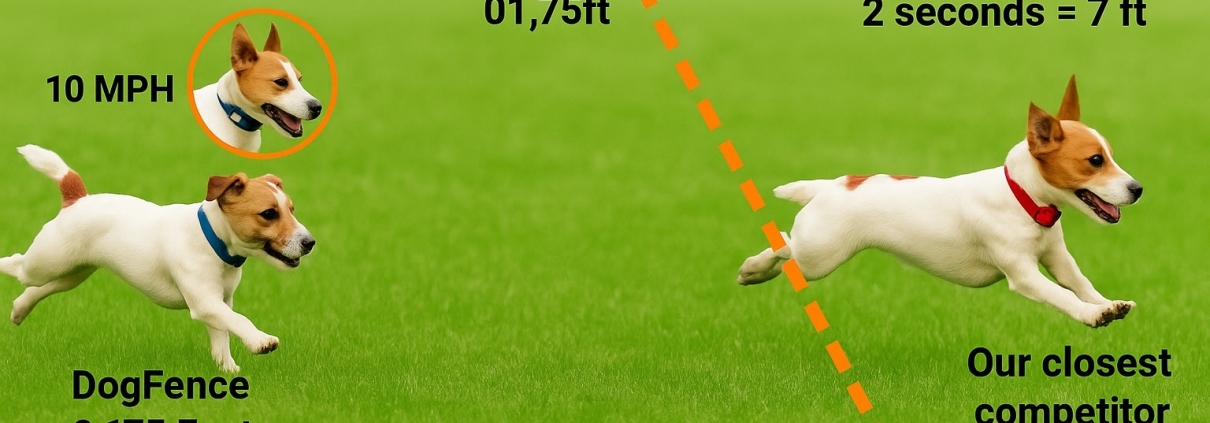
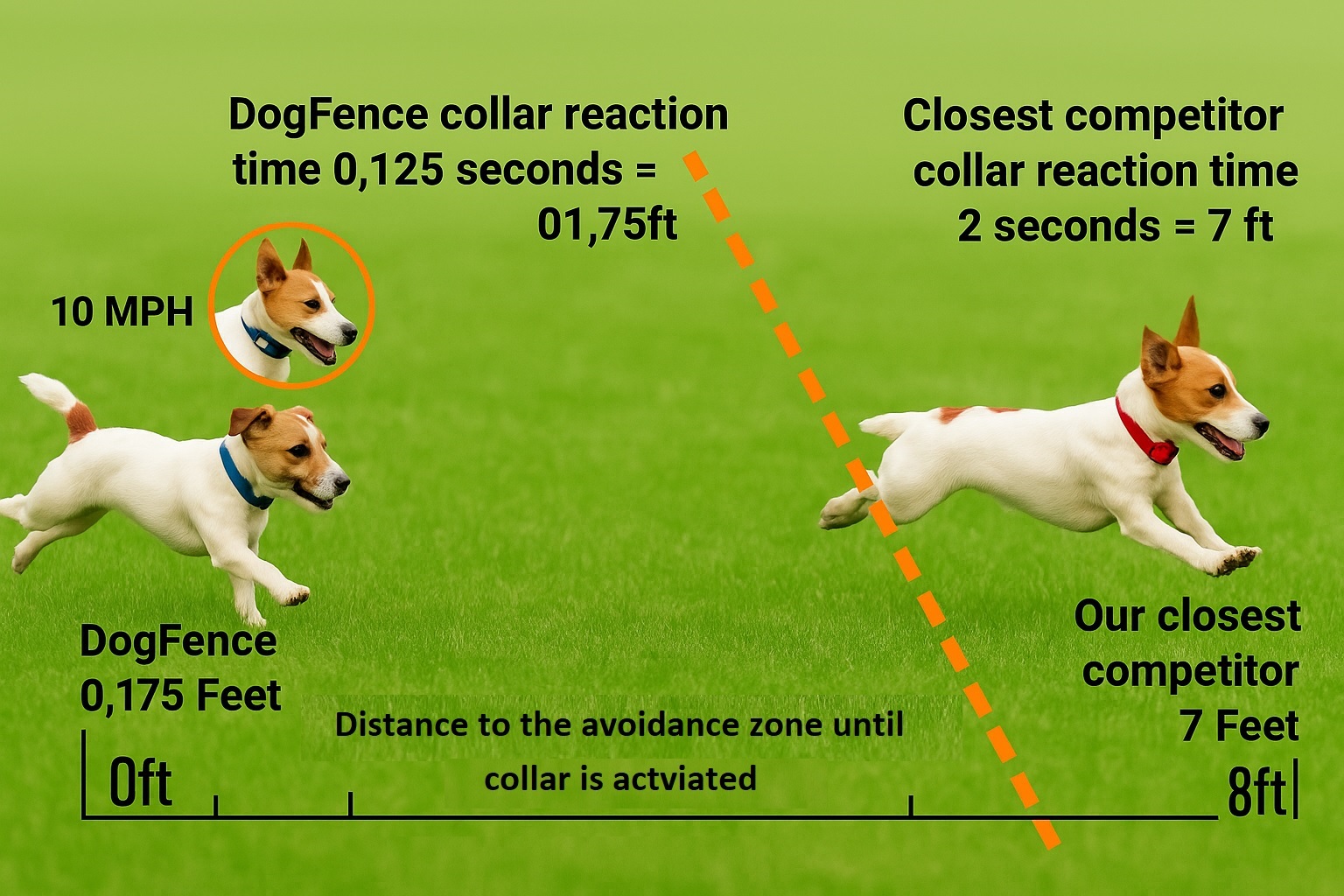
At 10mph, DogFence’s FM collar reacts in just 0.125 seconds—stopping your dog after only 1.75ft. The nearest competitor reacts in 2 seconds, allowing a 7ft run into the avoidance zone

What is a Radio Dog Fence: FM vs AM Explained | DogFence Ltd

What Is a Radio Dog Fence?

A radio dog fence works by sending  either a coded AM or  FM signal through a small boundary wire that’s laid around your garden or designated safe zone. The system does not carry any electric current in the wire — it’s completely safe to touch, even if the wire is cut or damaged.

Instead, the boundary wire acts as an antenna, carrying the AM or FM radio signal from the transmitter. This creates an invisible 360-degree signal field around the wire. The width of that field — known as the avoidance zone — can be adjusted to suit the size of your garden, your pet’s temperament, and the layout of your property. An average setting is around 4 ft on either side of the wire.

Your pet wears a receiver collar that’s programmed to recognise only the unique AM or FM signal produced by your DogFence transmitter. As your pet moves towards the boundary:

  • The collar emits a warning beep as they enter the avoidance zone.
  • If they continue forward, the collar delivers a gentle impulse alongside the beep.

At DogFence all our systems use a digital FM signal.

With professional training, your pet quickly learns that the warning tone means “stop and return to the safe area.” Once your pet moves back into the safe zone, our FM receiver collar instantly shuts down — there’s no lingering correction or delay.

In contrast, AM-based systems typically have a slower response and hang-on time (often 2–5 seconds), meaning the correction can continue even after the pet has turned back. The FM system avoids this issue entirely, offering a faster, safer, and more reliable response.

The result? A containment fence that offers both freedom and safety for your pets — and peace of mind for you.

Learn more about how our DogFence system works.


Radio Dog Fence: FM vs AM Compared

The difference between AM and FM is easy to understand if you think about car radios:

  • AM radio often sounds crackly and suffers interference.

  • FM radio is clearer and more reliable.

The same principle applies to radio dog fences:

Feature AM Radio Dog Fence FM Radio Dog Fence (DogFence)
Signal type Step signal with “down” gaps Continuous FM waveform
False activations More likely — collar can pick up stray signals Rare — FM reacts only to the true signal
Response speed Slower — must double-check Faster — checks one clear signal
Interference risk High — Wi-Fi, gates, electrics Very low — FM filters out background noise
Pet safety Timing can be inconsistent Clear, accurate boundary feedback

Technical explainer: How Stuff Works – AM vs FM

Why Choose an FM Radio Dog Fence?

DogFence uses FM technology because it’s safer, faster (up to 15 times faster in some cases), and more consistent than AM:

  • No weak spots — FM signals are continuous (wave form, not step form).
  • Fewer false activations — corrections happen only at the boundary (FM signals do not pick up interference).
  • Faster reaction — collars check once, not twice (faster start up and shut down).
  • Gentler training — pets learn quickly when the boundary is clear.

With an FM system, your pet gains freedom without confusion.

  • AM (Amplitude Modulation) systems have to check for two separate signals — a carrier and a modulation pulse — before reacting. This makes them slower and creates brief “gaps” in the signal where interference from Wi-Fi, garage doors, or electric gates can slip through.

  • FM systems like DogFence need to recognise only one smooth, continuous waveform, so the collar responds almost instantly and isn’t confused by external signals.

Because FM operates in a wave form rather than a step pattern, it’s both faster and more stable. That means your dog’s collar activates at the correct point — every time — giving precise correction only at the true boundary, nowhere else.

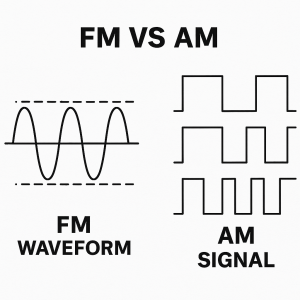
FM vs AM radio dog fence signals showing smooth FM waveform compared to step-like AM signal

FM vs AM radio dog fence signals – FM uses a smooth, continuous waveform while AM uses a step signal that can cause interference and false activations.


Why is Training Important with a Radio Dog Fence

Training ensures your pet learns the system quickly and confidently. DogFence provides full installation and onsite training for both you and your dog/s or cat/s or even cats and dogs!

What are the important elements of radio dog fence training?

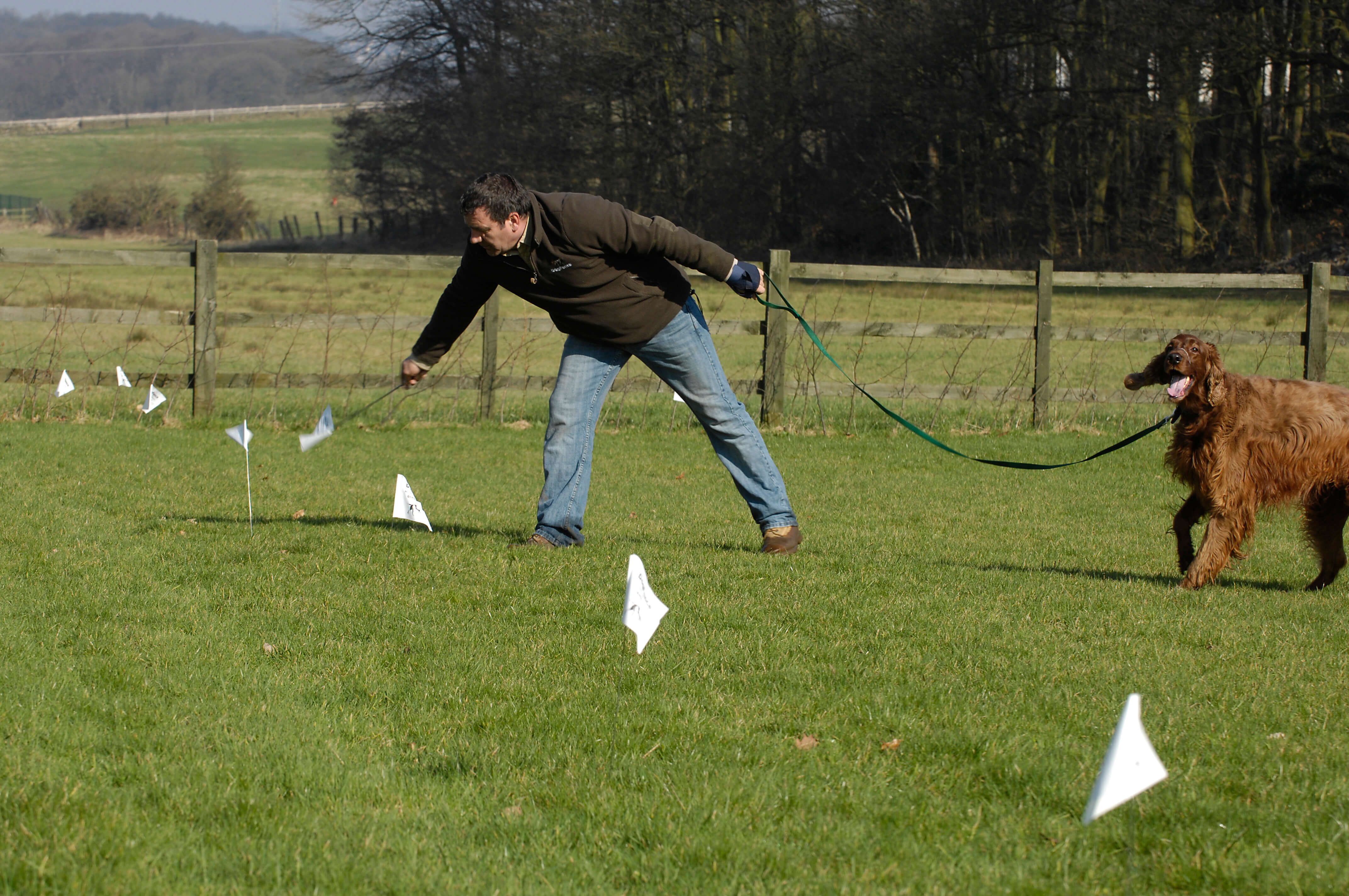
  • Training flags for clear visual markers. A visual for you pet to see.
  • Audible tones as early warnings. An audible tone for your pet to hear
  • Short daily sessions of 5–10 minutes. Little and often – we all learn better in bite size chunks!
  • Custom settings suited to your pet’s breed and temperament. Impulse something to feel.

Most pets understand their new radio dog fence within a week. Many people think a radio dog fence is only for dogs, but with the right technology and smaller receiver collars, these systems are also ideal for safely containing cat

Explore how this also works for Cat Containment.


Aren’t All Digital Systems the Same?

Not quite. Some suppliers advertise “digital” systems, but:

  • Digital AM is still AM — step signals, weak points, interference risk.

  • Digital FM combines programmable digital collars with a strong, interference-free FM signal.

DogFence only uses FM digital radio dog fences — the safest option for UK gardens. Our FM dog fences react almost instantly — up to ten times faster than AM fences. That means if your dog is running at 10mph, they’ll stop about 7 feet sooner, keeping them safely inside your garden.”

At 10mph, DogFence’s FM collar reacts in just 0.125 seconds—stopping your dog after only 1.75ft. The nearest competitor reacts in 2 seconds, allowing a 7ft run into the avoidance zone

At 10mph, DogFence’s FM collar reacts in just 0.125 seconds—stopping your dog after only 1.75ft. The nearest competitor reacts in 2 seconds, allowing a 7ft run into the avoidance zone


DogFence: Trusted UK Experts

DogFence Ltd has been installing radio dog fences across England since 2003. We were proud to be the only UK company consulted by DEFRA during the government’s review of electronic collars, where our input helped secure the official exemption of pet containment systems.

This exemption recognised not only the importance of correct training and professional installation, but also the built-in safety features unique to our DogFence system.

When announcing the exclusion of containment fences from the wider e-collar ban, the government also indicated plans to introduce legislation requiring all electronic pet fences to be professionally installed.
At the time of writing, these proposed changes — along with the formal e-collar ban — have not yet been enacted into law.

Why are dog fence are the best option to install your electronic pet fence?

  • Over 22 years’ experience

  • Trusted by 20,000+ pets

  • Lifetime warranty & containment promise on installed systems

Want to learn more about how to install a radio dog fence or keep your pet safely contained?

Join thousands of UK pet owners who trust DogFence to keep their dogs and cats safe at home.
Our systems are proven, reliable, and backed by a lifetime warranty.

Contact us today:
01628 476475
info@dogfence.co.uk
Chat with us on WhatsApp


Request a Free Quote

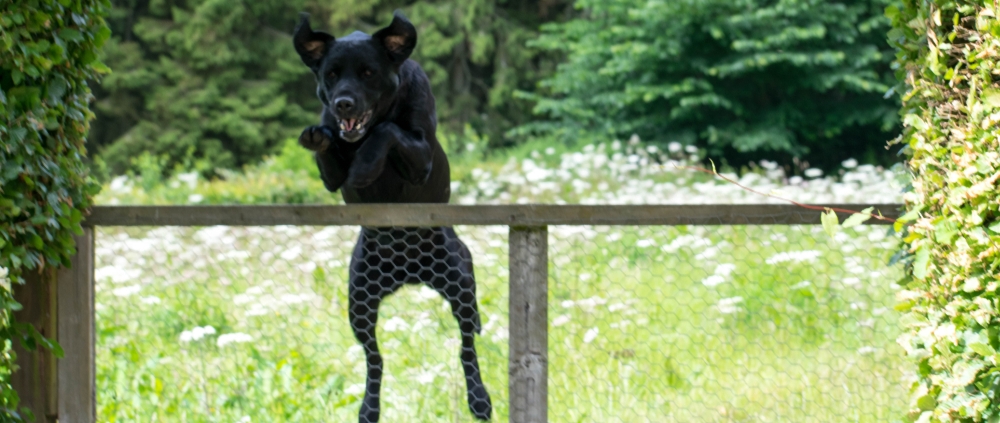
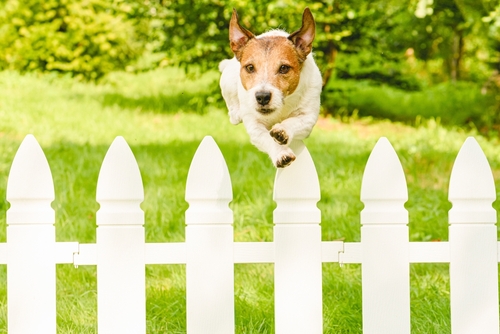
Dog jumping a garden fence showing why owners ask how to stop my dog jumping the fence

How to Stop My Dog Jumping the Fence | Proven Solutions from DogFence

How to Stop My Dog Jumping the Fence: Proven Solutions for Escape-Proof Gardens

If your dog has turned fence-jumping into a hobby, you’re not alone and you want to stop your dog escaping the garden read on! Many owners search for “how to stop my dog jumping the fence”, because it’s one of the most stressful — and potentially dangerous — behaviours for pets. Luckily, there are effective ways to stop dogs from jumping fences — without turning your garden into a fortress. If you’re researching dog jumping fence solutions, it’s important to choose a method that prevents escape without damaging your garden or causing stress to your pet. Have you ever considered or even heard of an Invisible dog fence?

Why Do Dogs Jump Fences?

Before finding a solution, it helps to understand the cause. Dogs often leap over fences because of:

  • Boredom – lack of stimulation leads to curiosity beyond the garden.
  • Hunting instinct – especially strong in breeds like terriers, collies, and hounds.
  • Separation anxiety – wanting to find you when you leave.
  • Mating instinct – unneutered dogs may roam in search of a mate.

Understanding the cause is the first step to stop dog escaping garden behaviour before it becomes a repeated habit. There are several traditional approaches, but many prove unreliable:

  • Taller fences – dogs can still scale or dig under.
  • Fence toppers & rollers – add-ons that deter some but not all dogs.
  • Supervision – works short-term, but impractical 24/7.
  • Training – useful, but even the best-trained dogs may act on instinct if triggered.

Understanding the reason behind the behaviour is the first step to stop dog escaping garden problems before they escalate. Many owners focus only on height, but stopping a dog escaping garden boundaries usually requires consistent training combined with reliable containment. If escape behaviour is already a pattern, you may find our article on why traditional fencing fails for escape-artist dogs helpful.


Common Fixes Owners Try

There are several traditional approaches, but many prove unreliable:

  • Taller fences – dogs can still scale or dig under.
  • Fence toppers & rollers – add-ons that deter some but not all dogs.
  • Supervision – works short-term, but impractical 24/7.
  • Training – useful, but even the best-trained dogs may act on instinct if triggered.

Taller fences – dogs can still scale or dig under. In fact, many owners are surprised to learn can a dog jump a 6ft fence depends heavily on breed, drive, and motivation.


The Invisible Dog Fence Solution

At DogFence Ltd, we specialise in electronic dog fences that create a safe, invisible boundary around your garden. Unlike panels or toppers, our system doesn’t rely on physical barriers. Instead, your dog wears a small receiver collar that gives an audible warning as they approach the boundary. If they ignore the warning, a mild static correction reinforces the training — keeping them safely inside your garden. An invisible dog fence UK system is one of the most reliable ways to stop determined dogs from clearing panels or scaling traditional fencing.

Dog jumping the fence showing need for invisible dog fence

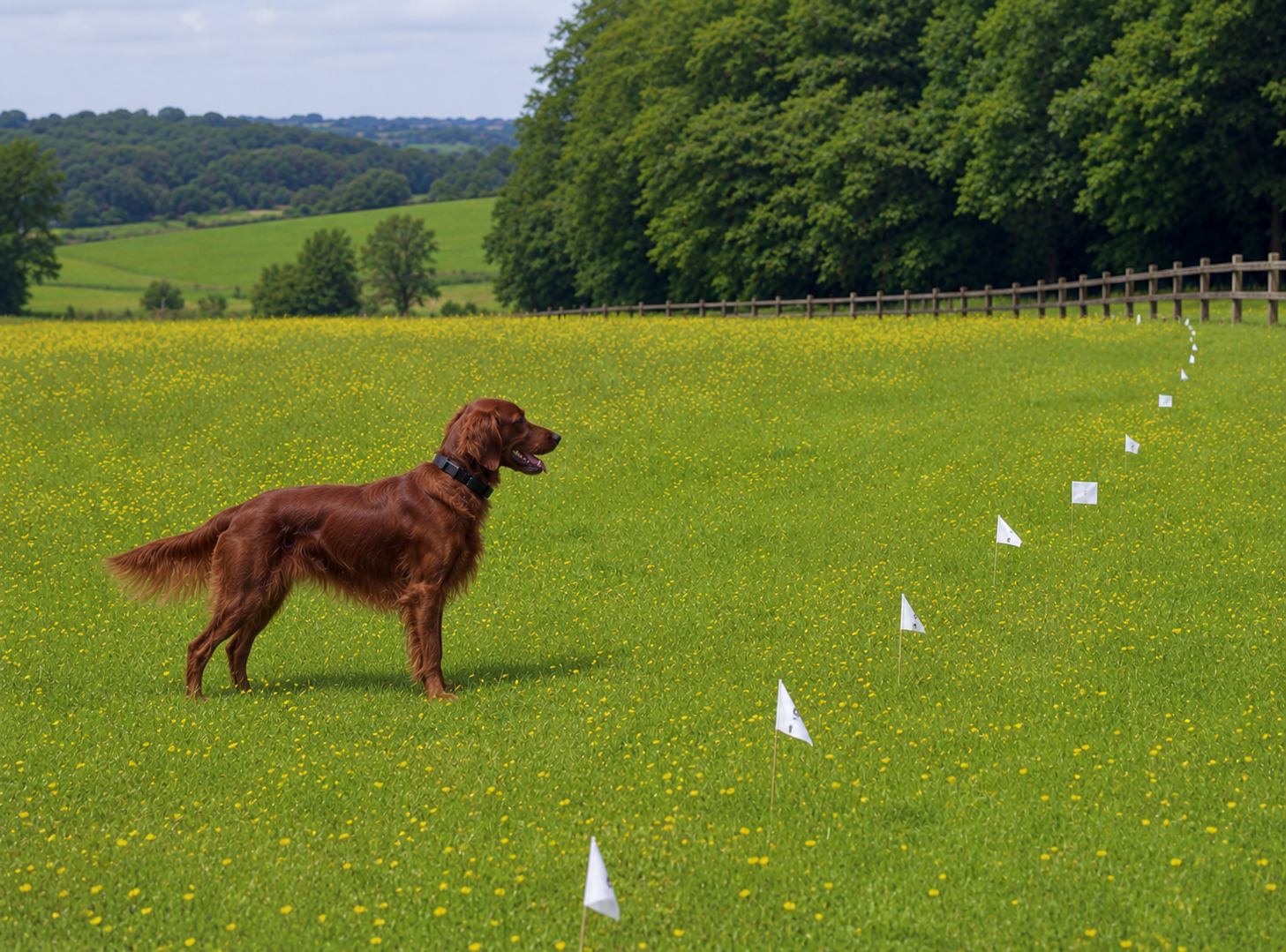
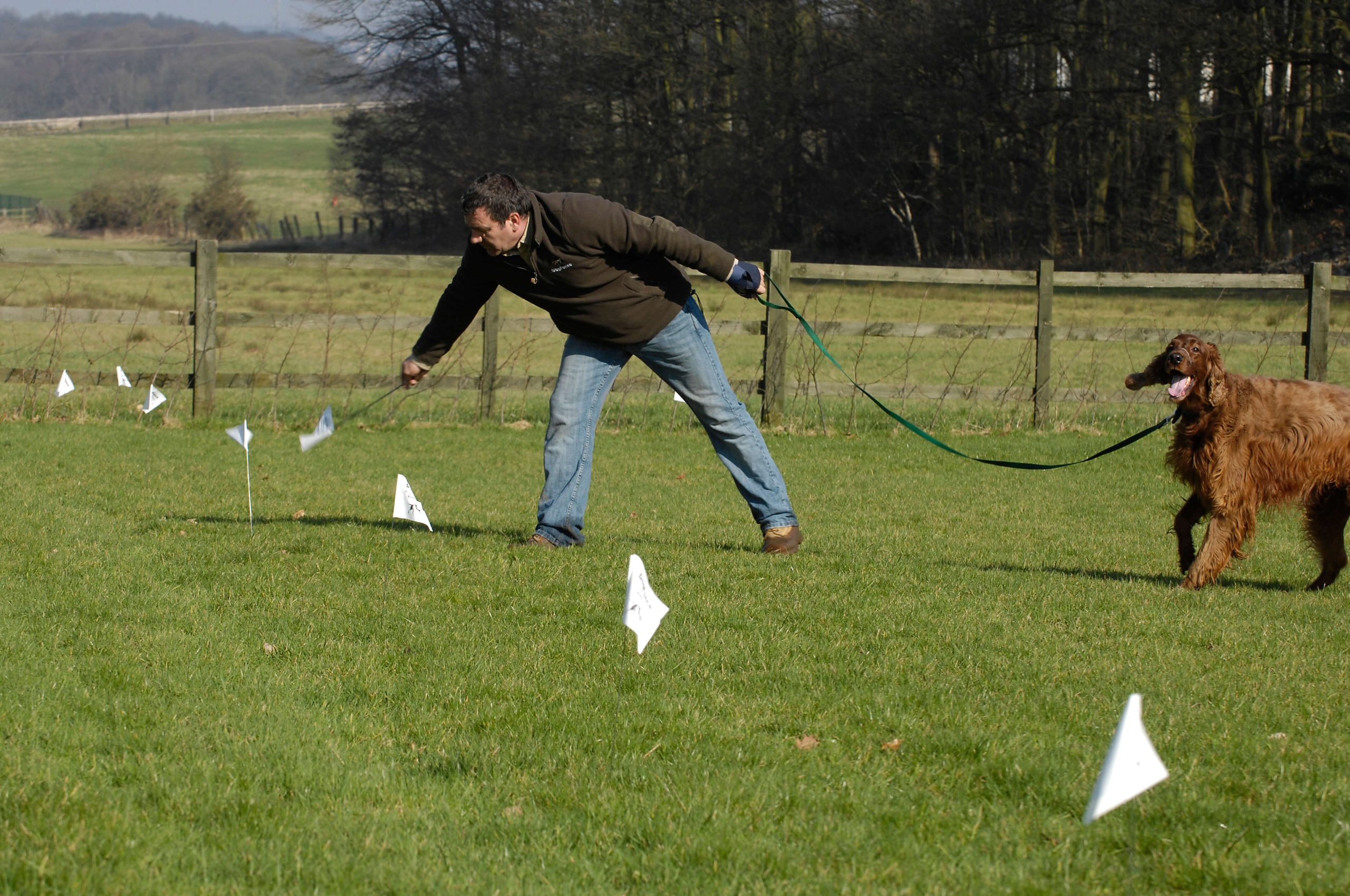
The training flags are the key to stop a dog jumping over the garden fence by marking the new invisible fence boundary.

Our Invisible dog fence is DEFRA tested, waterproof, chew-proof, and backed by a lifetime warranty when professionally installed. It’s the only long-term solution that works for determined escape artists without spoiling your garden’s look.


How Does an Invisible Dog Fence Work?

The DogFence system creates a hidden boundary around your garden using a transmitter, a buried wire, and a lightweight collar. Training flags mark the boundary line at first so your dog learns the new rules visually. As your pet approaches the limit, the collar gives a warning beep. If they continue, a mild static correction reinforces the training. Within just a few days, most dogs learn to stay well within their safe zone.

Unlike GPS collars, our system is accurate to within 3 feet and isn’t affected by clouds, trees, or weak satellite signals. The collars are waterproof to 10ft, chew-proof, and feature an automatic shutdown if your dog lingers in the correction zone for more than 15 seconds — making it one of the safest systems on the market.


How Much Does It Cost to Stop My Dog Jumping Over the Fence?

One of the most common questions we’re asked is about cost. DIY dog fence kits start at around £599.00 and include everything you need to secure a small garden. For larger properties, or if you prefer our team to handle installation and training, professional systems usually start from £1,200.00 – full boundary and driveway approx 1/4 acre (includes installation and training, lifetime warranty and containment promise,  although the exact cost depends on the size of your property, your locations in the UK and how many pets will use the system.

When compared to the cost of replacing tall panels, repairing escape damage, or the risks of a lost pet, most owners find the system pays for itself in peace of mind.


How Is the Dog Fence Installed?

Installation is quick and tidy. Our team will walk your property with you to agree on the boundary layout. We then bury the cable a few inches underground, connect it to the transmitter in your home or garage, and mark the training line with temporary flags. Once the system is live, we train your dog to understand the boundaries using a gentle step-by-step process. Our installers will then hand over to the pet owner to continue a short “reinforcing programme” (approx 10 to 15 mins for 4 – 5 days).

Prefer to install it yourself? Our DIY kits come with heavy-grade cable, full instructions, and video guides — but you’ll still have access to our expert support if you need it.


What Do Boundary Layouts Look Like?

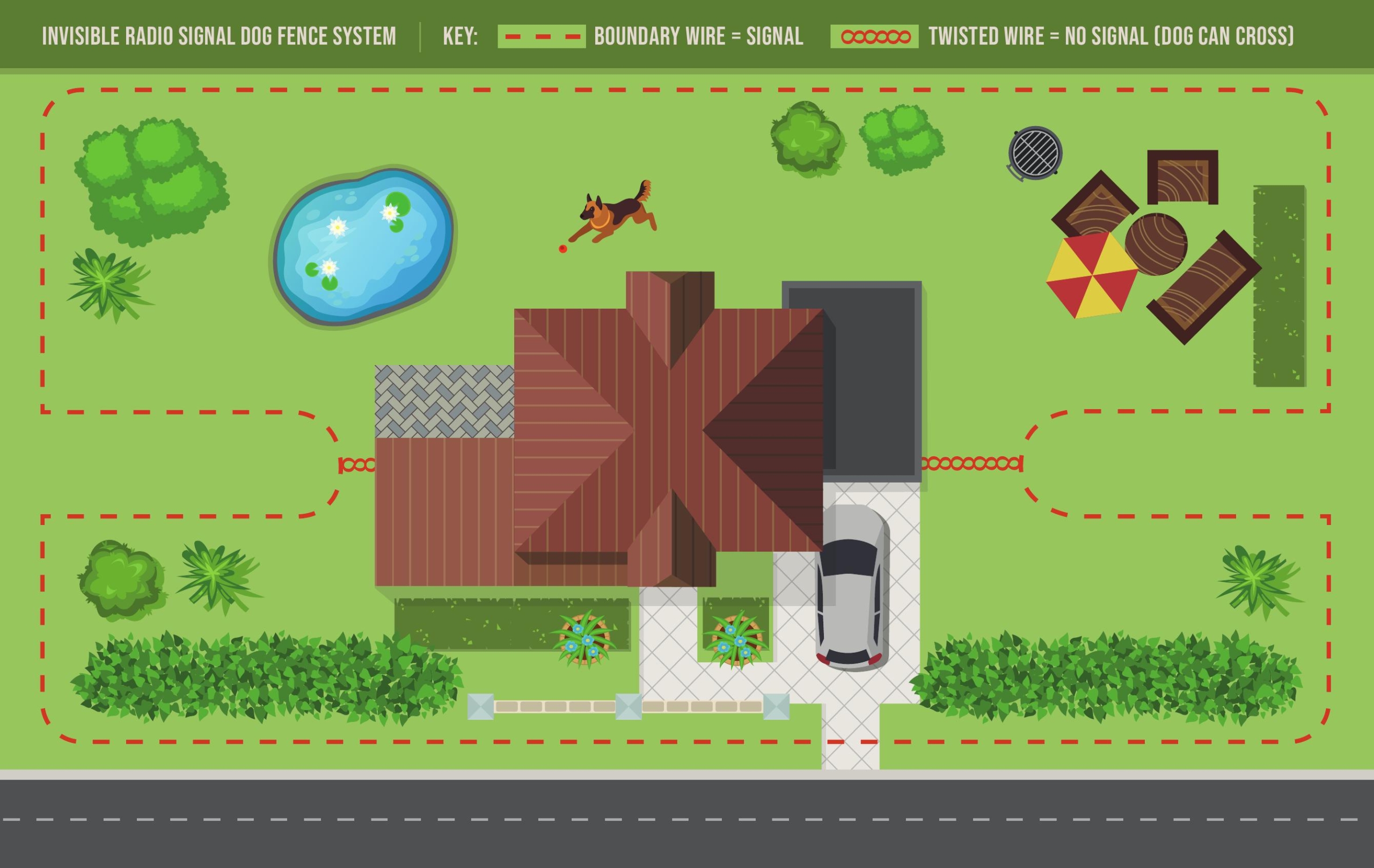
The boundary wire can be laid out in several ways depending on your property:

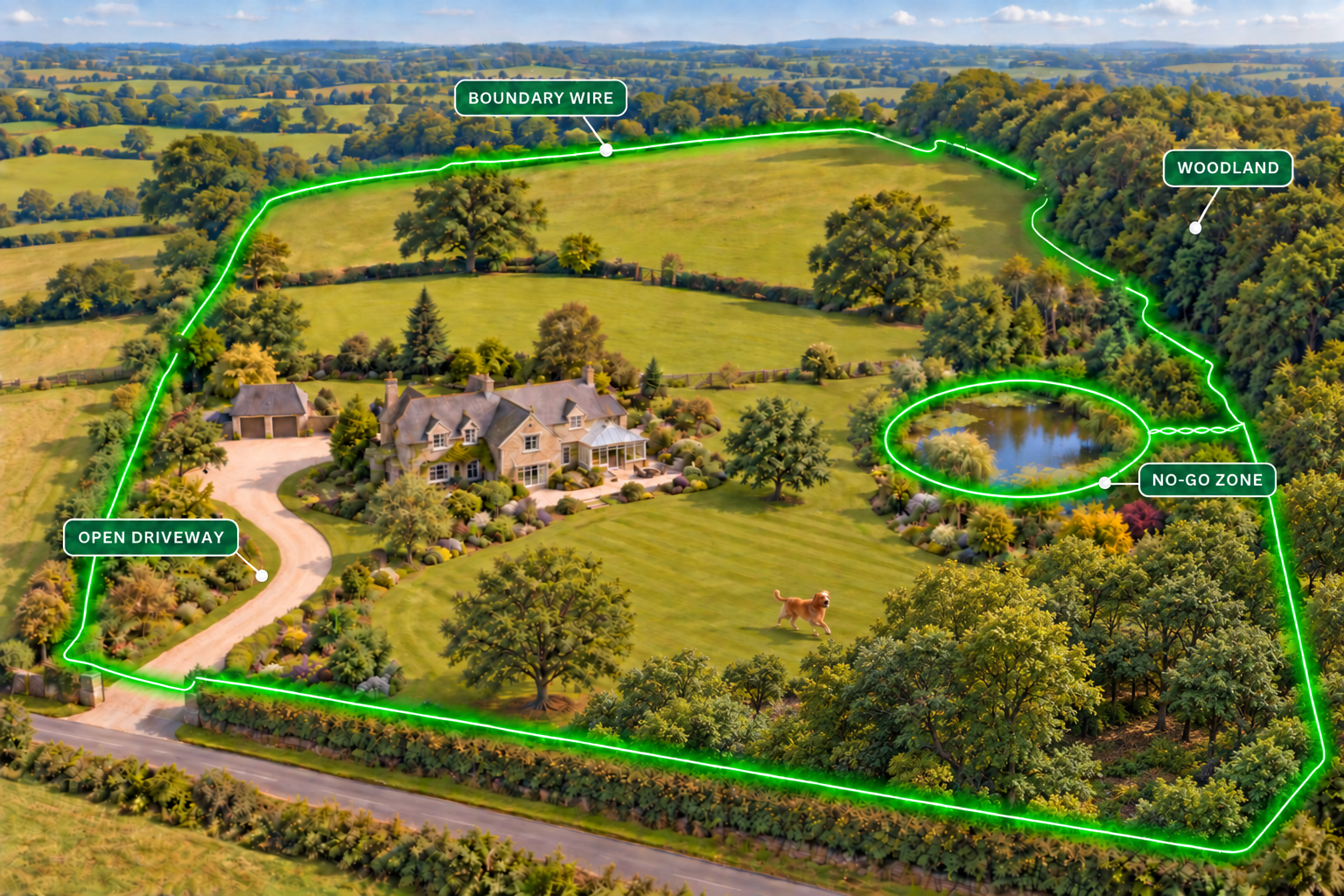
  • Full Perimeter – secures the entire garden or estate, ideal for large properties.
  • Banana loops – for semi detached properties or single boundaries.
  • Exclusion Zones – create ‘no-go’ areas for ponds, driveways, or flowerbeds.
  • Custom Layouts – flexible design means you can protect multiple areas or even secure two properties with one system.
Invisible dog fence boundary layout showing how to stop my dog jumping the fence.

A “pinch loop” – covers the full boundary but allows the dog either front or rear access.

Success Stories

“Our terriers were clearing the fence daily. Since installing DogFence five years ago, not a single escape. Brilliant service and peace of mind knowing our dogs are safe.” – Sue W., Trustpilot Review


FAQs: Stopping Dogs from Jumping Fences

Can puppies use an invisible fence?

Yes — typically from around 4–6 months old, once they understand basic commands and can focus during short training sessions.

While some companies suggest starting as early as 8 weeks, we believe training should match the dog’s maturity. At 8 weeks, most puppies simply aren’t developmentally ready to understand boundary conditioning safely and consistently.

Our professional training programme ensures calm, structured learning suited to your dog’s age and temperament.


Is it safe in bad weather?

Yes. The boundary cable is buried underground and fully weatherproof. The transmitter remains safely indoors, and the receiver collars are waterproof up to 10ft — tested in both fresh and salt water.

Rain, frost, or typical UK conditions will not affect performance.


What size garden can it cover?

From a small courtyard to 350 acres.

The average UK system secures around 2 acres, but every installation is custom-designed to match your property layout, boundary shape, and terrain.


Costs of Not Stopping Your Dog Jumping the Fence

Allowing a dog to escape isn’t just stressful — it can also be costly. Under the Anti-Social Behaviour, Crime and Policing Act 2014 and the Dogs Act, owners have a legal duty to keep their pets under control. If a dog escapes and causes trouble, you may face:

  • Fines of up to £1,000 if your dog is found dangerously out of control in a public place.
  • Unlimited fines or prosecution if your dog injures a person or livestock.
  • Compensation claims if your dog causes damage to property, gardens, or vehicles.
  • Vet or recovery costs if your dog is injured while roaming free.

Sadly, many escape cases also end with pets being injured on roads — a heart-breaking consequence for something that is preventable. Investing in a secure containment system is far cheaper, safer, and kinder than facing the risks of repeated escapes. If you are looking for dog jumping fence solutions then you just hit the jackpot!


Ready to Stop Your Dog Jumping the Fence?

If your dog keeps jumping over panels or clearing boundary fencing, you’re not alone.
Our professionally installed electronic dog fence systems provide reliable, invisible containment —
without building higher fences or ruining your garden.

Call us on
01628 476475
|
Email Us
|
Chat on WhatsApp

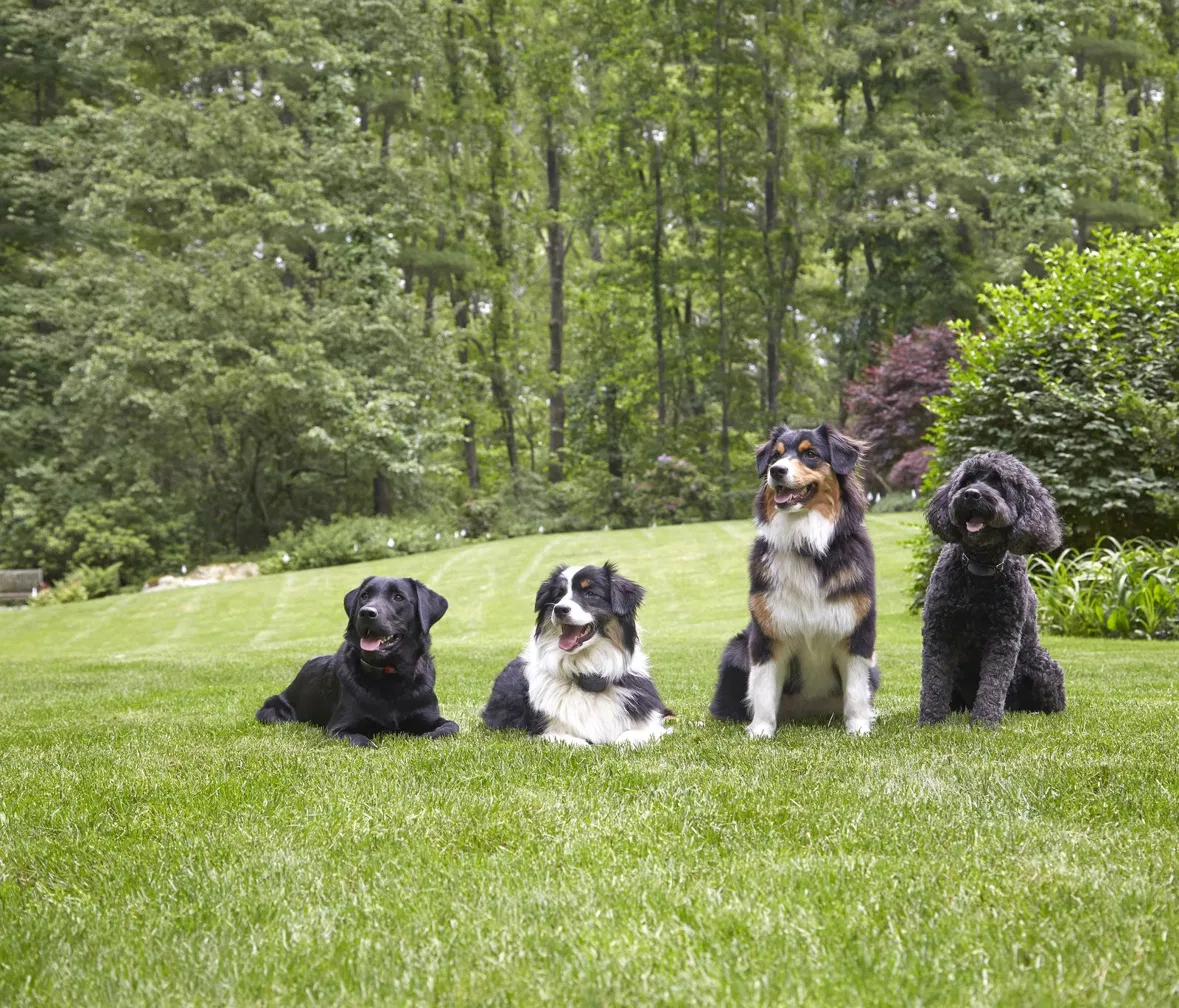
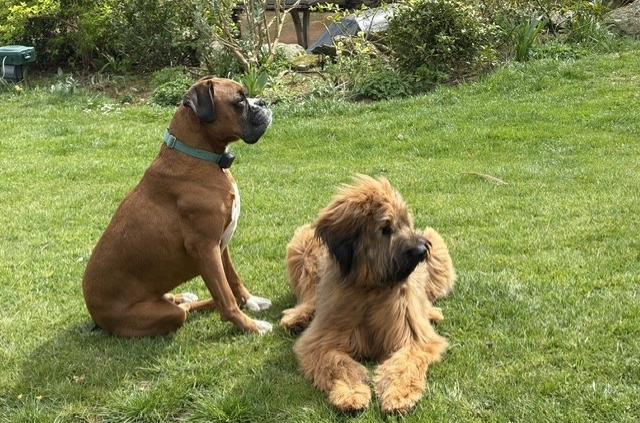
"Two dogs safely enjoying the garden thanks to invisible fencing

Traditional Fencing Fails for Escape-Artist Dogs | DogFence UK

Why Traditional Fencing Isn’t Enough for Escape-Artist Dogs

Is your dog finding clever ways to escape your garden? You’re not alone. Many pet owners discover that traditional fencing simply can’t contain escape-artist dogs. Many owners start researching alternatives to garden fencing after repeated escape attempts make it clear that panels and hedges aren’t enough. Whether it’s digging, climbing, or squeezing through gaps, some dogs will always find a way out — which is why many owners replace their garden fence with an invisible fence.

In this guide, we’ll explore the common reasons traditional fences fail and introduce how a dog fence works and why it’s safer than panels, a more reliable solution that gives your dog freedom without the stress.

Escape-artist dog jumping over traditional garden fence

Traditional fencing often isn’t enough for escape-artist dogs—many learn to leap right over it.

Why Do Escape-Artist Dogs Slip Through Traditional Fences?

Most traditional garden fences were designed to mark boundaries—not to keep a determined dog safely inside. Dogs with high prey drive, separation anxiety, or just a strong curiosity can easily break free. Many pet owners only realise the extent of traditional fencing problems when their dog starts digging, climbing, or squeezing through gaps in the boundary. Common weaknesses include:

The Problem with Traditional Fences

Common weaknesses in standard fencing include:

  • Gaps: Small spaces under or between fence panels are an open invitation for a curious dog.
  • Low Heights: An agile dog can easily clear a standard fence, no matter how sturdy it seems.
  • Climbable Surfaces: Wire mesh, chain link, or horizontal slats provide a perfect ladder for a climber.
  • Chewable Materials: Wooden panels and pickets are no match for a dog determined to gnaw its way to freedom.

Some breeds are natural escape artists—Collies, Spaniels, Huskies, and Terriers top the list. For these smart, active dogs, relying on a physical barrier is a constant battle you’re likely to lose that’s why invisible fencing is a smarter solution.

The Vicious Cycle of Repairs and Upgrades

Homeowners often try patching weak spots, adding trellis toppers, or reinforcing the bottom of the fence with concrete. But dogs are quick to adapt. A new escape route is only a matter of time. What’s worse, reinforcing physical fencing is costly—and doesn’t solve the underlying behaviour or provide training. A dog escaping garden boundaries is rarely random — it’s usually the result of predictable behaviours like digging, jumping, or chasing wildlife.

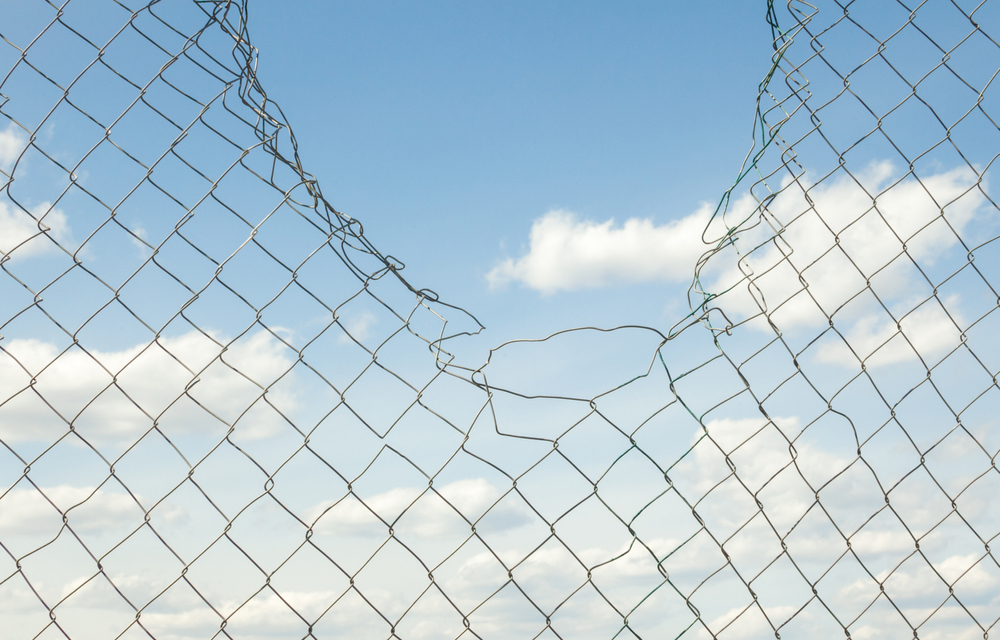
Broken wire fence highlighting the failure of traditional fencing for escape-artist dogs

This broken wire fence is a classic example of why traditional fencing can’t contain escape-artist dogs.

As our customers often tell us, they’ve spent thousands on traditional fencing before finally choosing an invisible fence system that just works.

  • Costly and Ineffective: You can spend thousands reinforcing your existing fence, but it won’t address the root cause: your dog’s drive to escape.
  • No Training: A physical fence provides no training. Your dog doesn’t learn to respect the boundary—they only learn how to beat the system.

Many of our customers tell us they spent a fortune on traditional fencing before finally choosing an invisible fence system that solved the problem permanently.

Why Invisible Fencing Is a Better Solution to stop your dog escaping the garden

Modern alternatives to garden fencing, such as wired electronic systems, provide reliable containment without altering the look of your property. Unlike traditional fences, an invisible dog fence isn’t a physical barrier—it’s a smart, reliable containment system that your dog learns to respect.

  • Unclaimable: There’s nothing to climb, chew, or dig through.
  • Undiggable: – boundaries are defined electronically, not physically
  • Consistent Training: A structured training process teaches your dog to respect the boundary, creating a lifelong habit.
  • Customisable: Create “no-go zones” around gates, ponds, or flowerbeds.
  • Safe: Our advanced FM digital systems offer fast reaction times, built-in safety features, and collars that are waterproof with a long battery life.
  • Reliable and consistent — dogs learn to respect the boundary through gentle, structured training

If your dog keeps escaping, it’s likely due to traditional fencing problems that physical barriers alone simply can’t solve. Our FM digital system offers fast reaction times and built-in safety features, including a 15-second timeout, waterproof collars, and programmable settings for different breeds and temperaments.

Real Solutions for Real Escape Artists

We’ve helped thousands of customers who were at their wits’ end. Dogs escaping onto roads, into neighbouring gardens, or even chasing livestock. An invisible fence doesn’t just contain—it trains, protects, and offers long-term peace of mind. Don’t let an ugly, ineffective fence ruin your garden’s beautiful views. According to the Blue Cross advice on dog-proofing gardens escape prevention is essential to your dog’s safety. Nothing is more stressful than a dog escaping garden fences and running towards roads or neighbouring properties.

The best alternatives to garden fencing don’t just block escape routes — they teach your dog to respect clear, consistent boundaries. Our invisible fence systems keep your dog secure while preserving the look and feel of your outdoor space. Read more in our blog: How a Dog Fence Works (and Why It’s Safer Than Panels.) 

Customer testimonial praising DogFence UK for 5 years of reliable service

Give Your Pet Freedom — Without the Stress

Unlike tall wooden fencing or unsightly mesh, an invisible dog fence keeps your pet safely contained while preserving the look and feel of your garden.

Whether you choose a DIY kit or a professionally installed system with long-term warranty support, there’s a solution designed to suit your property, your dog, and your budget.

If your dog has outsmarted traditional fencing, it may be time to consider a smarter, more reliable approach to containment.

Ready to Keep Your Pet Safe?

Call us on
01628 476475
|
Message us on WhatsApp
|
Request a Free Quote Online

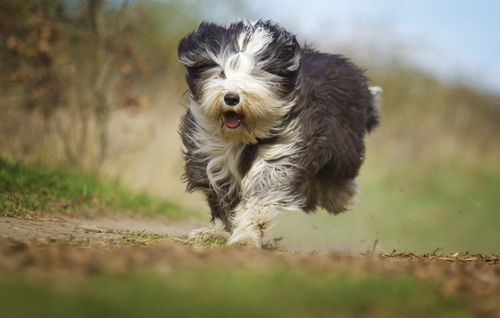
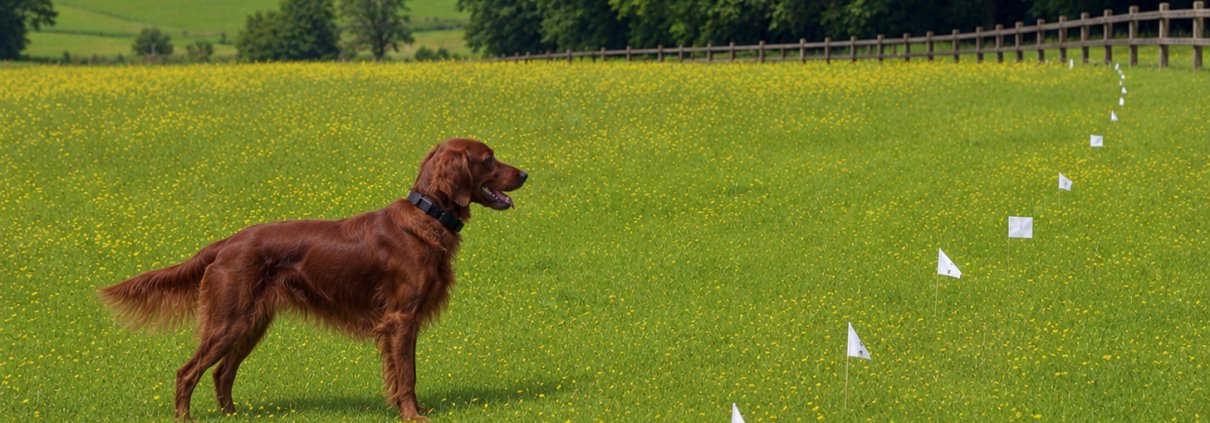
Dog running freely and safely in open garden with no visible fencing

How Electronic Dog Fences Can Save Lives

{
“@context”: “https://schema.org”,
“@type”: “LocalBusiness”,
“name”: “DogFence Ltd”,
“url”: “https://dogfence.co.uk”,
“logo”: “https://dogfence.co.uk/logo.png”,
“image”: “https://dogfence.co.uk/dog-fence-image.jpg”,
“description”: “Invisible dog fence installation in the UK. We specialize in electronic pet fences to keep your dog safe while preserving the beauty of your property.”,
“address”: {
“@type”: “PostalAddress”,
“streetAddress”: “DogFence Ltd, Marlow, Buckinghamshire”,
“addressLocality”: “Marlow”,
“addressRegion”: “Buckinghamshire”,
“postalCode”: “SL7 2DF”,
“addressCountry”: “GB”
},
“telephone”: “+44-1628-476475”,
“sameAs”: [
“https://www.facebook.com/DogFenceLtd”,
“https://twitter.com/DogFenceLtd”,
“https://www.instagram.com/DogFenceLtd”
],
“areaServed”: “England”,
“serviceType”: “Invisible Dog Fence Installation, Dog Containment Systems, Electronic Pet Fences”,
“priceRange”: “££”,
“contactPoint”: {
“@type”: “ContactPoint”,
“telephone”: “+44-1628-476475”,
“contactType”: “Customer Service”,
“areaServed”: “GB”,
“availableLanguage”: “English”
},
“sameAs”: “https://dogfence.co.uk”
}

A comparison of physical and electronic dog fences to help pet owners choose the best fencing solution for safety and security.

“Comparing physical and electronic dog fences to help you choose the right solution for your pet’s safety.”

Comparing Physical and Electronic Dog Fences: Which is Right for Your Pet?

Ensuring your dog’s safety is one of the most important responsibilities as a pet owner. A primary concern for any owner is choosing the right type of fence—should it be a traditional physical dog fence or perhaps the modern electronic dog fence (also known as a containment system)? Whether you’ve just welcomed a lively pup into your family or you’re seeking a more effective way to secure an older dog, selecting the right fencing solution can be a game-changer.

In this article, we explore the key differences between traditional physical dog fences and modern electronic dog fences. By examining the advantages, drawbacks, and suitability of each, you’ll be well-equipped to decide what’s best for your canine friend and your home.

Physical Dog Fences: The Tried and Tested Option

Advantages of Physical Fences

  • Visual Boundary: A physical fence clearly marks the edge of your property, serving as a visual cue for your dog and a deterrent for would-be trespassers.
  • Multipurpose Use: Beyond keeping pets contained, physical fences also provide privacy, enhance security, and prevent wildlife from entering your garden.
  • Durability: With materials like steel or composite wood, physical fences are built to last if properly maintained.

Drawbacks of Physical Fences

  • High Costs: Installing a fence can cost £25–£300 per metre, depending on materials and design. Larger properties can face significant expenses.
  • Maintenance: Wooden fences require painting, sealing, and repairs over time, while metal fences may rust and need treatment.
  • Escape Risks: Determined dogs can dig beneath or jump over traditional fences. Agile breeds such as Border Collies or Jack Russells are known escape artists.
  • Gate Weaknesses: Installing dog-proof gates can be expensive, and gates can be left open, creating weak points.

Who Benefits Most from Physical Fences?

  • Homeowners seeking privacy or additional security.
  • Urban or suburban properties where aesthetic appeal is a priority.
  • Dogs less inclined to escape or dig.

Electronic Dog Fences: The Innovative Alternative

Advantages of Electronic Dog Fences

  • Preserves Your View: For those with countryside or scenic properties, electronic fences maintain the natural beauty of your surroundings without imposing physical barriers.
  • Adaptable Design: Unlike physical fences, which can be restricted by terrain or property layout, electronic fences can cover irregularly shaped areas such as ponds, gardens, or wooded areas.
  • Cost-Effective: At £6–£10 per metre, including installation, electronic fences are a more affordable option for larger properties.
  • Customised Training: Systems like those offered by DogFence.co.uk come with tailored training programs to help your dog understand the boundaries without stress or discomfort.
  • No Gates Required: Electronic fences can cover driveways, removing the need for expensive gates, which may be left open.
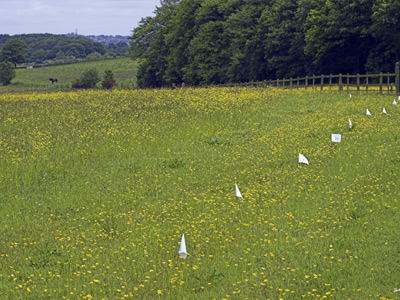
Invisible dog fence flags are installed around the boundary

Max boundary size is 350 acres.

Drawbacks of Electronic Dog Fences

  • No Physical Barrier: While they are effective at keeping your dog inside, they won’t prevent other animals or intruders from entering your property.
  • Dependence on Technology: As with anything electronic the system requires some maintenance, ie, checking collar batteries and ensuring the transmitter is functioning correctly. Easily facilitated as part of a weekly or monthly routine,
  • Training Commitment: Success with an electronic dog fence depends on proper training. Pet owners must be willing to invest time in helping their dog adjust to the new system. That is why at DogFence Ltd we offer onsite training for you and your dog together with our containment promise.

Who Benefits Most from Electronic Fences?

  • Rural properties with larger grounds (1/2 acre or more).
  • Dogs prone to jumping over or digging under traditional fences.
  • Owners prioritising unobstructed views or flexibility in boundary placement.
  • Homes near livestock or main roads.
  • Owners who have existing physical fencing but need added dog-proof containment.

Comparing Costs: Traditional vs. Electronic Fencing

  • Traditional Fencing: £25–£300 per metre, depending on material and design.
  • Electronic Fencing: £6–£10 per metre, covering large areas affordably and effectively.

For larger properties, electronic fences offer a practical and budget-friendly solution, saving thousands of pounds in upfront costs while ensuring your dog’s safety.

Installation Times: Traditional vs. Electronic Dog Fences

The installation time for a dog-proof fence can vary significantly depending on the type of fence you choose. For traditional physical fencing, a 5-acre site typically requires substantial preparation, including leveling the ground, digging post holes, and securely fixing materials like wood or chain link. This process can take 1–2 weeks or more, depending on terrain, weather conditions, and design complexity.

In contrast, an electronic dog fence can cover up to 10 acres in a single day, including professional installation and boundary training setup. The process is streamlined and minimally invasive, making it a fast and efficient solution for pet owners who want to ensure their dog’s safety without weeks of disruption.

Did You Know?

The Facts About Dog Containment

  • Over 85% of pet owners report feeling more confident about their dog’s safety after installing an electronic containment system.
  • Studies show that dogs trained with modern electronic fences adapt to their boundaries within 2–4 weeks when training is implemented correctly.
  • Traditional fences can cost up to £200 per metre for premium materials, whereas electronic fences cover larger areas at a fraction of the cost.

How DogFence.co.uk Can Help

At DogFence.co.uk, we specialise in bespoke electronic containment systems designed to suit every property and pet. With over 20 years of experience, we provide:

  • Customised consultations to assess your property and dog’s needs.
  • Expert installation by certified professionals.
  • Ongoing support and training to ensure the system works effectively.

Want to find out which fence is right for you? Call us or request a free quote today!


Dog giving a high five

Dog Fence Customer Reviews – Real Life Success Stories

Customer Success Stories: Real Experiences with DogFence UK

Real life Dog Fence customer reviews. DogFence Ltd have been recognised as the UK’s leading installer of hidden containment fences for many years. We have consulted with leading animal behaviourists and Researchers at DEFRA. But why not hear from satisfied customers about how DogFence UK has transformed their pet’s safety and freedom?At DogFence UK, we don’t just provide containment systems—we provide a solution that’s cheaper, more effective, and safer than traditional fencing. With over 20 years of experience, we’ve helped thousands of pets enjoy freedom while staying safe. But beyond the practical benefits, there’s a more significant story: protecting pets from the risks of escape and the dangers of roads.

Dog giving a high five

High Five to DogFence

UK Pet Safety Statistics: The Reality of the Risks

Did you know that around 250,000 dogs go missing every year in the UK, and one in five dogs will escape their home at some point? That’s a staggering number, and the risk of your dog running into busy roads, getting lost, or encountering other dangers is real.

When it comes to cats, the statistics are just as concerning. Over 60,000 cats are killed on the roads every year in the UK. With their natural curiosity, many cats wander into areas where they’re vulnerable to accidents. Traditional fencing might not be an option for cats, but a containment system is the perfect solution to keep your pets safe and secure in your garden.

Customer Success Story 1: Rosie, The Runaway Border Collie

Before: Rosie, a lively Border Collie from Surrey, used to escape regularly and chase cars down the nearby lane, putting her life in danger.

After: The Thompsons installed a DogFence UK system, and now Rosie can roam freely in the garden without fear of running into traffic.

“It’s transformed our lives. Rosie is safe, and we’re no longer constantly stressed. I wish we’d done it sooner!” – Mrs. Thompson, Surrey

Customer Success Story 2: Molly the Spaniel, Keeping Livestock Safe

Before: The Martins faced a terrible situation when Molly, their Spaniel, escaped their property and killed several lambs. The local farmers were concerned, and Molly’s safety was at risk.

After: A DogFence system was installed, and Molly now enjoys full freedom in the garden while staying away from dangerous areas.

“The peace of mind we now have is priceless. Molly hasn’t left the garden once since we installed the system.” – Mr. Martin, Wiltshire

Customer Success Story 3: A Safe Garden for Cats

Before: The Parker family’s three cats were constantly escaping their garden and wandering into the road. They were worried about accidents, especially with busy traffic nearby.

After: With a tailored DogFence system for cats, they now keep their beloved felines within the safety of their garden.

“I didn’t know these systems worked for cats, but they do—and brilliantly. We’re so relieved to have a safe space for our cats to roam.” – Mrs. Parker, Oxfordshire

Black and white cat in garden

Safe and Free in the Garden – Cat Fence

️ Why Choose DogFence UK Over Traditional Fencing?

  • Cost-Effective: Traditional fencing can cost thousands of pounds to install, especially for larger properties. DogFence UK’s systems are often more affordable and can be tailored to your specific needs.
  • Driveway Coverage: Traditional fences often leave driveways unprotected, a major vulnerability for pets. Our systems cover driveways and other areas that are at risk, ensuring your pets are kept safe no matter where they roam.
  • Invisible & Discreet: Unlike bulky fences, our systems are invisible—no obstructed views, no noisy barking at the fence, and your landscape remains beautiful.
  • Effective for Cats: Traditional fences don’t work for cats, but our specialized systems can be customized to safely contain your cats within your garden’s boundaries.

Research on Containment Fences from FelineFriends.org

FelineFriends.org, a well-regarded organisation focused on feline welfare, recently published a study showing how electronic containment fences are not only more effective but also safer for pets than traditional fences. The research found that containment systems reduce road accidents by up to 80% for dogs and cats—highlighting their ability to keep pets safe from the deadly dangers of busy roads.

How Does the Dog Fence Work?

DogFence UK’s system provides a reliable and effective solution to keep your pets safe within your property. Here’s how it works:

1. The Transmitter Box

A small transmitter box is installed into your garage, utility room or somewhere easily accessible. The transmitter is about the size of a standard double socket and is similar to radio, albeit a little more high tech!

1. The Boundary Wire

A flexible, buried wire creates an invisible boundary around your garden or specific area and starts and finishes at the transmitter box. This wire can be installed along fences, walls, or driveways, ensuring that your pet stays safely contained. The transmitter sends a coded radio signal down through the boundary wire, the wire acts as an aerial.

2. The Collar

Your pet wears a lightweight, waterproof collar that is designed to “receive” the signal from the boundary wire if the pet enters that area (a distance is pre-set on the transmitter i.e 4ft). The collar emits a warning sound when your pet approaches the boundary line. If your pet continues to move closer, the collar will emit a harmless static correction to remind them to stay within the safe zone.

3. Customisable Settings

The system allows you to adjust the range of the boundary and the intensity of the stimulation (the stimulation is the same used in a tens machine or abdominal exercise belt), ensuring that it suits your pet’s personality and training needs.

4. A Safe, Effective Solution

Unlike traditional fences, which can be costly and difficult to maintain, the DogFence UK system is easy to install and maintain, offering a long-lasting, reliable solution to keep your pet safe without disrupting your landscape or view. Our electronic fences are approximately 80% cheaper than traditional fencing options.

From small suburban gardens to large rural properties, DogFence UK has provided solutions for every kind of home. Our systems are installed discreetly, allowing pets to enjoy their outdoor space without compromising safety.

⭐ What Our Customers Say

We’re proud of our high customer satisfaction rate, with many of our clients leaving 5-star reviews. Here are just a few:

“Unbelievable service and a great product. I recommend DogFence to everyone.” – Mrs. Blackwood, Kent

“Finally, a solution that works. My dog hasn’t left the garden once since installation.” – Mr. Taylor, Sussex

✅ Ready to Secure Your Pet’s Freedom? Get a Quote here

Give your pet the freedom they deserve—and the safety you need with DogFence UK.

Call us today for a free consultation and quote:

01628 476475

www.dogfence.co.uk

**#DogFenceUKReviews #PetContainmentSuccess #DogSafety #HappyPetsHappyOwners #InvisibleFenceAlternative #PetFreedomUK**


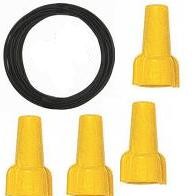
Dog Fence wire break repair kit

How to Identify and Fix a Dog Fence Wire Break


How to Identify and Fix a Dog Fence Wire Break

connectors for dog fence cable for fixing a dog fence wire break

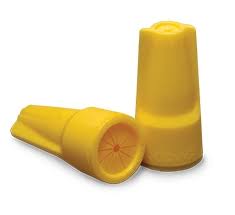
Dog Fence connectors – Splice nuts for fixing the wire break

A dog fence is essential for keeping your dogs and cats safe and secure in your garden. However, human error, gardening, or building work may cause wire breaks over time. In this blog, we’ll guide you through identifying and fixing a wire break in your dog fence. Whether you’re a seasoned pet owner or new to electronic pet containment systems, we’ll make sure you know exactly what to do.

Why Is Your Dog Fence Not Working?

Before jumping into how to fix a wire break, it’s important to understand why your dog fence might not be working. Several factors could be at play:

  • Power Failure: If your system isn’t receiving power, it won’t activate, meaning your dog won’t have the usual safety boundary. Check for a power light and ensure the socket is turned on.
  • Battery Issues: Low battery levels can weaken the signal, rendering your fence ineffective. Use your collar tester to test the receiver collar.
  • Wire Breaks: A break in the underground wire can cause the entire system to malfunction. Your system will emit a high-pitched beeping noise to alert you of a wire break. Watch this quick video on the wire break alarm.

How to Find the Location of a Dog Fence Wire Break

Finding the exact location of a wire break can be tricky, but there are a few methods to help:

  • Use a Wire Break Locator: These tools can pinpoint the exact location of a wire break by detecting electrical signals along the wire. Wire break locators can usually be hired from the company that supplied your dog fence system.
  • Manual Inspection: Walk along the perimeter, checking for visible signs of damage like exposed or dug-up wire. Pay attention to areas where garden equipment or animals may have interfered.
  • Signal Test: Some systems have a signal test feature that checks the wire’s integrity, helping you locate weak connections.
How to fix the dog fence cable

How to fix the dog fence cable

Fixing a Dog Fence Wire Break

Once you’ve identified the wire break, here’s how to fix it:

Tools You’ll Need:

  • Wire splices
  • Wire cutters
  • Dog Fence connectors – Splice nuts for fixing the wire break
  • Silicone-filled wire nuts (never use tape)
  • A shovel or digging tool (if the wire is buried)

Step-by-Step Guide:

  1. Locate the Break: Carefully dig around the area if the wire is buried.
  2. Trim the Wire Ends: Use wire cutters to remove damaged sections. Watch our video here on how to use the silicone connectors.
  3. Connect the Wires: Use wire splices to secure and insulate the connection. For waterproofing, use silicone connectors. Purchase silicone connectors here.
  4. Test the System: After repair, test your dog fence to ensure it’s working correctly. Click here for further assistance on reconnecting the cable.

How DogFence Ltd Can Help with Wire Break Repairs

At DogFence Ltd, we know how crucial a working dog fence is. If you’ve discovered a wire break or are having trouble locating the problem, our team is here to help. We offer:

  • Professional Wire Break Detection: Quick pinpointing and fixing of any wire issues.
  • Expert Repairs: From simple breaks to complex issues, we handle it all.
  • Comprehensive Service: We ensure your dog fence operates at peak performance to keep your pets safe.

If you’re in need of assistance, contact DogFence Ltd today for expert repairs and services. You can call us at 01628 476475 or WhatsApp us on 07917 034256.

Preventing Future Dog Fence Cable Breaks

While wear and tear are inevitable, these tips can help reduce frequent wire breaks:

  • Regular Inspections: Regularly inspect your fence for wear, especially in heavily used areas like gates.
  • Protect the Wire: Use protective conduits or insulation to guard against damage from animals or weather conditions.
  • Know the Wire’s Location: Inform workmen or gardeners about the wire’s location. Use the collar to trace the wire’s path, adjusting the range as needed.

FAQ’s About DogFences

  • Q: Can an electronic fence be installed on any type of terrain?

    • A: Yes, electronic fences are adaptable and can cover a variety of terrains, including hills, woods, and irregularly shaped gardens.

  • Q: How long does the training process take for a dog to adapt to an invisible fence?

    • A: Typically, dogs adapt to an invisible fence within 2-4 weeks, but consistency in training and positive reinforcement is key to success.

Most people are unaware:

  • “Studies show that 70% of dogs will attempt to escape traditional fences at least once during their lifetime, which increases the risk of injury or getting lost.”

What our Customers Say about DogFence Ltd

  • “Having gained a Beagle to add to a Jack Russel and an elderly Rottweiler we were alarmed that despite our nearest neighbour being almost a mile away the Beagle taking the Jack Russel with him appeared to want to meet everyone within two mile radius..Dog fence fitted a wire around our rather large garden and within two weeks the wandering had stopped. Dogs can be left outside to roam the property with no fear of them going walkabout. So effective in training both dogs that the collars are now only worn a day or two a month with perfect security. Brilliant product with excellent back up.
    Robert Oldershaw Lincolnshire”

Industry Insights about Containment Fences

  • “In a recent study conducted by the PetSafe organisation, electronic dog fences were found to be 30% more effective in preventing escape attempts than traditional physical barriers.”

A Final Word on Dog Fence Wire Breaks

A dog fence wire break can be frustrating, but with the right tools and knowledge, you can quickly fix it. At DogFence Ltd, we’re always ready to help with wire break repairs and other fence-related issues. Keep your pet safe and your fence working smoothly by maintaining it regularly.

Need help with your dog fence? Contact us at DogFence Ltd, call us at 01628 476475, or WhatsApp us on 07917 034256 for reliable and expert services.


GPS Trackers for Pet Safety? – When GPS Trackers Fail 


Electronic pet fence keeping a dog safe in the garden, preventing escapes and outdoor dangers

“An electronic pet fence provides a secure boundary, keeping your pet safe from outdoor dangers and giving you peace of mind


GPS Trackers for Pet Safety? – When GPS Trackers Fail

Introduction: The Illusion of Absolute Safety

In an age where technology promises to enhance every aspect of our lives, pet owners increasingly turn to GPS trackers for pet safety. ensure. These devices, often marketed as foolproof solutions, offer real-time location tracking and peace of mind. However, feedback from customers and recent incidents have highlighted that these devices, while useful, are not infallible. This blog highlights some real stories where pets wearing GPS trackers were lost or harmed, emphasising the need for a balanced approach to pet safety. For more on how to protect your pet, check out our guide to pet safety.

Case Study 1: The Tragic Fate of Basil

In August 2023, a cat named Basil from Longmont, Colorado, was found deceased and dumped in a river. Despite wearing a GPS collar, which allowed her owners to trace her final movements, they arrived at the scene moments too late. Sadly, it was revealed that Basil had been shot in the head, underscoring the reality that GPS trackers cannot prevent harm, accidents, or criminal activity. For more on keeping your pet safe from harm, visit our pet fence solutions]

Case Study 2: The Mystery of the Moving .Collar

In a perplexing incident, a pet owner noticed his cat’s missing GPS collar moving around his neighbourhood after it was reportedly “eaten by a rat.” This unusual occurrence raises questions about the reliability and security of GPS trackers, especially when they can be manipulated or tampered with in unexpected ways. Read more about why GPS trackers might not be the best option in our GPS tracker review.

Case Study 3: The Story of Coco in East Dulwich

In a forum discussion on the East Dulwich Forum, a user recounted the story of their cat, Coco, who had gone missing despite being fitted with a GPS tracker. Unfortunately, despite the tracking technology, the owners were unable to locate her in time. Coco was eventually found deceased, a sad and sorry discovery. This tragic event underscores the reality that GPS trackers cannot prevent outside dangers, and their effectiveness is limited by various factors. Learn more about the limits of technology in pet safety by visiting our [blog on pet tracking]

The Limitations of GPS Pet Trackers for Pet Safety

  • Inability to Prevent Accidents or Malicious Acts: GPS trackers cannot prevent accidents or intentional harm, such as road traffic accidents, poisoning, or even shootings, which are unfortunately prevalent in some areas.
  • Dependence on Battery Life: A tracker with a depleted battery renders the device useless, leaving pet owners without vital information in emergencies.
  • Signal Interference: Environments with poor connectivity, such as dense forests or urban areas with tall buildings, can impede the GPS signal, leading to inaccurate or delayed location updates.
  • Physical Discomfort for Pets: Some trackers are bulky or heavy, potentially causing discomfort or even injury to pets, especially smaller animals or those with sensitive skin.
  • Security Vulnerabilities: Many GPS pet trackers and their associated apps have been found to have security flaws, including unencrypted data transmission and weak authentication protocols. This makes them susceptible to hacking, potentially exposing both the pet’s and owner’s location and personal information.

If you’re looking for a more reliable solution to pet safety, consider our [electronic pet fence] as an alternative to GPS trackers.

Why an Electronic Pet Fence is a Better Solution

While GPS trackers can assist in finding lost pets, they do not prevent the dangers that can harm animals in the first place. Unlike GPS trackers, an electronic pet fence creates a controlled, secure environment for pets by keeping them safely within the boundaries of your property. With a properly installed pet fence, your pet is protected from:

  • Traffic accidents: Keep pets from wandering into busy roads.
  • Predators and dangerous animals: Protect your pets from wildlife that might pose a threat.
  • Criminal activity: Prevent pets from straying into areas where they could be intentionally harmed.
  • Getting lost: By containing your pets within a set area, you eliminate the risk of them wandering off and getting lost.

An electronic fence works in real-time, offering constant security and peace of mind without the potential failings of a GPS tracker. It also removes the need for constant monitoring or searching, providing a reliable safeguard for your pets. Learn more about how electronic pet fences work in our [how it works guide].

Best Practices for Pet Safety

  • Use Trackers as a Supplement, Not a Substitute: Employ GPS trackers to assist in locating pets but do not rely solely on them for safety.
  • Regularly Update Identification: Ensure microchips and tags have current information and are properly registered.
  • Maintain Supervision: Always monitor pets, especially in unfamiliar or hazardous environments.
  • Secure Living Spaces: Provide safe, enclosed areas for pets to prevent accidental escapes.
  • Consider an Electronic Pet Fence: A long-term solution for keeping your pets safe at home, reducing the risks associated with outdoor dangers. Check out our [installation services](https://www.dogfence.co.uk/installation-services).

Conclusion: Ensuring Comprehensive Pet Safety

While GPS trackers can be a helpful tool for locating lost pets, they should not be relied upon as the sole means of ensuring their safety. Incorporating an electronic pet fence into your pet care routine can help mitigate the risks associated with outside dangers, providing a more reliable and secure solution for your furry companions. Get started today with a [free consultation] to discuss the best options for your pet’s safety.


dog fencing options

Affordable dog fencing – what are the options?

Affordable dog fencing

When it comes to affordable dog fencing there aren’t many options as fencing is actually quite expensive.  As with everything you get what you pay for and it depends on whether you want to get your hands dirty. Naturally, these fencing options are based on how large an area you need to fence. The landscape that you need to fence. And also the breed of the dog that requires the dog fencing!

Dog fencing for small areas

If you are looking to fence a small back garden then it is likely that you already have a fence or wall but it isn’t meeting your needs. Watch your dog and see if he is using something to climb up and scrabble over or is he climbing or digging. Consider installing trellis above your fence. This can be bought from any good DIY store and is relatively quick to install. If you have a digger add a concrete footer below your fence by pouring concrete along the edge of the fence and sinking the bottom of the fence into the concrete before it dries.  This is naturally a labour intensive job but should do the trick!

dog fencing using trellis on wall

Trellis placed on top of wall

If you are not sure where he is getting out then one of our DIY dog fences is going to be the cheapest way forward. These fences are under £250.00 and will cover a small urban garden. If you compare the price of re-fencing a complete rear garden versus adding an electronic dog fence the dog fence will win on price all day long!

For small gardens with low fences, you may be able to upgrade your fence to a close board fence. These fences start at around £38.00 per metre fully installed. You will need to check that you can install a fence of this height before ripping out the old fence.

Rural gardens and small paddocks

It goes without saying that dog fencing for rural areas can be a headache. Not only are you trying to stop your dog going out but the local wildlife is busy pushing its way in. If you have an issue with rabbits and small dogs then this could be a good option for you but it is not the cheapest! Rabbit fencing starts at approx £130.00 per 50m without installation! If you are covering a 1-acre site this will cost in the region of £690.00 just for the galvanised mesh without any posts of labour. Also unless it is extremely well-installed rabbit fencing can be damaged by larger mammals such as Badgers, Muntjack and larger Deer.

dog fencing for rabbits

Rabbit fence used as dog fencing

If you have hedges or areas with no existing fences then the cheapest form of fencing will be either a stock fence or an electronic dog fence. If you have horses or livestock then you will need to look at stock fencing options. Of course, if it is only a dog or a cat that needs containing then an electronic dog fence is by far the cheapest option.

Our DIY dog fence can be expanded up to an acre for an additional £100.00 and a Professionally Installed dog fence will cost in the region of £1000.00 depending on the location and number of dogs. This would work out more cost-effective than the galvanized or stock fencing and would also protect the driveways. Installing gates can also be very costly and of course, this relies on people shutting the gate when they come or go! Our Professionally installed fences have a lifetime warranty on the hardware and a containment promise for the dog.

Large estates and difficult terrains

If it aesthetics then Estate fencing is most certainly the winner but you will need deep pockets to install this timeless classic! At around £80.00 per 2m panel + installation, it will very soon add up, especially on the large country estate! Again, you will need to think about gates and this type of fencing is not dog secure. Other popular types of fencing are post and rail with stock fencing below or chain link fencing. Chain link fencing is probably the cheapest starting from around £2500 for 1 acre + installation. Whereas if you are looking at fencing 10 acres using our Performance Series on a 10-acre site the cost would be circa £1800.00 including installation & training.

dog fencing used as estate fencing

Estate fencing

Riverbanks and Undulating Terrain

If your property goes down to the river you may be able to install a small picket fence. These will not stop all dogs as they tend to only be a 90 cm – 100cm high. Prices for Picket fencing start at around £12.00 per metre plus installation.  Alternatively, you can use our dog fence to run along the boundary. This will keep your dog out of the river without disrupting the view. If you have very undulating terrain then you will probably need to install a stock fence but there would be a hefty surge-charge to install this! Again, an invisible fence can be installed for a fraction of the cost.  The trencher used to install the invisible dog fence is extremely adaptable and be operated in both steep and undulating terrain. Images of the dog fence trencher can be seen on our installation & training page.

dog fencing by river using picket fence

Picket fence along river bank


Dog Fencing price summary

Based on an acre (and excluding gates)

    • Electronic dog fence (1 dog fully installed – covers gateways as well) – from £3.50 per metre installed.
    • Stock Fencing (no gates) – from £7.00 per metre installed
    • Rabbit Fencing (no gates) – from £8.00 per metre installed
    • Stock Fencing with post and rail (no gates) – from £12.00 per metre
    • Picket fencing (no gate) – from £20.00 per metre
    • Close board fence (no gate) – from £35.00 per metre installed
    • Estate fencing (no gate) from £40.00 per metre installed

Prices have been based on submissions from Companies in Berkshire (2019). Prices are based on properties in the local area and are a guide.

If you have been searching for dog fencing options then read our testimonials on our Trust Pilot reviews. If you would like more information or prices call us today on 03450 623623 or complete our quote form.