
Happy owner embracing a white puppy, representing the secure and loving environment provided by a puppy electronic dog fence

Puppy Electronic Fence Training Age | DogFence UK Guide

When Can a Puppy Start Training with an Electronic Fence? A Comprehensive Guide

Electronic fences, also known as Dog Fences or invisible fences, offer a safe and effective way to contain your dog within your property. However, when it comes to puppies, it’s crucial to understand the appropriate age and developmental stage before introducing them to this type of training. Starting too early can be detrimental to their learning. This comprehensive guide, from DogFence UK, will help you determine the right time to begin electronic fence training with your puppy, built upon our expertise in both installation and training over a 22 year period.

The Importance of Age and Development for Successful Training

Puppies are still developing physically and mentally. Introducing electronic fence training too early can lead to:

  • Anxiety: A puppy may not understand the correction and become fearful of the boundary or even the entire garden.
  • Confusion: They may not be able to associate the warning tone and correction with the boundary effectively.
  • Long-Term Behavioral Issues: Negative experiences early on can lead to lasting anxiety or avoidance behaviours.

Beyond just age, your puppy needs to have some fundamental skills in place. They must be walking comfortably on a lead and consistently accepting basic verbal commands like “come,” “sit,” or “no.” These foundational skills are crucial for effective communication during the training process.

The Recommended Age: 4 Months and Beyond

Generally, it’s recommended to wait until a puppy is at least 4 months old before starting electronic fence training. This age range ensures they have:

  • Sufficient Cognitive Development: They are better able to understand cause and effect and associate the warning tone, visual (flags) and correction (impulse) with the boundary.
  • Improved Bladder and Bowel Control: This is important for minimizing accidents during the training process.
  • A Level of Maturity: They are less easily overwhelmed or stressed by the training.

Important Note: Even at 4 months, each puppy develops at their own pace. Consider these factors:

  • Breed: Some breeds mature faster than others.
  • Temperament: A more sensitive puppy may require a slightly later start.
  • Training Foundation: Ensure your puppy has a solid foundation in basic obedience commands before introducing electronic fence training.

Ready to prepare your puppy for safe containment? Learn more about our overall approach to successful dog fence training on our Dog Fence Training Support page.

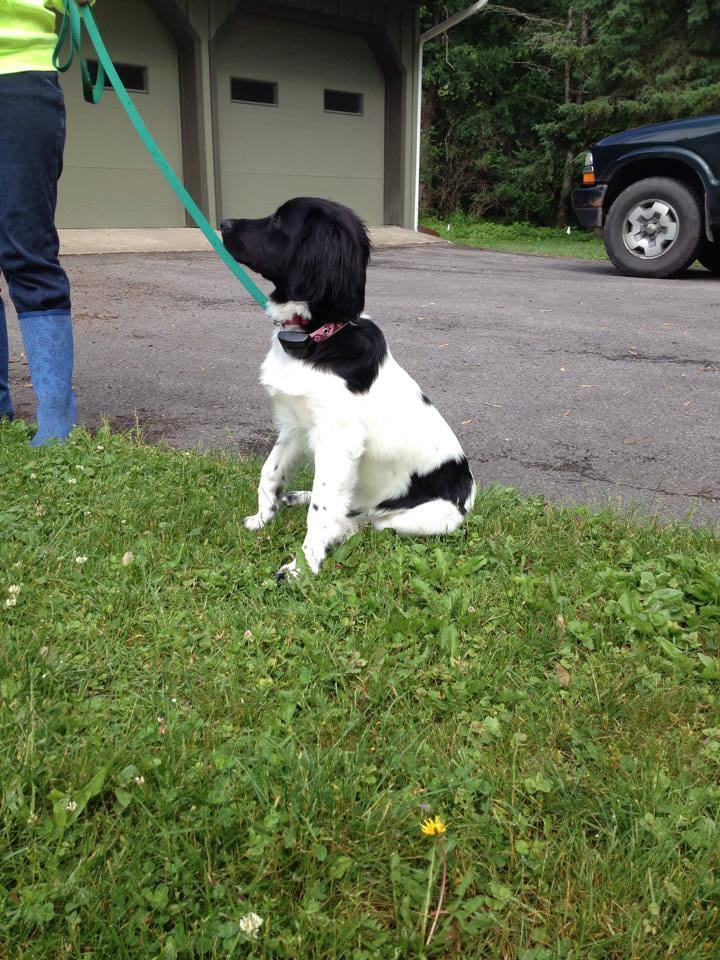
Young Springer Spaniel puppy learning obedience on lead

Springer puppy – always ready to learn!

The Crucial Role of Training Flags

Training flags are absolutely crucial for your puppy’s success with an electronic fence. They provide a vital visual cue that helps your puppy understand where the invisible boundary lies.

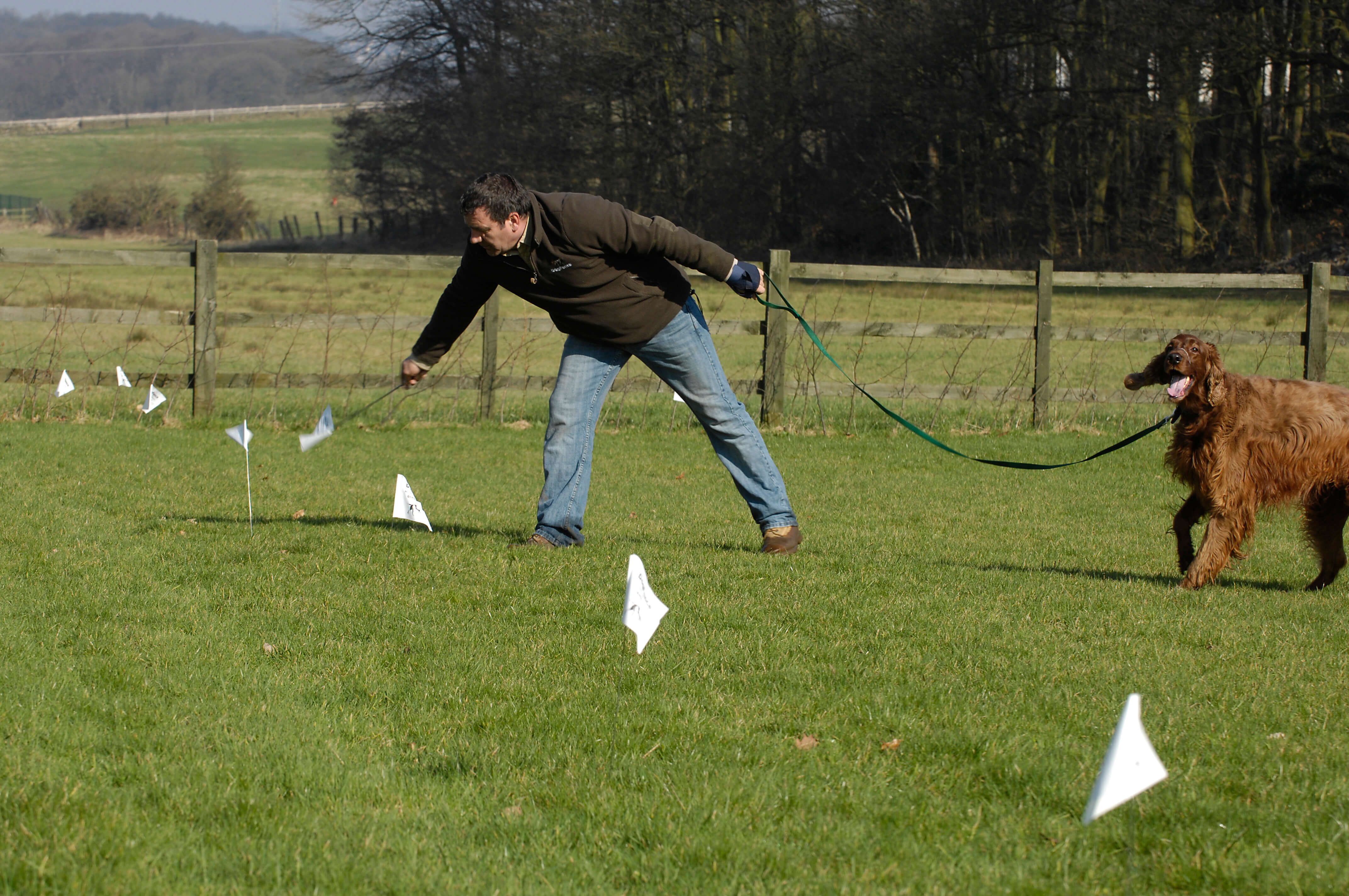
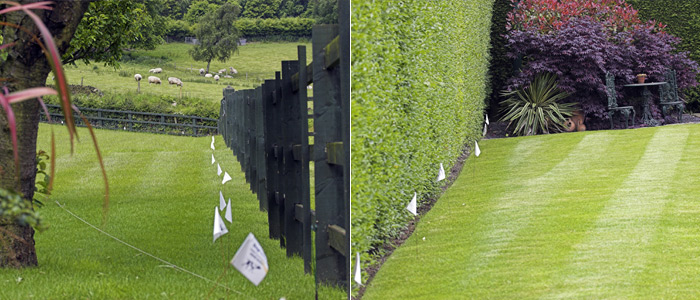
  • Initial Training: During the initial training phase, flags mark the exact perimeter of the warning zone. The flags should ideally be a maximum of 10ft apart. This allows your puppy to visually associate the flags with the tone and, later, the correction (imuplse).
  • Adding a New Puppy to an Existing System: If you’re introducing a new puppy to an existing DogFence system, you must reinstall the flags. Even if older dogs no longer need them, the puppy requires this visual aid for clear understanding.
  • Flag Density: Ensure you have sufficient flags. We recommend a minimum of 1 flag every 8-10 feet (approx. 2.5 – 3 meters) around the entire boundary. This density provides clear, consistent visual markers for a young, learning dog.
  • Mail Order Systems: For mail-order only systems, verify that the flags are a minimum of 12 inches tall and that you have between 20-25 flags per 100 meters of cable supplied. This ensures adequate visibility and training effectiveness.

Need more flags for your puppy’s training? Contact us today for advice on flag quantities and placement!

DogFence UK: Pioneers in Containment & Our Unique Containment Promise

DogFence Ltd. pioneered the concept of both installing electronic dog fences and providing expert, hands-on dog training to the fence here in the UK. This integrated approach sets us apart, ensuring not just a technically sound system, but a truly effective containment solution tailored to your dog. We are the only UK company to offer a unique Containment Promise – a testament to our confidence in our systems and our training methodology. Our training processes and protocol were used as part of the DEFRA Study in 2018 which were deemed both safe and humane for dogs and cats.

While some might find it amusing, this promise comes with simple, yet vital, provisos. Meeting these criteria ensures the system’s effectiveness and your peace of mind:

  1. Collar Must Be Worn: The dog must always wear the collar when he or she is in the garden. If your dog escapes and was not wearing the collar, the containment promise will be void – the collar is the key to their safe boundary.
  2. Authorised Working Battery: The owner agrees to keep an authorised working battery in the collar. Cheaper imitation batteries do not last as long and, more critically, can cause damage to the omni-directional antenna in the collar, effectively disabling it and compromising your dog’s safety.
  3. Correct Collar Fit: The collar fit must be correct. If the collar is too loose and dangling off the dog like a necklace, it becomes merely a fashion accessory and not a containment collar. A proper fit ensures the contact points can deliver the correction effectively and safely.

If these three crucial criteria are consistently met, and your dog begins to challenge the fence, we will re-visit and re-train your dog free of charge (FOC). This commitment underscores our dedication to your dog’s safety and your satisfaction.

Discover the DogFence difference. Explore our range of professional systems and see how our unique approach can benefit you and your dog: Browse Our Dog Fence Systems.

Gradual Introduction and Positive Reinforcement in Practice

When your puppy is ready introduce the electronic fence training gradually and use positive reinforcement techniques:

  1. Collar Acclimation: Let your puppy wear the collar (turned off) for short periods to get used to it. Let him or her wear it in the house as well as outside to avoid association with the garden only.
  2. Boundary Awareness with Flags: Insert the flags so that they are on the edge of the avoidance zone (follow our Installation instructions for placement) Walk your puppy on a lead near the boundary flags. As they approach the flags, praise and reward them lavishly for staying within the safe zone, using your basic verbal commands.
  3. Tap the flags: Tap the training flags and shout “careful” when your puppy is next to the flag.
  4. Tone Association: As they reach the flag the collar will start to “beep”, give the careful command.
  5. Correction Introduction (with care): After 1 or 2 sessions of “beep” only training Only Training introduce the static correction at the lowest level. This is to ensure that it’s just enough to get their attention, not to cause pain or fear. Closely observe their reaction and ensure a proper collar fit.
  6. Retreat Training: When you puppy goes past the flags and into the correction zone. Quickly shout the “careful” command is high pitched worried voice and direct your dog back into the safe zone. Then praise your dog for making the right decision.
  7. Consistent Training Sessions: Keep training sessions short (5-10 minutes), positive, and consistent (several times a day). This consistency is vital for your puppy to fully grasp the boundary concept.
  8. Reinforce the rest of the garden: Remind your puppy that the garden is a happy, safe place, play with your puppy in the garden. If you roll a ball, always roll it away from the boundary.
  9. First Weeks: In the first few weeks do not leave your puppy in the garden unsupervised and always have them on a lead so that they do not inadvertently run into the zone.
  10. Always wear the collar outdoors: Your dog should never be allowed into the garden without the electronic dog fence collar. Inconsistency causes confusion.
  11. Time off: Give you puppy time off. Too much training will tire him or her out. Always remove the dog fence collar overnight and in the first few weeks for at least an hour during the day.

For a step-by-step guide on training your puppy, refer to your Installation and Training Handbook or call us for a hands on approach. Alternatively why not have your Dog Fence professionally installed – contact us today for a free quote.

For further valuable insights into positive, reward-based training and responsible dog ownership, we recommend exploring resources from professional bodies like the Association of Pet Dog Trainers (APDT, UK).

Happy owner embracing a white puppy, representing the secure and loving environment provided by a puppy electronic dog fence

Dogs need time off – praise and play with your puppy too!

Puppy Training on an electronic dog fence|Conclusion

Introducing electronic fence training at the right age, with the proper prerequisites, and with the vital aid of training flags, is crucial for your puppy’s safety and successful containment. By trusting in DogFence UK’s pioneering expertise, leveraging our adjustable systems, adhering to the simple criteria of our Containment Promise, and committing to positive, consistent training, you can help your puppy learn to respect the boundaries and enjoy the freedom of your garden safely for years to come.

Ready to secure your puppy’s freedom with a DogFence system?

Call us today to discuss your needs: 01628 476475

Prefer to email? Reach us at info@dogfence.co.uk

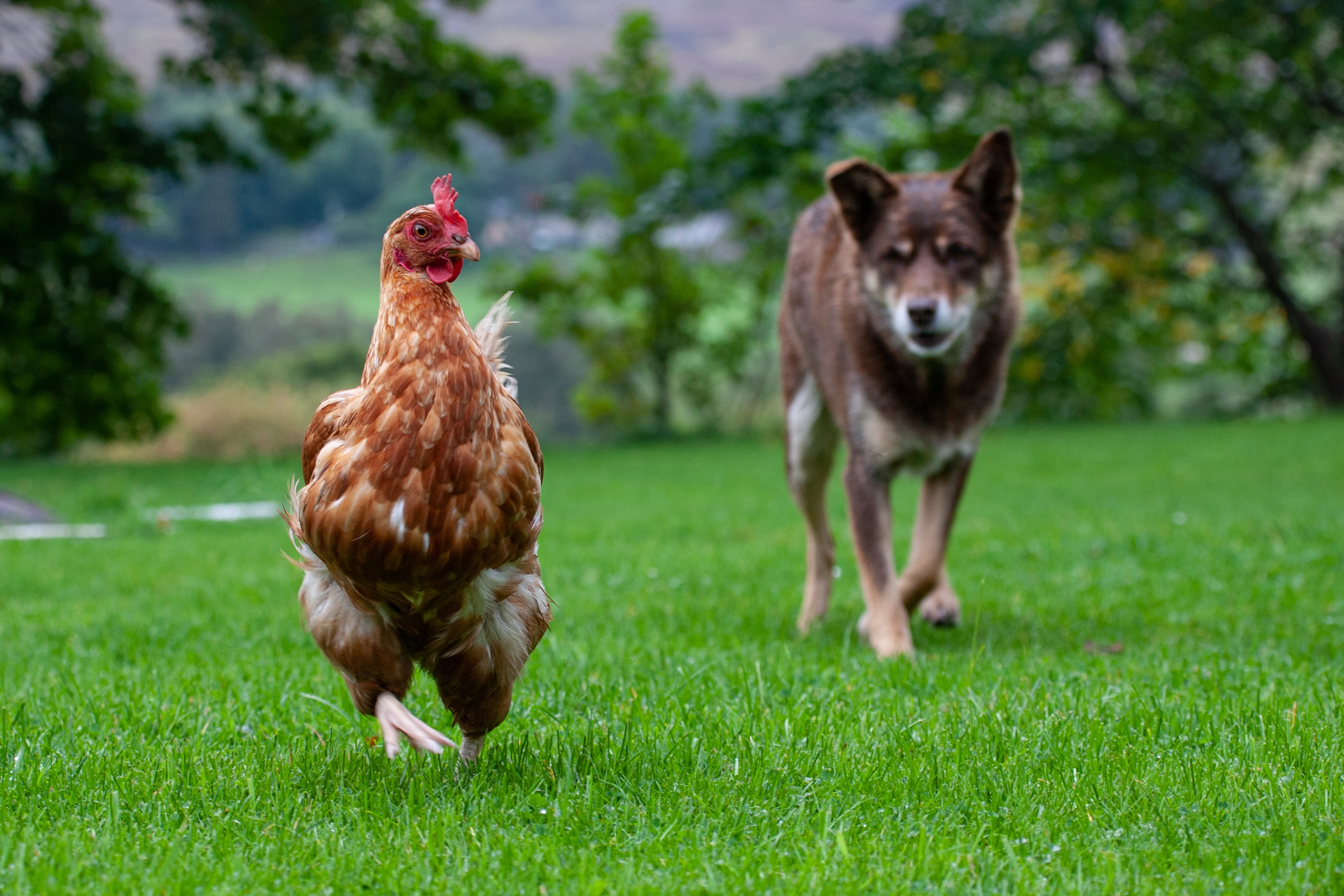
alt="Dog chasing chicken in garden highlighting need for secure pet containment system"

Prevent Dog Escapes | Secure Garden Fence from DogFence

Keep Pets Safe with DogFence

Don’t Wait Until Your Dog Goes Missing or Chases Livestock: How to Secure Gardens for Dogs and Keep Pets Safe with DogFence

Living in the countryside brings freedom, fresh air, and space for your dog to run — but it also brings unique challenges. How can an owners create secure gardens for dogs? If your property borders farmland, woods, or open spaces, it’s critical to have a reliable containment system to keep your dog safe and prevent them from chasing livestock or wildlife. Otherwise, you risk your dog getting lost, injured, or causing harm to your neighbours’ animals.

⚠️ The Legal and Financial Risks of Dogs Worrying Livestock

While dogs are often just inquisitive, to a farmer, livestock represents their livelihood. In the UK, under the Animals Act 1971, farmers are legally permitted to protect their livestock. This can include shooting a dog that is actively worrying their sheep, provided there are no other reasonable means to end or prevent the worrying .

Allowing a dog to worry livestock is a criminal offence under the Dogs (Protection of Livestock) Act 1953, punishable by a fine of up to £1,000, plus potential costs and compensation orders .

Recent data highlights the growing concern:

  • In 2023, farm animals worth an estimated £2.4 million were severely injured or killed by dogs, marking a nearly 30% increase from the previous year .

  • A 2024 survey revealed that 78% of rural crime teams reported an increase in dog attacks on sheep over recent years .

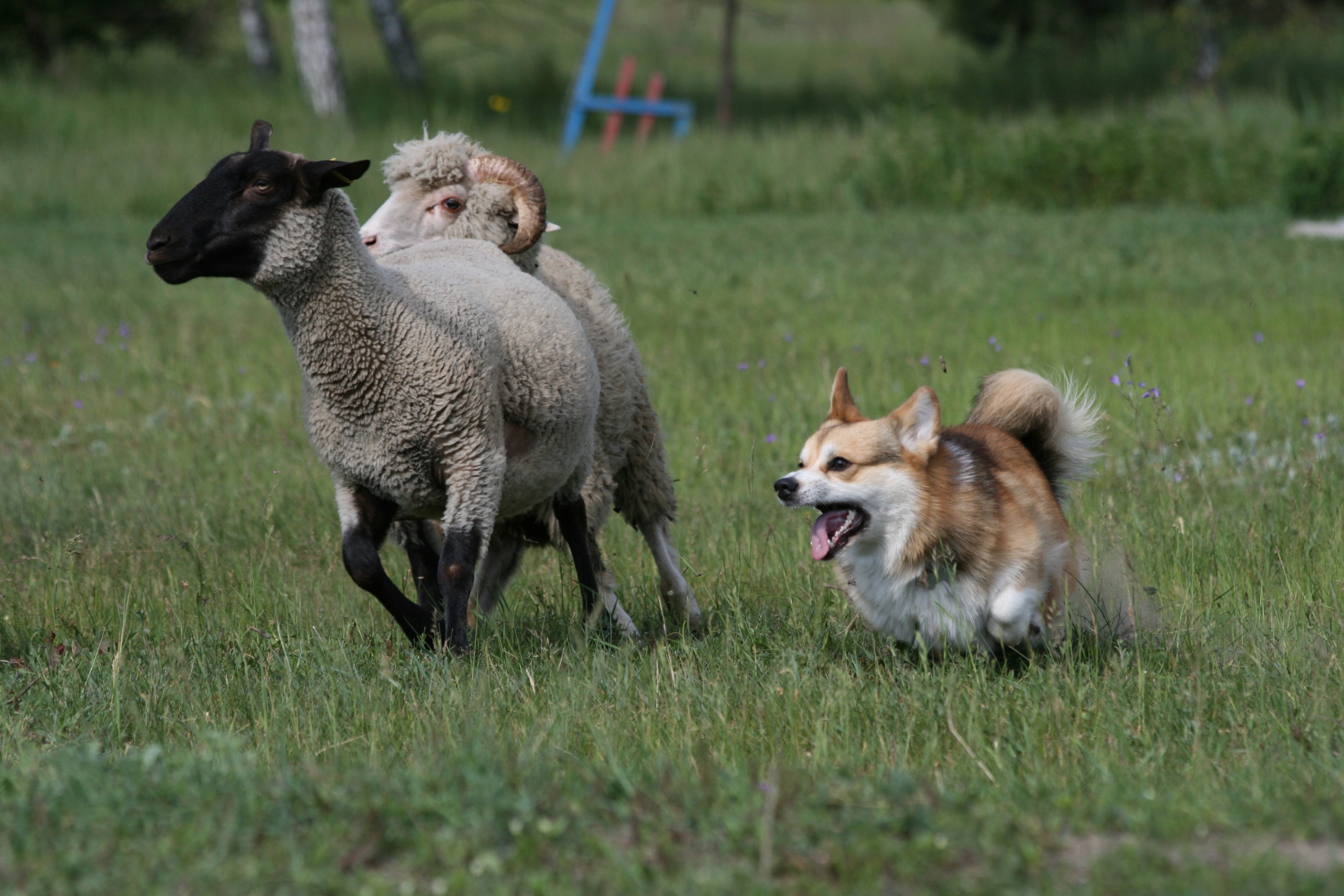
Dog chasing sheep in countryside illustrating the risk of livestock worrying without proper containment"

Livestock attacks by dog are on the increase

Why Traditional Fencing Often Isn’t Enough

Challenges of Physical Fences in Rural Areas

Traditional physical fencing is often expensive, time-consuming, and impractical on rural or uneven terrain. Worse, traditional fences can be dug under, jumped over, or damaged by wild animals such as badgers, foxes, deer etc leaving your dog vulnerable to escape.

Limitations of Traditional Fencing to Create Secure Gardens for Dogs

  • Cost: Traditional fences typically start around £35 per metre, while DogFence systems start from about £6 per metre, including professional installation and training.
  • Installation Time: Building a physical fence can take weeks or months, especially if your land is uneven or expansive.
  • Vulnerability: Animals such as badgers or foxes can dig holes underneath fences, and dogs can jump over or even break through physical barriers.
  • Aesthetics and Permissions: Traditional fences can affect the look of your property and may require planning permission in some areas.
  • Lack of Flexibility: Once installed, a physical fence is fixed. If you want to expand or change your containment area, it can be costly and difficult.

Why Choose an Electronic Dog Fence from DogFence?

UK’s Experts in Electronic Dog Containment

DogFence is the UK’s leading expert in electronic dog containment, having safely installed and trained over 20,000 pets on our advanced systems. Unlike basic mail-order kits, our digital dog fencing solutions are designed for long-lasting reliability, maximum safety, and adaptability to almost any environment. Find out more here.

Creating secure fencing on Almost Any Terrain

Our systems can be installed on nearly any terrain, including:

  • Slopes, hills, and uneven ground
  • Gardens surrounded by streams or shallow rivers (our cables are waterproof and can run underwater)
  • Open fields and driveways, creating secure boundaries exactly where you need them

What’s more, our system is transportable — if you move house, you can easily take the dog fence transmitter and collars with you and reinstall it at your new property, making it a smart long-term investment.

More Than Just a Boundary: Customisable Pet Protection

Our electronic dog fences don’t just keep dogs contained; they can be used to protect specific areas within your property, keeping your pets away from:

  • Swimming pools or ponds
  • Chicken coops and rabbit runs
  • Flower beds or vegetable patches

This flexibility means your dog can enjoy a large safe area without compromising your property or causing damage.

Neil’s Story: Real Success with DogFence

A Perfect Example from the Orkney Islands

Neil lives in a rural location on the Orkney Islands surrounded by sheep, cows, and a neighbour with over 200 free-roaming chickens. His Whippet x Saluki is a fast, natural hunter — which posed a real risk to the local wildlife and his dog’s safety.

After choosing DogFence’s advanced electronic dog fence, Neil found installation easy and the training effective. After just one week, his dog fully understood the boundaries.

alt="Dog chasing chicken in garden highlighting need for secure pet containment system"

Dog chasing chicken in garden

“The dog has not been able to get out of our 1-acre land since the fence was installed. I cannot recommend this system highly enough. My dog can run freely, and the animals in neighbouring fields are safe. Also, when I’ve called for advice, I always get through to a real person, not an automated menu—which is a nice change. 10 out of 10 for the product and service.”

Neil’s experience is typical of many of our satisfied customers who want to secure gardens for dogs and prevent dogs running away — even in the most challenging rural environments.

Why DogFence is the UK’s Expert to Create Secure Gardens for Dogs

Advanced Technology and Professional Training

At DogFence, we don’t just supply collars and wires; we deliver complete peace of mind with:

  • Advanced digital software that delivers consistent, safe impulses tailored to your dog’s personality and size
  • Lightweight, comfortable collars that your pet can wear all day without discomfort
  • Heavy-grade boundary wire designed to last decades and resist damage from weather or animals
  • Fully trained, professional installers who handle the setup and provide thorough, onsite training for you and your pet
  • Our exclusive Containment Promise, which backs the reliability and safety of our system

Our team has installed systems on properties ranging from small city gardens to expansive country estates — and we adapt to your needs.

Take Action Now: Protect Your Pet and Peace of Mind

Don’t wait for an emergency to happen — prevent your dog running away or chasing livestock before it’s too late. With DogFence, you can create a safe, secure space where your dog can enjoy freedom without risk.

Call us today on 01628 476475 for a free consultation and personalised quote.

➡️ Or visit dogfence.co.uk to learn more about how our systems can work for your property.

Let DogFence help you secure your garden for dogs and keep your pets safe — wherever you live, whatever your terrain.


Dog sitting safely inside hedge boundary in English garden demonstrating dog proof garden setup

How to Dog Proof Your Garden Properly (UK Guide)

How to Dog Proof Your Garden

Top Tips for a Safe & Secure Outdoor Space

How to dog proof your garden properly starts with identifying risks — from escape points to toxic plants and boredom-related damage.

As dog owners, we all want our pets to enjoy outdoor freedom safely. But without the right precautions, gardens can quickly become areas of risk — whether that’s escaping, digging, chewing plants, or damaging borders.

In this guide, we’ll explore practical ways to dog proof your garden while keeping it attractive and functional.

If your dog is actively trying to escape, you may also want to read our complete guide on why dogs escape and how to stop them for good.

Dog sitting safely inside hedge boundary in English garden demonstrating dog proof garden setup


1. Secure Your Garden Boundaries

The first step to dog proof your garden is ensuring your boundaries are secure.

Check for:

  • Loose fence panels
  • Gaps between posts
  • Weak gate hinges
  • Gaps under fencing
  • Open driveways

For most medium to large breeds, fencing should be at least 6ft high.

If your dog is digging under fencing, see our guide on how to stop dog digging under fence

If you live in the countryside with livestock nearby, you may find our rural-specific guide on how to dog proof a rural garden in the UK more relevant.

checklist sign showing ways to dog proof your garden including fencing plant safety and digging prevention


2. Prevent Digging & Garden Damage

Dogs dig for many reasons:

  • Boredom
  • Cooling down
  • Hunting
  • Attempting to escape

To reduce digging:

  • Increase daily exercise
  • Provide enrichment toys
  • Create shaded rest areas
  • Reinforce fence bases if necessary

Understanding why your dog digs is key to solving it long term.


3. Remove Hazardous Plants & Chemicals

To properly dog proof your garden, consider plant safety.

Common toxic garden plants include:

  • Foxglove
  • Yew
  • Azaleas
  • Rhododendrons
  • Daffodil bulbs

Fertilisers, slug pellets and weed killers also pose risks.

For official guidance on toxic plants for pets, the PDSA provides helpful information.


4. Create Safe Zones for Play & Rest

A well-designed garden reduces destructive behaviour.

Consider:

  • Shaded areas
  • Water access
  • Defined pathways
  • Designated digging areas
  • Clear boundaries

A mentally stimulated dog is far less likely to test fencing or destroy borders.


5. Consider Containment for Extra Peace of Mind

For properties with open driveways or boundary concerns, additional containment may be worth considering.

A professionally installed electronic dog fence system can create a defined perimeter without altering your garden’s appearance.

Learn more in our guide on how electronic dog fences work.


Final Thoughts: Creating a Dog Safe Garden

To dog proof your garden effectively, combine:

  • Secure boundaries
  • Behaviour understanding
  • Plant safety
  • Enrichment

At DogFence, we’ve helped thousands of UK pet owners create safer outdoor spaces for their dogs and cats.

If you’d like tailored advice for your property, contact our team for a free, no-obligation consultation.

Ready to Dog Proof Your Garden Properly?

If you’re looking to dog proof your garden and prevent escape, digging or boundary problems, we can help you create a safe, secure outdoor space tailored to your property.

Call us on
01628 476475
|
Message us on WhatsApp
|
Request a Free Quote Online

Golden retriever trained to electric fence for dogs boundary in UK garden

Electric fence for dogs. What You Need To Know!

Electric Fence for Dogs: What It Really Means in the UK

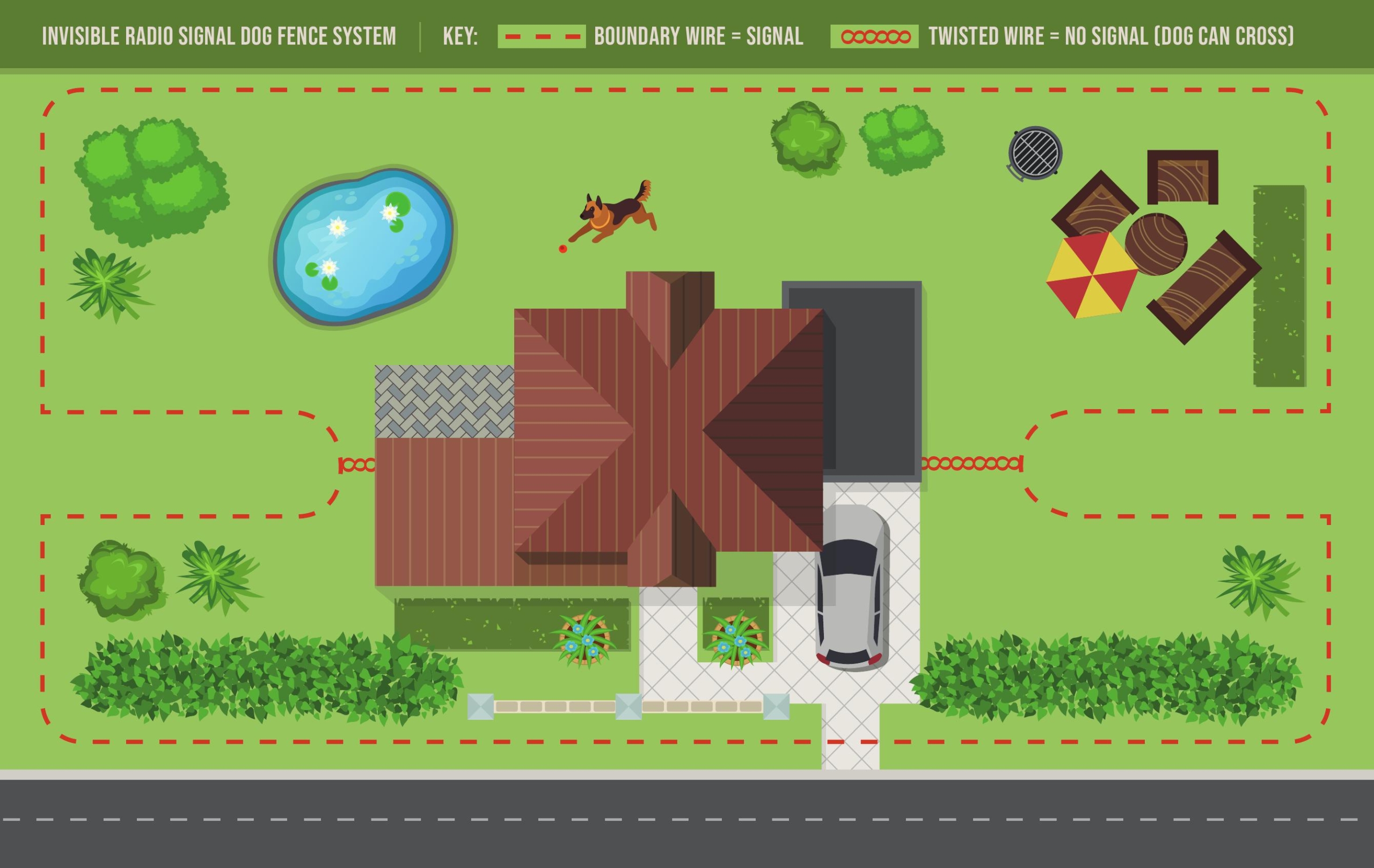
An electric fence for dogs is an electronic containment system that uses a buried boundary wire and a receiver collar to create a safe, invisible perimeter. It does not electrify fencing panels or deliver a live electric current, in fact an electric fence for dogs is a commonly used term for what is actually an electronic containment system for dogs. Despite the name, an electric fencing for dogs does not electrify physical fencing or send a live current through your garden. Instead, it uses a buried radio boundary wire and a lightweight receiver collar to create a safe, invisible perimeter. For this reason they are often referred to as underground dog fences.

In the UK, most modern systems described as an electric fencing for dogs are professionally installed electronic dog containment systems designed to keep pets safely at home while preserving freedom in the garden.

Golden retriever trained to electric fence for dogs boundary in UK garden


What Is a Pet Containment System and How Does It Work?

An electric fence for dogs works by transmitting a low-level radio signal through a boundary wire installed around the perimeter of your property.

Your dog wears a small computer receiver collar. As they approach the boundary:

  • The collar emits a warning tone.
  • If the dog continues forward, a brief, programmable static impulse is delivered.
  • The correction stops immediately once the dog returns to the safe zone.

Although many people search for an “electric fence for dogs,” these systems are electronic rather than agricultural electric fencing. Our guide to electric fence systems for dogs explains how modern containment technology works in practice.


Is an Electric Fence for Dogs Actually Electric?

No.

The term electric fence for dogs is misleading. These systems do not electrify fencing panels, gates or the ground. There is no exposed live wire and no risk to children or other animals touching the boundary. The “fence” is an invisible underground dog fence.

They use a contained radio signal combined with static correction technology — similar in sensation to everyday static discharge.

If you are concerned about welfare, we explore the evidence and research in depth in our guide to whether electric dog fences are cruel or kind, as well as in our wider discussion on the controversy surrounding dog fences and whether they are cruel or harmful


Boundary Wire System vs Traditional Fencing

A boundary wire system for dogs is often chosen when traditional fencing fails.

Common scenarios include:

  • Dogs jumping 6ft panels
  • Digging under boundaries
  • Escaping through damaged fencing
  • Rural properties where physical fencing is impractical
  • Planning restrictions preventing tall panels

Unlike visible fencing, an invisible dog fence system creates a psychological boundary rather than a physical one.

This means dogs are trained not to approach the perimeter at all.


Can an Underground Dog Fence Be Installed on Any Property?

In most cases, yes.

A professionally installed underground dog fence for dogs can:

  • Cross driveways
  • Run under patios and pathways
  • Follow complex boundary shapes
  • Cover large rural estates
  • Navigate wooded areas

If you are unsure whether professional installation is required, you may find our comparison of dog fence installation: DIY vs hiring a professional helpful.

Professional installation ensures correct cable placement, precise programming and tailored training suited to your individual pet.

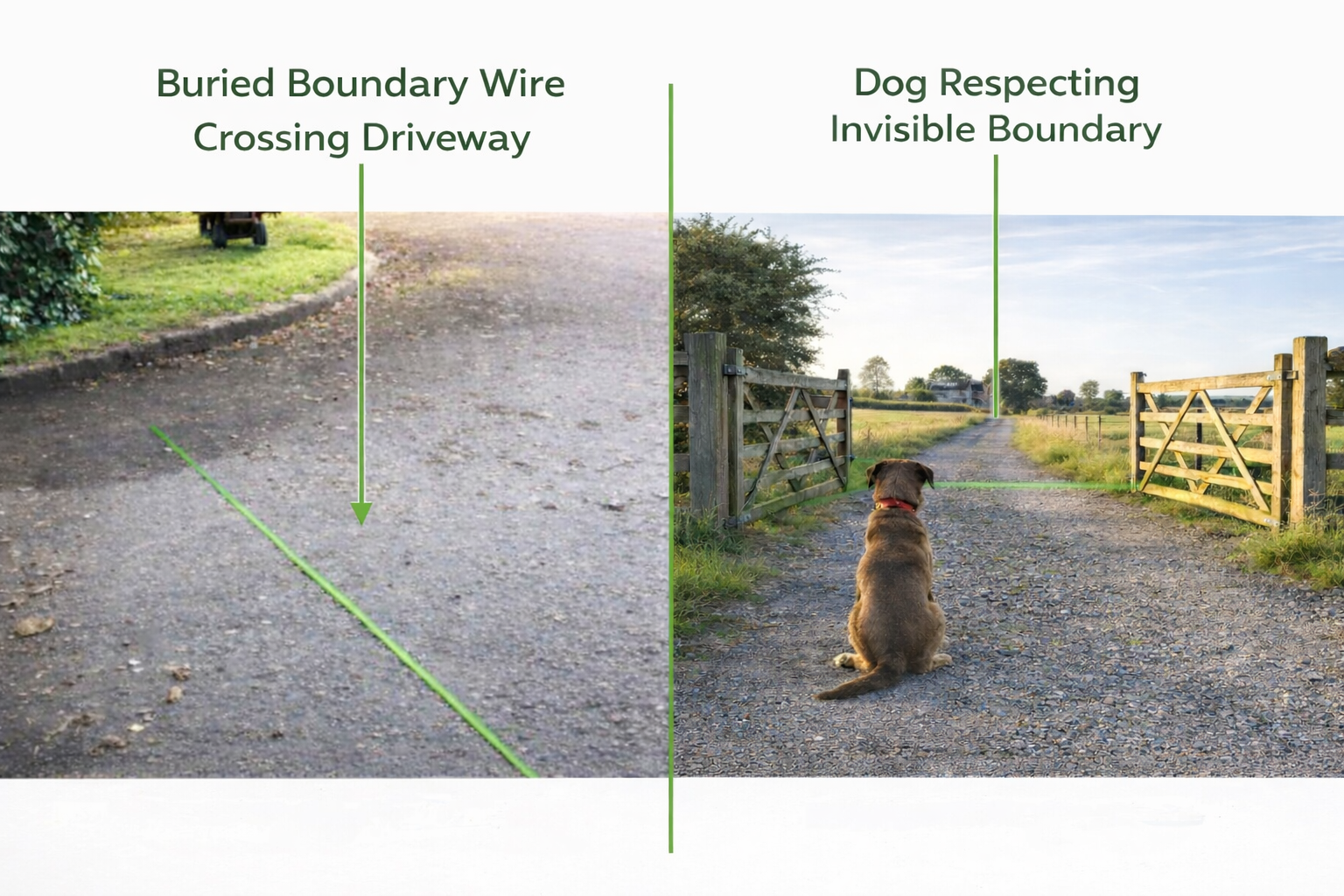
electric fence for dogs buried boundary wire crossing driveway with trained dog sitting inside open gate

Buried boundary wire crossing a driveway and a trained dog calmly respecting the invisible boundary — even with the gate open.


Is an Invisible Dog Fence Safe?

When installed correctly and used responsibly, an electric fence for dogs is designed for safety and containment — not punishment.

Modern systems include:

  • Adjustable static levels
  • Warning tone before correction
  • Automatic safety shut-off
  • Waterproof receiver collars
  • Tailored training for each pet

Because the term “electric fence” is often misunderstood, questions about safety frequently arise. If you’re exploring the welfare discussion in more depth, our guide on whether electric dog fences are cruel or kind examines the research and practical evidence.


Frequently Asked Questions About an Electric Fence for Dogs

Do electric fences for dogs give a shock?

No. They deliver a brief static impulse only if a dog ignores the warning tone.


Do Invisible Fences for dogs hurt?

When properly installed and programmed, the sensation is mild and momentary. Most dogs learn to respond to the warning tone alone.


Are electronic fences for dogs legal in the UK?

Yes. Electronic dog containment systems are legal in England when used responsibly.


Will a hidden dog fence stop my dog jumping over a fence?

Yes. Because the boundary is psychological rather than physical, dogs are trained not to approach the perimeter at all.


Is a Dog Containment System Right for You?

A containment fence for dogs may be suitable if:

  • Traditional fencing has failed
  • Your dog repeatedly escapes
  • You live in a rural area with livestock nearby
  • You want safety without visual barriers

At DogFence Ltd, we have been installing containment solutions for dogs across England — from small suburban gardens to 350-acre estates.

Our goal is simple: keeping pets safe while preserving their natural freedom at home.

Thinking About Safe Dog Fence Solutions?

Speak to a UK specialist in safe, humane electronic pet containment systems.

Call us on
01628 476475
|
Message us on WhatsApp
|
Request a Free Quote Online

Girl comforting dog wearing electric dog fence collar in UK garden

Electric dog fences cruel or kind?

Are Electric Dog Fences Cruel or Kind? The Evidence Explained (UK Guide)

Are electric dog fences cruel or kind? It’s one of the most common and emotionally charged questions dog owners ask when considering ways to keep their pet safe at home.

The word “electric” can sound alarming. Many owners understandably worry about welfare, pain, or long-term stress. But modern electronic containment systems are very different from what people often imagine.

In this guide, we explain how electric dog fences work, what independent research says, and whether they are truly cruel — or in fact a responsible solution for protecting dogs in the UK.


What Is an Electric Dog Fence?

Despite the name, an electric dog fence is not the same as a livestock electric fence. It is an electronic containment system designed specifically for domestic pets.

If you would like to see the full specification of a professionally installed system, you can read more about our electric fence for dogs solutions on our dedicated product page.

Modern systems consist of:

  • A central transmitter
  • A boundary wire (for wired systems)
  • A lightweight receiver collar worn by the dog

The boundary wire carries a coded radio signal around the perimeter of your property. If you’d like a full technical explanation, you can read more about how our electronic dog fence systems work.

When a dog approaches the boundary:

  • The collar emits a warning beep.
  • If the dog continues forward, a brief, programmable static impulse is delivered.

The impulse is not a continuous electric shock. It is a controlled, momentary static correction, adjusted to suit your dog’s size, temperament and sensitivity.


Types of Electric Dog Fence Systems

Understanding system types is important when asking, are electric dog fences cruel or kind?

Wired Dog Fences

A wired system involves installing a boundary wire around your property. The wire is typically buried a few inches underground for protection.

Wired systems are:

  • Flexible in shape and layout
  • Suitable for slopes and uneven ground
  • Able to create “no-go zones” around ponds or driveways
  • Reliable in complex UK gardens

At DogFence Ltd, we specialise in wired systems because they offer superior reliability and safety. You can learn more about our professional dog fence installation and training process.

Wireless Dog Fences

Wireless systems create a circular signal from a central base unit.

They are generally only suitable for:

  • Flat, open spaces
  • Clear line-of-sight environments
  • Simple garden layouts

They cannot adapt easily to buildings, trees or irregular boundaries, which makes them less suitable for many UK properties.


How Does an Electric Dog Fence Work?

The boundary wire acts as an antenna, transmitting a coded radio signal around your garden.

The receiver collar:

  • Detects proximity to the boundary
  • Emits a warning tone
  • Delivers a brief static impulse only if necessary

The correction level is individually programmed. It is never “one size fits all.”

With structured training, most dogs quickly learn to respond to the warning beep alone. After the initial learning phase, many rarely experience the static correction.


Are Electric Dog Fences Cruel or Kind? Looking at Welfare

So, are electric dog fences cruel or kind?

When professionally installed and properly introduced through training, modern electronic containment systems are designed to prioritise safety and welfare.

The static impulse is comparable to the mild static sensation you might experience when touching a metal car door after walking across carpet — momentary and surprising, but not harmful.

Importantly, the goal of the system is not punishment. It is boundary awareness.

What Does Research Say About Whether Electric Dog Fences Are Cruel or Kind?

Researchers at the University of Lincoln found no evidence of long-term welfare problems in cats living with electronic containment systems compared to animals able to roam freely.

You can read the published findings on the official University of Lincoln website.

When asking whether electric dog fences are cruel or kind, it’s important to compare them with the real-world risks dogs face without reliable containment.


What Happens When Dogs Escape?

Dogs are naturally curious. Some will dig, jump or squeeze through traditional fencing.

Common consequences of escape include:

  • Road traffic accidents
  • Livestock chasing (which can lead to prosecution or fatal outcomes)
  • Injury from other animals
  • Getting lost
  • Legal liability for property damage
  • Neighbour disputes

In rural and semi-rural England, livestock incidents can have devastating consequences for both farmer and dog.

Responsible containment is often about prevention — protecting the dog, livestock and the wider community.


How Dogs Learn to Respect the Boundary

Professional training is essential to humane use.

During installation:

  • Visual training flags are positioned along the boundary
  • Dogs are introduced on lead
  • The warning tone becomes the primary cue
  • The static impulse is introduced only if necessary

Most customers report that after training, their dog rarely triggers more than the warning beep.

If you still have questions about suitability or safety, our Dog Fence FAQs page  answers many of the most common concerns.

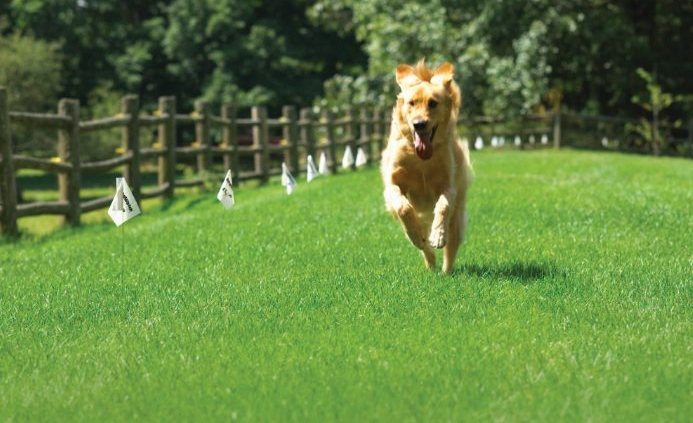
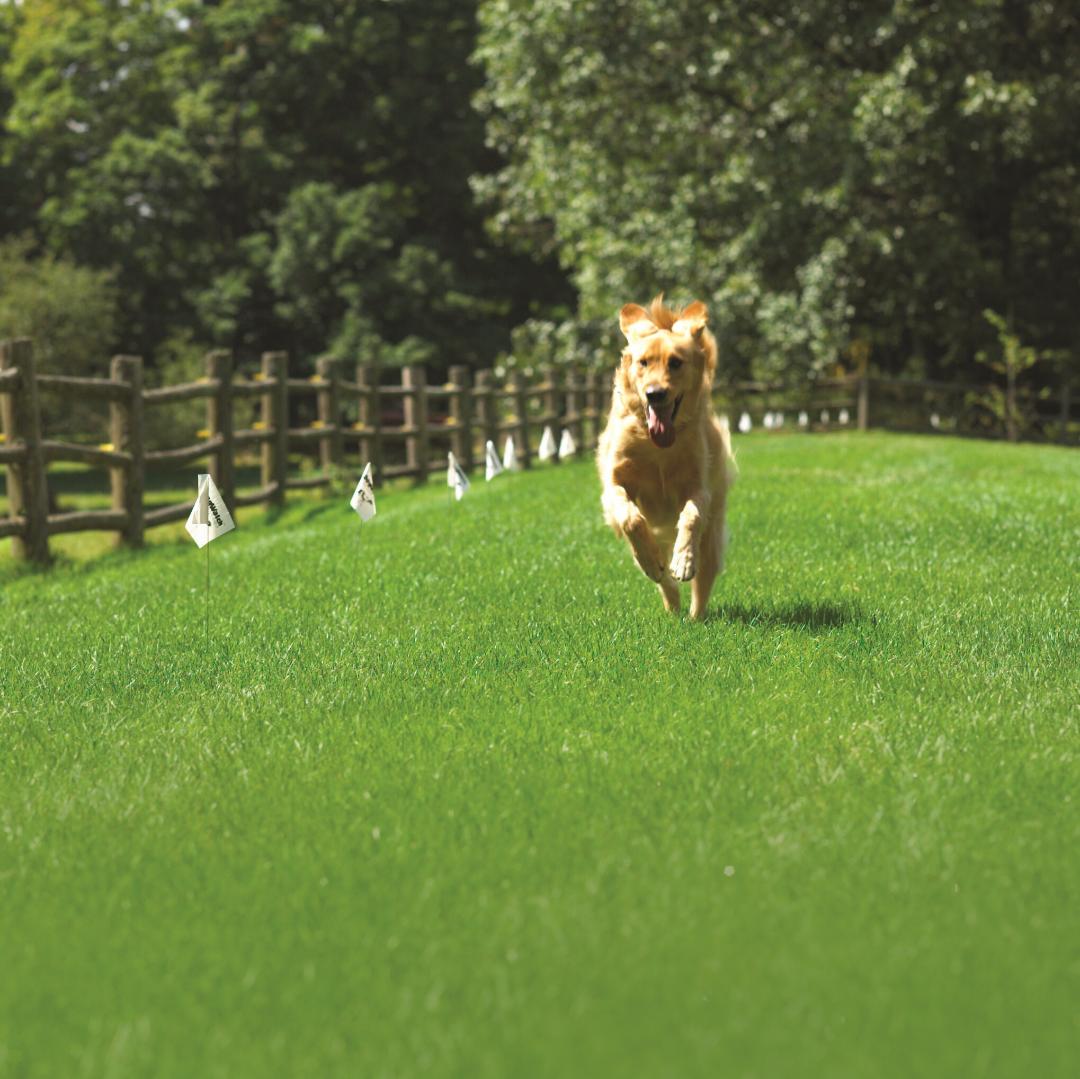
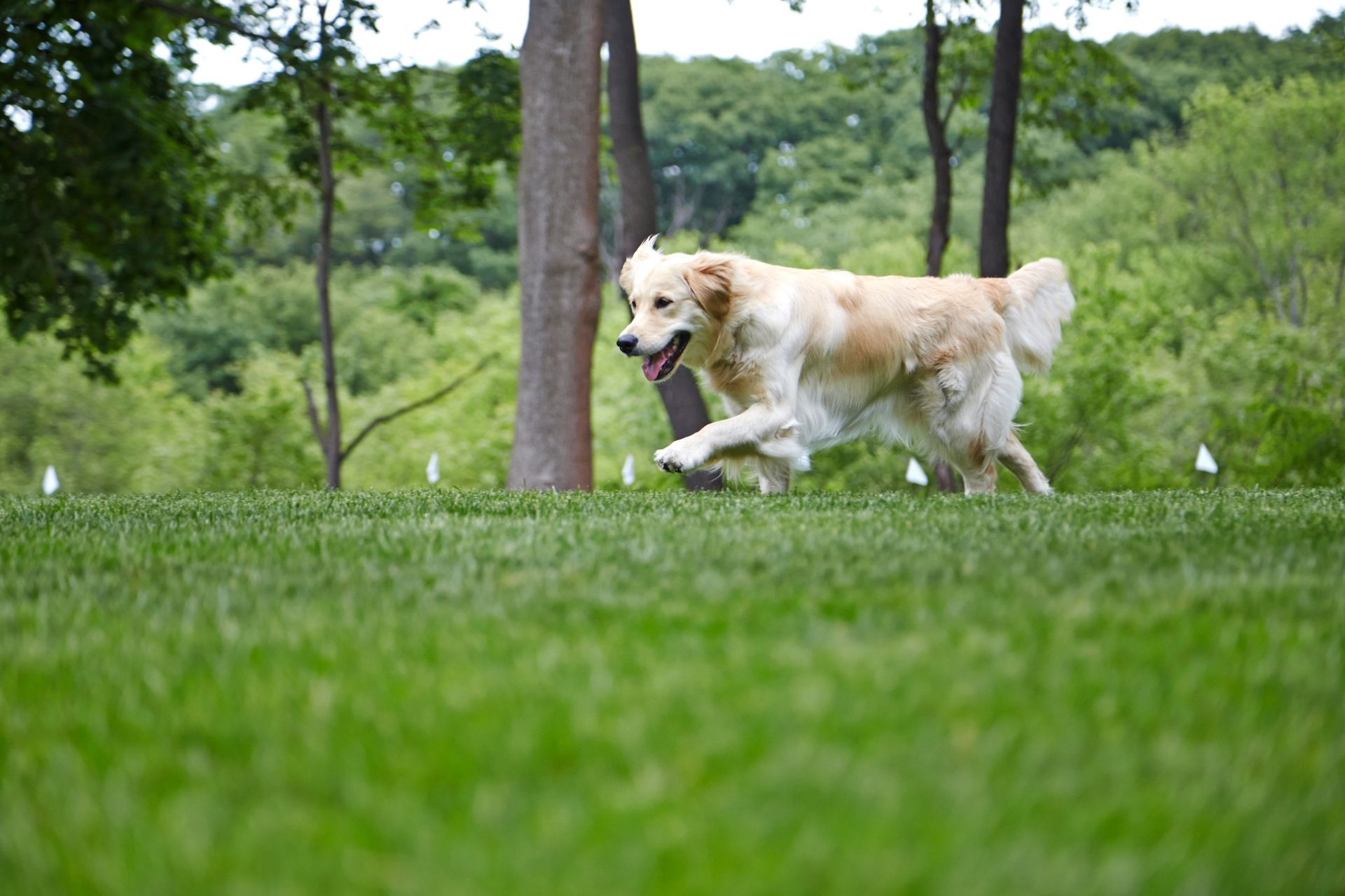
Golden retriever trained to electric dog fence boundary with flags

With professional training, most dogs quickly learn to recognise boundary flags and respond to the warning tone alone.


When Electric Dog Fences May Not Be Suitable

To answer honestly whether electric dog fences are cruel or kind, it’s important to acknowledge that they are not suitable in every case.

They may not be appropriate for:

  • Extremely anxious or highly nervous dogs
  • Situations without professional training
  • Owners unwilling to follow structured guidance

Used incorrectly, any training tool can cause confusion. Used responsibly, electronic containment systems are predictable, consistent and safe.

This is one reason professional installation is so important. Poorly installed systems, incorrect collar settings, or inconsistent training can undermine both safety and welfare. If you are weighing up your options, our guide on dog fence installation: DIY vs hiring a professional explains the key differences and risks to consider.


So, Are Electric Dog Fences Cruel or Kind?

When professionally installed, carefully programmed and supported with structured training, electric dog fences are a responsible containment solution.

They allow dogs to:

  • Enjoy freedom within their own garden
  • Display natural behaviour
  • Avoid roads and livestock
  • Remain safely at home

For over 22 years, DogFence Ltd has installed systems across England — from compact gardens to 350-acre estates — always prioritising safety, welfare and responsible ownership.

Experience matters. Training matters. Quality matters.

While some critics remain concerned, the debate around electronic containment has been ongoing for years. If you would like to explore both sides of the discussion in more depth, you can read our article on the controversy surrounding dog fences and whether they are cruel or harmful


FAQs: Are Electric Dog Fences Cruel or Kind?

Do electric dog fences give dogs an electric shock?

No. Despite the name, these systems do not deliver a continuous electric shock. They use a warning beep first, followed (only if the dog ignores the warning) by a brief, programmable static impulse.

Do electric dog fences hurt dogs?

When set correctly for the individual dog and introduced through professional training, the sensation is mild and momentary. Most dogs learn to respond to the warning beep and rarely need more than the audible cue.

Are electric dog fences legal in the UK?

Yes. Electronic dog containment systems are legal in the UK. As with any training tool, they must be used responsibly, with appropriate set-up and training.

Will an electric dog fence stop my dog running out of the garden?

A professionally installed wired system is designed to contain dogs within the boundary you set. Success depends on correct installation, correct collar programming, and training that teaches the dog what the warning beep means.

Are wireless dog fences as reliable as wired systems?

Wireless systems can work in very open, flat areas, but they are usually less flexible and less reliable in typical UK gardens with buildings, trees, slopes or complex boundaries. Wired systems are generally the safer, more consistent option.

How long does it take to train a dog to an electric dog fence?

Most dogs learn the boundary quickly with structured sessions over several days. The key is consistency: flags, lead work, the warning tone and positive reinforcement.

Final Thoughts

If you are still wondering are electric dog fences cruel or kind, the answer lies in how the system is installed, programmed and introduced. When professionally fitted and supported by structured training, modern electronic containment systems are designed to protect both welfare and safety.

With over 22 years of experience installing wired dog fences across England, DogFence Ltd focuses on responsible containment that allows dogs freedom within safe boundaries.


Ready to Keep Your Pet Safe?

Call us on
01628 476475
|
Message us on WhatsApp
|
Request a Free Quote Online