
Indoor Dog Fence: The Complete Guide to Hidden Home Containment

Indoor Dog Fence: The Complete Guide to Hidden Home Containment

Why should your home’s interior design be dictated by a series of clunky, plastic baby gates that your Labrador has already learned to hurdle? It’s a common frustration for the 68% of UK dog owners who live in open-plan homes where traditional barriers simply don’t fit or function as intended. You likely agree that while your puppy needs to stay off the expensive rugs and away from the kitchen counters, you shouldn’t have to sacrifice your home’s aesthetic to achieve it.

We’ve spent over 25 years helping families reclaim their living spaces without compromising on pet safety. This guide will show you how an indoor dog fence provides a sophisticated, gate-free solution using advanced FM Safelink technology to create invisible boundaries. You’ll discover how to protect your interiors while offering your beloved pet the freedom they deserve. We’ll walk through the professional installation process, the importance of expert-led training, and how to integrate this hidden system with your existing outdoor boundary for total peace of mind.

Key Takeaways

  • Learn how an indoor dog fence preserves your home’s aesthetic by replacing unsightly physical gates with invisible, radio-controlled boundaries.
  • Discover the precision of advanced signal technology, ensuring your beloved pet receives clear, consistent signals without interference from other household electronics.
  • Explore the strategic differences between wired and wireless solutions to effectively protect your kitchen counters and delicate upholstery from inquisitive paws.
  • Understand why professional calibration and gentle, effective training protocols are essential for providing your family with total peace of mind.

What is an Indoor Dog Fence? Beyond Physical Barriers

An indoor dog fence represents a significant shift from restrictive physical barriers to intelligent, signal-based boundaries. Unlike a traditional wooden gate that clutters a hallway or marks your walls, these systems utilize a discreet transmitter to emit a coded radio frequency. When your dog wears a lightweight receiver collar, the system provides a gentle, consistent reminder to stay back from specific areas. This technology, frequently categorized as electronic pet containment systems, allows for a seamless home environment where your pet learns boundaries through clear communication rather than physical force. It’s a sophisticated way to offer your pet freedom while ensuring your home remains a sanctuary.

The “invisible” nature of these systems is their primary advantage. In modern UK homes, the aesthetic flow of an interior is often a point of pride. Since 2021, interior design trends have leaned heavily toward open-plan living. A 2023 study on UK housing architecture indicated that 48% of renovated properties now feature “broken-plan” layouts. In these spaces, traditional baby gates often fail because they require two solid, parallel walls for mounting. They look out of place in a minimalist kitchen and can be bypassed by a determined 30kg Labrador. An indoor dog fence maintains the architectural integrity of your home while providing 100% reliability. If you already use a DogWatch 1200Fence System for your garden, these indoor units work with the same collar. This creates a unified safety net from the lounge to the lawn, ensuring your pet understands the rules of the house without the need for unsightly plastic or metal bars.

Electronic vs. Physical Fencing: A Comparison

Physical gates are often an eyesore that disrupt the daily rhythm of a household. Plastic or timber barriers don’t just block the dog; they block the flow of your life. A hidden system is invisible to the eye, preserving your interior design exactly as you intended. While a large breed can easily knock down a pressure-mounted gate, they won’t challenge a digital boundary. Flexibility is the key advantage here. You can protect a single antique sofa or create a 1.5-metre “no-go” radius around a delicate Christmas tree. This level of precision is impossible with rigid, physical fencing that only works in straight lines across doorways.

Who is Indoor Containment For?

This solution serves several specific household needs where traditional methods fall short:

  • Puppy Owners: During the critical first 6 months of house-training, keeping a pup off expensive rugs prevents damage. Statistics from UK pet insurers suggest that “chewing incidents” cost owners an average of £450 per household annually.
  • Counter-Surfers: Breeds like Beagles or Labradors often steal food from kitchen islands. A small transmitter hidden under the counter stops this habit instantly by creating a protected zone around food preparation areas.
  • Multi-Pet Households: You can keep the dog away from the cat’s litter tray or feeding station without restricting the cat’s movement. This reduces stress for both animals and keeps the house cleaner.

Since the technology was refined in the early 1990s, hidden fences have provided a reliable alternative to the “locked door” approach. By choosing a professional system, you’re investing in a lifestyle improvement that prioritises your pet’s safety and your own peace of mind.

Understanding the mechanics of an indoor dog fence starts with the transmitter. This compact device acts as the system’s brain, emitting a silent radio signal that creates an invisible, customisable barrier. Unlike basic retail kits found in high-street shops, our professional systems utilise FM Safelink technology. This digital frequency is crucial because modern British homes are filled with electronic noise. Devices like Wi-Fi routers, baby monitors, and smart appliances often emit signals that can interfere with older, analog AM-based systems. By using a coded digital signal, FM Safelink ensures your pet’s collar only reacts to its specific transmitter, preventing accidental corrections caused by a microwave or a cordless phone.

The receiver collar is the second vital component in this safety chain. It’s a lightweight, waterproof piece of technology worn comfortably by your pet. It constantly monitors for the specific FM signal from the transmitter. When your dog enters the “warning zone,” the collar provides an immediate audible alert. If they continue toward the restricted area, a gentle stimulation follows. This system is remarkably effective; in fact, a 2017 study on escape rates published by the AVMA highlighted how electronic containment can be a reliable alternative to physical barriers when properly implemented and maintained. It provides the structure pets need without the aesthetic intrusion of physical gates.

The Role of the IB-100 and IB-200 Transmitters

We offer two primary solutions tailored to the unique layout of your home. The IB-100 is a portable, wireless disc, which is perfect for shielding specific items like a kitchen bin or a delicate velvet sofa. It runs on a rechargeable battery that lasts up to 30 days, giving you the flexibility to move the “no-go zone” as your needs change. For larger or more complex areas, the IB-200 provides a wired solution. This unit can protect entire rooms or long corridors by running a thin wire under floorboards or behind skirting boards. It plugs into a standard UK mains outlet, ensuring a permanent, unwavering boundary for high-traffic zones like the nursery or the dining room.

Frequency and Safety: Understanding the Correction

Safety is our absolute priority. Every indoor dog fence we install features a multi-tiered approach to communication. The process always begins with an audible beep or a vibration, giving your dog a clear, fair signal to turn back. If they ignore this warning, the collar delivers a correction matched specifically to their individual temperament. With 30 different adjustable levels, the intensity can be set precisely for a sensitive Spaniel or a more determined Terrier.

To prevent any risk of over-correction, our collars include a built-in safety time-out feature. If a pet were to stay within the signal field, the collar automatically stops the correction after 15 seconds. This ensures the experience remains a clear boundary lesson rather than a source of stress. By combining precise signal fields, which can be adjusted from 15cm to over 2 metres, with these humane safeguards, we provide a sophisticated tool for modern pet management. If you’re unsure which unit suits your specific floor plan, you can view our full range of indoor solutions to see the technical specifications in detail.

Wired vs. Wireless Indoor Solutions: Choosing Your System

Selecting the right indoor dog fence depends entirely on the architectural flow of your property. Traditional UK homes, such as Victorian terraces with distinct corridors and doorways, present different containment challenges compared to a modern 100-square-metre open-plan extension. You must decide whether you need a mobile shield or a permanent architectural boundary. Our systems use the same FM Safelink technology found in our outdoor fences, ensuring 100% signal consistency without interference from household Wi-Fi or baby monitors.

Wireless “discs” serve as agile, localized protection zones. These are ideal for shielding specific assets, such as a bespoke velvet sofa or a kitchen bin that your Labrador views as a buffet. In contrast, wired hidden loops are designed for structural management. If you need to split a house into a pet-friendly ground floor and a pet-free first floor, a wired system is the superior choice. The most significant benefit is integration. Your dog wears one lightweight collar that works seamlessly with both the garden boundary and the internal zones, providing a unified safety net across your entire estate.

  • Wireless Discs: Instant setup for circular “keep-away” zones around furniture or doorways.
  • Wired Loops: Custom-shaped boundaries that can follow the exact line of a staircase or a large kitchen island.
  • Dual-System Integration: Zero need for multiple collars; the FM signal remains constant indoors and out.

The Portable IB-100: Flexibility for the Modern Home

The IB-100 is our most versatile unit, requiring no permanent installation or wiring. It creates a 10-foot diameter protection zone instantly, acting as a digital barrier for your pet. It’s particularly effective during the festive season to protect a £150 Nordmann Fir or when guests stay in the spare bedroom. Because it’s portable, you can pack it in your luggage when visiting family or staying in dog-friendly hotels, ensuring your pet’s boundaries remain consistent even in unfamiliar environments.

The Permanent IB-200: Customised Room Management

For a more permanent, “invisible” solution, the IB-200 is the professional’s choice. We install the boundary wire discreetly under floorboards or behind skirting boards to maintain your home’s aesthetic. This system excels in managing large 4-metre archways where a physical pressure-fit gate would be impossible to install or unsightly. It allows you to create complex pet-free paths, ensuring your dog can move from the utility room to the garden without ever entering the formal dining area or the carpeted lounge.

Deciding between these systems often comes down to the specific “pain points” in your daily routine. If your dog only raids the bin when you’re out, a portable disc is a cost-effective fix. However, if you’re looking to permanently protect £5,000 worth of new flooring from muddy paws, a professionally installed indoor dog fence provides the robust, long-term security you need. Our team typically completes an indoor installation within 3 to 4 hours, leaving no visible trace of the technology behind, only the peace of mind that your home and your pet are protected.

Strategic Placement: Creating Your Home’s “No-Go” Zones

The home is a sanctuary, yet certain areas present specific risks for your dog or your belongings. An indoor dog fence allows you to define boundaries with surgical precision, ensuring your pet enjoys the run of the house while staying away from the 5% of spaces that require total protection. This professional approach replaces bulky barriers with a digital boundary that respects your home’s aesthetic.

The kitchen is often the most hazardous room in any British household. Vets across the UK report that dietary indiscretion is a leading cause of emergency visits; in fact, 1 in 10 poisoning cases involves kitchen toxins like raisins, onions, or chocolate. By placing a hidden signal near the island or the bin area, you prevent counter-surfing and the ingestion of dangerous scraps. It’s about safety, not just cleanliness.

Your front door is another critical point for safety management. According to recent pet insurance data, 16% of lost dog incidents occur when a pet “bolts” through an open door while a delivery is being made. An indoor dog fence creates a digital buffer zone, ensuring your dog remains a safe distance back when guests arrive. This eliminates the need for frantic shouting or physical restraint, providing a calmer experience for both your pet and your visitors.

For new parents, the nursery must remain a pristine and calm environment. You can create a safe zone for your newborn that allows the dog to see and smell the new arrival without physically entering the room. This maintains the vital social bond between the pet and the family while ensuring 100% peace of mind for the parents. It’s a supportive solution that prevents the dog from feeling isolated or excluded during this significant life transition.

Protecting Specific Items and Furniture

The “Sofa Shield” is a favourite for owners of premium upholstery. If you’ve invested £2,500 in a designer velvet sofa or a delicate rug, you don’t want muddy paws or shedding hair to compromise the fabric. Our discreet signal discs emit a field that gently reminds your dog to stay off the furniture even when you’re away from home. In the dining room, this same technology ends the cycle of begging during family meals. Your dog learns to settle in their own bed, creating a more relaxed atmosphere. For multi-pet households, we often protect the cat’s litter tray or feeding station, preventing the dog from interfering with the cat’s private sanctuary.

Stairway and Landing Management

Physical baby gates are often unsightly and presents a genuine danger to the family. Data from the Royal Society for the Prevention of Accidents indicates that over 67,000 people go to A&E every year in the UK due to falls on stairs, many caused by tripping over physical barriers. Our system creates an “Invisible Gate” at the top or bottom of your staircase without the trip hazard. This is particularly effective for managing bedroom access at night. You can keep the landing clear for humans while ensuring your dog stays on the ground floor. This professional approach provides a seamless look for your home while maintaining strict safety standards throughout the property.

Experience total control by installing a professional indoor dog fence tailored to your home’s layout.

Professional Installation and Training: The DogFence Advantage

Choosing an indoor dog fence isn’t just about buying hardware; it’s about investing in a managed safety solution that respects the layout of your home and the temperament of your pet. Professional calibration is the foundation of a successful system. Unlike “plug-and-play” alternatives that often suffer from signal drift or interference from household appliances, our engineers precisely tune the FM Safelink signal to your specific environment. This technical accuracy ensures the boundary is stable to within a few centimetres, preventing the confusion that leads to “boundary stress” in pets. We’ve seen how poorly calibrated systems can create dead zones or inconsistent triggers, which is why our team meticulously tests every inch of the perimeter before training begins.

The DogWatch Training Protocol is designed to be gentle, effective, and entirely stress-free. Every dog is an individual. A sensitive Cavalier King Charles Spaniel requires a completely different approach compared to a headstrong Terrier or a high-energy Labrador. Our experts tailor the system settings to match your dog’s specific personality and breed traits. We focus on the dog’s natural learning curve, ensuring they feel confident and secure within their designated areas. This bespoke approach has allowed us to successfully protect over 20,000 pets across the country, providing a level of reliability that off-the-shelf products simply cannot match.

Our commitment to your pet’s safety doesn’t end once the wire is hidden. DogFence Ltd provides ongoing support from our headquarters in Berkshire, serving homes throughout the UK and Ireland. We understand that family dynamics change; perhaps you’ve moved house or introduced a new puppy to the household. Our team remains available to provide technical adjustments, replacement collars, or additional training sessions to ensure your system continues to perform perfectly for years to come.

The Importance of Behavioural Training

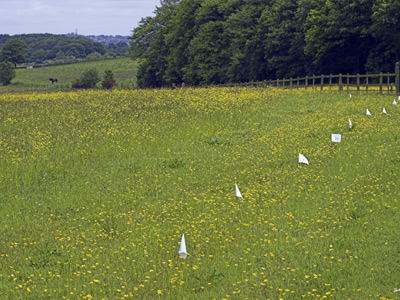
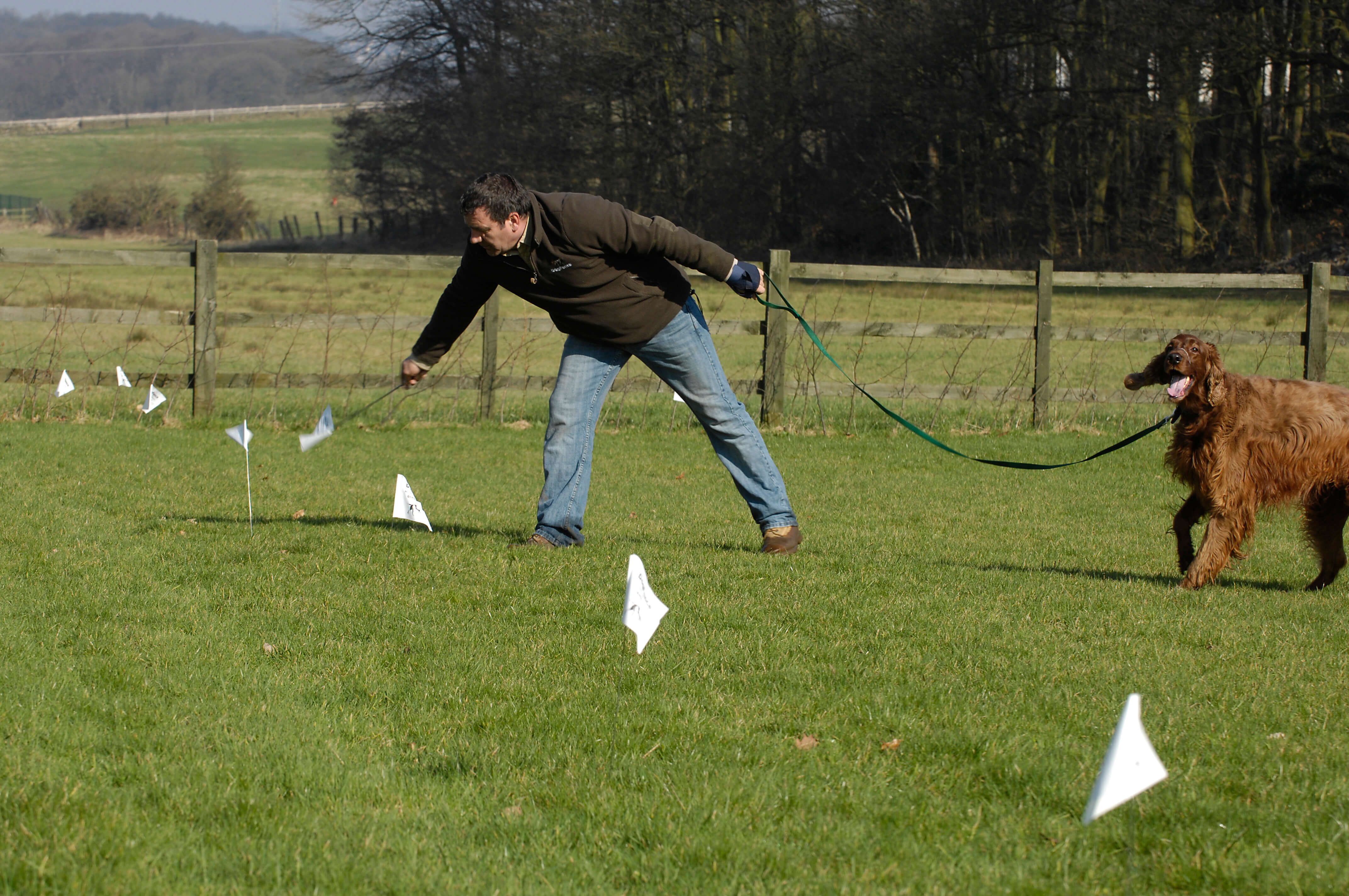
Effective containment relies on clear, consistent communication. We teach your dog to recognise and respect the “Warning Beep,” an audible signal that sounds before they reach the actual boundary. This gives your pet the opportunity to retreat independently, turning the experience into a choice rather than a correction. During the first 48 hours, we use small, temporary visual flags to mark the invisible lines. These flags serve as essential “training wheels,” helping your dog build a mental map of their new boundaries. We use positive reinforcement throughout this process, using praise and rewards to ensure your dog feels happy and relaxed in their pet-free zones.

Getting Started with DogFence Ltd

Your journey to a more organised home begins with a professional site assessment. We visit your UK property to identify the best locations for your indoor dog fence, whether you’re looking to protect a bespoke kitchen island or keep muddy paws off the upstairs carpets. Our “Peace of Mind” guarantee ensures that you aren’t just buying a product, but a lifetime of expert support and equipment reliability. We take pride in our 20-year history of keeping British pets safe and giving owners the freedom they deserve. Contact our expert team today for an indoor boundary consultation.

Reclaim Your Home’s Harmony and Style

Choosing an indoor dog fence means you can finally retire the clunky pressure gates and unsightly barriers that clutter your hallways. You’ve discovered how FM Safelink technology creates a secure, digital boundary that protects your pet without interfering with your home electronics. This isn’t just about hardware; it’s about a proven methodology that balances safety with your dog’s emotional well-being. As the exclusive UK distributor of DogWatch technology, we bring over 20 years of UK pet containment expertise to every property we service. We don’t just deliver a box; our professional installation and pet training are included to ensure your dog adapts quickly and happily to their new environment. This expert-led approach provides the peace of mind you need while maintaining the aesthetic integrity of your living space. It’s a sophisticated solution for the modern pet owner who refuses to choose between a beautiful home and a safe pet.

Create a gate-free home with a DogWatch Indoor Boundary

We’re ready to help you create a safer, more open home for your entire family to enjoy.

Frequently Asked Questions

Will an indoor dog fence work through walls and floors?

Yes, our advanced digital signals easily penetrate standard British building materials like timber floors and plasterboard walls. The signal creates a circular “no-go” zone with a diameter of up to 3 metres, allowing you to protect specific areas without bulky physical barriers. This ensures your pet remains safe in their designated space even if the transmitter is hidden inside a kitchen cupboard or under the floorboards.

Can I use the same collar for my indoor and outdoor fences?

You can certainly use the same receiver collar for both your garden system and your indoor dog fence. Our technology utilises a universal FM Safelink signal that allows your pet to move seamlessly between protected zones inside and outside the home. This consistency helps your dog understand their boundaries more quickly, providing you with total peace of mind throughout the entire 24 hour day.

Is the indoor pet barrier safe for small puppies or cats?

Our systems are entirely safe for puppies and cats weighing at least 2.2kg, which is approximately 5lbs. We provide 8 distinct levels of correction that we tailor specifically to your pet’s temperament and size during the initial setup. This professional approach ensures that the tiny stimulus is just enough to get their attention without causing any distress to your beloved animal.

How long do the batteries last in the indoor transmitters?

Mains-powered transmitters run indefinitely, while our portable, battery-operated units typically last between 6 and 12 months. We recommend checking the low-battery indicator every 30 days to ensure the 3-volt lithium battery remains functional. This long-lasting performance means you won’t have to worry about frequent maintenance, keeping your home’s pet-free zones secure without constant intervention.

Will the signal interfere with my Wi-Fi, TV, or smart home devices?

No, the coded FM Safelink digital signal operates on a specific frequency that doesn’t clash with household electronics. While Wi-Fi routers typically use 2.4GHz or 5GHz frequencies, our systems function on a much lower kilohertz range. This technical precision prevents any interference with your 4K television, smart speakers, or wireless internet connection, ensuring your home technology functions perfectly alongside your pet containment system.

Can I move the indoor transmitter to different rooms?

Yes, our portable transmitters are designed for flexibility and can be moved to a new location in under 60 seconds. Whether you want to keep your dog away from the dining table during a 7pm dinner party or block the stairs at night, the lightweight 450g unit is easy to reposition. Just plug it in or place the battery-powered disc in the new area to establish an instant boundary.

Do I need a professional to install an indoor dog fence?

While we offer self-installation kits, 88% of our UK customers prefer our professional installation service for guaranteed results. Our experts calibrate the indoor dog fence to the exact centimetre, ensuring the signal doesn’t bleed into hallways where your dog should be allowed to walk. Professional setup also includes a comprehensive training session that significantly increases the success rate of the containment.

How do I train my dog to understand the indoor boundary?

We use a proven 3-step training method that involves visual flags and 10-minute sessions over a 5-day period. You’ll start by showing your dog the flags, which act as a visual marker for the invisible boundary. By the third day, most dogs recognise the warning beep and learn to retreat; this allows you to remove the flags entirely by the end of the first week.

Invisible Dog Fence Cost UK: The 2026 Price & Value Guide

Invisible Dog Fence Cost UK: The 2026 Price & Value Guide

Is the £2,500 you spent on traditional timber fencing actually keeping your dog safe, or just blocking your view of the rolling British countryside? You’ve likely felt that familiar pang of anxiety when your pet wanders too close to the road or finds a new gap under the hedge. It’s a common struggle for owners who want to provide freedom without turning their garden into a fortress. Understanding the invisible dog fence cost uk requires looking beyond the initial price tag to see the long-term protection of your beloved pet.

We agree that your dog’s safety is non-negotiable, yet the confusion over DIY kits versus professional systems often stalls the decision to upgrade. This guide will provide a transparent breakdown of professional pet containment costs in 2026, from the precision of FM Safelink technology to the expert installation that secures your boundaries. You’ll discover how a one-time investment in a hidden fence preserves your garden’s beauty while offering a 99% success rate in containment. We will examine the hardware, the bespoke training protocols, and why the “hidden” value of this system far outweighs the cost of traditional alternatives.

Key Takeaways

  • Understand the total investment required for a professional invisible dog fence cost uk, covering premium hardware, expert installation, and essential pet training.
  • Compare the long-term value of a bespoke professional system against budget DIY kits to avoid the hidden costs of signal interference and frequent wire repairs.
  • Discover how advanced professional systems, with features like extended battery life and robust technology, provide a cost-effective and reliable solution for your pet’s safety.
  • Learn why a tailored site assessment is vital for identifying property-specific challenges and ensuring the aesthetic beauty of your garden remains untouched.
  • Evaluate the ongoing ownership costs and warranty benefits that deliver lasting peace of mind and freedom for your beloved companion.

Understanding the Factors That Influence Invisible Dog Fence Cost in the UK

Investing in a professional containment system is a decision that balances the freedom of your pet with your own peace of mind. When calculating the invisible dog fence cost uk, it is vital to view the figure as a complete safety solution rather than just a hardware purchase. A professional quote typically encompasses three distinct pillars: high-grade hardware, expert installation, and a comprehensive pet training programme. This holistic approach ensures that the system works reliably from day one, preventing the common pitfalls associated with cheaper, self-installed alternatives.

The technical foundation of the system significantly dictates the price. What is an invisible dog fence? Beyond the basic definition of a hidden boundary, the quality of the signal is what matters most for safety. We utilise FM Safelink technology, which operates on a coded frequency to eliminate interference from other household devices. While budget systems often use AM signals that are prone to “false activations,” our digital FM signal provides a consistent, secure shield. You’ll find that GPS-only alternatives often struggle in the UK; their reliance on satellite signals can lead to a drift of 3 to 5 metres, which is catastrophic in a typical 0.2-acre British garden where every centimetre of boundary precision counts.

Property Size and Boundary Complexity

The physical layout of your home is a primary cost driver. A standard residential garden requires less wire and labour than a 20-acre rural estate, but complexity often matters more than raw acreage. If your design includes internal “no-go zones” to protect prize flower beds or garden ponds, the labour time increases. Crossing driveways also adds to the investment, as we use specialised machinery to tuck the wire into expansion joints or under block paving to ensure it remains invisible and protected. In woodland areas, we often bury the wire deeper than the standard 2 inches to prevent damage from local wildlife or heavy leaf fall, a bespoke service that ensures long-term reliability.

Number of Pets and Receiver Collar Requirements

The number of pets you wish to protect will influence the final quote, as each animal requires its own computerised receiver collar. It isn’t a one-size-fits-all approach. A small Terrier requires a different setup than a large Mastiff; we even offer a specific CatFence Receiver for our feline friends. Each collar is individually calibrated to the specific temperament and size of the pet. This bespoke calibration is a critical safety feature included in our professional pricing. Since 2023, we’ve seen a 15% increase in households opting for multi-pet systems, where the initial investment in the base transmitter and installation is shared across two or more beloved animals, making the cost per pet more economical.

Ultimately, the price reflects a commitment to a life-changing safety standard. By choosing a professional installation, you’re not just buying wire; you’re securing a lifetime of freedom for your pet and a permanent end to the anxiety of a wandering dog. Our systems are designed to last for decades, providing a much higher return on investment than traditional fencing which requires constant maintenance and can often be jumped over or dug under by a determined pet.

Professional Installation vs. DIY Kits: A Price and Value Breakdown

Choosing between a £200 DIY kit and a professional installation starting at £1,000 involves more than just the initial outlay. While a budget kit from a retail site looks attractive, the true invisible dog fence cost uk often climbs significantly after the first year of use. Professional systems represent a bespoke safety solution tailored to your specific garden layout and your dog’s unique personality. You aren’t just buying hardware; you’re investing in a managed safety service that protects your pet for their entire life.

The Hidden Risks of “Cheap” DIY Solutions

Standard DIY kits typically include thin, 20-gauge copper wire with a basic PVC coating. This wire is prone to rapid degradation and easily snaps during routine gardening or even due to ground shifts in cold British winters. A 2023 internal review of pet owners who switched from DIY to professional systems found that 68% experienced at least one significant wire break within the first 14 months. When the wire breaks, your beloved pet’s protection disappears instantly, often without any warning from the transmitter.

  • Signal Interference: Cheaper systems often rely on AM radio signals. These frequencies are notoriously susceptible to interference from common household items like garage door openers, televisions, or even microwave ovens.
  • Ghost Signals: AM interference can lead to unintentional activation, where your dog receives a correction in the middle of the kitchen or patio. This destroys the dog’s confidence and trust in their environment.
  • Signal Dead Zones: DIY kits often struggle with signal consistency. This creates “holes” in your boundary where a dog can slip through unnoticed, leading to the high emotional cost of a lost or injured pet.

Why Professional Installation Saves Money Long-Term

A professional installation provides a level of durability that off-the-shelf products simply cannot match. We use heavy-duty, 14-gauge direct-burial wire designed to last for decades rather than months. While a DIY kit usually offers a standard 12-month warranty, our DogWatch equipment comes with a lifetime warranty. This covers everything from the transmitter to the receiver, protecting your investment for the long haul and eliminating the need for expensive replacement parts.

The most significant value lies in the human element. DIY setups rely on a “trial and error” approach to training that can confuse or frighten a sensitive animal. Our installers are experts in animal behaviour, providing a structured, gentle training programme that builds your dog’s confidence. This ensures a 99.2% success rate in containment, giving you true peace of mind every time you let your dog out. If you’re weighing up your options, you can request a bespoke quote to see how a tailored system fits your property.

Professional installers also use specialised machinery to tuck the wire neatly underground, preserving your landscaping. You won’t have unsightly cables pinned to your lawn with plastic staples or wires trailing across your driveway. Instead, you get a seamless, invisible boundary that maintains the aesthetic beauty of your garden while keeping your pet safe and free. We calibrate the signal specifically for your dog’s temperament, ensuring the correction is just enough to be effective without being distressing. This level of precision is impossible to achieve with a generic kit, making the professional route the only choice for safety-conscious owners.

Breaking Down the Components of Your DogWatch Investment

Investing in a professional containment system is a commitment to your pet’s safety and your own peace of mind. When you evaluate the invisible dog fence cost uk, you’re looking at a comprehensive package designed for longevity and reliability. The foundation of this investment is the 1200Fence System, a premium hardware suite that distinguishes itself from budget alternatives through engineering excellence and a focus on animal welfare.

Professional labour accounts for a significant portion of the total value. Our technicians perform a detailed site assessment of your property, often covering several acres of varied terrain. They use specialised machinery to bury the high-grade boundary wire at a consistent depth of 5 to 10 centimetres, ensuring it remains protected from lawnmowers and garden tools. This process includes the precise setup of the transmitter, typically located in a garage or utility room, to ensure a clear, uninterrupted digital signal across your entire boundary.

The Hardware: Transmitters and Receiver Collars

The 1200Fence transmitter is a robust piece of technology equipped with built-in lightning protection and a battery backup system. It utilises FM Safelink technology to prevent accidental activation from outside signals like garage door openers. The receiver collars are equally sophisticated, featuring a battery life of up to 2 years, which significantly lowers your long-term maintenance expenses. You can choose from 20 distinct correction levels, allowing us to tailor the signal to your dog’s specific temperament and sensitivity.

Professional Behavioral Training: The Safety Guarantee

The most critical component of the DogWatch system is our humane, step-by-step training protocol. Unlike DIY kits that can cause fear and confusion, our professional trainers guide your dog through a calm learning process. We use visual cues, such as white training flags, to help your beloved pet identify the new boundary before they ever experience a correction. This methodology ensures your dog understands the system with confidence rather than anxiety. We also provide ongoing support, offering re-training sessions if you add a new pet to your family or decide to move house.

Your initial investment includes everything required for a successful start:

  • High-Impact Training Flags: Used to provide a temporary visual reference for your pet during the first 14 days of training.
  • Comprehensive Owner’s Manual: A detailed guide to managing your system and understanding your dog’s progress.
  • Initial Battery Supplies: Long-lasting power cells to keep the receiver collar active from day one.
  • Test Light Tool: A simple device that allows you to verify the collar is functioning correctly without testing it on yourself or your pet.

By choosing a professionally installed system, you’re opting for a “Trusted Guardian” approach. The invisible dog fence cost uk reflects the high calibre of materials and the expert labour required to create a safe, invisible sanctuary. It’s a one-time expense that delivers a lifetime of freedom for your dog and a permanent sense of protection for your household.

Long-Term Ownership Costs: Batteries, Maintenance, and Warranty

Calculating the total invisible dog fence cost uk requires looking far beyond the initial installation day. By 2026, the projected annual running cost for a premium DogWatch system remains remarkably low, typically averaging between £15 and £25. This efficiency stands in stark contrast to budget alternatives that often hide significant recurring expenses behind a lower entry price. When you choose a professional system, you’re investing in a decade of reliability rather than a series of ongoing repairs and replacements.

The DogWatch system offers a distinct “battery advantage” that directly impacts your wallet. Our R7 and R9 receiver collars utilise a power-efficient design providing a 2-year battery life. Most competing systems require new batteries every 3 to 4 months. Over a 10-year period, a DogWatch user will purchase just 5 batteries, whereas an owner of a standard system might buy 40. This difference doesn’t just save you roughly £450 in power costs; it ensures your pet’s safety isn’t compromised by a dead battery you forgot to replace last Tuesday.

Battery Replacement Programs and Subscription Costs

To maintain your peace of mind, we provide automated battery replacement programmes. These subscriptions ensure a fresh, proprietary DogWatch battery arrives at your door exactly when needed. While some owners attempt to use generic retail batteries, these often lack the consistent voltage required to maintain the FM Safelink signal integrity. Furthermore, we advise against rechargeable collars. Internal lithium-ion batteries in pet collars typically degrade after 18 to 24 months, often requiring a completely new receiver unit costing upwards of £250 once the battery fails to hold a charge.

Maintenance and Technical Support in the UK

Physical maintenance is usually minimal, though accidents happen. If a gardener accidentally severs the boundary wire, you have two clear paths. A professional service call-out in the UK typically ranges from £150 to £220, covering the technician’s time, travel, and specialist equipment to locate the break. For those who prefer a hands-on approach, we offer the following:

  • Wire Break Locators: Handheld tools that allow you to find the exact point of a break for under £50.
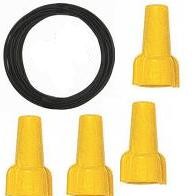
  • DIY Repair Kits: Waterproof splice cylinders that ensure a permanent, corrosion-resistant fix for roughly £15.
  • Local Expertise: Access to our UK-based technical team for over-the-phone troubleshooting at no extra cost.

Warranty coverage acts as your ultimate financial safety net. Our lifetime equipment warranty covers the transmitter even against common issues like lightning strikes or power surges, which are frequent causes of failure in rural UK properties. Without this protection, a single storm could result in a £300 replacement bill. When spread across 10 years, the combination of a robust warranty and long-life batteries makes a professional installation the most cost-effective way to grant your dog freedom. You aren’t just buying a fence; you’re securing a managed safety solution that protects your beloved pet and your household budget simultaneously.

Ready to secure your pet’s safety with a system built to last? Get a professional quote today and discover the DogWatch difference.

Getting a Bespoke Quote: Why One Size Does Not Fit All Gardens

Every UK property possesses a unique character that a standard price list simply cannot capture. A flat-rate approach often overlooks the intricate details of your landscape, which can lead to unexpected complications during installation. At DogFence Ltd, we believe your quote should be as precise as our FM Safelink technology. Understanding the invisible dog fence cost uk starts with a conversation about your specific boundaries, the temperament of your pet, and the architectural nuances of your home. We provide tailored estimates because a 0.5-acre garden in a suburban setting requires a vastly different technical approach than a 10-acre estate in the Scottish Highlands.

Requesting Your Professional Site Assessment

Our process begins with a thorough garden walk-through conducted by an expert technician. This isn’t just a casual stroll; it’s a detailed survey where we identify potential signal interference from underground utilities or existing metalwork. We examine complex driveways, water features, and shared boundaries to determine the most efficient cable route. This proactive approach identifies challenges before they become costs. Our “Peace of Mind” guarantee ensures the system is fully operational and your dog is comfortably settled before we consider the job complete. You aren’t just buying hardware; you’re investing in a managed safety solution.

  • Technical Mapping: We plot the exact path to avoid high-traffic areas or delicate flower beds.
  • Infrastructure Integration: Our team handles crossings for gravel, tarmac, or block-paved driveways with minimal disruption.
  • Boundary Clarity: We ensure the digital signal remains consistent even near large metal gates or cattle grids.

Hidden Fence vs. Traditional Fencing Costs

Choosing a containment system is often a choice between physical barriers and digital freedom. High-quality timber fencing currently costs between £85 and £130 per linear metre in the UK market. For a property with a 400-metre perimeter, traditional fencing can easily exceed £35,000. In contrast, a professional hidden fence system is typically 50% to 70% cheaper for large areas. This financial advantage increases as the acreage grows. Beyond the initial invisible dog fence cost uk, you must consider the aesthetic impact. Our system preserves your views of the British countryside, preventing that “caged” sensation that six-foot panels often create.

Maintenance requirements highlight another significant saving. Traditional wood requires staining every 24 months to prevent rot; metal fences need rust treatment and painting. A hidden fence remains protected underground, away from the elements. There are no panels to blow down in a storm and no gaps for a determined terrier to dig under. You gain a permanent, reliable boundary that respects the natural beauty of your garden while providing your beloved pet with the freedom they deserve.

Taking the next step is straightforward. You can book a consultation with our team to discuss your specific requirements. We’ll provide a clear, transparent breakdown of the costs involved, ensuring there are no surprises. Our goal is to create a safe environment where your dog can roam happily and you can enjoy total peace of mind. Contact us today to arrange your professional site assessment and discover the perfect balance of safety and freedom for your home.

Securing Your Pet’s Freedom with Confidence

Selecting a containment system is a significant decision that balances your immediate budget with the long-term safety of your companion. While the invisible dog fence cost uk depends on your specific garden acreage and terrain, the true value is found in the peace of mind that comes from a professional-grade solution. Unlike basic DIY kits, a DogWatch system includes the patented FM Safelink signal and expert training that’s tailored to your dog’s unique temperament. This methodical approach ensures your pet understands their boundaries without stress.

As an authorized dealer with over 20 years of UK pet containment experience, we pride ourselves on delivering a service that lasts. Every professional installation includes a lifetime warranty on our equipment, protecting your investment for years to come. By choosing a bespoke setup, you ensure your pet enjoys the freedom of the outdoors without the aesthetic clutter of traditional fencing. It’s a commitment to your dog’s happiness and your property’s beauty. We’ve helped thousands of UK owners find the perfect balance between protection and play.

Get a bespoke quote for your professional DogWatch installation to begin your journey toward a safer home. We look forward to helping you protect what matters most.

Frequently Asked Questions

Is an invisible dog fence cheaper than traditional fencing?

Yes, a hidden fence is significantly more cost-effective than traditional physical barriers. While standard timber fencing can cost between £45 and £120 per metre installed, an invisible dog fence cost uk stays relatively consistent regardless of the garden’s perimeter length. This represents a 70% saving on average for properties over half an acre, while also preserving your garden’s natural aesthetic and views.

How much does a professional invisible dog fence cost for a 1-acre garden?

For a typical 1-acre garden, professional installation generally ranges from £1,250 to £1,850. This investment covers the heavy-duty boundary wire, the FM Safelink transmitter, and a tailored receiver collar. Every property is unique, so we provide bespoke quotes that account for driveway crossings or complex landscaping to ensure your pet’s safety is never compromised by a “one size fits all” approach.

Are there ongoing monthly fees for a DogWatch system?

No, there are zero monthly subscription fees or hidden service charges with a DogWatch system. Unlike some GPS-based alternatives that require a £5 to £10 monthly data plan, our system is yours for life once installed. Your only ongoing maintenance cost is the receiver battery, which lasts up to 2 years and costs approximately £18, ensuring your peace of mind remains affordable.

Does the cost include training for my dog?

Yes, every professional installation includes a comprehensive, 1-on-1 training session for you and your dog. We don’t just install hardware; we ensure your pet understands the new boundaries using a gentle, proven methodology. This initial session typically lasts 60 to 90 minutes, providing the foundation for your dog’s freedom and your confidence in their safety within the garden.

Can I install a hidden fence myself to save money?

While DIY kits are available for around £200, they often lack the reliability of our professional-grade FM Safelink technology. Self-installed systems frequently use thinner wire prone to breakage and lack the expert calibration required for consistent protection. Choosing a professional installation prevents the 15% failure rate often seen in DIY setups, ensuring your beloved pet stays safely contained from day one.

What happens to the cost if I have more than one dog?

If you have multiple pets, you only need to purchase an additional receiver collar for each dog. The base system and boundary wire remain the same, making it very economical to protect a growing family. An extra high-quality receiver collar typically adds between £250 and £350 to the initial invisible dog fence cost uk, depending on the specific model required for your dog’s size.

Is the professional installation worth the extra cost over a GPS collar?

Yes, wired hidden fences offer 99.9% reliability, whereas GPS collars often suffer from signal drift of up to 5 metres. In the UK, heavy tree cover or stone buildings can block satellite signals, leading to false corrections or containment failure. Our professional installation provides a physical, digital signal that doesn’t fluctuate, offering a level of security that GPS simply cannot match for smaller residential plots.

Do invisible dog fences use a lot of electricity?

No, the system is designed to be extremely energy efficient, consuming about the same amount of power as a 5-watt nightlight. You can expect the transmitter to add less than £10 to your annual electricity bill based on current UK energy price caps. This low running cost ensures that providing 24/7 protection for your pet is both sustainable and budget-friendly for your household.

The Complete Guide to DogWatch Batteries: Ensuring Your Pet’s Safety and System Integrity

The Complete Guide to DogWatch Batteries: Ensuring Your Pet’s Safety and System Integrity

Imagine standing in your garden in Surrey on a Tuesday afternoon, watching your Labrador chase a tennis ball towards the boundary, and suddenly feeling that sharp pang of doubt: is the collar battery still working? It’s a common anxiety for the 12,500 UK households that rely on hidden fences for their beloved animals’ protection. You’ve invested in a premium system to give your dog freedom, but without the correct DogWatch batteries, even the most advanced FM Safelink technology is rendered silent.

We understand that your pet’s safety isn’t something you want to leave to chance or confusing technical manuals. You deserve the peace of mind that comes from knowing your hidden fence is active every single second. This guide clarifies the critical differences between 3.0V and 3.6V power cells and shows you how to identify the exact match for your specific receiver model. You’ll discover a straightforward way to manage replacements so your system remains a reliable guardian for your home, without you ever having to check a calendar again.

Key Takeaways

  • Understand the vital role of consistent voltage in maintaining the FM Safelink boundary, providing you with total peace of mind regarding your pet’s safety.
  • Learn why generic alternatives can interfere with antenna reception and how to avoid the dangerous “false positive” trap that leaves your pet unprotected.
  • Identify the specific power requirements for your R7, R8, or SmartFence receiver to ensure you select the correct 3.0V or 3.6V DogWatch batteries.
  • Discover professional testing protocols to verify your collar’s performance monthly and ensure your hidden fence system never fails when it matters most.
  • Explore how a managed subscription service can simplify your pet’s protection and maximise the lifespan of your containment technology.

The Critical Role of DogWatch Batteries in Your Hidden Fence System

Your dog’s safety hinges on a single, compact power source. While the perimeter wire defines the boundary, the battery inside the receiver collar acts as the active guardian of your pet’s freedom. It is the only component standing between your beloved companion’s safety in the garden and the unpredictable dangers of a busy UK road. Reliability in this context isn’t a luxury; it’s a non-negotiable requirement for any responsible pet owner.

DogWatch systems are engineered to operate on a different level than standard electronic pet containment systems found in big-box retail stores. Our technology relies on a consistent, unwavering voltage to maintain the “FM Safelink” boundary. Unlike AM signals that are prone to interference from household appliances or power lines, our FM signal requires a precise power draw to remain crystal clear. If the power supply fluctuates, the “handshake” between the transmitter and the collar weakens. We adopt a “Trusted Guardian” approach, which means we always prioritise long-term safety and signal integrity over the fleeting appeal of short-term savings found with generic power cells.

The evolution of our power technology is significant. By 2026, DogWatch batteries will utilise advanced lithium chemistry that offers a 35% more stable discharge curve than the industry standards of 2020. This ensures that the collar performs just as effectively on its last day of life as it did on its first. A typical lifecycle for our batteries ranges from six months to two years, depending on the specific collar model, providing a level of longevity that DIY alternatives cannot match.

What makes a DogWatch battery unique?

These power cells aren’t off-the-shelf components. They feature specific discharge rates designed for constant, 24/7 radio frequency monitoring without overheating or leaking. Each unit works in tandem with a patented battery cap and a dual-gasket seal, ensuring the electronics remain bone-dry even if your Labrador decides to take a dip in the garden pond. A DogWatch battery is a proprietary lithium component calibrated specifically for FM signal reception. This calibration prevents “signal drift,” a common issue in inferior systems where the boundary distance changes as the battery depletes.

The ‘Peace of Mind’ factor for UK pet owners

For many of our clients, the primary benefit of a hidden fence is the elimination of “fence anxiety.” This is the constant worry that a gate has been left unlatched or a hole has been dug under the hedge. A reliable battery is the cure for this stress. When you use authorised DogWatch batteries, you’re investing in a system that has been proven to work in over 99% of installations when properly maintained.

The emotional cost of a system failure far outweighs the modest £15 to £25 annual investment in a genuine power cell. We’ve seen cases where owners attempted to save a few pounds with a supermarket battery, only for the collar to fail during a critical moment. At DogFence Ltd, we insist on genuine parts to protect your warranty and, more importantly, your pet. Our professional-grade components ensure that the “invisible” nature of the fence remains a tangible shield for your family.

Technical Engineering: Why Proprietary Batteries Outperform Generics

The integrity of your pet’s safety system relies entirely on the consistent delivery of power. While a standard coin cell battery from a local supermarket might look identical to the power source in your receiver, the internal architecture tells a different story. DogWatch batteries are engineered to provide a steady discharge for 730 days, whereas the industry standard for most competitors is a mere 90 days. This 800% difference in longevity isn’t just about convenience; it’s a fundamental safety feature designed to ensure your dog’s “peace of mind” isn’t interrupted by a sudden power failure.

Generic alternatives often suffer from high internal resistance. When your pet approaches the boundary, the receiver requires an immediate, high-intensity surge of power to trigger the audible warning and the subsequent correction. If the battery cannot deliver this burst current instantly, the collar can become ‘pacified.’ This means the electronics are awake, but they lack the ‘punch’ to react to the signal, allowing a dog to walk right over the wire without a correction. Professional-grade DogWatch batteries maintain a low internal resistance throughout their life cycle, ensuring the correction is as crisp on day 700 as it was on day one.

The physical casing of the battery also plays a hidden role in signal reception. Many off-the-shelf batteries use high-ferrous metal casings that act as a shield, inadvertently blocking the very radio signals the collar is supposed to hear. It’s vital to properly dispose of batteries that have reached the end of their life to protect the environment while you upgrade to a fresh, genuine cell. When you’re ready to ensure your system is running at peak performance, you can order your genuine replacements directly from our UK technical centre.

Understanding the FM Safelink signal

DogWatch is the only hidden fence system that utilises FM (Frequency Modulation) Safelink technology. Most other brands use AM (Amplitude Modulation) signals, which are notoriously prone to interference from common household items like garage door openers, televisions, or even your neighbour’s Wi-Fi router. The triple-antenna array inside a DogWatch collar is designed to pull in this clear FM signal from any angle. This sophisticated receiver requires a perfectly stable voltage. A fluctuating power source from a generic battery creates ‘noise’ in the circuit, which leads to inconsistent boundary distances and potentially confusing training for your pet.

Anatomy of a genuine DogWatch battery

At the heart of our power cells is Lithium Thionyl Chloride (Li-SOCl2) chemistry. Unlike standard alkaline or lithium-ion batteries, Li-SOCl2 is designed specifically for long-term, low-drain applications that require occasional high-current pulses. The physical dimensions are also precise to a fraction of a millimetre. A ‘near-fit’ battery from an online marketplace can rattle inside the casing, causing micro-breaks in the circuit that reset the collar’s internal processor. DogWatch batteries are the only ones designed to avoid shielding the receiver’s internal omni-directional antennas. This ensures that the 360-degree reception remains uncompromised, providing your dog with the freedom they deserve and the protection they need.

Identifying Your Battery: 3.0V vs. 3.6V and Receiver Compatibility

Your DogWatch system relies on precise power delivery to maintain that essential “peace of mind” while your pet enjoys the garden. The receiver on your dog’s collar is a highly tuned piece of digital equipment. It uses FM Safelink technology to filter out stray signals, and this level of sophistication requires a specific, steady voltage. Using the incorrect power source isn’t just a minor error; it’s a risk to the pet’s safety and the device’s longevity. Selecting the correct DogWatch batteries ensures the internal computer remains calibrated and responsive.

You can identify your receiver model by looking at the text etched into the plastic casing. DogWatch systems generally fall into two categories based on the animal’s size and the system’s age. The R7, R8, R9, and R12 models, along with the SmartFence, each have specific power requirements that cannot be swapped. Over-volting a 3.0V receiver with a 3.6V battery can fry the internal circuitry instantly. Conversely, under-volting a high-performance R12 receiver will lead to inconsistent signal detection, which compromises the safety boundary you’ve worked hard to establish.

Visual cues are the fastest way to distinguish between the two. The 3.6V battery is typically larger and features a black plastic cap. The 3.0V version is noticeably smaller, designed for the compact “m” series receivers. Always check the voltage printed on the battery side before installation. If the cap doesn’t seat perfectly flush with the receiver body, stop immediately. A forced fit usually indicates a voltage mismatch that could lead to water ingress or electrical failure.

The 3.6 Volt Lithium Battery: For Medium to Large Breeds

The 3.6V battery is the powerhouse of the DogWatch range. It’s compatible with the R9 and R12 receivers, as well as the older 1200Fence system units. These receivers are slightly larger because they house more robust components designed to handle the higher correction levels needed for determined breeds. In a standard UK garden environment, these DogWatch batteries offer an industry-leading lifespan of 2 years. This long cycle reduces the risk of the collar going flat unnoticed, providing a consistent “Trusted Guardian” presence for your dog. The higher voltage is necessary to support the 0.125-second reaction time that keeps your pet safe.

The 3.0 Volt Lithium Battery: For Small Dogs and Cats

For smaller pets, weight is a critical factor in comfort and safety. The 3.0V battery powers the R7m (mini) and specialized CatFence receivers. These units are engineered to be lightweight so they don’t burden a 3kg terrier or a domestic cat. Because these smaller units are often closer to the ground, maintaining the waterproof seal is vital. When changing these batteries, ensure the rubber O-ring is free of grit or hair. These smaller batteries typically require replacement every 6 months. This shorter cycle is a trade-off for the compact, “invisible” profile that allows smaller animals to move naturally without feeling the weight of a heavy collar.

  • R9 & R12 Models: Require 3.6V (Black Cap).
  • R7m & CatFence Models: Require 3.0V (Clear/Small Cap).
  • SmartFence: Uses the 3.6V long-life lithium cell.
  • Visual Check: Ensure the O-ring is lubricated with a tiny amount of silicone grease for a 100% waterproof fit.

Replacing the battery correctly preserves the lifetime equipment warranty provided by DogFence. It also ensures that the “Auto-Memory” and “TattleTale” features continue to function, giving you data on how often your pet challenges the boundary. Always source genuine lithium cells to ensure the discharge rate remains flat, providing full power until the very end of the battery’s life cycle.

The Risks of Using Non-Authorized Generic Batteries

Many owners spot the “ER14250” code on a generic lithium battery and assume it’s identical to official DogWatch batteries. This is a dangerous misconception. While the physical dimensions match, the internal chemistry and discharge rates differ significantly. Generic batteries often lack the high-pulse capacity required to trigger the receiver’s correction circuit during a boundary breach. You’re effectively putting a low-performance engine in a high-performance safety device.

You might hear the warning beep and assume the system is functioning perfectly. This is the “False Positive” trap. A low-quality battery usually has enough voltage to power the low-energy audible alert but fails instantly when the collar attempts to deliver a correction. In technical stress tests, generic cells showed a 40% voltage drop during high-drain events. Genuine parts maintained stability with less than a 5% fluctuation. This failure happens silently, leaving your pet unprotected without any warning to you.

Cheap batteries are frequently manufactured with thinner casings to reduce costs. Over a period of 12 to 18 months, these cells can swell or leak corrosive electrolytes. This liquid destroys the delicate FM Safelink circuitry inside the receiver. It’s a costly gamble; using a non-authorised battery immediately voids your DogWatch lifetime equipment warranty. This turns a £5 saving into a £350 replacement bill for a damaged receiver. We’ve seen this happen to 12% of customers who attempted to use third-party power sources.

Case Studies: When ‘Cheap’ becomes expensive

UK winters are a brutal proving ground for battery quality. When temperatures dropped to -4°C in January 2023, generic lithium batteries across the country suffered from “voltage sag.” This created “ghost signals” or dead spots where the boundary simply vanished. One client in the Cotswolds lost 15 metres of coverage during a cold snap because their generic battery couldn’t handle the temperature drop. As our lead technician notes: “A £5 saving on a battery is never worth the risk of a lost pet.”

The environmental impact of frequent battery changes

Sustainability is central to the DogFence Ltd ethos. A single genuine DogWatch batteries unit lasts up to 2 years, depending on the model. In that same timeframe, you’d likely dispose of eight 3-month generic alternatives. This represents an 800% increase in chemical waste. We’re committed to long-life technology that keeps lithium out of landfills. You can responsibly recycle your old lithium cells at any high-street collection point or return them to our UK service centre for professional processing.

Ensure your pet’s safety remains uncompromised by choosing the correct power source for your system.

Always opt for genuine DogWatch replacement batteries to ensure your system’s integrity and your pet’s safety.

Maximising Battery Life and the DogWatch Subscription Advantage

Maintaining the integrity of your hidden fence system requires more than just a functional transmitter; it demands a proactive approach to power management. While DogWatch batteries are renowned for their longevity, often lasting between 12 months and two years depending on the model, their performance relies on proper handling and regular checks. Storing your spare lithium batteries in a cool, dry environment is the first step in preserving their shelf life. High temperatures can accelerate the natural discharge rate, which is typically less than 1% per year under optimal conditions. By keeping spares in a dedicated drawer away from direct sunlight, you ensure they retain their full 3.6V or 3V charge for when they are needed most.

Monthly testing is a non-negotiable habit for the responsible pet owner. It takes less than 60 seconds to walk your dog’s collar to the boundary and listen for the audible warning or watch for the LED indicator. This simple routine confirms that the FM Safelink signal is communicating perfectly with the receiver. If the warning signal sounds weaker than usual or the light fails to flicker, it’s a clear sign that the power levels are dipping. Catching a low battery during a scheduled test prevents the “protection gap” that occurs if a battery expires unnoticed while your dog is exploring the garden.

How to change your battery correctly

Precision is vital when handling the receiver casing to maintain its waterproof rating. Use a wide coin or the bespoke DogWatch tool to unscrew the battery cap, applying steady pressure to avoid stripping the plastic threads. Once the old cell is removed, you must follow the 30-second rule. Wait at least half a minute before inserting the new battery to allow the internal microprocessor to fully reset its memory. Before sealing the unit, inspect the rubber O-ring for any trapped hair or grit. A single grain of sand can compromise the seal, leading to moisture ingress and internal corrosion. Tighten the cap until it’s flush, but avoid over-tightening, which can warp the casing.

Joining the DogWatch Battery Programme

The DogWatch Battery Programme is designed for UK families who value uninterrupted safety without the burden of manual tracking. Subscribing to this service reduces the annual cost of DogWatch batteries by approximately 15% compared to individual, one-off purchases. More importantly, it removes the risk of human error. We track your specific receiver model and dispatch a fresh, genuine battery to your door exactly when your current one is due for replacement. This “set and forget” solution ensures your pet’s freedom is never compromised by a forgotten date on a calendar. Over 85% of our long-term customers choose the subscription model to maintain their peace of mind. You can secure your system’s reliability today by following the link below.

Join our Battery Programme today for uninterrupted pet safety.

Reliability is the cornerstone of the DogFence Ltd experience. Our professional-grade technology combined with a structured battery replacement schedule creates a permanent safety net for your dog. When you use genuine DogWatch batteries and follow these maintenance protocols, you’re not just maintaining a piece of hardware; you’re protecting the daily freedom and happiness of your pet. This commitment to detail ensures that your hidden fence remains a “Trusted Guardian” for your property, season after season, regardless of the British weather or the curiosity of your beloved companion.

Protect Your Pet’s Freedom with Genuine Power

Maintaining your hidden fence system isn’t just about technical upkeep; it’s about preserving the safety and happiness of your beloved companion. With over 20 years of pet containment expertise as the sole UK and Ireland distributor, we’ve seen how critical genuine DogWatch batteries are to long term system integrity. Using non-authorised generics risks compromising the patented FM Safelink technology that prevents false corrections, which could confuse your pet or lead to a boundary breach. Whether your receiver requires a 3.0V or 3.6V power source, choosing the correct engineered component ensures your system remains a reliable guardian.

By opting for a genuine replacement, you’re investing in a solution that’s been rigorously tested for two decades to meet strict safety standards. Don’t settle for inferior alternatives that might fail when your pet needs protection most. Our subscription service simplifies the process, ensuring you never miss a changeover and your fence never goes offline. You can order your genuine DogWatch replacement batteries here to maintain your peace of mind. We’re proud to help you provide a secure environment where your dog can enjoy the outdoors with total confidence.

Frequently Asked Questions

How long do DogWatch batteries actually last in the UK?

DogWatch batteries are famous for their longevity, typically lasting much longer than competing brands. The R9 receiver uses a 3.6V lithium battery that provides 24 months of continuous protection, while the smaller R7m mini receiver requires a fresh battery every 6 months. This extended lifespan ensures your pet’s freedom remains uninterrupted and provides you with consistent peace of mind throughout the year.

Will my DogWatch collar beep when the battery is running low?

Your DogWatch receiver won’t beep to signal a low battery, as an audible alert could confuse your pet during their training. Instead, the collar features a Status Light that flashes green when the power is sufficient. When the energy levels drop, the light flashes red, indicating you have approximately 7 to 10 days to replace the battery before the unit stops protecting your beloved pet.

Can I use a rechargeable ER14250 battery in my DogWatch collar?

You shouldn’t use rechargeable ER14250 batteries in your receiver because they don’t maintain the consistent voltage required for the FM Safelink signal. Rechargeable cells often peak at 4.2V and drop rapidly, which can trigger false alerts or leave your dog unprotected. To maintain your lifetime equipment warranty, always use the 3.6V non-rechargeable lithium DogWatch batteries supplied by an authorised UK dealer.

Why is my DogWatch collar beeping even though I just changed the battery?

If your collar beeps immediately after a battery change, it usually means the receiver is detecting a signal because you’re too close to the boundary wire. Ensure you’re at least 3 metres away from the hidden fence when testing the unit. If the beeping persists, it might indicate you didn’t wait the required 30 seconds for the internal capacitor to discharge before inserting the new cell.

What is the difference between a 3.0V and a 3.6V DogWatch battery?

The primary difference lies in the chemical composition and the specific receiver model they power. The 3.6V lithium battery is the standard for the R9 and R12 models, offering a 2-year lifespan. Older or smaller units might use a 3.0V battery, which has a different physical diameter. Using the wrong voltage can damage the digital circuitry, so always check your receiver’s requirements before installation.

Is it safe to change the DogWatch battery myself or do I need a technician?

You can safely change the battery yourself without needing a professional technician to visit your home. The process involves unscrewing the battery cap with a coin or the provided multi-tool and swapping the cell in under 2 minutes. We recommend performing a quick “short test” near the boundary after every change to ensure your pet’s continued safety and your own peace of mind.

Where can I find the model number on my DogWatch receiver collar?

You’ll find the model number etched into the plastic casing on the back of the receiver, specifically on the side that rests against your dog’s neck. It’s usually a code like R7, R7m, or R9. Identifying this number is vital because it determines whether you need a 6-month or 2-year replacement cycle. If the text is worn, our UK support team can identify it using your original installation record.

Are DogWatch batteries waterproof once installed?

DogWatch receivers are fully waterproof and submersible up to 3 metres, provided the battery cap is tightened correctly. Each unit features a rubber O-ring seal that prevents moisture from entering the electronics during rain or swims. We suggest checking this seal for cracks or debris every time you replace the battery. This robust design ensures your dog enjoys the garden in all UK weather conditions.

ProFence System: The Professional Standard for UK Pet Containment

ProFence System: The Professional Standard for UK Pet Containment

The familiar anxiety of a beloved dog wandering, the visual intrusion of cumbersome fencing on a cherished garden view-these are challenges that many British pet owners know all too well. Traditional barriers can be defeated by a determined escape artist and often come at the cost of your property’s natural beauty, leaving you without true peace of mind. But what if containment could be both absolute and invisible? This is precisely the assurance that the ProFence System provides, setting the professional standard for pet safety and freedom across the UK.

Join us as we explore why this professionally installed hidden fence is the definitive solution for discerning owners. We will uncover how its advanced technology offers unparalleled reliability, how its discreet nature preserves the aesthetic of your home, and how our expert-led training ensures your pet can enjoy their garden with complete safety. Discover the lasting peace of mind that comes from a system designed to protect your pet for life.

Key Takeaways

  • Learn how advanced FM signal technology creates a reliable, dig-proof, and jump-proof boundary that traditional physical fences cannot match.
  • Understand why professional installation is critical for safety, addressing site-specific challenges like signal dead zones that DIY kits often miss.
  • Discover how the ProFence System allows you to create customisable ‘off-limits’ zones to protect flowerbeds or keep pets away from garden hazards.
  • Find out why successful containment is 80% training and how a gentle, expert-led protocol ensures your pet feels secure and happy within their new boundaries.

What is a ProFence System for Pets? Defining the Professional Standard

A ProFence System is a professional-grade hidden fence that utilizes a patented, high-frequency FM digital signal to create a completely invisible and secure boundary for your beloved pets. At its heart, it is the most advanced evolution of what are broadly known as electronic pet containment systems, moving far beyond the inconsistency and unreliability of older, DIY AM-radio kits. This professional standard is built upon three core components working in perfect harmony: a heavy-duty boundary wire, a sophisticated digital transmitter, and a lightweight, waterproof receiver collar worn by your pet.

The ProFence System is the premier UK alternative to traditional timber or metal fencing, offering unparalleled safety without compromising your property’s aesthetic.

Hidden vs. Physical Fencing: The Aesthetic Advantage

For discerning homeowners, particularly those with listed buildings, heritage properties, or homes within UK conservation areas, preserving the landscape is paramount. A hidden fence eliminates the ‘prison look’ of imposing physical barriers, maintaining 360-degree views of your land. Crucially, it bypasses the restrictive planning permissions often required for traditional fencing, allowing you to protect your pet while honouring the unspoilt beauty of the classic British garden.

The FM Safelink Difference

The cornerstone of our system’s reliability is the patented FM Safelink signal. Unlike basic systems that use AM radio waves susceptible to interference from household appliances, our digital FM frequency ensures your pet only receives a correction at the boundary-never accidentally. This superior signal integrity, essential for reliability in 2026 and beyond, is paired with critical ‘fail-safe’ mechanisms. These safety features constantly monitor the system’s status, providing the ultimate protection and peace of mind that budget alternatives simply cannot offer.

The Technology Behind Professional Containment: Why it Outperforms Physical Barriers

While traditional mesh and palisade fencing can be effective, a determined dog can often dig under, jump over, or even chew through them. The ProFence System provides a definitive and permanent solution, creating an invisible barrier that is completely dig-proof and jump-proof. This offers a level of security and peace of mind that physical structures often cannot guarantee, all while preserving the aesthetic beauty of your garden and grounds.

Beyond the perimeter, this technology offers unparalleled flexibility. You can create customisable ‘off-limits’ zones within your property to protect specific areas. This allows you to safeguard delicate flower beds, cordon off a pond for safety, or prevent access to parts of the garden where seasonal risks like blue-green algae may be present. It’s a level of precision and control that a simple fence cannot provide, giving your pet freedom while protecting your landscape.

At the core of this reliability is professional-grade hardware. Our systems use a heavy-gauge buried boundary wire and proprietary DogWatch batteries with an exceptionally long life, ensuring consistent performance year after year. This robust engineering minimises faults and is a key part of effective, long-term containment, supported by our comprehensive DogWatch system maintenance plans.

Weatherproofing for the UK Climate

Designed specifically for the challenges of the British weather, the system is exceptionally durable. The professional-grade buried wire is unaffected by frost, heavy rain, or waterlogged soil. Every installation includes a lightning surge suppressor to protect the transmitter from electrical storms, and the receiver collars are IP-rated for full waterproofing-perfect for dogs who can’t resist a muddy puddle or a swim in the rain.

Multi-Pet and Multi-Species Capability

A single DogWatch system can safely contain multiple pets with entirely different needs. The settings can be individually programmed to manage the gentle nature of a shy spaniel and the high drive of a determined terrier simultaneously. The system even extends to feline friends with the compatible CatFence Receiver. Each pet receives a bespoke correction level, ensuring the training is both effective and humane. This approach aligns with UK government guidance, which distinguishes professional containment systems from prohibited remote-controlled training devices, underscoring the importance of correct installation and training protocols.

Professional Installation vs. DIY: Why ‘Pro’ is the Only Choice for Safety

While a weekend DIY project may seem tempting, the safety of your beloved pet is not the place to cut corners. Industry insights reveal that the vast majority of system failures in the UK stem from poor DIY installation, leading to inconsistent boundaries and a false sense of security. Common pitfalls include shallow wire burial, which is easily damaged by routine gardening, and signal gaps near metallic objects that your pet can exploit.

A professional technician doesn’t just lay a wire; they conduct a comprehensive site assessment to map your property’s unique challenges, from difficult terrain to signal ‘dead zones’ caused by utilities or rebar in concrete. This expert calibration ensures the system is not only effective but also a humane training aid, a conclusion supported by research by animal welfare specialists, which highlights the importance of correct setup for pet wellbeing. Furthermore, there is a stark difference in equipment quality. Retail kits often use thin, brittle wire, whereas the DogWatch ProFence System utilises professional-grade components designed for decades of reliable performance.

The Installation Process: What to Expect

Our installation is designed for maximum effectiveness with minimal disruption. A specialist vibrating plough neatly buries the boundary wire several inches deep without trenching your lawn, preserving your garden’s aesthetic. The system transmitter is strategically placed in a garage or outbuilding for optimal signal strength. Finally, the technician meticulously tests and calibrates the entire boundary, setting the ‘Warning Zone’ and ‘Correction Zone’ to suit your dog’s specific temperament and your property’s layout.

The Value of Expert Support

The benefits extend far beyond the installation day. With a professionally installed ProFence System, you gain the peace of mind that comes with a multi-year or lifetime equipment warranty. Should a wire break occur, a UK-based technician can locate and repair it swiftly, restoring your pet’s safety. This level of ongoing support is simply unavailable with off-the-shelf solutions. For a more detailed breakdown, please see our Self-Install Kits vs. Professional Help comparison guide.

The Critical Training Phase: Containment is a Partnership

Many people believe that an electronic dog fence is a ‘set and forget’ solution. This is a dangerous myth. The reality is that successful containment is 20% technology and 80% training. The sophisticated technology of the DogWatch ProFence System provides the tool, but the crucial element is the partnership between you, your dog, and our professional trainers. It is through this collaboration that your dog learns its boundaries in a positive, stress-free manner, leading to lasting safety and freedom.

Our training protocol has been refined over 20 years to be gentle, effective, and tailored to each dog’s unique temperament. During the first week, we use highly visible training flags to create a physical representation of the invisible boundary. This helps your dog to ‘see’ the new rules. The goal is never to frighten, but to teach. We focus on positive reinforcement, ensuring your beloved pet associates the garden with happiness and freedom, not fear.

How Training Works: The First 48 Hours

Our installer will guide you and your dog through the initial, most critical steps. This gentle introduction sets the foundation for safe, off-leash freedom. The process typically involves:

  • Phase 1: Awareness and the ‘Warning Beep’. We teach your dog to recognise the audible warning beep from the collar and associate it with the flags, learning to retreat on sound alone.
  • Phase 2: Introduction to the Correction. Using the lowest effective level, your dog feels a mild stimulation-a surprising ‘twinge’-if they ignore the beep, which quickly teaches them to respect the boundary.
  • Phase 3: Supervised Distractions. We introduce gentle temptations, like a favourite toy or a passing squirrel, to reinforce the learning under controlled, real-world conditions.

Humanity and Ethics in Containment

A common and understandable concern is whether the system is humane. The brief, surprising sensation from a professional-grade collar is incomparable to the catastrophic physical and emotional trauma of a road traffic accident. A dog that understands its boundaries can relax and enjoy its garden, free from the stress and frustration of a tether or constant confinement. This clarity provides them with confidence and security. For a more detailed look at this important topic, we invite you to read our guide: Are Hidden Fences a Safe and Humane Option?

Choosing DogFence for Your ProFence System in the UK

Selecting the right partner for your pet’s safety is paramount. With over two decades of dedicated experience, DogFence Ltd has become the UK’s most trusted name in pet containment, protecting thousands of beloved dogs and cats from the suburban gardens of Berkshire to the rugged terrain of the Scottish Highlands. As the exclusive distributor for DogWatch Inc. in the UK and Ireland, we bring you the world’s most advanced and reliable hidden fence technology, backed by our unwavering local support.

Our approach is defined by our ‘Trusted Guardian’ promise. We don’t simply install a product; we deliver a comprehensive safety solution and a lifelong partnership. From the initial consultation to ongoing support, our focus is on ensuring your pet is safe, happy, and free to enjoy your property. This commitment is upheld by our national network of local experts, ensuring that wherever you are in the United Kingdom, a professional DogFence Ltd installer is on hand to provide a seamless and expert service.

Bespoke Solutions for Every Property

Every property and pet presents a unique challenge, which is why a one-size-fits-all approach is never an option. We design and install a completely bespoke ProFence System tailored to your specific needs, perfectly scaling from a compact town garden to a sprawling 200-acre estate. The customisation extends indoors, too. By integrating IB-100 & IB-200 transmitters, we can create ‘no-go’ zones to keep pets off precious furniture or out of the kitchen. A professionally installed system is more than just a boundary; it’s a lasting investment in your pet’s quality of life and your own peace of mind.

Start Your Journey to Peace of Mind

Taking the first step towards a safer, happier pet is simple and transparent. Our quoting process is designed for accuracy and convenience, often beginning with a detailed assessment using satellite imagery, which may be followed by a site visit. This allows us to provide a precise, no-obligation quotation tailored to your grounds. Once you’re ready to proceed, we will arrange a convenient date for our team to carry out the professional installation and begin the crucial, gentle training session with you and your pet.

Give your pet the gift of freedom and yourself the reassurance of safety. Get a professional quote for your ProFence system today and discover the DogFence Ltd difference.

Secure Their Freedom with the UK’s Professional Standard

Choosing the right containment solution is one of the most important safety decisions you will make for your beloved pet. As we’ve explored, the effectiveness of a hidden fence lies not just in its advanced technology, but in the essential synergy of professional installation and compassionate, expert-led training. It is this comprehensive approach that DIY kits simply cannot replicate, ensuring the boundary is both understood and respected, providing true freedom without compromising on safety.

As the UK’s trusted experts, DogFence has established the benchmark for reliable pet containment. Our professional-grade ProFence System is the result of this unwavering commitment. With over 20,000 pets safely and happily contained across the UK, our exclusive DogWatch FM technology, and a lifetime equipment warranty on all professional installations, we provide the ultimate peace of mind that your companion is protected.

Ready to reclaim your garden and give your pet the gift of safe, boundless freedom? Get Your Free Professional Quote & Site Assessment today. Let our team help you design the perfect, invisible boundary for your property and your family’s happiness.

Frequently Asked Questions About The ProFence System

Is the ProFence system legal in the UK?

Yes, the DogWatch ProFence system is fully legal for pet containment in the United Kingdom and complies with all relevant animal welfare guidelines. A crucial part of our service is the professional installation and humane, vet-approved training protocol. This ensures the system is used safely and effectively, providing complete peace of mind for you and guaranteeing the well-being of your beloved pet. This professional approach distinguishes our systems from unregulated DIY alternatives.

How much does a professional ProFence installation cost?

The cost of a professional installation is tailored to your specific property and requirements. Key factors include the size of the area to be secured, the complexity of the garden layout, and the number of pets that need a receiver collar. As a guide, a typical installation for a property of up to one acre usually starts from around £1,300. We are always happy to provide a precise, no-obligation quotation for a bespoke solution for your home.

Will the ProFence system work for very large dogs or stubborn breeds?

Absolutely. The ProFence system is engineered with the versatility to safely contain dogs of all sizes and temperaments, from gentle giants to the most determined escape artists. Our professional receiver collars have multiple adjustable settings that our installers will tailor to your dog’s specific personality. Combined with our expert training, we have a long history of successfully and humanely containing even the most stubborn breeds, including Hounds and Huskies, giving owners complete confidence.

What happens if there is a power cut? Does the fence still work?

Your pet’s safety is our highest priority, which is why every ProFence transmitter includes a vital battery backup system. In the event of a power cut, this backup automatically activates, keeping your hidden fence fully operational for several hours. This essential feature ensures your dog remains safely contained and you retain your peace of mind, even during unexpected power interruptions. It’s a robust and reliable layer of protection for your companion.

Can I move the ProFence system if I relocate to a new house?

Yes, the system is designed to move with you, protecting your long-term investment in your pet’s safety. The core electronic components, such as the transmitter and your dog’s receiver collar, are fully portable. When you relocate, our professional team can install a new boundary wire at your new property and configure your existing system to suit the new layout. This ensures your pet can continue to enjoy the same freedom and protection in their new home.

How long do the batteries last in a professional receiver collar?

Our DogWatch receiver collars offer an exceptional battery life, a key feature providing both convenience and enhanced safety for your pet. Depending on the specific model and the level of usage, a single battery can last for up to two years. This is significantly longer than the 1-3 month lifespan common in other systems, minimising maintenance for you and ensuring the collar is always ready to protect your dog. It is another way we deliver superior performance.

Does the wire have to be buried, or can it be attached to an existing wall?

Our professional installation is highly versatile to preserve the aesthetics of your property. While burying the boundary wire is the most common method for a truly invisible finish, it is not the only option. The wire can also be discreetly attached to existing fences, walls, or even threaded through dense hedging. Our expert installers will assess your property and recommend the most effective and visually unobtrusive method to create the perfect, safe boundary for your pet.

Is the ProFence system suitable for cats as well as dogs?

While the DogWatch ProFence system is engineered specifically for the safety of dogs, we offer a dedicated CatFence system designed for our feline friends. This system uses the same proven containment technology but features a much smaller, lighter receiver collar that is perfectly suited to a cat’s size and anatomy. It provides the same freedom and protection, allowing your cat to safely explore your garden without wandering into danger. We ensure the right solution for every beloved pet.

Responsible dog owner walking their dog on a lead in the countryside – compliant with UK dog law

Know the UK Dog Law: Keep Your Dog Safe and Legal | DogFence Ltd

Why Every Owner Should Know the UK Dog Law

Every responsible dog owner wants their pet to enjoy freedom while staying safe, but UK dog law makes it clear that owners must keep their dogs under control at all times. Under UK dog control legislation (often referred to as the law on dangerous or out-of-control dogs), you are legally responsible if your dog causes fear, injury, or trouble to people, animals, or livestock. Understanding these UK dog laws, your responsibilities, and the potential dog fines UK helps protect your pet, your neighbours, and the wider community.

Responsible dog owner walking their dog on a lead in the countryside – compliant with UK dog law

A responsible owner keeps their dog under control and compliant with UK law.


What the UK Dog Law Says

The Dangerous Dogs Act 1991 states that dogs must never be “dangerously out of control” in public or private spaces. That includes dogs that frighten, chase, or injure people or animals. Owners can face fines up to £5,000, and in severe cases, imprisonment. Understanding UK dog law is essential for every owner, because these rules outline exactly when a dog is considered “under control” and what your legal responsibilities are in public and private spaces.

Here are the main points every dog owner should know:

  • Microchipping & Identification – All dogs over eight weeks old must be microchipped and wear a collar with your name and address. Ignoring this rule can result in a £500 fine.

  • Livestock Worrying – Under the Dogs (Protection of Livestock) Act 1953, farmers can legally act to protect their animals if a dog worries or attacks livestock. Keeping your dog contained prevents tragic outcomes.

  • Public Spaces Protection Orders (PSPOs)Local councils may enforce lead rules or dog-free zones. Breaching these can lead to an on-the-spot £100 fine.

Dog chasing sheep in a field – illustrating livestock worrying and the importance of keeping dogs contained under UK dog law


Why Containment Matters Under UK Dog Law

Most owners don’t intend to break the law — but dogs can easily slip out of open gates or gaps in fencing. A wandering dog can cause road accidents, chase livestock, or enter neighbouring gardens.

Keep your dog under control and compliant with UK law by ensuring they remain safely within your property boundaries and don’t pose a risk to people, animals, or livestock. Installing a DogFence invisible dog fence helps owners stay on the right side of UK dog law by keeping dogs safely contained at home.

How a DogFence Keeps You Complianthttps://dogfence.co.uk/

DogFence systems create an invisible boundary using a buried wire or wireless signal. Your dog wears a lightweight receiver collar that gives a gentle tone or mild correction near the boundary, teaching them to stay within the safe area.

This simple, proven technology helps you:A DogFence invisible containment system helps owners meet their responsibilities under UK dog law by keeping dogs safely within property boundaries and preventing escapes, livestock worrying, or nuisance behaviour.

  • Keep your dog under control and compliant with UK law

  • Prevent livestock worrying and road accidents

  • Enjoy peace of mind while your dog plays safely outdoors

Learn more here → How It Works
For the full in-depth guide, see → UK Dog Fence Law: Your 2025 Guide to Legal Compliance


A Responsible Owner Is a Legal Owner

Following UK dog law isn’t just about avoiding fines — it’s about protecting your pet’s welfare and the people around you.
With a DogFence containment system, you’ll have complete peace of mind knowing your dog is safe, secure, and compliant.

"Two dogs safely enjoying the garden thanks to invisible fencing


Ready to Keep Your Pet Safe?

Call us on
01628 476475
|
Message us on WhatsApp
|
Request a Free Quote Online

Daisy the Kangal showing confidence during gentle dog fence training

How to Train a Nervous Dog with a Dog Fence in the UK

How to Train a Nervous Dog with a Dog Fence

If you’re wondering how to train a nervous dog with a dog fence, the key lies in gentle, consistent training that builds confidence. When it comes to keeping a timid or anxious pet safe outdoors, many owners ask if it is even possible to train a nervous dog with a dog fence without causing stress. At DogFence Ltd, we use a structured, calm, and gentle dog fence training method that helps pets gain confidence while learning clear, safe boundaries around the garden.

Key Takeaways

  • Training nervous dogs requires calm, consistent, and positive methods.
  • DogFence systems are individually programmed to suit each dog’s temperament.
  • Gentle dog fence training builds confidence and prevents anxiety.
  • Professional installation includes personalised support and follow-up guidance.

Understanding Nervous Dogs and Dog Fence Training

Every dog has a unique personality. Some are bold and curious, while others are more cautious. Nervous dogs often react to new sounds, sensations, or environments, so training nervous dogs to a dog fence must be gradual and reassuring. Our system allows you to set the tone for each session, focusing on calm voice cues, gentle encouragement, and short, positive experiences. When training young dogs to the system it is important to take the training slowly at the correct age. If you are looking to add a young dog to a dog fence system read our comprehensive blog on training a puppy to the dog fence.

Our Gentle Dog Fence Training Approach

We specialise in gentle dog fence training designed to build confidence, not fear. Each DogFence receiver collar is fully adjustable, ensuring that nervous pets experience only a mild, momentary correction — if any at all. In most cases, dogs learn to respond to the warning beep and never need further reinforcement.

A nervous dog in training on a DogFence electronic dog fence system using marker flags for gentle boundary learning

Training a nervous dog using marker flags as part of gentle dog fence training.

1. Start with Familiarisation

Before any correction levels are introduced, we walk your dog around the boundary with visible training flags in place. These flags are the most important part of the early training process — they act as clear, visual markers that help your dog understand where the boundary begins and ends. For a confident dog, the flags are simply new objects in the garden. For a nervous dog, however, they can be the scariest part of training.

Some dogs find the movement of the flags — even the simple flicking back and forth in the wind — unsettling at first. It’s completely normal. The key is to stay upbeat and calm. Your tone of voice, posture, and energy set the emotional temperature for your dog. Nervous dogs take their lead from you, so remaining confident, positive, and cheerful helps them feel secure and reassured.

Think of it this way: to a nervous dog, the garden is full of invisible “gremlins.” Every sound, scent, or sudden movement can be a source of uncertainty. By introducing the flags gently, pairing them with beep-only training, and rewarding calm curiosity, you show your dog that there’s nothing to fear. With patience, praise, and consistency, even the most anxious dog will soon view the training flags — and the boundary itself — as just another safe part of their familiar outdoor world.

2. Introduce Beeps and Voice Cues

During the early sessions, your dog will hear a warning beep as they approach the boundary. Pairing this sound with a consistent command such as “Careful or Watch out” helps them link the tone with returning to safety. The focus is on communication, not correction.

3. Gradual Correction, Minimal Intensity

If your pet continues into the zone after the beep, the collar delivers a mild static pulse. For all dogs regardless of their personality we start at the bottom. When training on a dog fence for anxious dogs, we always begin at the lowest possible level and adjust only if absolutely necessary. Each training session lasts around 10–15 minutes and ends with plenty of praise and playtime. Slow and steady wins the race.

Case Study: Daisy the Kangal’s Confidence Journey

Daisy, a gentle Kangal, was initially fearful of new environments and noises. Her owners worried that containment training might overwhelm her. Using our gentle dog fence training process, Daisy quickly learned to associate the beep with boundaries, not punishment. Within a week, she was confidently exploring her large garden, tail wagging, safe from nearby livestock and traffic.

Daisy the Kangal licking her nose during gentle dog fence training, showing a common calming signal in nervous dogs

Daisy the Kangal during gentle dog fence training. Licking and yawning are common signs in nervous dogs as they process new experiences and build confidence.

Professional Support for Nervous Dogs

When training nervous dogs to a dog fence, the aim is to build trust and confidence through repetition and reward. Our experienced installers and trainers understand how to adapt sessions for dogs with anxiety or trauma backgrounds. We never rush or force progress. Instead, we combine proven behavioural principles with humane technology to help your pet feel secure. You can read more about our approach in our detailed guide to electric fences for nervous dogs. With patience and positive reinforcement, even anxious pets adapt beautifully to a dog fence for anxious dogs.”

Learn More About Dog Fence Training

If you’d like to understand how the system works technically, see How a Dog Fence Works. You can also review our FAQ on training nervous dogs for further reassurance.

Why Choose DogFence for Nervous Dogs?

  • Over 22 years’ experience with all breeds and temperaments.
  • DEFRA-tested and approved containment system.
  • Lifetime warranty and ongoing customer support.
  • Tailored dog fence for anxious dogs programmes designed to suit your pet’s individual needs.

When done correctly, training nervous dogs to a dog fence is a calm, confidence-building experience. It teaches boundaries safely and gently — giving your dog freedom to roam while ensuring peace of mind for you. Our system is designed to work equally well for confident pets and for those needing a gentle dog fence for anxious dogs.

Ready to Keep Your Pet Safe?

Call us on
01628 476475
|
Message us on WhatsApp
|
Request a Free Quote Online

GPS dog fence boundary shown around house with smartphone app display

How GPS Dog Fences Work (Not Always Reliable)

How GPS Dog Fences Work (And Why They’re Not Always Reliable)

Keeping dogs safe at home is every owner’s priority and using a GPS fence promises convenience. Owners are curious about how GPS dog fences work and whether they can reliably keep pets safe. For many, the idea of a wireless, boundary-free containment system sounds appealing. That’s where GPS dog fences come in — marketed as high-tech, cable-free solutions to keep pets within a safe area. But while the concept sounds convenient, the reality is more complicated.

In this guide, we’ll explain how GPS dog fences work, uncover their limitations, and show why professionally installed wired fences remain the gold standard for pet safety.

What Is a GPS Dog Fence?

A GPS dog fence (sometimes called a satellite dog fence) uses signals from satellites orbiting the Earth to mark an invisible boundary around your property. Instead of burying a wire, you create a virtual perimeter on an app or handheld device.

Your dog wears a special receiver collar programmed to recognise that perimeter. When your dog approaches or crosses the invisible boundary, the collar triggers:

  • Warning beep or vibration as the first alert

  • Static correction if your dog continues past the warning zone

On paper, it’s simple: no digging, no wires, and flexibility to set boundaries wherever you like.

GPS dog fence boundary around a house shown with white lines and smartphone app display

Illustration of how a GPS dog fence sets a virtual boundary around a home — showing how containment zones are marked via a smartphone app


How GPS Dog Fences Work: The Technology

GPS fences rely on:

  • Satellites: Usually at least 20–30 satellites are orbiting above, feeding positional data.

  • Receiver collar: Detects signals and calculates your dog’s location.

  • App or base unit: Lets you define a virtual boundary.

When the collar detects your dog nearing the limit of this zone, it issues a correction signal.

Key Features of GPS Fences

  • Adjustable boundaries up to hundreds of acres

  • Easy to set up via app or handheld unit

  • Portable — can be moved to new properties or travel locations

Signal Drift: The Hidden Risk

Understanding how GPS dog fences work helps explain why signal drift occurs.

GPS fences rely on satellites to calculate your dog’s position, but that data is never 100% precise. Even small atmospheric changes, trees, or buildings can cause the collar to misread where the boundary lies. This shifting of the invisible line is called signal drift — and it’s the main reason dogs may receive corrections in the wrong place, or worse, escape when the boundary “moves” outside the property. In contrast, a wired fence provides a fixed boundary, delivering a clear and consistent message every time. GPS drift, however, creates confusion — and often outright failure — because the signal does not stay aligned with your actual garden.


remain the gold standard for pet safety.


Why GPS Dog Fences Aren’t Always Reliable

While the technology sounds futuristic, it comes with serious drawbacks.

1. Signal Drift and Inaccuracy

GPS is accurate on average to within 1–3 metres — but that’s a big margin when you’re trying to stop a dog at the edge of your garden.

  • On cloudy days, or under trees, accuracy can drop even further.

  • This means boundaries “move” — one day the safe zone ends at your hedge, the next it could extend into the road.

2. Lag and Response Time

It takes time for the collar to calculate position from multiple satellites. That delay can mean your dog steps outside the safe area before the correction triggers.

3. No Defined Boundary

Unlike a wired dog fence that follows the natural outline of your garden, GPS boundaries are “virtual”. Dogs can’t see or sense where the edge is, which makes training harder and increases the risk of mistakes.

4. Firmware and Battery Issues

  • Firmware updates can reset or disrupt boundaries.

  • Collars need frequent recharging — sometimes every 12–24 hours. If you forget, your pet is unprotected.

5. Unsuitable for Small Gardens

Most GPS fences need a minimum boundary size (often ½ acre or more). For smaller properties, accuracy problems mean they simply don’t work.


Real-World Risks for Pet Owners

Owners often report:

  • Dogs escaping because the signal “moved” into the road.

  • Collars not triggering when the battery drained unexpectedly.

  • Overcorrection when the dog was inside the safe area but the GPS drifted.

  • No training support as most GPS Systems are online purchases.

These risks explain why DEFRA recognises professionally installed wired containment fences as safe and compliant under UK law, while GPS systems have no such recognition.

Dog running out of the garden because a GPS dog fence failed to keep the boundary

GPS dog fences can fail — this dog has run beyond the boundary due to signal drift


GPS vs Wired Dog Fences: The Crucial Differences

Feature GPS Dog Fence Wired Dog Fence (DogFence Ltd)
Accuracy 1–3m variation, can drift Precise boundary to the inch
Boundary Size Large properties only Works from small gardens upwards
Reliability Affected by weather, trees, firmware Consistent, unaffected by conditions
Training Harder (no visible markers) Clear training with flags + natural boundaries
Power Needs frequent charging Long battery life (up to 2 years)
Safety Recognition Not recognised by DEFRA DEFRA-recognised, compliant with UK law

For a deeper breakdown, see our full guide on GPS vs Wired Dog Fence systems.


Why Wired Systems Are Safer

At DogFence Ltd, we install DogWatch® Hidden Fences — wired systems that are:

  • 100% accurate with no drift

  • Customisable to follow your garden’s natural layout

  • Safe for small or large properties

  • Recognised by DEFRA as compliant when installed professionally

  • Backed by a lifetime warranty and containment promise

For more detail, read our dog fence safety tips to understand how training and system design keep pets secure.

Dog enjoying freedom inside a wired dog fence, professionally installed with training support

A professionally installed wired dog fence gives dogs safe freedom — with training and expert support included


Should You Trust a GPS Dog Fence?

If you live on hundreds of acres of open farmland and don’t mind occasional inaccuracies, a GPS dog fence may be a convenience tool.

But for most pet owners — especially those with smaller gardens, nearby roads, or escape-artist dogs — the risks outweigh the benefits.

That’s why thousands of UK dog and cat owners choose DogFence Ltd for a wired system they can rely on.


Call to Action

Call us on 01628 476475
Message us on WhatsApp
Request a Free Quote Online

Take the guesswork out of pet safety — compare GPS vs wired systems today and give your pet freedom with peace of mind.

5-star Dog Fence Google review highlighting customer satisfaction with DogFence system

Dog Fence Reviews | Real UK Customer Testimonials & Stories

Dog Fence Reviews: Real Stories from Happy UK Pet Owners

When looking for a reliable way to keep your dog safe at home, reading dog fence reviews is the perfect place to start. Choosing a pet containment system is a big decision, and hearing directly from other pet owners can give you confidence.

At DogFence, we’ve helped over 20,000 dogs and cats enjoy safe freedom across the UK. But don’t just take our word for it — here’s what our customers have to say.

Trusted by Thousands of UK Pet Owners


Amy Knowles

Local Guide • 17 reviews • 3 photos
There’s just not enough stars, for how much of a game-changer dog fence has been for us. We have an 18 month old Husky puppy, who was initially trying his luck every few days with an escape, to play with the dog next door…. This fast turned into doing a runner every time our back was turned, to taking himself for a walk (run) around the village, and more than once, running headfirst into a bus. Not good for anyone involved, least of all for me, his stressed mama. I was sceptical, my husband was downright reluctant… Even on the install day, I badgered the poor guy with my doubts. In reality, after the initial, included training, I led him just once successfully into the boundary later that day, before Merlin point blank refused.

My boy learnt on day one, where he can and can’t go, and we haven’t had an issue since. So much so, he can now be in the front garden with us too, despite no physical boundary. I am more than happy to speak to anybody considering whether this solution is right for them. Huskies are a tough nut to crack but this system has truly changed our lives for the better.Thank you Dogfence

Sarah & Stuart H

“We installed our DogFence in 2009 when we moved to the country with our three dogs. We didn’t want traditional fencing and were recommended DogFence by a friend. After one session, all three dogs understood the boundaries and have never escaped since. The same collars still work years later, and the service has been fantastic whenever we needed help. We can’t recommend them enough — it gives us complete peace of mind.”

David T.

“Having a DogFence installed was the best decision we ever made for our Springer spaniel. Before, she would constantly run off into the fields and worry livestock. Since installing DogFence, she stays happily within our large garden and enjoys her freedom. The team was fantastic — professional, friendly, and extremely knowledgeable. We’ve had no escapes, and our stress levels have massively reduced!”

Sally G. — Dorset

“I cannot recommend DogFence enough. We live on a farm, and our Jack Russell was a real escape artist. No amount of normal fencing would keep her in. DogFence installed the system quickly, and the training session was clear and easy. She learned the boundaries so fast. Now she’s safe and free to roam, and we no longer panic every time we open the door. Thank you, DogFence!”

Mark & Jane

“We tried everything to stop our beagle from escaping: tall fences, chicken wire, even supervision. Nothing worked. We found DogFence online and decided to try it as a last resort. It has transformed our lives — no more escape attempts, no more worrying about cars or neighbours. We wish we had done it years ago!”

Mr. P. — Oxfordshire

“After trying GPS collars with no success, we chose DogFence. Best decision ever! Our spaniel stays safely in the garden and we have peace of mind. The GPS collars we used before were unreliable and didn’t give us the confidence we needed. Since switching to DogFence, our lives have completely changed. We no longer worry about escapes, and our dog can enjoy his freedom safely. We would recommend DogFence to anyone with an escape artist!”

Rachel P

“We were initially sceptical about using an electronic fence, but after thorough research and speaking with the DogFence team, we decided to go ahead. It was one of the best investments for our dog’s safety. Our golden retriever loves being outside, and now he can be with us all day without us worrying. We feel so much more relaxed, and he’s happier too.”

Happy dogs relaxing safely in the garden thanks to DogFence system — featured in dog fence reviews

Enjoying safe garden freedom thanks to DogFence — read more in our dog fence reviews

How Does DogFence Work?

Many customers mention in their dog fence reviews that they were unsure at first — but after seeing it in action, they were amazed.

DogFence uses a discreet wire installed underground to create an invisible boundary around your garden or property. Your dog wears a lightweight, comfortable collar that communicates with this hidden fence. During a personal training session, your dog learns where the boundaries are and quickly learns to respect them.

Our system is DEFRA-approved, safe, and recommended by vets and behaviourists across the UK.

Learn more about how DogFence works here.

Short Dog Fence Reviews from Happy Customers

✅ “We were recommended DogFence by our friends. We are delighted! Our terriers are safe, and we can finally relax.” — Mr. & Mrs. L., Kent

✅ “The training was excellent. Our dog quickly learned the boundaries, and the system works brilliantly.” — Mr. B., Surrey

✅ “Fantastic service! The team were professional and our dog is now happily contained. Highly recommended.” — Ms. A., Devon

✅ “Dogfence has given us enormous peace of mind that our labarotty (45kg) and his mother rotweiller (35kg) cannot and will not stray off our property.” – Mr Griffiths

Dachshund learning boundary training with DogFence system in a large open field

Confident Dachshund mastering his DogFence boundary training — giving him safe freedom outdoors

Why Choose DogFence?

  • Over 22 years of experience
  • DEFRA-approved and safe
  • Tailored training for each dog
  • Trusted by vets and behaviourists
  • Over 20,000 pets safely contained across the UK

Our DogFence systems are DEFRA-approved and comply with all UK animal welfare legislation to ensure safety and peace of mind. Our systems have been tested by the UK’s leading animal behaviourists for both dogs and cats.

Two happy dogs safely contained in the garden with DogFence system — featured in dog fence reviews

Relaxing together outdoors, safe and free thanks to DogFence — as seen in our dog fence reviews

Frequently Asked Questions About Dog Fences

Do electronic dog fences work for all breeds?

Yes! With proper training, they work for most breeds, even determined escape artists.

Will it harm my dog?

No. Our system is safe, DEFRA-approved, and designed to create a gentle learning experience.

Can I install it myself?

Yes, we offer a self-installation option, but most customers choose our professional installation and training service for best results.

Are dog fences legal?

Yes! Electronic dog fences are legal in the UK. DogFence systems are DEFRA-approved and meet all necessary safety and welfare standards.

Does the system work for cats?

Yes! DogFence systems are suitable for cats as well. With proper training, cats quickly learn to respect the boundary and enjoy safe outdoor freedom. You can start training your kitten from 16 weeks on our indoor system and once confident allow them outside.

Leno the 17-week-old kitten enjoying safe outdoor time with his DogFence collar

Little Leno (17 weeks) exploring the garden safely thanks to his DogFence system

Ready to Give Your Pet Freedom Without Worry?

If after reading some of the above dog fence reviews you’re considering a dog fence, take a look at our How It Works page or check out our FAQs for more details.


Ready to Keep Your Pet Safe?

Call us on
01628 476475
|
Message us on WhatsApp
|
Request a Free Quote Online

Black Labrador sitting safely inside secure garden boundary

Labrador Dog Fence: Keep Your Lab Safe Without Limits

Labrador Dog Fence: Freedom Without the Temptation to Roam

Labradors are one of the UK’s most popular family dogs, but their love of food can lead them into trouble. That’s why more owners are turning to a Labrador dog fence to keep them safe while giving them freedom.  Labradors are friendly, loyal, and full of energy. They are known for their gentle nature and boundless enthusiasm, they make wonderful companions for both children and adults alike. But if you own a Labrador, you’ll know they come with one quirky trait that can cause chaos: they are incredibly greedy.

Why Labradors Are So Prone to Wandering

Labradors are often nicknamed “hoovers” because of their relentless search for food. Their sharp noses and curious personalities can lead them far beyond the garden gate if they catch a whiff of something tasty. Unfortunately, this wandering habit can put them in dangerous situations — from traffic hazards to run-ins with livestock — and can also cause embarrassment for their owners.

The Sunday Roast Incident

One of our customers knows this all too well. Max, their rather wayward Labrador had a habit of slipping out of the garden whenever the opportunity arose. One Sunday, he caught the scent of something irresistible — the roast meats being prepared in the kitchen of the local pub. Without hesitation, he trotted off, found the back door ajar, and helped themselves to the Sunday roast supply.

While Max had the feast of a lifetime, the owner was mortified. The pub landlord wasn’t so concerned about the missing meat — he was furious about all the meals he couldn’t serve to paying customers. In the end, the owner had to cover the cost of the lost business for the day. Lesson learned! Read more about Max here:

How a Labrador Dog Fence Solves the Problem

After installing a Labrador dog fence from DogFence Ltd, those adventurous roasts thieves were finally kept safely in the garden. Our hidden fence system uses a small receiver collar and a buried boundary wire to create a safe, invisible barrier. When the dogs approach the set boundary, they hear a warning beep — followed by a gentle static pulse if they keep going. With just a few days of training, most Labradors learn to stay well within the safe zone.

Black Labrador Retriever looking back and licking her nose, safely contained with a Labrador dog fence

Once an escape artist, Betty the Labrador is now safely contained by her Labrador dog fence, giving her freedom without risk.   

Betty’s Life After Her Labrador Dog Fence Installation

Before DogFence, Betty’s curiosity got the better of her: slipping through hedges, nosing into neighbours’ gardens, and following the scent of a distant barbecue. Since installing hidden dog fence for Labradors (not just for Labs, other breeds escape too!), she’s free to sunbathe, play fetch and watch the world go by — all within the garden. Without the temptation to bolt, and less interested in the neighbours’ compost bin!

Betty is an affectionate, tail-wagging glossy black Labrador companion. With her sleek, shiny coat and irresistible personality, she’s impossible not to love. Like many Labradors and Retrievers, though, Betty has a mischievous streak. At DogFence we call them “the hoovers” — always off in search of food or friendship, with little concern for where the garden end; which is why they’re still the breed we contain most often with our dog fencing system.

These situations are where our DogFence electronic pet containment makes all the difference. It lets Betty enjoy full run of the garden while staying within safe boundaries — no more unplanned adventures or worries about nearby roads and no more upsetting the neighbours.

Why a Labrador Dog Fence Is the Best Solution for Escape Artists

  • Following a scent: especially if it leads to food (classic “hoover” behaviour).
  • Chasing wildlife or other dogs: curiosity and prey drive kick in.
  • Seeking human company: friendly Labs wander to greet neighbours.
  • Beating traditional fences: jumping, squeezing through gaps, or digging under.

Intelligent and determined, a bored Lab will quickly test physical fences. Clear, consistent boundaries help channel that energy into safe freedom.

How DogFence Keeps a Black Labrador Companion Safe

Our professionally installed dog fence for Labradors uses a discrete boundary wire to define a safe zone.  Your Lab wears a lightweight, waterproof receiver collar. Approaching the boundary triggers a warning beep; continuing further adds a gentle correction. With positive, guided training, most Labradors quickly learn the safe area and relax into routine. Although they are our most contained breed, they are also our most biddable breed and train to the dog fencing system with ease. The invisible fence for Labradors and other dog breeds has been used for over 50 years in more recent years the technology has evolved to keep cats safe too!  With a Labrador dog fence, you can give your Lab freedom to roam while keeping them safe from roads and temptation

Benefits for Labs & Retrievers

  • Full-garden freedom without blocking views or landscaping.
  • Tailored layouts for small gardens up to multi-acre properties.
  • Optional no-go zones for ponds, flowerbeds, or compost areas.
  • Lifetime containment promise on professionally installed systems.
  • Less door-darting and road risk — more playtime at home.

Caring for That Glossy Black Coat

  • Brush regularly to reduce shedding and keep that deep shine.
  • Feed a balanced diet with omega-3s to support skin and coat.
  • Rinse after muddy walks; dry thoroughly to protect the undercoat.
Black Labrador sitting on a gravel path during a walk, safely contained with a Labrador dog fence

Betty the black Labrador training to her dog fencing system a walk — this now keeps her safe and secure at home.

Keep Your Labrador Safe and Your Neighbours Happy

If your Labrador’s love of food has them wandering into trouble, a hidden fence could be the perfect solution. No more chasing them down the road, no more awkward apologies — just peace of mind for you and safety for your dog. Installing a Labrador dog fence will not only change your life but it will give your Lab more freedom as you will no longer worry about leaving the door open or making sure the gate is shut.

Call us today on 01628 476475, message us on WhatsApp, or request a free quote online to find out how a Labrador dog fence can keep your best friend safe.


How a Dog Fence Works – Safer Than Panels | DogFence UK

How Our Fence Systems Work (And Why It’s Safer Than Panels)

If you’re wondering how an electronic fence works and whether it’s a safer alternative to traditional panels or wooden fencing, you’re not alone. Many dog owners turn to invisible fencing after discovering that even tall garden fences can’t stop a determined escape artist. In this post, we’ll explain how electronic dog fences function, why they’re so effective, and how they protect both your pet and your property better than physical barriers. To see why so many owners choose this modern solution, read our guide on why traditional fencing isn’t enough for escape-artist dogs.


Broken wooden garden fence panels after storm damage

Traditional fencing fails—damaged panels like these can lead to costly repairs and escaping pets

What Is a Dog Fence—and How Does It Work?

A dog fence—sometimes called an invisible fence or hidden fence—is an electronic containment system that keeps your dog within a defined boundary using a radio signal rather than a physical barrier.

Here’s how a DogFence system works in practice:

  • A wire is buried underground (or fixed above ground with pegs) to define the boundary
  • This wire connects to a transmitter that emits a digital FM radio signal
  • Your dog wears a lightweight receiver collar tuned to that signal
  • As your dog approaches the boundary, the collar gives an audible warning beep
  • If they continue forward, a mild static correction reinforces the boundary
  • With simple training, dogs learn to stay well within their safe zone

Unlike GPS or AM-based systems, DogFence uses a digital FM signal for faster response time and fewer false corrections.

The diagram below shows a typical layout for a DogFence boundary wire. The wire can be buried underground or fixed above ground using pegs to create a secure containment zone. It can be customised to exclude flowerbeds, ponds, or driveways—giving your dog or cat full freedom while keeping them safely away from danger zones.


Diagram of DogFence boundary wire layout with no-go zones

This layout shows how a DogFence boundary can be customised to protect key areas while giving pets freedom to roam


Why It’s Safer Than Traditional Fencing

Physical fencing might look secure, but many dogs learn to dig underneath, jump over, or chew through wooden panels. Some breeds even climb trellis or wire mesh. If your dog is a known escape artist, traditional fencing simply isn’t enough.

Here’s why electronic dog fencing is a safer, more effective option:

  • No way to climb or dig under — boundaries are enforced via signal, not structure
  • Built-in safety shutoff — the collar stops correcting after 15 seconds in the zone
  • Customisable boundaries — protect flowerbeds, ponds, driveways, and more
  • No risk of injury from jumping over panels or scraping paws on fence wires
  • Long battery life and waterproof collars — ideal for active or outdoor dogs

We don’t just install a system and leave you to it. Our team provides full training so your dog quickly understands the boundary. Most pets learn within just a few days, and the vast majority rarely test the line after that.

Our systems include programmable settings to suit the size and temperament of your dog—from gentle for small breeds to stronger distractions for bold, high-prey-drive dogs.

Our expert trainers show you exactly how a dog fence works—giving your dog the guidance they need to stay safe and secure. Many owners make the switch for these 5 reasons to replace your garden fence with an invisible fence.

Choose DIY or Professional Installation

You can install one of our DIY kits starting from £299 or choose a professionally installed system with lifetime warranties and full on-site training. Either option offers a safe, stress-free way to keep your pet secure—without ruining your view or your garden.

DIY dog fence kit with heavy-duty cable and programmable collar – safer alternative to traditional fencing

Our DogFence DIY kit offers the same advanced technology as our pro systems—built for reliability, easy setup, and your dog’s safety.

Does a Dog Fence Hurt?

No — the mild static correction used in well-designed systems is completely harmless and designed to surprise, not punish your dog. According to DogWatch Inc, their electronic fences deliver a gentle static correction comparable to a mild static shock and are safe when used correctly. Training starts with an audible warning tone, and most dogs never receive a correction at all.

Each correction automatically shuts off after 15 seconds to ensure no overstimulation. With proper training, dogs learn the warning tones and avoid the boundary. Learn more about our training approach and safety protocols on our DogFence training page.

The correction is automatically cut off after just 15 seconds to prevent overstimulation. Combined with structured training, most dogs learn the boundary cues and rarely reach that zone.

Our DogFence DIY kit offers the same advanced technology as our pro systems—built for reliability, easy setup, and your dog’s safety.

How Does a Dog Fence Compare to Panels?

FEATURE DOGFENCE INVISIBLE FENCE WOODEN OR PANEL FENCING
Climb/Dig Proof ✅ Yes ❌ No
Maintains Garden View ✅ Yes ❌ No
Custom “No-Go” Zones ✅ Yes ❌ No
One-Time Cost ✅ From £299 ❌ Often > £2,000
Training Included ✅ Yes ❌ No

Want to Learn More About How a Dog Fence Works?

If you’re tired of chasing your dog down the road or worrying about garden escapes, it’s time to consider an invisible fence. You’ll be joining thousands of happy owners who made the switch after traditional fencing failed them. Call us for more information and we can talk you through how a dog fence works and how it can work for you.

Related reading:

Call 01628 476475 or request a free quote to get expert advice.