
The Complete Guide to DogWatch Batteries: Ensuring Your Pet’s Safety and System Integrity
Imagine standing in your garden in Surrey on a Tuesday afternoon, watching your Labrador chase a tennis ball towards the boundary, and suddenly feeling that sharp pang of doubt: is the collar battery still working? It’s a common anxiety for the 12,500 UK households that rely on hidden fences for their beloved animals’ protection. You’ve invested in a premium system to give your dog freedom, but without the correct DogWatch batteries, even the most advanced FM Safelink technology is rendered silent.
We understand that your pet’s safety isn’t something you want to leave to chance or confusing technical manuals. You deserve the peace of mind that comes from knowing your hidden fence is active every single second. This guide clarifies the critical differences between 3.0V and 3.6V power cells and shows you how to identify the exact match for your specific receiver model. You’ll discover a straightforward way to manage replacements so your system remains a reliable guardian for your home, without you ever having to check a calendar again.
Key Takeaways
- Understand the vital role of consistent voltage in maintaining the FM Safelink boundary, providing you with total peace of mind regarding your pet’s safety.
- Learn why generic alternatives can interfere with antenna reception and how to avoid the dangerous “false positive” trap that leaves your pet unprotected.
- Identify the specific power requirements for your R7, R8, or SmartFence receiver to ensure you select the correct 3.0V or 3.6V DogWatch batteries.
- Discover professional testing protocols to verify your collar’s performance monthly and ensure your hidden fence system never fails when it matters most.
- Explore how a managed subscription service can simplify your pet’s protection and maximise the lifespan of your containment technology.
The Critical Role of DogWatch Batteries in Your Hidden Fence System
Your dog’s safety hinges on a single, compact power source. While the perimeter wire defines the boundary, the battery inside the receiver collar acts as the active guardian of your pet’s freedom. It is the only component standing between your beloved companion’s safety in the garden and the unpredictable dangers of a busy UK road. Reliability in this context isn’t a luxury; it’s a non-negotiable requirement for any responsible pet owner.
DogWatch systems are engineered to operate on a different level than standard electronic pet containment systems found in big-box retail stores. Our technology relies on a consistent, unwavering voltage to maintain the “FM Safelink” boundary. Unlike AM signals that are prone to interference from household appliances or power lines, our FM signal requires a precise power draw to remain crystal clear. If the power supply fluctuates, the “handshake” between the transmitter and the collar weakens. We adopt a “Trusted Guardian” approach, which means we always prioritise long-term safety and signal integrity over the fleeting appeal of short-term savings found with generic power cells.
The evolution of our power technology is significant. By 2026, DogWatch batteries will utilise advanced lithium chemistry that offers a 35% more stable discharge curve than the industry standards of 2020. This ensures that the collar performs just as effectively on its last day of life as it did on its first. A typical lifecycle for our batteries ranges from six months to two years, depending on the specific collar model, providing a level of longevity that DIY alternatives cannot match.
What makes a DogWatch battery unique?
These power cells aren’t off-the-shelf components. They feature specific discharge rates designed for constant, 24/7 radio frequency monitoring without overheating or leaking. Each unit works in tandem with a patented battery cap and a dual-gasket seal, ensuring the electronics remain bone-dry even if your Labrador decides to take a dip in the garden pond. A DogWatch battery is a proprietary lithium component calibrated specifically for FM signal reception. This calibration prevents “signal drift,” a common issue in inferior systems where the boundary distance changes as the battery depletes.
The ‘Peace of Mind’ factor for UK pet owners
For many of our clients, the primary benefit of a hidden fence is the elimination of “fence anxiety.” This is the constant worry that a gate has been left unlatched or a hole has been dug under the hedge. A reliable battery is the cure for this stress. When you use authorised DogWatch batteries, you’re investing in a system that has been proven to work in over 99% of installations when properly maintained.
The emotional cost of a system failure far outweighs the modest £15 to £25 annual investment in a genuine power cell. We’ve seen cases where owners attempted to save a few pounds with a supermarket battery, only for the collar to fail during a critical moment. At DogFence Ltd, we insist on genuine parts to protect your warranty and, more importantly, your pet. Our professional-grade components ensure that the “invisible” nature of the fence remains a tangible shield for your family.
Technical Engineering: Why Proprietary Batteries Outperform Generics
The integrity of your pet’s safety system relies entirely on the consistent delivery of power. While a standard coin cell battery from a local supermarket might look identical to the power source in your receiver, the internal architecture tells a different story. DogWatch batteries are engineered to provide a steady discharge for 730 days, whereas the industry standard for most competitors is a mere 90 days. This 800% difference in longevity isn’t just about convenience; it’s a fundamental safety feature designed to ensure your dog’s “peace of mind” isn’t interrupted by a sudden power failure.
Generic alternatives often suffer from high internal resistance. When your pet approaches the boundary, the receiver requires an immediate, high-intensity surge of power to trigger the audible warning and the subsequent correction. If the battery cannot deliver this burst current instantly, the collar can become ‘pacified.’ This means the electronics are awake, but they lack the ‘punch’ to react to the signal, allowing a dog to walk right over the wire without a correction. Professional-grade DogWatch batteries maintain a low internal resistance throughout their life cycle, ensuring the correction is as crisp on day 700 as it was on day one.
The physical casing of the battery also plays a hidden role in signal reception. Many off-the-shelf batteries use high-ferrous metal casings that act as a shield, inadvertently blocking the very radio signals the collar is supposed to hear. It’s vital to properly dispose of batteries that have reached the end of their life to protect the environment while you upgrade to a fresh, genuine cell. When you’re ready to ensure your system is running at peak performance, you can order your genuine replacements directly from our UK technical centre.
Understanding the FM Safelink signal
DogWatch is the only hidden fence system that utilises FM (Frequency Modulation) Safelink technology. Most other brands use AM (Amplitude Modulation) signals, which are notoriously prone to interference from common household items like garage door openers, televisions, or even your neighbour’s Wi-Fi router. The triple-antenna array inside a DogWatch collar is designed to pull in this clear FM signal from any angle. This sophisticated receiver requires a perfectly stable voltage. A fluctuating power source from a generic battery creates ‘noise’ in the circuit, which leads to inconsistent boundary distances and potentially confusing training for your pet.
Anatomy of a genuine DogWatch battery
At the heart of our power cells is Lithium Thionyl Chloride (Li-SOCl2) chemistry. Unlike standard alkaline or lithium-ion batteries, Li-SOCl2 is designed specifically for long-term, low-drain applications that require occasional high-current pulses. The physical dimensions are also precise to a fraction of a millimetre. A ‘near-fit’ battery from an online marketplace can rattle inside the casing, causing micro-breaks in the circuit that reset the collar’s internal processor. DogWatch batteries are the only ones designed to avoid shielding the receiver’s internal omni-directional antennas. This ensures that the 360-degree reception remains uncompromised, providing your dog with the freedom they deserve and the protection they need.
Identifying Your Battery: 3.0V vs. 3.6V and Receiver Compatibility
Your DogWatch system relies on precise power delivery to maintain that essential “peace of mind” while your pet enjoys the garden. The receiver on your dog’s collar is a highly tuned piece of digital equipment. It uses FM Safelink technology to filter out stray signals, and this level of sophistication requires a specific, steady voltage. Using the incorrect power source isn’t just a minor error; it’s a risk to the pet’s safety and the device’s longevity. Selecting the correct DogWatch batteries ensures the internal computer remains calibrated and responsive.
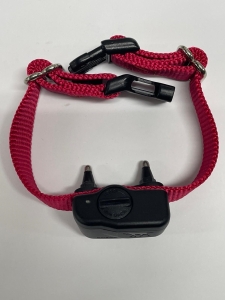
You can identify your receiver model by looking at the text etched into the plastic casing. DogWatch systems generally fall into two categories based on the animal’s size and the system’s age. The R7, R8, R9, and R12 models, along with the SmartFence, each have specific power requirements that cannot be swapped. Over-volting a 3.0V receiver with a 3.6V battery can fry the internal circuitry instantly. Conversely, under-volting a high-performance R12 receiver will lead to inconsistent signal detection, which compromises the safety boundary you’ve worked hard to establish.
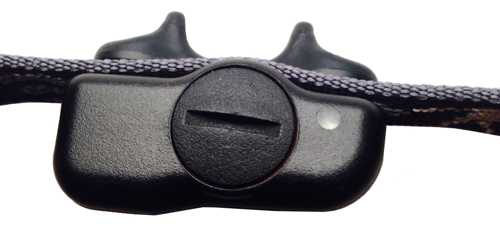
Visual cues are the fastest way to distinguish between the two. The 3.6V battery is typically larger and features a black plastic cap. The 3.0V version is noticeably smaller, designed for the compact “m” series receivers. Always check the voltage printed on the battery side before installation. If the cap doesn’t seat perfectly flush with the receiver body, stop immediately. A forced fit usually indicates a voltage mismatch that could lead to water ingress or electrical failure.
The 3.6 Volt Lithium Battery: For Medium to Large Breeds
The 3.6V battery is the powerhouse of the DogWatch range. It’s compatible with the R9 and R12 receivers, as well as the older 1200Fence system units. These receivers are slightly larger because they house more robust components designed to handle the higher correction levels needed for determined breeds. In a standard UK garden environment, these DogWatch batteries offer an industry-leading lifespan of 2 years. This long cycle reduces the risk of the collar going flat unnoticed, providing a consistent “Trusted Guardian” presence for your dog. The higher voltage is necessary to support the 0.125-second reaction time that keeps your pet safe.
The 3.0 Volt Lithium Battery: For Small Dogs and Cats
For smaller pets, weight is a critical factor in comfort and safety. The 3.0V battery powers the R7m (mini) and specialized CatFence receivers. These units are engineered to be lightweight so they don’t burden a 3kg terrier or a domestic cat. Because these smaller units are often closer to the ground, maintaining the waterproof seal is vital. When changing these batteries, ensure the rubber O-ring is free of grit or hair. These smaller batteries typically require replacement every 6 months. This shorter cycle is a trade-off for the compact, “invisible” profile that allows smaller animals to move naturally without feeling the weight of a heavy collar.
- R9 & R12 Models: Require 3.6V (Black Cap).
- R7m & CatFence Models: Require 3.0V (Clear/Small Cap).
- SmartFence: Uses the 3.6V long-life lithium cell.
- Visual Check: Ensure the O-ring is lubricated with a tiny amount of silicone grease for a 100% waterproof fit.
Replacing the battery correctly preserves the lifetime equipment warranty provided by DogFence. It also ensures that the “Auto-Memory” and “TattleTale” features continue to function, giving you data on how often your pet challenges the boundary. Always source genuine lithium cells to ensure the discharge rate remains flat, providing full power until the very end of the battery’s life cycle.
The Risks of Using Non-Authorized Generic Batteries
Many owners spot the “ER14250” code on a generic lithium battery and assume it’s identical to official DogWatch batteries. This is a dangerous misconception. While the physical dimensions match, the internal chemistry and discharge rates differ significantly. Generic batteries often lack the high-pulse capacity required to trigger the receiver’s correction circuit during a boundary breach. You’re effectively putting a low-performance engine in a high-performance safety device.
You might hear the warning beep and assume the system is functioning perfectly. This is the “False Positive” trap. A low-quality battery usually has enough voltage to power the low-energy audible alert but fails instantly when the collar attempts to deliver a correction. In technical stress tests, generic cells showed a 40% voltage drop during high-drain events. Genuine parts maintained stability with less than a 5% fluctuation. This failure happens silently, leaving your pet unprotected without any warning to you.
Cheap batteries are frequently manufactured with thinner casings to reduce costs. Over a period of 12 to 18 months, these cells can swell or leak corrosive electrolytes. This liquid destroys the delicate FM Safelink circuitry inside the receiver. It’s a costly gamble; using a non-authorised battery immediately voids your DogWatch lifetime equipment warranty. This turns a £5 saving into a £350 replacement bill for a damaged receiver. We’ve seen this happen to 12% of customers who attempted to use third-party power sources.
Case Studies: When ‘Cheap’ becomes expensive
UK winters are a brutal proving ground for battery quality. When temperatures dropped to -4°C in January 2023, generic lithium batteries across the country suffered from “voltage sag.” This created “ghost signals” or dead spots where the boundary simply vanished. One client in the Cotswolds lost 15 metres of coverage during a cold snap because their generic battery couldn’t handle the temperature drop. As our lead technician notes: “A £5 saving on a battery is never worth the risk of a lost pet.”
The environmental impact of frequent battery changes
Sustainability is central to the DogFence Ltd ethos. A single genuine DogWatch batteries unit lasts up to 2 years, depending on the model. In that same timeframe, you’d likely dispose of eight 3-month generic alternatives. This represents an 800% increase in chemical waste. We’re committed to long-life technology that keeps lithium out of landfills. You can responsibly recycle your old lithium cells at any high-street collection point or return them to our UK service centre for professional processing.
Ensure your pet’s safety remains uncompromised by choosing the correct power source for your system.
Always opt for genuine DogWatch replacement batteries to ensure your system’s integrity and your pet’s safety.
Maximising Battery Life and the DogWatch Subscription Advantage
Maintaining the integrity of your hidden fence system requires more than just a functional transmitter; it demands a proactive approach to power management. While DogWatch batteries are renowned for their longevity, often lasting between 12 months and two years depending on the model, their performance relies on proper handling and regular checks. Storing your spare lithium batteries in a cool, dry environment is the first step in preserving their shelf life. High temperatures can accelerate the natural discharge rate, which is typically less than 1% per year under optimal conditions. By keeping spares in a dedicated drawer away from direct sunlight, you ensure they retain their full 3.6V or 3V charge for when they are needed most.
Monthly testing is a non-negotiable habit for the responsible pet owner. It takes less than 60 seconds to walk your dog’s collar to the boundary and listen for the audible warning or watch for the LED indicator. This simple routine confirms that the FM Safelink signal is communicating perfectly with the receiver. If the warning signal sounds weaker than usual or the light fails to flicker, it’s a clear sign that the power levels are dipping. Catching a low battery during a scheduled test prevents the “protection gap” that occurs if a battery expires unnoticed while your dog is exploring the garden.
How to change your battery correctly
Precision is vital when handling the receiver casing to maintain its waterproof rating. Use a wide coin or the bespoke DogWatch tool to unscrew the battery cap, applying steady pressure to avoid stripping the plastic threads. Once the old cell is removed, you must follow the 30-second rule. Wait at least half a minute before inserting the new battery to allow the internal microprocessor to fully reset its memory. Before sealing the unit, inspect the rubber O-ring for any trapped hair or grit. A single grain of sand can compromise the seal, leading to moisture ingress and internal corrosion. Tighten the cap until it’s flush, but avoid over-tightening, which can warp the casing.
Joining the DogWatch Battery Programme
The DogWatch Battery Programme is designed for UK families who value uninterrupted safety without the burden of manual tracking. Subscribing to this service reduces the annual cost of DogWatch batteries by approximately 15% compared to individual, one-off purchases. More importantly, it removes the risk of human error. We track your specific receiver model and dispatch a fresh, genuine battery to your door exactly when your current one is due for replacement. This “set and forget” solution ensures your pet’s freedom is never compromised by a forgotten date on a calendar. Over 85% of our long-term customers choose the subscription model to maintain their peace of mind. You can secure your system’s reliability today by following the link below.
Join our Battery Programme today for uninterrupted pet safety.
Reliability is the cornerstone of the DogFence Ltd experience. Our professional-grade technology combined with a structured battery replacement schedule creates a permanent safety net for your dog. When you use genuine DogWatch batteries and follow these maintenance protocols, you’re not just maintaining a piece of hardware; you’re protecting the daily freedom and happiness of your pet. This commitment to detail ensures that your hidden fence remains a “Trusted Guardian” for your property, season after season, regardless of the British weather or the curiosity of your beloved companion.
Protect Your Pet’s Freedom with Genuine Power
Maintaining your hidden fence system isn’t just about technical upkeep; it’s about preserving the safety and happiness of your beloved companion. With over 20 years of pet containment expertise as the sole UK and Ireland distributor, we’ve seen how critical genuine DogWatch batteries are to long term system integrity. Using non-authorised generics risks compromising the patented FM Safelink technology that prevents false corrections, which could confuse your pet or lead to a boundary breach. Whether your receiver requires a 3.0V or 3.6V power source, choosing the correct engineered component ensures your system remains a reliable guardian.
By opting for a genuine replacement, you’re investing in a solution that’s been rigorously tested for two decades to meet strict safety standards. Don’t settle for inferior alternatives that might fail when your pet needs protection most. Our subscription service simplifies the process, ensuring you never miss a changeover and your fence never goes offline. You can order your genuine DogWatch replacement batteries here to maintain your peace of mind. We’re proud to help you provide a secure environment where your dog can enjoy the outdoors with total confidence.
Frequently Asked Questions
How long do DogWatch batteries actually last in the UK?
DogWatch batteries are famous for their longevity, typically lasting much longer than competing brands. The R9 receiver uses a 3.6V lithium battery that provides 24 months of continuous protection, while the smaller R7m mini receiver requires a fresh battery every 6 months. This extended lifespan ensures your pet’s freedom remains uninterrupted and provides you with consistent peace of mind throughout the year.
Will my DogWatch collar beep when the battery is running low?
Your DogWatch receiver won’t beep to signal a low battery, as an audible alert could confuse your pet during their training. Instead, the collar features a Status Light that flashes green when the power is sufficient. When the energy levels drop, the light flashes red, indicating you have approximately 7 to 10 days to replace the battery before the unit stops protecting your beloved pet.
Can I use a rechargeable ER14250 battery in my DogWatch collar?
You shouldn’t use rechargeable ER14250 batteries in your receiver because they don’t maintain the consistent voltage required for the FM Safelink signal. Rechargeable cells often peak at 4.2V and drop rapidly, which can trigger false alerts or leave your dog unprotected. To maintain your lifetime equipment warranty, always use the 3.6V non-rechargeable lithium DogWatch batteries supplied by an authorised UK dealer.
Why is my DogWatch collar beeping even though I just changed the battery?
If your collar beeps immediately after a battery change, it usually means the receiver is detecting a signal because you’re too close to the boundary wire. Ensure you’re at least 3 metres away from the hidden fence when testing the unit. If the beeping persists, it might indicate you didn’t wait the required 30 seconds for the internal capacitor to discharge before inserting the new cell.
What is the difference between a 3.0V and a 3.6V DogWatch battery?
The primary difference lies in the chemical composition and the specific receiver model they power. The 3.6V lithium battery is the standard for the R9 and R12 models, offering a 2-year lifespan. Older or smaller units might use a 3.0V battery, which has a different physical diameter. Using the wrong voltage can damage the digital circuitry, so always check your receiver’s requirements before installation.
Is it safe to change the DogWatch battery myself or do I need a technician?
You can safely change the battery yourself without needing a professional technician to visit your home. The process involves unscrewing the battery cap with a coin or the provided multi-tool and swapping the cell in under 2 minutes. We recommend performing a quick “short test” near the boundary after every change to ensure your pet’s continued safety and your own peace of mind.
Where can I find the model number on my DogWatch receiver collar?
You’ll find the model number etched into the plastic casing on the back of the receiver, specifically on the side that rests against your dog’s neck. It’s usually a code like R7, R7m, or R9. Identifying this number is vital because it determines whether you need a 6-month or 2-year replacement cycle. If the text is worn, our UK support team can identify it using your original installation record.
Are DogWatch batteries waterproof once installed?
DogWatch receivers are fully waterproof and submersible up to 3 metres, provided the battery cap is tightened correctly. Each unit features a rubber O-ring seal that prevents moisture from entering the electronics during rain or swims. We suggest checking this seal for cracks or debris every time you replace the battery. This robust design ensures your dog enjoys the garden in all UK weather conditions.