Tag Archive for: escape artist dogs

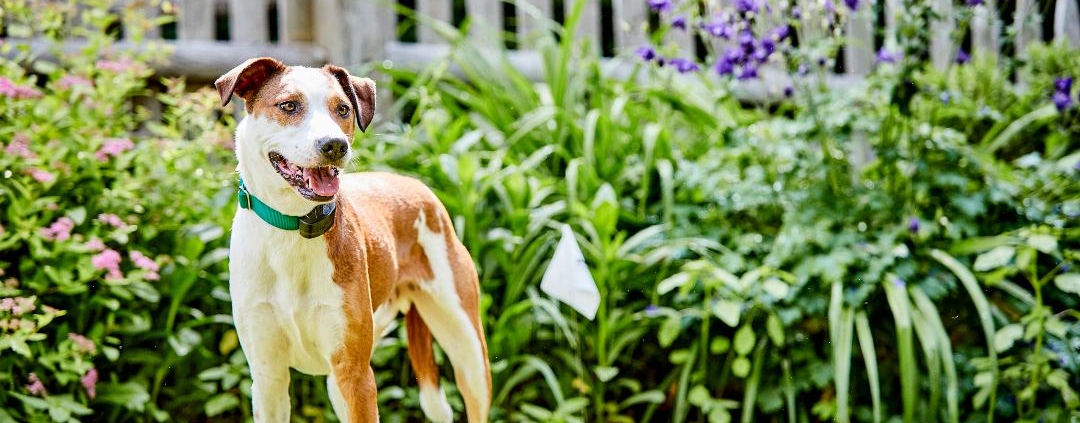
A happy dog standing calmly inside a well-kept garden with fence boundary visible

How to Buy Dog Fence

The Ultimate Dog Fence Buying Guide UK (2026 Edition)

If you’re looking for the best way to create a secure garden for dogs, you’re not alone.

Across England, more and more dog owners are searching for reliable ways to prevent their dog running away — without building ever-higher fences or turning their garden into a fortress.

This complete Dog Fence Buying Guide UK explains:

  • Why dogs escape
  • What types of dog fences are available
  • The real difference between wired, wireless and GPS systems
  • What dog fences cost in the UK
  • Whether electronic dog fences are humane
  • How to choose between professional installation and DIY

If you’re researching carefully before investing — this guide is for you.
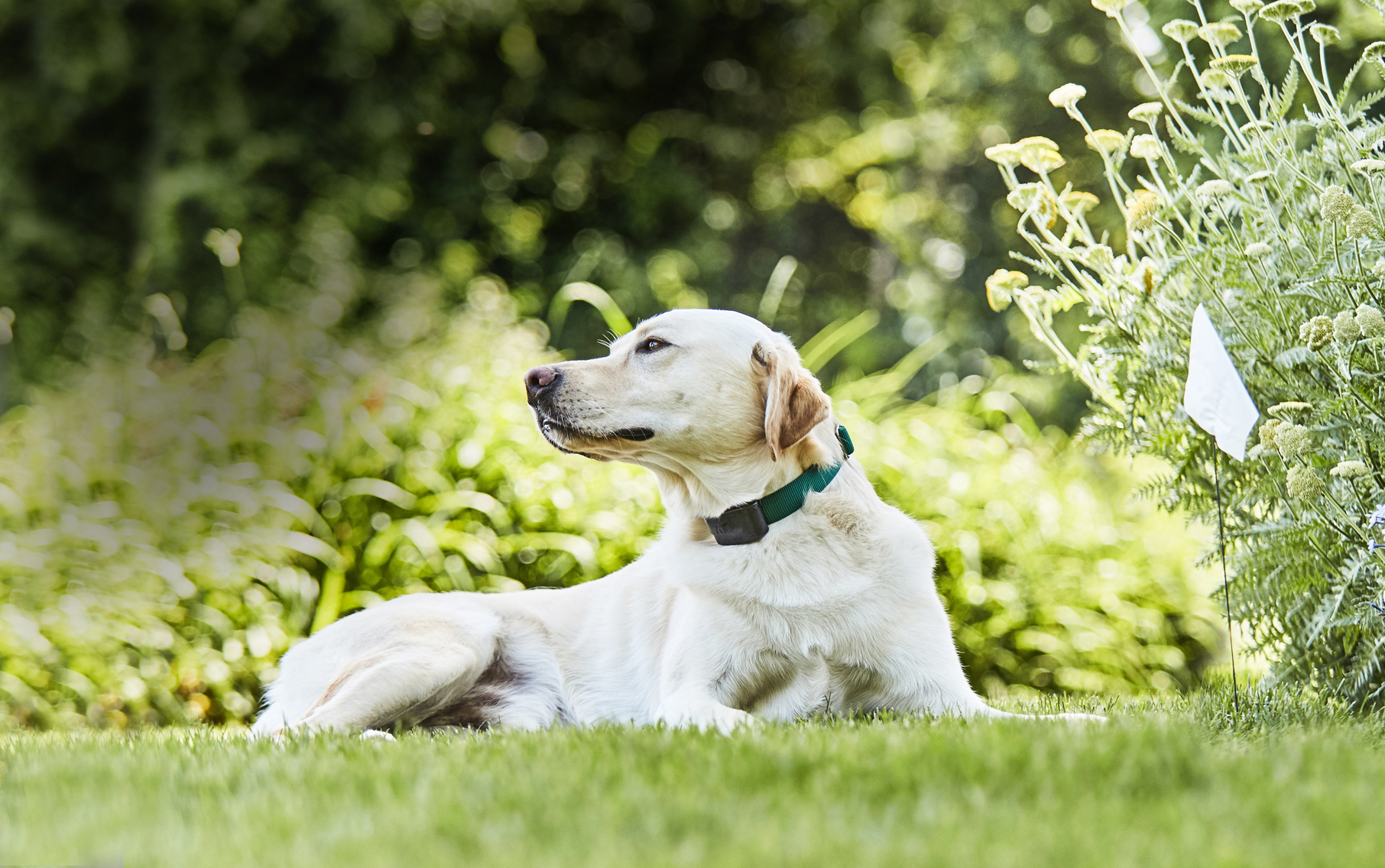
secure garden for dogs with invisible dog fence UK


Why Do Dogs Escape?

Understanding the why helps you choose the right solution.

Most escape behaviour falls into one of these categories:

  • Jumping over fencing
  • Digging underneath panels
  • Squeezing through weak gates
  • Chasing wildlife
  • Separation anxiety
  • Boredom or frustration

Many owners initially assume they just need higher fencing. But taller panels don’t stop diggers. Reinforced gates don’t stop climbers. And replacing an entire boundary can cost thousands.

That’s why many rural homeowners across England are turning to electronic containment instead. Before choosing the right system, it’s essential to understand why dogs escape gardens in the first place — because jumping, digging and boundary-testing behaviours require different containment solutions.


What Types of Dog Fences Are Available in the UK?

1. Traditional Physical Fencing

Wooden panels, composite fencing, brick walls or deer fencing.

These work well for many dogs — but increasing height or reinforcing boundaries can be expensive, particularly on larger properties over one acre.

They also don’t address digging behaviour. Whilst traditional fencing works for some homes, many owners discover it simply isn’t enough for determined dogs. In fact, we’ve explained in detail why traditional fencing isn’t enough for escape-artist dogs, particularly those who jump, dig or climb.
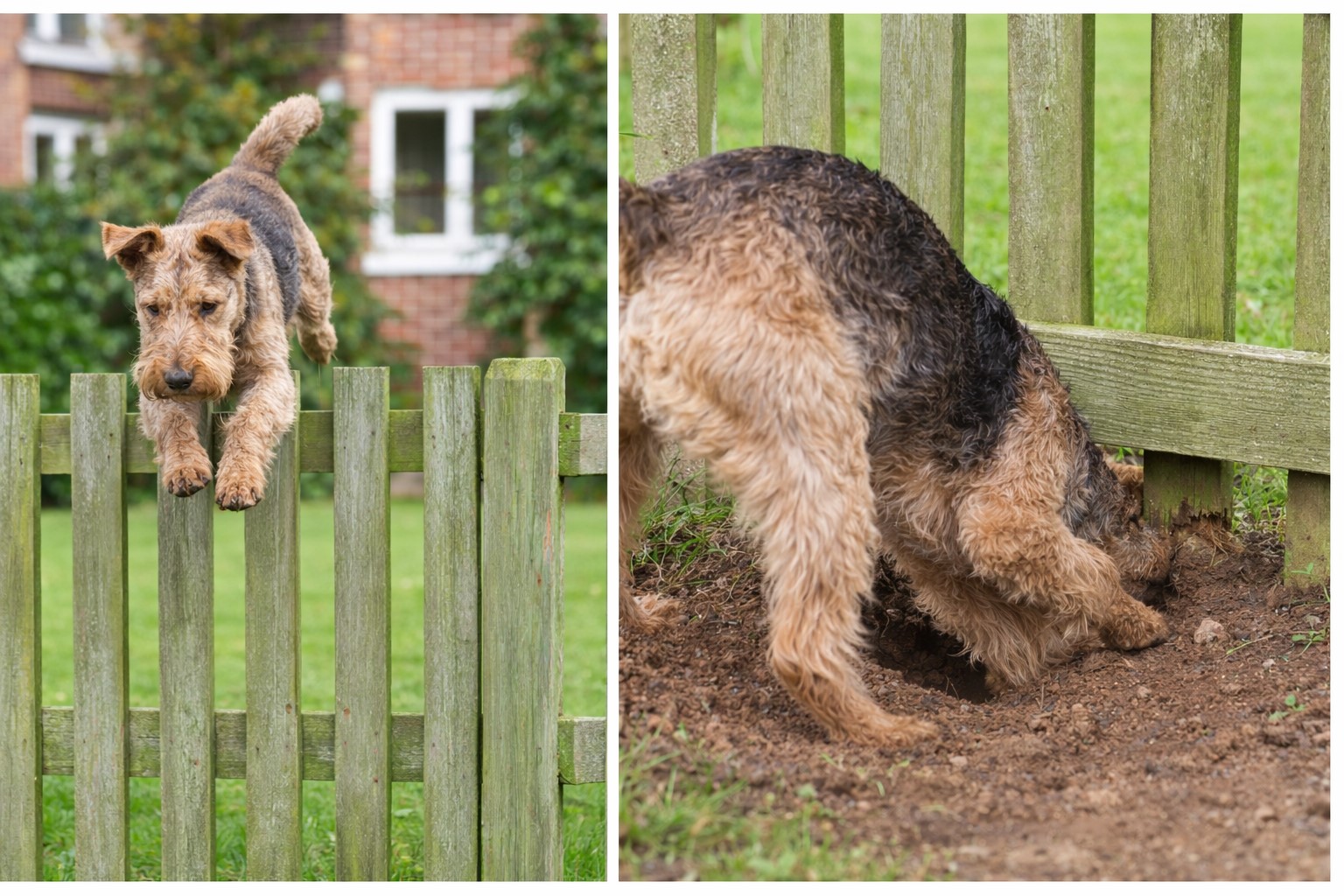
traditional fencing problems dog escaping garden

Dog escaping garden boundaries by jumping or digging highlights common traditional fencing problems.


2. Wireless Dog Fences

Wireless systems create a circular boundary from a central transmitter.

They’re simple to install but:

  • Struggle with uneven or sloping gardens
  • Can be unreliable on larger properties
  • Cannot follow complex boundary shapes

They’re often best suited to small, flat suburban gardens.


3. GPS Dog Fence Systems

GPS fences rely on satellite positioning.

While marketed as flexible, they can suffer from:

  • Signal drift
  • Inconsistent boundary lines
  • Battery drain
  • Delays in correction

In rural or wooded areas especially, GPS can be unreliable.


4. Wired Electronic (Invisible) Dog Fences

A wired system uses a discreet boundary cable buried around your property. The collar provides a warning tone as your dog approaches the boundary, followed by a brief adjustable correction if challenged.

The key advantages:

  • Precise boundary control
  • Works on any garden shape
  • Ideal for large rural properties
  • Consistent and reliable containment

For most larger UK gardens, wired electronic systems remain the most dependable solution.


Wired vs Wireless vs GPS — What Actually Works?

Choosing between wired, wireless and GPS dog fences isn’t just about convenience — it’s about reliability, consistency and your dog’s temperament.

Wireless Dog Fences
Wireless systems create a circular boundary from a central transmitter. They can work in small, flat gardens where layout is simple and there are minimal obstructions. However, signal fluctuation and limited shape control can make them unsuitable for irregular UK gardens.

GPS Dog Fences
GPS systems rely on satellite positioning rather than a physical boundary wire. While they appear modern and flexible, real-world use in the UK often highlights signal lag, boundary drift, and inconsistent correction timing — particularly near trees, buildings or in poor weather.

Wired (Electronic) Dog Fences
Wired systems use a buried boundary cable to create a fixed, consistent containment line. Once installed and professionally calibrated, they deliver immediate, predictable feedback — which is especially important for strong-willed or escape-artist dogs.

So What Actually Works?

  • Small, simple garden? A wireless system may be adequate.
  • Large, sloped or complex garden? A wired system is significantly more reliable.
  • High-drive or escape-prone dog? Consistency is critical — wired systems outperform GPS every time.

If you’re considering a GPS system, read our in-depth guide on whether GPS dog fences really work in UK conditions. When choosing the best dog fence UK homeowners can trust, reliability matters far more than marketing claims. A fence that works every single time is what keeps dogs safe.

comparison of wired, wireless and GPS dog fences for UK gardens


How Much Does a Dog Fence Cost in the UK?

Prices vary depending on property size, boundary length and whether you choose a DIY kit or professional installation.

If you’re comparing options, our detailed breakdown of dog fence cost UK pricing explains electronic dog fence cost, hidden dog fence prices and what influences the final investment.

For larger rural gardens, electronic containment systems are often significantly more cost-effective than replacing or extending physical fencing around the entire boundary.


Are Electronic Dog Fences Humane?

This is understandably one of the most common concerns among UK dog owners.

Modern electronic dog fences are not the same as old-style “shock collars.” Today’s systems are designed with safety, adjustability, and structured training in mind.

They use:

  • An audible warning tone first
  • Adjustable correction levels
  • Automatic shut-off safety features
  • Structured training protocols that teach boundary awareness

When installed correctly and paired with proper training, most dogs quickly learn the boundary and rarely challenge it again.

If you’d like a balanced, evidence-based look at the welfare debate, you can read our full article on dog fence controversy humane or harmful?, where we explain how modern systems differ from older misconceptions and why responsible installation and training matter.


Professional Installation or DIY?

Professional Installation

Best suited for:

  • Large rural properties
  • Complex boundaries
  • Owners wanting full support and training

Benefits typically include:

  • Correct boundary planning
  • Secure cable depth
  • Lightning protection
  • Structured pet training
  • Long-term warranty support

Many owners of large rural properties choose an electronic dog fence UK system because it works reliably across uneven terrain and complex garden layouts, read below for DIY and Professional Installation advice.


DIY Installation

Suitable if:

  • You’re confident digging shallow cable runs
  • Your boundary is straightforward
  • You prefer lower upfront costs

DIY kits still include support and detailed instructions, but require more time and effort.


Who Is an Electronic Dog Fence Suitable For?

Electronic containment is often ideal for:

  • Larger gardens (especially over one acre)
  • Dogs who jump or dig
  • Homes near roads or livestock
  • Owners wanting a discreet, invisible solution

It may not be appropriate for every dog without professional guidance — which is why expert advice matters. A professionally installed electronic dog fence UK system provides consistent, reliable containment for gardens of all shapes and sizes.


Final Verdict: What Is the Best Dog Fence UK Owners Should Choose?

If your goal is to create a secure garden for dogs without building ever-higher fencing, a properly installed wired electronic dog fence offers the most consistent and reliable containment.

But the most important factor isn’t just the equipment.

It’s:

  • Quality components
  • Correct installation
  • Structured training
  • Ongoing support

With over two decades of experience helping thousands of pets across England, we know every property — and every dog — is different.

The right system is the one designed specifically for yours. Choosing the right electronic dog fence UK system can transform your garden from a constant worry into a safe, secure space your dog can enjoy with confidence. All professionally installed DogFence systems are DEFRA tested, include lightning protection, and use waterproof programmable collars with built-in safety time-outs.

Want an Accurate Dog Fence Cost for Your Property?

Every garden is different — and so is every dog.
Speak directly to our team for honest advice and a tailored quote with no pressure and no obligation.

📞 Call 01628 476475
|
💬 WhatsApp Us
|
📝 Request a Free Quote Online
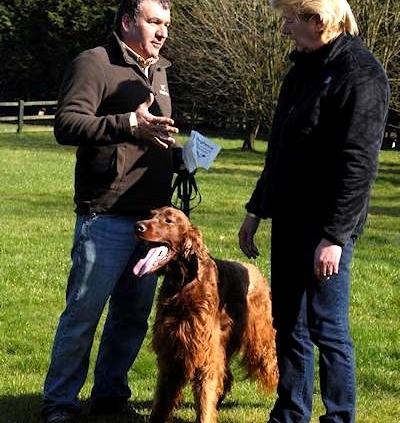
Installer giving dog fence safety tips to a customer

Dog Fence Safety Tips: What Every Pet Owner Should Know

Dog Fence Safety Tips: What Every Pet Owner Should Know

Keeping Pets Safe with Invisible & Electronic Dog Fences

When choosing a dog fence, safety should always be the number one priority. Whether you have an escape-artist dog, a curious cat, or a property near busy roads, a properly installed hidden dog fence can provide peace of mind. But not all fences are created equal — and there are a few key things every pet owner should know.

1. Choose a System Designed with Safety First

Not all electronic fences are the same. Cheap DIY kits often use thin cable and underpowered transmitters that break down quickly, while GPS collars rely on weak satellite signals that can drift or fail altogether. These cut corners leave pets vulnerable.

At DogFence, our systems are:

  • DEFRA tested and proven safe for dogs and cats.
  • Waterproof, chew-proof, and durable — designed for real pet life.
  • Programmable to your pet’s size & temperament, not “one-size-fits-all.”
  • Equipped with safety features like automatic shut-down after 15 seconds and anti-linger to prevent battery drain.

Learn how our system works ›

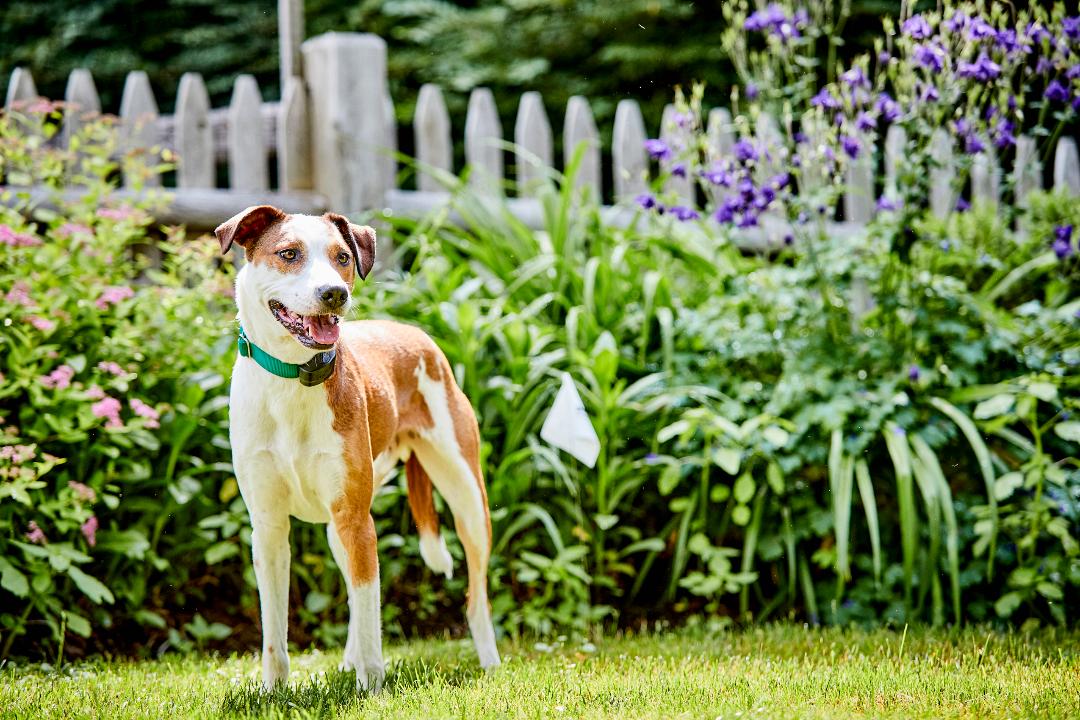
Happy dog enjoying the garden safely with DogFence invisible fence collar

Enjoying freedom with peace of mind — this happy pup shows how DogFence provides reliable dog fence safety tips in action. Alternative with syn

2. Professional Installation Matters

A hidden fence is only as safe as the way it’s installed. At DogFence Ltd:

  • Our installers carefully bury the boundary cable using specialist equipment.
  • We avoid hazards like underground pipes and electric gates.
  • You’ll get a tailored boundary design that protects both your pets and your garden.

This reduces the risk of gaps, interference, or weak spots that could put pets at risk.

3. Training is Key to Safety

Even the best system won’t work without consistent training. That’s why DogFence provides full training on installation day:

  • Dogs (and cats) learn to respond to the warning beep and flags before feeling the impulse (correction).

  • Our training uses gentle, positive reinforcement so pets understand boundaries quickly.

  • The dog always has something to see (flags), something to hear (beep) and finally something to feel (correction).

Every dog is different — some pick up the concept like a duck to water, while others are naturally cautious and take a little more time. Just like people, pets all learn at different paces. The most important thing is to follow the full training programme step by step, without skipping ahead, so your pet builds confidence at the right speed.

Above all, training should always be upbeat and positive. By keeping the sessions short, consistent, and encouraging, your dog will associate the fence with freedom rather than restriction. Most pets are safely contained within just a few sessions — and owners are amazed at how quickly their dogs adapt when training is done correctly.

See our installation & training process ›

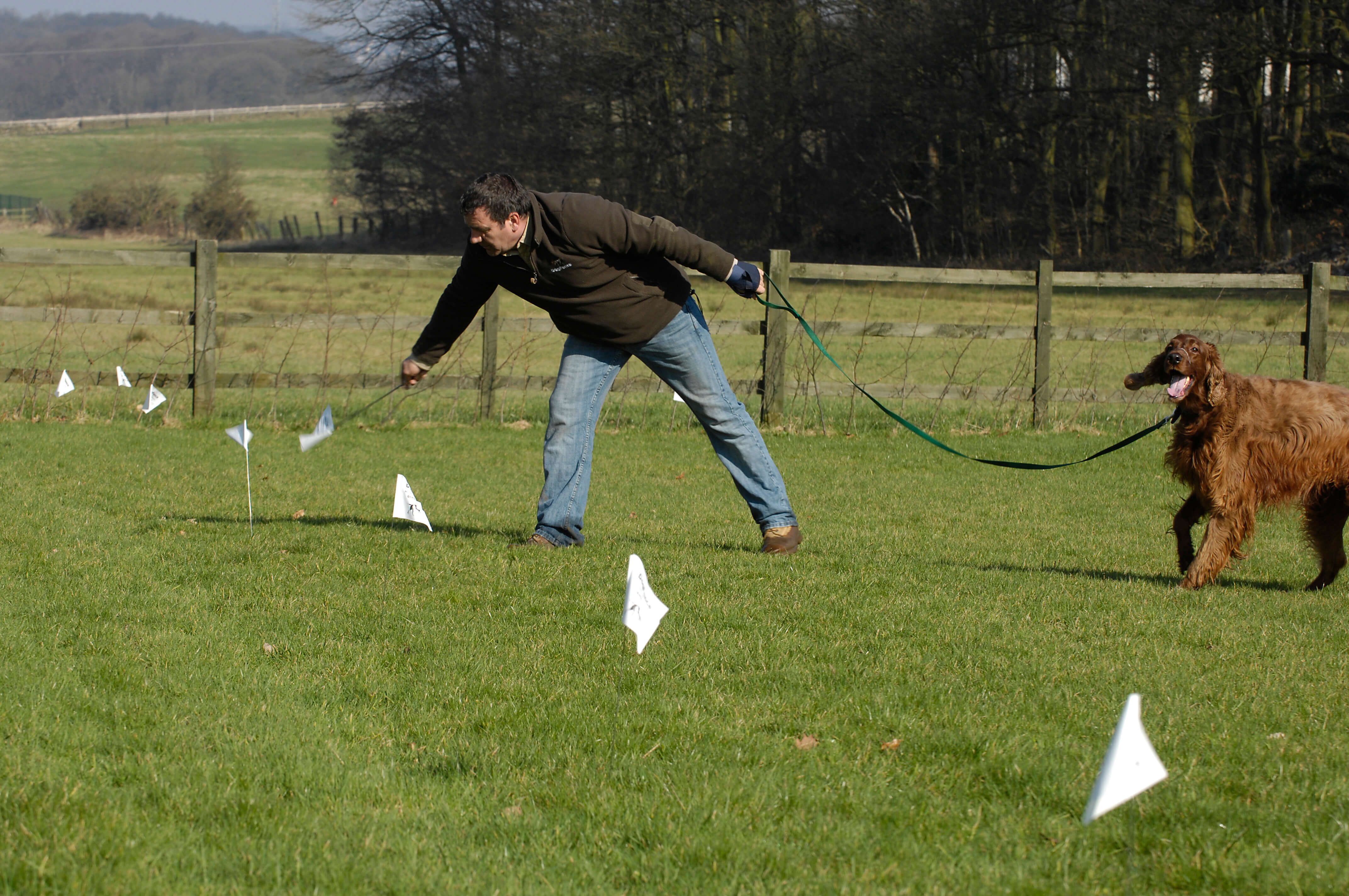
DogFence professional training a dog with invisible fence boundary flags in garde

Expert training with DogFence — clear boundaries, safe pets, and peace of mind.

4. Regular Collar Checks

Your pet’s safety depends on keeping their computer collar fitted and functioning correctly. A hidden fence is only as reliable as the collar your pet wears, so it’s vital to make these checks part of your routine:

  • Check the battery regularly – When the battery runs out, the fence can’t do its job, and your pet can run out. At DogFence, our collars have the longest battery life in the industry, but even so, we recommend testing the collar monthly (using the test lamp supplied) and replacing batteries at the correct intervals to avoid any lapse in protection. Why not join our battery programme? Contact us here to learn more.

  • Ensure the collar fits correctly – If the collar is too loose, it becomes nothing more than an ineffective necklace, as the contacts won’t touch the skin. Too tight, and it can cause pressure sores. The simple rule: lift your dog’s head up to the sky; when the neck is stretched, you should be able to slip just one finger between the collar strap and the skin.

  • Surge and lightning protection – Our professionally installed systems come with lifetime warranty and built-in lightning protection. If lightning ever strikes the boundary wire, our surge protection unit safely diverts the current into the ground, preventing it from entering your home’s electrics.

By keeping up with these simple checks, you’ll ensure your fence remains a safe and reliable barrier that protects your pet every day.

Watch our quick video guide on how to check your dog’s collar fit — making sure it’s snug, safe, and comfortable every day.

5. Creating “No-Go Zones” with Inner Loops

One of the unique advantages of an invisible dog fence is that you can protect more than just the perimeter. By running an inner loop off the main boundary wire, we can create “no-go zones” inside your garden.

This works because the boundary cable carries a harmless FM radio signal. When we twist the cable together — a bit like bringing two magnets together — the signal cancels itself out. That means we can route the wire across the lawn to form a small protected zone without the dog receiving an activation along the way.

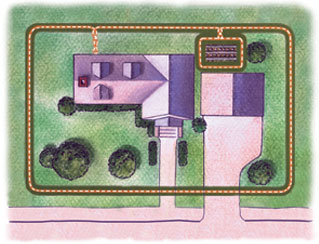
Illustration of invisible dog fence boundary layout with inner loop no-go zones

Typical DogFence boundary layout — with inner loops to protect ponds, flowerbeds, or toxic plants inside the garden.

What Can You Protect?

  • Ponds and swimming pools – preventing accidents and keeping pets safe around water.

  • Flowerbeds or vegetable patches – protecting your plants (and stopping your dog digging them up!).

  • Toxic plants – such as acorns, yew, or foxglove, which can be highly poisonous to dogs.

These inner loops give you the flexibility to keep your dog away from danger while still giving them the freedom to roam safely in the rest of the garden.

Discover invisible no-go zones ›

Real Customer Story: “It’s Given Us Peace of Mind”

“We were nervous about using a hidden fence at first, but safety was our top concern. Our Labrador, Daisy, had escaped twice and nearly caused an accident on the main road. Since having DogFence installed, we haven’t had a single incident. The training was simple, the collar is comfortable, and Daisy is now free to enjoy the garden safely. It’s given us real peace of mind — worth every penny.”

– Mr & Mrs Griffiths, Oxfordshire

First hand stories like these show how the right system, properly installed and trained, makes all the difference in keeping pets secure without compromise. See more success stories from our customers testimonials .

Dog wearing a DogFence invisible fence collar enjoying the garden safely

Final Thoughts: Safety = Peace of Mind

A dog fence should never be a compromise on your pet’s welfare. By choosing a Pro Range Dog with professional installation, and proper training, you’ll have the confidence that your pet is secure, safe, and free to enjoy the garden.

Ready to Keep Your Pet Safe?

Call us on
01628 476475
|
Message us on WhatsApp
|
Request a Free Quote Online


dog fence dogs

Fencing For Dogs Who Escape

What Is the Best Fence for Dogs That Escape?

The best fence for dogs that escape depends on how your dog is getting out. A dog that jumps needs a different solution from one that digs, squeezes through gaps or bolts through an open gate. For persistent escape artists, simply making a physical fence higher or stronger may not solve the problem.

In this guide, we look at the main fencing options for escaping dogs, their advantages and limitations, and what to consider when choosing a secure boundary for your garden.

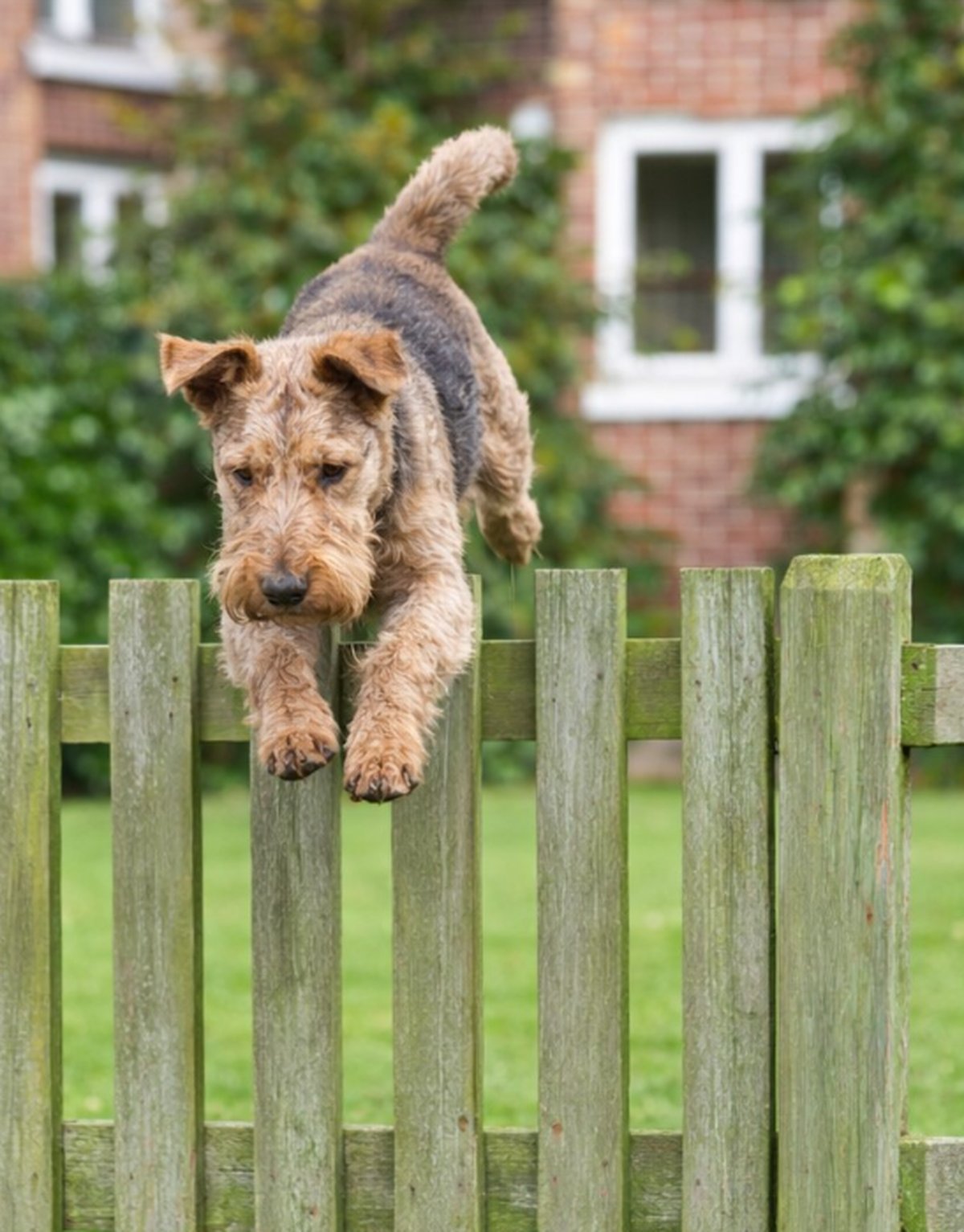
Fencing for dogs who escape – dog jumping over a garden fence

Quick Answer: What Is the Best Fence for Dogs That Escape?

For many dogs, a secure physical fence with no gaps and sufficient height will work perfectly well. However, dogs that repeatedly jump, climb, dig or escape through gates may need a different approach.

The main options are:

  • Solid wooden fencing – useful for dogs distracted by what they can see outside the garden.
  • Mesh or wire fencing – practical for larger gardens and rural properties.
  • Dig-proof fencing – designed for dogs that tunnel underneath boundaries.
  • Higher fencing – potentially useful for athletic dogs that jump.
  • A hidden dog fence – creates a consistent boundary that can work across fences, hedges, gates and driveways.

The right choice depends on your dog, how they escape and the layout of your property.

Why Do Some Dogs Escape Conventional Fencing?

Some dogs are remarkably good at finding weaknesses in garden boundaries. Fix one escape route and they simply start looking for another.

Common escape methods include:

  • jumping over fences;
  • climbing mesh or timber fencing;
  • digging underneath;
  • squeezing through small gaps;
  • pushing through hedges;
  • escaping when gates are opened;
  • bolting down open driveways.

Before spending money on new fencing, identify exactly how your dog is escaping. This will help you choose a solution that addresses the actual problem rather than just one particular escape point.

If you are not sure why your dog keeps getting out, read our guide to why dogs escape gardens.

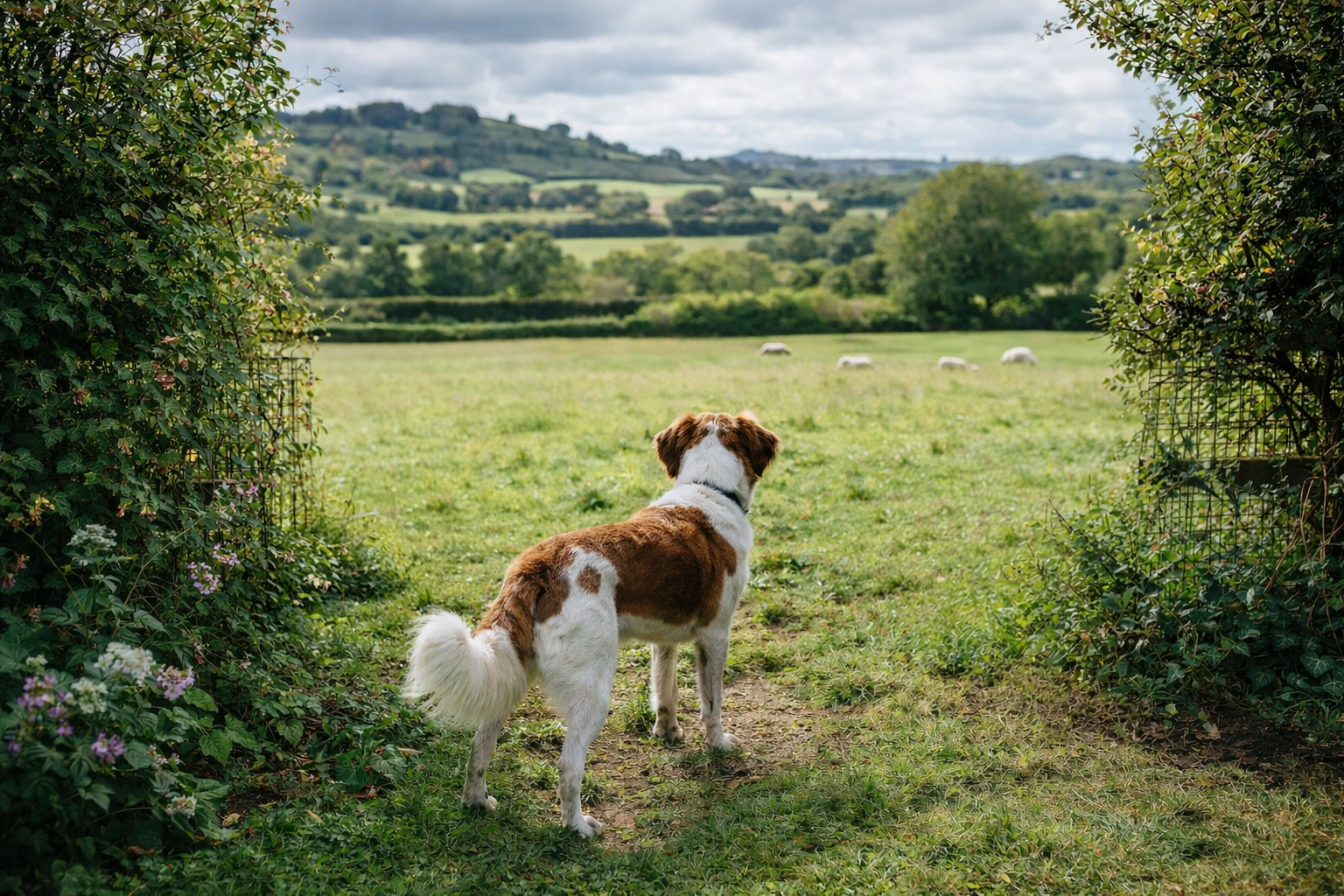
Fencing for dogs who escape – dog looking through an open garden boundary

Escape Proof Fence for Dogs: Does One Exist?

There is no single physical fence that can honestly be described as completely escape proof for every dog.

A six-foot fence may stop one dog but another may climb it. Reinforcing the bottom may prevent digging, while still leaving a gate or driveway as an escape route.

That is why the best escape proof fence for dogs is the one designed around both the dog’s behaviour and the individual property.

1. Wooden Fencing for Dogs That Escape

Solid wooden fencing is one of the most common choices for gardens. It provides a visible physical barrier and can also prevent a dog seeing distractions such as passing dogs, people or wildlife.

Advantages:

  • Creates a solid visual barrier.
  • Available in different heights.
  • Can reduce visual triggers outside the garden.
  • Works well for many ordinary residential gardens.

Potential problems:

  • Dogs can dig underneath it.
  • Athletic dogs may jump over it.
  • Some dogs learn to climb panels or nearby structures.
  • Damaged panels can create escape gaps.
  • It cannot normally solve an open driveway or frequently opened gate.

2. How High Should Fencing Be for an Escape Artist Dog?

If your dog jumps, increasing fence height may seem like the obvious answer. For some dogs, it is.

However, jumping ability varies enormously according to size, breed, athleticism and motivation. There isn’t one fence height that guarantees every dog will remain inside.

Also check for bins, sheds, walls, garden furniture and raised flower beds close to the fence. A dog may be using these as a launch point.

For more detail, see how high a dog fence should be and our guide answering can a dog jump a 6ft fence?

3. Dog Proof Fencing for Dogs That Dig

For a determined digger, fence height is largely irrelevant. The weak point is underneath the boundary.

Physical fencing may need to be extended or reinforced at ground level to make digging underneath more difficult. Regularly inspect the perimeter because some dogs simply move along the fence and start digging somewhere else.

If this sounds familiar, our guide to how to stop a dog digging under a fence looks specifically at this problem.

4. Mesh and Wire Fencing for Dogs

Mesh fencing can be a practical choice for large gardens, paddocks and rural properties where installing solid timber fencing around the entire boundary would be expensive or visually intrusive.

However, the mesh size and construction matter. Small dogs may squeeze through larger openings and some dogs are surprisingly capable climbers.

Large properties also introduce another challenge: the longer the boundary, the more potential weak points there are to maintain.

Owners of larger properties may find our guide to dog proof fencing for rural properties useful.

5. What About Gates and Open Driveways?

This is where conventional fencing often becomes difficult.

You may have excellent fencing around the entire garden but still need vehicles, deliveries and visitors to enter through a gate or open driveway.

A dog can quickly learn that an opening gate creates an opportunity to escape. For some owners, permanently closing or physically fencing an entrance simply isn’t practical.

A hidden dog fence can create a boundary across a driveway or gate without physically preventing vehicles or people from passing through.

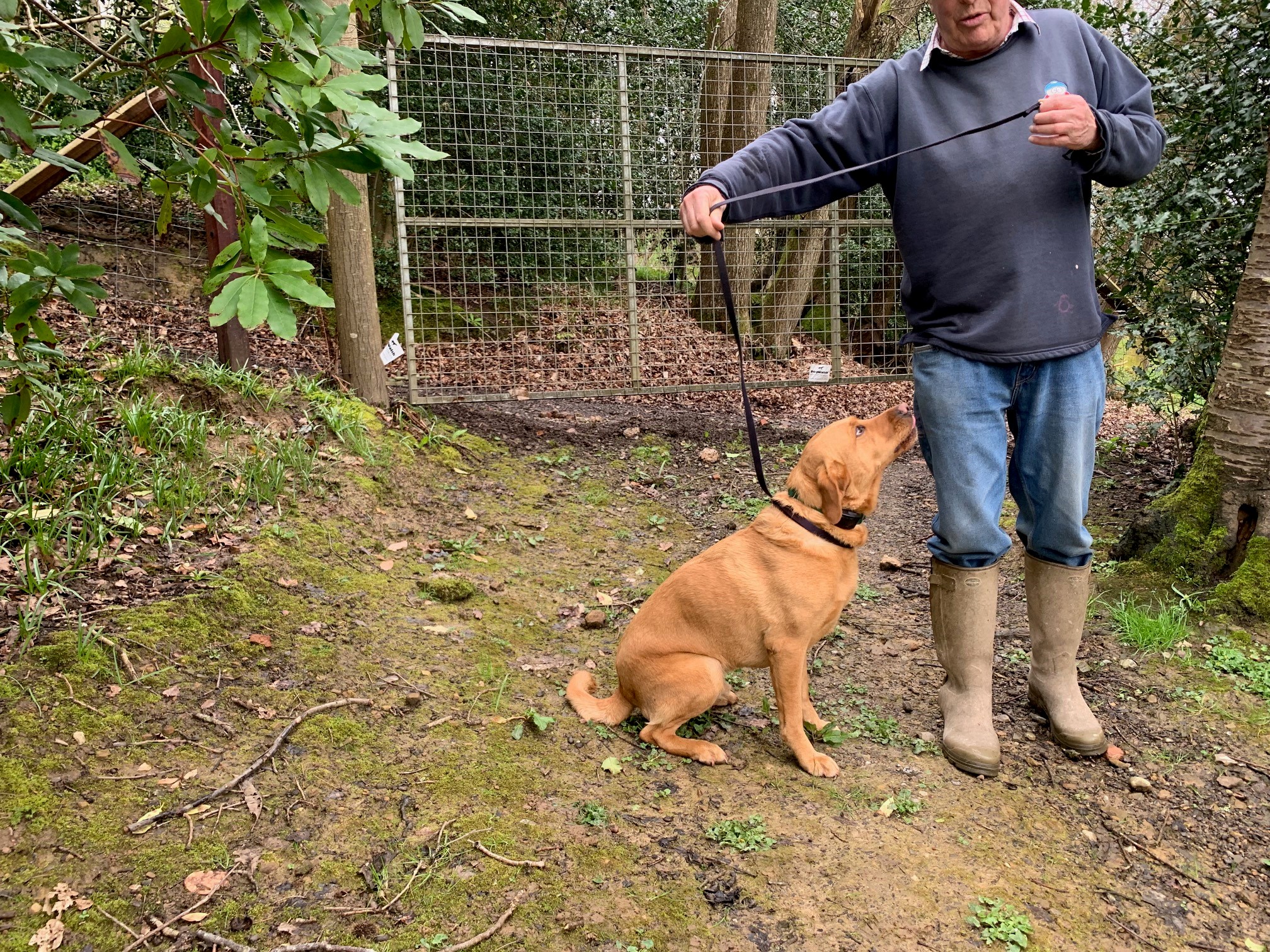
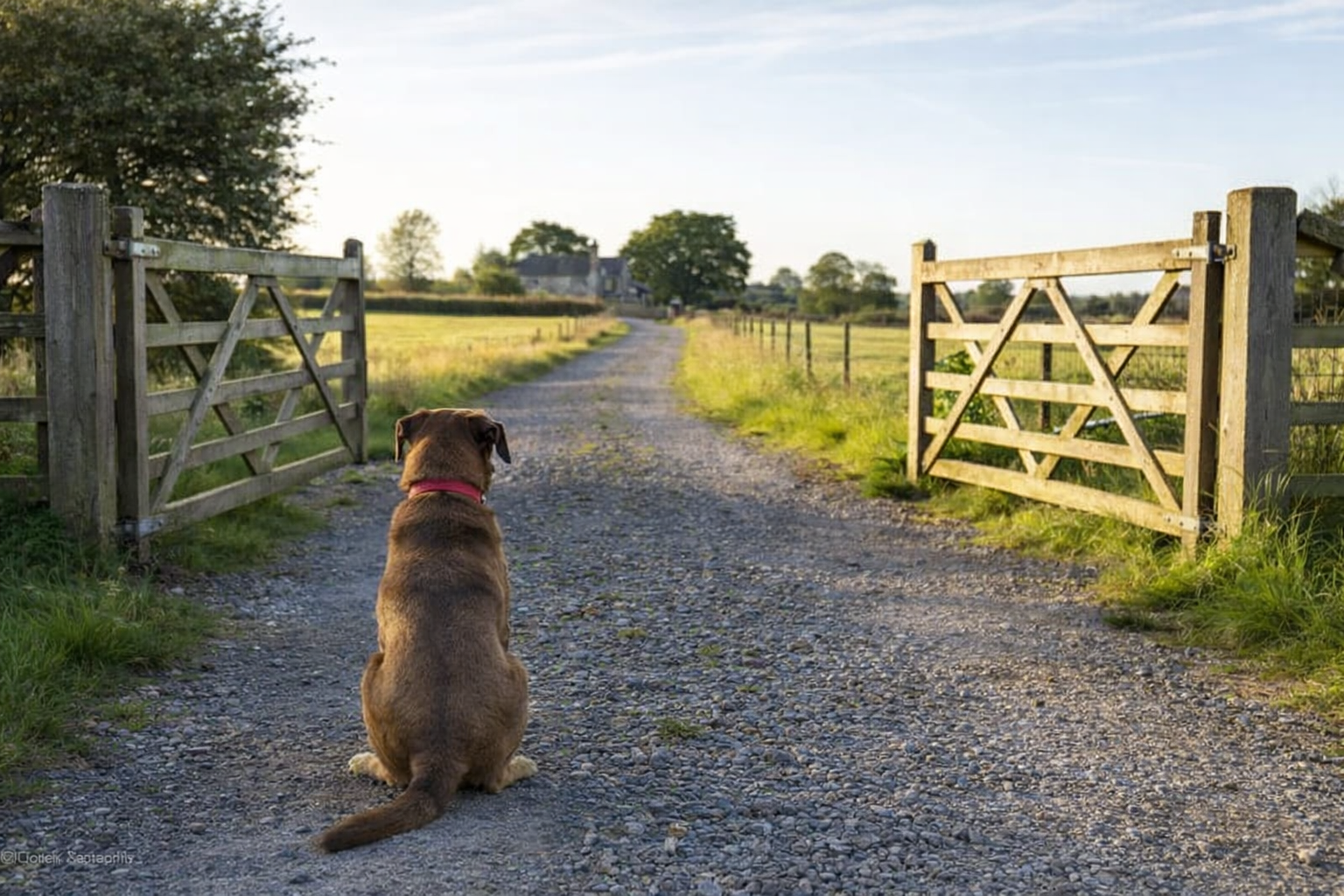
Escape proof fence for dogs – dog sitting beside an open driveway gate

6. Hidden Dog Fence for Dogs That Escape

For dogs that repeatedly defeat conventional fencing, a professionally installed hidden dog fence provides another option.

Rather than relying solely on the height or strength of a physical barrier, DogFence creates a consistent boundary that your dog is trained to recognise.

A discreet boundary wire is installed around the selected area of the property. Your dog wears a lightweight receiver collar and is introduced to the boundary through a structured training programme.

The boundary can be designed around:

  • existing fencing;
  • hedges;
  • gardens and lawns;
  • woodland;
  • open driveways;
  • electric gates;
  • large and rural properties;
  • specific areas within a garden.

If you have a persistent escape artist, see our dedicated dog fence for dogs that escape page for more information about how the system works for dogs that jump, dig, squeeze through gaps or bolt through entrances.

Wired or Wireless Dog Fence: Which Is Better?

Hidden dog fences can use either a wired boundary or a wireless system, but they do not provide the same flexibility.

A wired system allows the boundary to be designed around the individual property. It can follow irregular gardens, encompass larger areas and be positioned around existing landscaping, gates and driveways.

Wireless systems generally create a predetermined signal area around a transmitter. This can make them convenient in some circumstances, but the boundary shape is less flexible.

DogFence uses a professionally designed wired boundary because it allows us to tailor the layout to the dog and the property rather than asking the property to fit a predetermined boundary.

How Does a Hidden Dog Fence Work?

The principle is straightforward:

  1. A discreet boundary wire is installed around the area in which your dog can safely roam.
  2. The wire carries a radio signal.
  3. Your dog wears a lightweight receiver collar.
  4. Temporary training flags provide a visual reference during training.
  5. The collar gives an audible warning as your dog approaches the boundary.
  6. Your dog is taught to recognise the warning and move back into the safe area.
  7. The training flags are gradually removed once your dog understands the boundary.

The system is designed to work alongside appropriate training rather than simply relying on the equipment itself.

What Is the Best Dog Fence for a Large Garden?

For a large garden, acreage or rural property, the cost and practicality of installing traditional fencing around the entire perimeter can become significant.

A hidden dog fence can cover substantial and irregular areas without blocking views or requiring a high physical fence around the property.

It can also follow boundaries through hedges, woodland and other areas where conventional fencing may be difficult or undesirable.

What Is the Best Fence for a Dog That Jumps AND Digs?

This is where simply modifying a physical fence can become frustrating.

If you make the fence higher, your dog may start digging underneath it. Reinforce the bottom and they may discover a gap beside the gate. Block the gap and they may simply wait for somebody to open the driveway.

For dogs with several different escape techniques, a DogFence hidden dog fence can provide a different solution. Rather than trying to physically block every possible escape route, the DogFence creates a consistent boundary around the area where you want your dog to remain.

A discreet boundary wire is installed around the property and your dog wears a lightweight receiver collar. As your dog approaches the boundary, the collar gives an audible warning. During professional training, your dog learns to recognise that warning and retreat back into the safe area.

This means the same hidden dog fence can protect areas where a dog might otherwise jump over fencing, dig underneath it, squeeze through gaps or escape through an open driveway.

Importantly, a DogFence can also work alongside your existing garden fence, hedge, wall or gates. You do not necessarily need to remove the fencing you already have – the hidden boundary provides an additional layer of security for a determined escape artist.

For a dog that both jumps and digs, this can be particularly useful because you are creating one consistent dog boundary rather than continually trying to anticipate the next way your dog might escape.

See how it works on our dog fence for dogs that escape page.

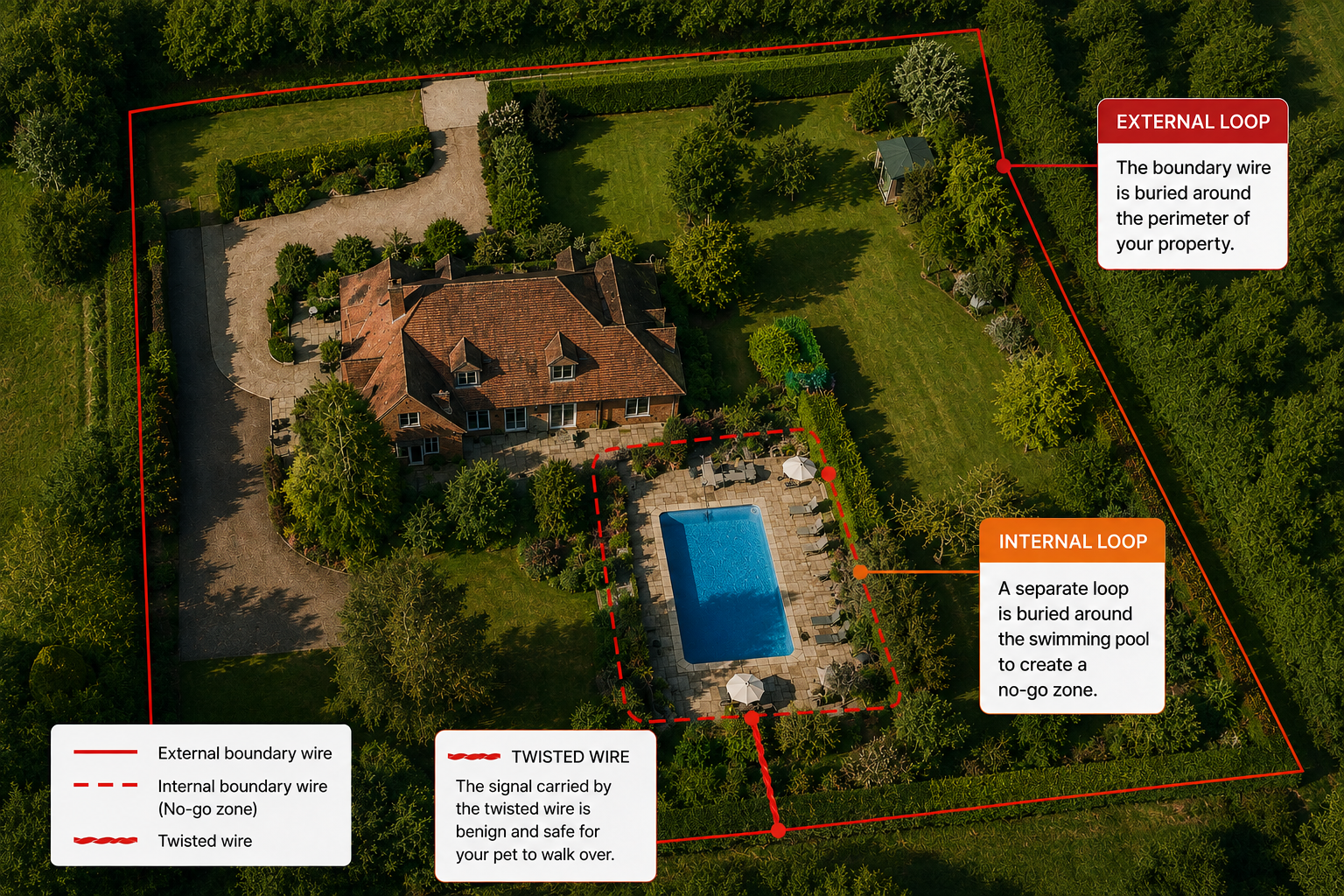
Aerial view of Escape-proof fencing for dogs showing a hidden boundary around the garden and a separate no-go zone around the swimming pool

A hidden dog fence can create both an external garden boundary and an internal no-go zone around your swimming pool. The twisted wire safely connects the two boundaries, allowing your dog to cross it without receiving a warning.

How Do I Choose the Best Fencing for My Dog?

Ask yourself five questions:

  1. How is my dog escaping? Jumping, digging, climbing, squeezing or bolting?
  2. Where are they escaping? Fence, hedge, gate or driveway?
  3. How large is the area? A small enclosed garden and a rural property require very different solutions.
  4. Do I want a visible physical fence? Appearance and planning considerations may influence your choice.
  5. Has my dog already defeated conventional fencing? If so, simply replacing it with something similar may not address the underlying problem.

The best fencing solution should suit your dog, your garden and the way you use your property.

Frequently Asked Questions About Fencing for Dogs That Escape

What is the best fence for dogs that escape?

The best fence depends on how the dog escapes. Solid fencing can suit many gardens, while diggers may need ground-level reinforcement and jumpers may need greater height. Dogs that repeatedly defeat physical fencing or escape through gates and driveways may benefit from a hidden dog fence combined with appropriate training.

What is the best escape proof fence for dogs?

No physical fence can be guaranteed escape proof for every dog. Determined dogs may jump, climb, dig or find gaps. The most appropriate solution is one designed around the dog’s particular escape behaviour and the property’s layout.

What fencing is best for a dog that digs?

A physical fence needs to be secure at ground level and regularly checked for new digging points. A hidden boundary can also be considered for persistent diggers that continually find new places to tunnel underneath conventional fencing.

What fencing is best for dogs that jump?

Increasing physical fence height can help, but the required height depends on the dog’s size and athletic ability. Remove objects that can act as launch points and consider whether the dog is likely to find another escape method if jumping is prevented.

Can a hidden dog fence cross a driveway?

Yes. A professionally designed wired boundary can cross driveways and entrances, allowing vehicles and people to continue using them while the dog is trained to recognise the boundary.

Can I use a DogFence with an existing fence?

Yes. A DogFence can work alongside existing timber, mesh or other garden fencing. It can provide an additional consistent boundary where a dog has learned to jump, dig underneath or exploit gaps in the existing fence.

Can one DogFence be used for several dogs?

Yes. Multiple pets can use the same boundary with individual receiver collars appropriate to each animal.

Which Fence Should I Choose for My Escape Artist?

If your existing fence already keeps your dog safely in the garden, there may be no reason to replace it.

But if you are continually blocking holes, increasing fence height, repairing gaps or worrying every time somebody opens the gate, it may be worth considering a different approach.

DogFence has been helping UK owners keep their dogs safely at home since 2003. We design boundaries around the individual dog and the individual property, including difficult gardens, driveways and large rural areas.

Looking for the Best Fence for a Dog That Escapes?

If your dog jumps, digs, squeezes through gaps or bolts through gates, talk to our experienced team. We’ll help you find the best way to secure your garden — tailored to your dog and your property.

Give your dog freedom in the garden — without constantly worrying about them escaping.

Call us on
01628 476475

|
Message us on WhatsApp

|
Request a Free Quote Online

Related posts