
Tag Archive for: cat safety

The CatFence Receiver: A Complete Guide to Safe Feline Freedom in 2026

Imagine watching your cat effortlessly scale a two-metre garden wall in under three seconds, knowing the busy local road is just a few steps away. You aren’t alone in this anxiety. Most UK cat owners feel caught between the guilt of keeping a pet indoors and the terror of what might happen if they roam free. It’s a difficult balance to strike when traditional wooden fences or netting often fail against a cat’s natural agility. This is where the advanced CatFence Receiver changes the narrative. It offers a sophisticated, invisible boundary that respects your garden’s beauty while keeping your feline friend exactly where they belong.

You’ll discover how our latest 2026 technology provides total garden freedom without the need for unsightly physical barriers. We’ll show you how a lightweight, discreet receiver ensures absolute peace of mind through gentle, professional training protocols. You’ll learn about the FM Safelink digital signal that prevents interference and why a professionally installed system is the most reliable way to protect your beloved pet. This guide covers everything from technical specifications to the human support that makes the system work.

Key Takeaways

  • Understand how the CatFence Receiver uses miniaturised technology and hidden boundary wires to create a safe, invisible zone for your cat to explore.
  • Discover why feline-specific engineering is essential for comfort and why standard dog collars are unsuitable for your pet’s delicate frame.
  • Learn about our professional three-stage training protocol designed specifically for feline psychology to ensure your pet feels confident and secure.
  • Debunk common myths regarding electronic containment by exploring the gentle, TENS-style stimulation used to protect your pet ethically.
  • Find out why professional installation from UK experts offers superior safety and long-term peace of mind compared to standard DIY kits.

What is the CatFence Receiver and How Does It Work?

The CatFence Receiver represents a significant leap in feline safety technology. It’s a miniaturised, lightweight device designed specifically for the unique physiology of cats. Weighing as little as 30 grams, this unit sits comfortably on a collar, ensuring it doesn’t impede the natural movements of a 3kg or 4kg pet. Unlike bulkier dog alternatives, this specialised receiver is engineered for the delicate neck of a feline while housing sophisticated internal components that communicate constantly with a hidden boundary wire.

This system operates through a discreetly buried wire, typically installed 5 to 10cm beneath the surface of your garden. This wire acts as an antenna, emitting a coded signal from a central transmitter. These electronic pet containment systems create a bespoke “safe zone” rather than a cage. While traditional physical barriers are often viewed by cats as climbing challenges, an invisible boundary removes the physical foothold. It provides a consistent perimeter that a cat cannot jump over or dig under, offering owners true peace of mind.

Communication between the CatFence Receiver and the transmitter is the core of the system’s effectiveness. The device doesn’t just “hit” the cat with a correction; it monitors the cat’s proximity to the boundary field with precision. This allows for a tiered response that prioritises animal welfare and clear communication. It’s a proactive safety measure that protects your beloved pet from the dangers of wandering near busy UK roads or getting lost in neighbouring territories.

The Science of Hidden Fencing

Every system relies on a digital signal loop. The transmitter sends a continuous signal through the boundary wire, creating a defined field. When your cat enters this field, the CatFence Receiver picks up the signal. Cats are incredibly intelligent; they respond far more effectively to these consistent digital boundaries than to physical fences they can eventually outsmart. The system works with the cat’s natural instincts rather than against them.

Training is supported by a vital warning tone. Before any correction occurs, the receiver emits a clear audible beep as the cat approaches the edge of the safe zone. This 2-second warning gives the cat the opportunity to retreat. Most cats learn the association within 4 to 6 training sessions, eventually staying well away from the boundary based on the sound alone. This creates a stress-free environment where the pet understands exactly where their freedom ends.

FM Safelink Technology Explained

Reliability depends entirely on signal purity. Most basic pet fences use AM signals, which are highly susceptible to interference from common household items like garage door openers, Wi-Fi routers, or even a neighbour’s television. If a stray signal mimics the fence, it could lead to a false correction, which is distressing for the pet and undermines their confidence in the safe zone. We utilise FM signals because they’re significantly more robust and secure than AM alternatives.

FM Safelink is the only frequency-modulated signal in the industry to prevent accidental activation. This ensures that the receiver only reacts to the specific, unique code from your home transmitter. By filtering out the “noise” of modern electronic life, the system remains dormant until it’s actually needed. This precision is what makes our professional-grade systems superior to DIY kits found in high-street shops. It guarantees that your cat’s protection is never compromised by external electronic interference, maintaining a secure and happy outdoor lifestyle.

Engineering for Felines: Size, Weight, and Comfort

Designing a containment system for a cat requires a level of precision that standard pet equipment often overlooks. A cat’s physiology is remarkably different from a dog’s; they are more agile, they climb vertically, and they possess a delicate neck structure. This is why the CatFence Receiver is engineered with such specific attention to detail. While many off-the-shelf collars are simply downsized dog units, our receiver is built from the ground up for feline comfort. A cat needs to feel unencumbered to maintain its natural confidence while exploring the garden.

A primary concern for any owner is the “one size fits all” fallacy. Standard dog collars are often too heavy, frequently weighing between 50g and 80g. This excess mass can cause significant strain or discourage a cat from its natural jumping and hunting behaviours. The CatFence Receiver weighs approximately 30g, making it one of the lightest units available globally. This ensures the cat maintains its full range of motion without any physical fatigue. Scientific research supports the safety and efficacy of these systems; a 2016 University of Lincoln study found that electronic containment systems do not cause long-term distress or impact the overall welfare of the cat when implemented with professional training protocols.

Safety is paramount for adventurous pets that enjoy climbing trees or navigating tight gaps. Every collar features a specialized break-away strap. If your cat gets caught on a branch or a trellis, the strap is designed to release under a specific amount of tension. This prevents the risk of strangulation, a vital safety feature that distinguishes professional systems from cheaper, less considered alternatives. Powering this technology is our proprietary PowerCap system. Unlike standard batteries that might fail unexpectedly, the PowerCap provides a secure, leak-proof energy source with a lifespan of up to two years. This longevity provides owners with genuine peace of mind, knowing the boundary remains active without constant maintenance checks.

Lightweight Design for Small Pets

The 30g profile of the receiver is critical for maintaining your pet’s quality of life. It’s light enough that most cats forget they’re wearing it within minutes of the initial fitting. To ensure consistent contact without skin irritation, the unit comes with adjustable contact posts. We provide various lengths to accommodate different fur densities, from a sleek Siamese to a thick-coated Maine Coon. This customisation ensures the signal is received clearly without the need for the collar to be uncomfortably tight or restrictive.

Durability and Weatherproofing

British weather is notoriously unpredictable, but your cat’s safety shouldn’t be. The receiver casing is constructed from high-impact, waterproof resin designed to withstand the rigours of outdoor life. Whether your cat is darting through damp shrubbery during a heavy October downpour or prowling through garden frost, the internal electronics remain completely protected. This durability is essential for the “Trusted Guardian” role the system plays. To keep the receiver in peak condition, we recommend a simple monthly check to wipe away mud or garden debris from the contact points. If you’re ever concerned about the fit as your cat matures, our professional team is available for expert guidance on collar adjustments.

Training Your Cat for the Hidden Fence System

Training a cat requires a nuanced approach that respects their unique psychology. Unlike dogs, who often look to their owners for direction, cats are territorial and independent learners. They need to feel they’re in control of their environment. The DogFence Ltd training programme is designed around this feline perspective, focusing on environmental cues rather than human commands. This expert-led process ensures your pet feels secure and confident throughout the transition. A 2016 University of Lincoln study found that cats trained with these systems showed no long-term increase in stress, proving that a professional approach prioritises animal welfare above all else.

Stage 1: Awareness and Association

The first stage is all about visual markers. We place white training flags along the boundary line to make the invisible visible. During these initial 3 to 5 days, the system is often set to a non-corrective mode. Our professional trainers watch your cat’s body language closely, looking for subtle signs of recognition like ear flicking or tail positioning. We use positive reinforcement, such as high-value treats or favourite toys, to encourage the cat to stay within the safe zone. This builds a positive association with the inner garden area before any boundaries are enforced.

Stage 2: Understanding the Warning

Once your cat recognises the flags, we introduce the “Audible Only” phase. As your pet approaches the boundary, the CatFence Receiver emits a distinct beep. This sound serves as a polite but firm warning. The goal is for the cat to learn that the sound is a signal to retreat. By allowing the cat to discover this on their own terms, they gain a sense of mastery over the system. This is particularly effective for bold or highly curious cats who need to test the limits. They quickly learn that retreating from the sound maintains their comfort and safety.

Stage 3: Total Freedom and Monitoring

After approximately 10 to 14 days of consistent behaviour, we begin the final phase. We gradually remove the flags, usually every second or third one, until the garden looks completely natural again. Your cat now understands the invisible line as a permanent fixture of their territory. We recommend monitoring your pet’s movements for the first few weeks of total freedom. If you notice your cat becoming too adventurous, you can easily adjust the 1200Fence System settings to provide a slightly wider warning zone. This long-term flexibility ensures your cat enjoys the outdoors safely while you enjoy total peace of mind.

  • Professional trainers provide bespoke guidance based on your cat’s temperament.
  • The CatFence Receiver is lightweight, weighing only 30 grams, making it comfortable for all-day wear.
  • Visual flags are essential for the first 2 weeks of the learning process.
  • Training sessions are kept short, typically 10 to 15 minutes, to match feline attention spans.

By following this structured 3-stage process, the technology becomes a background safety net. It doesn’t restrict your cat’s natural curiosity; it simply defines the playground. This methodical transition from visual cues to audible warnings creates a reliable mental map for your pet. It’s this careful balance of technology and animal behaviour science that sets a professional installation apart from DIY alternatives.

Safety, Ethics, and the “Shock Collar” Misconception

Misunderstandings about electronic containment often stem from outdated technology or low-quality imports. We understand that your cat’s welfare is your absolute priority. It’s a concern we share deeply. The term “shock” is a misnomer when discussing our professional-grade systems. Instead of a painful jolt, the CatFence Receiver delivers a mild, TENS-style stimulation. This is the same technology used in human physical therapy to stimulate muscles. It’s designed to startle, not to hurt; it’s a gentle tap on the shoulder that says “stop” rather than a punishment.

The technology is refined and humane. By prioritising the cat’s natural learning process, we ensure the system acts as a consistent boundary. Modern systems are endorsed by leading veterinary professionals because they provide a predictable environment. Our commitment to pet welfare means every installation includes a bespoke training programme. This ensures your cat understands the boundary before the system is even fully active. We don’t just provide equipment; we provide a safety framework that respects the animal’s intelligence and emotional well-being.

Stimulation Levels vs. Punishment

Precision is key to ethical containment. Our systems operate on a 1,000-to-1 ratio; the stimulation is roughly 1,000 times less powerful than the static spark you feel when touching a metal door handle. The CatFence Receiver features multiple customisable levels. This allows us to tailor the response to your cat’s specific temperament. A timid indoor cat requires a very different setting than a persistent, high-drive wanderer. Most importantly, the system uses an audible warning tone as the primary deterrent. Through consistent training, 95% of cats learn to retreat at the sound of the beep, meaning they rarely, if ever, experience the physical stimulation after the initial learning phase.

RTA Prevention: The Ultimate Safety Benefit

The ethical debate must be weighed against the very real dangers of the British outdoors. Research from 2023 indicates that approximately 230,000 cats are killed on UK roads every year. Road Traffic Accidents (RTAs) are a leading cause of premature death for cats under the age of five. Beyond the emotional devastation, the financial burden is significant; the average emergency veterinary bill for a cat involved in an RTA exceeded £1,400 in 2024. Containing your pet within the safety of your garden isn’t a restriction of freedom; it’s a life-saving intervention.

The benefit extends beyond road safety. Our system provides total peace of mind by preventing “cat-napping” and reducing territorial disputes with local strays. You won’t have to worry about your cat being trapped in a neighbour’s garage or wandering into a busy construction site. This controlled freedom allows your pet to enjoy the enrichment of the outdoors without the life-threatening risks associated with an open boundary. It’s a professional solution that balances the cat’s instinctual needs with the owner’s requirement for safety.

Ready to provide your pet with a safe, secure outdoor experience? Explore our professional cat containment solutions today.

Why Choose DogFence Ltd for Your Cat’s Safety?

Protecting your cat requires more than just technology; it requires a deep understanding of feline behaviour and the unique challenges of the British landscape. Since 2003, DogFence Ltd has been the premier provider of hidden fence solutions across the UK and Ireland. We’ve secured over 15,000 properties, ranging from compact urban courtyards to expansive 50-acre country estates. We don’t just sell equipment. We provide a comprehensive safety solution that balances your cat’s natural desire for freedom with your need for absolute peace of mind. Our approach is built on two decades of refining containment protocols that respect the emotional bond you share with your pet.

The Professional Installation Difference

While DIY kits might seem like a quick fix, they often lead to frustration when wires are accidentally severed during routine gardening or signals fail due to poor calibration. Our professional installation service is fundamentally different. A qualified technician conducts a thorough site assessment to map your garden’s unique topography, identifying potential “escape routes” that a standard kit would miss. We use specialised heavy-duty boundary wire and professional-grade machinery to bury it safely underground. This protects the system from lawnmowers and trowels while ensuring the signal remains consistent across every inch of your boundary.

  • Expert Mapping: We design custom loops to keep cats away from specific zones like lily ponds or flower beds.
  • Precision Calibration: Every property is different; we calibrate the transmitter’s range to suit your specific acreage.
  • Training Support: We don’t just install the hardware; we guide you through a gentle, professional training programme to ensure your cat understands their new boundaries.

UK-Based Support and Expertise

Our commitment to your pet’s safety doesn’t end when the technician leaves your driveway. Operating from our Berkshire headquarters, we maintain a national network of technicians ready to assist with garden renovations or system moves. A critical component of our service is the battery subscription programme. This ensures your CatFence Receiver never loses power at a vital moment. We proactively post fresh, high-quality batteries to your door every six months, so you never have to worry about checking the status of the collar yourself.

The success of our systems is proven by the diverse range of properties we protect. In one recent case, we secured a three-acre woodland estate in the Cotswolds, allowing a Maine Coon to explore safely away from a high-speed A-road. In London, our technicians have successfully secured hundreds of terraced gardens, preventing cats from jumping onto dangerous railway lines or entering neighbouring territories. These success stories are built on the reliability of the CatFence Receiver and a lifetime warranty that guarantees your investment for years to come.

Ready to give your cat the outdoor life they deserve without the risks of wandering? Speak to a CatFence Expert Today to discuss a bespoke solution for your home.

Secure Your Cat’s Future with Professional Boundary Protection

Investing in your cat’s safety shouldn’t mean compromising their natural curiosity. The CatFence Receiver offers a sophisticated, lightweight solution that respects your pet’s comfort while maintaining strict boundaries. By choosing a system backed by 20+ years of pet containment expertise, you’re opting for more than just hardware; you’re securing a lifestyle of freedom. As the sole UK and Ireland DogWatch Distributor, we’ve refined our professional training protocols since 2002 to ensure every installation is ethical and effective.

Every bespoke system includes this dedicated professional training, moving beyond the misconceptions of “shock collars” to focus on gentle, consistent guidance. You’ll gain total peace of mind knowing your garden remains an aesthetic sanctuary, free from unsightly physical barriers. It’s time to provide your beloved pet with the safe outdoor access they deserve while protecting them from the risks of the road. Let us help you create a secure environment where your cat can thrive safely.

Request a Free Quote for Your Bespoke CatFence System

Frequently Asked Questions

Is the CatFence Receiver collar too heavy for a kitten?

No, the CatFence Receiver is specifically engineered for felines and is the smallest, lightest receiver available globally, weighing only 30 grams. We recommend waiting until your kitten is at least 6 months old and has reached a weight of 2.5kg before starting the training process. This ensures they’re physically and mentally mature enough to understand the boundary markers while enjoying their newfound freedom in the garden.

Will the system work if my cat tries to jump over the boundary?

Yes, the system creates a spherical radio field that extends upwards, ensuring your cat cannot simply leap over the signal. Our digital FM Safelink technology provides a 360 degree protection zone that remains effective even if your pet attempts to scale a fence or jump from a height. This gives you peace of mind that your cat stays within the protected area regardless of their athletic ability or climbing skills.

What happens if there is a power cut to the transmitter?

If your home loses power, the system will stop transmitting the signal unless you’ve installed an optional 12V battery backup unit. These backup systems typically provide 24 to 48 hours of continuous operation during a blackout. For total safety, we suggest keeping your cat indoors during a power cut to ensure they don’t wander across the inactive boundary line. Regular testing of the transmitter ensures your system is always operational.

Can I use one system for both my dog and my cat?

You can absolutely use a single boundary wire to protect both your dogs and cats simultaneously. Each pet simply requires their own individual collar, such as the specialised CatFence Receiver for the feline and a larger unit for the dog. Since each receiver is programmed independently, you can set different correction levels tailored to each animal’s specific temperament and size. This makes it a cost-effective solution for multi-pet households.

How long does the battery in the CatFence Receiver last?

The battery in a high-quality CatFence Receiver typically lasts for 6 months before it needs replacing. We provide a battery replacement programme to ensure your pet’s safety is never compromised by an unexpected power failure. Regular testing of the collar every 30 days is a simple habit that guarantees the system is always ready to protect your beloved pet. Replacing the battery is a quick process that takes less than 60 seconds.

Is the invisible fence legal for cats in the UK?

Yes, hidden fence systems are entirely legal for use with cats across the United Kingdom as of 2024. While there have been legislative discussions regarding certain types of collars in Wales and England, professional systems focused on containment remain a lawful and popular choice for pet safety. Our installations comply with all current UK welfare standards to ensure a gentle and effective training experience for every cat.

Will my cat still be able to hunt and play in the garden?

Your cat’s natural instincts and playfulness won’t be affected by the system at all. Because the boundary is invisible, your pet enjoys 100% of their garden space for hunting and exploring without the restriction of a physical run. Most owners report that their cats become more relaxed and active once they understand their safe limits, leading to a much happier outdoor lifestyle. The system simply defines the safe zone for their adventures.

How much does a professional CatFence installation cost in the UK?

A professional installation for a standard UK garden typically starts from approximately £850 including all equipment and training. This price covers the high-grade boundary wire, the transmitter, one receiver collar, and the vital 4 day training protocol. Every property is unique, so costs can vary based on the garden’s perimeter size and the number of pets you need to protect. We provide bespoke quotes to ensure every installation meets your specific needs.

comparison of wired, wireless and GPS dog fences for UK gardens

Why traditional and GPS dog fences fail

Why Traditional and GPS Dog Fences Fail — The Truth Every Pet Owner Needs to Know

Keeping our dogs and cats safe at home is every pet owner’s top priority — but why traditional and GPS dog fences fail is a critical truth many people overlook. While these solutions seem like convenient or familiar options, they often provide a false sense of security and can lead to heartbreaking consequences. In this guide, we’ll break down exactly why traditional and GPS dog fences fail, the hidden dangers behind them, and what truly works to keep your beloved pet safe and happy.


Why Traditional and GPS Dog Fences Fail: The Hidden Truth

Traditional fencing and hedging

Traditional fencing might seem like an obvious choice, but it isn’t escape-proof. Dogs can dig under or jump over even the sturdiest fence, and cats are famous for scaling almost any barrier with ease. Hedges can hide gaps at the base, especially where wildlife has created tunnels, creating a false sense of security.

Moreover, repairs can become costly and stressful, especially after multiple escape attempts.

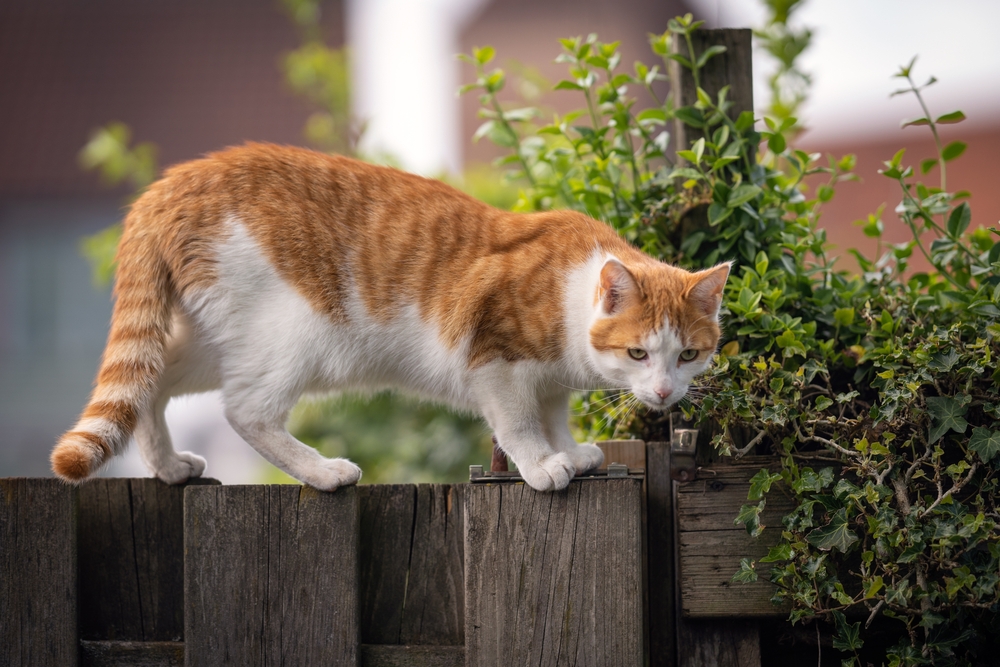
Cat escaping over fence showing why traditional and GPS dog fences fail to keep pets safe

Cats can easily scale traditional fences and GPS collars are heavy and inaccurate.


Why wireless dog fences disappoint

Wireless dog fences promise a quick, easy installation without digging. However, they rely on a circular boundary, which rarely suits the shape of UK gardens. Interference from trees, hedges, walls, and slopes can create unreliable or inconsistent boundaries.

Many dogs simply run through these zones when excited or scared. Once your dog crosses the line, they may not return due to the correction they receive on re-entry.


GPS dog fences and tracker collars: The critical misunderstanding

It’s crucial to understand the difference between tracking and containment.

GPS dog fences and GPS tracker collars do not stop your pet from leaving; they only show you where your pet has gone after they’ve escaped. Signal delays and coverage gaps can make these systems unreliable, especially in wooded or rural areas.

A heartbreaking real-world example:

“I bought a GPS collar hoping it would keep my cat safe. One night, the tracker took me to a road where I found her injured and had to put her to sleep. It didn’t prevent her from getting there.” — Story shared on East Dulwich Forum.

This tragic story highlights exactly why traditional and GPS dog fences fail when you need them most.


The risks of inadequate containment

When containment fails, the consequences can be severe:

  • Traffic accidents

  • Attacks on livestock or wildlife

  • Theft or loss

  • Stressful recovery attempts

  • Possible legal liabilities for owners


Why Wired Dog Fences Work: Proven, Reliable, and Safe

Wired electronic dog fences stand out because they offer consistent boundary signals, long battery life, and professional setup with expert training. Unlike GPS or wireless systems, they are not affected by trees, slopes, or interference, ensuring reliable containment in any garden. Our wired systems are also DEFRA tested and approved for safety and welfare. With our professional installation and training service, your pet learns clear, safe boundaries quickly and happily.

Why Choose a Wired Dog Fence?

  • 100% Consistent — no confusion for your pet
  • Long battery life
  • Keeps pets safe in their garden
  • Protects livestock and wildlife
  • Pets stay safe and enjoy freedom
  • Reduces stress for the owner
  • Lifetime warranty for peace of mind


How different containment options compare

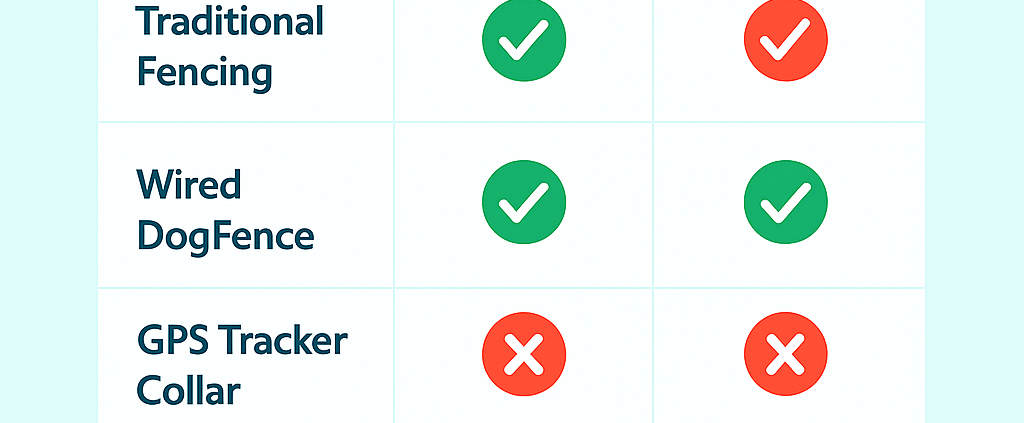
To help visualise why traditional and GPS dog fences fail, we created this simple, clear infographic comparing popular options. You can also read more in detail on our GPS and wireless dog fence comparison page.

Comparison chart showing why traditional and GPS dog fences fail and why wired dog fences are effective for pet containment

See why traditional and GPS dog fences fail compared to the proven effectiveness of wired dog fences for pet safety


Why a DEFRA-tested wired dog fence is the safe choice

A professionally installed, wired electronic dog fence — like our DogFence system — offers:

DEFRA approval, guaranteeing compliance with animal welfare standards.
✅ Effective containment for both dogs and cats.
✅ Adaptable to any garden shape, terrain, or landscaping.
✅ Reliable training with clear boundaries your pet understands.
✅ Peace of mind for you and freedom for your pet.


What our customers say

“This system has transformed our lives. Our spaniel Molly used to jump the fence constantly. We tried reinforcing it and even bought a GPS collar, but nothing worked. With DogFence, she now enjoys the garden safely, and we have total peace of mind.” — Verified Google Review


Call us today to find out what really works

The evidence is clear: why traditional and GPS dog fences fail comes down to one fact — they don’t truly contain your pet before danger strikes.

If you want reliable, proven protection, a DEFRA-tested wired dog fence is the safest and most humane solution.


Request a free quote today or
call us now on 01628 476475.

Your pet deserves the very best.


The Best Dog Fence Designs for UK Gardens: A 2025 Expert Guide

The Best Dog Fence Designs for UK Gardens: A 2025 Expert Guide

Updated July 2025

The best dog fence designs are often invisible! When it comes to keeping your dog safe while maintaining the beauty of your garden, not all fences are created equal. Whether you live in a rural estate or a suburban semi, the best dog fence designs for your property balance safety, aesthetics, and functionality.

What Makes a Dog Fence Design the Best?

The ideal dog fence should:

  • Prevent escapes reliably — even for diggers or jumpers
  • Blend into the garden or complement your outdoor design
  • Be safe and humane, especially for cats or smaller breeds
  • Suit your property layout (driveways, slopes, trees, etc.)
  • Comply with UK pet safety recommendations

Design is about more than looks—it’s about finding a system that matches your dog’s behaviour, your garden structure, and your lifestyle.

Top 5  Best Dog Fence Designs for Different Garden Types

  1. Hidden Electronic Fences
    Ideal for open gardens or listed properties, our hidden dog fence uses a buried wire and training protocol. It’s invisible, effective, and doesn’t obstruct the view.
  2. Decorative Physical Fencing
    Picket, wrought iron, or timber fencing can enhance your garden’s look while providing a visible boundary. Best for smaller dogs or combined with behavioural training.
  3. Multi-Zone Fencing Systems
    Our containment systems support safe zones and exclusion areas—perfect for gardens with ponds, chickens, or vegetable beds.
  4. Plant-Based Natural Barriers
    Hedges and shrubs (like hawthorn or lavender) can work well when combined with an invisible fence. Great for eco-conscious or aesthetic-focused owners.
  5. Portable or Temporary Fencing Panels
    Flexible and ideal for renters or seasonal use, these panels can block off patios or paths while still looking stylish.

Invisible Fences vs Traditional Fencing

Feature Invisible Dog Fence Traditional Physical Fence
Aesthetic Impact Invisible Visible
Works on Slopes Yes Sometimes
Installation Time 1 Day (Installed by DogFence) Days to Weeks
Pet-Specific Zones Yes No
Escape Risk Very Low (with training) Moderate (jumping/digging)

Learn more in our GPS vs Hidden Fence comparison.

Designing with Safety and Style in Mind

Modern dog fences don’t have to look like prison barriers. Whether you want something totally hidden or beautifully integrated, the best dog fence designs combine:

  • Pet-proof materials
  • Clear boundaries for training
  • Minimal interference with views or landscaping

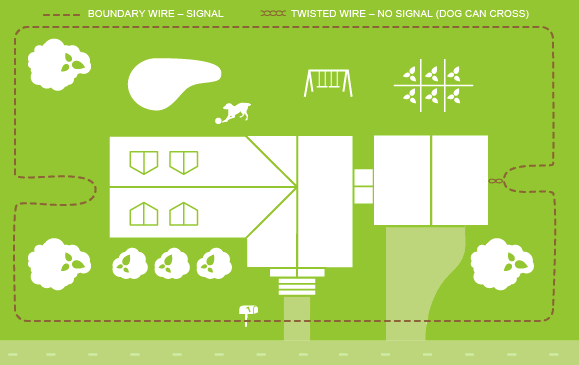
For example, in a property near Guildford, we installed a multi-zone system that excluded access to a chicken coop and pond while keeping a Golden Retriever safely contained within 1.5 acres. For many cat customers we install a “pinch loop” which is an installation designed to give the cat access to the rear garden only but also prevents the cat going out of the front of the property if the front door is left open. With these installations we “pinch” the cable in both sides of the house (for a detached house) which prevents the pet going from the back to the front.


pinch loop for dog fence and freedom fence wire keeps the cat in the rear but prevents them from going on the driveway making it one of the best dog fence designs.

A “pinch” loop is one of the best dog fence designs to keep pets in the rear garden whilst protecting the front.

And for customers who want to keep their pets out of rooms or off the sofa etc we also offer indoor training solutions. With our indoor fences  owners can create both indoor and outdoor boundaries. See how it works here.

Curious how design factors into your decision? Our dog fence design guide explains the pros and cons.

Planning a Dog-Friendly Garden Layout

Choosing the best dog fence design is just one piece of your overall garden plan. To complement your fencing, it’s worth exploring garden layout tips that integrate pet-safe planting, shaded zones, and play areas. For inspiration, check out RHS garden design advice—their expert guidance can help you create a space that’s both beautiful and pet-friendly.

For more ideas, check out our best dog fence designs for UK gardens.

Customer-Favourite Fence Designs

“Absolutely delighted with the service from DogFence. We had a system installed just before Christmas for our rescue dog and it has worked brilliantly. She has not escaped once, and the training she received from the engineer was excellent.” – Julie, Devon

“DogFence has given us enormous peace of mind that our labarotty and his mother rottweiler cannot and will not stray off our property.” – Charles, Gloucestershire

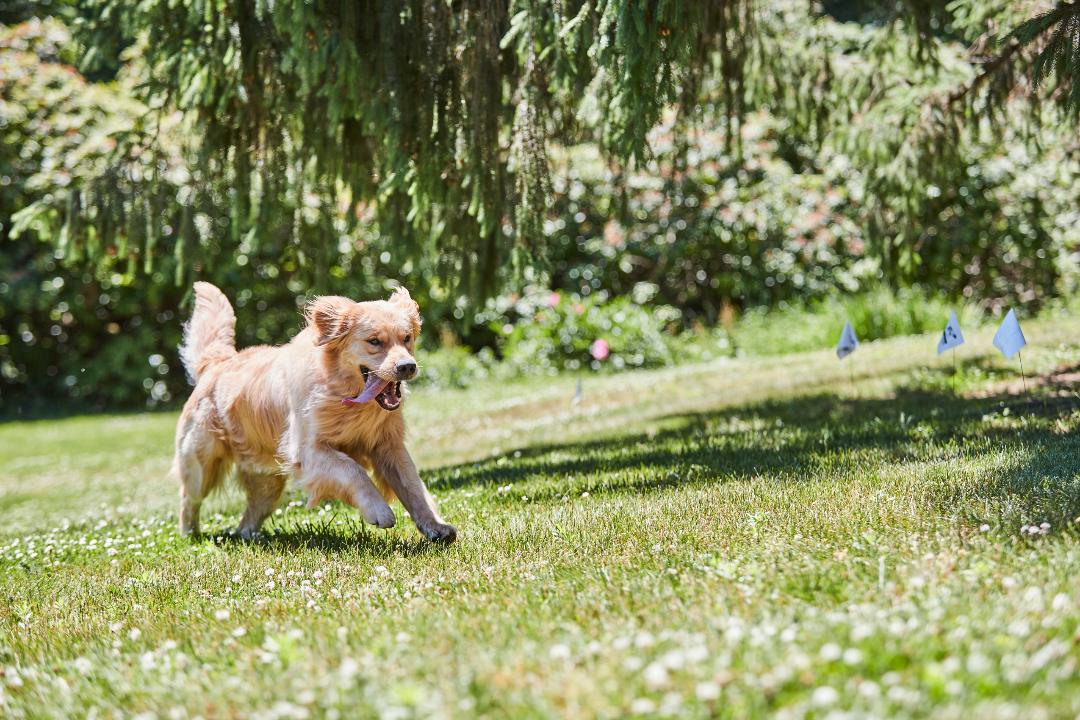
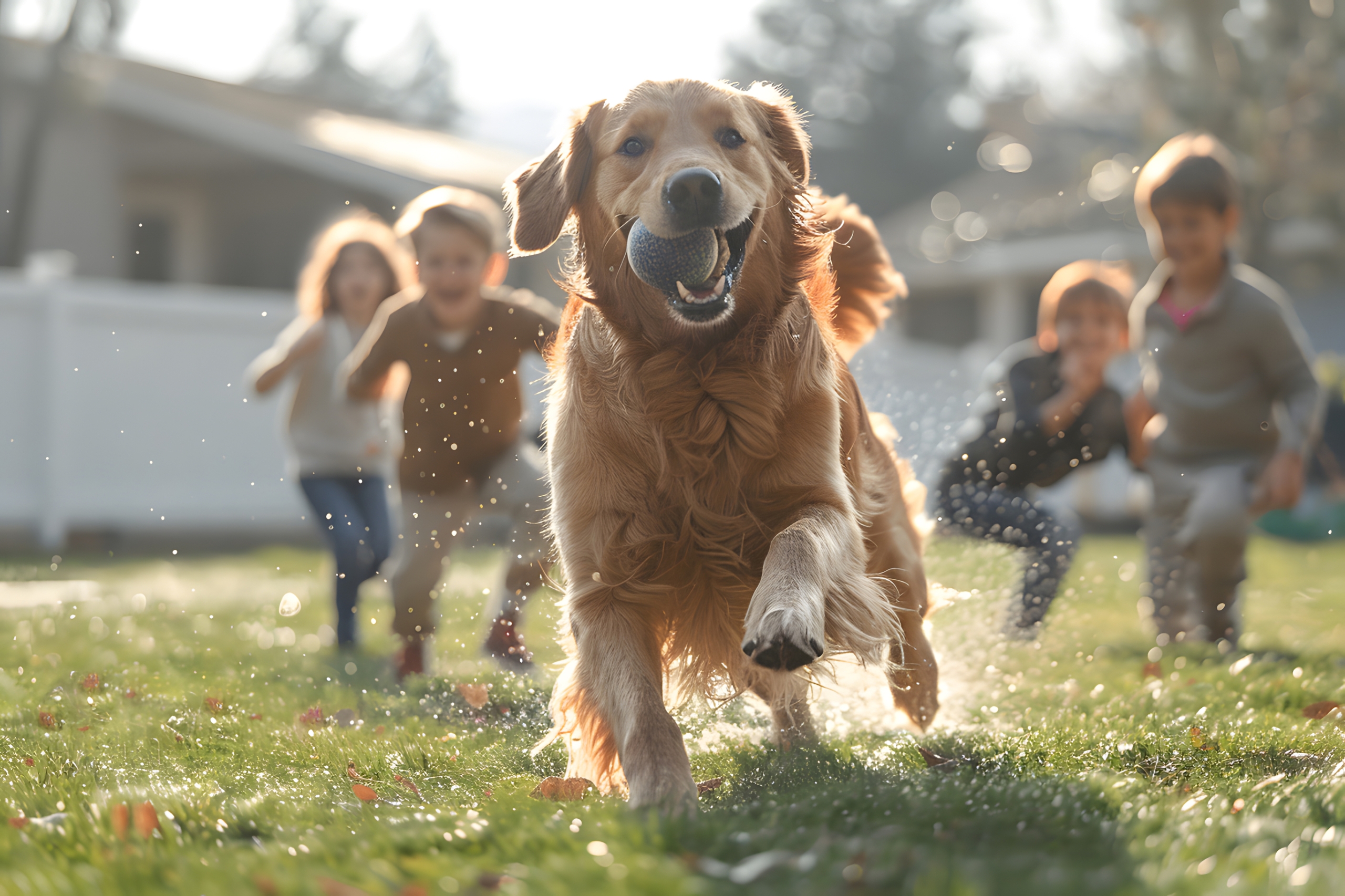
Alt tag: Dog in a landscaped garden with invisible dog fence system

Dog in a landscaped garden with invisible dog fence system

Freedom to run, with complete peace of mind — a hidden dog fence protects your garden without spoiling the view

FAQs About Choosing the Best Design

Here are some common questions about choosing the best dog fence designs for your garden.

What’s the best fence design for large dogs?

Invisible fences with clear training boundaries are ideal—they remove the risk of dogs scaling or digging under traditional fences.

Can I install a dog fence on a slope or around trees?

Yes. Our system works on all terrains and won’t affect your landscaping.

Are hidden dog fences safe?

Absolutely. Our system has been DEFRA-reviewed and safely used on over 20,000 pets since 2003.

Which Fence Is Right for Me? – Quick Checklist

Use this guide to help decide which of the best dog fence designs suits your home and your pet’s personality:

Question Yes No
Do you want to keep your garden view completely open? ✅ Hidden Electronic Fence ❌ Consider decorative or portable panels
Do you need to block off areas like ponds, driveways, or coops? ✅ Multi-Zone Containment System ❌ Single-zone may suffice
Is your property sloped or wooded? ✅ Invisible Fence (works on all terrain) ❌ Physical fencing may require landscaping
Are you renting or want a non-permanent solution? ✅ Portable/Temporary Panels ❌ Go for a professionally installed system
Do you want your fence to blend with plants or hedges? ✅ Combine with natural barriers ❌ Use standalone panels or fencing
Is your dog a jumper or digger? ✅ Hidden Fence with training ❌ Traditional fences may be breached

Pro Tip:

Screenshot this checklist or print it out to help guide your decision! 

Ready to Find Your Perfect Fence Design?

Get expert advice, fast installation, and long-term support from the UK’s leading dog containment specialists. We’ll help you choose from the best dog fence designs available.

Call us now: 01628 476475

Request a Free Quote


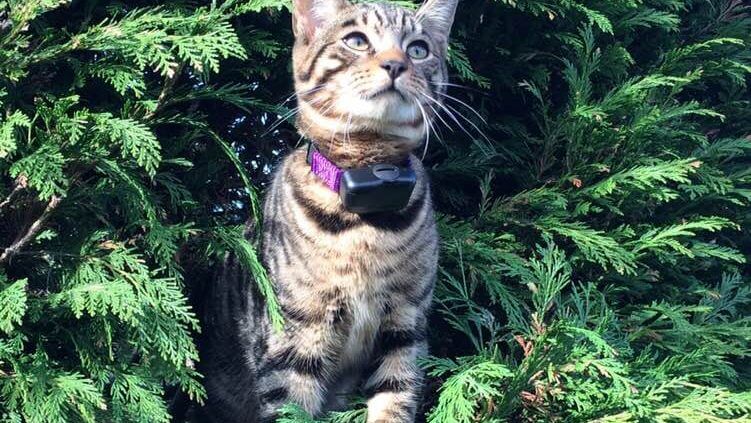
Tabby cat exploring safely in garden bushes wearing Cat Fence containment collar

Keep Cats Safe Outdoors with DogFence | Trusted Containment Systems

Keep Cats Safe Outdoors — Why More Owners Are Choosing DogFence


Want to keep cats safe outdoors without compromising their freedom? DogFence offers a proven, gentle solution that works. When we talk about ways to contain cats safely, most people don’t think of an electronic pet fence. But here’s the reality: our system isn’t just for dogs — it’s a lifesaving solution for cats, too.

We’ve been helping owners answer that important question “How do I keep for cat safe outdoors?” With over 22 years of protecting pets, DogFence has transformed outdoor freedom for cats across the UK and given peace of mind to owners and freedom to cats.

The Hard Truth: 50% of Cats Under 5 Die on UK Roads

Nearly half of all cats under five in the UK are killed by cars. Even the smartest, most cautious cat can’t always avoid traffic.

Keeping them indoors might seem like the only way to keep cats safe outdoors, but cats crave stimulation and adventure. Our system offers the best of both worlds: safe outdoor freedom without the danger.

Cat enjoying the garden safely thanks to DogFence — keep cats safe outdoors

“Relaxed and safe — enjoying the garden thanks to DogFence, the trusted way to achieve outdoor cat safety.”

How Our Cat Containment System Works

So, how does it work to keep cats safe outdoors?

  • A thin boundary wire is discreetly buried around your garden or space.
  • The wire emits a harmless radio signal picked up by your cat’s lightweight collar.
  • Approaching the boundary triggers a warning beep — a gentle reminder to stop.
  • If ignored, a soft static pulse encourages them to turn back.
  • After training, they learn exactly where they can safely roam.

Thanks to advanced technology, our collars are now the smallest and lightest in the world, perfect for delicate cats. Want to learn more – read our Cat Fence page here:

Training: Keep Cats Safe Outdoors with Gentle, Personalised Support

Training is key when you want to keep cats safe outdoors confidently.

Cats start indoors with our mobile indoor training devices. Once they understand — beep + flag = retreat — they move to supervised garden sessions. The same flags reinforce the boundary, helping them connect cues to safety.

Cats are highly intelligent, often learning faster than large dogs. Each cat receives a personalised training approach.

Our collars can be individually adjusted and include a light alert that shows if your cat has activated it within 24 hours — helping you monitor the outdoor safety for  your cat long-term.

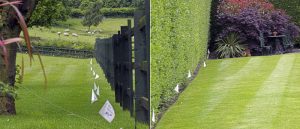
Training flags marking garden boundary to keep cats safe outdoors with DogFence system

Training flags help teach cats safe boundaries in the garden — a vital step to keep cats safe outdoors with DogFence

Backed by Science: Feline Friends & Prof. Daniel Mills

In 2016, Feline Friends partnered with the University of Lincoln to study cat containment systems. Results showed no long-term welfare issues and cats were often more confident and relaxed than free-roaming cats.

Vet behaviourist Professor Daniel Mills supported these systems, noting they reduce road risks while allowing cats to enjoy safe outdoor freedom.

Supported in Parliament — Even with Poetry!

In August 2018, the UK Government discussed pet containment. Michael Gove and John Hayes defended these systems, even quoting T. S. Eliot’s Old Possum’s Book of Practical Cats to highlight cats’ spirit and why they deserve safety outdoors.

Their support helped ensure these systems were excluded from the EPTA ban, letting cats enjoy safe adventures.

Why Cat Owners Love DogFence to Keep Cats Safe Outdoors

  • Peace of mind knowing your cat stays away from roads.
  • Freedom to explore, reducing indoor stress.
  • Lightweight collars, comfortable and discreet.
  • Comfort Contacts for shorter haired cats.
  • No ugly fencing — your garden stays beautiful.

Since introducing ultra-light collars, more owners choose DogFence to keep cats safe outdoors. We’ve seen countless transformations and happy stories.

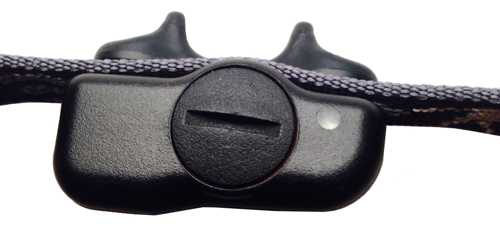
DogFence lightweight cat collar with comfort contacts for keeping cats safe outdoors

The ultra-lightweight DogFence collar with comfort contacts — designed to keep cats safe outdoors comfortably

Real Stories, Real Results

“Our adventurous tabby used to disappear for days — we constantly feared the worst. Now she happily patrols the garden, safe and sound. It’s life-changing.” — Jane, Oxfordshire.

“I can finally relax knowing my cat is enjoying the garden and won’t run into the road. Thank you, DogFence!” — David, Sussex.

Why Choose DogFence?

  • Over 22 years of proven success.
  • Specialist training and support tailored to each cat.
  • The smallest and lightest collars on the market.
  • Our Lifetime Containment Promise — we’re with you every step.

Ready to Keep Cats Safe Outdoors and Give Them Freedom?

Let’s chat today!

Call us on 01628 476475

Request a free quote online

Message us on WhatsApp

Your cat deserves adventure — without the risks beyond your garden.


Pet Trackers vs Invisible Dog Fences: Which is best for your Pet’s Safety?


Pet Trackers vs Invisible Dog Fences: Which is Best for Your Dog’s Safety?

Pet tracker vs invisible dog fence

Dilemma? Confused about Pet Trackers vs Invisible Dog Fences? In an increasingly tech-savvy world, pet owners have more options than ever to ensure their furry friends stay safe. Two popular technologies that often get compared are pet trackers and invisible dog fences. While both aim to protect your pet, they serve different purposes and are suited to different types of dogs, cats, homes, and lifestyles. So, which is right for you?

Comparison of a pet tracker and invisible dog fence, highlighting the differences in protecting pets with GPS tracking versus a boundary-containment system

Pet Tracker vs Invisible Dog Fence: A comparison of two technologies designed to keep your dog safe

What Are Pet Trackers?

Pet trackers, often GPS-enabled collars or tags, allow you to monitor your pet’s location in real time. They’re typically connected to a mobile app and offer features like:

  • Real-time GPS tracking
  • Activity monitoring (like Fitbits for pets)
  • Geo-fencing with alerts when your pet leaves a defined area

These devices are great for urban settings or on-the-go lifestyles—like if your dog comes to work with you or joins you on hikes.

However, they have limitations:

  • They don’t prevent your pet from leaving the property.
  • They rely on a mobile network and battery life.
  • There’s often a monthly subscription fee.

Explore more about keeping dogs safe in urban environments.

What Are Invisible Dog Fences?

Invisible dog and cat fences, such as the professionally installed DogFence.co.uk electronic pet containment system, create a safe boundary using a buried wire or wireless signal. When your dog approaches the boundary, a warning beep is followed by a mild correction if they continue.

Benefits include:

  • 24/7 containment—even when you’re not home
  • Effective for large properties and rural areas
  • Customisable boundaries for gardens, driveways, ponds, etc.
  • Safe for multi-pet households

Unlike pet trackers, invisible dog fences actively prevent your pet from escaping, giving you peace of mind when your dog is outside unsupervised.

Curious how it works? Visit our Invisible Dog Fence page.

Side-by-Side Comparison

Feature Pet Tracker Invisible Dog Fence
Function Tracks pet location Prevents pet from leaving a boundary
Real-time alerts Yes Yes (audible/correction cues for pets)
Relies on signal Yes – needs GPS & phone signal No – uses radio signal – buriedPet Tracker vs Invisible Dog Fence: A comparison of two technologies designed to keep your dog safewire
Subscription needed Often yes No
Battery powered Yes (rechargeable) – Heavy Yes (collar receiver) – Lightweight
Installation Plug and play Professional or DIY setup available
Best for Walks, travel, urban pets Home and garden containment

Why Choose One Over the Other?

If you are still confused over Pet Trackers vs Invisible Dog Fences this may help?

  • Use a pet tracker if your dog is often with you, you enjoy tracking their activity, or you need a backup in case of escape.
  • Choose an invisible fence if your top priority is preventing your dog from leaving your property in the first place.

In fact, some of our customers use both! The tracker gives them peace of mind when out and about, while our invisible dog fence protects their pet at home.

Thinking about installing a dog fence? Check out our DIY SmartFence system or contact us for professional installation.

Final Thoughts

Your pet’s safety is everything. While pet trackers offer real-time location updates, they don’t stop your dog from wandering into danger. Our invisible dog fences offer a proactive solution—training your pet to stay safe within a defined boundary.

Still unsure? Contact our team and let us help you choose the best fit for your lifestyle.

Call us: 01628 476475


cat laying in the road not contained by dog fence

How to keep your cat safe outdoors

A new solution to keep  your cat safe outdoors

Cat are naturally active and love to do their own thing.  I’s a continual concern for owners as to how to keep their cats safe outdoors, particularly when they have unlimited access to the big wide world.  Unfortunately their tendency to wander leads to around 300,000 cat deaths on UK roads every year, a staggering number considering how much we take care of them when they are at home.

On top of the danger posed by roads, an outdoor cat also faces potential run-ins with other animals on neighbouring properties, dogs walking off the lead nearby, or bigger cats protecting their territory.

A cat’s natural prey drive will also drive them to explore further afield into tempting wildlife rich areas, such as woods or local parks.  Not only does this pose a problem to preserving local wildlife, but can also cause your kitty to take unnecessary risks dashing across busy roads to catch prey, or getting stuck in buildings or trees as they hunt.

cat safe outdoors

Enjoying the garden.


As a concerned cat owner, there are a couple of ways that you can keep your cat safe and sound. One solution is to set up a wire fencing system around your garden that is angled to stop your cat being able to escape.  However these are generally costly, can ruin the look of your garden and be an eye-sore to your neighbours.  Cats are also notorious escape artists and have been known to climb these fences to reach overhanging branches to make their getaway.

The other option is to try a CatFence, an invisible barrier system that trains your cat not to stray over a safe boundary you create.  Providing a stress free and safe environment for your kitty. A CatFence is revolutionary system to keep cats safe outdoors. The fence was trialed by Feline Friends a charity in Derbyshire.

This unobtrusive barrier is a hidden fence consisting of a central control box that transmits a coded FM radio signal through a boundary wire that has been laid around the property. To train your cat not to stray over this set boundary, they wear a computer collar that houses a tiny FM receiver.  As your cat moves towards the signal the collar emits an audible signal to indicate they should stop and turn back. If the cat continues towards the wire the collar gives a small “corrective shock” set to you cat’s individual requirements.

After completing the training cats quickly learn to understand the warning beep, and will immediately turn back into the allowed zone, thus avoiding correction.

Advantages of a CatFence system

A safe and simple training programme to keep your cat safe outdoors

As any cat owner will know, your cat is the king of its domain and will not do anything that it does not want to.   This is why the CatFence system uses a form of training specifically designed for the needs of your cat.

Our  training  accounts for each cat’s natural personality, curiosity, and movement and starts in the home, where the cat is most comfortable.   When your cat is ready, we take training outside to allow your feline friend to learn where it can and cannot go.

You set the safe boundary

You are in control of where you set the CatFence boundary to allow your cat to wander through your garden without a care, whilst keeping them clear of any potential dangers such as poisonous plants, neighbouring properties and busy roads.  When setting the boundary you can also protect areas of your property from your pet such as a fish filled pond.

Tackle in house worries

There is the possibility that you live on a street without feline dangers, but you have a home sized scratching post. Cats need to scratch to get rid of dead cells on their claws, as well as to help them stretch out their bodies and paws. Unfortunately for you, your cat may not always use the expensive scratching post that you bought, choosing instead your furniture, carpets or curtains. If this is the case then your cat’s collar works with the special indoor system that allows you to cordon off parts of your home keeping rooms and furniture out of bounds.  It can be set on almost any surface and can stuck to door frame if you want to section off a whole room from a feline fiend.

Let your cat know there is always safety at home. The CatFence containment system is the perfect way to ensure that your cat stays happy and healthy whilst still enjoying a life outdoors. If you have any concerns about how to keep your cat safe outdoors, due to busy roads or other potential threat, please call us for a quote on 01628 476475.

Links: https://www.feline-friends.org.uk/