How Tight Should a Dog Fence Collar Be? Complete Fitting Guide

How Tight Should a Dog Fence Collar Be? A Guide to Safe & Comfortable Fitting

How tight should a dog fence collar be is a very common question we receive from owners using an invisible dog fence for the first time. Getting the fit right is essential for comfort, effectiveness, and your dog’s safety. A correctly fitted collar helps your dog learn the boundary quickly and ensures the system works exactly as intended.

At DogFence Ltd, we’ve safely contained over 20,000 pets, and we know from experience that collar fit is one of the most important parts of the process. The good news is that it’s simple — and once fitted correctly, your dog can enjoy complete freedom in the garden without risk of escape. If you would like to know more about how our dog fence collars works read here:

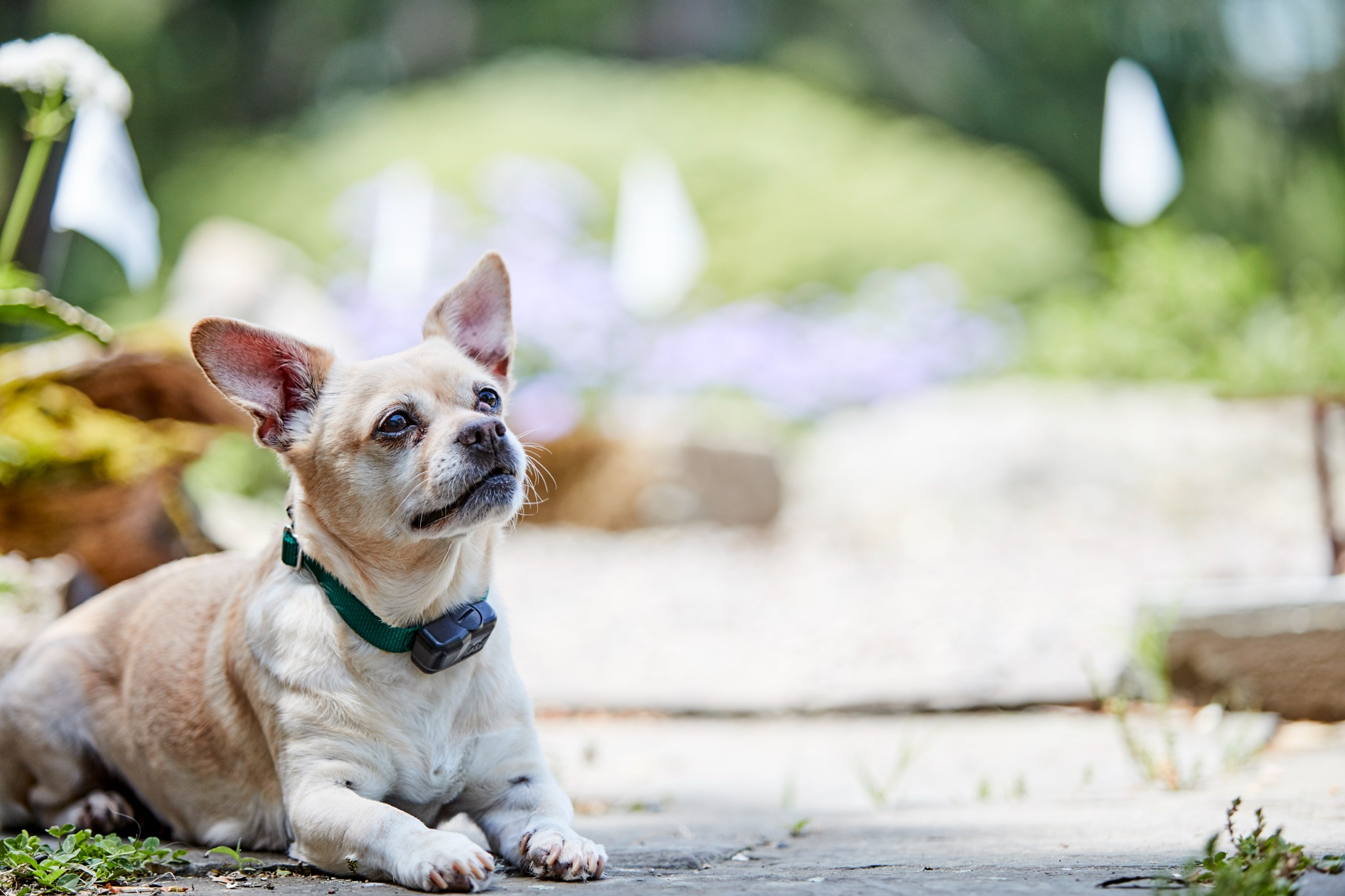
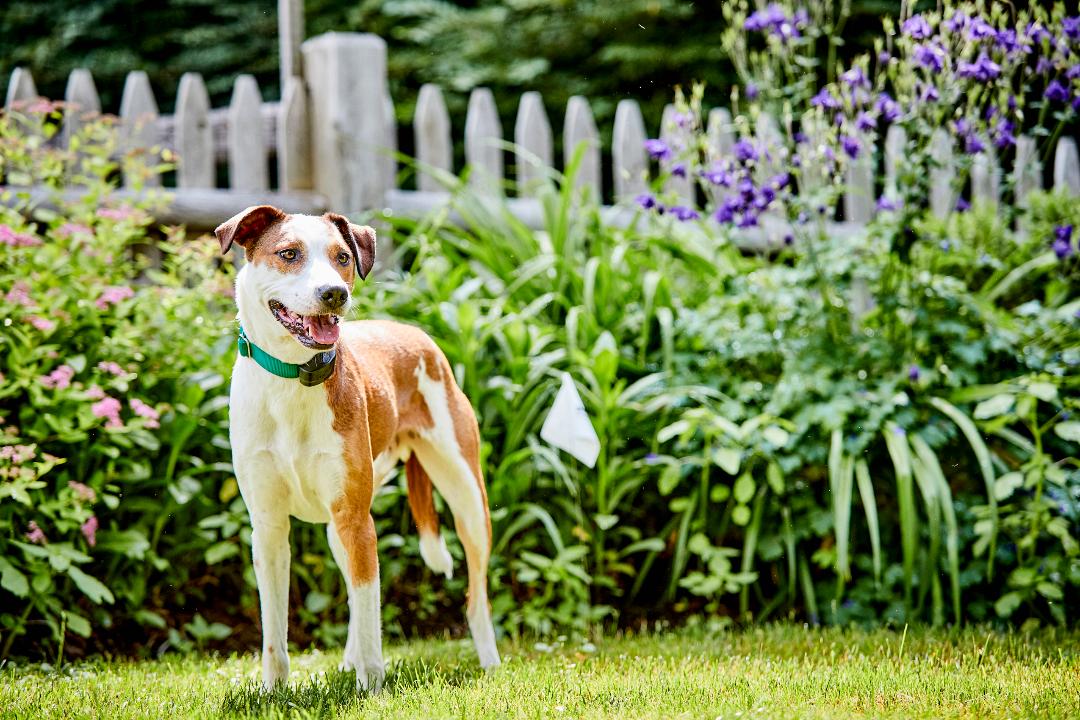
Small dog wearing a correctly fitted dog fence collar while relaxing safely in the garden


So, How Tight Should a Dog Fence Collar Be?

The collar should be fitted snugly — similar to a regular flat collar — but not tight. A good guideline is the classic “two-finger rule”. You should be able to slide two fingers comfortably between the strap and your dog’s neck.

Check how to fit the dog fence collar correctly

A snug fit is essential because the collar needs to make gentle contact with the skin in order to communicate effectively. Without consistent contact, the collar may not activate properly, or the training level may need to be increased unnecessarily.

If you aren’t sure whether the fit is right, our Professional Installation team can help check and adjust it during training.


Why Correct Collar Fit Matters

When owners ask how tight should a dog fence collar be, what they’re really asking is: “How do I make sure it’s comfortable and safe?” Here’s why it matters:

  • Comfort – a properly fitted collar won’t rub or irritate the skin.
  • Consistency – the boundary signal works reliably when the posts make light contact.
  • Lower training levels – good contact means gentle, low-level settings are effective.
  • Faster learning – your dog will respond quickly to the warning beep and learn to retreat.

These factors all contribute to a positive training experience and support the fact that dog fence collars are safe when fitted and used properly.


How to Check Whether the Collar Is Too Loose

If the collar moves around easily, slides off-centre, or drops forward toward the chest, it is too loose. A loose collar can cause:

  • rubbing or chafing due to movement
  • inconsistent contact
  • intermittent boundary signals
  • confusing training for the dog

This is one of the most common fitting mistakes we see. A loose collar does not make the system “kinder” — in fact, the opposite is true. Poor contact makes the warning inconsistent, so your dog learns more slowly and may become confused.


Signs the Collar Is Too Tight

A collar that is too tight may cause:

  • indentations in the fur after removal
  • difficulty sliding two fingers under the strap
  • visible discomfort

Dog fence collars do not need to be tight — they simply need light, consistent skin contact.


Understanding the Contact Posts

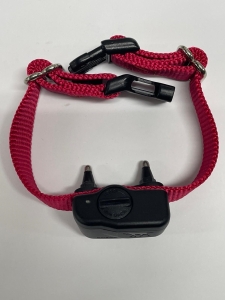
The posts on the collar are rounded stainless-steel contacts — not spikes or prongs. Their role is similar to the pads on a TENS machine: they must touch the skin lightly to allow the collar to send the training cues.

For long-haired dogs, longer posts may be needed to reach the skin. For short-coated dogs, owners can choose our Smooth Comfort Contacts, a softer conductive option. If you’re unsure which your dog needs, just ask during installation.

Dog fence collar with stainless steel contact posts showing the safe, comfortable fit for pets

The DogFence collar with stainless steel contact posts

Comfort Contacts: A Softer Option for Short-Coated Dogs

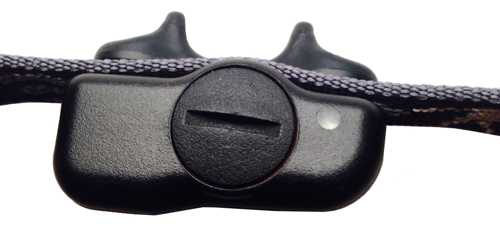
For dogs with smooth or short coats, DogFence also offers Comfort Contacts — specially designed conductive plastic contact posts that replace the standard stainless steel contacts.

Comfort Contacts are softer to the touch and are ideal for short-haired breeds where reaching the skin does not require longer contact posts. They provide the same reliable communication as stainless steel contacts, while offering an extra level of comfort for suitable dogs.

It’s important to note that Comfort Contacts are not suitable for long-haired or thick-coated dogs, as they may not consistently reach the skin. As with all dog fence collars, correct collar fit remains essential — Comfort Contacts still need light, consistent skin contact to work effectively.


Smooth Comfort Contacts for short-coated dogs demonstrating how safe dog fence collars are when fitted correctly

Smooth Comfort Contacts provide gentle, reliable skin contact, helping to ensure dog fence collars are safe and effective for pets


Remove the Collar Overnight

For comfort and skin health, we always recommend removing the dog fence collar overnight or when your dog is indoors for extended periods. This prevents any risk of irritation and gives the skin time to breathe.


Government Testing Confirms Safety

Many owners ask about collar fit because they want reassurance about safety. Multiple studies — including DEFRA-funded research from Newcastle University (Cooper et al.) and the UK Government’s own review (DEFRA) — confirm that containment collars are safe when used and fitted correctly.

Proper fit is part of what ensures the system remains gentle, humane, and reliable.


Need Help Fitting the Collar?

Our installers are highly experienced at fitting collars for all breeds — from small terriers to long-coated working dogs. If your dog is nervous, wiggly, or unsure, we can help you get the perfect snug fit without stress.


Keep Your Dog Safe With a Trusted DogFence System

Call us on
01628 476475
|
Chat to us on WhatsApp
|
Request a Free Quote Online

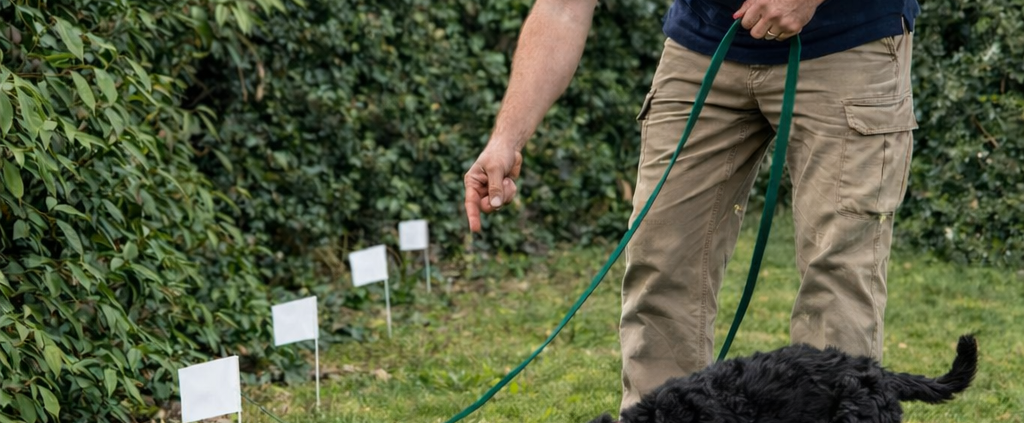
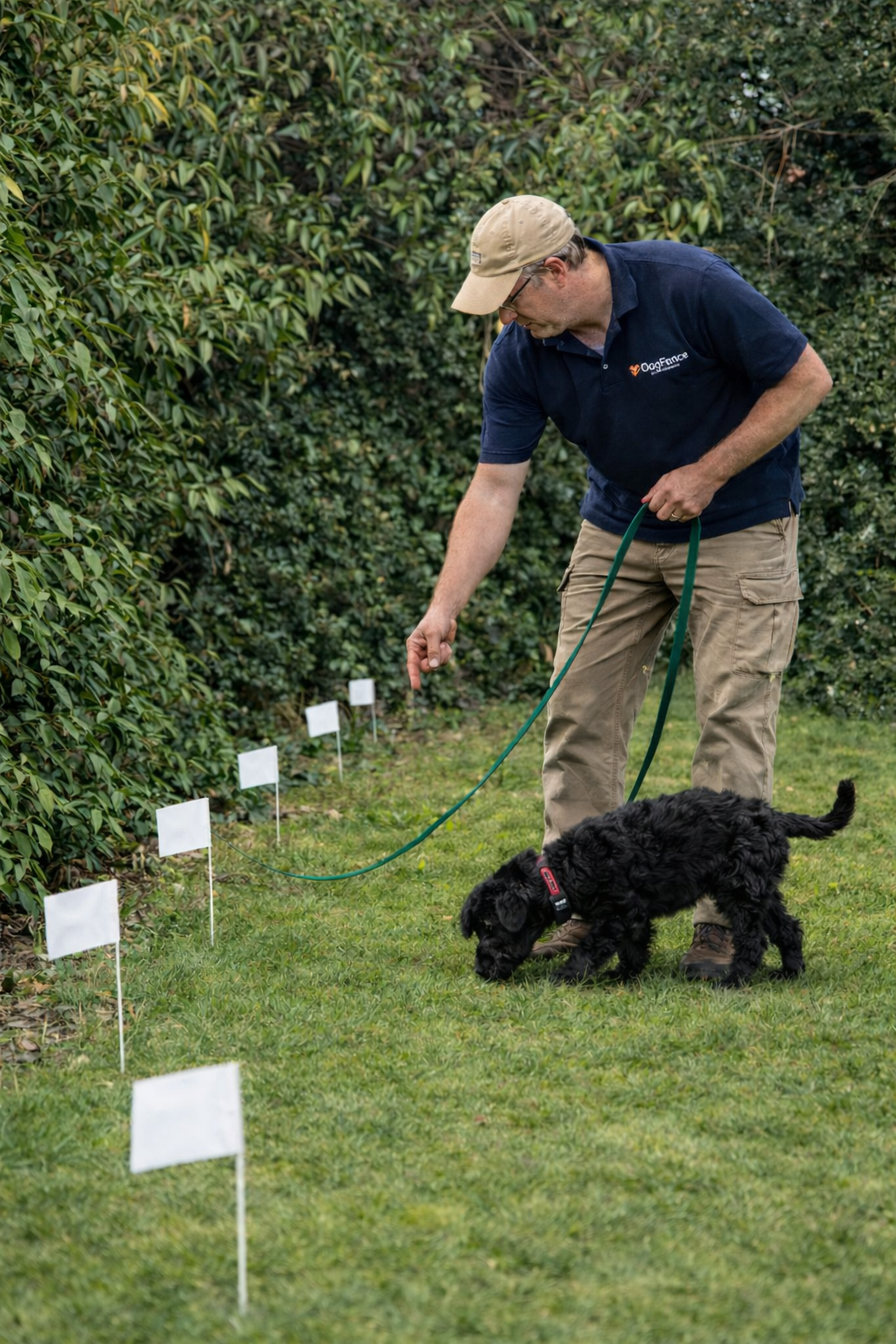
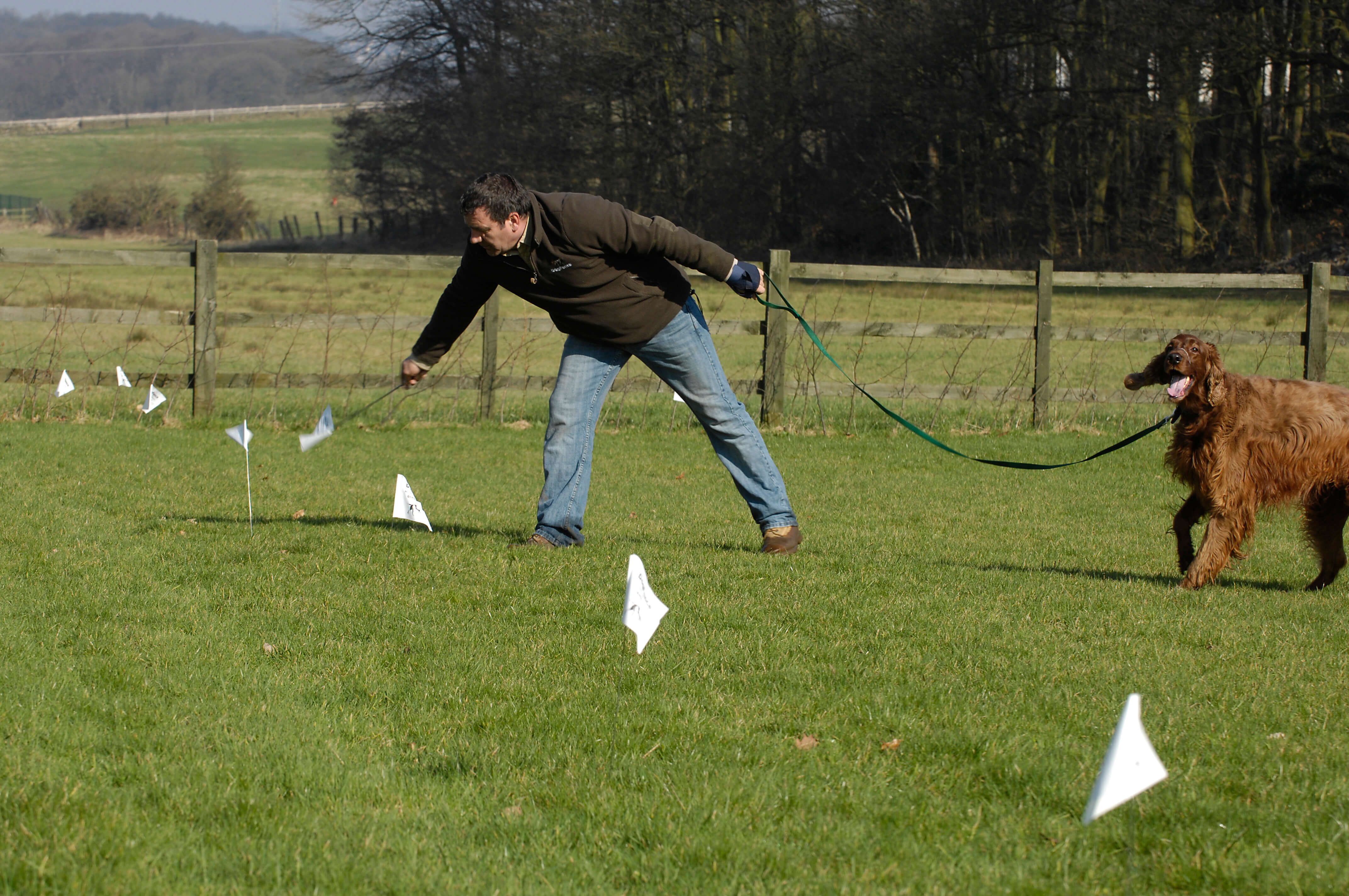
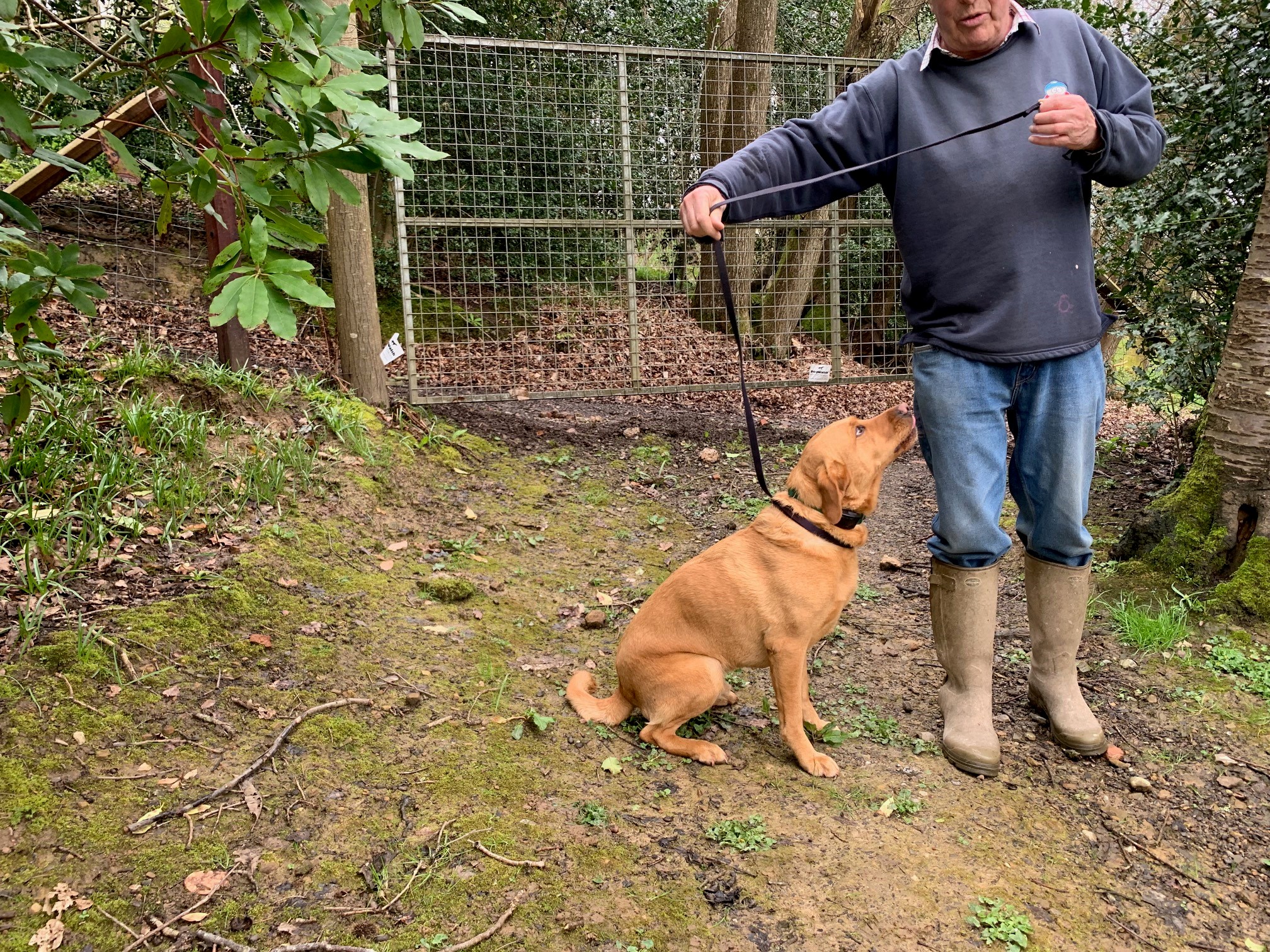
DogFence trainer guiding a young puppy on a lead during early boundary training with electronic fence flags placed along the hedge line

Puppy Electronic Fence Training Age | DogFence UK Guide

When Can a Puppy Start Training with an Electronic Fence? A Comprehensive Guide

Dog Fences, aka electronic fences, or invisible fences, offer a safe and effective way to contain your dog within your property. However, when it comes to puppies, it’s crucial to understand the appropriate age and developmental stage before introducing them to the electronic fence. Starting too early can be detrimental to their long-term uptake on the “fence”.  For owners new to boundary training, our guide on when a puppy can start training with an electronic fence explains the ideal age and the foundational skills a puppy needs before they begin.

If you’re new to this approach, understanding how electronic dog fences work will help explain why timing, training, and developmental readiness matter so much for puppies.

The Importance of Age and Development for Successful Training

Puppies are still developing physically and mentally. Introducing electronic fence training too early can lead to:

 Anxiety: A puppy may not understand the correction and become fearful of the boundary or even the entire garden.

  • Confusion: They may not be able to effectively associate the warning tone and correction with the boundary.
  • Long-Term Behavioural Issues: Negative experiences early on can lead to lasting anxiety or avoidance behaviours.

Beyont age, your puppy neede some fundamental skills in place. They must walk comfortably on a lead and consistently respond to basic verbal commands such as “come,” “sit,” and “no.” These foundational skills are crucial for effective communication during the training process.

The Recommended Age: 4-6 Months and Beyond

Generally, it’s recommended to wait until a puppy is at least 4-6 months old before starting electronic fence training. This age range ensures they have:

  • Sufficient Cognitive Development: They are better able to understand cause and effect and associate the warning tone and correction with the boundary.
  • Improved Bladder and Bowel Control: This is important for miniminimizingidents during training.
  • A Level of Maturity: They are less easily overwhelmed or stressed by the training.

Important Note: Even at 4-6 months, each puppy develops at their own pace. Consider these factors:

  • Breed: Some breeds mature faster than others.
  • Temperament: A more sensitive puppy may require a slightly later start.
  • Training Foundation: Ensure your puppy has a solid foundation in basic obedience commands before introducing electronic fence training.

When introducing young dogs to containment systems, it’s also important to consider timing and readiness — see our guide on when a puppy can start training with an electronic fence for age-appropriate training advice.

The Crucial Role of Training Flags

Training flags are absolutely crucial for your puppy’s success with an electronic fence. They provide a vital visual cue that helps your puppy understand where the invisible boundary lies.

  • Initial Training: During the initial training phase, flags mark the exact perimeter of the warning zone, allowing your puppy to associate the flags with the tone visually and, later, the correction.
  • Adding a New Puppy to an Existing System: If you’re introducing a new puppy to an existing DogFence system, you must reinstall the flags. Even if older dogs no longer need them, the puppy requires this visual aid for clear understanding.
  • Flag Density: Ensure you have sufficient flags. We recommend a minimum of 1 flag every 8-10 feet (approx. 2.5 – 3 meters) around the entire boundary. This density provides clear, consistent visual markers for a young, learning dog.
  • Mail Order Systems: For mail-order only systems, verify that the flags are a minimum of 12 inches tall and that you have between 20-25 flags per 100 meters of cable supplied. This ensures adequate visibility and training effectiveness.

Boundary flagged with white dog fence flags for visual for dogs

DogFence UK: Pioneers in Containment & Our Unique Containment Promise

DogFence Ltd. pioneered the concept of both installing electronic dog fences and providing expert, hands-on dog training to the fence here in the UK. Getting puppy boundary training right from the start is essential for helping young dogs understand garden limits safely and confidently.

This integrated approach sets us apart, ensuring not just a technically sound system, but a truly effective containment solution tailored to your dog. We are the only UK company to offer a unique Containment Promise – a testament to our confidence in our systems and our training methodology.

While some might find it amusing, this promise comes with simple, yet vital, provisos. Meeting these criteria ensures the system’s effectiveness and your peace of mind:

  1. Collar Must Be Worn: The dog must always wear the collar when he or she is in the garden. If your dog escapes and was not wearing the collar, it is not our responsibility – the collar is the key to their safe boundary.
  2. Authorised Working Battery: The owner agrees to keep an authorised workiauthorized in the collar. Cheaper imitation batteries do not last as long and, more critically, can cause damage to the omni-directional antenna in the collar, effectively disabling it and compromising your dog’s safety.
  3. Correct Collar Fit: The collar fit must be correct. If the collar is too loose and dangling off the dog like a necklace, it becomes merely a fashion accessory and not a containment collar. A proper fit ensures the contact points can deliver the correction effectively and safely.

If these three crucial criteria are consistently met, and your dog begins to challenge the fence, we will re-visit and re-train your dog free of charge (FOC). This commitment underscores our dedication to your dog’s safety and your satisfaction.

Puppy Boundary Training: Why Age and Development Matter

Puppy boundary training is about helping young dogs learn where they can go, not punishing them for curiosity. At this early stage, puppies are still developing their ability to link cause and effect, which is why calm guidance, clear visual markers, and consistency are so important. When puppy boundary training is introduced at the right age and paced correctly, it becomes a positive learning experience that builds confidence rather than anxiety. By combining visual training flags, lead guidance, and gentle reinforcement, puppies learn to recognise and rerecognizeir safe area long before the electronic boundary ever becomes “invisible” to them.

If you’re wondering when it’s safe to begin training, our guide on puppy electronic fence training age explains the ideal age to start and how to introduce boundaries gently and safely.

Simple Steps for Training your Puppy to the Dog Fence

When your puppy is ready and you have your flags in place, introduce the electronic fence training gradually and use positive reinforcement techniques:

  1. Collar Acclimation: Let your puppy wear the collar (turned off) for short periods to get used to it.
  2. Boundary Awareness with Flags: Walk your puppy on a lead near the boundary flags. As they approach the flags, praise and reward them lavishly for staying within the safe zone, using your basic verbal commands.
  3. Tone Association: Introduce the warning tone as they near the flags, immediately guiding them back and rewarding them for responding correctly (e.g., backing away from the flags).
  4. Correction Introduction (with care): Only introduce the static correction at a very low level, ensuring it’s just enough to get their attention and make them stop, not to cause pain or fear. Closely observe their reaction and ensure a proper collar fit.
  5. Consistent Training Sessions: Keep training sessions short (5-10 minutes), positive, and consistent (several times a day). This consistency is vital for your puppy to fully grasp the boundary concept.
  6. Positive Reward: Always make your sessions fun and upbeat and give plenty of reward and praise at the end of the session.
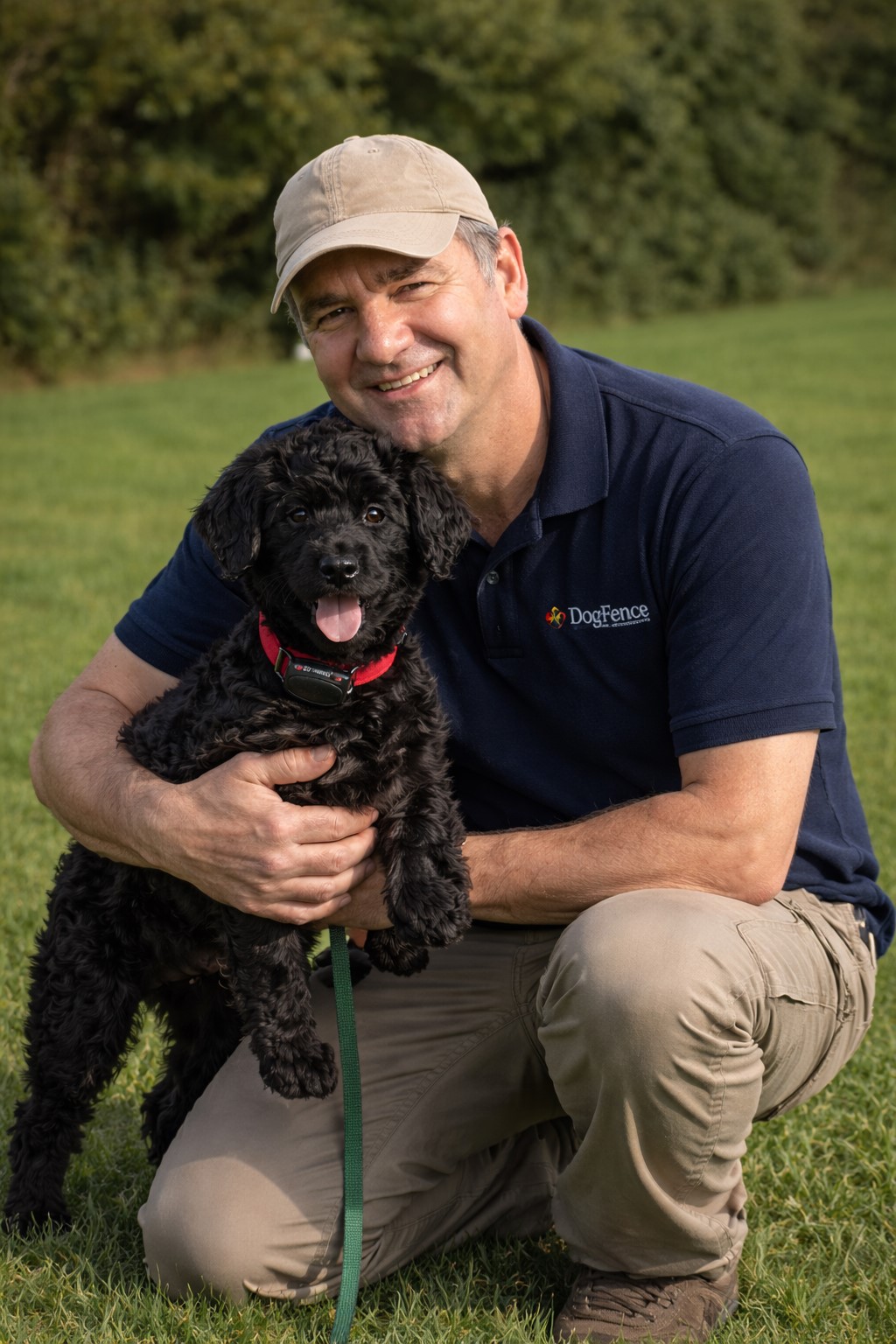
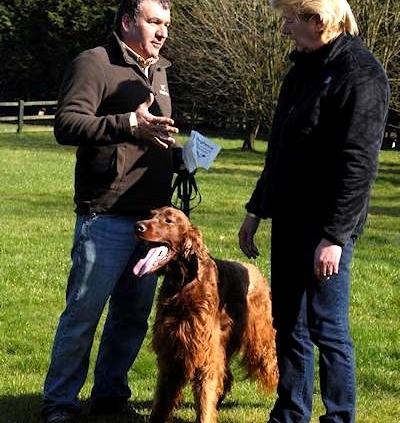
DogFence trainer holding a young puppy during early electronic fence training and collar acclimatisation in a garden

Praise and reward are an important stage of puppy training to an electronic dog fence

Consulting Your Vet

Always consult with your veterinarian before beginning electronic fence training with your puppy. They can assess your puppy’s individual development and provide personalised recpersonalized, ensuring their health and well-being are prioritised.

Conprioritizedroducing electronic fence training at the right age, with the proper prerequisites, and with the vital aid of training flags, is crucial for your puppy’s safety and successful containment. By trusting in DogFence UK’s pioneering expertise, leveraging our adjustable systems, adhering to the simple criteria of our Containment Promise, and committing to positive, consistent training, you can help your puppy learn to respect the boundaries and enjoy the freedom of your garden safely for years to come.

Ready to secure your puppy’s freedom with a DogFence system?


Thinking About a DogFence for Your Puppy?

We’ll help you decide the right age, the right system, and the right training approach for your puppy.

Call 01628 476475
|
WhatsApp us

Get Free Online Quote


Diagram showing how the dog fence collar works

How Does a Dog Fence Collar Work? A Simple Guide for Dog Owners

How Does a Dog Fence Collar Work? A Simple Guide for Dog Owners

How does a dog fence collar work is one of the first questions owners ask when considering an electronic pet containment system. Understanding how the collar communicates with the boundary, how your dog learns the safe zone, and why the system is so effective helps reassure owners that the technology is both safe and humane.

At DogFence Ltd, we’ve safely contained over 20,000 dogs and cats across the UK. Our invisible dog fence collars are part of a modern, reliable FM radio containment system that gives pets complete freedom in the garden while preventing escapes. This guide explains exactly how the collar works and why it is one of the safest options available for dog owners.


How Does an Invisible Dog Fence Collar Work?

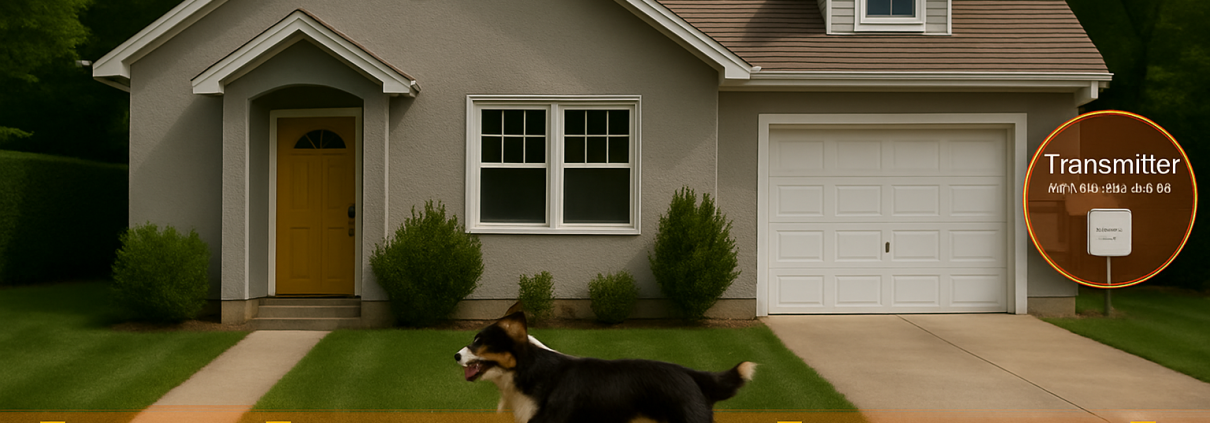
An invisible dog fence collar works by communicating with a buried boundary wire powered by a small transmitter box, usually installed in a garage or outbuilding. The transmitter sends a coded FM radio signal around the boundary. The collar detects this signal and responds with:

  1. A warning beep as your dog approaches the boundary.
  2. A gentle static sensation if they continue moving forward.
  3. Retreat behaviour, which your dog is trained to perform by stepping back into the safe area.

This clear sequence teaches your dog exactly where the boundary is. You can see the full system layout on our detailed How It Works page.


The Role of the Boundary Wire and Transmitter

The invisible dog fence relies on a strong, stable perimeter signal. This is produced by the transmitter, which sends a continuous FM radio frequency through the buried wire. FM technology is much more reliable than AM or GPS, which is why DogFence systems activate faster, avoid interference, and prevent false corrections.

Because the system uses a closed loop, it is accurate to within inches — something GPS dog collars cannot achieve.

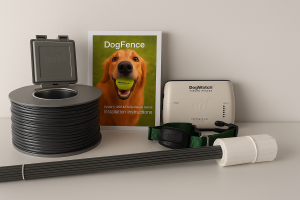
DogFence transmitter, boundary wire and receiver collar showing how an invisible dog fence system works.”


What Happens When the Dog Approaches the Boundary?

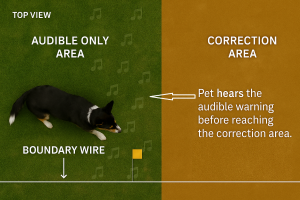
When your dog enters the alert area near the boundary, the collar gives a clear warning beep. This is the main training cue and the one dogs learn to respond to most quickly.

If your dog ignores the beep and continues forward, the collar gives a gentle, harmless static sensation — similar to a light TENS pulse. This sensation is enough to encourage your dog to step back. Once they retreat, both the beep and the sensation stop immediately.

With correct training, dogs quickly learn to stop at the beep, making physical corrections rare.

Diagram showing the audible warning zone and correction area in an invisible dog fence boundary


How the Collar Makes Contact: Stainless Steel Posts or Comfort Contacts

The collar uses either rounded stainless-steel contacts or our optional Smooth Comfort Contacts (for short-coated dogs). Just like a TENS machine pad, the collar needs gentle skin contact to allow the communication to work consistently. The probes are not spikes or prongs — they are simply contact points.

Good contact means the collar can be set to gentle, low levels, keeping training calm and humane. For more on achieving the correct fit, see our guide How Tight Should a Dog Fence Collar Be?.


Training: How Dogs Learn the Boundary

Training is simple, positive, and structured. During the training sessions, your dog is introduced to the warning beep, shown how to retreat to the safe zone, and rewarded with praise. Most dogs learn their boundary within just a couple of sessions.

Because the system is predictable and clear, dogs understand exactly what is expected of them. This is one of the key reasons invisible dog fences are so effective for escape artists and determined roamers.


Is the Collar Safe for Dogs?

Yes. Multiple independent scientific studies — including Newcastle University’s DEFRA-funded research (Cooper et al.) and the UK Government’s own analysis (DEFRA) — confirm that invisible dog fence collars are safe when used correctly.

They do not cause long-term stress, behavioural problems, anxiety, or physical harm. Dogs learn quickly, become confident in their boundaries, and enjoy the freedom to explore safely.

For a full breakdown of the research and safety features, read our main guide: Are Dog Fence Collars Safe?


Why Invisible Dog Fence Collars Work Better Than Physical Fencing

Invisible dog fence collars are ideal for dogs who:

  • dig under or jump over fences
  • chase livestock or wildlife
  • bolt through gates
  • live on large or uneven properties
  • cannot use physical barriers due to layout or planning restrictions

Because the system creates a consistent, invisible boundary, your dog always knows where the “edge” is — even when gates are open.


Professional Installation Ensures Reliability

Our Professional Installation service includes boundary design, collar fitting, system tuning, and complete dog training. This ensures your system works perfectly from day one and that your dog learns gently and confidently.


Keep Your Dog Safe With a Trusted DogFence System

Call us on
01628 476475
|
Chat to us on WhatsApp
|
Request a Free Quote Online


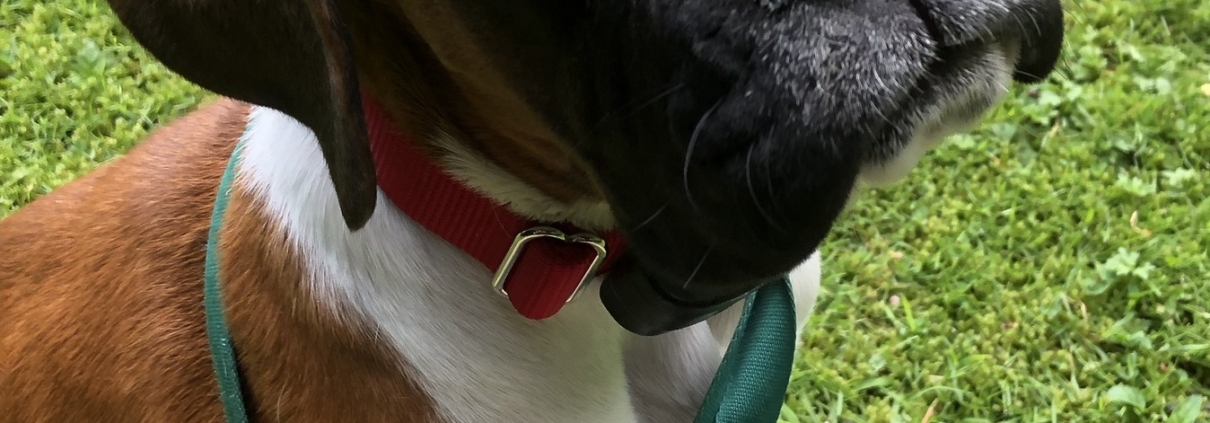
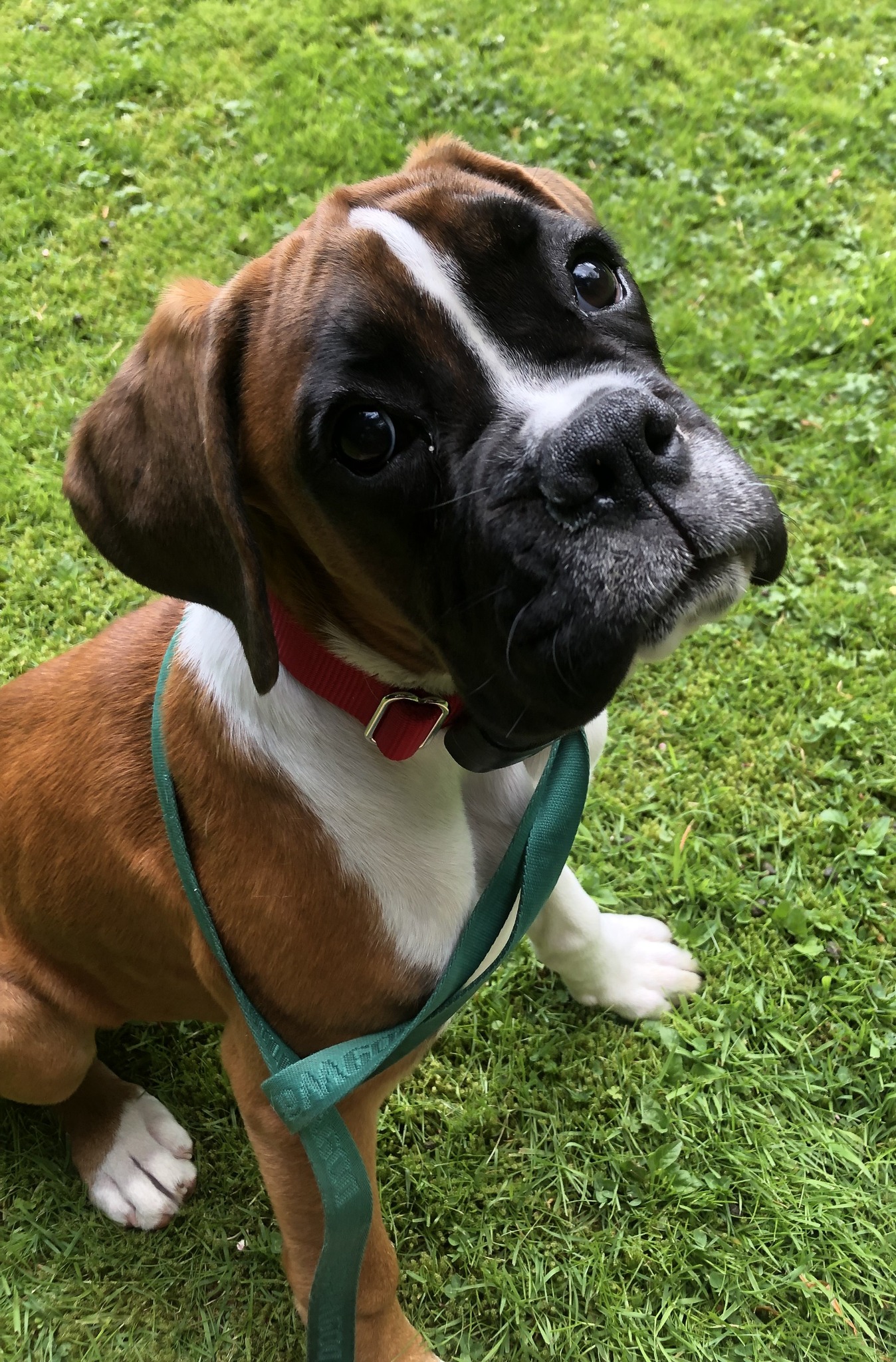
“Young Boxer puppy sitting on grass wearing a red collar and lead during DogFence boundary training session

What Age Can a Dog Use an Invisible Fence? | DogFence UK

What Age Can a Dog Use an Invisible Fence? A Complete Guide for UK Pet Owners

What age can a dog use an invisible fence? It’s one of the most common questions families ask when researching an electronic dog fence, hidden dog fence, or underground pet containment system. The truth is that most puppies can start gentle boundary training from around 12–16 weeks old, but the right time ultimately depends on your dog’s confidence, temperament, and developmental stage rather than age alone.

Over the last 22 years, DogFence Ltd has professionally installed and trained more than 20,000 pets across England using DEFRA-tested containment systems. Our expertise allows us to assess when a puppy is ready and ensure they learn calmly and confidently — without stress, confusion, or fear. This is where professional training truly makes a difference.

“Young Boxer puppy sitting on grass wearing a red collar and lead during DogFence boundary training session

The Ideal Age to Start Invisible Dog Fence Training

The general guideline is that dogs can begin training between 12–16 weeks. At this age, puppies have typically reached key developmental milestones:

  • They can focus for short periods.
  • They understand basic cues like “come” or “sit”.
  • They are alert, curious, and eager to learn boundaries.

However, it’s important to understand that age is only one part of the equation. Confidence level, sensitivity, and personality play a far greater role in determining readiness.

Why Temperament Matters More Than Age

Just like children, puppies develop at different speeds. Two 14-week-old puppies may behave completely differently during boundary training:

  • A confident puppy may take to the boundary system quickly.
  • A nervous or cautious puppy may need a slower, gentler approach.

Because we install thousands of systems each year, our trainers are skilled at identifying micro-signals that indicate whether a dog is comfortable, overwhelmed, confused, or progressing well. These subtle body-language cues include:

  • Ear movements
  • Pacing or hesitation
  • Yawning, lip-licking, or head-turning
  • Tail position changes
  • Tension across the shoulders

These are signs most owners never notice, but they are crucial to ensuring safe, gentle, and effective invisible fence training — especially for young dogs.

Benefits of Starting at the Right Time

When introduced at the right stage of development, puppies pick up boundary training extremely quickly. They enjoy the freedom of the garden, understand where they can and can’t go, and learn to respect the boundary tone without stress.

Starting too early, however, can create confusion if your puppy is not yet ready. That’s why we always assess readiness gently and individually rather than relying on a strict age rule.

Why Professional Training Is Essential for Puppies

Invisible fences, also known as electronic dog fences, underground containment systems, and invisible boundary training systems, are completely humane when introduced correctly. The technology alone won’t train your puppy — the training method is what makes the experience safe and positive.

With professional installation, your dog benefits from:

  • Gentle, step-by-step conditioning based on confidence level
  • Correct collar programming (not one-setting-fits-all)
  • Perfectly placed boundary flags for clear visual learning
  • Behaviour-sensitive training that adapts to your dog’s signals
  • A stress-free learning process using praise and positive reinforcement

DIY invisible fence kits often fall short because owners unintentionally skip steps, move too quickly, or don’t notice subtle signs of stress. Professional training prevents this, helping puppies achieve calm, consistent boundary learning.

How DogFence Ltd Trains Puppies Safely and Comfortably

At DogFence Ltd, we have refined our training method over two decades to ensure your puppy learns with confidence. Here’s how our training process works:

1. Behaviour Assessment

We begin by evaluating your puppy’s confidence, personality, responsiveness, and sensitivity. This determines the pace and approach of training.

2. Gentle Introduction to the Boundary Tone

We first teach your puppy a positive, calm association with the audible boundary tone. Our goal is to build familiarity and trust before introducing the avoidance zone.

3. Controlled Exposure to the Zone

This is done carefully, slowly, and without pressure. We watch closely for body language clues to ensure your dog feels safe and secure.

4. Praise and Reward-Based Reinforcement

Your puppy learns that stepping back into the safe zone earns praise and encouragement, building confidence and clarity.

5. Family Training

We teach you how to continue the training consistently, ensuring your puppy gets the same clear messaging from every family member.

Our structured approach is why DogFence Ltd has been trusted for over 22 years and why thousands of puppies and adult dogs now enjoy safe freedom in their gardens.

What Age Can a Dog Use an Invisible Fence – Can Very Young Puppies Use a Dog Fence?

If your puppy is under 10–12 weeks, we recommend waiting until they are developmentally ready. In the meantime, families often use temporary solutions including:

  • Puppy pens or play zones
  • Short, supervised outdoor sessions
  • Temporary fencing panels
  • Our indoor boundary systems for early safety

Once your puppy reaches the right stage, proper training can begin — and training almost always progresses extremely quickly with professional support.

Invisible Fences for Adult Dogs

Many owners assume the systems only work for puppies, but adult dogs of all ages — including senior dogs — learn the boundary system just as well. In fact, older dogs often learn faster because they are calmer and have better concentration.

We have successfully trained:

  • Nervous rescue dogs
  • High-energy working breeds
  • Independent thinkers like Terriers and Huskies
  • Dogs recovering from previous escape behaviour

No dog is ever “too old” to learn an invisible fence safely.

Why Choose DogFence Ltd?

As the UK’s longest-established installer of hidden dog fences, DogFence Ltd provides:

  • DEFRA-tested equipment
  • 22+ years of specialist installation experience
  • The longest battery life in the industry
  • Lifetime warranties on installed systems
  • Expert trainers skilled in reading dog behaviour
  • Coverage across all of England

Choosing a professional installation means your dog learns safely, your system works optimally, and you receive ongoing support whenever you need it.

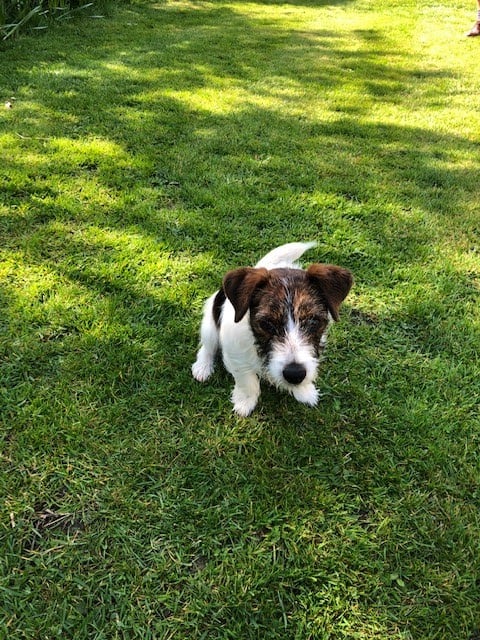
Small terrier puppy standing on a sunny lawn during early DogFence boundary training

Book Professional Training & Installation Anywhere in England

If you’re considering an invisible dog fence for your puppy or adult dog, professional guidance ensures your pet learns calmly, confidently, and without confusion. We combine technology, behavioural expertise, and decades of experience to give your dog safe, reliable freedom in your garden. Our Professional Installation team will set up your fence and train your puppy for you.

Ready to protect your pet with expert training?

Ready to Keep Your Pet Safe?

Call us on
01628 476475
|
Message us on WhatsApp
|
Request a Free Quote Online

Dog safely enjoying garden freedom with invisible dog fence system

Invisible Dog Fence Maintenance & Safety Checks | DogFence

Invisible Dog Fence Maintenance & Safety Checks: How to Keep Your System Reliable

You’ve invested in an invisible dog fence, but are you keeping up with the invisible dog fence maintenance checks that are essential to keep your system running safely and effectively

gives your pet freedom while keeping them safe, but like any system, safety depends on correct use, training, and maintenance. Whether you’re considering an invisible fence or already using one, these safety tips will help you get the most out of your system — and keep your pet secure for years to come. While this guide focuses on dog fence safety tips, many of the same principles apply to cat fence safety too, ensuring both dogs and cats can enjoy secure freedom outdoors


1. Choose the Right System for Your Dog

Not all fences are created equal, and safety varies hugely depending on the system you choose.

  • GPS dog fences can drift, leaving dangerous gaps (see our guide on how GPS dog fences work).
  • Cheap online kits may look tempting, but they often use thin wire that breaks easily, unreliable collars with short battery life, and offer no training or support. Many owners find they fail within months.
  • Professionally installed wired systems, like DogFence, are accurate to the inch, DEFRA-recognised for safety, and backed by expert installation, training, and ongoing support.

For small gardens, or if you live near roads, a wired fence installed by DogFence Ltd is the safest and most reliable choice.


2. Check Collar Fit and Comfort

  • The collar should fit snugly but not tightly — you should be able to slide one finger under it.
  • Regularly check for rubbing, especially on smaller dogs or cats.
  • Avoid leaving the collar on for 24 hours straight — remove it at night if your pet is indoors.

Watch how to fit the DogFence collar correctly for a safe, comfortable fit: Trainer fitting invisible dog fence collar on dog during safety demonstration


3. Monitor Battery Life

A flat collar battery = no protection.

  • Set a reminder to check batteries monthly.
  • At DogFence Ltd, our collars last up to 2 years (industry leading).
  • Watch out for GPS collars that need charging every 12–24 hours — easy to forget, leaving your pet unprotected.

Join our battery renewal programme – sent out at the correct interval for your collar.  


4. Why Regular Invisible Dog Fence Maintenance Boundary Walks are important

A quick walk around your garden can reveal:

  • Broken wires (rare, but can happen if digging).
  • Flag gaps if you’ve removed them too soon.
  • Unusual pet behaviour near the line, signalling a possible fault.

5. Buy the Correct Dog Fence Cable

Why cable thickness matters for invisible dog fence maintenance:

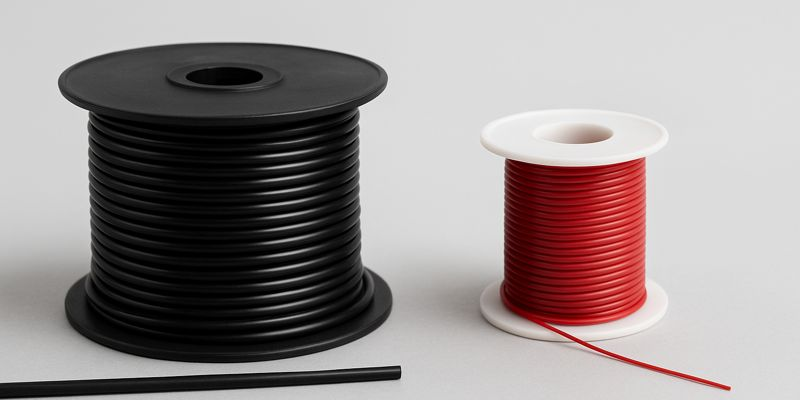
Cheap online systems often use thin 0.25 mm cable, which is easily damaged by weather, gardening tools, or even pets chewing. This type of cable is not designed for direct burial and frequently breaks down within months.

By contrast, DogFence uses heavy-duty 2.5 mm boundary cable, engineered for durability and long-term performance. It is specifically designed for direct burial, ensuring your fence remains reliable year after year.

Comparison of heavy-duty 2.5mm black dog fence cable and thin 0.25mm red cable showing durability difference

DogFence uses 2.5mm heavy-duty boundary cable designed for direct burial, unlike cheap systems with fragile 0.25mm wire


6. Use Natural Barriers Where Possible

As part of good invisible dog fence maintenance, it’s important to think about how your boundary works with the natural layout of your garden. Electronic dog fences are most effective when they complement the natural features of your property rather than compete with them. Combining visual, physical, and sensory boundaries helps your pet learn faster and stay confident within their safe zone.

Hedges, walls, fences, or paths act as clear visual markers that naturally reinforce your dog’s training. When the electronic boundary aligns with these familiar features, your pet can more easily associate the warning tone with a physical landmark — reducing confusion and improving reliability.

Placing the wire slightly inside these natural boundaries also gives your pet a clear “turn back” area, helping to prevent accidental corrections and keeping the containment both safe and humane.

For the best results:

  • Run the wire slightly inside existing features such as hedgerows, flowerbeds, or paths. This creates a clear “buffer zone” that prevents dogs from reaching the physical edge and reinforces the learning line.
  • Avoid placing the boundary too close to dense shrubs or walls that may trap the signal or limit your dog’s ability to turn back comfortably.
  • Blend with existing landscaping: The wire can be buried just below soil level, laid neatly along paths, or fixed discreetly to fence lines to remain invisible yet consistent.
  • Add small loops around areas you’d like to protect (ponds, veg patches, or children’s play zones). These serve as “no-go zones” and integrate naturally into your garden layout.

This balance of natural and electronic boundaries ensures your pet respects both the training and the physical cues of the environment — creating a safe, reliable, and aesthetically pleasing containment solution. Read more about it works here:


7. Keep Children Informed

Explain to children that the collar is a safety tool — not a punishment.
This builds confidence and ensures they don’t interfere with training.


8. Know the Law

Electronic containment fences are DEFRA-recognised and remain legal for use in England, Scotland and Wales, provided they’re installed and used responsibly. When fitted by trained professionals and paired with welfare-led training, these systems fully comply with current UK animal-welfare standards.

When the Government reviewed the use of remote training collars, handheld shock devices were restricted, but DogFence Ltd and other experts were invited by DEFRA to demonstrate how containment fences differ. Our input helped secure their official exemption, as the system is preventative and educational, not punitive — the warning tone teaches pets to stop long before any correction occurs.

To stay compliant and protect your pet’s welfare:

  • Ensure professional installation or follow manufacturer instructions precisely, using approved cable and surge protection.
  • Use structured, reward-based training so pets understand the safe area without confusion or fear.
  • Set adjustable correction levels appropriately for each pet’s size, coat and temperament.
  • Carry out regular safety checks to confirm collar fit, cable integrity and signal strength.

Used correctly, a dog fence is a humane, reliable and legally compliant way to prevent roaming and road accidents.
Learn more in our guide: Are dog fences legal in the UK


FAQs About Dog Fence Safety

Q: Is an invisible fence cruel?
No — when installed and used properly, it’s a safe training tool. Our Professional collars have in built safety settings to ensure that your pet is not over corrected, and training prevents most dogs from ever receiving more than warning beep after the initial training.

Q: What if my power goes out?
DogFence systems have the option for a battery back-up on our Performance and Smart Fences.   If your wire is broken the alarm will sound and with our Smart Fence you can receive live notifications to your phone.

Q: Can cats use a dog fence?
Yes — thousands of UK cats are safely contained, and cat fence safety is just as important as dogs.”

Q: How old should my pet be?
Most dogs and cats can start training at 4–6 months old, once they’re confident and responsive.

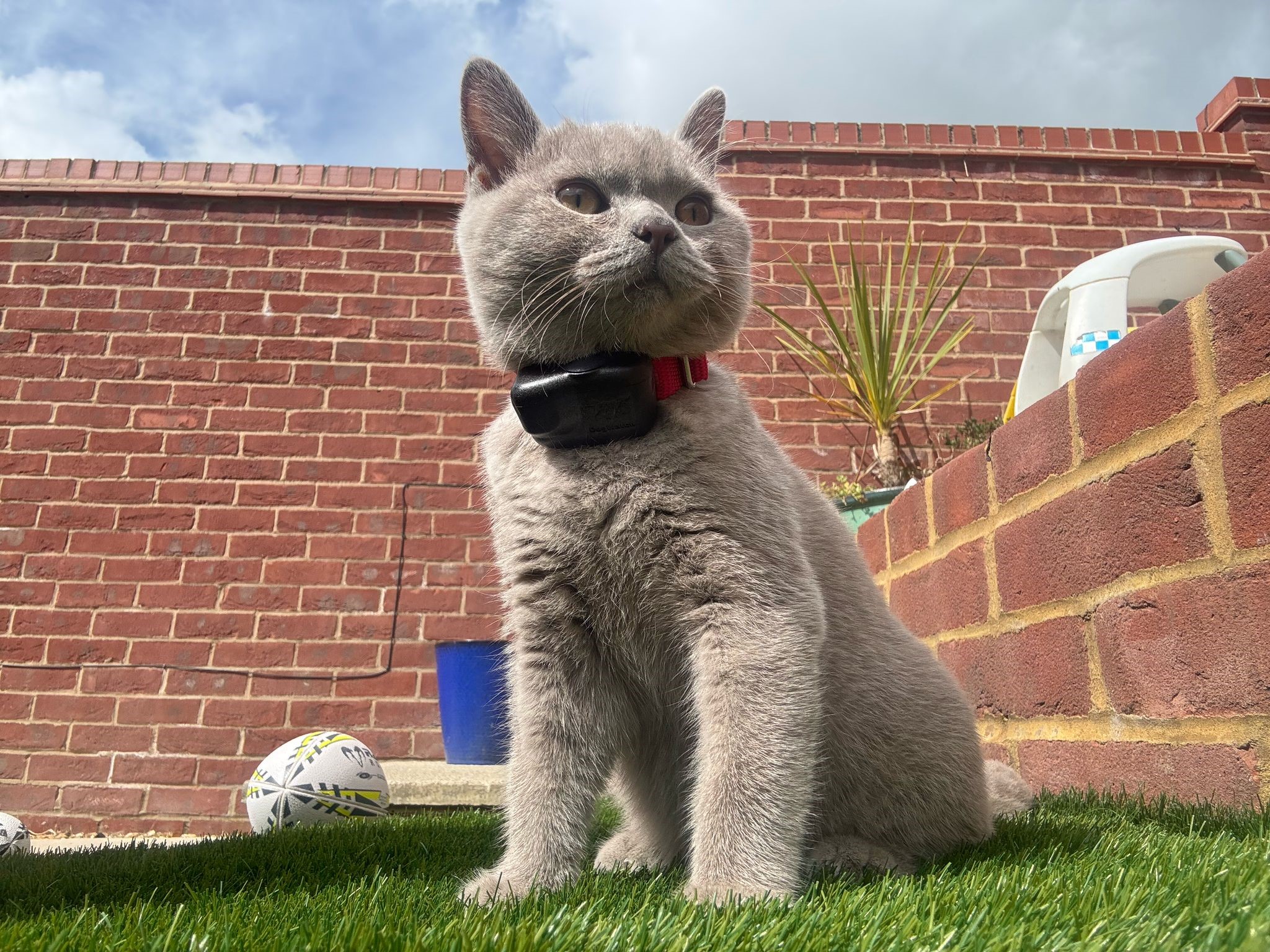
5-month-old kitten safely enjoying garden freedom with DogFence cat fence collar

Leno, 5 months old, loving the freedom of his CatFence system.

Regular invisible dog fence maintenance isn’t just about keeping your system in good working order — it’s about protecting your pets and giving them freedom with confidence. Whether you’re safeguarding an adventurous dog or a curious cat, simple routine checks and welfare-led training ensure their safety every day. With proper upkeep and responsible use, your DogFence system will continue to provide a safe, secure, and reliable boundary that gives your pets the independence they love — and you the peace of mind you deserve.


Ready to Keep Your Pet Safe?

Call us on 01628 476475


Installer giving dog fence safety tips to a customer

Dog Fence Safety Tips: What Every Pet Owner Should Know

Dog Fence Safety Tips: What Every Pet Owner Should Know

Keeping Pets Safe with Invisible & Electronic Dog Fences

When choosing a dog fence, safety should always be the number one priority. Whether you have an escape-artist dog, a curious cat, or a property near busy roads, a properly installed hidden dog fence can provide peace of mind. But not all fences are created equal — and there are a few key things every pet owner should know.

1. Choose a System Designed with Safety First

Not all electronic fences are the same. Cheap DIY kits often use thin cable and underpowered transmitters that break down quickly, while GPS collars rely on weak satellite signals that can drift or fail altogether. These cut corners leave pets vulnerable.

At DogFence, our systems are:

  • DEFRA tested and proven safe for dogs and cats.
  • Waterproof, chew-proof, and durable — designed for real pet life.
  • Programmable to your pet’s size & temperament, not “one-size-fits-all.”
  • Equipped with safety features like automatic shut-down after 15 seconds and anti-linger to prevent battery drain.

Learn how our system works ›

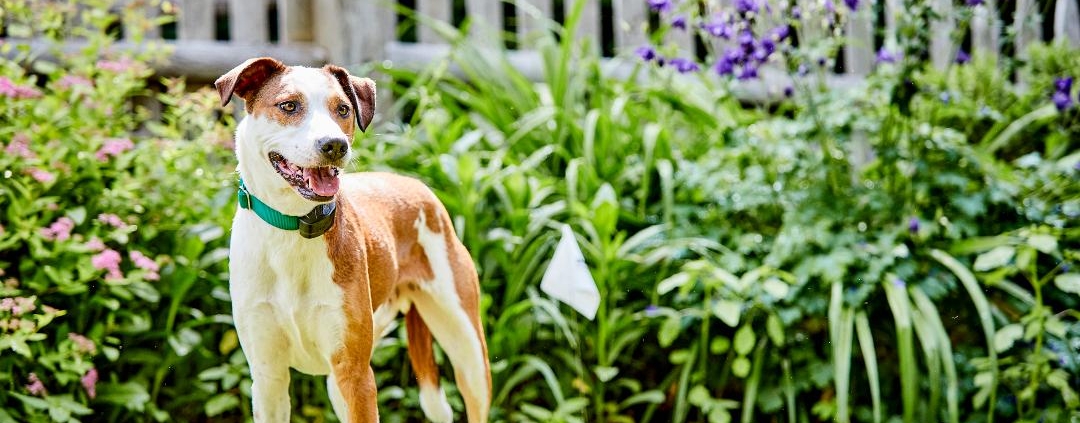
Happy dog enjoying the garden safely with DogFence invisible fence collar

Enjoying freedom with peace of mind — this happy pup shows how DogFence provides reliable dog fence safety tips in action. Alternative with syn

2. Professional Installation Matters

A hidden fence is only as safe as the way it’s installed. At DogFence Ltd:

  • Our installers carefully bury the boundary cable using specialist equipment.
  • We avoid hazards like underground pipes and electric gates.
  • You’ll get a tailored boundary design that protects both your pets and your garden.

This reduces the risk of gaps, interference, or weak spots that could put pets at risk.

3. Training is Key to Safety

Even the best system won’t work without consistent training. That’s why DogFence provides full training on installation day:

  • Dogs (and cats) learn to respond to the warning beep and flags before feeling the impulse (correction).

  • Our training uses gentle, positive reinforcement so pets understand boundaries quickly.

  • The dog always has something to see (flags), something to hear (beep) and finally something to feel (correction).

Every dog is different — some pick up the concept like a duck to water, while others are naturally cautious and take a little more time. Just like people, pets all learn at different paces. The most important thing is to follow the full training programme step by step, without skipping ahead, so your pet builds confidence at the right speed.

Above all, training should always be upbeat and positive. By keeping the sessions short, consistent, and encouraging, your dog will associate the fence with freedom rather than restriction. Most pets are safely contained within just a few sessions — and owners are amazed at how quickly their dogs adapt when training is done correctly.

See our installation & training process ›

DogFence professional training a dog with invisible fence boundary flags in garde

Expert training with DogFence — clear boundaries, safe pets, and peace of mind.

4. Regular Collar Checks

Your pet’s safety depends on keeping their computer collar fitted and functioning correctly. A hidden fence is only as reliable as the collar your pet wears, so it’s vital to make these checks part of your routine:

  • Check the battery regularly – When the battery runs out, the fence can’t do its job, and your pet can run out. At DogFence, our collars have the longest battery life in the industry, but even so, we recommend testing the collar monthly (using the test lamp supplied) and replacing batteries at the correct intervals to avoid any lapse in protection. Why not join our battery programme? Contact us here to learn more.

  • Ensure the collar fits correctly – If the collar is too loose, it becomes nothing more than an ineffective necklace, as the contacts won’t touch the skin. Too tight, and it can cause pressure sores. The simple rule: lift your dog’s head up to the sky; when the neck is stretched, you should be able to slip just one finger between the collar strap and the skin.

  • Surge and lightning protection – Our professionally installed systems come with lifetime warranty and built-in lightning protection. If lightning ever strikes the boundary wire, our surge protection unit safely diverts the current into the ground, preventing it from entering your home’s electrics.

By keeping up with these simple checks, you’ll ensure your fence remains a safe and reliable barrier that protects your pet every day.

Watch our quick video guide on how to check your dog’s collar fit — making sure it’s snug, safe, and comfortable every day.

5. Creating “No-Go Zones” with Inner Loops

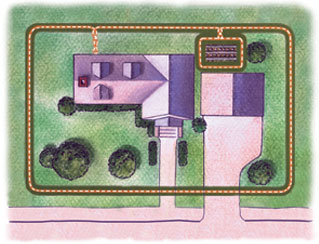
One of the unique advantages of an invisible dog fence is that you can protect more than just the perimeter. By running an inner loop off the main boundary wire, we can create “no-go zones” inside your garden.

This works because the boundary cable carries a harmless FM radio signal. When we twist the cable together — a bit like bringing two magnets together — the signal cancels itself out. That means we can route the wire across the lawn to form a small protected zone without the dog receiving an activation along the way.

Illustration of invisible dog fence boundary layout with inner loop no-go zones

Typical DogFence boundary layout — with inner loops to protect ponds, flowerbeds, or toxic plants inside the garden.

What Can You Protect?

  • Ponds and swimming pools – preventing accidents and keeping pets safe around water.

  • Flowerbeds or vegetable patches – protecting your plants (and stopping your dog digging them up!).

  • Toxic plants – such as acorns, yew, or foxglove, which can be highly poisonous to dogs.

These inner loops give you the flexibility to keep your dog away from danger while still giving them the freedom to roam safely in the rest of the garden.

Discover invisible no-go zones ›

Real Customer Story: “It’s Given Us Peace of Mind”

“We were nervous about using a hidden fence at first, but safety was our top concern. Our Labrador, Daisy, had escaped twice and nearly caused an accident on the main road. Since having DogFence installed, we haven’t had a single incident. The training was simple, the collar is comfortable, and Daisy is now free to enjoy the garden safely. It’s given us real peace of mind — worth every penny.”

– Mr & Mrs Griffiths, Oxfordshire

First hand stories like these show how the right system, properly installed and trained, makes all the difference in keeping pets secure without compromise. See more success stories from our customers testimonials .

Dog wearing a DogFence invisible fence collar enjoying the garden safely

Final Thoughts: Safety = Peace of Mind

A dog fence should never be a compromise on your pet’s welfare. By choosing a Pro Range Dog with professional installation, and proper training, you’ll have the confidence that your pet is secure, safe, and free to enjoy the garden.

Ready to Keep Your Pet Safe?

Call us on
01628 476475
|
Message us on WhatsApp
|
Request a Free Quote Online


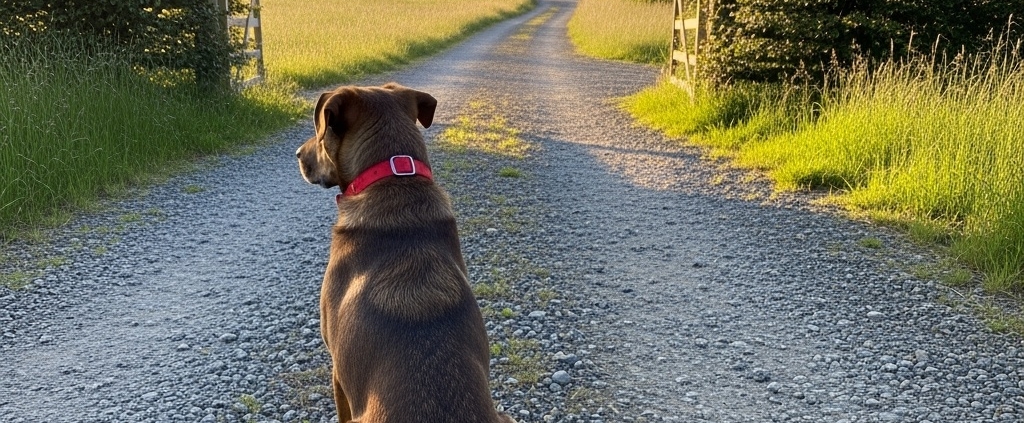
Dog sitting calmly at an open driveway, showing safe boundary awareness without a physical fence

How to Install a Dog Fence Wire Across Your Driveway

How to Install a Dog Fence Wire Across Your Driveway?

Dog fence wire for driveways is installed either by cutting a narrow groove into hard surfaces like concrete, tarmac, or block paving, or by burying it neatly under soft ground such as gravel, grass, or dirt. Once installed and sealed, the wire is invisible, fully protected, and safe to drive over, ensuring your electric dog fence system keeps working without affecting the look or function of your property.

Many pet owners ask us: “How will the dog fence wire cross my driveway without being damaged or visible?” The answer is simple: the wire is either slotted neatly into hard surfaces or buried under soft ground. Once installed and sealed, it’s completely invisible, fully protected, and 100% safe to drive over — even with heavy vehicles.

This process ensures your electric dog fence system keeps your pets safe without spoiling the look or function of your property.


How Dog Fence Wire for Driveways Is Installed

1. Hard Surface Driveways (Tarmac, Concrete, Block Paving) – Installing Dog Fence Wire for Driveways

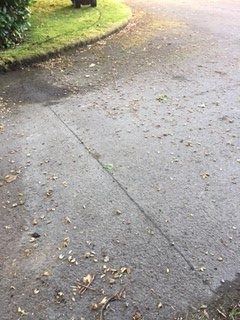
For solid surfaces like concrete, tarmac, or block paving, our installers use a professional concrete cutting machine with a diamond blade to make a very fine groove across the driveway.

  • Tarmac / Concrete: A shallow slot is cut, the boundary wire is placed inside, and then sealed with exterior-grade silicone or

    og fence wire installation across concrete driveway sealed with resin

    A shallow groove is cut into the driveway and the dog fence wire sealed with resin, leaving the surface neat and protected.

    resin. Once weathered, the line becomes almost invisible.

  • Block Paving: We use existing expansion joints where possible. If none are available, tiny cuts are made between blocks, sealed carefully for a tidy, long-lasting finish.

Once the wire is in place, the cut is sealed with a colour-matched filler, blending into the driveway while protecting the cable from vehicles, frost, and daily wear.

This professional installation method ensures the dog fence wire for driveways is both invisible and durable. Once sealed, the cut blends seamlessly into the surface, leaving no raised edges or visible joins. The result is a tidy, long-lasting finish that keeps your driveway looking great while guaranteeing the wire stays protected from cars, frost, and daily wear.


2. Soft Surface Driveways (Gravel, Grass, Dirt) – Burying Dog Fence Wire for Driveways

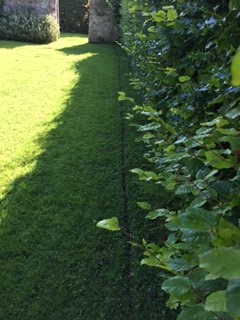
On softer ground, installation is simpler. We use a professional cable plough to create a narrow, tidy channel just a few centimetres deep. The wire is placed inside and the surface back-filled, leaving no visible trace.

  • Dog fence wire buried under lawn with minimal disruption

    On soft ground such as grass, the dog fence wire is buried a few centimetres deep, keeping it invisible and secure.

    Gravel: The wire can be buried directly beneath or protected further inside a conduit.

  • Grass / Dirt: A shallow trench is cut and closed neatly over the wire, keeping it invisible and secure.

This method ensures the dog fence wire stays safe, out of sight, and unaffected by foot or vehicle traffic.

Installing dog fence wire across soft driveways like gravel, grass, or dirt ensures the boundary remains invisible yet durable. By burying the cable a few centimetres beneath the surface, the wire is fully protected from foot traffic, lawnmowers, and vehicles. Once back-filled, there’s no visible trace, leaving your driveway or lawn neat while still providing a safe and secure boundary for your pets.


Why Professional Installation Matters

While it might sound straightforward to bury a wire, the long-term reliability of a dog fence for gardens often depends on how well the driveway crossing is handled. Professional installation ensures:

  • Durability: The cable won’t be crushed by car tyres or disturbed by frost.

  • Reliability: Prevents wire breaks that could interrupt the system and compromise pet safety.

  • Discreet Finish: Avoids unsightly patches or repairs caused by poor DIY installation.

At DogFence Ltd, our experienced team uses specialist equipment and heavy-duty cable to guarantee a secure, invisible, and lasting installation. With our professional service, you can be confident your driveway remains functional and attractive — while your pets stay safe.


Want to Learn More About Professional Dog Fence Installation?

Thousands of UK pet owners trust DogFence Ltd to keep their dogs safe with invisible, outdoor dog fences that are reliable, discreet, and backed by a lifetime warranty.

Want to learn more about how to install the dog fence wire across the driveway?

Join thousands of UK pet owners who trust DogFence to keep their dogs safe and secure at home.
Our systems are proven, reliable, and backed by a lifetime warranty.

Contact us today:

01628 476475
✉️ info@dogfence.co.uk
Chat with us on WhatsApp


Request a Free Quote


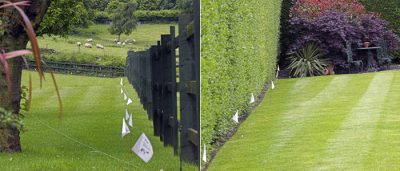
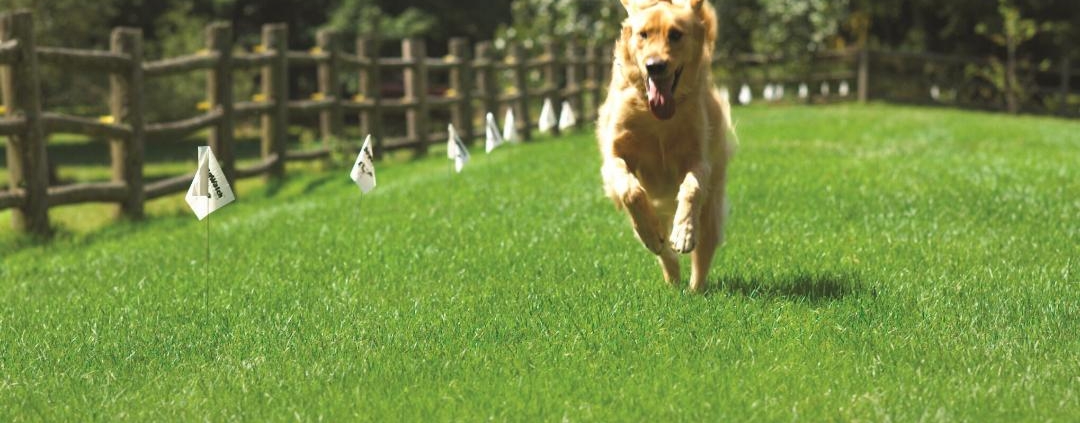
Dog wearing a hidden fence collar enjoying freedom in a secure UK garden, with training flags marking the boundary – illustrating dog fence cost UK value and effectiveness

Dog Fence Cost UK: DIY & Professional Hidden Fence Prices Compared

Dog Fence Cost UK: A Practical Guide to Hidden Fence Pricing & Value

Updated February 2026

If you’re researching the best way to secure your garden, this Dog Fence Buying Guide UK will help you compare systems, understand costs, and choose the right containment solution for your property. Across England, more and more dog owners are searching for reliable ways to prevent their dog running away — without building ever-higher fences or turning their garden into a fortress.

Many pet owners want to keep their dogs safely contained without compromising their garden’s appearance — or spending thousands on traditional fencing. Traditional timber or close-board fencing in the UK typically costs £110–£120 per metre installed, meaning an average garden can easily exceed £2,500–£3,000 — and far more for large rural properties.

In this guide, we break down:

  • DIY dog fence costs
  • Professional installation prices
  • What you’re really paying for
  • How hidden fence prices compare to traditional fencing and GPS systems

Dog Fence Cost UK: What You Might Pay

When people talk about the cost of wired electronic containment system, they’re usually referring to a wired radio fence using a boundary cable, a transmitter, and a receiver collar worn by the pet. In the UK, the total cost can vary depending on whether you install it yourself or professional installation.

DIY Dog Fence Kits (From £299–£800+)

DIY systems offer a more budget-friendly entry point. DIY dog fence cost UK options are typically more affordable upfront, making them popular for straightforward gardens and confident installers.

Most mid-range UK kits start from £299, and typically include:

  • Lightweight programmable receiver collar
  • Boundary wire (often up to 100m, expandable)
  • Training flags
  • Transmitter and power adapter
  • Installation instructions or video guidance

Our DIY kits use:

  • Robust, heavy-grade cable
  • Weatherproof components
  • Built-in safety features including auto shut-off
  • 2–4 year warranties depending on model

⚠ A Word of Caution About Ultra-Cheap Kits

Very cheap systems (often under £50 online) may include:

  • Extremely thin cable that breaks during installation
  • Weak or inconsistent collars
  • Poor battery life
  • No lightning protection
  • No correction shut-off safety feature
  • Minimal training guidance

These systems can quickly become a false economy — especially if a pet escapes or becomes confused due to inconsistent correction. When comparing electronic dog fence cost options, it’s important to look beyond the headline price and consider cable quality, collar technology and long-term reliability.


Professionally Installed Hidden Dog Fences (£1200–£2500+)

Professional dog fence installation UK services are ideal for larger rural properties or for owners who want structured training and long-term support. Professional installation typically ranges between £1,200 and £2500, depending on:

  • Garden size
  • Layout complexity
  • Number of pets

This usually includes:

  • Full boundary survey
  • Cable installation (buried or discreetly secured)
  • Custom collar programming
  • Structured pet training session
  • Support for multi-pet households
  • Extended or lifetime warranties on selected systems

For reactive dogs, rural properties, or complex gardens, professional installation often delivers greater peace of mind.

“You came and fitted our setup in February and it is amazing and worth every single penny. From two naughty ‘we will escape’ pets, we now have total peace of mind.”


Dog Fence Cost UK vs Traditional Fencing

Hidden dog fence prices vary depending on garden size, installation complexity and whether you choose a DIY kit or professional setup.

Fence Type Approx. Cost (UK)
Timber or Close board Fence £6,000–£12,000
Metal or Picket Fence £10,000+
Wireless GPS Dog Fence £700–£1,800
DIY Hidden Dog Fence Kit £299–£800
Pro Hidden Dog Fence £1200–£12000
  • Your dog jumps
  • Your dog digs
  • You need multiple gates
  • Landscaping adjustments are required

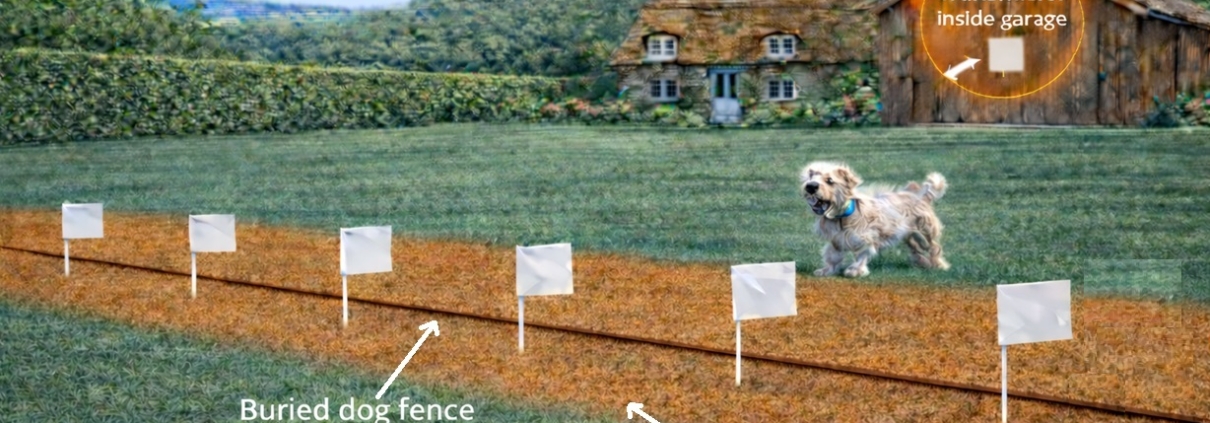
A hidden dog fence avoids visual barriers and can be installed across large areas at a fraction of the cost. Here’s an example of a Professional hidden dog fence installation after cable burial.

Boundary training flags marking the layout of a Professional hidden dog fence during installation.


Are There Ongoing Costs?

Wired electronic fences have minimal ongoing costs:

  • Replacement batteries (every few months depending on usage)
  • Occasional collar strap replacement
  • Rare cable repair if physically damaged

Unlike many GPS systems, wired containment has no monthly subscription fees.


Is a Hidden Dog Fence Worth the Investment?

When considering dog fence cost UK, think long-term value.

Benefits often include:

  • No repeated garden repair from digging
  • Reduced escape risk
  • No visual impact on your property
  • Lower long-term cost compared to high fencing
  • Less daily supervision stress

Even mid-range DIY systems can last many years when correctly installed and maintained.

“Finally a company that does what they say — the installer arrived on time and the service from start to finish has been impressive.”


Choosing Between DIY Dog Fence Cost or Professional Installation

Ask yourself:

  • Are you confident installing boundary wire?
  • Is your garden large or complex?
  • Is your dog reactive or highly driven?
  • Do you want structured training support?

DIY suits straightforward gardens and confident owners.

Professional installation suits larger properties, complex layouts and escape-prone dogs. Many owners choose a DIY dog fence when they feel confident laying the boundary wire and following the structured training process.

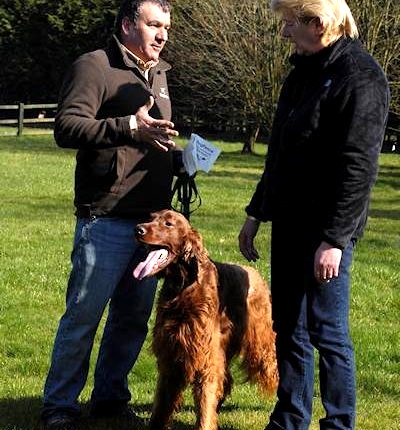
Professional dog fence installer discussing hidden fence installation options with a UK customer

Professional hidden dog fence installation consultation in a UK garden


Want to Understand How It Works?

Hidden dog fences operate using a radio signal transmitted through a boundary cable.

If you’re new to the concept, read our guide on how electronic dog fences work.


Ready to Explore Your Dog Fence Options?

If you’re comparing electronic dog fence cost options or want clarity on hidden dog fence prices for your specific garden, we’re here to help.

Every property — and every dog — is different. A quick conversation can help you understand whether a DIY system or professional installation will give you the best long-term value and peace of mind.

No hard sell — just honest advice based on over 20 years of real-world experience helping UK dog owners keep their pets safe.

If you’re comparing electronic dog fence cost options or want clarity on hidden dog fence prices for your garden, we’re here to help. Every property (and every dog) is different — a quick chat can help you choose the right system for long-term value and peace of mind.

Want to Get a Free Quote or Consultation ?

Call us on
01628 476475
|
Message us on WhatsApp
|
Request a Free Quote Online