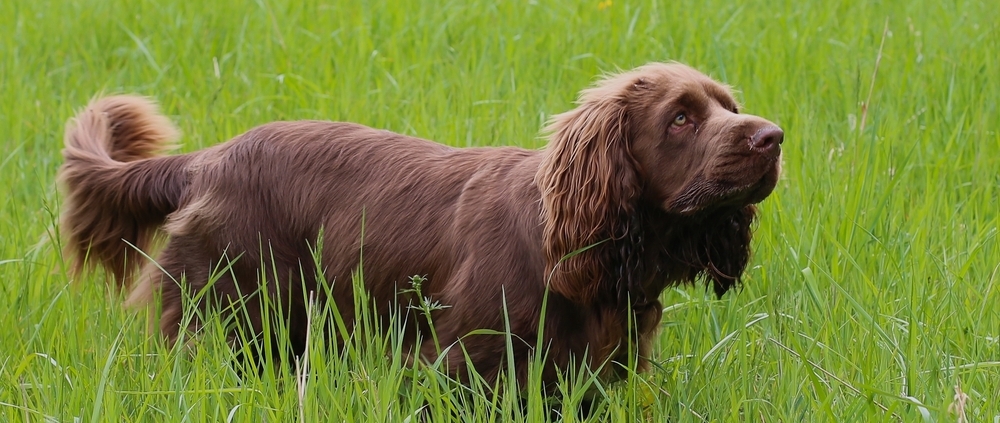
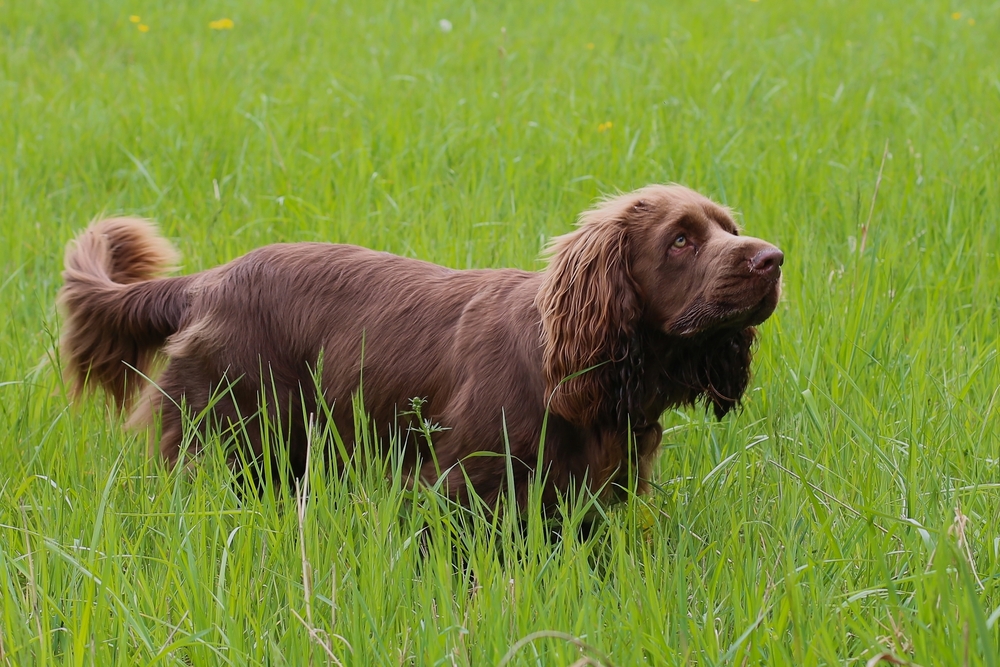
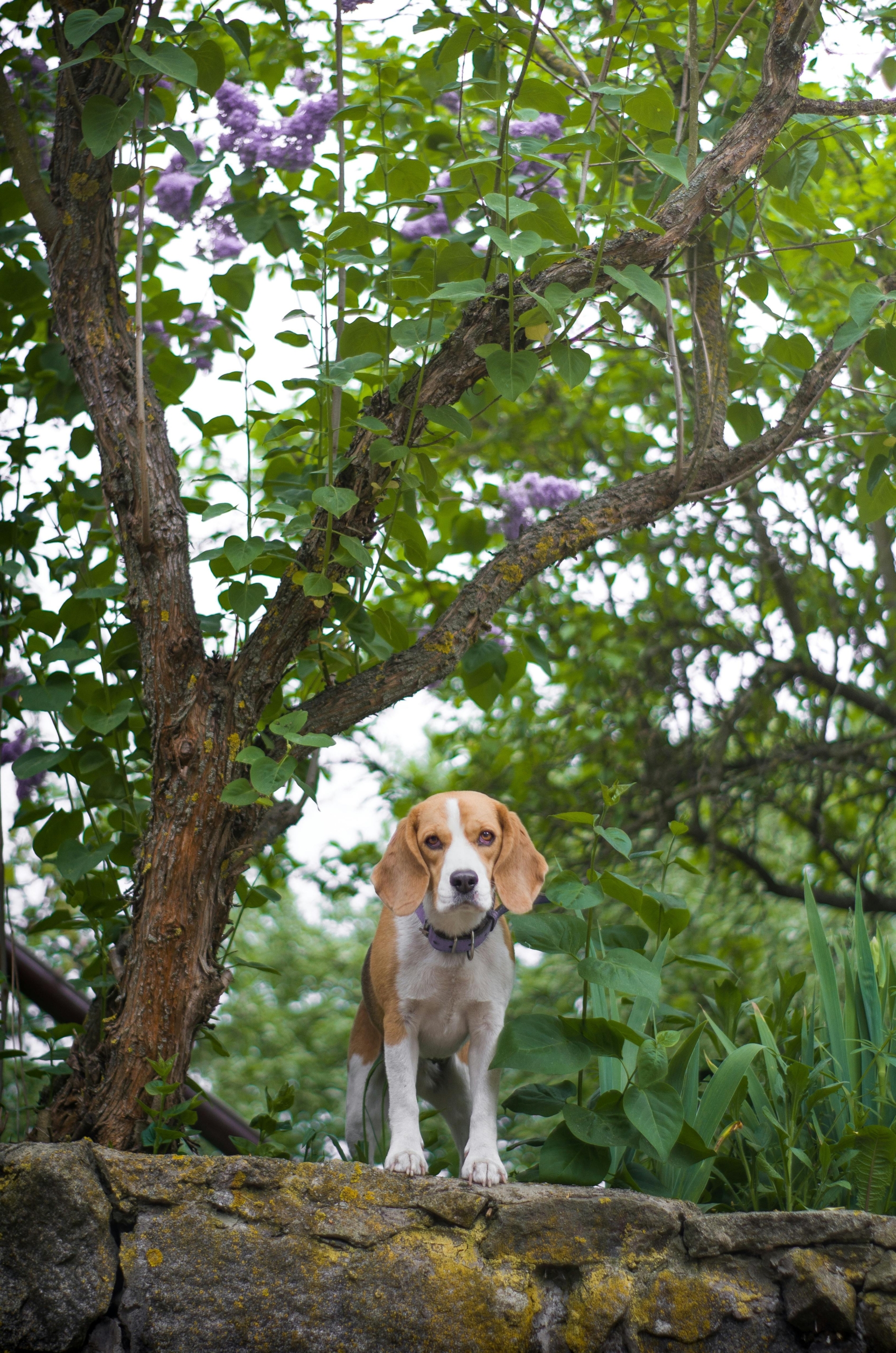
A golden-liver Sussex Spaniel standing in a garden showing its low-slung breed traits

Sussex Spaniel: Instinct, Scent & Why Modern Gardens Don’t Always Work

Sussex Spaniel Breed Traits: The Methodical Hunter Under Your Fence

A golden-liver Sussex Spaniel standing in a garden showing its low-slung breed traits

Sussex Spaniel breed traits are among the most unique of the British gundogs, making this rare breed both a loyal companion and a challenge to keep contained. The Sussex Spaniel is one of Britain’s oldest and rarest gundog breeds—and perhaps one of the most misunderstood. Often described as calm, slow-moving, and even a little stubborn, the Sussex Spaniel was never designed for speed or show-ring precision. Instead, this sturdy, low-slung dog was bred to work methodically through dense undergrowth, following scent for hours without distraction. However, those same Sussex Spaniel breed traits that make them world-class hunters can also make them persistent escape artists in a modern garden setting.

This post is part of our series on unusual British dog breeds and why they struggle with garden boundaries, exploring how heritage and instinct influence modern behaviour.

Rare British Breed Designed for Endurance

Originating in the county of Sussex in the 18th century, this dog was developed specifically for the heavy clay soils and dense hedgerows of the South of England. Unlike a flashy Springer or a frantic Cocker, the Sussex is a rare British gundog that prioritises steady, heavy-duty tracking over fast pursuit. Historically, they were the only spaniel bred to “give tongue”—to bark or whimper when they find a scent—to alert the hunter of their location in thick cover.

Key spaniel characteristics specific to the Sussex include:

  • Exceptional Scenting Ability: They don’t just see the world; they smell it in 4D.

  • Powerful Low-Slung Build: Their deep chest and short legs give them a low center of gravity, perfect for pushing through gaps.

  • The “Sussex Throm”: A characteristic rolling gait that allows them to trot for miles without tiring.

  • Independent Problem Solving: Because they often worked out of sight of the hunter, they are used to making their own decisions.

As the Sussex Spaniel is currently listed on the Kennel Club’s Vulnerable Native Breeds list, there is a significant responsibility on owners to keep these dogs safe. With fewer than 300 registrations a year, every individual dog is precious to the breed’s survival.

Why the Sussex Spaniel Temperament Leads to Garden Escapes

Many owners are surprised by how a seemingly “lazy” dog manages to disappear from a secure garden. The Sussex Spaniel temperament is a unique mix of gentle companionship and quiet, dogged persistence. They don’t usually attempt to leap over high fences; instead, they find the one weak point at the bottom of a hedge and dig or squeeze through.

Common owner experiences with the Sussex Spaniel temperament include:

  • Persistent Digging: They will return to the same spot daily, working a hole like a professional contractor until they break through.

  • Scent Drifting: A passing fox or even a neighbour’s barbecue can trigger a “scent-trance,” where the dog follows a trail out of the garden without even realising they’ve left home.

  • Selective Hearing: When a Sussex is “on a line,” auditory recall often fails because their brain is entirely focused on the olfactory input.

Sussex Spaniel tracking a scent

The Challenge of Caring for a Rare British Gundog

Because they are classified as a vulnerable breed, there is a significant responsibility on owners to keep these dogs safe. With fewer than 300 registrations a year, every individual dog is precious to the breed’s survival.

Traditional wooden fencing often proves inadequate for these specific spaniel characteristics. They are “low-to-ground” specialists; if a rabbit can get under a gate, a Sussex Spaniel believes it can too. Furthermore, they are a sensitive breed. Harsh, shout-based training or high-pressure containment can cause them to become despondent. They require a boundary solution that provides a clear, consistent signal that the dog can understand and respect on its own terms.

How Hidden Fencing Supports Scent-Driven Instincts

For a breed driven by scent, a professional containment system offers a sophisticated advantage. It creates a 360-degree “safety bubble” that physical fences often lack.

  • Predictable Boundaries: Unlike a hedge that might have a new hole dug by a fox, a hidden fence signal never moves.

  • Respects the Nose: The system uses an audible warning zone. For a dog that is already tuned into “giving tongue” and listening for cues in the field, the beep is an easy signal to process.

  • Freedom to Roam: It allows the Sussex Spaniel to exercise its natural curiosity and scenting drive within the safety of your property, preventing them from wandering onto dangerous rural roads.

Rather than relying on height or physical barriers, a professionally installed dog fence works with the dog’s intelligence to create a consistent, reliable boundary

Final Thoughts for Sussex Spaniel Owners

Owning a Sussex Spaniel means preserving a piece of living British history. They are affectionate, somber-faced, and incredibly loyal companions. By understanding their unique Sussex Spaniel breed traits and providing a garden environment that respects their hunting heritage, you can keep them safely contained for years to come.

Need Help Keeping Your Sussex Spaniel Safe at Home?

If your Sussex Spaniel follows scent, tests boundaries, or quietly wanders beyond the garden, we’re happy to help you explore safe, proven containment options.

Call us on
01628 476475
|
Message us on WhatsApp
|
Request a Free Quote Online

female dog in season alert at garden fence looking outward

Stop Dog Escaping When in Season (UK Guide for Secure Gardens)

How to Stop Dog Escaping When in Season (UK Guide)

Stop dog escaping when in season early, and you can prevent a stressful and potentially dangerous situation for both you and your dog.

When a dog in season is trying to escape — or when a male dog is escaping because a nearby female is in heat — behaviour can change dramatically and very quickly. Even normally calm, well-trained dogs can become persistent, focused, and surprisingly determined.

Understanding why this happens — and how to secure your garden properly — is key to preventing dog running away during heat.

For broader guidance on preventing escape behaviour in all situations, read our complete guide on how to stop a dog running away, which explains how training, boundary security and containment work together.

female dog in season alert at garden fence looking outward


Why Do Dogs Try to Escape When in Season?

To stop dog escaping when in season, it helps to understand the biological drive behind it.

Female dogs release powerful pheromones during their heat cycle. These scents can travel significant distances, especially in rural or open areas. Male dogs may detect them from streets away and begin searching for the source.

This can lead to:

  • Persistent fence-line pacing
  • Digging under boundaries
  • Jumping or climbing panels
  • Squeezing through weak points
  • Increased vocalisation or agitation

A dog in season trying to escape is not being disobedient — they are responding to instinct.

The Blue Cross provides helpful guidance on understanding the heat cycle and behaviour changes during this time</a>.


How Long Does a Dog Stay in Season?

A typical heat cycle lasts around 2–3 weeks.

However, heightened escape behaviour often peaks during the most fertile stage, which usually occurs around days 10–14.

If you are trying to stop dog escaping when in season, it’s important to increase supervision and security for the entire cycle — not just when symptoms first appear.


How to Stop Dog Escaping When in Season

Preventing dog running away during heat requires temporary management combined with secure containment.

1. Supervise Outdoor Time

Never leave a dog in season unattended in the garden.

Even a secure boundary can be tested repeatedly during this period.

Supervised outdoor access dramatically reduces the risk of escape.


2. Reinforce Weak Points

Check your garden perimeter for:

  • Gaps under fencing
  • Loose panels
  • Climbable surfaces
  • Hedge openings
  • Weak gate latches

If your dog has previously shown digging behaviour, you may find our guide on how to stop dog digging under fence is helpful.


3. Manage Male Dogs in the Area

If you live in a rural or semi-rural area, you may notice male dog escaping when female in season behaviour nearby as well.

Neighbouring dogs may attempt to enter your property, which is why simply “keeping her in” is sometimes not enough.

Creating a truly secure garden for dog in season situations means considering both outbound and inbound risk.

If broader roaming is becoming an issue, read our complete guide on how to stop your dog running away.


4. Increase Mental Stimulation Indoors

During peak fertility days, limiting unsupervised garden time and increasing indoor enrichment can help:

  • Scent games
  • Puzzle feeders
  • Short training sessions
  • Calm structured interaction

Reducing frustration reduces escape attempts.


Will Neutering Stop Dog Escaping When in Season?

Neutering male dogs may reduce hormone-driven roaming behaviour, but it does not eliminate instinct entirely.

Female dogs in season will still attract attention, and unneutered males may remain highly motivated.

If seasonal escape attempts are persistent, long-term boundary clarity becomes essential.


What If Fencing Isn’t Enough?

Traditional fencing can struggle during seasonal escape behaviour.

Digging, climbing, squeezing and repeated testing can escalate quickly when instinct overrides training.

If you are trying to stop dog escaping when in season on a larger property, driveway boundary, or post-and-rail setup, you may need a more consistent perimeter solution.

Hormone-driven roaming is just one escape trigger — our article on why dogs escape gardens explores the full range of behavioural causes.

dog safely contained in secure UK garden during heat cycle

A professionally installed electronic dog fence system can secure the full boundary — including hedges, open driveways, and uneven terrain — without altering the appearance of your garden.

If you’d like to understand the technology in more detail, you can read our guide on dogfence.co.uk how-does-an-electronic-dog-fence-work

When paired with structured training, most dogs quickly understand their limits, even during hormonally heightened periods.


When Should You Be Concerned?

Take action immediately if:

  • Your dog has already escaped once during a season
  • You live near a road
  • Livestock or public footpaths are nearby
  • Male dogs are gathering outside your boundary

Seasonal escape attempts can escalate rapidly.

Stopping dog escaping when in season early prevents the behaviour becoming learned and repeated in future cycles.


Final Thoughts: Secure Containment During Heat Cycles

To stop dog escaping when in season safely and responsibly, you must combine supervision, management, and reliable containment.

At DogFence, we’ve worked with countless rural and semi-rural UK properties where traditional fencing alone wasn’t enough during heat cycles. When the full boundary is clearly defined and properly introduced, escape attempts typically settle quickly — even during hormonally heightened periods.

If you’d like tailored advice on creating a secure garden for dog in season situations, our team can assess your property and recommend the most appropriate containment solution.

Worried About Your Dog Escaping During a Season?

If your dog is in season — or reacting to one nearby — we can help you secure your garden properly and prevent escape attempts before they happen.

Call us on
01628 476475
|
Message us on WhatsApp
|
Request a Free Quote Online

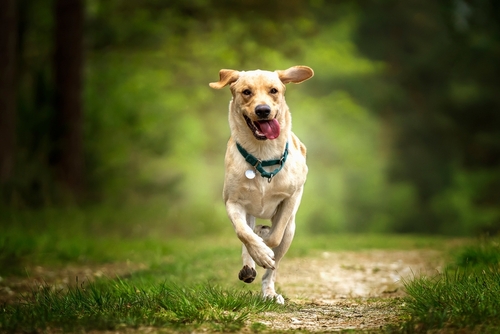
How to stop my dog running away - max the lab running off

/how-to-stop-my-dog-running-away-a-complete-guide/

How Do I Stop My Dog Running Away?

Quick Answer: How to Stop a Dog Escaping From the Garden

To stop a dog escaping from the garden:

  • Identify what is triggering the escape (prey drive, boredom, fear, or mating behaviour)
  • Secure weak fencing, panels, gates, and gaps
  • Reinforce the base of fences to prevent digging
  • Remove climb aids such as bins or garden furniture near boundaries
  • Increase daily exercise and mental stimulation
  • Train reliable recall and boundary awareness
  • Install a defined containment system for open or rural properties

Stopping escape behaviour requires both training and a physically secure boundary. Addressing only one side of the problem rarely works long term.

To stop your dog escaping from the garden, you need two things working together: a secure boundary and training that reduces the urge to roam. Start by fixing weak points in fencing and gates, then identify what’s driving the escape (prey drive, boredom, fear, or mating instincts), and strengthen recall and calm outdoor habits.

If you’re not sure what’s triggering your dog’s escape behaviour, read our guide on Why Dogs Escape Gardens to pinpoint the cause before you choose a solution.

Below are the most common causes we see across UK households — especially in rural and semi-rural homes
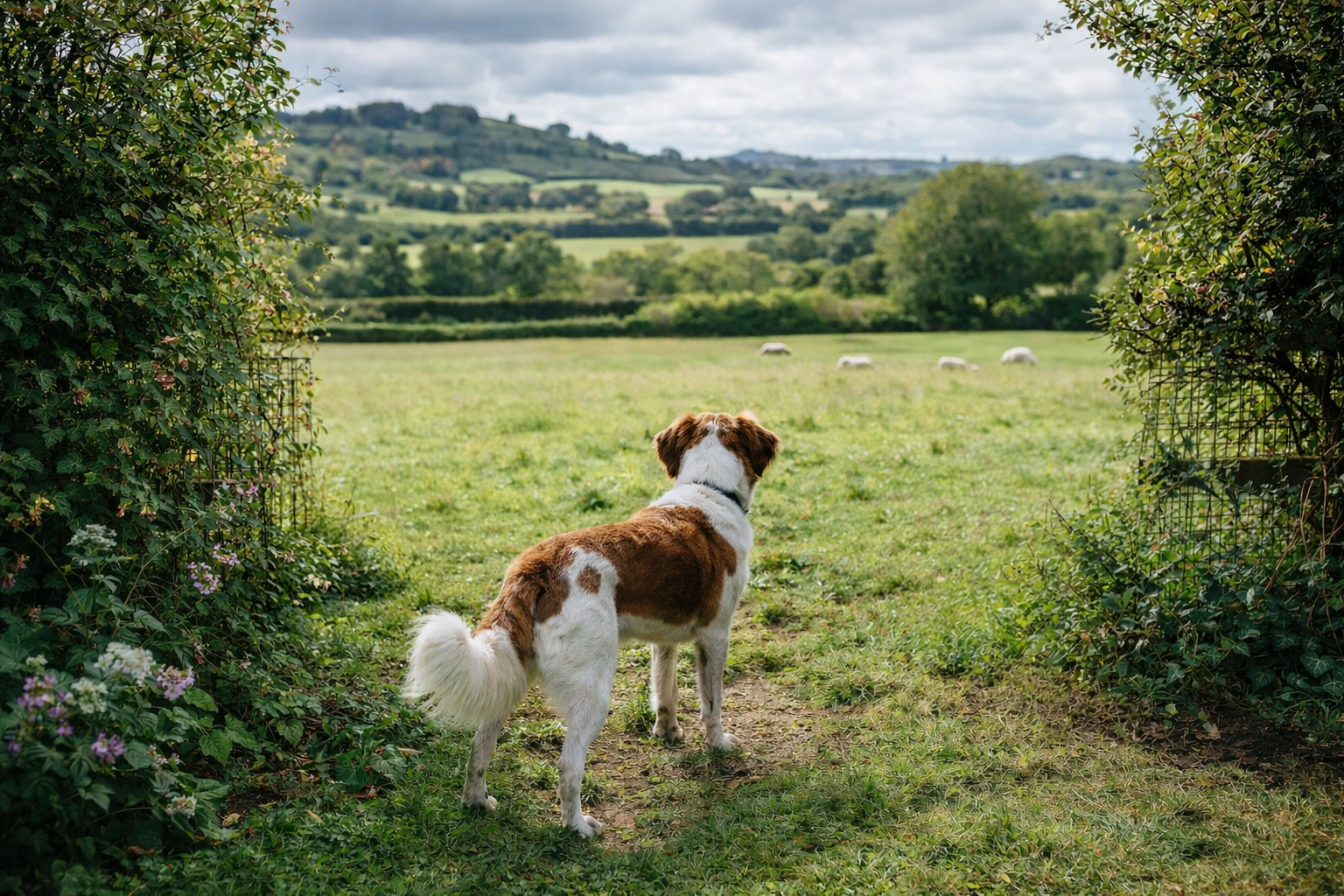
Dog standing at open garden boundary looking out over rural countryside in the UK


Why Dogs Run Away: The Most Common Causes

Curiosity, Scents & Prey Drive

A dog’s nose is thousands of times more powerful than ours. A single scent trail — fox, deer, rabbit, livestock, or even another dog — can override training in seconds.

In rural gardens, open countryside, or properties backing onto fields, scent and movement are powerful triggers. High prey-drive breeds (like terriers, spaniels and working breeds) are especially prone to chasing behaviour once they catch an interesting smell.

If your dog is escaping to “follow something,” physical security becomes just as important as training.

If your dog is driven by scent or wildlife, you can find practical advice in our guide on how to dog proof your garden.
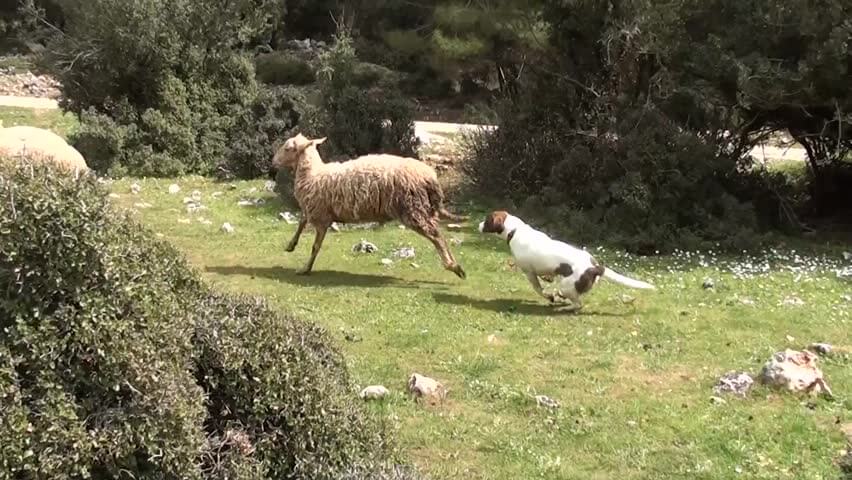
Dog chasing sheep across rural field illustrating livestock risk


Fear, Anxiety & Sudden Loud Noises

Not all escapes are about excitement. Some are about panic.

Fireworks, gunshots, thunderstorms, construction noise or even unfamiliar visitors can trigger a flight response. When a dog feels unsafe, they look for an exit — and if they find one, they may bolt.

This is particularly common around Bonfire Night and New Year in the UK. Dogs that are normally settled may suddenly attempt to climb, dig, or force their way through fencing when frightened.

An anxious escape often looks frantic rather than calculated.


Boredom & Lack of Mental Stimulation

Dogs that are under-exercised or mentally unstimulated will often create their own entertainment.

If your dog spends long periods alone in the garden without enrichment, they may start exploring weaknesses in fencing, digging under boundaries, or jumping up at panels simply out of frustration.

Intelligent breeds and younger dogs are especially prone to this behaviour. For them, escape is not rebellion — it’s stimulation.

If your dog is testing boundaries by jumping or climbing, you may need to reassess your fencing height. Our guide on how high a fence should be for a dog explains what works for different breeds.


Roaming Instincts & Mating Drives

Unneutered dogs are naturally motivated to roam, particularly when a female dog nearby is in season. The scent can travel surprising distances, and even well-trained dogs may attempt to escape to investigate. For seasonal escape behaviour, see our advice on how to stop a dog escaping when in season.

This behaviour tends to be persistent and determined rather than impulsive.

If your dog escapes repeatedly at certain times of year, hormonal influence may be playing a role.


How to Stop a Dog Escaping From the Garden

Why Preventing Escape Is So Important

A dog running away isn’t just frustrating — it can be life-threatening.

Loose dogs risk traffic accidents, livestock incidents, injury, or becoming lost. In rural areas, a single escape can have devastating consequences. Even normally calm dogs can bolt if something outside the boundary becomes more compelling than staying inside.

Under UK law, owners are responsible for keeping their dogs under control in public spaces, and failure to do so can result in prosecution and significant fines.

But beyond legal responsibility, preventing escape is about peace of mind.

If you want to understand why dogs suddenly dig, climb, squeeze through gaps, or jump surprisingly high, read our detailed guide on Why Dogs Escape Gardens (And How to Stop a Dog Running Away).

Keeping your dog safe while allowing freedom in your own garden is responsible ownership — not restriction. It’s about creating a secure boundary that gives your dog clarity and confidence.


Why This Works


Quick Checklist: How to Stop a Dog Running Away

These steps explain how to stop a dog running away safely and effectively in most UK homes.

  • Identify the trigger behind the escape behaviour
  • Secure weak fencing or gate points
  • Increase exercise and mental stimulation
  • Train consistent recall
  • Remove climb aids and digging opportunities
  • Consider professional containment for complex properties

Stopping escape behaviour requires both training and secure boundaries.


Real-Life Example: Max’s Story

Max, a lively Labrador from Hampshire, developed a habit of escaping from his garden. His owners repeatedly blocked holes and reinforced panels, but he always found another way out.

Food was his motivation. Max had discovered the local pub garden — and the generous snacks that came with it.

One day, during one of his usual excursions, he ran into a busy road and narrowly avoided being hit by a car. He was picked up and taken to a local vet. His owner later said, “I thought I’d never see him again.”

Although they had previously known where Max was heading, that close call changed everything.

After researching containment options, they installed a professionally designed electronic dog fence. Max was trained to understand his boundary, and the escape behaviour stopped.

An unexpected bonus? Without access to leftover chips and pub treats, Max lost 3kg and is healthier than ever.
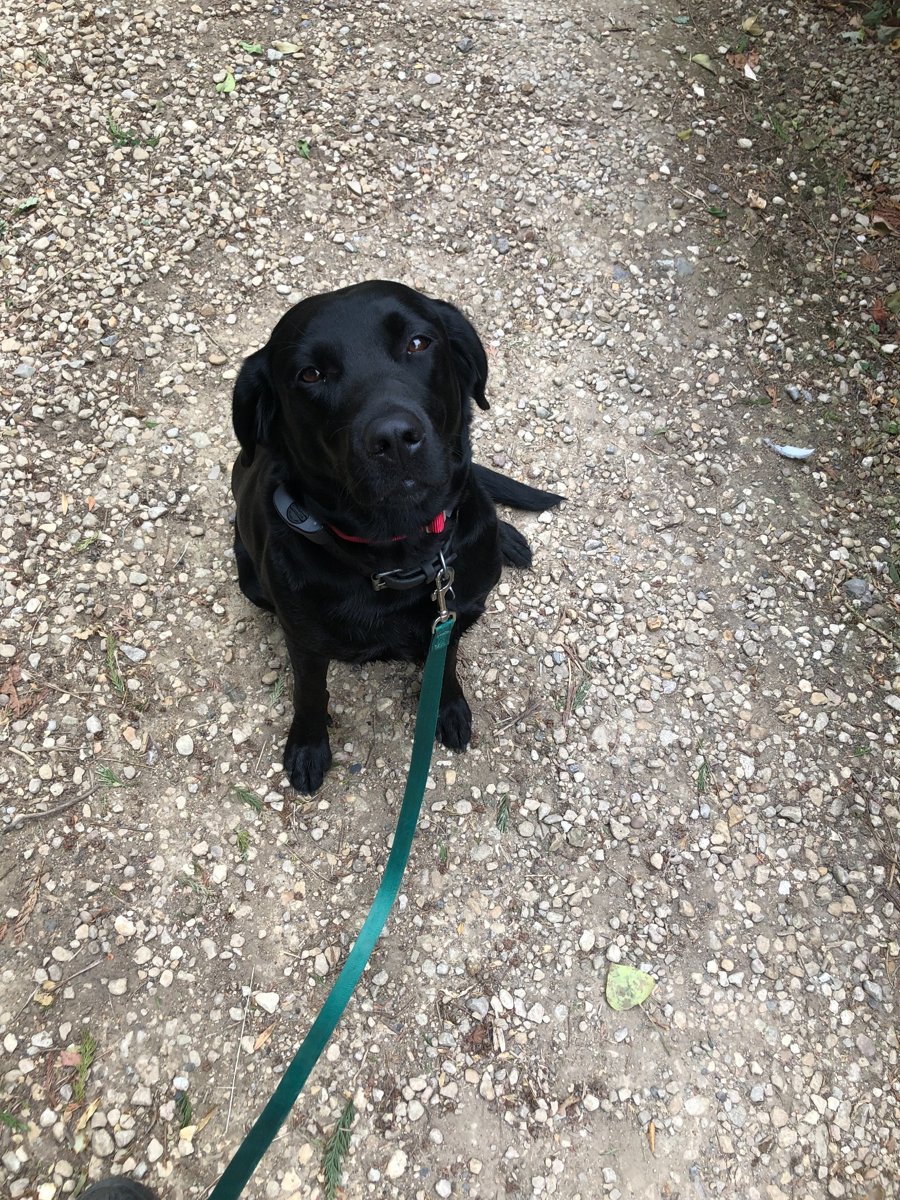
Black Labrador sitting safely inside secure garden boundary


How to Stop a Dog Running Away: Practical Step-by-Step Solutions

Preventing escape requires a combination of management, training, and — in some cases — physical containment.

Here are the most effective approaches.


1. Provide Adequate Exercise & Mental Stimulation

Many escape attempts are driven by boredom or excess energy.

Daily walks, structured play, scent work, puzzle feeders, and social interaction can dramatically reduce the desire to roam. A mentally fulfilled dog is far less likely to test boundaries.


2. Secure Your Garden Properly

Check your perimeter carefully:

  • Inspect fencing for gaps, loose panels, or weak points.
  • Reinforce the base of fencing if your dog is prone to digging.
  • Ensure gates close securely — self-closing hinges can help.

If your dog is digging along fence lines or finding weak spots, you may find our guide on fencing for dogs that dig or escape helpful

For more guidance, see our article on how to dog proof your garden.
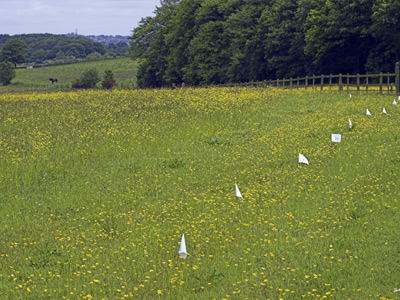
Dog fence boundary with training flags installed in UK garden

Nothing to see here! A fine example of the best dog fence designs in a countryside setting.


3. Train a Reliable Recall

Recall training is essential — even if you have secure fencing.

  • Start indoors or in low-distraction environments.
  • Reward heavily for returning.
  • Never punish delayed responses.
  • Gradually increase difficulty.

A solid recall won’t replace containment, but it adds an important safety layer.


4. Identify & Manage Triggers

Does your dog escape during fireworks? When wildlife passes? When left alone?

  • Noise-sensitive dogs may benefit from desensitisation training.
  • Dogs with separation anxiety may need structured independence training.
  • In some cases, working with a qualified behaviourist is invaluable.


5. Consider Neutering (Where Appropriate)

Unneutered dogs are often more motivated to roam, particularly during mating seasons. While neutering is not a universal solution, it can significantly reduce hormone-driven escape attempts.


6. Install a Containment System for Open or Rural Properties

For larger gardens, rural homes, or properties with driveways and open access points, traditional fencing may not be practical or sufficient.

A professionally installed electronic dog fence system can provide consistent, reliable containment without altering the appearance of your garden:

  • Works across varied terrain
  • Can secure driveways and open boundaries
  • Is tailored to your dog’s temperament
  • Provides consistent boundary clarity

When professionally installed and paired with structured training, modern electronic containment systems provide predictable, consistent boundary clarity that most dogs quickly understand.

If you’d like to understand more about how these systems work, read our guide on Are Invisible Dog Fences Safe?

If your dog’s escape behaviour is persistent or seasonal, understanding the underlying motivation is critical.
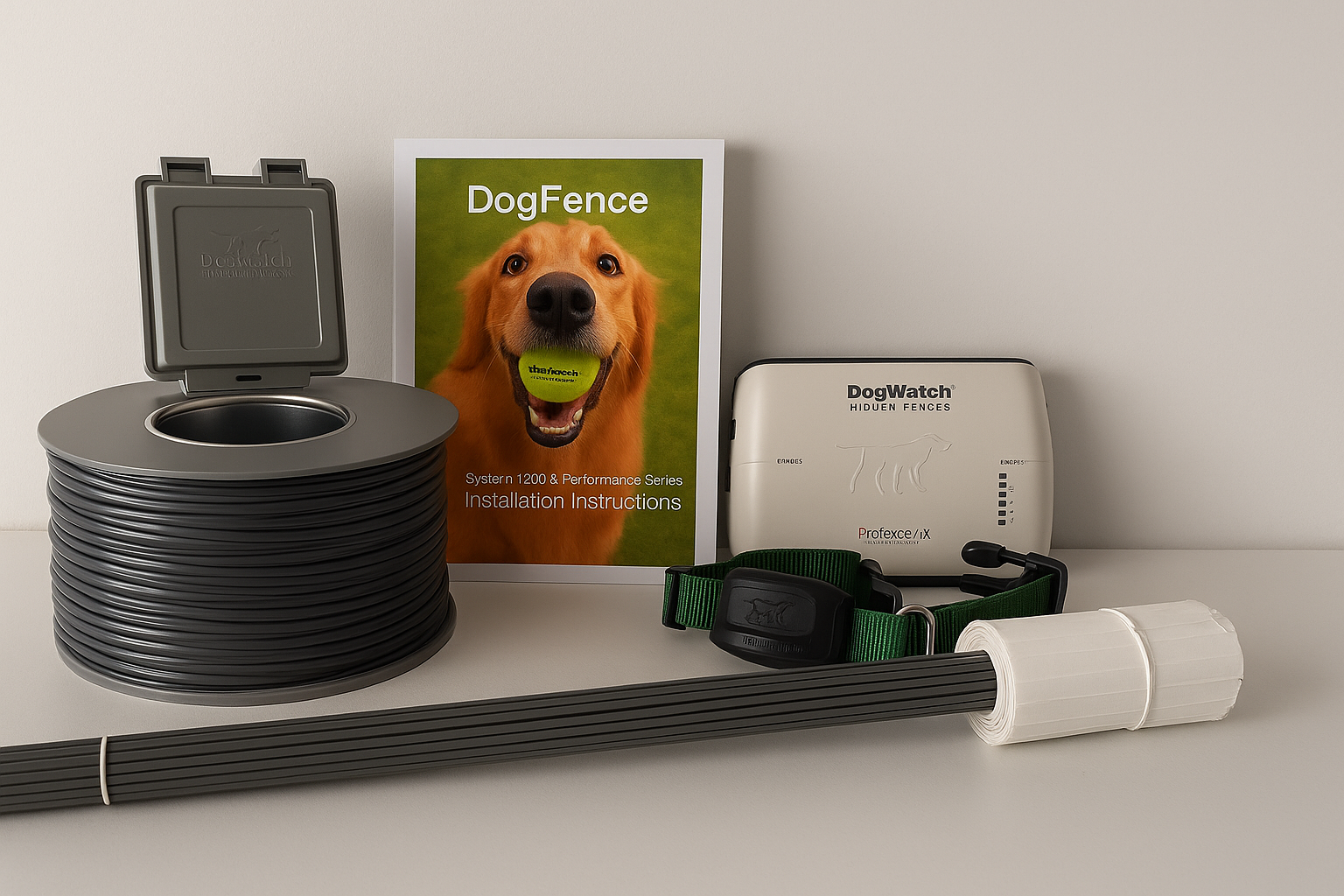
Electronic dog fence system installed on rural UK property


Frequently Asked Questions

How long does it take for a dog to learn their boundary?

Most dogs understand their new boundary within one week of consistent training. Clear markers and repetition are key.


What happens if a dog crosses the boundary?

Modern systems provide a warning tone before any correction. Proper training ensures most dogs respond to the tone alone and do not test the boundary again.


Will an electronic fence hurt my dog?

When professionally set up and correctly used, systems use controlled, adjustable correction levels suited to your dog’s size and temperament. The aim is communication — not punishment.


Is the system portable if I move?

Yes. Systems can be reinstalled and adjusted for a new property.


Can I install it myself?

Some homeowners choose DIY installation packages. Professional installation ensures optimal placement and tailored training support.


Does it work for cats?

Yes — electronic containment systems can also be used safely and effectively for cats when fitted with the appropriate lightweight receiver collar and supported by structured training.

If you’re specifically looking to protect your cat from roaming or road risks, you can learn more about our CatFence containment systems and how they work.


What Our Customers Say

“This company are top rank… The installer trained our dog beautifully and we’ve never had another escape. Superlatives fail me.”

— Edward T., Cornwall


Conclusion: Prevention Is Better Than Panic

Learning how to stop a dog running away isn’t about restriction — it’s about safety, clarity, and responsible ownership.

By understanding your dog’s motivation, strengthening your boundaries, and using the right tools for your property, you can give your dog freedom without fear.

If you’d like tailored advice for your property and your pet, speak to our team for a no-obligation free quote or tailored advice.

Worried About Your Dog Running Away?

Get expert advice on securing your garden and preventing escape — tailored to your dog and your property.

Call us on
01628 476475
|
Message us on WhatsApp
|
Request a Free Quote Online

Related Guides on Preventing Dog Escape

Different dogs escape in different ways. Explore these in-depth guides for specific situations: