What Should I Look for in a Reliable Dog Fence?
If you are considering an electronic dog fence, one of the most important questions is: what should you actually look for in a reliable dog fence?
Not all dog fence systems work in the same way. The technology used, speed and accuracy of the boundary signal, quality of the receiver collar, installation and – perhaps most importantly – the way your dog is trained can all affect how reliable the system is in everyday use.
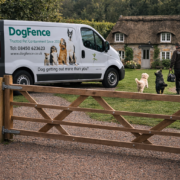
At DogFence, we have been professionally installing electronic dog containment systems in the UK since 2003. Here are the key features we believe dog owners should consider when comparing systems.
What features should I look for in a reliable invisible dog fence?
A reliable invisible or electronic dog fence should provide a fast, consistent and accurately defined boundary, use a high-quality receiver collar suitable for your dog, and work reliably across the size and layout of your property. It should also be supported by appropriate training so that your dog understands the boundary and knows how to respond to it.
When comparing dog fence systems, we recommend looking beyond price and considering the complete system: technology, boundary accuracy, collar quality, installation, training and ongoing support.
1. Look for a fast and accurate boundary response
Reaction time is one of the most important features of an electronic dog fence.
The system needs to recognise when the dog approaches the boundary and respond quickly and consistently. If a system is slow to react, a fast-moving dog may be able to travel further into or even beyond the boundary area before the receiver responds.
A fast, accurate system gives the dog a much clearer and more predictable boundary to learn.
This is also one of the reasons the quality of the technology matters. You can read more about this in our guide to digital dog fences and reliable boundaries for UK gardens.
2.
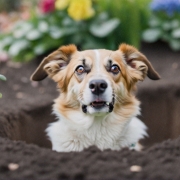
A reliable dog fence combines accurate boundary technology with correct training to help dogs understand where they can safely roam.
Check how accurately the boundary can be positioned
Your dog fence should suit your property rather than forcing your property to fit the limitations of the system.
A professionally installed wired dog fence can usually follow the shape of a garden or property very closely. This means the boundary can be designed around areas such as driveways, gates, ponds, flower beds, neighbouring properties or places where you specifically do or do not want your dog to go.
Some wireless and GPS systems create boundaries differently, and this can affect how precisely the containment area can be positioned.
If you are comparing the different technologies, see our guide to wireless vs wired dog fences.
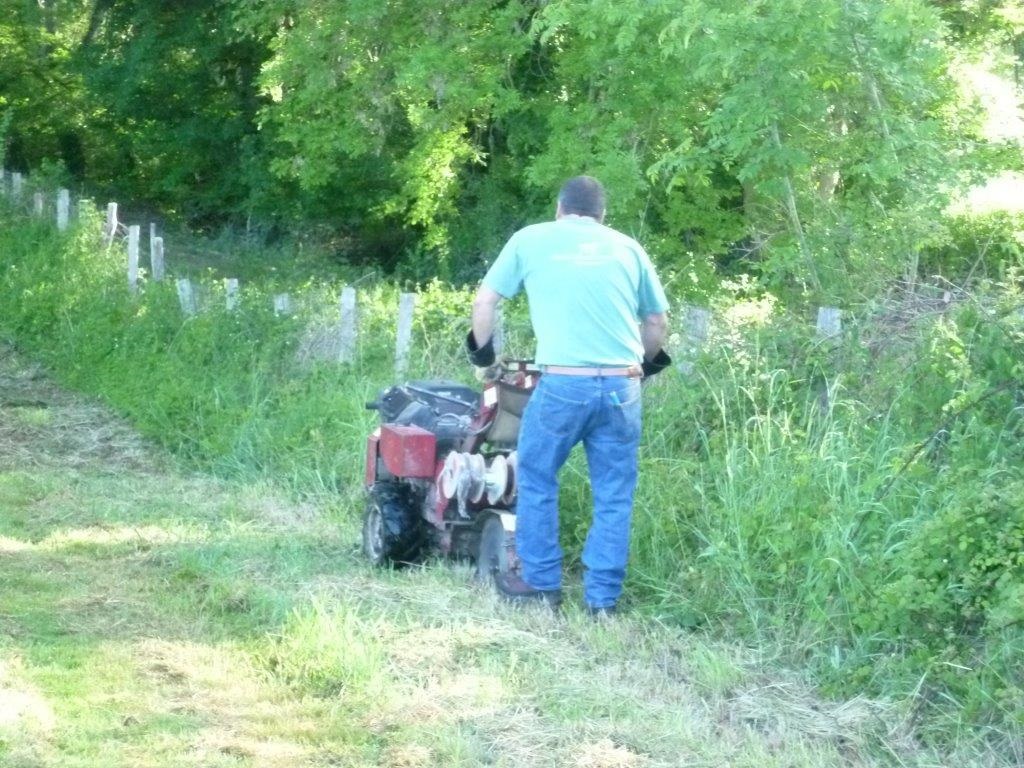
Professional installation allows the dog fence boundary wire to follow the layout of the property accurately.
3. Consider the technology behind the dog fence
Two electronic dog fences may look very similar to a dog owner but use quite different technology.
The quality and consistency of the signal matters because the dog needs to receive a predictable warning in the same area of the garden each time it approaches the boundary.
DogWatch Hidden Fence systems use digital FM technology, designed to provide a fast and consistent signal around the boundary.
When comparing systems, ask how the boundary signal is generated, how quickly the receiver responds and whether the system is designed to minimise interference.
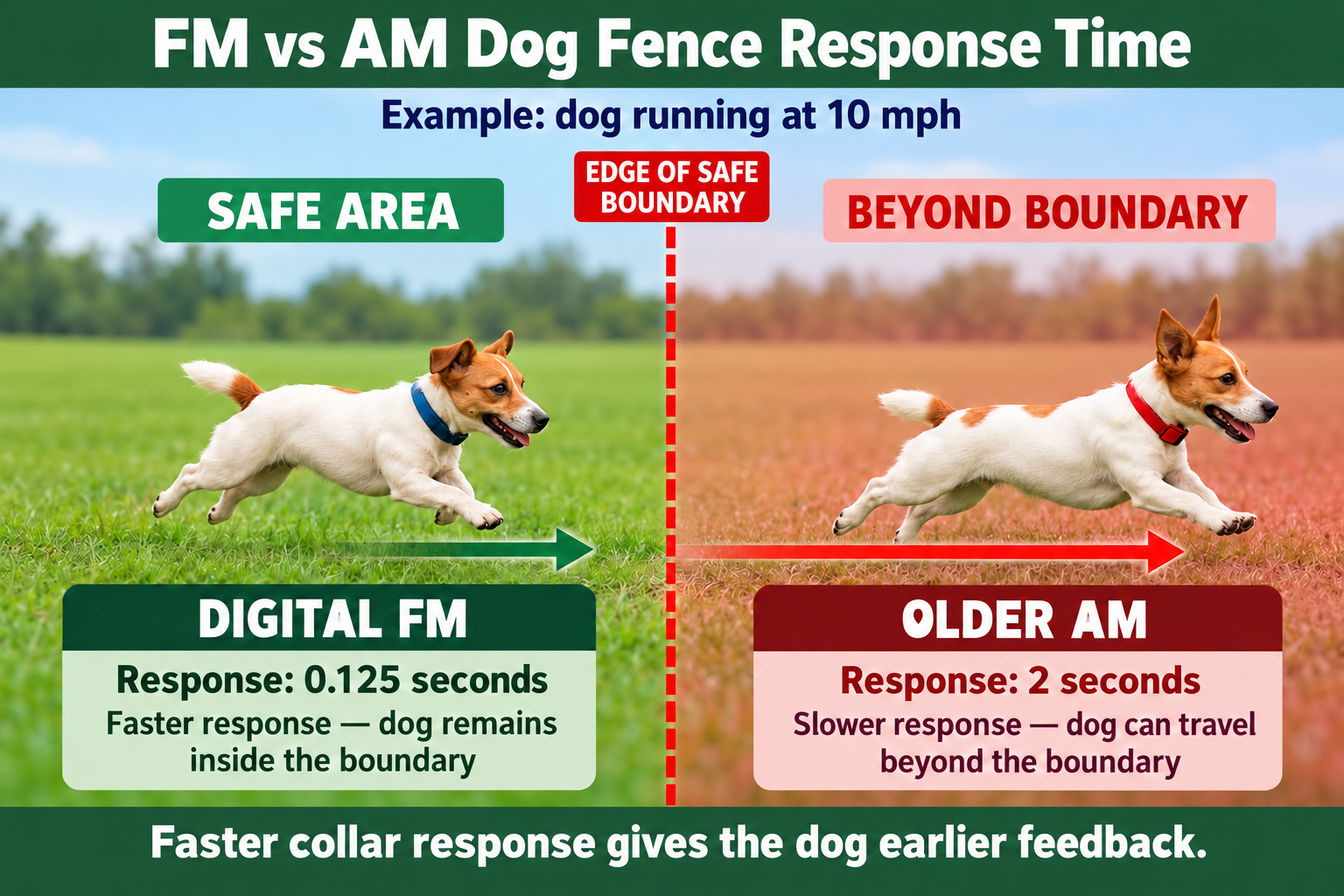
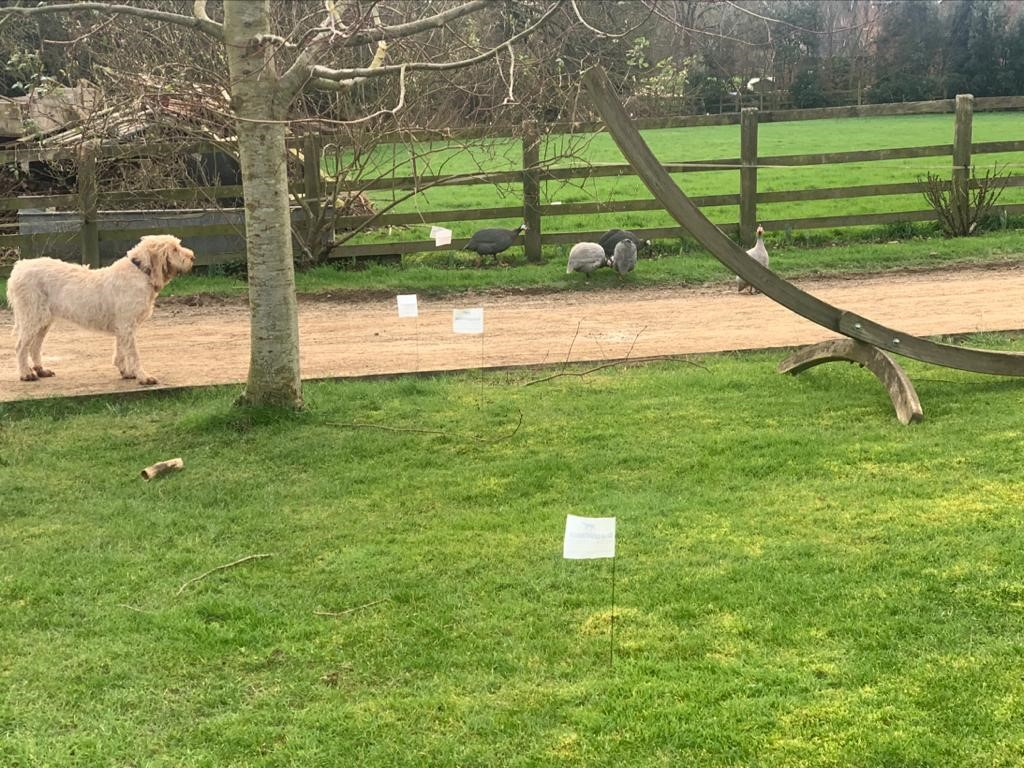
The technology behind an electronic dog fence can affect the speed, consistency and reliability of the boundary signal.
4. Choose a receiver collar suitable for your dog
The receiver collar is another important part of the system. It should be comfortable, reliable and appropriate for the size, breed and temperament of the individual dog.
Things worth checking include:
- whether the receiver is waterproof;
- the size and weight of the receiver;
- whether different training or correction levels are available;
- battery life and battery monitoring;
- whether the system can be adjusted for different dogs within the same household; and
- whether the collar provides an audible warning before correction.
A small or sensitive dog may have very different requirements from a large, confident or particularly determined dog. A good dog fence system should allow for those differences.
5. Make sure the system is suitable for your garden
Garden size and shape matter.
Small gardens, large country properties, irregular boundaries, open driveways and gardens containing restricted areas can all present different containment challenges.
A reliable system should therefore be chosen and designed around the individual property rather than simply on the basis of how many metres or acres the manufacturer says it can cover.
For more complicated gardens, a professionally designed wired boundary can provide considerably more flexibility over exactly where the dog can and cannot go.
6. Don’t overlook dog training
Even an excellent dog fence needs correct training.
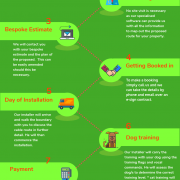
The aim of training is not simply to teach the dog about the receiver collar. It is to help the dog understand where the boundary is, recognise the warning signal and learn the correct response – moving back towards the safe area.
This is why we consider the dog fence and the training programme as one complete containment system.
Good training is also important when considering concerns such as whether a dog could cross the boundary and become reluctant to return. We explain this in more detail in Can a Dog Get Stuck Outside an Invisible Fence?
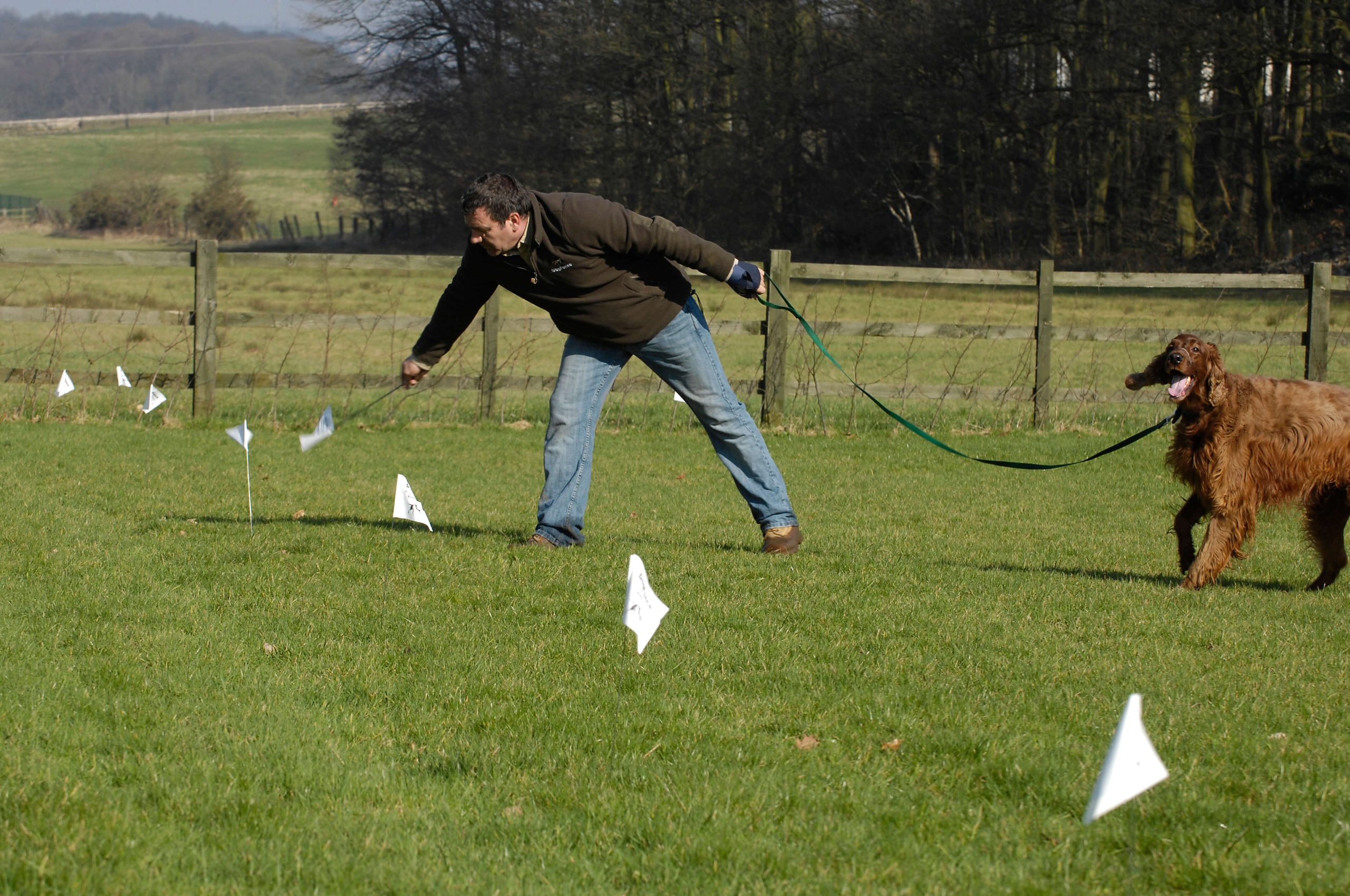
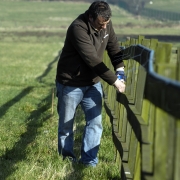
Correct training teaches the dog to recognise the boundary warning and return towards the safe area.
7. Decide whether DIY or professional installation is right for you
Some electronic dog fences are designed for DIY installation, and for certain gardens and owners this can be a practical option.
However, professional installation can be particularly valuable where the property is large, unusually shaped, has an open driveway or contains areas that need to be excluded from the dog’s permitted space.
A professional installation should consider not only where the boundary wire can physically be installed, but also where the safest and clearest boundary is for the dog.
We’ve looked at the differences in more detail in our guide: Can I Install a Wireless or Wired Dog Fence Myself?
8. Look at the training and support provided after installation
When comparing dog fence companies, don’t just compare the equipment.
Ask what happens after the system has been installed.
Will someone show you how to train your dog? Can you get advice if your dog needs additional training? Are replacement collars, batteries and other parts readily available? And is there someone you can speak to if you have a problem?
A dog containment system may be in use for many years, so ongoing support can be just as important as the initial installation.
9. Don’t choose a dog fence on price alone
It can be tempting to compare dog fences simply by looking at the purchase price, particularly when inexpensive wireless and GPS systems are readily available online.
But the cheapest system is not necessarily the best value if the boundary is unsuitable for your property, the signal is inconsistent or you are left to work out the training yourself.
Instead, compare what you are actually receiving: the technology, equipment, boundary design, installation, training, warranty and ongoing support.
So, what makes a reliable dog fence?
For most owners, reliability comes from several things working together rather than one particular feature.
A good dog fence should have a fast and consistent response, an accurately positioned boundary, a high-quality receiver suitable for the individual dog and technology appropriate for the property.
Just as importantly, the dog needs to be trained correctly so that it understands what the boundary means and how to respond to it.
That’s why at DogFence we don’t view the equipment, installation and training as separate things. They all form part of the same containment solution.

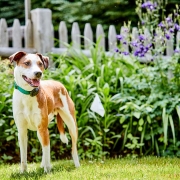
A reliable dog fence combines a consistent boundary with correct training so the dog learns where it can safely roam.
Frequently asked questions about choosing a dog fence
What is the most important feature of an invisible dog fence?
There isn’t one feature that guarantees reliability. Look for a combination of a fast and consistent boundary signal, accurate boundary positioning, a good-quality receiver collar and appropriate training for the dog.
Is a wired dog fence more accurate than a wireless dog fence?
A wired dog fence allows the boundary wire to be positioned around the required containment area, which can make it particularly useful for irregularly shaped gardens and properties where specific areas need to be included or excluded. Wireless systems often create their containment areas differently, so suitability depends on the individual property.
Does an electronic dog fence work for every dog?
No system should be assumed to be suitable for every dog without considering the individual animal. Age, health, temperament, behaviour and previous training should all be considered before deciding whether an electronic containment system is appropriate.
Is professional dog fence installation worth it?
Professional installation can be particularly useful for larger or complicated properties and for owners who want help designing the safest boundary. The additional benefit of a professional service should also include guidance on training the dog rather than simply installing the equipment.
Can a dog fence work on a large property?
Yes. Wired electronic dog fences can be suitable for very large properties, although the design and equipment need to be appropriate for the site. Large or complicated installations should be assessed individually rather than choosing a system solely from its advertised maximum coverage.
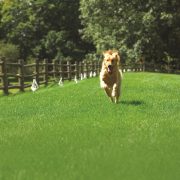
A wired electronic dog fence can create a clearly defined boundary across large gardens and rural properties.
Need help choosing the right dog fence?
DogFence has been installing electronic dog containment systems in the UK since 2003. We can advise on whether a dog fence is suitable for your dog and property, design the boundary, professionally install the system and show you how to train your dog correctly.
Talk to DogFence about your garden and your dog
Not sure which type of dog fence would work best for your property? Our team can help you understand the options and whether a professionally installed system is suitable.
☎ 01628 476475
💬 WhatsApp: 07917 034256
Every dog and property is different. Suitability should always be assessed individually and appropriate training is essential.