Tag Archive for: wired dog fence

Digital Dog Fence: Reliable Boundaries for UK Gardens – digital FM versus older AM collar response times

Digital Dog Fence: Reliable Boundaries for UK Gardens

Why are digital FM dog fences more reliable than older AM dog fence systems?

Quick answer: A digital FM dog fence creates a consistent wired boundary around a garden or property. Unlike GPS systems, the boundary follows an installed cable rather than satellite coordinates, so it does not move because of trees, buildings, cloud cover or the shape of the land. The technology can also be combined with professional installation, individual dog training and SmartFence monitoring to provide early warnings about wire breaks, power loss and collar batteries.The reliability of a hidden dog fence depends on much more than burying a wire and putting a receiver collar on a dog. The signal technology, boundary design, collar response, installation quality and training must all work together.This is particularly important when containment failure could place a dog near a busy road, an open driveway, livestock, a cliff edge or another serious hazard.

Cocker Spaniel safely enjoying a UK garden protected by a digital FM dog fence

A digital FM dog fence creates a reliable boundary without obstructing the garden.

What is a digital FM dog fence?

A digital FM dog fence uses a transmitter to send a coded FM signal through a boundary cable installed around the permitted area.

The cable acts as an antenna. It is not an electrified wire and it does not place electricity into the garden or soil.

The dog wears a compatible receiver collar programmed to recognise the boundary signal. As the dog approaches the warning zone:

  1. The receiver detects the coded FM signal.
  2. The collar gives an audible warning.
  3. The dog uses its training to turn back towards the safe area.
  4. If the dog continues, the collar provides its individually programmed response.
  5. The response stops when the dog retreats into the safe area.

The dog is therefore learning a defined boundary, not simply reacting to a collar.

You can read a general explanation of the complete system on our How a Dog Fence Works page.
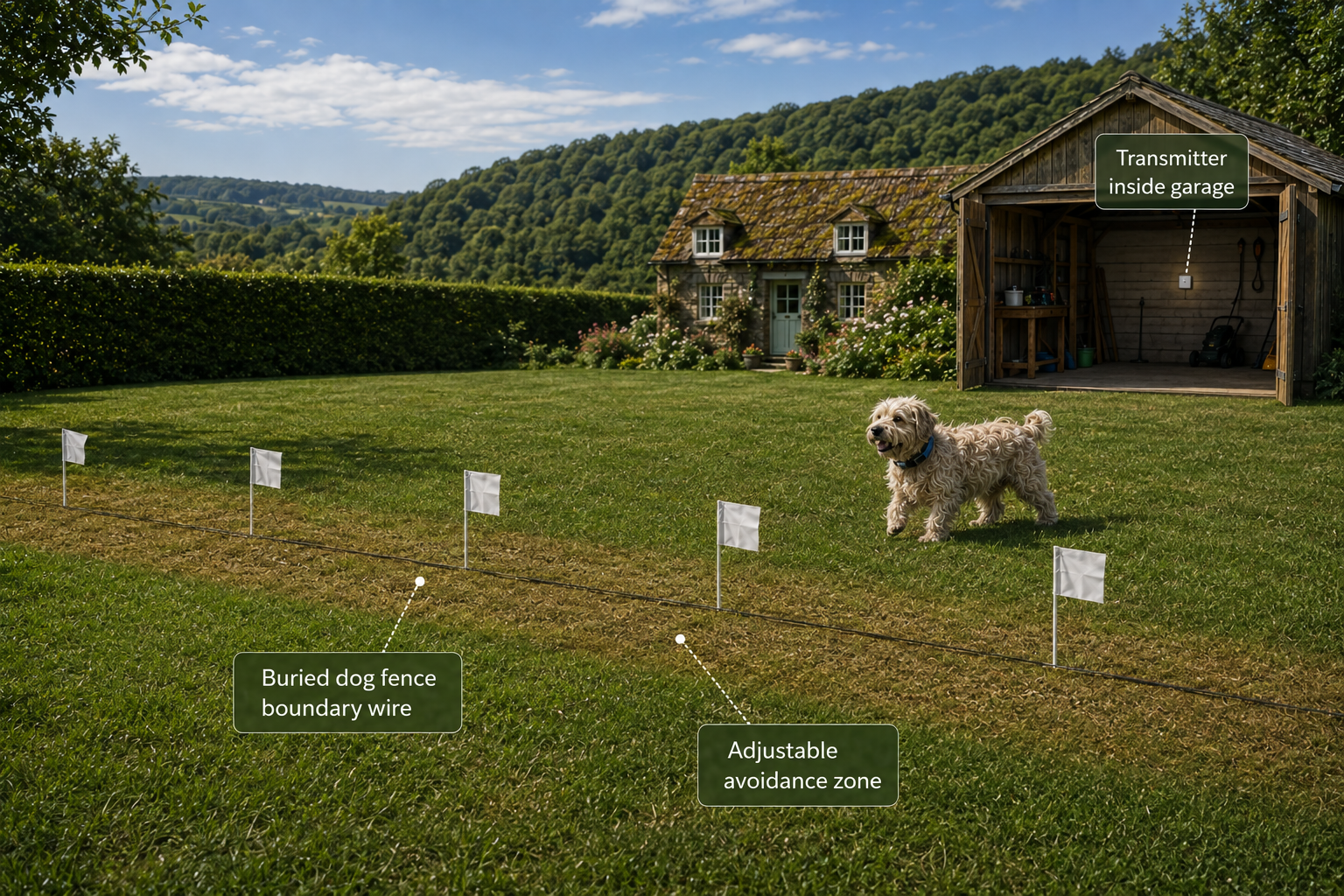
How a digital FM dog fence keeps dogs safely contained in the garden

A digital FM dog fence creates a consistent hidden boundary, allowing dogs to play freely and safely within the garden.

Why does digital FM dog fence technology matter?

A dog needs the boundary warning to occur predictably. If the activation point feels inconsistent, moves unexpectedly or continues after the dog has made the correct decision, training can become confusing.

DogFence installs professional DogWatch systems using digital FM SafeLink technology. The compatible receiver collar is designed to recognise the signal generated by the installed system and disregard unrelated background interference.

This helps provide:

  • a clearly defined warning zone;
  • consistent activation around the installed boundary;
  • accurate communication with the receiver collar;
  • individual settings for different dogs using the same boundary;
  • fast recognition when the dog approaches the cable; and
  • appropriate shutdown when the dog retreats.

The equipment is manufactured by DogWatch, while DogFence designs, installs, trains and supports the systems in the UK. More information about the underlying technology is available from the official DogWatch website.

Can buildings, trees or the shape of the land affect a dog fence?

Buildings, mature trees, woodland, slopes and uneven ground can cause difficulties for some satellite-based or wireless containment systems.

A wired digital FM dog fence does not rely on GPS coordinates, mobile reception or an uninterrupted view of the sky. Its boundary follows the physical route of the installed cable.

This means the boundary can usually be designed around:

  • buildings and outbuildings;
  • mature trees and woodland;
  • sloping or undulating gardens;
  • streams and ponds;
  • irregularly shaped properties;
  • long rural boundaries; and
  • compact urban gardens.

The boundary does not have to be circular or rectangular. It can be designed around the property and the areas the dog should be allowed to use.

See how a wired boundary can be installed around trees, streams and woodland.

Can damp soil or UK weather interfere with a dog fence?

Rain, cloud cover and damp soil do not normally cause a professionally installed wired boundary to move.

However, installation quality still matters. Water entering a poor cable connection, accidental damage from gardening or unsuitable external components can create a fault.

A professional installation should therefore use:

  • boundary cable suitable for the property;
  • proper waterproof connections;
  • a carefully planned cable route;
  • appropriate protection at driveways and vulnerable areas;
  • surge and lightning protection where specified; and
  • complete signal testing after installation.

Owners should also follow routine maintenance and testing guidance. Our dog fence maintenance and safety checklist explains what should be checked.

Can metal gates and driveways affect the boundary?

Metal gates, reinforced surfaces, underground services and electrical equipment should be considered when designing the boundary.

This does not necessarily mean that a dog fence cannot be installed. It means the route, signal width and equipment must be assessed rather than guessed.

A professionally installed boundary can normally cross gravel, concrete, block paving or tarmac. The installation method should protect the cable while preserving the surface as neatly as possible.

Read how we install dog fence wire across a driveway.

Block-paved driveway with electric gates showing where a digital FM dog fence cable can cross the entrance

A professionally installed digital FM dog fence can create a consistent boundary across a block-paved driveway and electric-gate entrance. The cable route and nearby metalwork should be assessed during installation.

Why does dog fence collar response time matter?

A dog running at 20 mph travels approximately 14.7 feet in half a second. Response time therefore matters, particularly for fast dogs or properties close to roads and other hazards.

When comparing dog fence systems, owners should ask:

  • How quickly does the receiver recognise the boundary signal?
  • How wide can the warning zone be set?
  • Does the collar give an audible warning first?
  • What happens if the dog immediately turns around?
  • How quickly does the response stop after the dog retreats?
  • Can the receiver setting be tailored to the individual dog?

Some containment collars may continue activating briefly after a dog has turned back. This is sometimes described as response “hang-on” time.

The dog should receive clear feedback for approaching the boundary and equally clear feedback that retreating was the correct decision. Activation and shutdown behaviour should therefore be considered together.
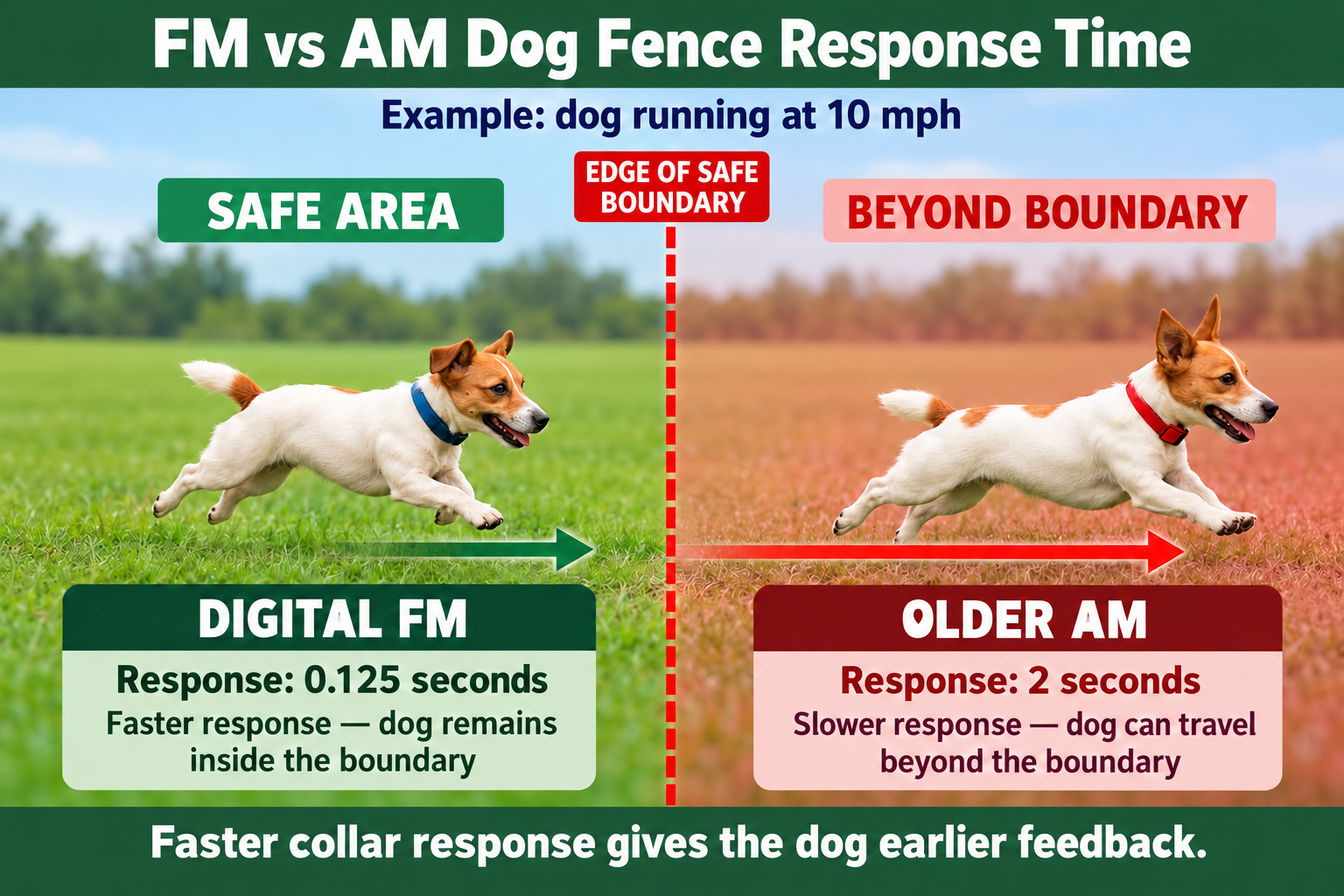
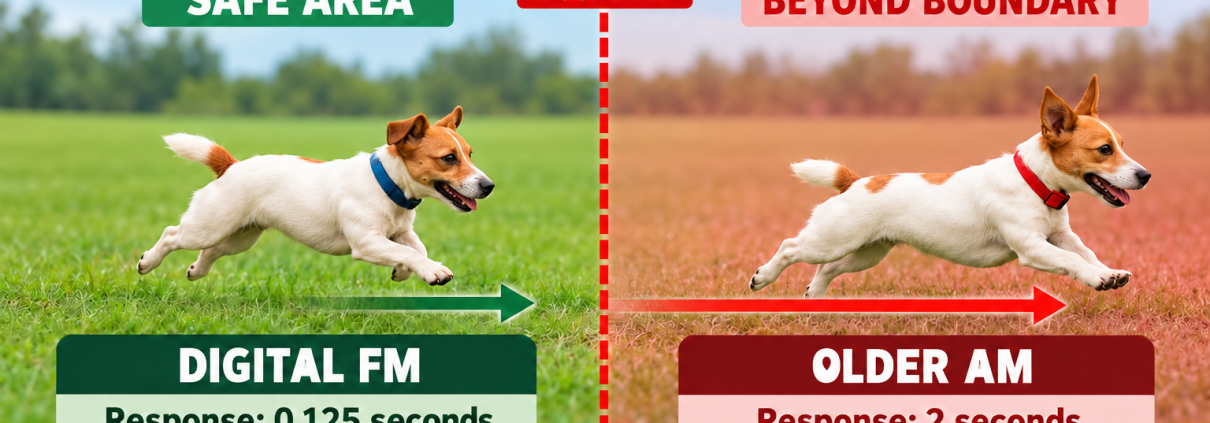
FM vs AM dog fence collar response time showing faster FM feedback before a dog crosses the safe boundary

A digital FM dog fence responds more quickly than an older AM system, giving a running dog earlier feedback before it crosses the safe boundary.

Is a digital FM dog fence safer beside a busy road?

No containment provider should describe any product as completely failure-proof. The consequences of an escape are greater beside a busy road, railway, cliff or livestock field, so the entire containment plan must be assessed carefully.

For these higher-risk properties, we consider:

  • the distance between the trained boundary and the hazard;
  • the dog’s previous escape behaviour;
  • the dog’s speed, temperament and prey drive;
  • the reliability and condition of existing physical boundaries;
  • the proposed warning-zone width;
  • collar fit and individual programming;
  • the owner’s ability to complete the training; and
  • whether additional physical precautions are required.

The aim is not simply to sell equipment. It is to decide whether the property and dog are suitable and then design several layers of protection where the consequences of failure are serious.

Read more about when an invisible dog fence may not be suitable.

Does a digital FM dog fence work for an ordinary UK garden?

Yes. Professional containment is not only for country estates or unusually difficult properties.

A correctly designed system can also help in an everyday suburban or urban garden where a dog:

  • jumps an otherwise serviceable fence;
  • digs beneath one vulnerable section;
  • squeezes through a hedge or gate gap;
  • runs towards an open driveway;
  • needs to stay out of a front garden; or
  • repeatedly finds weaknesses in mixed fencing.

The boundary can reinforce existing fences, walls, gates and hedges without requiring the owner to replace every physical boundary.

For straightforward properties and owners who are confident installing and training the system themselves, an appropriate self-install option may also be considered. Professional installation is more valuable where the layout, surfaces, risks or dog’s behaviour require specialist input.

Digital FM, GPS or wireless dog fence: which is more reliable?

SystemHow the boundary is createdPotential advantagesPoints to consider
Wired digital FM dog fenceInstalled boundary cablePrecise irregular layouts, stable boundary, internal exclusion zones and no satellite dependencyRequires cable installation and boundary maintenance. Fast response time. Accurate boundary.
GPS dog fenceSatellite coordinatesPortable and no buried perimeter cableAccuracy may be affected by trees, buildings, terrain and satellite conditions; check boundary drift and response time. Easily portable.
Circular wireless dog fenceSignal radiating from a central transmitterQuick setup for a suitable simple propertyUsually creates a circular boundary and may not follow an irregular garden or exclude individual features. Slow response time. Easily portable.

There is no single best system for every owner. The right choice depends on the property, risks, required boundary shape, dog and level of support needed.

For a fuller comparison, see how GPS dog fences work and our guide to wireless versus wired dog fences.

What is SmartFence monitoring?

SmartFence combines the installed wired boundary with monitoring designed to give owners greater reassurance.

Depending on the installed system, connected monitoring can provide information about:

  • a break in the boundary wire;
  • loss of power to the transmitter;
  • the condition of the receiver-collar battery;
  • communication or connectivity issues; and
  • system status requiring attention.

This does not replace owner testing, collar checks or training. It provides an additional layer of information so potential problems can be identified earlier.

That can be especially valuable for owners with large boundaries, multiple pets or dogs living close to high-risk hazards. Watch our SmartFence to see how the system helps owners monitor their dog fence, including boundary-wire, power and receiver-collar battery alerts.

DogWatch SmartFence app monitoring a digital FM dog fence, boundary wire, power and collar battery status

DogWatch SmartFence connects the wired dog fence to a smartphone, helping owners monitor boundary-wire, power and receiver-collar battery alerts.

Can one digital FM dog fence contain several pets?

Yes. Multiple compatible receiver collars can use the same installed boundary.

Each collar can be programmed for the individual pet rather than using one universal setting. This means the same boundary may be suitable for:

  • dogs of different sizes and temperaments;
  • two or more dogs;
  • dogs and cats within the same household; and
  • pets requiring different permitted or excluded areas.

Each animal must be fitted and trained individually. A second pet should not simply be released into the garden because the first pet understands the boundary.

Learn more about adding another dog to an existing dog fence.

How are dogs trained to a digital FM boundary?

The system is not installed and switched on without explanation to the dog.

Training flags temporarily mark the boundary. The dog is introduced on a lead and learns that the warning tone means it should turn back towards the safe area. Praise and rewards reinforce the correct retreat.

Training then progresses gradually through different boundary points and controlled distractions before supervised off-lead freedom is considered.

The collar setting, speed of progression and level of distraction should be adapted to the individual dog. Nervous, anxious or highly driven dogs may require a slower programme or an alternative solution.

Read our complete guide to training a dog to a hidden boundary.

What happens if the dog fence fails?

A responsible containment plan considers possible failures before installation.

Potential problems can include:

  • accidental damage to the boundary wire;
  • a depleted or incorrectly installed collar battery;
  • power loss;
  • an incorrectly fitted receiver collar;
  • changes to the garden or boundary route;
  • insufficient training; or
  • an unusually strong distraction.

Protection comes from using suitable equipment, professional boundary design, clear transmitter warnings, SmartFence monitoring where selected, regular owner checks and structured training.

If a dog challenges or crosses the boundary, the cause should be investigated. Simply increasing the receiver level without checking the equipment, fit, signal and training is not an appropriate response.

See what to check if a dog runs through an invisible fence.

Frequently asked questions about digital FM dog fences

Is a digital FM dog fence affected by trees?

The wired boundary follows the installed cable and does not require a clear view of satellites. Trees should still be considered when planning and protecting the cable route.

Does damp soil move the dog fence boundary?

Damp soil does not normally move a professionally installed wired boundary. Cable condition, waterproof connections and correct installation remain important.

Can a digital FM dog fence cross a metal gate?

It can normally protect a gateway, but metal, underground services and the proposed cable route should be assessed during the design process.

Will it work in a small garden?

It may do, provided the dog is left with enough comfortable safe space. If the warning zone would dominate the usable garden, another form of containment may be more appropriate.

Can the boundary protect an open driveway?

Yes. A professionally installed cable can normally cross a driveway and create a trained boundary across an open entrance.

Does SmartFence stop a dog escaping?

SmartFence monitoring helps owners identify certain system issues. Containment still depends on the installed boundary, receiver collar, correct fit, routine checks and dog training.

Can the same system be used for dogs and cats?

Potentially, yes. Each animal needs a compatible, individually programmed receiver and species-appropriate training.

Is a digital FM dog fence suitable beside a busy road?

It may be, but the higher consequences require an individual assessment of the property, setback, dog, equipment, training and any additional physical safeguards.
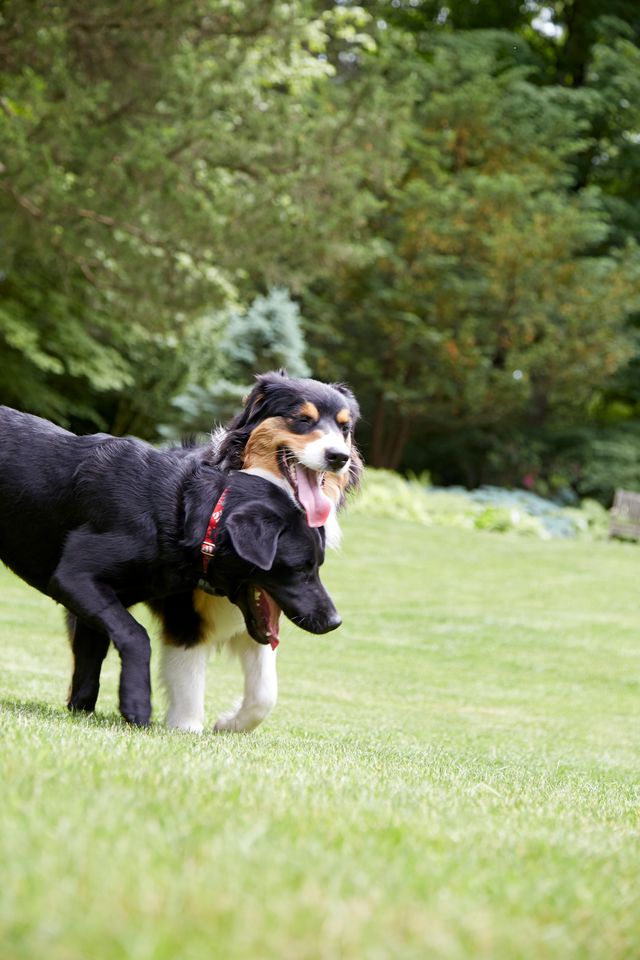
Two dogs playing safely together in a garden protected by a digital FM dog fence

Freedom to play safely at home—an expertly installed digital FM dog fence provides a reliable boundary without changing the appearance of the garden.

Is a digital FM dog fence right for your property?

DogFence has installed and supported professional DogWatch containment systems in the UK since 2003. We assess the dog, garden, boundary risks and required training before recommending a system.

Call: 01628 476475
WhatsApp: 07917 034256

Every dog and property is different. A hidden boundary should only be used where the dog can be trained comfortably and the property provides sufficient safe space. Some illustrative images on this website may be AI-generated.
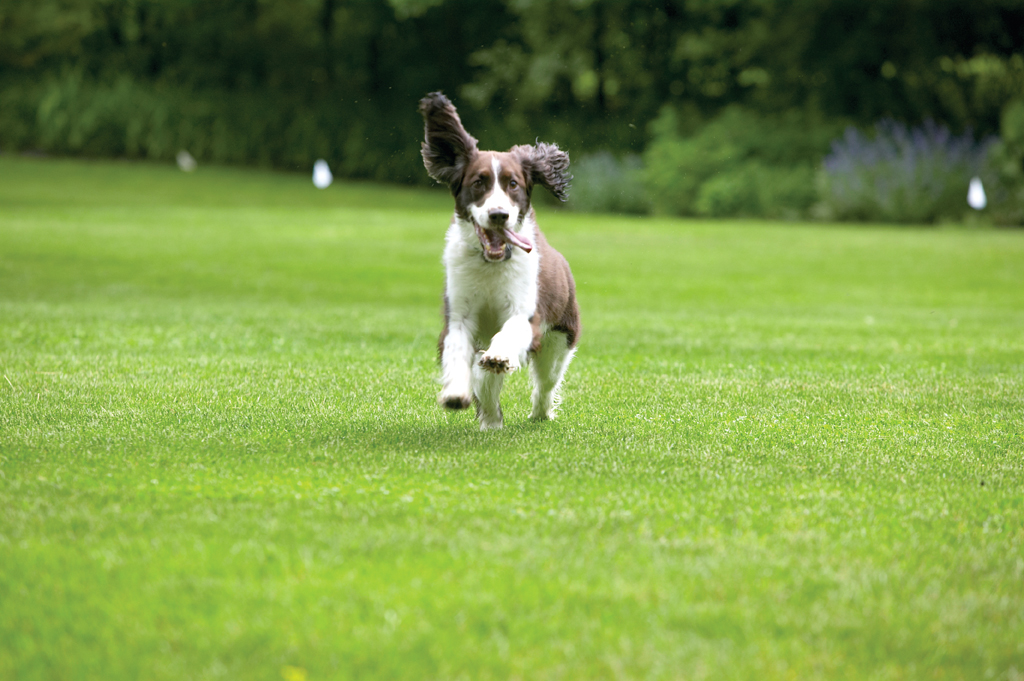
 

Dog running freely inside a wired or wireless dog fence boundary

Can I Self-Install a Wireless or Wired Dog Fence? | DogFence

Can I Self-Install a Wireless or Wired Dog Fence??

Yes, you can self-install both wired and wireless dog fences, but the installation process and the type of boundary they create are very different. A self-install wired dog fence uses a boundary wire that can be positioned to follow the shape of your garden, while a wireless dog fence generally creates a boundary using a central transmitter or, in the case of GPS systems, satellite positioning.

Choosing between a self-install wired dog fence, wireless dog fence or GPS dog fence depends on your garden layout, the size of the area you want to contain and, importantly, your dog. A system that is quick and easy to install is not necessarily the system that will provide the most suitable or reliable boundary for your property.

At DogFence, we have specialised in pet containment since 2003 and offer both self-install dog fence systems and professional installation with dog training. In this guide, we compare wired, wireless and GPS options, explain what is involved in installing them yourself, and help you understand which type of dog fence may be most suitable for your dog and garden.

Can I install a dog fence myself?

Yes. A wired electronic dog fence can be self-installed if you are comfortable planning the boundary, positioning the transmitter, laying the boundary wire, testing the system and following a structured dog training programme.

A typical DIY dog fence installation involves:

  • planning the safe area and boundary layout;
  • choosing a suitable position for the transmitter;
  • laying or burying the boundary wire around the property;
  • crossing driveways, paths or gateways where necessary;
  • creating any required exclusion or no-go zones;
  • connecting and testing the system;
  • setting up and correctly fitting the receiver collar;
  • placing temporary training flags along the boundary; and
  • training your dog to understand and respect the new boundary.

The physical installation is only part of the process. Training is fundamental to successful dog containment.

If you are considering doing the installation yourself, read our self-installing dog fence guide before you begin.

How does a DIY dog fence work?

With a wired hidden dog fence, a discreet boundary wire is installed around the area where your dog is allowed to roam. The wire carries a coded radio signal from a transmitter.

Your dog wears a lightweight receiver collar. As your dog approaches the boundary, the collar gives an audible warning. During training, your dog learns that the warning means they should turn back towards their safe area.

If you are new to electronic pet containment, our How the DogFence Works guide explains the boundary wire, receiver collar, warning zone and training process in more detail.

Watch: How does a DogFence work?

Before deciding between a self-install dog fence and professional installation, it helps to understand exactly how the system creates a safe boundary.

VIDEO: How the DogFence Works

Is a wireless dog fence easier to install yourself?

Usually, yes. A traditional wireless dog fence generally requires less physical installation because there is no boundary wire to lay. A transmitter creates a signal around a central point, which can make setup relatively quick.

However, easier installation does not automatically mean a wireless dog fence is the best solution for your property.

Wireless systems generally create a predetermined or circular containment area. That may work for some simple, open properties but can be restrictive where a garden is irregularly shaped or contains buildings, driveways, ponds, landscaping or areas your dog needs to avoid.

A wired dog fence allows the boundary to follow the actual shape of the property and can also create internal exclusion zones.

For a detailed comparison, read GPS & Wireless Dog Fences vs Hidden Fences and our article Wireless Dog Fence – The Truth: Do They Work?.

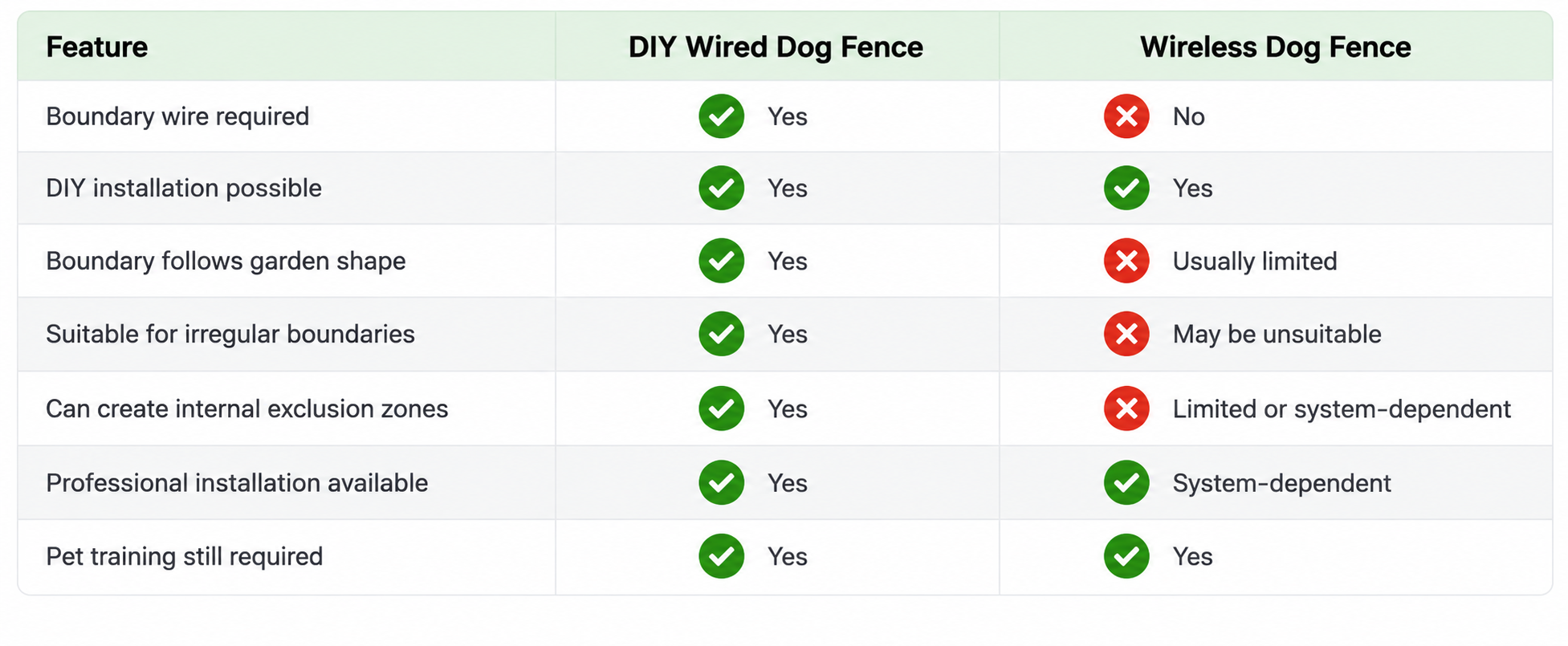
DIY wired dog fence vs wireless dog fence installation

The main difference is control over the boundary.

DIY wired dog fence vs wireless dog fence comparison showing installation and boundary features

This is why choosing a dog fence based purely on which one is easiest to install can be a mistake. The priority should be creating a consistent, appropriate boundary for your dog and property.

What are the advantages of a self-install dog fence?

For the right owner and property, a self-install dog fence has several advantages:

  • Lower installation cost: you provide the labour yourself.
  • Flexibility: you can carry out the work at a time that suits you.
  • Good for straightforward layouts: a simple garden can make DIY installation relatively manageable.
  • You know where the wire is: because you planned and installed the boundary yourself.

For a practical owner who is prepared to follow the installation and training instructions carefully, DIY dog fence installation can therefore be a perfectly viable option.

When is professional dog fence installation worth it?

Professional dog fence installation is particularly useful when the property or the dog’s requirements make the job more complicated.

You may prefer professional installation if:

  • you have a large or unusually shaped garden;
  • the boundary crosses several driveways or hard surfaces;
  • you need multiple exclusion zones;
  • your property includes woodland, slopes or difficult terrain;
  • you have several dogs;
  • your dog is an experienced escape artist;
  • you are unsure about choosing or fitting the correct receiver collar;
  • you don’t want to install and troubleshoot the boundary yourself; or
  • you would prefer an experienced trainer to introduce your dog to the system.

With a professionally installed DogFence system, the boundary is designed around the individual property, the equipment is installed and tested, and your dog’s initial training is carried out with you.

Professional dog fence training with dog learning the flagged boundary

Professional dog fence training helps your dog learn to recognise the warning tone and retreat safely from the flagged boundary.

Is professional training important with a hidden dog fence?

Training is one of the most important parts of any electronic dog fence, whether the system has been professionally installed or fitted by the owner.

A dog does not automatically understand an invisible boundary. Temporary training flags make the boundary visible while the dog learns to associate the location with the audible warning from the receiver collar.

Training should be gradual, consistent and appropriate for the individual dog. The objective is for the dog to hear the warning and confidently retreat back into the safe area.

Our professional installations include personalised pet training. You can read more about the process in our professional hidden fence training guide and our guide to training your dog to an electronic fence.

Can I install the fence myself and still train my dog myself?

Yes. Owners choosing a suitable self-install system can carry out both the installation and training themselves, provided they follow the manufacturer’s instructions and do not rush the training process.

Consistency matters more than speed. Short, calm training sessions allow your dog to understand where the boundary is and what the warning tone means.

If your dog appears confused, anxious or is repeatedly challenging the boundary, stop and seek advice rather than simply increasing the collar setting.

How difficult is underground dog fence installation?

The difficulty of underground dog fence installation depends heavily on the property.

A relatively small lawn with soft ground and a straightforward perimeter can be considerably easier to self-install than a large rural property with long driveways, walls, gates, woodland and multiple areas that need protecting.

The boundary wire does not necessarily need to be deeply buried. Its purpose is to carry the radio signal and define the boundary, so installation should follow the requirements of the particular system and the conditions of the property.

Planning the route correctly before starting is important. A poorly planned boundary can create unnecessary installation work and may not provide the containment area you actually need.

Should I choose DIY or professional dog fence installation?

There isn’t one answer that is right for every owner.

DIY dog fence installation may suit you if your property is reasonably straightforward, you are comfortable carrying out the installation and you have the time and confidence to train your dog correctly.

Professional dog fence installation may be preferable if your property is large or complicated, your dog has challenging escape behaviour, or you simply want the reassurance of having the system designed, installed, tested and introduced to your dog by an experienced specialist.

Most importantly, don’t choose solely on the basis of installation convenience. The best dog fence is the one that provides a reliable boundary appropriate for your particular dog and your particular garden.

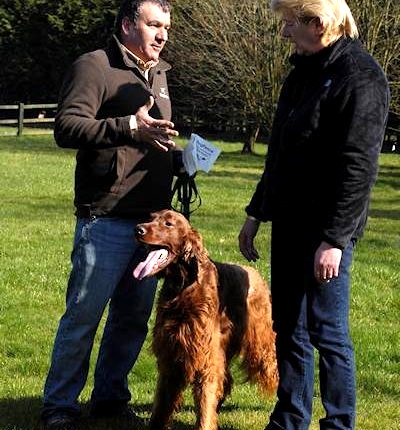
Installer giving dog fence safety tips to a customer

A DogFence trainer giving the owner practical training advice while introducing their dog to the flagged boundary

Frequently Asked Questions About DIY Dog Fence Installation

Can I install an electronic dog fence myself?

Yes. Some electronic dog fences are designed for self-installation. A wired system requires you to plan and install the boundary wire, connect and test the transmitter and receiver collar, place training flags and then train your dog to understand the boundary.

Do I need an electrician to install a dog fence?

Not normally for a standard self-install dog fence system, provided you have a suitable power supply and follow the manufacturer’s installation instructions. More complicated electrical work should always be carried out by an appropriately qualified person.

Does an underground dog fence wire have to be buried?

Not always. Depending on the system and location, boundary wire can sometimes be secured at ground level or incorporated into existing features. Burying it can help protect the cable from gardening, mowing and other accidental damage.

Is a wired or wireless dog fence better for an irregular garden?

A wired dog fence generally offers greater control over the shape of the boundary because the wire can follow the actual perimeter of the garden and create specific exclusion zones. Traditional wireless systems are usually more restricted in the shape of the containment area they can create.

Can I install a dog fence around a large property?

Yes. Wired electronic dog fences can be used for large and rural properties, but the greater the area and the more complicated the terrain, the more valuable professional boundary planning and installation may become.

Do dogs still need training after DIY installation?

Absolutely. Installing the equipment does not teach the dog where the boundary is. Structured boundary training is an essential part of both DIY and professionally installed electronic dog fence systems.

Not sure whether to self-install or have your DogFence professionally installed?

Dog running freely inside a self-installed wired dog fence boundary

A correctly installed and trained DogFence gives dogs the freedom to enjoy their garden safely within their boundary.


Tell us about your dog, your garden and what you’re trying to achieve. With more than 20 years’ experience in pet containment, we’ll tell you whether we think a DogFence is suitable – and we’ll tell you if we don’t.

📞 Call us on 01628 476475
💬 Chat to us on WhatsApp

GET MY FREE QUOTE

No pressure. No one-size-fits-all solution. Just experienced advice about the safest way to give your dog more freedom.

This article is intended as general information about dog containment and does not replace individual advice about your dog, property or training requirements. Some content has been prepared with the assistance of AI and reviewed and edited by DogFence Ltd based on our experience of pet containment systems in the UK.


Golden retriever trained to electric fence for dogs boundary in UK garden

Electric fence for dogs. What You Need To Know!

Electric Fence for Dogs: What It Really Means in the UK

An electric fence for dogs is an electronic containment system that uses a buried boundary wire and a receiver collar to create a safe, invisible perimeter. It does not electrify fencing panels or deliver a live electric current, in fact an electric fence for dogs is a commonly used term for what is actually an electronic containment system for dogs. Despite the name, an electric fencing for dogs does not electrify physical fencing or send a live current through your garden. Instead, it uses a buried radio boundary wire and a lightweight receiver collar to create a safe, invisible perimeter. For this reason they are often referred to as underground dog fences.

In the UK, most modern systems described as an electric fencing for dogs are professionally installed electronic dog containment systems designed to keep pets safely at home while preserving freedom in the garden.

Golden retriever trained to electric fence for dogs boundary in UK garden


What Is a Pet Containment System and How Does It Work?

An electric fence for dogs works by transmitting a low-level radio signal through a boundary wire installed around the perimeter of your property.

Your dog wears a small computer receiver collar. As they approach the boundary:

  • The collar emits a warning tone.
  • If the dog continues forward, a brief, programmable static impulse is delivered.
  • The correction stops immediately once the dog returns to the safe zone.

Although many people search for an “electric fence for dogs,” these systems are electronic rather than agricultural electric fencing. Our guide to electric fence systems for dogs explains how modern containment technology works in practice.


Is an Electric Fence for Dogs Actually Electric?

No.

The term electric fence for dogs is misleading. These systems do not electrify fencing panels, gates or the ground. There is no exposed live wire and no risk to children or other animals touching the boundary. The “fence” is an invisible underground dog fence.

They use a contained radio signal combined with static correction technology — similar in sensation to everyday static discharge.

If you are concerned about welfare, we explore the evidence and research in depth in our guide to whether electric dog fences are cruel or kind, as well as in our wider discussion on the controversy surrounding dog fences and whether they are cruel or harmful


Boundary Wire System vs Traditional Fencing

A boundary wire system for dogs is often chosen when traditional fencing fails.

Common scenarios include:

  • Dogs jumping 6ft panels
  • Digging under boundaries
  • Escaping through damaged fencing
  • Rural properties where physical fencing is impractical
  • Planning restrictions preventing tall panels

Unlike visible fencing, an invisible dog fence system creates a psychological boundary rather than a physical one.

This means dogs are trained not to approach the perimeter at all.


Can an Underground Dog Fence Be Installed on Any Property?

In most cases, yes.

A professionally installed underground dog fence for dogs can:

  • Cross driveways
  • Run under patios and pathways
  • Follow complex boundary shapes
  • Cover large rural estates
  • Navigate wooded areas

If you are unsure whether professional installation is required, you may find our comparison of dog fence installation: DIY vs hiring a professional helpful.

Professional installation ensures correct cable placement, precise programming and tailored training suited to your individual pet.

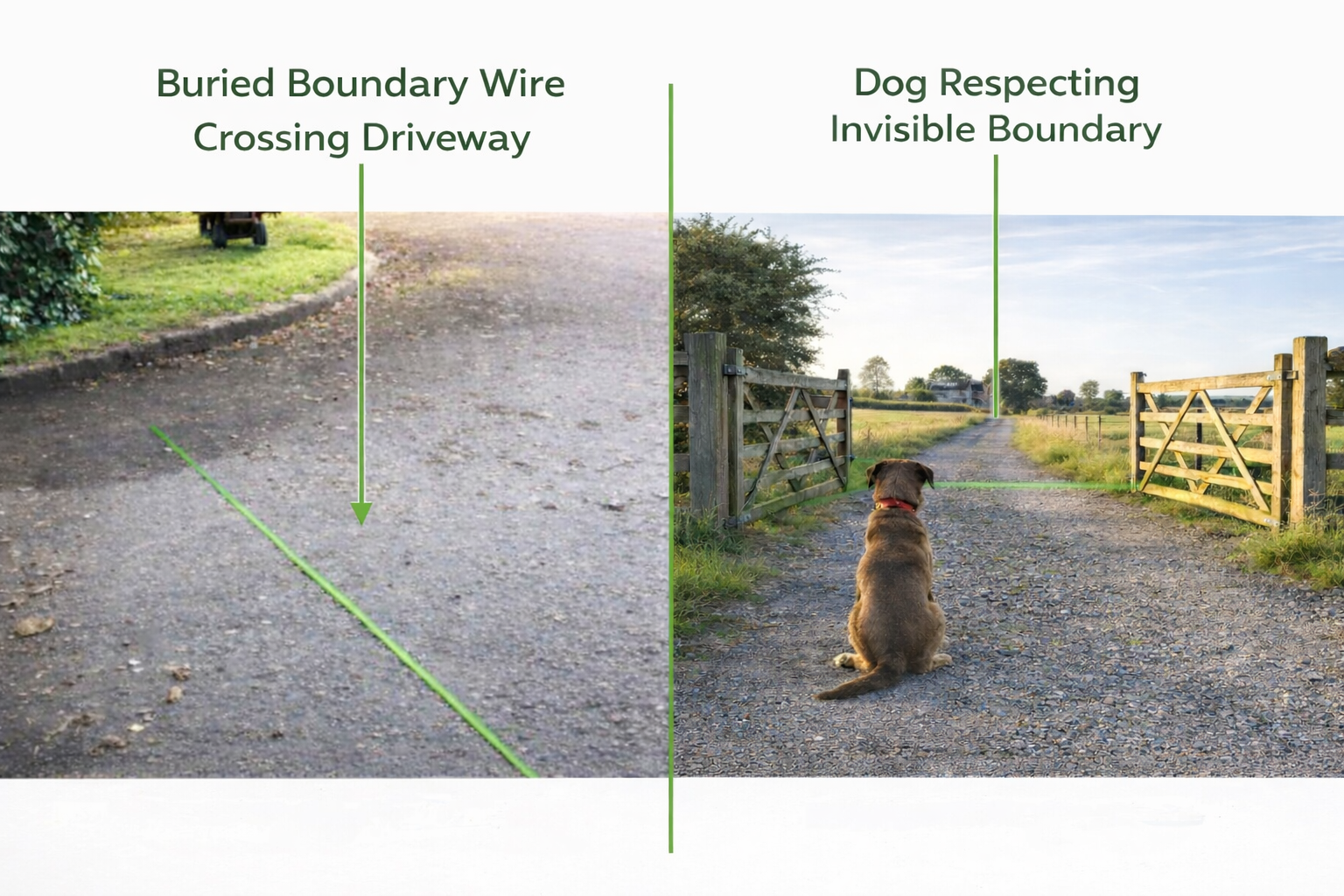
electric fence for dogs buried boundary wire crossing driveway with trained dog sitting inside open gate

Buried boundary wire crossing a driveway and a trained dog calmly respecting the invisible boundary — even with the gate open.


Is an Invisible Dog Fence Safe?

When installed correctly and used responsibly, an electric fence for dogs is designed for safety and containment — not punishment.

Modern systems include:

  • Adjustable static levels
  • Warning tone before correction
  • Automatic safety shut-off
  • Waterproof receiver collars
  • Tailored training for each pet

Because the term “electric fence” is often misunderstood, questions about safety frequently arise. If you’re exploring the welfare discussion in more depth, our guide on whether electric dog fences are cruel or kind examines the research and practical evidence.


Frequently Asked Questions About an Electric Fence for Dogs

Do electric fences for dogs give a shock?

No. They deliver a brief static impulse only if a dog ignores the warning tone.


Do Invisible Fences for dogs hurt?

When properly installed and programmed, the sensation is mild and momentary. Most dogs learn to respond to the warning tone alone.


Are electronic fences for dogs legal in the UK?

Yes. Electronic dog containment systems are legal in England when used responsibly.


Will a hidden dog fence stop my dog jumping over a fence?

Yes. Because the boundary is psychological rather than physical, dogs are trained not to approach the perimeter at all.


Is a Dog Containment System Right for You?

A containment fence for dogs may be suitable if:

  • Traditional fencing has failed
  • Your dog repeatedly escapes
  • You live in a rural area with livestock nearby
  • You want safety without visual barriers

At DogFence Ltd, we have been installing containment solutions for dogs across England — from small suburban gardens to 350-acre estates.

Our goal is simple: keeping pets safe while preserving their natural freedom at home.

Thinking About Safe Dog Fence Solutions?

Speak to a UK specialist in safe, humane electronic pet containment systems.

Call us on
01628 476475
|
Message us on WhatsApp
|
Request a Free Quote Online

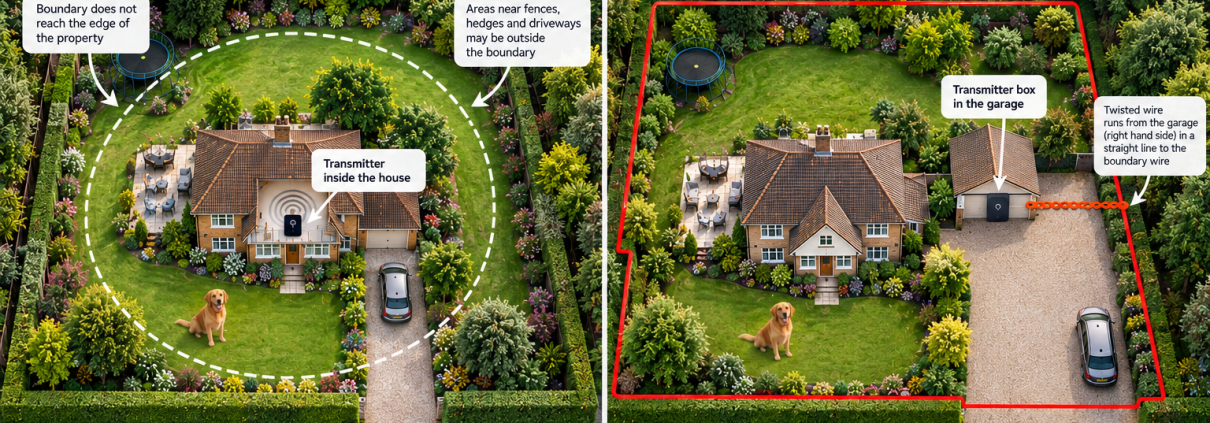
Wireless dog fence vs wired dog fence showing a circular wireless boundary compared with a wired boundary following the full garden perimeter

Wireless dog fence – the truth – do they work?

Wireless Dog Fence vs Wired Dog Fence: Which Is Best for Your Garden?

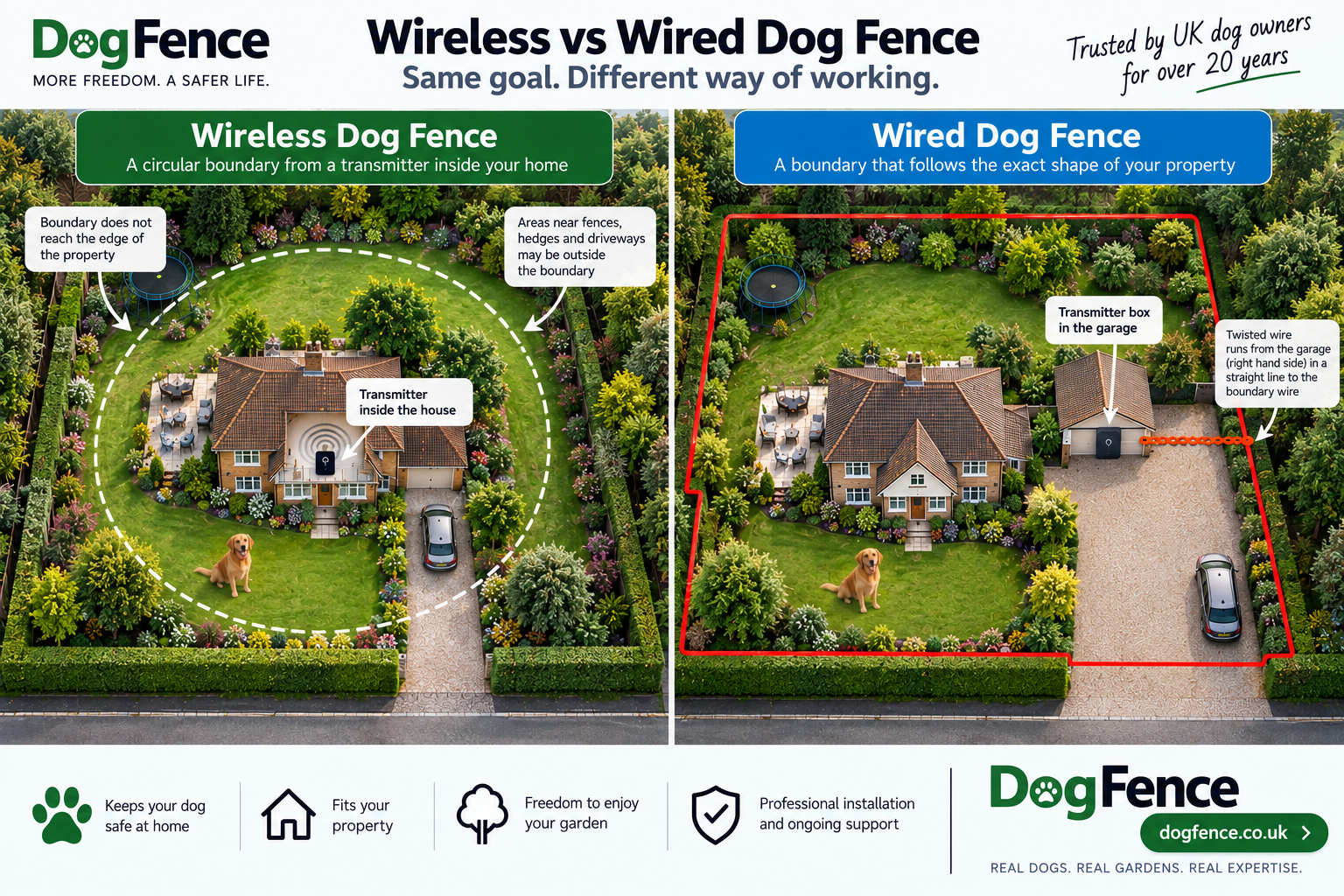
A wireless dog fence and a wired dog fence are both designed to help keep a dog safely within a defined area, but they create that boundary in very different ways. A wireless dog fence generally creates a circular boundary around a transmitter, while a wired dog fence follows a boundary cable positioned around the actual shape of your garden.

That difference can be particularly important in UK gardens, where boundaries are rarely perfect circles and properties may include slopes, woodland, outbuildings, open driveways or neighbouring roads. Your dog’s personality, behaviour and drive also matter when choosing any form of electronic dog containment.

At DogFence, we have specialised in electronic pet containment in the UK for more than 20 years and professionally install wired dog fence systems. We don’t believe one solution is right for every dog or every property, so this guide explains the practical differences between a wireless dog fence and a wired dog fence – including situations where a wireless system may be perfectly suitable.

Wireless dog fence vs wired dog fence showing a circular wireless boundary compared with a wired boundary following the full garden perimeter

Wireless vs wired dog fence: a wireless system typically creates a circular boundary around the transmitter, while a wired dog fence can follow the full shape of your property, including gardens, hedges and driveways.


What is a wireless dog fence?

A wireless dog fence uses a transmitter to create an electronic containment area without installing a boundary wire around the perimeter of the property.

The transmitter is normally positioned inside the property and sends out a radio signal. The dog wears a compatible receiver collar and is trained to recognise the warning given as it approaches the edge of the permitted area.

Because there is no perimeter wire to install, wireless dog fences can be relatively quick and simple to set up. For the right dog and the right property, this can be a significant advantage.

However, a traditional wireless dog fence generally creates a circular or radial boundary around the transmitter. The electronic boundary therefore does not necessarily follow your fences, hedges, driveway or actual property line.

Wireless systems can also be more affected by the environment in which they are used. Uneven or undulating ground, dense woodland, trees and buildings can potentially affect how consistently a wireless signal reaches different parts of a property.

What is a wired dog fence?

A wired dog fence uses a boundary cable to establish the containment area. The cable can be positioned around the perimeter of the garden or property, allowing the electronic boundary to follow its actual shape.

The dog wears a receiver collar and, just as with a wireless dog fence, must be properly trained to recognise the boundary and respond appropriately to its warning.

Because the boundary is determined by the position of the wire rather than the transmission of a wireless signal across the whole property, a wired electric dog fence can be designed around:

  • irregularly shaped gardens
  • existing fences and hedges
  • driveways and entrance gates
  • long or narrow gardens
  • woodland and heavily wooded areas
  • undulating or sloping ground
  • outbuildings
  • large gardens and rural properties
  • farms and equestrian properties
  • areas within the property where the dog should not have access
  • ponds, swimming pools and other exclusion zones

This flexibility is one of the principal reasons DogFence specialises in professionally installed wired dog fence systems.

Wireless vs wired dog fence: what’s the difference?

Wireless dog fence vs wired dog fence UK comparison showing differences in boundary shape, uneven terrain, woodland, buildings and driveways

Wireless vs wired dog fence comparison. Wireless systems typically create a circular radio boundary, while a wired dog fence can follow the actual shape of a property, including irregular gardens, woodland, slopes, driveways and outbuildings.

Neither type of electronic dog fence is automatically right for every dog or every property. The most appropriate system depends on the layout of the land, nearby hazards, terrain, buildings and how accurately the containment boundary needs to be positioned. Your dog’s personality, behaviour and drive are equally important considerations.

When can a wireless dog fence work well?

A wireless dog fence can be a practical option where the property has plenty of relatively level, open space and a circular containment area can be positioned safely away from roads and other hazards.

It may also appeal to owners who want a system that can be installed relatively quickly without laying a boundary cable.

The important question is not simply whether a wireless dog fence works. It is whether the boundary created by that particular system works for your property and your dog’s personality, behaviour and drive.

If the permitted wireless area fits comfortably within the safe part of the garden and the property is suitable for a radio-based boundary, a wireless dog fence may be sufficient.

When is a wired dog fence more suitable?

A wired dog fence can be particularly useful when the electronic boundary needs to follow the actual shape and features of the property.

This is common in UK properties where a garden may have hedges on one side, fencing on another, an open driveway at the front, neighbouring properties nearby or uneven ground.

Instead of fitting the garden inside a predetermined wireless containment area, the wired boundary can be designed around the property.

A wired dog fence can be particularly suitable for:

  • long or narrow gardens
  • L-shaped or irregular plots
  • open driveways
  • properties bordered by roads
  • dogs escaping through hedges
  • dogs digging underneath existing fencing
  • dogs jumping or climbing physical fences
  • properties requiring specific exclusion areas
  • properties with undulating or sloping ground
  • properties with outbuildings
  • woodland and heavily wooded properties
  • farms and equestrian properties
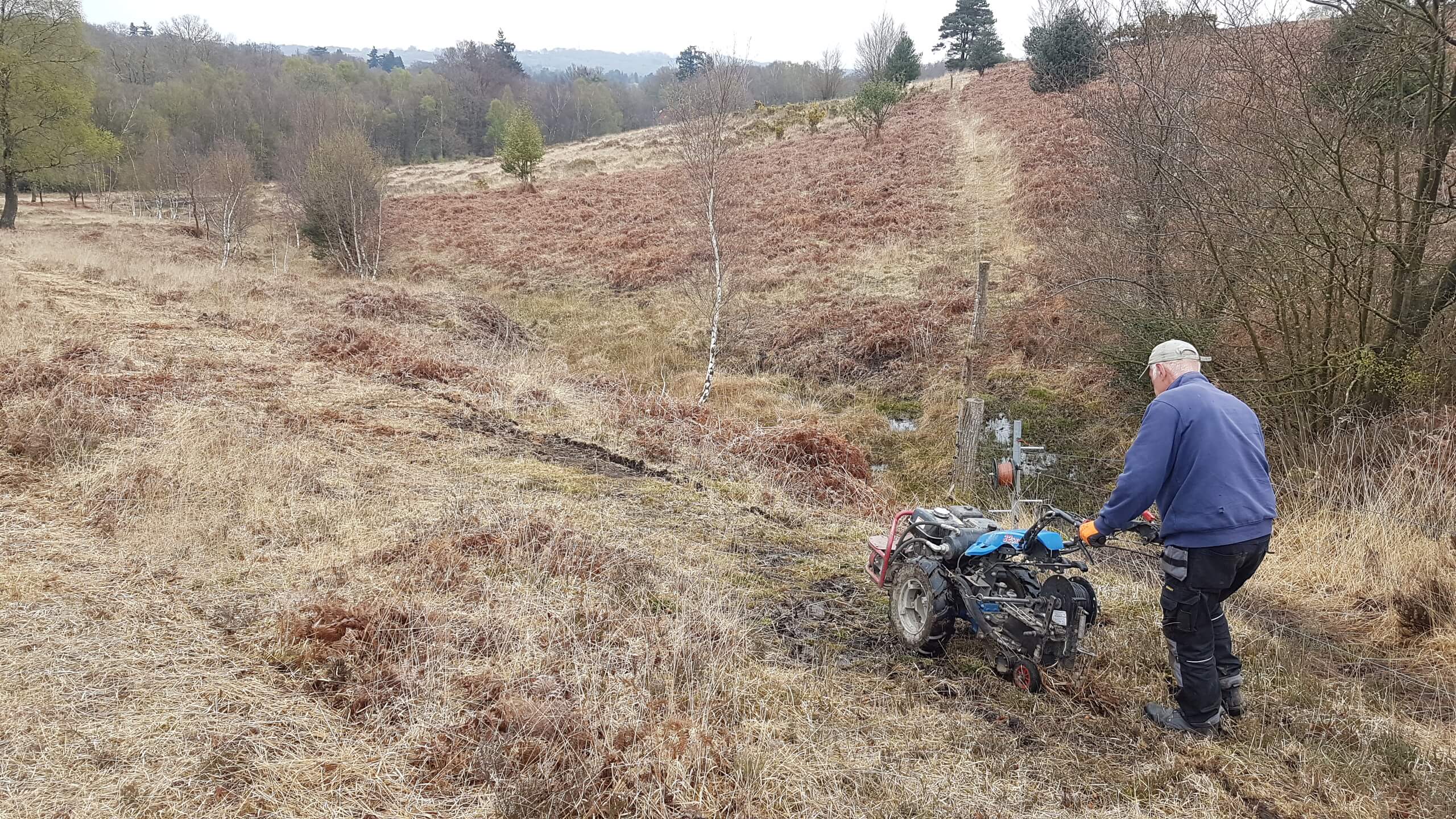
DogFence wired dog fence installation across steep and undulating ground

Unlike wireless systems, a wired dog fence can follow the contours of steep and undulating ground. Here, the DogFence boundary wire is being installed across challenging rural terrain.

Can a wireless dog fence follow the shape of my garden?

A traditional wireless dog fence generally cannot follow an irregular property boundary in the same way as a wired dog fence. Its containment area is determined by the radio signal produced by the transmitter and is typically circular or radial.

This may not matter on a large, open property. However, it becomes much more important when the safe boundary needs to run close to fences, hedges, roads, neighbouring gardens or an open driveway.

A wired dog fence provides greater control because the boundary is established by the position of the cable.

Can a dog fence create exclusion zones within the garden?

One of the advantages of a properly designed wired dog fence is the ability to create boundaries around specific areas within a property, not just around its outer perimeter.

Depending on the system design, dogs can be kept away from areas such as swimming pools, ponds, children’s play areas, vegetable gardens, flower beds or other places where you don’t want them to go.

This can be particularly useful on larger or more complex properties where the dog can have considerable freedom without necessarily having access to every part of the land.

Read more about using DogFence to create dog exclusion zones around areas of your garden.

Can wireless and wired dog fences work with existing fencing?

Yes. An electronic dog fence does not necessarily replace an existing fence or hedge.

Many DogFence customers already have physical boundaries but have a dog that has discovered a way to escape – perhaps by digging underneath a fence, jumping or climbing it, squeezing through gaps or pushing through a hedge.

In these situations, a wired dog fence can be positioned to work alongside the existing physical boundary and provide an additional layer of containment.

Read our guide to dog-proofing your garden and preventing common escape routes.

Can I install a wireless dog fence myself?

Yes. Many wireless dog fences are specifically designed for DIY installation, and this is one of their main attractions. Some wired dog fence systems can also be self-installed, while others are supplied as part of a professional installation and training service.

However, installing the equipment is only one part of establishing a successful electronic containment system. The position of the boundary is important, but training is one of the most important parts of any dog fence set-up.

Whether the dog fence is wired or wireless, the complete recommended training programme should be carried out. The dog needs to learn where the boundary is, understand the warning and know exactly how to respond to it. Good training helps create a successful outcome in which the dog can confidently enjoy the freedom available within its safe area.

If you are installing a system yourself, check that it is supplied with enough training flags to mark the boundary clearly. As a practical guide, we recommend at least 20 training flags for every 100 metres of boundary, together with comprehensive, easy-to-follow training instructions.

Support is also worth considering before choosing where to buy your dog fence. If purchasing through a general third-party online retailer, check what specialist dog-fence training and technical support will actually be available after purchase. A reputable specialist dog fence supplier should be able to help not only with the initial set-up and training, but also with questions and ongoing support after the system has been installed.

At DogFence, our professionally installed systems include an assessment of the property, boundary design, installation and structured training with the dog and owner, together with ongoing support.

Why is training so important with a wireless or wired dog fence?

Training is fundamental whether you choose a wireless dog fence or a wired dog fence. The technology establishes the boundary, but the training teaches the dog what that boundary means.

A receiver collar should never simply be placed on a dog and the dog left to discover the boundary for itself. The dog should be introduced to the boundary in a structured way so that it learns to recognise the warning and retreat confidently into the safe area.

DogFence has always regarded training as part of the containment system rather than an optional extra.

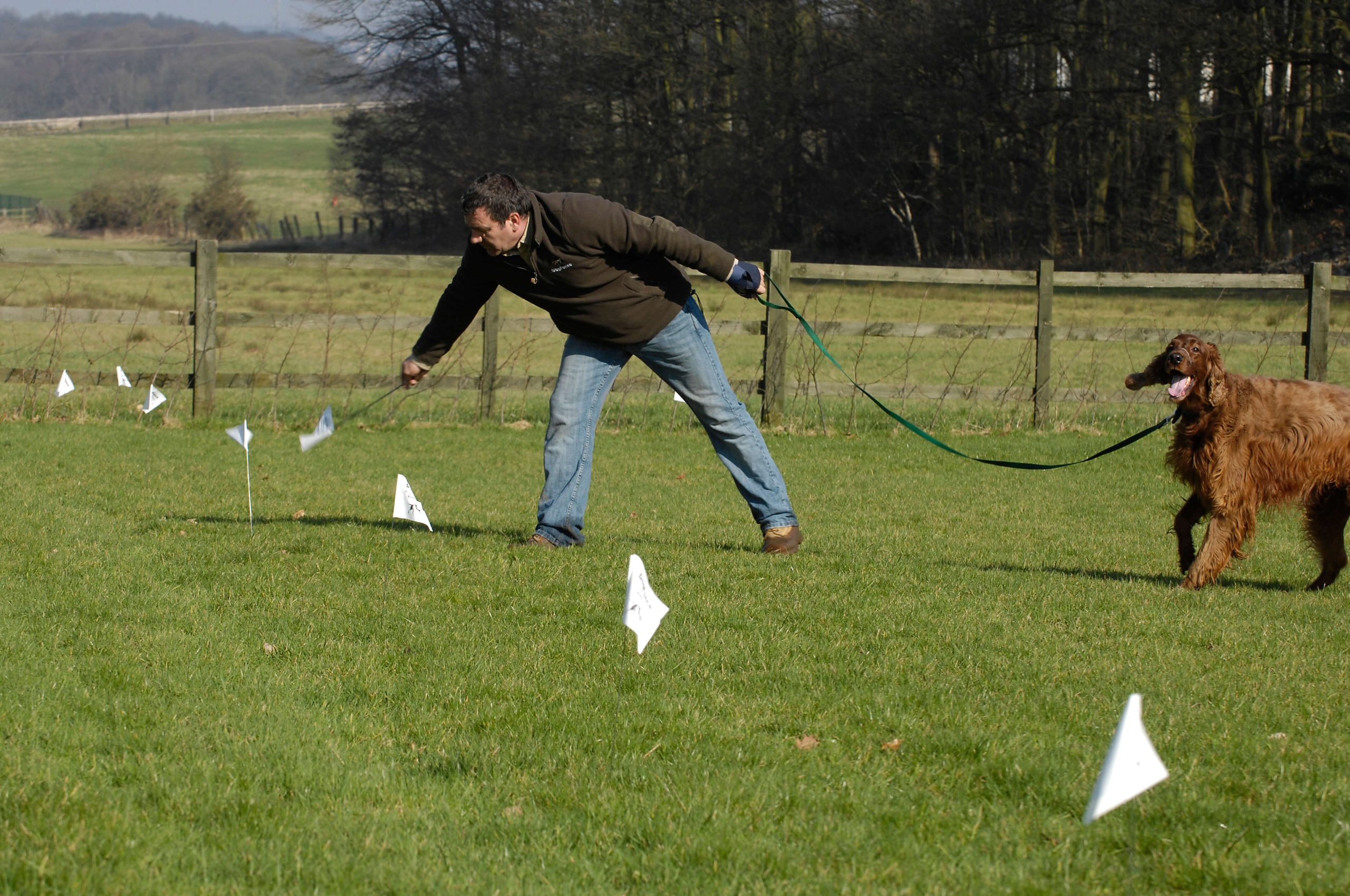
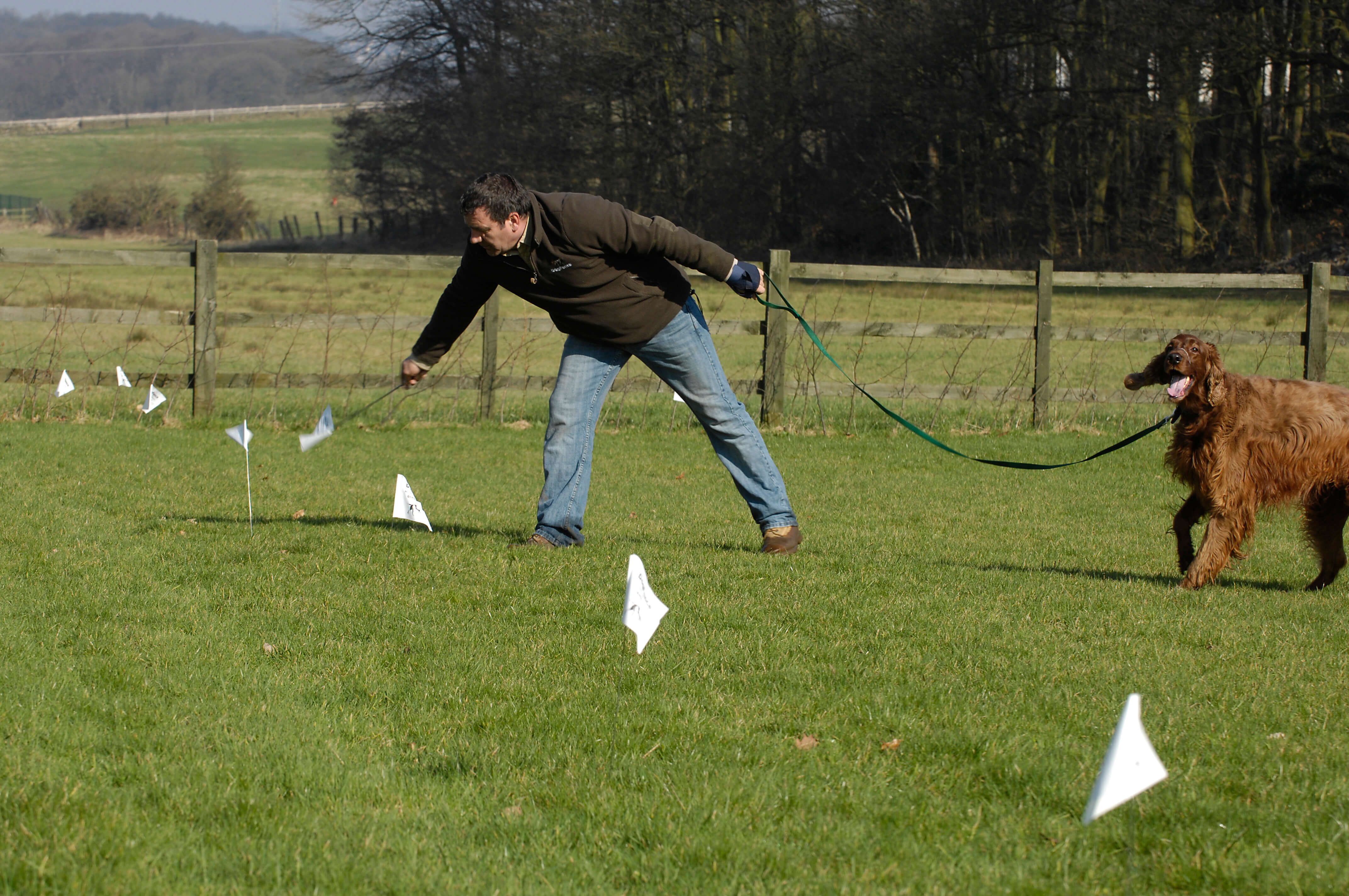
A dog in training on a DogFence electronic dog fence systems

Training the dog using the marker flags

DogFence and the UK Government: why installation and training matter

DogFence consulted directly with the UK Government in 2018 during discussions surrounding electronic training collars and electronic containment fences.

At that time, the Government’s proposals envisaged electronic containment systems being supplied with professional installation and training, reflecting the importance placed on correct system set-up and proper training when using this type of containment.

That principle remains central to the way DogFence works today. When an electronic dog fence is correctly specified, installed and introduced through appropriate training, it can help prevent dogs escaping from their property, becoming lost or reaching hazards such as nearby roads, while allowing them greater freedom to enjoy their garden.

Whether you choose a wired or wireless dog fence, the technology is only part of the solution. Correct boundary design and thorough training are fundamental to a successful outcome and a confident, happy dog.

Can a dog run through a wireless or wired dog fence?

Because neither a wireless nor a wired electronic boundary is a physical barrier, a dog can technically cross it. Effective electronic containment therefore depends on appropriate system design and, importantly, the dog learning where the boundary is and how to respond to its warning.

The objective is for the dog to recognise the warning and turn back before crossing the containment boundary.

The dog’s personality and drive also need to be considered. A dog with a strong chase instinct, for example, needs to be assessed and trained appropriately rather than assuming that simply installing a dog fence will solve the problem.

Read our full guide: Can a Dog Run Through an Invisible Fence?

Why does DogFence use a wired dog fence?

DogFence has specialised in electronic pet containment in the UK for more than 20 years. We use professionally installed wired dog fence technology because it allows us to design the containment boundary around the individual property rather than requiring the property to fit within a predetermined wireless boundary.

That can be particularly important around roads, driveways, neighbouring properties, woodland, undulating terrain, outbuildings, irregular garden boundaries and areas within the property where access needs to be restricted.

For farms, equestrian properties and larger rural homes, it also means the containment boundary can be designed around the way the property is actually used.

But we don’t believe that means everyone should buy a wired DogFence.

A wireless dog fence may be perfectly adequate for some dogs and properties. Equally, there are dogs and circumstances where we may advise that an electronic containment system isn’t appropriate at all.

Find out when an electronic dog fence may not be suitable for your dog.

Wireless dog fence vs wired dog fence: which should I choose?

If you have a large, relatively level and open area where a circular containment zone can sit comfortably inside the safe part of your property, a wireless dog fence may offer a convenient solution without installing a boundary cable.

If your garden is irregularly shaped, has an open driveway, sits close to a road, contains woodland or outbuildings, has undulating ground, or you need the electronic boundary to follow existing fences and hedges accurately, a wired dog fence offers considerably more flexibility over where the boundary can be positioned.

The most important consideration is not simply whether the system is wireless or wired. It is whether the containment system, boundary design and training programme are appropriate for your dog, your dog’s drive and personality, your property and the hazards around it. 

Wireless vs wired dog fence FAQs

Is a wired dog fence better than a wireless dog fence?

Not in every situation. A wired dog fence offers much greater flexibility over the shape and position of the containment boundary. A wireless dog fence can be quicker to set up and may work well on a relatively level, open property where a circular containment area is appropriate.

What is the main disadvantage of a wireless dog fence?

One of the principal limitations of a traditional wireless dog fence is the shape and consistency of its containment area. Because the boundary is created by a radio signal from a transmitter, it cannot normally follow an irregular garden perimeter as precisely as a wired boundary, and terrain, trees or buildings may affect some systems.

What is the main advantage of a wired dog fence?

A wired dog fence allows the containment boundary to be designed around the actual shape and features of the property. This provides greater flexibility around fences, hedges, driveways, gates, woodland, uneven ground and outbuildings.

Does a wired dog fence have to be underground?

Not necessarily. Although wired systems are sometimes called underground dog fences, the purpose of the boundary cable is to establish the electronic boundary. The most appropriate installation method depends on the property and the particular system.

Do wireless dog fences work in UK gardens?

Yes. A wireless dog fence can work in a UK garden where its containment area can be positioned safely within the property and the site conditions are appropriate. For irregularly shaped gardens, woodland, undulating ground or properties where the boundary needs to follow existing fences, hedges or driveways closely, a wired system may provide greater flexibility.

How many training flags do I need for a dog fence?

The boundary should be clearly marked during training so that the dog has a strong visual reference while learning where it is. As a practical guide, DogFence recommends at least 20 training flags per 100 metres of boundary. Follow the training programme supplied with your particular system and make sure you have enough flags before beginning.

Are wireless and wired dog fences suitable for every dog?

No. No dog containment method is appropriate for every dog. The dog’s age, health, temperament, behaviour, personality and drive, together with the property itself, should all be considered before choosing an electronic dog fence.

The aim of any dog fence is to give your dog freedom while keeping them safe. DogFence has been surrounding pets with freedom since 2003 and has safely contained more than 20,000 pets – real-world evidence that hidden dog fencing can work effectively when it is correctly set up and supported by thorough training and ongoing support.

Golden Retriever running towards an invisible dog fence boundary

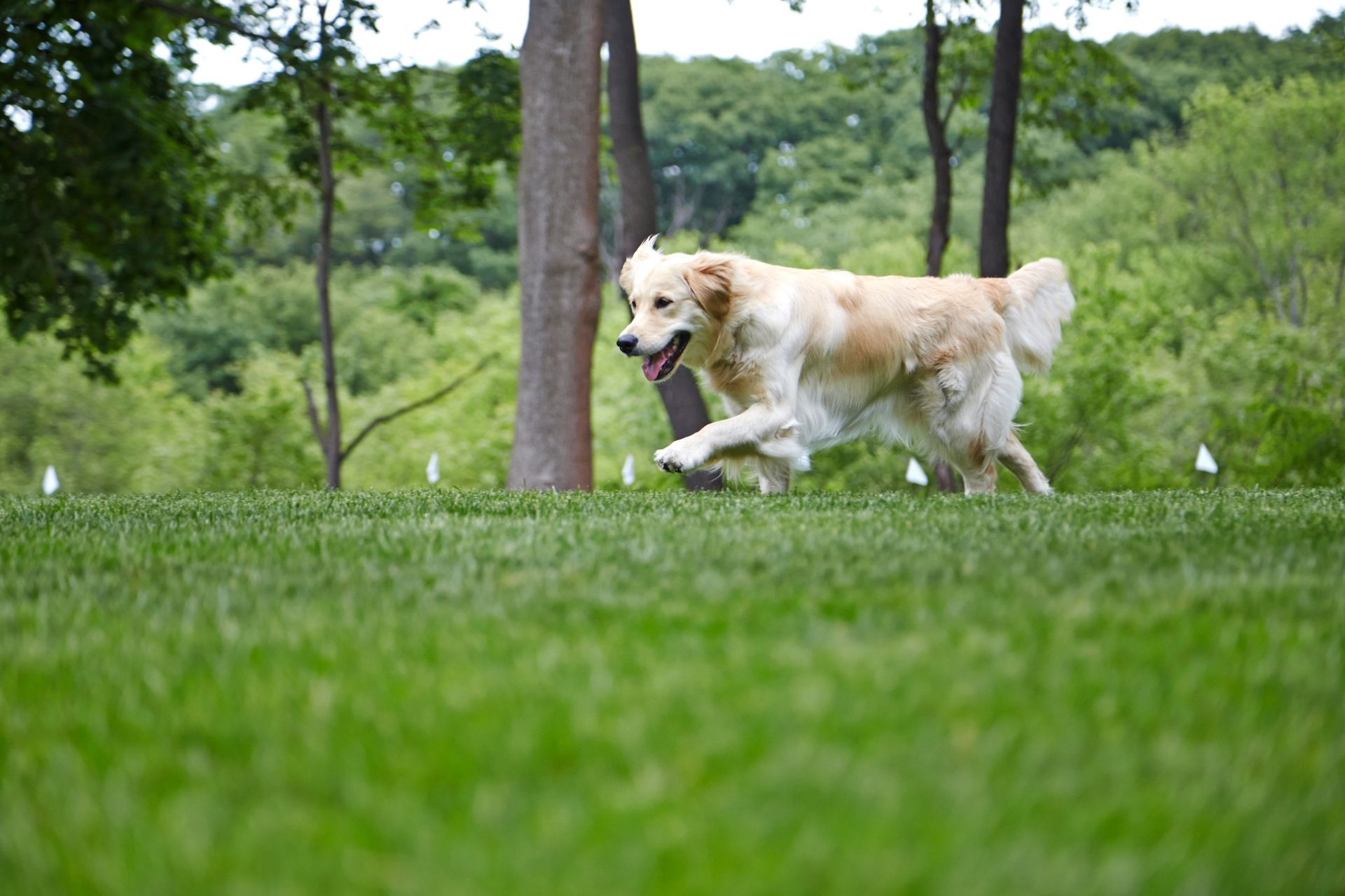
Dog running freely within a hidden dog fence boundary marked by training flags

Wireless or wired? Not sure what’s right for your dog?

Tell us about your dog, your garden and what you’re trying to achieve. With more than 20 years’ experience in pet containment, we’ll tell you whether we think a DogFence is suitable – and we’ll tell you if we don’t.

📞 Call us on 01628 476475
💬 Chat to us on WhatsApp


GET MY FREE QUOTE

No pressure. No one-size-fits-all solution. Just experienced advice about the safest way to give your dog more freedom.

Image note: Some images used in this article may be AI-generated for illustrative purposes. They are not intended to show a specific DogFence installation, product or individual dog. All advice and information in this article is written and reviewed by DogFence based on more than 20 years’ experience in electronic pet containment.