Tag Archive for: secure gardens for dogs

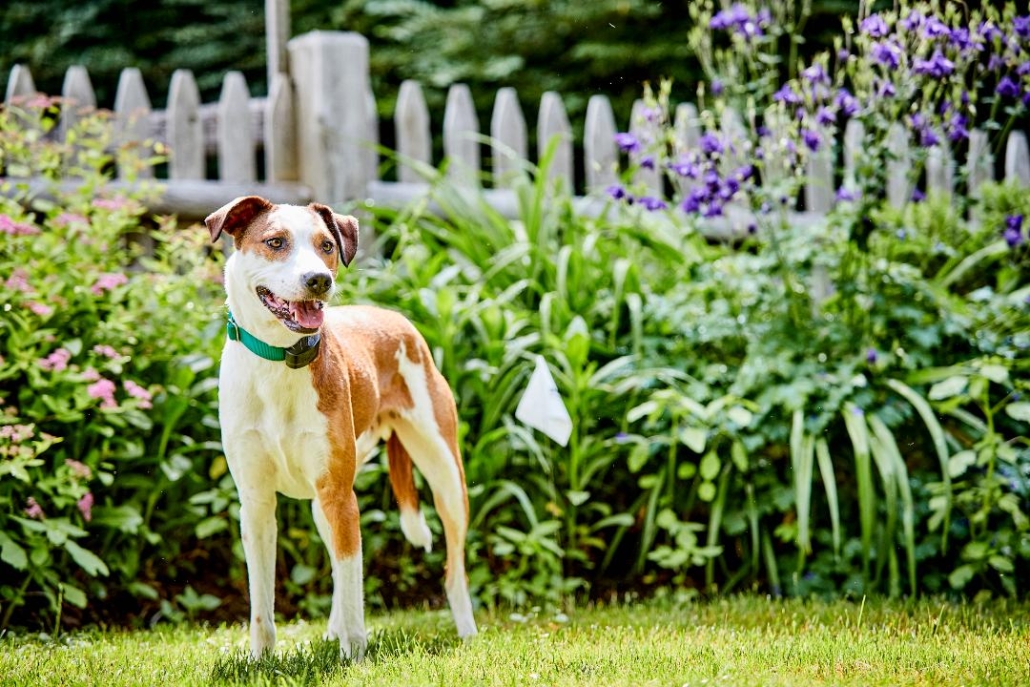
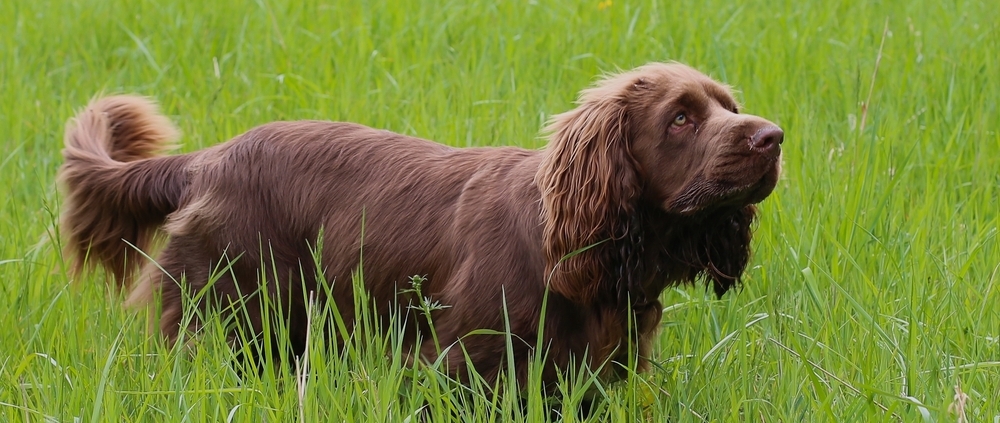
A golden-liver Sussex Spaniel standing in a garden showing its low-slung breed traits

Sussex Spaniel: Instinct, Scent & Why Modern Gardens Don’t Always Work

Sussex Spaniel Breed Traits: The Methodical Hunter Under Your Fence
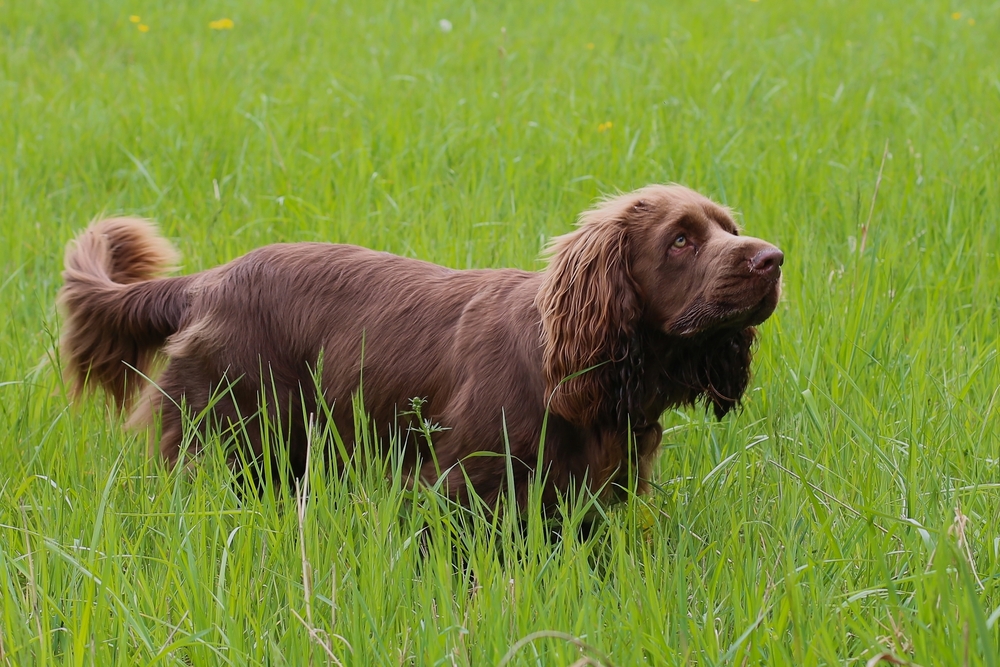
A golden-liver Sussex Spaniel standing in a garden showing its low-slung breed traits

Sussex Spaniel breed traits are among the most unique of the British gundogs, making this rare breed both a loyal companion and a challenge to keep contained. The Sussex Spaniel is one of Britain’s oldest and rarest gundog breeds—and perhaps one of the most misunderstood. Often described as calm, slow-moving, and even a little stubborn, the Sussex Spaniel was never designed for speed or show-ring precision. Instead, this sturdy, low-slung dog was bred to work methodically through dense undergrowth, following scent for hours without distraction. However, those same Sussex Spaniel breed traits that make them world-class hunters can also make them persistent escape artists in a modern garden setting.

This post is part of our series on unusual British dog breeds and why they struggle with garden boundaries, exploring how heritage and instinct influence modern behaviour.

Rare British Breed Designed for Endurance

Originating in the county of Sussex in the 18th century, this dog was developed specifically for the heavy clay soils and dense hedgerows of the South of England. Unlike a flashy Springer or a frantic Cocker, the Sussex is a rare British gundog that prioritises steady, heavy-duty tracking over fast pursuit. Historically, they were the only spaniel bred to “give tongue”—to bark or whimper when they find a scent—to alert the hunter of their location in thick cover.

Key spaniel characteristics specific to the Sussex include:

  • Exceptional Scenting Ability: They don’t just see the world; they smell it in 4D.

  • Powerful Low-Slung Build: Their deep chest and short legs give them a low center of gravity, perfect for pushing through gaps.

  • The “Sussex Throm”: A characteristic rolling gait that allows them to trot for miles without tiring.

  • Independent Problem Solving: Because they often worked out of sight of the hunter, they are used to making their own decisions.

As the Sussex Spaniel is currently listed on the Kennel Club’s Vulnerable Native Breeds list, there is a significant responsibility on owners to keep these dogs safe. With fewer than 300 registrations a year, every individual dog is precious to the breed’s survival.

Why the Sussex Spaniel Temperament Leads to Garden Escapes

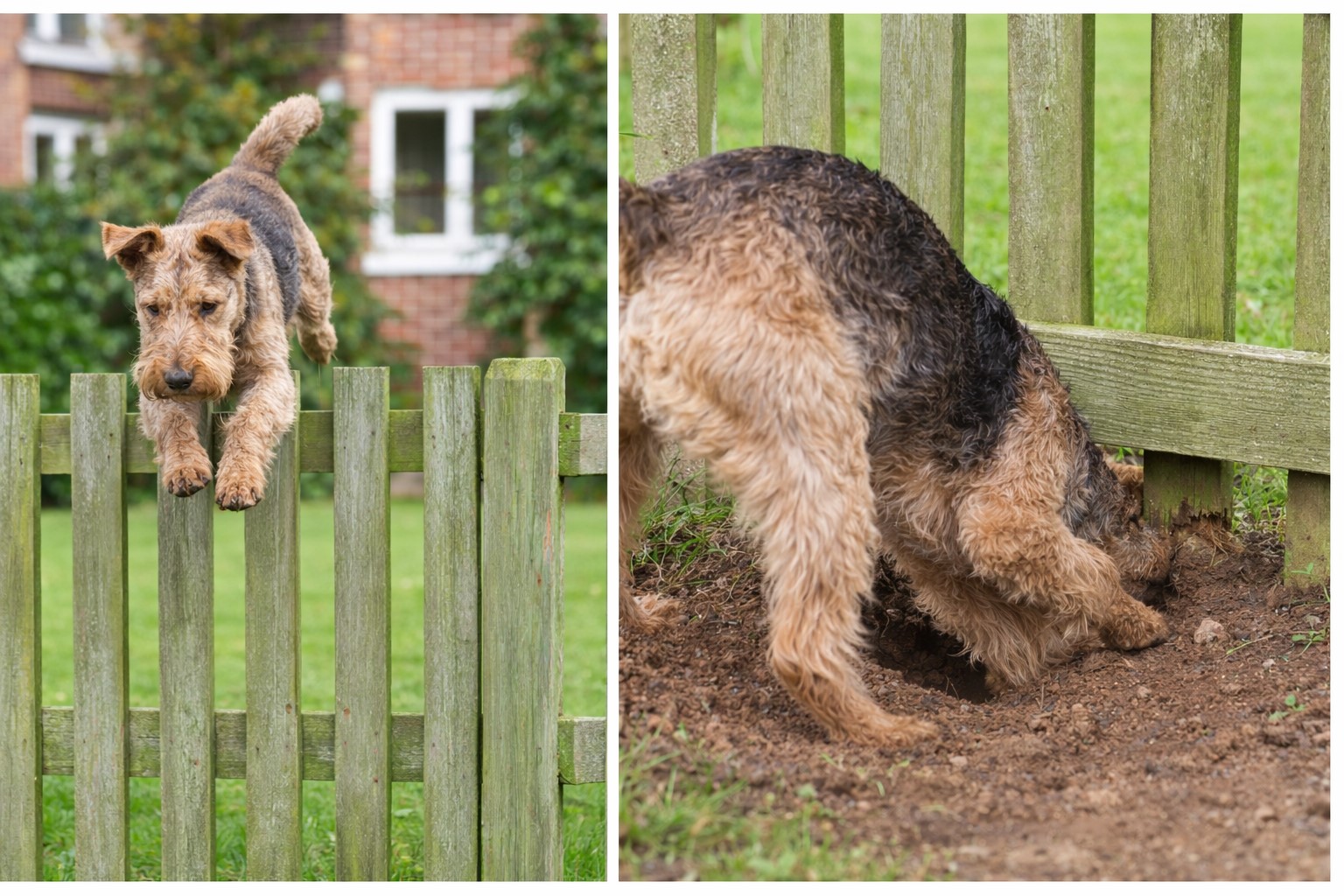
Many owners are surprised by how a seemingly “lazy” dog manages to disappear from a secure garden. The Sussex Spaniel temperament is a unique mix of gentle companionship and quiet, dogged persistence. They don’t usually attempt to leap over high fences; instead, they find the one weak point at the bottom of a hedge and dig or squeeze through.

Common owner experiences with the Sussex Spaniel temperament include:

  • Persistent Digging: They will return to the same spot daily, working a hole like a professional contractor until they break through.

  • Scent Drifting: A passing fox or even a neighbour’s barbecue can trigger a “scent-trance,” where the dog follows a trail out of the garden without even realising they’ve left home.

  • Selective Hearing: When a Sussex is “on a line,” auditory recall often fails because their brain is entirely focused on the olfactory input.

Sussex Spaniel tracking a scent

The Challenge of Caring for a Rare British Gundog

Because they are classified as a vulnerable breed, there is a significant responsibility on owners to keep these dogs safe. With fewer than 300 registrations a year, every individual dog is precious to the breed’s survival.

Traditional wooden fencing often proves inadequate for these specific spaniel characteristics. They are “low-to-ground” specialists; if a rabbit can get under a gate, a Sussex Spaniel believes it can too. Furthermore, they are a sensitive breed. Harsh, shout-based training or high-pressure containment can cause them to become despondent. They require a boundary solution that provides a clear, consistent signal that the dog can understand and respect on its own terms.

How Hidden Fencing Supports Scent-Driven Instincts

For a breed driven by scent, a professional containment system offers a sophisticated advantage. It creates a 360-degree “safety bubble” that physical fences often lack.

  • Predictable Boundaries: Unlike a hedge that might have a new hole dug by a fox, a hidden fence signal never moves.

  • Respects the Nose: The system uses an audible warning zone. For a dog that is already tuned into “giving tongue” and listening for cues in the field, the beep is an easy signal to process.

  • Freedom to Roam: It allows the Sussex Spaniel to exercise its natural curiosity and scenting drive within the safety of your property, preventing them from wandering onto dangerous rural roads.

Rather than relying on height or physical barriers, a professionally installed dog fence works with the dog’s intelligence to create a consistent, reliable boundary

Final Thoughts for Sussex Spaniel Owners

Owning a Sussex Spaniel means preserving a piece of living British history. They are affectionate, somber-faced, and incredibly loyal companions. By understanding their unique Sussex Spaniel breed traits and providing a garden environment that respects their hunting heritage, you can keep them safely contained for years to come.

Need Help Keeping Your Sussex Spaniel Safe at Home?

If your Sussex Spaniel follows scent, tests boundaries, or quietly wanders beyond the garden, we’re happy to help you explore safe, proven containment options.

Call us on
01628 476475
|
Message us on WhatsApp
|
Request a Free Quote Online
Dog walking in the British countryside, reflecting the heritage of traditional working dog breeds

Unusual British Dog Breeds & Why They Struggle with Garden Boundaries

Unusual British Dog Breeds: Why Our Native Dogs Still Struggle with Boundaries

Ready to Keep Your Pet Safe?

Call us on
01628 476475
|
Message us on WhatsApp
|
Request a Free Quote Online


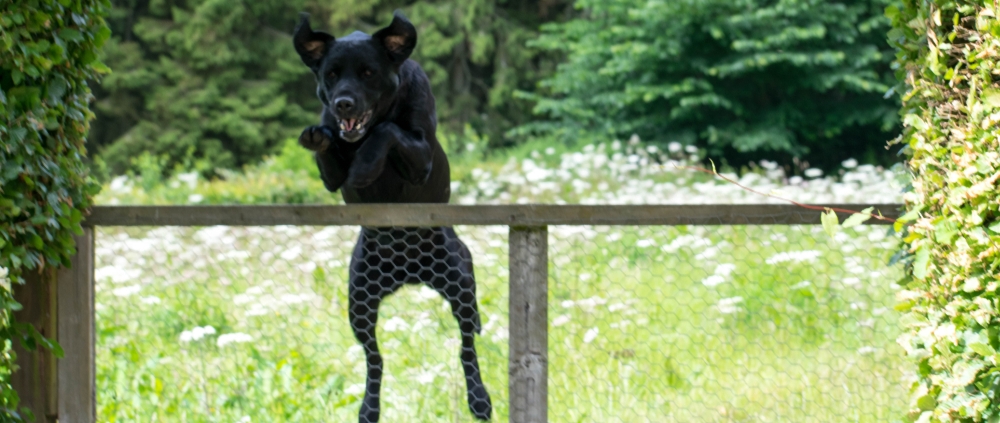
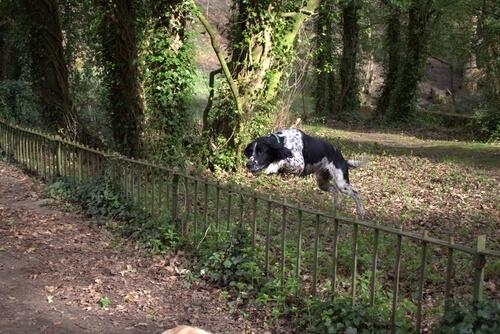
Dog jumping a garden fence showing why owners ask how to stop my dog jumping the fence

How to Stop My Dog Jumping the Fence | Proven Solutions from DogFence

How to Stop My Dog Jumping the Fence: Proven Solutions for Escape-Proof Gardens

If your dog has turned fence-jumping into a hobby, you’re not alone and you want to stop your dog escaping the garden read on! Many owners search for “how to stop my dog jumping the fence”, because it’s one of the most stressful — and potentially dangerous — behaviours for pets. Luckily, there are effective ways to stop dogs from jumping fences — without turning your garden into a fortress. If you’re researching dog jumping fence solutions, it’s important to choose a method that prevents escape without damaging your garden or causing stress to your pet. Have you ever considered or even heard of an Invisible dog fence?

Why Do Dogs Jump Fences?

Before finding a solution, it helps to understand the cause. Dogs often leap over fences because of:

  • Boredom – lack of stimulation leads to curiosity beyond the garden.
  • Hunting instinct – especially strong in breeds like terriers, collies, and hounds.
  • Separation anxiety – wanting to find you when you leave.
  • Mating instinct – unneutered dogs may roam in search of a mate.

Understanding the cause is the first step to stop dog escaping garden behaviour before it becomes a repeated habit. There are several traditional approaches, but many prove unreliable:

  • Taller fences – dogs can still scale or dig under.
  • Fence toppers & rollers – add-ons that deter some but not all dogs.
  • Supervision – works short-term, but impractical 24/7.
  • Training – useful, but even the best-trained dogs may act on instinct if triggered.

Understanding the reason behind the behaviour is the first step to stop dog escaping garden problems before they escalate. Many owners focus only on height, but stopping a dog escaping garden boundaries usually requires consistent training combined with reliable containment. If escape behaviour is already a pattern, you may find our article on why traditional fencing fails for escape-artist dogs helpful.


Common Fixes Owners Try

There are several traditional approaches, but many prove unreliable:

  • Taller fences – dogs can still scale or dig under.
  • Fence toppers & rollers – add-ons that deter some but not all dogs.
  • Supervision – works short-term, but impractical 24/7.
  • Training – useful, but even the best-trained dogs may act on instinct if triggered.

Taller fences – dogs can still scale or dig under. In fact, many owners are surprised to learn can a dog jump a 6ft fence depends heavily on breed, drive, and motivation.


The Invisible Dog Fence Solution

At DogFence Ltd, we specialise in electronic dog fences that create a safe, invisible boundary around your garden. Unlike panels or toppers, our system doesn’t rely on physical barriers. Instead, your dog wears a small receiver collar that gives an audible warning as they approach the boundary. If they ignore the warning, a mild static correction reinforces the training — keeping them safely inside your garden. An invisible dog fence UK system is one of the most reliable ways to stop determined dogs from clearing panels or scaling traditional fencing.

Dog jumping the fence showing need for invisible dog fence

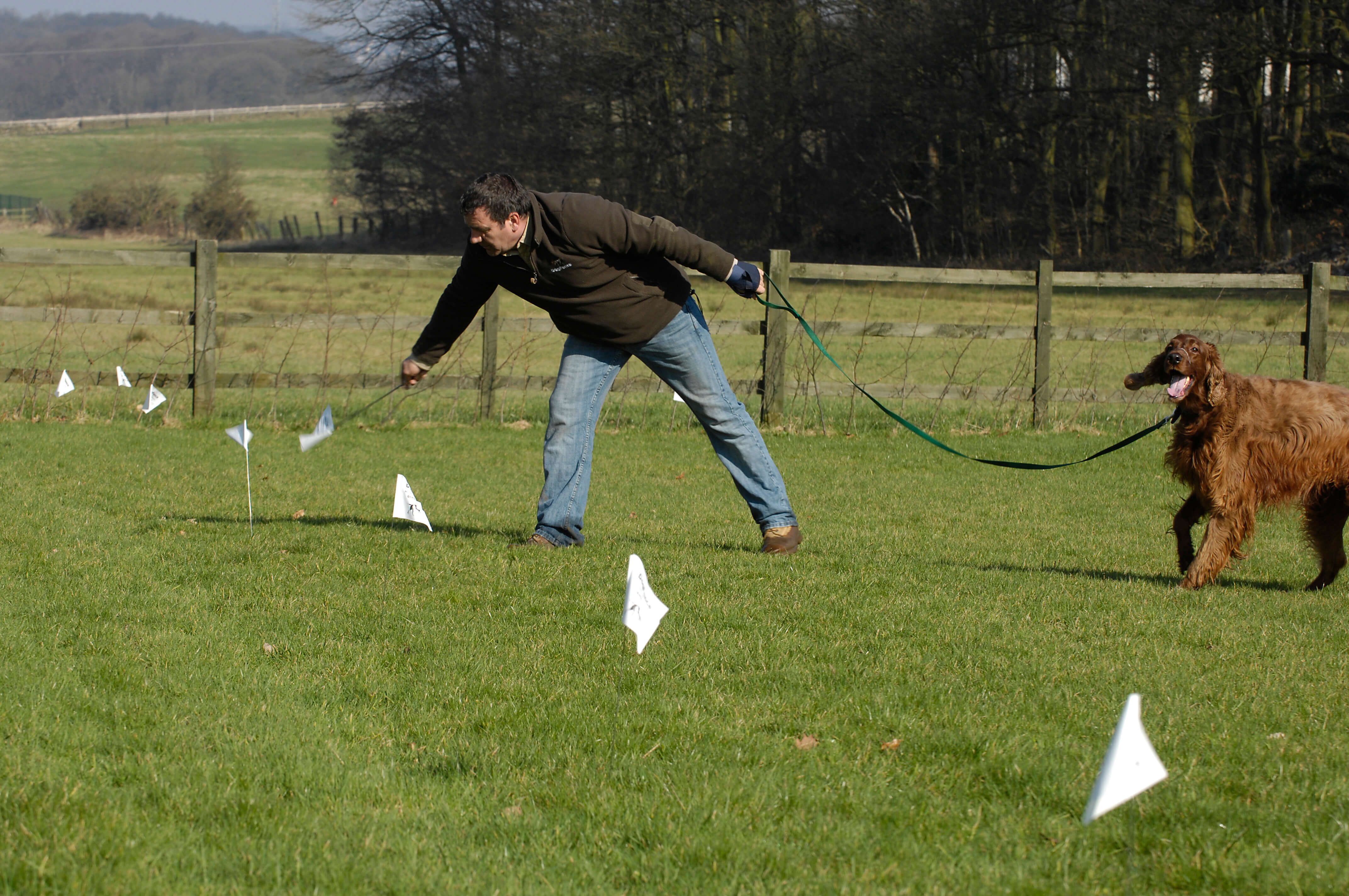
The training flags are the key to stop a dog jumping over the garden fence by marking the new invisible fence boundary.

Our Invisible dog fence is DEFRA tested, waterproof, chew-proof, and backed by a lifetime warranty when professionally installed. It’s the only long-term solution that works for determined escape artists without spoiling your garden’s look.


How Does an Invisible Dog Fence Work?

The DogFence system creates a hidden boundary around your garden using a transmitter, a buried wire, and a lightweight collar. Training flags mark the boundary line at first so your dog learns the new rules visually. As your pet approaches the limit, the collar gives a warning beep. If they continue, a mild static correction reinforces the training. Within just a few days, most dogs learn to stay well within their safe zone.

Unlike GPS collars, our system is accurate to within 3 feet and isn’t affected by clouds, trees, or weak satellite signals. The collars are waterproof to 10ft, chew-proof, and feature an automatic shutdown if your dog lingers in the correction zone for more than 15 seconds — making it one of the safest systems on the market.


How Much Does It Cost to Stop My Dog Jumping Over the Fence?

One of the most common questions we’re asked is about cost. DIY dog fence kits start at around £599.00 and include everything you need to secure a small garden. For larger properties, or if you prefer our team to handle installation and training, professional systems usually start from £1,200.00 – full boundary and driveway approx 1/4 acre (includes installation and training, lifetime warranty and containment promise,  although the exact cost depends on the size of your property, your locations in the UK and how many pets will use the system.

When compared to the cost of replacing tall panels, repairing escape damage, or the risks of a lost pet, most owners find the system pays for itself in peace of mind.


How Is the Dog Fence Installed?

Installation is quick and tidy. Our team will walk your property with you to agree on the boundary layout. We then bury the cable a few inches underground, connect it to the transmitter in your home or garage, and mark the training line with temporary flags. Once the system is live, we train your dog to understand the boundaries using a gentle step-by-step process. Our installers will then hand over to the pet owner to continue a short “reinforcing programme” (approx 10 to 15 mins for 4 – 5 days).

Prefer to install it yourself? Our DIY kits come with heavy-grade cable, full instructions, and video guides — but you’ll still have access to our expert support if you need it.


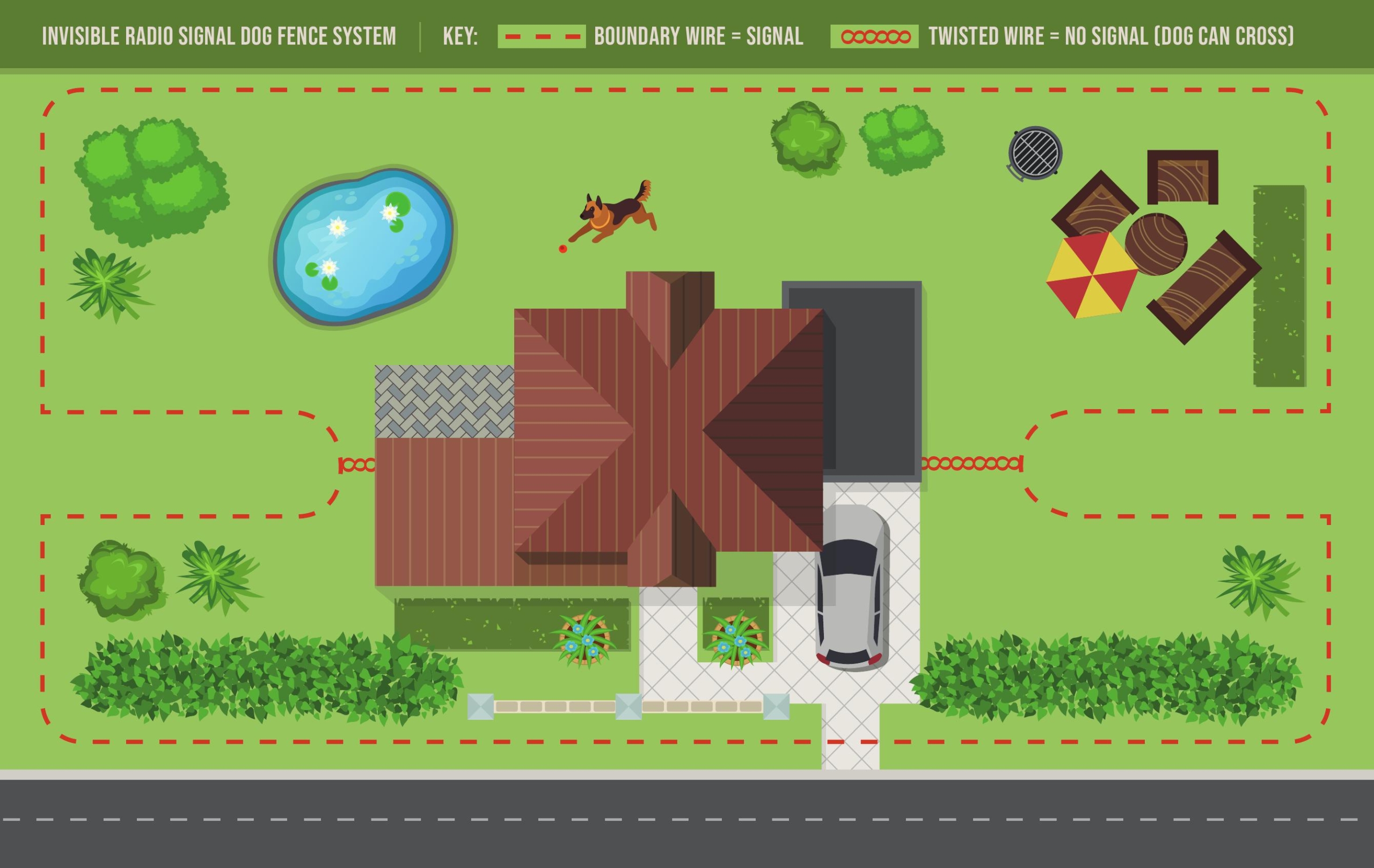
What Do Boundary Layouts Look Like?

The boundary wire can be laid out in several ways depending on your property:

  • Full Perimeter – secures the entire garden or estate, ideal for large properties.
  • Banana loops – for semi detached properties or single boundaries.
  • Exclusion Zones – create ‘no-go’ areas for ponds, driveways, or flowerbeds.
  • Custom Layouts – flexible design means you can protect multiple areas or even secure two properties with one system.
Invisible dog fence boundary layout showing how to stop my dog jumping the fence.

A “pinch loop” – covers the full boundary but allows the dog either front or rear access.

Success Stories

“Our terriers were clearing the fence daily. Since installing DogFence five years ago, not a single escape. Brilliant service and peace of mind knowing our dogs are safe.” – Sue W., Trustpilot Review


FAQs: Stopping Dogs from Jumping Fences

Can puppies use an invisible fence?

Yes — typically from around 4–6 months old, once they understand basic commands and can focus during short training sessions.

While some companies suggest starting as early as 8 weeks, we believe training should match the dog’s maturity. At 8 weeks, most puppies simply aren’t developmentally ready to understand boundary conditioning safely and consistently.

Our professional training programme ensures calm, structured learning suited to your dog’s age and temperament.


Is it safe in bad weather?

Yes. The boundary cable is buried underground and fully weatherproof. The transmitter remains safely indoors, and the receiver collars are waterproof up to 10ft — tested in both fresh and salt water.

Rain, frost, or typical UK conditions will not affect performance.


What size garden can it cover?

From a small courtyard to 350 acres.

The average UK system secures around 2 acres, but every installation is custom-designed to match your property layout, boundary shape, and terrain.


Costs of Not Stopping Your Dog Jumping the Fence

Allowing a dog to escape isn’t just stressful — it can also be costly. Under the Anti-Social Behaviour, Crime and Policing Act 2014 and the Dogs Act, owners have a legal duty to keep their pets under control. If a dog escapes and causes trouble, you may face:

  • Fines of up to £1,000 if your dog is found dangerously out of control in a public place.
  • Unlimited fines or prosecution if your dog injures a person or livestock.
  • Compensation claims if your dog causes damage to property, gardens, or vehicles.
  • Vet or recovery costs if your dog is injured while roaming free.

Sadly, many escape cases also end with pets being injured on roads — a heart-breaking consequence for something that is preventable. Investing in a secure containment system is far cheaper, safer, and kinder than facing the risks of repeated escapes. If you are looking for dog jumping fence solutions then you just hit the jackpot!


Ready to Stop Your Dog Jumping the Fence?

If your dog keeps jumping over panels or clearing boundary fencing, you’re not alone.
Our professionally installed electronic dog fence systems provide reliable, invisible containment —
without building higher fences or ruining your garden.

Call us on
01628 476475
|
Email Us
|
Chat on WhatsApp

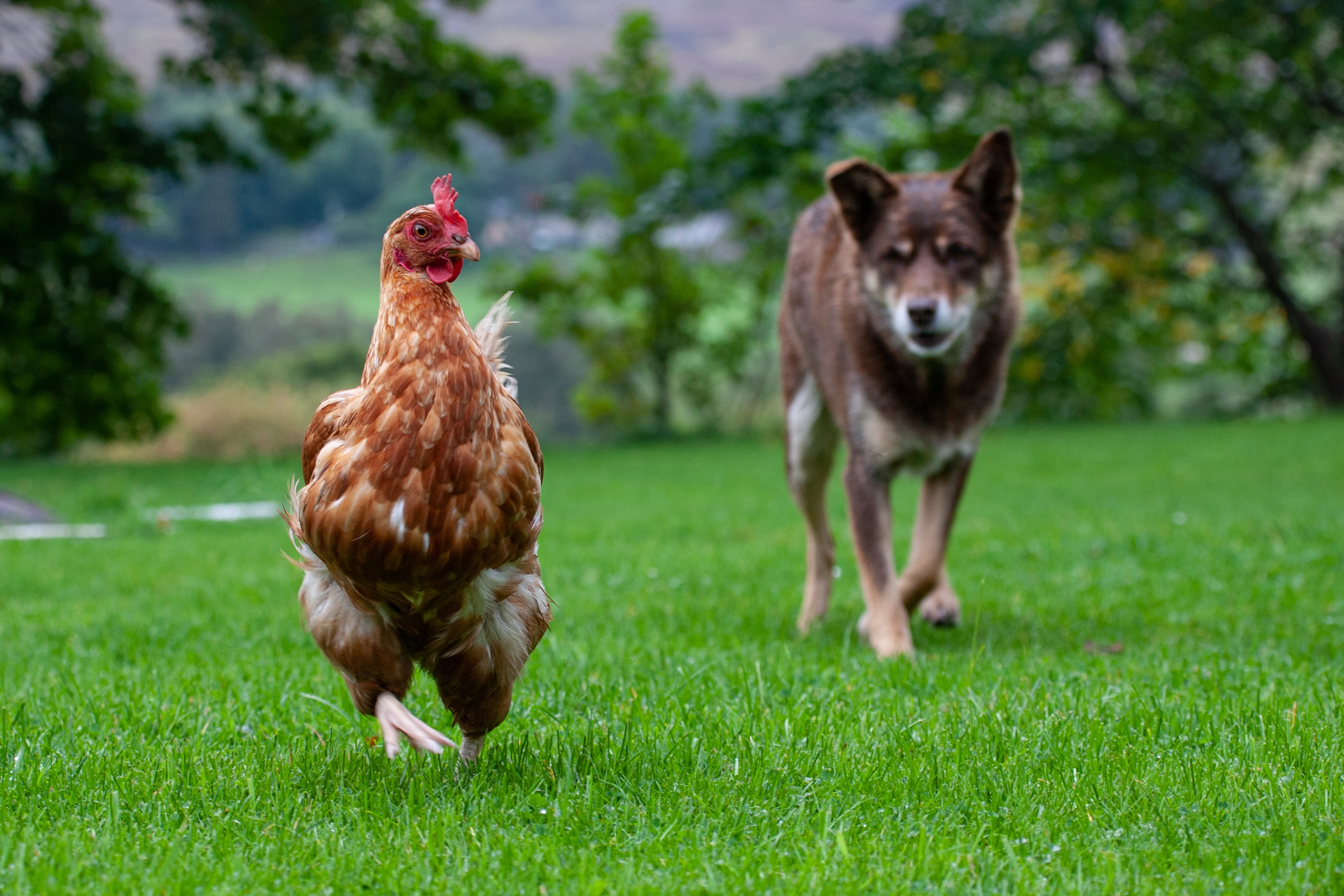
alt="Dog chasing chicken in garden highlighting need for secure pet containment system"

Prevent Dog Escapes | Secure Garden Fence from DogFence

Keep Pets Safe with DogFence

Don’t Wait Until Your Dog Goes Missing or Chases Livestock: How to Secure Gardens for Dogs and Keep Pets Safe with DogFence

Living in the countryside brings freedom, fresh air, and space for your dog to run — but it also brings unique challenges. How can an owners create secure gardens for dogs? If your property borders farmland, woods, or open spaces, it’s critical to have a reliable containment system to keep your dog safe and prevent them from chasing livestock or wildlife. Otherwise, you risk your dog getting lost, injured, or causing harm to your neighbours’ animals.

⚠️ The Legal and Financial Risks of Dogs Worrying Livestock

While dogs are often just inquisitive, to a farmer, livestock represents their livelihood. In the UK, under the Animals Act 1971, farmers are legally permitted to protect their livestock. This can include shooting a dog that is actively worrying their sheep, provided there are no other reasonable means to end or prevent the worrying .

Allowing a dog to worry livestock is a criminal offence under the Dogs (Protection of Livestock) Act 1953, punishable by a fine of up to £1,000, plus potential costs and compensation orders .

Recent data highlights the growing concern:

  • In 2023, farm animals worth an estimated £2.4 million were severely injured or killed by dogs, marking a nearly 30% increase from the previous year .

  • A 2024 survey revealed that 78% of rural crime teams reported an increase in dog attacks on sheep over recent years .

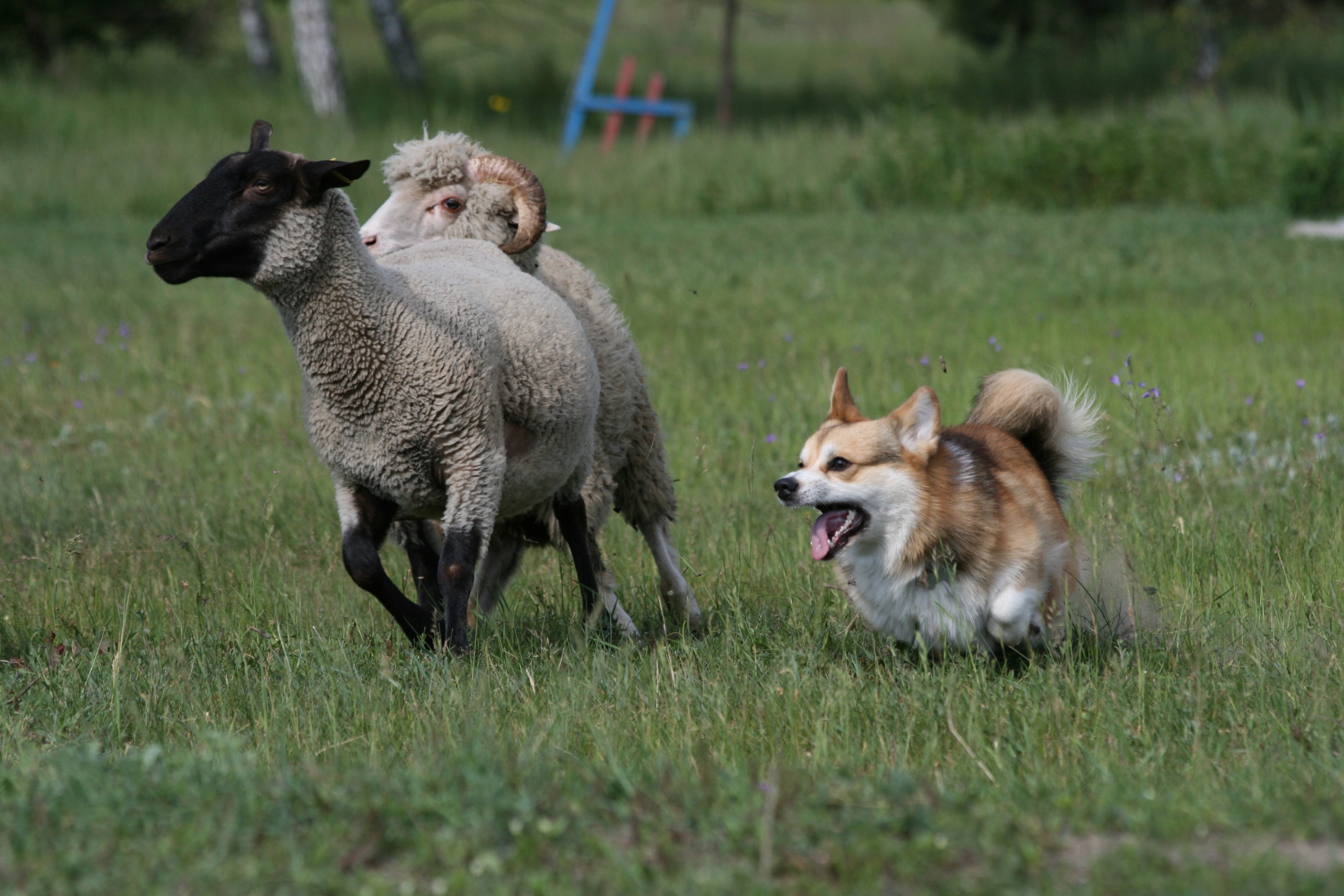
Dog chasing sheep in countryside illustrating the risk of livestock worrying without proper containment"

Livestock attacks by dog are on the increase

Why Traditional Fencing Often Isn’t Enough

Challenges of Physical Fences in Rural Areas

Traditional physical fencing is often expensive, time-consuming, and impractical on rural or uneven terrain. Worse, traditional fences can be dug under, jumped over, or damaged by wild animals such as badgers, foxes, deer etc leaving your dog vulnerable to escape.

Limitations of Traditional Fencing to Create Secure Gardens for Dogs

  • Cost: Traditional fences typically start around £35 per metre, while DogFence systems start from about £6 per metre, including professional installation and training.
  • Installation Time: Building a physical fence can take weeks or months, especially if your land is uneven or expansive.
  • Vulnerability: Animals such as badgers or foxes can dig holes underneath fences, and dogs can jump over or even break through physical barriers.
  • Aesthetics and Permissions: Traditional fences can affect the look of your property and may require planning permission in some areas.
  • Lack of Flexibility: Once installed, a physical fence is fixed. If you want to expand or change your containment area, it can be costly and difficult.

Why Choose an Electronic Dog Fence from DogFence?

UK’s Experts in Electronic Dog Containment

DogFence is the UK’s leading expert in electronic dog containment, having safely installed and trained over 20,000 pets on our advanced systems. Unlike basic mail-order kits, our digital dog fencing solutions are designed for long-lasting reliability, maximum safety, and adaptability to almost any environment. Find out more here.

Creating secure fencing on Almost Any Terrain

Our systems can be installed on nearly any terrain, including:

  • Slopes, hills, and uneven ground
  • Gardens surrounded by streams or shallow rivers (our cables are waterproof and can run underwater)
  • Open fields and driveways, creating secure boundaries exactly where you need them

What’s more, our system is transportable — if you move house, you can easily take the dog fence transmitter and collars with you and reinstall it at your new property, making it a smart long-term investment.

More Than Just a Boundary: Customisable Pet Protection

Our electronic dog fences don’t just keep dogs contained; they can be used to protect specific areas within your property, keeping your pets away from:

  • Swimming pools or ponds
  • Chicken coops and rabbit runs
  • Flower beds or vegetable patches

This flexibility means your dog can enjoy a large safe area without compromising your property or causing damage.

Neil’s Story: Real Success with DogFence

A Perfect Example from the Orkney Islands

Neil lives in a rural location on the Orkney Islands surrounded by sheep, cows, and a neighbour with over 200 free-roaming chickens. His Whippet x Saluki is a fast, natural hunter — which posed a real risk to the local wildlife and his dog’s safety.

After choosing DogFence’s advanced electronic dog fence, Neil found installation easy and the training effective. After just one week, his dog fully understood the boundaries.

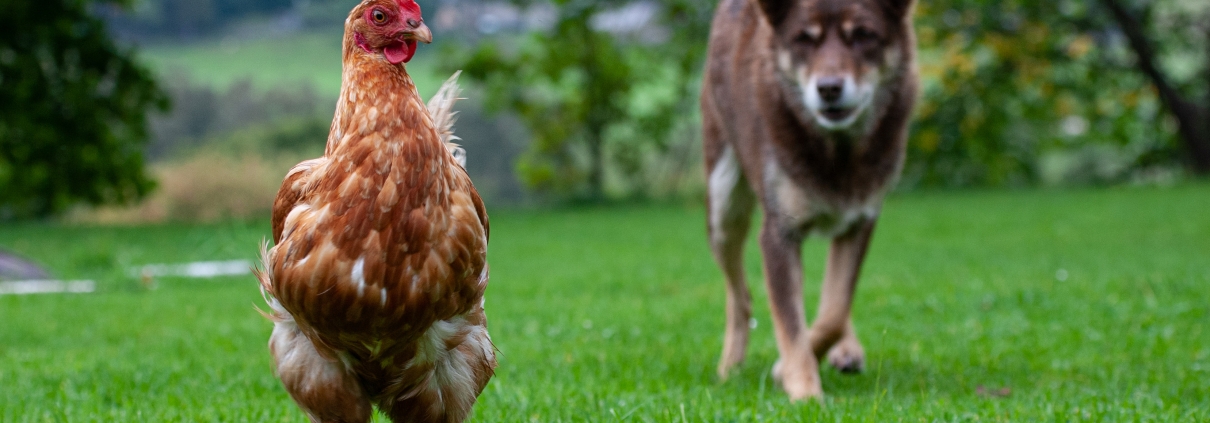
alt="Dog chasing chicken in garden highlighting need for secure pet containment system"

Dog chasing chicken in garden

“The dog has not been able to get out of our 1-acre land since the fence was installed. I cannot recommend this system highly enough. My dog can run freely, and the animals in neighbouring fields are safe. Also, when I’ve called for advice, I always get through to a real person, not an automated menu—which is a nice change. 10 out of 10 for the product and service.”

Neil’s experience is typical of many of our satisfied customers who want to secure gardens for dogs and prevent dogs running away — even in the most challenging rural environments.

Why DogFence is the UK’s Expert to Create Secure Gardens for Dogs

Advanced Technology and Professional Training

At DogFence, we don’t just supply collars and wires; we deliver complete peace of mind with:

  • Advanced digital software that delivers consistent, safe impulses tailored to your dog’s personality and size
  • Lightweight, comfortable collars that your pet can wear all day without discomfort
  • Heavy-grade boundary wire designed to last decades and resist damage from weather or animals
  • Fully trained, professional installers who handle the setup and provide thorough, onsite training for you and your pet
  • Our exclusive Containment Promise, which backs the reliability and safety of our system

Our team has installed systems on properties ranging from small city gardens to expansive country estates — and we adapt to your needs.

Take Action Now: Protect Your Pet and Peace of Mind

Don’t wait for an emergency to happen — prevent your dog running away or chasing livestock before it’s too late. With DogFence, you can create a safe, secure space where your dog can enjoy freedom without risk.

Call us today on 01628 476475 for a free consultation and personalised quote.

➡️ Or visit dogfence.co.uk to learn more about how our systems can work for your property.

Let DogFence help you secure your garden for dogs and keep your pets safe — wherever you live, whatever your terrain.


dog fence ideas - dog with question mark

Dog Fence Options Compared: Wooden, Mesh & Invisible Systems

Dog Fence Options Compared: Wooden, Mesh, and Invisible Systems

When you’re researching dog fence options, you’ll quickly see there are many different choices — from traditional wooden panels and wire mesh to modern invisible dog fences. But not all solutions are equal when it comes to keeping your dog safe and secure.

In this guide, we’ll compare the most common types of dog fence options, their pros and cons, and explain why an invisible FM frequency fence is often the safest and most cost-effective choice.

Why Do You Need A Fence?

Most pet owners will experience a dog that loves to escape — whether it’s jumping a 6ft fence, digging under the hedge, or simply heading off on an unplanned walk. While this may seem harmless, an escaping dog can:

  • Put themselves in danger from cars, livestock, or poisoning.

  • Cause accidents on the road.

  • Knock over or frighten strangers.

  • Risk unexpected vet bills or even fines from the dog warden.

A secure fence isn’t just about protecting your dog — it protects others too and gives you peace of mind.

Dog escaping over wooden fence showing need for secure dog fence options

Some dogs see traditional fences as just another challenge.


Wooden Panel Fencing

Wooden fencing may look sturdy, but it isn’t fool-proof.

  • Panels often sit slightly above the ground, making it easy for dogs to dig underneath.

  • Athletic dogs may simply jump over, even if the fence is 6ft tall.

  • Regular maintenance is required to stop rotting or repair storm damage.

  • Costs can quickly mount if you need to replace panels or add extra barriers.

For determined dogs, wooden fencing can be little more than a temporary fix.


Wire Mesh Fencing

Wire mesh is another common option, but it often causes more problems than it solves:

  • Dogs can see through the mesh, leading to barking, fence-running, and frustration.

  • Neighbours or passers-by can tease or even harm your dog.

  • Digging under is still possible.

While affordable, wire mesh is rarely a long-term solution for escape-prone dogs.


Why Chaining Is Never the Answer

Some owners resort to chaining a dog when fences fail. But chaining:

  • Severely restricts exercise.

  • Causes stress, boredom, and frustration.

  • Increases aggression and behavioural problems.

It’s unsafe and unfair for the dog — and definitely not a recommended containment method.


Wireless & Invisible Dog Fences

This is where technology offers a smarter solution. Invisible fences use a boundary wire, transmitter, and a computer collar to create a safe containment zone. But not all systems are equal.

AM Frequency Fences (Old Technology)

  • Can be disrupted by Wi-Fi, TVs, or even light dimmers.

  • Slow response times mean pets can “outrun” the signal.

  • Risk of false activations, shocking your dog unnecessarily.

FM Frequency Fences (Modern Technology)

  • Use secure, fast, digital signals that ignore interference.

  • Quick reaction time keeps pets safely contained.

  • Safety cut-off prevents over-correction.

  • Can be installed around any property size — from small gardens to estates of 350+ acres.

  • Invisible and planning-friendly.

Learn more about how an invisible dog fence system works.


Why FM Invisible Fences Are the Best Option

Compared to traditional fencing, an FM invisible fence:

  • Costs a fraction of installing tall panels or mesh.

  • Works on all terrains, including driveways, hedges, and wooded areas.

  • Is safe, proven, and recommended by vets.

  • Gives your dog freedom within safe boundaries.

Learn more about how an invisible dog fence system works.

Dog safely contained with an invisible dog fence system

Invisible dog fences keep pets safe without changing your view.


The Benefits of Secure Fencing

Choosing the right dog fence isn’t just about stopping escapes — it brings peace of mind and real protection for both your pet and the wider community:

  • Your dog stays safe from roads, poisons, livestock, and other dangers.

  • Others are protected — no risk of your dog knocking someone over or frightening passers-by.

  • Lower costs — avoid dog warden fees (often £50+ per incident) and unexpected vet bills.

  • Prevent accidents — escaped dogs can cause road traffic collisions, which are sadly on the rise.

  • No unwanted litters if your dog hasn’t been neutered.

  • Protect other animals — you won’t be liable for injuries to neighbouring pets or livestock.

  • Peace of mind knowing your dog can enjoy freedom without escaping.

If you also own cats, our cat fence system is designed to keep them safely contained too.

Cat sitting on a garden statue – safe alternatives to roaming with a cat fence system

Even adventurous cats need safe boundaries — our cat fence system keeps them secure without restricting freedom.

Final Thoughts

If you want complete peace of mind, an FM invisible fence is the safest and most reliable option to stop escapes and keep your dog secure.

Call us today on 01628 476475

Request a Free Quote

  Message us on WhatsApp