Tag Archive for: rural dog containment

female dog in season alert at garden fence looking outward

Stop Dog Escaping When in Season (UK Guide for Secure Gardens)

How to Stop Dog Escaping When in Season (UK Guide)

Stop dog escaping when in season early, and you can prevent a stressful and potentially dangerous situation for both you and your dog.

When a dog in season is trying to escape — or when a male dog is escaping because a nearby female is in heat — behaviour can change dramatically and very quickly. Even normally calm, well-trained dogs can become persistent, focused, and surprisingly determined.

Understanding why this happens — and how to secure your garden properly — is key to preventing dog running away during heat.

For broader guidance on preventing escape behaviour in all situations, read our complete guide on how to stop a dog running away, which explains how training, boundary security and containment work together.
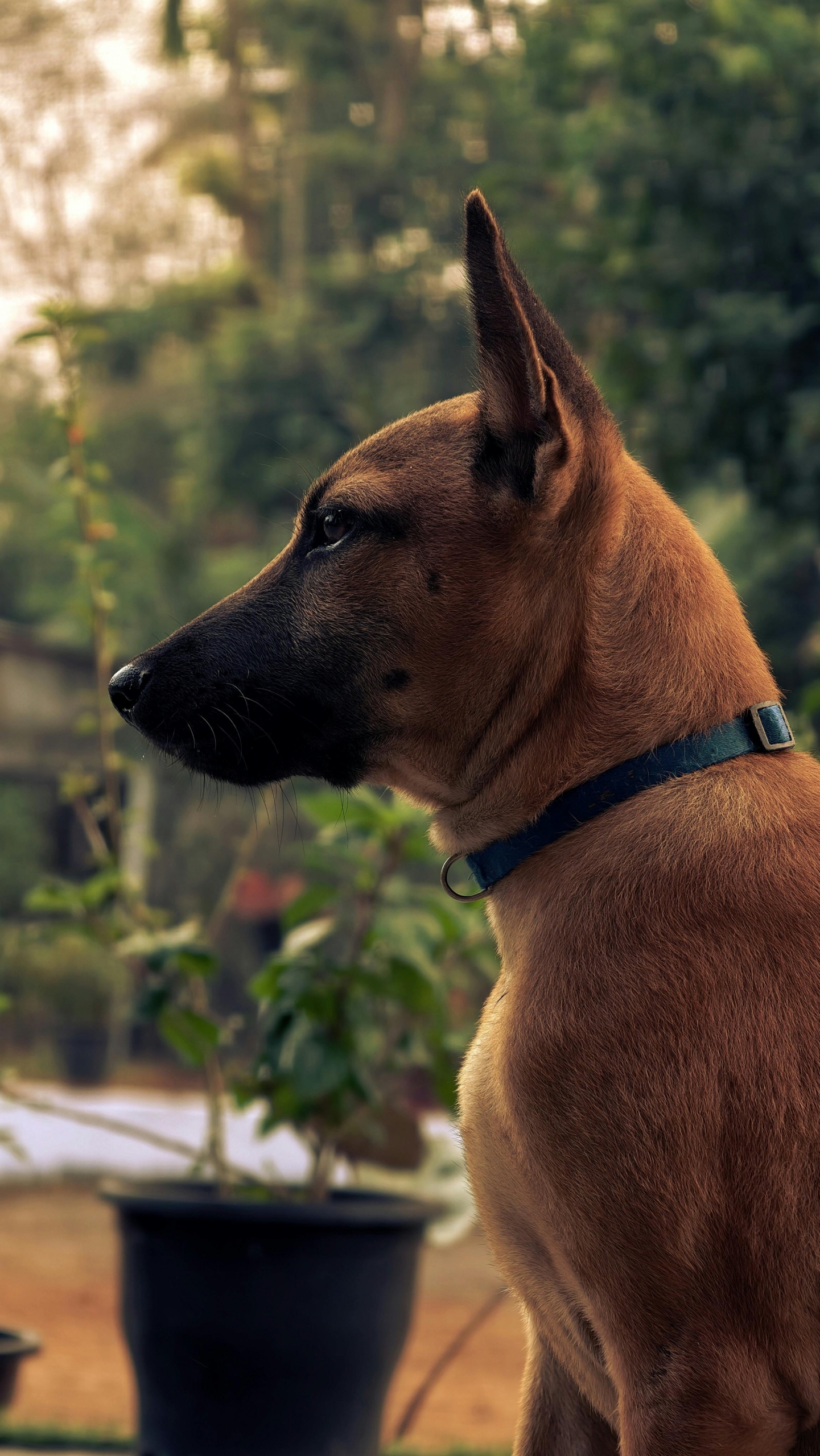
female dog in season alert at garden fence looking outward


Why Do Dogs Try to Escape When in Season?

To stop dog escaping when in season, it helps to understand the biological drive behind it.

Female dogs release powerful pheromones during their heat cycle. These scents can travel significant distances, especially in rural or open areas. Male dogs may detect them from streets away and begin searching for the source.

This can lead to:

  • Persistent fence-line pacing
  • Digging under boundaries
  • Jumping or climbing panels
  • Squeezing through weak points
  • Increased vocalisation or agitation

A dog in season trying to escape is not being disobedient — they are responding to instinct.

The Blue Cross provides helpful guidance on understanding the heat cycle and behaviour changes during this time</a>.


How Long Does a Dog Stay in Season?

A typical heat cycle lasts around 2–3 weeks.

However, heightened escape behaviour often peaks during the most fertile stage, which usually occurs around days 10–14.

If you are trying to stop dog escaping when in season, it’s important to increase supervision and security for the entire cycle — not just when symptoms first appear.


How to Stop Dog Escaping When in Season

Preventing dog running away during heat requires temporary management combined with secure containment.

1. Supervise Outdoor Time

Never leave a dog in season unattended in the garden.

Even a secure boundary can be tested repeatedly during this period.

Supervised outdoor access dramatically reduces the risk of escape.


2. Reinforce Weak Points

Check your garden perimeter for:

  • Gaps under fencing
  • Loose panels
  • Climbable surfaces
  • Hedge openings
  • Weak gate latches

If your dog has previously shown digging behaviour, you may find our guide on how to stop dog digging under fence is helpful.


3. Manage Male Dogs in the Area

If you live in a rural or semi-rural area, you may notice male dog escaping when female in season behaviour nearby as well.

Neighbouring dogs may attempt to enter your property, which is why simply “keeping her in” is sometimes not enough.

Creating a truly secure garden for dog in season situations means considering both outbound and inbound risk.

If broader roaming is becoming an issue, read our complete guide on how to stop your dog running away.


4. Increase Mental Stimulation Indoors

During peak fertility days, limiting unsupervised garden time and increasing indoor enrichment can help:

  • Scent games
  • Puzzle feeders
  • Short training sessions
  • Calm structured interaction

Reducing frustration reduces escape attempts.


Will Neutering Stop Dog Escaping When in Season?

Neutering male dogs may reduce hormone-driven roaming behaviour, but it does not eliminate instinct entirely.

Female dogs in season will still attract attention, and unneutered males may remain highly motivated.

If seasonal escape attempts are persistent, long-term boundary clarity becomes essential.


What If Fencing Isn’t Enough?

Traditional fencing can struggle during seasonal escape behaviour.

Digging, climbing, squeezing and repeated testing can escalate quickly when instinct overrides training.

If you are trying to stop dog escaping when in season on a larger property, driveway boundary, or post-and-rail setup, you may need a more consistent perimeter solution.

Hormone-driven roaming is just one escape trigger — our article on why dogs escape gardens explores the full range of behavioural causes.
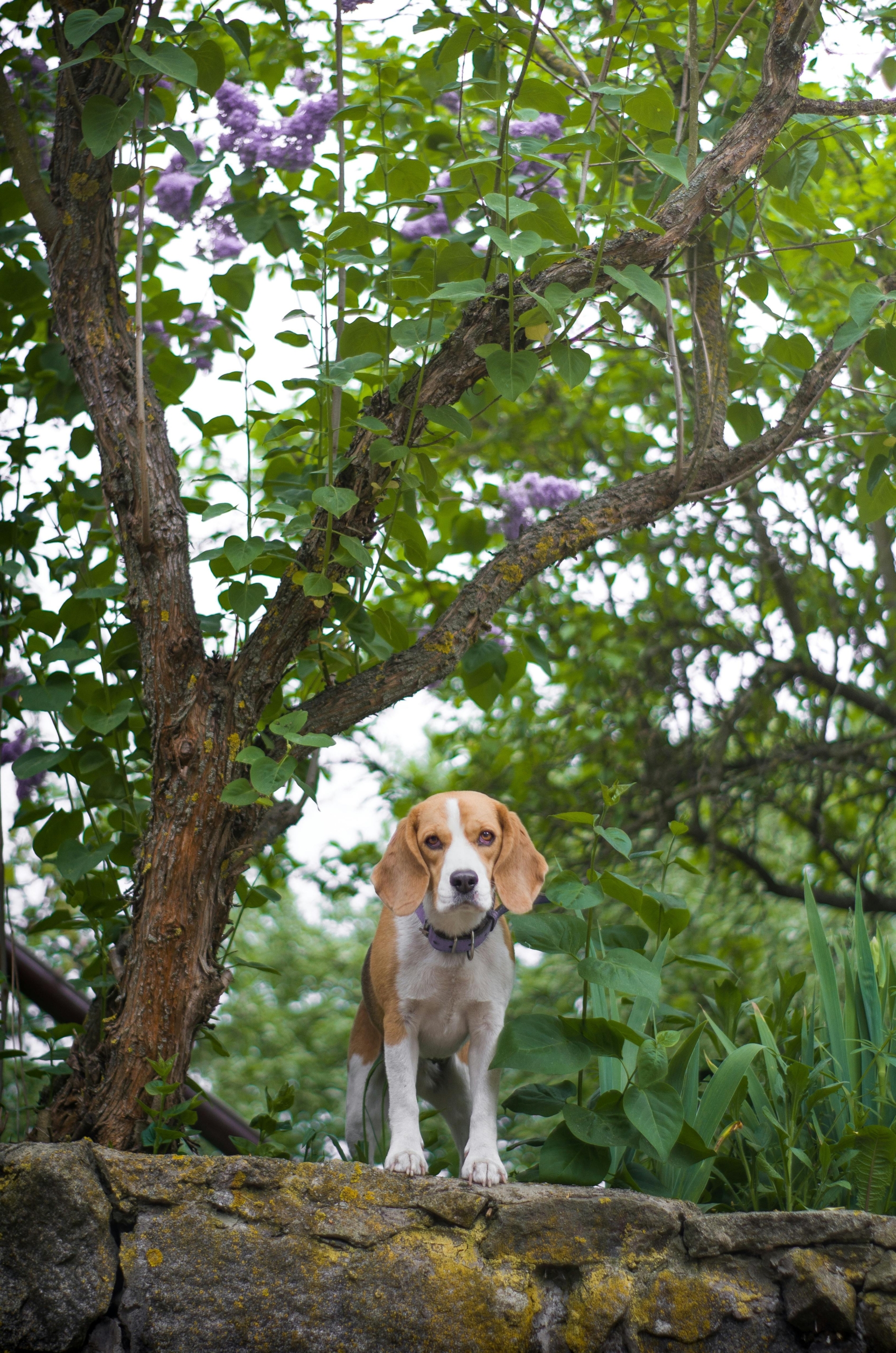
dog safely contained in secure UK garden during heat cycle

A professionally installed electronic dog fence system can secure the full boundary — including hedges, open driveways, and uneven terrain — without altering the appearance of your garden.

If you’d like to understand the technology in more detail, you can read our guide on dogfence.co.uk how-does-an-electronic-dog-fence-work

When paired with structured training, most dogs quickly understand their limits, even during hormonally heightened periods.


When Should You Be Concerned?

Take action immediately if:

  • Your dog has already escaped once during a season
  • You live near a road
  • Livestock or public footpaths are nearby
  • Male dogs are gathering outside your boundary

Seasonal escape attempts can escalate rapidly.

Stopping dog escaping when in season early prevents the behaviour becoming learned and repeated in future cycles.


Final Thoughts: Secure Containment During Heat Cycles

To stop dog escaping when in season safely and responsibly, you must combine supervision, management, and reliable containment.

At DogFence, we’ve worked with countless rural and semi-rural UK properties where traditional fencing alone wasn’t enough during heat cycles. When the full boundary is clearly defined and properly introduced, escape attempts typically settle quickly — even during hormonally heightened periods.

If you’d like tailored advice on creating a secure garden for dog in season situations, our team can assess your property and recommend the most appropriate containment solution.

Worried About Your Dog Escaping During a Season?

If your dog is in season — or reacting to one nearby — we can help you secure your garden properly and prevent escape attempts before they happen.

Call us on
01628 476475
|
Message us on WhatsApp
|
Request a Free Quote Online
Post and rail fencing with five bar gate on a rural UK property showing typical gaps that require dog proof fencing for rural properties

Dog Proof Fencing for Rural Properties (UK Guide)

Dog Proof Fencing for Rural Properties (UK Guide)

Dog proof fencing for rural properties requires more than standard garden panels — countryside environments present unique escape risks that demand stronger, smarter solutions.

Unlike suburban gardens, rural homes often have post-and-rail fencing, five bar gates, livestock boundaries and long driveways. These features look beautiful — but they can create gaps, weak points and climb opportunities for determined dogs.

If your dog has already attempted to escape, start with our complete guide on How Do I Stop My Dog Running Away (for good).

Post and rail fencing with five bar gate on a rural UK property showing typical gaps that require dog proof fencing for rural properties


Why Standard Fencing Often Fails in Rural Settings

Dog proof fencing for rural properties must address:

  • Large gaps between rails
  • Open driveway entrances
  • Sloping or uneven terrain
  • Livestock fencing not designed for pets
  • Five bar gate gaps

Traditional agricultural fencing is built to contain livestock — not motivated dogs.

If your dog is squeezing through gaps, read how to stop a dog squeezing through a gate.

If digging is the issue, see how to stop dog digging under fence.


Wildlife Damage: The Hidden Weak Point in Rural Fencing

In rural settings, dog proof fencing for rural properties must also account for wildlife.

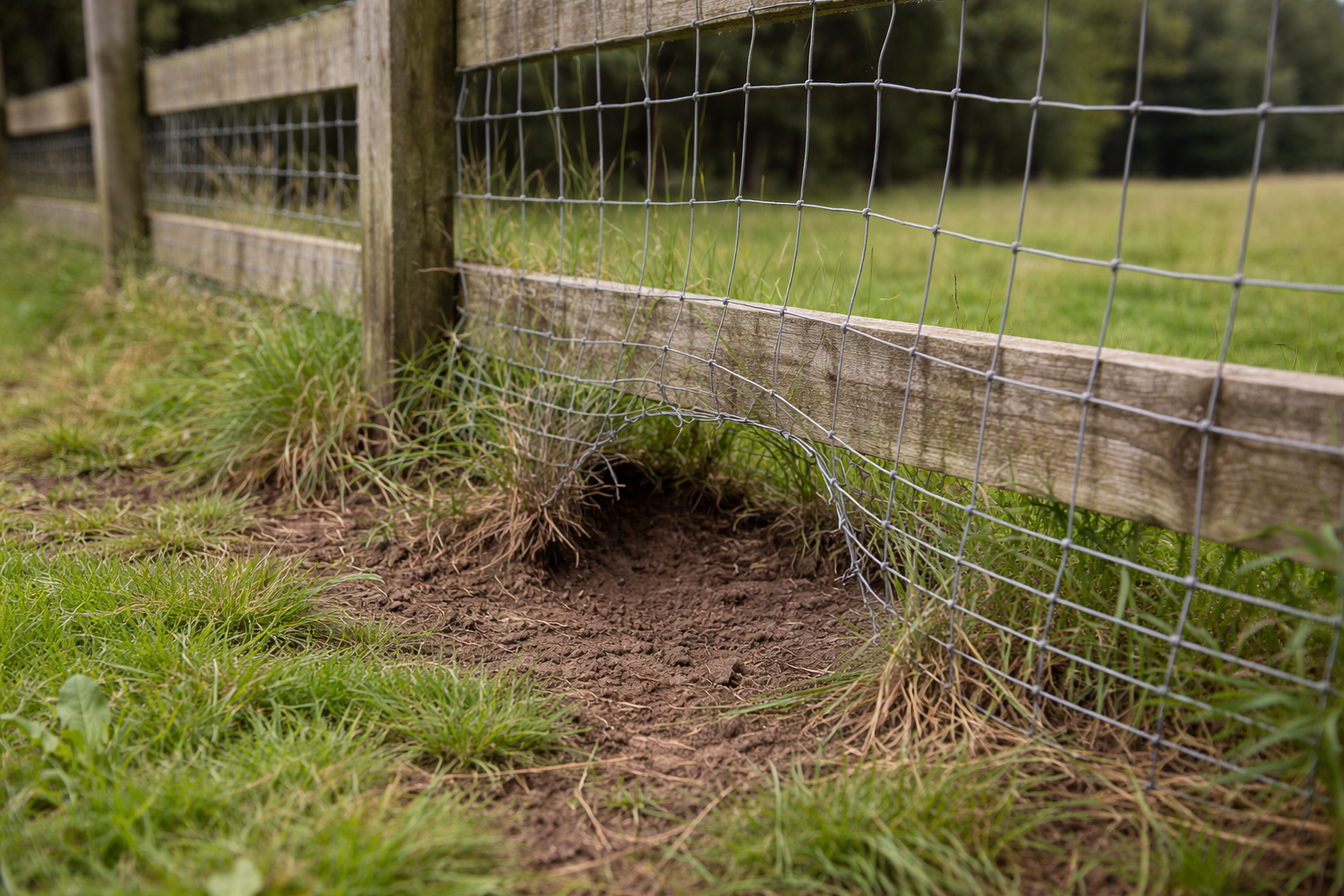
Badgers, foxes and deer frequently push through or damage wire fencing, especially along field boundaries and hedgerows. Over time, this creates gaps, lifted sections or weakened posts — often unnoticed until a dog finds them.

Even well-maintained rural fencing can deteriorate quickly when wildlife regularly passes through it. A small opening created overnight can become a reliable escape route for a determined dog.

This is particularly common with:

  • Stock fencing and wire mesh
  • Post-and-rail boundaries with wire backing
  • Hedge lines with hidden gaps
  • Sloping ground where soil shifts beneath fencing

In countryside properties, fencing isn’t static — it is constantly tested by both wildlife and weather.

Damaged wire mesh fencing with gap at ground level on rural UK property caused by wildlife creating escape route for dogs

Wildlife regularly damages stock and wire fencing in rural areas, often creating hidden gaps that become escape routes for dogs.


Post and Rail Dog Containment Challenges

Post and rail fencing is common in the countryside but leaves large open sections underneath and between rails.

To improve secure rural fencing for dogs, owners often:

  • Add mesh infill
  • Install kickboards
  • Bury ground barriers
  • Increase height

However, reinforcing hundreds of metres of boundary can become expensive and visually intrusive.

If you’re unsure whether your current boundary is high enough, read our guide on can a dog jump a 6ft fence? to understand which breeds and situations pose the highest escape risk.

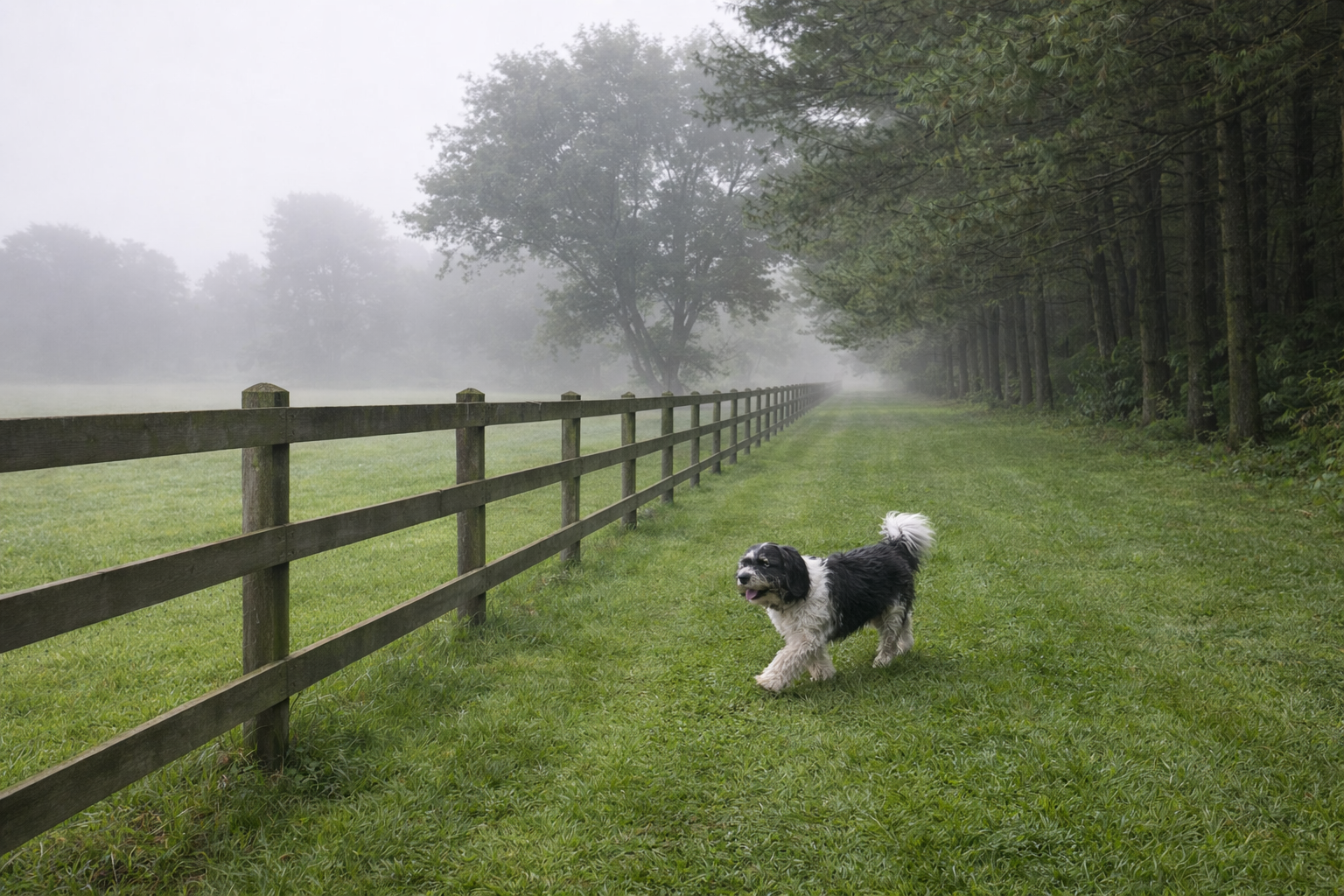
Tibetan Terrier walking beside post and rail fencing on a misty rural UK property showing typical countryside boundary


Five Bar Gate Dog Proofing Solutions

Five bar gates are a frequent weak point in rural dog escape prevention.

Common problems include:

  • Wide hinge gaps
  • Open bottoms
  • Uneven ground beneath gates

Temporary fixes may include:

  • Timber boards
  • Mesh panels
  • Automatic gate closers

But these do not always prevent highly motivated dogs from testing boundaries.


Driveways: The Most Overlooked Escape Route

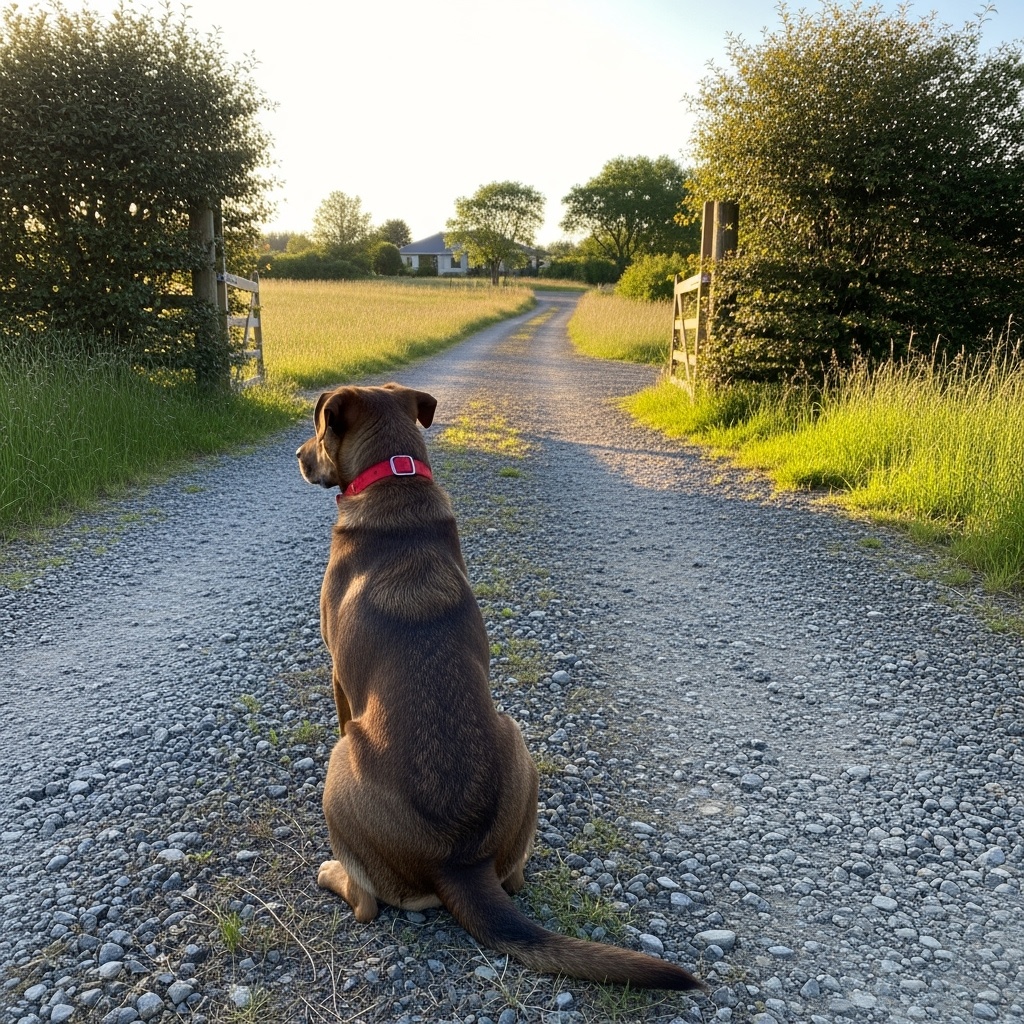
Long gravel driveways and open entrances are one of the biggest rural containment challenges.

Dog proof fencing for rural properties must account for:

  • Vehicles entering and exiting
  • Gates left open
  • Deliveries
  • Visitors unfamiliar with gate routines

For many countryside homes, fully enclosing long driveways is impractical. In these situations, a professionally installed electronic dog fence offers a practical alternative. Instead of relying on physical barriers, the containment boundary can be laid discreetly across open driveway entrances, wide gateways and even irregular ground. This means your dog remains safely contained — even when gates are open for deliveries or vehicles — without altering the appearance of your property or installing intrusive fencing across large rural spaces.

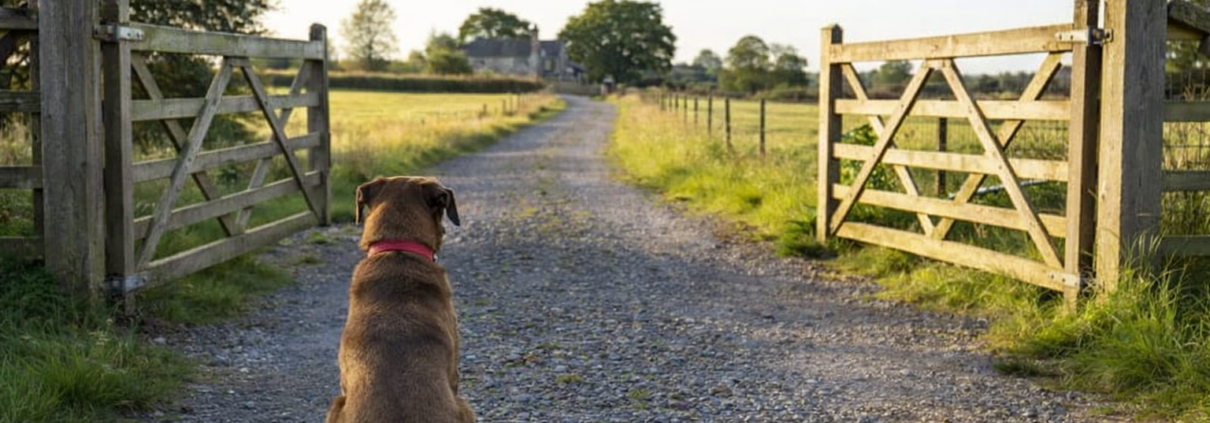
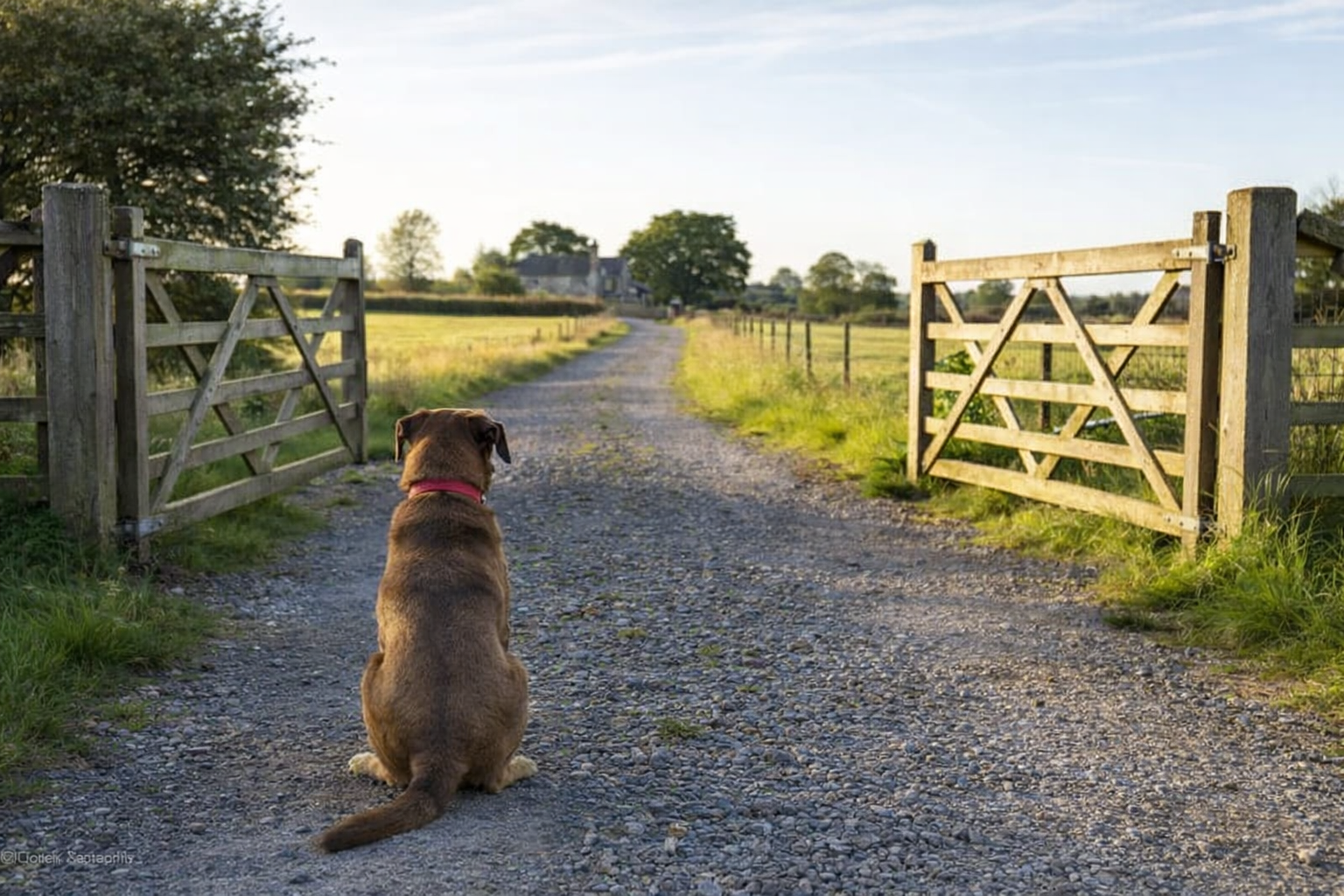
dog sitting at open rural driveway entrance demonstrating electronic dog fence boundary


A Smarter Approach to Rural Dog Containment

Rather than relying solely on physical barriers, many rural homeowners choose a professionally installed electronic dog fence system.

These systems can:

  • Secure post-and-rail fencing
  • Protect five bar gates
  • Cover open driveways
  • Adapt to uneven ground
  • Preserve the appearance of rural properties

Learn more about the technology in our guide on how electronic dog fences work.


Final Thoughts: Secure Rural Fencing for Dogs

Effective dog proof fencing for rural properties requires:

  1. Structural reinforcement
  2. Behaviour understanding
  3. Clear perimeter definition

At DogFence, we’ve worked with rural homes across England for over two decades. When the full perimeter is clearly defined and properly introduced, escape attempts typically settle — even in high-drive breeds.

If you’d like tailored advice on rural dog containment solutions, contact our team for a free, no-obligation assessment.

Need Dog Proof Fencing for a Rural Property?

If you have post-and-rail fencing, five bar gates or open driveways, we can help you create secure rural fencing for dogs without altering the appearance of your countryside home.

Our professionally installed electronic dog fence systems cover open areas, long driveways and uneven ground — giving you reliable rural dog containment and complete peace of mind.

Call us on
01628 476475
|
Message us on WhatsApp
|
Request a Free Quote Online
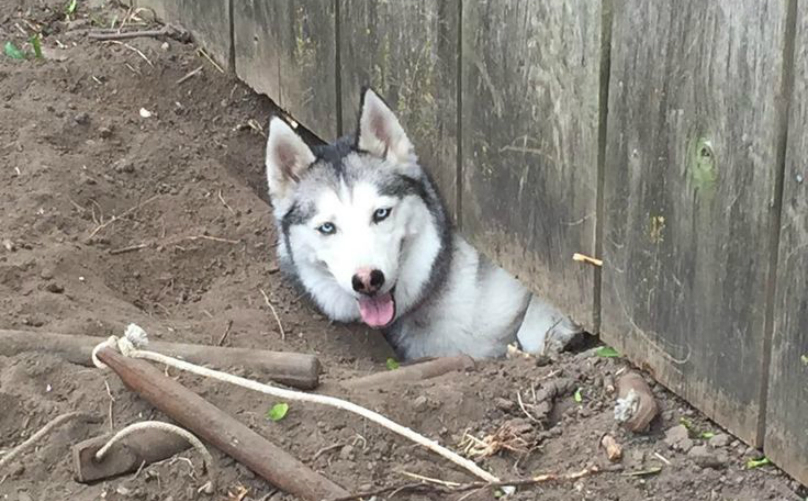
dog digging under fence

How to Stop Dog Digging Under Fence (UK Guide)

How to Stop Dog Digging Under Fence (UK Guide)

Stop dog digging under fence behaviour quickly and it can save you from a much bigger escape problem later.

dog digging under fence in UK garden

Dog digging under a garden fence — a common cause of escape in UK homes.

If your dog has started tunnelling along the boundary, it’s rarely random. In most cases, digging at the fence line means your dog is trying to get out. What begins as one small hole can quickly turn into repeated attempts at escaping under the fence — especially once they realise it works.

Before you can prevent dog digging out for good, you need to understand what’s driving it. If you’re unsure what motivates escape behaviour, read our guide on How Do I Stop My Dog Running Away (for good) here.

Whether your dog is digging along the fence to get out or has already managed to escape once, the real solution begins with understanding what’s driving the behaviour.

For many UK owners — particularly those with larger or rural properties — creating a truly secure garden for digging dog breeds requires more than just filling in the hole.


Why Is My Dog Digging Under the Fence?

When you need to stop dog digging under fence behaviour, the first step is identifying the motivation.

Fence-line digging almost always has a purpose.


Digging to Escape the Garden

If your dog is consistently digging along the boundary, this is classic dog digging to escape garden behaviour.

Common triggers include:

  • Wildlife beyond the fence (deer, rabbits, squirrels)
  • Livestock in neighbouring fields
  • Other dogs nearby
  • Public footpaths
  • Separation anxiety (the RSPCA offers helpful guidance on recognising and managing anxiety-related behaviours).

Then link “RSPCA offers helpful guidance” to:
https://www.rspca.org.uk/adviceandwelfare/pets/dogs/behaviour

Once a dog succeeds at escaping under a fence, the behaviour becomes reinforced. Freedom becomes the reward.


Breed Instinct (Terriers & Working Dogs)

Some breeds are naturally wired to dig.

Terriers, for example, were bred to hunt prey underground. For these dogs, digging isn’t disobedience — it’s instinct.

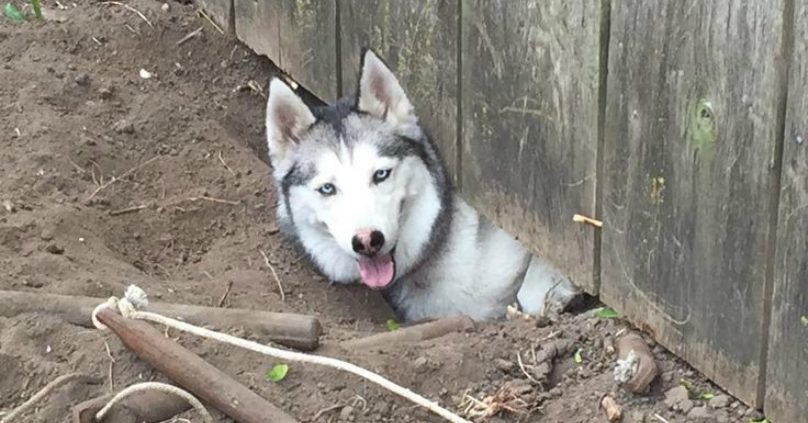
dog digging under fence in garden trying to escape

A dog attempting to dig under a garden fence — a common early sign of escape-driven behaviour.

If you have a determined digging breed, standard fencing alone may not be enough to prevent dog digging out long term.


Digging to Stay Cool in Summer

In warmer weather, some dogs dig shallow pits to lie in cooler soil.

These holes are usually:

  • Away from the boundary
  • In shaded areas
  • Not tunnel-shaped

If your goal is to stop dog digging under fence, but the holes are central in the garden, temperature may be the real cause.


Boredom and Excess Energy

Young, intelligent or high-drive dogs may dig simply because it’s stimulating.

Without:

  • Structured walks
  • Mental enrichment
  • Training interaction
  • Scent work

Digging becomes self-rewarding entertainment.

However, boredom digging rarely focuses repeatedly on the fence line — persistent boundary digging usually indicates escape motivation.


How to Stop Dog Digging Under Fence

Now let’s look at practical ways to prevent dog digging out and restore control of your boundary.


Increase Exercise and Mental Stimulation

A tired dog is far less motivated to test boundaries.

Consider:

  • Daily structured walks (not just garden access)
  • Short training sessions
  • Puzzle feeders
  • Rotating toys
  • Scent games

This helps reduce boredom-driven digging but may not fully stop dog digging under fence if escape is the primary motivation.


Improve Shade and Cooling Options

If your dog is digging to regulate temperature:

  • Provide shaded shelter
  • Ensure constant fresh water
  • Use a heavy-duty paddling pool
  • Avoid inflatable pools (easily punctured)

When comfort improves, digging often reduces.


Reinforce the Base of Your Fence

Traditional methods to prevent dog digging out include:

  • Burying chicken wire
  • Installing gravel boards
  • Digging trench footings
  • L-shaped underground barriers

These approaches can work in smaller gardens. However, in larger rural properties, reinforcing every metre of boundary can be costly and disruptive.

Some determined dogs will simply move along the fence line until they find a weaker point. Before investing in higher panels or reinforcements, it’s important to understand why dogs escape gardens — because escape behaviour is usually driven by motivation, not just opportunity.


Address Hormonal or Seasonal Escape Behaviour

Male dogs may become highly motivated to dig if they detect a nearby female in season. Female dogs may also attempt to leave the garden during this period.

While neutering may reduce some drive, it is not a guaranteed way to stop dog digging under fence behaviour if the underlying motivation remains strong.

During these periods, creating a truly secure garden for digging dog breeds becomes especially important.


Will Burying Wire or Concrete Stop a Dog Escaping Under Fence Panels?

Sometimes — but not always.

If the desire to leave the property remains strong, dogs may continue testing different sections.

Blocking one hole may simply shift the problem further down the boundary.

To genuinely stop dog digging under fence, the reward for escaping must disappear.


The Most Reliable Way to Stop Dog Escaping Under Fence

When digging is driven by escape motivation, behaviour usually changes when the dog clearly understands where the boundary lies.

A professionally installed pet containment system creates a consistent perimeter around the entire property — including weak points, hedges, gates and uneven ground.

When introduced with calm, structured training, most dogs quickly learn the boundary and stop attempting to dig under it.

For properties with:

  • Post-and-rail fencing
  • Hedge boundaries
  • Large rural perimeters
  • Sloping or uneven terrain

This approach often provides more reliable long-term prevention than repeated physical reinforcement alone.


When Should You Be Concerned?

If your dog has already succeeded in escaping under fence panels once, the risk increases significantly.

Escaping dogs face:

  • Road traffic
  • Livestock incidents
  • Getting lost
  • Legal liability

Fence-line digging is often an early warning sign that your current setup is not secure enough.


Final Thoughts: How to Stop Dog Digging Under Fence for Good

To stop dog digging under fence permanently, you must address both:

  1. The reason your dog wants to leave
  2. The weakness in the boundary

Digging is communication.

Your dog may be saying:

  • I’m bored
  • I’m anxious
  • I’m too hot
  • I want what’s on the other side

When you understand the motivation and secure the full perimeter — not just the hole — most dogs stop trying to escape.

And your garden — and peace of mind — can finally recover. If you’re looking for broader guidance on how to stop a dog running away, see our complete guide here.

Over the past two decades, we’ve seen that when the full boundary is clearly defined and properly introduced, digging behaviour almost always settles. Rather than constantly repairing panels or burying wire, a professionally installed containment system can addresses the root cause — removing the reward for escape and restoring safety to the entire property.

Tired of Repairing Fence Holes?

If your dog keeps digging under the fence, let’s secure your boundary properly and stop escape attempts for good.

Call us on
01628 476475
|
Message us on WhatsApp
|
Request a Free Quote Online