
Tag Archive for: invisible dog fence training

Nervous dog looking cautiously at a white dog fence training flag during boundary training

Training a Nervous Dog to a Dog Fence: 7 Common Mistakes

Training a Nervous Dog to a Dog Fence: Common Mistakes and How to Fix Them

Training a nervous or anxious dog to a dog fence can feel stressful, especially if your pet is shy, timid, or easily startled. While a dog fence can be a brilliant way to keep sensitive dogs safe in the garden, some common training mistakes can accidentally increase their anxiety or slow down progress. In this guide, we’ll walk through the most frequent issues owners face when training a nervous dog to a dog fence – and how to fix them with gentle, confidence-building methods.
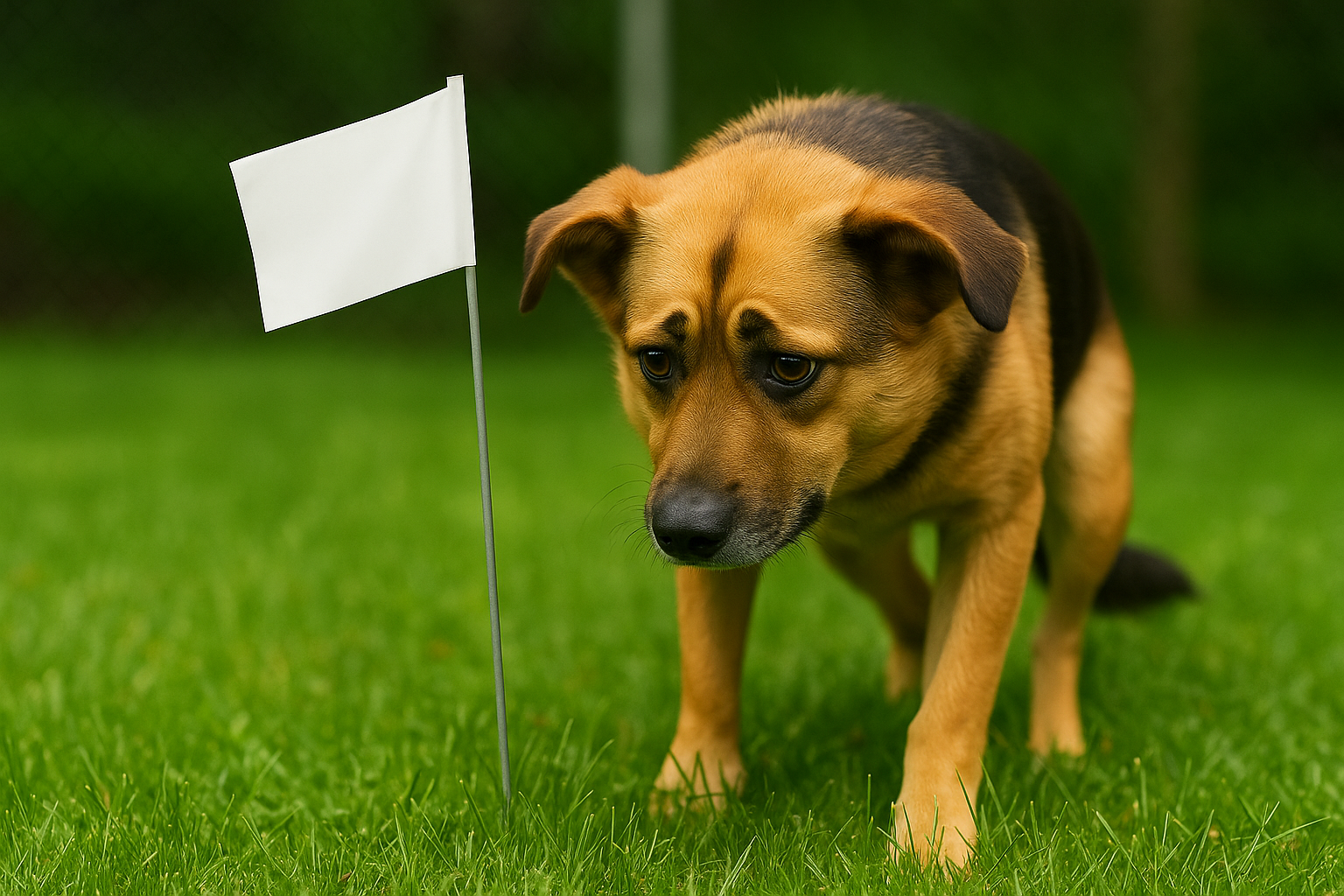
Nervous dog looking cautiously at a white dog fence training flag during boundary training

Why Nervous Dogs Need a Different Training Approach

Nervous, fearful, or sensitive dogs often react strongly to new sensations, sounds, and changes in their environment. A dog who is already worried about the outside world may find boundary training overwhelming if it’s rushed or inconsistent.

That’s why gentle dog fence training for anxious dogs needs to be:

  • Slow and structured – lots of small, positive steps rather than one long session.
  • Predictable – clear boundaries, clear signals, and calm reactions from their owner.
  • Supportive – using treats, praise, and reassurance to build confidence.
  • Positive – Always be positive and upbeat with your dog

With the right approach, a dog fence can actually help nervous dogs feel safer because they understand exactly where their secure zone ends.

7 Common Mistakes When Training Nervous Dogs to a Dog Fence

Mistake 1: Going Too Fast on Day One

One of the biggest mistakes is trying to “get it done” in a single long session. For a nervous or timid dog, this can be overwhelming and may make them anxious about the garden itself.

How to fix it: Keep sessions short and gentle – around 3–5 minutes at a time is ideal. Aim for several calm, successful sessions over a few days rather than one big push.

Mistake 2: Skipping Familiarisation Time

Some owners put the collar on and start training straight away. For sensitive dogs, this can feel like too much change all at once.

How to fix it: Spend a day or two simply letting your dog explore the garden on a loose lead without any collar activity. Then introduce the receiver collar switched off so they get used to wearing it comfortably before the fence is active.

Mistake 3: Poor Collar Fit or Incorrect Level

If the receiver collar is too loose or the contact posts aren’t touching the coat properly, the dog may not feel the gentle correction at all – or only feel it unpredictably. On the other hand, setting the level too high can be unfair for a nervous dog.

How to fix it: Make sure the collar fits snugly (you should be able to slide one finger under the strap). With our DogFence collars, start at the lowest suitable level for your dog’s size and temperament and adjust gently if needed. If you’re unsure, speak to our team for guidance.

Mistake 4: Inconsistent Use of Training Flags

Flags are a vital visual aid, especially for anxious dogs who rely on clear, consistent cues. Taking them away too soon or placing them randomly can confuse your dog.

How to fix it: Mark the boundary clearly with flags, spaced evenly. During training, always guide your dog back from the flags using the same word, such as “back” or “wait”. Only begin to remove flags once your dog is consistently responding to the warning beep.

Mistake 5: Training When You’re Rushed or Stressed

Nervous dogs are very good at picking up their owner’s mood. If you’re tense, in a hurry, or feeling frustrated, they may associate training with stress.

How to fix it: Choose a quiet time of day when you can stay calm and patient. Use a soft voice, relaxed body language, and plenty of praise. If either of you feels frazzled, stop and try again later.

Mistake 6: Making Sessions Too Long

Long training sessions can easily tip nervous or easily overstimulated dogs into shutdown or frantic behaviour.

How to fix it: Short, frequent sessions work best. A few minutes of successful training, followed by play or a cuddle, will build your dog’s confidence far more effectively than a long, intense session.

Mistake 7: Not Checking the Equipment Regularly

If the collar battery is flat, the collar is damaged, or the boundary wire has been cut, the system can’t do its job. Owners may think the fence has “failed” when in reality it needs a simple check.

How to fix it: Test the system regularly and check the collar’s battery, fit, and condition at least once a month. Our DogWatch FM technology is extremely reliable, but like any safety system, it needs basic maintenance.

White dog fence training flags marking the garden boundary during DogFence installation

Training flags to mark the boundary essential for gentle dog fence training

Gentle DogFence Training Checklist for Anxious Dogs

When training a nervous dog to a dog fence, use this checklist as a guide:

  • Allow calm familiarisation time in the garden before activating the system.
  • Introduce the collar gradually, pairing it with treats and praise.
  • Use training flags to make the boundary clear and visible.
  • Start with the warning beep only, then add the gentle correction when your dog understands the flags.
  • Keep sessions short, positive, and consistent.
  • Always guide your dog back into the safe zone with calm reassurance.
  • Celebrate successes – nervous dogs thrive on confident, happy feedback from you.

When to Ask for Professional Help

Every nervous dog is different. Some adapt quickly with a little reassurance; others need a more tailored approach. If your dog has a history of severe anxiety, is a very nervous rescue, or you’re simply unsure where to start, it can be reassuring to have expert support.

At DogFence Ltd, our installers are experienced in working with anxious, timid, and sensitive dogs. We’ll help you choose the correct settings, show you exactly how to introduce the system gently, and support you through the training process so both you and your dog feel confident. If you’d like expert help from the start, our professional installation service (https://dogfence.co.uk/installation/) ensures the system is set up correctly and your nervous dog receives gentle, confidence-building training.
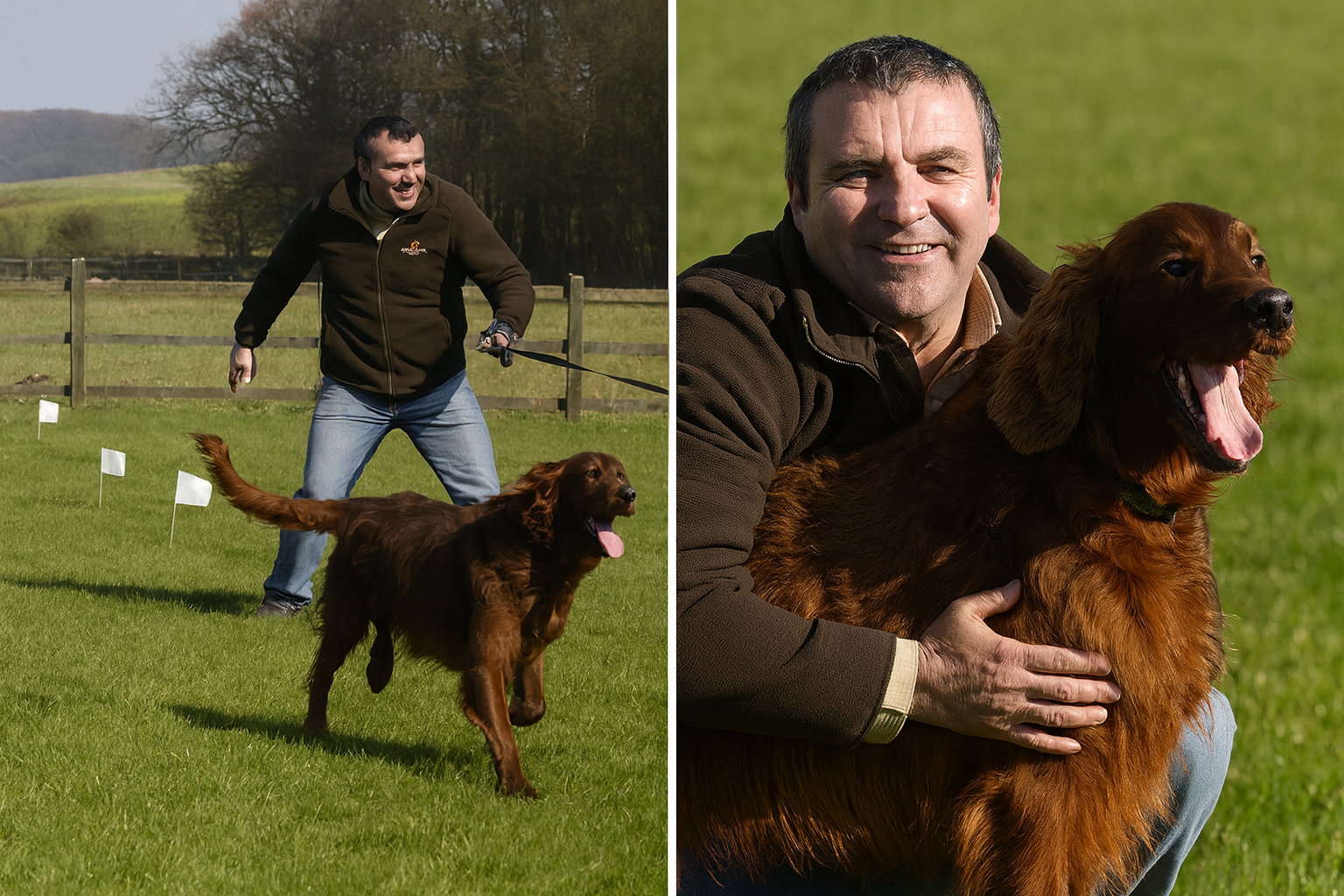
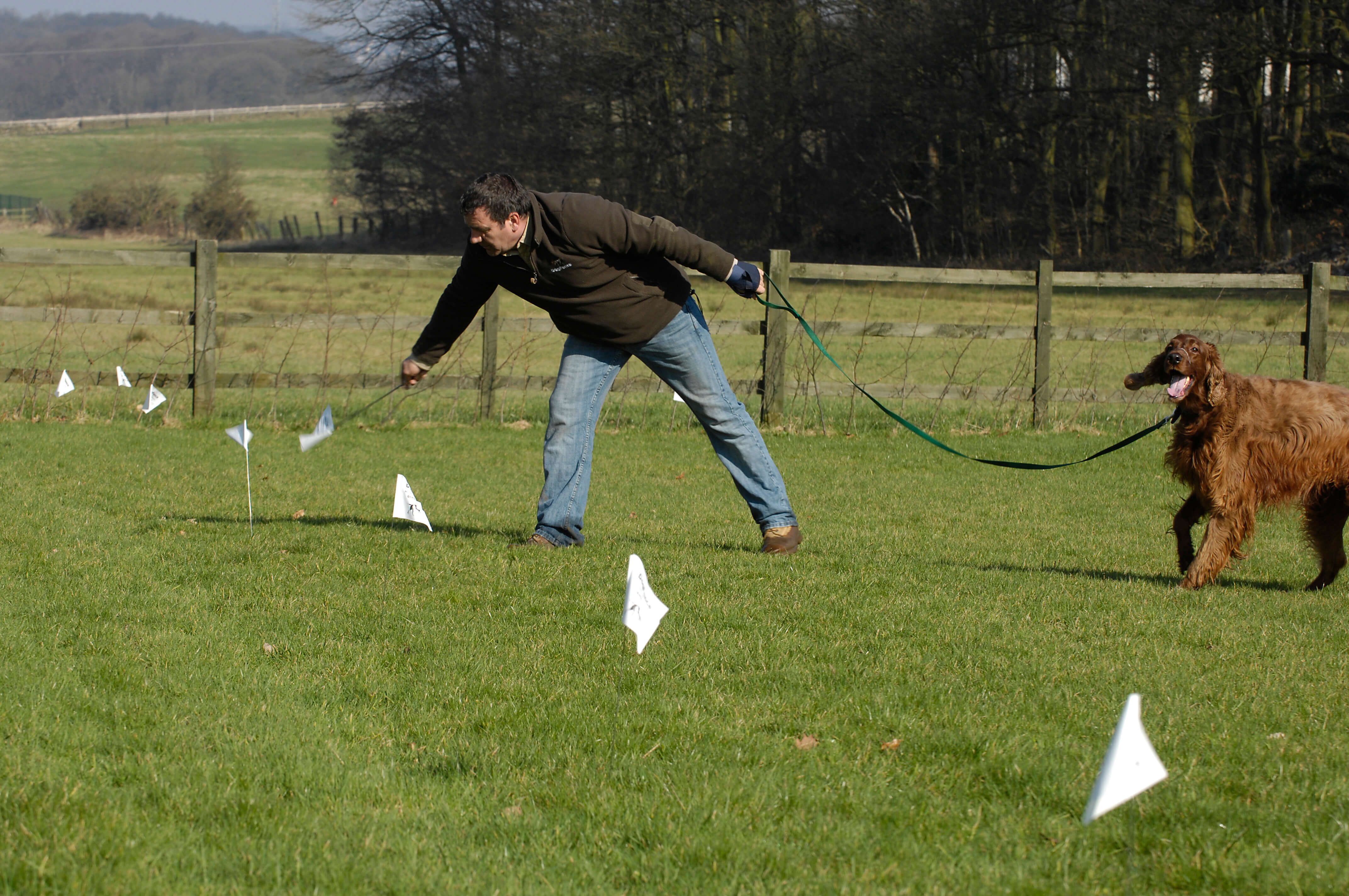
Professional DogFence installer helping a nervous Irish Setter during boundary training, followed by a confident, happy dog after gentle guidance

Our professional DogFence installers are highly experienced in training nervous and sensitive dogs—helping them gain confidence and enjoy safe freedom in the garden.

Need Help Training a Nervous Dog to a Dog Fence?

Call us on
01628 476475
|
Message us on WhatsApp
|
Request a Free Quote Online

For a full step-by-step guide, read our main article How to Train a Nervous Dog with a Dog Fence, or visit our Dog Fence FAQ page for more answers.
Daisy the Kangal showing confidence during gentle dog fence training

How to Train a Nervous Dog with a Dog Fence | Gentle Dog Fence Training for Anxious Dogs

How to Train a Nervous Dog with a Dog Fence

If you’re wondering how to train a nervous dog with a dog fence, the key lies in gentle, consistent training that builds confidence. When it comes to keeping a timid or anxious pet safe outdoors, many owners ask if it is even possible to train a nervous dog with a dog fence without causing stress. At DogFence Ltd, we use a structured, calm, and gentle dog fence training method that helps pets gain confidence while learning clear, safe boundaries around the garden.

Key Takeaways

  • Training nervous dogs requires calm, consistent, and positive methods.
  • DogFence systems are individually programmed to suit each dog’s temperament.
  • Gentle dog fence training builds confidence and prevents anxiety.
  • Professional installation includes personalised support and follow-up guidance.

Understanding Nervous Dogs and Dog Fence Training

Every dog has a unique personality. Some are bold and curious, while others are more cautious. Nervous dogs often react to new sounds, sensations, or environments, so training nervous dogs to a dog fence must be gradual and reassuring. Our system allows you to set the tone for each session, focusing on calm voice cues, gentle encouragement, and short, positive experiences.

Our Gentle Dog Fence Training Approach

We specialise in gentle dog fence training designed to build confidence, not fear. Each DogFence receiver collar is fully adjustable, ensuring that nervous pets experience only a mild, momentary correction — if any at all. In most cases, dogs learn to respond to the warning beep and never need further reinforcement.

A nervous dog in training on a DogFence electronic dog fence system using marker flags for gentle boundary learning

Training a nervous dog using marker flags as part of gentle dog fence training.

1. Start with Familiarisation

Before any correction levels are introduced, we walk your dog around the boundary with visible training flags in place. These flags are the most important part of the early training process — they act as clear, visual markers that help your dog understand where the boundary begins and ends. For a confident dog, the flags are simply new objects in the garden. For a nervous dog, however, they can be the scariest part of training.

Some dogs find the movement of the flags — even the simple flicking back and forth in the wind — unsettling at first. It’s completely normal. The key is to stay upbeat and calm. Your tone of voice, posture, and energy set the emotional temperature for your dog. Nervous dogs take their lead from you, so remaining confident, positive, and cheerful helps them feel secure and reassured.

Think of it this way: to a nervous dog, the garden is full of invisible “gremlins.” Every sound, scent, or sudden movement can be a source of uncertainty. By introducing the flags gently, pairing them with beep-only training, and rewarding calm curiosity, you show your dog that there’s nothing to fear. With patience, praise, and consistency, even the most anxious dog will soon view the training flags — and the boundary itself — as just another safe part of their familiar outdoor world.

2. Introduce Beeps and Voice Cues

During the early sessions, your dog will hear a warning beep as they approach the boundary. Pairing this sound with a consistent command such as “Careful or Watch out” helps them link the tone with returning to safety. The focus is on communication, not correction.

3. Gradual Correction, Minimal Intensity

If your pet continues into the zone after the beep, the collar delivers a mild static pulse. For all dogs regardless of their personality we start at the bottom. When training on a dog fence for anxious dogs, we always begin at the lowest possible level and adjust only if absolutely necessary. Each training session lasts around 10–15 minutes and ends with plenty of praise and playtime. Slow and steady wins the race.

Case Study: Daisy the Kangal’s Confidence Journey

Daisy, a gentle Kangal, was initially fearful of new environments and noises. Her owners worried that containment training might overwhelm her. Using our gentle dog fence training process, Daisy quickly learned to associate the beep with boundaries, not punishment. Within a week, she was confidently exploring her large garden, tail wagging, safe from nearby livestock and traffic.

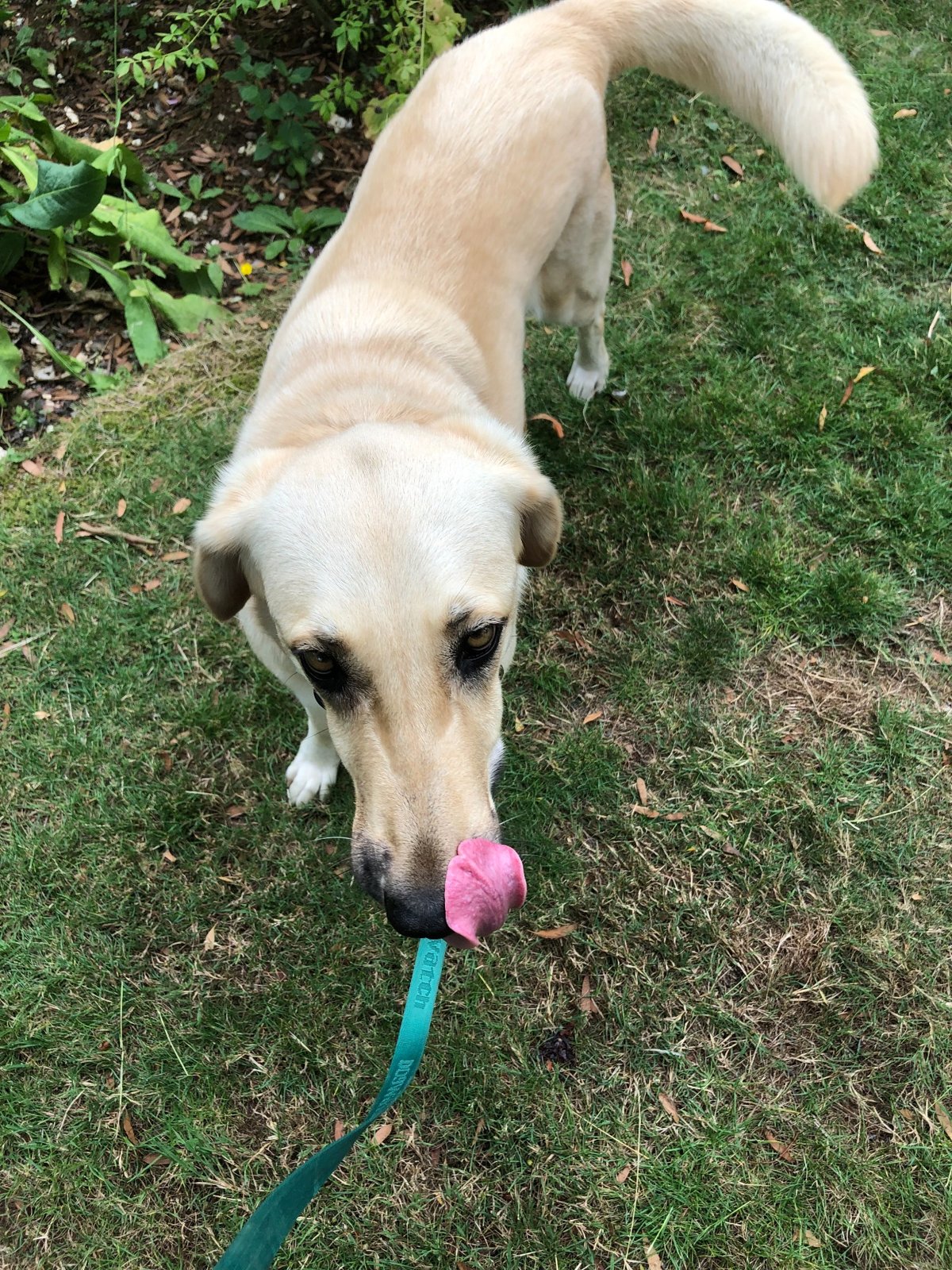
Daisy the Kangal licking her nose during gentle dog fence training, showing a common calming signal in nervous dogs

Daisy the Kangal during gentle dog fence training. Licking and yawning are common signs in nervous dogs as they process new experiences and build confidence.

Professional Support for Nervous Dogs

When training nervous dogs to a dog fence, the aim is to build trust and confidence through repetition and reward. Our experienced installers and trainers understand how to adapt sessions for dogs with anxiety or trauma backgrounds. We never rush or force progress. Instead, we combine proven behavioural principles with humane technology to help your pet feel secure. You can read more about our approach in our detailed guide to electric fences for nervous dogs. With patience and positive reinforcement, even anxious pets adapt beautifully to a dog fence for anxious dogs.”

Learn More About Dog Fence Training

If you’d like to understand how the system works technically, see How a Dog Fence Works. You can also review our FAQ on training nervous dogs for further reassurance.

Why Choose DogFence for Nervous Dogs?

  • Over 22 years’ experience with all breeds and temperaments.
  • DEFRA-tested and approved containment system.
  • Lifetime warranty and ongoing customer support.
  • Tailored dog fence for anxious dogs programmes designed to suit your pet’s individual needs.

When done correctly, training nervous dogs to a dog fence is a calm, confidence-building experience. It teaches boundaries safely and gently — giving your dog freedom to roam while ensuring peace of mind for you. Our system is designed to work equally well for confident pets and for those needing a gentle dog fence for anxious dogs.

Ready to Keep Your Pet Safe?

Call us on
01628 476475
|
Message us on WhatsApp
|
Request a Free Quote Online