Tag Archive for: garden safety

How to keep a dog safe in the garden

How to Keep Your Dog Safe in the Garden

How to Keep a Dog Safe in the Garden

How to keep a dog safe in the garden starts with creating a secure outdoor space, checking for escape routes and hazards, and giving your dog clear boundaries. Good dog garden safety allows your dog to run, play and explore while reducing the risk of them escaping, reaching a road or wandering into areas where they could be at risk.

Every dog owner wants to see their dog enjoying the garden without constantly worrying about an open gate, a gap in the hedge or a tempting escape route. But every property – and every dog – is different. A determined digger needs a different approach from a dog that bolts through an open driveway, while rural properties can present completely different challenges from smaller suburban gardens.

The good news is that effective garden security for dogs doesn’t have to mean restricting their freedom. By identifying the risks around your property and creating boundaries your dog understands, you can work towards a safe off-lead garden where your dog has the freedom to enjoy being outdoors while remaining safely at home.

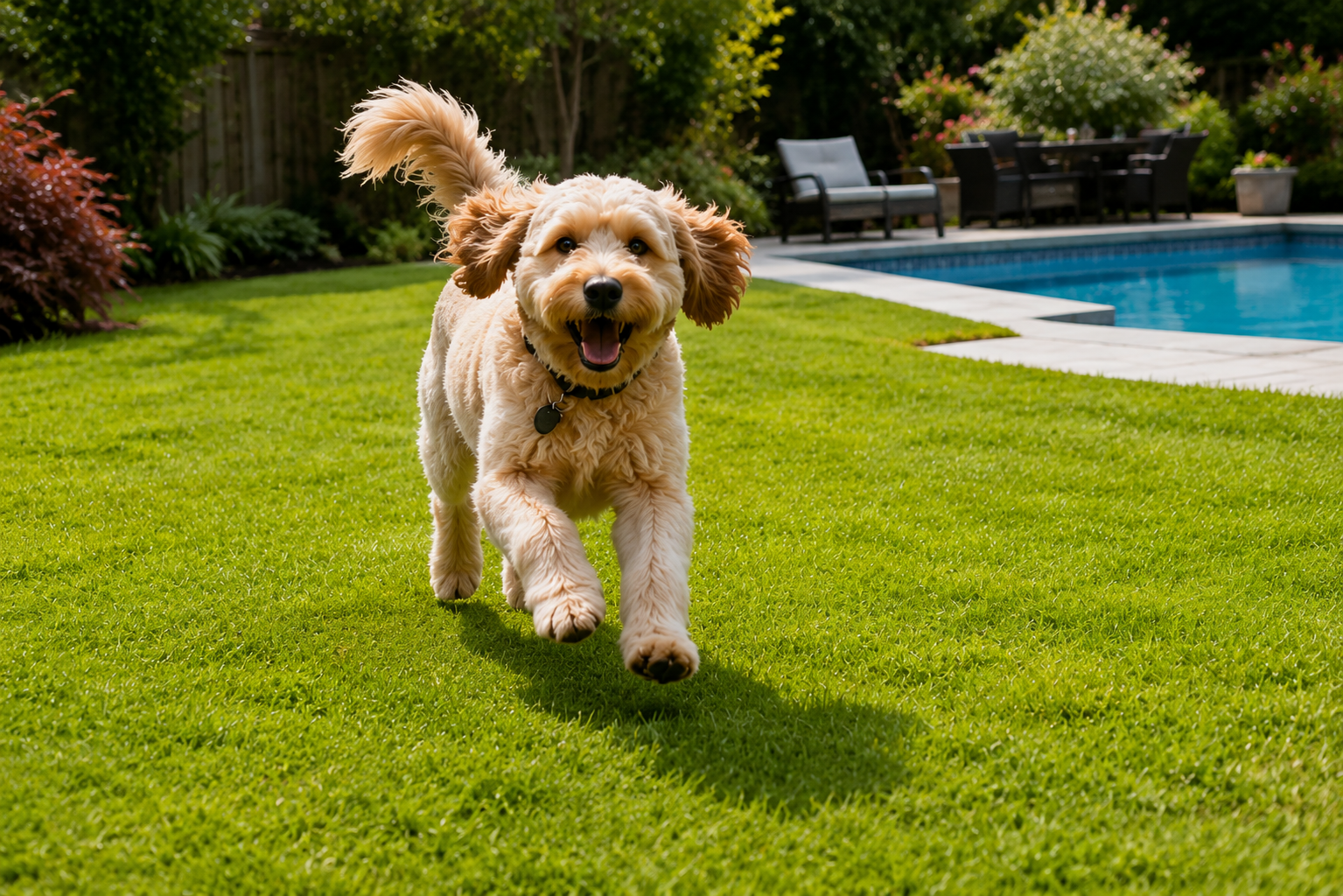
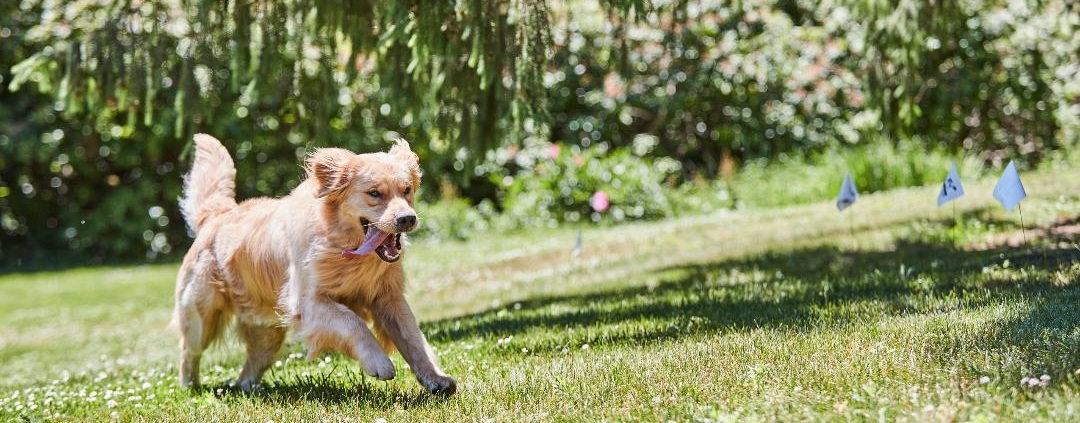
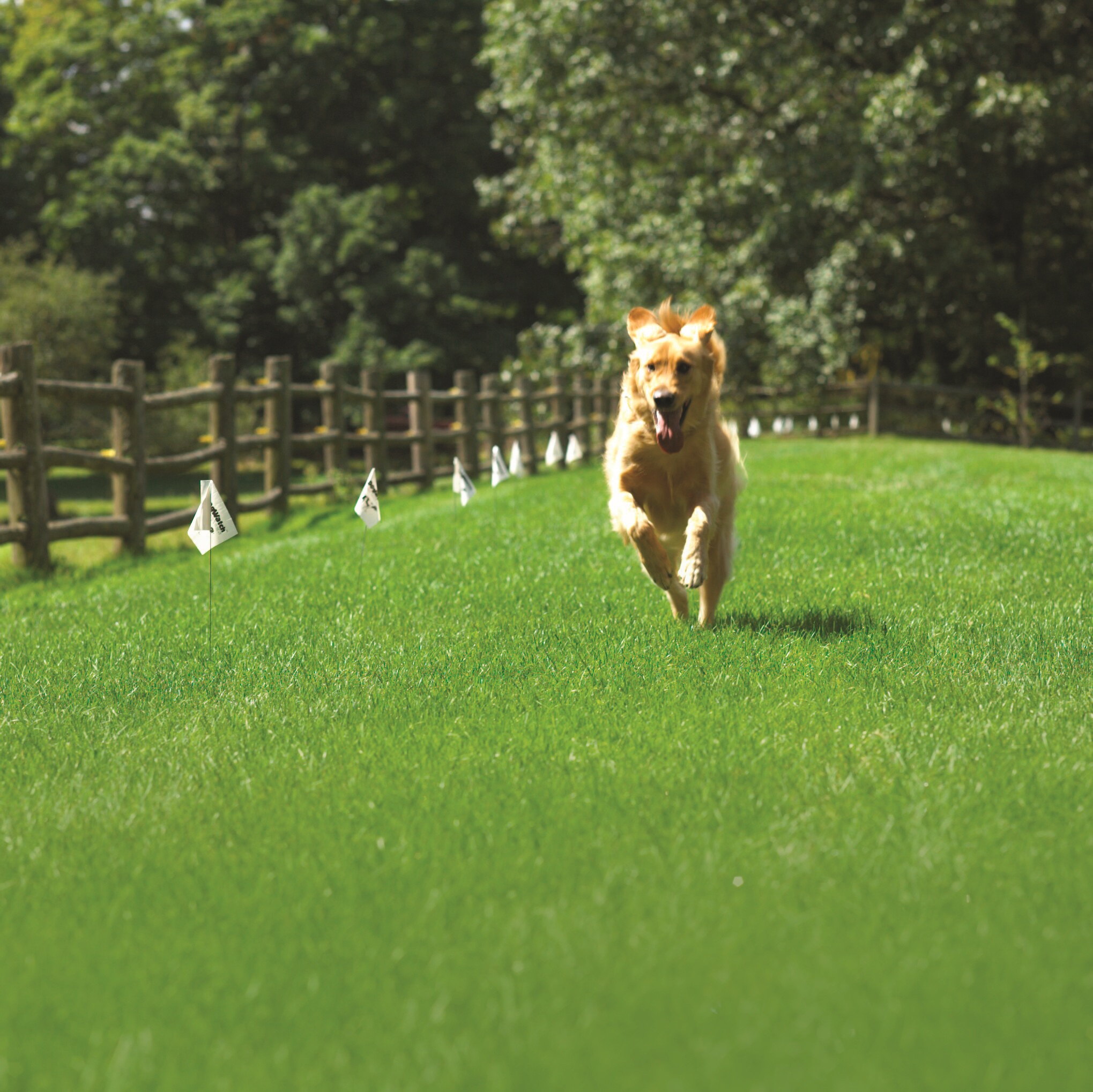
Happy dog running freely in a safe garden wearing a hidden dog fence collar

Quick Answer: How to Keep a Dog Safe in the Garden

To improve dog garden safety:

  • Check fences, walls, hedges and gates for potential escape routes.
  • Look for gaps where your dog could squeeze through or dig underneath.
  • Consider how your dog is secured when driveways or electric gates are open.
  • Identify ponds, pools and other areas that could present a risk.
  • Provide shade and fresh drinking water.
  • Supervise puppies, rescue dogs and dogs that are new to the property.
  • Consider nearby roads, wildlife and livestock when assessing your boundary.
  • Train your dog to understand where they can safely roam.
  • Consider a professionally installed hidden dog fence if you need additional security.

The aim is simple: create a secure garden that gives your dog as much safe outdoor freedom as possible.

Start Dog Garden Safety at the Boundary

The first step in learning how to keep a dog safe in the garden is to look at your property from your dog’s point of view.

Dogs are naturally curious, and some become remarkably good escape artists once they discover a weak spot. A tiny gap in a hedge may not look significant to you, but to an adventurous dog it could be an invitation to explore.

Walk around your entire garden and check for:

  • Gaps under fences and gates.
  • Loose or damaged fence panels.
  • Low walls or hedges that could be jumped.
  • Soft ground where your dog could dig underneath a boundary.
  • Open driveways and vehicle entrances.
  • Gaps leading into neighbouring gardens.
  • Areas where garden furniture or bins could help a dog climb over a fence.

Fixing a small problem before your dog discovers it is usually much easier than persuading an experienced escape artist to give up their new adventure.

If your dog already has a habit of disappearing beyond the garden, read our complete guide on how to stop your dog running away and prevent roaming.

Why Do Dogs Escape from Gardens?

Understanding why your dog wants to leave can be just as important as finding the physical escape route.

Dogs may escape because they are:

  • Following an interesting scent.
  • Chasing wildlife.
  • Trying to reach another dog or person.
  • Exploring beyond the property.
  • Frightened by an unexpected noise.
  • Bored or looking for stimulation.
  • Able to see an easy route out.

Some dogs are also simply more determined to explore than others.

Training and enrichment can help address some of these behaviours, but they don’t remove the need for a secure boundary. Even a dog with good recall can become distracted by something particularly exciting on the other side of the garden.

If your dog is regularly trying to leave the garden, understanding the reason behind the behaviour can help you choose the right solution. Read our guide on: Why Dogs Escape and How to Stop a Dog Running Away.  for a closer look at the most common causes of escaping, roaming and boundary-testing behaviour.

Garden Security for Dogs with Open Driveways and Electric Gates

One of the biggest challenges for garden security for dogs is an entrance that needs to remain open.

You may have secure fencing, walls or hedges around most of your property, but if the driveway is open, your dog still has a direct route to the road.

Electric gates can create a similar problem. A dog may only need a few seconds to slip through while the gates are opening for a car, delivery driver or visitor.

A professionally installed hidden dog fence can create a discreet boundary across an open driveway or work alongside existing electric gates. Your dog is trained to understand the boundary while cars, visitors and deliveries can continue to access the property normally.

For more information, read our guide to keeping dogs safe around open driveways and electric gates.

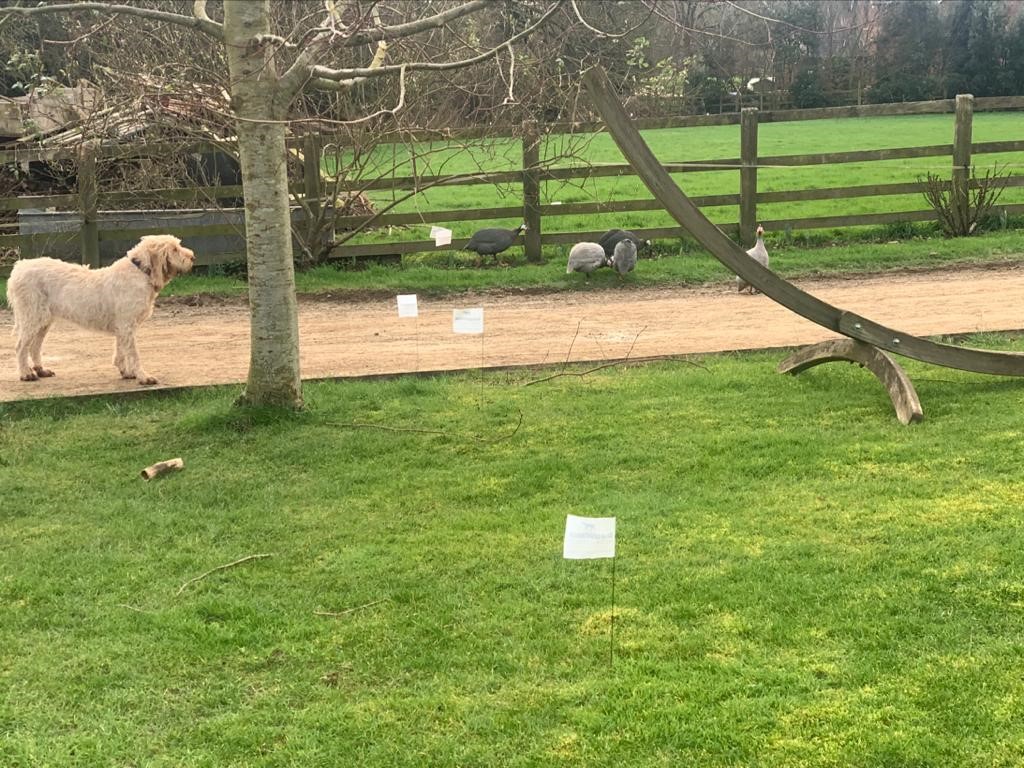
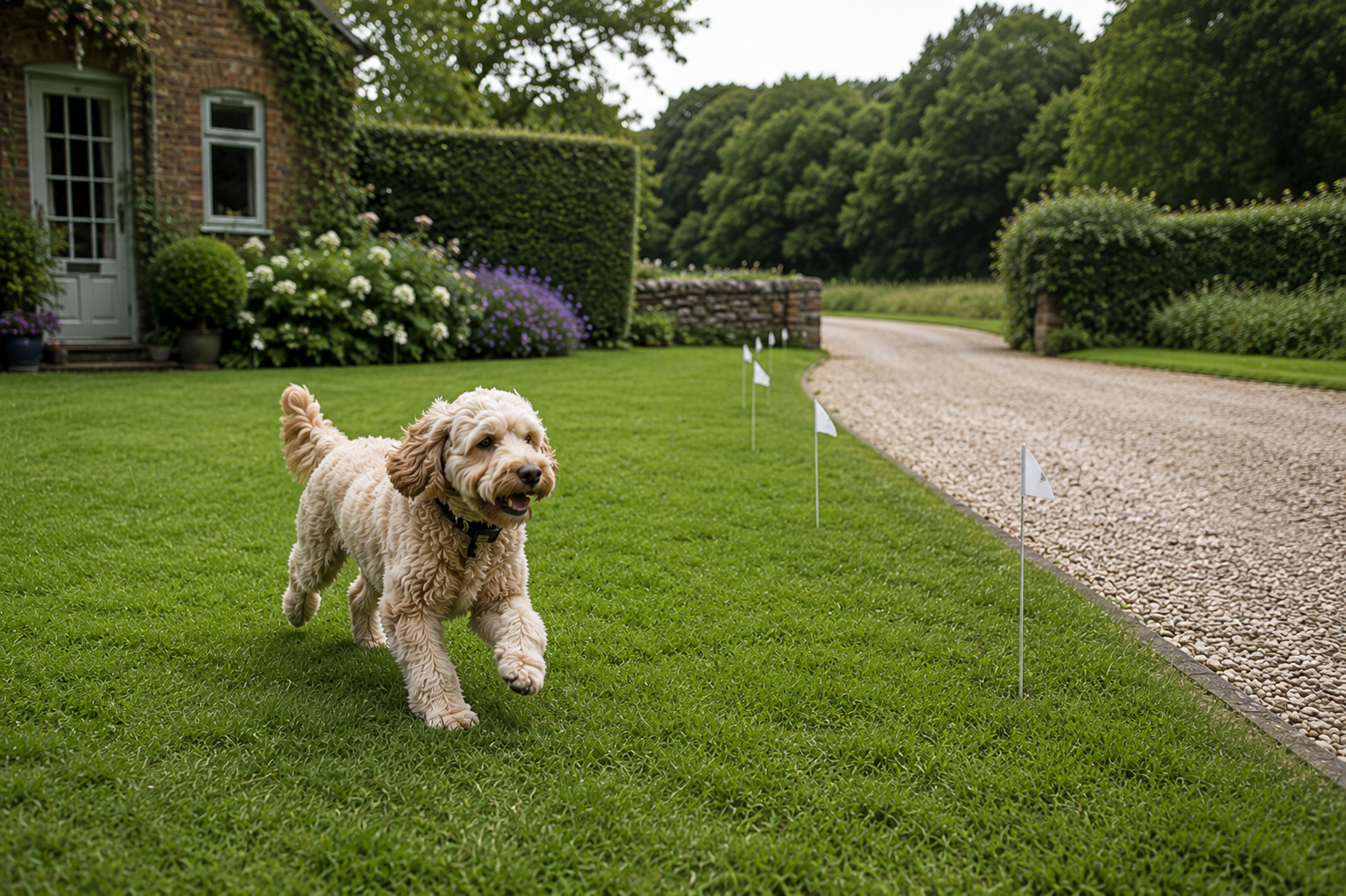
Cockapoo running safely in a garden with an open driveway and white boundary training flags

Can You Create a Safe Garden Without a Physical Fence?

Yes. Where conventional fencing is impractical, unsuitable or does not prevent a particular dog from escaping, a professionally installed hidden dog fence can create a secure boundary that the dog is trained to understand.

A hidden dog fence can also work alongside the physical boundaries you already have.

For example, your garden may already have fences, walls and hedges, but your dog might:

  • Dig underneath them.
  • Jump or climb over them.
  • Squeeze through small gaps.
  • Escape through an open driveway.
  • Run through electric gates as they open.

In these situations, the hidden boundary can provide an additional layer of garden security for dogs without replacing the existing features of the property.

If you’d like to understand the technology behind the boundary, visit our How DogFence Works page.

How to Create a Safe Off-Lead Garden

A safe off-lead garden is a secure outdoor area where your dog can run, sniff, play and explore without being permanently attached to a lead.

For many owners, this is the real goal of improving garden security: not to restrict their dog, but to give them more freedom.

A clearly defined boundary can allow a dog to enjoy a much larger area than they might otherwise have access to. This can be particularly valuable for dogs that would need to be kept on a long line or closely supervised whenever they went outside because of the risk of escape.

Creating a safe off-lead garden means finding the right balance between freedom and security. Your dog gets space to enjoy being a dog, while you have greater confidence that they will remain within their designated area.

Keeping Dogs Safe Around Garden Hazards

Dog garden safety isn’t only about preventing escapes. Some areas within a property may also need to remain out of bounds.

Depending on your garden, these could include:

  • Ponds and swimming pools.
  • Flower beds and vegetable gardens.
  • Wildlife areas.
  • Driveways and vehicle access.
  • Outbuildings.
  • Woodland or streams.
  • Boundaries adjoining farmland or livestock.

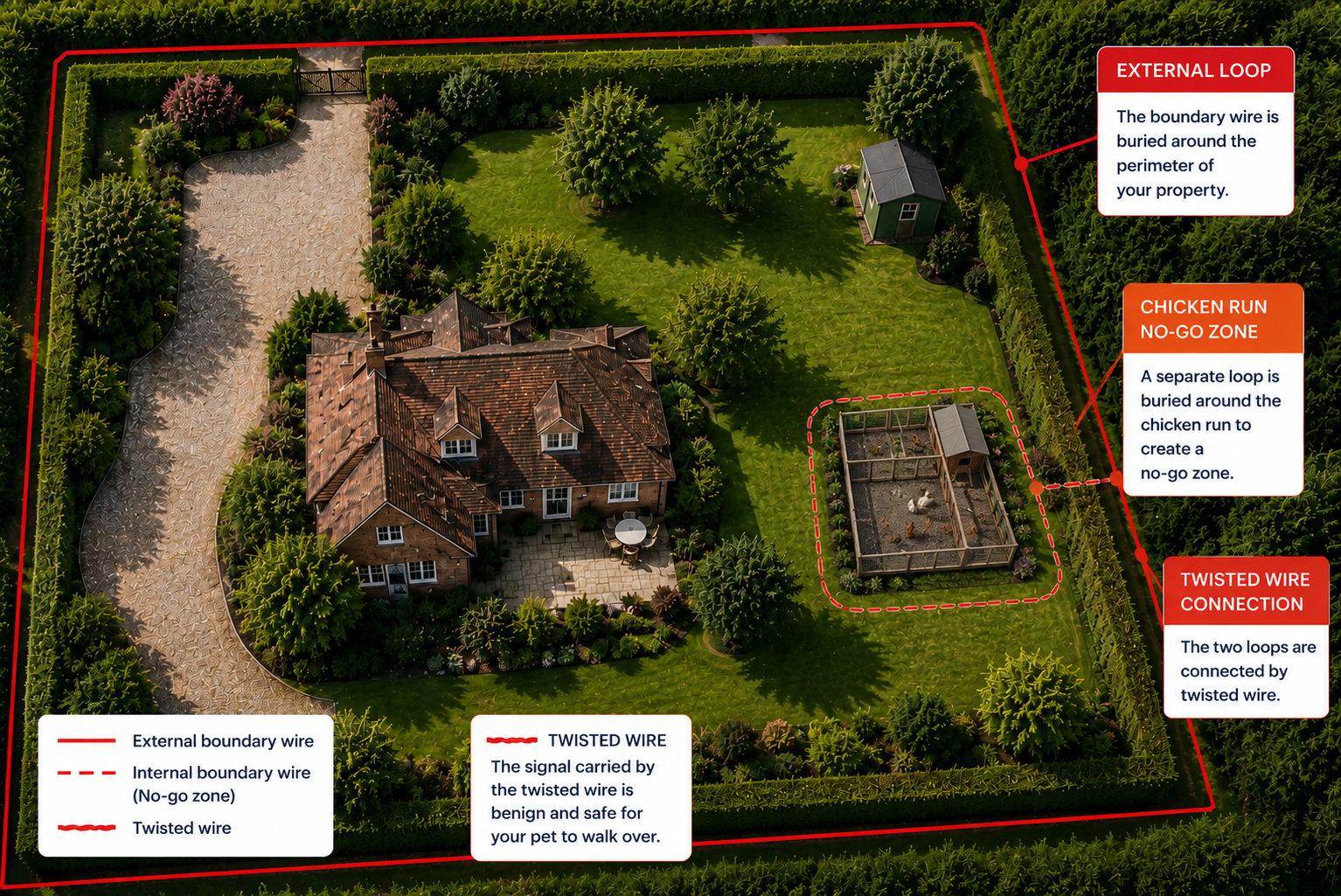
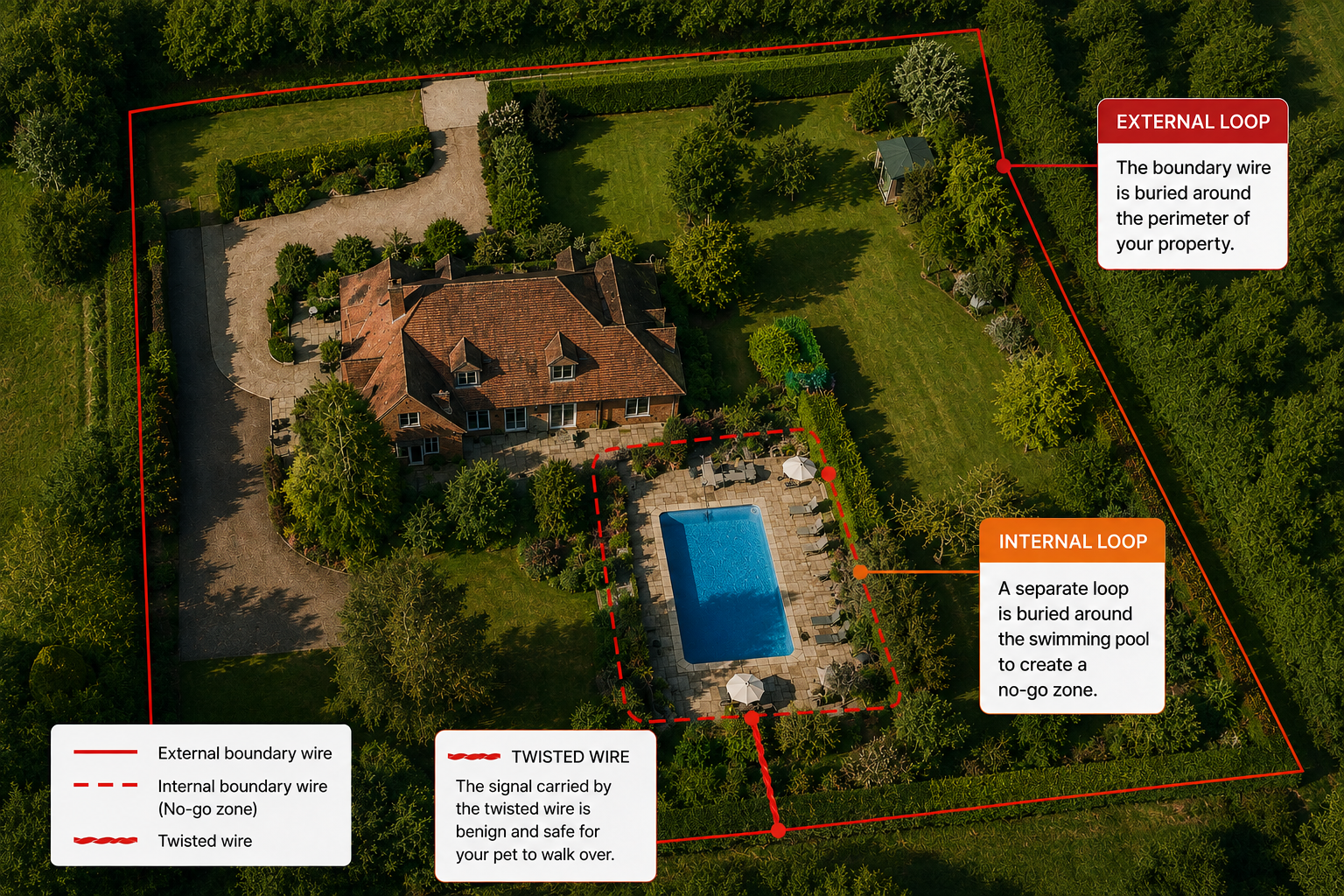
Depending on the layout of the property, a professionally designed DogFence can sometimes include exclusion zones around areas you don’t want your dog to enter.

This means you don’t necessarily have to restrict your dog’s access to the entire garden simply because one particular area needs protection.

What About Ponds and Swimming Pools?

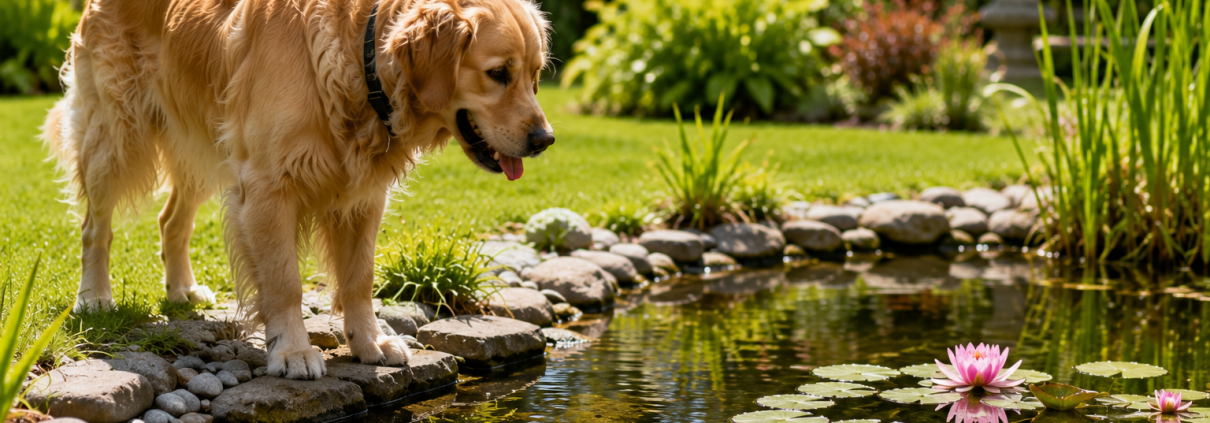
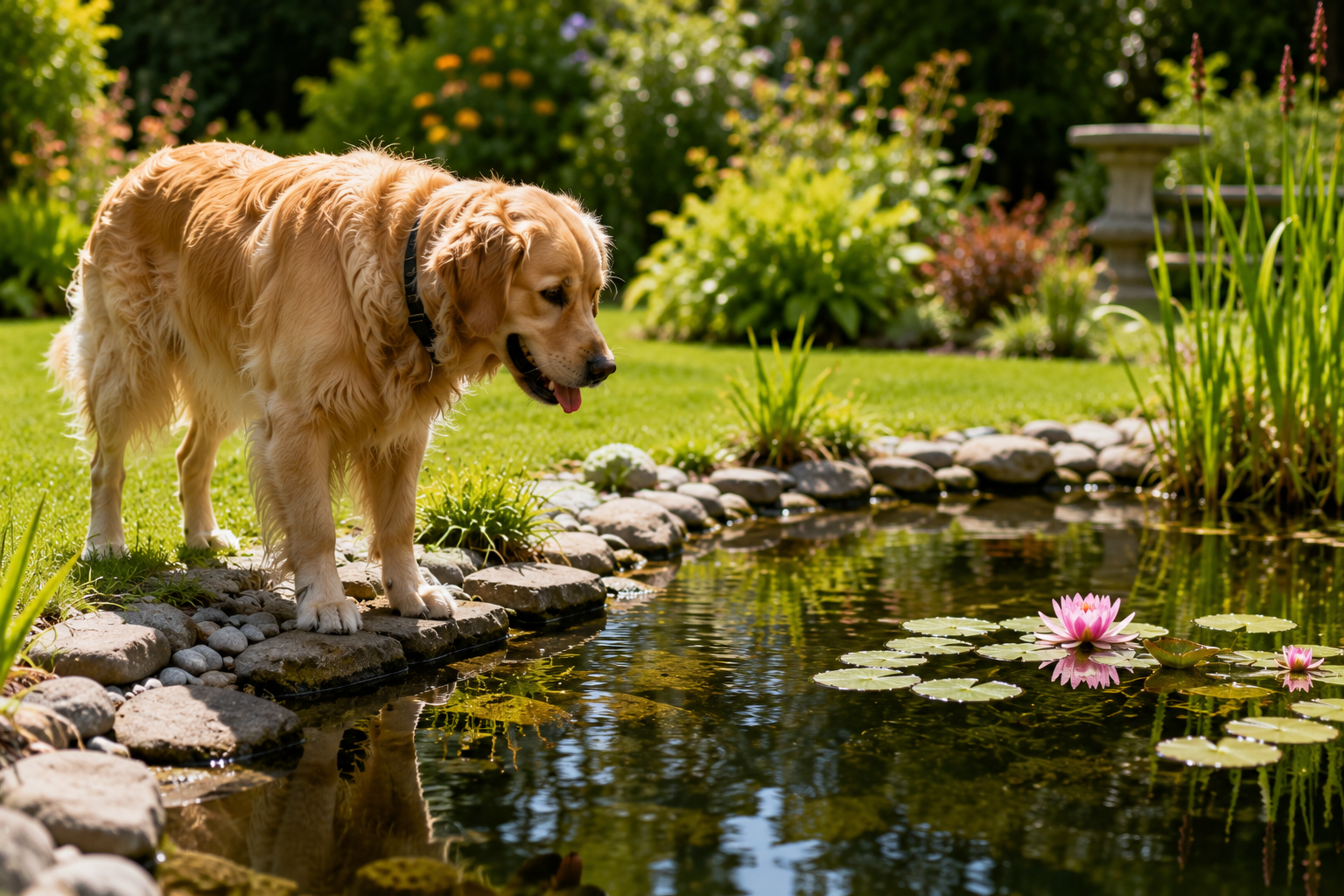
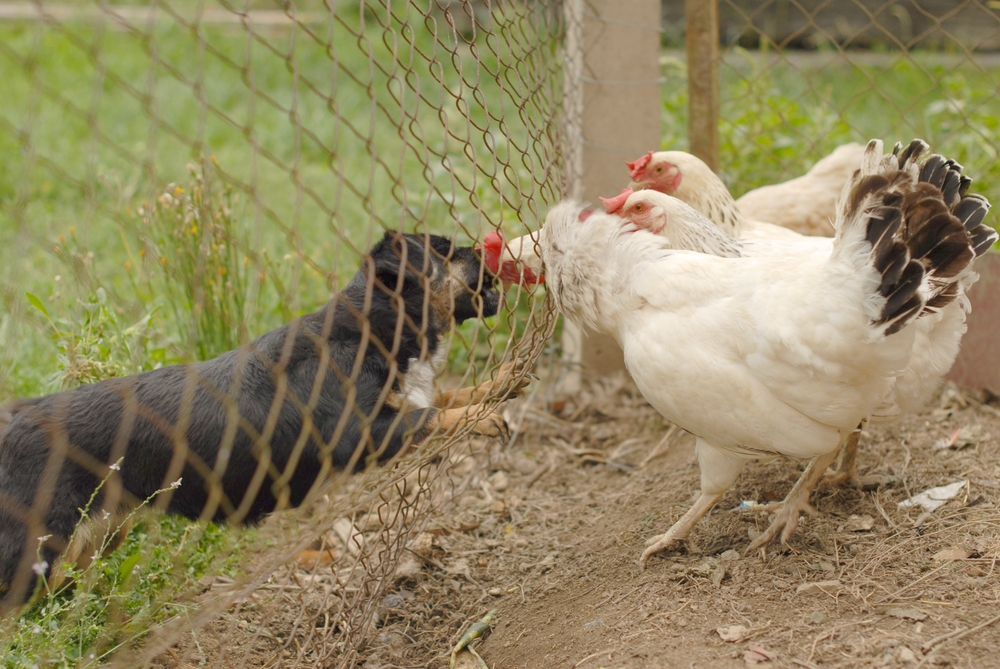
Water can present a particular concern for some dog owners. Puppies, older dogs and dogs that are not confident swimmers may require additional care around ponds, swimming pools and other water features.

A professionally designed hidden dog fence may be able to create an exclusion zone around the water while leaving the rest of the garden available for your dog to enjoy.
For more advice, read our guide to keeping dogs safely away from ponds and swimming pools.

Dog Garden Safety Around Trees, Streams and Woodland

Large gardens and rural properties often contain natural features that don’t fit neatly behind a conventional garden fence.

Trees, streams, woodland and uneven terrain can all affect how a secure dog boundary needs to be designed.

One advantage of a professionally installed hidden dog fence is that the boundary can be designed around the individual property rather than requiring the landscape to be divided by additional physical fencing.

If your garden includes natural features, read our guide to installing an invisible dog fence around trees, streams and woodland.

Dog Garden Safety in Rural Properties

Rural properties can present very different challenges when trying to keep a dog safe.

Large gardens may include fields, hedges, woodland, uneven terrain and open driveways. Installing conventional fencing around several acres can also be expensive or impractical.

There may be more temptation beyond the boundary too. Rabbits, deer, pheasants and neighbouring livestock can all attract a dog’s attention.

Creating a clearly defined boundary can help prevent dogs from roaming beyond the property while still allowing them to enjoy the space available at home.

Our guide to dog-proof fencing and dog safety in rural areas looks more closely at securing dogs on countryside properties.

Keeping Dogs Safe Around Wildlife and Livestock

For dogs living near woodland, farmland or open countryside, wildlife can be an irresistible distraction.

A rabbit disappearing through a hedge or a deer crossing a neighbouring field can be enough to make even a normally responsive dog forget their recall.

Keeping your dog securely within their property can reduce opportunities for chasing and unwanted encounters. It can also help keep dogs away from neighbouring livestock.

A secure dog boundary can therefore protect more than your own pet. It may also help reduce disturbance to the animals living around you.

Read our guide to how to protect wildlife from dogs while giving your dog safe outdoor freedom.

What Makes a Dog-Friendly Garden?

A secure garden and a dog-friendly garden are closely connected, but they are not quite the same thing.

A secure garden focuses on preventing your dog from escaping and keeping them away from potential hazards.

A dog-friendly garden also considers how enjoyable and enriching the outdoor space is for your dog, including access to shade, fresh water and opportunities to sniff, explore and relax.

Ideally, your garden should be both safe and enjoyable.

According to the RSPCA’s guidance on dog welfare, dogs need appropriate opportunities for exercise and to behave naturally.

We’ve covered garden design and enrichment separately in our complete guide to creating a dog-friendly garden, including practical ideas for making your outdoor space safer and more enjoyable for your dog.

Why Training Is Essential for Dog Garden Safety

A hidden dog fence isn’t simply installed and left for the dog to work out. Training is a crucial part of creating a boundary your dog understands.

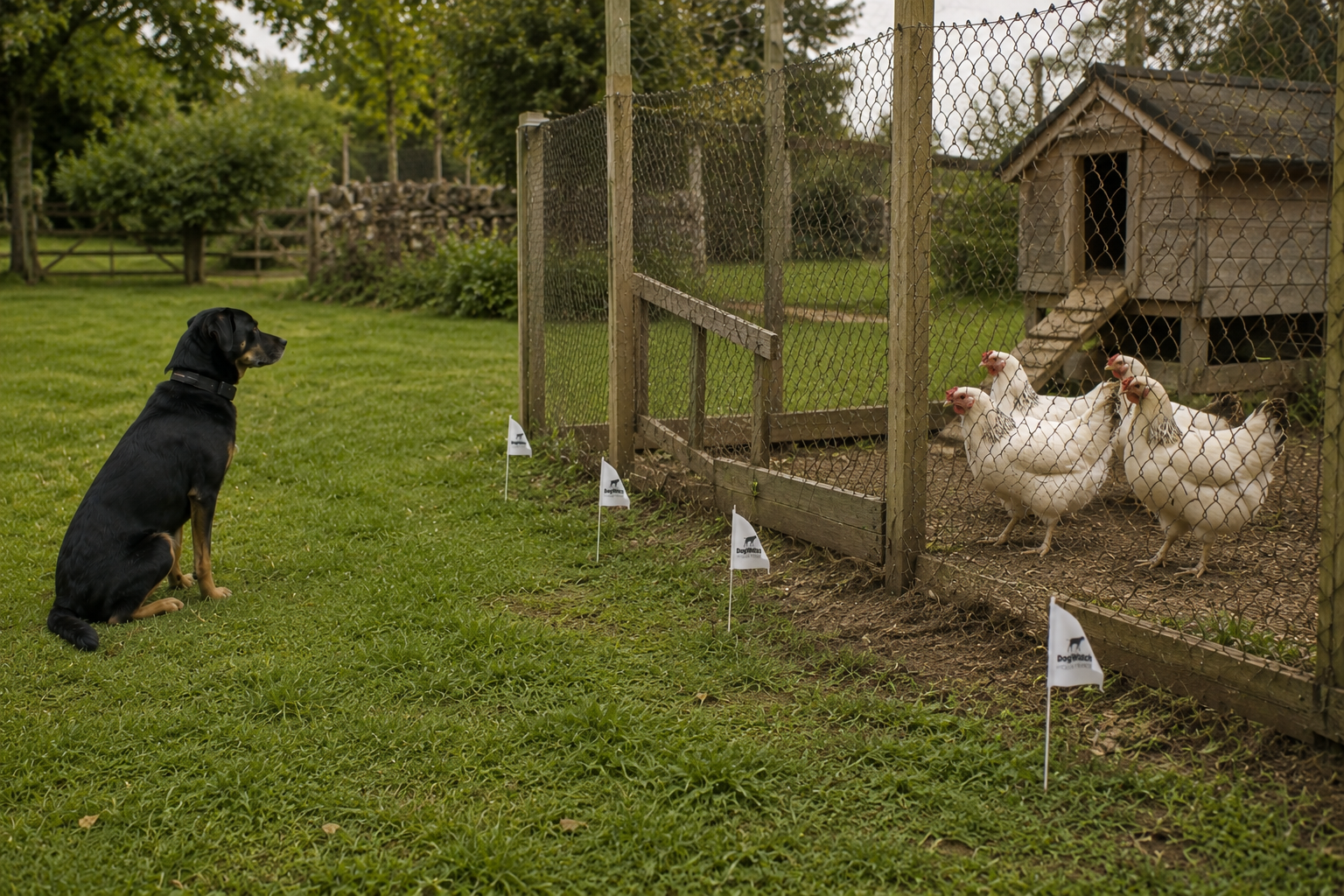
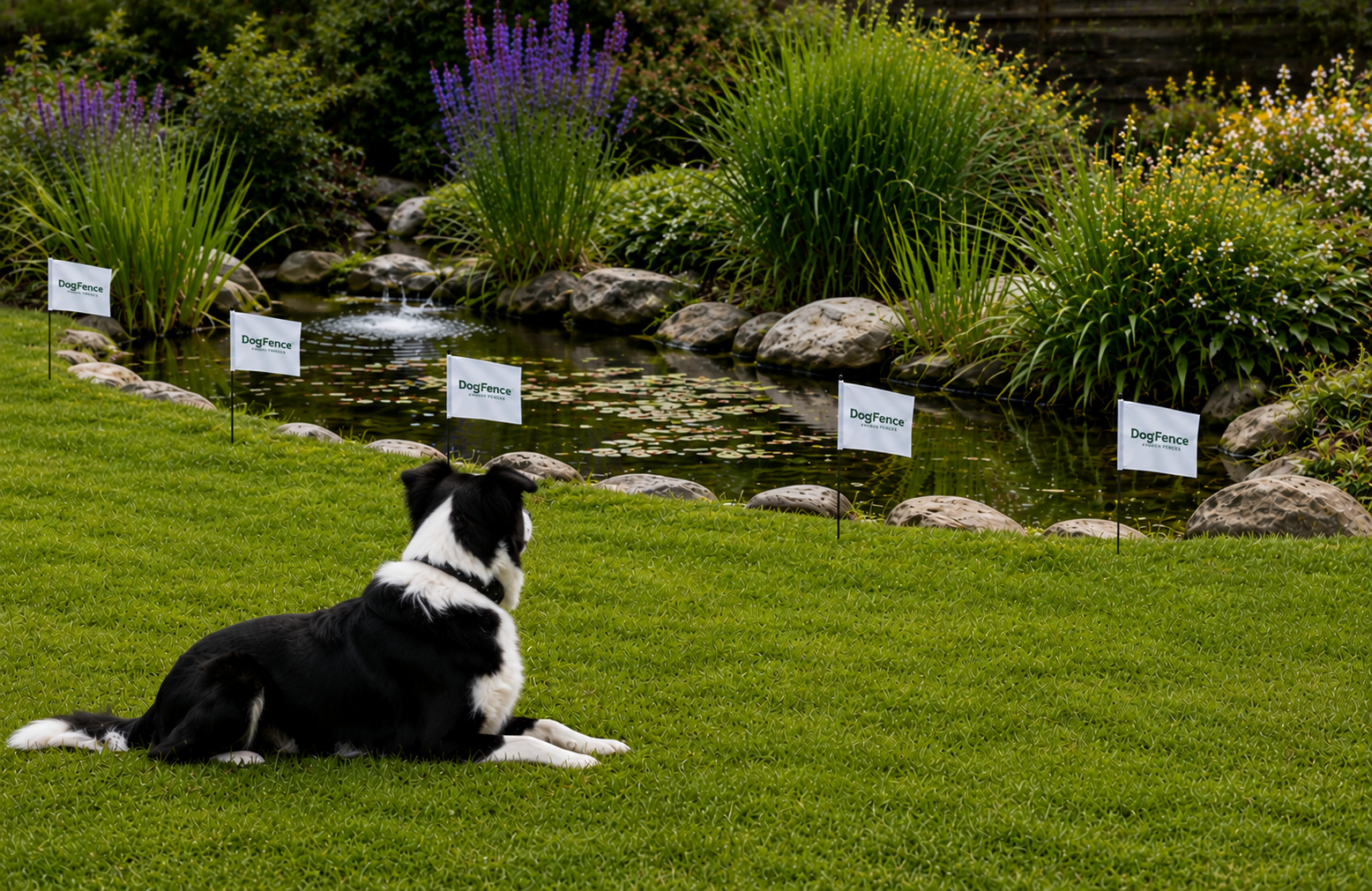
During the initial training period, the boundary is marked using visible training flags. Your dog is gradually introduced to the boundary so they learn where they can safely roam.

Every dog is different, which is why training should take account of the individual dog’s temperament, age and confidence.

As the dog learns where the boundary lies, they can become increasingly confident about the area in which they are free to run, play and explore.

The goal is a safe off-lead garden where your dog understands their boundaries and can enjoy outdoor freedom with greater confidence.

If you’re unsure whether DogFence could be suitable for your dog, our Frequently Asked Questions answer many of the questions owners ask before installation.

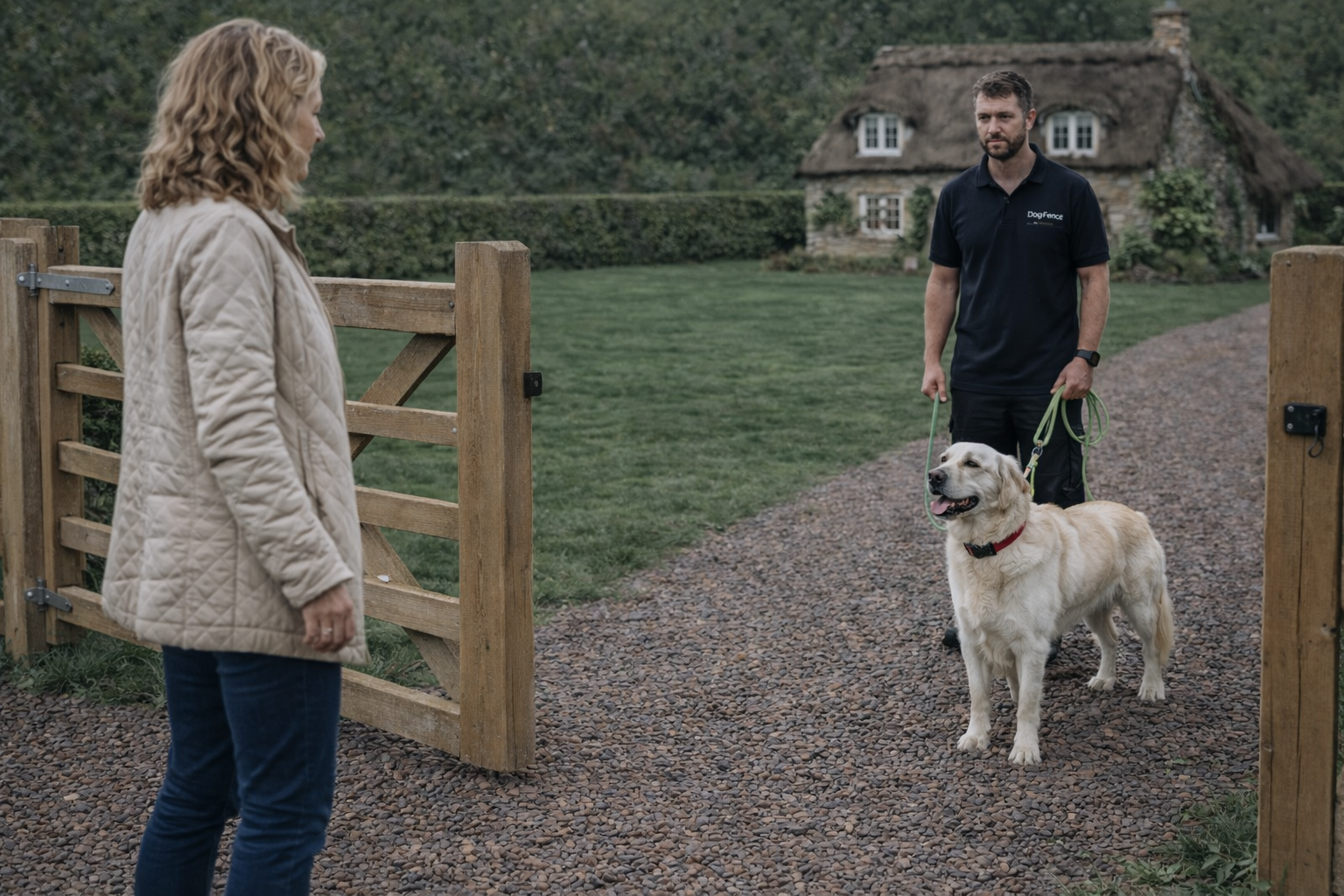
Labrador learning a safe garden boundary during DogFence training with white boundary flags

Frequently Asked Questions About Dog Garden Safety

How do you keep a dog safe in the garden?

To keep a dog safe in the garden, check for escape routes, secure vulnerable entrances, identify potential hazards and make sure your dog understands their boundaries. Where conventional fencing does not provide adequate security, a professionally installed hidden dog fence can provide an additional secure boundary.

How do I stop my dog escaping the garden?

Check for gaps, damaged fencing and places where your dog can dig, climb or jump. Pay particular attention to gates and open driveways. Understanding why your dog escapes and creating a secure boundary can help prevent future escapes.

Can I keep my dog safe without a physical fence?

Yes. A professionally installed hidden dog fence can create a secure boundary where conventional fencing is impractical or unsuitable. It can also work alongside existing fences, hedges, walls and gates.

What is a safe off-lead garden?

A safe off-lead garden is a secure outdoor area where a dog can run, play and explore without being permanently attached to a lead. It should have clearly defined boundaries that help prevent the dog from leaving the property.

Can a hidden dog fence work with existing fencing?

Yes. A hidden dog fence can work alongside existing physical fences, walls, hedges and gates to provide additional security, particularly for dogs that dig underneath, jump over or find gaps in conventional boundaries.

Can a hidden dog fence work in a large or rural garden?

Yes. A professionally designed hidden dog fence can be particularly useful for large and rural properties where conventional fencing may be difficult, expensive or visually intrusive. The boundary can be designed around the individual layout of the property.

Can I keep my dog away from certain parts of the garden?

Depending on the property layout, a professionally designed DogFence may be able to create exclusion zones around ponds, swimming pools, flower beds or other areas you want your dog to avoid while allowing them to enjoy the rest of the garden.

Enjoy More Freedom with Greater Peace of Mind

Learning how to keep a dog safe in the garden doesn’t mean limiting their freedom.

By identifying escape routes, securing vulnerable boundaries and providing appropriate training, you can create a secure outdoor space where your dog can run, play and relax with confidence.

Whether your property has conventional fencing, an open driveway, rural boundaries or several acres of land, the goal is the same: effective garden security for dogs that allows them to enjoy as much safe freedom as possible.

A professionally installed DogFence creates a discreet boundary designed around your individual property and your dog, helping you create a secure, safe off-lead garden without unnecessarily restricting their freedom.


Want to Keep Your Dog Safe in the Garden?

Every dog deserves the freedom to run, play and explore safely. A professionally installed DogFence creates a discreet hidden boundary, helping keep your dog safely contained while preserving the natural look of your garden.

Call us on
01628 476475
|
Message us on WhatsApp
|
Request a Free Quot


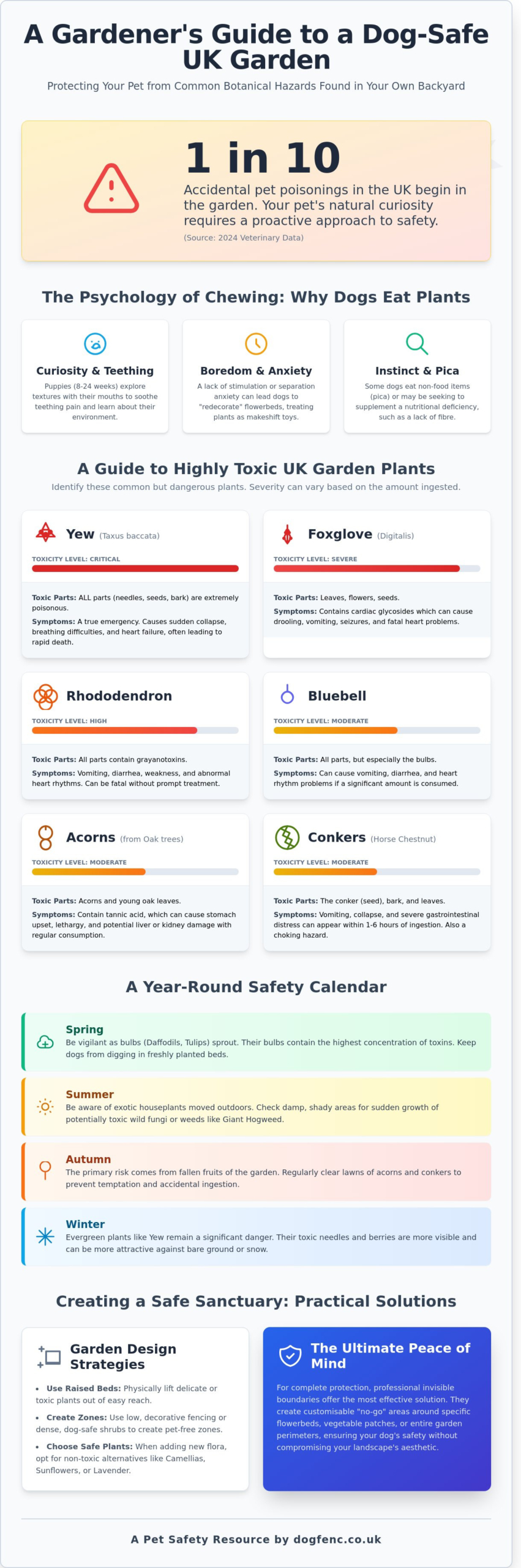
Toxic Plants for Dogs in the UK: The Complete Garden Safety Guide 2026

Toxic Plants for Dogs in the UK: The Complete Garden Safety Guide 2026

According to 2024 veterinary data, nearly 10% of accidental poisoning cases in British pets originate right in the family garden. You likely view your lawn as a private sanctuary where your dog can enjoy much-needed freedom, yet the hidden dangers lurking in your borders can be deeply worrying. It’s difficult to balance a passion for horticulture with the safety of your pet, especially when even a single fallen bulb can lead to a costly trip to the emergency vet.

This guide provides the clarity you need to identify every common hazard, including the specific toxic plants for dogs uk gardeners often overlook, giving you the peace of mind that your beloved companion is protected. We will walk through the 2026 definitive list of dangerous flora, the subtle symptoms of ingestion to watch for, and professional strategies to keep your dog away from delicate flowerbeds without ruining your home’s kerb appeal.

Key Takeaways

  • Understand the prevalence of botanical hazards in British gardens and why a dog’s natural curiosity requires a proactive approach to safety.
  • Identify common offenders with our comprehensive A-Z guide to toxic plants for dogs uk, covering everything from dangerous bulbs to poisonous sap.
  • Learn how to manage seasonal risks throughout the year, ensuring your outdoor space remains a secure sanctuary from early spring through to winter.
  • Discover practical landscaping strategies, including raised beds and clever zoning, to separate your pets from your most prized floral displays.
  • Explore how professional invisible boundaries provide the ultimate peace of mind by protecting your dog without compromising your garden’s aesthetic.

The Hidden Dangers in Your Garden: Why Plant Safety Matters

Your garden should be a sanctuary of freedom and happiness. Yet, for many owners, it hides silent risks that require professional awareness. In 2022, the Veterinary Poisons Information Service (VPIS) reported that plant-related enquiries accounted for approximately 10% of their total annual caseload. This highlights a pressing need for vigilance. While we often focus on physical boundaries and containment, the biological threats within those boundaries are equally critical. Understanding toxic plants for dogs uk is the first step toward providing your beloved pet with true peace of mind.

Dogs view the world through their mouths. This curiosity is most intense in puppies aged between 8 and 24 weeks, who use chewing to soothe teething and map their new environment. Adult dogs might continue this behaviour due to pica, a condition where they compulsively eat non-food items, or simply because of a nutritional deficiency in fibre. Regardless of the reason, the results can be devastating. Not every nibble leads to disaster, but the range of reactions is vast. Some species cause mild contact dermatitis or a temporary upset stomach; others contain cardiac glycosides or alkaloids that trigger organ failure within hours. You can consult a comprehensive list of poisonous plants to see the sheer variety of toxins found in nature.

Gardeners often inadvertently increase these risks through maintenance routines. Organic fertilisers like bone meal or blood and fish meal are highly attractive to a dog’s keen sense of smell. They’ll often dig around the roots of a shrub just to reach the scent of the fertiliser, accidentally consuming the toxic plants for dogs uk in the process. Pesticides and slug pellets also tend to collect in the crevices of leaves, creating a concentrated “toxic cocktail” that a dog might ingest while grooming themselves after a walk through the flowerbeds.

The Psychology of Chewing: Why Dogs Eat Plants

A dog’s desire to chew isn’t just mischief; it’s often a sign of their mental state. Lack of stimulation leads many dogs to “redecorate” the flowerbeds out of pure boredom. If a dog doesn’t have an engaging environment, a crunchy stem becomes a makeshift toy. Puppies are the highest risk group because their instinct to explore textures means they don’t distinguish between a safe rubber ball and a lethal seed pod. Providing appropriate outlets for this energy is essential for their protection.

The UK Context: Native Species vs Exotic Imports

British horticultural history complicates pet safety. Many Victorian-era gardens were designed with Yew hedges and Laburnum trees, both of which are highly toxic and remain common in established properties today. Modern trends have added to the danger, as 45% of UK households now keep exotic houseplants. During summer months, owners frequently move these tropical species onto patios. The UK’s damp, temperate climate ensures that species like Giant Hogweed or certain fungi thrive, often appearing overnight in shaded corners of a lawn where a dog might find them first.

Essential A-Z of Toxic Plants for Dogs in the UK

Understanding your garden’s flora is the first step toward true peace of mind. While many British gardens look idyllic, they often harbour hidden dangers that go unnoticed until a pet falls ill. Identifying toxic plants for dogs uk requires a keen eye for more than just the flower; you must consider the sap, the bulbs, and even the fallen debris. For instance, the sap of certain species can cause immediate skin blistering, while bulbs often contain the highest concentration of harmful alkaloids.

British woodland and suburban borders frequently feature Bluebells, Foxgloves, and Rhododendrons. Bluebells contain scillarens, which lead to drooling and heart rhythm issues. Foxgloves are more sinister, containing digitalis glycosides that can cause a dog’s heart to stop. Rhododendrons are found in approximately 22% of mature UK gardens; these contain grayanotoxins that interfere with cellular function. When managing toxic plants for dogs uk, prevention is always more effective than a trip to the emergency vet.

Autumn presents unique hazards that many owners overlook. Acorns contain tannic acid, which can cause liver and kidney damage if consumed regularly. Conkers, the seeds of the Horse Chestnut tree, contain a toxin called aesculin. Data from the Veterinary Poisons Information Service suggests that symptoms like vomiting and collapse can appear within 1 to 6 hours of ingestion. Keeping your pet away from these fallen seeds is vital for their safety.

The Most Lethal Offenders: High-Severity Toxins

  • Yew (Taxus baccata): Every part of this tree is a critical emergency. The needles and seeds contain taxine alkaloids that cause sudden cardiac arrest.
  • Lily of the Valley: These delicate flowers contain over 35 different cardiac glycosides. For a detailed list of symptoms, you can consult The Kennel Club’s guide to garden poisons.
  • Laburnum: Often called the “Golden Rain” tree, its seeds carry cytisine. This causes a persistent burning sensation in the mouth and potential respiratory failure.

Common Irritants: Frequent but Less Fatal Hazards

Not every plant is lethal, but many cause significant distress. Spring favourites like Daffodils and Tulips are problematic, particularly the bulbs. Dogs that enjoy digging have a 35% higher risk of encountering these concentrated toxins. Ivy is another frequent offender; its triterpenoid saponins cause both contact dermatitis and gastrointestinal upset. Hydrangeas are also common garden staples that contain cyanogenic glycosides. While deaths are rare, ingestion often leads to severe lethargy and bloody diarrhoea.

Protecting your pet shouldn’t mean sacrificing the beauty of your outdoor space. By creating a secure environment with a professional hidden fence system, you can ensure your dog stays within safe, cleared zones of the garden, away from dangerous borders and toxic shrubbery.

Seasonal Hazards: A Year-Round Safety Calendar

British gardens undergo a dramatic transformation throughout the year, but each season introduces distinct risks to your pet’s safety. Protecting your dog requires more than just a sturdy boundary; it demands an expert understanding of how the passing months influence the toxicity of your landscape. By mapping these risks to the British seasons, you can maintain that essential peace of mind while your dog enjoys their outdoor freedom. Vigilance is a year-round commitment that ensures your garden remains a sanctuary rather than a source of hidden danger.

The Veterinary Poisons Information Service (VPIS) often sees spikes in specific poisoning cases that correlate directly with the gardening calendar. Whether it’s the excitement of the first spring dig or the curiosity sparked by fallen winter berries, your dog’s interaction with the environment changes as the weather shifts. Understanding these patterns allows you to proactively manage your outdoor space and keep your beloved companion protected from the most common toxic plants for dogs uk.

Spring Awakening: Bulbs and New Growth

Spring is perhaps the most dangerous time for inquisitive diggers. As the soil softens in March and April, many dogs feel a natural urge to excavate. This coincides with the emergence of Crocus, Snowdrops, and Bluebells. These early bloomers contain concentrated toxins within their bulbs. Bluebells, for instance, contain glycosides that can cause a dangerously slow heart rate and severe stomach upset. You should consult The Kennel Club’s guide to garden poisons to identify which specific spring varieties pose the highest risk in your local woodland or flowerbeds.

Fresh “green” growth is often more tempting to dogs than mature, woody foliage. New shoots are tender and carry a high concentration of alkaloids. If you’re forcing indoor plants like Hyacinths for early colour, keep them on high surfaces. The dust from these bulbs can cause skin irritation for both you and your pet during the planting process. When you’re organising your garden for the new season, ensure any unplanted bulbs are stored in a sealed container in a secure shed.

Summer Hazards: Nightshades and Garden Chemicals

During the peak of summer, the vegetable patch becomes a focal point of concern. Nightshades, including tomatoes and potatoes, are at their most vigorous growth. While the ripe fruit is generally safe in small amounts, the green stems and leaves contain solanine, a bitter-tasting glycoalkaloid that acts as a natural pesticide. If your dog ingests these green parts, they may experience lethargy, drooling, and severe gastrointestinal distress. It’s best to fence off these areas entirely to prevent any accidental grazing while you’re enjoying the sunshine.

Winter Dangers: Mistletoe, Holly, and Christmas Roses

Winter brings a shift from the garden to the home, but the risks remain significant. Festive plants like Mistletoe and Holly are staples of the British Christmas, yet their berries are highly toxic. As these berries dry out, they often drop to the floor where they’re easily found by curious pets. Even the Christmas Rose (Helleborus niger) poses a threat; its sap is a potent irritant that can cause blistering if brushed against or ingested. Beyond the plants themselves, be wary of winter maintenance products:

  • Cocoa Bean Shells: Often used as a decorative mulch, these contain residual levels of theobromine, the same toxic element found in chocolate.
  • Antifreeze (Ethylene Glycol): While not a plant, this sweet-tasting liquid often leaks onto driveways near garden borders and is lethal even in tiny quantities.
  • Fungi: Damp autumn and winter conditions encourage wild mushrooms to sprout in lawns, some of which cause rapid liver failure.

Maintaining a safe environment means being a “Trusted Guardian” for your pet. By staying informed about toxic plants for dogs uk and the seasonal shifts in your garden, you provide your dog with the protection they deserve and the happiness of a worry-free outdoor life.

Toxic Plants for Dogs in the UK: The Complete Garden Safety Guide 2026

Creating a Pet-Safe Zone: Garden Design & First Aid

Your garden is a sanctuary where your dog experiences the joy of the outdoors. Ensuring this space remains a secure haven requires a proactive approach to landscaping and a keen eye for potential hazards. While identifying toxic plants for dogs uk owners often find in their borders is the first step, physical design is your most reliable second line of defence. Recent data from the Veterinary Poisons Information Service (VPIS) indicates that plant-related enquiries consistently rank among the top five reasons for emergency calls in the UK, making a “safety-first” garden layout an essential investment for your peace of mind.

Raised beds offer a sophisticated solution for separating curious snouts from sensitive flora. Constructing beds to a height of at least 60cm effectively deters most medium-sized breeds while maintaining the aesthetic integrity of your outdoor space. For larger or more determined dogs, heavy stone or lead-weighted planters provide a sturdy obstacle that won’t tip over during a bout of “zoomies.” These structures don’t just protect your plants; they establish clear physical boundaries that help your dog understand which areas are off-limits for digging and sniffing.

Choosing dog-friendly alternatives allows you to maintain a vibrant garden without the underlying anxiety of a potential poisoning. Consider these safe options:

  • Sunflowers (Helianthus): These towering giants are entirely non-toxic and provide a striking focal point.
  • Snapdragons (Antirrhinum): Perfect for UK climates, these hardy flowers are safe if a curious pup takes a nibble.
  • Marigolds (Calendula): These offer bright, cheerful colours and are often used in holistic pet care, making them a worry-free addition to your borders.

Vigilance remains your most powerful tool. You should monitor your dog for early signs of distress, such as sudden lethargy, excessive drooling, or repeated vomiting. These symptoms can manifest within 30 to 60 minutes of ingestion, though some toxins have a delayed effect. If your dog’s behaviour shifts unexpectedly after time spent in the garden, assume the worst and act immediately.

Emergency Protocol: What to Do if Your Dog Eats a Toxic Plant

Speed is critical. First, safely remove any visible plant material from your dog’s mouth using a damp cloth; don’t induce vomiting unless specifically instructed by a professional. Second, identify the plant immediately. Take a clear photo or a physical sample to assist the vet. Third, contact your veterinary surgeon or the VPIS emergency line. Waiting for symptoms to appear can waste 20 to 30 minutes of vital treatment time that could save your dog’s life.

Landscaping for Safety: Smart Garden Layouts

Professional garden design focuses on “dog paths.” These are dedicated 1.2-metre wide walkways made of bark or smooth pebbles that encourage your dog to navigate around, rather than through, your flower beds. While some owners rely on scent-based deterrents like citrus or vinegar, these often fail within 48 hours as the scent dissipates or the dog becomes desensitised. Similarly, traditional timber fences can be compromised by chewing or digging. A more robust, invisible solution often provides a more reliable boundary for persistent explorers.

To provide your pet with total freedom while ensuring your complete peace of mind, consider our professional hidden fence installations tailored to your garden’s unique layout.

Beyond the Flowerbed: Professional Boundaries for Peace of Mind

Identifying toxic plants for dogs uk is a vital first step for any responsible pet owner, yet total eradication of every hazardous species isn’t always practical or desirable. Your garden should be a sanctuary for both your family and your flora. DogFence Ltd’s advanced containment system provides a sophisticated solution that balances these needs, creating a secure environment where your dog can roam without the risk of ingesting harmful vegetation. By using digital FM Safelink technology, we establish clear, invisible lines that protect your pet from the specific areas of your garden where toxic plants might reside. It’s about creating a safe playground that doesn’t require you to compromise on your horticultural ambitions.

Zoning Your Garden with DogFence Ltd’s System

Our system excels at creating “off-limits” zones through the use of internal loops. If you have a dedicated vegetable patch containing onions or a flowerbed filled with spring bulbs, we can wire these areas individually. This means your dog enjoys the majority of the lawn while the prize-winning roses remain untouched. For indoor safety, our portable indoor units offer portable protection for house plants, creating a pet-free radius of up to 2.5 metres. This approach is far superior to installing 1.2-metre wire mesh or wooden picket fencing, which often detracts from the natural aesthetic of a British country garden. The hidden wire preserves your view while providing a high-tech shield for your pet.

Professional installation ensures the boundary wire is hidden beneath the turf or along existing garden borders. You won’t see it, but your dog will certainly respect it. This hidden infrastructure is far more reliable than DIY alternatives; our technicians calibrate the signal to your dog’s specific temperament and the unique layout of your property. We’ve successfully secured thousands of gardens across the UK, proving that high-tech solutions can coexist beautifully with traditional landscaping. Whether you’re protecting a small orchard or a single toxic shrub, the flexibility of DogFence Ltd’s system is unmatched.

The Freedom to Explore Safely

A dog that is tethered or confined to a small run misses out on the essential mental stimulation that a full garden provides. Our containment system gives your pet the freedom to explore every safe inch of your property. It provides that elusive peace of mind, knowing your companion is secure even when you aren’t actively watching them. You can leave the back door open with confidence, certain that the toxic plants for dogs uk found in your neighbour’s garden or your own compost heap are strictly out of reach. This sense of security is the ultimate gift for any pet owner who worries

Cultivate a Secure Sanctuary for Your Canine Companion

Your garden should be a place of joy rather than a source of hidden anxiety. By identifying the seasonal risks posed by toxic plants for dogs uk and implementing a pet-safe design, you create a landscape where your companion can thrive. Whether it’s removing spring bulbs or establishing clear physical zones, these proactive steps protect your pet’s health year-round.

At DogFence Ltd, we’ve spent over 20 years refining the art of pet containment across the UK. We don’t just install equipment; we provide a comprehensive safety solution that includes professional installation and bespoke behavioural training. Our proprietary FM Safelink technology ensures your dog stays within safe boundaries, far away from hazardous flowerbeds, without compromising the beauty of your property. You gain the peace of mind you deserve while your dog enjoys the freedom they crave.

Protect your dog and your garden, book a free site assessment today

Let’s work together to make your outdoor space the secure haven your pet deserves.

Frequently Asked Questions

What are the most common plants poisonous to dogs in the UK?

The most common toxic plants for dogs uk residents should identify include Bluebells, Yew, Foxglove, and Rhododendron. According to the Kennel Club, over 70 common garden species pose a genuine threat to your pet’s health. While some cause mild stomach upset, others like the Yew tree are highly dangerous; even a small amount of foliage can lead to life-threatening heart issues within 24 hours.

How do I know if my dog has been poisoned by a plant?

You can identify plant poisoning through symptoms such as excessive drooling, sudden vomiting, or a noticeable loss of coordination. The Royal Veterinary College reports that gastrointestinal distress is the most frequent sign, appearing in 85% of ingestion cases. If your dog appears lethargic or begins trembling, it’s vital to contact your vet immediately as these neurological signs suggest a severe reaction.

Can dogs eat lavender? Is it safe for a pet-friendly garden?

Dogs can safely wander near lavender, but they shouldn’t ingest large quantities because the plant contains small amounts of linalool. While this compound is toxic in high doses, a quick sniff or a tiny nibble won’t typically cause harm. It remains a popular choice for pet-friendly gardens in the UK, provided you monitor your dog to ensure they don’t treat the bushes as a snack.

What should I do if my dog eats a bluebell bulb?

If your dog eats a bluebell bulb, you must phone your vet or the Animal Poison Line on 01202 509000 immediately. Bulbs contain a higher concentration of toxic scillarens than the leaves, which can cause heart rhythm abnormalities. Ensure you have a sample of the plant ready, as this helps the clinical team provide the correct treatment within the critical 60-minute window following ingestion.

Are tomato plants toxic to dogs? What about the fruit?

Tomato plants are toxic to dogs due to solanine found in the green stems and leaves, though the ripe red fruit is generally safe in moderation. The Veterinary Poisons Information Service (VPIS) notes that ingestion of the green components can lead to severe drooling and weakness. It’s best to fence off your vegetable patch to prevent your pet from snacking on the vines or unripe green tomatoes.

How can I stop my dog from digging up and eating bulbs?

You can stop your dog from digging up bulbs by installing a professional hidden fence system that creates an exclusion zone around your flowerbeds. This technology allows your pet to enjoy the garden’s freedom while keeping them 1.5 metres away from dangerous areas. It’s a reliable alternative to physical fences, which many dogs simply jump over or dig under to reach the fresh soil.

Is ivy poisonous to dogs if they just brush against it?

Ivy is primarily poisonous when eaten, but contact with the sap can cause skin irritation or allergic contact dermatitis in some dogs. Research indicates that the saponins in Hedera helix can lead to blistering or rashes if the skin is exposed. If your dog brushes against torn leaves, wash the area with mild soap and water to remove any lingering oils or sap that might cause discomfort.

Can an invisible fence keep my dog away from specific toxic plants in my garden?

A professional invisible fence can protect your dog by creating specific off-limits zones around hazardous flowerbeds or borders. By using an FM Safelink signal, the system provides a consistent boundary that deters your pet from approaching toxic plants for dogs uk gardens often contain. This setup ensures your dog’s safety and your peace of mind without ruining the aesthetic of your landscaped grounds with wooden hurdles.