Tag Archive for: dog escape prevention

How to keep a dog safe in the garden

How to Keep Your Dog Safe in the Garden

How to Keep a Dog Safe in the Garden

How to keep a dog safe in the garden starts with creating a secure outdoor space, checking for escape routes and hazards, and giving your dog clear boundaries. Good dog garden safety allows your dog to run, play and explore while reducing the risk of them escaping, reaching a road or wandering into areas where they could be at risk.

Every dog owner wants to see their dog enjoying the garden without constantly worrying about an open gate, a gap in the hedge or a tempting escape route. But every property – and every dog – is different. A determined digger needs a different approach from a dog that bolts through an open driveway, while rural properties can present completely different challenges from smaller suburban gardens.

The good news is that effective garden security for dogs doesn’t have to mean restricting their freedom. By identifying the risks around your property and creating boundaries your dog understands, you can work towards a safe off-lead garden where your dog has the freedom to enjoy being outdoors while remaining safely at home.

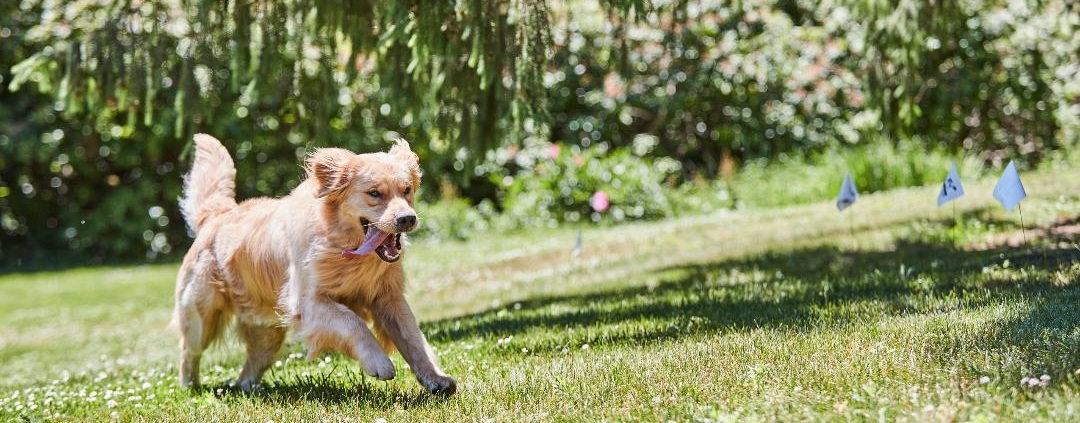
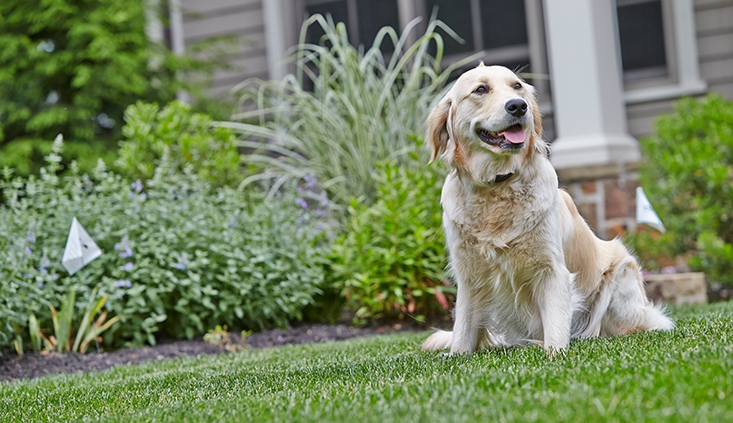
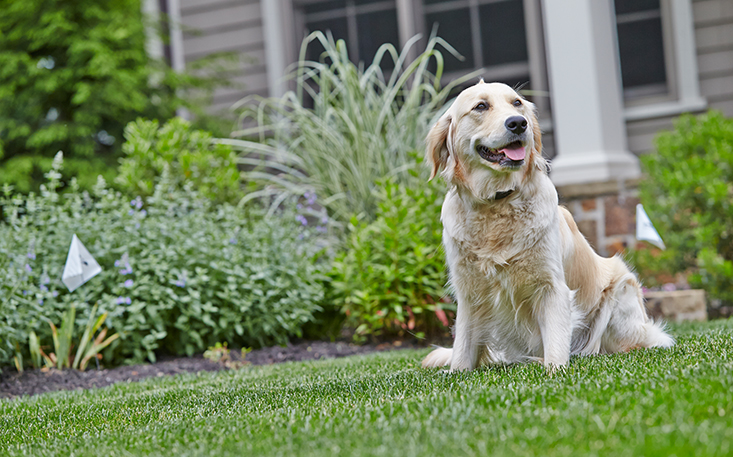
Happy dog running freely in a safe garden wearing a hidden dog fence collar

Quick Answer: How to Keep a Dog Safe in the Garden

To improve dog garden safety:

  • Check fences, walls, hedges and gates for potential escape routes.
  • Look for gaps where your dog could squeeze through or dig underneath.
  • Consider how your dog is secured when driveways or electric gates are open.
  • Identify ponds, pools and other areas that could present a risk.
  • Provide shade and fresh drinking water.
  • Supervise puppies, rescue dogs and dogs that are new to the property.
  • Consider nearby roads, wildlife and livestock when assessing your boundary.
  • Train your dog to understand where they can safely roam.
  • Consider a professionally installed hidden dog fence if you need additional security.

The aim is simple: create a secure garden that gives your dog as much safe outdoor freedom as possible.

Start Dog Garden Safety at the Boundary

The first step in learning how to keep a dog safe in the garden is to look at your property from your dog’s point of view.

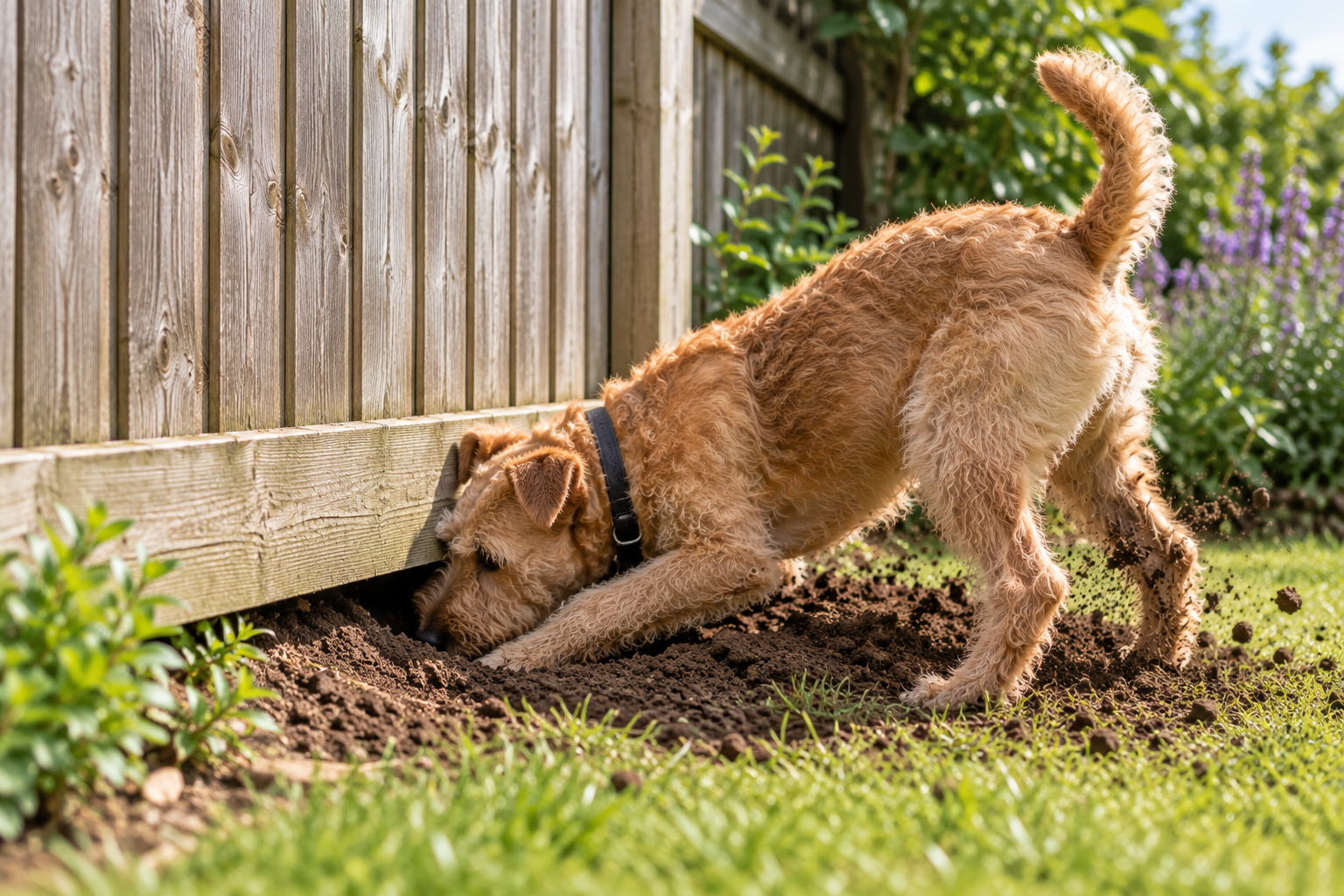
Dogs are naturally curious, and some become remarkably good escape artists once they discover a weak spot. A tiny gap in a hedge may not look significant to you, but to an adventurous dog it could be an invitation to explore.

Walk around your entire garden and check for:

  • Gaps under fences and gates.
  • Loose or damaged fence panels.
  • Low walls or hedges that could be jumped.
  • Soft ground where your dog could dig underneath a boundary.
  • Open driveways and vehicle entrances.
  • Gaps leading into neighbouring gardens.
  • Areas where garden furniture or bins could help a dog climb over a fence.

Fixing a small problem before your dog discovers it is usually much easier than persuading an experienced escape artist to give up their new adventure.

If your dog already has a habit of disappearing beyond the garden, read our complete guide on how to stop your dog running away and prevent roaming.

Why Do Dogs Escape from Gardens?

Understanding why your dog wants to leave can be just as important as finding the physical escape route.

Dogs may escape because they are:

  • Following an interesting scent.
  • Chasing wildlife.
  • Trying to reach another dog or person.
  • Exploring beyond the property.
  • Frightened by an unexpected noise.
  • Bored or looking for stimulation.
  • Able to see an easy route out.

Some dogs are also simply more determined to explore than others.

Training and enrichment can help address some of these behaviours, but they don’t remove the need for a secure boundary. Even a dog with good recall can become distracted by something particularly exciting on the other side of the garden.

If your dog is regularly trying to leave the garden, understanding the reason behind the behaviour can help you choose the right solution. Read our guide on: Why Dogs Escape and How to Stop a Dog Running Away.  for a closer look at the most common causes of escaping, roaming and boundary-testing behaviour.

Garden Security for Dogs with Open Driveways and Electric Gates

One of the biggest challenges for garden security for dogs is an entrance that needs to remain open.

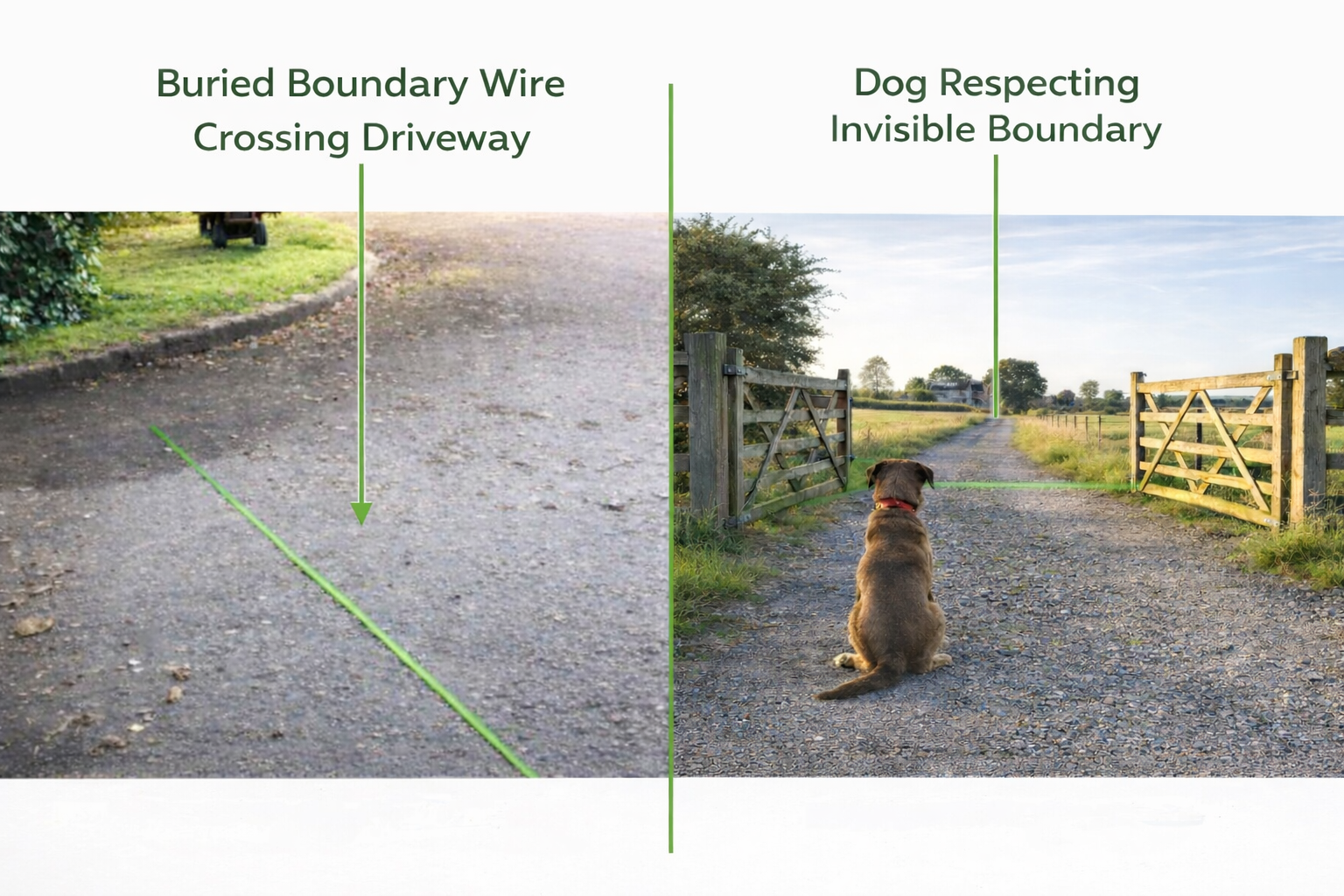
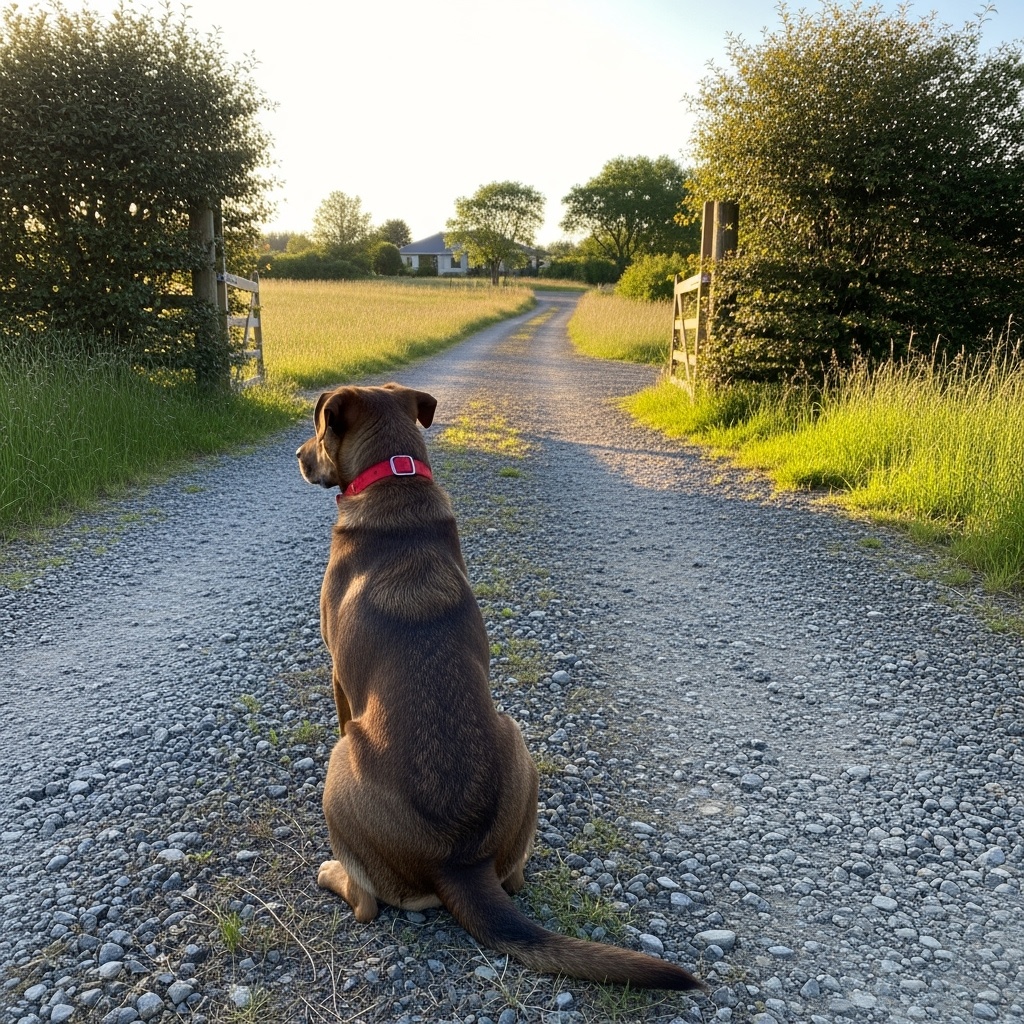
You may have secure fencing, walls or hedges around most of your property, but if the driveway is open, your dog still has a direct route to the road.

Electric gates can create a similar problem. A dog may only need a few seconds to slip through while the gates are opening for a car, delivery driver or visitor.

A professionally installed hidden dog fence can create a discreet boundary across an open driveway or work alongside existing electric gates. Your dog is trained to understand the boundary while cars, visitors and deliveries can continue to access the property normally.

For more information, read our guide to keeping dogs safe around open driveways and electric gates.

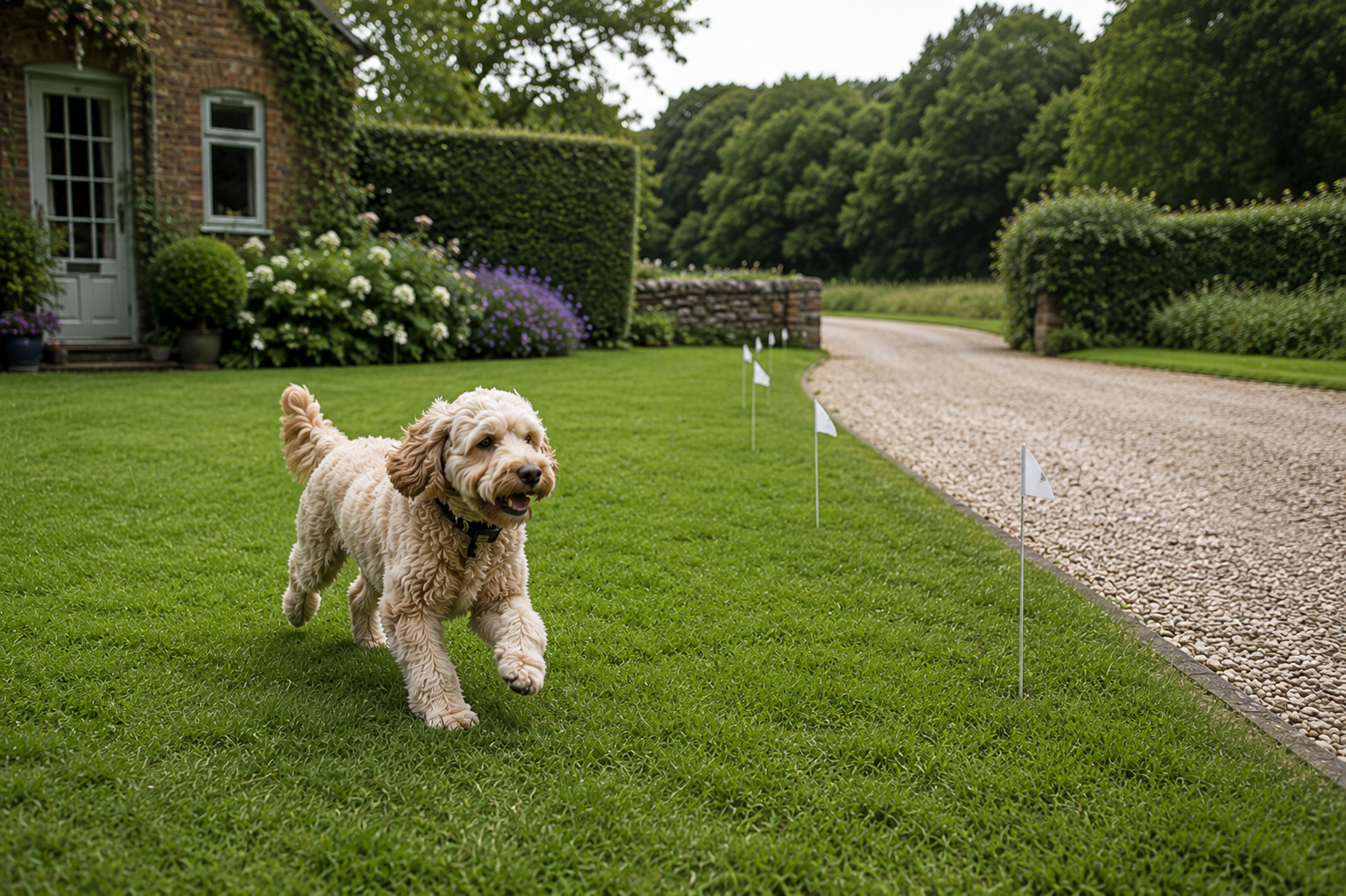
Cockapoo running safely in a garden with an open driveway and white boundary training flags

Can You Create a Safe Garden Without a Physical Fence?

Yes. Where conventional fencing is impractical, unsuitable or does not prevent a particular dog from escaping, a professionally installed hidden dog fence can create a secure boundary that the dog is trained to understand.

A hidden dog fence can also work alongside the physical boundaries you already have.

For example, your garden may already have fences, walls and hedges, but your dog might:

  • Dig underneath them.
  • Jump or climb over them.
  • Squeeze through small gaps.
  • Escape through an open driveway.
  • Run through electric gates as they open.

In these situations, the hidden boundary can provide an additional layer of garden security for dogs without replacing the existing features of the property.

If you’d like to understand the technology behind the boundary, visit our How DogFence Works page.

How to Create a Safe Off-Lead Garden

A safe off-lead garden is a secure outdoor area where your dog can run, sniff, play and explore without being permanently attached to a lead.

For many owners, this is the real goal of improving garden security: not to restrict their dog, but to give them more freedom.

A clearly defined boundary can allow a dog to enjoy a much larger area than they might otherwise have access to. This can be particularly valuable for dogs that would need to be kept on a long line or closely supervised whenever they went outside because of the risk of escape.

Creating a safe off-lead garden means finding the right balance between freedom and security. Your dog gets space to enjoy being a dog, while you have greater confidence that they will remain within their designated area.

Keeping Dogs Safe Around Garden Hazards

Dog garden safety isn’t only about preventing escapes. Some areas within a property may also need to remain out of bounds.

Depending on your garden, these could include:

  • Ponds and swimming pools.
  • Flower beds and vegetable gardens.
  • Wildlife areas.
  • Driveways and vehicle access.
  • Outbuildings.
  • Woodland or streams.
  • Boundaries adjoining farmland or livestock.

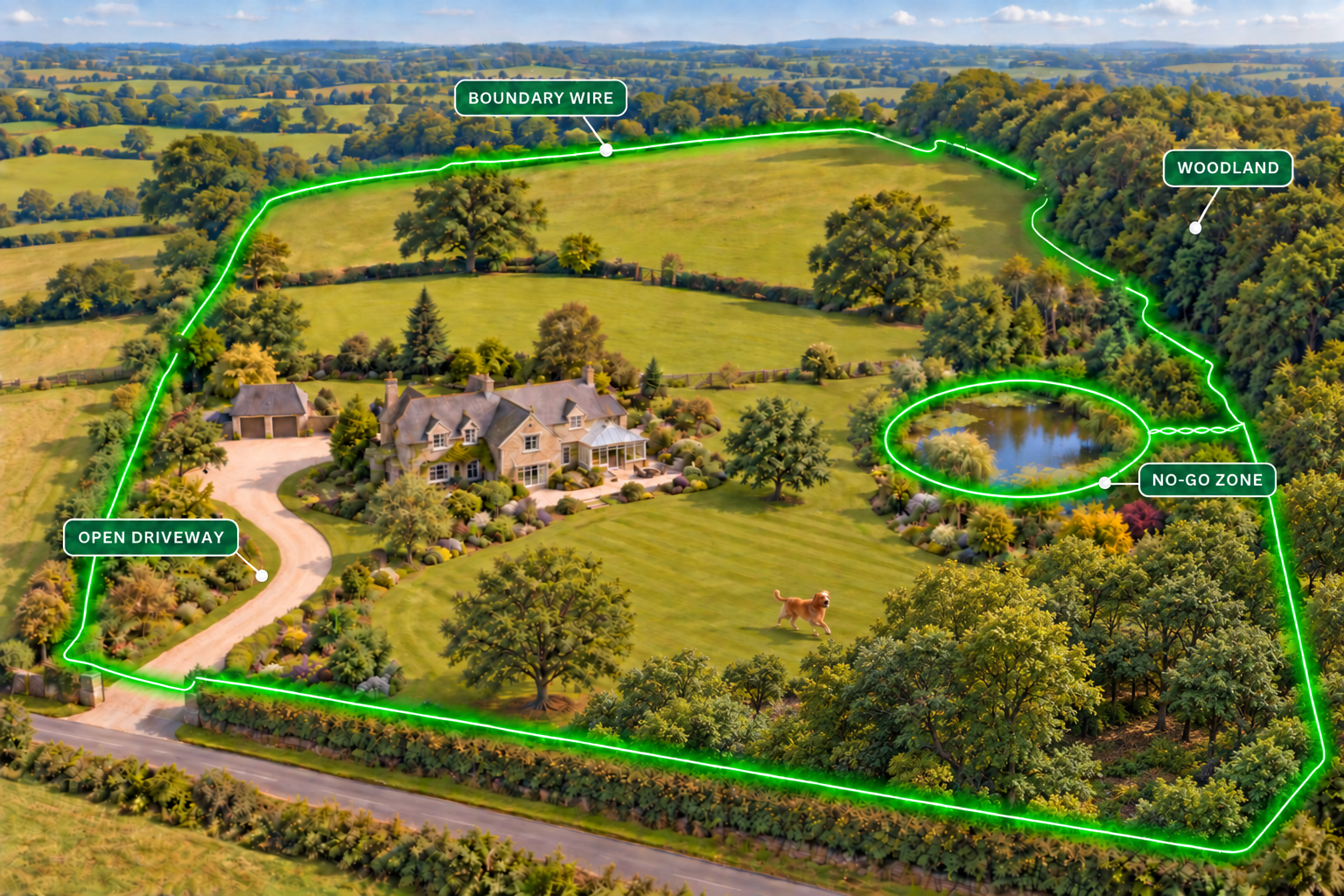
Depending on the layout of the property, a professionally designed DogFence can sometimes include exclusion zones around areas you don’t want your dog to enter.

This means you don’t necessarily have to restrict your dog’s access to the entire garden simply because one particular area needs protection.

What About Ponds and Swimming Pools?

Water can present a particular concern for some dog owners. Puppies, older dogs and dogs that are not confident swimmers may require additional care around ponds, swimming pools and other water features.

A professionally designed hidden dog fence may be able to create an exclusion zone around the water while leaving the rest of the garden available for your dog to enjoy.

For more advice, read our guide to keeping dogs safely away from ponds and swimming pools.

Dog Garden Safety Around Trees, Streams and Woodland

Large gardens and rural properties often contain natural features that don’t fit neatly behind a conventional garden fence.

Trees, streams, woodland and uneven terrain can all affect how a secure dog boundary needs to be designed.

One advantage of a professionally installed hidden dog fence is that the boundary can be designed around the individual property rather than requiring the landscape to be divided by additional physical fencing.

If your garden includes natural features, read our guide to installing an invisible dog fence around trees, streams and woodland.

Dog Garden Safety in Rural Properties

Rural properties can present very different challenges when trying to keep a dog safe.

Large gardens may include fields, hedges, woodland, uneven terrain and open driveways. Installing conventional fencing around several acres can also be expensive or impractical.

There may be more temptation beyond the boundary too. Rabbits, deer, pheasants and neighbouring livestock can all attract a dog’s attention.

Creating a clearly defined boundary can help prevent dogs from roaming beyond the property while still allowing them to enjoy the space available at home.

Our guide to dog-proof fencing and dog safety in rural areas looks more closely at securing dogs on countryside properties.

Keeping Dogs Safe Around Wildlife and Livestock

For dogs living near woodland, farmland or open countryside, wildlife can be an irresistible distraction.

A rabbit disappearing through a hedge or a deer crossing a neighbouring field can be enough to make even a normally responsive dog forget their recall.

Keeping your dog securely within their property can reduce opportunities for chasing and unwanted encounters. It can also help keep dogs away from neighbouring livestock.

A secure dog boundary can therefore protect more than your own pet. It may also help reduce disturbance to the animals living around you.

Read our guide to how to protect wildlife from dogs while giving your dog safe outdoor freedom.

What Makes a Dog-Friendly Garden?

A secure garden and a dog-friendly garden are closely connected, but they are not quite the same thing.

A secure garden focuses on preventing your dog from escaping and keeping them away from potential hazards.

A dog-friendly garden also considers how enjoyable and enriching the outdoor space is for your dog, including access to shade, fresh water and opportunities to sniff, explore and relax.

Ideally, your garden should be both safe and enjoyable.

According to the RSPCA’s guidance on dog welfare, dogs need appropriate opportunities for exercise and to behave naturally.

We’ve covered garden design and enrichment separately in our complete guide to creating a dog-friendly garden, including practical ideas for making your outdoor space safer and more enjoyable for your dog.

Why Training Is Essential for Dog Garden Safety

A hidden dog fence isn’t simply installed and left for the dog to work out. Training is a crucial part of creating a boundary your dog understands.

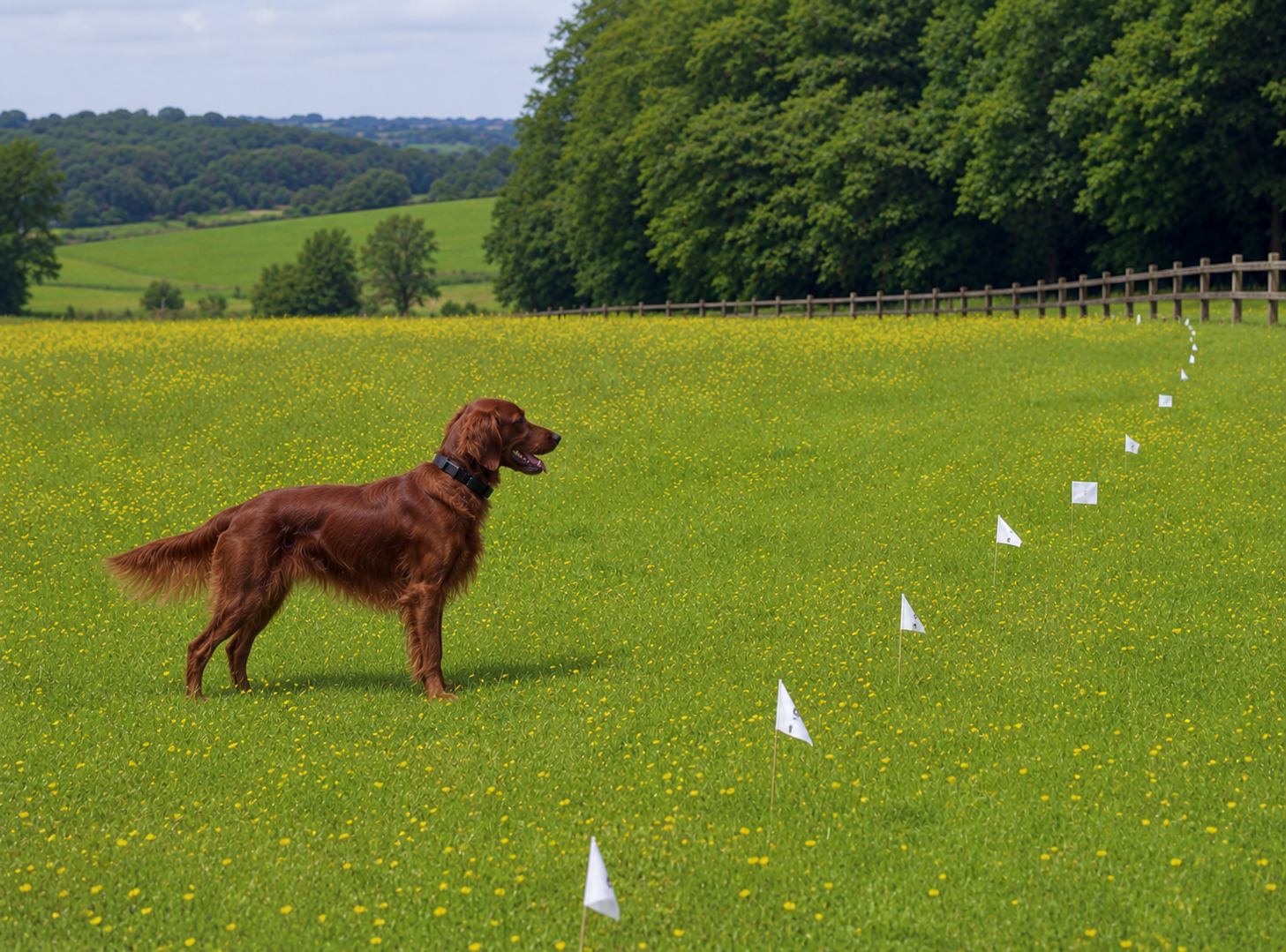
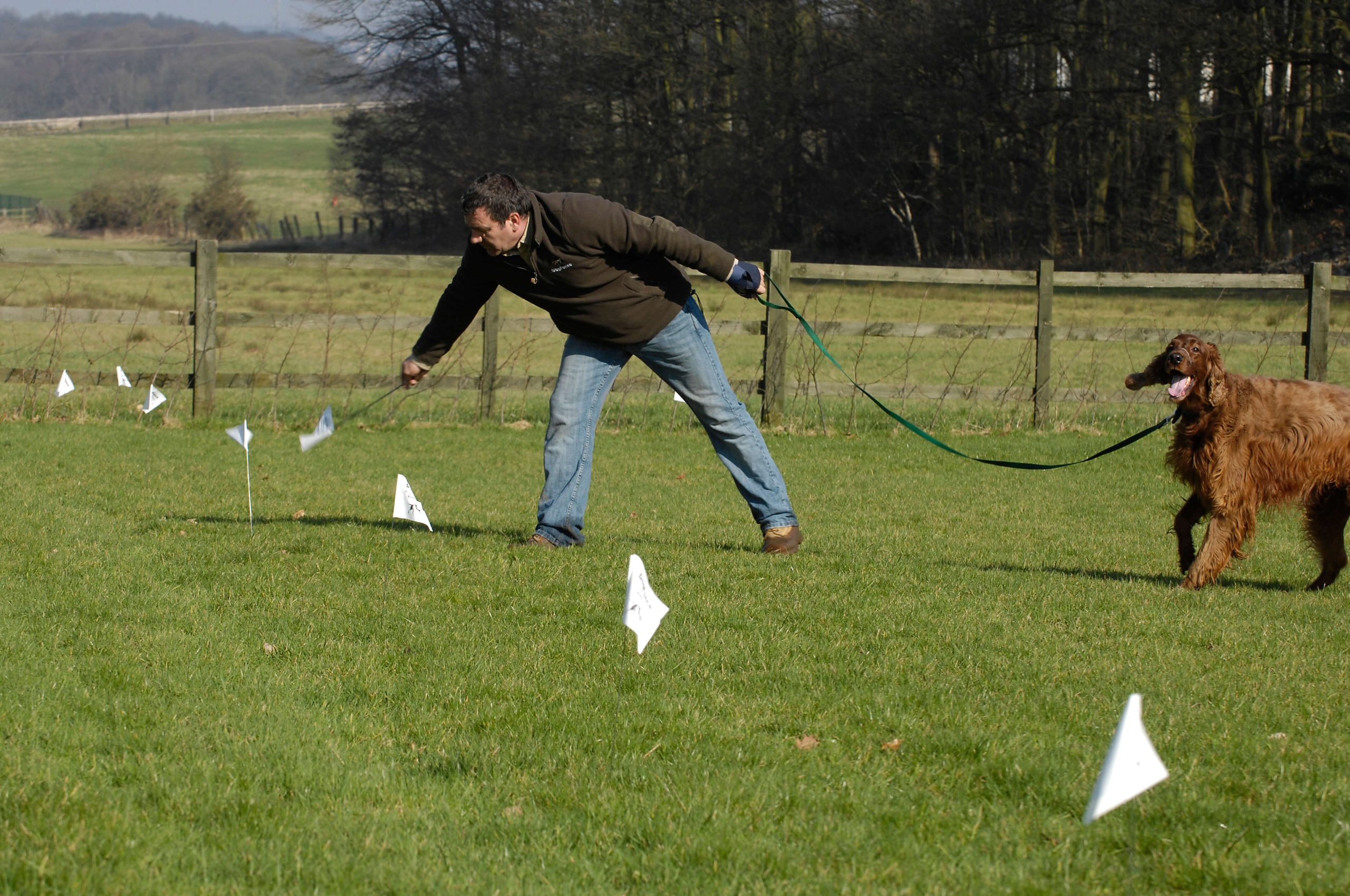
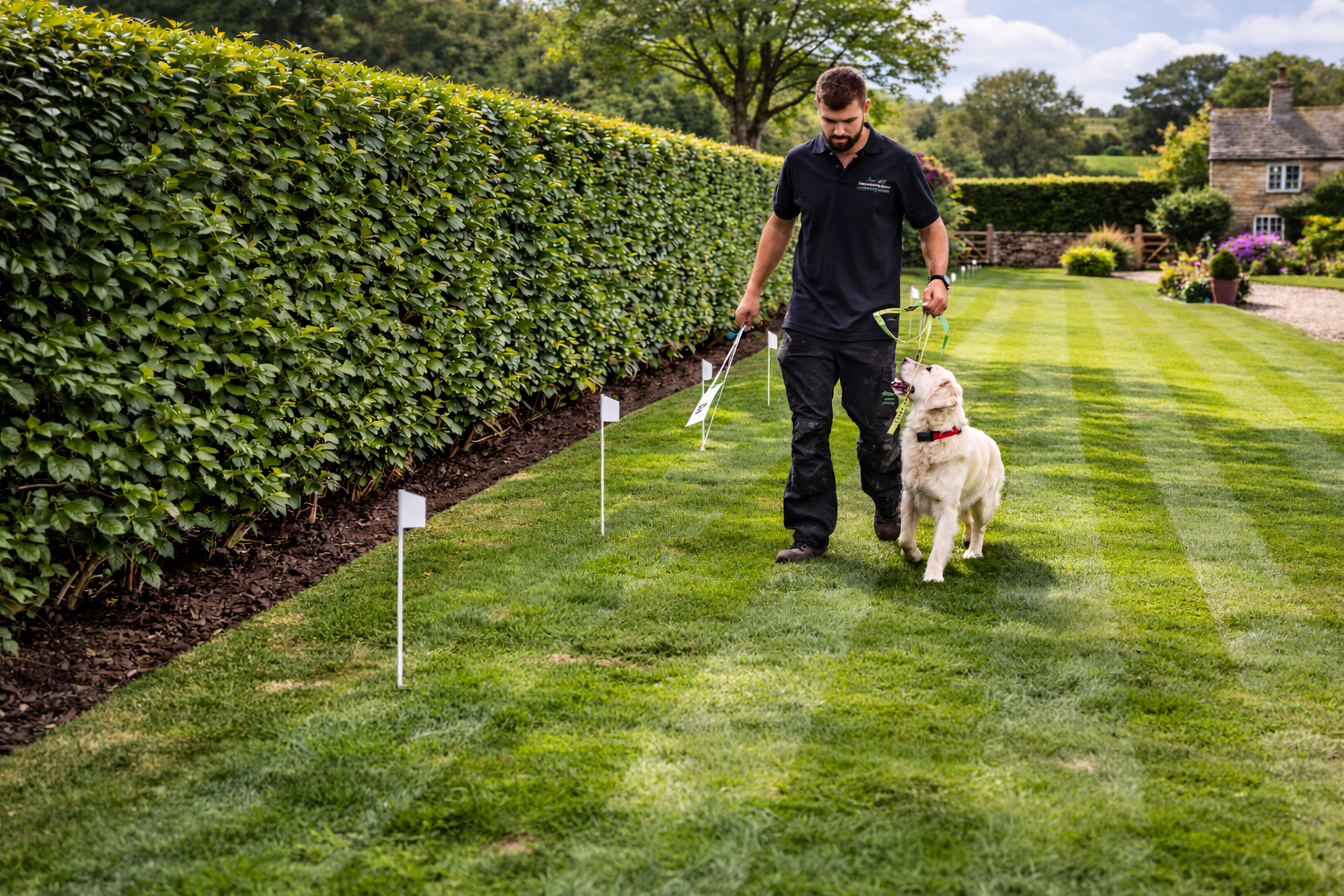
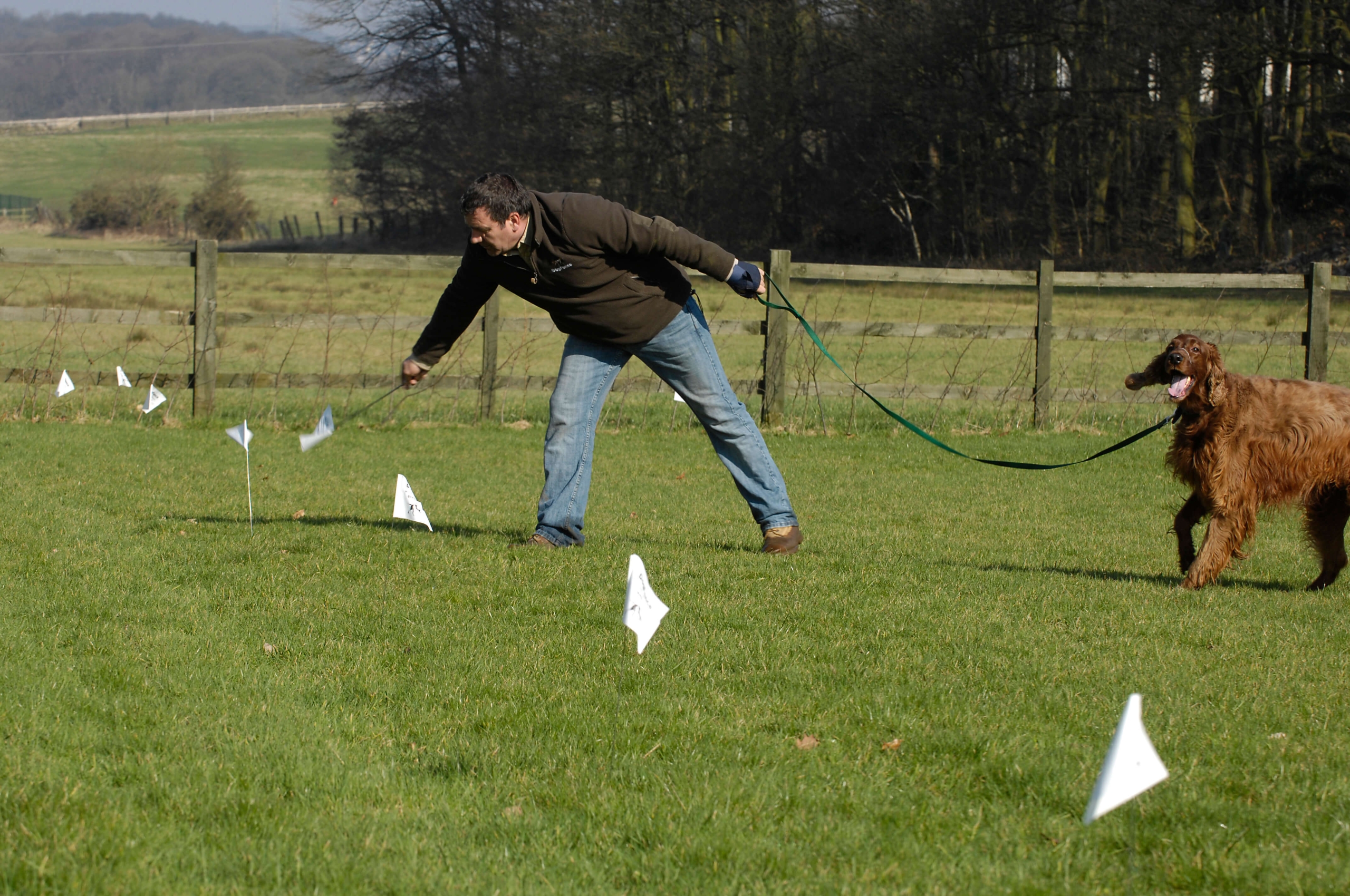
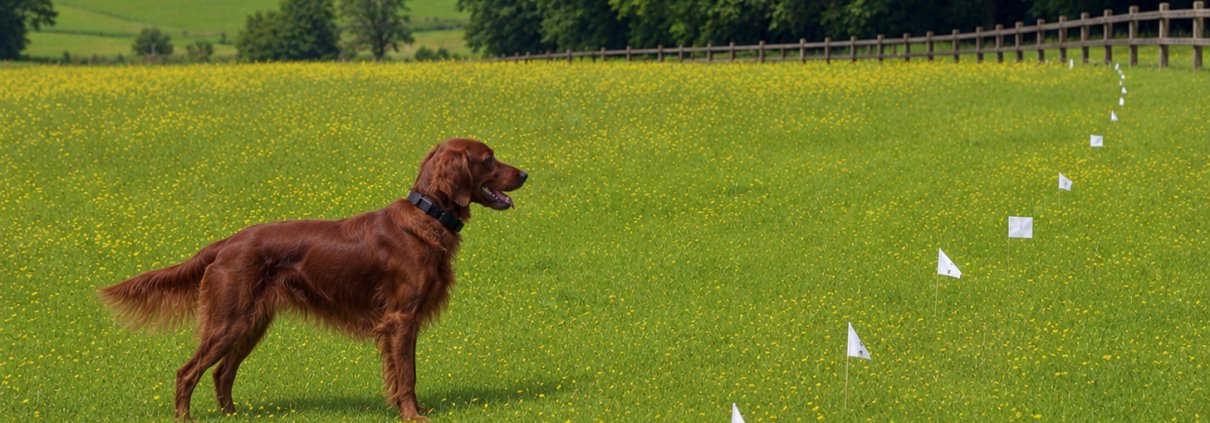
During the initial training period, the boundary is marked using visible training flags. Your dog is gradually introduced to the boundary so they learn where they can safely roam.

Every dog is different, which is why training should take account of the individual dog’s temperament, age and confidence.

As the dog learns where the boundary lies, they can become increasingly confident about the area in which they are free to run, play and explore.

The goal is a safe off-lead garden where your dog understands their boundaries and can enjoy outdoor freedom with greater confidence.

If you’re unsure whether DogFence could be suitable for your dog, our Frequently Asked Questions answer many of the questions owners ask before installation.

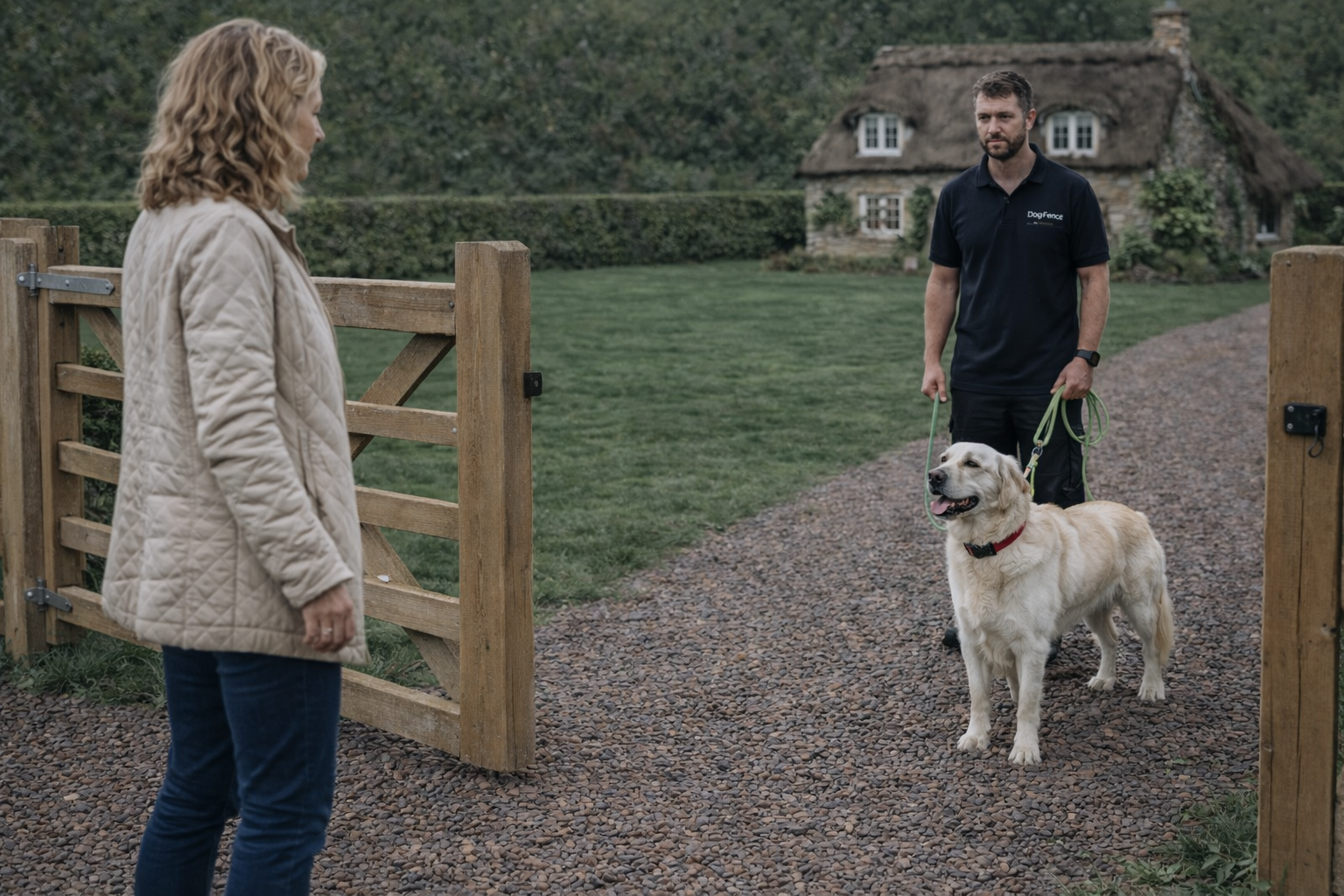
Labrador learning a safe garden boundary during DogFence training with white boundary flags

Frequently Asked Questions About Dog Garden Safety

How do you keep a dog safe in the garden?

To keep a dog safe in the garden, check for escape routes, secure vulnerable entrances, identify potential hazards and make sure your dog understands their boundaries. Where conventional fencing does not provide adequate security, a professionally installed hidden dog fence can provide an additional secure boundary.

How do I stop my dog escaping the garden?

Check for gaps, damaged fencing and places where your dog can dig, climb or jump. Pay particular attention to gates and open driveways. Understanding why your dog escapes and creating a secure boundary can help prevent future escapes.

Can I keep my dog safe without a physical fence?

Yes. A professionally installed hidden dog fence can create a secure boundary where conventional fencing is impractical or unsuitable. It can also work alongside existing fences, hedges, walls and gates.

What is a safe off-lead garden?

A safe off-lead garden is a secure outdoor area where a dog can run, play and explore without being permanently attached to a lead. It should have clearly defined boundaries that help prevent the dog from leaving the property.

Can a hidden dog fence work with existing fencing?

Yes. A hidden dog fence can work alongside existing physical fences, walls, hedges and gates to provide additional security, particularly for dogs that dig underneath, jump over or find gaps in conventional boundaries.

Can a hidden dog fence work in a large or rural garden?

Yes. A professionally designed hidden dog fence can be particularly useful for large and rural properties where conventional fencing may be difficult, expensive or visually intrusive. The boundary can be designed around the individual layout of the property.

Can I keep my dog away from certain parts of the garden?

Depending on the property layout, a professionally designed DogFence may be able to create exclusion zones around ponds, swimming pools, flower beds or other areas you want your dog to avoid while allowing them to enjoy the rest of the garden.

Enjoy More Freedom with Greater Peace of Mind

Learning how to keep a dog safe in the garden doesn’t mean limiting their freedom.

By identifying escape routes, securing vulnerable boundaries and providing appropriate training, you can create a secure outdoor space where your dog can run, play and relax with confidence.

Whether your property has conventional fencing, an open driveway, rural boundaries or several acres of land, the goal is the same: effective garden security for dogs that allows them to enjoy as much safe freedom as possible.

A professionally installed DogFence creates a discreet boundary designed around your individual property and your dog, helping you create a secure, safe off-lead garden without unnecessarily restricting their freedom.


Want to Keep Your Dog Safe in the Garden?

Every dog deserves the freedom to run, play and explore safely. A professionally installed DogFence creates a discreet hidden boundary, helping keep your dog safely contained while preserving the natural look of your garden.

Call us on
01628 476475
|
Message us on WhatsApp
|
Request a Free Quot


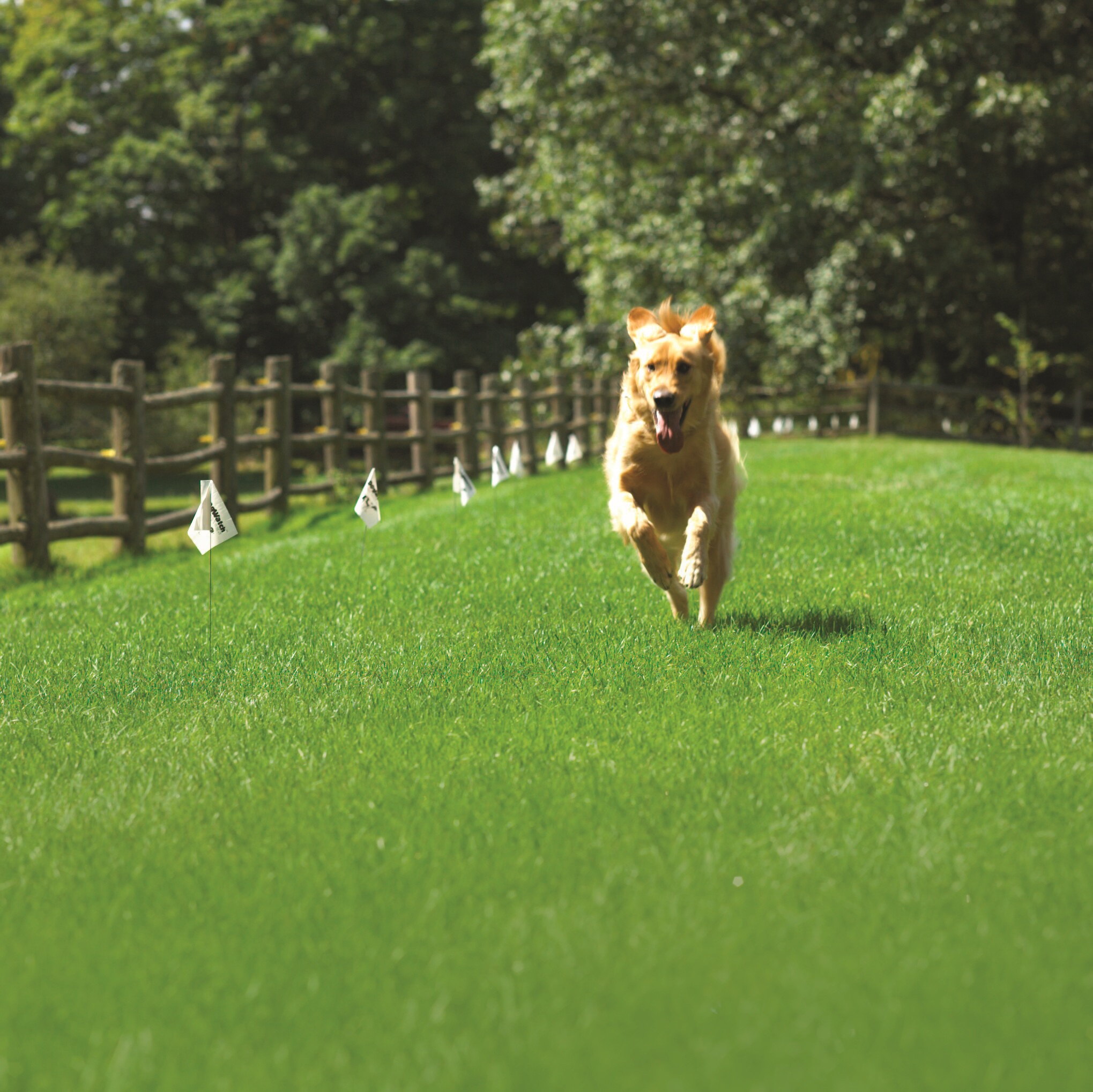
Dog safely enjoying freedom in a secure garden

Electric Collar Ban Consultation: Why Containment Fences Are Excluded

The New Electric Collar Ban Consultation: Is Your Containment Fence Safe?

The Short Answer: Yes. The electric shock collar consultation UK process has raised questions about how legislation may affect different types of training and containment systems. The proposed electric collar ban UK legislation has created confusion between remote training collars and professionally installed containment systems. The following guide should answer all questions relating to whether containment fences are legal in the UK.

Dog safely enjoying freedom in a secure garden thanks to the exemption of containment fences from the 2018 electric collar ban consultation

In late December 2025 the Government announced plans to run a future consultation on an Electric collar ban. The proposed consultation, which currently has not date, is to once again discuss the banning of “electric shock collars”. So what about Containment (Invisible) Fences? These valuable fences were explicitly excluded from the previous ban announcement because they were recognised as life-saving tools.

The 2018 DEFRA consultation already settled this debate, confirming that containment systems prevent road accidents and provide pets with safety and freedom. For owners unfamiliar with this approach, understanding how electronic dog fences work can help explain why containment systems are treated differently from training collars.


Quick Fact Check: The 2018 DEFRA Ruling

The electric collar ban consultation in 2018 produced the following results:

The Decision:
DEFRA ruled to ban hand-held remote collars but kept containment fences legal.

The Regulation:
The Government announced it would change legislation to ensure containment fences are professionally installed and paired with appropriate training, recognising that correct setup and education are essential for safety.

The Reason:
Government data proved these systems are “life-saving” and fundamentally different from punitive training devices.

The Support:
Roughly 56% of all 7,334 consultation respondents specifically wrote in to defend containment fencing.

Professional dog containment fence training using boundary flags in a rural UK garden - explicitly excluded from the 2018 electric collar consultation


Why Is There a New Consultation to Ban Electric Collars?

In December 2025, the Government launched its new Animal Welfare Strategy, which includes a commitment to consult “later in this Parliament” on a ban of electric shock collars.

It is important to note that a previous attempt to ban, known as the Animal Welfare (Electronic Collars) (England) Regulations 2023, never actually became law. Although it was debated in 2023, the legislation was withdrawn before it could pass through the House of Commons. Consequently, that ban “died” with the last government, leading the current administration to start the process fresh with a new consultation.

Are containment fences legal in the UK?

Yes. Professionally installed containment fence systems remain legal in the UK because they differ from handheld remote training devices covered under current legislation.  Owners are confused and continue to ask, are containment fences legal in the UK, due to media coverage of electric collar legislation. It’s important to understand that professionally installed containment systems operate differently from handheld remote training collars.


How Do Containment Fences Improve Animal Welfare?

Rather than being “aversive” training tools, the 2018 consultation identified containment fences as protective technology. According to official DEFRA findings and industry evidence:

Road Safety:
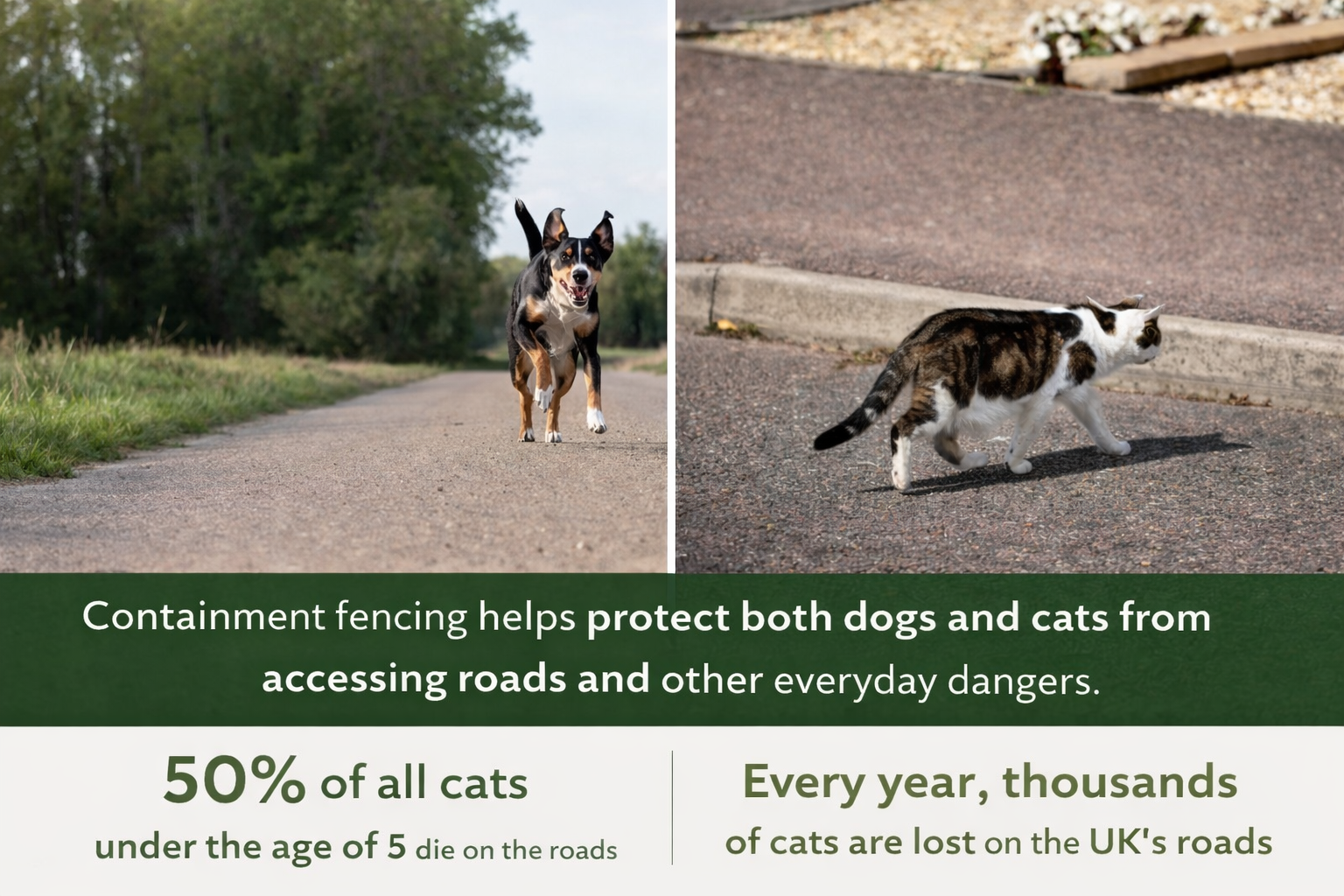
They prevent cats and dogs from wandering into traffic, a leading cause of pet mortality. Independent veterinary charities also highlight that road safety remains one of the leading risks for pets.

Livestock Protection:
They prevent “worrying” by ensuring pets cannot enter fields with vulnerable animals.

Mental Wellbeing:
They allow pets to enjoy outdoor freedom within a safe, defined boundary, which is vital for their physical and mental health.

These risks can be heightened by seasonal escape triggers, such as wildlife movement and scent trails, particularly in winter months.

Dog and cat near roads highlighting the life-saving role of pet containment systems which was flagged as part of the 2018 electric collar ban consultation


Why the 2018 DEFRA Precedent Is Final for Containment

This isn’t a debate that needs to be reopened. The 2018 consultation was one of the most comprehensive ever held on the topic, receiving 7,334 formal responses.

2018 Consultation Metric The Result
Total Responses 7,334
Pet Owner Defence Over 6,000 individuals provided evidence
Government Verdict Containment excluded due to life-saving benefits

Expertise Matters: DogFence and the Law

We are not just a retailer; we helped provide the real-world evidence that protected these systems in 2018.

DogFence was the only UK specialist invited to meet with DEFRA in person to demonstrate how professional installation and calm boundary training ensure pet safety without causing distress.

We stand by that evidence today:
a containment fence is a boundary, not a punishment.


The Bottom Line for Pet Owners

The 2018 consultation proved that containment fencing is widely supported, clearly differentiated from shock collars, and recognised by the Government as a protective tool.

If you use a containment system to keep your pet safe, you are using a tool that the Government has already agreed is a life-saver.


Verified Fact-Check & Authoritative Sources

Verified Data:
Statistics are derived from the 7,334 responses to the 2018 DEFRA Consultation on Electronic Training Collars.

Expert Evidence:
DogFence provided the expert testimony and live demonstrations that informed the Government’s 2018 distinction between containment and training devices.

Official Citation:
The original Government response confirming the exclusion of containment fences can be viewed on the Gov.uk website.


Why Professional Installation and Training Matter

One of the key reasons containment fencing was treated differently in 2018 was the emphasis on correct installation and structured training.

When professionally installed and introduced calmly, containment systems help pets clearly understand their boundaries without fear or confusion. This ensures containment fencing is used as preventative safety infrastructure, not as a shortcut for behaviour correction.

This structured approach is particularly important for instinct-driven behaviour in certain breeds, where roaming and scent following are natural traits.

Professional dog fence training was used as part of the 2018 electric collar ban consultation.


Why Containment Fencing Saves Lives

Containment fencing addresses risks that traditional fencing and recall training alone cannot:

  • Prevents pets accessing roads and driveways
  • Reduces roaming triggered by scent or wildlife
  • Protects both dogs and cats, who face daily road risks — especially free-roaming cats
  • Creates predictable boundaries pets can trust

This is why containment fencing was repeatedly described by respondents as life-saving during the 2018 consultation.


Electric Collar Ban Consultation – Frequently Asked Questions

Are containment fences included in the new electric collar consultation?
To date we do not know but given that there is no new evidence to support a ban and that containment fencing was explicitly excluded from the previous ban it is highly unlikely that containment fences will be included in this new consultation. DEFRA previously recognised containment fencing as a welfare-positive and life-saving system when correctly installed and trained.

Why are containment fences different from electric shock collars?
Containment fences create a consistent boundary to prevent danger. Shock collars are hand-held training devices. DEFRA recognised these as fundamentally different in both function and welfare impact.

Will the new electric collar consultation ban consider previous studies?
Any future review would need to consider the same evidence assessed in 2018, which clearly supported containment fencing as a protective tool for animal welfare. Importantly, to our knowledge, no new studies or evidence have been published since that consultation that would alter DEFRA’s original conclusions. In the absence of new evidence, the established position remains valid.


Why Containment Fencing Still Matters

Ultimately, this issue has already been examined through one of the most detailed consultations ever conducted on electronic pet systems. Containment fencing was assessed on evidence, expert input and real-world outcomes — and recognised as a welfare-positive, life-saving solution when professionally installed and correctly trained.

In the absence of new evidence to the contrary, those conclusions remain valid. For pet owners, the message is clear: containment fencing continues to offer a proven, responsible way to protect dogs and cats while supporting safe, calm freedom at home.

The image below reflects the outcome discussed in the electric collar ban consultation: dogs kept safe through professionally installed containment fencing rather than training collars.

Dog safely running within a professionally installed invisible containment fence in a UK garden

Want to Know More About Safe Pet Containment?

If you’d like to understand how professionally installed containment fencing works, or have questions about pet safety and training,

Call us on
01628 476475
|
Message us on WhatsApp: 07917 034256
|
Request a Free Quote Online