What Age Can a Dog Use an Invisible Fence? | DogFence UK
What Age Can a Dog Use an Invisible Fence? A Complete Guide for UK Pet Owners
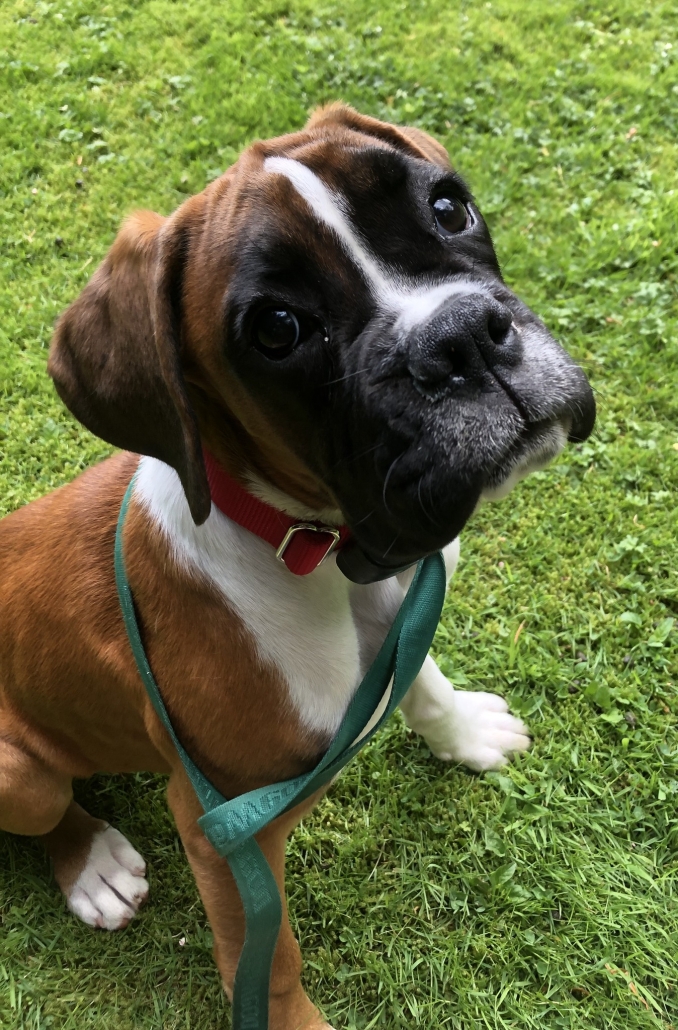
What age can a dog use an invisible fence? It’s one of the most common questions families ask when researching an electronic dog fence, hidden dog fence, or underground pet containment system. The truth is that most puppies can start gentle boundary training from around 12–16 weeks old, but the right time ultimately depends on your dog’s confidence, temperament, and developmental stage rather than age alone.
Over the last 22 years, DogFence Ltd has professionally installed and trained more than 20,000 pets across England using DEFRA-tested containment systems. Our expertise allows us to assess when a puppy is ready and ensure they learn calmly and confidently — without stress, confusion, or fear. This is where professional training truly makes a difference.
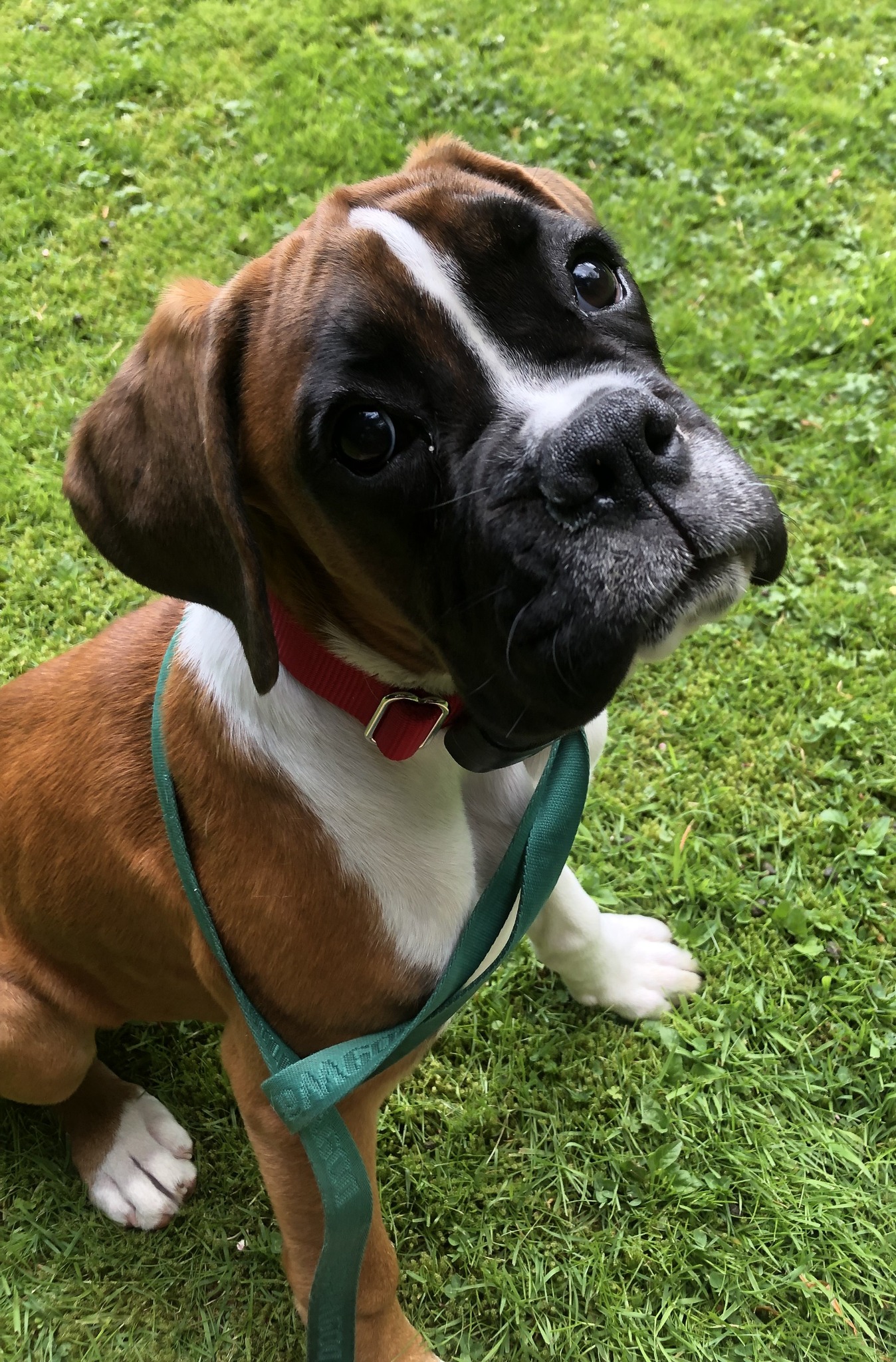
The Ideal Age to Start Invisible Dog Fence Training
The general guideline is that dogs can begin training between 12–16 weeks. At this age, puppies have typically reached key developmental milestones:
- They can focus for short periods.
- They understand basic cues like “come” or “sit”.
- They are alert, curious, and eager to learn boundaries.
However, it’s important to understand that age is only one part of the equation. Confidence level, sensitivity, and personality play a far greater role in determining readiness.
Why Temperament Matters More Than Age
Just like children, puppies develop at different speeds. Two 14-week-old puppies may behave completely differently during boundary training:
- A confident puppy may take to the boundary system quickly.
- A nervous or cautious puppy may need a slower, gentler approach.
Because we install thousands of systems each year, our trainers are skilled at identifying micro-signals that indicate whether a dog is comfortable, overwhelmed, confused, or progressing well. These subtle body-language cues include:
- Ear movements
- Pacing or hesitation
- Yawning, lip-licking, or head-turning
- Tail position changes
- Tension across the shoulders
These are signs most owners never notice, but they are crucial to ensuring safe, gentle, and effective invisible fence training — especially for young dogs.
Benefits of Starting at the Right Time
When introduced at the right stage of development, puppies pick up boundary training extremely quickly. They enjoy the freedom of the garden, understand where they can and can’t go, and learn to respect the boundary tone without stress.
Starting too early, however, can create confusion if your puppy is not yet ready. That’s why we always assess readiness gently and individually rather than relying on a strict age rule.
Why Professional Training Is Essential for Puppies
Invisible fences, also known as electronic dog fences, underground containment systems, and invisible boundary training systems, are completely humane when introduced correctly. The technology alone won’t train your puppy — the training method is what makes the experience safe and positive.
With professional installation, your dog benefits from:
- Gentle, step-by-step conditioning based on confidence level
- Correct collar programming (not one-setting-fits-all)
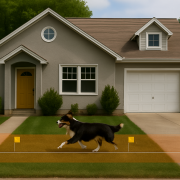
- Perfectly placed boundary flags for clear visual learning
- Behaviour-sensitive training that adapts to your dog’s signals
- A stress-free learning process using praise and positive reinforcement
DIY invisible fence kits often fall short because owners unintentionally skip steps, move too quickly, or don’t notice subtle signs of stress. Professional training prevents this, helping puppies achieve calm, consistent boundary learning.
How DogFence Ltd Trains Puppies Safely and Comfortably
At DogFence Ltd, we have refined our training method over two decades to ensure your puppy learns with confidence. Here’s how our training process works:
1. Behaviour Assessment
We begin by evaluating your puppy’s confidence, personality, responsiveness, and sensitivity. This determines the pace and approach of training.
2. Gentle Introduction to the Boundary Tone
We first teach your puppy a positive, calm association with the audible boundary tone. Our goal is to build familiarity and trust before introducing the avoidance zone.
3. Controlled Exposure to the Zone
This is done carefully, slowly, and without pressure. We watch closely for body language clues to ensure your dog feels safe and secure.
4. Praise and Reward-Based Reinforcement
Your puppy learns that stepping back into the safe zone earns praise and encouragement, building confidence and clarity.
5. Family Training
We teach you how to continue the training consistently, ensuring your puppy gets the same clear messaging from every family member.
Our structured approach is why DogFence Ltd has been trusted for over 22 years and why thousands of puppies and adult dogs now enjoy safe freedom in their gardens.
What Age Can a Dog Use an Invisible Fence – Can Very Young Puppies Use a Dog Fence?
If your puppy is under 10–12 weeks, we recommend waiting until they are developmentally ready. In the meantime, families often use temporary solutions including:
- Puppy pens or play zones
- Short, supervised outdoor sessions
- Temporary fencing panels
- Our indoor boundary systems for early safety
Once your puppy reaches the right stage, proper training can begin — and training almost always progresses extremely quickly with professional support.
Invisible Fences for Adult Dogs
Many owners assume the systems only work for puppies, but adult dogs of all ages — including senior dogs — learn the boundary system just as well. In fact, older dogs often learn faster because they are calmer and have better concentration.
We have successfully trained:
- Nervous rescue dogs
- High-energy working breeds
- Independent thinkers like Terriers and Huskies
- Dogs recovering from previous escape behaviour
No dog is ever “too old” to learn an invisible fence safely.
Why Choose DogFence Ltd?
As the UK’s longest-established installer of hidden dog fences, DogFence Ltd provides:
- DEFRA-tested equipment
- 22+ years of specialist installation experience
- The longest battery life in the industry
- Lifetime warranties on installed systems
- Expert trainers skilled in reading dog behaviour
- Coverage across all of England
Choosing a professional installation means your dog learns safely, your system works optimally, and you receive ongoing support whenever you need it.
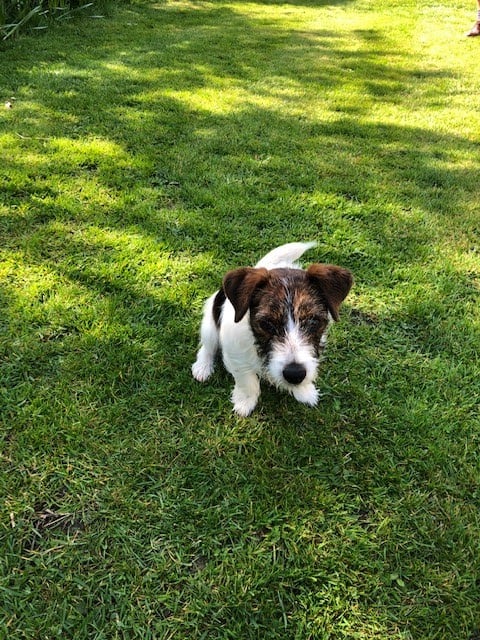
Book Professional Training & Installation Anywhere in England
If you’re considering an invisible dog fence for your puppy or adult dog, professional guidance ensures your pet learns calmly, confidently, and without confusion. We combine technology, behavioural expertise, and decades of experience to give your dog safe, reliable freedom in your garden. Our Professional Installation team will set up your fence and train your puppy for you.
Ready to protect your pet with expert training?
Ready to Keep Your Pet Safe?
Call us on
01628 476475
|
Message us on WhatsApp
|
Request a Free Quote Online