The CatFence Receiver: A Complete Guide to Safe Feline Freedom in 2026
Imagine watching your cat effortlessly scale a two-metre garden wall in under three seconds, knowing the busy local road is just a few steps away….


Imagine watching your cat effortlessly scale a two-metre garden wall in under three seconds, knowing the busy local road is just a few steps away….
Is the £2,500 you spent on traditional timber fencing actually keeping your dog safe, or just blocking your view of the rolling British countryside?…
Imagine standing in your garden in Surrey on a Tuesday afternoon, watching your Labrador chase a tennis ball towards the boundary, and suddenly…
That heart-stopping moment when you realise the garden is silent, and your beloved dog is nowhere to be seen, is a fear every owner shares. While the…
The familiar anxiety of a beloved dog wandering, the visual intrusion of cumbersome fencing on a cherished garden view-these are challenges that many…
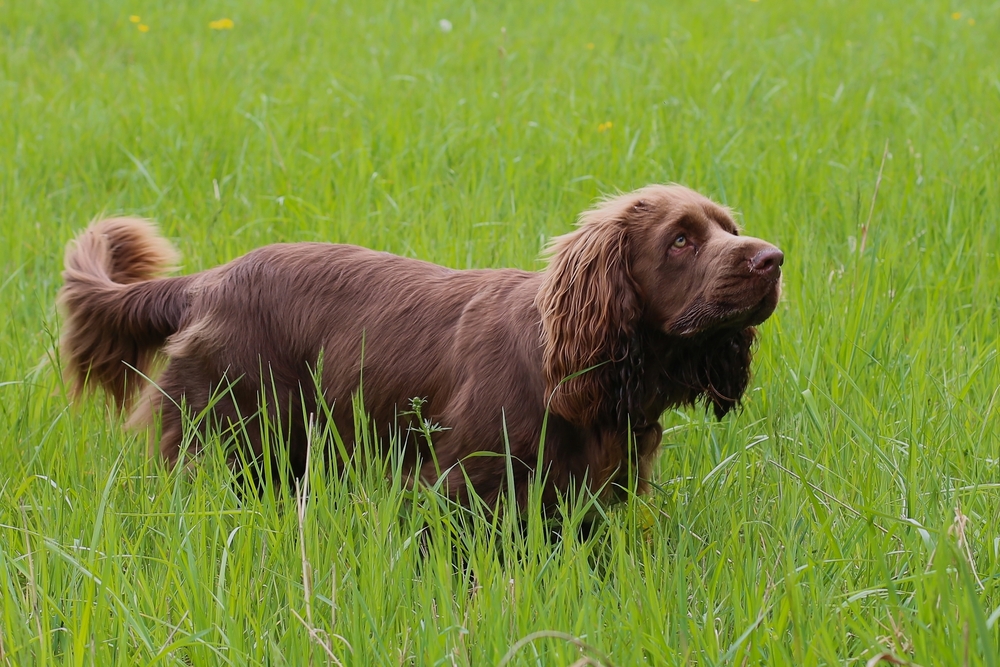
Sussex Spaniel breed traits are among the most unique of the British gundogs, making this rare breed both a loyal companion and a challenge to keep contained. The Sussex Spaniel is one of Britain’s oldest and rarest gundog breeds—and perhaps one of the most misunderstood. Often described as calm, slow-moving, and even a little stubborn, the Sussex Spaniel was never designed for speed or show-ring precision. Instead, this sturdy, low-slung dog was bred to work methodically through dense undergrowth, following scent for hours without distraction. However, those same Sussex Spaniel breed traits that make them world-class hunters can also make them persistent escape artists in a modern garden setting.
This post is part of our series on unusual British dog breeds and why they struggle with garden boundaries, exploring how heritage and instinct influence modern behaviour.
Originating in the county of Sussex in the 18th century, this dog was developed specifically for the heavy clay soils and dense hedgerows of the South of England. Unlike a flashy Springer or a frantic Cocker, the Sussex is a rare British gundog that prioritises steady, heavy-duty tracking over fast pursuit. Historically, they were the only spaniel bred to “give tongue”—to bark or whimper when they find a scent—to alert the hunter of their location in thick cover.
Key spaniel characteristics specific to the Sussex include:
Exceptional Scenting Ability: They don’t just see the world; they smell it in 4D.
Powerful Low-Slung Build: Their deep chest and short legs give them a low centre of gravity, perfect for pushing through gaps.
The “Sussex Throm”: A characteristic rolling gait that allows them to trot for miles without tiring.
Independent Problem Solving: Because they often worked out of sight of the hunter, they are used to making their own decisions.
As the Sussex Spaniel is currently listed on the Kennel Club’s Vulnerable Native Breeds list, owners have a significant responsibility to keep these dogs safe. With fewer than 300 registrations a year, every individual dog is precious to the breed’s survival.
Many owners are surprised by how a seemingly “lazy” dog manages to disappear from a secure garden. The Sussex Spaniel temperament is a unique mix of gentle companionship and quiet, dogged persistence. They don’t usually attempt to leap over high fences; instead, they find the one weak point at the bottom of a hedge and dig or squeeze through.
Common owner experiences with the Sussex Spaniel temperament include:
Persistent Digging: They will return to the same spot daily, working a hole like a professional contractor until they break through.
Scent Drifting: A passing fox or even a neighbour’s barbecue can trigger a “scent-trance,” where the dog follows a trail out of the garden without even realising they’ve left home.
Selective Hearing: When a Sussex is “on a line,” auditory recall often fails because their brain is entirely focused on the olfactory input.

Because they are classified as a vulnerable breed, owners have a significant responsibility to keep these dogs safe. With fewer than 300 registrations a year, every individual dog is precious to the breed’s survival.
Traditional wooden fencing often proves inadequate for these specific spaniel characteristics. They are “low-to-ground” specialists; if a rabbit can get under a gate, a Sussex Spaniel believes it can too. Furthermore, they are a sensitive breed. Harsh, shout-based training or high-pressure containment can leave them despondent. They require a boundary solution that provides a clear, consistent signal that the dog can understand and respect on its own terms.
For a breed driven by scent, a professional containment system offers a sophisticated advantage. It creates a 360-degree “safety bubble” that physical fences often lack.
Predictable Boundaries: Unlike a hedge that might have a new hole dug by a fox, a hidden fence signal never moves.
Respects the Nose: The system uses an audible warning zone. For a dog that is already tuned into “giving tongue” and listening for cues in the field, the beep is an easy signal to process.
Freedom to Roam: It allows the Sussex Spaniel to exercise its natural curiosity and scenting drive within the safety of your property, preventing them from wandering onto dangerous rural roads.
Rather than relying on height or physical barriers, a professionally installed dog fence works with the dog’s intelligence to create a consistent, reliable boundary.
Owning a Sussex Spaniel means preserving a piece of living British history. They are affectionate, sombre-faced, and incredibly loyal companions. By understanding their unique Sussex Spaniel breed traits and providing a garden environment that respects their hunting heritage, you can keep them safely contained for years to come.
If your Sussex Spaniel follows scent, tests boundaries, or quietly wanders beyond the garden, we’re happy to help you explore safe, proven containment options.
Call us on
01628 476475
|
Message us on WhatsApp.
|
Request a Free Quote Online
How High Should a Fence Be to Stop a Dog Jumping? (UK Guide) How high should a fence be to stop a dog jumping? In most UK homes, a fence needs to be at least 6ft high to stop an average adult dog jumping over it — but breed, motivation, and garden layout all influence […]
How to Stop Dog Escaping When in Season (UK Guide) Stop dog escaping when in season early, and you can prevent a stressful and potentially dangerous situation for both you and your dog. When a dog in season is trying to escape — or when a male dog is escaping because a nearby female is […]
Can a Dog Jump a 6ft Fence? Can a dog jump a 6ft fence? Yes — many dogs can jump or climb a 6ft fence if they are sufficiently motivated. While 6ft fencing is often recommended as a minimum height for medium and large breeds, it does not guarantee containment. Athletic ability, adrenaline, instinct and […]
How to Stop a Dog Squeezing Through a Gate (UK Guide) Stop dog squeezing through gate behaviour early, and you can prevent a full escape before it becomes a habit. If your dog is escaping through a gate gap or fitting through a small gap in the fence, the issue is rarely obedience — it’s […]