
Tag Archive for: prevent dog running away

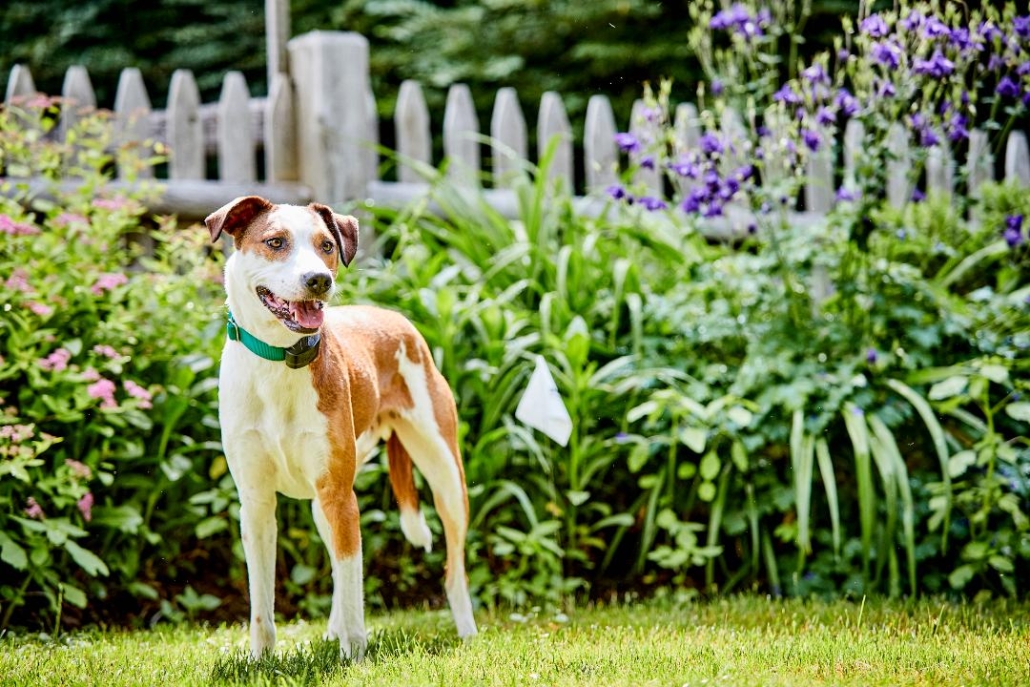
A happy dog standing calmly inside a well-kept garden with fence boundary visible

How to Buy Dog Fence

The Ultimate Dog Fence Buying Guide UK (2026 Edition)

If you’re looking for the best way to create a secure garden for dogs, you’re not alone.

Across England, more and more dog owners are searching for reliable ways to prevent their dog running away — without building ever-higher fences or turning their garden into a fortress.

This complete Dog Fence Buying Guide UK explains:

  • Why dogs escape
  • What types of dog fences are available
  • The real difference between wired, wireless and GPS systems
  • What dog fences cost in the UK
  • Whether electronic dog fences are humane
  • How to choose between professional installation and DIY

If you’re researching carefully before investing — this guide is for you.
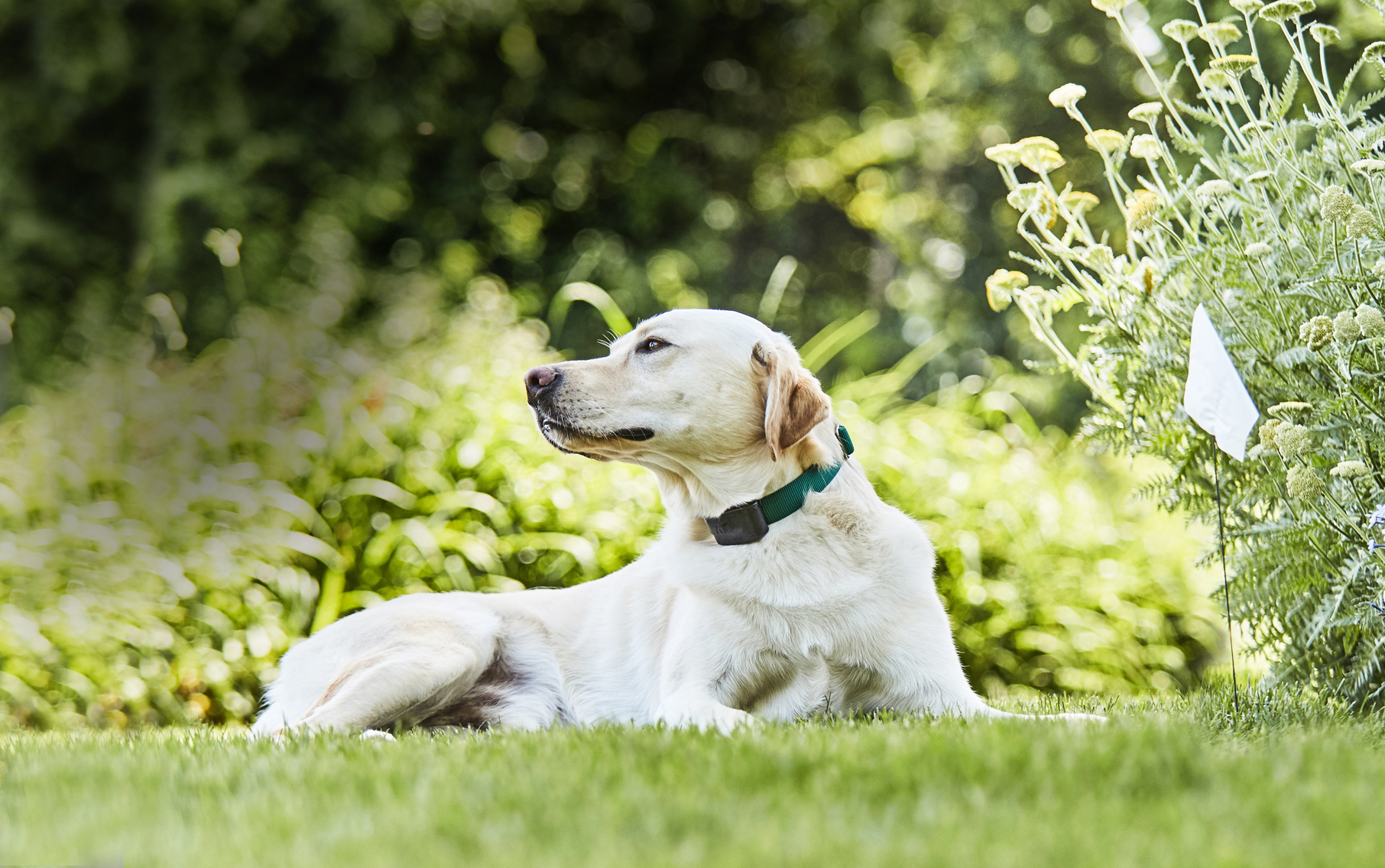
secure garden for dogs with invisible dog fence UK


Why Do Dogs Escape?

Understanding the why helps you choose the right solution.

Most escape behaviour falls into one of these categories:

  • Jumping over fencing
  • Digging underneath panels
  • Squeezing through weak gates
  • Chasing wildlife
  • Separation anxiety
  • Boredom or frustration

Many owners initially assume they just need higher fencing. But taller panels don’t stop diggers. Reinforced gates don’t stop climbers. And replacing an entire boundary can cost thousands.

That’s why many rural homeowners across England are turning to electronic containment instead. Before choosing the right system, it’s essential to understand why dogs escape gardens in the first place — because jumping, digging and boundary-testing behaviours require different containment solutions.


What Types of Dog Fences Are Available in the UK?

1. Traditional Physical Fencing

Wooden panels, composite fencing, brick walls or deer fencing.

These work well for many dogs — but increasing height or reinforcing boundaries can be expensive, particularly on larger properties over one acre.

They also don’t address digging behaviour. Whilst traditional fencing works for some homes, many owners discover it simply isn’t enough for determined dogs. In fact, we’ve explained in detail why traditional fencing isn’t enough for escape-artist dogs, particularly those who jump, dig or climb.
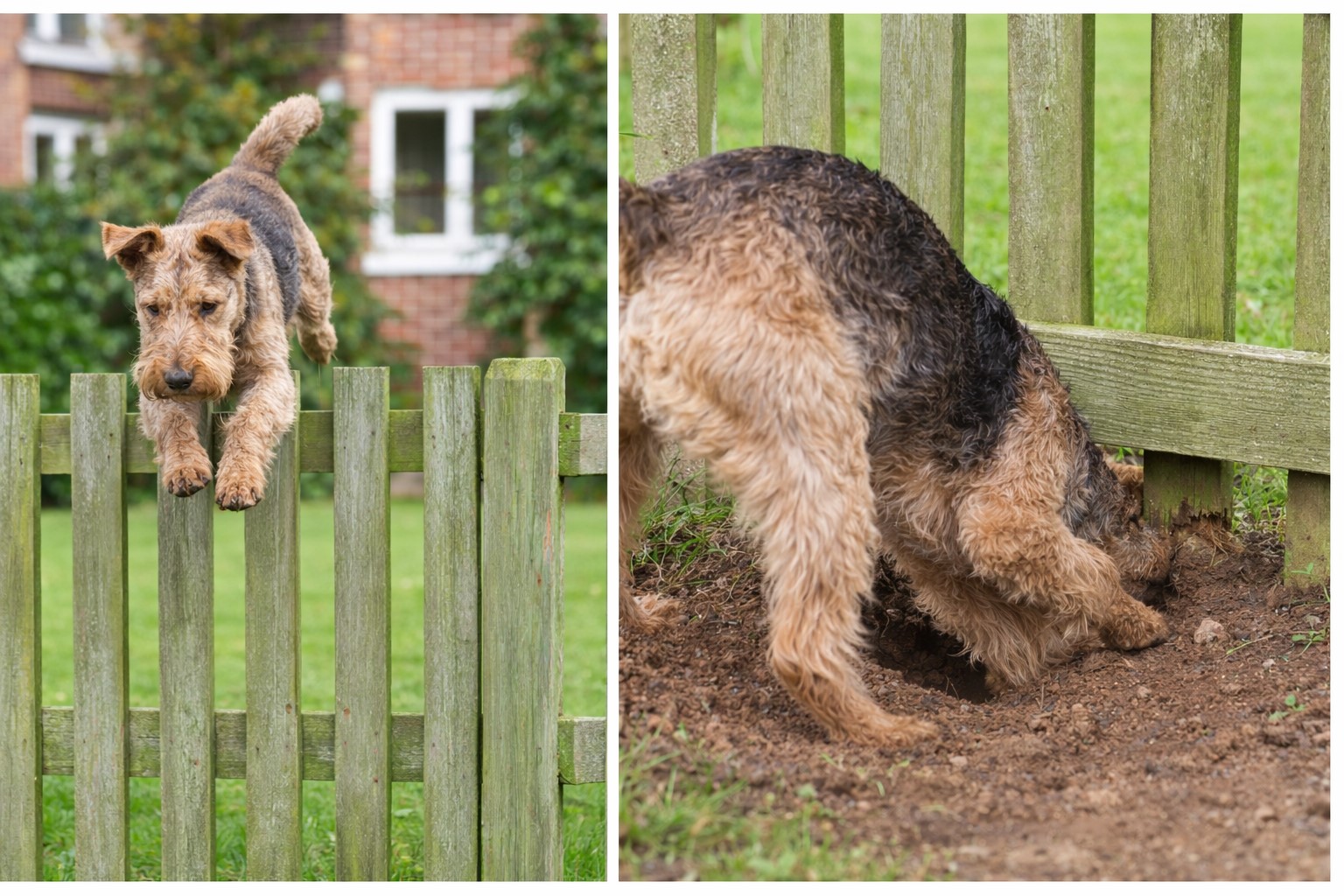
traditional fencing problems dog escaping garden

Dog escaping garden boundaries by jumping or digging highlights common traditional fencing problems.


2. Wireless Dog Fences

Wireless systems create a circular boundary from a central transmitter.

They’re simple to install but:

  • Struggle with uneven or sloping gardens
  • Can be unreliable on larger properties
  • Cannot follow complex boundary shapes

They’re often best suited to small, flat suburban gardens.


3. GPS Dog Fence Systems

GPS fences rely on satellite positioning.

While marketed as flexible, they can suffer from:

  • Signal drift
  • Inconsistent boundary lines
  • Battery drain
  • Delays in correction

In rural or wooded areas especially, GPS can be unreliable.


4. Wired Electronic (Invisible) Dog Fences

A wired system uses a discreet boundary cable buried around your property. The collar provides a warning tone as your dog approaches the boundary, followed by a brief adjustable correction if challenged.

The key advantages:

  • Precise boundary control
  • Works on any garden shape
  • Ideal for large rural properties
  • Consistent and reliable containment

For most larger UK gardens, wired electronic systems remain the most dependable solution.


Wired vs Wireless vs GPS — What Actually Works?

Choosing between wired, wireless and GPS dog fences isn’t just about convenience — it’s about reliability, consistency and your dog’s temperament.

Wireless Dog Fences
Wireless systems create a circular boundary from a central transmitter. They can work in small, flat gardens where layout is simple and there are minimal obstructions. However, signal fluctuation and limited shape control can make them unsuitable for irregular UK gardens.

GPS Dog Fences
GPS systems rely on satellite positioning rather than a physical boundary wire. While they appear modern and flexible, real-world use in the UK often highlights signal lag, boundary drift, and inconsistent correction timing — particularly near trees, buildings or in poor weather.

Wired (Electronic) Dog Fences
Wired systems use a buried boundary cable to create a fixed, consistent containment line. Once installed and professionally calibrated, they deliver immediate, predictable feedback — which is especially important for strong-willed or escape-artist dogs.

So What Actually Works?

  • Small, simple garden? A wireless system may be adequate.
  • Large, sloped or complex garden? A wired system is significantly more reliable.
  • High-drive or escape-prone dog? Consistency is critical — wired systems outperform GPS every time.

If you’re considering a GPS system, read our in-depth guide on whether GPS dog fences really work in UK conditions. When choosing the best dog fence UK homeowners can trust, reliability matters far more than marketing claims. A fence that works every single time is what keeps dogs safe.

comparison of wired, wireless and GPS dog fences for UK gardens


How Much Does a Dog Fence Cost in the UK?

Prices vary depending on property size, boundary length and whether you choose a DIY kit or professional installation.

If you’re comparing options, our detailed breakdown of dog fence cost UK pricing explains electronic dog fence cost, hidden dog fence prices and what influences the final investment.

For larger rural gardens, electronic containment systems are often significantly more cost-effective than replacing or extending physical fencing around the entire boundary.


Are Electronic Dog Fences Humane?

This is understandably one of the most common concerns among UK dog owners.

Modern electronic dog fences are not the same as old-style “shock collars.” Today’s systems are designed with safety, adjustability, and structured training in mind.

They use:

  • An audible warning tone first
  • Adjustable correction levels
  • Automatic shut-off safety features
  • Structured training protocols that teach boundary awareness

When installed correctly and paired with proper training, most dogs quickly learn the boundary and rarely challenge it again.

If you’d like a balanced, evidence-based look at the welfare debate, you can read our full article on dog fence controversy humane or harmful?, where we explain how modern systems differ from older misconceptions and why responsible installation and training matter.


Professional Installation or DIY?

Professional Installation

Best suited for:

  • Large rural properties
  • Complex boundaries
  • Owners wanting full support and training

Benefits typically include:

  • Correct boundary planning
  • Secure cable depth
  • Lightning protection
  • Structured pet training
  • Long-term warranty support

Many owners of large rural properties choose an electronic dog fence UK system because it works reliably across uneven terrain and complex garden layouts, read below for DIY and Professional Installation advice.


DIY Installation

Suitable if:

  • You’re confident digging shallow cable runs
  • Your boundary is straightforward
  • You prefer lower upfront costs

DIY kits still include support and detailed instructions, but require more time and effort.


Who Is an Electronic Dog Fence Suitable For?

Electronic containment is often ideal for:

  • Larger gardens (especially over one acre)
  • Dogs who jump or dig
  • Homes near roads or livestock
  • Owners wanting a discreet, invisible solution

It may not be appropriate for every dog without professional guidance — which is why expert advice matters. A professionally installed electronic dog fence UK system provides consistent, reliable containment for gardens of all shapes and sizes.


Final Verdict: What Is the Best Dog Fence UK Owners Should Choose?

If your goal is to create a secure garden for dogs without building ever-higher fencing, a properly installed wired electronic dog fence offers the most consistent and reliable containment.

But the most important factor isn’t just the equipment.

It’s:

  • Quality components
  • Correct installation
  • Structured training
  • Ongoing support

With over two decades of experience helping thousands of pets across England, we know every property — and every dog — is different.

The right system is the one designed specifically for yours. Choosing the right electronic dog fence UK system can transform your garden from a constant worry into a safe, secure space your dog can enjoy with confidence. All professionally installed DogFence systems are DEFRA tested, include lightning protection, and use waterproof programmable collars with built-in safety time-outs.

Want an Accurate Dog Fence Cost for Your Property?

Every garden is different — and so is every dog.
Speak directly to our team for honest advice and a tailored quote with no pressure and no obligation.

📞 Call 01628 476475
|
💬 WhatsApp Us
|
📝 Request a Free Quote Online
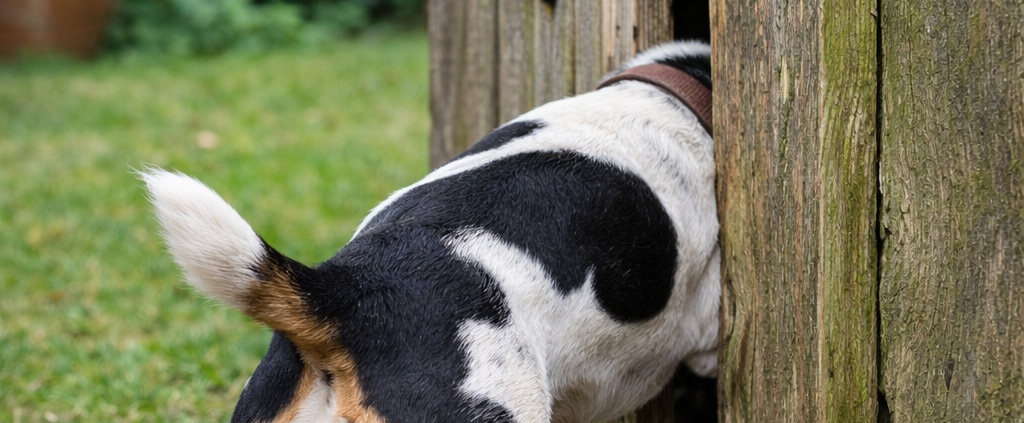
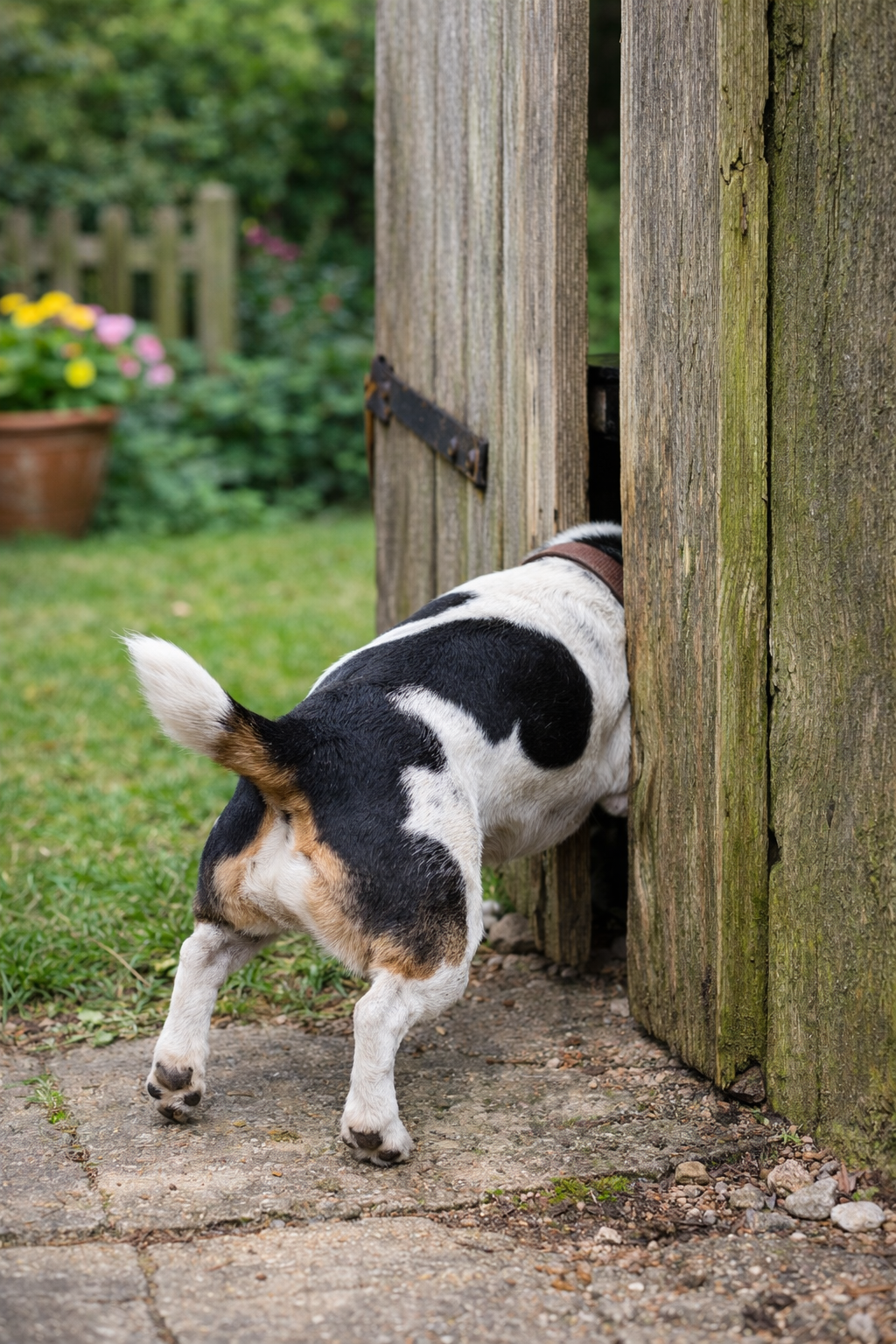
dog squeezing through gap in wooden garden gate

Stop Dog Squeezing Through Gate Gaps (UK Guide)

How to Stop a Dog Squeezing Through a Gate (UK Guide)

Stop dog squeezing through gate behaviour early, and you can prevent a full escape before it becomes a habit.

If your dog is escaping through a gate gap or fitting through a small gap in the fence, the issue is rarely obedience — it’s opportunity. Many UK garden gates leave small gaps at the sides, base, or hinge area that a determined dog can exploit.

When trying to stop dog squeezing through gate gaps, both motivation and physical weakness must be addressed.

If you’re dealing with repeated escape attempts, our complete guide on how to stop a dog running away explains how behaviour, boundary security and consistent training work together to prevent it long term

dog squeezing through gap in wooden garden gate


Why Is My Dog Squeezing Through the Gate?

If you need to stop dog squeezing through gate gaps, first consider what is driving the behaviour.

Common triggers include:

  • Wildlife or livestock beyond the boundary
  • Other dogs nearby
  • Boredom or excess energy
  • Separation anxiety
  • Seasonal behaviour

Once a dog succeeds at escaping through gate gap weaknesses, the behaviour quickly becomes reinforced.

If broader roaming is developing, see our guide on how to stop your dog running away.


Where Do Dogs Usually Escape Through a Gate?

Most escape points occur in one of these areas:

  • The gap between gate and post
  • Underneath the gate
  • Worn hinge areas
  • Driveway double gates
  • Sloping ground beneath gate

Even a surprisingly small opening can allow a dog fitting through small gap fence areas to slip out.

If your dog can fit their head through the space, they can usually fit their body through too.

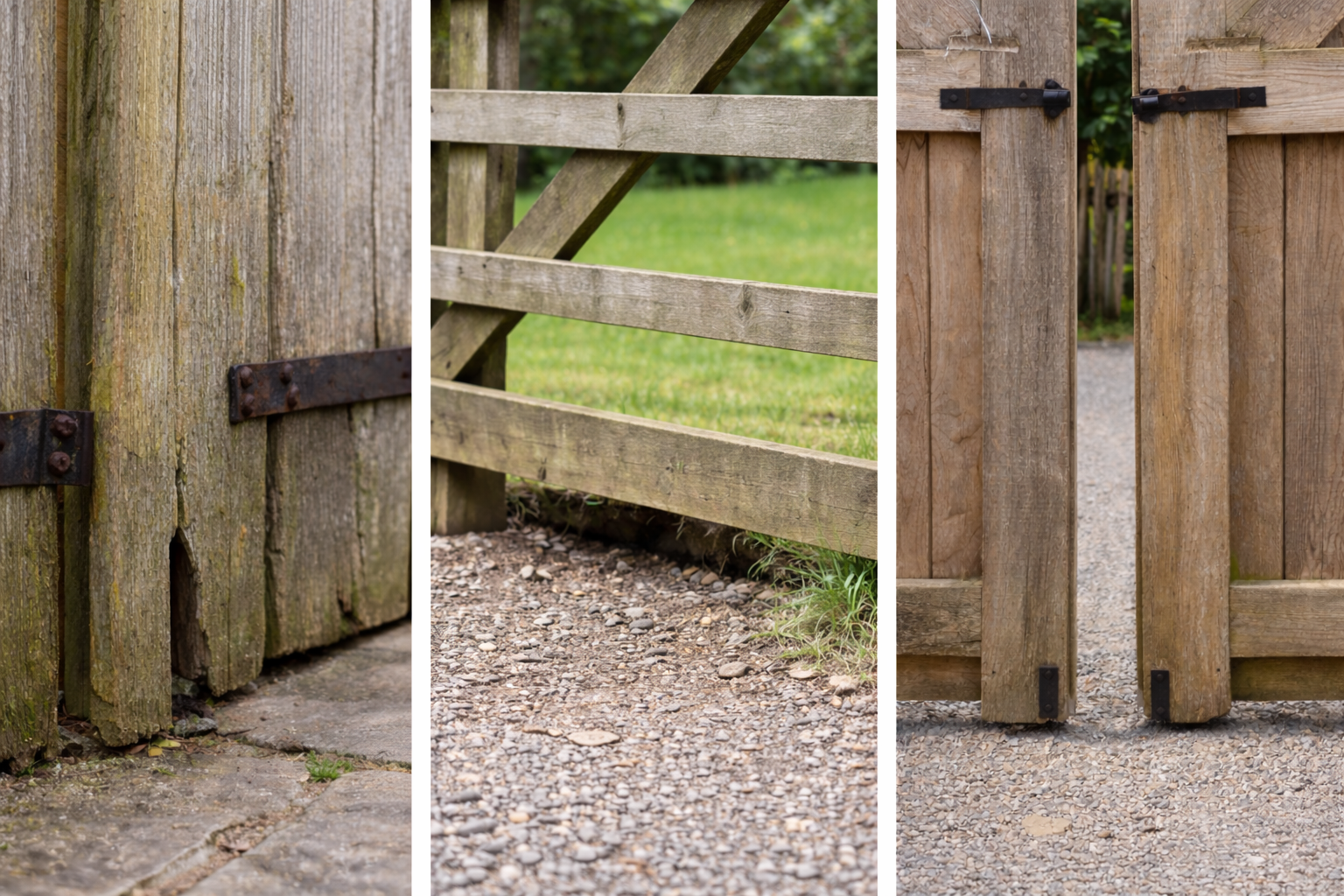
gap beneath five bar gate and wooden garden gate allowing dog escape

Five bar gates and wooden garden gates often leave gaps underneath or at the sides that allow dogs to squeeze through.


How to Stop Dog Squeezing Through Gate Gaps

To properly stop dog squeezing through gate vulnerabilities, focus on both structural fixes and behaviour management.


1. Reduce the Gap Width

Measure the space between the gate and post carefully.

Ways to prevent dog getting through fence gap spaces include:

  • Installing timber batten strips
  • Adding metal or mesh infill panels
  • Fitting flexible rubber gap strips
  • Adjusting hinges to reduce spacing

If you have a secure driveway gate for dogs, ensure the spacing remains tight at both top and base.


2. Secure the Base of the Gate

Dogs often escape underneath rather than beside the gate.

You can:

  • Install a timber kickboard
  • Add a ground-level barrier strip
  • Level uneven soil
  • Install gravel boards

If digging is also happening, see our guide on how to stop dog digging under fence


3. Remove Launch or Climb Points

Some dogs squeeze through a gate gap after lifting themselves slightly using:

  • Garden furniture
  • Wheelie bins
  • Raised steps
  • Logs or stored materials

Clearing these obstacles can help stop dog squeezing through gate attempts before they escalate.


4. Address the Underlying Motivation

If your dog repeatedly attempts to squeeze through the gate, the desire to leave remains strong.

Increase:

  • Daily exercise
  • Mental stimulation
  • Supervision during high-risk times

If your dog is also jumping fencing elsewhere, see our article on fence height to stop dog jumping.


What If My Driveway Gate Can’t Be Fully Sealed?

In many rural and semi-rural UK properties, open driveways and decorative gates make it difficult to completely eliminate every gap.

If you cannot fully stop dog squeezing through gate spaces structurally, you may need a consistent perimeter solution instead.

A professionally installed electronic dog fence system can secure driveways, gates and irregular terrain without altering your property’s appearance.

Rather than relying solely on blocking physical gaps, containment systems teach dogs exactly where the limit lies.

Learn more in our guide on how electronic dog fences work.


Final Thoughts: Securing Gate Weak Points Properly

To stop dog squeezing through gate vulnerabilities permanently, you must remove both the opportunity and the motivation.

Small gaps often seem harmless — until a dog proves otherwise.

At DogFence, we frequently work with properties where driveway gates and rural boundaries leave hidden weak points. When a clear perimeter is properly introduced, escape attempts typically settle — even in determined dogs.

If you’d like tailored advice on securing your driveway gate for dogs, contact our team for a free assessment.

Is Your Dog Squeezing Through a Gate Gap?

If blocking small gaps isn’t stopping your dog escaping, we can help you create a properly secure boundary — including driveways, gates and weak points — tailored to your property.

Call us on
01628 476475
|
Message us on WhatsApp
|
Request a Free Quote Online
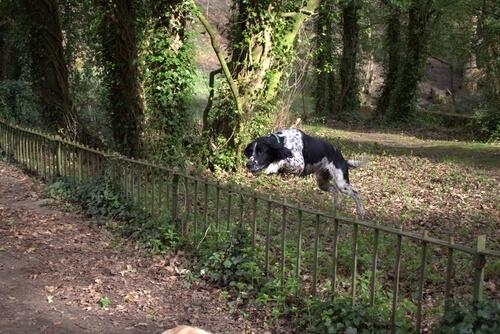
Cheap DIY dog fence idea using wooden pallets to create a safe garden boundary

Cheap Dog Fence Ideas for Safe, Cost-Effective Containment

Cheap Dog Fence Ideas for Dogs: What You Need to Know Before You Buy

Updated July 2025

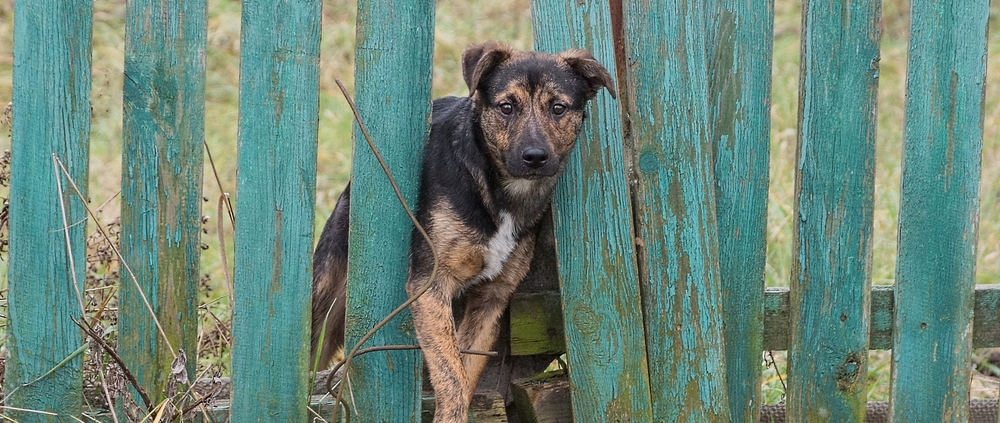
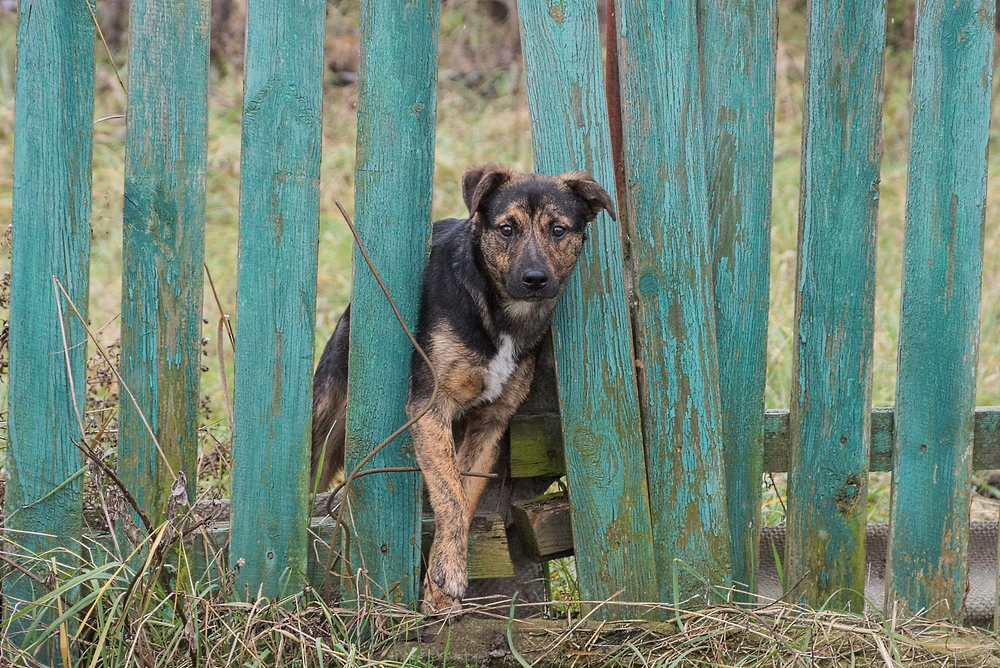
Dog escaping through broken fence — common risk with cheap dog fence ideas in UK gardens

This is what a cheap fence can lead to — a determined dog and an escape route

Looking for cheap dog fence ideas? You’re not alone. Pet owners across the UK are searching for budget-friendly solutions to keep their dogs safe and contained. But not all fencing options are created equal — and some “cheap” fences could cost you more in the long run.

Let’s explore the pros and cons of common cheap dog fence ideas, and how DogFence offers a cost-effective, long-term alternative trusted by over 20,000 UK pets.

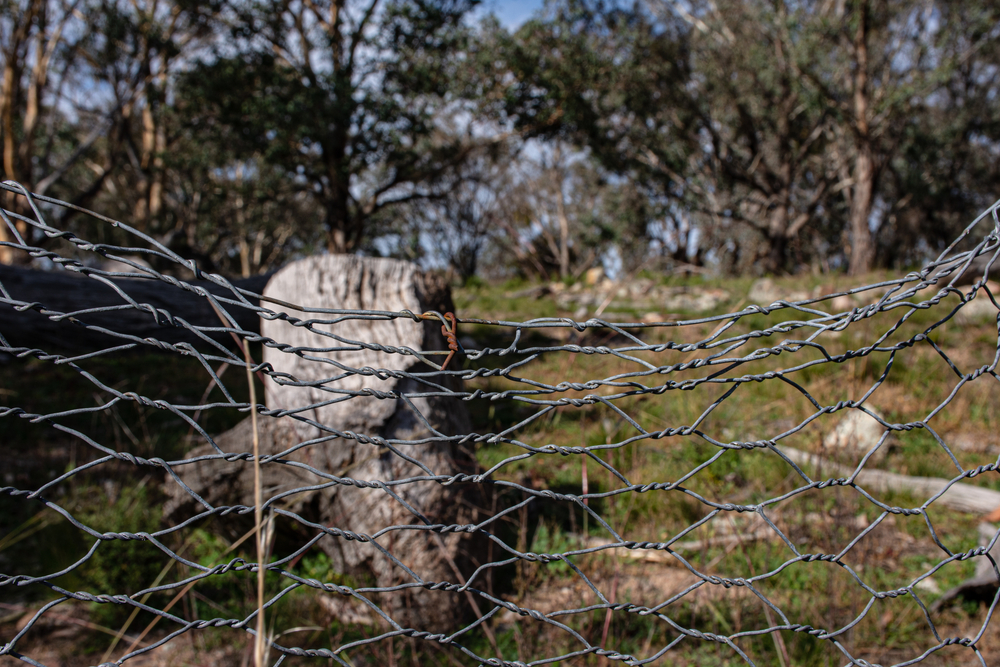
Sagging chicken wire dog fence — example of a cheap garden fencing option that fails over time

Cheap wire fences may seem like a quick fix, but they often sag, rust, and fail to keep dogs safely contained.”

The Most Common Cheap Dog Fence Ideas (and Why They Often Fail)

1. Chicken Wire or Garden Mesh

Affordable and easy to find, chicken wire fences seem like a quick fix. But for many breeds, they’re no match for determined diggers or chewers. Over time, the wire can sag, break, or corrode, making it unreliable. Does not cover the driveway.

2. Chain Link Fencing

Strong and secure — but not cheap. Installing chain link fencing can cost thousands depending on your property size. It’s also not always escape-proof for agile or climbing dogs and can be an eyesore in a landscaped garden. Gates are still required at extra cost.

3. Close-Boarded or Panel Fencing

These timber fences are popular in the UK but expensive to install and maintain. Persistent dogs can still dig under or find weak spots, and wood can warp or rot over time, especially in wet climates. The driveway and in some areas the front of the property will need aesthetically pleasing fencing.

4. DIY “Invisible” Fences from Online Marketplaces

Some budget dog fences found online are little more than toys. One customer even sent us a photo of their so-called DIY dog fence: the wire looked like cotton, and the flags were the size of cocktail sticks. Great for a mouse — not for a dog! DIY dog fences will cover the driveway but the cable is extremely thin and prone to breakage so buried installation is difficult.

Thin dog fence wire and tiny training flags — not suitable for burial or effective containment

Thin wire and tiny flags like these aren’t designed for long-term use — they’re easily damaged and offer poor visibility during training.

A Smarter Long-Term Solution: DogFence Hidden Fence Systems

DogFence isn’t the cheapest option upfront — but when you factor in reliability, longevity, and effectiveness, it’s up to 80% cheaper than chain link or wooden fencing. And unlike bargain-bin systems, it works.

Here’s why:

  • ✅ DEFRA-Tested and Approved
    Our system has been independently tested and meets UK welfare standards. You can trust it to be safe, effective, and humane.
  • ✅ Robust, Dog-Proof Receiver Collars
    Our collars are:

    • Waterproof to 10ft in salt and fresh water
    • Covered against dog chews
    • Lightweight and custom-programmable (not one-size-fits-all)
    • Equipped with the longest battery life in the industry – because when the battery runs out, so does the dog.
  • ✅ Built-In Pet Safety Features
    • Auto Shut-Off: If your dog gets stuck in the warning zone, the collar stops correcting after 15 seconds.
    • Auto Re-Start: The collar resumes as soon as your pet is safe again.
    • Anti-Linger: Prevents battery drain by giving a quick correction if your dog lingers too long in the warning zone.
  • ✅ Reliable Hardware Built to Last
    • Heavy-duty boundary cable (included even in DIY kits)
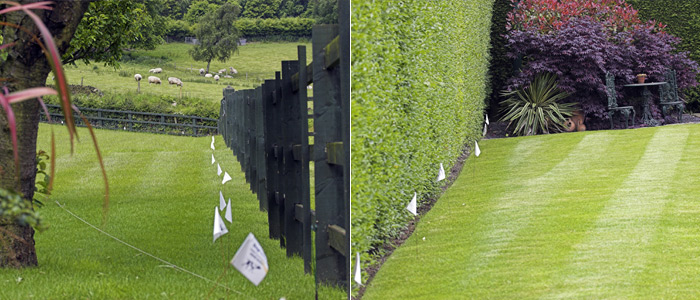
    • Full-size, visible training flags 18″ – 24ft tall.
    • Professional installation option includes onsite training
    • Lightning protection
    • Containment promise (dogs only)
    • Lifetime warranty on Pro Install systems
    • 2–4 year warranties on DIY kits

See how our hidden fence works →

2ft DogFence training flags and heavy-grade buried cable — safe, visible containment for pets

Our 2ft training flags and heavy-duty buried cable create a visible, secure boundary that keeps your pet safely contained.

What Does “Cheap” Really Cost You?

Cutting corners on fencing can lead to:

  • Repeated repairs or replacements
  • Dogs escaping (with risks to traffic, livestock, and safety)
  • Inconsistent containment = confused, untrained dogs
  • Higher costs over time

DogFence is designed to be a one-time investment that protects your pet and your peace of mind for years to come.

Compare the Costs

Fence Type Approx. Cost Maintenance Long-Term Reliability
Chicken Wire Fence £100–£300 High Low
Close-Boarded Fence £2,000+ Moderate Moderate
Chain Link Fence £2,000–£4,000 Low Moderate
Cheap DIY Electronic Fence £50–£200 High Low
DogFence DIY Kit From £450 Low High
DogFence Pro Install From £1,200 Very Low Highest (Lifetime Warranty)
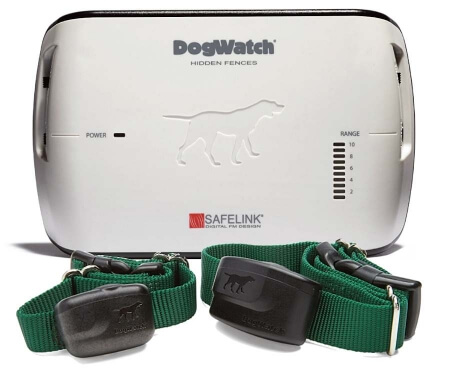
High-quality DogFence system with lightweight dog fence collars — better alternative to cheap dog fence ideas

Our DogFence system includes two compact, lightweight collars — with battery lives of 6 months to over 2 years and full accidental damage cover.

Cheap Dog Fence Ideas Are Everywhere. Quality Ones Aren’t.

DogFence offers both DIY and professionally installed systems that balance quality, safety, and cost-effectiveness. We’re not the cheapest — and there’s a reason for that. Our systems are designed to work reliably for years, offering a smarter, safer solution that keeps your pets secure without compromising their freedom.

Just look at the result:
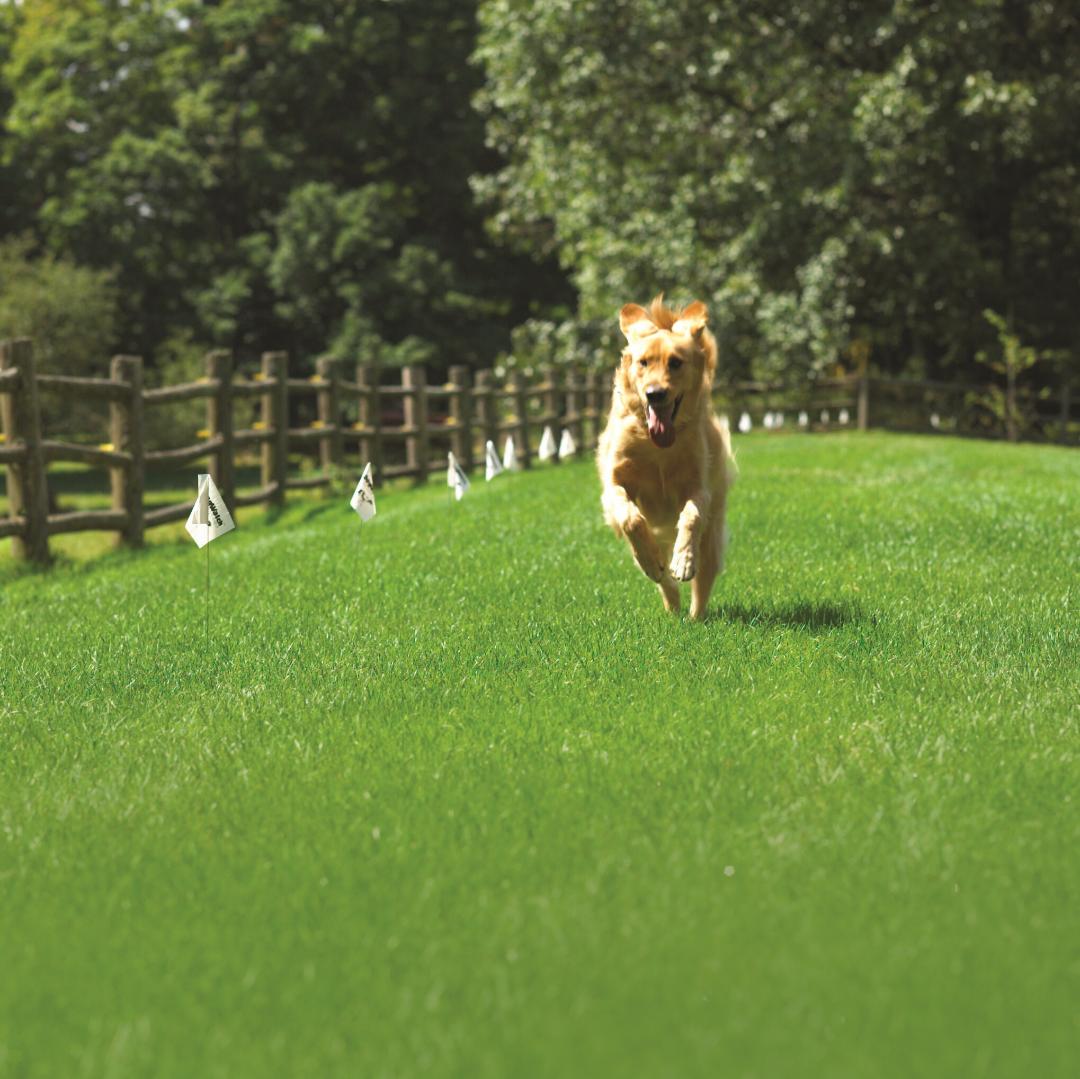
A happy, confident dog running freely and safely in the garden — no ugly fences, no risky escapes, and no constant supervision. With DogFence, you get more than just containment — you give your pet the freedom they deserve, with the safety you need.

Happy dog running safely in garden protected by DogFence hidden fence system

Freedom and safety combined — this happy dog is running free thanks to a DogFence hidden fence

Need Help Choosing the Right Option?

Whether you’re exploring cheap dog fence ideas or planning your garden for the long-term, we’re here to help. Our expert team will guide you to the safest and most practical solution for your dog — and your budget.

Looking for more inspiration on how to keep your dog secure and your garden looking great? Don’t miss our expert guide on the best dog fence designs for UK gardens — packed with practical ideas and design tips that go beyond just price.

Ready to Keep Your Pet Safe?

Call us on
01628 476475
|
Message us on WhatsApp
|
Request a Free Quote Online
dog fence ideas - dog with question mark

Dog Fence Options Compared: Wooden, Mesh & Invisible Systems

Dog Fence Options Compared: Wooden, Mesh, and Invisible Systems

When you’re researching dog fence options, you’ll quickly see there are many different choices — from traditional wooden panels and wire mesh to modern invisible dog fences. But not all solutions are equal when it comes to keeping your dog safe and secure.

In this guide, we’ll compare the most common types of dog fence options, their pros and cons, and explain why an invisible FM frequency fence is often the safest and most cost-effective choice.

Why Do You Need A Fence?

Most pet owners will experience a dog that loves to escape — whether it’s jumping a 6ft fence, digging under the hedge, or simply heading off on an unplanned walk. While this may seem harmless, an escaping dog can:

  • Put themselves in danger from cars, livestock, or poisoning.

  • Cause accidents on the road.

  • Knock over or frighten strangers.

  • Risk unexpected vet bills or even fines from the dog warden.

A secure fence isn’t just about protecting your dog — it protects others too and gives you peace of mind.

Dog escaping over wooden fence showing need for secure dog fence options

Some dogs see traditional fences as just another challenge.


Wooden Panel Fencing

Wooden fencing may look sturdy, but it isn’t fool-proof.

  • Panels often sit slightly above the ground, making it easy for dogs to dig underneath.

  • Athletic dogs may simply jump over, even if the fence is 6ft tall.

  • Regular maintenance is required to stop rotting or repair storm damage.

  • Costs can quickly mount if you need to replace panels or add extra barriers.

For determined dogs, wooden fencing can be little more than a temporary fix.


Wire Mesh Fencing

Wire mesh is another common option, but it often causes more problems than it solves:

  • Dogs can see through the mesh, leading to barking, fence-running, and frustration.

  • Neighbours or passers-by can tease or even harm your dog.

  • Digging under is still possible.

While affordable, wire mesh is rarely a long-term solution for escape-prone dogs.


Why Chaining Is Never the Answer

Some owners resort to chaining a dog when fences fail. But chaining:

  • Severely restricts exercise.

  • Causes stress, boredom, and frustration.

  • Increases aggression and behavioural problems.

It’s unsafe and unfair for the dog — and definitely not a recommended containment method.


Wireless & Invisible Dog Fences

This is where technology offers a smarter solution. Invisible fences use a boundary wire, transmitter, and a computer collar to create a safe containment zone. But not all systems are equal.

AM Frequency Fences (Old Technology)

  • Can be disrupted by Wi-Fi, TVs, or even light dimmers.

  • Slow response times mean pets can “outrun” the signal.

  • Risk of false activations, shocking your dog unnecessarily.

FM Frequency Fences (Modern Technology)

  • Use secure, fast, digital signals that ignore interference.

  • Quick reaction time keeps pets safely contained.

  • Safety cut-off prevents over-correction.

  • Can be installed around any property size — from small gardens to estates of 350+ acres.

  • Invisible and planning-friendly.

Learn more about how an invisible dog fence system works.


Why FM Invisible Fences Are the Best Option

Compared to traditional fencing, an FM invisible fence:

  • Costs a fraction of installing tall panels or mesh.

  • Works on all terrains, including driveways, hedges, and wooded areas.

  • Is safe, proven, and recommended by vets.

  • Gives your dog freedom within safe boundaries.

Learn more about how an invisible dog fence system works.

Dog safely contained with an invisible dog fence system

Invisible dog fences keep pets safe without changing your view.


The Benefits of Secure Fencing

Choosing the right dog fence isn’t just about stopping escapes — it brings peace of mind and real protection for both your pet and the wider community:

  • Your dog stays safe from roads, poisons, livestock, and other dangers.

  • Others are protected — no risk of your dog knocking someone over or frightening passers-by.

  • Lower costs — avoid dog warden fees (often £50+ per incident) and unexpected vet bills.

  • Prevent accidents — escaped dogs can cause road traffic collisions, which are sadly on the rise.

  • No unwanted litters if your dog hasn’t been neutered.

  • Protect other animals — you won’t be liable for injuries to neighbouring pets or livestock.

  • Peace of mind knowing your dog can enjoy freedom without escaping.

If you also own cats, our cat fence system is designed to keep them safely contained too.

Cat sitting on a garden statue – safe alternatives to roaming with a cat fence system

Even adventurous cats need safe boundaries — our cat fence system keeps them secure without restricting freedom.

Final Thoughts

If you want complete peace of mind, an FM invisible fence is the safest and most reliable option to stop escapes and keep your dog secure.

Call us today on 01628 476475

Request a Free Quote

  Message us on WhatsApp