Tag Archive for: instinct-driven dogs

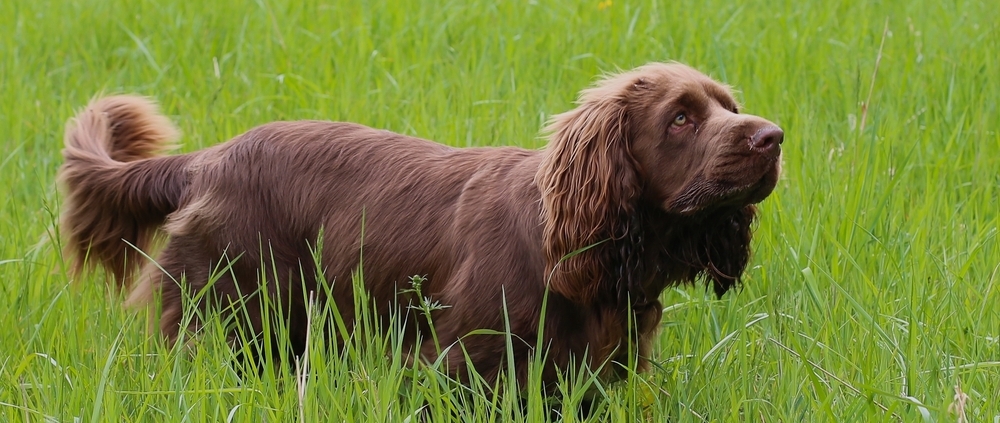
A golden-liver Sussex Spaniel standing in a garden showing its low-slung breed traits

Sussex Spaniel: Instinct, Scent & Why Modern Gardens Don’t Always Work

Sussex Spaniel Breed Traits: The Methodical Hunter Under Your Fence
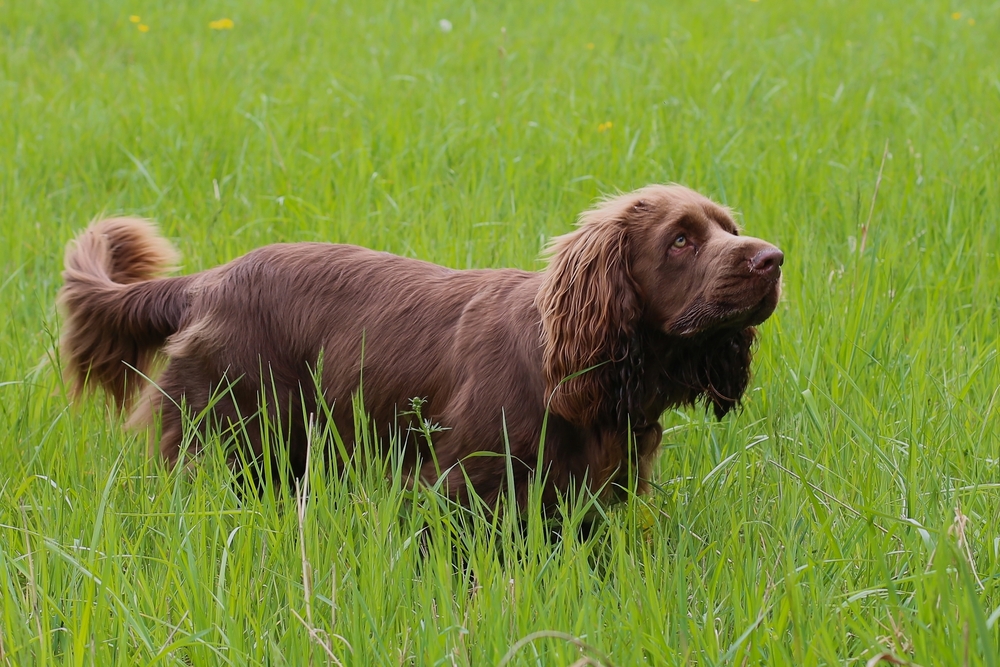
A golden-liver Sussex Spaniel standing in a garden showing its low-slung breed traits

Sussex Spaniel breed traits are among the most unique of the British gundogs, making this rare breed both a loyal companion and a challenge to keep contained. The Sussex Spaniel is one of Britain’s oldest and rarest gundog breeds—and perhaps one of the most misunderstood. Often described as calm, slow-moving, and even a little stubborn, the Sussex Spaniel was never designed for speed or show-ring precision. Instead, this sturdy, low-slung dog was bred to work methodically through dense undergrowth, following scent for hours without distraction. However, those same Sussex Spaniel breed traits that make them world-class hunters can also make them persistent escape artists in a modern garden setting.

This post is part of our series on unusual British dog breeds and why they struggle with garden boundaries, exploring how heritage and instinct influence modern behaviour.

Rare British Breed Designed for Endurance

Originating in the county of Sussex in the 18th century, this dog was developed specifically for the heavy clay soils and dense hedgerows of the South of England. Unlike a flashy Springer or a frantic Cocker, the Sussex is a rare British gundog that prioritises steady, heavy-duty tracking over fast pursuit. Historically, they were the only spaniel bred to “give tongue”—to bark or whimper when they find a scent—to alert the hunter of their location in thick cover.

Key spaniel characteristics specific to the Sussex include:

  • Exceptional Scenting Ability: They don’t just see the world; they smell it in 4D.

  • Powerful Low-Slung Build: Their deep chest and short legs give them a low center of gravity, perfect for pushing through gaps.

  • The “Sussex Throm”: A characteristic rolling gait that allows them to trot for miles without tiring.

  • Independent Problem Solving: Because they often worked out of sight of the hunter, they are used to making their own decisions.

As the Sussex Spaniel is currently listed on the Kennel Club’s Vulnerable Native Breeds list, there is a significant responsibility on owners to keep these dogs safe. With fewer than 300 registrations a year, every individual dog is precious to the breed’s survival.

Why the Sussex Spaniel Temperament Leads to Garden Escapes

Many owners are surprised by how a seemingly “lazy” dog manages to disappear from a secure garden. The Sussex Spaniel temperament is a unique mix of gentle companionship and quiet, dogged persistence. They don’t usually attempt to leap over high fences; instead, they find the one weak point at the bottom of a hedge and dig or squeeze through.

Common owner experiences with the Sussex Spaniel temperament include:

  • Persistent Digging: They will return to the same spot daily, working a hole like a professional contractor until they break through.

  • Scent Drifting: A passing fox or even a neighbour’s barbecue can trigger a “scent-trance,” where the dog follows a trail out of the garden without even realising they’ve left home.

  • Selective Hearing: When a Sussex is “on a line,” auditory recall often fails because their brain is entirely focused on the olfactory input.
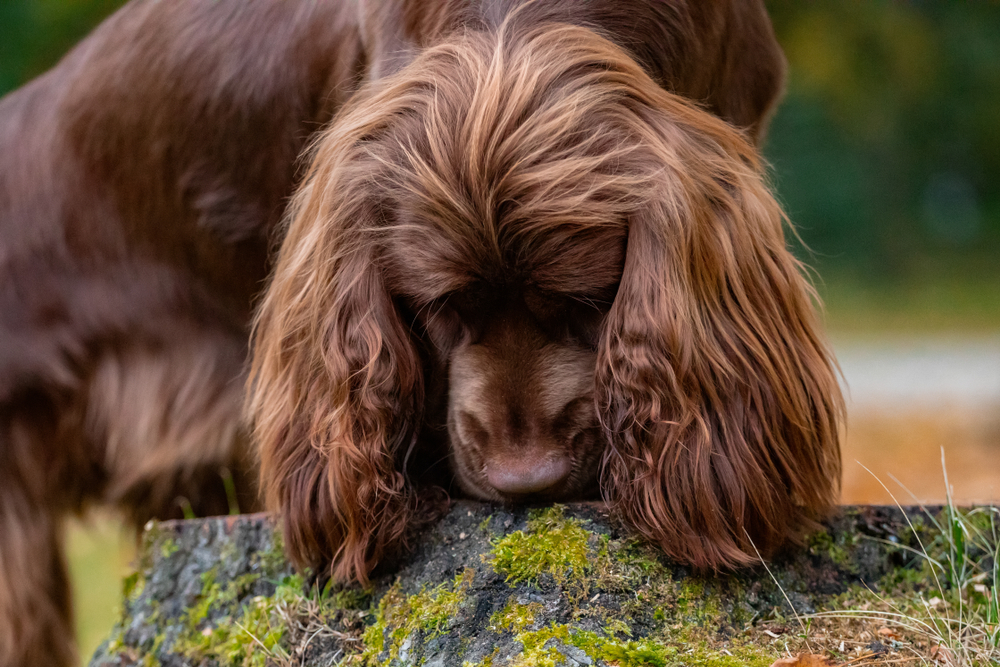
Sussex Spaniel tracking a scent

The Challenge of Caring for a Rare British Gundog

Because they are classified as a vulnerable breed, there is a significant responsibility on owners to keep these dogs safe. With fewer than 300 registrations a year, every individual dog is precious to the breed’s survival.

Traditional wooden fencing often proves inadequate for these specific spaniel characteristics. They are “low-to-ground” specialists; if a rabbit can get under a gate, a Sussex Spaniel believes it can too. Furthermore, they are a sensitive breed. Harsh, shout-based training or high-pressure containment can cause them to become despondent. They require a boundary solution that provides a clear, consistent signal that the dog can understand and respect on its own terms.

How Hidden Fencing Supports Scent-Driven Instincts

For a breed driven by scent, a professional containment system offers a sophisticated advantage. It creates a 360-degree “safety bubble” that physical fences often lack.

  • Predictable Boundaries: Unlike a hedge that might have a new hole dug by a fox, a hidden fence signal never moves.

  • Respects the Nose: The system uses an audible warning zone. For a dog that is already tuned into “giving tongue” and listening for cues in the field, the beep is an easy signal to process.

  • Freedom to Roam: It allows the Sussex Spaniel to exercise its natural curiosity and scenting drive within the safety of your property, preventing them from wandering onto dangerous rural roads.

Rather than relying on height or physical barriers, a professionally installed dog fence works with the dog’s intelligence to create a consistent, reliable boundary

Final Thoughts for Sussex Spaniel Owners

Owning a Sussex Spaniel means preserving a piece of living British history. They are affectionate, somber-faced, and incredibly loyal companions. By understanding their unique Sussex Spaniel breed traits and providing a garden environment that respects their hunting heritage, you can keep them safely contained for years to come.

Need Help Keeping Your Sussex Spaniel Safe at Home?

If your Sussex Spaniel follows scent, tests boundaries, or quietly wanders beyond the garden, we’re happy to help you explore safe, proven containment options.

Call us on
01628 476475
|
Message us on WhatsApp
|
Request a Free Quote Online

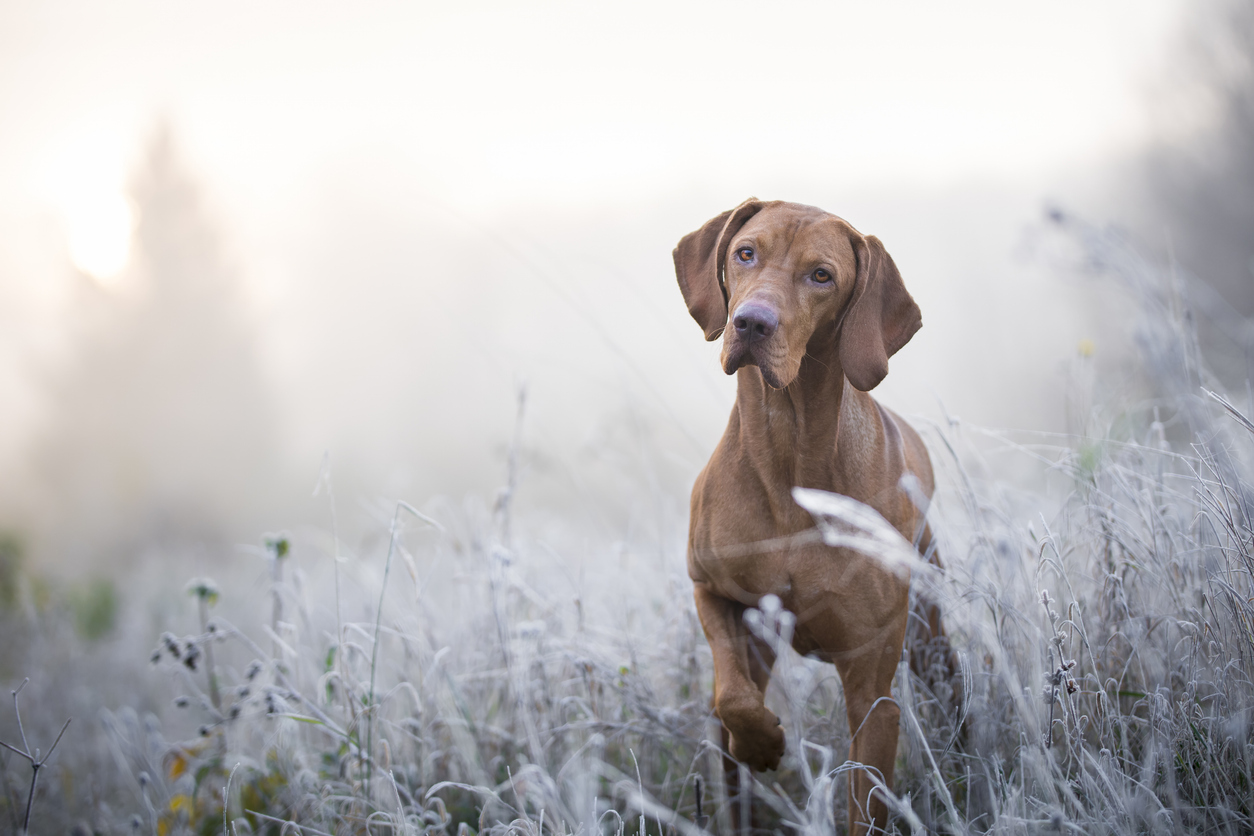
Dog following scent trail in winter garden

Why Dogs Escape More in Winter: Scent, Wildlife & Boundary Testing

Why Dogs Escape More in Winter: Scent, Wildlife & Boundary Testing Explained

Winter is one of the most common times we hear the phrase:

“He’s never escaped before — and suddenly he’s gone.”

For many dog owners, winter escapes come as a complete shock. The garden hasn’t changed. The fence is still standing. The dog is older, trained, and normally reliable.

Dog following scent trail in winter garden

Cold, damp winter conditions can intensify scent trails, encouraging dogs to test garden boundaries

So what’s going on?

The answer lies in scent, seasonal wildlife movement, and instinct-driven boundary testing — not bad behaviour or failed training. For many owners, learning how electronic dog fences work helps explain why behaviour-led boundaries are often more effective for instinct-driven dogs than traditional fencing alone.


Cold Weather Makes Scents Stronger (Not Weaker)

One of the biggest myths about winter is that dogs are less stimulated outdoors. In reality, the opposite is true.

Cold, damp air holds scent closer to the ground, rather than allowing it to disperse. Wet soil, fallen leaves, frost, and reduced sunlight all help scent trails linger longer and travel further.

For scent-led breeds — and many non-hounds too — this can turn an ordinary garden into a sensory overload.

A fox passing through at dawn.
A deer crossing a nearby field overnight.
A badger trail along a hedge line.

To a dog, these scents can feel urgent, fresh, and impossible to ignore.


Winter Wildlife Movement Increases Temptation

Winter forces wildlife to move differently.

  • Deer travel wider in search of food

  • Foxes become bolder and closer to homes

  • Small mammals shelter near fences, sheds, and compost areas

This means more wildlife activity closer to your boundary lines, exactly where dogs spend time patrolling.

Even dogs that have never shown interest before may suddenly begin:

  • Fixating on fence lines

  • Pacing specific areas

  • Digging or pushing at weak spots

  • Ignoring recall when something catches their nose

This isn’t disobedience — it’s instinct taking over.

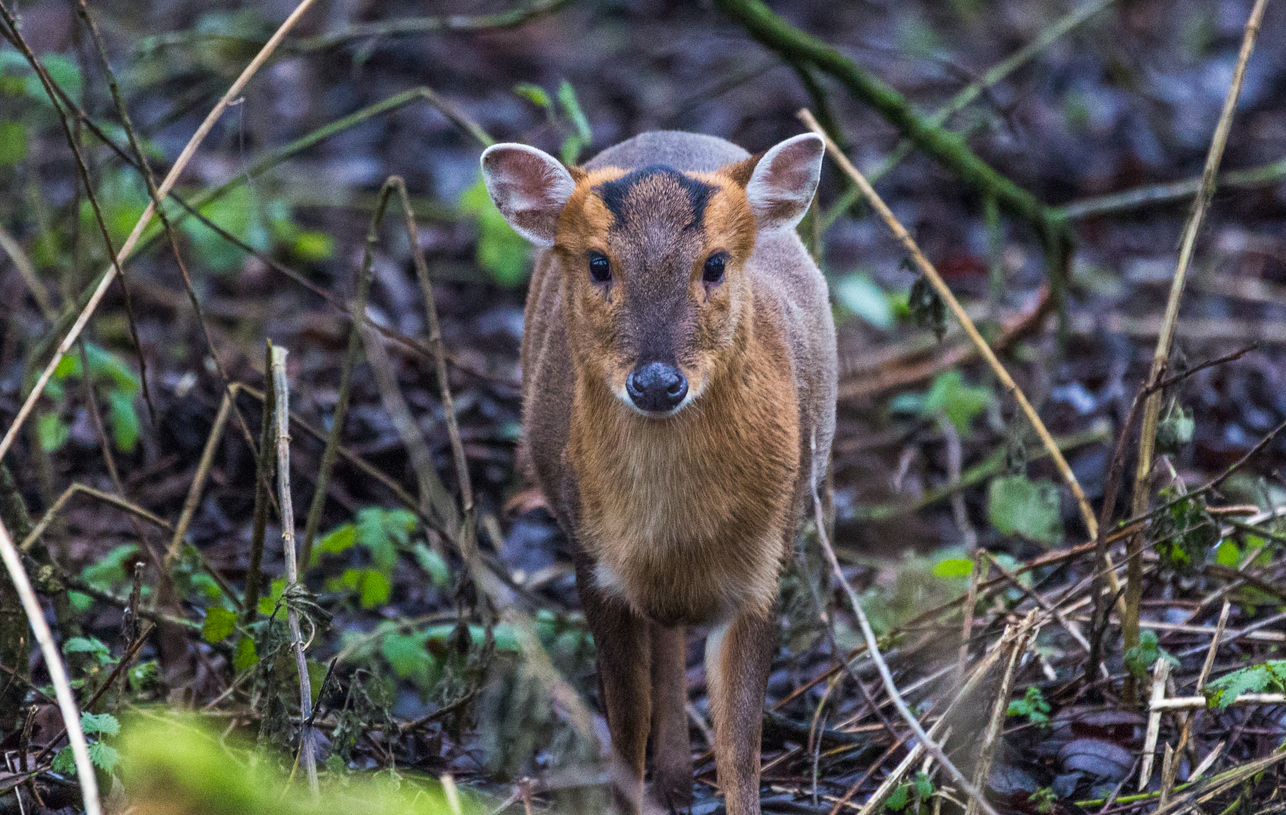
Muntjac deer moving through the countryside in winter

Deer such as muntjac leave powerful scent trails that linger in cold, damp winter conditions and can draw dogs towards boundary lines.


Why Physical Garden Fences Often Fail in Winter

Traditional fencing relies on visual and physical barriers, but winter exposes their weaknesses.

Common winter fence failures include:

  • Soft or waterlogged ground under panels

  • Gates swelling or warping

  • Reduced visibility from darkness and fog

  • Gaps forming where soil shifts

More importantly, fences don’t communicate boundaries — they only block them.

When a dog is following scent, height often doesn’t matter. If the motivation is strong enough, dogs will climb, dig, squeeze, or simply run through weak points they previously ignored.

According to the RSPCA, dogs that roam or escape unsupervised face increased risks from roads, wildlife encounters and becoming lost — risks that are heightened during darker winter months.


Boundary Testing Is Normal (Even in “Good” Dogs)

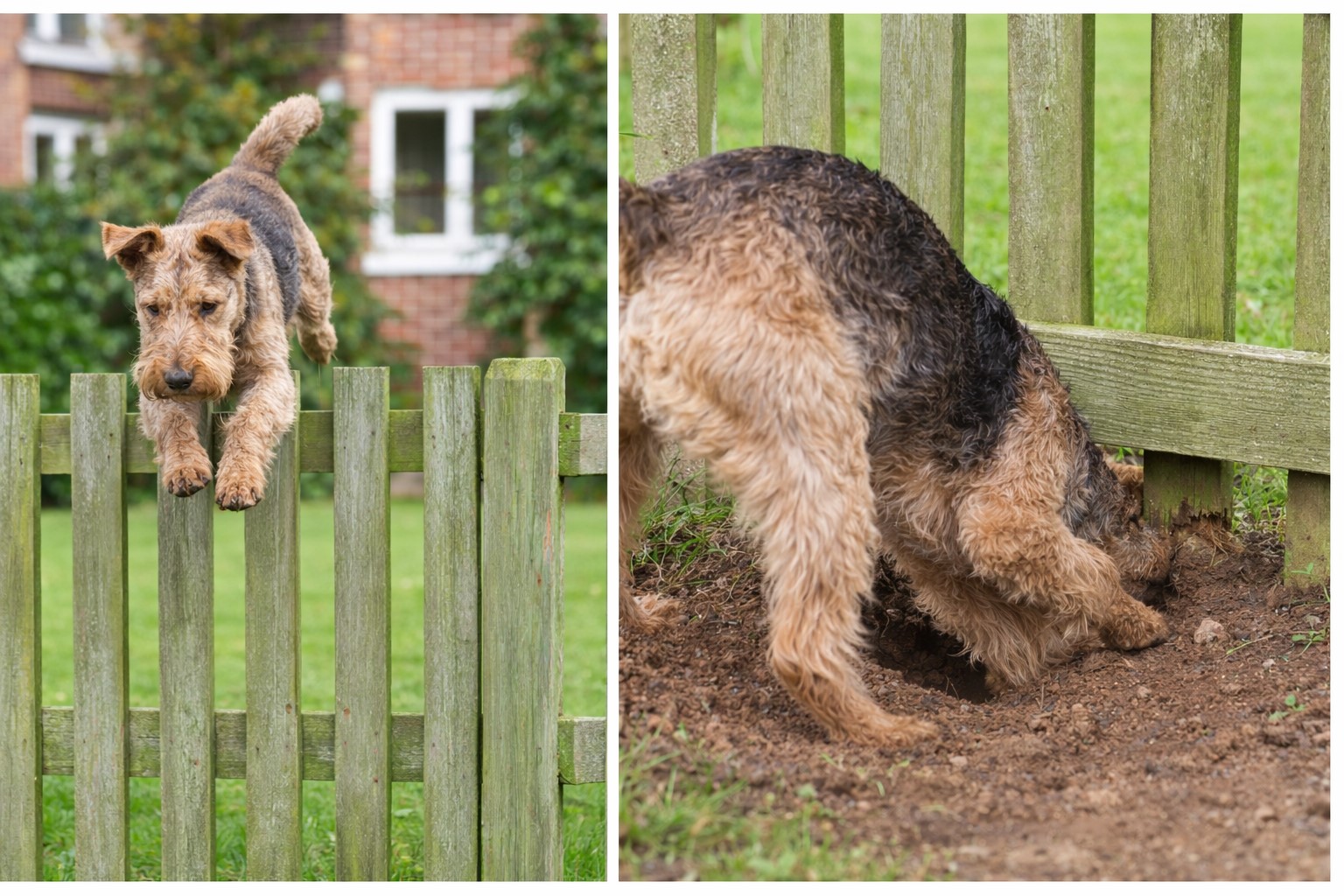
Dog testing a garden fence by jumping

When environmental conditions change, some dogs test boundaries by jumping or investigating fence lines.

Dogs constantly assess their environment. Winter is a major environmental change.

When conditions shift, dogs naturally:

  • Re-check limits

  • Test responses

  • Push boundaries that previously felt unimportant

This is especially common in:

  • Scent-driven breeds

  • Adolescents and young adults

  • Confident or intelligent dogs

  • Dogs given more unsupervised garden access in darker months

Owners often blame themselves — but this behaviour is predictable, explainable, and preventable.

ust as puppies learn where their boundaries begin, even adult dogs will re-test limits when conditions change — whether it’s winter scent or seasonal wildlife movement. Learn more about how young dogs learn boundaries in our detailed guide for puppies


Why Training Matters More Than Fence Height

The most reliable containment systems don’t rely on physical barriers alone. They teach dogs where their boundary is, not just where a fence happens to be.

When dogs understand a boundary:

  • They stop testing it

  • They disengage from scent earlier

  • They remain calmer and more confident

  • They stay safe even when highly stimulated

This is why many owners find that electronic containment used alongside training works where traditional fencing fails — especially during high-instinct seasons like winter.

The boundary becomes clear, consistent, and independent of weather, light, or ground conditions.


Winter Escapes Are a Warning Sign — Not a Phase

If your dog has started escaping, or seems suddenly “different” in the garden, it’s rarely something they’ll simply grow out of.

In fact, once a dog has:

  • Successfully escaped once

  • Followed a scent beyond the boundary

  • Experienced the reward of exploration

They are more likely to try again, not less.

Addressing the cause early protects your dog from:

  • Road accidents

  • Getting lost while tracking scent

  • Injury or wildlife confrontation

  • Stress and anxiety from repeated escapes


Helping Your Dog Stay Safe This Winter

If winter has changed your dog’s behaviour outdoors, you’re not alone — and you’re not doing anything wrong.

Understanding how seasonal scent, instinct, and boundaries interact is the first step toward keeping your dog safe, calm, and contained all year round.

If you’d like advice tailored to your dog, your garden, and your location, speak to a team that understands both behaviour and containment, not just products.


📞 Talk to DogFence About Winter Escapes

Talk to DogFence About Winter Escapes

Call us on
01628 476475
|
Message us on WhatsApp
|
Request a Free Quote Online

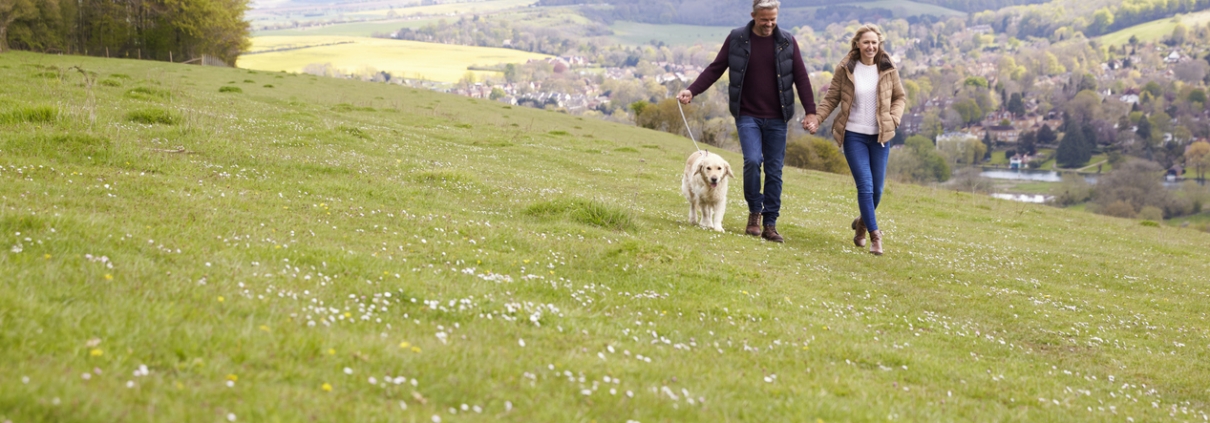
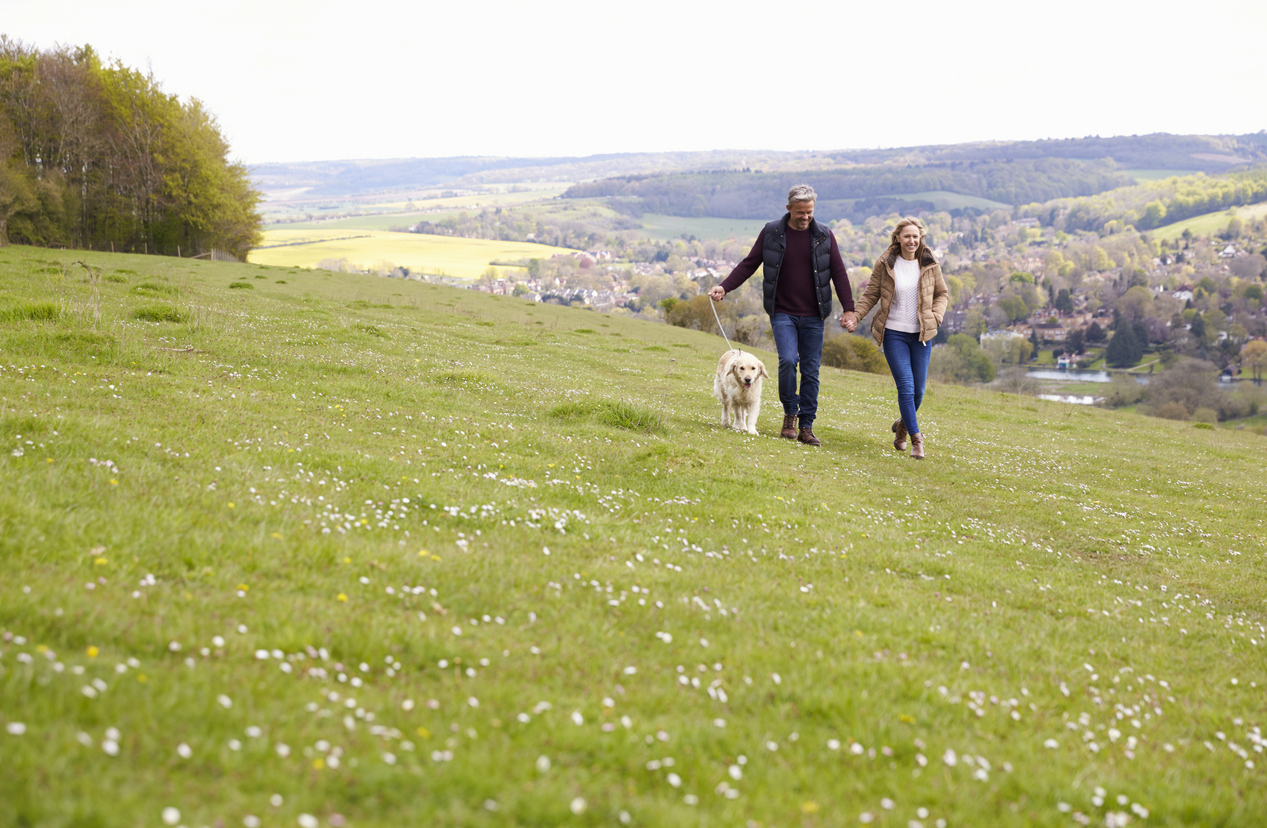
Dog walking in the British countryside, reflecting the heritage of traditional working dog breeds

Unusual British Dog Breeds & Why They Struggle with Garden Boundaries

Unusual British Dog Breeds: Why Our Native Dogs Still Struggle with Boundaries

Ready to Keep Your Pet Safe?

Call us on
01628 476475
|
Message us on WhatsApp
|
Request a Free Quote Online