
Why Dogs Escape Gardens (And How to Stop a Dog Running Away)
Why Dogs Escape Gardens (And How to Stop a Dog Running Away)
If you’re wondering why dogs escape gardens, you’re not alone. Every week we speak to owners whose dog escaping garden behaviour has become stressful and dangerous. Understanding why dogs escape gardens is the first step in learning how to stop a dog running away safely and permanently. Creating a secure garden for dogs starts with understanding why dogs escape gardens in the first place.
Dogs escape gardens because of boredom, prey drive, anxiety, mating instincts, fear triggers, or weaknesses in fencing. When something outside the boundary feels more rewarding than staying inside, even a well-loved dog may attempt to leave.
Understanding why dogs escape gardens is the first step in learning how to stop a dog escaping safely and permanently.
If your dog keeps digging under panels, squeezing through gaps or testing the fence line, this guide explains:
- Why dogs escape gardens
- The most common escape routes
- How to stop a dog running away
- And how to create a truly secure garden for dogs
At DogFence, we’ve been helping owners across England by anwering the question of “How do I stop my dog running away?” since 2003. In almost every case, the solution starts with understanding motivation — not just building a higher fence.
Quick Summary: Why Dogs Escape Gardens
Dogs escape gardens mainly because of:
- Boredom or lack of mental stimulation
- Strong prey drive (wildlife, livestock, scents)
- Separation anxiety
- Fear triggers such as fireworks or loud noises
- Mating instincts (especially unneutered dogs)
- Weak fencing or poorly secured gates
- Learned escape behaviour after a successful attempt
If your dog escaping garden behaviour has become a regular problem, identifying the trigger is essential. Stopping a dog running away requires both behaviour management and a secure boundary.
According to RSPCA advice on dog behaviour, dogs are naturally exploratory animals and will investigate sounds, scents and movement beyond their garden boundary.
You can also read our earlier guide on:
👉 Understanding Why Dogs Escape Gardens and the Benefits of Pet Containment Systems
for more behavioural insight.
Why Do Dogs Escape Even When They’re Happy?
Many owners assume that if their dog tries to escape, they must be unhappy. In most cases, that isn’t true.
Dogs are instinct-driven and curious. Even a well-loved family pet may attempt to roam if:
- A rabbit runs past the boundary
- A neighbouring dog barks
- A scent trail appears
- They discover a weak escape route
Certain breeds — particularly Huskies, Collies and terriers — are also genetically wired to roam.
Escape behaviour is often about instinct, not dissatisfaction.
What Are the Most Common Ways Dogs Escape Gardens?
Over the last 22+ years, we’ve seen everything from Labradors squeezing through four-inch gaps to Jack Russells climbing chain-link fencing.
Most escape routes fall into one of these categories:
Jumping Over Fences
Many dogs can jump higher than owners expect.
- 5ft fencing is often insufficient
- 6ft is a minimum for many active breeds
- Raised ground, bins or garden furniture create launch points.
Simply increasing height does not always solve the problem. Creating a secure garden for dogs requires more than just taller fencing.
How to Stop Your Dog Digging Under a Fence
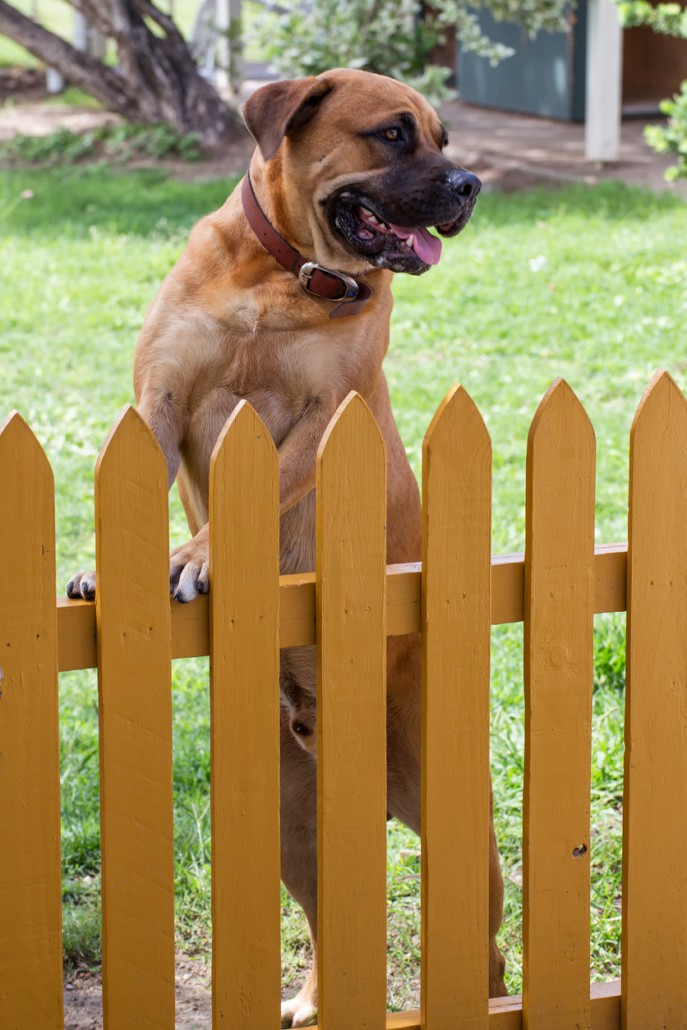
Digging is one of the most common escape methods, especially in rural properties.
Dogs dig because:
- Soil is loose near boundaries
- They smell wildlife or livestock
- Digging becomes habitual
- Anxiety drives escape behaviour
Blocking the top of the fence won’t help if the route underneath remains open.
If your dog is digging at the fence line, read our guide on how to stop dog digging under fence for practical reinforcement options.
Squeezing Through Gaps
Timber panels shrink. Gates warp. Hedges thin.
Small gaps quickly become reliable escape routes. Regular inspection is essential if you want a truly secure garden.
If you’re looking for immediate actions, read our guide:
👉 8 Practical Tips for Stopping Dogs from Escaping
Pushing Gates Open
Loose latches are responsible for many preventable escapes.
Install:
- Self-closing hinges
- Lockable latches
- Double gate security in larger gardens
How to Stop a Dog Escaping and Running Away?
Stopping escape behaviour requires a layered approach:
- Identify why your dog is escaping.
- Remove weak points in fencing and gates.
- Increase physical and mental stimulation.
- Reinforce recall and boundary awareness training.
- Establish a clear, consistent containment boundary.
When motivation to leave decreases and boundaries are reliable, most dogs stop testing escape routes.
Why Traditional Fencing Alone Often Fails
We regularly visit properties where thousands have been spent on timber fencing — yet the dog still escapes.
This happens because:
- Dogs adapt their strategy (jumping becomes digging).
- Anxiety overrides physical barriers.
- Rural gardens are difficult to enclose completely.
- Motivation outside the boundary is stronger than the barrier itself.
A fence creates a physical barrier.
A trained boundary creates understanding.
That difference is critical.
The Three Essentials to Prevent Dog Escape Behaviour
1. Behaviour Training
- Reinforce recall positively
- Avoid chasing your dog
- Reward calm behaviour outdoors
- Practice boundary awareness
Training supports containment — but does not replace it.
2. Environmental Enrichment
Many escape attempts are boredom-driven.
Provide:
- Structured play
- Mental stimulation
- Supervised garden time
- Problem-solving activities
A mentally satisfied dog is less motivated to roam.
3. Secure Garden Boundaries
Effective garden security should include:
- Adequate fence height
- Anti-dig protection
- Secure gates
- Removal of climb aids
- Clear perimeter definition
Creating a truly safe garden setup for your dog means combining strong physical boundaries with consistent behavioural training. A secure garden for dogs is not just about height — it’s about removing weak points and giving your dog a clear, understood perimeter.
However, even reinforced fencing can fail with determined escape artists.
If your dog repeatedly escapes despite stronger fencing, understanding how an electronic dog fence works can help you see how a defined boundary supports consistent training. Often referred to as “invisible dog fences,” these systems create a fixed perimeter without altering the appearance of your garden — ideal for both rural properties and urban spaces.
How to Stop a Dog Escaping Repeatedly
To stop a dog escaping repeatedly, combine secure fencing, structured recall training and consistent boundary reinforcement.
When a Professional Dog Fence Becomes the Safer Solution
If your dog repeatedly escapes despite improved fencing, a defined containment boundary may be the safest long-term solution.
A professionally installed electronic dog fence creates a consistent perimeter around your garden. Unlike GPS collars (which rely on signal strength and can drift), wired containment systems establish a fixed boundary line and support structured training.
DogFence systems:
- Have operated in the UK since 2003
- Have safely contained over 20,000 pets
- Are DEFRA-tested
- Include safety shut-off features
- Are fully waterproof and durable
- Include professional installation and owner training
If you’re concerned about your dog running away, for larger rural properties, installing a professionally fitted electronic dog fence in the UK can provide a clearly defined boundary without changing the look of your garden.
If you’re worried about how to stop dog running away behaviour before it leads to an accident, you can:
👉 Request a Free Quote Here
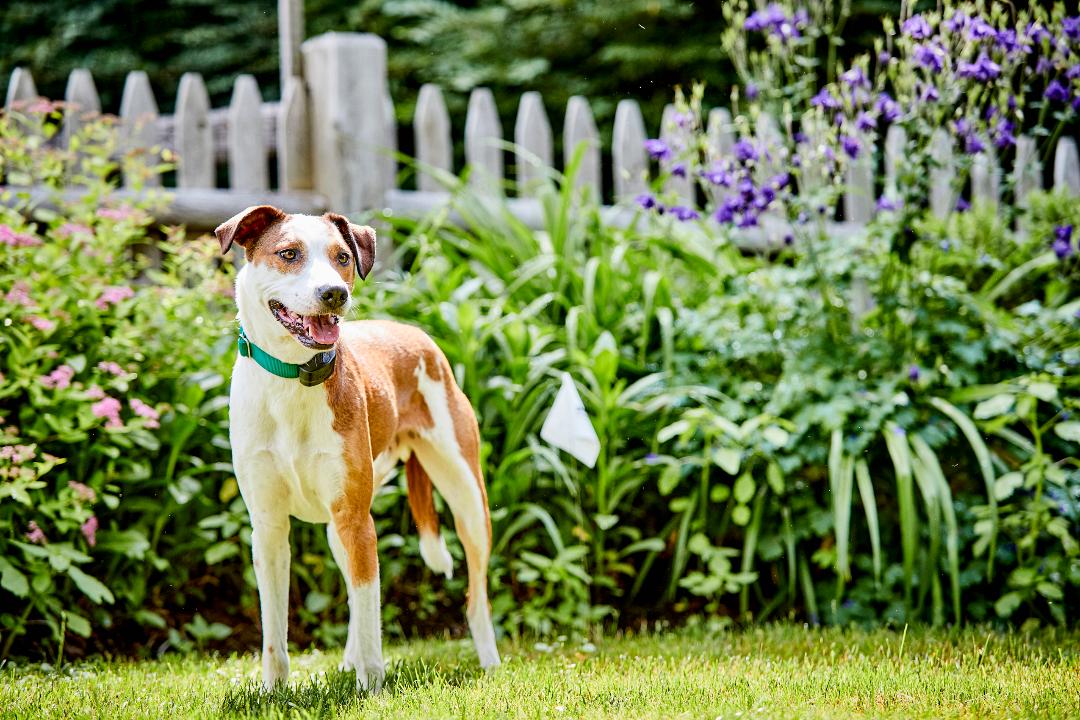
Clear, secure garden boundaries help dogs relax and reduce escape behaviour.
Do Dogs Escape Gardens More in Winter?
Yes — dog escape behaviour can increase during certain seasons.
Winter boredom, shorter daylight hours and anxiety triggers can increase escape attempts.
You can read more in our detailed guide:
👉 Why Dogs Escape in Winter
Spring and summer can also increase roaming behaviour due to scent and breeding activity.
Garden Security Checklist
If you want to prevent your dog running away, check:
- Fence height suitable for your breed
- No gaps under panels
- Secure, self-closing gates
- No climb aids near boundaries
- Adequate daily stimulation
- Consistent boundary reinforcement
Prevention requires regular inspection and proactive management.
Frequently Asked Questions
Why does my dog keep escaping the garden?
Dogs escape due to instinct, boredom, anxiety, or weak boundaries. Repeated success reinforces the behaviour, making it more likely to happen again.
How high should a fence be to stop a dog escaping?
6ft is a common minimum, though athletic breeds may require additional measures such as anti-climb extensions or boundary reinforcement.
Is an electronic dog fence safe?
Modern professionally installed containment systems include safety shut-off features and structured training protocols designed to prioritise pet welfare.
Why Dog Escaping Garden Behaviour Gets Worse Over Time
When a dog escaping garden attempt is successful, the behaviour becomes reinforced.
Each time your dog escapes:
- Confidence increases
- Boundaries feel weaker
- The outside world becomes more rewarding
This is why learning how to stop a dog escaping early is critical. The longer escape behaviour continues, the harder it becomes to correct.
Preventing dog escaping garden behaviour requires consistency, supervision, and a clearly defined secure garden for dogs that removes opportunity altogether.
Final Thoughts:
Dogs escape gardens when something outside the boundary becomes more compelling than staying inside.
The solution isn’t simply a taller fence.
It’s:
- Understanding motivation
- Removing weak escape routes
- Providing mental and physical fulfilment
- Creating a reliable, clearly defined boundary
If your dog keeps escaping and you’re worried about roads, livestock, or neighbouring land, the DogFence team can help you create a secure outdoor space without compromising your garden’s appearance.
Because freedom should never come at the expense of safety.
Worried Your Dog Will Escape Again?
Don’t wait for a near miss with a road or livestock. Speak to the experts at DogFence about creating a secure, reliable boundary for your garden.
📞 Call 01628 476475
|
💬 Message us on WhatsApp
|
📝 Request a Free Quote