
Tag Archive for: garden dog safety

Dog following scent trail in winter garden

Why Dogs Escape More in Winter: Scent, Wildlife & Boundary Testing

Why Dogs Escape More in Winter: Scent, Wildlife & Boundary Testing Explained

Winter is one of the most common times we hear the phrase:

“He’s never escaped before — and suddenly he’s gone.”

For many dog owners, winter escapes come as a complete shock. The garden hasn’t changed. The fence is still standing. The dog is older, trained, and normally reliable.
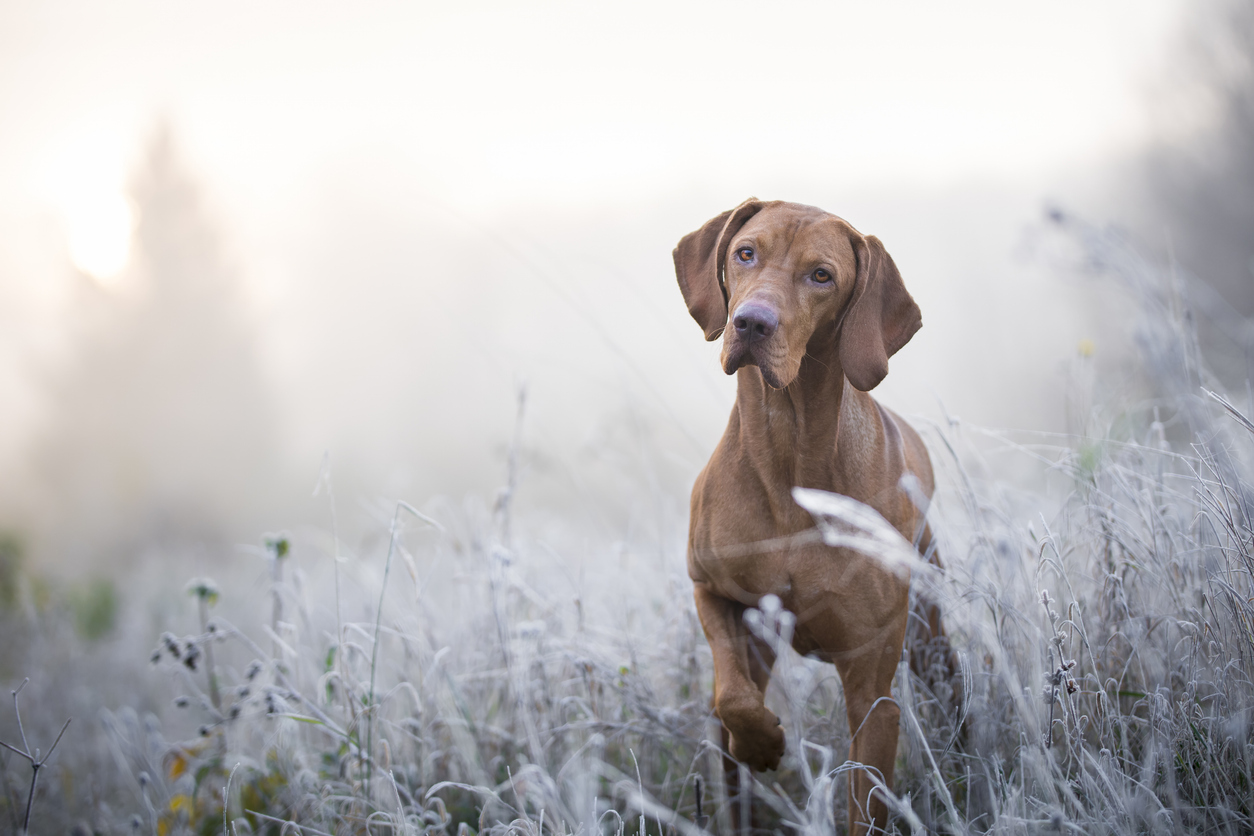
Dog following scent trail in winter garden

Cold, damp winter conditions can intensify scent trails, encouraging dogs to test garden boundaries

So what’s going on?

The answer lies in scent, seasonal wildlife movement, and instinct-driven boundary testing — not bad behaviour or failed training. For many owners, learning how electronic dog fences work helps explain why behaviour-led boundaries are often more effective for instinct-driven dogs than traditional fencing alone.


Cold Weather Makes Scents Stronger (Not Weaker)

One of the biggest myths about winter is that dogs are less stimulated outdoors. In reality, the opposite is true.

Cold, damp air holds scent closer to the ground, rather than allowing it to disperse. Wet soil, fallen leaves, frost, and reduced sunlight all help scent trails linger longer and travel further.

For scent-led breeds — and many non-hounds too — this can turn an ordinary garden into a sensory overload.

A fox passing through at dawn.
A deer crossing a nearby field overnight.
A badger trail along a hedge line.

To a dog, these scents can feel urgent, fresh, and impossible to ignore.


Winter Wildlife Movement Increases Temptation

Winter forces wildlife to move differently.

  • Deer travel wider in search of food

  • Foxes become bolder and closer to homes

  • Small mammals shelter near fences, sheds, and compost areas

This means more wildlife activity closer to your boundary lines, exactly where dogs spend time patrolling.

Even dogs that have never shown interest before may suddenly begin:

  • Fixating on fence lines

  • Pacing specific areas

  • Digging or pushing at weak spots

  • Ignoring recall when something catches their nose

This isn’t disobedience — it’s instinct taking over.
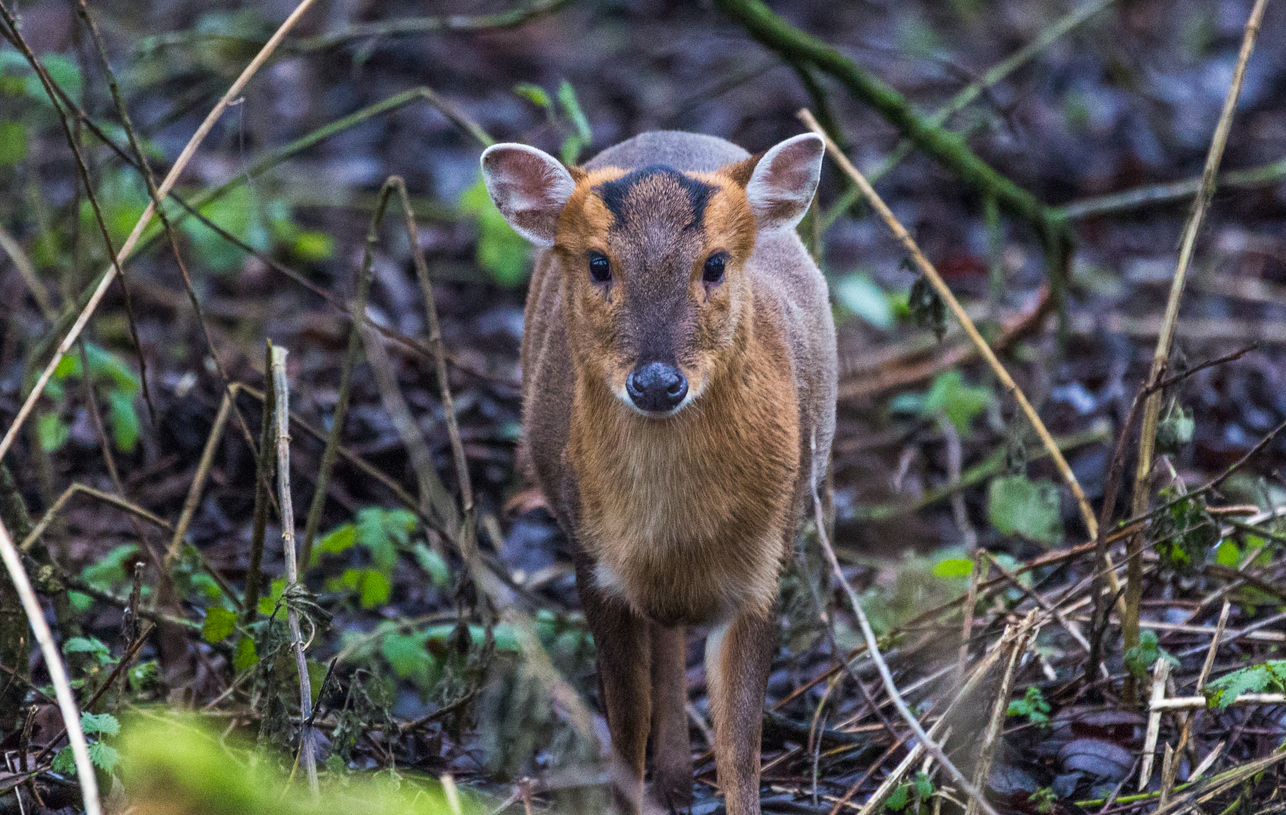
Muntjac deer moving through the countryside in winter

Deer such as muntjac leave powerful scent trails that linger in cold, damp winter conditions and can draw dogs towards boundary lines.


Why Physical Garden Fences Often Fail in Winter

Traditional fencing relies on visual and physical barriers, but winter exposes their weaknesses.

Common winter fence failures include:

  • Soft or waterlogged ground under panels

  • Gates swelling or warping

  • Reduced visibility from darkness and fog

  • Gaps forming where soil shifts

More importantly, fences don’t communicate boundaries — they only block them.

When a dog is following scent, height often doesn’t matter. If the motivation is strong enough, dogs will climb, dig, squeeze, or simply run through weak points they previously ignored.

According to the RSPCA, dogs that roam or escape unsupervised face increased risks from roads, wildlife encounters and becoming lost — risks that are heightened during darker winter months.


Boundary Testing Is Normal (Even in “Good” Dogs)
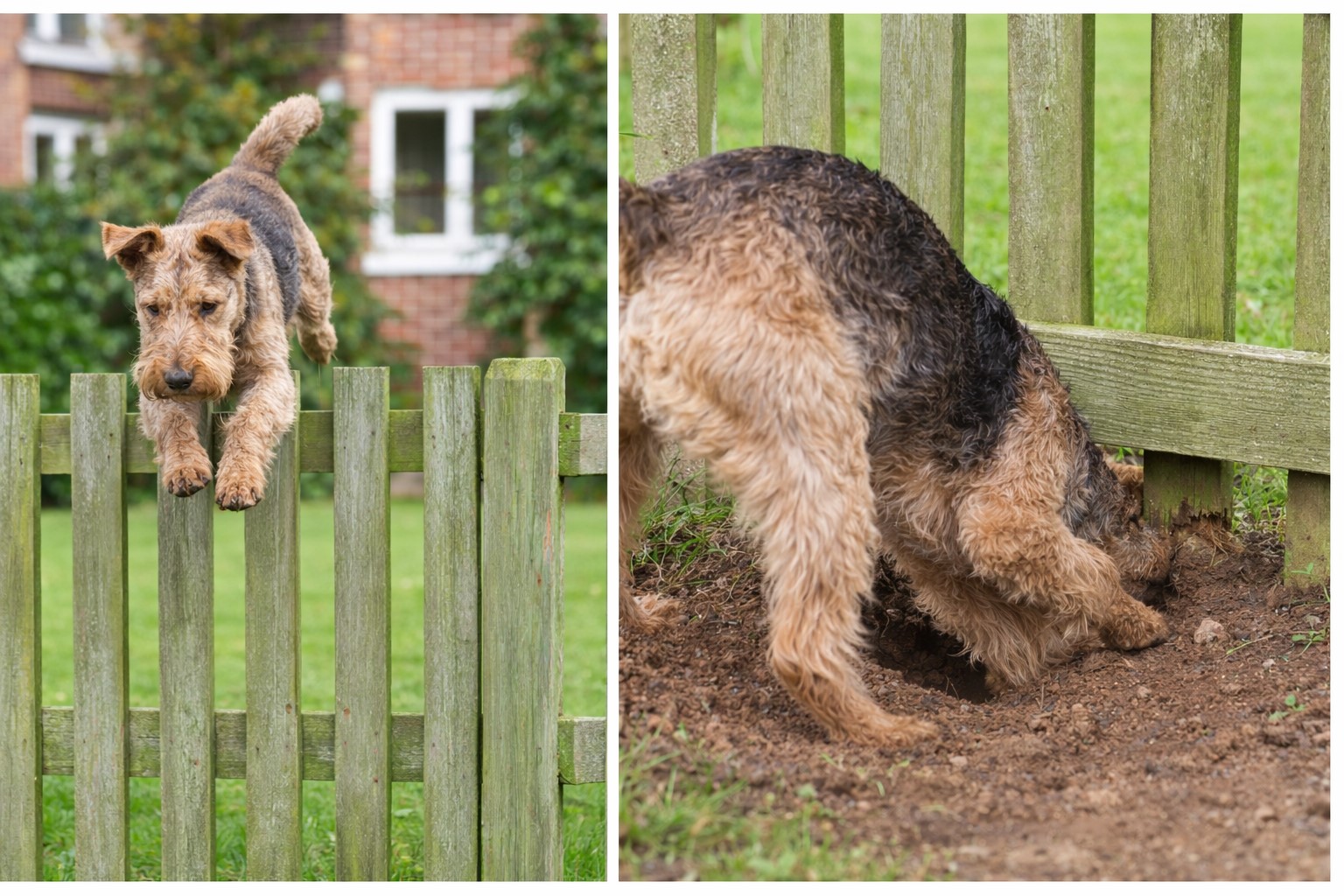
Dog testing a garden fence by jumping

When environmental conditions change, some dogs test boundaries by jumping or investigating fence lines.

Dogs constantly assess their environment. Winter is a major environmental change.

When conditions shift, dogs naturally:

  • Re-check limits

  • Test responses

  • Push boundaries that previously felt unimportant

This is especially common in:

  • Scent-driven breeds

  • Adolescents and young adults

  • Confident or intelligent dogs

  • Dogs given more unsupervised garden access in darker months

Owners often blame themselves — but this behaviour is predictable, explainable, and preventable.

ust as puppies learn where their boundaries begin, even adult dogs will re-test limits when conditions change — whether it’s winter scent or seasonal wildlife movement. Learn more about how young dogs learn boundaries in our detailed guide for puppies


Why Training Matters More Than Fence Height

The most reliable containment systems don’t rely on physical barriers alone. They teach dogs where their boundary is, not just where a fence happens to be.

When dogs understand a boundary:

  • They stop testing it

  • They disengage from scent earlier

  • They remain calmer and more confident

  • They stay safe even when highly stimulated

This is why many owners find that electronic containment used alongside training works where traditional fencing fails — especially during high-instinct seasons like winter.

The boundary becomes clear, consistent, and independent of weather, light, or ground conditions.


Winter Escapes Are a Warning Sign — Not a Phase

If your dog has started escaping, or seems suddenly “different” in the garden, it’s rarely something they’ll simply grow out of.

In fact, once a dog has:

  • Successfully escaped once

  • Followed a scent beyond the boundary

  • Experienced the reward of exploration

They are more likely to try again, not less.

Addressing the cause early protects your dog from:

  • Road accidents

  • Getting lost while tracking scent

  • Injury or wildlife confrontation

  • Stress and anxiety from repeated escapes


Helping Your Dog Stay Safe This Winter

If winter has changed your dog’s behaviour outdoors, you’re not alone — and you’re not doing anything wrong.

Understanding how seasonal scent, instinct, and boundaries interact is the first step toward keeping your dog safe, calm, and contained all year round.

If you’d like advice tailored to your dog, your garden, and your location, speak to a team that understands both behaviour and containment, not just products.


📞 Talk to DogFence About Winter Escapes

Talk to DogFence About Winter Escapes

Call us on
01628 476475
|
Message us on WhatsApp
|
Request a Free Quote Online

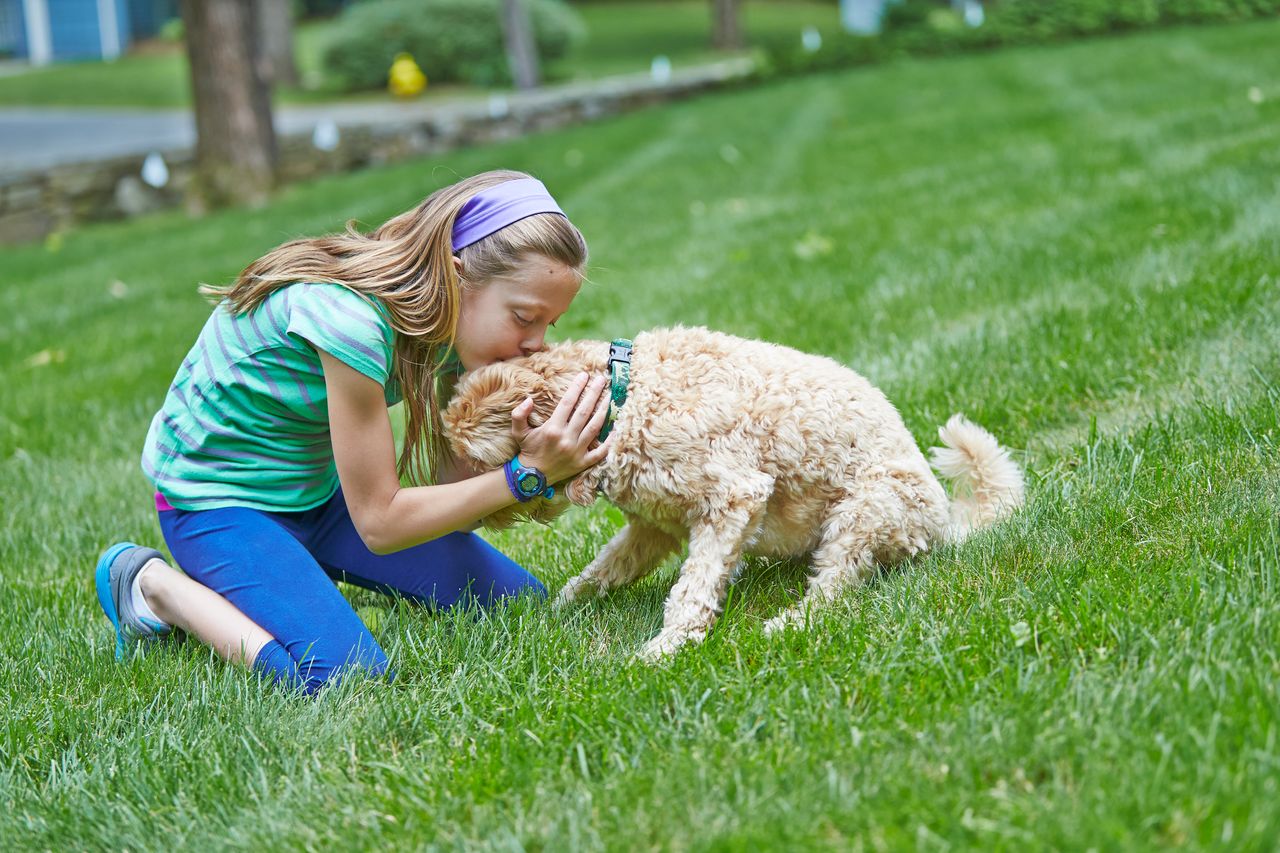
Young girl cuddling her dog in a safe garden protected by a DogFence system, showing dog fence safety for children

Dog Fence Safety for Children | Family-Safe Containment

Dog Fence Safety for Children: A Complete Family Guide

Ensuring dog fence safety for children is one of the top priorities for families exploring electronic pet containment.
Parents often wonder whether an invisible fence is child-safe, how it works, and how it fits into busy family life.
With DogFence, the answer is simple: our systems use a harmless FM radio signal—not electricity—making them perfectly safe for children, pets, and the home environment.

This guide explains how our technology works, why it supports a safe and happy family lifestyle, and how children can play an active role in helping their treasured dog learn the boundary.

Why Dog Fence Safety for Children Matters

Modern family life can be chaotic, and pets bring enormous emotional, social, and developmental benefits for children.
Research shows that growing up with dogs or cats helps kids develop empathy, responsibility, and emotional resilience. Pets also encourage outdoor play, increase daily activity levels, and provide companionship that supports mental wellbeing.
With so many benefits, it’s crucial to keep pets safe at home—without compromising the safety of children who share the garden.

At DogFence Ltd, we’ve installed more than 20,000 systems across England, and our FM-based technology ensures complete dog fence safety for children. There is no electrical current in the boundary wire, no shocks above the ground, and nothing that children can feel, touch, activate, or interfere with. Only the dog’s programmed collar interacts with the radio field, making DogFence one of the safest child-safe dog fence solutions available.

Young girl cuddling her dog in a safe garden protected by a DogFence system, showing dog fence safety for children

Children can enjoy safe outdoor time with their pets thanks to a DogFence containment system

How the System Works (Simple, Safe, and Family-Friendly)

Our electronic dog fence contains your pet using three components:

  • A transmitter positioned inside the home
  • A boundary wire professionally installed underground
  • A lightweight receiver collar worn by your pet

The transmitter sends a coded FM radio signal through the buried wire.
This is the same type of harmless signal used in radios, baby monitors, and home electronics.
Your dog learns the boundary through visible training flags and audible cues such as the warning beep.

Children can walk, run, play football, ride bikes, or cross the boundary line as often as they like—absolutely nothing happens. Only the pet’s collar interacts with the system. Parents often tell us they love how discreet and non-intrusive the system is—it keeps their dog safely contained without fencing off views, gardens, or play areas.

To see the process in a simple diagram, visit our illustrated guide:
How the DogFence System Works.

Is a Dog Fence Safe for Homes with Children?

Yes. The DogFence system is fully safe and simple for families to live with. The boundary emits a low-frequency FM signal that is harmless, contact-free, and completely undetectable to children or adults. Your dog receives a gentle warning beep as they approach the boundary, followed by a mild static sensation if they push further. It’s comparable to the tiny static zap you get touching a car door—and is designed to interrupt behaviour, not punish.

Our collars include:

  • Automatic shutdown after 15 seconds
  • Anti-linger technology to prevent over-correction
  • Full waterproof sealing
  • DEFRA-tested and approved components

You can find more safety information and commonly asked questions on our
DogFence FAQ page.

The Benefits of Owning Pets for Children and Families

A well-contained pet doesn’t just protect your garden—it supports the whole family’s wellbeing. Dogs and cats offer comfort when children feel worried, help them navigate big emotions, and provide a steady, non-judgemental presence at home. For many children, a family pet is their first “best friend”, and that bond can be incredibly powerful.

Pets also teach practical life skills:

Feeding, grooming, and walking a dog helps children learn about routine, responsibility, and caring for another living being.
Family walks, games in the garden, and simple training exercises get everyone moving and away from screens, creating quality time together. By combining these benefits with reliable dog fence safety for children, families can enjoy all the positives of pet ownership without the constant worry of escape or road accidents.

Helping Children Understand the Boundary & Training Process

One of the biggest advantages of our system is how easily children can be involved in the training process. Involving children helps them understand why the dog wears a collar, how the boundary works, and what to look out for during playtime. This turns the dog fence into a shared family project rather than a mysterious system in the background.

Ways Children Can Safely Participate

  • Helping place the training flags: Kids love helping set up the garden boundary, turning training into a family activity.
  • Watching the early sessions: Children can observe from a distance as your pet learns the visual cues.
  • Rewarding the dog: When your dog retreats to the safe zone, children can offer treats, praise, and encouragement.
  • Learning terminology: Kids quickly understand “safe zone,” “flags,” and “beep,” making the system easy to follow.

Children often become valuable helpers in reinforcing safe, positive behaviour with their pet, supporting both good manners and ongoing dog fence safety for children in the garden.

Why Families Choose DogFence Ltd

  • Harmless FM radio signal – not electricity
  • Safe for children, pets, and gardens
  • DEFRA-tested technology
  • Lifetime warranty on professionally installed systems
  • Tailored dog training for all temperaments—including nervous dogs
  • Invisible, aesthetic, and non-intrusive

Our containment systems help reduce stress for busy families by allowing dogs to enjoy freedom while giving parents reassurance that the garden remains safe and secure. This balance of freedom and safety is why DogFence remains one of the UK’s most trusted systems for dog fence safety for children.

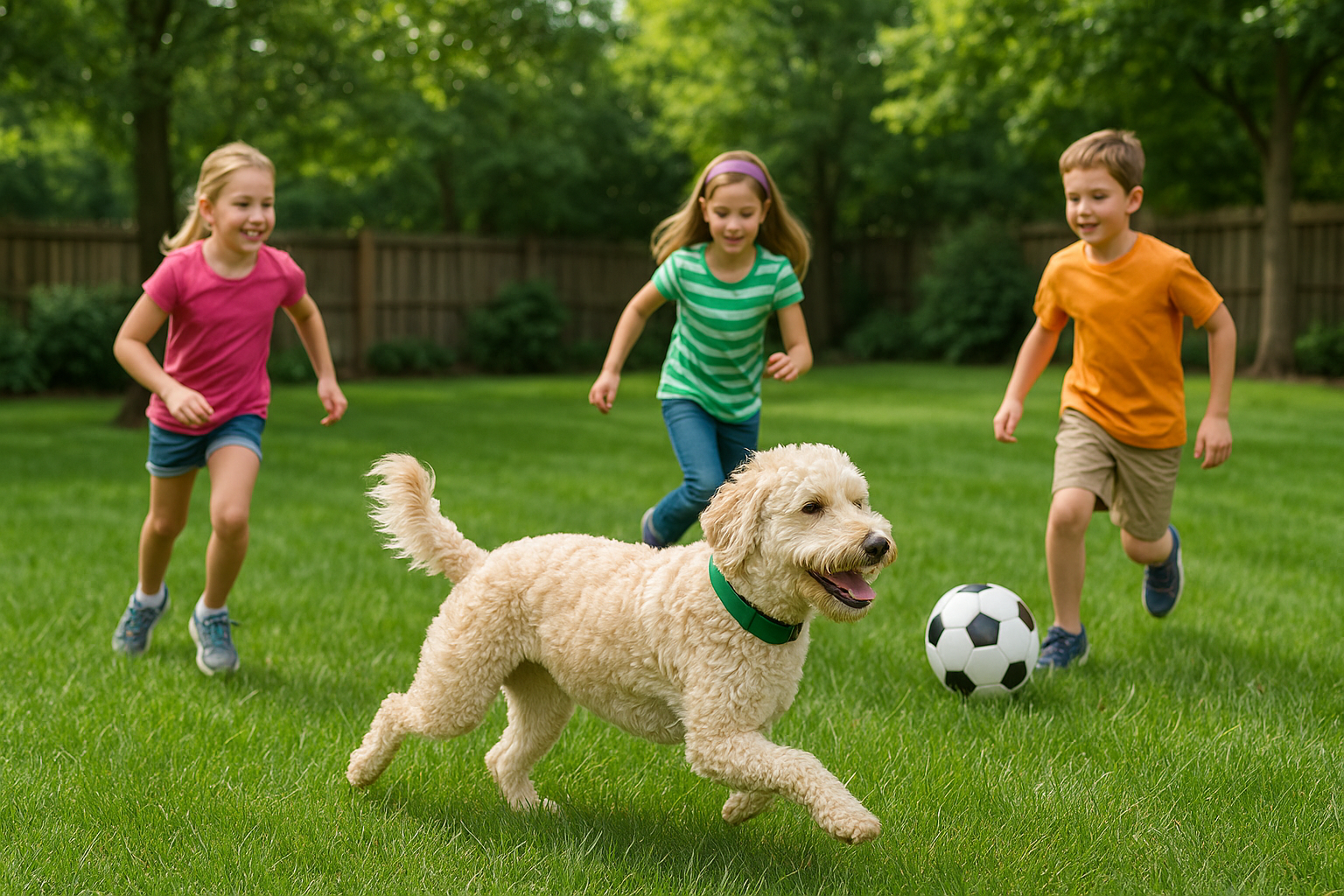
“Children playing safely in a garden while their dog runs freely within a DogFence containment system, showing dog fence safety for children

Children enjoying garden playtime while their dog runs safely using a DogFence electronic containment system.

Ready to Keep Your Pet Safe?

Call us on
01628 476475
|
Message us on WhatsApp
|
Request a Free Quote Online