Tag Archive for: dog boundary training

block paved driveway with electric gates showing where invisible dog fence cable can be installed across driveway entrance

Keeping Dogs Safe Around Open Driveways and Electric Gates in the UK

How to Stop a Dog Running Out of an Open Driveway or Electric Gate

The issue of a dog escaping an open driveway is particularly common in areas such as Surrey, Sussex and the wider Home Counties including Berkshire, Oxfordshire and Hampshire. While these features create an elegant entrance to the property, they can also lead to a surprisingly common problem — a dog running out of the driveway when visitors arrive or when the electric gate opens.

Dogs quickly learn the sound of a buzzer, gate motor or approaching vehicle. Before long, some begin escaping through an open driveway whenever the opportunity appears. If you are trying to stop a dog running out of a gate, dealing with a dog escaping an electric gate, or looking for ways to secure a driveway for dogs without installing large fences, understanding why this behaviour happens is the first step toward preventing it

For many homeowners, the garden itself feels secure — but the driveway entrance can unintentionally become the weakest point in the boundary.

open electric gates leading to circular block paved driveway at large countryside home

Open electric gates and a circular block-paved driveway can create an easy escape route for dogs if there is no boundary in place.


Why does my dog run out of the driveway when the gate opens?

Many dogs learn to associate the sound of a gate motor, driveway buzzer or approaching vehicle with excitement or activity. When the gate opens, curiosity can lead them to investigate beyond the property boundary. Dogs are naturally territorial and inquisitive, so an open entrance can feel like an invitation to explore.

Once a dog successfully leaves the driveway, the behaviour can quickly become a habit. The dog may begin waiting near the gate whenever it hears visitors arriving.


Are electric gates enough to stop dogs escaping?

Electric gates improve security for vehicles and property access, but they are not designed to contain pets. Once the gate opens for a vehicle or visitor, dogs can easily walk or run through the entrance.

For properties with open driveways or automated gates, a secondary boundary solution is often needed to keep dogs safely contained within the garden.


How can I secure my driveway so my dog cannot escape?

The safest way to secure a driveway without installing visible fencing is to create a clear boundary that dogs can understand and respect.

Solutions may include:

  • improving gate management and supervision
  • strengthening garden boundaries
  • using discreet containment systems along the driveway edge

With proper training, most dogs quickly learn where they are allowed to roam and will stop before reaching the driveway exit.


Why Dogs Run Out of Open Driveways

A dog running out of a driveway is rarely about stubbornness or bad behaviour. In most cases, it is a natural response to activity near the boundary of the home.

Dogs are instinctively curious and alert to movement. When something happens at the entrance of the property — a delivery van arriving, a visitor approaching or wildlife passing by — they often feel compelled to investigate.

Common triggers include:

  • excitement when family members return home
  • curiosity about visitors or delivery drivers
  • chasing squirrels, cats or passing dogs
  • guarding behaviour around the property boundary

Once a dog discovers it can leave the property through the driveway, the behaviour can quickly become habitual. Many owners notice their dog beginning to wait near the gate whenever they hear the intercom or gate motor.


Dog Escaping Electric Gates

Automated gates are designed to improve security and convenience, but they are not intended to act as a pet barrier.

A dog escaping an electric gate usually occurs because the gate opens frequently throughout the day. Every time a visitor arrives, the gate may slide open automatically, creating a clear route out of the garden.

Some common situations include:

  • delivery drivers triggering the intercom
  • visitors arriving throughout the day
  • gardeners or tradespeople entering the property
  • family members coming and going

Dogs are quick learners. Many soon associate the sound of the gate motor with activity outside the property and will run towards the driveway as soon as they hear it.

Even normally calm dogs may be tempted to explore beyond the boundary once the gate opens.

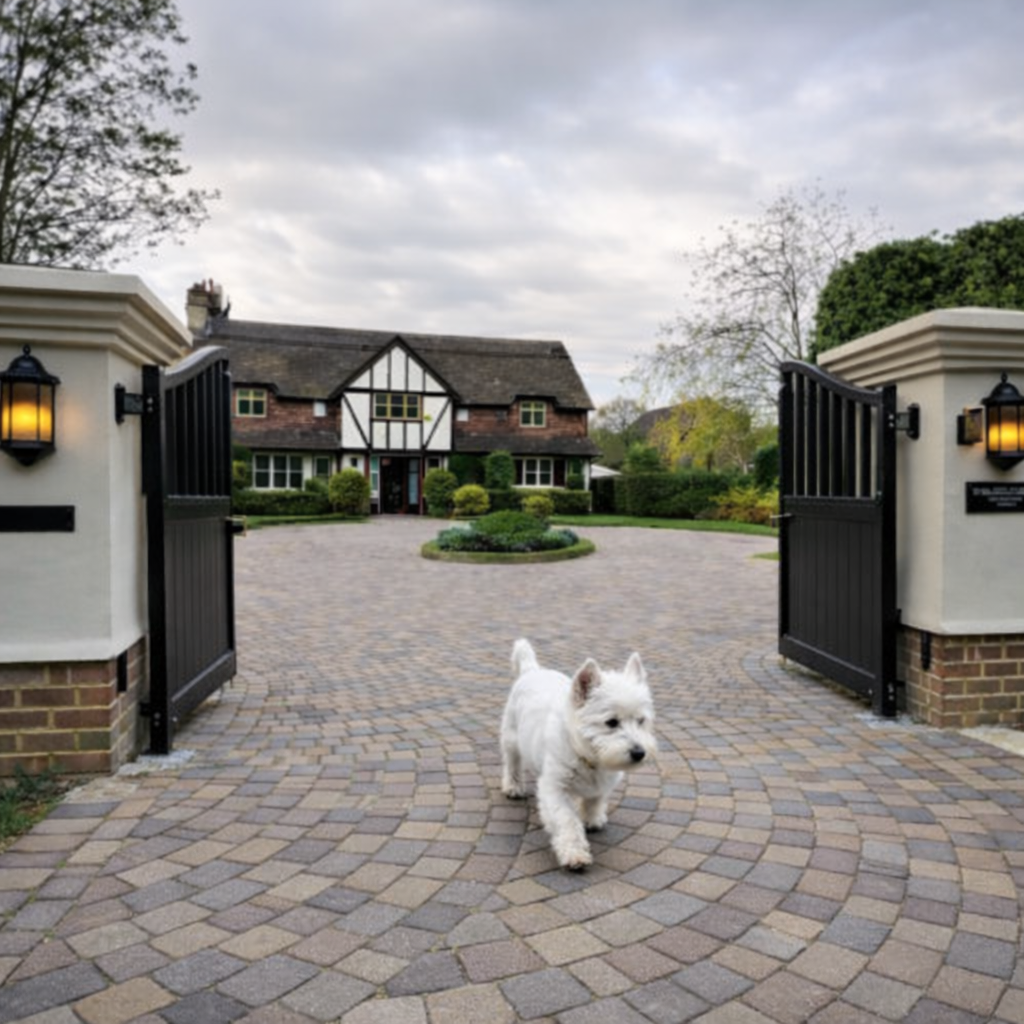
West Highland Terrier walking out through open electric gates on block paved driveway

A curious Westie walking through open electric gates — a common situation where dogs wander out of driveways when gates open for visitors.


Dog Escaping Open Driveways in the Home Counties

The issue of a dog escaping an open driveway is particularly common in areas such as Surrey, Sussex, Berkshire, Oxfordshire and Hampshire.

Properties in these areas often share several design features:

  • large landscaped front gardens
  • open plan frontage without fencing
  • long gravel or paved driveways
  • electric sliding or swing gates

Many homeowners intentionally avoid installing visible fencing at the front of the property because they want to maintain the appearance of the garden and approach to the house.

While this creates a beautiful entrance, it also means that once the gate opens there may be no physical barrier preventing a dog from leaving the property.


Why Driveway Escapes Can Be Dangerous

A dog leaving the driveway may seem harmless at first. However, it can quickly lead to dangerous situations.

Potential risks include:

  • dogs running into nearby roads
  • approaching unfamiliar people or other dogs
  • chasing cyclists or pedestrians
  • becoming lost or disoriented

Even well-behaved dogs can become unpredictable once they leave the safety of the property.

According to guidance from the PDSA on keeping dogs safe, dogs that escape from gardens are at increased risk of injury, traffic accidents and becoming lost.

For many owners, the first escape is enough to realise that the driveway entrance needs better protection.


How to Secure a Driveway for Dogs Without Visible Fencing

One of the biggest challenges for homeowners is how to secure a driveway for dogs without changing the appearance of the property.

Traditional fencing across the front of the garden can sometimes feel intrusive, especially on properties with long driveways or landscaped entrances.

An increasingly popular alternative is a discreet underground containment system.

A boundary wire can be installed along the edge of the driveway or front boundary, creating an invisible containment area for the dog. This allows the garden to remain visually open while still preventing dogs from leaving the property.

When combined with proper training, dogs quickly learn where the boundary lies and will stop before reaching the driveway entrance — even when the gate opens.

At DogFence, we frequently see this situation in large properties across Surrey, Sussex and the Home Counties where electric gates create an unintentional escape point for curious dogs.


Training Dogs to Respect the Driveway Boundary

Training plays an important role in teaching dogs where they can safely roam.

Most boundary systems use a simple and structured training approach involving:

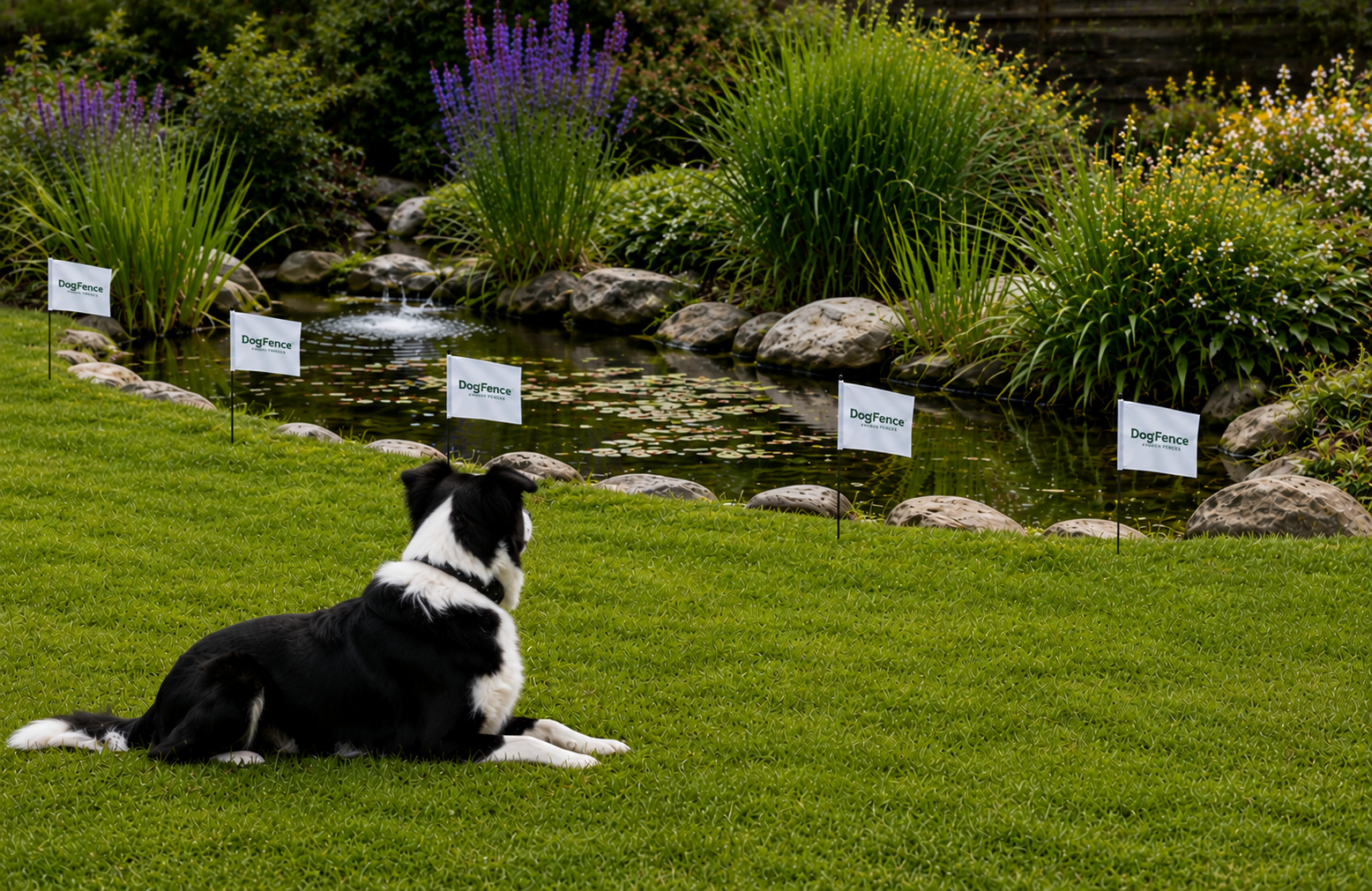
  • temporary training flags along the boundary
  • guided walks along the safe area
  • consistent reinforcement during training sessions

Over time, dogs begin to recognise the boundary markers and understand where they should stop.

This approach allows dogs to enjoy the freedom of the garden while remaining safely contained within the property.


Check for Other Garden Escape Routes

If your dog is escaping through the driveway, it is also worth checking for other potential weak points around your garden boundary.

For example, some dogs escape through small gaps in gates or fencing. If that sounds familiar, our guide explaining how to stop a dog squeezing through a gate can help identify the problem and possible solutions.

Other dogs attempt to leave the garden by jumping over fences. Our article on why dogs jump fences and how to stop them explores the behavioural reasons behind this escape behaviour.

If your dog regularly attempts to leave the garden entirely, you may also find our complete guide on how to stop a dog running away from the garden useful.

Understanding every possible escape route helps ensure your garden remains safe and secure.


FAQs: Dogs Escaping Driveways and Gates

Why does my dog run out of the driveway when the gate opens?

Dogs often associate the sound of the gate motor or buzzer with excitement, visitors or activity outside the property. Curiosity and territorial behaviour can lead them to investigate beyond the boundary.


Are electric gates safe for dogs?

Electric gates provide security for vehicles but they do not act as a reliable barrier for pets. Once the gate opens, dogs can easily walk through the entrance.


How do I stop my dog running out of the gate?

Consistent training, improving boundary security and using discreet containment systems can help prevent dogs leaving the driveway when the gate opens.


Can dogs be trained not to leave the driveway?

Yes. With clear boundaries and consistent training, most dogs quickly learn where the safe area ends and will avoid crossing that boundary.


Keeping Dogs Safe Around Open Driveways and Electric Gates in the UK

For many homeowners across Surrey, Sussex and the Home Counties, open driveways and electric gates are part of what makes their property feel spacious and welcoming. But these same features can unintentionally create the perfect opportunity for a dog running out of the driveway when the gate opens for visitors or deliveries.

If your dog has already started escaping an open driveway or attempting to follow cars through the entrance, it’s important to address the issue early before the behaviour becomes a habit. Once dogs learn that the driveway leads to the outside world, they may begin waiting for the moment the gate opens.

Understanding why dogs leave the garden, improving boundary awareness and choosing the right containment solution can help stop dogs running out of gates while still preserving the appearance of your property.

With the right approach, it’s entirely possible to secure a driveway for dogs without installing large or intrusive fencing. That means your dog can continue to enjoy the freedom of the garden — while you enjoy the peace of mind that they remain safely within it. For many families, solving the driveway escape problem restores confidence that their dog can safely enjoy the garden without constant supervision.

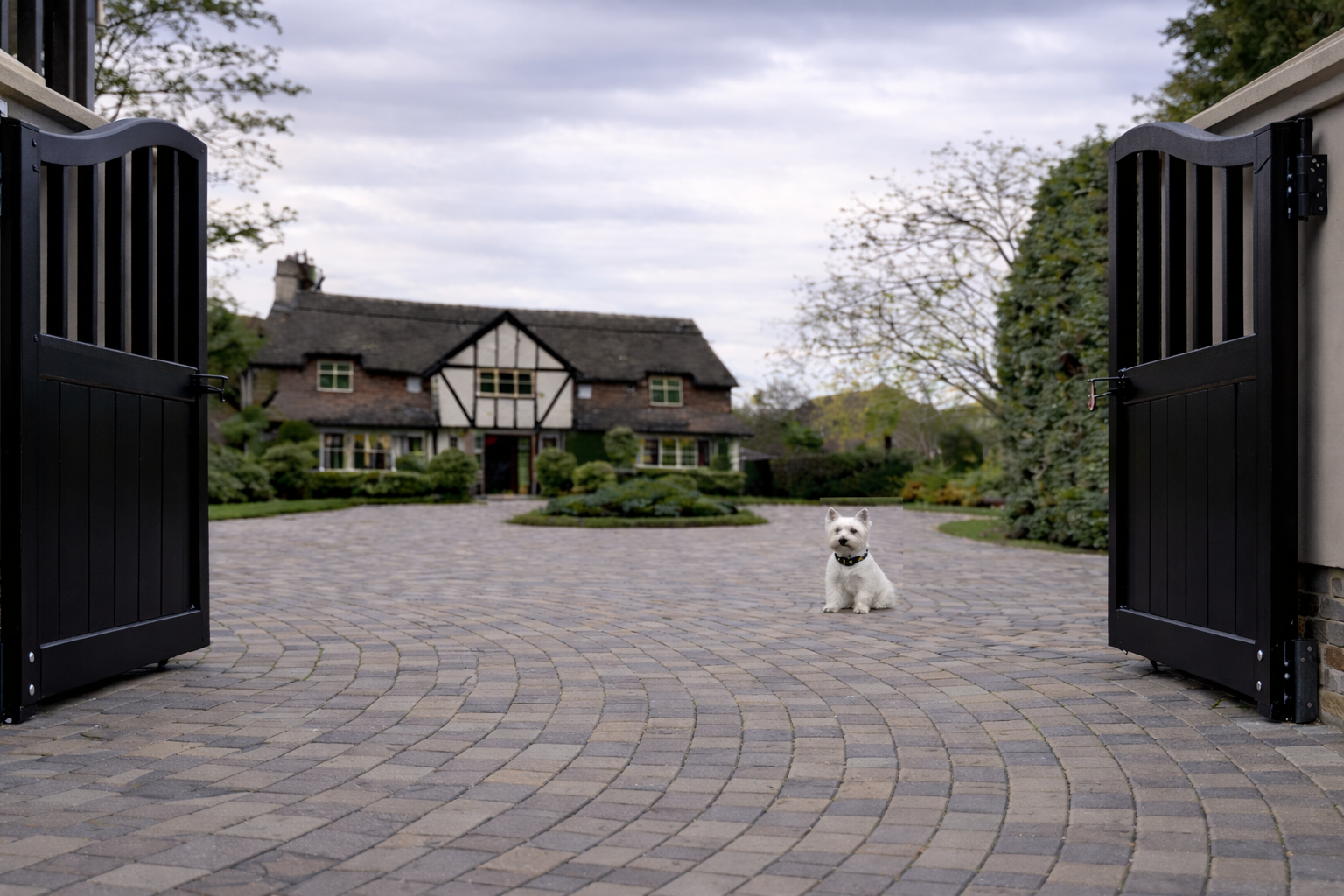
Westie sitting safely inside open electric gates wearing invisible dog fence collar on circular driveway

Thanks to training and the invisible dog fence boundary, this Westie stays safely inside the property even when the electric gates are open.

Worried Your Dog Could Run Out of the Driveway?

Many of our customers have beautiful homes with open driveways or electric gates — but once the gate opens, curious dogs can easily wander out.
A professionally installed DogFence creates a discreet boundary along your driveway or garden edge, keeping your dog safely contained without changing the look of your property.

Call us on
01628 476475
|
Message us on WhatsApp
|
Request a Free Quote

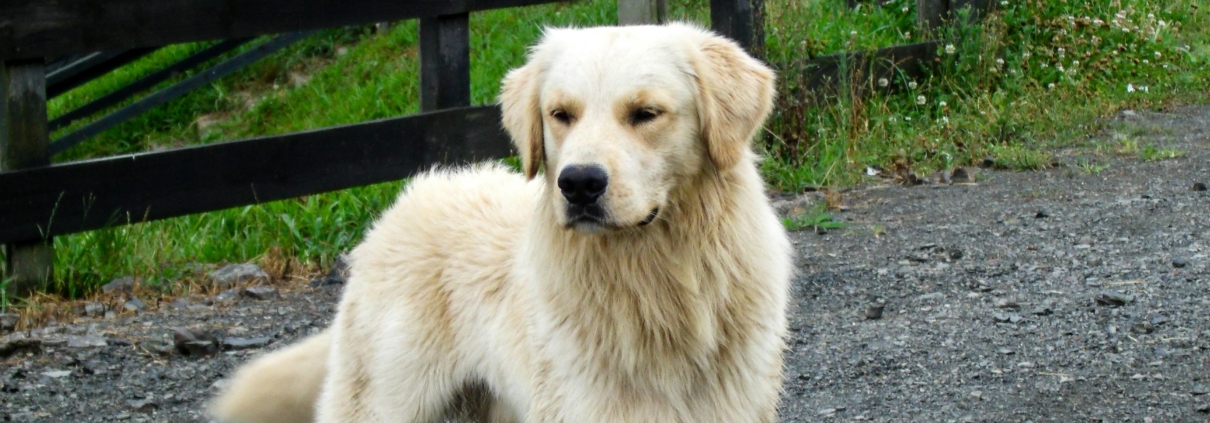
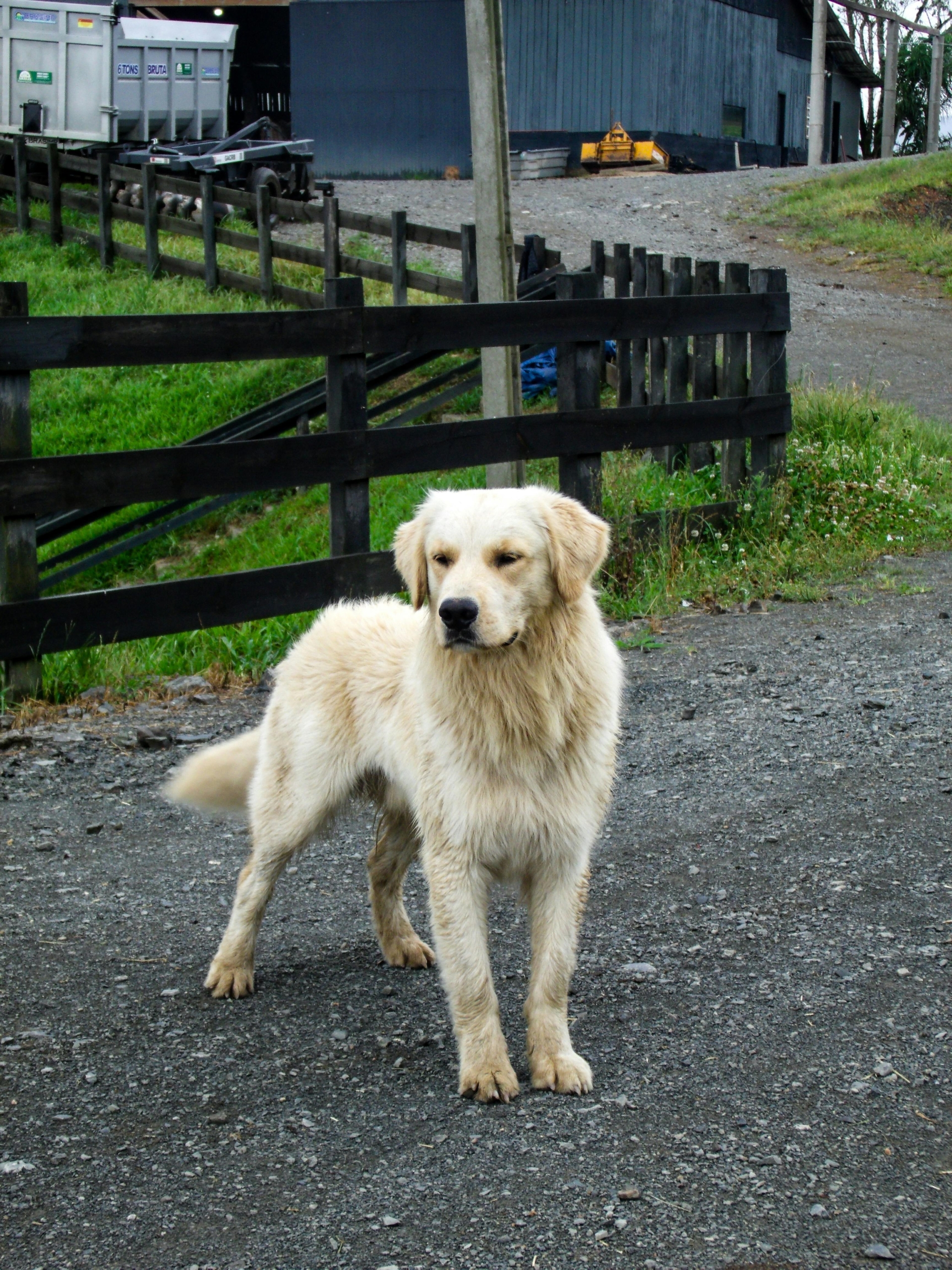
why dogs escape gardens – dog standing by rural fence boundary

Why Dogs Escape Gardens (And How to Stop a Dog Running Away)

Why Dogs Escape Gardens (And How to Stop a Dog Running Away)

If you’re wondering why dogs escape gardens, you’re not alone. Every week we speak to owners whose dog escaping garden behaviour has become stressful and dangerous. Understanding why dogs escape gardens is the first step in learning how to stop a dog running away safely and permanently. Creating a secure garden for dogs starts with understanding why dogs escape gardens in the first place.

Dogs escape gardens because of boredom, prey drive, anxiety, mating instincts, fear triggers, or weaknesses in fencing. When something outside the boundary feels more rewarding than staying inside, even a well-loved dog may attempt to leave.

Understanding why dogs escape gardens is the first step in learning how to stop a dog escaping safely and permanently.

If your dog keeps digging under panels, squeezing through gaps or testing the fence line, this guide explains:

  • Why dogs escape gardens
  • The most common escape routes
  • How to stop a dog running away
  • And how to create a truly secure garden for dogs

At DogFence, we’ve been helping owners across England by anwering the question of “How do I stop  my dog running away?” since 2003. In almost every case, the solution starts with understanding motivation — not just building a higher fence.

why dogs escape gardens – dog standing by rural fence boundary


Quick Summary: Why Dogs Escape Gardens

Dogs escape gardens mainly because of:

  • Boredom or lack of mental stimulation
  • Strong prey drive (wildlife, livestock, scents)
  • Separation anxiety
  • Fear triggers such as fireworks or loud noises
  • Mating instincts (especially unneutered dogs)
  • Weak fencing or poorly secured gates
  • Learned escape behaviour after a successful attempt

If your dog escaping garden behaviour has become a regular problem, identifying the trigger is essential. Stopping a dog running away requires both behaviour management and a secure boundary.

According to RSPCA advice on dog behaviour, dogs are naturally exploratory animals and will investigate sounds, scents and movement beyond their garden boundary.

You can also read our earlier guide on: 
👉 Understanding Why Dogs Escape Gardens and the Benefits of Pet Containment Systems
for more behavioural insight.


Why Do Dogs Escape Even When They’re Happy?

Many owners assume that if their dog tries to escape, they must be unhappy. In most cases, that isn’t true.

Dogs are instinct-driven and curious. Even a well-loved family pet may attempt to roam if:

  • A rabbit runs past the boundary
  • A neighbouring dog barks
  • A scent trail appears
  • They discover a weak escape route

Certain breeds — particularly Huskies, Collies and terriers — are also genetically wired to roam.

Escape behaviour is often about instinct, not dissatisfaction.


What Are the Most Common Ways Dogs Escape Gardens?

Over the last 22+ years, we’ve seen everything from Labradors squeezing through four-inch gaps to Jack Russells climbing chain-link fencing.

Most escape routes fall into one of these categories:

Jumping Over Fences

Many dogs can jump higher than owners expect.

  • 5ft fencing is often insufficient
  • 6ft is a minimum for many active breeds
  • Raised ground, bins or garden furniture create launch points.

Simply increasing height does not always solve the problem. Creating a secure garden for dogs requires more than just taller fencing.

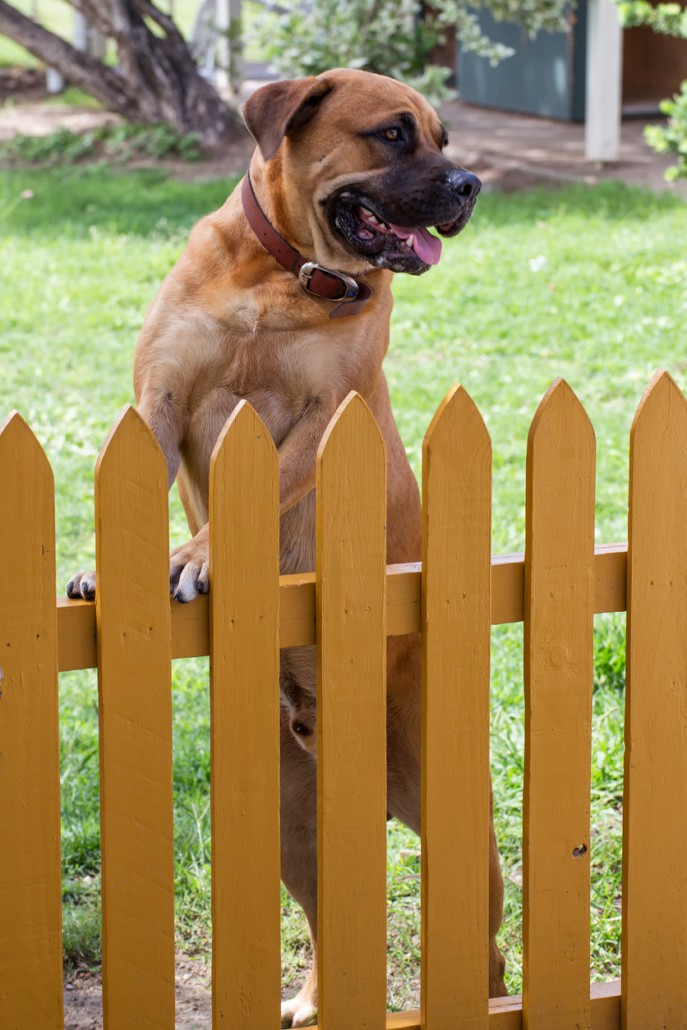
dog trying to jump over garden fence boundary


How to Stop Your Dog Digging Under a Fence

Digging is one of the most common escape methods, especially in rural properties.

Dogs dig because:

  • Soil is loose near boundaries
  • They smell wildlife or livestock
  • Digging becomes habitual
  • Anxiety drives escape behaviour

Blocking the top of the fence won’t help if the route underneath remains open.

If your dog is digging at the fence line, read our guide on how to stop dog digging under fence for practical reinforcement options.


Squeezing Through Gaps

Timber panels shrink. Gates warp. Hedges thin.

Small gaps quickly become reliable escape routes. Regular inspection is essential if you want a truly secure garden.

If you’re looking for immediate actions, read our guide:
👉 8 Practical Tips for Stopping Dogs from Escaping

dog squeezing through small gap in garden fence


Pushing Gates Open

Loose latches are responsible for many preventable escapes.

Install:

  • Self-closing hinges
  • Lockable latches
  • Double gate security in larger gardens

How to Stop a Dog Escaping and Running Away?

Stopping escape behaviour requires a layered approach:

  1. Identify why your dog is escaping.
  2. Remove weak points in fencing and gates.
  3. Increase physical and mental stimulation.
  4. Reinforce recall and boundary awareness training.
  5. Establish a clear, consistent containment boundary.

When motivation to leave decreases and boundaries are reliable, most dogs stop testing escape routes.


Why Traditional Fencing Alone Often Fails

We regularly visit properties where thousands have been spent on timber fencing — yet the dog still escapes.

This happens because:

  • Dogs adapt their strategy (jumping becomes digging).
  • Anxiety overrides physical barriers.
  • Rural gardens are difficult to enclose completely.
  • Motivation outside the boundary is stronger than the barrier itself.

A fence creates a physical barrier.
A trained boundary creates understanding.

That difference is critical.


The Three Essentials to Prevent Dog Escape Behaviour

1. Behaviour Training

  • Reinforce recall positively
  • Avoid chasing your dog
  • Reward calm behaviour outdoors
  • Practice boundary awareness

Training supports containment — but does not replace it.


2. Environmental Enrichment

Many escape attempts are boredom-driven.

Provide:

  • Structured play
  • Mental stimulation
  • Supervised garden time
  • Problem-solving activities

A mentally satisfied dog is less motivated to roam.


3. Secure Garden Boundaries

Effective garden security should include:

  • Adequate fence height
  • Anti-dig protection
  • Secure gates
  • Removal of climb aids
  • Clear perimeter definition

Creating a truly safe garden setup for your dog means combining strong physical boundaries with consistent behavioural training. A secure garden for dogs is not just about height — it’s about removing weak points and giving your dog a clear, understood perimeter.

However, even reinforced fencing can fail with determined escape artists.

If your dog repeatedly escapes despite stronger fencing, understanding how an electronic dog fence works can help you see how a defined boundary supports consistent training. Often referred to as “invisible dog fences,” these systems create a fixed perimeter without altering the appearance of your garden — ideal for both rural properties and urban spaces.

How to Stop a Dog Escaping Repeatedly

To stop a dog escaping repeatedly, combine secure fencing, structured recall training and consistent boundary reinforcement.


When a Professional Dog Fence Becomes the Safer Solution

If your dog repeatedly escapes despite improved fencing, a defined containment boundary may be the safest long-term solution.

A professionally installed electronic dog fence creates a consistent perimeter around your garden. Unlike GPS collars (which rely on signal strength and can drift), wired containment systems establish a fixed boundary line and support structured training.

DogFence systems:

  • Have operated in the UK since 2003
  • Have safely contained over 20,000 pets
  • Are DEFRA-tested
  • Include safety shut-off features
  • Are fully waterproof and durable
  • Include professional installation and owner training

If you’re concerned about your dog running away, for larger rural properties, installing a professionally fitted electronic dog fence in the UK can provide a clearly defined boundary without changing the look of your garden.

If you’re worried about how to stop dog running away behaviour before it leads to an accident, you can:
👉 Request a Free Quote Here

Dog standing calmly inside a secure fenced garden boundary

Clear, secure garden boundaries help dogs relax and reduce escape behaviour.


Do Dogs Escape Gardens More in Winter?

Yes — dog escape behaviour can increase during certain seasons.

Winter boredom, shorter daylight hours and anxiety triggers can increase escape attempts.

You can read more in our detailed guide:
👉 Why Dogs Escape in Winter

Spring and summer can also increase roaming behaviour due to scent and breeding activity.


Garden Security Checklist

If you want to prevent your dog running away, check:

  • Fence height suitable for your breed
  • No gaps under panels
  • Secure, self-closing gates
  • No climb aids near boundaries
  • Adequate daily stimulation
  • Consistent boundary reinforcement

Prevention requires regular inspection and proactive management.


Frequently Asked Questions

Why does my dog keep escaping the garden?

Dogs escape due to instinct, boredom, anxiety, or weak boundaries. Repeated success reinforces the behaviour, making it more likely to happen again.

How high should a fence be to stop a dog escaping?

6ft is a common minimum, though athletic breeds may require additional measures such as anti-climb extensions or boundary reinforcement.

Is an electronic dog fence safe?

Modern professionally installed containment systems include safety shut-off features and structured training protocols designed to prioritise pet welfare.


Why Dog Escaping Garden Behaviour Gets Worse Over Time

When a dog escaping garden attempt is successful, the behaviour becomes reinforced.

Each time your dog escapes:

  • Confidence increases
  • Boundaries feel weaker
  • The outside world becomes more rewarding

This is why learning how to stop a dog escaping early is critical. The longer escape behaviour continues, the harder it becomes to correct.

Preventing dog escaping garden behaviour requires consistency, supervision, and a clearly defined secure garden for dogs that removes opportunity altogether.


Final Thoughts:

Dogs escape gardens when something outside the boundary becomes more compelling than staying inside.

The solution isn’t simply a taller fence.

It’s:

  • Understanding motivation
  • Removing weak escape routes
  • Providing mental and physical fulfilment
  • Creating a reliable, clearly defined boundary

If your dog keeps escaping and you’re worried about roads, livestock, or neighbouring land, the DogFence team can help you create a secure outdoor space without compromising your garden’s appearance.

Because freedom should never come at the expense of safety.

Worried Your Dog Will Escape Again?

Don’t wait for a near miss with a road or livestock. Speak to the experts at DogFence about creating a secure, reliable boundary for your garden.

📞 Call 01628 476475
|
💬 Message us on WhatsApp
|
📝 Request a Free Quote

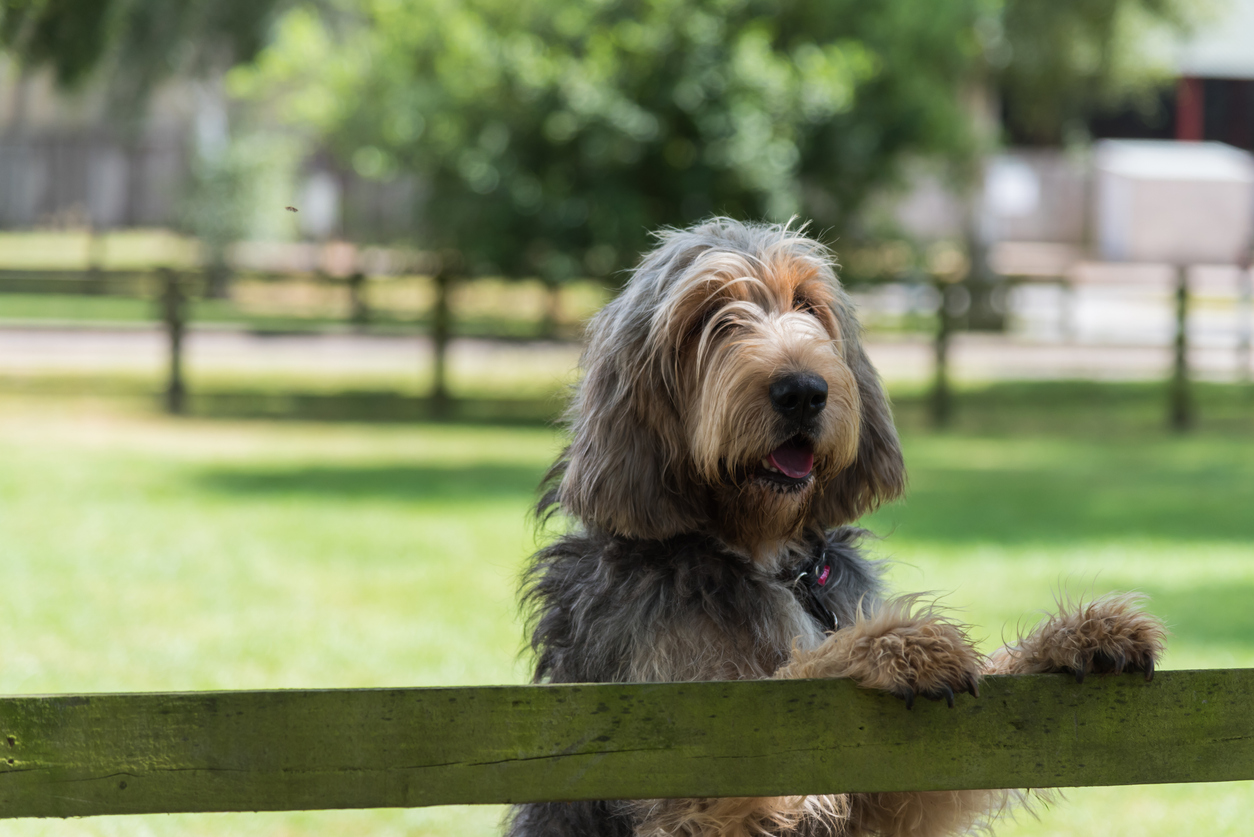
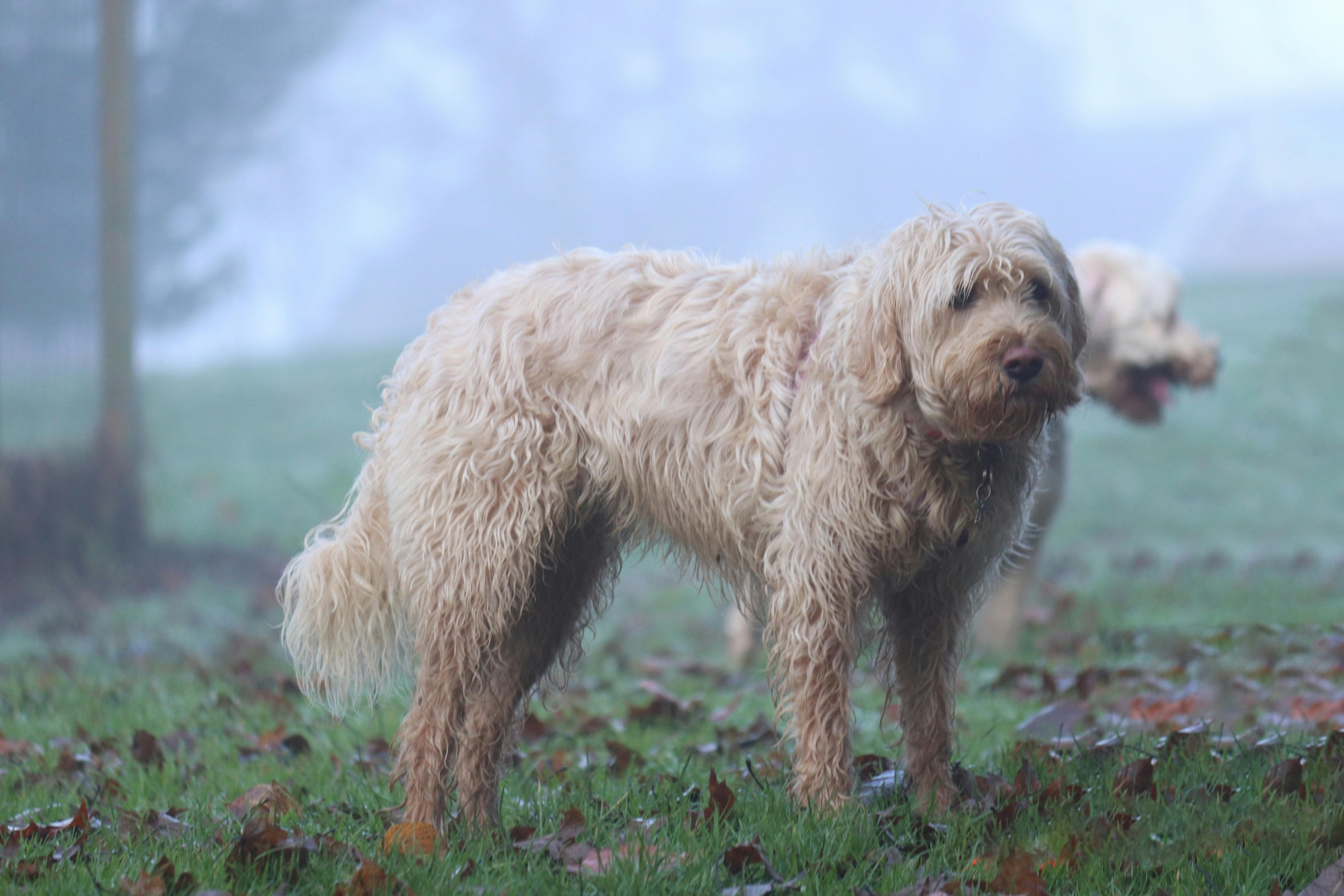
Otterhound dog looking beyond a garden boundary

Otterhound Dog Breed: Why This Rare British Breed Struggles With Garden Boundaries

Unusual British Dog Breeds: The Otterhound and Why Its Nose Still Ignores Boundaries

Otterhound dog looking beyond a garden boundary

Otterhounds were bred to range independently, often following scent far beyond visible boundaries.

The Otterhound dog breed is one of Britain’s rarest native dogs — and one of its most instinct-driven. This post is part of our series on unusual British dog breeds and why they struggle with garden boundaries, exploring how heritage and instinct influence modern behavior.

Originally bred to follow scent along rivers, wetlands and open countryside, the Otterhound was never designed to stay close, wait for instruction or recognise neat boundaries. Long before modern gardens, roads and fencing existed, these dogs worked across vast areas of land, often out of sight of their handlers for long periods.

Although their original working role has disappeared, their instincts have not. According to the Otterhound breed profile published by The Kennel Club, the breed remains one of the rarest native dogs in the UK.

For modern dog owners — particularly in rural and semi-rural parts of the UK — that heritage can present a very real challenge. When traditional fencing and recall training fall short, understanding how electronic dog fences work can help explain why they’re often more effective for instinct-driven breeds than relying on physical barriers alone.


A Breed Designed to Range

The Otterhound’s defining feature is its nose.

With one of the most powerful scenting abilities of any dog breed, Otterhounds were developed to track scent trails for miles — through water, mud and dense terrain — without hesitation or distraction.

To do this successfully, they needed to be:

  • Highly independent
  • Physically resilient
  • Confident decision-makers
  • Unaffected by distance or separation

Handlers followed the dog, not the other way around.

This history matters because it explains why Otterhounds often struggle in modern settings. When a dog has been bred for generations to prioritise scent above all else, visual boundaries alone simply don’t register once instinct takes over.

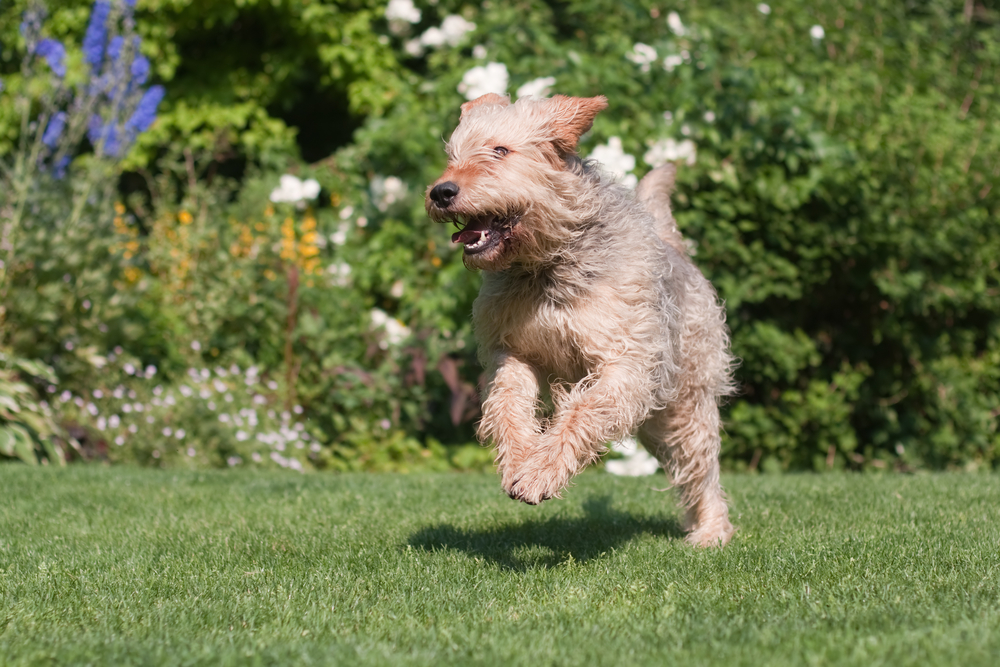
Otterhound dog standing alert in a rural garden setting

Traditional British scent hounds were developed to work across open land, not confined spaces.


Why Modern Gardens Don’t Make Sense to an Otterhound

Most garden boundaries rely on human logic:

  • Fences you can see
  • Recall training
  • Assumptions about where “home” ends

To an Otterhound following scent, those concepts are meaningless.

Owners often describe dogs that:

  • Wander far beyond expected limits
  • Ignore recall once focused
  • Push through, climb over or dig under traditional fencing
  • Appear calm and settled indoors but highly driven outdoors

This contrast can feel confusing and frustrating — especially when training has been consistent and well-intentioned.

But this isn’t poor behaviour.
It’s deeply ingrained working instinct.

Otterhound following a scent trail outdoors

For scent-driven breeds like the Otterhound, instinct often overrides visual boundaries.


Instinct Is Not Disobedience

One of the most important things to understand about Otterhounds — and many traditional British breeds — is that they were never bred to wait for permission. This pattern appears again and again across traditional British working breeds, many of which were developed long before modern gardens, roads and clearly defined boundaries existed.

Independent thinking was essential to their success. A dog that constantly checked back or stayed close would have been ineffective in its original role. We see the same pattern in other native breeds, including terriers such as the Sealyham, which were bred to work underground and make decisions without human guidance. These dogs haven’t changed — only the world around them has.

Understanding this helps owners move away from frustration and towards realistic, welfare-focused solutions.


Managing the Otterhound Dog Instincts in a Modern World

This is where boundary management becomes crucial.

Traditional fencing often fails instinct-driven breeds — not because it’s badly built, but because it doesn’t communicate boundaries in a way the dog understands once instinct takes over.

At DogFence Ltd, we regularly speak to owners of scent-driven breeds who feel torn between wanting to give their dog freedom and worrying about safety — particularly near roads, rivers, livestock or neighbouring land.

A properly designed electronic dog fence doesn’t suppress instinct.
Instead, it provides clarity.

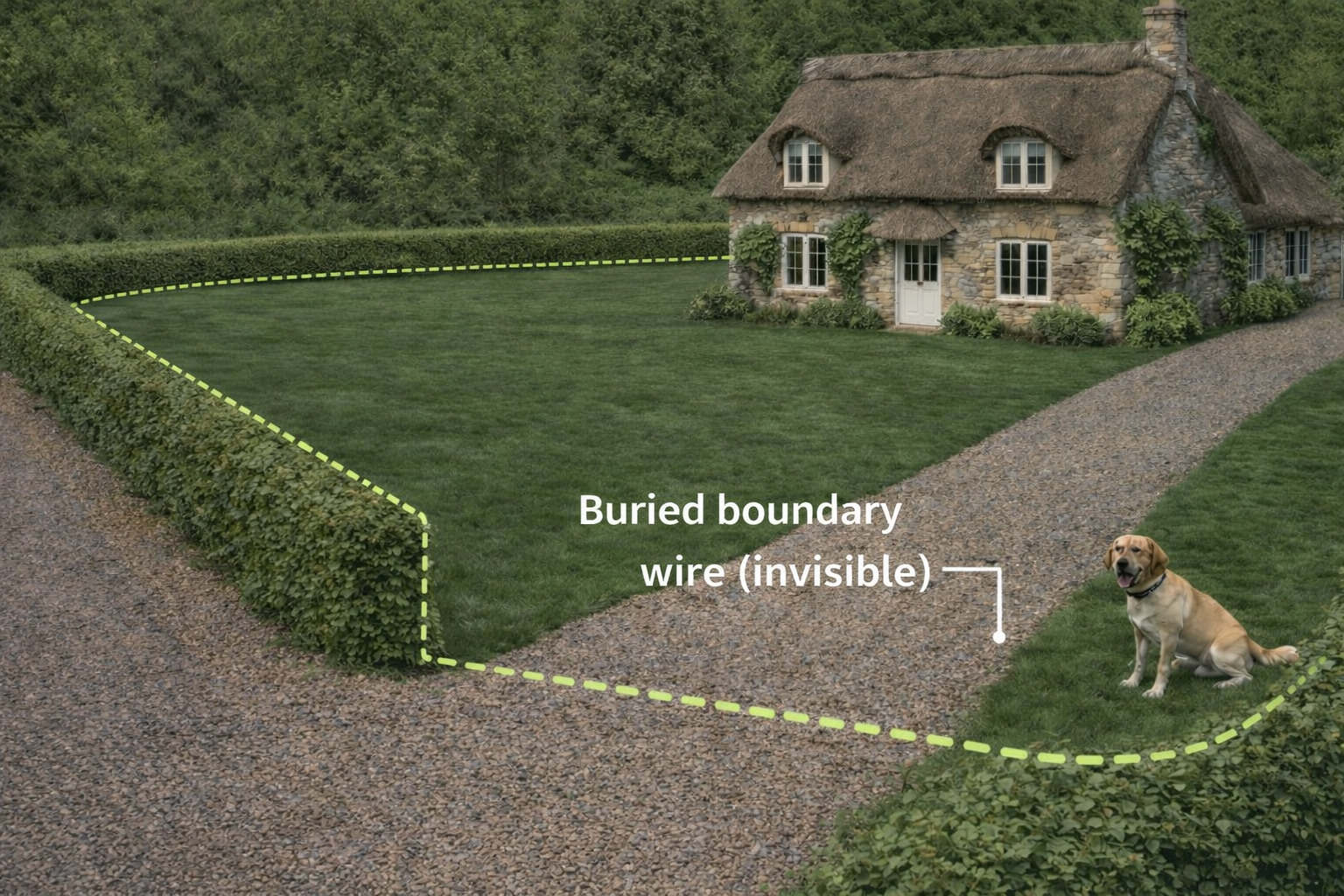
Buried boundary wire creating an invisible dog fence around a rural property

A buried boundary system creates a clear, consistent perimeter without relying on physical fencing.

By creating a consistent, invisible boundary that the dog learns through calm, progressive training, Otterhounds are able to:

  • Explore freely within a defined area
  • Follow scent trails safely
  • Relax at home without constant supervision

For dogs bred to work independently, knowing exactly where their safe zone begins and ends is often far more reassuring than physical barriers that can be climbed, dug under or ignored.


Why Boundary Clarity Matters for Welfare

Roaming isn’t just inconvenient — it can be dangerous.

Otterhounds that wander freely may encounter:

  • Fast-moving traffic
  • Rivers and waterways
  • Livestock and farmland
  • Conflict with neighbouring landowners

None of this reflects badly on the dog. It simply highlights the gap between ancient instincts and modern landscapes. Responsible ownership means recognising that gap and managing it thoughtfully — in a way that protects both the dog and the environment it lives in.


A Pattern Across British Dog Breeds

The Otterhound dog is an extreme example, but it is not unique. Many traditional British breeds were developed for stamina, independence and problem-solving across open land. Whether scent hounds, terriers or setters, the same theme appears again and again: These dogs were bred for freedom.

This series explores how those instincts still influence behaviour today — and how modern owners can support their dogs safely, calmly and responsibly.


Looking Ahead

This is the first breed from our new blog series Unusual British Dog Breeds: Next in the series, we’ll explore another British breed shaped by open countryside and independent thinking — and why traditional garden boundaries often fail them too.

If you’re living with a traditional British working breed and feel anxious about escaping, roaming or unreliable boundaries, you’re not alone — and you’re not doing anything wrong. Sometimes, a calm conversation about options can make all the difference.


Ready to Keep Your Pet Safe?

Ready to Keep Your Pet Safe?

Call us on
01628 476475
|
Message us on WhatsApp
|
Request a Free Quote Online

How Tight Should a Dog Fence Collar Be? Complete Fitting Guide

How Tight Should a Dog Fence Collar Be? A Guide to Safe & Comfortable Fitting

How tight should a dog fence collar be is a very common question we receive from owners using an invisible dog fence for the first time. Getting the fit right is essential for comfort, effectiveness, and your dog’s safety. A correctly fitted collar helps your dog learn the boundary quickly and ensures the system works exactly as intended.

At DogFence Ltd, we’ve safely contained over 20,000 pets, and we know from experience that collar fit is one of the most important parts of the process. The good news is that it’s simple — and once fitted correctly, your dog can enjoy complete freedom in the garden without risk of escape. If you would like to know more about how our dog fence collars works read here:

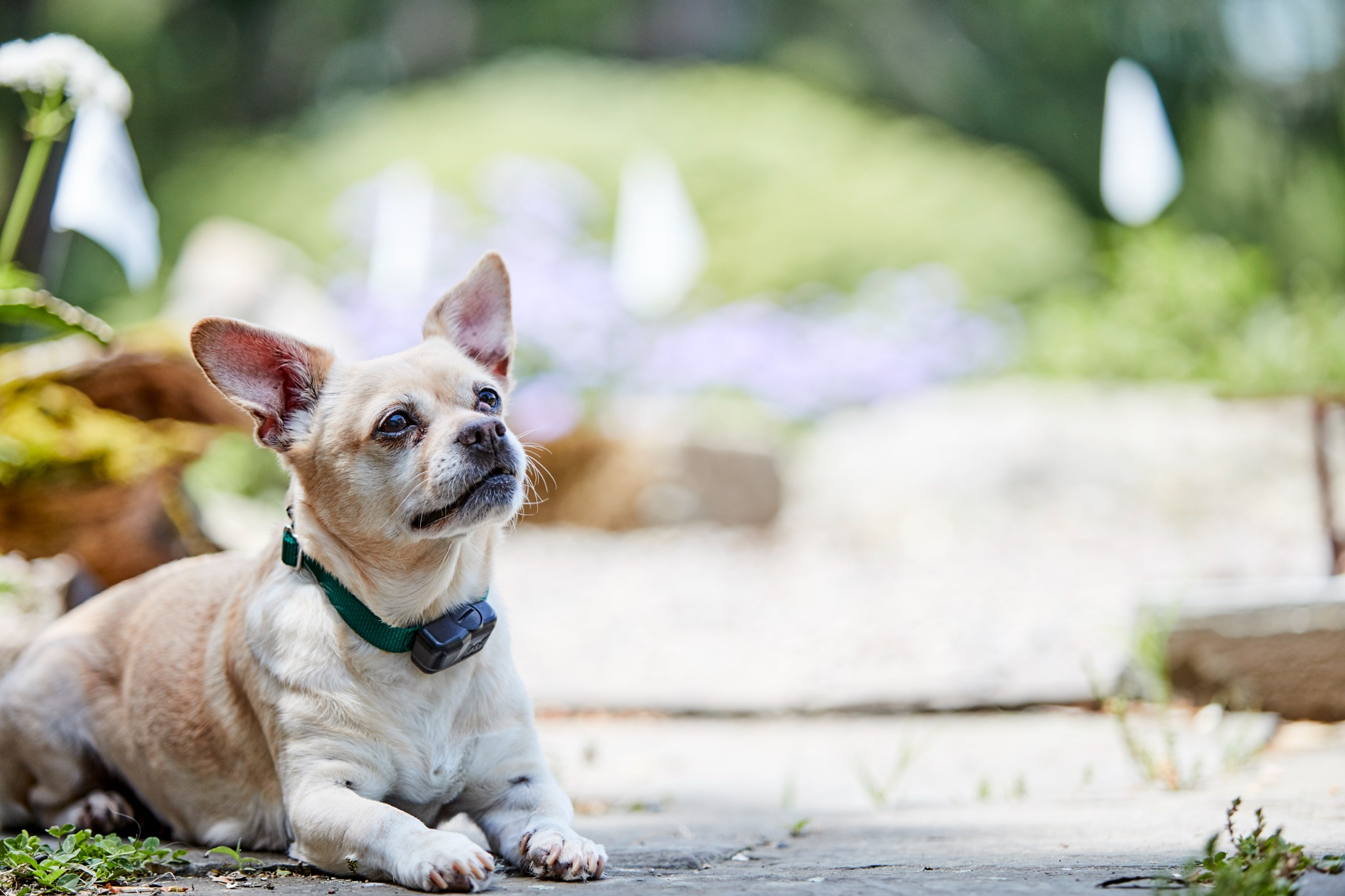
Small dog wearing a correctly fitted dog fence collar while relaxing safely in the garden


So, How Tight Should a Dog Fence Collar Be?

The collar should be fitted snugly — similar to a regular flat collar — but not tight. A good guideline is the classic “two-finger rule”. You should be able to slide two fingers comfortably between the strap and your dog’s neck.

Check how to fit the dog fence collar correctly

A snug fit is essential because the collar needs to make gentle contact with the skin in order to communicate effectively. Without consistent contact, the collar may not activate properly, or the training level may need to be increased unnecessarily.

If you aren’t sure whether the fit is right, our Professional Installation team can help check and adjust it during training.


Why Correct Collar Fit Matters

When owners ask how tight should a dog fence collar be, what they’re really asking is: “How do I make sure it’s comfortable and safe?” Here’s why it matters:

  • Comfort – a properly fitted collar won’t rub or irritate the skin.
  • Consistency – the boundary signal works reliably when the posts make light contact.
  • Lower training levels – good contact means gentle, low-level settings are effective.
  • Faster learning – your dog will respond quickly to the warning beep and learn to retreat.

These factors all contribute to a positive training experience and support the fact that dog fence collars are safe when fitted and used properly.


How to Check Whether the Collar Is Too Loose

If the collar moves around easily, slides off-centre, or drops forward toward the chest, it is too loose. A loose collar can cause:

  • rubbing or chafing due to movement
  • inconsistent contact
  • intermittent boundary signals
  • confusing training for the dog

This is one of the most common fitting mistakes we see. A loose collar does not make the system “kinder” — in fact, the opposite is true. Poor contact makes the warning inconsistent, so your dog learns more slowly and may become confused.


Signs the Collar Is Too Tight

A collar that is too tight may cause:

  • indentations in the fur after removal
  • difficulty sliding two fingers under the strap
  • visible discomfort

Dog fence collars do not need to be tight — they simply need light, consistent skin contact.


Understanding the Contact Posts

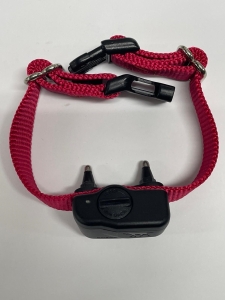
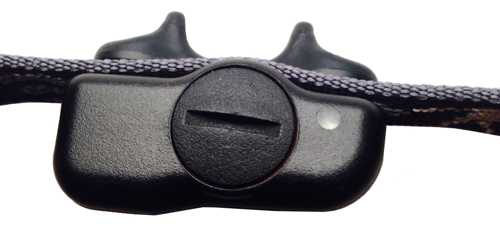
The posts on the collar are rounded stainless-steel contacts — not spikes or prongs. Their role is similar to the pads on a TENS machine: they must touch the skin lightly to allow the collar to send the training cues.

For long-haired dogs, longer posts may be needed to reach the skin. For short-coated dogs, owners can choose our Smooth Comfort Contacts, a softer conductive option. If you’re unsure which your dog needs, just ask during installation.

Dog fence collar with stainless steel contact posts showing the safe, comfortable fit for pets

The DogFence collar with stainless steel contact posts

Comfort Contacts: A Softer Option for Short-Coated Dogs

For dogs with smooth or short coats, DogFence also offers Comfort Contacts — specially designed conductive plastic contact posts that replace the standard stainless steel contacts.

Comfort Contacts are softer to the touch and are ideal for short-haired breeds where reaching the skin does not require longer contact posts. They provide the same reliable communication as stainless steel contacts, while offering an extra level of comfort for suitable dogs.

It’s important to note that Comfort Contacts are not suitable for long-haired or thick-coated dogs, as they may not consistently reach the skin. As with all dog fence collars, correct collar fit remains essential — Comfort Contacts still need light, consistent skin contact to work effectively.


Smooth Comfort Contacts for short-coated dogs demonstrating how safe dog fence collars are when fitted correctly

Smooth Comfort Contacts provide gentle, reliable skin contact, helping to ensure dog fence collars are safe and effective for pets


Remove the Collar Overnight

For comfort and skin health, we always recommend removing the dog fence collar overnight or when your dog is indoors for extended periods. This prevents any risk of irritation and gives the skin time to breathe.


Government Testing Confirms Safety

Many owners ask about collar fit because they want reassurance about safety. Multiple studies — including DEFRA-funded research from Newcastle University (Cooper et al.) and the UK Government’s own review (DEFRA) — confirm that containment collars are safe when used and fitted correctly.

Proper fit is part of what ensures the system remains gentle, humane, and reliable.


Need Help Fitting the Collar?

Our installers are highly experienced at fitting collars for all breeds — from small terriers to long-coated working dogs. If your dog is nervous, wiggly, or unsure, we can help you get the perfect snug fit without stress.


Keep Your Dog Safe With a Trusted DogFence System

Call us on
01628 476475
|
Chat to us on WhatsApp
|
Request a Free Quote Online