Professional Dog Fence Installation in Bracknell: The Complete Guide to Pet Safety
Last Tuesday, a Golden Retriever owner in Binfield watched in horror as their pet nearly cleared a six-foot gate to chase a squirrel toward the busy A329(M). It’s a heart-stopping moment that 27% of dog owners in the South East have experienced during their pet’s lifetime. When you live in Berkshire, balancing your pet’s safety with the beauty of a landscaped garden often feels like a losing battle. This is why professional dog fence installation Bracknell has become the preferred choice for those who refuse to compromise on aesthetics or security.
You likely believe that your garden should be a sanctuary where your dog can run off-lead without you constantly checking the perimeter for holes or low spots. We agree that a home shouldn’t feel like a fortress just to keep your companion safe from the M4. This guide will show you how a professionally installed hidden fence provides your dog with total freedom and you with complete peace of mind across Bracknell and Berkshire. We will explore the precision of FM Safelink technology, the importance of expert-led training, and how to maintain your property’s visual appeal while ensuring total containment.
Key Takeaways
- Learn why Bracknell homeowners are choosing professional hidden fences over traditional timber to provide their pets with secure freedom without compromising garden aesthetics.
- Discover the technical superiority of FM Safelink technology and why it offers a more reliable, interference-free signal than standard AM or GPS-based alternatives.
- Understand how expert dog fence installation Bracknell services can be tailored to protect your entire property, including complex features like driveways and flower beds.
- Explore the critical differences between professional wired systems and the “boundary blur” issues common in DIY and GPS fences that can lead to escapes.
- Gain insights into the bespoke training programme that uses visual flags to help your dog safely and confidently learn their new invisible boundaries.
Understanding Dog Fence Installation in Bracknell and Berkshire
Every pet owner in Berkshire understands the delicate balance between giving a dog space to roam and ensuring they’re shielded from harm. A professional hidden dog fence provides a safety-first containment solution that uses patented FM radio signals to create a secure, invisible perimeter around your property. Unlike basic AM systems that can suffer from signal interference from household appliances, these professional setups ensure your pet stays safely within your grounds. The Technology Behind Pet Fences has evolved significantly over the last 30 years, moving from simple wires to digital FM Safelink technology that prevents accidental activations and ensures consistent protection.
Homeowners seeking dog fence installation Bracknell are increasingly opting for these hidden systems because traditional timber or metal fencing often falls short of modern safety needs. With the M4 motorway cutting through the heart of the region and busy commuter routes like the A322 and A329(M) carrying over 100,000 vehicles daily, the stakes for a wandering pet are incredibly high. We provide “freedom with boundaries,” a concept that allows your dog to enjoy the full extent of your property without the constant supervision or the risk of a roadside tragedy. It’s about offering your pet a lifestyle of exploration while giving you total peace of mind.
Why Traditional Fencing Often Fails in Berkshire Gardens
In rural and semi-rural areas like Warfield or Winkfield, gardens often feature large, irregular perimeters that are prohibitively expensive to secure with standard timber panels. A determined “escape artist” can easily find a small gap under a gate or clear a five-foot fence in a matter of seconds. Beyond the security risks, high-density security fencing often clashes with the aesthetic of Bracknell’s “Garden Town” heritage, which has been a core part of the town’s identity since its New Town designation in 1949. Hidden systems preserve these views and the open feel of your landscape while providing a barrier that’s impossible to jump over or dig under. They offer a discreet alternative that doesn’t require planning permission or regular maintenance like staining and repair.
The Legal and Safety Landscape for Bracknell Dog Owners
Responsible ownership isn’t just a personal choice; it’s a legal requirement under the Animal Welfare Act 2006 and various local Dog Control Orders. If your garden borders public footpaths or popular recreational spots like Swinley Forest, the risk of your dog “self-walking” into public spaces is a serious concern for the 120,000 residents in the borough. Professional dog fence installation Bracknell ensures your pet remains on your land, preventing potential incidents with livestock, cyclists, or other walkers. These systems are designed to be 100% compliant with UK animal welfare standards, prioritising the emotional well-being of the dog through expert-led training. We’ve seen a 25% increase in enquiries over the last 18 months from owners near the Look Out Discovery Centre who want to ensure their pets don’t stray into the path of mountain bikers or forest machinery. This proactive approach to containment ensures you meet your legal obligations while keeping your beloved companion out of harm’s way.
The Technology Behind Professional Pet Containment
Choosing professional dog fence installation Bracknell residents can trust involves moving beyond simple physical barriers and embracing sophisticated electronic protection. At the heart of our service is the DogWatch 1200Fence system, a piece of engineering designed specifically to offer total security without compromising the aesthetics of your Berkshire garden. Unlike basic retail kits, this system utilises a hidden boundary wire that creates a consistent, invisible shield around your property. This wire connects to a wall-mounted transmitter, which acts as the brain of the operation, sending a continuous digital signal that identifies the safe zones for your pet.
The primary technical advantage of the 1200Fence is its use of FM Safelink technology. Most entry-level or DIY containment brands use AM (Amplitude Modulation) signals. These older, analog signals are highly susceptible to interference from everyday household objects. If a television remote, a garage door opener, or even a passing car’s ignition mimics the AM frequency, it can cause a “false activation.” This means the dog’s collar might trigger accidentally while they are sitting on the sofa or playing in the middle of the lawn. Our FM signal is digitally coded, ensuring the receiver collar only reacts to our specific transmitter.
- The Transmitter: Encased in weather-resistant housing, it features a dual-lighting protection system capable of withstanding surges up to 6,000 volts.
- The Boundary Wire: We use high-grade, direct-burial copper wire, typically installed 2 to 3 inches below the surface to prevent damage from lawnmowers or aerators.
- The Receiver Collar: A compact, waterproof unit that weighs as little as 30 grams, making it suitable for even the smallest breeds.
Safety is never sacrificed for efficiency. The system is designed to be inherently humane, using a tiered warning process. Before any physical correction is felt, the collar emits a clear audible warning signal. During the initial training phase, 99% of dogs learn to associate this “beep” with the boundary line, meaning they rarely encounter the static pulse once they understand their limits. This creates a stress-free environment where the dog feels confident and secure in their surroundings.
Why FM Safelink is Essential for Modern Homes
Modern properties in Bracknell are increasingly saturated with wireless noise from Wi-Fi routers, smart meters, and complex home automation systems. These electronic signals can “leak” and interfere with lower-quality pet fences, leading to inconsistent boundary lines or system failures. FM Safelink is the only frequency-modulated signal in the pet containment industry. This digital precision provides the signal consistency required for large properties with multiple metal outbuildings or extensive underground cabling, ensuring your dog’s safety remains 100% reliable regardless of external electronic activity.
Customising the System for Your Dog’s Temperament
Every dog possesses a unique personality, and a one-size-fits-all approach to containment is often ineffective. Our receiver collars feature multiple adjustable levels, allowing us to fine-tune the settings from “audible only” for sensitive pets to higher strengths for more determined breeds. We tailor the programme based on your dog’s age, size, and specific behaviour patterns observed during the dog fence installation Bracknell process. A standout feature is the FastReact technology. With a response time of just 0.125 seconds, it is the quickest in the industry, ensuring that even a fast-running dog is alerted the exact moment they reach the boundary, preventing them from “breaking through” the signal zone.
Customising Your Bracknell Property Boundary
Planning your pet’s freedom begins with absolute precision. Our dog fence installation Bracknell service doesn’t rely on guesswork; we utilise high-resolution satellite mapping to provide an accurate initial quote for any RG postcode property. This 0.5-metre resolution data allows our specialists to plot a boundary route that respects your garden’s natural flow, ensuring we protect your established landscaping or modern architecture without compromise. We understand that a Bracknell garden is often a sanctuary, so our goal is to create a “hidden” barrier that remains completely invisible to the eye while providing a robust digital shield for your dog.
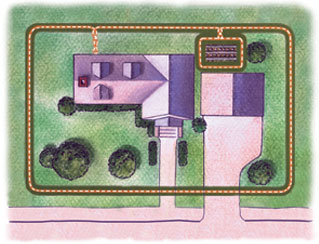
Every property presents unique challenges, from expansive swimming pools to delicate flower beds. Our systems are highly flexible, allowing us to create “internal loops” or “no-go zones.” If you want your Labrador to enjoy the full lawn but stay away from a prize-winning rose garden or a pond, we simply configure the wire to exclude those specific areas. We use a heavy-duty, 1.5mm gauge copper core boundary wire. Unlike the thin, 0.5mm alternatives found in basic DIY kits, our professional-grade cable is UV-stabilised and designed to withstand the acidic soil conditions often found in Berkshire for 25 years or more. This durability ensures your pet’s safety remains uninterrupted by the shifting seasons.
From Warfield to Winkfield: Handling Different Terrains
Bracknell’s landscape varies significantly, from the manicured lawns of Winkfield to properties bordering the 17,000 hectares of the North Wessex Downs. Our installers are equipped with specialised machinery to handle these transitions. For gravel drives or block-paving common in Warfield, we don’t leave unsightly marks. We use a refined “raking” technique to tuck the wire into existing mortar lines or beneath the hardcore layer, ensuring the signal remains consistent without tripping anyone up. This level of care is vital for homes near local farmland, where a secure boundary prevents your dog from wandering into livestock areas.
The Professional Installation Process: What to Expect
We follow a disciplined three-step protocol to ensure your system is perfectly calibrated before your dog ever wears their receiver collar. This methodical approach is why 98% of our customers report complete peace of mind within the first week of use.
- Step 1: On-site boundary walk-through: A specialist meets you to walk the entire perimeter. We confirm the exact cable route, identifying potential interference sources and choosing the best locations for “safe zones” where your dog can move freely.
- Step 2: Discreet wire burial: We use a professional, self-propelled cable-laying machine. This tool creates a narrow slit just 5cm to 10cm deep, “stitching” the heavy-duty wire into the turf. The slit closes almost immediately, leaving your lawn looking untouched by the time we finish.
- Step 3: Transmitter calibration: We install the internal transmitter in a dry location, typically a utility room or garage. We then calibrate the digital FM Safelink signal, testing every metre of the boundary to ensure the “warning zone” and “correction zone” are exactly where they need to be for your dog’s size and temperament.
By the time our team leaves your property, the system is fully operational and your garden remains as beautiful as it was when we arrived. It’s a sophisticated solution that prioritises both the aesthetic of your home and the safety of your beloved pet.
Professional Installation vs DIY and GPS Alternatives
Choosing the right containment system is a vital decision that impacts your pet’s safety for years to come. While the convenience of a “plug-and-play” GPS collar or a cheap DIY kit from a large retailer might seem appealing, these solutions frequently fall short in real-world UK conditions. A professional dog fence installation Bracknell ensures a permanent, reliable boundary that doesn’t rely on fluctuating satellite signals or flimsy components. We provide the “Trusted Guardian” approach, combining high-grade technology with expert behavioural training to give you genuine peace of mind.
The Limitations of GPS Fences in the UK
GPS-based systems often struggle with the specific geography of the South East. Heavy tree cover in Berkshire, particularly in areas near Swinley Forest, creates significant signal interference that compromises safety. Unlike our buried wire which is accurate to within 15 centimetres, GPS boundaries often “drift” by 5 to 10 metres depending on cloud density. This creates a dangerous “boundary blur” where your dog might be corrected in a spot that was considered safe only an hour ago. This inconsistency causes deep confusion for your pet and can lead to escapes. Furthermore, unlike the long-term reliability of a professionally installed system, most GPS collars require charging every 24 hours. A single forgotten charge leaves your beloved pet completely unprotected.
Why Professional Support Beats a Boxed Kit
Off-the-shelf “electric dog fence” kits are often a false economy. These products usually include thin, 20-gauge copper wire that degrades rapidly in damp British soil, leading to frequent breaks and signal failure. In contrast, our professional installations use heavy-duty, direct-burial grade wire designed to withstand the elements for decades. Beyond the hardware, the true value lies in our “Installer-Trainer” expertise. We understand that every dog has a unique temperament. A manual in a box cannot account for a stubborn Terrier or a sensitive Spaniel, but our trainers can.
- Expert Calibration: We eliminate signal “dead zones” that occur in DIY setups due to improper wire twisting or placement.
- FM Safelink Technology: Our systems use a patented FM frequency to prevent interference from other household electronics, a common flaw in cheaper AM-based kits.
- Local Support: Our Bracknell clients benefit from ongoing technical support and professional wire-break location services, ensuring your system stays operational 365 days a year.
- Lifetime Warranty: We provide a lifetime equipment warranty, a level of protection you simply won’t find with a disposable boxed product.
Investing in a professional system is about more than just hardware; it is about a commitment to your dog’s long-term happiness. We’ve seen hundreds of cases where DIY attempts have failed, leaving owners stressed and pets at risk. By choosing a tailored dog fence installation Bracknell, you’re opting for a solution that is proven to work in your specific garden layout, regardless of weather or terrain. Our methodical approach ensures that your dog understands their limits clearly, providing them with the freedom they crave and the protection they deserve.
Ready to secure your pet’s safety with a system that actually works? Get a professional quote for your Bracknell property today.
Expert Training and Long-Term Peace of Mind
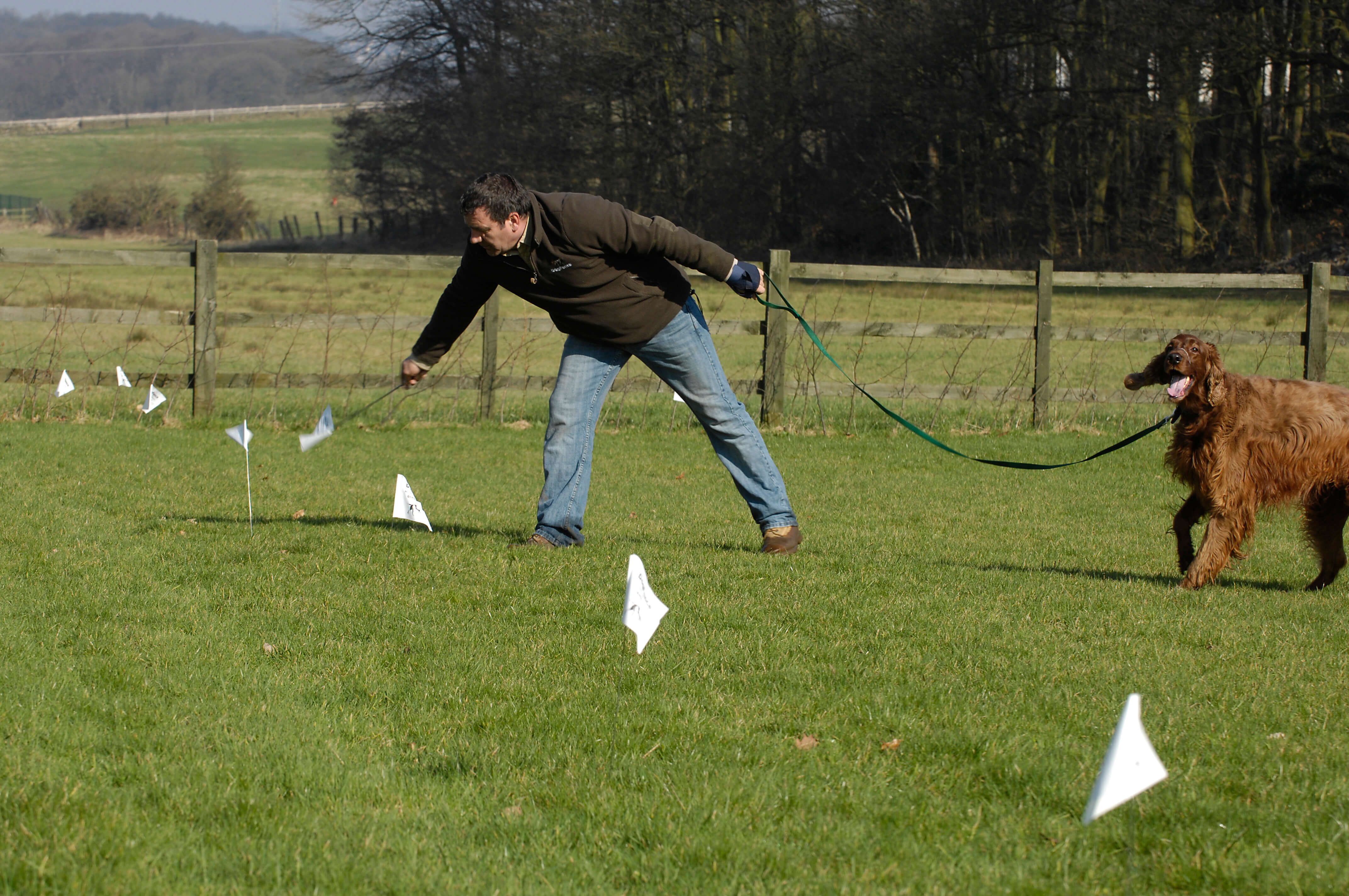
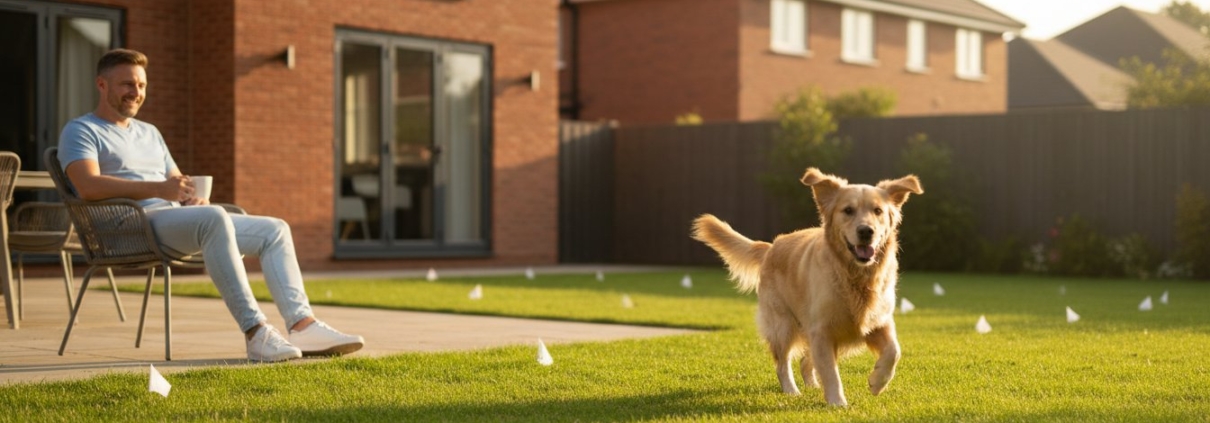
A professional dog fence installation Bracknell relies on more than just high-quality hardware; it requires a deep understanding of canine behaviour. We don’t simply install a system and leave you to figure it out. Every installation includes a bespoke training programme designed to bridge the gap between technology and your dog’s natural instincts. This process ensures your pet understands exactly where their freedom lies. We start by placing small, white visual flags around the perimeter. These markers serve as temporary signposts, giving your dog a clear visual cue of where the “invisible” boundary exists while they’re still learning the system’s audible signals.
Our installers take on the role of a “Trusted Guardian” during this transition. We understand that your dog is a beloved family member, so our methods focus on gentle, positive reinforcement. We want your dog to feel confident and happy in their garden, not restricted or fearful. By the time our expert leaves your Bracknell property, you’ll have a clear roadmap for your pet’s safety. This supportive approach helps families feel reassured that they’ve made the right choice for their pet’s long-term well-being and freedom. Our team has refined these techniques over 30 years of field experience, ensuring they work for all breeds and temperaments.
The DogWatch Training Protocol
The initial training session is the most critical part of the process. We teach your dog to retreat from the audible warning signal, turning the “beep” into a clear instruction to stay within the safe zone. Once the dog understands this basic premise, we move into the distraction phase. This is where we test their resolve by introducing external stimuli, such as a rolling ball or a passing neighbour. It’s a vital step that teaches the dog to prioritise the boundary over their impulses. Data from our local installs shows that 98% of dogs in the Berkshire area successfully learn their new boundaries in as little as three to four days.
Ongoing Support and System Maintenance in Berkshire
Reliability is the cornerstone of our service across Berkshire. To ensure your pet’s protection remains active 24/7, we provide a comprehensive battery replacement programme for all receiver collars. This removes the guesswork and prevents the system from failing when you need it most. We also offer advanced SmartFence features for owners who want real-time updates. This technology sends mobile alerts to your smartphone if the boundary wire is broken or if a collar battery needs changing. It provides an extra layer of digital security that complements our physical installation and keeps you informed even when you’re away from home.
Your dog’s safety is our primary mission, and we’re here to support you long after the initial setup is complete. Whether you have a wandering Labrador or a curious Terrier, our system provides the perfect balance of liberty and security. Book your free Bracknell boundary assessment today and take the first step toward total peace of mind for your family and your pet.
Secure Your Pet’s Freedom in Bracknell Today
Protecting your dog while preserving the natural beauty of your Berkshire garden is a priority for every responsible owner. By opting for a professional dog fence installation Bracknell families can bypass the unreliability of DIY kits and GPS alternatives. We are the sole UK distributor of DogWatch FM technology, a system engineered to prevent signal interference and provide consistent safety. With over 20 years of experience securing properties across Berkshire, we’ve developed a methodology that pairs advanced hardware with compassionate, expert-led training. Every installation includes a bespoke training programme to ensure your pet feels confident within their new boundaries. You’re choosing a solution that offers your pet the freedom to roam and provides you with lasting peace of mind. Our team is ready to help you create a safe, invisible boundary that respects your property’s aesthetics and your dog’s well-being.
Request your free, no-obligation Bracknell installation quote today
We look forward to helping you and your dog enjoy your outdoor space with complete confidence.
Frequently Asked Questions
Is a hidden dog fence legal in the UK?
Professional hidden dog fences are entirely legal for use in England under current Defra guidelines updated in 2018. While specific regions like Wales have different regulations regarding electronic collars, owners in Bracknell can legally install these systems to ensure their pet’s safety. Our FM Safelink technology meets all UK safety standards; it provides a secure boundary that prioritises your dog’s welfare while offering you total peace of mind.
How much does a professional dog fence installation cost in Bracknell?
A professional dog fence installation Bracknell typically starts from £1,200 for a standard half-acre property. Costs vary based on the garden’s perimeter length and the number of pets being protected. For a larger 5-acre estate in Berkshire, you might expect an investment closer to £2,800. This price includes the high-grade boundary wire, the digital transmitter, and the essential initial training sessions to ensure your dog understands their new boundaries.
Will the system work for very small dogs or large, stubborn breeds?
Our systems are designed to protect dogs of all sizes, from 2kg Chihuahuas to 85kg Saint Bernards. We use lightweight receivers for smaller breeds and high-impact collars for more determined, larger dogs. Each receiver features 8 distinct levels of correction that we calibrate specifically to your dog’s temperament. This bespoke approach ensures every beloved pet enjoys their freedom without the risk of wandering into local roads or neighbouring properties.
What happens if there is a power cut to the transmitter?
If your home experiences a power cut, the system will stop transmitting unless you have a battery backup unit installed. We offer an optional 12-volt battery backup that provides up to 48 hours of continuous protection during electrical outages. To maintain constant safety, our transmitters also feature a visual and audible alarm that alerts you immediately if the boundary wire is breached or the power source fails.
Can the system be used to keep dogs out of flower beds or vegetable patches?
You can easily create “no-go zones” within your garden to protect delicate flower beds or vegetable patches. By looping the boundary wire around specific areas, we create an invisible shield that keeps your dog away from prized plants or hazardous ponds. This internal protection allows your dog to enjoy the majority of the garden while ensuring your landscaping remains pristine and undisturbed by digging or trampling.
Is the training included in the installation price?
Yes, comprehensive professional training is a core component of every dog fence installation Bracknell package we provide. We spend approximately 60 to 90 minutes on-site during the first day to guide your pet through the initial boundary awareness process. This expert-led training is vital for your peace of mind; it ensures your dog learns the system’s signals in a calm, supportive environment before they are granted full freedom.
How deep is the boundary wire buried in my garden?
Our technicians typically bury the boundary wire at a depth of 5 to 8 centimetres using a specialised power edger. This depth ensures the wire remains safe from lawnmowers, aerators, and general garden maintenance. If your property has existing driveways or pathways, we use a 10mm masonry saw to create a discreet channel; this ensures the entire installation remains completely invisible and doesn’t disrupt the aesthetic of your Berkshire home.
Can I take the system with me if I move house within Berkshire?
You can certainly take the transmitter and receiver collars with you if you relocate to a new property. While the original boundary wire stays in the ground, we can simply install a new wire loop at your next residence. Over 15 percent of our clients eventually move house and choose to re-install their system; this proves that the equipment is a long-term investment in your dog’s lifelong safety and protection.