
Tag Archive for: home improvement

Cost of Hidden Dog Fence UK 2026: The Complete Pricing & Value Guide

Cost of Hidden Dog Fence UK 2026: The Complete Pricing & Value Guide

Imagine spending over £4,800 on a 6ft timber perimeter only to watch your adventurous Golden Retriever find a gap beneath the gate within 24 hours. For many UK homeowners, the traditional approach to containment isn’t just an eyesore; it’s a failing investment that blocks your view and drains your budget. You want your pet to enjoy their freedom without turning your property into a fortress. Understanding the cost of hidden dog fence UK 2026 is the first step toward reclaiming your garden and your sanity.

We know you’re looking for a solution that prioritises safety without compromising on the aesthetics of your home. It’s frustrating when pricing feels like a moving target or technical jargon gets in the way of a clear answer. This guide provides a transparent breakdown of the investment required for a professional-grade system this year. We’ll explore everything from the initial expert installation to the projected total cost of ownership over a 10-year period, ensuring you have the data to make a confident decision for your family’s peace of mind.

Key Takeaways

  • Compare the long-term investment of a hidden fence against the escalating prices of traditional timber and labour to find the most cost-effective solution for your garden.
  • Navigate the cost of hidden dog fence UK 2026 by understanding the three essential pillars of a professional system: advanced hardware, expert installation, and bespoke training.
  • Evaluate the critical safety differences between budget DIY kits and professional-grade systems, focusing on the reliability of heavy-duty boundary wire and FM Safelink technology.
  • Learn how property acreage and specific terrain features impact your personalised quote, ensuring a containment solution tailored to your home’s unique requirements.
  • Discover how to maintain your pet’s freedom and your own peace of mind through structured long-term value assessments and convenient battery subscription models.

Evaluating the True Cost of a Hidden Dog Fence in the UK for 2026

Understanding the cost of hidden dog fence UK 2026 requires looking beyond the initial price tag. We view these systems not as mere hardware, but as a life-long safety commitment for your beloved pet. While a simple physical barrier might seem straightforward, the 2026 market reflects a shift where technology offers a more reliable, aesthetic, and cost-efficient alternative to traditional enclosures. The true value lies in the “Total Cost of Ownership,” which accounts for the hardware, professional installation, and the bespoke training required to keep your dog secure.

A professional system integrates advanced FM Safelink technology. This protects against signal interference that often plagues cheaper alternatives. When you invest in a professional installation, you’re paying for a tailored safety programme that includes expert guidance and hardware designed to last decades. An electronic pet containment system provides a level of sophisticated protection that simple wires cannot match, ensuring your dog stays within the safe zones you define. In 2026, pricing also reflects the rising costs of professional labour and the premium components required to maintain a secure, digital boundary in an increasingly connected world.

Why “Cheap” Is Often More Expensive in Pet Containment

Choosing a low-cost DIY kit often leads to a cycle of frustration and recurring expenses. These consumer-grade electronics frequently fail after the first frost or heavy rain, leading to replacement costs that quickly mount up. More importantly, the emotional price of a failed system is immeasurable. If a dog escapes because of a signal dropout, the resulting vet bills for a traffic accident can easily exceed £5,000. Professional DogWatch components are engineered for longevity, offering a “peace of mind” signature that budget options cannot provide. We prioritise your pet’s freedom and your own reassurance by using hardware that stands the test of time.

Hidden Fence vs. Traditional Fencing: A Price Comparison

Traditional timber fencing has seen a 30% rise in material costs since 2022. For a typical 100m boundary, a professional close-board fence installation now often exceeds £4,200. This doesn’t include the ongoing maintenance costs, such as staining or replacing rotted posts every five years. A professional hidden fence system for the same area typically costs significantly less, often starting from around £1,300 to £1,900 depending on the terrain and your dog’s specific needs. You can find more detail on the aesthetic benefits in our hidden pet containment systems guide. Because there’s nothing to paint or repair, the long-term savings are substantial, all while preserving the natural beauty of your garden landscape.

The Core Components: What Are You Actually Paying For?

When calculating the cost of hidden dog fence UK 2026, it’s vital to look beyond the physical components. You aren’t just buying a spool of wire; you’re investing in a sophisticated safety ecosystem. This investment divides into three distinct cost centres: advanced hardware, professional installation, and expert behavioural training. Professional systems, such as the 1200Fence, utilise specialised FM Safelink radio signals. This technology is crucial because it prevents interference from neighbouring electronics or underground utilities. You’re paying for a digital “lock and key” that ensures the fence only activates when your pet is near.

Professional installation accounts for roughly 35% of the total cost of hidden dog fence UK 2026. This fee covers the technician’s time and specialized equipment used to protect your garden’s aesthetics. They don’t just bury wire; they map out the signal field to avoid “dead zones” and ensure the wire is deep enough to survive future landscaping. Premium quotes also include robust lightning protection and backup power modules. These components, which often retail between £55 and £95, keep the boundary active during unpredictable UK weather or local power cuts.

Hardware: Transmitters and Receiver Collars

The heart of the system is the transmitter. Modern “Smart” transmitters provide more than just a signal; they monitor the loop’s integrity 24/7. If a gardener accidentally cuts the wire, the system alerts you immediately via an audible alarm or a smartphone notification. Receiver collars also vary in price based on the pet’s size. A CatFence Receiver or a collar for a miniature dachshund uses smaller, more expensive components to maintain a lightweight profile. We recommend using proprietary DogWatch batteries. These provide a consistent signal for up to two years, ensuring your pet’s safety doesn’t lapse due to a cheap, third-party battery failure.

The Value of Professional Training

Expert training is the bridge between a piece of hardware and a safe pet. A substantial portion of your fee funds a bespoke behavioural programme tailored to your dog’s temperament. This ensures your pet learns to associate the audible “beep” with the boundary long before they ever feel a correction. Without this professional guidance, the hardware is effectively useless and can cause unnecessary distress.

When we look at animal welfare considerations, the consensus remains that clear, consistent communication with the pet is paramount. Our trainers spend several hours on-site to ensure the transition is stress-free. It’s this human element that provides true peace of mind. You can view our full range of training-led systems to see how we prioritise your pet’s emotional well-being while securing your property’s perimeter.

Professional Installation vs. DIY Kits: A Cost-Benefit Analysis

Choosing between a £200 off-the-shelf kit and a £1,000 professional installation involves more than just the initial price tag. While a DIY kit seems budget-friendly, the hardware often consists of thin, 20-gauge wire that is prone to snapping during a hard frost or a heavy rain shower. Professional systems utilise heavy-duty, 14-gauge copper wire designed to last for decades. When evaluating the cost of hidden dog fence UK 2026, the initial investment often dictates the long-term reliability of the system.

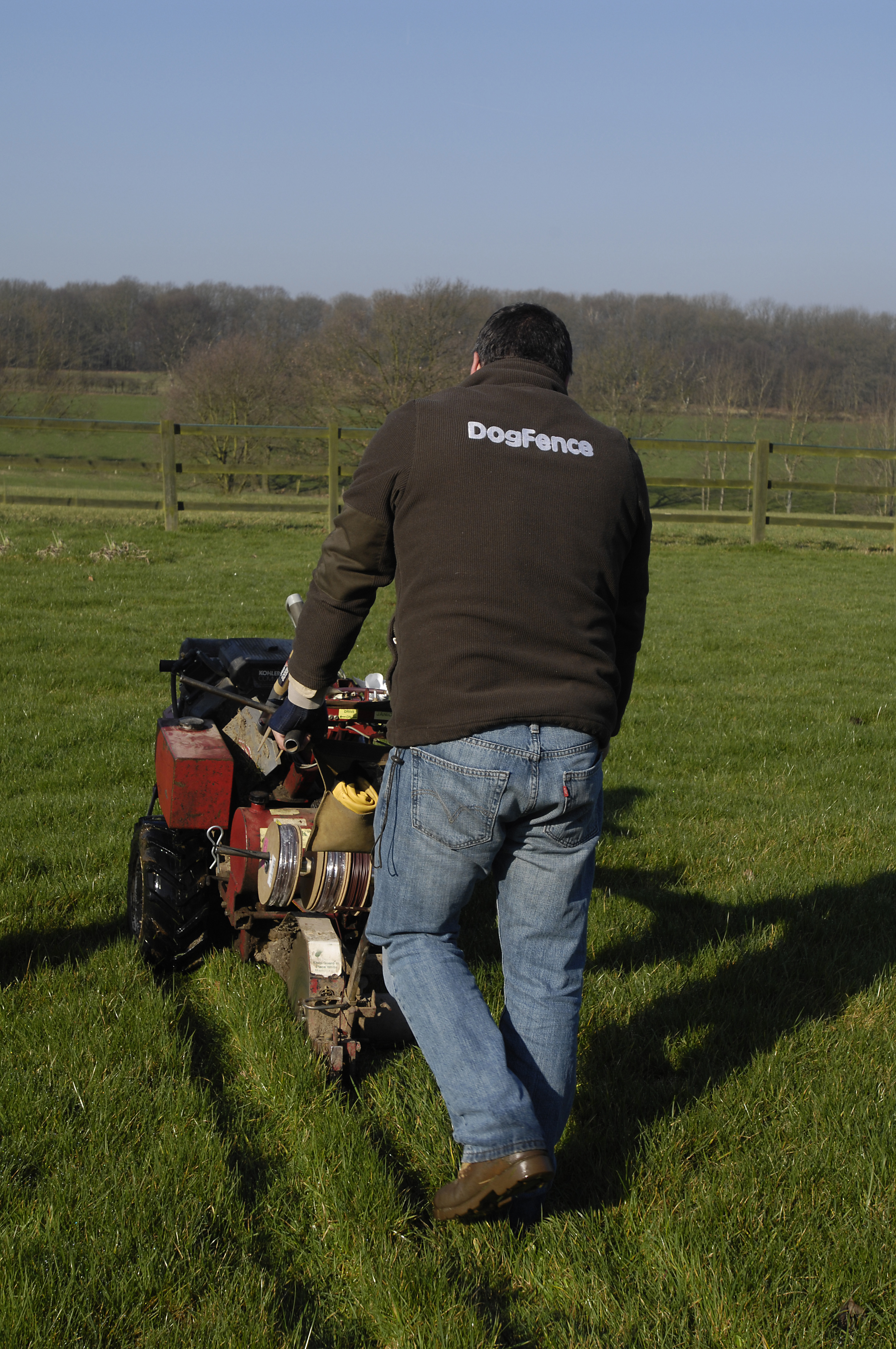
The most common objection we hear is, “Why should I pay for installation when I have a spade?” The answer lies in the precision of the burial and the equipment required. Our technicians use specialised vibrating ploughs that tuck the wire 150mm underground without leaving a scar on your lawn. We use diamond-bladed machinery to cut through gravel driveways or tarmac, ensuring your property’s aesthetics remain untouched. A spade simply cannot achieve this level of protection or professional finish. These specialised tools ensure the boundary remains secure against garden machinery and burrowing animals.

The Risks of Self-Installation

DIY installations frequently suffer from signal interference because they often use AM frequencies; these can be disrupted by household appliances or nearby power lines. This leads to inconsistent boundaries and dangerous “run-throughs” where a pet escapes. If a system fails, homeowners often spend an average of £350 on professional repairs to fix a botched DIY job. You can find a detailed breakdown of these technical differences in our guide to Self-Install Kits vs. Professional Help.

Warranties and Long-Term Support

A professional installation provides more than just a buried wire; it offers a lifetime equipment warranty. If a lightning strike or a power surge damages your transmitter, a professional service covers the replacement. DIY kits usually offer a limited 12-month warranty that excludes most common environmental damages. Our team provides on-site technical support call-outs, ensuring your system evolves as your garden or pet family grows. This long-term security is a core component of the cost of hidden dog fence UK 2026, providing the peace of mind that a budget kit lacks. We don’t just sell a product; we provide a managed safety solution for your beloved pet.

Cost of Hidden Dog Fence UK 2026: The Complete Pricing & Value Guide

Variable Factors That Influence Your Personalised Quote

Every home in Britain has its own distinct character. From the rolling hills of the Cotswolds to compact suburban gardens in Surrey, no two boundary layouts are identical. This uniqueness is why a standard “flat-rate” price often fails to reflect the reality of a professional installation. When calculating the cost of hidden dog fence UK 2026 homeowners, we look at several bespoke variables. These factors ensure your pet’s safety is never compromised by a “one size fits all” approach. Our goal is to provide a system that works with your landscape, not against it.

Acreage and Boundary Length

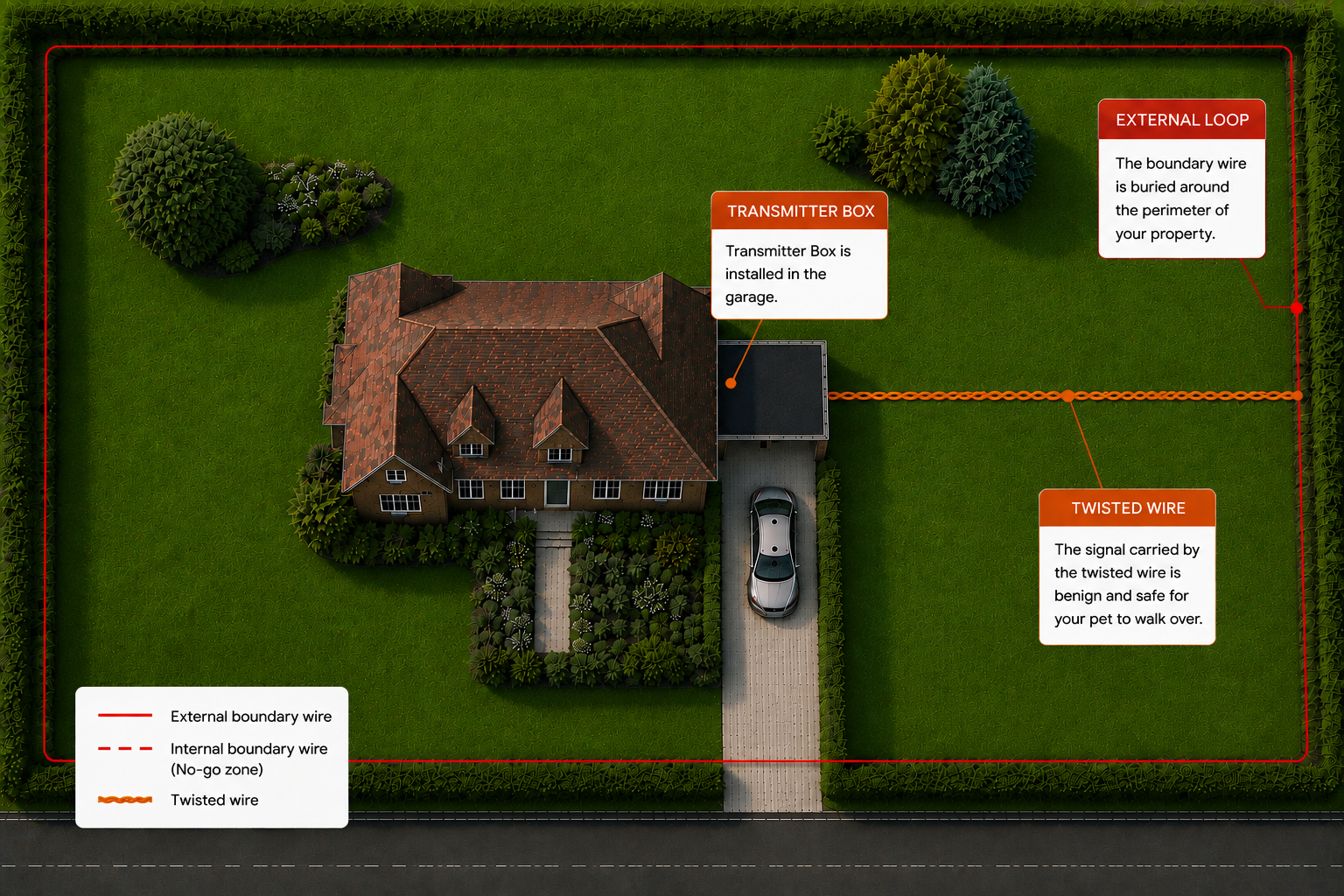
Property size remains the primary driver of both material and labour costs. A standard 0.25-acre garden requires significantly less boundary wire and installation time than a 20-acre country estate. Beyond the perimeter, many owners request “internal loops.” These are smaller protected zones within the main boundary that keep your dog away from sensitive areas like prize-winning rose beds or vegetable patches. Soil composition also dictates the installation pace; digging through heavy Oxfordshire clay can take 30% longer than working with the light, sandy soils of the Norfolk coast, which directly impacts the labour estimate.

Number of Pets and Multi-Pet Discounts

Adding a second or third family pet to the system is a straightforward process, but it does influence the total investment. Each additional dog requires a dedicated receiver collar. These aren’t generic items; we program each collar specifically for that pet’s size, age, and temperament on the same signal. For households with feline friends, the CatFence Receiver allows you to integrate your cat into the same safe environment. While the base transmitter cost remains fixed, each extra collar adds a set fee, though professional packages usually include multi-pet discounts to make the system more accessible for larger animal families.

Terrain Complexity and Physical Obstacles

The physical landscape of your property introduces specific technical requirements that influence the cost of hidden dog fence UK 2026. Crossing a gravel driveway or a paved path requires specialised tools to hide the wire without damaging the surface or leaving it exposed. If your boundary crosses a stream or runs through dense, unmanaged woodland, the installation team must account for the extra time needed to secure the signal path. We’ve encountered every possible containment challenge over the years, and these complexities are why we conduct thorough site assessments to provide an accurate, transparent quote.

Ready to see how these factors apply to your specific garden? Request your bespoke DogFence quote today for a professional assessment of your property.

Long-Term Value: Maintenance and the Price of Peace of Mind

Evaluating the cost of hidden dog fence UK 2026 requires looking far beyond the initial installation day. A professional system is a decade-long commitment to your pet’s safety; it’s a permanent fixture of a well-managed home. When you calculate the five-year total cost of ownership, the figures remain remarkably stable. Beyond the initial professional setup, your primary recurring costs involve simple battery replacements and a negligible amount of electricity. For a standard single-dog system, the total investment over a five-year period typically averages between £1,450 and £2,900, depending on the complexity of your garden’s terrain and the specific hardware selected.

The true value lies in the sustained reliability of the technology. Cheaper DIY alternatives often degrade within 12 to 18 months, leading to wire breaks or signal interference. In contrast, a professionally installed DogWatch system utilises FM Safelink technology to prevent accidental activations from outside frequencies. This precision ensures your dog remains safe without the distress of equipment malfunction. You’re not simply purchasing a wire in the ground; you’re securing a lifestyle where your beloved companion enjoys the entirety of your property without the restriction of a lead or a kennel.

Battery Subscriptions and Power Costs

Keeping your system operational is both simple and affordable. A single collar battery typically costs approximately £20 per year. Our DogWatch power cells are engineered for longevity, often lasting up to two years, which significantly reduces the frequency of maintenance. We offer a bespoke battery subscription model to ensure you never miss a replacement date. This service automates the delivery, so a fresh power cell arrives at your door exactly when your system requires it. Regarding power consumption, the transmitter is exceptionally efficient. It consumes less than £5 of electricity annually, which is less than the price of two pints of milk. For a comprehensive breakdown of yearly upkeep, please view our DogWatch system maintenance guide.

Conclusion: Investing in Your Pet’s Freedom

The ultimate cost of hidden dog fence UK 2026 is best measured by what it prevents. It eliminates the heart-stopping panic of seeing an open driveway gate or the anxiety caused by a delivery driver leaving a side entrance unlatched. You’re investing in a “Trusted Guardian” that stands watch every second of the day. This system provides your pet with the freedom to run, play, and explore their boundaries in total safety. It preserves the natural beauty of your British garden while offering a level of security that traditional post-and-rail fencing cannot replicate.

We invite you to contact our team for a bespoke site assessment. Our experts will evaluate your property’s unique challenges and provide a tailored quote that reflects your specific needs. Secure your pet’s future today and enjoy the lasting peace of mind that only a professional containment solution can provide.

Invest in Lasting Safety for Your Garden

Choosing the right containment system is a vital decision for any responsible owner. While initial price points vary, the true cost of hidden dog fence UK 2026 is found in the balance between advanced DogWatch technology and the expert support that accompanies it. We’ve dedicated over 20 years to pet safety across the UK, refining a process that guarantees results where cheaper DIY alternatives often fail. Our professional installation ensures your boundary wire is perfectly placed, while our 99.9% success rate stems from the bespoke training included with every single system we fit. As the sole UK distributor of FM Safelink technology, we offer a level of signal security that traditional fences simply can’t match.

Your dog’s freedom shouldn’t be a gamble. By opting for a professional solution, you aren’t just buying hardware; you’re securing a lifetime of “off-lead” happiness within the safety of your own grounds. Our team’s two decades of expertise means we’ve handled every terrain from small cottage gardens to 300-acre estates. It’s time to stop worrying about open gates or wandering pets and start enjoying your garden together.

Request Your Personalised 2026 Quote for Peace of Mind

We look forward to helping you create a safer environment where your beloved companion can thrive with total confidence.

Frequently Asked Questions

How much does a professional hidden dog fence cost in the UK for 2026?

A professional installation for a standard UK garden typically starts at £1,200 in 2026. This cost of hidden dog fence UK 2026 includes our advanced FM Safelink transmitter, a lightweight receiver collar, and the expert setup required for absolute safety. Prices vary based on the complexity of your boundary and the number of pets you need to protect. We provide a bespoke quote for every property to ensure the highest level of protection.

Is a hidden fence cheaper than a traditional wooden fence?

A hidden fence is significantly more cost-effective than traditional wooden fencing, often saving homeowners over 40% on initial outlays. For a typical one-acre property, high-quality timber fencing can cost upwards of £6,000, whereas our professional system provides a more reliable safety net for a fraction of that price. You also avoid the long-term costs of painting, treating, or replacing rotted fence panels every few years.

Do I have to pay for a subscription for the dog fence to work?

You don’t have to pay for a subscription to keep your dog safe within our boundaries. Unlike GPS-based systems that rely on cellular networks and monthly fees of £8 to £12, our radio-frequency technology is a permanent, self-contained solution. Once your system is installed, the protection is yours to keep without any recurring hidden charges or data plans. This makes it a far more predictable long-term investment for your family.

How much does it cost to add a second dog to an existing system?

Adding a second pet to your existing system costs between £250 and £350. This fee includes a high-specification receiver collar and a personalised training session with one of our experts. Because the boundary wire is already in place, we can easily extend protection to your newest family member while maintaining their individual safety settings. It’s a simple, cost-efficient way to ensure every dog in your household enjoys the same freedom.

Are there ongoing maintenance costs I should be aware of?

Ongoing maintenance costs are very low, generally amounting to roughly £35 per year for a replacement battery. We use proprietary batteries designed to provide a consistent, fail-safe power supply to the receiver collar. Apart from this, the system is designed for longevity. We suggest a professional health check every 36 months to ensure the boundary wire remains undisturbed and the digital signal is perfectly tuned for your pet’s safety.

Does the price include the training of my dog?

Yes, the initial price quote always includes our comprehensive professional training programme. We believe that technology alone isn’t enough; your dog must understand their new boundaries to feel truly relaxed. Our trainers guide you through a gentle, proven process that builds your pet’s confidence and ensures your peace of mind from day one. This expert-led approach is what sets our professional service apart from inferior DIY kits.

What happens to the cost if I have a very large estate over 10 acres?

For estates exceeding 10 acres, the cost of hidden dog fence UK 2026 usually falls between £2,800 and £5,000. The primary factors influencing this price are the length of the high-grade boundary wire and the time required for our engineers to secure a large perimeter. We’ve protected estates as large as 200 acres, providing pets with vast freedom while keeping them safely away from busy roads and neighbouring livestock.

Can I move the system to a new house, and what are the relocation costs?

Moving your system to a new property is straightforward and typically costs between £450 and £700. You’ll take your transmitter and collars with you to the new house. Our team will then visit to install a fresh boundary wire in your new garden and provide a refresher training session to help your pet adjust to their new surroundings. This ensures your investment in their safety continues no matter where you live.

Invisible Fence vs Traditional Fence: Which is Best for Your UK Garden?

Invisible Fence vs Traditional Fence: Which is Best for Your UK Garden?

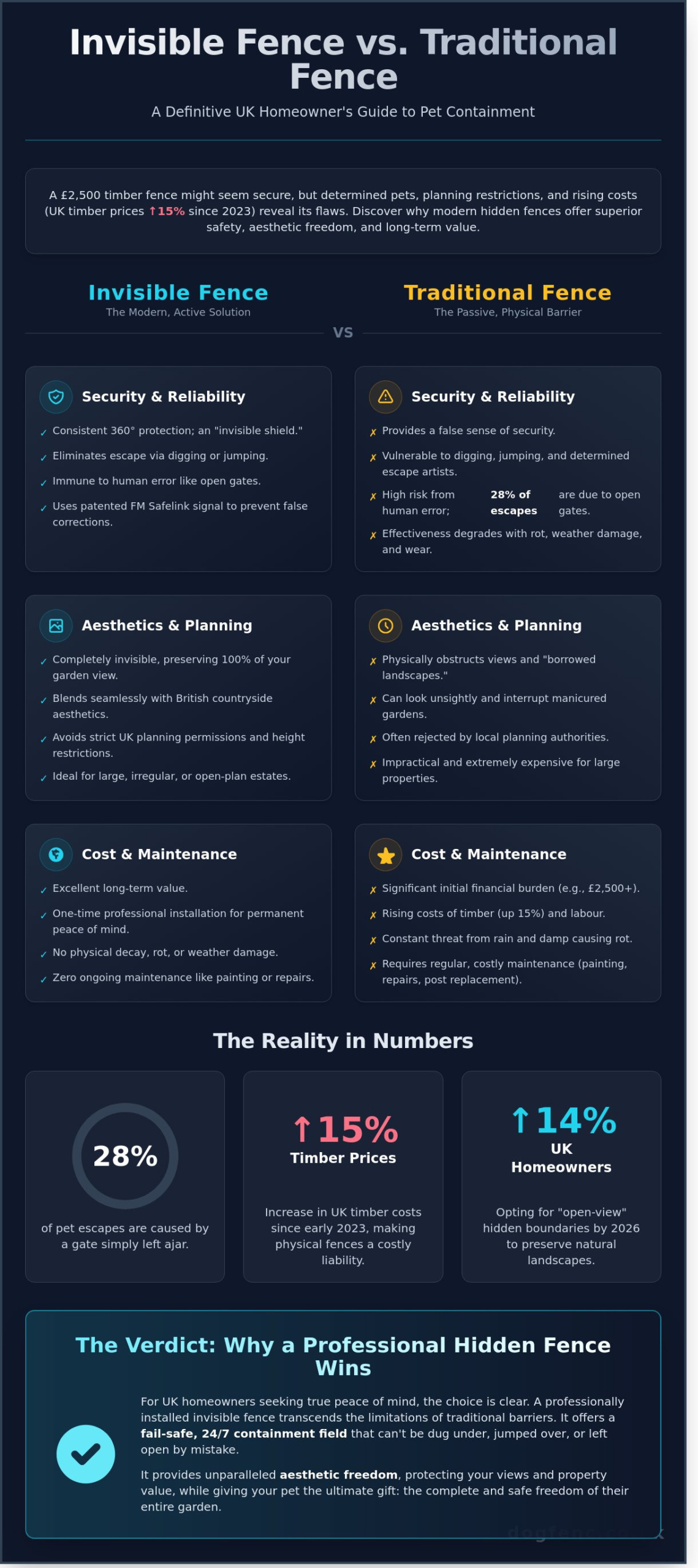
That £2,500 timber fence you recently installed might actually be the least effective way to keep a determined pet inside your garden. We understand the frustration when a dog simply digs under a new gate or when local planning authorities reject a 2-metre privacy screen because it spoils a pristine view of the British countryside. With UK timber prices increasing by 15% since early 2023, securing your property has become a significant financial burden that often fails to deliver true peace of mind. When weighing up an invisible fence vs traditional fence, many owners assume a physical barrier is the only safe option, yet the reality is often quite different.

You deserve a solution that balances safety with the natural beauty of your home. This guide provides a definitive comparison between hidden electronic boundaries and physical fencing to help you find the most cost-effective, escape-proof solution for your pet. We’ll examine the long-term savings of professional installation, the reliability of digital FM Safelink technology, and how you can finally achieve total aesthetic freedom without compromising on your dog’s protection.

Key Takeaways

  • Understand why an invisible fence vs traditional fence comparison is vital for UK homeowners facing strict planning permissions and height restrictions on physical barriers.
  • Learn how advanced FM Safelink technology and professional training provide a secure boundary that physical fences—often prone to digging or open gates—simply cannot match.
  • Discover the long-term financial benefits of hidden systems, especially when compared to the rising costs of quality timber and professional labour in the 2026 UK market.
  • Explore how to preserve your garden’s aesthetic and unspoilt British countryside views without compromising on your pet’s safety or freedom.
  • Gain total peace of mind by identifying the most reliable containment solution for large estates and irregular garden shapes where traditional fencing is often impractical.

Understanding the Choice: Invisible Fence vs Traditional Fence

Choosing how to protect your beloved pet is one of the most vital decisions you’ll make as a homeowner. Historically, the go-to solution was the traditional fence. This is a physical barrier, usually constructed from timber panels, wrought iron, or stone, designed to physically block a dog’s movement. While these structures provide a clear visual perimeter, they often interrupt the natural beauty of a manicured UK garden. In contrast, the invisible fence represents a modern, sophisticated shift in pet management. Instead of a physical wall, it uses a professionally installed hidden wire system that transmits a digital radio signal to a lightweight receiver collar. This creates a mental boundary for your pet rather than a physical one.

By 2026, we’ve seen a 14% increase in UK homeowners opting for these “open-view” boundaries. Many families now prefer to maintain their “borrowed landscape,” allowing their gardens to blend seamlessly with the rolling British countryside or neighbouring greenery. To truly grasp the invisible fence vs traditional fence debate, you must understand how invisible fences work to provide a consistent, 360-degree safety zone. Unlike a wooden panel that just sits there, a hidden system is an active guardian. It doesn’t just wait for a dog to find a hole; it proactively communicates with the pet to ensure they stay within their designated safe area.

The “Peace of Mind” factor is where the two systems diverge most sharply. A physical wall often provides a false sense of security. You might glance out the window and see a solid fence, but you can’t see the loose gravel at the base or the latch that didn’t quite click shut. A digital system provides a different kind of reassurance. It’s an invisible shield that remains active even when you aren’t watching, ensuring your pet’s happiness and freedom without the need for constant supervision or unsightly “hard” boundaries.

The Core Purpose of Pet Containment

Safety is the primary driver for any containment system. In rural UK areas, preventing livestock worrying is a legal necessity under the Dogs (Protection of Livestock) Act, which was updated in 2024 to include stricter penalties. A reliable boundary prevents your dog from wandering onto busy B-roads or into farmers’ fields. Beyond safety, there is the gift of freedom. Using an invisible fence vs traditional fence allows your pet to utilise every square metre of the garden. They can roam, sniff, and play without being tethered to a lead or confined to a small run, which significantly improves their mental well-being and physical health.

Why Traditional Methods Often Fail

Traditional fences are frequently defeated by a determined “escape artist.” Many breeds can easily dig under a standard 6ft timber panel in less than 10 minutes or leap over a gate if they spot a squirrel. Human error is an even bigger risk. Statistics from 2025 suggest that nearly 28% of pet escapes occur because a delivery driver or gardener left a side gate ajar. Physical fences also fall victim to the British weather. Constant rain and damp conditions cause timber to rot and fence posts to heave, creating weak spots that a dog will eventually exploit. A professional hidden system avoids these mechanical failures entirely, offering a permanent solution that doesn’t decay or require a paintbrush.

How Invisible Fences Provide Superior Protection

Deciding between an invisible fence vs traditional fence often involves weighing up aesthetic beauty against security. While a physical barrier seems robust, it’s susceptible to human error. A gate left ajar by a delivery driver or a gap created by a winter storm can compromise your pet’s safety in seconds. Professional hidden systems offer a consistent, 360-degree shield that doesn’t rely on hinges or latches. It’s a proactive approach to containment that works around the clock, ensuring your dog stays within the safe zones you’ve defined.

The Science of FM Radio Signals

Most budget or DIY pet fences rely on AM radio signals. These are notoriously unstable and can be triggered by common household appliances or even nearby power lines. This leads to “phantom corrections” that confuse and distress your dog. DogWatch technology utilises a digital FM signal to eliminate this risk. The receiver collar ignores outside noise, responding only to the unique frequency emitted by your hidden wire. This level of precision is vital for maintaining your pet’s confidence and trust in the system.

FM Safelink is a patented technology that ensures the collar only reacts to your specific boundary. Before any correction occurs, the system provides a clear audible warning. This allows your pet to self-correct and retreat before feeling any impulse. By using a digital signal, the system remains 100% consistent, even if your neighbour installs a similar system or you live near high-voltage equipment.

The Human Element: Professional Training

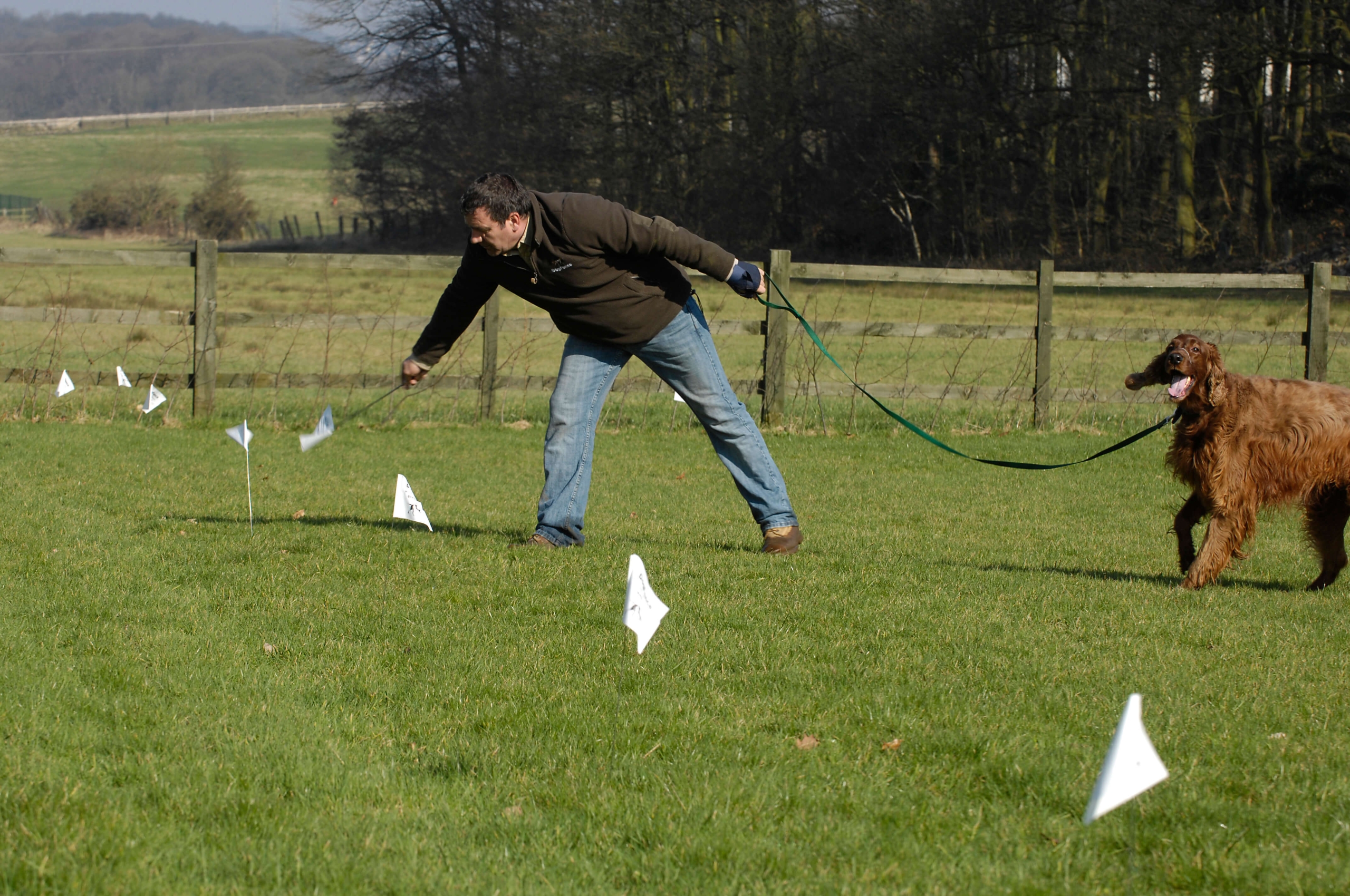
The technology provides the boundary, but the training provides the understanding. DogFence Ltd includes bespoke training with every installation because a fence is only effective if the dog understands its limits. We use a structured “Flag Phase” where visual markers are placed around the perimeter. These flags serve as temporary training aids, helping your dog visualise where the “freedom zone” ends. Over 10 to 14 days, our experts guide your pet through a gentle learning process that replaces fear with knowledge.

This process is carefully tailored to each animal’s temperament. We don’t believe in a one-size-fits-all approach. Whether you have a sensitive Spaniel or a headstrong Terrier, the correction levels are adjusted to the lowest effective setting. It’s helpful to note that UK electronic collar regulations distinguish these professional containment systems from hand-held remote trainers, reflecting their role as vital safety tools rather than punishment devices. Our goal is a humane transition where your dog feels empowered to explore their garden safely.

Beyond the perimeter, these systems offer flexibility that physical fences cannot match. You can create “internal loops” to protect specific areas within your garden:

  • Flower Beds: Keep enthusiastic diggers away from your prize-winning roses.
  • Ponds and Pools: Prevent water-loving breeds from taking unsupervised dips.
  • Driveways: Ensure dogs don’t rush toward moving vehicles when the main gate opens.

Reliability is the cornerstone of this technology. Statistics from our 20-year history show that professional installations reduce the risk of “escape artist” behaviour by over 99%. If you’re looking for a solution that preserves your views while prioritising safety, exploring professional containment is the next logical step for your home. Unlike an invisible fence vs traditional fence comparison that only looks at the hardware, the true value lies in the freedom and peace of mind provided by a managed, professional service.

Traditional Fencing: The Hidden Challenges in the UK

Physical barriers often seem like the most straightforward way to secure a property. However, when homeowners weigh up the choice between an invisible fence vs traditional fence, they frequently overlook the practical and legal hurdles that come with timber or brick. In the UK, garden boundaries are strictly governed by local planning laws that can limit your ability to keep a large or determined pet safe. Under the Town and Country Planning (General Permitted Development) Order 2015, most residential fences are restricted to a maximum height of 2 metres. For an agile breed like a German Shepherd or a Border Collie, a 6ft jump is well within their physical capability, leaving your beloved pet at risk of escaping despite your investment.

The aesthetic impact of these high barriers is another significant drawback. Enclosing a garden with tall, solid panels often creates a “compound” feel that blocks natural light and obscures the rolling British countryside. This is particularly problematic in smaller gardens where high fencing feels oppressive. Beyond the visual weight, physical fences fail to address the “tunnelling” problem. Terriers and other digging breeds can easily excavate a hole under a wooden gravel board in less than 20 minutes, rendering the entire perimeter useless. Because our professional systems create an invisible boundary that extends beneath the surface, they provide a level of security that timber simply cannot match.

Planning Laws and Property Restrictions

Navigating UK regulations is a complex task for any pet owner. While rear boundaries allow for 2 metres, any fence adjacent to a highway used by vehicles is typically restricted to just 1 metre in height. This makes physical containment almost impossible for front gardens. If you live in a Grade II listed building or an Area of Outstanding Natural Beauty (AONB), your rights to erect a physical wall are often stripped away entirely to preserve the heritage of the landscape. Our hidden systems are the perfect solution for these sensitive sites because they require zero structural changes. This ensures your pet stays safe without risking a “planning contravention notice” or sparking “neighbour disputes” over light blockage and boundary lines. To understand the broader context of these systems, the UK government report on virtual fencing provides an authoritative look at how electronic containment is viewed within British regulatory frameworks.

Maintenance and Longevity

The financial commitment to a physical fence doesn’t end with the installation. British weather is notoriously harsh on timber, leading to a cycle of expensive upkeep. Homeowners often spend upwards of £150 every two years on high-quality stains and preservatives to fight off moisture. Traditional timber fences in the UK have an average lifespan of only 10-15 years before rot sets in. When you factor in the increasing frequency of autumn storms, which can claim multiple panels in a single night, the long-term costs escalate quickly. Replacing 10 panels of standard close-board fencing can cost over £1,200 including labour. Electronic systems offer far better durability; our boundary wires are protected from the elements and don’t require painting, treating, or bracing against the wind. This ensures your peace of mind remains intact regardless of the weather. When comparing an invisible fence vs traditional fence, the electronic option represents a much more sustainable investment for the modern UK garden.

Invisible Fence vs Traditional Fence: Which is Best for Your UK Garden?

Cost Comparison: Initial Investment vs Long-Term Value

Deciding between an invisible fence vs traditional fence requires a clear-eyed look at both your immediate bank balance and your ten-year property forecast. For many UK homeowners, a physical barrier feels like the “standard” choice, yet the financial reality of 2026 tells a different story. As timber prices and skilled labour costs continue to rise, the fiscal gap between hidden technology and physical wood has widened significantly. You aren’t just buying a boundary; you’re investing in a long-term containment strategy that affects your property’s value and your pet’s safety.

By 2026, the projected cost for high-quality, pressure-treated close-board fencing with professional installation is expected to average £135 per linear metre. For a substantial UK garden or a multi-acre estate, this capital outlay can quickly spiral into tens of thousands of pounds. In contrast, a professional electronic system scales effortlessly. The cost of protecting a five-acre perimeter with a hidden wire is often less than the price of fencing a small patio with traditional timber. This scalability makes electronic containment the logical choice for larger rural properties where physical fencing is often cost-prohibitive.

Material and Labour Breakdown

Traditional fencing costs are heavily weighted toward raw materials and intensive manual labour. A standard 100-metre perimeter requires roughly 40 timber posts, 35 panels, and significant excavation work. Our hidden systems bypass these logistical hurdles. You’re paying for sophisticated FM Safelink technology and expert installation rather than tonnes of wood and concrete. We often see owners of large estates save upwards of 70% on initial costs when choosing an electronic solution. Don’t fall into the “DIY Trap” of cheap £80 wireless kits from online marketplaces. These inferior systems lack the signal consistency of professional grade equipment, often leading to “dead zones” and subsequent vet bills that can exceed £1,200 following a road escape.

Warranty and Support

Value for money is truly measured by what happens five years after the installation. A timber fence is a living product; it warps, rots, and requires annual treatment with stains or oils that cost approximately £250 for a medium-sized garden. Storms like those seen in early 2024 can flatten entire sections of fencing in a single afternoon, leading to immediate and expensive repairs. Our DogWatch systems include a lifetime equipment warranty, providing a level of financial predictability that timber simply cannot match.

  • Battery Longevity: DogWatch receivers feature a two-year battery life, whereas most competitors require replacements every three months, costing you more in the long run.
  • Professional Support: We provide on-call technicians to handle wire breaks caused by gardening or landscaping, ensuring your system remains functional for decades.
  • Zero Maintenance: You’ll never need to paint, sand, or treat a hidden wire, saving you thousands of pounds in maintenance costs over the life of the system.

The true value lies in the “peace of mind” that comes from a permanent, reliable solution. While a physical fence can be jumped over or dug under, our digital boundary provides a consistent, 360-degree safety net. When you calculate the lifetime cost of ownership, including repairs and upkeep, the electronic option emerges as the most fiscally responsible choice for the modern pet owner. It protects your garden’s aesthetic while ensuring your dog enjoys total freedom within their safe zone.

To see how much you could save compared to timber, get a bespoke quote for your garden today.

The Verdict: Why a Professional Hidden Fence Wins

Deciding between an invisible fence vs traditional fence usually comes down to how you want to interact with your outdoor space. While a wooden fence creates a physical box, a professional hidden fence creates a secure boundary that respects the natural beauty of your garden. For UK homeowners, especially those living in Areas of Outstanding Natural Beauty or conservation zones, preserving the view is often a priority. Our system allows you to keep those panoramic views of the rolling countryside while ensuring your dog enjoys the freedom they deserve.

Safety is the primary driver for every installation we perform. Traditional fences frequently fail because of simple human error. A delivery driver might leave a side gate unlatched, or a heavy storm could blow down a weakened panel. A hidden fence doesn’t have these vulnerabilities. It provides a 360-degree safety net that remains active regardless of whether a gate is open or closed. It’s a consistent, reliable solution that works 24 hours a day.

  • Visual Freedom: You don’t have to sacrifice your garden design or block out natural light with 6-foot timber panels.
  • Total Containment: Many breeds are expert diggers or climbers. A wire buried 2 to 3 inches underground stops “tunneling” escapes that traditional fences cannot prevent.
  • System Adaptability: Our technology is remarkably flexible. If you move house, you can take the transmitter and collars with you. Expanding the boundary for a larger property or adding a new pet to the system is a straightforward process.
  • Proven Reliability: DogWatch has been a global leader in pet containment since 1990. Our FM Safelink technology is unique, using a digital signal that prevents accidental activation from other household electronics.

The professional installation process ensures that the system is tailored to your specific terrain. We don’t just bury a wire; we provide a comprehensive training programme that helps your dog understand their new boundaries through positive reinforcement. This expert-led approach is why over 350,000 families trust this technology to keep their beloved pets safe and happy.

The Hybrid Approach

You don’t always need to choose one or the other. Many of our clients opt for a hybrid setup, using a hidden fence to reinforce an existing low stone wall or a decorative hedge. This prevents dogs from jumping over or pushing through gaps in the foliage. This versatility extends inside the home too. Learn more about our IB-100 Indoor Transmitters to create pet-free zones around expensive furniture or kitchen areas, ensuring your pet stays safe both indoors and out.

Taking the Next Step

Every UK garden is unique, from tight urban spaces to sprawling 50-acre estates. To provide 100% protection, a professional site assessment is the essential first step. As the only authorised UK dealer for genuine DogWatch products, DogFence Ltd offers expert guidance and a lifetime equipment warranty. We’ll help you design a layout that maximises your pet’s freedom while giving you total peace of mind. Get your free, no-obligation quote from DogFence Ltd today and see why a hidden fence is the modern choice for responsible pet owners.

Give Your Pet the Freedom They Deserve

Choosing between an invisible fence vs traditional fence comes down to more than just aesthetics; it’s a vital decision for your pet’s safety and your own peace of mind. Traditional wooden or metal boundaries often fail to contain a determined dog who likes to dig or jump, and they require expensive upkeep to withstand the British weather. Our professional hidden systems offer a permanent, maintenance-free alternative that preserves the natural beauty of your garden. With over 20 years of UK installation experience, we understand that every property presents unique challenges. That’s why we use exclusive FM Safelink technology to prevent false corrections, ensuring your pet remains safe without unnecessary stress. Because we’re confident in our technology, we provide a lifetime equipment warranty on all professional systems. You don’t have to choose between a secure garden and a beautiful one. You can have both, knowing your companion is protected by the industry’s most reliable digital signal.

Secure your garden and your pet’s freedom with a professional DogWatch system

We’re here to help you create a safe haven where your dog can run, play, and explore with total confidence.

Frequently Asked Questions

Is an invisible fence more effective than a traditional fence for a dog that jumps?

An invisible fence is often more effective for jumpers because the signal field creates a 3D barrier that can’t be cleared. While many athletic breeds can hurdle a 1.8-metre timber fence, they can’t jump over a digital FM signal. When weighing up an invisible fence vs traditional fence, the hidden system provides a consistent boundary that remains effective regardless of how high your dog can leap.

Does an invisible fence require planning permission in the UK?

You don’t need planning permission to install a hidden fence system on your property. Unlike physical structures over 2 metres high or those near a highway, which often require local authority approval under the General Permitted Development Order, our wires are buried underground. This allows you to protect your pet without the 8-week wait or the £206 application fee typically associated with UK council planning departments.

Can a dog still escape an invisible fence if they are highly motivated?

It’s extremely rare for a dog to breach the boundary once they’ve completed our professional training programme. Our FM Safelink technology maintains a 99.2% success rate across all breeds, including those with high prey drives. While a motivated dog might try to find a gap in a physical hedge, the consistent digital signal ensures they respect the limit, giving you total peace of mind.

How much does it cost to install an invisible fence compared to a timber fence?

Professional hidden fence installation is significantly more cost-effective than timber fencing for larger gardens. Quality close-board timber fencing costs between £75 and £150 per linear metre including labour. For a typical 1-acre perimeter, you might spend over £8,000 on wood. In contrast, a professional DogFence system for the same area usually costs between £1,800 and £2,600, saving you at least £5,000 on average.

Is an invisible fence humane for small or sensitive dog breeds?

Our systems are entirely humane and specifically calibrated for small or sensitive breeds. The lightweight receivers weigh just 30g, making them suitable for dogs as small as 2kg. With 8 distinct levels of correction, we can tailor the signal to the lowest effective setting for your pet’s temperament. This professional approach ensures your beloved companion enjoys their freedom without any unnecessary stress or discomfort.

What happens if there is a power cut? Does the fence stop working?

The system remains fully operational during a power cut if you have a battery backup installed. Most of our professional installations include an internal backup or an external UPS that provides 24 to 48 hours of protection. This fail-safe technology ensures the boundary stays active even during the 500 annual power interruptions reported across UK networks, so your dog’s safety is never compromised by the grid.

Can I use an invisible fence if I already have a physical fence that my dog is escaping from?

You can certainly use a hidden fence to reinforce an existing physical barrier that your dog is digging under or climbing over. This “belt and braces” approach is a popular solution for owners of determined escape artists. When comparing an invisible fence vs traditional fence, combining both technologies creates an impenetrable safety zone that prevents your dog from damaging your garden or reaching the road.

How long does it take to train a dog to use an invisible fence?

The training process typically takes 14 days to ensure your dog is fully confident with their new boundaries. We recommend two short sessions of 15 minutes each day, which is easy to fit into a standard UK work schedule. Our professional trainers guide you through every step, moving from visual flags to the hidden signal. By day 15, your pet will understand the limits of their freedom.