Tag Archive for: electronic dog fences

Dog safely enjoying freedom in a secure garden

Electric Collar Ban Consultation: Why Containment Fences Are Excluded

The New Electric Collar Ban Consultation: Is Your Containment Fence Safe?

The Short Answer: Yes.

Dog safely enjoying freedom in a secure garden thanks to the exemption of containment fences from the 2018 electric collar ban consultation

In late December 2025 the Government announced plans to run a future consultation on an Electric collar ban. The proposed consultation, which currently has not date, is to once again discuss the banning of “electric shock collars”. So what about Containment (Invisible) Fences? These valuable fences were explicitly excluded from the previous ban announcement because they were recognised as life-saving tools.

The 2018 DEFRA consultation already settled this debate, confirming that containment systems prevent road accidents and provide pets with safety and freedom. For owners unfamiliar with this approach, understanding how electronic dog fences work can help explain why containment systems are treated differently from training collars.


Quick Fact Check: The 2018 DEFRA Ruling

The electric collar ban consultation in 2018 produced the following results:

The Decision:
DEFRA ruled to ban hand-held remote collars but kept containment fences legal.

The Regulation:
The Government announced it would change legislation to ensure containment fences are professionally installed and paired with appropriate training, recognising that correct setup and education are essential for safety.

The Reason:
Government data proved these systems are “life-saving” and fundamentally different from punitive training devices.

The Support:
Roughly 56% of all 7,334 consultation respondents specifically wrote in to defend containment fencing.
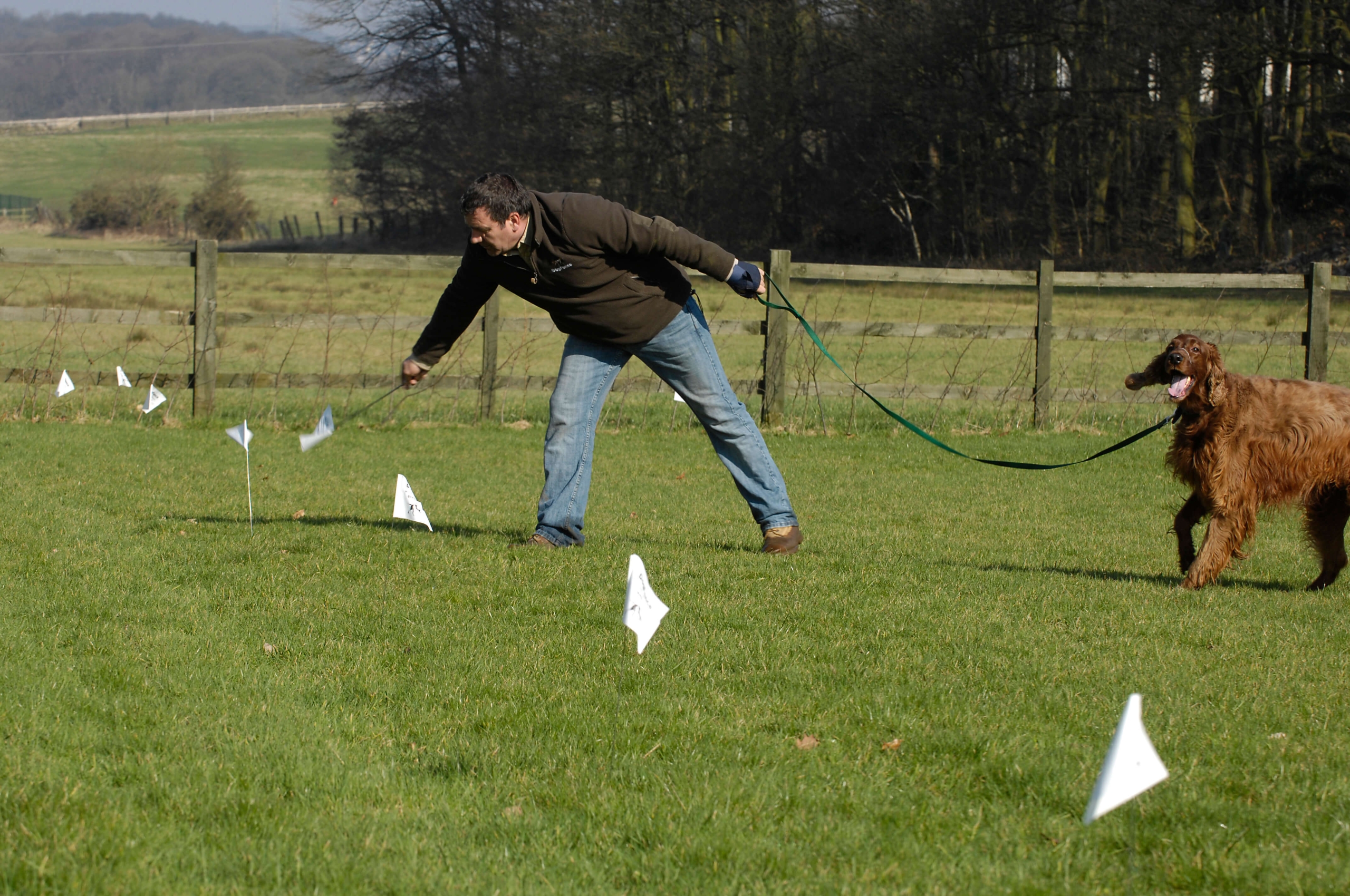
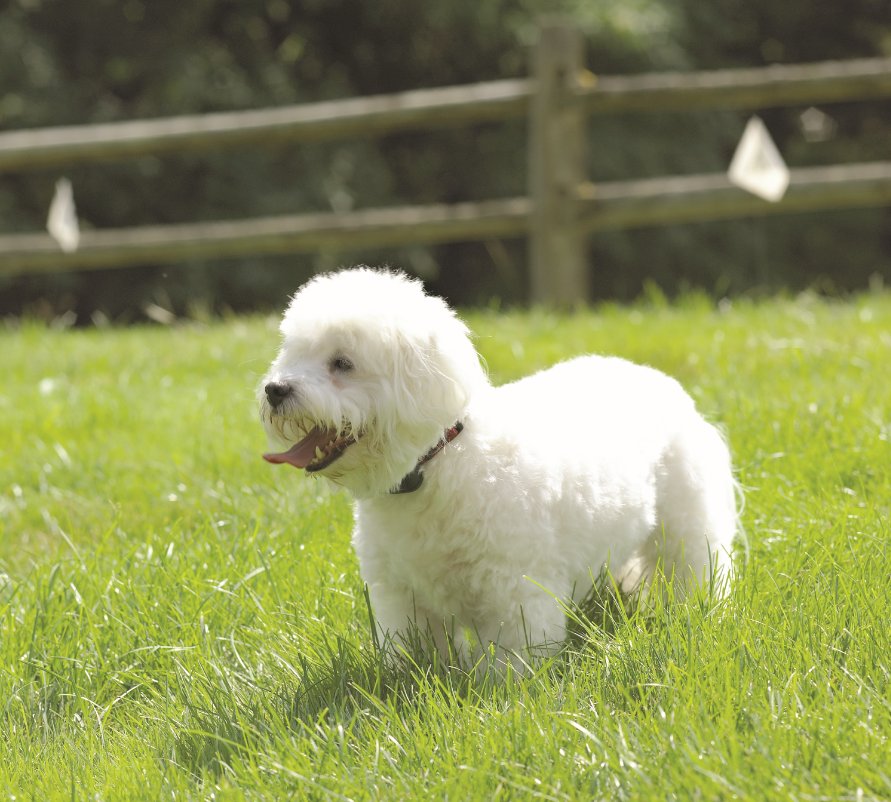
Professional dog containment fence training using boundary flags in a rural UK garden - explicitly excluded from the 2018 electric collar consultation


Why Is There a New Consultation to Ban Electric Collars?

In December 2025, the Government launched its new Animal Welfare Strategy, which includes a commitment to consult “later in this Parliament” on a ban of electric shock collars.

It is important to note that a previous attempt to ban these collars, known as the Animal Welfare (Electronic Collars) (England) Regulations 2023, never actually became law. Although it was debated in 2023, the legislation was withdrawn before it could pass through the House of Commons. Consequently, that ban “died” with the last government, leading the current administration to start the process fresh with a new consultation.


How Do Containment Fences Improve Animal Welfare?

Rather than being “aversive” training tools, the 2018 consultation identified containment fences as protective technology. According to official DEFRA findings and industry evidence:

Road Safety:
They prevent cats and dogs from wandering into traffic, a leading cause of pet mortality. Independent veterinary charities also highlight that road safety remains one of the leading risks for pets.

Livestock Protection:
They prevent “worrying” by ensuring pets cannot enter fields with vulnerable animals.

Mental Wellbeing:
They allow pets to enjoy outdoor freedom within a safe, defined boundary, which is vital for their physical and mental health.

These risks can be heightened by seasonal escape triggers, such as wildlife movement and scent trails, particularly in winter months.
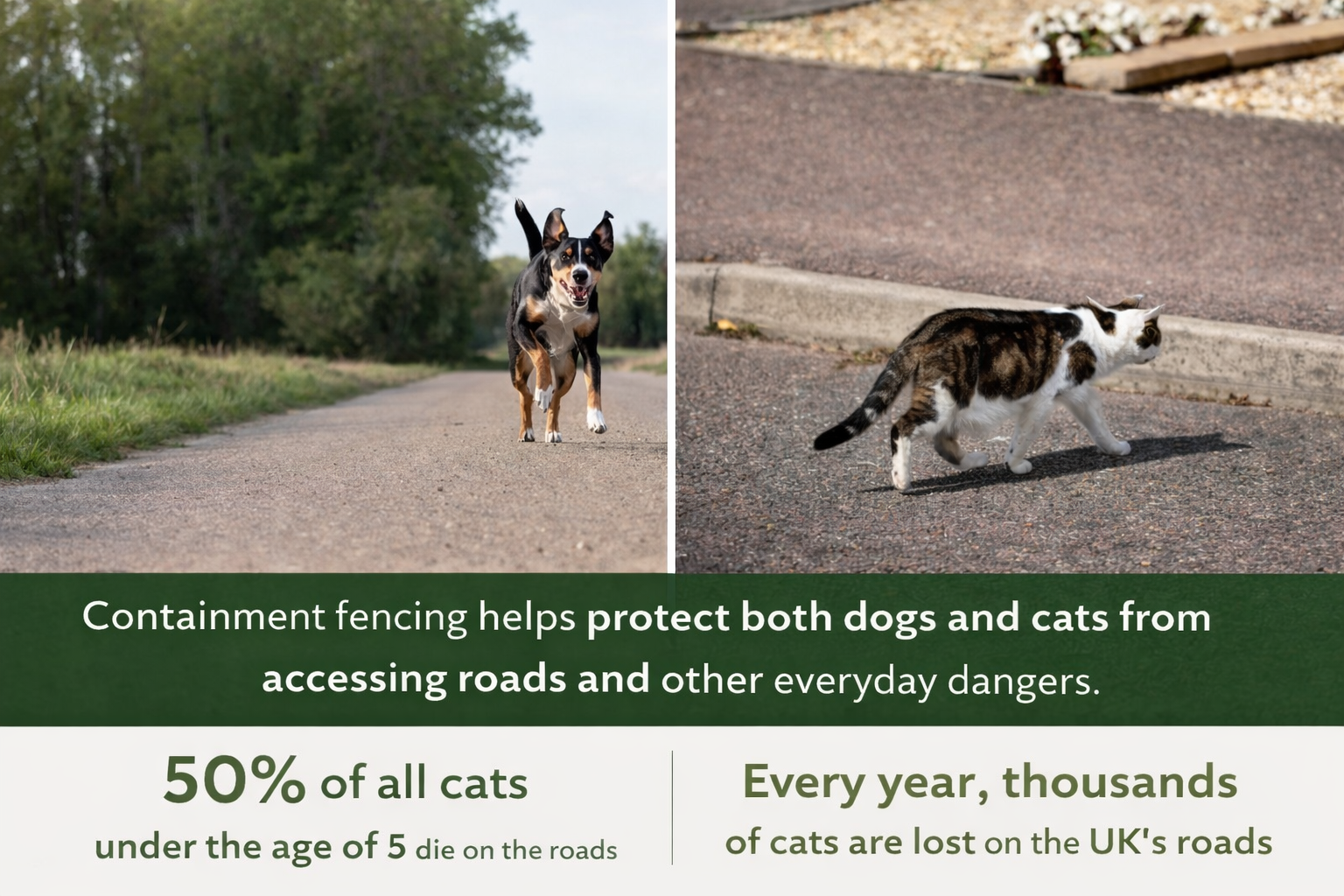
Dog and cat near roads highlighting the life-saving role of pet containment systems which was flagged as part of the 2018 electric collar ban consultation


Why the 2018 DEFRA Precedent Is Final for Containment

This isn’t a debate that needs to be reopened. The 2018 consultation was one of the most comprehensive ever held on the topic, receiving 7,334 formal responses.

2018 Consultation Metric The Result
Total Responses 7,334
Pet Owner Defence Over 6,000 individuals provided evidence
Government Verdict Containment excluded due to life-saving benefits

Expertise Matters: DogFence and the Law

We are not just a retailer; we helped provide the real-world evidence that protected these systems in 2018.

DogFence was the only UK specialist invited to meet with DEFRA in person to demonstrate how professional installation and calm boundary training ensure pet safety without causing distress.

We stand by that evidence today:
a containment fence is a boundary, not a punishment.


The Bottom Line for Pet Owners

The 2018 consultation proved that containment fencing is widely supported, clearly differentiated from shock collars, and recognised by the Government as a protective tool.

If you use a containment system to keep your pet safe, you are using a tool that the Government has already agreed is a life-saver.


Verified Fact-Check & Authoritative Sources

Verified Data:
Statistics are derived from the 7,334 responses to the 2018 DEFRA Consultation on Electronic Training Collars.

Expert Evidence:
DogFence provided the expert testimony and live demonstrations that informed the Government’s 2018 distinction between containment and training devices.

Official Citation:
The original Government response confirming the exclusion of containment fences can be viewed on the Gov.uk website.


Why Professional Installation and Training Matter

One of the key reasons containment fencing was treated differently in 2018 was the emphasis on correct installation and structured training.

When professionally installed and introduced calmly, containment systems help pets clearly understand their boundaries without fear or confusion. This ensures containment fencing is used as preventative safety infrastructure, not as a shortcut for behaviour correction.

This structured approach is particularly important for instinct-driven behaviour in certain breeds, where roaming and scent following are natural traits.

Professional dog fence training was used as part of the 2018 electric collar ban consultation.


Why Containment Fencing Saves Lives

Containment fencing addresses risks that traditional fencing and recall training alone cannot:

  • Prevents pets accessing roads and driveways
  • Reduces roaming triggered by scent or wildlife
  • Protects both dogs and cats, who face daily road risks — especially free-roaming cats
  • Creates predictable boundaries pets can trust

This is why containment fencing was repeatedly described by respondents as life-saving during the 2018 consultation.


Electric Collar Ban Consultation – Frequently Asked Questions

Are containment fences included in the new electric collar consultation?
To date we do not know but given that there is no new evidence to support a ban and that containment fencing was explicitly excluded from the previous ban it is highly unlikely that containment fences will be included in this new consultation. DEFRA previously recognised containment fencing as a welfare-positive and life-saving system when correctly installed and trained.

Why are containment fences different from electric shock collars?
Containment fences create a consistent boundary to prevent danger. Shock collars are hand-held training devices. DEFRA recognised these as fundamentally different in both function and welfare impact.

Will the new electric collar consultation ban consider previous studies?
Any future review would need to consider the same evidence assessed in 2018, which clearly supported containment fencing as a protective tool for animal welfare. Importantly, to our knowledge, no new studies or evidence have been published since that consultation that would alter DEFRA’s original conclusions. In the absence of new evidence, the established position remains valid.


Why Containment Fencing Still Matters

Ultimately, this issue has already been examined through one of the most detailed consultations ever conducted on electronic pet systems. Containment fencing was assessed on evidence, expert input and real-world outcomes — and recognised as a welfare-positive, life-saving solution when professionally installed and correctly trained.

In the absence of new evidence to the contrary, those conclusions remain valid. For pet owners, the message is clear: containment fencing continues to offer a proven, responsible way to protect dogs and cats while supporting safe, calm freedom at home.

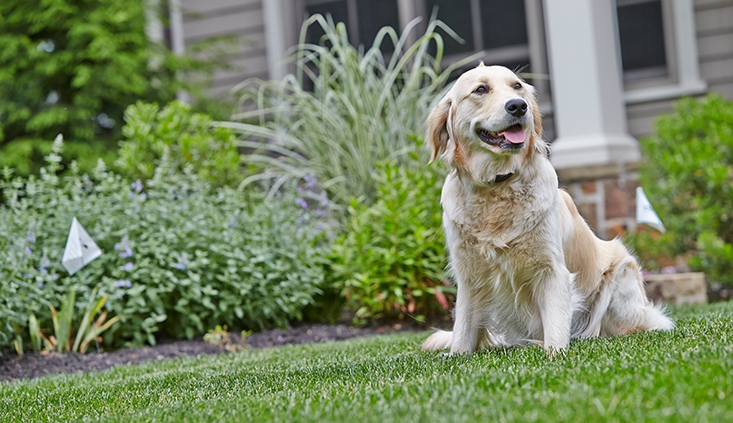
The image below reflects the outcome discussed in the electric collar ban consultation: dogs kept safe through professionally installed containment fencing rather than training collars.
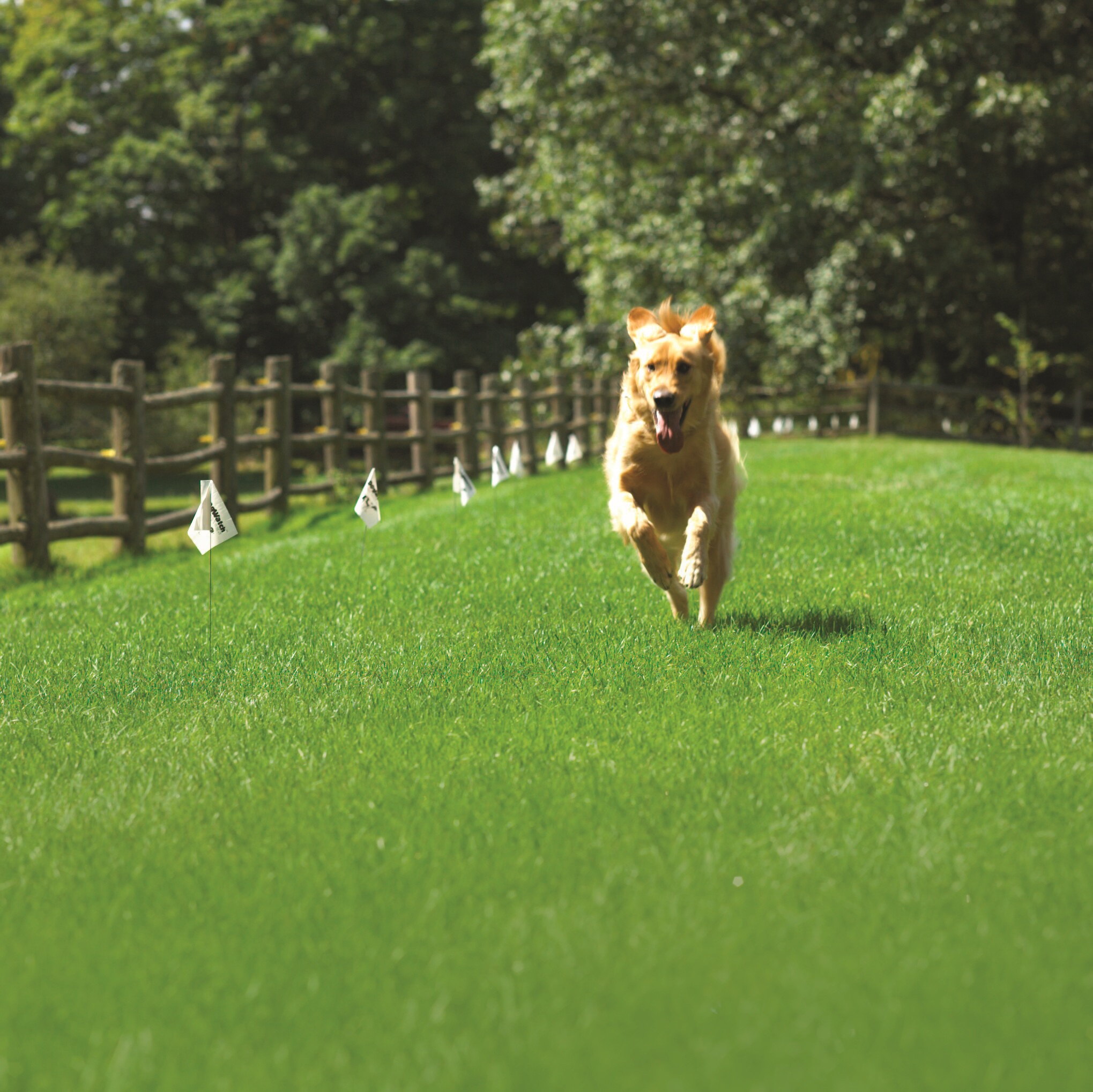
Dog safely running within a professionally installed invisible containment fence in a UK garden

Want to Know More About Safe Pet Containment?

If you’d like to understand how professionally installed containment fencing works, or have questions about pet safety and training,

Call us on
01628 476475
|
Message us on WhatsApp: 07917 034256
|
Request a Free Quote Online

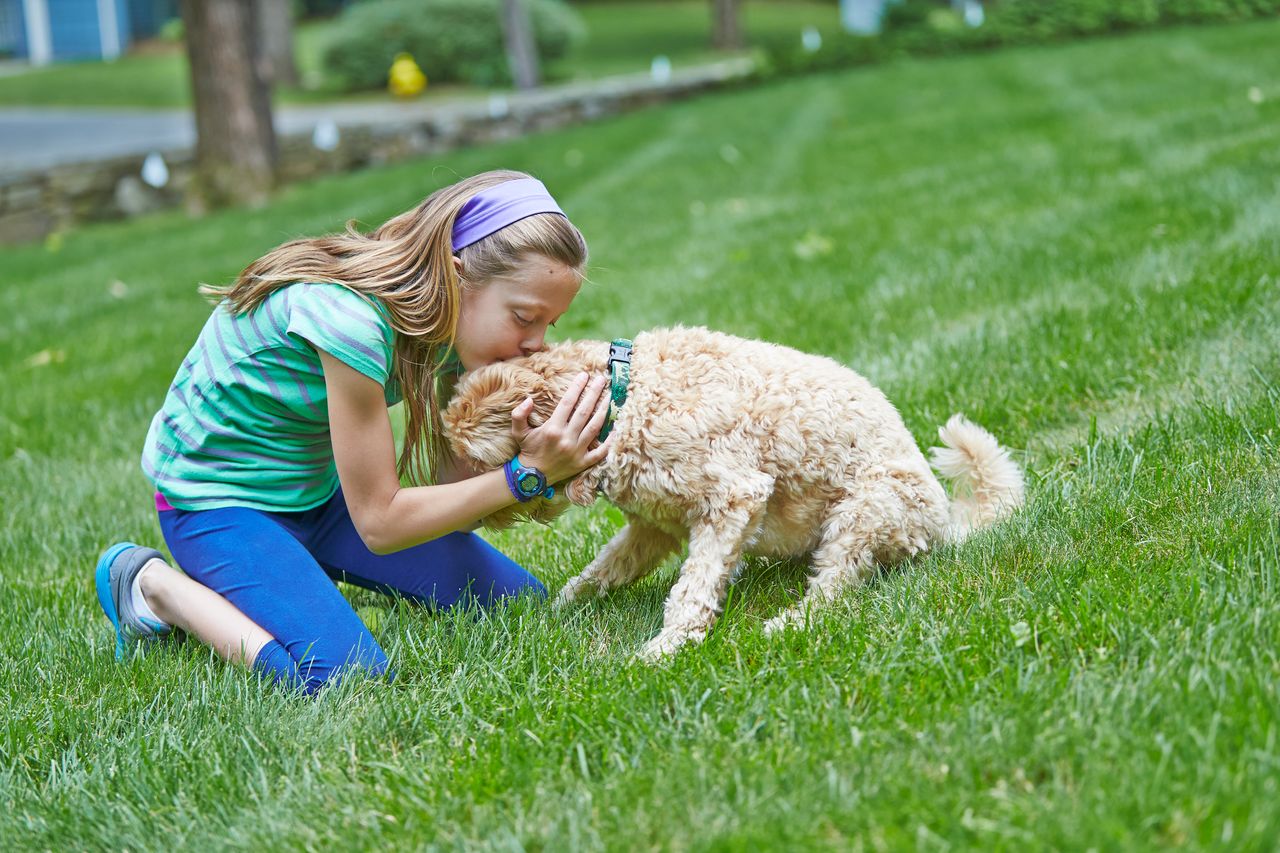
Young girl cuddling her dog in a safe garden protected by a DogFence system, showing dog fence safety for children

Dog Fence Safety for Children | Family-Safe Containment

Dog Fence Safety for Children: A Complete Family Guide

Ensuring dog fence safety for children is one of the top priorities for families exploring electronic pet containment.
Parents often wonder whether an invisible fence is child-safe, how it works, and how it fits into busy family life.
With DogFence, the answer is simple: our systems use a harmless FM radio signal—not electricity—making them perfectly safe for children, pets, and the home environment.

This guide explains how our technology works, why it supports a safe and happy family lifestyle, and how children can play an active role in helping their treasured dog learn the boundary.

Why Dog Fence Safety for Children Matters

Modern family life can be chaotic, and pets bring enormous emotional, social, and developmental benefits for children.
Research shows that growing up with dogs or cats helps kids develop empathy, responsibility, and emotional resilience. Pets also encourage outdoor play, increase daily activity levels, and provide companionship that supports mental wellbeing.
With so many benefits, it’s crucial to keep pets safe at home—without compromising the safety of children who share the garden.

At DogFence Ltd, we’ve installed more than 20,000 systems across England, and our FM-based technology ensures complete dog fence safety for children. There is no electrical current in the boundary wire, no shocks above the ground, and nothing that children can feel, touch, activate, or interfere with. Only the dog’s programmed collar interacts with the radio field, making DogFence one of the safest child-safe dog fence solutions available.

Young girl cuddling her dog in a safe garden protected by a DogFence system, showing dog fence safety for children

Children can enjoy safe outdoor time with their pets thanks to a DogFence containment system

How the System Works (Simple, Safe, and Family-Friendly)

Our electronic dog fence contains your pet using three components:

  • A transmitter positioned inside the home
  • A boundary wire professionally installed underground
  • A lightweight receiver collar worn by your pet

The transmitter sends a coded FM radio signal through the buried wire.
This is the same type of harmless signal used in radios, baby monitors, and home electronics.
Your dog learns the boundary through visible training flags and audible cues such as the warning beep.

Children can walk, run, play football, ride bikes, or cross the boundary line as often as they like—absolutely nothing happens. Only the pet’s collar interacts with the system. Parents often tell us they love how discreet and non-intrusive the system is—it keeps their dog safely contained without fencing off views, gardens, or play areas.

To see the process in a simple diagram, visit our illustrated guide:
How the DogFence System Works.

Is a Dog Fence Safe for Homes with Children?

Yes. The DogFence system is fully safe and simple for families to live with. The boundary emits a low-frequency FM signal that is harmless, contact-free, and completely undetectable to children or adults. Your dog receives a gentle warning beep as they approach the boundary, followed by a mild static sensation if they push further. It’s comparable to the tiny static zap you get touching a car door—and is designed to interrupt behaviour, not punish.

Our collars include:

  • Automatic shutdown after 15 seconds
  • Anti-linger technology to prevent over-correction
  • Full waterproof sealing
  • DEFRA-tested and approved components

You can find more safety information and commonly asked questions on our
DogFence FAQ page.

The Benefits of Owning Pets for Children and Families

A well-contained pet doesn’t just protect your garden—it supports the whole family’s wellbeing. Dogs and cats offer comfort when children feel worried, help them navigate big emotions, and provide a steady, non-judgemental presence at home. For many children, a family pet is their first “best friend”, and that bond can be incredibly powerful.

Pets also teach practical life skills:

Feeding, grooming, and walking a dog helps children learn about routine, responsibility, and caring for another living being.
Family walks, games in the garden, and simple training exercises get everyone moving and away from screens, creating quality time together. By combining these benefits with reliable dog fence safety for children, families can enjoy all the positives of pet ownership without the constant worry of escape or road accidents.

Helping Children Understand the Boundary & Training Process

One of the biggest advantages of our system is how easily children can be involved in the training process. Involving children helps them understand why the dog wears a collar, how the boundary works, and what to look out for during playtime. This turns the dog fence into a shared family project rather than a mysterious system in the background.

Ways Children Can Safely Participate

  • Helping place the training flags: Kids love helping set up the garden boundary, turning training into a family activity.
  • Watching the early sessions: Children can observe from a distance as your pet learns the visual cues.
  • Rewarding the dog: When your dog retreats to the safe zone, children can offer treats, praise, and encouragement.
  • Learning terminology: Kids quickly understand “safe zone,” “flags,” and “beep,” making the system easy to follow.

Children often become valuable helpers in reinforcing safe, positive behaviour with their pet, supporting both good manners and ongoing dog fence safety for children in the garden.

Why Families Choose DogFence Ltd

  • Harmless FM radio signal – not electricity
  • Safe for children, pets, and gardens
  • DEFRA-tested technology
  • Lifetime warranty on professionally installed systems
  • Tailored dog training for all temperaments—including nervous dogs
  • Invisible, aesthetic, and non-intrusive

Our containment systems help reduce stress for busy families by allowing dogs to enjoy freedom while giving parents reassurance that the garden remains safe and secure. This balance of freedom and safety is why DogFence remains one of the UK’s most trusted systems for dog fence safety for children.

“Children playing safely in a garden while their dog runs freely within a DogFence containment system, showing dog fence safety for children

Children enjoying garden playtime while their dog runs safely using a DogFence electronic containment system.

Ready to Keep Your Pet Safe?

Call us on
01628 476475
|
Message us on WhatsApp
|
Request a Free Quote Online


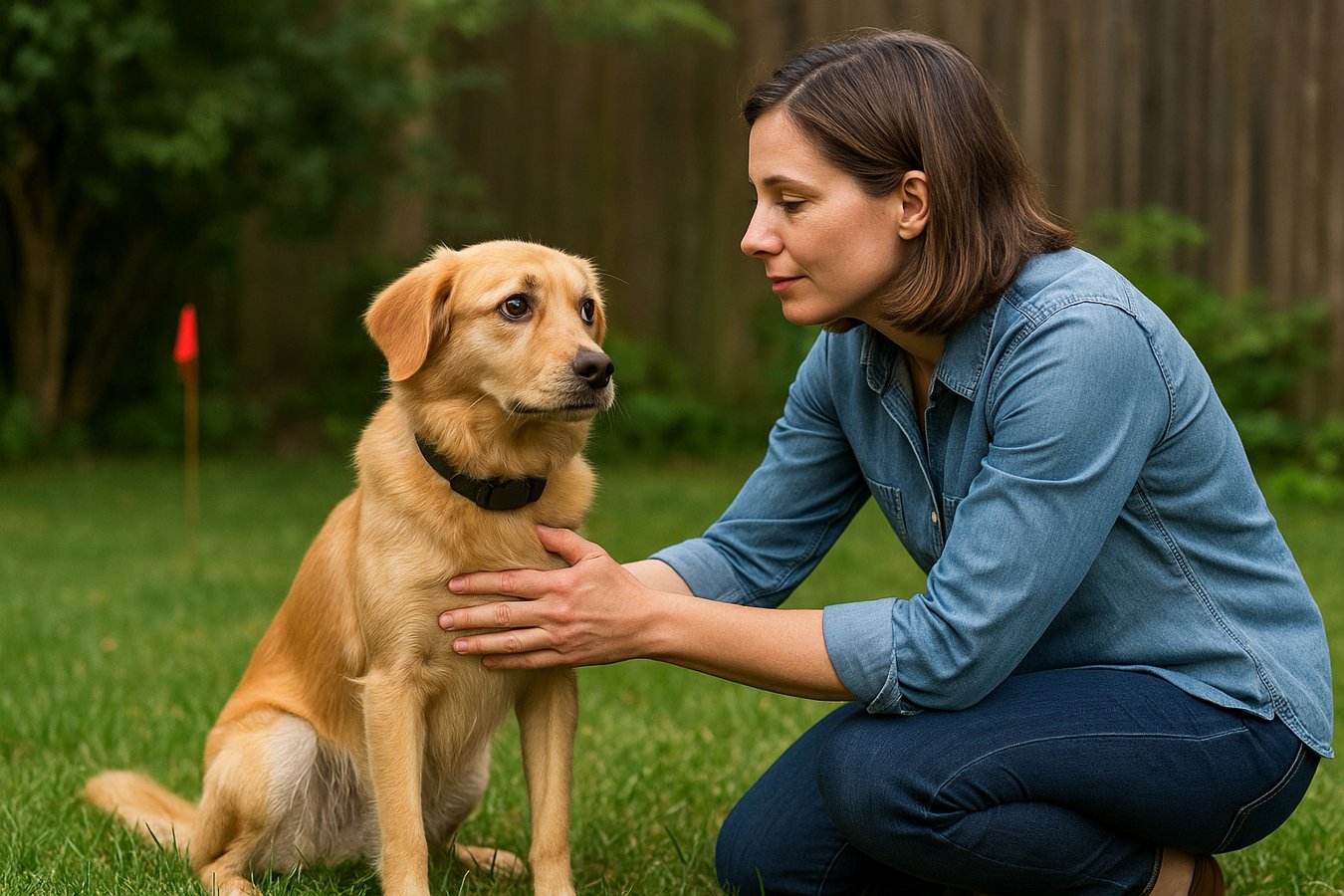
are electric fences OK for nervous dogs gentle training with owner in garden

Are Electric Dog Fences OK for Nervous Dogs? | by DogFence Ltd

Are Electric Fences OK for Nervous Dogs?

Understanding Nervous Dogs and Their Behaviour

Many owners ask are electric dog fences OK for nervous dogs  and can they really be used safely — the answer is yes, when introduced gently and correctly. At DogFence Ltd, we specialise in helping nervous or anxious dogs build confidence and enjoy freedom outdoors using our safe, FM-based containment system.

Just like people, every dog has its own personality and confidence level. Some dogs are naturally bold and curious, while others can be shy, anxious, or easily startled by new sounds or experiences. These “nervous” dogs often need extra reassurance and consistency — especially when introducing new boundaries or training tools.

are electric fences OK for nervous dogs gentle training with owner in garden

A calm, reassuring training moment between an owner and her nervous dog — showing how gentle, FM-based DogFence training builds confidence and trust outdoors.

At DogFence Ltd, we’ve worked with thousands of nervous and sensitive dogs across the UK. From timid rescues to easily startled spaniels, we’ve seen first-hand how calm, consistent training helps build confidence. The key is always gentle guidance and positive reinforcement, never fear.

How Our Dog Fences Work for Nervous Dogs

A common misconception is that electronic dog fences “shock” or frighten pets. In reality, our FM-based DogWatch® systems work through gentle conditioning and clear communication:

    • A hidden boundary wire carries a harmless FM radio signal around your garden.
    • Your dog wears a lightweight receiver collar, which picks up that signal.
    • As your dog approaches the boundary, the collar emits a warning beep.
    • If they continue forward, the collar gives a brief, mild static pulse — similar to a light static tap from a jumper.
    • They key to this is our gentle training programme.

UK veterinary behaviour experts, including Professor Daniel Mills, have explained that a dog’s experience of the mild static sensation from a modern electronic fence can be compared to touching a warm oven by accident — it’s a brief, harmless surprise that teaches awareness, not fear. Just as that moment wouldn’t stop a person from going back into the kitchen, a nervous or sensitive dog doesn’t become afraid of the garden after training. The key is gentle, steady guidance so your dog learns what to do and where to go with confidence.

Professor Daniel Mills, University of Lincoln, has conducted extensive research into canine learning, welfare, and behavioural medicine, helping owners and professionals better understand how dogs and cats respond to different forms of training.

Many owners ask us, are electric fences OK for nervous dogs? In our experience, the answer depends on the training approach, not the technology itself.

Most dogs learn from the audio cue alone, and never trigger a correction again once training is complete. The goal is to help your pet understand where they can safely play, not to punish them.

Our systems include advanced features that make them ideal for nervous dogs:

  • Programmable correction levels – tailored to your pet’s size and temperament.
  • Gentle learning curve – structured training plan designed to build confidence.
  • Auto shut-off safety – collar stops correcting after 15 seconds if the dog remains near the line.
  • FM technology – avoids false activation and interference common with cheaper AM systems.
nervous dog calmly exploring garden after DogFence training

Gentle DogFence training helps even sensitive dogs enjoy their garden safely and confidently.

Behavioural Benefits for Anxious or Sensitive Dogs

For nervous or anxious dogs, clear boundaries create a sense of security. Once they understand where they can go safely, their confidence grows rapidly. With a DogFence system, they quickly learn the limits of their outdoor freedom and begin to feel more secure — not less. The process mirrors how dogs learn to sit, stay, or walk on a lead: through consistency and repetition.

During training, our installers use calm body language, reward-based praise, and step-by-step introduction. This method helps anxious pets connect the warning tone with retreating to safety — a behaviour that soon becomes automatic. Once your dog understands the fence, you’ll likely notice them becoming more relaxed and confident outdoors. They can enjoy freedom without the constant worry of escaping or getting into danger — and you’ll have peace of mind knowing they’re protected.

What About Nervous Rescue Dogs?

Rescue dogs often arrive with unpredictable backgrounds and fears, which can make traditional fencing or recall training difficult. Our trainers adapt the DogFence introduction to each dog’s pace — starting with visual markers like flags and calm, leash-led practice sessions.

Many rescue owners tell us their dogs actually become calmer after fence training, because they finally understand where they’re allowed to roam. The fence becomes a source of security, not anxiety.

Is It Humane and DEFRA-Recognised?

Yes. DogFence systems are DEFRA-tested and recognised as a safe, humane training aid when used correctly. They’re specifically designed to reinforce learning, not to cause pain or distress. The static correction is mild, momentary, and fully adjustable — and the system is completely safe to touch, even if the wire is damaged.

We’ve successfully contained more than 20,000 pets across England, with many owners reporting that their previously nervous dogs became more confident and relaxed once they understood their safe zone.

retriever-running-flagged-fence-dogfence.jpg

After gentle, consistent training, dogs gain confidence and freedom — safely contained within their DogFence boundary.

Want to Learn More?

If you’re wondering how an electronic dog fence could help your nervous or anxious pet, take a look at our full FAQ:

FAQ about nervous and anxious dogs and dog fences

And if you’d like to explore how our system could work for your home and garden, speak with our team today for free advice.

Ready to Keep Your Pet Safe?

Call us on
01628 476475
|
Message us on WhatsApp
|
Request a Free Quote Online