
Tag Archive for: electronic dog fence UK

vizsla sitting safely in coastal garden near cliff edge overlooking the sea

Cliff-Top Dog Safety: Protecting Dogs in Coastal Gardens

Cliff-Top Dog Safety: Protecting Dogs in Coastal Gardens

Living by the sea is one of the great joys of the UK. From the dramatic cliffs of Cornwall and Devon to the Jurassic Coast in Dorset, the white cliffs of East Sussex, and the rugged coastal paths of Northumberland, many homes enjoy spectacular sea views.

But for dog owners, those views can come with a hidden risk. Coastal dog safety is becoming an increasing concern for homeowners in cliff-top locations, including areas such as Cornwall, Devon, Dorset and the Isle of Wight, where gardens may sit close to steep coastal drops.

For properties located near these edges, cliff top dog safety becomes an important consideration. Curious dogs following scents, chasing seabirds, or exploring unfamiliar ground can easily wander too close to dangerous cliff edges. Owners are continually searching solutions to prevent dogs falling from cliffs.

Unlike inland gardens, coastal properties often have natural boundaries rather than fences, which can increase the risk of dogs reaching cliff edges. Cliff top garden containment is nightmare scenario for both dog and cat owners.

Many owners only start researching boundaries after dealing with escape attempts. If your dog has already shown signs of testing the garden limits, our guide How to Stop a Dog Running Away explains why dogs escape and how consistent training and secure boundaries can prevent it long-term.
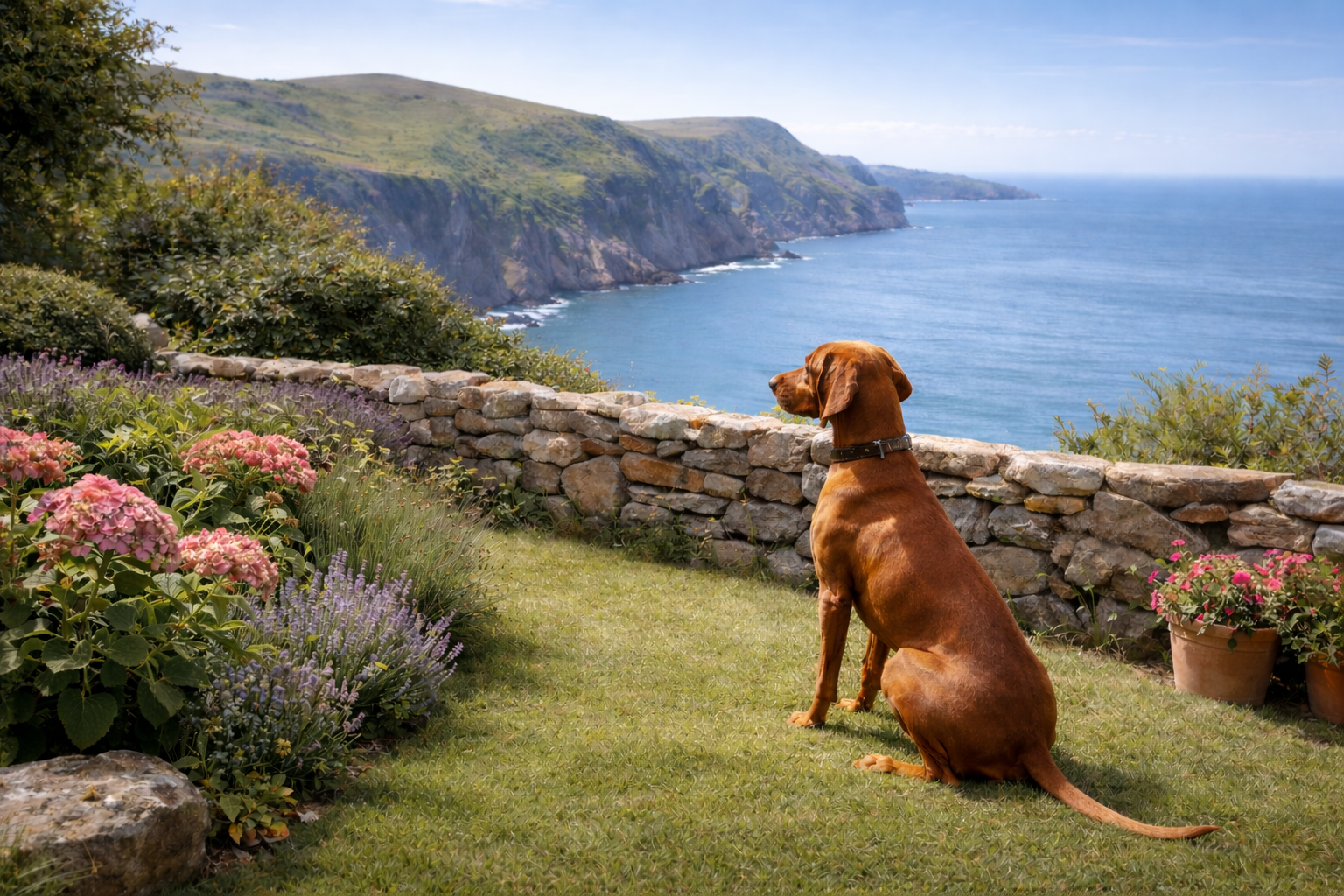
vizsla sitting safely in coastal garden near cliff edge overlooking the sea


What Is Cliff Top Dog Safety?

Cliff top dog safety refers to protecting dogs from dangerous cliff edges, steep coastal drops, and unstable ground near coastal homes and gardens.

For homeowners living near cliffs, this usually involves combining secure boundaries, training, and safe garden design so dogs can enjoy the outdoors without the risk of falling.

Because dogs rely heavily on scent and movement, they can easily follow wildlife or new smells toward dangerous terrain.


Why Cliff-Top Gardens Can Be Dangerous for Dogs

Coastal gardens often present challenges that aren’t found in typical suburban gardens.

Cliff-top homes may have:

  • Sloping land leading toward the cliff edge
  • Natural boundaries rather than fences
  • Long grass hiding sudden drops
  • Rabbits, seabirds or other wildlife attracting dogs

This is why dog safety near cliffs is such an important issue for coastal homeowners.

Dogs don’t naturally understand the danger of height in the way humans do. A rabbit or gull moving toward the edge can quickly trigger instinctive chasing behaviour.


Why Dogs Sometimes Fall from Coastal Cliffs

Sadly, incidents involving dogs falling from cliffs happen every year around the UK coastline.

Common causes include:

  • Dogs chasing seabirds or rabbits
  • Loose or eroding cliff edges
  • Unfenced garden boundaries
  • Dogs exploring unfamiliar coastal terrain

Even well-trained dogs can react instinctively when wildlife appears.

Some dogs may even attempt to leap over low garden barriers while chasing birds or rabbits. If you’re unsure what height dogs can clear, our guide Can a Dog Jump a 6ft Fence? explains how surprisingly athletic many dogs can be.

Taking steps to prevent dogs falling from cliffs is therefore essential for properties located near steep coastal terrain.
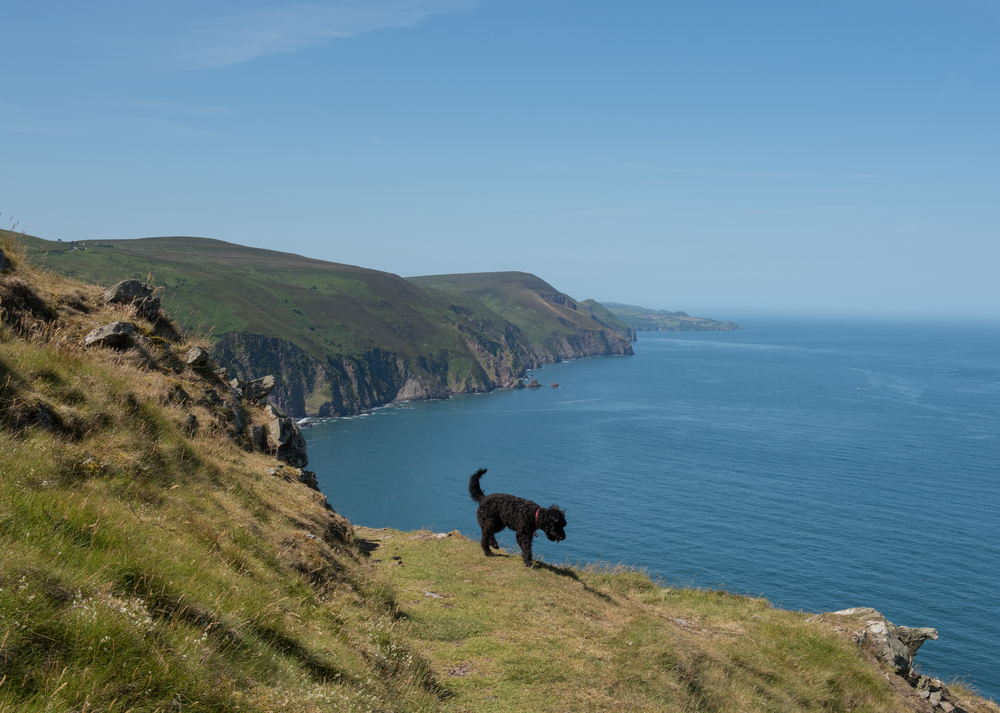
Alt Tagdog walking close to cliff edge on coastal path highlighting cliff top dog safety risks

Curious dogs following scents or wildlife can easily wander too close to cliff edges along coastal paths


Challenges of Fencing Cliff-Top Gardens

Traditional fencing is not always suitable for cliff-top properties.

Many coastal homeowners face challenges such as:

  • Planning restrictions in conservation areas
  • Fragile ground where fence posts cannot be installed
  • Uneven or sloping terrain
  • The desire to preserve uninterrupted sea views
  • Large fence panels can also spoil the natural landscape of coastal gardens.

For this reason, many homeowners look for solutions focused on coastal garden dog safety without installing bulky physical fencing.


Creating Safe Boundaries Without Blocking the View

Modern containment systems allow homeowners to create safe boundaries without visible fencing.

Instead of installing panels or rails, a buried boundary wire can define the safe area of the garden and train dogs where it is safe to roam.

This approach works particularly well for cliff top garden dog containment, because it:

  • Preserves coastal views
  • Works on uneven ground
  • Follows irregular garden shapes
  • Prevents access to dangerous edges

If your dog regularly tests physical boundaries or jumps fences, you may also find our guide How to Stop a Dog Jumping a Fence
helpful for understanding the behaviour and training process.


Coastal Areas Where Dog Safety Is a Growing Concern

Cliff-top homes across the UK — from St Ives and Newquay in Cornwall to Lulworth Cove in Dorset and Whitby on the Yorkshire coast — often have gardens that slope towards the sea, making dog safety near cliffs particularly important. Areas that are of a particular concern are:

Interest in containment systems is increasing in coastal regions including:

  • Cornwall (St Ives, Newquay, Padstow)
  • Devon (Salcombe, Ilfracombe, Woolacombe)
  • Dorset’s Jurassic Coast (Lyme Regis, Lulworth, Swanage)
  • Isle of Wight coastal homes
  • Northumberland villages along the coastal path

Many cliff-top homeowners are looking for ways to allow their dogs to enjoy the garden while improving dog safety near cliffs and reducing the risk of dangerous falls.


Peace of Mind for Coastal Dog Owners

For most owners, the goal isn’t restricting freedom.

Instead, it’s about allowing dogs to enjoy the garden safely.

A carefully designed boundary system allows dogs to run, explore, and relax while preventing them from reaching dangerous edges — dramatically improving cliff top dog safety for coastal homes.


FAQs: Cliff-Top Dog Safety

How can I improve cliff top dog safety at home?

The safest approach is to create a secure boundary between your dog and the cliff edge. This may involve training, traditional fencing where suitable, or containment systems designed for uneven terrain.


Can dogs really fall from cliffs near homes?

Yes. Dogs often chase birds or wildlife without recognising the danger of steep drops. Coastal rescue teams regularly report incidents involving dogs falling from cliffs.


Are fences allowed near coastal cliffs?

Sometimes planning restrictions apply in conservation areas or protected landscapes. Many homeowners therefore look for discreet solutions that protect dogs without changing the appearance of the property.


What is the best way to prevent dogs falling from cliffs?

Creating a secure garden boundary and training dogs to recognise safe areas is the most reliable way to prevent dogs falling from cliffs while still allowing them to enjoy outdoor space.


Protecting Dogs in Cliff-Top Gardens

Cliff-top homes offer some of the most beautiful views in the UK — from the rugged coastline of Cornwall and Devon to the dramatic cliffs of Dorset and the sweeping sea views of Northumberland. But for dog owners, those landscapes can also present hidden dangers.

Improving cliff top dog safety doesn’t mean restricting your dog’s freedom. Instead, it’s about creating a garden where your dog can run, explore, and enjoy the outdoors without the risk of reaching dangerous cliff edges.

Over the years, we’ve spoken to many dog owners who only realise the risk after a near miss — a dog chasing seabirds, following a scent trail, or simply wandering too close to the edge of a coastal garden. In many cases, the issue isn’t behaviour or training. The boundary simply isn’t clear to the dog.

We’ve even installed containment systems for homes in cliff-top locations where owners wanted to protect both dogs and cats from accessing steep coastal drops while still allowing them the freedom to enjoy the garden safely.

With the right combination of training, secure boundaries, and thoughtful garden design, most pets quickly learn where it is safe to roam.

If you live in a coastal property and are concerned about cliff top dog safety, creating a clear boundary may be one of the simplest ways to protect your pet.
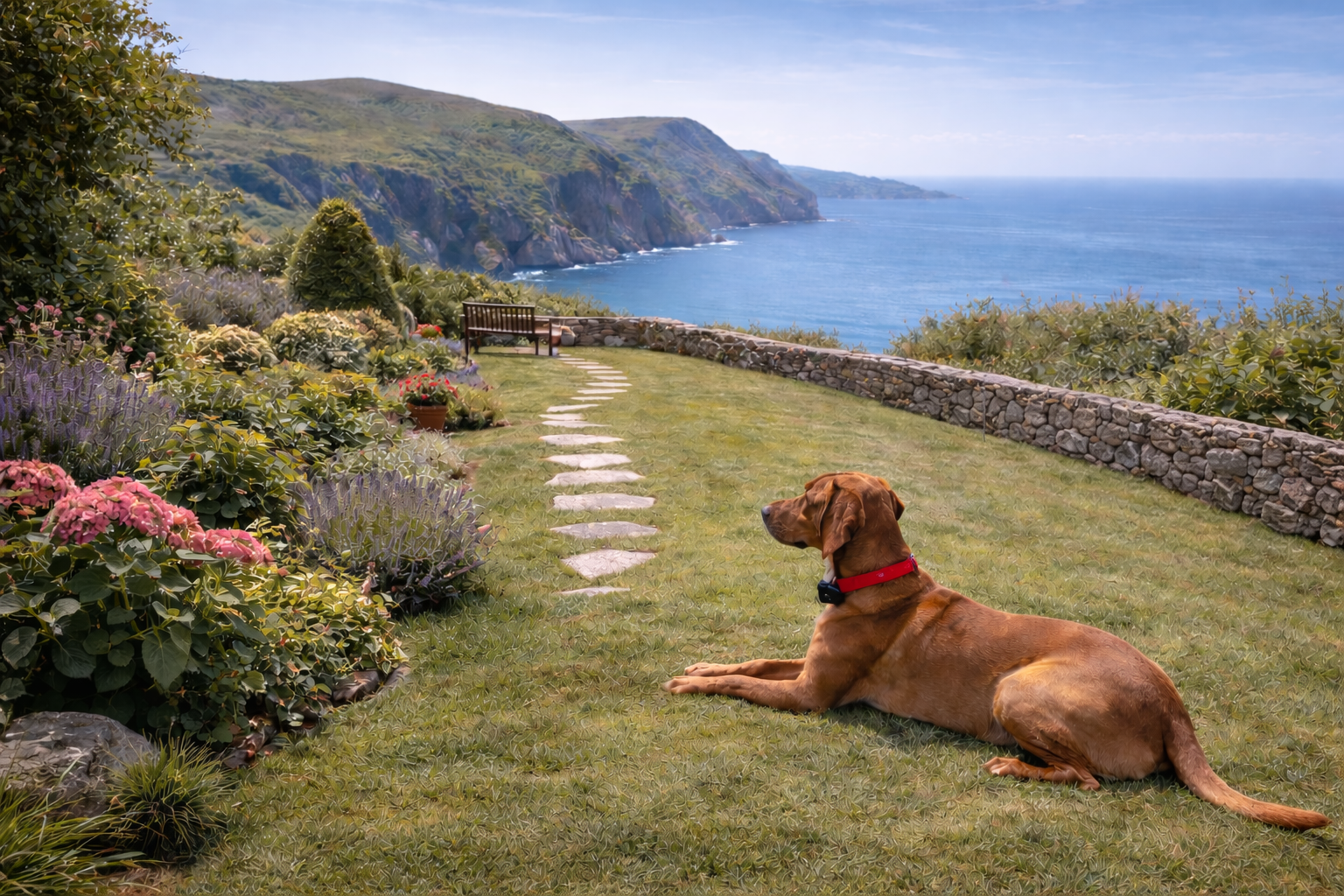
vizsla relaxing in coastal garden safely set back from cliff edge overlooking the sea

A Vizsla relaxing in a cliff-top garden where clear boundaries allow pets to enjoy coastal views safely

Live by the Sea? Protect Your Dog (and Cat) from Cliff-Edge Risks

If your garden sits near steep coastal drops, a clear boundary can dramatically improve cliff top dog safety
without blocking your sea view. We’ve installed systems for both dogs and cats in cliff-top locations across England.

Call
01628 476475
|
WhatsApp us
|
Request a Free Quote

Tell us your location and garden layout — we’ll recommend the safest boundary plan for your coastal property.

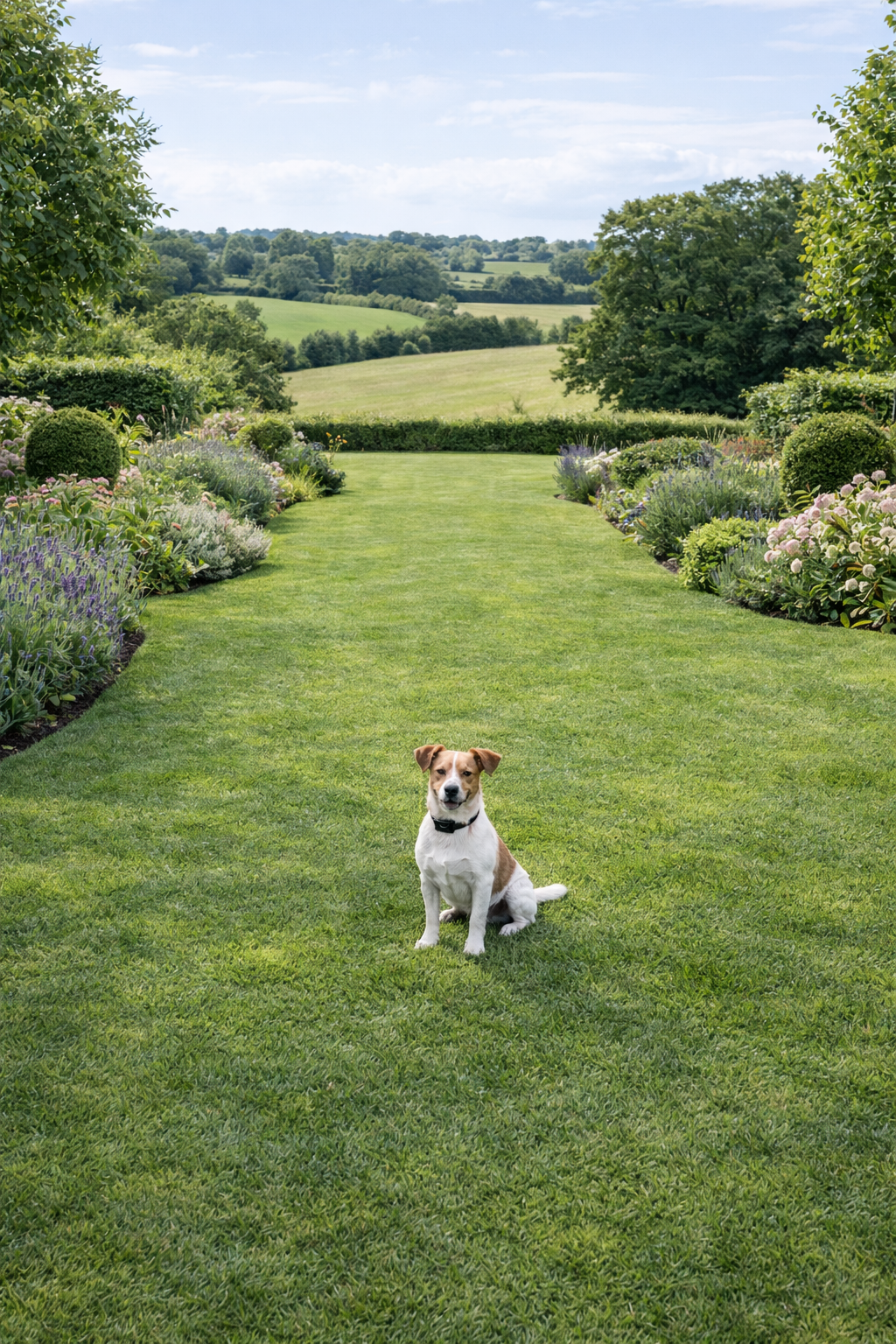
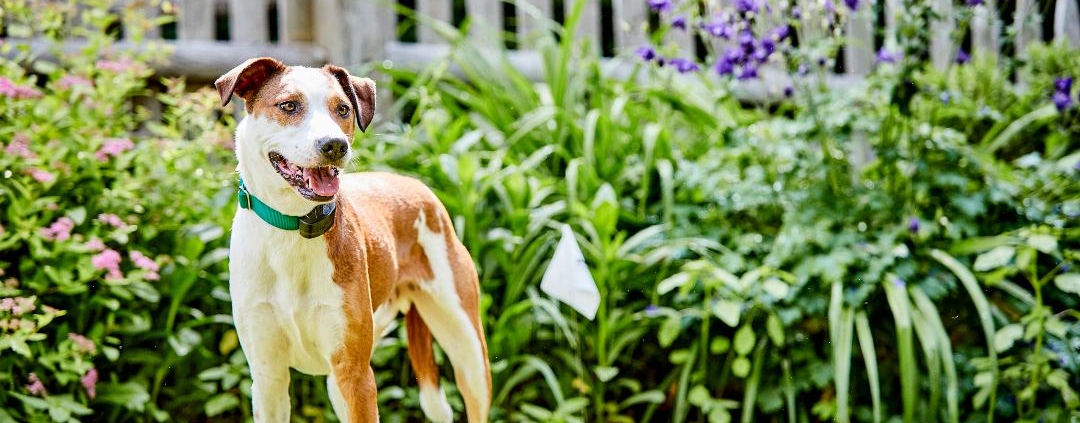
Terrier is secure garden with out ugly fencing to spoil the view

Secure Your Dog Without Ruining Your Garden’s Curb Appeal

Secure Garden Without Ugly Fencing | Discreet Dog Containment

For many UK homeowners, the garden isn’t just a space for the dog — it’s part of the home’s identity. If you’re trying to create a secure garden without ugly fencing, you’re not alone.. Across England, design-conscious homeowners are searching for a dog proof garden without high fences — one that protects their pet while preserving views, landscaping, and architectural character.  Homeowners are now choosing a discreet dog containment system that creates an invisible boundary for dogs while preserving the beauty of their outdoor space.…allowing you to maintain a secure garden design for dogs without altering the appearance of your outdoor space.

The challenge is clear: how do you secure your dog while preserving open views, clean lines, and architectural balance? The answer lies in choosing a containment approach that works quietly in the background — delivering safety without visual compromise.

Creating a secure garden without ugly fencing means your dog stays safe — and your landscaping stays beautiful.


Why Creating a Secure Garden Without Ugly Fencing Feels So Difficult

When a dog begins escaping, traditional fencing is usually the first solution people consider.

Homeowners often try:

  • Increasing fence height
  • Adding trellis toppers
  • Installing deer fencing or wire mesh
  • Reinforcing the bottom with concrete or gravel boards

But these fixes can:

  • Block natural light
  • Obstruct countryside views
  • Clash with garden design
  • Make properties look enclosed or defensive
  • Reduce kerb appeal from the front

For design-conscious homeowners, it quickly becomes a frustrating trade-off between safety and appearance.

It doesn’t have to be.


Why Traditional Fencing Prevents a Secure Garden Without Ugly Fencing

Good garden design relies on proportion, balance, and clean sightlines — principles long promoted by organisations such as the RHS. Most boundary fencing was designed to mark property lines — not to contain determined dogs.

When height extensions, mesh overlays, or internal barriers are added, the garden can start to feel:

  • Heavy and imposing
  • Out of character with rural homes
  • Visually cluttered
  • Disproportionate in smaller spaces

And for dogs who jump, dig, or squeeze through gaps, simply adding more timber rarely solves the underlying behaviour.

In fact, we explain in detail why traditional fencing fails for escape-artist dogs, particularly those with high drive or strong prey instincts.

Instead of building higher, it may be smarter to rethink the approach entirely.


How to Create a Secure Garden Without Ugly Fencing

An electronic dog fence UK system works differently from traditional fencing. The discreet dog containment system works by defining an invisible boundary for dogs around the perimeter, without adding visible structures.

Rather than creating a visible physical barrier, a discreet boundary wire defines the perimeter of your garden. Through structured introduction and training, your dog learns to recognise and respect that boundary.

There are:

  • No additional panels
  • No mesh extensions
  • No visual clutter
  • No blocked sightlines

From the outside, nothing changes. Your landscaping remains exactly as designed.

Many garden-proud homeowners choose an invisible dog fence UK system because it preserves the natural flow and balance of their outdoor space while still providing reliable containment.

Dog sitting in a secure garden without ugly fencing overlooking open countryside

A secure garden without ugly fencing preserves open countryside views while keeping dogs safely contained.


But Does It Actually Work?

Yes — when professionally installed and properly introduced, an electronic dog fence UK system provides consistent, reliable containment without altering your garden’s appearance. The key is structured training and precise boundary planning.

A professionally installed system offers:

  • Precise boundary control
  • Immediate, predictable feedback
  • Customisable layouts around flowerbeds, ponds, or driveways
  • Structured training to reinforce behaviour

For landscaped or irregular gardens, wired systems are significantly more reliable than wireless or satellite-based alternatives.

If you’re comparing systems, read our full breakdown of wired vs wireless vs GPS dog fences — what actually works to understand the differences in real UK conditions.

When choosing the best dog fence UK homeowners can trust, reliability matters far more than marketing claims. A system that works every single time is what keeps dogs safe.


Ideal for Garden-Proud Homes

This approach is particularly popular with:

  • Rural homeowners with open countryside views
  • Period properties with character fencing
  • Landscaped gardens with clean sightlines
  • Homes where front curb appeal matters

Instead of modifying your garden to control the dog, you teach the dog to respect the garden’s boundary.

For many owners, this feels like a far more elegant solution. Unlike visible barriers, a discreet dog containment system works by teaching your dog to respect a defined boundary, rather than relying on height or physical obstruction.


A Smarter Alternative to Garden Fencing

If reinforcing panels hasn’t worked, it may be time to explore alternatives to garden fencing that focus on training as well as containment. For homeowners seeking a dog proof garden without high fences, this approach offers safety without visual compromise.

Modern dog containment systems allow you to:

  • Keep open views across fields
  • Protect wildlife and livestock
  • Maintain design symmetry
  • Avoid expensive fencing alterations
  • Create a dog-safe garden without visible restrictions

Safety and aesthetics don’t have to compete.

If you’re still in research mode, our complete dog fence buying guide UK explains how different systems compare and which solution suits different property types. For many homeowners, achieving a secure garden design for dogs means balancing practical safety with architectural and landscaping integrity.

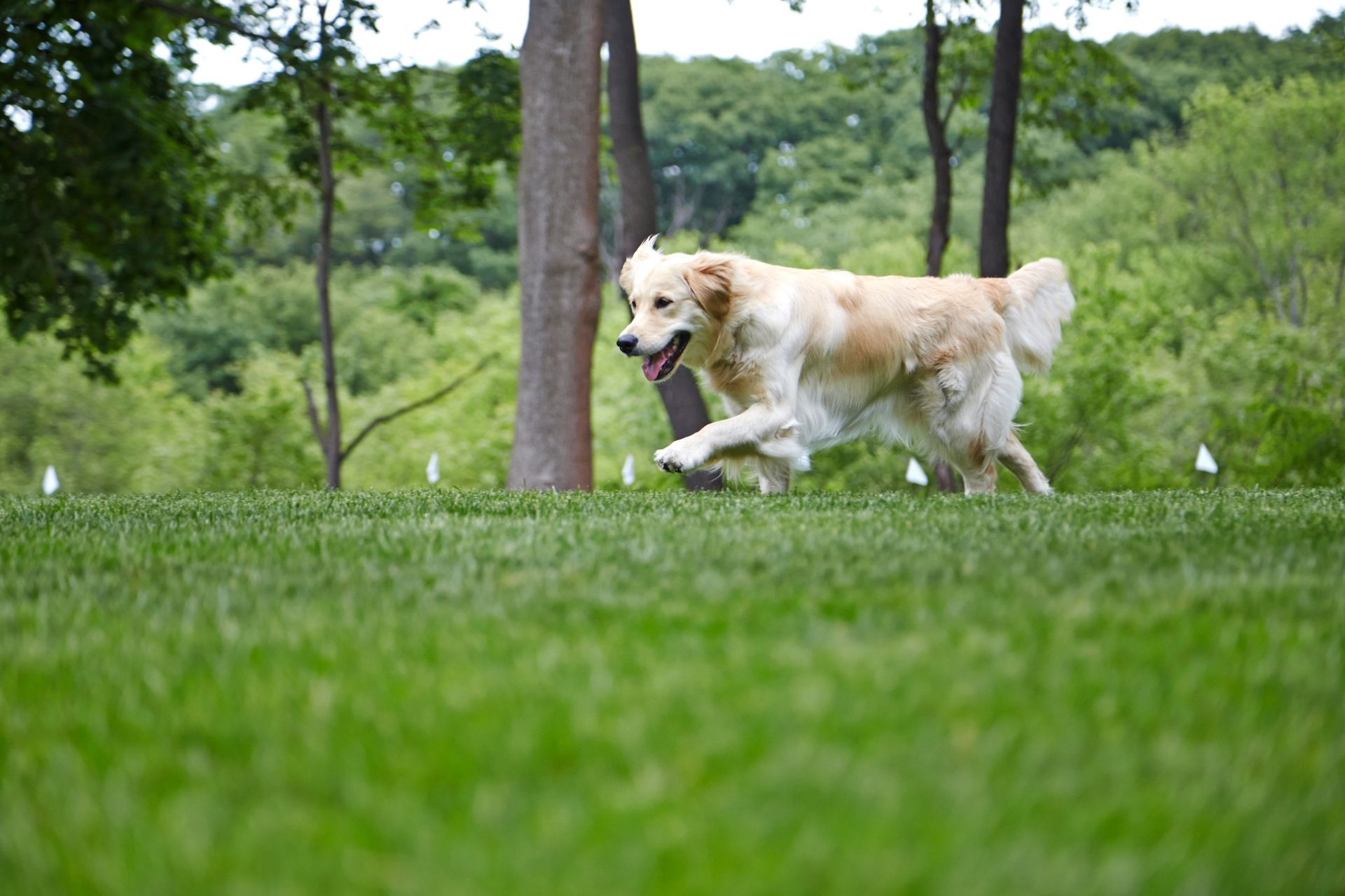
Golden retriever safely trained within a secure garden without ugly fencing in the UK


What About Cost?

One common assumption is that electronic containment must be expensive.

In reality, many larger gardens find it more cost-effective than replacing or extending physical fencing around the entire boundary.

If you’re weighing up investment options, our detailed guide to dog fence cost UK pricing breaks down what influences price and what to expect for DIY versus professional installation.


Are Electronic Dog Fences Humane?

This is understandably one of the most common concerns among UK dog owners.

Modern systems are not the same as outdated “shock collars.” They are designed with safety, adjustability, and structured training in mind.

They use:

  • An audible warning tone first
  • Adjustable correction levels
  • Automatic shut-off safety features
  • Structured training protocols that teach boundary awareness

When introduced correctly, most dogs quickly learn the boundary and rarely challenge it again.

For a balanced, evidence-based perspective, read our full discussion on the dog fence controversy — humane or harmful?, where we explain how modern systems differ from older misconceptions and why responsible installation matters.


When Is This Not the Right Solution?

Electronic containment isn’t appropriate for every dog without guidance. Very anxious or untrained dogs will usually require structured introduction and professional support.

That’s why expert advice matters.

Discussing your garden layout and your dog’s temperament before making changes ensures the solution is tailored properly. With careful planning, it’s entirely possible to achieve a secure garden design for dogs that prioritises safety without sacrificing aesthetics.


Final Thoughts: Style and Safety Can Co-Exist

You don’t have to choose between protecting your dog and preserving your garden’s beauty. With the right planning, you can achieve a secure garden without ugly fencing while maintaining open views and architectural balance. A discreet dog containment system allows you to secure the full perimeter of your property without altering fencing lines, sightlines, or landscaping symmetry.

For many UK homeowners, a discreet electronic dog fence UK solution provides reliable containment without altering the character of the property.

Because the best containment system is the one that works quietly in the background — letting your garden look exactly as it should.

Do you want to secure your garden today without ugly fencing?

If increasing fence height isn’t stopping your dog jumping, we can help you create a properly secure boundary tailored to your property and your dog’s temperament.

Call us on
01628 476475
|
Message us on WhatsApp
|
Request a Free Quote Online

A happy dog standing calmly inside a well-kept garden with fence boundary visible

How to Buy Dog Fence

The Ultimate Dog Fence Buying Guide UK (2026 Edition)

If you’re looking for the best way to create a secure garden for dogs, you’re not alone.

Across England, more and more dog owners are searching for reliable ways to prevent their dog running away — without building ever-higher fences or turning their garden into a fortress.

This complete Dog Fence Buying Guide UK explains:

  • Why dogs escape
  • What types of dog fences are available
  • The real difference between wired, wireless and GPS systems
  • What dog fences cost in the UK
  • Whether electronic dog fences are humane
  • How to choose between professional installation and DIY

If you’re researching carefully before investing — this guide is for you.

secure garden for dogs with invisible dog fence UK


Why Do Dogs Escape?

Understanding the why helps you choose the right solution.

Most escape behaviour falls into one of these categories:

  • Jumping over fencing
  • Digging underneath panels
  • Squeezing through weak gates
  • Chasing wildlife
  • Separation anxiety
  • Boredom or frustration

Many owners initially assume they just need higher fencing. But taller panels don’t stop diggers. Reinforced gates don’t stop climbers. And replacing an entire boundary can cost thousands.

That’s why many rural homeowners across England are turning to electronic containment instead. Before choosing the right system, it’s essential to understand why dogs escape gardens in the first place — because jumping, digging and boundary-testing behaviours require different containment solutions.


What Types of Dog Fences Are Available in the UK?

1. Traditional Physical Fencing

Wooden panels, composite fencing, brick walls or deer fencing.

These work well for many dogs — but increasing height or reinforcing boundaries can be expensive, particularly on larger properties over one acre.

They also don’t address digging behaviour. Whilst traditional fencing works for some homes, many owners discover it simply isn’t enough for determined dogs. In fact, we’ve explained in detail why traditional fencing isn’t enough for escape-artist dogs, particularly those who jump, dig or climb.

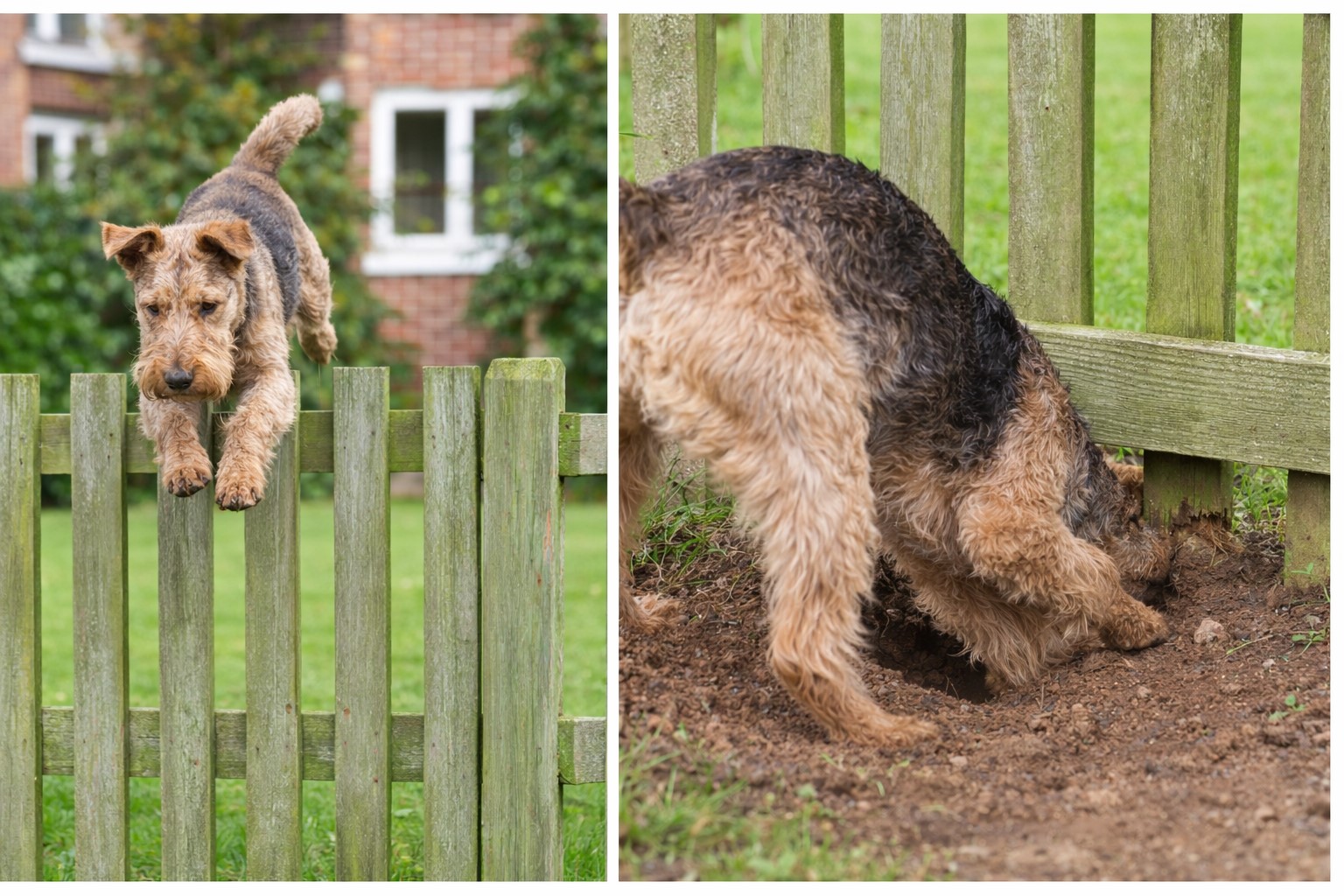
traditional fencing problems dog escaping garden

Dog escaping garden boundaries by jumping or digging highlights common traditional fencing problems.


2. Wireless Dog Fences

Wireless systems create a circular boundary from a central transmitter.

They’re simple to install but:

  • Struggle with uneven or sloping gardens
  • Can be unreliable on larger properties
  • Cannot follow complex boundary shapes

They’re often best suited to small, flat suburban gardens.


3. GPS Dog Fence Systems

GPS fences rely on satellite positioning.

While marketed as flexible, they can suffer from:

  • Signal drift
  • Inconsistent boundary lines
  • Battery drain
  • Delays in correction

In rural or wooded areas especially, GPS can be unreliable.


4. Wired Electronic (Invisible) Dog Fences

A wired system uses a discreet boundary cable buried around your property. The collar provides a warning tone as your dog approaches the boundary, followed by a brief adjustable correction if challenged.

The key advantages:

  • Precise boundary control
  • Works on any garden shape
  • Ideal for large rural properties
  • Consistent and reliable containment

For most larger UK gardens, wired electronic systems remain the most dependable solution.


Wired vs Wireless vs GPS — What Actually Works?

Choosing between wired, wireless and GPS dog fences isn’t just about convenience — it’s about reliability, consistency and your dog’s temperament.

Wireless Dog Fences
Wireless systems create a circular boundary from a central transmitter. They can work in small, flat gardens where layout is simple and there are minimal obstructions. However, signal fluctuation and limited shape control can make them unsuitable for irregular UK gardens.

GPS Dog Fences
GPS systems rely on satellite positioning rather than a physical boundary wire. While they appear modern and flexible, real-world use in the UK often highlights signal lag, boundary drift, and inconsistent correction timing — particularly near trees, buildings or in poor weather.

Wired (Electronic) Dog Fences
Wired systems use a buried boundary cable to create a fixed, consistent containment line. Once installed and professionally calibrated, they deliver immediate, predictable feedback — which is especially important for strong-willed or escape-artist dogs.

So What Actually Works?

  • Small, simple garden? A wireless system may be adequate.
  • Large, sloped or complex garden? A wired system is significantly more reliable.
  • High-drive or escape-prone dog? Consistency is critical — wired systems outperform GPS every time.

If you’re considering a GPS system, read our in-depth guide on whether GPS dog fences really work in UK conditions. When choosing the best dog fence UK homeowners can trust, reliability matters far more than marketing claims. A fence that works every single time is what keeps dogs safe.

comparison of wired, wireless and GPS dog fences for UK gardens


How Much Does a Dog Fence Cost in the UK?

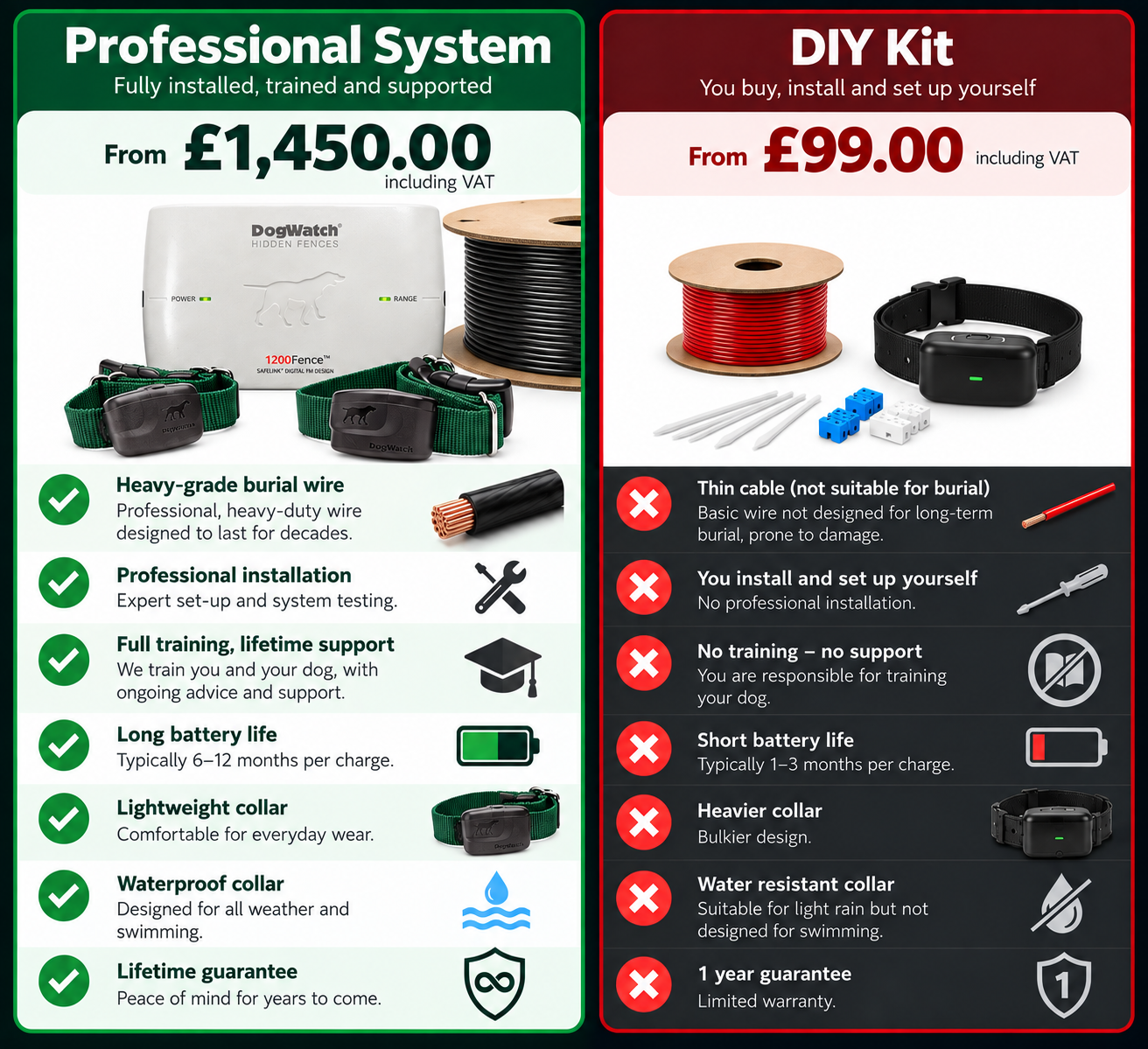
Prices vary depending on property size, boundary length and whether you choose a DIY kit or professional installation.

If you’re comparing options, our detailed breakdown of dog fence cost UK pricing explains electronic dog fence cost, hidden dog fence prices and what influences the final investment.

For larger rural gardens, electronic containment systems are often significantly more cost-effective than replacing or extending physical fencing around the entire boundary.


Are Electronic Dog Fences Humane?

This is understandably one of the most common concerns among UK dog owners.

Modern electronic dog fences are not the same as old-style “shock collars.” Today’s systems are designed with safety, adjustability, and structured training in mind.

They use:

  • An audible warning tone first
  • Adjustable correction levels
  • Automatic shut-off safety features
  • Structured training protocols that teach boundary awareness

When installed correctly and paired with proper training, most dogs quickly learn the boundary and rarely challenge it again.

If you’d like a balanced, evidence-based look at the welfare debate, you can read our full article on dog fence controversy humane or harmful?, where we explain how modern systems differ from older misconceptions and why responsible installation and training matter.


Professional Installation or DIY?

Professional Installation

Best suited for:

  • Large rural properties
  • Complex boundaries
  • Owners wanting full support and training

Benefits typically include:

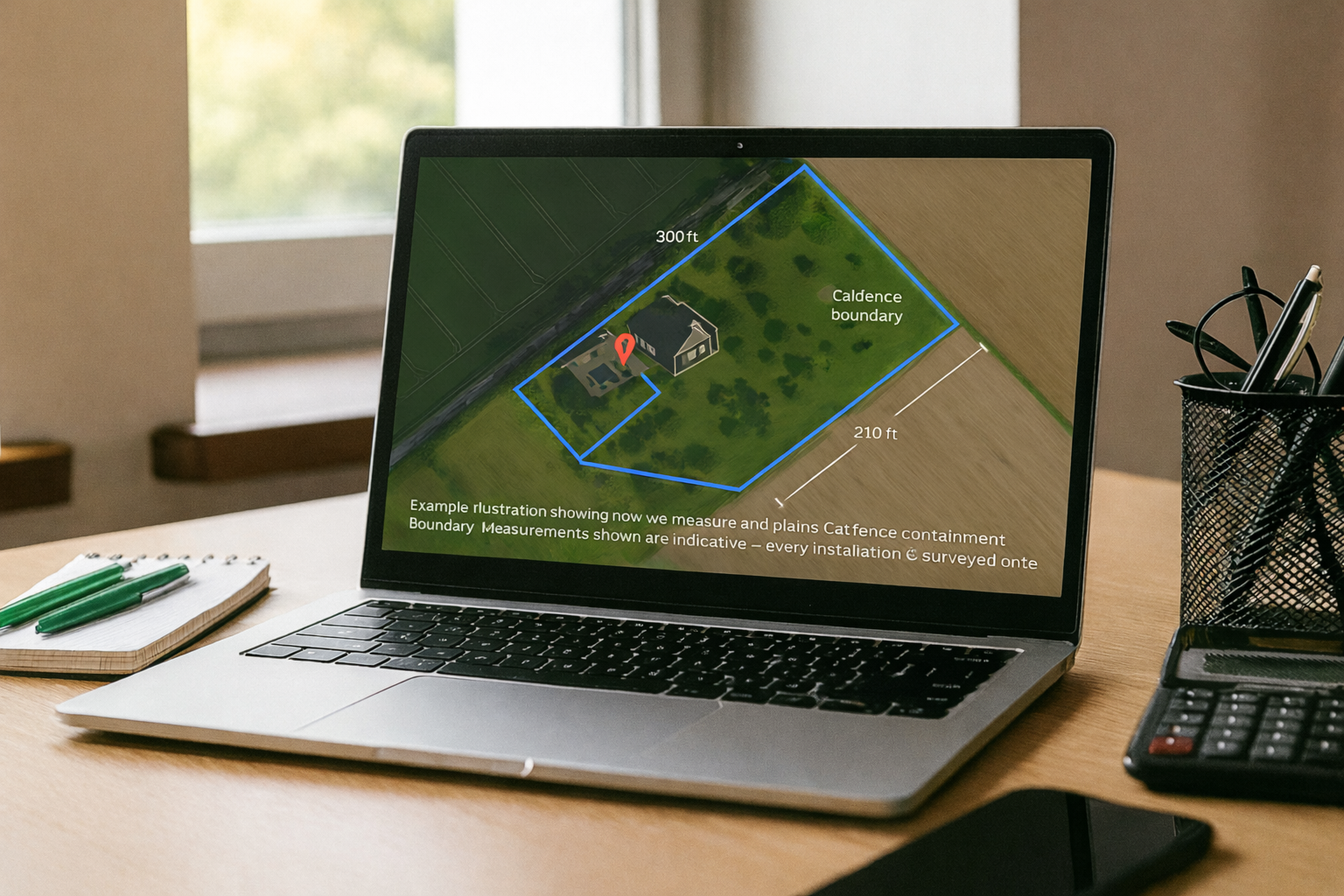
  • Correct boundary planning
  • Secure cable depth
  • Lightning protection
  • Structured pet training
  • Long-term warranty support

Many owners of large rural properties choose an electronic dog fence UK system because it works reliably across uneven terrain and complex garden layouts, read below for DIY and Professional Installation advice.


DIY Installation

Suitable if:

  • You’re confident digging shallow cable runs
  • Your boundary is straightforward
  • You prefer lower upfront costs

DIY kits still include support and detailed instructions, but require more time and effort.


Who Is an Electronic Dog Fence Suitable For?

Electronic containment is often ideal for:

  • Larger gardens (especially over one acre)
  • Dogs who jump or dig
  • Homes near roads or livestock
  • Owners wanting a discreet, invisible solution

It may not be appropriate for every dog without professional guidance — which is why expert advice matters. A professionally installed electronic dog fence UK system provides consistent, reliable containment for gardens of all shapes and sizes.


Final Verdict: What Is the Best Dog Fence UK Owners Should Choose?

If your goal is to create a secure garden for dogs without building ever-higher fencing, a properly installed wired electronic dog fence offers the most consistent and reliable containment.

But the most important factor isn’t just the equipment.

It’s:

  • Quality components
  • Correct installation
  • Structured training
  • Ongoing support

With over two decades of experience helping thousands of pets across England, we know every property — and every dog — is different.

The right system is the one designed specifically for yours. Choosing the right electronic dog fence UK system can transform your garden from a constant worry into a safe, secure space your dog can enjoy with confidence. All professionally installed DogFence systems are DEFRA tested, include lightning protection, and use waterproof programmable collars with built-in safety time-outs.

Want an Accurate Dog Fence Cost for Your Property?

Every garden is different — and so is every dog.
Speak directly to our team for honest advice and a tailored quote with no pressure and no obligation.

📞 Call 01628 476475
|
💬 WhatsApp Us
|
📝 Request a Free Quote Online

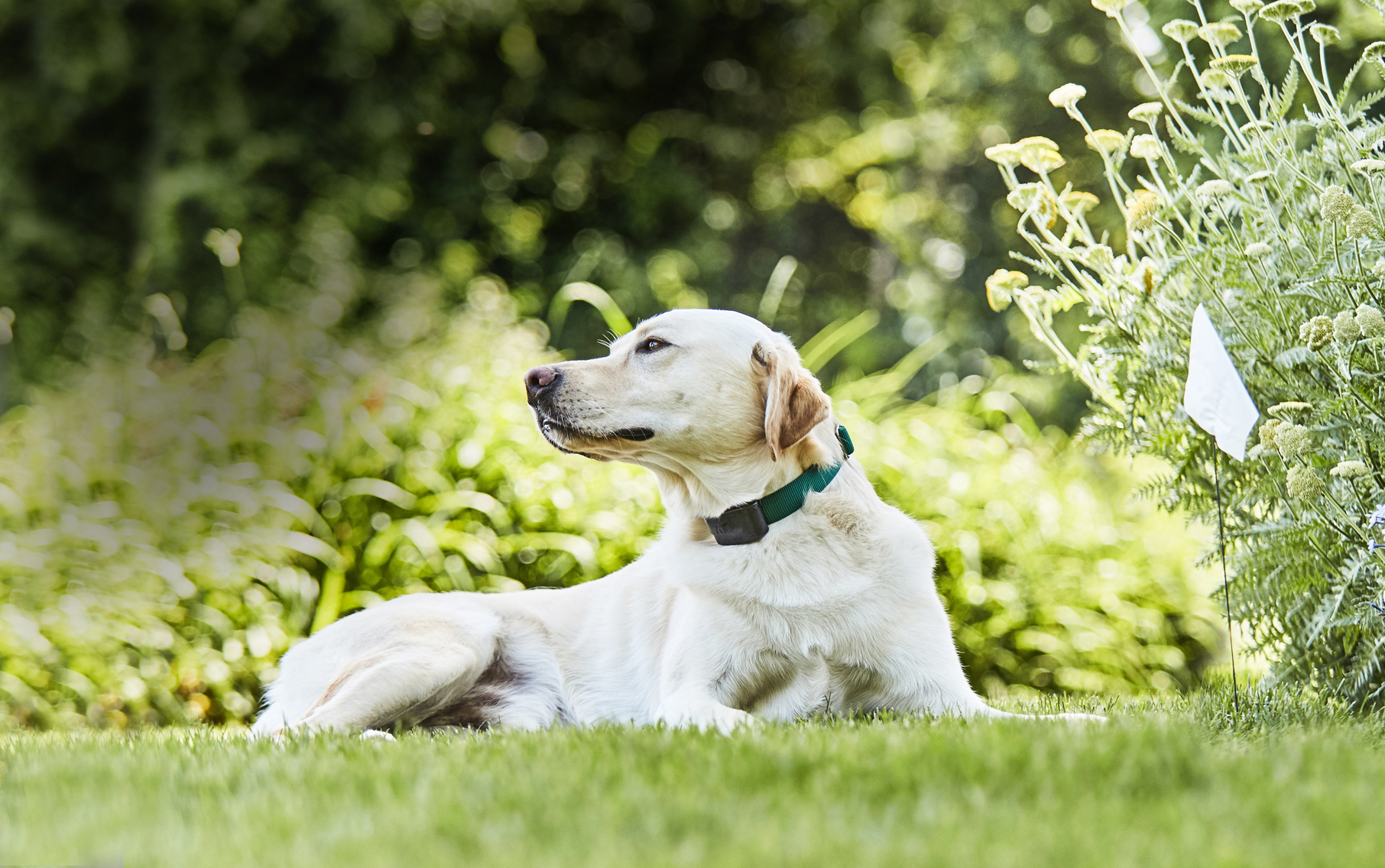
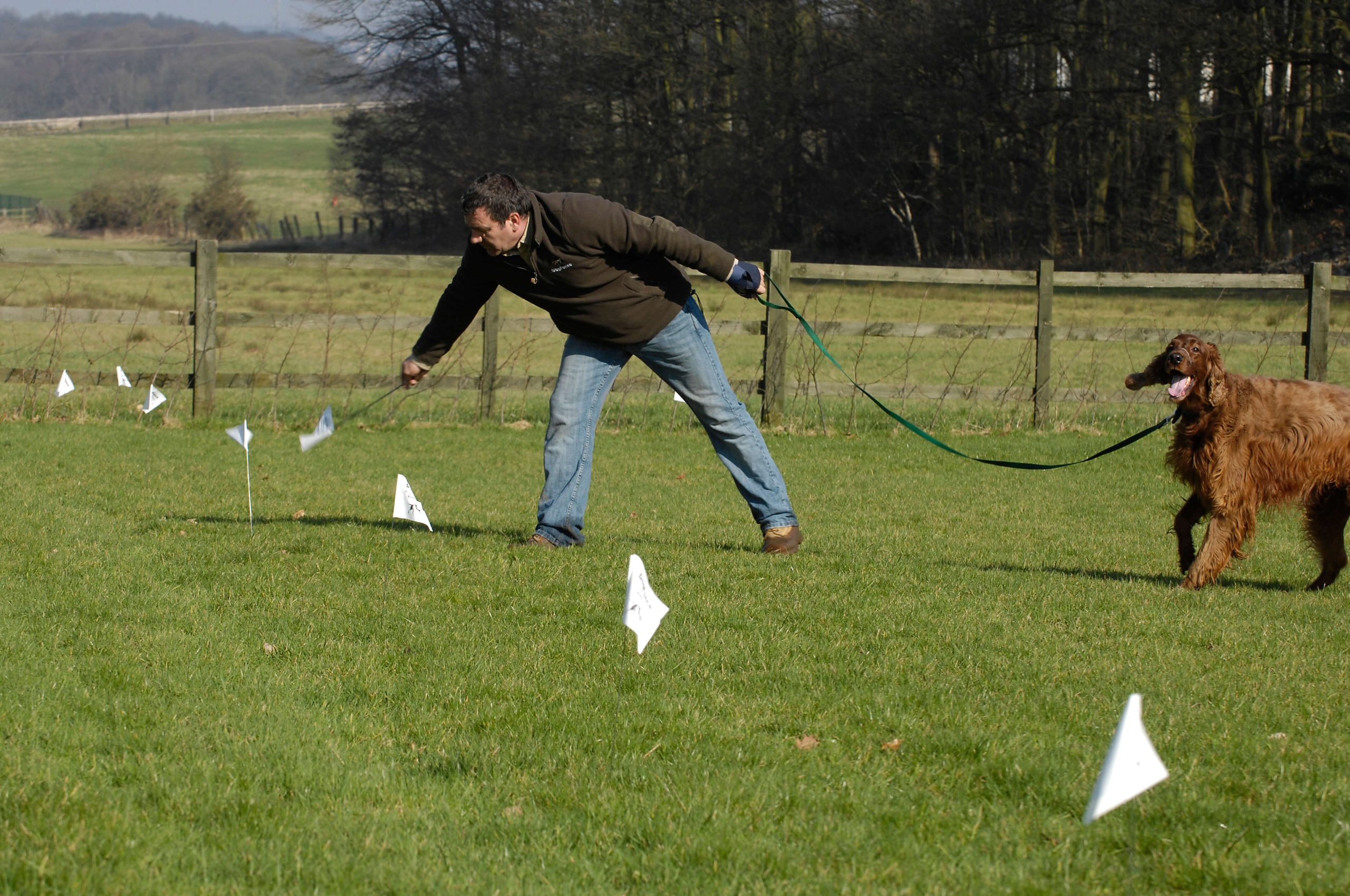
Dog wearing a hidden fence collar enjoying freedom in a secure UK garden, with training flags marking the boundary – illustrating dog fence cost UK value and effectiveness

Dog Fence Cost UK: DIY & Professional Hidden Fence Prices Compared

Dog Fence Cost UK: A Practical Guide to Hidden Fence Pricing & Value

Updated February 2026

If you’re researching the best way to secure your garden, this Dog Fence Buying Guide UK will help you compare systems, understand costs, and choose the right containment solution for your property. Across England, more and more dog owners are searching for reliable ways to prevent their dog running away — without building ever-higher fences or turning their garden into a fortress.

Many pet owners want to keep their dogs safely contained without compromising their garden’s appearance — or spending thousands on traditional fencing. Traditional timber or close-board fencing in the UK typically costs £110–£120 per metre installed, meaning an average garden can easily exceed £2,500–£3,000 — and far more for large rural properties.

In this guide, we break down:

  • DIY dog fence costs
  • Professional installation prices
  • What you’re really paying for
  • How hidden fence prices compare to traditional fencing and GPS systems

Dog Fence Cost UK: What You Might Pay

When people talk about the cost of wired electronic containment system, they’re usually referring to a wired radio fence using a boundary cable, a transmitter, and a receiver collar worn by the pet. In the UK, the total cost can vary depending on whether you install it yourself or professional installation.

DIY Dog Fence Kits (From £299–£800+)

DIY systems offer a more budget-friendly entry point. DIY dog fence cost UK options are typically more affordable upfront, making them popular for straightforward gardens and confident installers.

Most mid-range UK kits start from £299, and typically include:

  • Lightweight programmable receiver collar
  • Boundary wire (often up to 100m, expandable)
  • Training flags
  • Transmitter and power adapter
  • Installation instructions or video guidance

Our DIY kits use:

  • Robust, heavy-grade cable
  • Weatherproof components
  • Built-in safety features including auto shut-off
  • 2–4 year warranties depending on model

⚠ A Word of Caution About Ultra-Cheap Kits

Very cheap systems (often under £50 online) may include:

  • Extremely thin cable that breaks during installation
  • Weak or inconsistent collars
  • Poor battery life
  • No lightning protection
  • No correction shut-off safety feature
  • Minimal training guidance

These systems can quickly become a false economy — especially if a pet escapes or becomes confused due to inconsistent correction. When comparing electronic dog fence cost options, it’s important to look beyond the headline price and consider cable quality, collar technology and long-term reliability.


Professionally Installed Hidden Dog Fences (£1200–£2500+)

Professional dog fence installation UK services are ideal for larger rural properties or for owners who want structured training and long-term support. Professional installation typically ranges between £1,200 and £2500, depending on:

  • Garden size
  • Layout complexity
  • Number of pets

This usually includes:

  • Full boundary survey
  • Cable installation (buried or discreetly secured)
  • Custom collar programming
  • Structured pet training session
  • Support for multi-pet households
  • Extended or lifetime warranties on selected systems

For reactive dogs, rural properties, or complex gardens, professional installation often delivers greater peace of mind.

“You came and fitted our setup in February and it is amazing and worth every single penny. From two naughty ‘we will escape’ pets, we now have total peace of mind.”


Dog Fence Cost UK vs Traditional Fencing

Hidden dog fence prices vary depending on garden size, installation complexity and whether you choose a DIY kit or professional setup.

Fence Type Approx. Cost (UK)
Timber or Close board Fence £6,000–£12,000
Metal or Picket Fence £10,000+
Wireless GPS Dog Fence £700–£1,800
DIY Hidden Dog Fence Kit £299–£800
Pro Hidden Dog Fence £1200–£12000
  • Your dog jumps
  • Your dog digs
  • You need multiple gates
  • Landscaping adjustments are required

A hidden dog fence avoids visual barriers and can be installed across large areas at a fraction of the cost. Here’s an example of a Professional hidden dog fence installation after cable burial.

Boundary training flags marking the layout of a Professional hidden dog fence during installation.


Are There Ongoing Costs?

Wired electronic fences have minimal ongoing costs:

  • Replacement batteries (every few months depending on usage)
  • Occasional collar strap replacement
  • Rare cable repair if physically damaged

Unlike many GPS systems, wired containment has no monthly subscription fees.


Is a Hidden Dog Fence Worth the Investment?

When considering dog fence cost UK, think long-term value.

Benefits often include:

  • No repeated garden repair from digging
  • Reduced escape risk
  • No visual impact on your property
  • Lower long-term cost compared to high fencing
  • Less daily supervision stress

Even mid-range DIY systems can last many years when correctly installed and maintained.

“Finally a company that does what they say — the installer arrived on time and the service from start to finish has been impressive.”


Choosing Between DIY Dog Fence Cost or Professional Installation

Ask yourself:

  • Are you confident installing boundary wire?
  • Is your garden large or complex?
  • Is your dog reactive or highly driven?
  • Do you want structured training support?

DIY suits straightforward gardens and confident owners.

Professional installation suits larger properties, complex layouts and escape-prone dogs. Many owners choose a DIY dog fence when they feel confident laying the boundary wire and following the structured training process.

Professional dog fence installer discussing hidden fence installation options with a UK customer

Professional hidden dog fence installation consultation in a UK garden


Want to Understand How It Works?

Hidden dog fences operate using a radio signal transmitted through a boundary cable.

If you’re new to the concept, read our guide on how electronic dog fences work.


Ready to Explore Your Dog Fence Options?

If you’re comparing electronic dog fence cost options or want clarity on hidden dog fence prices for your specific garden, we’re here to help.

Every property — and every dog — is different. A quick conversation can help you understand whether a DIY system or professional installation will give you the best long-term value and peace of mind.

No hard sell — just honest advice based on over 20 years of real-world experience helping UK dog owners keep their pets safe.

If you’re comparing electronic dog fence cost options or want clarity on hidden dog fence prices for your garden, we’re here to help. Every property (and every dog) is different — a quick chat can help you choose the right system for long-term value and peace of mind.

Want to Get a Free Quote or Consultation ?

Call us on
01628 476475
|
Message us on WhatsApp
|
Request a Free Quote Online