
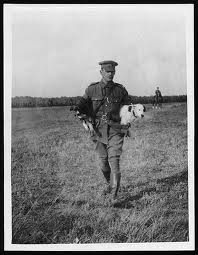
World War I Dogs
Dogs in World War One: Remembering the Unsung Heroes of the Trenches
Every Remembrance Day, we pause to honour the men and women who served and sacrificed their lives during the First World War and subsequent conflicts. But alongside the soldiers on the front line were thousands of animals whose extraordinary contributions are sometimes forgotten.
Dogs in World War One played a vital role in military operations. They carried messages across dangerous battlefields, alerted soldiers to approaching threats, helped locate the wounded and offered companionship in the darkest days of trench warfare.
As we approach 11 November, we remember the courage, loyalty and sacrifice of these remarkable animals.
Messenger Dogs in WW1: Lifelines Across the Trenches
Communication was one of the greatest challenges faced by soldiers on the Western Front. Telephone wires were frequently destroyed by shellfire, roads became impassable and human runners risked their lives delivering messages between military positions.
Trained messenger dogs provided an alternative. Carrying messages in small containers attached to their collars, they could travel quickly across difficult terrain, navigating shell holes, muddy trenches and damaged ground.
Their speed and relatively small size made them less conspicuous than human runners, while specialist training enabled them to travel between designated handlers or military positions.
When other methods of communication failed, a messenger dog could deliver information that was essential to the safety of an entire unit.
How Were Military Dogs Trained During World War One?
Military messenger dogs needed to work in some of the most challenging conditions imaginable. Explosions, gunfire, unfamiliar smells and constant activity could easily distract or frighten an animal.
Training therefore focused on reliability, familiarity and the relationship between the dog and its handlers.
Dogs learned to travel between designated locations, often motivated by their attachment to a particular handler and reinforced through repeated practice.
Suitable dogs needed stamina, confidence and the ability to remain focused despite distractions.
Although modern dog training has developed considerably, one principle remains important: dogs learn most effectively when training is consistent, understandable and built around a relationship of trust.
For a modern example of how dogs learn to recognise boundaries through structured training, see our guide to how an invisible dog fence works.
Beyond Messengers: The Different Roles of Dogs in WW1
Messenger dogs were only one part of the canine contribution to the First World War. Dogs undertook a variety of duties, making use of their remarkable senses and ability to work alongside people.
Sentry and Guard Dogs
Dogs were used to guard military positions, stores and encampments. Their acute hearing and sense of smell could alert soldiers to movement or approaching danger, sometimes before a human sentry noticed anything unusual.
Casualty and Ambulance Dogs
Specially trained casualty dogs helped search for wounded soldiers. In dangerous or difficult terrain, their ability to locate people could assist medical teams and stretcher-bearers.
Military Mascots and Companions
Not every dog in the trenches had an official military role. Some became cherished mascots, accompanying soldiers during periods of rest and providing a welcome reminder of home.
These animals offered something that could not be measured in military reports: affection, companionship and moments of comfort amid the hardship of war.
Dogs in the Trenches: Companionship During the Great War
Life in the trenches was characterised by cold, mud, exhaustion and the constant threat of attack. Soldiers could spend long periods away from their families, living in conditions that were physically and emotionally demanding.
For many, a dog offered a reassuring presence.
Photographs from the First World War show soldiers sitting beside dogs in trenches, camps and temporary shelters. Some were working animals; others were simply companions who had become part of military life.
These images remind us that the bond between people and dogs has always extended far beyond practical usefulness.
Even in the most difficult circumstances, a dog could provide friendship and a small sense of normality.
The Dogs Who Never Returned From World War One
Like the soldiers they served alongside, military dogs faced enormous dangers.
Artillery fire, gunfire, injuries, disease and the harsh conditions of wartime service all took their toll. Many dogs died while carrying out their duties, and the stories of countless others have been lost to history.
Unlike the soldiers who understood the conflict around them, these animals had no understanding of the causes of war. They simply performed the tasks they had been trained to undertake, often in extraordinarily dangerous circumstances.
Their contribution deserves to be recognised alongside the wider history of animals in military service.
Remembering the Animals of War
The important role played by dogs during the First World War continued into later conflicts, when military working dogs undertook increasingly specialised duties.
In 1943, Maria Dickin, founder of the PDSA, established the PDSA Dickin Medal to recognise exceptional bravery and devotion to duty by animals serving in military conflict.
The medal bears the words “For Gallantry” and “We Also Serve”, a fitting acknowledgement of the contribution made by animals during wartime.
For further historical information about the relationship between soldiers and animals, visit the National Army Museum.
Remembrance Day: We Also Remember the Dogs
Every year on 11 November, we remember those who gave their lives in service.
We should also spare a thought for the dogs who carried messages through dangerous battlefields, searched for wounded soldiers, guarded military positions and provided companionship when it was needed most.
At DogFence, we have worked with dogs and their owners since 2003. Every day, we see the intelligence, loyalty and remarkable bond that can develop between dogs and people.
The dogs of the First World War remind us just how extraordinary that bond can be.
The remarkable contribution of dogs didn’t end with the First World War. From the rescue dogs of the Blitz to modern military working dogs and assistance dogs, their extraordinary service continues today. Discover more in our article, Service Dogs Through the Ages: Honouring the Dogs Who Served.
To the messenger dogs, casualty dogs, sentries and faithful companions who served during the Great War: we remember you.
We Also Serve.
Lest we forget.
DOGFENCE UK • SINCE 2003
A Lifelong Bond Built on Trust
Every dog deserves to feel safe. Discover how our professionally installed dog fencing systems and personalised training help protect the dogs we love.
☎ CALL US 01628 476475 | Chat with our team |
Some images in this article may be AI-generated for illustrative purposes.