Tag Archive for: dog containment solutions

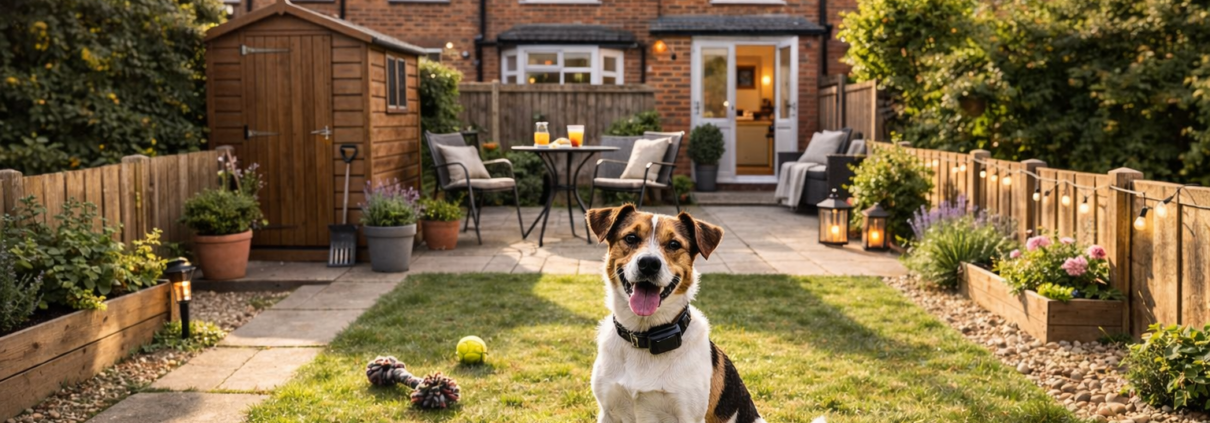
Low garden fence in UK rental property showing potential escape risk for dogs

Dog Fencing for Rental Properties | Temporary & Landlord-Approved Solutions UK

The Renter’s Guide to Dog Safety: Dog Fencing for Rental Properties That Protects Your Deposit

Dog fencing for rental properties is one of the biggest challenges for tenants renting with a dog in the UK. Whether you’re looking for a temporary dog fence for renters, a landlord-approved dog fencing solution, or a portable dog containment system that won’t damage the property, keeping your dog safe without risking your deposit requires the right approach. Installing a dog fence in a rental property is possible — but only if it’s removable, non-invasive, and fully compliant with your tenancy agreement.

For many renters, safety isn’t just about containment — it’s about protecting your dog, your home, and your relationship with your landlord.


What Is Dog Fencing for Rental Properties?

Dog fencing for rental properties refers to temporary or removable containment systems designed to keep dogs safely within set boundaries without making permanent changes to the home or garden.

These systems are:

  • Portable
  • Removable
  • Landlord-friendly
  • Safe for dogs of all sizes
  • Suitable for both indoor and outdoor use

Unlike traditional fencing, they do not require structural alterations to the property.


Can You Install a Dog Fence in a Rental Property?

Yes — you can install a dog fence in a rental property provided:

  • The system does not require permanent structural changes
  • It leaves no visible damage
  • It can be fully removed when you move
  • It complies with your tenancy agreement

Always check your lease and seek written permission before installing outdoor containment systems.


The Biggest Dog Safety Risks in Rental Homes

Renting with a dog in the UK presents unique safety challenges that homeowners don’t always face.

Shared Driveways and Open Front Gardens

Many rental homes have open access areas, increasing escape risk.

Decorative or Weak Fencing

Some landlords install fencing for privacy rather than pet security.

Communal Gardens

Flats and converted buildings often share outdoor spaces with no secure perimeter.

Front Doors Opening Directly to the Street

A common risk in urban rentals and terraced homes.

Temporary or Poorly Maintained Boundaries

Rental gardens are not always fully enclosed or well maintained.

For many tenants, dog fencing for rental properties becomes essential — not optional.

If you’re unsure whether the existing boundary is secure, you may want to read our guide on why traditional fencing isn’t enough for escape-artist dogs, which explains why even solid-looking panels can fail with determined breeds.


Temporary Dog Fence for Renters: Safe, Removable Solutions

When choosing a temporary dog fence for renters, the key factors are portability, safety, and zero permanent impact. Many tenants assume a 6ft panel is enough to prevent escape, but depending on breed and athletic ability that isn’t always true. We explore this in detail in our article on can a dog jump a 6ft fence.

1. Portable Electronic Dog Fences

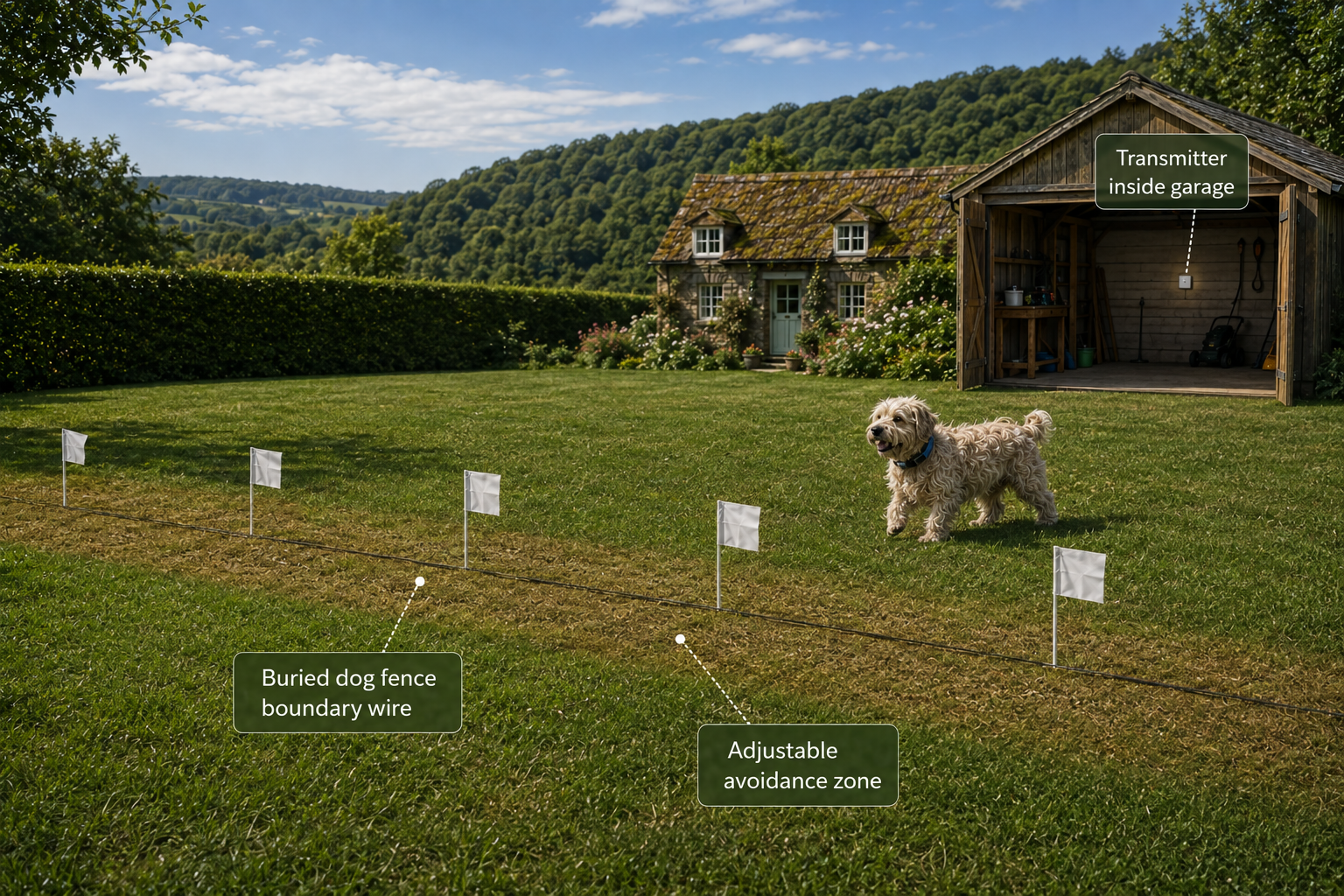
A portable dog containment system uses a hidden boundary wire and lightweight receiver collar to create an invisible boundary.

For rental properties, the advantages include:

  • Wire can be loose laid on the surface
  • No drilling into walls
  • No permanent trenching required
  • Fully removable when you move
  • Moves with you to your next property

Unlike physical fencing, it doesn’t alter the structure or appearance of the home.
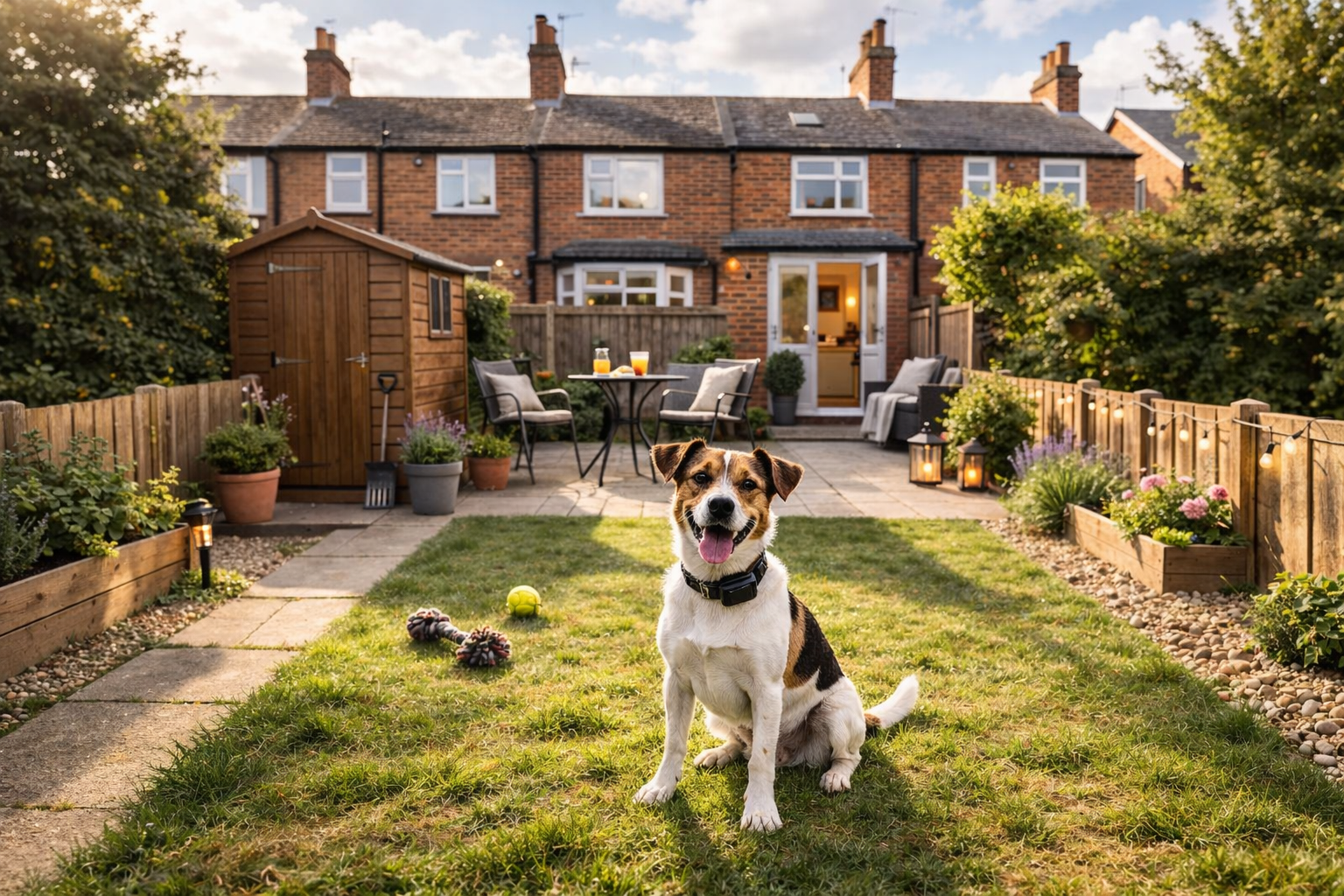
Low garden fence in UK rental property showing potential escape risk for dogs


2. Freestanding or Expandable Dog Pens

Useful indoors or on patios, these provide short-term containment for small dogs. However, they restrict movement and are not ideal for larger or active breeds.


3. Foldable Mesh or Temporary Fence Panels

Lightweight and modular, these can work in small gardens but may lack durability for determined escape artists.


What to Avoid in a Rental Property

Not all fencing options are landlord-friendly. Avoid:

  • Digging trenches without written permission
  • Screwing fence posts into patios or brickwork
  • Leaving visible cable remnants when you move
  • Cheap containment systems with unreliable collars

The goal is landlord-approved dog fencing that protects both your dog and your deposit.


How to Keep Your Landlord Happy

If installing dog fencing for rental properties:

  • Check your tenancy agreement carefully
  • Ask for written approval
  • Choose a removable system
  • Restore any disturbed turf before moving out
  • Provide reassurance about non-invasive installation

Most landlords are far more comfortable when they understand the system is temporary and fully removable.


Indoor Dog Safety for Flats and Apartments

If you live in a flat or urban rental property, indoor containment can be just as important as garden security.

Consider:

  • Pressure-mounted pet gates
  • Portable indoor boundary systems
  • Zoned containment to protect front doors or staircases

Indoor portable systems are ideal for protecting entryways without altering walls or floors.


Is Electronic Dog Fencing Humane?

Modern containment systems are designed with safety in mind. Professional systems are programmable to suit your dog’s size and temperament, include safety shut-off features, and are used alongside structured training.

When installed and used correctly, they provide clear, consistent boundaries without physical barriers. If you’ve heard conflicting opinions online, our detailed guide on the dog fence controversy explores the debate and explains how modern systems differ from outdated methods.
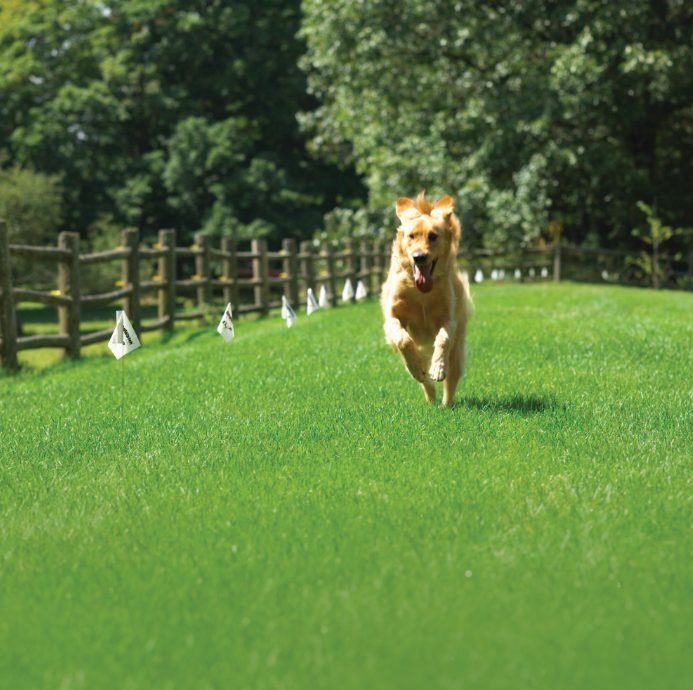
dog running freely in garden with low fencing - the ideal the solution for rental properties


FAQs About Dog Fencing for Rental Properties

Is electronic dog fencing allowed in rental homes?

Yes, provided it is non-invasive, removable, and landlord approved.

Does the boundary wire have to be buried?

No. In rental properties the cable can be loose laid on the surface, attached to fencing, or threaded through hedges.

Can I remove the system when I move?

Yes. A portable dog containment system is designed to move with you.

Is it suitable for large or active dogs?

Yes. Modern systems are programmable and suitable for dogs of all sizes.

Can it be used on a driveway?

Yes. The boundary wire can be threaded through protective tubing and laid safely across driveways.
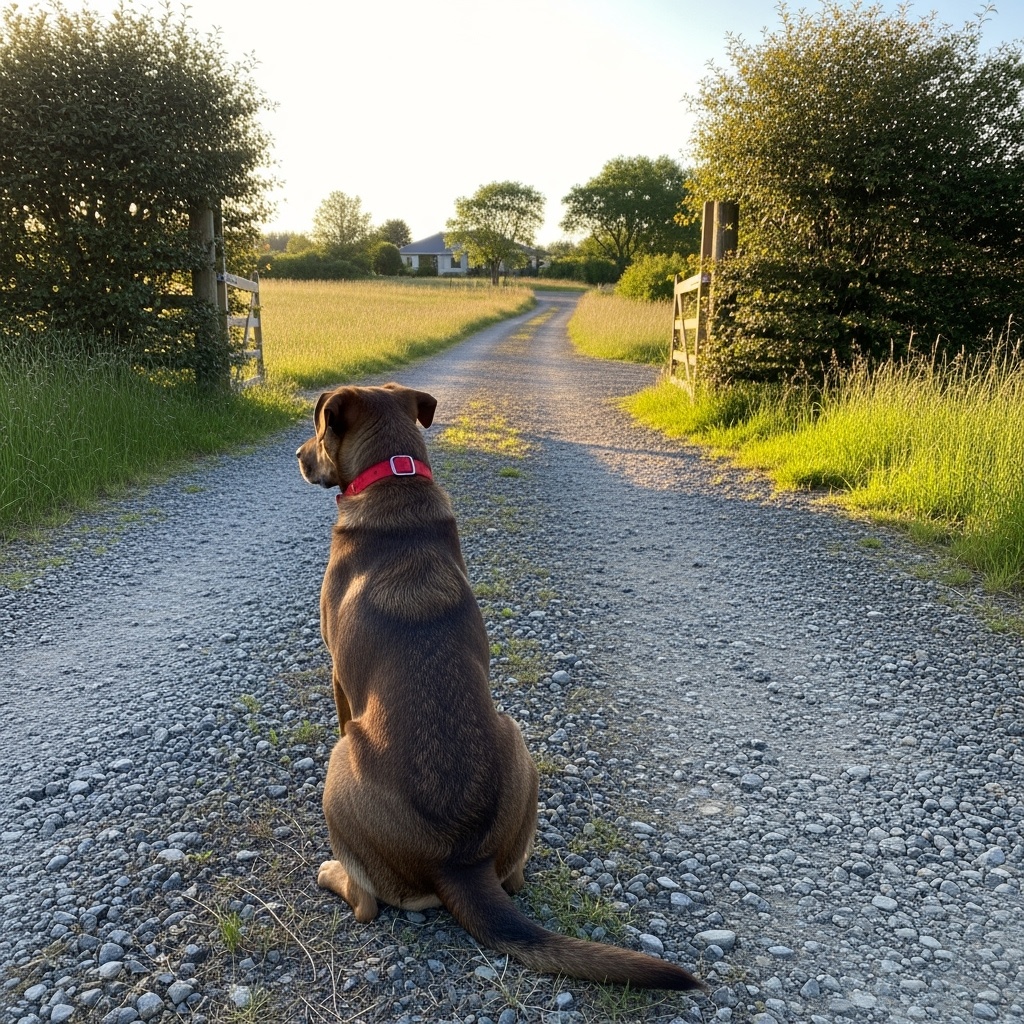
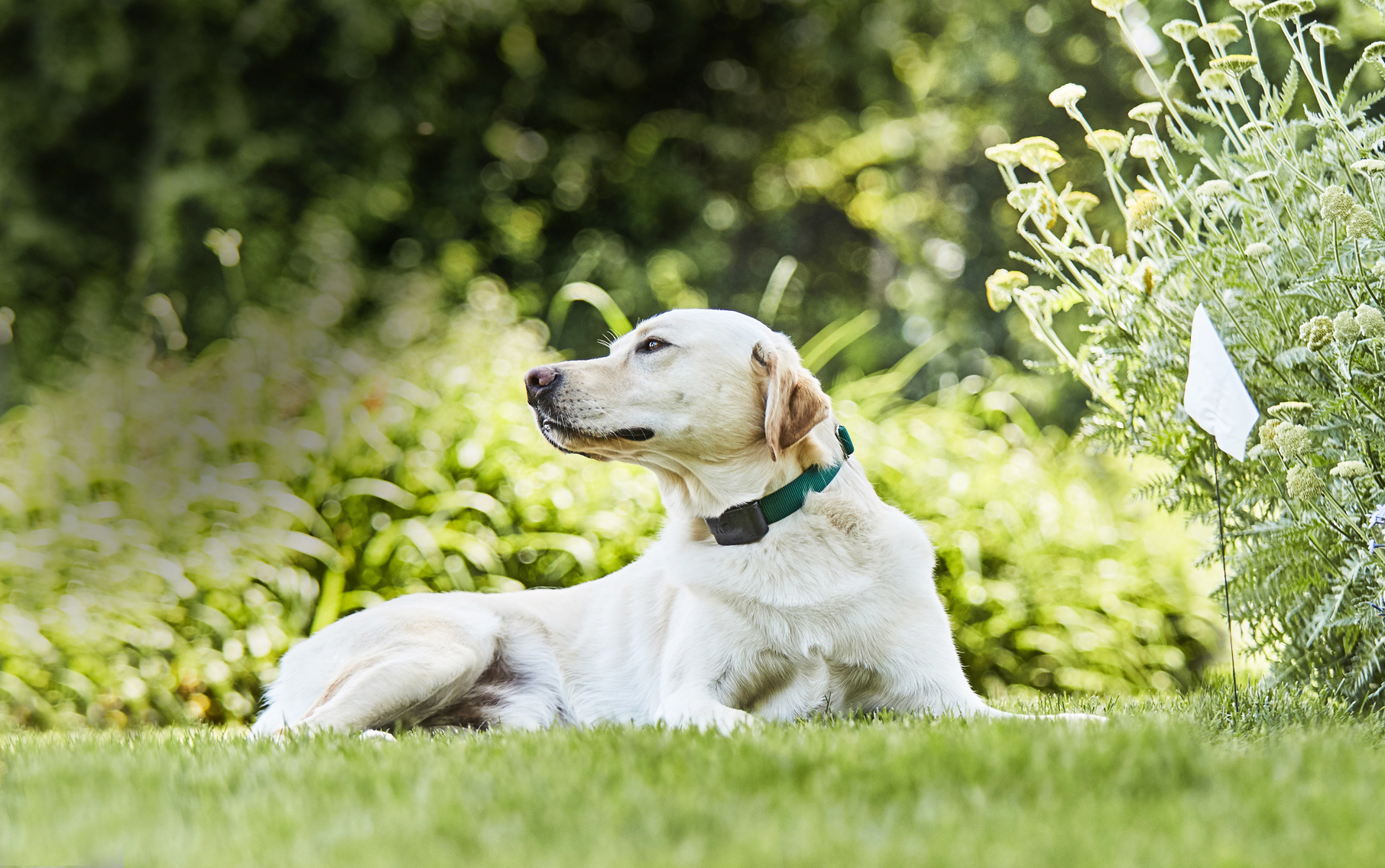
Dog sitting calmly at an open driveway, showing safe boundary awareness without a physical fence


Why Choose DogFence for Rental Properties?

With over 22 years of experience installing invisible dog fence systems across the UK, DogFence has provided solutions specifically designed for real homes — including rented properties.

Our systems are:

  • Portable and removable
  • Waterproof and chew-proof
  • Programmable for different breeds
  • Designed for safe, humane containment
  • Suitable for both dogs and cats

Need Advice on Dog Fencing for Rental Properties?

Whether you’re in a countryside cottage, suburban semi, or city flat, we can help you find a solution that keeps your dog safe — without risking your deposit.

Looking for Landlord-Approved Dog Fencing That Protects Your Deposit?

We specialise in landlord-approved dog fencing for rental properties across the UK — safe, removable, and designed
to keep your dog secure without damaging your garden or home.

Call 01628 476475
|
Message us on WhatsApp
|
Request a Free Quote
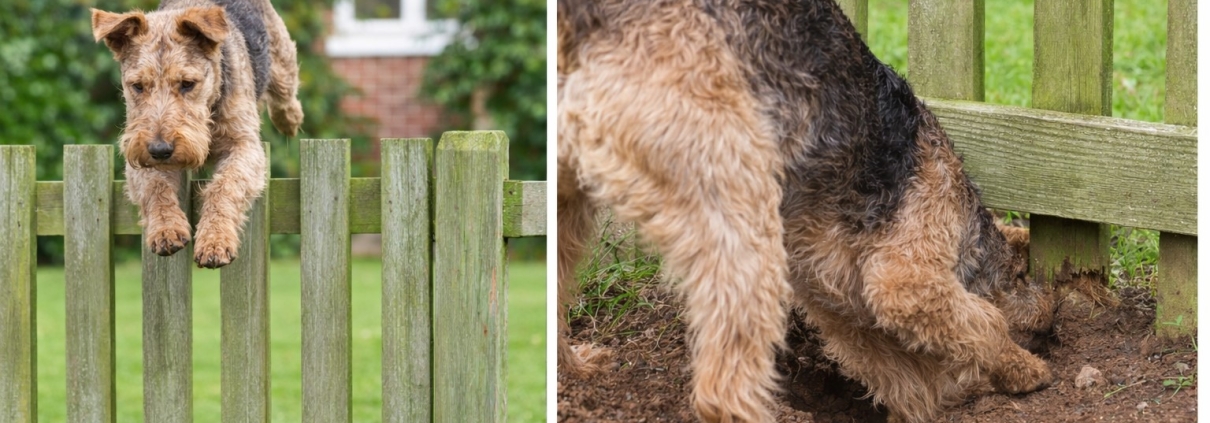
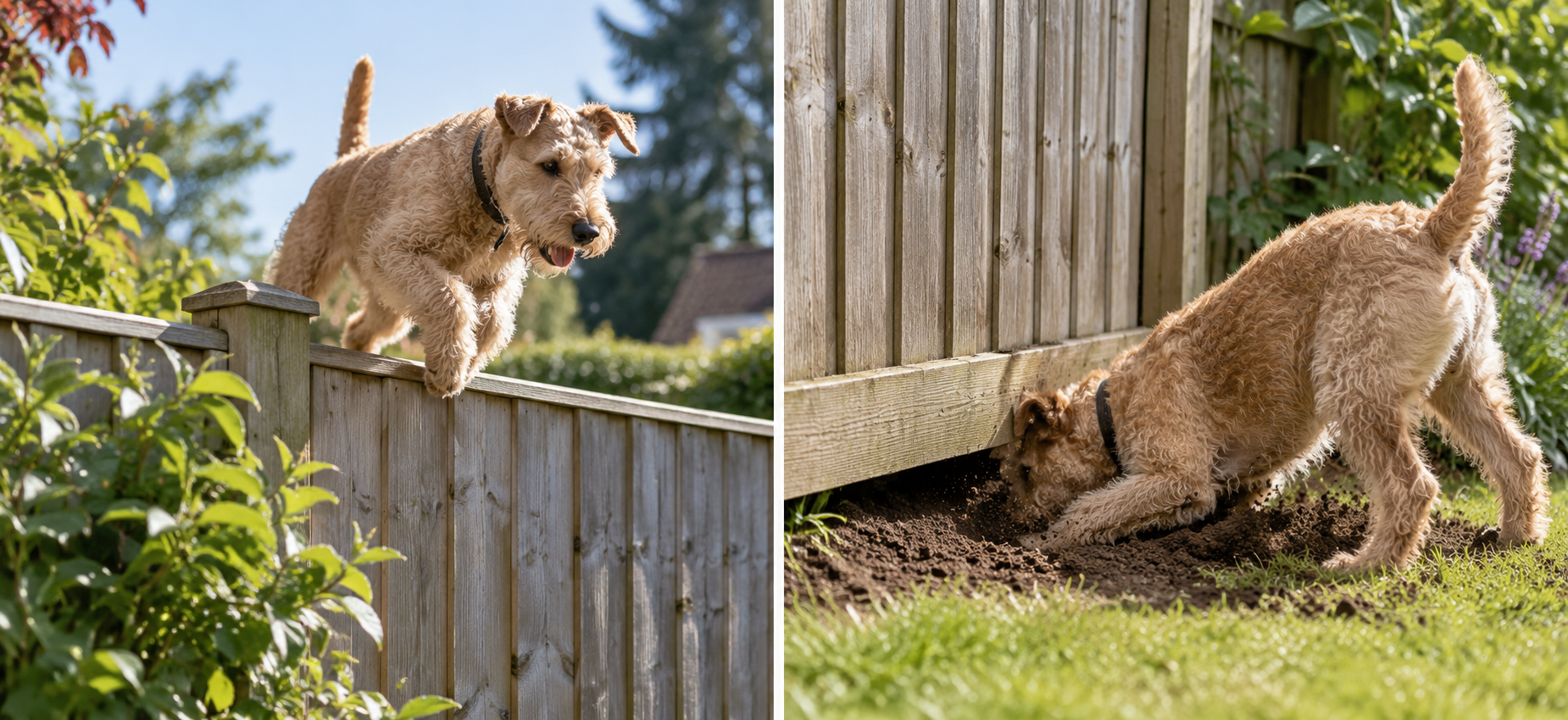
Escape artist dog jumping over a fence and digging under garden boundary

Escape Artist Dog: How to Stop Jumping & Digging Under Fences

Escape Artist Dog: Jumpers vs Diggers & The Science of Containment

If you’re living with an escape artist dog, you’ll know how quickly an ordinary garden can start to feel insecure. Whether you’re trying to stop dog jumping fence panels or stop dog digging under fence boundaries, the issue is rarely just faulty timber. Creating a truly secure garden for dogs means understanding what’s driving the behaviour in the first place. Determined dogs are motivated by instinct and learned success — which is why long-term results often require structured dog containment solutions, not just higher panels or reinforced bases.

Some dogs squeeze through gaps.
Some climb.
Some dig.

And some become what owners quickly describe as an escape artist dog — turning an ordinary garden fence into a daily challenge.

If your dog keeps escaping — whether by jumping panels or tunnelling under the boundary — you’re not dealing with a “bad” dog. You’re dealing with instinct, motivation, and learned behaviour.

Understanding whether you have a jumper, a digger, or both is the first step in solving the problem safely and permanently.


The Escape Artist Dog Who Jumps: Why Fence Height Isn’t Always Enough

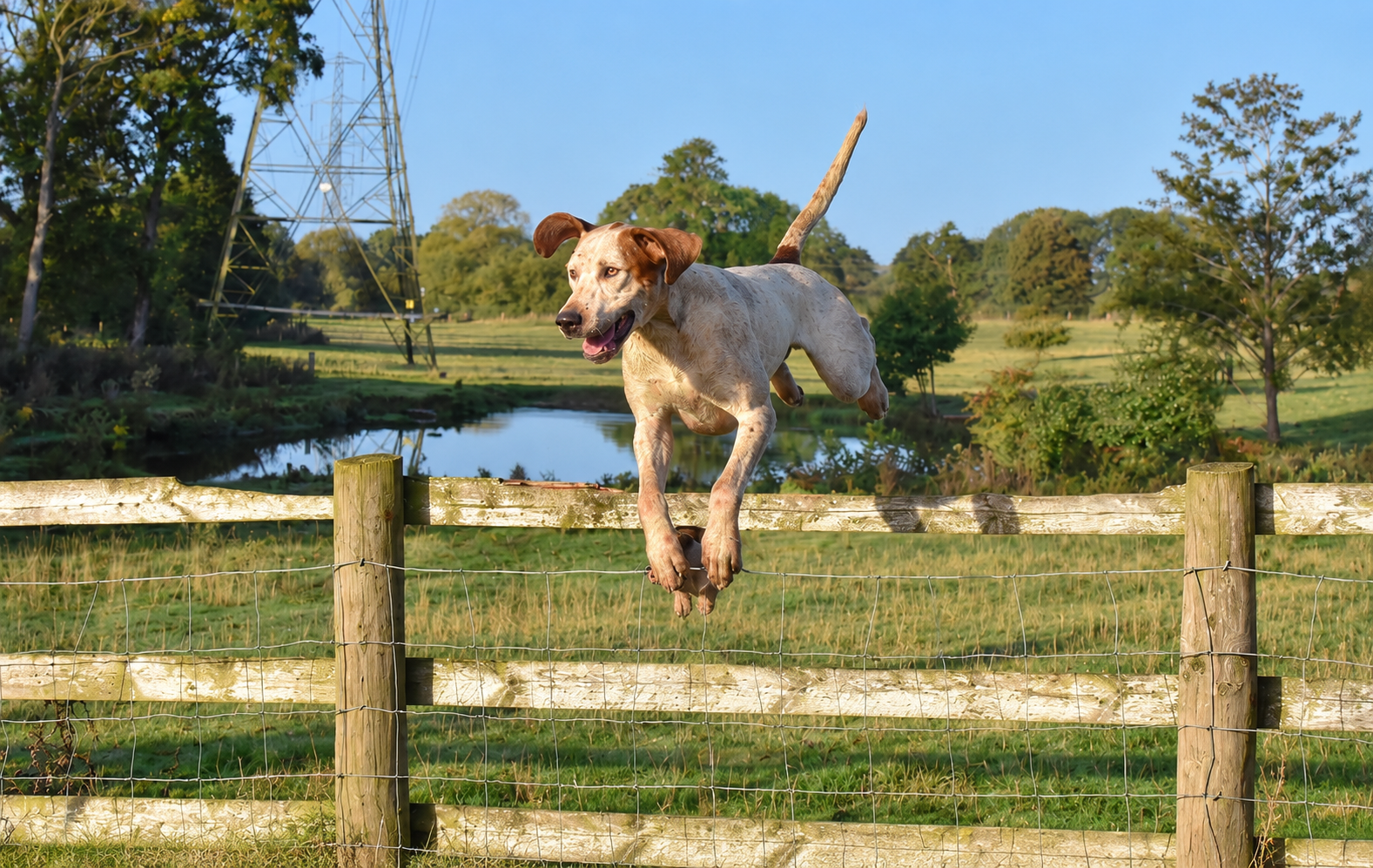
Athletic breeds — Labradors, Spaniels, Collies, Shepherds — are capable of clearing surprising heights when sufficiently motivated.

Prey drive, territorial behaviour, boredom, or separation anxiety can all trigger fence jumping.

Many owners assume:

“I’ll just make the fence higher.”

But height alone doesn’t guarantee containment.

In fact, we regularly speak to owners whose dogs have cleared 6ft panels with ease.

If you’re unsure what height is considered standard in UK gardens — and whether it’s truly enough —  read our detailed guide on recommended fence heights.

What that guide explains clearly is this:

Height reduces risk.
It does not remove intent.

And when intent remains, behaviour finds a way.

Escape artist dog jumping over a wooden garden fence


Can a 6ft Fence Really Stop a Dog?

In most UK homes, 6ft is considered the “safe” benchmark.

But can a determined dog jump a 6ft fence?

Yes — many can.

Large breeds can power-jump.
Some dogs climb horizontal slats like ladders.
Others use nearby objects for launch leverage.

If your dog has already cleared that height, increasing panels further may only delay the problem.

At that point, the issue is no longer about fencing — it’s about behavioural containment.

How to Stop Dog Jumping Fence Behaviour Safely

If you’re searching for ways to stop dog jumping fence behaviour, it’s important to look beyond height alone. Jumping is usually driven by motivation — whether that’s excitement, prey drive, or anxiety.

Raising panels may help temporarily, but long-term solutions focus on reducing the reward of escape and creating a clear boundary your dog understands and respects. Many owners searching for ways to stop dog jumping fence behaviour focus on height alone, but without addressing motivation, the problem often repeats.


The Escape Artist Dog Who Digs: Why Reinforcement Alone Fails

Digging is instinctive.

Terriers were bred to tunnel.
Spaniels follow scent.
Huskies dig for temperature regulation.

But when digging focuses along the boundary line, it usually means one thing:

Your dog is trying to get out.

Owners often respond by:

  • Filling the hole
  • Laying slabs
  • Burying wire mesh
  • Adding gravel boards

Sometimes that works temporarily.

Often, the digging simply moves sideways. Digging behaviour is often linked to scent tracking and prey drive, as explained by the RSPCA’s guidance on understanding dog behaviour.

How to Stop Dog Digging Under Fence Repeatedly

When owners try to stop dog digging under fence attempts, they often reinforce the same area repeatedly. But determined dogs simply shift location.

Effective prevention combines structural reinforcement with behavioural clarity — so the dog no longer sees the boundary as an opportunity to escape. If your dog is repeatedly tunnelling under panels, our step-by-step guide on See our boundary protection advice explains practical prevention methods as well as when reinforcement alone is unlikely to succeed

Escape artist dog digging under a wooden garden fence trying to escape


Why Traditional Fencing Fails an Escape Artist Dog

Most garden fencing systems are built for privacy — not determined containment.

Wood warps.
Ground shifts.
Gates loosen.
Dogs adapt.

Once a dog learns there is a weak point, that location becomes the focus.

And once they experience the reward of escape, repetition becomes highly likely.

This is why many “fixes” become an ongoing cycle of repair rather than a long-term solution.


The Science of Containment: Interrupting Intent

The most reliable containment strategies don’t rely on height or depth alone.

They rely on clarity.

When a dog clearly understands a boundary — and that boundary is consistent — the behaviour changes.

Modern containment systems work because they:

  • Establish a visible and invisible boundary
  • Provide clear warning cues
  • Remove ambiguity
  • Prevent both jumping and digging at source

Instead of reacting to the method of escape, they interrupt the intention to escape.

That behavioural clarity is what stops repeat attempts.


Jumper vs Digger: Which Type Is Yours?

Some dogs specialise.

Some combine tactics.

If your dog:

  • Jumps when stimulated by movement
  • Digs when left alone
  • Patrols the fence line obsessively
  • Has escaped more than once

You’re likely dealing with motivation, not just structure. And motivation cannot be solved with timber alone.


When to Consider a Different Approach

You may need a broader containment solution if:

  • Fence height increases haven’t worked
  • Reinforced bases haven’t stopped digging
  • Escapes are becoming more frequent
  • Your dog appears determined or anxious

At this stage, repeating physical upgrades often costs more than resolving the root behaviour.


Frequently Asked Questions

Can a dog jump a 6ft fence?

Yes. Many medium and large breeds can clear a 6ft fence if sufficiently motivated. Height alone does not guarantee containment.

If you’re unsure whether 6ft is enough for your breed, see our detailed guide on whether a dog can jump a 6ft fence.

Why does my dog keep digging under the fence?

Digging along the boundary usually indicates an attempt to escape, often driven by scent, boredom, anxiety, or prey drive.

What is the most reliable way to stop a dog escaping the garden?

Long-term solutions combine clear boundary communication with consistent containment, rather than relying solely on physical barriers.


Conclusion

Many owners repairing panels eventually realise they’re not dealing with faulty fencing — they’re living with an escape artist dog. And solving that requires behavioural clarity, not just stronger timber.

About the Author

Sam Chapman has worked in professional pet containment since 2003 and is part of one of the UK’s longest-established electronic boundary specialists. With over two decades of experience and thousands of installations across England, DogFence systems focus on safety, training clarity, and long-term containment rather than temporary fixes.

Escape Artist Dog? Let’s Stop the Jumping & Digging — For Good.

Get expert help creating a secure garden boundary with a proven pet containment system and calm, structured training.

Call us on
01628 476475
|
Message us on WhatsApp
|
Request a Free Quote Online