
Is the Sealyham Terrier Right for You? Temperament, History & Care
The Sealyham Terrier: Britain’s Rare Welsh Terrier With a Big Personality
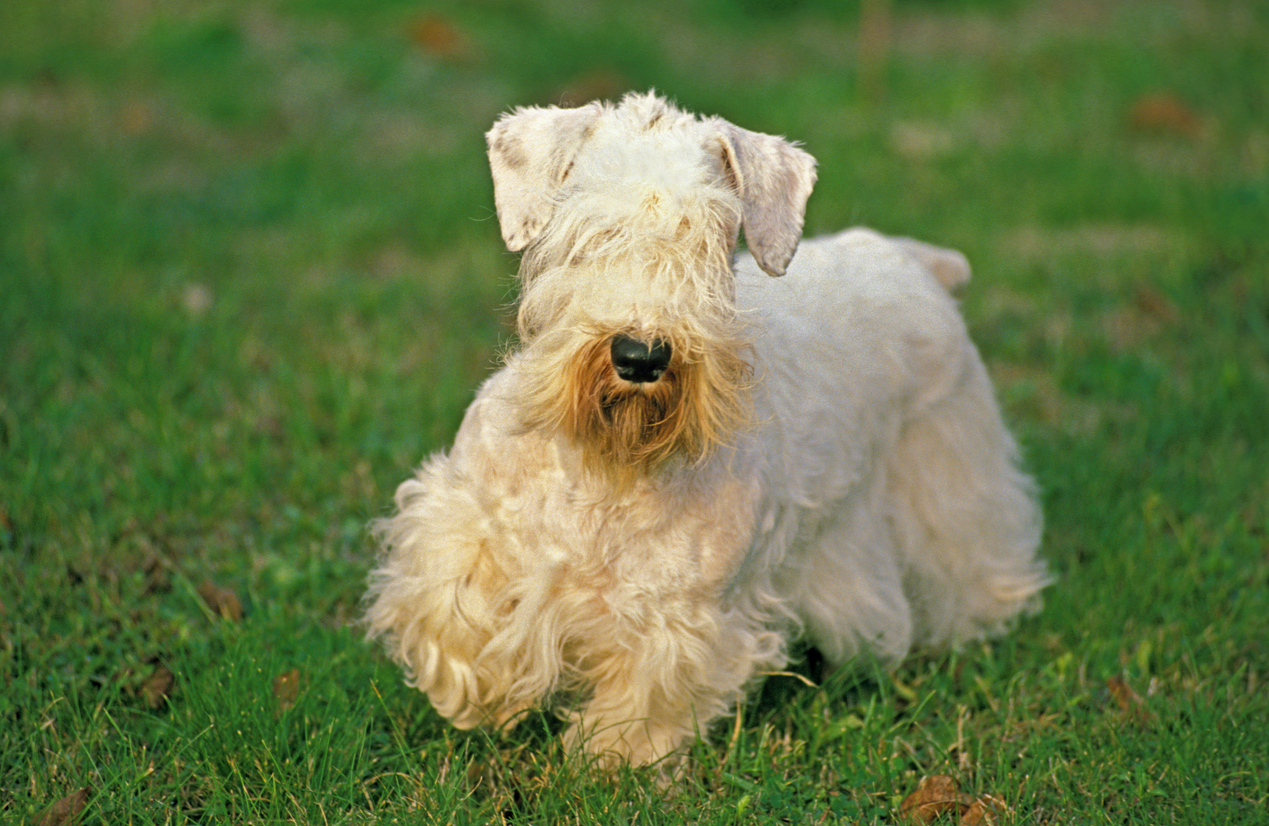
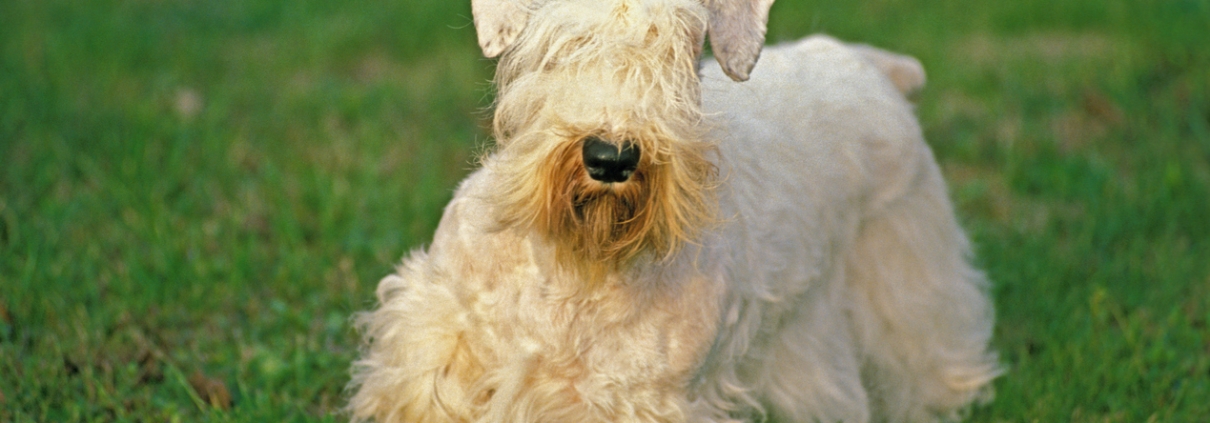
Sealyham Terrier Dog, Adult standing on Grass
The Sealyham Terrier is one of the UK’s rare British dog breeds, representing an important part of the country’s working-dog heritage that is now at risk of being forgotten. This rare British dog breed is actually one of the UK’s rarest native dog breeds — yet for the right owner, it’s an absolute gem. Originally bred in rural Wales, the Sealyham Terrier combines classic terrier determination with a surprisingly calm and affectionate nature. This post is part of our series on unusual British dog breeds and why they struggle with garden boundaries, exploring how heritage and instinct influence modern behavior.
Once favoured by actors, royalty, and country households, this distinctive white terrier has quietly slipped under the radar in recent decades. For modern dog owners living in semi-rural or countryside locations, understanding this breed’s instincts, strengths, and containment needs is essential.
A Brief History of the Sealyham Terrier
The Sealyham Terrier is part of a small group of traditional Welsh terrier breeds, developed to work independently in rugged countryside conditions where confidence and determination were essential. The Sealyham Terrier originated in Pembrokeshire, Wales, in the mid-19th century. Captain John Edwardes of Sealy Ham House developed the breed to hunt badgers, foxes, and otters — requiring a dog that was:
- Brave underground
- Independent yet trainable
- Tough enough for rugged terrain
Their distinctive white coat helped hunters distinguish them from quarry underground, while their compact build allowed them to work in tight spaces.
Today, the breed is recognised by The Kennel Club breed standard, but remains one of the UK’s most vulnerable native breeds.
Temperament: A Terrier — But Not as You’d Expect
Like many Welsh terrier breeds, the Sealyham Terrier combines a calm indoor presence with strong outdoor instincts shaped by generations of working alongside humans in rural environments. Unlike many high-energy terriers, Sealyhams are known for being:
- Calm indoors
- Loyal and people-focused
- Confident without being frantic
- Independent thinkers
That said, they retain strong prey drive and territorial instincts, particularly when outdoors and exposed to wildlife scents.
This combination — relaxed at home, determined outside — is exactly why secure boundaries matter.
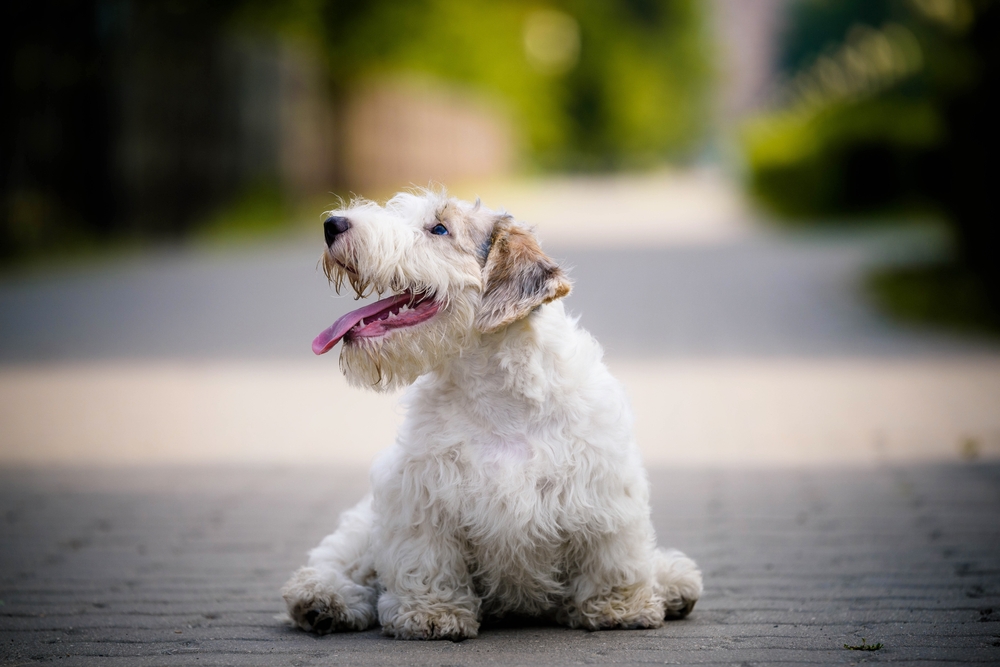
Exercise & Roaming Tendencies
Sealyham Terriers don’t require endless exercise, but they do need:
- Structured daily walks
- Mental stimulation
- Clear, consistent boundaries
- Left unsecured, they may:
- Follow scents beyond the garden
- Dig under fencing
- Slip through hedges or gaps
- Wander confidently (and quietly) away
Helpful read: If you’re dealing with escape habits on a country property, this guide may help:
prevent dogs running away in rural areas.
Traditional fencing often fails with terriers — not because they jump, but because they persist. This is a common issue for owners trying to prevent dogs running away in rural areas, where gardens are large and boundaries aren’t always obvious.
Why Secure Garden Boundaries Matter for Sealyham Terriers
Sealyhams were bred to work independently, often out of sight of their handler. That independence can translate into selective listening once they’re outdoors.
Owners in rural and semi-rural locations frequently struggle with:
- Large or irregular plots
- Shared land, bridleways, or footpaths
- Wildlife triggers
- Inconsistent fencing
For instinct-driven breeds like this, understanding how electronic dog fences work helps explain why they’re often more effective than traditional panels alone — particularly when professionally installed and paired with calm, structured training.
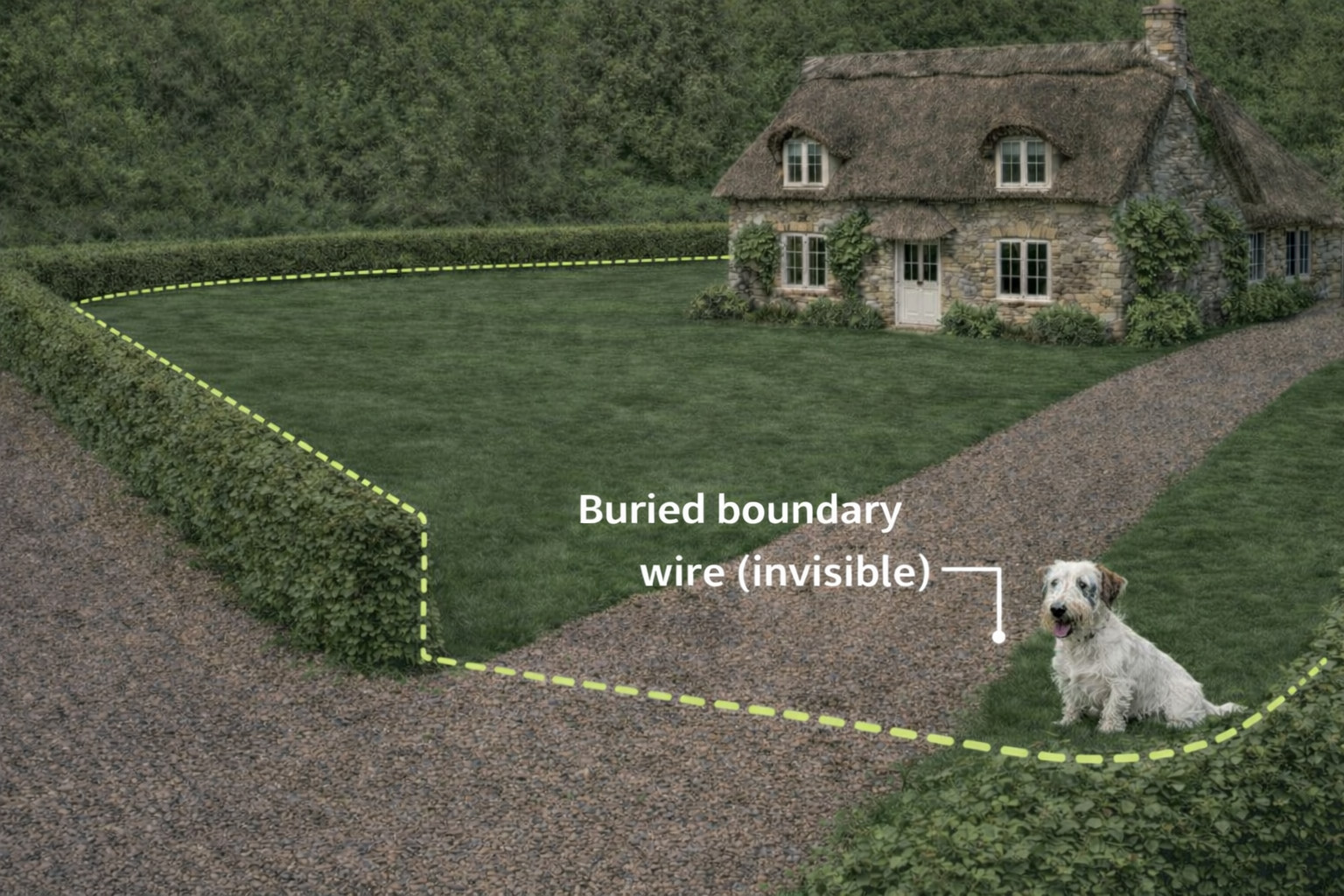
A Sealyham Terrier safely enjoying a rural garden within an invisible boundary system.
Are Sealyham Terriers Easy to Train?
Yes — with the right approach.
They respond best to:
- Calm, consistent guidance
- Clear cause-and-effect boundaries
- Positive reinforcement
- Short, focused sessions
They do not respond well to harsh correction or unclear rules. Boundary-based training systems often work well because they align with the breed’s logical, independent mindset rather than fighting against it.
Are Sealyham Terriers Good Family Dogs?
Yes — Sealyham Terriers can make excellent family dogs.
They are affectionate, calm indoors, loyal to their owners, and generally good with children when properly socialised. However, due to their strong prey drive and independent nature, they benefit from secure garden boundaries and consistent training, especially in rural or semi-rural environments.
Grooming & Maintenance
The Sealyham’s wiry white coat is practical but does require upkeep:
- Regular brushing
- Occasional hand-stripping (preferred over clipping)
- Professional grooming every few months
They shed very little, which makes them appealing for allergy-sensitive households.
Is the Sealyham Terrier Right for You?
Among today’s rare British dog breeds, the Sealyham Terrier stands out for its calm temperament, loyalty, and suitability for rural or semi-rural homes. A Sealyham Terrier may be a great fit if you:
- Live in the countryside or a village setting
- Want a calm but characterful companion
- Enjoy daily walks without hyperactivity
- Can provide secure outdoor boundaries
They may not suit owners who expect flawless recall without containment planning — particularly in wildlife-rich areas.
If you enjoy learning about distinctive breeds, you may also like reading about other rare British terrier breeds in our ongoing series.
Final Thoughts: A Rare British Treasure
The Sealyham Terrier is a reminder of Britain’s rich working-dog heritage — intelligent, determined, affectionate, and quietly confident. With the right balance of training, stimulation, and secure boundaries, this rare Welsh terrier can enjoy real freedom without unnecessary risk.
📞 Worried About Your Dog Wandering Off?
If you live in a rural or semi-rural area and your dog’s instincts sometimes override recall, you’re not alone. Many owners find that modern containment systems work with natural behaviour rather than against it.
Ready to Keep Your Pet Safe?
Call us on
01628 476475
|
Message us on WhatsApp: 07917034256