How to Prepare for Your Hidden Dog Fence Installation
How to Prepare for Your Hidden Dog Fence Installation
Many customers ask, “How do I prepare my garden for a hidden dog fence?” Fortunately, there’s very little you need to do.Once you’ve booked your DogFence installation, a little preparation can help our installers work more efficiently and ensure the best possible result.
Every property is different. While many installations are straightforward, rural gardens, woodland boundaries and more natural landscapes may need a little preparation before our installer arrives.
Preparing the proposed cable route helps our team work safely and efficiently while ensuring your hidden dog fence is installed to the highest possible standard.
Cut Long Grass Before We Arrive
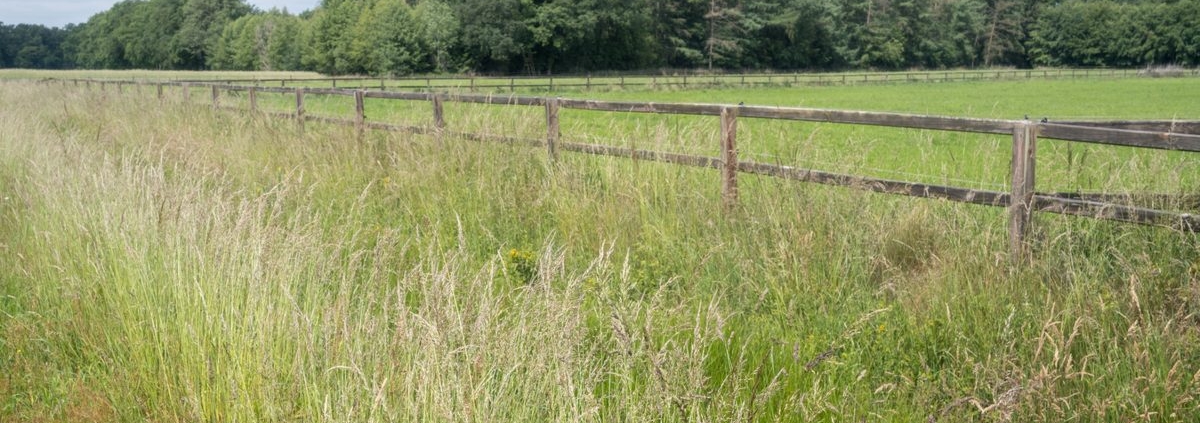
One of the simplest ways you can help is by cutting any long grass along the proposed installation route.
Ideally, grass should be less than 12 inches (30cm) high.
Our installers use specialist trenching equipment to bury the boundary wire at the correct depth. Very long grass can become tangled around the machine, making it difficult to see the ground clearly and preventing the equipment from working as efficiently as it should.
There’s no need to mow the entire garden—just the areas where the boundary cable is likely to be installed.
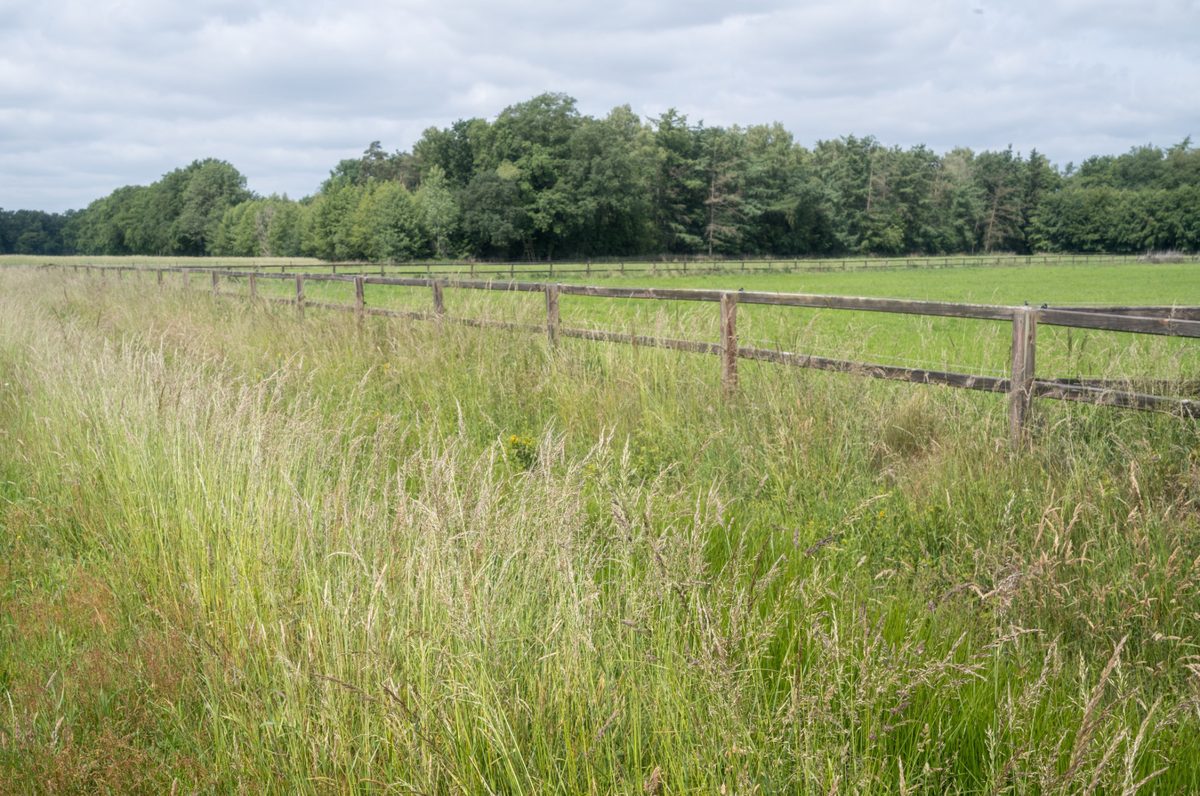
Keeping long grass below 12 inches along the installation route helps ensure your hidden dog fence can be installed safely and efficiently.
Clear Brambles and Dense Vegetation
One of the biggest advantages of a hidden dog fence is that it can often follow natural boundaries where traditional fencing simply isn’t practical.
However, our installers still need safe access to the installation route.
If your boundary has become heavily overgrown with brambles, nettles, thick shrubs or fallen branches, we recommend clearing these before installation day.
As a guide, allowing around 2 feet (60cm) of clear access along the cable route helps us complete the installation safely and efficiently.
This doesn’t mean clearing everything back to bare ground—just enough space for our installer and equipment to work comfortably.
Remove Fallen Branches and Garden Debris
Logs, piles of branches, old fencing materials and other obstacles can slow down an installation.
Removing these beforehand allows us to maintain a smooth cable route and complete your installation more efficiently.
Let Us Know About Underground Services
If you’re aware of any underground services, please let us know before installation.
These might include:
- Irrigation systems
- Garden lighting cables
- Robot lawn mower boundary wires
- Water pipes
- Recently planted trees or shrubs
- Internet Cables (if known)
We’ll always discuss the proposed cable route with you before work begins.
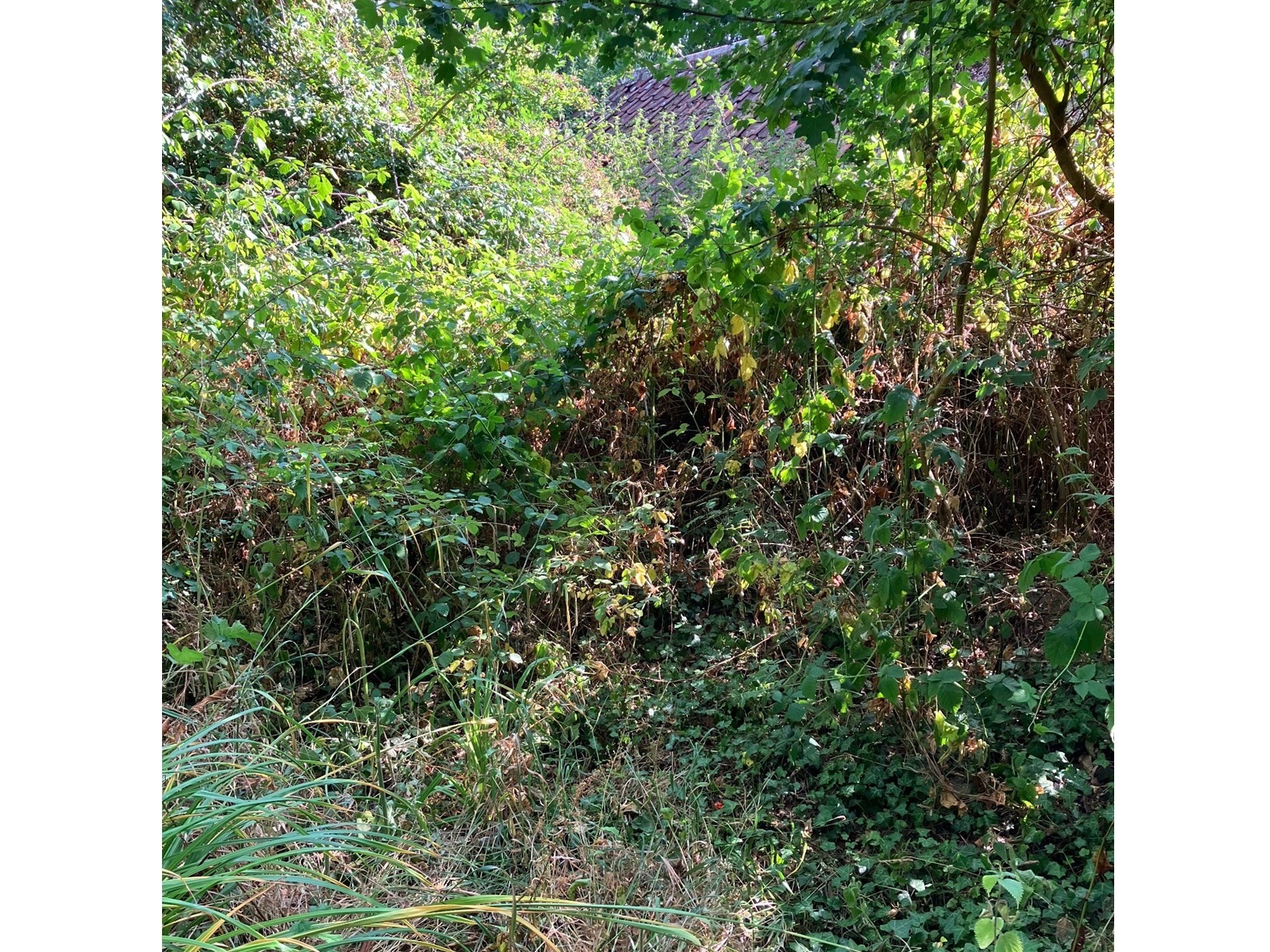
Dense vegetation and overgrown boundaries should be cleared back before installation, allowing our installers to safely follow the boundary line and install your hidden dog fence as accurately and efficiently as possible.
Keep Dogs Safely Indoors
Installation day involves specialist equipment and our installer moving around your property.
For everyone’s safety, we recommend keeping your dog indoors or in another secure area until the installation has been completed and it’s time to begin the training process.
Every Garden Is Different
We regularly install hidden dog fences in:
- Rural properties
- Farms and smallholdings
- Woodland gardens
- Large country gardens
- Gardens with mature trees and natural boundaries
- Gardens with small streams
Some properties require very little preparation, while others may benefit from a little clearing before installation day.
If you own a larger or more challenging property, you may also find our guide Is a Hidden Dog Fence Suitable for Rural Properties?</a> helpful. It explains how hidden dog fences can be installed across fields, woodland, streams and other natural features.
If you’re unsure whether your garden needs any preparation, simply ask. We’re always happy to offer advice before your installation.
Every gate installation is different, so any information you can provide beforehand is always appreciated and helps us plan the best installation for your property.
A Little Preparation Makes a Big Difference
Preparing your garden doesn’t need to be a major project.
Cutting long grass, clearing heavy vegetation and providing good access along the proposed boundary allows us to work more efficiently and helps us deliver the highest quality installation possible.
Our aim is always the same—to leave you with a professionally installed hidden dog fence that blends naturally into your garden and provides years of reliable protection for your dog.
What About Electric Gates?
If your property has electric gates, there’s no need to worry. We install hidden dog fences on properties with automated gates every week.
When you book your installation, we’ll ask if you have electric gates so we can make a note of them. On the day, your installer will assess the gate area and may ask you a few additional questions to ensure your hidden dog fence works perfectly alongside your existing gate system.
Every gate installation is different, so any information you can provide beforehand is always appreciated and helps us plan the best installation for your property.
If your installation also needs to cross a driveway, let us know in advance so we can plan the most suitable cable route. You can also read our guide on how-will-the-dog-fence-wire-cross-my-driveway to see how we install across different driveway surfaces.
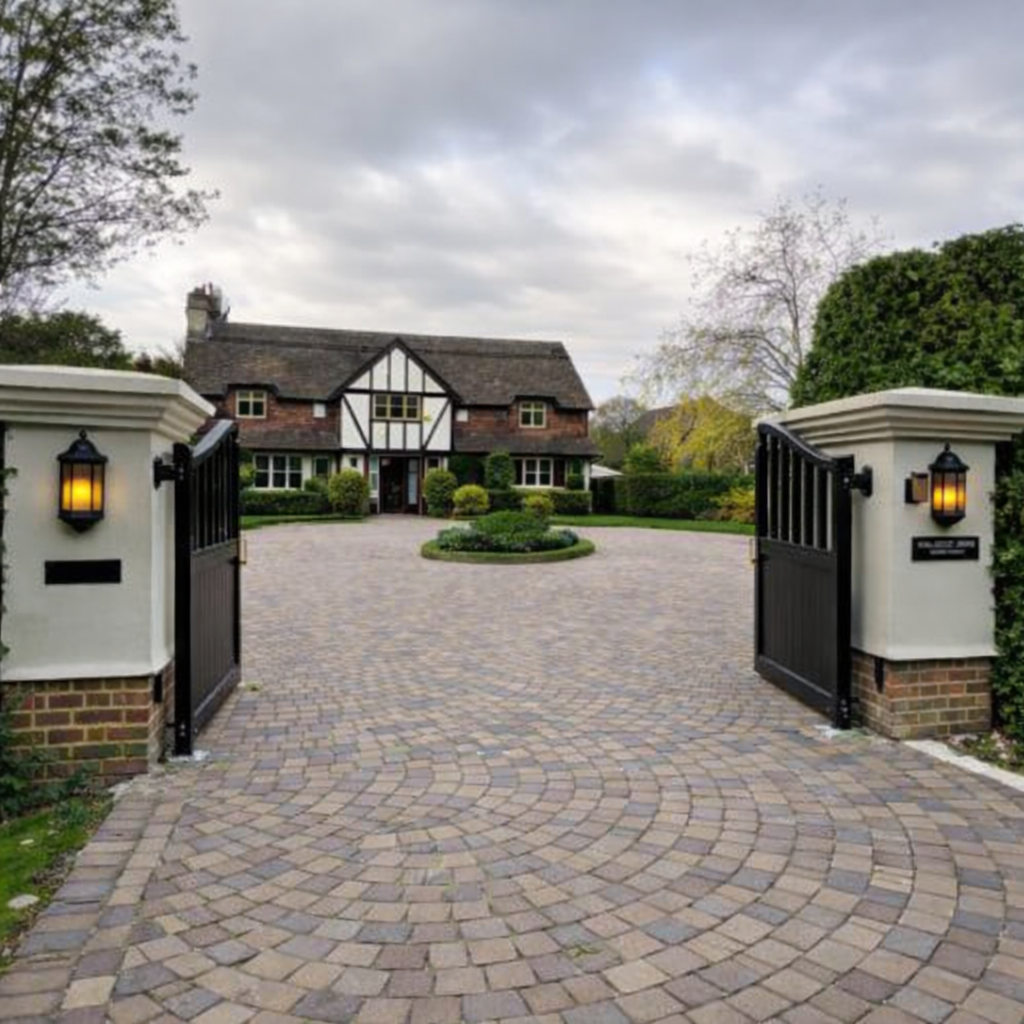
Open electric gates and a circular block-paved driveway can create an easy escape route for dogs if there is no boundary in place.
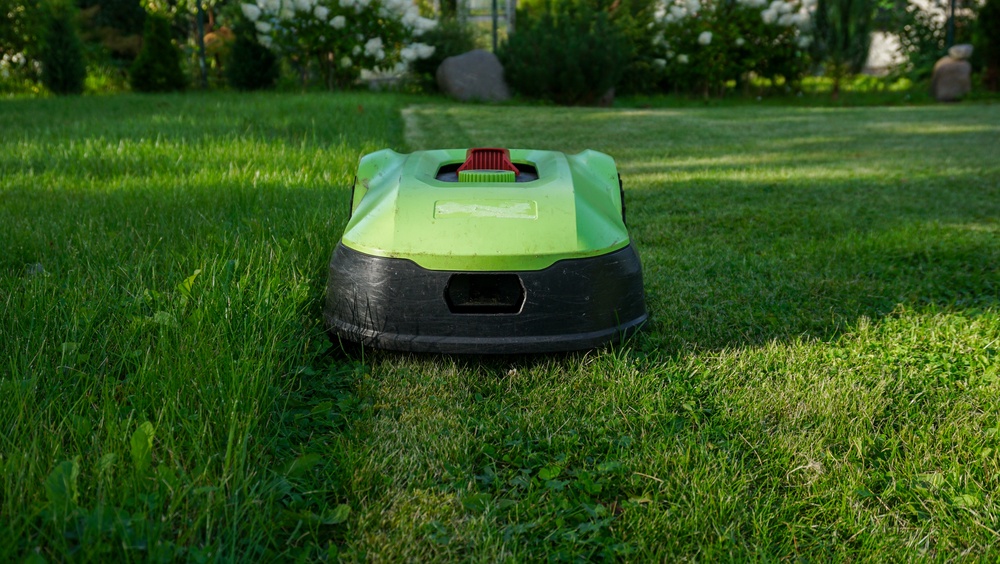
What If I Have a Robotic Lawn Mower?
Having a robotic lawn mower doesn’t usually prevent you from having a hidden dog fence installed.
Robot mowers vary from manufacturer to manufacturer, but in most cases, as long as we keep our boundary wire approximately 2–3 feet (60–90cm) away from your mower’s boundary wire, there should be no issues.
The two systems cannot share the same cable. Most robotic mowers use an AM signal to detect their boundary wire and, if the cables are installed too close together, the mower may try to detect the signal from the hidden dog fence instead.
If you have a robotic mower, simply let us know when you book your installation. Our installer will discuss the layout with you on the day and make sure both systems work together reliably.
See a DogFence Installation in Action
Wondering what a hidden dog fence installation actually looks like?
Watch our short video below to see how a typical installation is carried out and hear some helpful advice on preparing your garden before installation day.
▶️ Watch here: https://www.youtube.com/watch?v=BzPLobnxzHc
Frequently Asked Questions
How do I prepare my garden for a hidden dog fence?
Simply cut long grass, clear heavy brambles along the cable route and let us know if you have electric gates or a robotic lawn mower.
Do I need to clear my whole garden?
No. We only need access along the planned installation route.
How short should the grass be?
Ideally, less than 12 inches (30cm) high where the boundary wire will be installed.
How much should I clear?
If possible, allow around 2 feet (60cm) of clear access along the installation route by cutting back heavy brambles and dense vegetation.
Can the Dog Fence be installed with electric gates?
Yes. In most cases, absolutely. We regularly install hidden dog fences on properties with electric gates and will assess your setup during installation to ensure everything works together correctly.
Hopefully this guide has answered the question, “How do I prepare my garden for a hidden dog fence?” but if you have any questions call us and one our team will be happy to answer any queries.
Ready for Your Hidden Dog Fence Installation??
A little preparation before installation day can make a big difference. Cutting long grass, clearing heavy vegetation and letting us know about features such as electric gates or robotic lawn mowers helps our installers work efficiently and achieve the highest standard of installation. If you have any questions before your installation, our friendly team is always happy to help
Call us on
01628 476475
|
Message us on WhatsApp
|
Request a Free Quote