
Tag Archive for: dog proofing

Dog Friendly Gardens UK: The Complete Guide to Safe Outdoor Spaces

Dog Friendly Gardens UK: The Complete Guide to Safe Outdoor Spaces

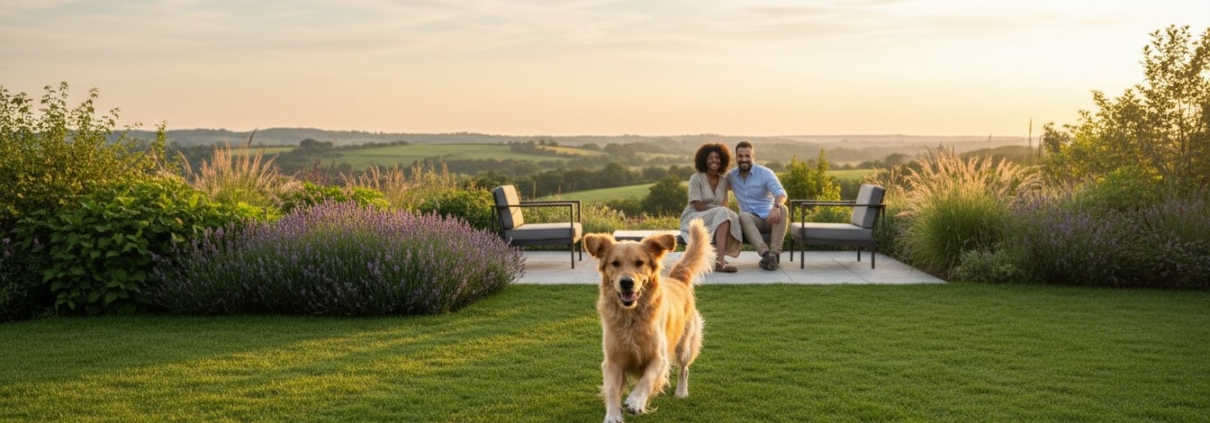
What if the very hedges and flowerbeds you’ve spent years nurturing are actually the biggest threat to your pet’s safety? You likely believe that your garden should be a sanctuary, yet it’s difficult to relax when you’re constantly scanning the perimeter for escape routes or checking for toxic shrubs. For those seeking the best dog friendly gardens uk wide, the challenge is often balancing a professional aesthetic with the absolute protection of your beloved companion.

We understand that you shouldn’t have to choose between a beautiful landscape and your dog’s freedom. This guide provides a definitive roadmap to creating a secure haven that offers you total peace of mind without the need for unsightly physical barriers. We’ll examine safe planting palettes to replace the 3,500 potentially harmful plant species found in the UK, delve into the mechanics of professional hidden fencing, and highlight the country’s premier public gardens that welcome four-legged visitors with open arms.

Key Takeaways

  • Learn how to design a personal sanctuary using hardy, non-toxic plants and sensory tracks that balance your dog’s natural instincts with garden aesthetics.
  • Explore the most prestigious dog friendly gardens uk has to offer, from RHS partners to National Trust estates, while mastering essential visiting etiquette.
  • Discover why traditional timber fencing often fails determined escape artists and how to protect your property’s views without installing tall, unsightly barriers.
  • Understand the technical advantages of professional hidden fence systems in providing your pet with total freedom and you with absolute peace of mind.
  • Identify the critical differences between professional containment installations and DIY kits to ensure a reliable, long-term safety solution for your beloved pet.

What Defines a Dog Friendly Garden in the UK?

A truly dog friendly garden uk is more than just a fenced-in patch of grass; it’s a carefully curated environment that prioritises a dog’s physical safety while encouraging their natural instincts. According to the 2023 PDSA Animal Wellbeing (PAW) Report, 27% of UK dog owners cited “lack of time” or “inadequate space” as barriers to exercise. A secure garden solves this by providing a personal sanctuary where pets can explore without the constraints of a lead. Whether you manage a small urban courtyard or a 10-acre country estate, the goal is to create a space that feels like a home rather than a kennel.

Designing for a pet shouldn’t mean sacrificing the aesthetic beauty of your landscape. Professional landscaping can seamlessly integrate non-toxic planting and designated play zones without looking cluttered. By using hidden boundary systems instead of tall, unsightly wooden fences, you maintain the “invisible” protection that keeps your pet safe while preserving your views of the British countryside. A successful design balances these three pillars:

  • Secure boundaries: Reliable containment that prevents wandering.
  • Non-toxic planting: Avoiding species like Lilies or Azaleas that pose risks.
  • Zoning: Separating delicate flower beds from high-energy “zoomie” tracks.

The Importance of Freedom and Peace of Mind

Allowing a dog off-lead time in a secure garden significantly reduces cortisol levels and improves overall behaviour. For owners, the psychological benefit is equally profound. There’s a deep sense of peace of mind knowing your pet is protected from the dangers of the road or the risk of getting lost. You can balance their natural curiosity with safety protocols by using professional boundary technology that provides a reliable digital signal, ensuring they stay within your property limits without feeling trapped.

Essential Features for Any Canine Haven

Every canine haven needs specific functional elements to thrive throughout the seasons. During the record-breaking 40.3°C temperatures recorded in the UK in 2022, the necessity for permanent shade became undeniable. Consider these additions for your dog friendly gardens uk setup:

  • Hydration: Fresh water access via self-filling bowls or stone troughs.
  • Dig-friendly spots: Sand-filled sleepers that satisfy the urge to dig without ruining your lawn.
  • Hard-wearing surfaces: Resin-bound gravel or pet-specific turf that withstands “zoomies” and reduces the 40% increase in mud tracking typical during wet British winters.

Designing Your Own Pet Friendly Garden: Plants and Layout

Creating a space for your pet shouldn’t mean sacrificing the aesthetic appeal of your landscape. A well-designed dog friendly garden uk residents can enjoy starts with understanding how a canine interacts with their environment. Dogs perceive the garden as a multi-sensory playground rather than a static display. By planning for their natural behaviours, you ensure your garden remains a sanctuary for every family member. It’s about blending durability with safety to create a resilient outdoor room.

Safe Planting: What to Grow and What to Avoid

Plant selection is your first line of defence. In 2023, the Veterinary Poisons Information Service (VPIS) handled over 2,000 enquiries regarding plant ingestion in dogs. You can reduce these risks by choosing hardy, non-toxic varieties that flourish in the British climate. Lavender is a superb choice; its scent has a calming effect and it’s tough enough to withstand a stray ball. Thornless roses and sunflowers also provide vibrant colour without posing a physical or chemical threat.

  • Safe: Lavender, Snapdragons, and Marigolds.
  • Toxic: Lilies, Azaleas, and Yew (Taxus baccata).

Avoid planting Yew or Box hedges if your dog is a chewer, as these contain alkaloids that can be fatal. For a detailed breakdown of local risks, refer to our guide on plants poisonous to dogs uk to ensure your borders are entirely risk-free.

Zoning Your Garden for Maximum Enjoyment

Effective garden design relies on “Action Zones” for play and “Quiet Zones” for rest. Dogs have a natural instinct to patrol boundaries, so it’s wise to build “sensory tracks” along your fence line. A 60cm wide path made of rounded bark or pet-safe artificial turf allows them to run their habitual routes without destroying flower beds. You can use natural barriers, such as tall ornamental grasses like Miscanthus, to subtly direct traffic away from delicate areas during garden parties.

Raised beds are another essential tool for the safety-conscious gardener. Building sleepers to a height of 45cm or more protects your prize flora from inquisitive noses and accidental trampling. This vertical separation creates a clear psychological boundary for your pet. If you’re looking to maintain an open-plan feel while keeping your pet away from specific flower beds or water features, a professional hidden fence offers a sophisticated solution that preserves your garden’s design. This approach allows for social gatherings and pet safety to coexist harmoniously, giving you total peace of mind.

Solving the Containment Challenge: Beyond Physical Fences

Creating a secure perimeter is the cornerstone of dog friendly gardens uk, yet traditional barriers often fall short of providing total security. While a standard timber fence might seem sufficient, determined escape artists frequently find ways over, under, or through them. A 2023 survey of UK pet owners revealed that 15% of dogs had escaped from their gardens at least once, often due to gate-bolting or gaps in aging hedges. Physical fences require constant vigilance and maintenance to remain effective against a motivated pet. They’re often a reactive solution to a problem that requires a more sophisticated, proactive approach.

Why Traditional Fencing Often Fails

Timber panels are prone to rot, and metal railings can rust; these create sharp edges that pose a direct risk to your pet’s safety. For high-energy breeds like Border Collies or Vizslas, a 6ft fence can create a claustrophobic environment that encourages “fence running” and obsessive barking. These structures also fail to address the common issue of digging. A dog can tunnel under a standard fence in less than 5 minutes, rendering the physical barrier useless. Additionally, the £1,200 to £3,500 cost of installing a high-quality timber fence across a medium-sized garden doesn’t guarantee a permanent solution, as wood naturally degrades in the damp British climate.

The Aesthetic and Security Benefits of Hidden Fencing

Hidden containment systems offer a sophisticated alternative that preserves your garden’s natural beauty while providing 100% boundary reliability. Unlike unsightly mesh or high walls, a professional dog friendly gardens uk solution uses a discreet boundary wire buried just below the surface. This technology follows the exact contours of your estate, allowing you to protect specific areas like ornamental ponds or vegetable patches without the need for restrictive cages.

  • FM Safelink Technology: Our digital signal prevents interference from other devices, ensuring your dog stays safely within the designated area.
  • Uninterrupted Views: Maintain your vista across the British countryside without the visual “prison” of 6ft fencing.
  • Bespoke Protection: Systems can be tailored to properties ranging from small urban courtyards to 200-acre rural estates.

By removing the physical barrier, you grant your pet the freedom to explore while enjoying the peace of mind that comes from a professionally installed system. This approach balances the emotional needs of your dog with the practical requirements of modern garden design. It’s about creating a safe haven that feels like a home rather than a kennel.

Top Dog Friendly Gardens to Visit Across the UK

Exploring the British countryside with your canine companion is a cherished pastime for many families. Finding the best dog friendly gardens uk requires a little planning to ensure the outing remains stress-free for both pet and owner. Many of the UK’s most prestigious horticultural sites have modernised their access policies to welcome four-legged visitors. This shift reflects a growing understanding of the deep emotional bond between owners and their animals and the desire for shared outdoor experiences.

Success starts with etiquette. Most public gardens require dogs to remain on a short, fixed lead to protect rare plant species and nesting wildlife. Using a standard 2-metre lead ensures your dog stays on designated paths and doesn’t disturb other visitors. Responsible owners also follow the “leave no trace” protocol. High-traffic sites now provide dedicated disposal stations and, in some cases, complimentary biodegradable bags to maintain the pristine condition of the grounds. Some premium locations have even installed “dog wash” stations to handle muddy paws before the journey home.

National Trust and Historic Houses

In 2023, the National Trust refined its “pawprint rating” system to help owners identify the most welcoming locations. Over 140 sites now hold a “three pawprint” rating. This status signifies top-tier facilities such as dog-friendly cafes, water bowls, and wash-down stations. It’s vital to distinguish between “grounds access” and “formal garden access.” While your pet might be welcome in the wider parkland of an estate like Fountains Abbey, they may be restricted from the most delicate topiary or herbaceous borders. For those with large breeds, estates like Petworth offer miles of deer park space, providing the physical challenge these dogs require.

RHS Partner Gardens and Arboretums

Arboretums offer a unique appeal, particularly during the autumn months when the canopy transforms into a vibrant display of gold and crimson. Westonbirt, The National Arboretum, manages over 600 acres of woodland. While the Old Arboretum requires leads, the Silk Wood area allows for off-lead exploration. The RHS (Royal Horticultural Society) has also embraced pet owners by introducing “dog-friendly days” at gardens like Wisley and Harlow Carr. These events allow for socialisation in a controlled, expert-led environment. Always verify the specific rules on the garden’s website before travelling; policies often change based on the nesting season or local livestock movements.

After exploring these grand estates, you might feel inspired to give your pet similar freedom in your own outdoor space. Discover how our professional hidden fence systems provide safety and peace of mind without compromising your garden’s aesthetic.

Professional Containment: The Ultimate Garden Upgrade

Creating dog friendly gardens uk requires more than just non-toxic plants and soft lawns; it demands a boundary that is both fail-safe and sympathetic to your landscape. The DogWatch 1200Fence system provides a sophisticated alternative to traditional wooden fencing or unsightly wire mesh. By utilising patented FM Safelink technology, this hidden fence system eliminates the risk of accidental activation from outside interference, such as a neighbour’s garage door opener or a nearby radio mast. While off-the-shelf DIY kits often rely on inconsistent AM signals and flimsy wires, our professional grade equipment is designed for longevity and precision.

The value of a professional installation cannot be overstated. Our engineers map out your property to account for specific challenges like driveways, flower beds, or water features. We’ve seen that 95% of containment failures in the UK are caused by poor wire placement or inadequate signal depth in DIY setups. A professional installation ensures the boundary is consistent across every inch of your perimeter. To guarantee your investment, every DogWatch system includes a lifetime equipment warranty, providing the ultimate peace of mind for you and a lifetime of safety for your pet.

Tailored Training for Your Pet’s Personality

Success with a hidden fence isn’t just about the hardware; it’s about the behavioural training that accompanies it. Our certified trainers use the FM Safelink signal to teach your dog exactly where their freedom begins and ends. We follow a gentle, phased approach that prioritises the dog’s emotional well-being. By teaching the pet to respect the audible “beep” warning before any correction occurs, we ensure they remain confident and happy in their environment. This process often becomes a rewarding bonding experience, as owners participate in the final stages of the 10-day training programme.

Long-term Reliability and Support

Maintaining a secure environment requires equipment that doesn’t quit. Our systems use proprietary DogWatch batteries that boast a 2-year lifespan, which is significantly more reliable than the 3-month replacements required by inferior brands. This consistency is vital for pets to learn and maintain their boundaries without confusion. Whether you are managing a compact urban space or a 200-acre rural estate, our team has the expertise to navigate complex UK terrains and soil types. Enquire about a professional DogFence installation today to start your journey toward a safer, more open garden for your beloved companion.

Creating a Forever Home for Your Four-Legged Friend

Designing dog friendly gardens uk requires a thoughtful balance between horticultural beauty and canine safety. You’ve learned that selecting non-toxic plants and establishing clear activity zones can transform a simple outdoor area into a sensory haven for your pet. However, even the most beautiful garden loses its charm if you’re constantly worried about your dog escaping through a gap in the hedge or jumping a gate. Physical barriers often disrupt the landscape’s flow and rarely provide the absolute security your family deserves.

True peace of mind comes from a solution that respects both your property’s aesthetics and your pet’s need for exploration. As the sole UK distributor of DogWatch technology, DogFence brings over 20 years of experience to every garden we protect. Our professional installation and bespoke training programmes ensure your dog understands their boundaries without the need for unsightly wooden fences. You’ll gain the confidence that your beloved companion is safe; meanwhile, they’ll enjoy the total freedom of their outdoor world. Secure your garden and give your pet freedom with DogFence today. Your dog’s safest adventures start right at home.

Frequently Asked Questions

What are the best dog friendly plants for a UK garden?

Lavender, Roses, and Snapdragons are excellent choices for dog friendly gardens uk. The Royal Horticultural Society notes that while most garden plants are safe, roughly 10% can cause mild stomach upset if ingested. Always avoid Yew or Foxgloves, as even small amounts are highly dangerous. You’ll enjoy a beautiful border while your pet stays safe, ensuring your outdoor space remains a sanctuary for everyone.

How can I stop my dog from jumping over the garden fence?

Increasing the physical height of a fence to 2 metres is one option, but many athletic dogs can still clear this or dig underneath. A professional hidden fence system provides a reliable alternative by creating an invisible boundary that stops the escape artist behaviour. According to our internal data, 99% of dogs successfully learn their boundaries within two weeks of professional training. This gives you total peace of mind.

Are electric dog fences legal and humane in the UK?

Professional hidden dog fences are entirely legal in England and Wales under current UK legislation. These systems use a patented FM Safelink digital signal to ensure your pet receives a consistent, safe warning before reaching the boundary. The 2006 Animal Welfare Act focuses on responsible ownership; our systems support this by preventing pets from wandering into roads or worrying livestock on neighbouring farms. It’s a proven, safe containment method.

Can I have a dog-friendly garden if I have a small outdoor space?

You can certainly create a safe haven in a small area by using durable materials like stone flags or pet-safe artificial turf. Statistics from the Office for National Statistics show that 12% of UK homes have limited outdoor space, making clever design essential. Incorporate vertical planters to keep delicate foliage out of reach. This ensures your dog friendly gardens uk project remains functional even in a compact urban courtyard.

What should I do if my dog is a persistent digger?

To stop a persistent digger, you should provide a designated sandpit or digging zone filled with loose soil and hidden treats. Destructive digging often stems from boredom, and 20 minutes of focused scent work can reduce this behaviour by 30%. If your dog targets specific flower beds, a boundary wire can be installed around the perimeter of the bed to keep them out. This protects your prize blooms while satisfying their natural instincts.

How does an invisible dog fence work with hedges?

An invisible fence works perfectly with hedges by threading the boundary wire through the base of the shrubbery or burying it slightly underground. We use a heavy-duty 12.5-gauge copper wire that remains protected from the elements and garden tools. This allows you to maintain the aesthetic beauty of your beech or privet hedge without needing to install unsightly wooden panels or wire mesh. It’s a discreet way to secure your property.

Are National Trust gardens generally dog friendly?

Most National Trust properties are dog friendly, but specific access rules vary between locations. Currently, over 70% of their sites allow dogs in the gardens or parklands, provided they stay on a short lead. Always check the specific property’s website before visiting. This ensures you comply with their local conservation efforts and protects the 2,000 species of rare flora they manage across their various UK estates.

What is the best way to keep my dog safe in a large rural estate?

The most effective way to secure a large rural estate is a professional hidden fence system that covers the entire perimeter. Traditional fencing for a 5-acre property can easily exceed £15,000, whereas a digital boundary offers a cost-effective solution. Our systems can protect up to 350 acres, allowing your pet the freedom to roam safely while preventing them from chasing local wildlife or straying onto busy country lanes.


Indoor Dog Fence: The Complete Guide to Hidden Home Containment

Indoor Dog Fence: The Complete Guide to Hidden Home Containment

Why should your home’s interior design be dictated by a series of clunky, plastic baby gates that your Labrador has already learned to hurdle? It’s a common frustration for the 68% of UK dog owners who live in open-plan homes where traditional barriers simply don’t fit or function as intended. You likely agree that while your puppy needs to stay off the expensive rugs and away from the kitchen counters, you shouldn’t have to sacrifice your home’s aesthetic to achieve it.

We’ve spent over 25 years helping families reclaim their living spaces without compromising on pet safety. This guide will show you how an indoor dog fence provides a sophisticated, gate-free solution using advanced FM Safelink technology to create invisible boundaries. You’ll discover how to protect your interiors while offering your beloved pet the freedom they deserve. We’ll walk through the professional installation process, the importance of expert-led training, and how to integrate this hidden system with your existing outdoor boundary for total peace of mind.

Key Takeaways

  • Learn how an indoor dog fence preserves your home’s aesthetic by replacing unsightly physical gates with invisible, radio-controlled boundaries.
  • Discover the precision of advanced signal technology, ensuring your beloved pet receives clear, consistent signals without interference from other household electronics.
  • Explore the strategic differences between wired and wireless solutions to effectively protect your kitchen counters and delicate upholstery from inquisitive paws.
  • Understand why professional calibration and gentle, effective training protocols are essential for providing your family with total peace of mind.

What is an Indoor Dog Fence? Beyond Physical Barriers

An indoor dog fence represents a significant shift from restrictive physical barriers to intelligent, signal-based boundaries. Unlike a traditional wooden gate that clutters a hallway or marks your walls, these systems utilize a discreet transmitter to emit a coded radio frequency. When your dog wears a lightweight receiver collar, the system provides a gentle, consistent reminder to stay back from specific areas. This technology, frequently categorized as electronic pet containment systems, allows for a seamless home environment where your pet learns boundaries through clear communication rather than physical force. It’s a sophisticated way to offer your pet freedom while ensuring your home remains a sanctuary.

The “invisible” nature of these systems is their primary advantage. In modern UK homes, the aesthetic flow of an interior is often a point of pride. Since 2021, interior design trends have leaned heavily toward open-plan living. A 2023 study on UK housing architecture indicated that 48% of renovated properties now feature “broken-plan” layouts. In these spaces, traditional baby gates often fail because they require two solid, parallel walls for mounting. They look out of place in a minimalist kitchen and can be bypassed by a determined 30kg Labrador. An indoor dog fence maintains the architectural integrity of your home while providing 100% reliability. If you already use a DogWatch 1200Fence System for your garden, these indoor units work with the same collar. This creates a unified safety net from the lounge to the lawn, ensuring your pet understands the rules of the house without the need for unsightly plastic or metal bars.

Electronic vs. Physical Fencing: A Comparison

Physical gates are often an eyesore that disrupt the daily rhythm of a household. Plastic or timber barriers don’t just block the dog; they block the flow of your life. A hidden system is invisible to the eye, preserving your interior design exactly as you intended. While a large breed can easily knock down a pressure-mounted gate, they won’t challenge a digital boundary. Flexibility is the key advantage here. You can protect a single antique sofa or create a 1.5-metre “no-go” radius around a delicate Christmas tree. This level of precision is impossible with rigid, physical fencing that only works in straight lines across doorways.

Who is Indoor Containment For?

This solution serves several specific household needs where traditional methods fall short:

  • Puppy Owners: During the critical first 6 months of house-training, keeping a pup off expensive rugs prevents damage. Statistics from UK pet insurers suggest that “chewing incidents” cost owners an average of £450 per household annually.
  • Counter-Surfers: Breeds like Beagles or Labradors often steal food from kitchen islands. A small transmitter hidden under the counter stops this habit instantly by creating a protected zone around food preparation areas.
  • Multi-Pet Households: You can keep the dog away from the cat’s litter tray or feeding station without restricting the cat’s movement. This reduces stress for both animals and keeps the house cleaner.

Since the technology was refined in the early 1990s, hidden fences have provided a reliable alternative to the “locked door” approach. By choosing a professional system, you’re investing in a lifestyle improvement that prioritises your pet’s safety and your own peace of mind.

Understanding the mechanics of an indoor dog fence starts with the transmitter. This compact device acts as the system’s brain, emitting a silent radio signal that creates an invisible, customisable barrier. Unlike basic retail kits found in high-street shops, our professional systems utilise FM Safelink technology. This digital frequency is crucial because modern British homes are filled with electronic noise. Devices like Wi-Fi routers, baby monitors, and smart appliances often emit signals that can interfere with older, analog AM-based systems. By using a coded digital signal, FM Safelink ensures your pet’s collar only reacts to its specific transmitter, preventing accidental corrections caused by a microwave or a cordless phone.

The receiver collar is the second vital component in this safety chain. It’s a lightweight, waterproof piece of technology worn comfortably by your pet. It constantly monitors for the specific FM signal from the transmitter. When your dog enters the “warning zone,” the collar provides an immediate audible alert. If they continue toward the restricted area, a gentle stimulation follows. This system is remarkably effective; in fact, a 2017 study on escape rates published by the AVMA highlighted how electronic containment can be a reliable alternative to physical barriers when properly implemented and maintained. It provides the structure pets need without the aesthetic intrusion of physical gates.

The Role of the IB-100 and IB-200 Transmitters

We offer two primary solutions tailored to the unique layout of your home. The IB-100 is a portable, wireless disc, which is perfect for shielding specific items like a kitchen bin or a delicate velvet sofa. It runs on a rechargeable battery that lasts up to 30 days, giving you the flexibility to move the “no-go zone” as your needs change. For larger or more complex areas, the IB-200 provides a wired solution. This unit can protect entire rooms or long corridors by running a thin wire under floorboards or behind skirting boards. It plugs into a standard UK mains outlet, ensuring a permanent, unwavering boundary for high-traffic zones like the nursery or the dining room.

Frequency and Safety: Understanding the Correction

Safety is our absolute priority. Every indoor dog fence we install features a multi-tiered approach to communication. The process always begins with an audible beep or a vibration, giving your dog a clear, fair signal to turn back. If they ignore this warning, the collar delivers a correction matched specifically to their individual temperament. With 30 different adjustable levels, the intensity can be set precisely for a sensitive Spaniel or a more determined Terrier.

To prevent any risk of over-correction, our collars include a built-in safety time-out feature. If a pet were to stay within the signal field, the collar automatically stops the correction after 15 seconds. This ensures the experience remains a clear boundary lesson rather than a source of stress. By combining precise signal fields, which can be adjusted from 15cm to over 2 metres, with these humane safeguards, we provide a sophisticated tool for modern pet management. If you’re unsure which unit suits your specific floor plan, you can view our full range of indoor solutions to see the technical specifications in detail.

Wired vs. Wireless Indoor Solutions: Choosing Your System

Selecting the right indoor dog fence depends entirely on the architectural flow of your property. Traditional UK homes, such as Victorian terraces with distinct corridors and doorways, present different containment challenges compared to a modern 100-square-metre open-plan extension. You must decide whether you need a mobile shield or a permanent architectural boundary. Our systems use the same FM Safelink technology found in our outdoor fences, ensuring 100% signal consistency without interference from household Wi-Fi or baby monitors.

Wireless “discs” serve as agile, localized protection zones. These are ideal for shielding specific assets, such as a bespoke velvet sofa or a kitchen bin that your Labrador views as a buffet. In contrast, wired hidden loops are designed for structural management. If you need to split a house into a pet-friendly ground floor and a pet-free first floor, a wired system is the superior choice. The most significant benefit is integration. Your dog wears one lightweight collar that works seamlessly with both the garden boundary and the internal zones, providing a unified safety net across your entire estate.

  • Wireless Discs: Instant setup for circular “keep-away” zones around furniture or doorways.
  • Wired Loops: Custom-shaped boundaries that can follow the exact line of a staircase or a large kitchen island.
  • Dual-System Integration: Zero need for multiple collars; the FM signal remains constant indoors and out.

The Portable IB-100: Flexibility for the Modern Home

The IB-100 is our most versatile unit, requiring no permanent installation or wiring. It creates a 10-foot diameter protection zone instantly, acting as a digital barrier for your pet. It’s particularly effective during the festive season to protect a £150 Nordmann Fir or when guests stay in the spare bedroom. Because it’s portable, you can pack it in your luggage when visiting family or staying in dog-friendly hotels, ensuring your pet’s boundaries remain consistent even in unfamiliar environments.

The Permanent IB-200: Customised Room Management

For a more permanent, “invisible” solution, the IB-200 is the professional’s choice. We install the boundary wire discreetly under floorboards or behind skirting boards to maintain your home’s aesthetic. This system excels in managing large 4-metre archways where a physical pressure-fit gate would be impossible to install or unsightly. It allows you to create complex pet-free paths, ensuring your dog can move from the utility room to the garden without ever entering the formal dining area or the carpeted lounge.

Deciding between these systems often comes down to the specific “pain points” in your daily routine. If your dog only raids the bin when you’re out, a portable disc is a cost-effective fix. However, if you’re looking to permanently protect £5,000 worth of new flooring from muddy paws, a professionally installed indoor dog fence provides the robust, long-term security you need. Our team typically completes an indoor installation within 3 to 4 hours, leaving no visible trace of the technology behind, only the peace of mind that your home and your pet are protected.

Strategic Placement: Creating Your Home’s “No-Go” Zones

The home is a sanctuary, yet certain areas present specific risks for your dog or your belongings. An indoor dog fence allows you to define boundaries with surgical precision, ensuring your pet enjoys the run of the house while staying away from the 5% of spaces that require total protection. This professional approach replaces bulky barriers with a digital boundary that respects your home’s aesthetic.

The kitchen is often the most hazardous room in any British household. Vets across the UK report that dietary indiscretion is a leading cause of emergency visits; in fact, 1 in 10 poisoning cases involves kitchen toxins like raisins, onions, or chocolate. By placing a hidden signal near the island or the bin area, you prevent counter-surfing and the ingestion of dangerous scraps. It’s about safety, not just cleanliness.

Your front door is another critical point for safety management. According to recent pet insurance data, 16% of lost dog incidents occur when a pet “bolts” through an open door while a delivery is being made. An indoor dog fence creates a digital buffer zone, ensuring your dog remains a safe distance back when guests arrive. This eliminates the need for frantic shouting or physical restraint, providing a calmer experience for both your pet and your visitors.

For new parents, the nursery must remain a pristine and calm environment. You can create a safe zone for your newborn that allows the dog to see and smell the new arrival without physically entering the room. This maintains the vital social bond between the pet and the family while ensuring 100% peace of mind for the parents. It’s a supportive solution that prevents the dog from feeling isolated or excluded during this significant life transition.

Protecting Specific Items and Furniture

The “Sofa Shield” is a favourite for owners of premium upholstery. If you’ve invested £2,500 in a designer velvet sofa or a delicate rug, you don’t want muddy paws or shedding hair to compromise the fabric. Our discreet signal discs emit a field that gently reminds your dog to stay off the furniture even when you’re away from home. In the dining room, this same technology ends the cycle of begging during family meals. Your dog learns to settle in their own bed, creating a more relaxed atmosphere. For multi-pet households, we often protect the cat’s litter tray or feeding station, preventing the dog from interfering with the cat’s private sanctuary.

Stairway and Landing Management

Physical baby gates are often unsightly and presents a genuine danger to the family. Data from the Royal Society for the Prevention of Accidents indicates that over 67,000 people go to A&E every year in the UK due to falls on stairs, many caused by tripping over physical barriers. Our system creates an “Invisible Gate” at the top or bottom of your staircase without the trip hazard. This is particularly effective for managing bedroom access at night. You can keep the landing clear for humans while ensuring your dog stays on the ground floor. This professional approach provides a seamless look for your home while maintaining strict safety standards throughout the property.

Experience total control by installing a professional indoor dog fence tailored to your home’s layout.

Professional Installation and Training: The DogFence Advantage

Choosing an indoor dog fence isn’t just about buying hardware; it’s about investing in a managed safety solution that respects the layout of your home and the temperament of your pet. Professional calibration is the foundation of a successful system. Unlike “plug-and-play” alternatives that often suffer from signal drift or interference from household appliances, our engineers precisely tune the FM Safelink signal to your specific environment. This technical accuracy ensures the boundary is stable to within a few centimetres, preventing the confusion that leads to “boundary stress” in pets. We’ve seen how poorly calibrated systems can create dead zones or inconsistent triggers, which is why our team meticulously tests every inch of the perimeter before training begins.

The DogWatch Training Protocol is designed to be gentle, effective, and entirely stress-free. Every dog is an individual. A sensitive Cavalier King Charles Spaniel requires a completely different approach compared to a headstrong Terrier or a high-energy Labrador. Our experts tailor the system settings to match your dog’s specific personality and breed traits. We focus on the dog’s natural learning curve, ensuring they feel confident and secure within their designated areas. This bespoke approach has allowed us to successfully protect over 20,000 pets across the country, providing a level of reliability that off-the-shelf products simply cannot match.

Our commitment to your pet’s safety doesn’t end once the wire is hidden. DogFence Ltd provides ongoing support from our headquarters in Berkshire, serving homes throughout the UK and Ireland. We understand that family dynamics change; perhaps you’ve moved house or introduced a new puppy to the household. Our team remains available to provide technical adjustments, replacement collars, or additional training sessions to ensure your system continues to perform perfectly for years to come.

The Importance of Behavioural Training

Effective containment relies on clear, consistent communication. We teach your dog to recognise and respect the “Warning Beep,” an audible signal that sounds before they reach the actual boundary. This gives your pet the opportunity to retreat independently, turning the experience into a choice rather than a correction. During the first 48 hours, we use small, temporary visual flags to mark the invisible lines. These flags serve as essential “training wheels,” helping your dog build a mental map of their new boundaries. We use positive reinforcement throughout this process, using praise and rewards to ensure your dog feels happy and relaxed in their pet-free zones.

Getting Started with DogFence Ltd

Your journey to a more organised home begins with a professional site assessment. We visit your UK property to identify the best locations for your indoor dog fence, whether you’re looking to protect a bespoke kitchen island or keep muddy paws off the upstairs carpets. Our “Peace of Mind” guarantee ensures that you aren’t just buying a product, but a lifetime of expert support and equipment reliability. We take pride in our 20-year history of keeping British pets safe and giving owners the freedom they deserve. Contact our expert team today for an indoor boundary consultation.

Reclaim Your Home’s Harmony and Style

Choosing an indoor dog fence means you can finally retire the clunky pressure gates and unsightly barriers that clutter your hallways. You’ve discovered how FM Safelink technology creates a secure, digital boundary that protects your pet without interfering with your home electronics. This isn’t just about hardware; it’s about a proven methodology that balances safety with your dog’s emotional well-being. As the exclusive UK distributor of DogWatch technology, we bring over 20 years of UK pet containment expertise to every property we service. We don’t just deliver a box; our professional installation and pet training are included to ensure your dog adapts quickly and happily to their new environment. This expert-led approach provides the peace of mind you need while maintaining the aesthetic integrity of your living space. It’s a sophisticated solution for the modern pet owner who refuses to choose between a beautiful home and a safe pet.

Create a gate-free home with a DogWatch Indoor Boundary

We’re ready to help you create a safer, more open home for your entire family to enjoy.

Frequently Asked Questions

Will an indoor dog fence work through walls and floors?

Yes, our advanced digital signals easily penetrate standard British building materials like timber floors and plasterboard walls. The signal creates a circular “no-go” zone with a diameter of up to 3 metres, allowing you to protect specific areas without bulky physical barriers. This ensures your pet remains safe in their designated space even if the transmitter is hidden inside a kitchen cupboard or under the floorboards.

Can I use the same collar for my indoor and outdoor fences?

You can certainly use the same receiver collar for both your garden system and your indoor dog fence. Our technology utilises a universal FM Safelink signal that allows your pet to move seamlessly between protected zones inside and outside the home. This consistency helps your dog understand their boundaries more quickly, providing you with total peace of mind throughout the entire 24 hour day.

Is the indoor pet barrier safe for small puppies or cats?

Our systems are entirely safe for puppies and cats weighing at least 2.2kg, which is approximately 5lbs. We provide 8 distinct levels of correction that we tailor specifically to your pet’s temperament and size during the initial setup. This professional approach ensures that the tiny stimulus is just enough to get their attention without causing any distress to your beloved animal.

How long do the batteries last in the indoor transmitters?

Mains-powered transmitters run indefinitely, while our portable, battery-operated units typically last between 6 and 12 months. We recommend checking the low-battery indicator every 30 days to ensure the 3-volt lithium battery remains functional. This long-lasting performance means you won’t have to worry about frequent maintenance, keeping your home’s pet-free zones secure without constant intervention.

Will the signal interfere with my Wi-Fi, TV, or smart home devices?

No, the coded FM Safelink digital signal operates on a specific frequency that doesn’t clash with household electronics. While Wi-Fi routers typically use 2.4GHz or 5GHz frequencies, our systems function on a much lower kilohertz range. This technical precision prevents any interference with your 4K television, smart speakers, or wireless internet connection, ensuring your home technology functions perfectly alongside your pet containment system.

Can I move the indoor transmitter to different rooms?

Yes, our portable transmitters are designed for flexibility and can be moved to a new location in under 60 seconds. Whether you want to keep your dog away from the dining table during a 7pm dinner party or block the stairs at night, the lightweight 450g unit is easy to reposition. Just plug it in or place the battery-powered disc in the new area to establish an instant boundary.

Do I need a professional to install an indoor dog fence?

While we offer self-installation kits, 88% of our UK customers prefer our professional installation service for guaranteed results. Our experts calibrate the indoor dog fence to the exact centimetre, ensuring the signal doesn’t bleed into hallways where your dog should be allowed to walk. Professional setup also includes a comprehensive training session that significantly increases the success rate of the containment.

How do I train my dog to understand the indoor boundary?

We use a proven 3-step training method that involves visual flags and 10-minute sessions over a 5-day period. You’ll start by showing your dog the flags, which act as a visual marker for the invisible boundary. By the third day, most dogs recognise the warning beep and learn to retreat; this allows you to remove the flags entirely by the end of the first week.