
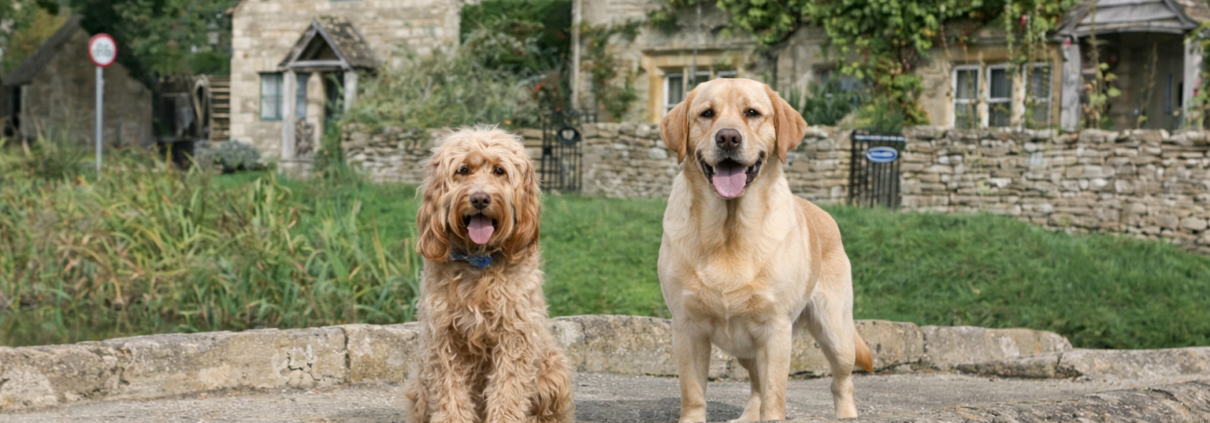
Dog Fence Planning Permission UK: Do You Need Permission for Garden Fencing?
Dog Fence Planning Permission in AONB Areas: What Dog Owners in the Cotswolds Need to Know
If you’re wondering about dog fence planning permission UK, you’re not alone. Many countryside homeowners want to keep their dogs safe while preserving the natural beauty of their gardens. Because rural areas often include protected landscapes and conservation zones, planning rules around fencing can sometimes be more complex than many people expect.
Do Dog Fences Need Planning Permission in the UK?
In most cases, dog fences do not require planning permission in the UK if they fall within standard garden fence height limits. Generally, fences can be up to 2 metres high, or 1 metre if next to a highway, without planning approval. However, stricter rules may apply in conservation areas, protected countryside landscapes, or where fencing could affect public views or neighbouring properties.
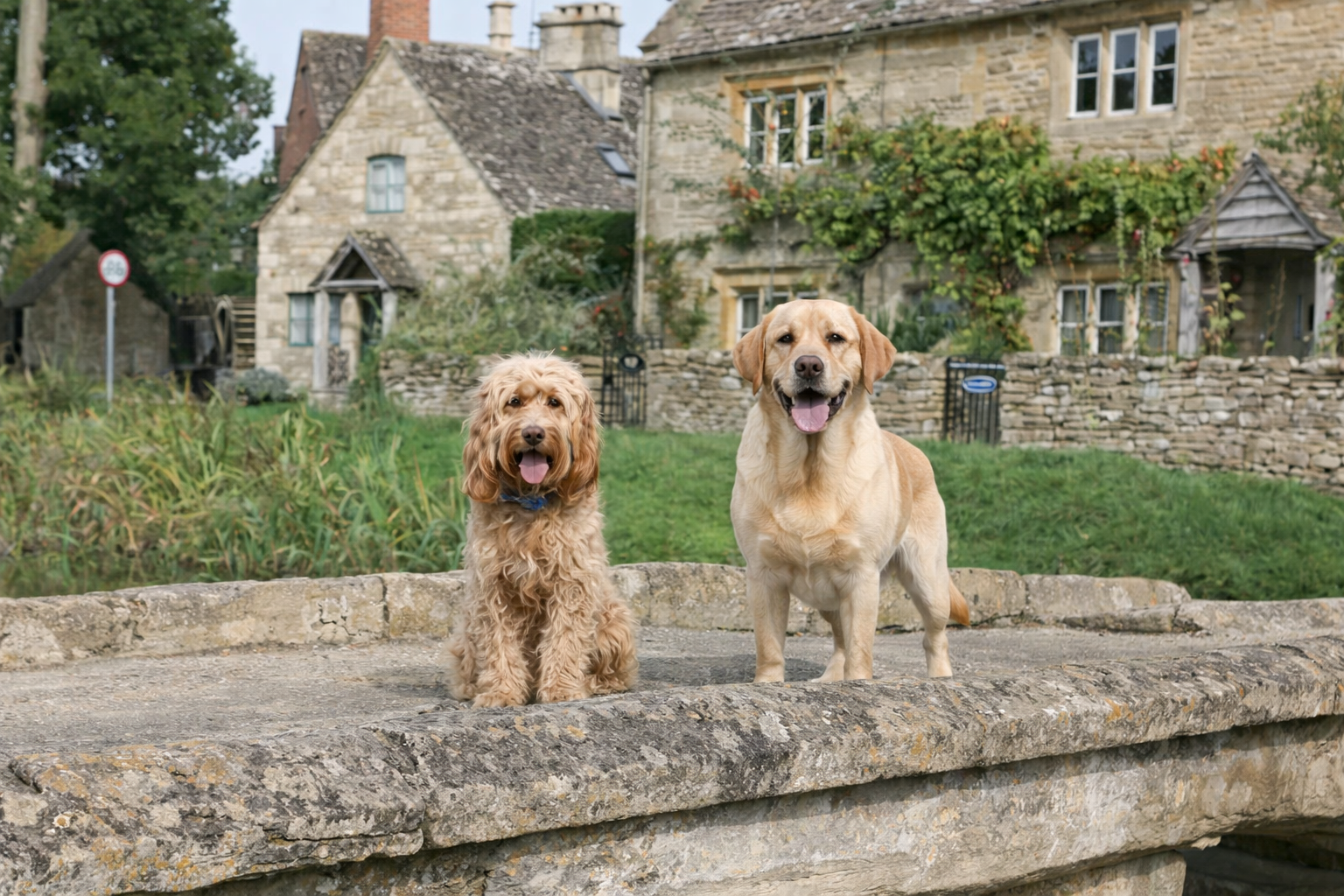
Dog Fence Planning Rules UK Homeowners Should Know
Areas of Outstanding Natural Beauty and other protected landscapes have planning controls designed to preserve the countryside. These dog fence planning rules UK often focus on visible structures that could alter the natural landscape. Local planning authorities may assess fencing applications to ensure they do not damage the natural appearance of the area. These AONB dog fencing rules often focus on visible structures that could alter the landscape. Planning guidance for protected landscapes is overseen by Natural England, which works to conserve the natural beauty of Areas of Outstanding Natural Beauty.
Planning officers may consider whether fencing:
• interrupts countryside views
• affects historic landscape features
• alters traditional field boundaries
• becomes visible from public footpaths or roads
For rural homes with open gardens or countryside views, installing high fencing or boundary structures can sometimes require planning permission.
Dog Fencing in Protected Landscapes: The Real Challenge
For properties with open views or traditional boundaries, installing large or visible fencing may raise planning concerns. This often leads dog owners to look for solutions that keep their pets secure without changing the character of the property. The difficulty with dog fencing in protected landscapes is that many countryside homes were never designed with secure garden boundaries.
Typical issues include:
• low dry-stone walls
• open gardens that blend into fields
• farmland boundaries that dogs can cross easily
• large properties with multiple escape routes
This means many dog owners face a dilemma: they want to keep their dog safe, but traditional fencing may not suit the property or the surrounding landscape.
If your dog already has a habit of escaping the garden, our guide on How to Stop a Dog Running Away explains the behavioural reasons dogs leave home and how owners can prevent it.
Dog Fence Planning Rules UK Homeowners Should Know
In many cases, planning permission for garden fences UK homeowners install is not required, but height limits and location rules can apply. Restrictions are more likely if the fence borders a highway, exceeds two metres in height, or is located within protected landscapes such as conservation areas. Across England, dog fence planning rules UK can vary depending on the location and height of the fence.
General planning guidance usually states:
• fences next to highways over 1 metre high may need permission
• fences elsewhere over 2 metres high may require permission
• stricter controls apply in conservation areas and AONB landscapes
Because of these restrictions, many countryside homeowners start looking for ways to create a secure boundary without installing tall physical fencing.
Invisible Dog Fence Countryside Properties Often Choose
For many invisible dog fence countryside properties, underground containment systems provide a discreet alternative.
Instead of building visible fencing, a boundary wire is buried underground around the garden. The dog is trained to recognise this boundary and remain safely within it.
The benefits include:
• no visible fencing panels
• no posts or structures altering the garden
• uninterrupted countryside views
• discreet containment that blends into the landscape
Because the system is underground, it usually avoids many of the visual planning issues associated with traditional fencing.
If maintaining the appearance of your property matters to you, our guide to Secure Garden Without Ugly Fencing explains how homeowners create safe gardens without compromising their landscape.
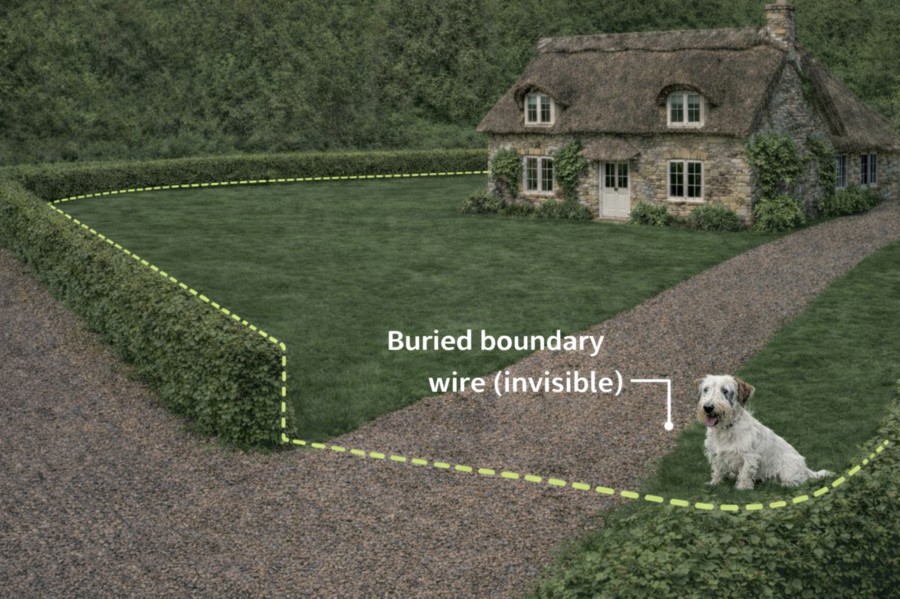
Invisible dog fences use a buried boundary wire to create a secure garden for dogs without installing visible fencing.
Why Discreet Containment Works Well for Countryside Homes
Many rural gardens prioritise natural boundaries and uninterrupted views.
A discreet containment system allows homeowners to:
• protect their dog
• maintain the natural landscape
• avoid intrusive fencing structures
• preserve countryside views
For properties located in protected areas such as the Cotswolds, this balance can be particularly important.
If you are curious about how the system works in practice, you may also find our guide to Dog Fence Installation Guide helpful.
FAQs: Dog Fence Planning Permission in the UK
Do dog fences need planning permission in the UK?
In most cases, dog fences do not require planning permission in the UK if they stay within standard garden fence height limits. Typically, fences can be up to 2 metres high, or 1 metre next to a highway, without approval. However, additional restrictions may apply in conservation areas or protected countryside landscapes.
Are invisible dog fences legal in the UK?
Yes, invisible dog fences are legal in the UK. Because the boundary wire is buried underground and does not create a visible structure, these systems usually do not require planning permission. They are often chosen by homeowners who want to keep their dogs safe without installing traditional fencing.
What height fence can I build without planning permission in the UK?
In most cases, you can build a fence up to 2 metres high without planning permission. If the fence borders a road used by vehicles, the height limit without approval is usually 1 metre. Always check local council guidance if your property is in a conservation area or protected landscape.
Can I install a dog fence in the countryside?
Yes, many countryside homeowners install dog fences to keep pets safely contained. However, visible fencing may be restricted in some rural landscapes. Discreet solutions such as underground dog fences are often chosen because they provide containment without altering the appearance of the property.
Keeping Your Dog Safe Without Changing the Landscape
For many countryside homeowners, the goal is simple: keep their dog safe while protecting the beauty of the property and surrounding landscape.
A discreet containment system can help achieve this by creating a clear boundary for the dog without altering the natural appearance of the garden.
For homes in the Cotswolds and other Areas of Outstanding Natural Beauty, this approach often provides the safest and most practical solution.
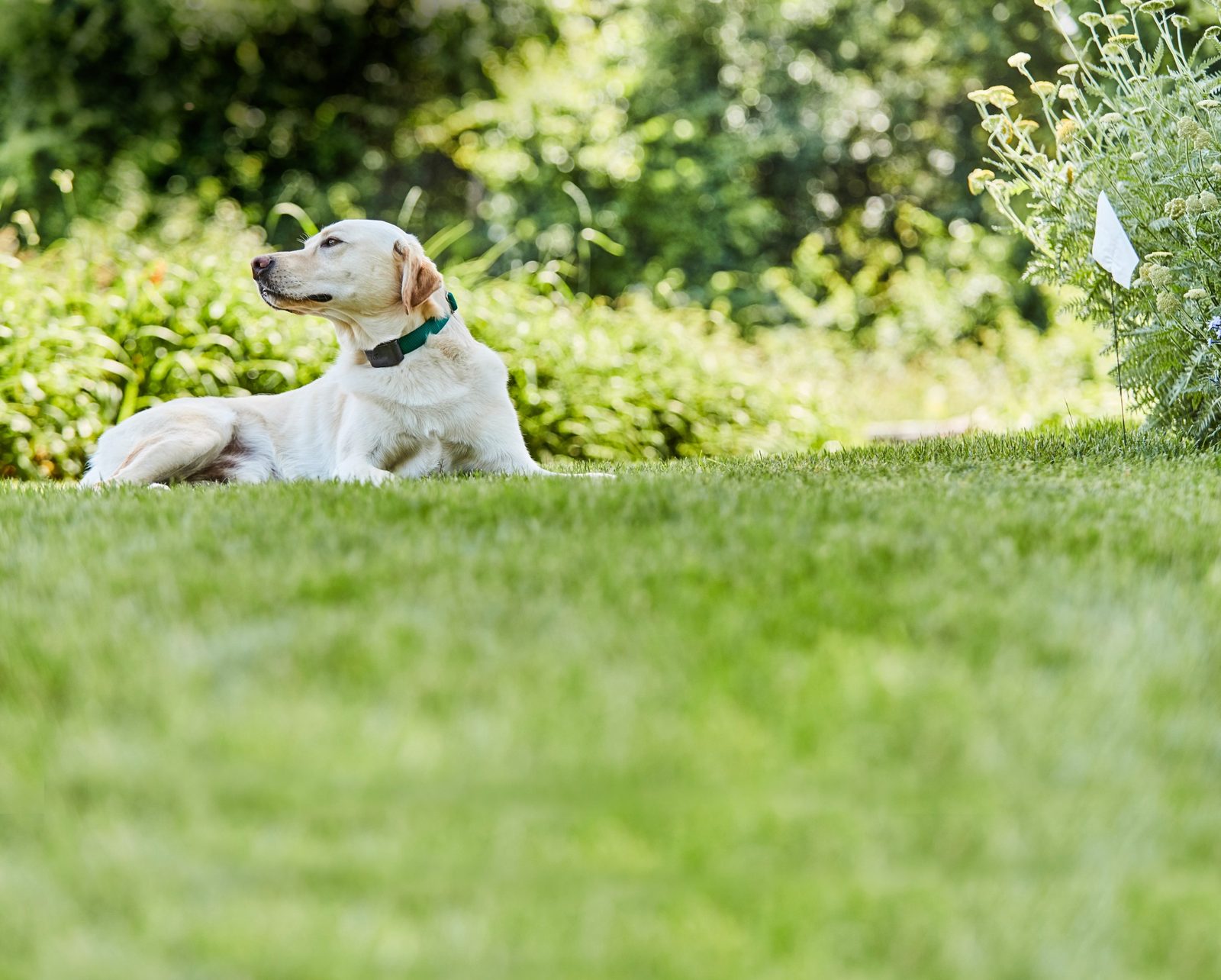
Invisible dog fences allow dogs to enjoy large countryside gardens without installing visible fencing.
Need a Discreet Dog Fence for Your Garden?
If you’re researching dog fence planning permission in the UK or looking for a way to keep your dog safe without installing visible fencing, we can help. Our professionally installed systems create a secure boundary while preserving the natural look of your garden.
Call us on
01628 476475
|
Message us on WhatsApp
|
Request a Free Quote Online