Tag Archive for: dog exclusion zone

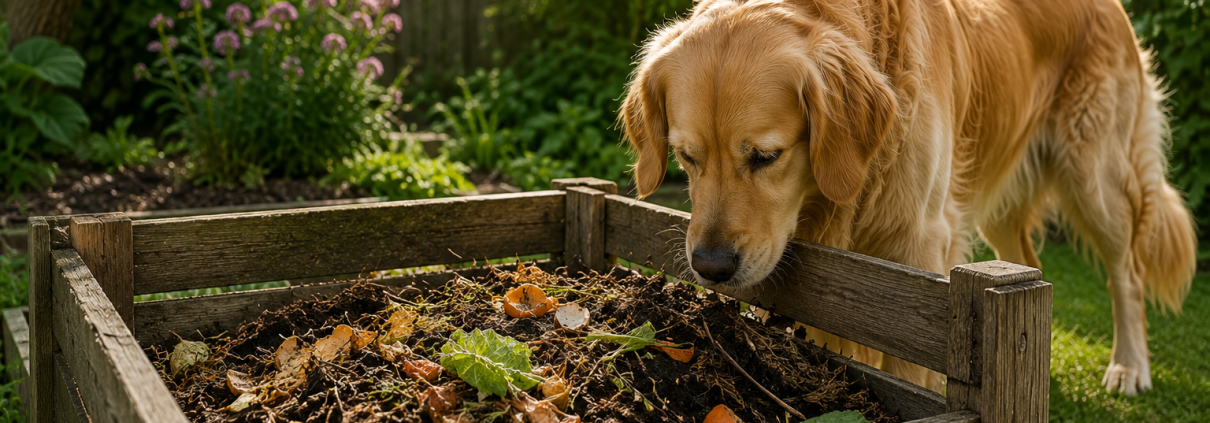
dog eating compost out of a compost bin

Why Should I Keep My Dog Away From the Compost Heap or Bin?

Why Should I Keep My Dog Away From the Compost Heap or Bin?

Should I keep my dog away from the compost heap? Yes. Compost heaps and bins can contain mouldy food, decomposing garden waste and other materials that may be harmful if eaten. Keeping your dog away from compost is therefore sensible, particularly if they are curious, food-motivated or prone to scavenging.

If your dog repeatedly investigates the compost heap, a hidden dog fence can also create a discreet no-go zone around the area while leaving the rest of the garden open for them to enjoy.
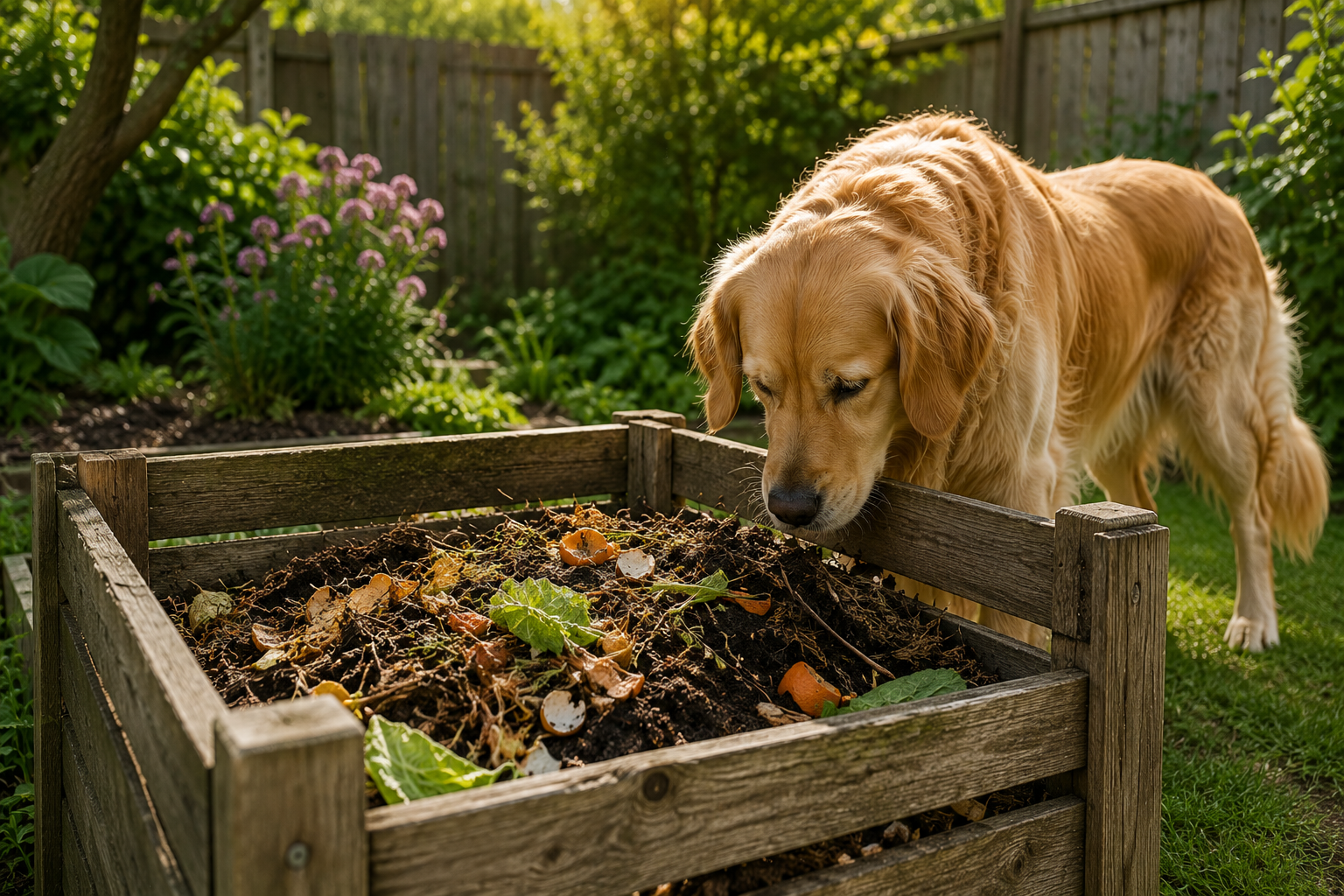
goldren retriever eating compost from a compost heap or bin

At a Glance

      • ✔ Mouldy food and compost can contain tremorgenic mycotoxins that can make dogs seriously ill
      • ✔ Signs of mycotoxin poisoning can include vomiting, agitation, tremors, a raised temperature and seizures
      • ✔ Compost may also contain foods that are toxic to dogs, including grapes, chocolate, coffee grounds and certain nuts
      • ✔ Corn cobs, fruit stones and other discarded food waste can present an obstruction risk if swallowed
      • ✔ Fermenting fruit or discarded raw yeast dough can present an additional alcohol (ethanol) poisoning risk
      • ✔ The safest approach is to prevent your dog from accessing the compost heap in the first place

A compost heap can contain far more than garden waste. Mould, decomposing food, potentially toxic ingredients and discarded food waste are all good reasons to make your composting area a no-go zone for your dog.

Is Compost Dangerous to Dogs?

Is compost dangerous to dogs? Yes. Compost heaps can pose a genuine risk to dogs, particularly when they contain mouldy or decomposing food. As organic material breaks down, moulds can develop and some produce tremorgenic mycotoxins – toxins that can cause serious and potentially life-threatening illness if eaten by a dog.

The PDSA warns that mouldy food can contain dangerous mycotoxins produced by fungi and specifically advises owners to prevent dogs from accessing food waste, bins and compost. Vets Now also identifies mouldy food and garden compost as a potential source of mycotoxin poisoning in dogs.

But mould isn’t the only concern. A compost heap can contain food that is itself toxic to dogs, discarded corn cobs or fruit stones that could cause an obstruction, and fermenting fruit or raw yeast dough that can produce ethanol (alcohol). This is why a dog raiding a compost heap can be more serious than simply eating a mouthful of old vegetables.

Not every dog that eats compost will become ill. The problem is that compost heaps contain a constantly changing mixture of decomposing material, so it can be difficult to know what your dog has eaten, how much they have eaten or how harmful it might be.

For that reason, the safest approach is simple: prevent your dog from accessing the compost heap in the first place.

You can read further veterinary guidance from the PDSA guide to poisons and hazards and the Vets Now guide to dog-friendly gardens and garden hazards.

Why Are Dogs Attracted to Compost Bins?

A dog eating compost is often not interested in the compost itself. What attracts them is usually the smell.

Vegetable peelings, leftover food, fallen fruit and decomposing organic matter can create powerful scents that are extremely interesting to a dog’s nose.

For a curious or food-motivated dog, the compost heap can become one of the most tempting areas in the garden.

You may notice your dog:

  • Repeatedly sniffing around the compost heap
  • Digging into an open compost pile
  • Trying to knock over or open a compost bin
  • Pulling food scraps or vegetable peelings from the heap
  • Investigating piles of leaves or grass cuttings
  • Returning to the same compost area whenever they are in the garden

If your dog keeps eating compost or continually returns to investigate it, repeatedly calling them away can become frustrating. Creating a physical or trained boundary is usually a more practical long-term solution.
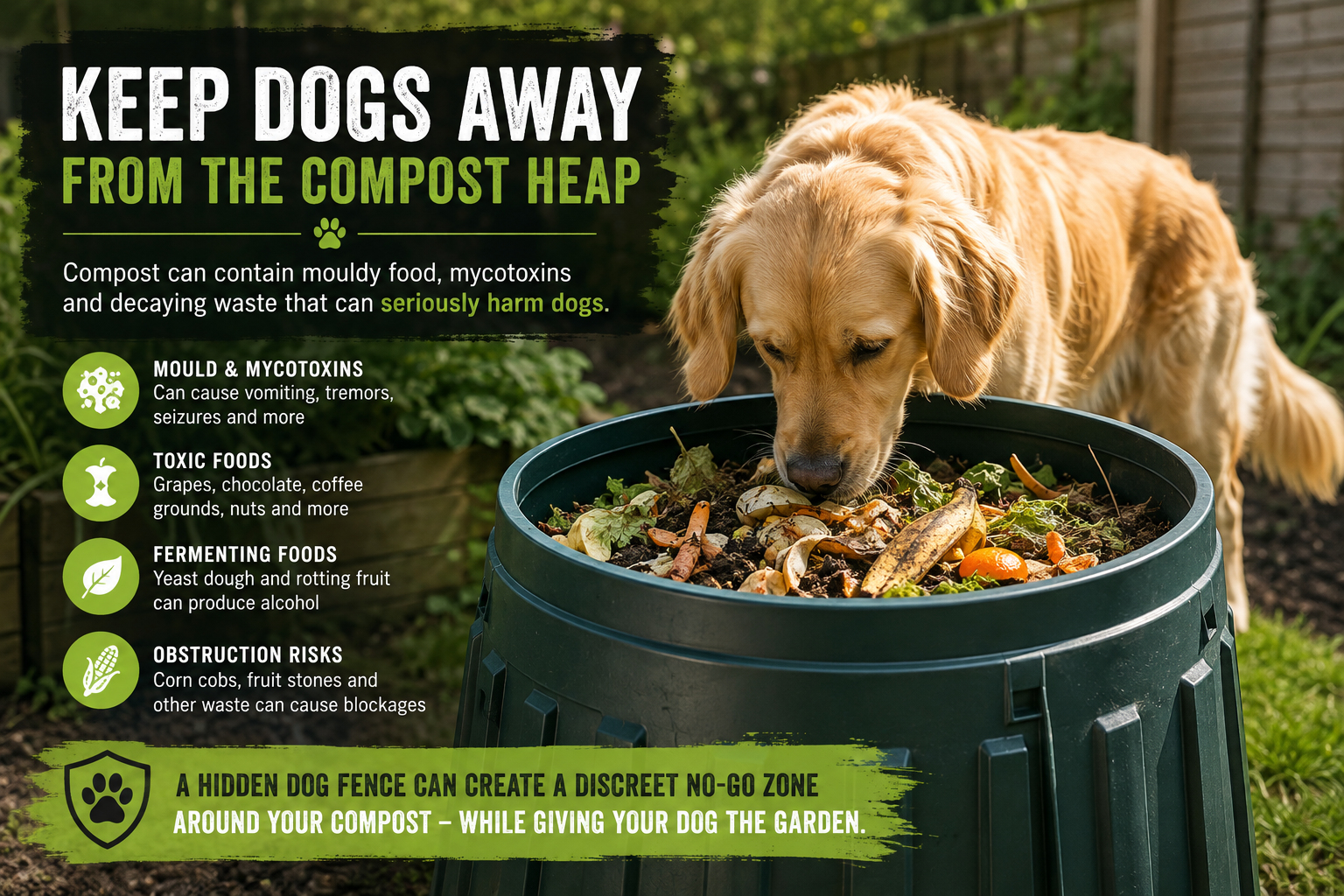
infographic on the dangers of a dog eating food from a compost bin

What in a Compost Heap Can Be Harmful to Dogs?

When considering compost danger for dogs, the concern is not simply the compost itself. It is the mixture of materials that may be breaking down inside it.

Mould and Mycotoxins

Mouldy food can contain mycotoxins. The PDSA advises that these toxins can potentially cause serious symptoms in dogs, including vomiting, tremors and seizures, and that poisoning can be fatal if not treated quickly.

This is one of the most important reasons to keep dogs away from compost and food waste.

Food Scraps

Compost heaps can contain discarded food that would not normally be offered to a dog.

Depending on what you compost, this could include foods that are unsuitable or potentially toxic to dogs. Even ordinary kitchen scraps can become mouldy while decomposing.

Rotting Fruit and Vegetables

Fallen fruit and vegetable waste can also attract dogs. Some dogs will happily eat whatever they find, particularly if it has a strong smell.

Rotting organic matter can also develop mould, so preventing access remains the safest approach.

Grass Cuttings and Garden Waste

Piles of grass cuttings, leaves and other decomposing garden material can also harbour mould and bacteria.

If your compost area doubles as a place for collecting garden waste, it is sensible to keep dogs away from garden waste as well as the main compost bin.

Gardening Products

Compost areas are sometimes located close to fertilisers, weed treatments or other gardening products.

These should always be stored securely and according to the manufacturer’s instructions, well away from dogs and other pets.

What Should I Do If My Dog Eats Compost?

If your dog ate compost and you believe they may have eaten mouldy food, toxic food or another potentially harmful substance, contact your vet promptly for advice.

The PDSA advises contacting your vet immediately if your dog has eaten something harmful and not waiting for symptoms to develop.

You should also not try to make your dog vomit unless your vet specifically instructs you to do so, because inducing vomiting can sometimes cause additional harm.

If possible, be ready to tell your vet:

  • What you think your dog ate
  • Approximately how much they may have eaten
  • When it happened
  • Whether they are showing any symptoms

If you still have the packaging or can identify what was in the compost, that information may also be useful to your vet.

This guide is not a substitute for veterinary advice. If you are concerned about something your dog has eaten, contact your veterinary practice.

How Can I Keep My Dog Away From the Compost Heap or Bin?

There are several ways to keep a dog away from a compost heap, and the most suitable option will depend on your garden and the type of composting system you use.

Use a Secure Compost Bin

A sturdy compost bin with a secure lid is a sensible first step, particularly if food waste is being composted.

If your dog is determined, choose a container that cannot easily be pushed over or opened.

Use Physical Fencing or a Gate

Traditional fencing can be used to dog proof a compost heap, especially if the composting area is already situated in a separate part of the garden.

However, not every owner wants to add visible fencing around an otherwise open garden.

Create a Compost Heap No-Go Zone

If you want to preserve the open appearance of your garden, a professionally installed DogFence can create a discreet compost heap no-go zone without surrounding the area with visible fencing or barriers.

How Can I Create a Dog Exclusion Zone Around the Compost Heap?

A dog exclusion zone around a compost heap can often be created without restricting your dog from the whole garden.

This can be particularly useful where the compost sits:

  • At the edge of the lawn
  • Beside a vegetable garden
  • Behind a shed or greenhouse
  • Near a garden waste area
  • Within an otherwise open garden

The boundary can be designed around the exact area you want your dog to avoid.

This means your dog can still run, play and relax throughout the rest of the garden while learning that the composting area is off limits.
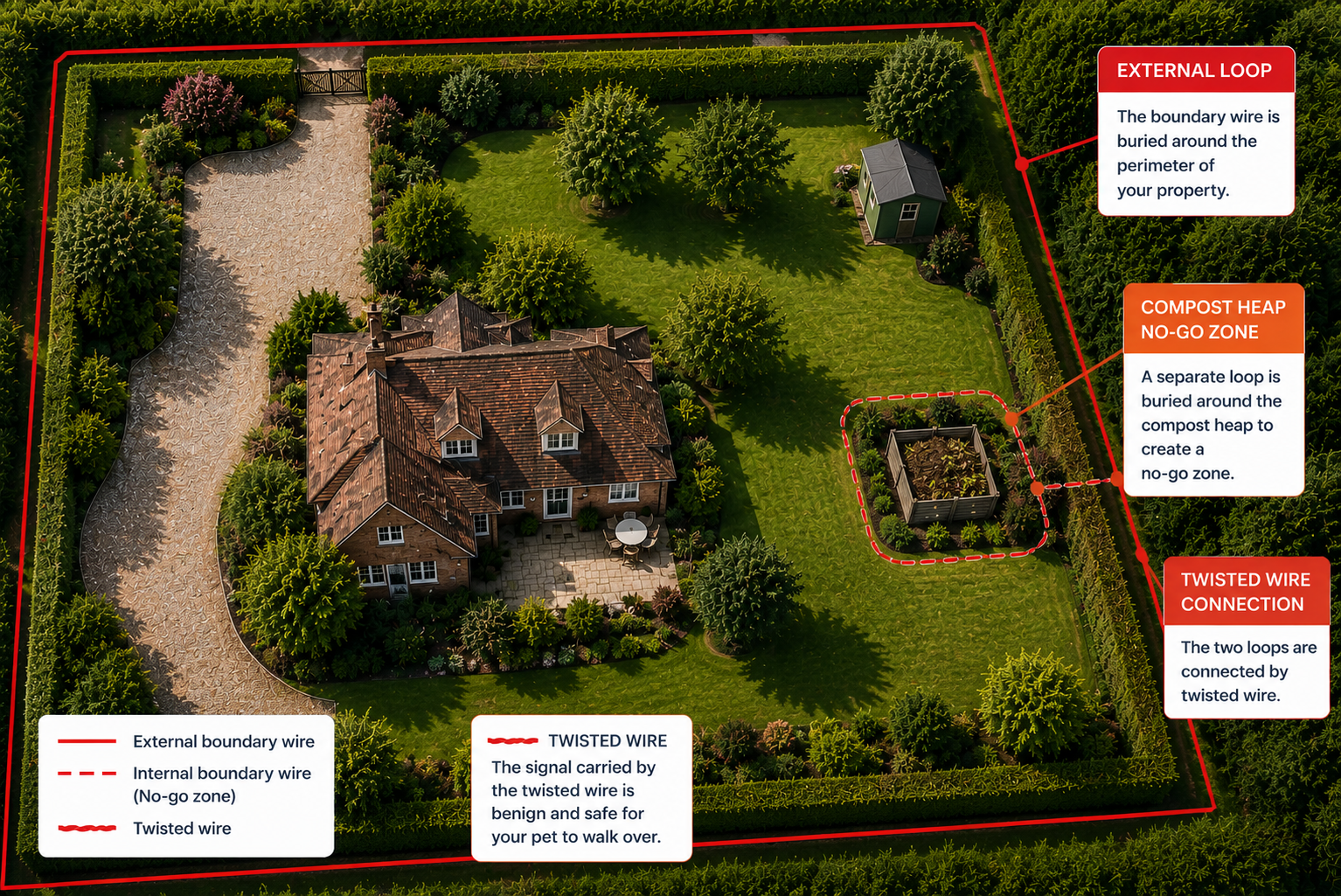
an inner dog fence loop to keep the dog out of the compost bin


How Does a Hidden Dog Fence Around Compost Work?

A hidden boundary wire is installed around the composting area and your dog is professionally trained to understand that the compost heap is somewhere they should not enter. This allows them to continue enjoying the rest of their permitted garden while keeping the compost area safely out of bounds.

If you’re new to DogFence, the system can be individually designed around your garden, your dog and the areas you want them to avoid. You can learn more about the boundary wire, receiver collar and our professional training programme in our How the DogFence Works guide.

If you already have a DogFence installed, it’s even simpler. In many gardens we can add an internal exclusion loop around the compost heap and incorporate it into your existing system, creating an additional no-go zone without replacing your current DogFence.

And it doesn’t have to stop at the compost heap. Internal exclusion zones can also be used to keep dogs away from vegetable patches, flower beds, ponds, swimming pools and other areas of the garden you want to protect. Read our guide to creating a no-go zone with a hidden dog fence to see how these additional boundaries can work.

The result is simple: the compost heap becomes off limits, while your dog keeps the freedom of the rest of their permitted garden.

Rather than physically fencing off the area, your dog is trained to understand that the compost heap is somewhere they should not enter.

Can My Vegetable Garden and Compost Heap Be Protected Together?

Potentially, yes. Compost heaps are often positioned beside vegetable gardens, raised beds or greenhouses.

If the areas are close together, it may make more sense to create one larger exclusion zone around the entire growing and composting area rather than creating several separate boundaries.

Every DogFence installation is individually designed, so we’ll look at the position of the vegetable beds, compost heap, paths and other areas you need to access before recommending the best layout.

If your dog also enjoys investigating your crops, read our guide: Can I Keep My Dog Out of My Vegetable Garden?

For more examples of internal boundaries, read: Can I Create a No-Go Zone with a Hidden Dog Fence?

Can I Add a Compost Bin No-Go Zone to My Existing DogFence?

Yes. If you already have a DogFence installed, it may be possible to add an internal compost heap dog barrier without replacing your existing system.

The best cable route will depend on the position of your existing boundary and the layout of the composting area.

We’ll assess how the garden is used and design the new exclusion zone so that your dog retains as much freedom as possible.

Frequently Asked Questions

Is compost harmful to dogs?

Compost can be harmful to dogs because it may contain mouldy food, decomposing organic matter, food scraps or other substances that are unsafe to eat. Some moulds can produce dangerous mycotoxins.

Why does my dog keep eating compost?

Dogs are often attracted to compost by strong smells from food scraps, fruit, vegetable peelings and decomposing organic material. Some dogs are particularly motivated to scavenge and may repeatedly return to the compost heap.

How do I stop my dog getting into compost?

Use a secure compost bin wherever possible and keep food and garden waste out of reach. Physical fencing can also work. Where you want to retain an open garden, a hidden DogFence can create a discreet no-go zone around the compost area.

Can I dog proof a compost bin?

Yes. Choose a sturdy compost bin with a secure lid that your dog cannot easily knock over or open. If your dog still approaches the area, an additional exclusion boundary can help keep them further away.

Can I keep my dog away from a compost heap without fencing it off?

Yes. A hidden DogFence can create a discreet boundary around the compost heap without installing visible fencing. Your dog is professionally trained to recognise the boundary while retaining access to the rest of their permitted garden.

Can I keep dogs away from garden waste too?

Yes. Depending on the garden layout, a DogFence exclusion zone can include compost heaps, leaf piles, garden waste areas or other parts of the garden you would prefer your dog not to access.

Can I add a compost exclusion zone to an existing DogFence?

In many cases, yes. An internal no-go zone can often be incorporated into an existing DogFence system without replacing the whole installation.


Keep Making Compost. Keep Giving Your Dog the Garden. Just Keep the Two Apart.

You shouldn’t have to stop composting, and your dog shouldn’t have to lose the freedom of the garden simply because there’s one area they cannot resist investigating.

Whether your dog keeps raiding the compost bin, digging through an open compost heap or investigating piles of garden waste, a DogFence can create a discreet boundary around the problem area while leaving the rest of their permitted garden open for them to enjoy.

Tell us where your dog can go, show us where they cannot, and we’ll design a discreet boundary that brings the two together.

Ready to Make Your Compost Heap Off-Limits?

Every DogFence installation is individually designed around the property, the garden and the dog. Our experienced team can recommend the most suitable layout for creating a discreet compost heap no-go zone while giving your dog as much safe garden freedom as possible.


Give Your Dog the Garden – Without Giving Them the Compost Heap

Your dog shouldn’t have to lose the freedom of the whole garden just because there’s a compost heap they can’t resist investigating. A professionally installed DogFence can create a discreet no-go zone around your composting area, helping your dog learn where they can and can’t go while leaving the rest of the garden open for them to enjoy.

Whether you’re trying to prevent your dog raiding a compost bin, eating decomposing food or investigating piles of garden waste, we’ll design the boundary around the area you need them to avoid.

Tell us where you want your dog to have freedom – and where you need them to stay safely away. We’ll design the boundary around you, your garden and your dog.

Ready to Make Your Compost Heap Off-Limits?

Talk to our experienced team about creating a hidden dog fence around your compost heap and keeping a potentially hazardous area out of bounds – without taking away your dog’s garden freedom.

Contact us today for a free, no-obligation quote.

Call us on
01628 476475
|
Message us on WhatsApp
|
Request a Free Quote

Some images in this guide have been created using AI to illustrate typical garden situations and possible DogFence layouts. They are for illustrative purposes only and do not represent specific customer installations. Every DogFence installation is individually designed to suit the property, garden layout and dog’s requirements.
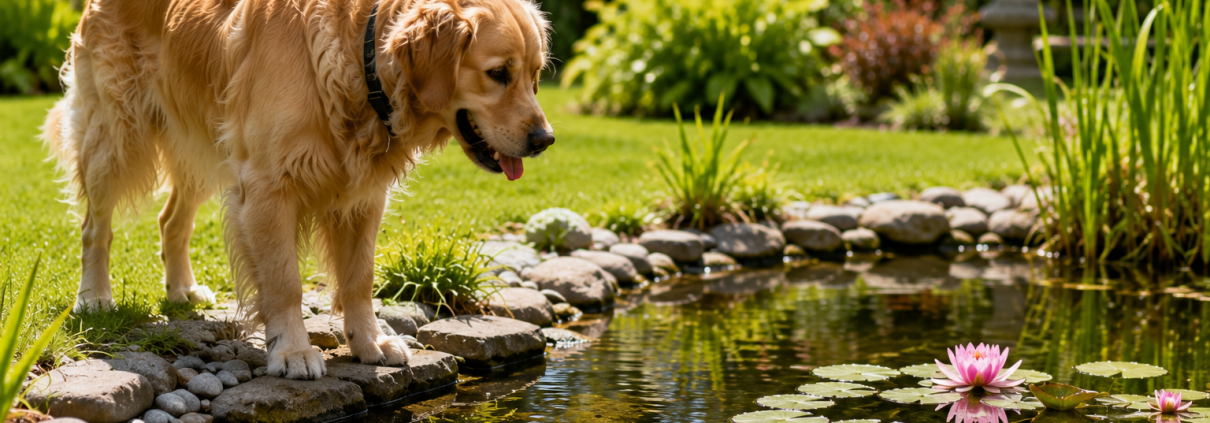
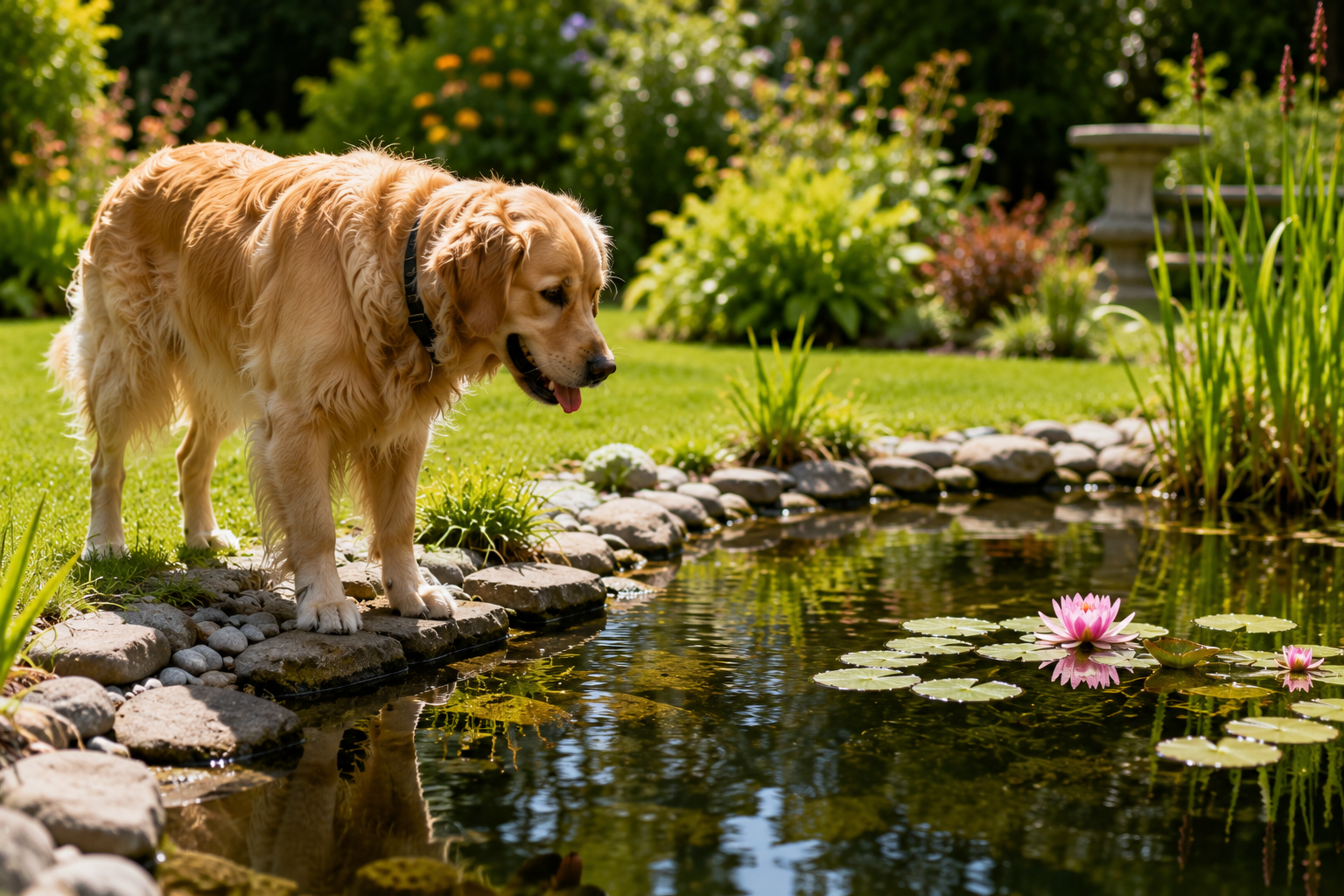
Keep dogs safely away from garden ponds using a hidden dog fence

Can I Keep My Dog Away from a Pond?

Can I Keep My Dog Away from a Pond?

Yes. A hidden dog fence can keep your dog away from a garden pond by creating a discreet no-go zone around the water. Your dog can still enjoy the rest of the garden while learning that the pond is off limits.

Unlike physical fencing, a hidden dog fence preserves the appearance of your garden and can be designed to follow the exact shape of your pond.

At a glance

  • ✔ Keeps dogs away from ponds without visible fencing
  • ✔ Suitable for new and existing DogFence systems
  • ✔ Protects ponds, wildlife and water features
  • ✔ Allows dogs to enjoy the rest of the garden
  • ✔ Professionally installed and individually designed
Keep dog away from pond with a hidden dog fence

A hidden dog fence creates a discreet no-go zone to help keep your dog safely away from your garden pond.

Why Keep Dogs Out of Garden Ponds?

Although many dogs enjoy water, ponds can present a number of risks, including:

  • Slippery edges
  • Deep or steep-sided ponds
  • Blue-green algae during warmer months
  • Disturbance to fish, frogs and other wildlife
  • Muddy paws and damaged pond planting
  • Risk of injury or drowning, particularly for puppies, elderly dogs and small breeds.

Creating a pond exclusion zone helps protect both your dog and your garden. At DogFence, we’ve designed pond exclusion zones for hundreds of gardens, with every installation tailored to the property’s layout and the areas each owner wants to protect.

How Does It Work?

Whether you’re a new customer or already have a DogFence installed, it’s usually possible to create a discreet no-go zone around your garden pond. Click here to read how the dog fence works:

New DogFence Customers

If your garden is already securely enclosed with fencing or walls, there’s no need to install a full garden boundary. We can install a pond loop around the pond area only.

A hidden boundary wire is buried around the pond and connected to the DogFence transmitter. Your dog (or cat) wears a lightweight receiver collar that gives an audible warning as they approach the pond. If they continue towards the boundary, the collar provides a brief training correction, helping them learn that the pond is out of bounds. Initially the small training flags will be in place to give a visual aid and be removed once your pet is confident with the loop.

Following a short, professional and humane training programme, most pets quickly understand where they can and cannot go, while still enjoying unrestricted access to the rest of the garden. The same approach can also be used to keep cats away from ponds and other protected areas within the garden. Read more about our CatFence systems.

Dog learning to keep away from pond using a hidden dog fence

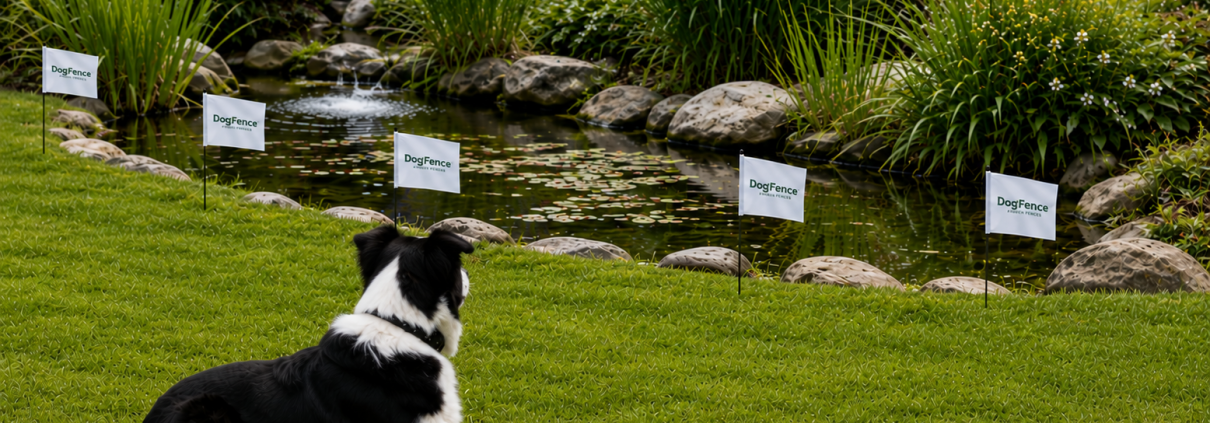
Training flags mark the hidden dog fence boundary, helping your dog learn to stay safely away from the pond.

Can an Existing DogFence Be Updated?

 Yes. If you already have a DogFence installed, an internal pond exclusion zone can be added without replacing your existing system.

Every garden is different, so we’ll assess the best cable route before installation. Read our How It Works guide to see how a DogFence can be customised to suit your garden.

A pond is just one example of an area that can be protected. Hidden dog fences can also create exclusion zones around flower beds, vegetable gardens, swimming pools, children’s play areas and other sensitive areas.

Read our complete guide: Can I Create a No-Go Zone with a Hidden Dog Fence? 

Frequently Asked Questions

Will my dog still be able to use the rest of the garden?

Yes. Only the pond area becomes a no-go zone, leaving the remainder of your garden available for your dog to enjoy.

Will the hidden dog fence spoil the look of my pond?

No. The boundary wire is buried underground, so there are no visible fences or barriers around your pond.

Is a hidden dog fence suitable for wildlife ponds?

Yes. A hidden dog fence can help protect wildlife ponds by creating a no-go zone around the water. This can reduce disturbance to frogs, newts, fish and nesting wildlife while still allowing your dog to enjoy the rest of the garden.


Ready to Keep Your Dog Away from Your Pond?

If you’d like to protect your pond without installing visible fencing, DogFence can design a discreet hidden boundary that suits your garden and your dog’s needs.

Call us on
01628 476475
|
Message us on WhatsApp
|
Request a Free Quote

Stop dogs digging up flower bed with a hidden dog fence

Can I Keep My Dog Out of Flower Beds?

Can I Keep My Dog Out of Flower Beds?

Yes. A hidden dog fence can keep your dog out of flower beds by creating a discreet no-go zone around your planted areas. Your dog can still enjoy the rest of the garden while learning that your flower beds are off limits.

Unlike low fencing or temporary barriers, a hidden dog fence protects your flower beds without changing the appearance of your garden.

At a Glance

  • ✔ Keeps dogs out of flower beds without visible fencing
  • ✔ Suitable for new and existing DogFence systems
  • ✔ Protects flowers, shrubs and newly planted borders
  • ✔ Allows dogs to enjoy the rest of the garden
  • ✔ Professionally installed and individually designed

A hidden dog fence creates a discreet no-go zone to help keep dogs out of flower beds while preserving the appearance of your garden.

Keep dog out of flower beds with a hidden dog fence

A hidden dog fence helps stop dogs digging up flower beds while allowing them to enjoy the rest of the garden.

Why Keep Dogs Out of Flower Beds?

Many dogs naturally enjoy digging, sniffing and exploring flower beds. While this is normal behaviour, it can quickly damage plants and spoil carefully maintained borders.

Common reasons for creating a flower bed exclusion zone include:

  • Protecting newly planted flowers and shrubs
  • Preventing digging and damaged borders
  • Keeping dogs away from delicate or valuable plants
  • Preventing muddy paw prints through planted areas
  • Protecting bulbs before they have established
  • Keeping dogs away from plants that may be harmful if chewed

Creating a flower bed exclusion zone helps protect your planting while allowing your dog to continue enjoying the rest of the garden. At DogFence, we’ve designed bespoke exclusion zones for hundreds of gardens, with every installation tailored to the property’s layout and the areas each owner wants to protect.

Keep dog out of vegetable garden with a hidden dog fence

How Does It Work?

Whether you’re a new customer or already have a DogFence installed, it’s usually possible to create a discreet no-go zone around one or more flower beds.

New DogFence Customers

If your garden is already securely enclosed with fencing or walls, there’s no need to install a full garden boundary. We can install a dedicated exclusion loop around your flower beds.

A hidden boundary wire is buried around the planted area and connected to the DogFence transmitter. Your dog wears a lightweight receiver collar that provides an audible warning as they approach the flower bed. If they continue towards the boundary, the collar delivers a brief training correction, helping them understand that the area is out of bounds.

Training flags are used initially to provide a clear visual guide. Following our short, professional and humane training programme, most dogs quickly learn to avoid the flower beds while continuing to enjoy unrestricted access to the rest of the garden.

The same approach can also be used to protect vegetable gardens, newly seeded lawns and other sensitive areas.

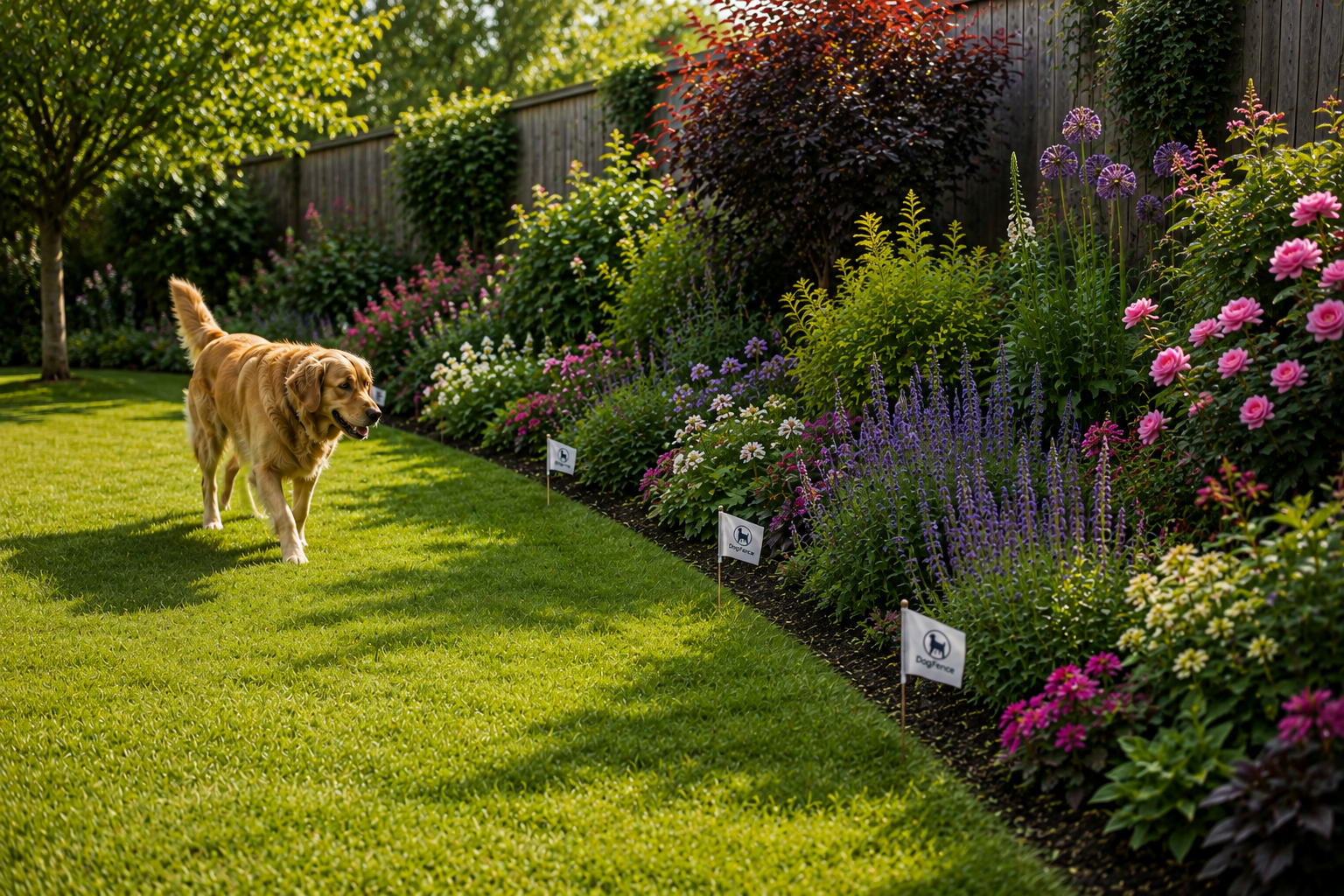
Training flags mark the hidden dog fence boundary, helping your dog learn to stay out of flower beds while enjoying the rest of the garden.

A hidden dog fence creates a discreet flower bed exclusion zone, allowing your dog to enjoy the lawn while protecting flowers and planted borders.

Can an Existing DogFence Be Updated?

Yes. If you already have a DogFence installed, an internal flower bed exclusion zone can usually be added without replacing your existing system.

Every garden is different, so we’ll assess the best cable route before installation. Read our How It Works guide to see how a DogFence can be customised to suit your garden.

Flower beds are just one example of areas that can be protected. Hidden dog fences can also create exclusion zones around ponds, vegetable gardens, children’s play areas and other sensitive parts of your property.

Read our complete guide: Can I Create a No-Go Zone with a Hidden Dog Fence?

If you’re also looking to protect vegetable patches and edible planting areas, you may also like our guide: Can I Keep My Dog Out of My Vegetable Garden?

Frequently Asked Questions

Will my dog still be able to use the rest of the garden?

Yes. Only the flower beds become a no-go zone, leaving the remainder of your garden available for your dog to enjoy.

Will the hidden dog fence affect the appearance of my garden?

No. The boundary wire is buried underground, so there are no visible fences or barriers around your flower beds.

Can I protect more than one flower bed?

Yes. Multiple flower beds can often be incorporated into the same DogFence installation. We’ll design the most suitable cable layout for your garden during your site assessment.

Tell us where your dog can go, show us where they cannot, and we’ll design a discreet boundary that brings the two together.

Ready to Protect Your Flower Beds?

Whether you’re trying to stop your dog digging up flower beds, protect newly planted borders or keep valuable plants safe, every DogFence installation is individually designed around your garden and your dog’s needs. Our experienced team will recommend the best layout to create a discreet flower bed exclusion zone while giving your dog as much freedom as possible.

Contact us today for a free, no-obligation quote.

Call us on
01628 476475
|
Message us on WhatsApp
|
Request a Free Quote

Illustration Notice

Some images within this guide are AI-generated illustrations designed to show typical hidden dog fence layouts and training flag positions. They are included to help explain how the system works and are not photographs of actual installations. Every DogFence installation is individually designed to suit your garden, your property boundaries and your dog’s requirements.

Hidden dog fence no-go zone protecting a garden pond with an internal dog exclusion zone

Can I Create a No-Go Zone with a Hidden Dog Fence?

Can I Create a No-Go Zone with a Hidden Dog Fence?

Can I create a no-go zone with a hidden dog fence? Yes. A professionally designed hidden dog fence can create an internal boundary around a particular part of your garden, helping your dog learn which areas are out of bounds while still allowing them to enjoy the rest of the property.

This type of dog exclusion zone can be designed around ponds, swimming pools, flower beds, vegetable patches, children’s play areas and other garden features. It provides a discreet way to keep dogs away from garden features without surrounding each area with visible fencing.

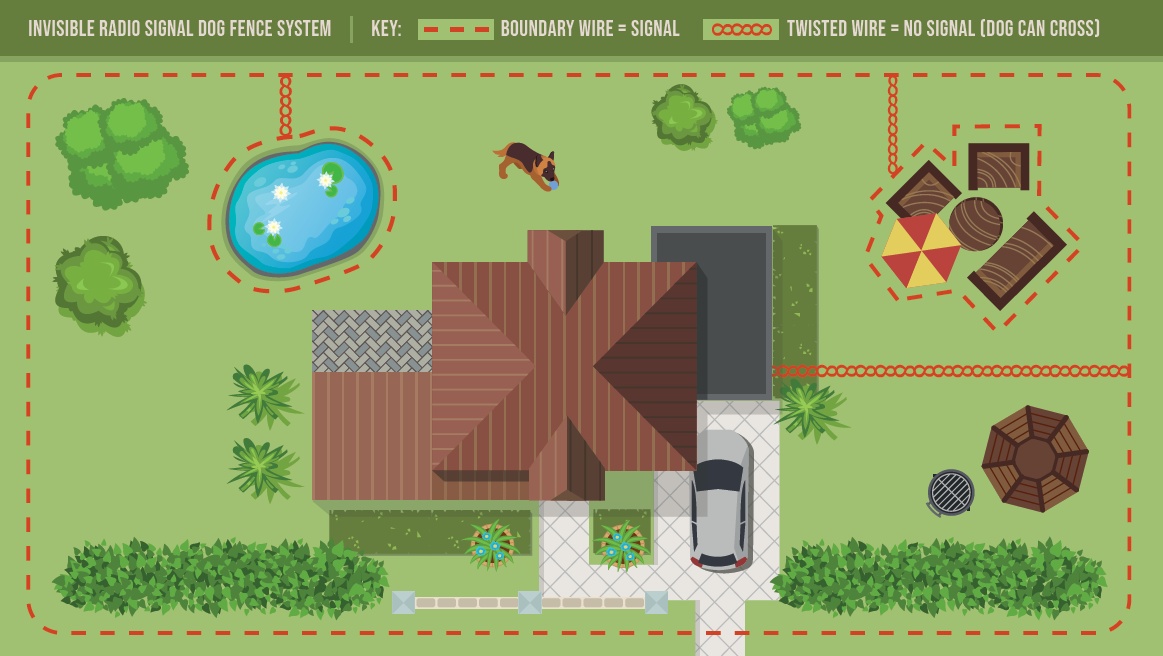
Can I create a no-go zone with a hidden dog fence? Illustration of a hidden dog fence creating dog exclusion zones around a pond and patio.

Example of a hidden dog fence creating internal no-go zones around a pond and patio while allowing the dog to enjoy the rest of the garden.

What Is a Dog Exclusion Zone?

A dog exclusion zone is an area within your property that your dog is trained not to enter. Unlike the main boundary, which helps prevent your dog from leaving the property, an internal no-go zone is used to protect areas of the garden from dogs.

The size and shape of the zone can be adapted to the feature being protected. It could surround a small flower bed, follow the edge of a swimming pool or create a larger boundary around a wildlife area.

How Does a Hidden Dog Fence Create a No-Go Zone?

Hidden dog fence exclusion zone is created by installing an additional loop of boundary cable around the area your dog needs to avoid. This internal boundary is connected to the main DogFence system and designed specifically around the layout of your garden.

One of the clever features of a professionally installed hidden dog fence is that the same boundary cable is used to create both your main garden boundary and any internal dog exclusion zones. There is no need for a separate system.

To create a no-go zone, the cable is taken from the main garden boundary to the area you want to protect as a tightly twisted pair. Although the signal is still travelling through the cable, the twisting prevents the boundary signal from being broadcast, allowing your dog to cross this section safely without receiving a warning.

Once the cable reaches the area you want to protect, such as a pond, flower bed or vegetable garden, the wires separate to create an active boundary around that feature. This creates a discreet dog exclusion zone, helping to protect specific areas of your garden while still giving your dog the freedom to enjoy the remaining space.

This clever design allows you to protect areas of the garden from dogs while still giving them the freedom to enjoy the rest of the garden.

Your dog wears the same lightweight receiver collar used for the main property boundary. When they approach the dog garden exclusion area, the collar gives an audible warning. If they continue towards the boundary, the collar provides a brief correction that encourages them to move back into the permitted part of the garden.

As with the main boundary, professional training helps your dog understand where the new limit is located. You can learn more about the boundary, collar and training process on our How the Dog Fence Works page.

What Areas Can a Hidden Dog Fence Exclusion Zone Protect?

A hidden dog fence exclusion zone may be suitable for keeping dogs away from:

  • Garden ponds and swimming pools
  • Streams and other water features
  • Flower beds and planted borders
  • Vegetable gardens and fruit patches
  • Newly seeded lawns
  • Children’s play areas
  • Wildlife areas and nesting sites
  • Chicken runs, beehives or small animal enclosures
  • Compost heaps and garden machinery

Every property is different, so the most suitable cable layout will depend on the position of the feature, the main garden boundary and the areas your dog still needs to access.

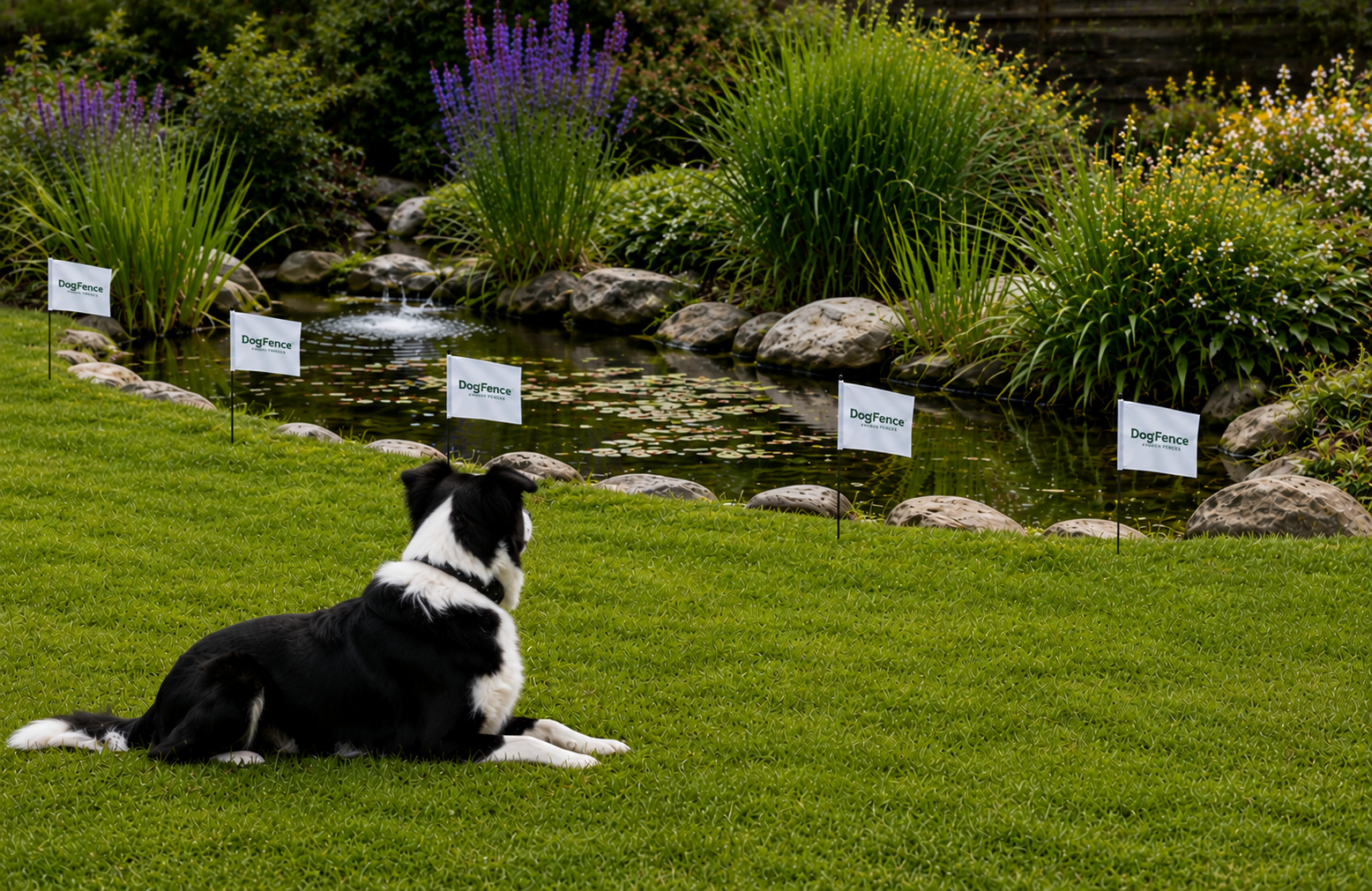
Can I create a no-go zone with a hidden dog fence? Border Collie beside a hidden dog fence protecting a garden pond with an internal dog exclusion zone.

A hidden dog fence creates a discreet no-go zone around a garden pond, allowing the dog to enjoy the rest of the garden safely.

Can a No-Go Zone Keep My Dog Away from Water?

Yes. An internal dog garden exclusion area can often be created around a pond, pool, stream or water feature. This may be particularly helpful for puppies, older dogs, dogs that cannot swim confidently or dogs that repeatedly enter muddy water.

For more information about designing boundaries around natural garden features, read our guide to installing an invisible dog fence around trees, streams and woodland.

Can I Keep My Dog Out of the Swimming Pool?

Swimming pools are another area where owners may want to give their dog access to the garden while keeping one specific area off limits. If you have a pool, read our guide to keeping your dog out of the swimming pool  to see how a discreet exclusion zone can be designed around it.

Can I Keep Dogs Away from Garden Features Without Building Another Fence?

In many cases, yes. One of the main advantages of an internal boundary is that it can keep dogs away from garden features without adding panels, gates or wire fencing within the garden.

This allows you to preserve your view and maintain the natural appearance of the property. It can be especially useful in landscaped, rural or open gardens where a physical barrier would be expensive, intrusive or difficult to install.

Can I Create More Than One Dog Garden Exclusion Area?

Depending on the property layout, it is nearly always possible to create more than one dog garden exclusion area. For example, you may want to protect a pond in one part of the garden and a vegetable patch in another. The zones will all be connected by a series buried of twisted wires that link back to the main outer loop.

The system must be professionally planned so that the internal loops work correctly alongside the main boundary. Our team will discuss which areas you want your dog to enjoy and which areas need to remain out of bounds before recommending the most appropriate layout.

Why Use a Hidden Boundary to Protect Areas of the Garden from Dogs?

Creating internal boundaries can help protect areas of the garden from dogs while avoiding the need to restrict their access to the whole garden.

Your dog can still run, play and explore within the permitted space, while more vulnerable or potentially hazardous areas remain protected. It offers a flexible solution for owners who want to keep dogs away from garden features without reducing their overall freedom unnecessarily.

Frequently Asked Questions

Can I create a no-go zone with a hidden dog fence?

Yes. A professionally designed DogFence can create an internal dog exclusion zone around certain areas of your garden while allowing your dog to use the remaining space.

Will my dog understand an internal no-go zone?

Yes. Your dog is introduced to the boundary through the same structured training process used for the main DogFence. Training flags will be used initially to make the new boundary clear and easy to understand.

Can the exclusion zone be added to an existing DogFence?

Yes in most cases, an internal loop can be added to an existing system. The installation will need to be assessed to confirm the most suitable cable route and ensure that the hidden dog fence exclusion zone works correctly with the original boundary.

Can a no-go zone protect flower beds and vegetable gardens?

Yes. Internal boundaries can be designed to protect areas of the garden from dogs, including planted borders, flower beds, vegetable patches and newly landscaped areas.

Ready to Decide Which Parts of Your Garden Are for Paws—and Which Are Not?

Your dog can enjoy freedom without having access to every pond, border, vegetable patch or sensitive garden area. At DogFence, every installation is individually designed around your property, your priorities and your dog.

Tell us where your dog can go, show us where they cannot, and we’ll design a discreet boundary that brings the two together.


Ready to Create a No-Go Zone in Your Garden?

Whether you want to protect a pond, flower beds, a vegetable garden or another part of your property, every DogFence installation is individually designed around your garden and your dog’s needs. Our experienced team will recommend the best layout to create safe, discreet dog exclusion zones while giving your dog as much freedom as possible. Contact us today for a free, no-obligation quote.

Call us on
01628 476475
|
Message us on WhatsApp
|
Request a Free Quote