What Is the Best Invisible Dog Fence in the UK? (2026 Guide)
Looking for the best invisible dog fence in the UK? Whether you have a small garden, a large country property or a determined escape artist, choosing the right dog containment system depends on your dog’s temperament, your garden layout and your budget. This guide compares professionally installed invisible dog fences, underground boundary systems, wireless dog fences, GPS collars and traditional fencing to help you make an informed decision.
At DogFence Ltd, we’ve supplied DogWatch hidden pet containment systems in the UK since 2003. We understand that an effective boundary is about more than equipment: careful installation, appropriate training and ongoing support are equally important.
Below, we explain how invisible dog fences work, what they cost, their advantages and limitations, and how to choose the right solution for your dog.

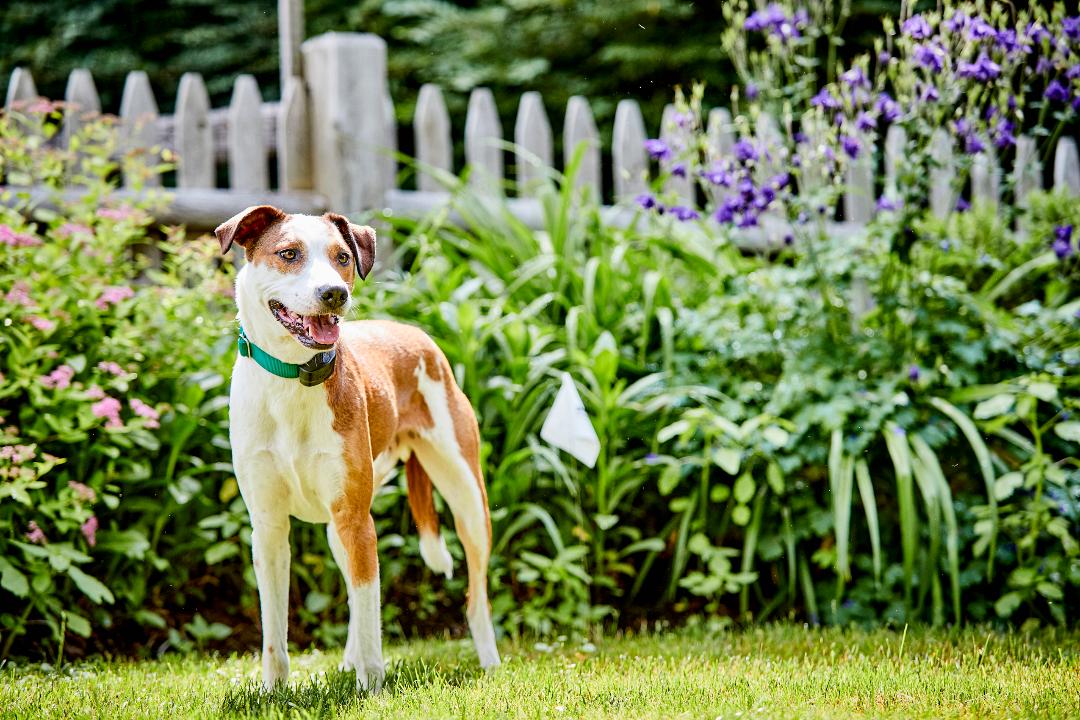
Enjoying garden freedom with DogFence – professionally installed hidden dog fencing designed around your dog and your property.
Key Takeaways: Choosing an Invisible Dog Fence
- Best for a defined garden boundary: A professionally installed wired dog fence offers a fixed, customisable perimeter.
- Best for straightforward DIY installation: A self-install boundary system may suit confident owners with uncomplicated gardens.
- Best for portability: Some wireless and GPS systems can be moved between locations, although their boundaries may be less precise.
- Best for owners wanting installation and training support: A professionally fitted DogWatch system provides a tailored approach.
- Most important: No electronic containment system is a physical barrier. Training, welfare, supervision and regular equipment checks remain essential.
Contents
- What is an invisible dog fence?
- How does an invisible dog fence work?
- What is the best invisible dog fence in the UK?
- Invisible dog fence comparison table
- Safety, welfare and UK law
- Professional installation and dog training
- Invisible dog fence costs
- Frequently asked questions
What Is an Invisible Dog Fence?
An invisible dog fence, also called a hidden dog fence, underground dog fence or electronic dog containment system, is designed to teach a dog to remain within a defined area without requiring a continuous physical fence.
A traditional wired system uses a boundary cable, a transmitter and a receiver collar. The cable can be installed discreetly around a garden, driveway or larger property. The collar detects the boundary signal and gives a warning as the dog approaches.
Depending on the equipment and its settings, the collar may then deliver a static correction if the dog continues towards the boundary. This is why suitable training and careful assessment of the individual dog are essential.
Invisible dog fencing can be particularly useful for properties where conventional fencing is impractical, expensive or visually intrusive.
For owners considering different approaches, our guide to invisible fencing versus traditional garden fencing explains the key differences.
Why Choose a Hidden Dog Fence for a UK Garden?
- Preserves open views and existing landscaping.
- Can follow irregular boundaries, hedges and driveways.
- May help discourage jumping, digging and escaping through gaps.
- Can be configured to exclude dogs from selected garden areas.
- Can cover some properties where installing physical fencing would be difficult.
However, a hidden fence does not stop unfamiliar dogs, wildlife or people entering your property. It also cannot guarantee that a dog will never cross the boundary.
For planning considerations, see our article on dog fence planning permission in the UK.
How Does an Invisible Dog Fence Work?
A wired invisible dog fence operates through three main components:
- Boundary wire: A cable installed around the designated containment area.
- Transmitter: A unit that sends a signal through the boundary wire.
- Receiver collar: A collar worn by the dog that detects the signal near the boundary.
During training, temporary boundary flags help the dog recognise where the permitted area ends. The dog learns to respond to the collar’s warning signal and return towards the safe area.

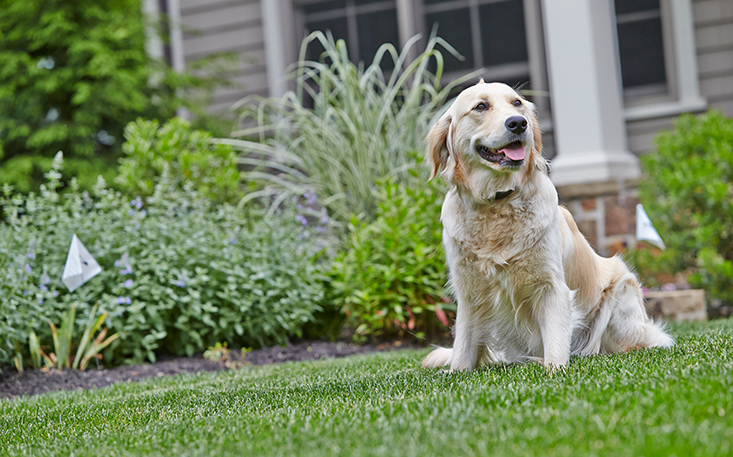
DogFence professionally installs hidden boundary wire to create a discreet dog containment system tailored to your garden.
What Is DogWatch FM SafeLink Technology and Why Is It Different?
DogWatch FM SafeLink technology is one of the key features that distinguishes our professionally installed invisible dog fence systems from many conventional electronic dog containment systems. It uses a proprietary coded FM signal, fast boundary detection and responsive correction shut-off to help provide a consistent and predictable boundary experience.
When choosing the best invisible dog fence in the UK, it’s important to consider not only how quickly a system responds when your dog approaches the boundary, but also how quickly it stops correcting when your dog makes the right decision and turns back.
Fast Response Helps Prevent Boundary Run-Throughs
DogWatch receivers are designed to respond quickly when a dog enters the boundary activation area. This is particularly important for active or determined dogs, where a delayed warning could allow them to move further towards the edge of the property.
Fast response, combined with correctly positioned boundary wire and professional training, helps reduce the risk of dogs running through the invisible fence boundary.
Fast Correction Shut-Off: Why It Matters for Your Dog
One of the most important features of DogWatch technology is its responsive correction shut-off.
When your dog turns away from the boundary and returns to the safe area, the receiver is designed to stop correcting promptly once the dog leaves the activation zone.
Why is this important? A dog should not continue receiving a correction after making the right decision. Prompt shut-off helps your dog understand that moving away from the boundary ends the stimulus, supporting clearer, more predictable training.
FM SafeLink Helps Prevent False Collar Activation
Unintended collar activation can be confusing and distressing for dogs.
DogWatch FM SafeLink uses a proprietary coded radio signal designed to distinguish the correct boundary transmission from unrelated electronic interference.
This helps reduce the risk of false activation and provides a more consistent boundary experience. It’s an important consideration when comparing professional invisible dog fence technology with basic DIY containment systems.
Can DogWatch Invisible Fencing Work Alongside Metal Fences?
Yes. DogWatch wired containment systems can often be installed alongside existing metal fences, field gates and other boundary structures.
This is particularly useful for rural properties, equestrian fencing and gardens where traditional fencing already exists but doesn’t provide sufficient containment.
The professionally installed boundary wire allows our installers to design a precise containment area around the property. Metal structures can affect electronic signals, so correct wire positioning and testing are important.
Why Professional Installation and Training Matter
Even sophisticated invisible dog fence technology relies on correct installation and appropriate training.
Boundary design, receiver fit, your dog’s individual temperament and ongoing equipment checks all contribute to the effectiveness of a hidden dog fence.
At DogFence Ltd, we’ve supplied DogWatch hidden pet containment systems across the UK since 2003. We combine FM SafeLink technology with professionally designed boundaries and individual training guidance to help owners choose a suitable solution for their dogs and gardens.
Although no invisible dog fence can guarantee containment in every situation, responsive technology, careful installation and appropriate training can help reduce the risk of boundary escapes.
Read more about invisible dog fence reliability and the practical factors that affect performance.
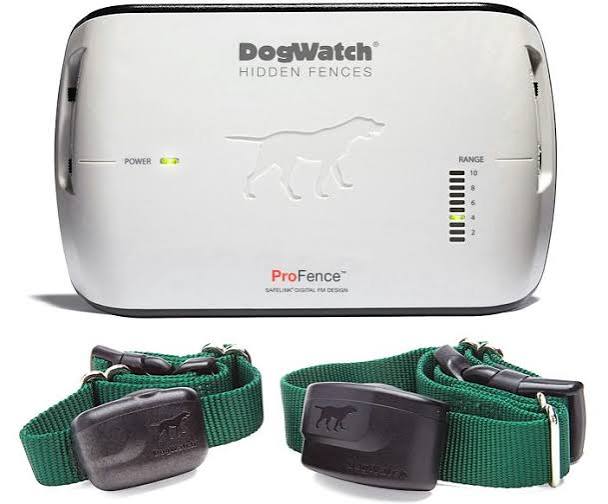
DogWatch ProFence with FM SafeLink technology – designed for rapid boundary detection and prompt correction shut-off when your dog returns to the safe area. Its coded FM signal helps prevent unwanted activation caused by interference, supporting a more consistent and predictable training experience.
Can an Underground Dog Fence Cross a Driveway?
Yes. A professionally designed wired system can often accommodate gravel, paved or other driveway surfaces. The installation method depends on the surface, property layout and available cable routes.
Boundary wires can also be arranged to create exclusion areas around features such as ponds or particular parts of the garden.

Our specialist trenching machine neatly installs the underground dog fence boundary wire. The ground is sealed over afterwards, and the small installation scar quickly fades as the grass regrows. Once completed, the area is safe to drive over.
What Is the Best Invisible Dog Fence in the UK?
The best invisible dog fence in the UK depends on your garden, your dog’s behaviour and the type of boundary you need. For a permanent, accurately defined garden perimeter, a professionally installed wired system is often worth considering. For owners prioritising portability or self-installation, wireless and GPS systems may offer alternatives.
Best for Permanent Garden Boundaries: Professionally Installed Wired Dog Fences
A wired system can be designed around the actual shape of your property, including irregular boundaries and selected exclusion zones.
DogFence supplies professionally installed DogWatch systems, with equipment selection and training tailored to the property and pet.
This approach may particularly suit owners with complex gardens, open driveways, multiple dogs or a history of escaping.
Best for DIY-Minded Owners: Self-Install Dog Fence Kits
DIY underground dog fence kits can be a lower-cost option for owners who are comfortable planning the boundary, installing the wire and following a structured training programme.
However, owners need to consider cable quality, boundary design, collar suitability, troubleshooting and ongoing maintenance.
For advice on buying and selecting equipment, see our guide to adding another dog to an existing invisible fence.
DogFence also offers the ProFence 1200 Underground Dog Fence System for owners who prefer to install their own hidden dog fence. This provides an alternative to professional installation while allowing you to create a boundary tailored to your garden.
Explore our ProFence 1200 DIY Dog Fence System to learn more about the equipment and whether self-installation is right for your property.
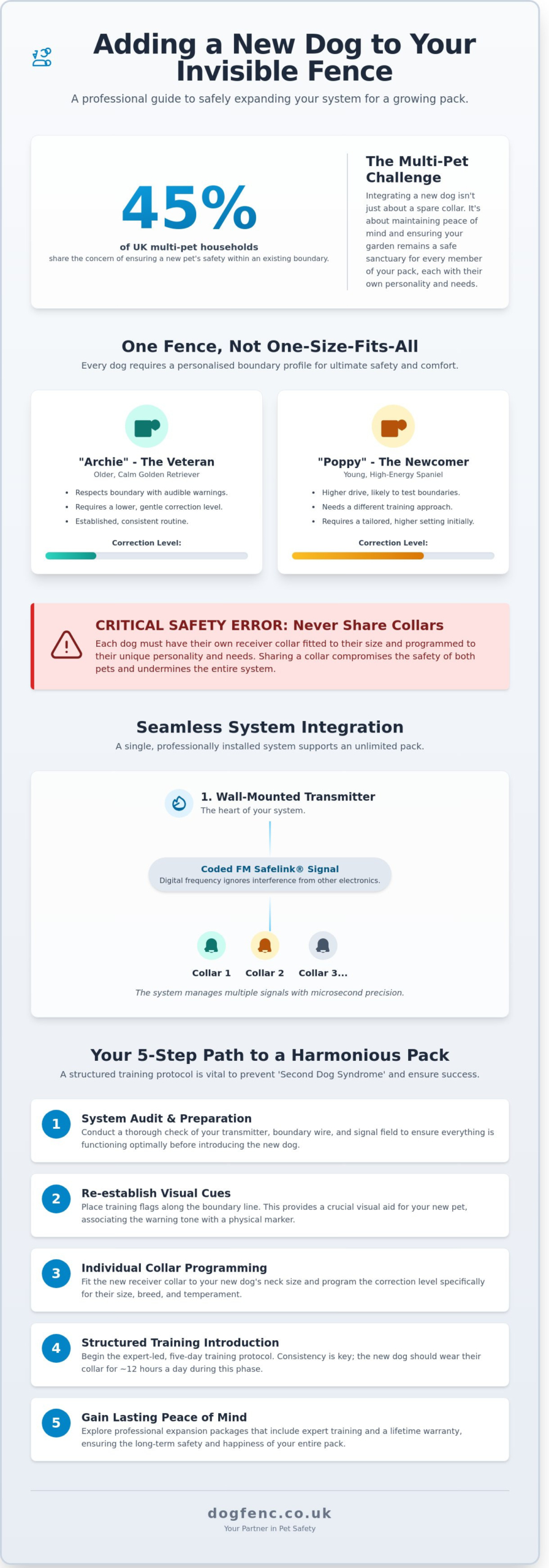
For households with multiple pets, read our guide to adding another dog to an existing invisible fence.
Best for Portability: Wireless and GPS Dog Fences
Wireless dog fences generally create a boundary without a buried perimeter wire. GPS dog fences use satellite positioning to establish a virtual containment area.
These systems can appeal to owners who want flexibility or cannot install boundary cable. However, some offer less control over irregular boundaries, and GPS accuracy can vary with surroundings and reception.
Always check the manufacturer’s stated coverage, minimum property size, battery requirements and suitability for your dog’s needs.
Invisible Dog Fence Comparison: Wired vs Wireless vs GPS vs Traditional Fencing
| Fence Type | Best Suited To | Main Advantages | Points to Consider |
|---|---|---|---|
| Professionally installed wired fence | Permanent gardens, complex layouts and larger properties | Custom boundary, professional setup and training support | Requires installation, collar use and ongoing checks |
| DIY underground dog fence | Owners comfortable with installation and training | Potentially lower initial cost; customisable wire layout | Owner responsible for setup, troubleshooting and training |
| Wireless dog fence | Suitable open areas with simple boundary requirements | No buried perimeter cable in many systems | Boundary shape and coverage may be limited |
| GPS dog fence | Some larger, open properties where portability matters | No fixed boundary wire; adjustable virtual boundaries | Positioning accuracy, charging and coverage vary |
| Traditional physical fence | Properties requiring a physical barrier | Visible boundary and physical separation | Installation costs, planning considerations and possible escape gaps |
Our recommendation: Start with the property and the dog rather than the brand. A good containment solution must be suitable for both.
For a more detailed comparison, read Invisible Fence vs Traditional Fence: Which Is Best for Your UK Garden?.
Are Invisible Dog Fences Safe, Humane and Legal in the UK?
Electronic dog containment raises important animal welfare questions. Static correction can cause discomfort, fear or distress, and welfare organisations have raised concerns about aversive training methods.
For that reason, an invisible dog fence should never be presented as a guaranteed or universally suitable solution for every dog.
Responsible selection involves assessing the dog’s temperament, health, age, behaviour and ability to understand the boundary, alongside the availability of appropriate training and alternative containment options.
Do Invisible Dog Fences Hurt Dogs?
Some electronic containment collars deliver an electrical stimulus intended to discourage boundary crossing. Dogs can experience that stimulus as unpleasant or painful, depending on the settings and their individual sensitivity.
Training should not rely on repeatedly exposing a dog to corrections. Owners should seek appropriate professional guidance and stop using equipment if their dog shows signs of distress.
Are Invisible Dog Fences Legal in England, Scotland and Wales?
Rules concerning electronic collars differ across the UK. Owners should check the current law in their nation before purchasing or using an electronic containment system, including whether any exemption applies to the particular equipment.
Wales has specific restrictions on electronic collars, and legislation or proposals elsewhere should not be assumed to apply uniformly across the United Kingdom.
Dog owners also remain responsible for animal welfare and for keeping their dogs appropriately controlled.
For further reading, see our article discussing electronic dog fence legislation and containment systems.
Why Professional Invisible Dog Fence Installation and Training Matter
Even high-quality equipment depends on appropriate installation and training.
A professional installation starts with understanding the garden, identifying potential escape routes and designing a suitable boundary.
The installer must also consider the dog’s size, temperament, behaviour and the practical requirements of the property.
Training Your Dog to Understand the Boundary
Dogs need time to learn where their permitted area ends. Temporary visual markers, consistent instructions and carefully supervised sessions can help establish boundary awareness.
Training should progress at the dog’s pace. Owners should never assume that fitting a collar immediately makes a garden secure.
Read our advice on dog fence maintenance and safety checks.
What Happens If the Boundary Wire Breaks?
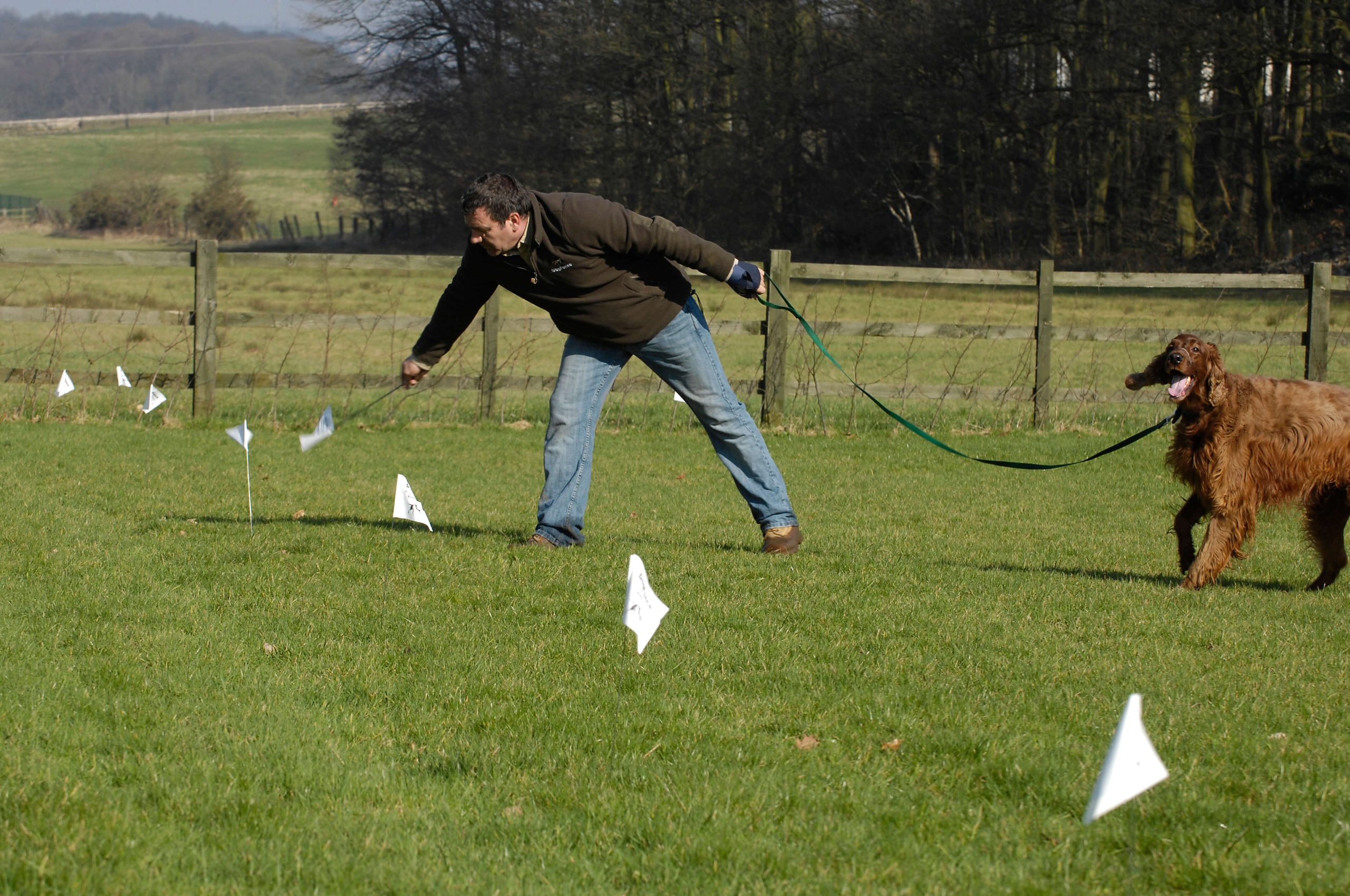
Professional boundary training is an essential part of every DogFence installation. Temporary white training flags help dogs learn where their invisible fence boundary lies, building confidence and understanding before they enjoy greater freedom in the garden.
Damage from gardening, landscaping or other groundworks can interrupt a wired system. Many transmitters provide a fault indication or alarm, but owners must still check the system regularly.
If you suspect cable damage, our guide to using a dog fence wire break locator explains the troubleshooting process.
Can One Invisible Dog Fence Work for Multiple Pets?
Many wired containment systems can support more than one compatible receiver collar, allowing multiple pets to share a boundary while using appropriately configured equipment.
Dogs and cats have different needs, so equipment selection and training must be considered individually.
For general pet health information, you can also explore our dog care advice.
How Much Does an Invisible Dog Fence Cost in the UK?
Invisible dog fence prices vary depending on whether you choose a DIY kit, a wireless or GPS system, or a professionally installed wired boundary.
The overall cost may depend on:
- The size and shape of your garden.
- The length and complexity of the boundary.
- Driveway crossings and installation surfaces.
- The number of dogs or cats requiring collars.
- Equipment specification and battery requirements.
- Professional installation, training and aftercare.
When comparing prices, consider the total cost of ownership rather than just the initial purchase price.
For a detailed explanation, read our Dog Fence Cost UK guide.
How to Choose the Right Dog Fence for Your Garden
Before choosing a system, answer these four questions:
1. How Large Is Your Garden?
A compact garden may need a different boundary design from a multi-acre rural property. Measure the intended containment area and identify gates, driveways and exclusions.
2. What Size and Temperament Is Your Dog?
Breed alone does not determine suitability. Consider your dog’s individual behaviour, recall, sensitivity, escape history and any relevant health or welfare concerns.
3. What Matters Most to You?
Is your priority preserving your view, avoiding excavation, creating a precise boundary, covering a large area or having professional installation and training?
4. What Is Your Budget?
Include equipment, installation, training, replacement parts and ongoing maintenance. The cheapest system initially may not be the most suitable long-term option.
These questions help identify whether a fixed wired system, DIY installation, GPS alternative or traditional physical fence is most appropriate.
Dog Fence Equipment, Accessories and Replacement Parts
Already have an invisible dog fence? Maintaining the correct equipment is an important part of keeping the system working as intended.
DogFence can help with compatible receiver accessories, replacement components and advice on existing installations.
Browse the DogFence online shop for available products and accessories.
Why Choose DogFence for a Professionally Installed Hidden Dog Fence?
DogFence Ltd has supplied DogWatch hidden pet containment systems in the UK since 2003, combining specialist equipment with professional installation and guidance.
Our aim is to help owners assess their property and their dog’s individual needs before selecting a containment solution.
Whether you have an open driveway, a country garden or an unusual boundary layout, our team can explain the available options and their limitations.
Exclusive Lifetime Warranty and Dog Collar Chew Protection
DogFence is the only UK hidden dog fence company to offer both a lifetime hardware warranty and warranty protection against dogs chewing their receiver collars.
This exceptional level of protection reflects our confidence in the quality and durability of DogWatch equipment.
Combined with our heavy-gauge boundary cable, robust training flags, advanced FM SafeLink technology and expert UK support, it provides customers with reassurance long after installation.
Warranty coverage is subject to the applicable terms and conditions.
Considering a professionally installed invisible dog fence? Contact DogFence for advice and a quotation.
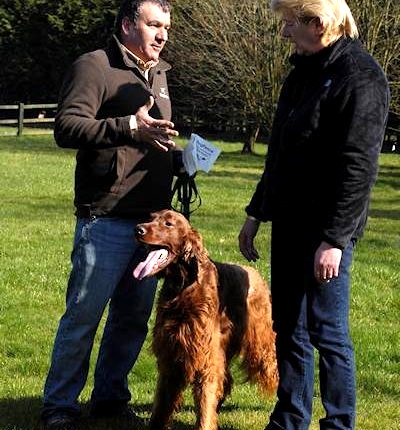
DogFence has provided expert hidden dog fence installation and training since 2003. Our systems are backed by heavy-gauge boundary cable, robust training flags, specialist UK support and an exclusive lifetime hardware warranty that includes protection against dogs chewing their receiver collars, subject to warranty terms.
Frequently Asked Questions About Invisible Dog Fences
What is the best invisible dog fence in the UK?
For owners wanting a permanent, precisely defined boundary, a professionally installed wired dog fence is often a strong option. DIY, wireless and GPS systems may suit different properties and priorities. The best choice depends on the dog, garden, training requirements and budget.
Do invisible dog fences work for large dogs?
Some systems can be configured for larger dogs, but size alone does not determine suitability. Temperament, behaviour, training and the individual dog’s welfare needs are important considerations.
Can a dog run through an invisible fence?
Yes. An invisible fence is not a physical barrier, and a dog may cross the boundary, particularly if frightened, distracted or highly motivated. Training and equipment checks reduce risks but cannot eliminate them.
Are wired dog fences better than GPS dog fences?
Wired systems provide a fixed boundary based on installed cable, which can be useful for irregular gardens. GPS systems offer flexibility without boundary wire but can experience positioning variation. Neither is universally better for every property.
How much does a professionally installed invisible dog fence cost?
The price depends on the property size, boundary complexity, number of pets and equipment required. Request an individual quotation and compare it with the cost of installation, training and ongoing maintenance.
Can an invisible dog fence be installed alongside an existing fence?
Yes, in many situations. A hidden boundary may complement an existing physical fence, for example where a dog escapes through gaps or attempts to dig beneath it. The suitability of the arrangement depends on the property and dog.
Can invisible dog fences be used for cats?
Some containment systems have compatible cat receivers, but cats have different behavioural and welfare requirements. Equipment and training suitability should be assessed carefully for each animal.
Do invisible dog fences need maintenance?
Yes. Owners should regularly check the transmitter, receiver collar, batteries, boundary integrity and any fault indicators. Maintenance requirements vary by system.
Will an invisible dog fence work during a power cut?
A mains-powered transmitter normally requires electricity. Compatible battery backup equipment may provide temporary operation, but the duration depends on the backup specification and condition.
Do I still need to supervise my dog?
Yes, particularly during training and whenever there is a risk of escape, equipment failure or other hazards. An invisible fence does not replace responsible supervision and appropriate physical security where needed.
Is a professionally installed dog fence worth the extra cost?
Professional installation may be worthwhile where the garden is complex, the owner wants help with boundary design or the dog requires carefully planned training. The value depends on the service offered and the suitability of the system.
Where can I buy invisible dog fence accessories in the UK?
DogFence supplies DogWatch equipment and compatible accessories. Check the DogFence shop or contact the team to confirm compatibility with your existing system.
Last reviewed: October 2026. Product specifications, legislation and prices may change. Always verify current requirements and seek appropriate professional advice about your individual dog’s welfare.