How Tight Should a Dog Fence Collar Be? Complete Fitting Guide
How Tight Should a Dog Fence Collar Be? A Guide to Safe & Comfortable Fitting
How tight should a dog fence collar be is a very common question we receive from owners using an invisible dog fence for the first time. Getting the fit right is essential for comfort, effectiveness, and your dog’s safety. A correctly fitted collar helps your dog learn the boundary quickly and ensures the system works exactly as intended.
At DogFence Ltd, we’ve safely contained over 20,000 pets, and we know from experience that collar fit is one of the most important parts of the process. The good news is that it’s simple — and once fitted correctly, your dog can enjoy complete freedom in the garden without risk of escape. If you would like to know more about how our dog fence collars works read here:
So, How Tight Should a Dog Fence Collar Be?
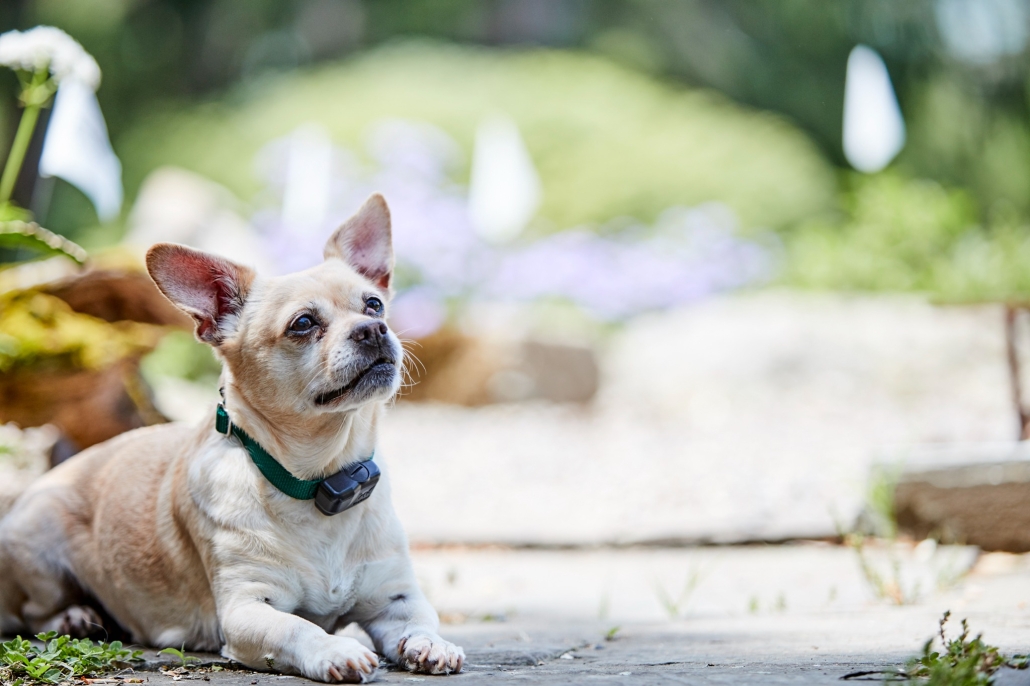
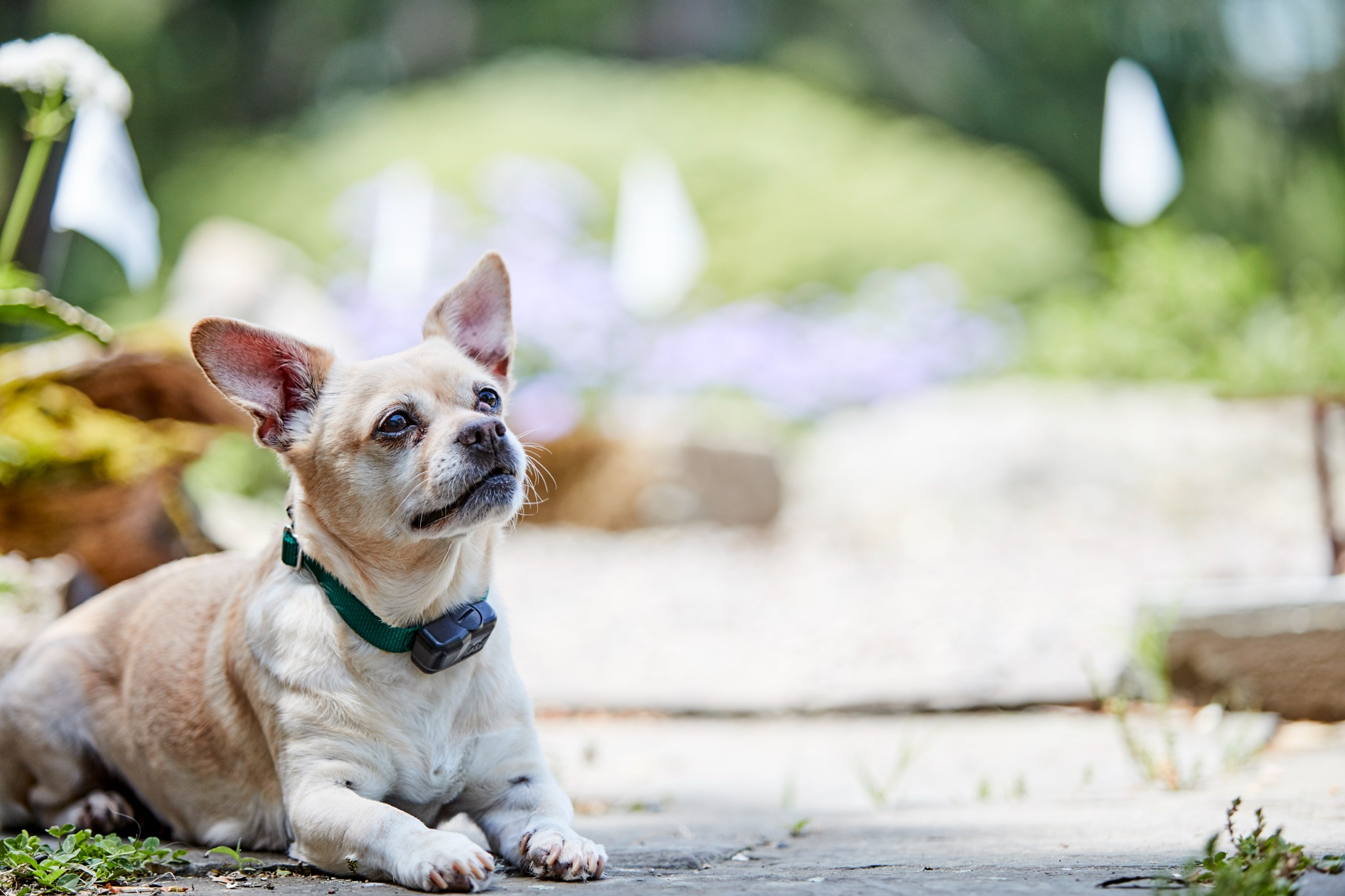
The collar should be fitted snugly — similar to a regular flat collar — but not tight. A good guideline is the classic “two-finger rule”. You should be able to slide two fingers comfortably between the strap and your dog’s neck.
Check how to fit the dog fence collar correctly
A snug fit is essential because the collar needs to make gentle contact with the skin in order to communicate effectively. Without consistent contact, the collar may not activate properly, or the training level may need to be increased unnecessarily.
If you aren’t sure whether the fit is right, our Professional Installation team can help check and adjust it during training.
Why Correct Collar Fit Matters
When owners ask how tight should a dog fence collar be, what they’re really asking is: “How do I make sure it’s comfortable and safe?” Here’s why it matters:
- Comfort – a properly fitted collar won’t rub or irritate the skin.
- Consistency – the boundary signal works reliably when the posts make light contact.
- Lower training levels – good contact means gentle, low-level settings are effective.
- Faster learning – your dog will respond quickly to the warning beep and learn to retreat.
These factors all contribute to a positive training experience and support the fact that dog fence collars are safe when fitted and used properly.
How to Check Whether the Collar Is Too Loose
If the collar moves around easily, slides off-centre, or drops forward toward the chest, it is too loose. A loose collar can cause:
- rubbing or chafing due to movement
- inconsistent contact
- intermittent boundary signals
- confusing training for the dog
This is one of the most common fitting mistakes we see. A loose collar does not make the system “kinder” — in fact, the opposite is true. Poor contact makes the warning inconsistent, so your dog learns more slowly and may become confused.
Signs the Collar Is Too Tight
A collar that is too tight may cause:
- indentations in the fur after removal
- difficulty sliding two fingers under the strap
- visible discomfort
Dog fence collars do not need to be tight — they simply need light, consistent skin contact.
Understanding the Contact Posts
The posts on the collar are rounded stainless-steel contacts — not spikes or prongs. Their role is similar to the pads on a TENS machine: they must touch the skin lightly to allow the collar to send the training cues.
For long-haired dogs, longer posts may be needed to reach the skin. For short-coated dogs, owners can choose our Smooth Comfort Contacts, a softer conductive option. If you’re unsure which your dog needs, just ask during installation.
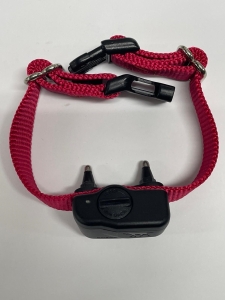
The DogFence collar with stainless steel contact posts
Comfort Contacts: A Softer Option for Short-Coated Dogs
For dogs with smooth or short coats, DogFence also offers Comfort Contacts — specially designed conductive plastic contact posts that replace the standard stainless steel contacts.
Comfort Contacts are softer to the touch and are ideal for short-haired breeds where reaching the skin does not require longer contact posts. They provide the same reliable communication as stainless steel contacts, while offering an extra level of comfort for suitable dogs.
It’s important to note that Comfort Contacts are not suitable for long-haired or thick-coated dogs, as they may not consistently reach the skin. As with all dog fence collars, correct collar fit remains essential — Comfort Contacts still need light, consistent skin contact to work effectively.
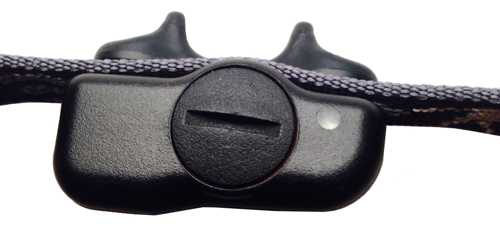
Smooth Comfort Contacts provide gentle, reliable skin contact, helping to ensure dog fence collars are safe and effective for pets
Remove the Collar Overnight
For comfort and skin health, we always recommend removing the dog fence collar overnight or when your dog is indoors for extended periods. This prevents any risk of irritation and gives the skin time to breathe.
Government Testing Confirms Safety
Many owners ask about collar fit because they want reassurance about safety. Multiple studies — including DEFRA-funded research from Newcastle University (Cooper et al.) and the UK Government’s own review (DEFRA) — confirm that containment collars are safe when used and fitted correctly.
Proper fit is part of what ensures the system remains gentle, humane, and reliable.
Need Help Fitting the Collar?
Our installers are highly experienced at fitting collars for all breeds — from small terriers to long-coated working dogs. If your dog is nervous, wiggly, or unsure, we can help you get the perfect snug fit without stress.
Keep Your Dog Safe With a Trusted DogFence System
Call us on
01628 476475
|
Chat to us on WhatsApp
|
Request a Free Quote Online