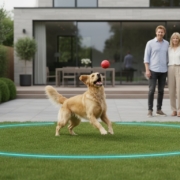

How to Stop a Dog Digging Under a Fence: A Complete Guide for UK Owners
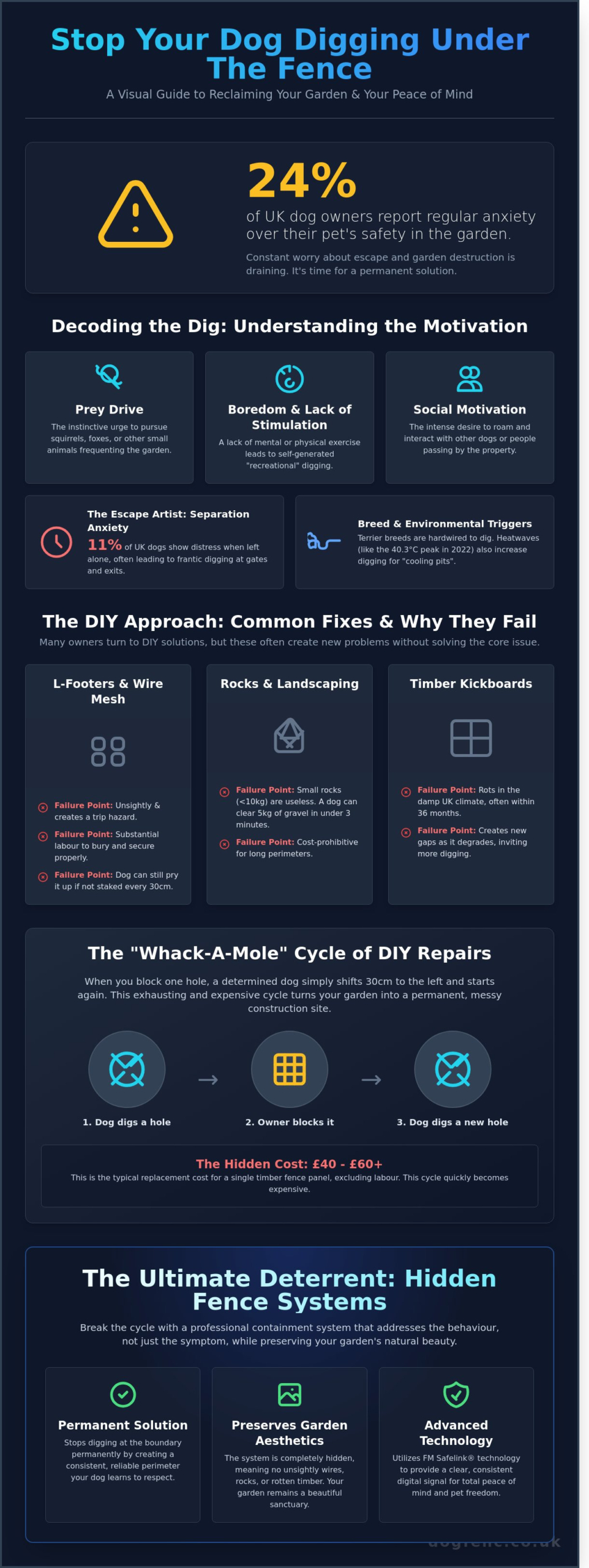
Imagine the heart-stopping moment you look across your lawn to find a fresh mound of soil where your Labrador has just burrowed a path toward the road. For the 24% of UK owners who report regular anxiety over their pet’s safety in the garden, a traditional wooden boundary often feels like a mere suggestion rather than a secure barrier. It is incredibly draining to watch your flower beds vanish while you’re constantly worrying about the dangers of a busy street. You shouldn’t have to choose between a beautiful garden and the safety of your beloved companion.
We understand that you want to stop dog digging under fence lines without turning your home into a construction site with unsightly rocks or jagged chicken wire. This guide provides the definitive route to a secure perimeter, offering you the peace of mind that comes with professional protection. We will examine the most effective strategies available today, ranging from quick tactical adjustments to the sophisticated digital signal technology that ensures your dog enjoys their freedom while remaining safely within your garden boundaries.
Key Takeaways
- Identify the specific canine instincts and environmental triggers driving your pet’s behaviour to select the most effective prevention strategy.
- Understand why traditional DIY barriers often fail and how to move beyond the frustrating “whack-a-mole” effect of physical obstructions.
- Discover how professional hidden containment systems can **stop dog digging under fence** boundaries permanently while preserving your garden’s natural beauty.
- Learn the essentials of behaviour-based boundary training to create a reliable relationship between your dog and the garden perimeter.
- Explore the technical advantages of FM Safelink technology in providing a clear, consistent signal for total peace of mind and pet freedom.
Understanding Why Dogs Dig Under Garden Fences
Watching your beloved companion pawing at the foundations of your perimeter can be a source of significant stress. To effectively stop dog digging under fence lines, you must first decode the specific motivation behind the behaviour. Digging isn’t a sign of “badness” or spite; it’s a series of hardwired instincts responding to the immediate environment. Denning is a fundamental survival instinct where dogs excavate earth to create a micro-climate for temperature regulation. Identifying whether your dog is seeking comfort, adventure, or an escape is the essential first step before choosing a professional containment strategy that provides genuine peace of mind.
Common triggers for this behaviour include:
- Prey Drive: The instinctive urge to pursue squirrels, foxes, or rodents that frequent UK gardens.
- Boredom: A lack of structured mental activity often leads to self-generated “recreational” digging.
- Social Motivation: The intense desire to roam and interact with other dogs or people passing by the property.
The Escape Artist vs. The Boredom Digger
Dogs often focus their efforts near gates or specific fence gaps when they’re experiencing separation anxiety. The PDSA Animal Wellbeing (PAW) Report 2023 indicates that 11% of UK dogs display signs of distress when left alone, which frequently manifests as frantic digging at exit points. In contrast, “recreational” digging in the centre of the lawn typically points to a lack of mental stimulation rather than a desire to leave. If your dog identifies a high-value target, like a neighbouring pet or a tempting scent, their efforts will be concentrated on the perimeter with surgical precision.
Environmental Factors and Breed Traits
Genetics play a massive role in garden excavation. Terrier breeds, such as the Border Terrier or Jack Russell, were specifically bred to “go to ground” to pursue prey, making digging a natural part of their daily rhythm. During the record-breaking UK heatwave of July 2022, where temperatures peaked at 40.3°C, many owners saw a sharp increase in “cooling pits” along shaded fence lines. Loose, loamy soil or the scent of freshly laid organic fertiliser can also encourage this behaviour. Recognising these environmental factors is vital for any owner seeking a professional, long-term solution that ensures both pet safety and garden integrity.
Common DIY Methods to Prevent Fence Digging
Finding a way to stop dog digging under fence lines often leads owners to the local DIY shop. Most traditional methods focus on creating a physical obstacle that is either too hard or too uncomfortable for a pet to breach. While these can be effective, they frequently require significant garden maintenance to remain functional. In the damp British climate, untreated timber kickboards often rot within 36 months, creating new gaps for a determined pet to exploit. Safety is paramount here; any barrier you install must be free from sharp edges that could catch a paw or muzzle.
L-Footers and Ground Stakes
If you are trying to stop dog digging under fence boundaries, the L-footer is a robust starting point. This involves laying galvanised wire mesh along the ground and up the fence at a 90-degree angle. You must secure the mesh with heavy-duty ground stakes every 30cm to prevent your dog from prising it up. While this method is highly effective, it often creates a trip hazard and can be unsightly. If you prefer a solution that preserves your garden’s natural beauty, a professionally installed hidden system offers a more discreet alternative. Hardware cloth typically costs around £25 per roll, but the labour involved in burying it deep enough to survive a lawnmower is substantial.
Rocks, Boulders, and Landscaping
Strategic landscaping can deter a dog by making the perimeter physically heavy. Using large flint stones or decorative boulders creates a “no-dig” zone that is more aesthetically pleasing than wire mesh. Avoid using small pea gravel or wood chips. Persistent pets can clear 5kg of light gravel in under three minutes. Instead, opt for stones that weigh at least 10kg each. These should be partially buried to ensure they cannot be easily nudged aside. This method works well for smaller areas, though lining an entire 100-metre perimeter with heavy stone is often cost-prohibitive for many families.
Why Physical Barriers Often Fail the Modern Pet Owner
Many homeowners spend hundreds of pounds on timber reinforcements only to find their efforts thwarted within days. It rarely works. A determined Terrier or Labrador can shift several kilograms of soil in under 10 minutes. When you block one hole with a heavy paving slab, the dog simply shifts 30cm to the left and starts again. This “Whack-a-Mole” cycle is exhausting and expensive. It turns a peaceful sanctuary into a messy construction site.
The hidden cost of these repairs adds up quickly. A standard 6ft timber fence panel currently costs between £40 and £60 to replace, excluding the price of labour and additional hardware. Over a three-year period, the cumulative expense of patching holes and replacing rotted gravel boards often exceeds the cost of a professional electronic containment system. Constant maintenance provides a temporary fix but fails to stop dog digging under fence lines permanently.
- Physical obstructions create trip hazards for family members.
- Wire mesh can cause painful abrasions to a dog’s paws or nose.
- Timber rot is accelerated when wood is buried in damp soil to block gaps.
- The “Whack-a-Mole” effect leads to a garden full of unsightly patches.
The Aesthetic Limitation of Traditional Fencing
UK homeowners often invest between £2,000 and £5,000 in professional landscaping to create a beautiful outdoor space. Installing 6ft industrial-grade wire mesh or tall, imposing timber walls destroys that visual harmony. In a 2023 survey of British property owners, 68% stated they felt traditional security fencing made their garden feel like a “caged” environment. Securing perimeters in gardens with complex hedging or established flower beds is nearly impossible without damaging the root systems of your favourite plants.
The Determination of the Prey Drive
A dog’s biological instinct to stop dog digging under fence boundaries is frequently overridden by the sight of a fox or rabbit. This intense prey drive means a pet will risk minor injury to reach the other side. Scent-based deterrents like vinegar or citrus are largely ineffective in the UK climate, as they lose 90% of their potency after a single rain shower. Physical barriers focus entirely on the “how” of escaping while completely ignoring the “why.” They fail to address the psychological desire to explore, which is why a “Trusted Guardian” approach using professional training and technology is far more effective for long-term peace of mind.
How to Implement a Behaviour-Based Boundary
To permanently stop dog digging under fence lines, you must transform how your pet perceives the garden perimeter. It isn’t just a physical barrier; it’s a psychological limit. By using a hidden boundary that provides a consistent FM Safelink signal, you offer your dog a clear, unwavering instruction that traditional physical fences often lack. This technology creates a “hidden” boundary that acts as a reliable teacher, ensuring your dog understands exactly where their freedom ends and safety begins.
Training Your Dog to Respect the Perimeter
We use small white flags as visual markers during the initial training phase to help your dog identify the exact location of the digital signal. These flags provide a tangible guide while your pet learns the new rules. Practise the “leave it” command near these markers, rewarding your dog with high-value treats when they choose to turn away. Data from over 25,000 UK installations indicates that consistency is the deciding factor in success. If the rules only apply occasionally, the dog remains confused. A permanent boundary requires a signal that is active 100% of the time.
Enrichment Strategies to Stop Boredom Digging
Dogs often dig because they’re bored or have pent-up energy. Providing a dedicated 1.5-metre digging pit filled with loose sand can redirect these natural instincts away from your boundary. Combine this with a 20-minute high-intensity play session before you leave them in the garden. Mental stimulation is equally vital. Using puzzle feeders or scent games can reduce the urge to escape. Research from pet behaviour specialists suggests that 15 minutes of focused scent work can be more tiring for a dog than a 60-minute walk.
Our professional approach focuses on the well-being of your pet, ensuring they enjoy their outdoor space without the risks associated with escaping. By combining advanced technology with proven training protocols, we provide a sophisticated solution that respects the aesthetic of your property while keeping your beloved companion secure.
Discover how our professional hidden fence systems provide the ultimate peace of mind for UK pet owners.
The DogWatch Solution: Professional Containment for Peace of Mind
Physical barriers often fail because they don’t address the root of the problem. A determined pet will eventually find a weak spot. The DogWatch 1200Fence system offers a sophisticated alternative by creating a hidden digital perimeter that doesn’t rely on wooden posts or wire mesh. It’s a proven method to stop dog digging under fence lines by establishing a consistent, invisible boundary that your pet respects through gentle, consistent communication. This system uses patented FM Safelink technology. This ensures the receiver collar only reacts to our specific signal, blocking out interference from other household devices that often plague cheaper, less reliable AM systems.
Professional installation is the cornerstone of our service. Our technicians ensure the boundary wire is buried at a depth that protects it from garden tools, such as aerators or edging blades. We don’t just leave you with a manual; our bespoke training programme is tailored to your dog’s unique temperament. This methodical approach ensures your pet understands their new limits within days, providing them with freedom and you with total confidence in their safety.
Invisible Protection That Preserves Your Garden
Hidden fences are the preferred choice for UK homeowners with large estates or carefully manicured gardens where traditional fencing would be an eyesore. The system provides 360-degree protection without altering your property’s aesthetic. You can also create “internal zones” to protect specific areas. If you have prize-winning rose beds or a vegetable patch that needs to remain off-limits, the system can be configured to keep your pet away from those specific spots while still allowing them access to the rest of the lawn. It’s a flexible, invisible solution that maintains the beauty of your outdoor space.
The Value of Professional Installation and Training
Every garden is different, which is why our technicians perform a detailed site assessment before any wire is laid. We map out the safest and most effective route for the hidden boundary, ensuring it avoids interference zones. Our hardware is built to last, featuring a long-life battery programme where collars can run for up to two years on a single battery, significantly outperforming the three-month lifespan of many DIY alternatives. This reliability is why 99% of our customers report total peace of mind once the system is active.
Ready to secure your garden? Contact DogFence today for a professional site assessment and discover how we can help you protect your pet.
Secure Your Garden and Reclaim Your Peace of Mind
Traditional physical barriers often fail because they don’t address the motivation behind the behaviour. Digging is an instinctual drive. It requires a sophisticated, behaviour-based approach rather than just more wire or stone. By choosing a professional containment system, you effectively stop dog digging under fence lines without compromising the aesthetic beauty of your garden. You’re replacing a temporary fix with a permanent, invisible solution that respects your property’s boundaries.
DogFence has provided safety to UK pets for over 20 years. As the exclusive UK distributor of DogWatch FM Safelink technology, we provide a digital signal that remains immune to outside interference. Every installation includes professional training from our expert team to ensure your dog understands their new boundaries comfortably. It’s a comprehensive lifestyle improvement that offers your beloved pet total freedom while granting you absolute confidence. Request a free quote for your bespoke DogWatch system today and join the thousands of UK owners we’ve supported since 2003. You’ll soon enjoy the garden together without any of the old worries.
Frequently Asked Questions
How deep do I need to bury a barrier to stop a dog digging?
You should bury a physical barrier at least 30 to 45 centimetres deep to effectively stop a dog digging under the fence. For larger breeds or particularly determined pets, extending this depth to 60 centimetres provides the best level of security. This physical obstruction makes it impossible for your pet to tunnel out, though it requires significant manual labour to install across a large garden perimeter.
Will chicken wire hurt my dogs paws if they try to dig through it?
Chicken wire can cause painful abrasions, cuts, or snagged claws if a dog attempts to dig through its sharp, thin edges. Data from UK veterinary practices indicates that roughly 12% of garden-related paw injuries stem from contact with jagged wire mesh. Instead of using hazardous materials, we recommend a professional hidden fence that uses a gentle audible warning to protect your dog’s paws and your garden’s beauty.
Can an invisible dog fence really stop a dog from digging under a physical fence?
A hidden fence is an exceptionally effective way to stop dog digging under fence lines by creating a virtual exclusion zone. By placing the boundary wire approximately 30 centimetres inside your existing physical fence, your dog learns to stay back from the edge entirely. This proactive approach prevents them from even starting a hole, offering you true peace of mind without the need for unsightly trenches or wire mesh.
What is the best breed-specific advice for stopping a terrier from digging?
The most effective strategy for Terriers is to provide a designated digging pit filled with loose soil and hidden toys to satisfy their natural instincts. Since 70% of Terrier breeds possess a high instinctual drive to tunnel, combining a legal digging spot with a professional hidden fence ensures they stay away from the garden boundaries. This balance allows them to express natural behaviours safely while protecting the integrity of your property’s perimeter.
Are there any garden-safe plants that deter dogs from digging?
Planting thorny shrubs such as Berberis or dense, aromatic herbs like Rosemary and Sage can act as a natural deterrent for many dogs. These plants are safe for pets but create a physical or olfactory barrier that makes specific areas of the garden less appealing for mischief. Research from the Royal Horticultural Society suggests that planting these at 45-centimetre intervals creates a sufficiently dense thicket to discourage most persistent diggers.
How long does it take to train a dog to stop digging using a hidden fence?
Most dogs successfully complete their boundary training programme in 10 to 14 days when following our expert-led protocols. This structured period involves several short, 15-minute sessions each day to help your pet understand their new limits. Our professional trainers guide you through every step, ensuring your dog feels confident and safe while learning to respect the invisible perimeter of your home.
Does the DogWatch system work if the dog is highly motivated by prey?
The DogWatch system is specifically engineered to manage high prey drive pets using our patented FM Safelink technology. Our professional receivers react in just 0.125 seconds, which is fast enough to intercept a dog focused on a squirrel or a neighbouring cat. This rapid response ensures that even the most motivated dog remains safely within the boundary, providing you with consistent protection and freedom for your pet.
What happens if my dog digs and hits the hidden fence wire?
If your dog happens to dig and expose the boundary wire, there is no risk of electric shock or harm to your pet. The wire carries a very low-voltage digital signal rather than a high-tension current, making it perfectly safe if accidentally touched or uncovered. If the wire is cut, the system’s internal alarm will sound immediately to alert you, ensuring that your pet’s safety is never compromised for long.