
Remember remember the 5th November (& the weekend before!)
Fireworks and Pet Safety: Why Dogs and Cats Need Extra Protection

Bonfire Night, Halloween celebrations and New Year’s Eve can be particularly frightening for dogs and cats. The sudden bangs, flashes and vibrations from fireworks can trigger a powerful fear response, even in pets that are normally confident and relaxed.
At DogFence UK, we have been helping owners keep their pets safely contained since 2003. However, there is one important message we always want our customers to understand: during fireworks, even a well-trained dog or cat should be kept safely indoors.
This is especially important for owners using an invisible dog fence, electronic dog fence or cat containment system.
Can a Frightened Dog Run Through an Invisible Dog Fence?
Yes. A frightened dog can run through an electronic dog fence if it enters a state of panic.
Unlike a traditional wooden fence or wall, an electronic dog fence is a learned, psychological boundary rather than a physical barrier.
Through professional training, your dog learns to recognise the boundary flags, audible warning and the limits of its safe area. Under normal circumstances, this learned behaviour helps the dog remain within its designated boundary.
However, a sudden firework explosion can trigger an instinctive flight response. When a dog is extremely frightened, its immediate priority may be to escape the perceived danger rather than respond to its normal training.
In this situation, a dog could run through the electronic boundary.
The greatest concern is what happens afterwards. Once outside, the dog may be frightened of crossing the boundary again, particularly if it anticipates another collar correction. This can leave a distressed pet stranded outside its normal safe area.
That is why we strongly recommend keeping dogs indoors during fireworks rather than relying on any garden containment system.
For more information about how these boundaries operate, read our guide to how an electronic dog fence works.
What About Cats Using an Invisible Cat Fence?
The same principle applies to cats.
Cats can be particularly sensitive to unexpected noises and sudden changes in their surroundings. A loud explosion may cause a cat to bolt, climb, hide or attempt to escape.
Although a properly trained cat may normally respect its electronic containment boundary, extreme fear can override learned behaviour.
A frightened cat that crosses the boundary may then be reluctant to return through it, potentially leaving it outside and exposed to further danger.
Our advice for cat fence customers is simple: bring your cat indoors well before fireworks are expected and keep them inside until the disturbance has passed.
Ensure your cat has somewhere quiet to hide, access to water, food and a litter tray, and allow them to choose whether they want company or solitude.
You can learn more about our invisible cat fence systems and the importance of appropriate boundary training.
How to Keep Your Dog Safe During Fireworks
1. Walk Your Dog Before It Gets Dark
Plan your dog’s walk earlier in the day, preferably while it is still light and before fireworks are likely to begin.
Keep your dog on a secure lead, even if they are normally reliable off lead. A sudden explosion can frighten even a well-trained dog.
Allow time for toileting before returning home. Some frightened dogs may refuse to go outside once fireworks begin.
2. Keep Dogs and Cats Indoors
This is the single most important precaution for owners using electronic dog or cat fencing.
Do not assume that your pet will remain within its normal garden boundary when frightened.
Close external doors, windows and cat flaps where appropriate, and make sure everyone in the household understands the importance of preventing accidental escapes.
If your dog needs a toilet break during fireworks, accompany them outside on a secure lead rather than allowing them to roam freely in the garden.
3. Create a Quiet, Comfortable Space
Close curtains and blinds to reduce flashes of light, and use the television, radio or gentle background music to help mask some of the noise.
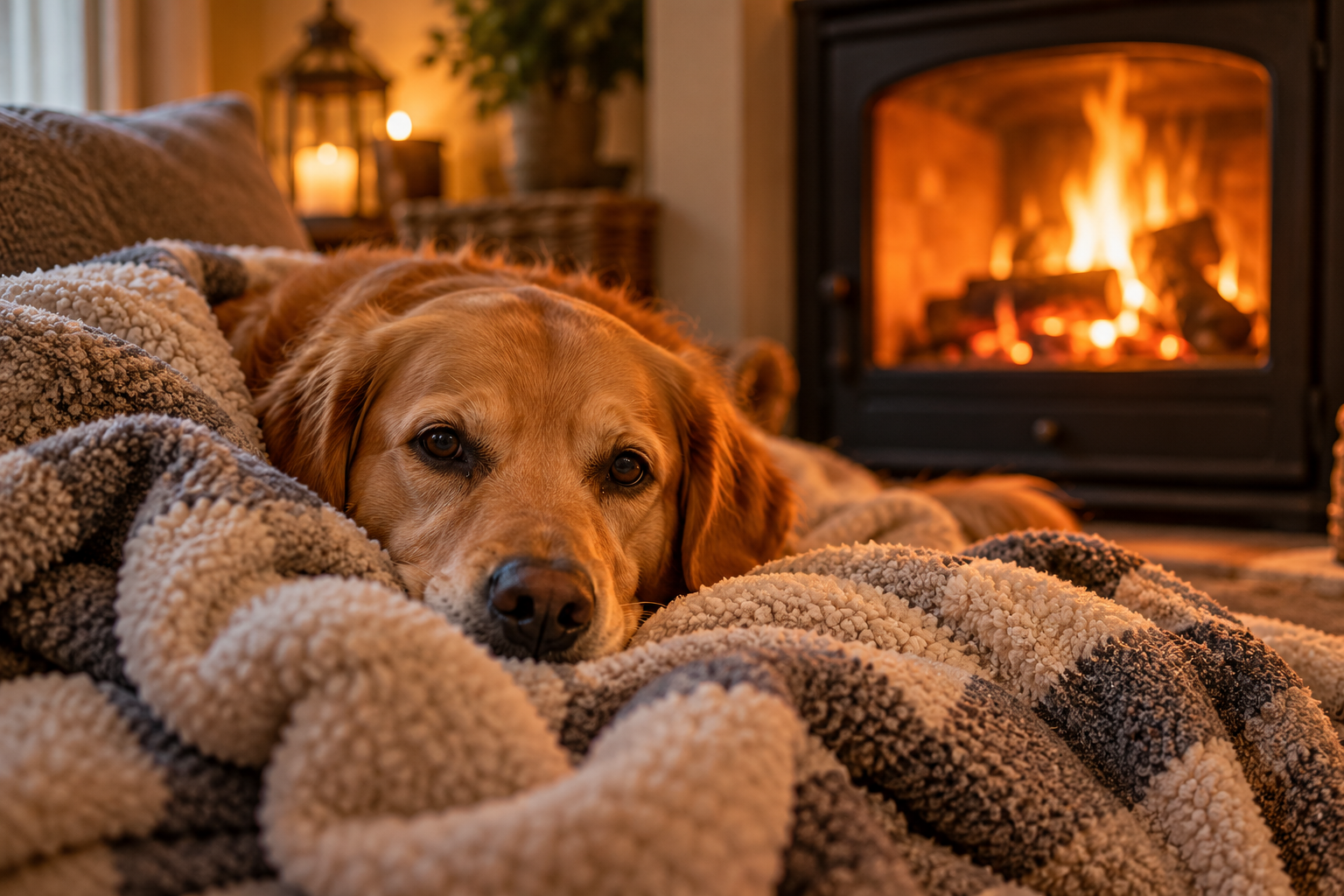
Provide a familiar bed, blankets and a quiet area where your pet feels secure.
Some dogs prefer to settle beside their owners, while others may choose a covered crate or quiet room. Allow your pet to decide where they feel most comfortable.
4. Comfort Your Pet If They Need Reassurance
It was once commonly suggested that comforting a frightened dog would reinforce its fear. However, fear is an emotional response, not a behaviour that is rewarded simply by offering reassurance.
If your dog seeks comfort, respond calmly and gently. If they prefer to hide, give them space.
Never punish a frightened animal or force them to confront fireworks.
5. Check Microchips and Identification
Despite your best precautions, accidents can happen.
Make sure your dog’s or cat’s microchip details are up to date, including your current address and telephone number.
Dogs should also wear an appropriate identification tag when required by law.
Remember that an electronic containment system is not a substitute for microchipping, identification or supervision.
6. Speak to Your Vet About Severe Firework Anxiety
If your dog or cat experiences extreme distress during fireworks, speak to your veterinary practice before the fireworks season.
Your vet may recommend a behaviour modification programme, environmental changes or appropriate medication for severe noise-related anxiety.
Preparation is usually much more effective than waiting until your pet is already panicking.
What Should You Do If Your Dog Crosses Its Electronic Fence During Fireworks?
If your dog has escaped through its electronic boundary, do not encourage it to cross back while wearing an active receiver collar.
Instead:
- Remain calm and avoid chasing or shouting at your dog.
- If safe, approach with a lead and encourage your dog towards you.
- Switch off the containment transmitter, or have another household member do so, before bringing the dog back across the boundary.
- Check that the system is inactive before crossing, as the receiver may still respond while the boundary is powered.
- Once safely home, remove the collar and allow your dog to settle.
- Contact your DogFence installer for advice before allowing your pet to use the system again.
If your pet cannot be located, contact your local veterinary practices, microchip database and relevant lost-pet services promptly.
A frightening experience at the boundary may affect your dog’s confidence, so a review of training may be necessary before normal garden access resumes.
Does This Mean Electronic Dog Fences Don’t Work?
No. It means recognising the difference between a physical barrier and a trained containment boundary.
A professionally installed electronic dog fence is designed to help a suitably trained pet recognise and respect the limits of its garden or property.
However, no electronic containment system can guarantee that an animal will never cross the boundary, particularly during an extreme fear response.
Fireworks, thunderstorms and other unexpected events can create circumstances in which normal learned behaviour is overwhelmed.
Understanding these limitations is part of responsible pet ownership and safe system use.
For owners comparing different containment methods, our guide to dog fence solutions for rural and urban properties explains the differences between traditional fencing and electronic dog fences.
Our Advice for Bonfire Night and New Year’s Eve
Whether you own a dog, a cat or both, the safest approach during fireworks is to plan ahead.
Bring your pets indoors before fireworks begin, keep them comfortable and supervised, and never rely solely on an invisible dog fence or cat fence when your pet may be frightened.
At DogFence UK, we believe that understanding how your containment system works — including its limitations — is just as important as choosing the right equipment.
DOGFENCE UK • SINCE 2003
A Safe Pet Starts With the Right Advice.
Have questions about your dog or cat fence? Our experienced team is here to help you understand your system, your pet’s training and the safest approach for your home.
☎ CALL US 01628 476475 | Chat with our team |
Some images in this article may be AI-generated for illustrative purposes.