
Dog Fence Installation: DIY vs. Hiring a Professional
Dog Fence Installation: DIY vs Hiring a Professional
DIY vs Professional Dog Fence Installation – What’s Right for You? DIY vs professional dog fence installation is a common dilemma for dog owners who want reliable containment without unnecessary cost. In this guide, we compare both options to help you decide what’s right for your property and your pet. Dog fence installation is one of the most important stages in setting up a safe and reliable electronic containment system. Whether you are considering a DIY kit or professional dog fence installation, the way the system is installed directly affects performance, safety and long-term reliability.
Many problems attributed to dog fences are not caused by the technology itself, but by incorrect installation, poor cable placement or inadequate training.
What Is Involved in Installing a Dog Fence?
The Installation typically involves:
- Planning the boundary layout
- Burying or securing the boundary wire
- Programming the receiver collar
- Setting appropriate correction levels
- Training the dog to understand the boundary
When done correctly, the buried boundary system creates a consistent invisible perimeter that your dog learns to respect.
If you’re still exploring how these systems work before deciding on installation, our guide to an electric fence for dogs explains how modern containment technology operates in practice.
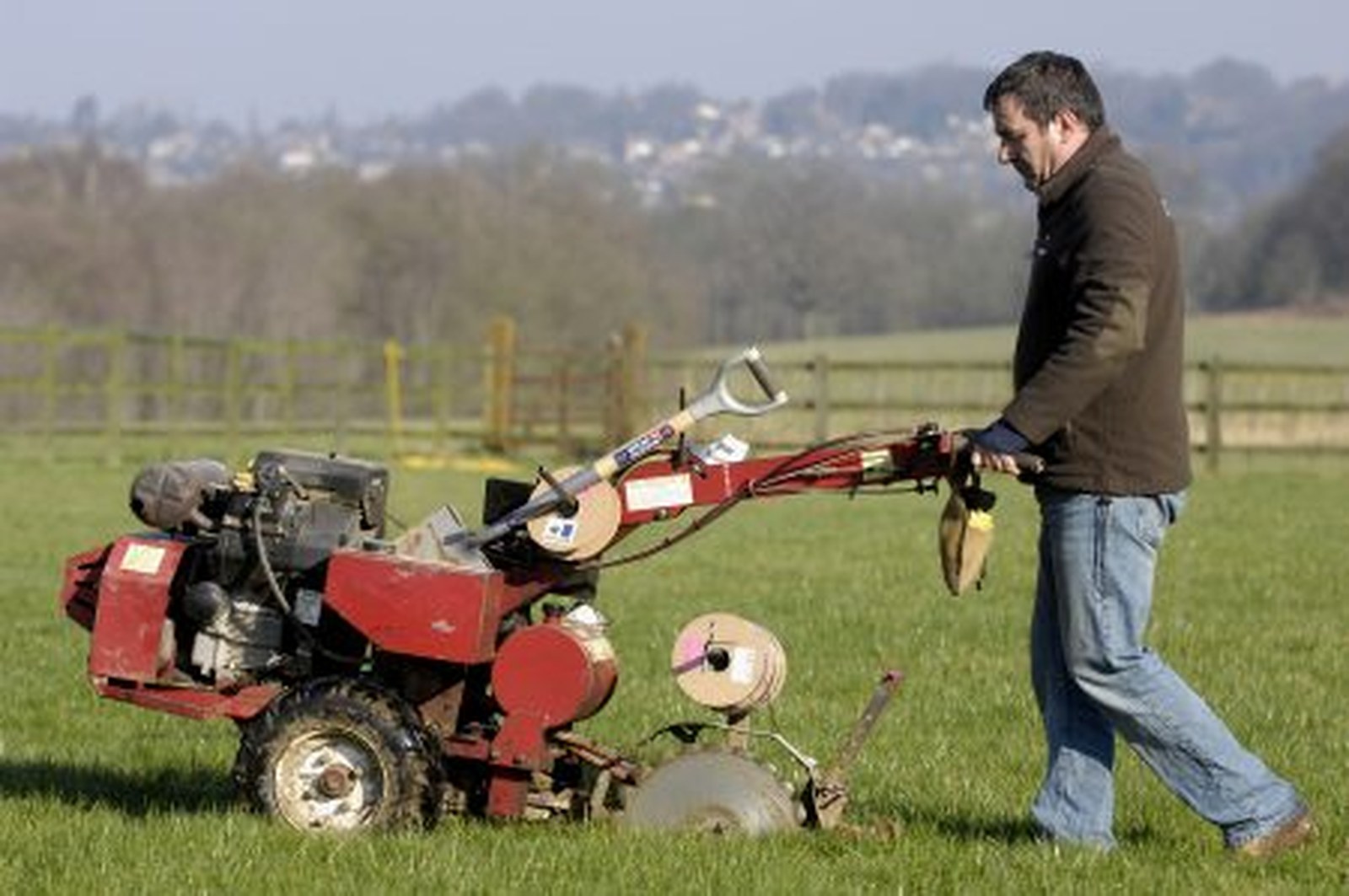
Cutting a narrow trench for a buried dog fence boundary wire during installation.
DIY vs Professional Dog Fence Installation: Key Differences
Some homeowners choose DIY dog fence installation kits. When comparing DIY vs professional dog fence installation, the main differences come down to cost, expertise and long-term reliability.
Pros of DIY Installation
- Lower upfront cost
- Flexibility to install at your own pace
- Suitable for simple, flat garden layouts
Cons of DIY Installation
- Incorrect wire depth or placement
- Lighter cable used instead of professional-grade wire
- Poor driveway crossings
- Incorrect collar programming
- Inadequate training support
Many DIY installations fail not because the system is flawed, but because the boundary wire is not installed securely or consistently.
Improper dog fence installation can lead to signal breaks, inconsistent correction zones and confusion for the dog.
Professional Dog Fence Installation: What’s Different?
When a dog fence is installed professionally is should include:
- Property survey and boundary planning
- Correct driveway and pathway crossings
- Heavy-duty boundary cable
- Lightning protection
- Bespoke collar programming
- Structured training sessions
A professionally installed electronic containment system is designed to last for years with minimal disruption.
If you’re weighing up welfare concerns as part of your decision, it can also help to read our article on the controversy surrounding dog fences and whether they are cruel or necessary.
Can Dog Fence Wires Cross a Driveway?
Yes.
One of the most common concerns about dog fence installation is whether the boundary wire can cross driveways.
Professional installers can:
- Cut a narrow channel in concrete or tarmac
- Seal the cable safely below the surface
- Run cable beneath block paving
- Protect wiring against long-term wear
Correct driveway crossing is one of the biggest differences between DIY and professional dog fence installation.
Is Professional Dog Fence Installation Safer?
A Professional installation itself does not determine whether a system is humane — but correct installation plays a major role in safe operation.
Poor installation can cause:
- Inconsistent correction zones
- Delayed warning tones
- Signal gaps
- Dog confusion
When a dog fence is fitted out, the system delivers a predictable, programmable boundary that most dogs quickly understand.
If you are still deciding whether electronic containment systems are suitable for your pet, our evidence-led guide on whether electric dog fences are cruel or kind may help clarify the welfare and training considerations.
How Long Does it Take to Install a Dog Fence?
For an average suburban garden, professional dog fence installation is often completed in a day.
Larger rural properties may take longer depending on:
- Boundary length
- Terrain
- Driveway crossings
- Woodland or uneven ground
Once installation is complete, structured training begins immediately.
Should You Choose DIY or Professional Installation?
Installing a DogFence is not just about burying a wire — it is about creating a reliable training boundary. Not sure whether to choose DIY or professional dog fence installation?
DIY installation may be suitable if:
- Your property is small and simple
- You are confident with cable routing
- You understand programming and training principles
Professional installation may be better if:
- Your dog has a strong escape drive
- Your property has driveways, slopes or complex boundaries
- You want long-term reliability
- You prefer guided training support
At DogFence Ltd, we have completed dog fence installation projects across England — from compact urban gardens to large rural estates.
Correct installation helps ensure the containment system functions consistently, predictably and safely.
Considering an Electric Fence for Dogs?
Whether you choose DIY or professional installation, we’ll help you decide if an electric fence for dogs is the right solution for your property and your pet.
Call us on
01628 476475
|
Message us on WhatsApp
|
Request a Free Quote Online