
Can a Dog Run Through an Invisible Fence? What Happens If They Do?
Can a Dog Run Through an Invisible Dog Fence? What Happens If They Cross the Boundary?
Yes, a dog can physically run through an invisible dog fence boundary, because there is no physical barrier stopping them. However, a professionally installed and correctly trained electronic dog fence is designed to teach the dog to recognise and avoid the boundary before they reach it.
The key to successful containment isn’t simply the collar. It is the combination of a correctly designed boundary, appropriate receiver settings and, most importantly, proper dog fence training.
At DogFence, we have been installing hidden electronic dog fences in the UK since 2003 and have helped contain more than 20,000 pets. One of the most common questions we hear from owners considering an invisible dog fence is:
“But what stops my dog just running straight through it?”
It’s a very reasonable question. Here’s how the system works — and what happens if a dog does cross the boundary.
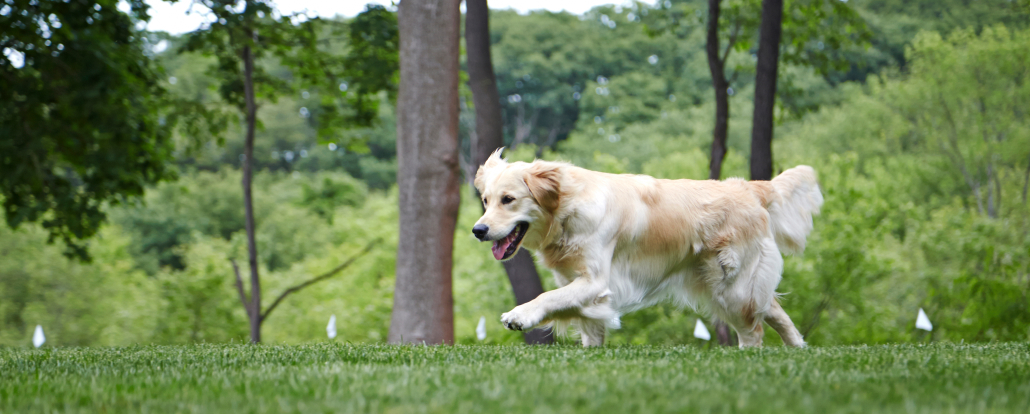
A trained dog enjoying freedom within its invisible DogFence boundary.
Can Dogs Run Through an Invisible Fence?
Technically, yes. An invisible fence, also known as an underground dog fence, hidden dog fence or electronic dog containment fence, does not create a physical wall. Check out our page on How it Works to get a better understanding of the system.
But that’s not how the system is designed to contain your dog.
Rather than physically blocking the dog, the fence establishes a boundary that your dog learns not to cross.
A professionally installed system uses an underground boundary wire to create the containment area. Your dog wears a small receiver collar that communicates with that boundary.
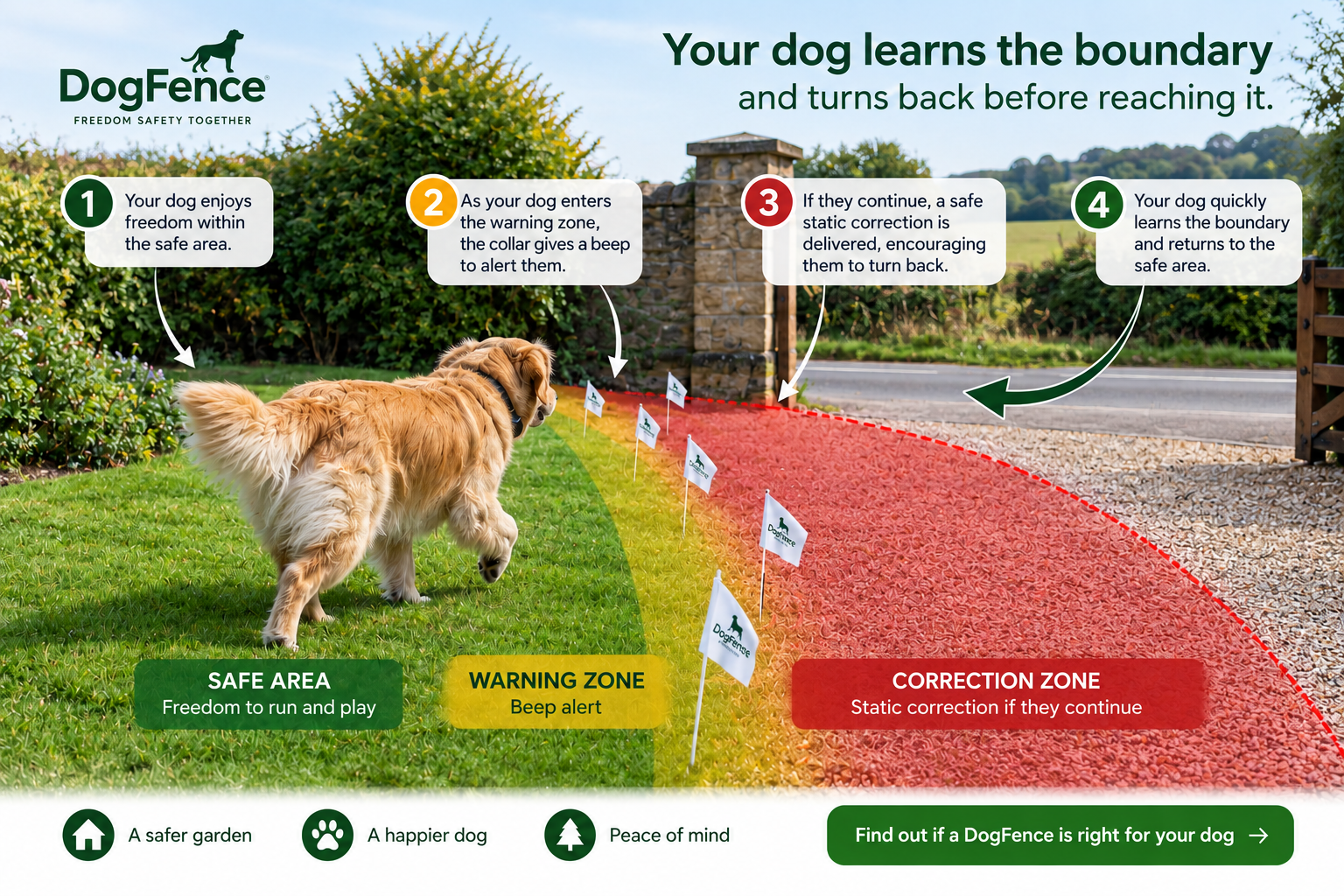
As your dog approaches the edge of the permitted area, the collar provides a warning. During training, the dog learns to associate that warning with the boundary and to turn back towards the safe area.
See it in action: Watch our short video explaining How aDogFence hidden dog fence works and how your dog learns the boundary.
What Stops a Dog Running Through an Invisible Fence?
The most important factor is training.
A common misconception about electronic dog fences is that a system is installed, a collar is placed on the dog and the dog is simply expected to understand it.
That isn’t how a properly installed dog containment fence should be introduced.
Initially, visible training flags mark the invisible boundary. The dog is introduced gradually to the warning area and taught that retreating from the boundary is the correct response.
The aim is for your dog to learn:
warning = boundary = turn back
Over time, the dog learns the location of the safe area and should respond before reaching the correction zone.
This is why professional installation and training can make such a difference to the reliability of an invisible fence for dogs.
What Happens If a Dog Crosses an Invisible Fence Boundary?
If a dog continues towards or crosses the electronic boundary instead of responding to the warning, the receiver collar activates according to the system’s settings.
The purpose is not to wait until the dog escapes and then somehow bring them home.
The purpose is to prevent the escape in the first place by teaching the dog not to cross the established boundary.
That distinction is important.
An underground electronic dog fence is therefore very different from a GPS tracker. A tracker can help you locate a dog after it has escaped; a containment fence is designed to stop the dog leaving its designated area.
Read our GPS Dog Fence vs Hidden Electronic Dog Fence comparison to understand the differences between the technologies.
Will a Dog Keep Running Through an Invisible Fence?
A properly trained dog should learn to turn away from the boundary rather than repeatedly testing or crossing it.
However, no dog containment system should simply be assumed to suit every dog.
Factors that can affect successful invisible dog fence training include:
- the dog’s temperament
- previous escape behaviour
- prey or chase drive
- consistency of training
- correct receiver collar fit
- appropriate system configuration
- the layout of the property
- consistency of the electronic boundary
This is one reason DogFence assesses the dog and the property rather than treating every installation as identical.
If your dog is already a determined escape artist, see our guide to how to stop a dog escaping the garden.
Can a Dog Run Through an Invisible Fence While Chasing Something?
This is understandably a concern for owners of dogs with a strong chase instinct.
A squirrel, deer, another dog, livestock or even a passing cyclist can sometimes produce a very powerful distraction.
The purpose of boundary training is therefore to teach the dog that the containment boundary remains relevant even when something exciting is happening on the other side.
Training should introduce distractions progressively rather than assuming that because a dog respects the boundary in a quiet garden, they will automatically make the same decision when highly excited.
Dogs with a history of chasing or bolting need particularly careful assessment and training.
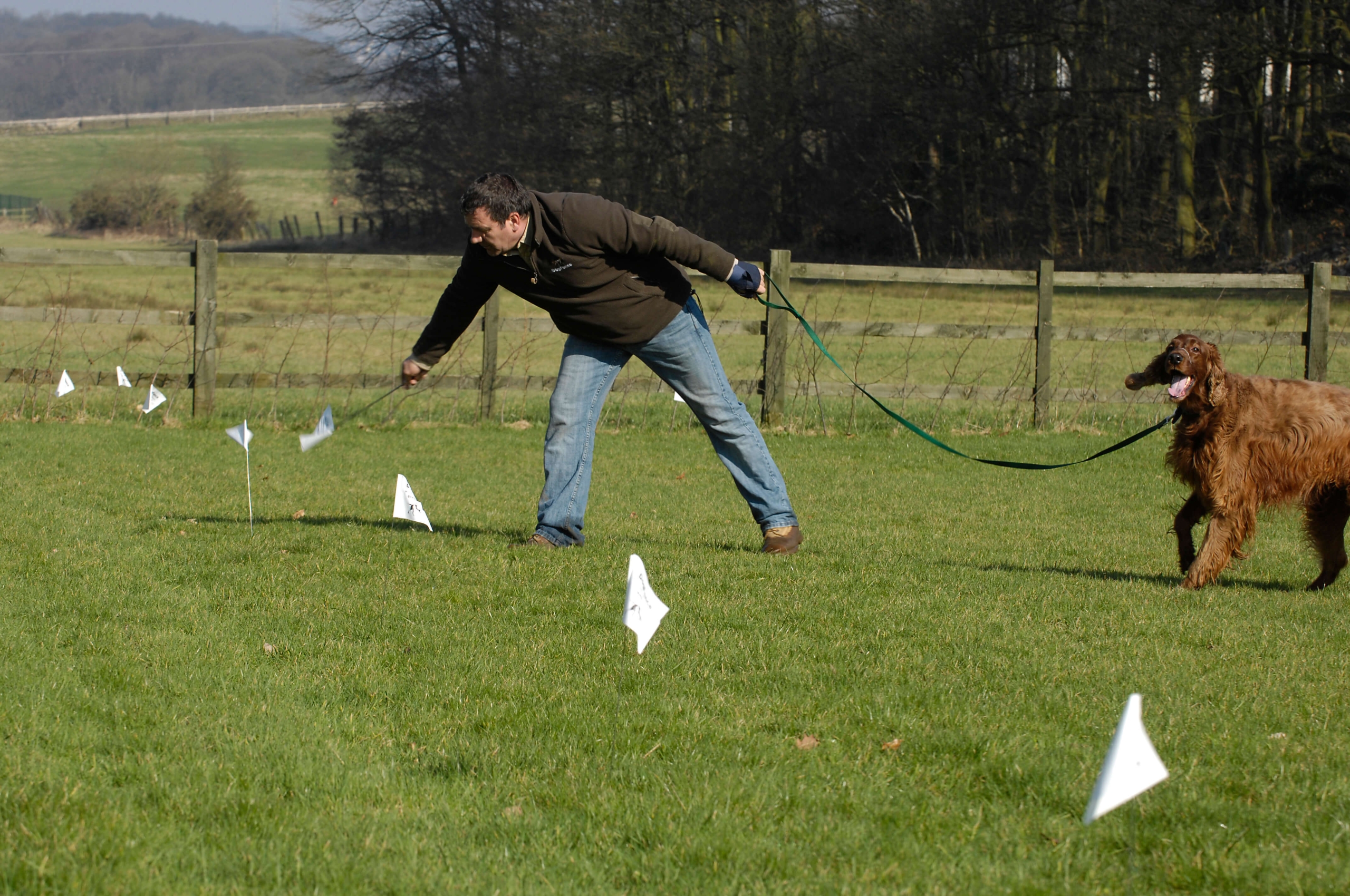
Professional DogFence boundary training teaches a dog to recognise the warning area and turn back towards the safe part of the garden.
What About a Dog That Jumps or Digs Under Fences?
This is actually one of the major differences between a hidden dog fence and conventional fencing.
A physical fence only works if the dog cannot get over, under or through it.
Some dogs become remarkably accomplished escape artists. They climb fencing, dig underneath panels, squeeze through gaps or find weak points in hedges.
An underground dog containment fence establishes a boundary rather than relying on the height or construction of the physical barrier.
That means the boundary can potentially protect areas where conventional fencing is difficult or undesirable.
If this sounds familiar, read our guides on how to stop a dog jumping a fence and how to stop a dog digging under a fence
Can an Invisible Dog Fence Work With an Existing Fence or Hedge?
Yes. A hidden dog fence does not necessarily have to replace your existing fencing.
It can be used alongside:
- wooden fencing
- post-and-rail fencing
- hedges
- walls
- gates
- open boundaries
For some owners, the electronic boundary provides an additional level of containment where a dog has discovered how to defeat the existing physical boundary.
This can be particularly useful for properties surrounded by hedges or for dogs that dig underneath or jump over conventional fencing.

A DogFence boundary can be installed alongside existing hedges and fencing to provide additional containment.
Why Correct Invisible Dog Fence Installation Matters
The reliability of an electronic dog fence isn’t determined by the collar alone.
The entire system matters.
Boundary design, transmitter location, cable routing, receiver choice, signal width and training all contribute to the finished containment system.
A poorly planned DIY dog fence installation may technically produce a signal around the garden while still creating a boundary that is difficult for the dog to understand.
A professional installation should create a clear, consistent and predictable dog containment boundary.
For a detailed explanation, see how DogFence professional installation works
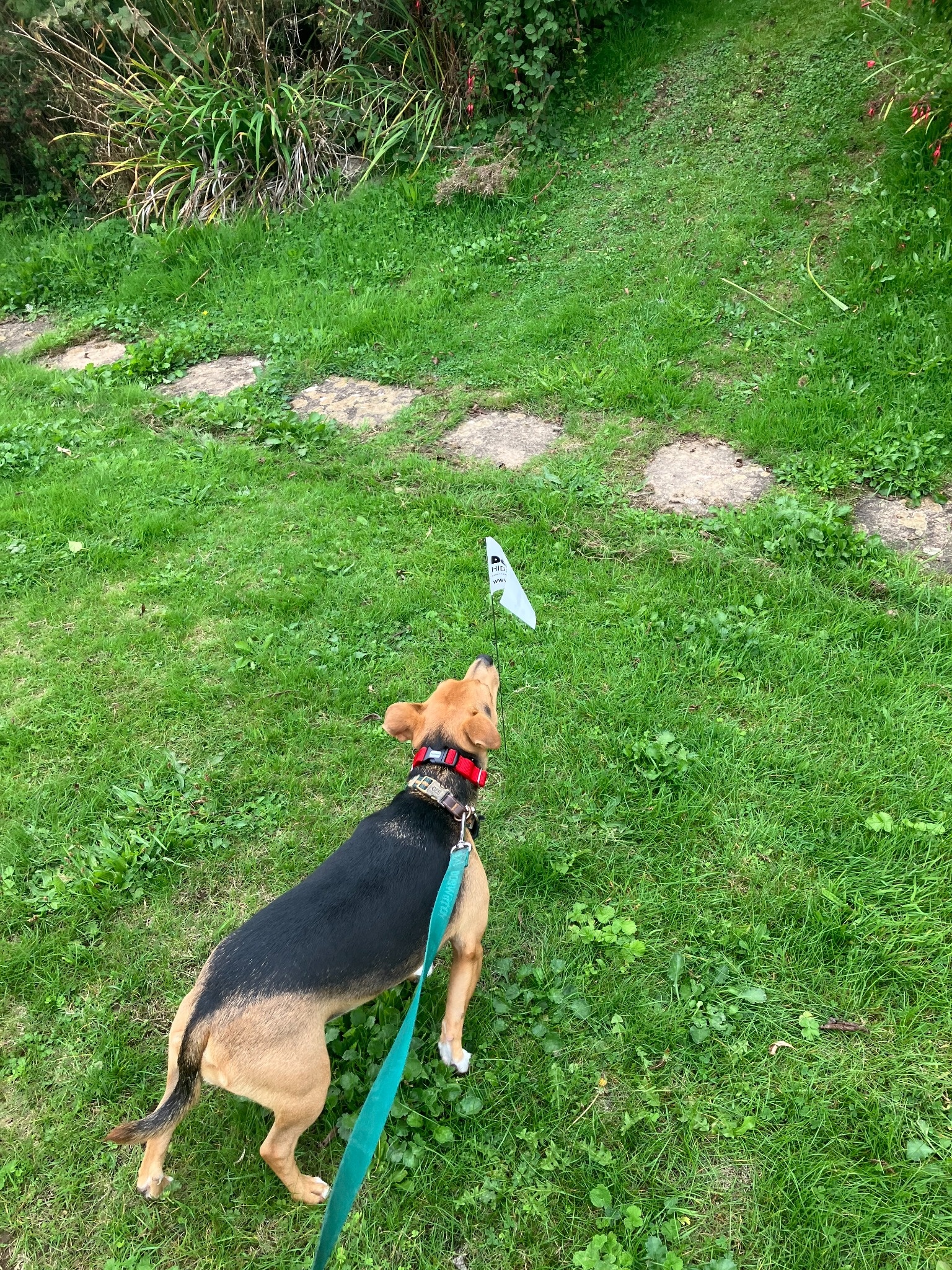
Boundary training helps dogs learn exactly where their safe area ends before they enjoy off-lead freedom in the garden.
Invisible Dog Fence vs GPS Fence: Can a Dog Run Through Both?
The two technologies create boundaries in very different ways.
A wired underground dog fence creates a fixed boundary using a buried cable. A GPS dog fence calculates a virtual boundary using satellite positioning.
Both are invisible, but they shouldn’t be assumed to provide identical containment.
GPS can be extremely useful technology, particularly where portability or very large areas are important. However, positioning accuracy can vary according to the technology, surroundings and satellite conditions.
A professionally installed wired dog fence provides a fixed boundary around the property.
We explain the advantages and limitations of both systems in our wired vs GPS dog fence guide
Is an Invisible Dog Fence Suitable for Every Dog?
No.
And we think that is important to say.
Electronic dog containment can be extremely effective for many dogs and properties, but there are circumstances where we may recommend another solution.
Age, health, temperament, behaviour and the individual property should all be considered.
Before deciding, read When an Invisible Dog Fence Is Not Suitable.
So, Can a Dog Run Through an Invisible Fence?
A dog can physically cross an invisible fence because there is no solid barrier. A properly designed electronic dog fence, however, is intended to prevent that happening by teaching the dog to recognise and respect a consistent boundary.
The effectiveness of an invisible dog fence depends on much more than installing a wire and putting a receiver collar on the dog.
Correct system design + correct collar setup + structured training = reliable containment.
That is why choosing the right system and introducing it correctly matters.
Can a Dog Get Stuck Outside an Invisible Fence?
In the unusual event that a dog runs through an invisible fence, they may be reluctant to cross the boundary again because the fence works in both directions. Never encourage your dog to run back through an active boundary. Instead, remove the DogFence receiver collar, put your dog safely on their normal lead and walk them back onto the property. Dogs running through a correctly set up fence is unusual and can often be traced to a flat battery, a loose-fitting receiver collar or insufficient training.
Frequently Asked Questions About Dogs Running Through Invisible Fences
Can a dog escape through an invisible fence?
A dog can physically cross an invisible fence because it isn’t a solid barrier. The system is designed to prevent escape by warning the dog as it approaches the trained boundary and reinforcing that boundary if the dog continues forward. Correct installation and training are therefore essential.
What happens if my dog runs through an invisible fence?
If the dog ignores the warning and continues into the boundary area, the receiver collar responds according to its programmed settings. With appropriate training, the dog should learn to retreat towards the safe area rather than continue across the boundary.
Do the dog fence training flags stay in permanently?
No. The training flags are only temporary visual markers that help your dog learn where the invisible dog fence boundary is located. Once your dog is confidently responding to the boundary, the flags can be gradually removed, usually after 2–3 weeks.
By this stage, your dog should understand where the safe area ends. If they stray too close to the invisible boundary, the audible warning from the receiver collar reminds them to turn back.
Will an invisible fence work for a stubborn dog?
Many determined or strong-willed dogs can be successfully trained to an invisible dog fence, but suitability should be assessed individually. Temperament, chase drive, previous escape behaviour and the owner’s ability to follow the training programme all matter.
Can a dog jump over an invisible fence?
An underground dog fence does not depend on fence height in the way a physical fence does. The electronic boundary creates a containment zone rather than a structure for the dog to jump over.
Can a dog dig underneath an underground dog fence?
The boundary wire may be buried, but the containment signal extends around the wire rather than existing only at ground level. A dog cannot simply avoid the electronic boundary by digging underneath it in the same way it might dig underneath a conventional fence.
Can an invisible fence stop a dog chasing deer or wildlife?
It can be suitable for dogs with chase instincts, but these dogs require careful training because wildlife can provide a powerful distraction. The dog should be trained progressively with distractions so that it learns that the boundary still applies when excited.
Does an invisible dog fence work if there is already a hedge or fence?
Yes. An invisible dog fence can often be installed alongside an existing hedge, wall or physical fence. This can be useful where a dog jumps, climbs, digs or finds gaps in an existing boundary.
Is a professionally installed dog fence better than DIY?
Professional installation provides assessment of the property, boundary design, system configuration and training support. These factors can be particularly important for dogs with established escape behaviour or properties with complicated boundaries.
🐾 STOP WORRYING ABOUT YOUR DOG ESCAPING
If your dog jumps fences, digs underneath them, squeezes through hedges or simply cannot resist what’s on the other side of the garden, DogFence can help you find a safer way to keep them at home.
We’ve been installing hidden dog containment systems across the UK since 2003 and have helped keep more than 20,000 pets safely contained.
WORRIED YOUR DOG COULD RUN THROUGH AN INVISIBLE FENCE?
If your dog is a determined escape artist, chases wildlife or simply forgets everything when something exciting appears on the other side of the garden, it’s natural to wonder whether an invisible dog fence will really contain them.
Tell us about your dog, their escape habits and your garden. With more than 20 years’ experience in pet containment, we’ll tell you whether we think a DogFence is suitable for your particular dog – and we’ll tell you if we don’t.
📞 Call us on 01628 476475
💬 Chat to us on WhatsApp
No pressure. No one-size-fits-all solution. Just experienced advice about whether a DogFence can safely contain your dog.